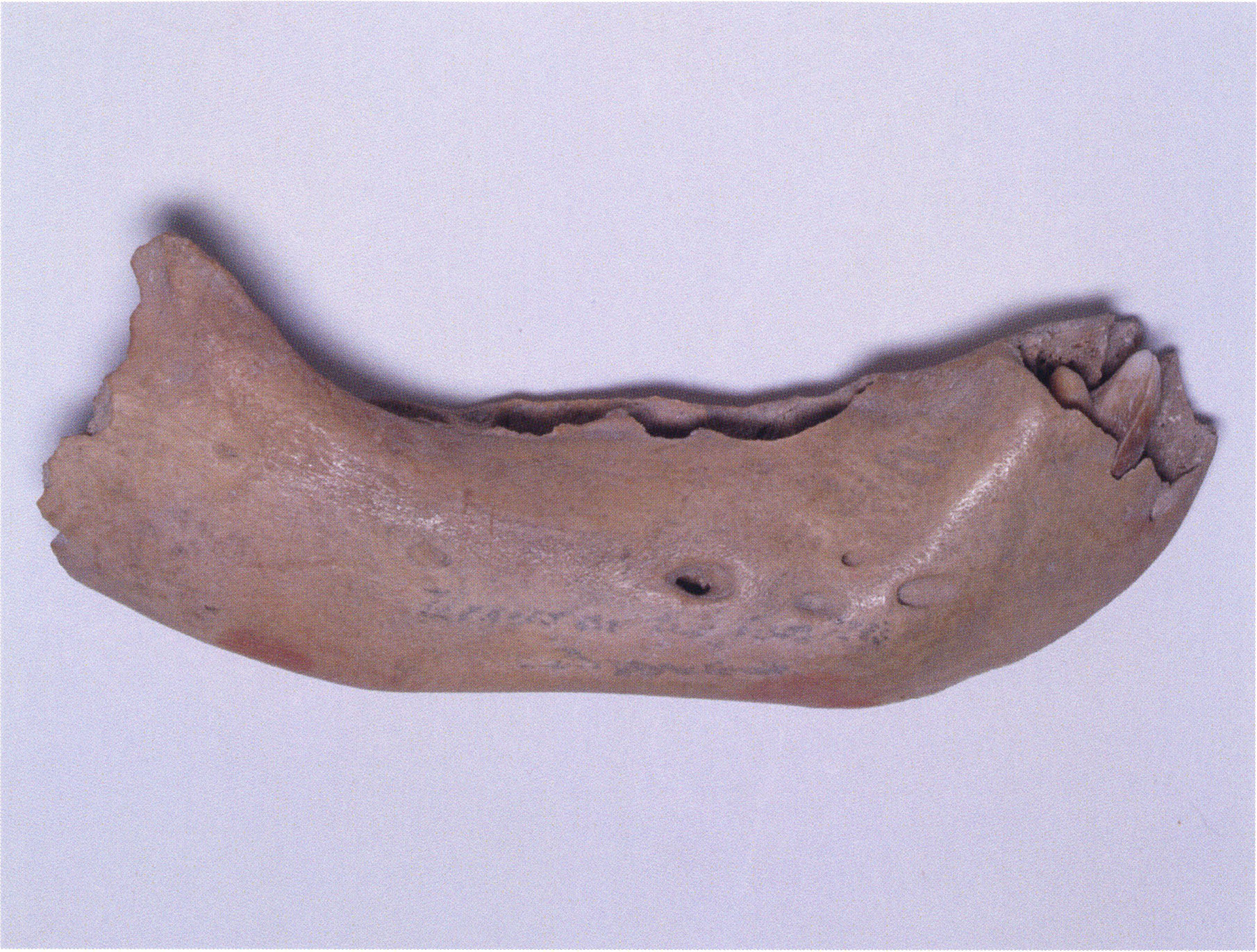
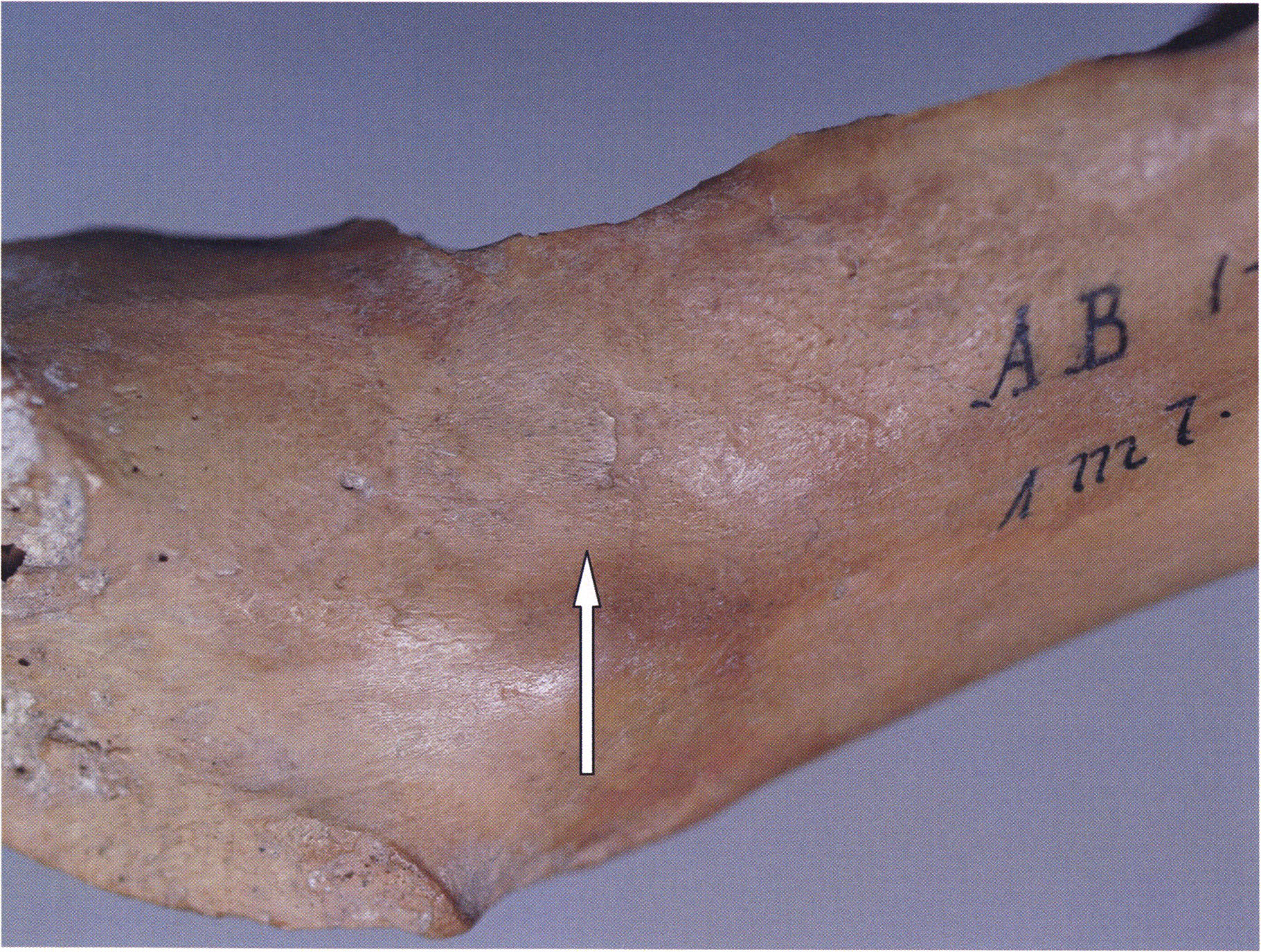
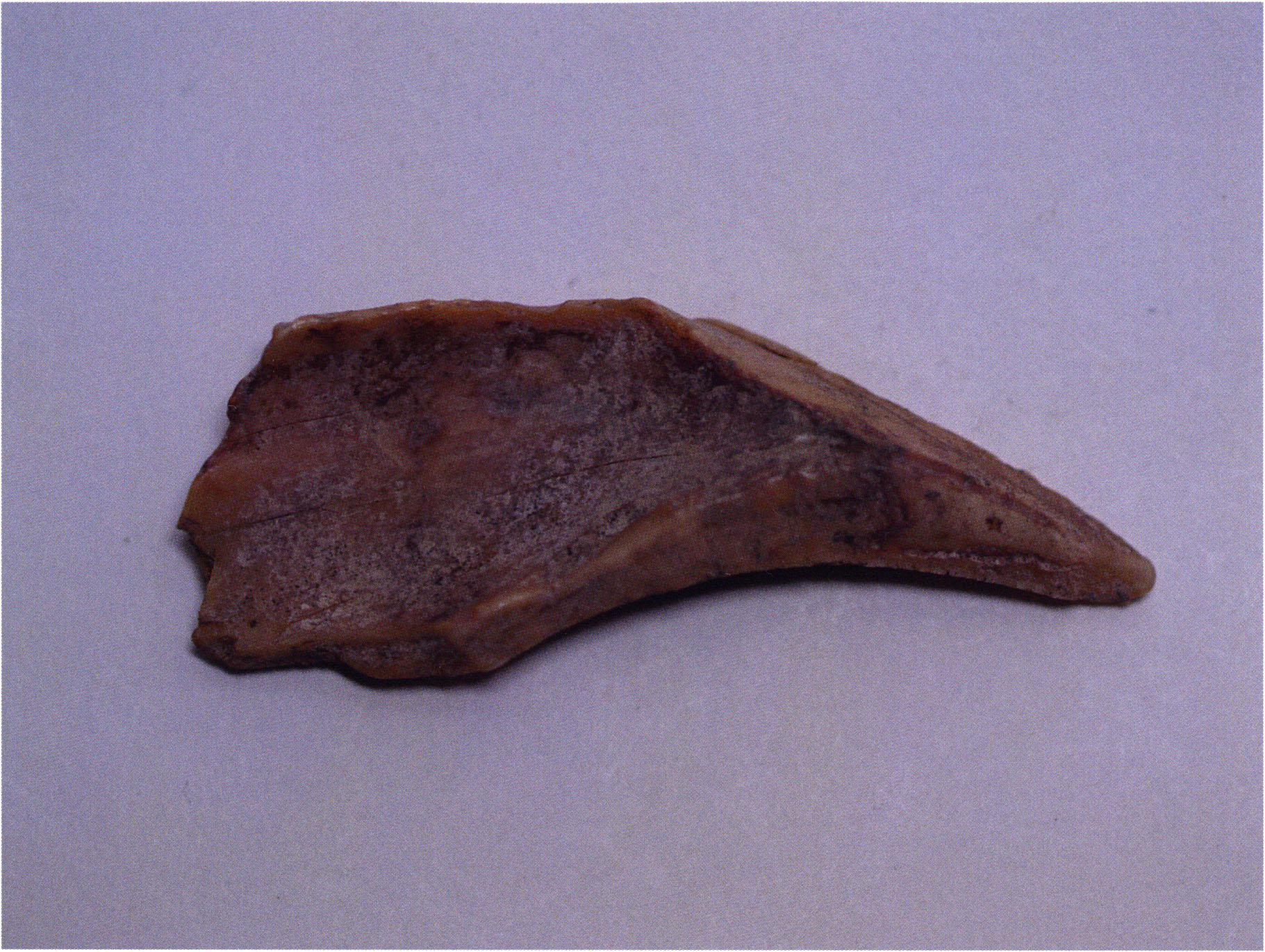
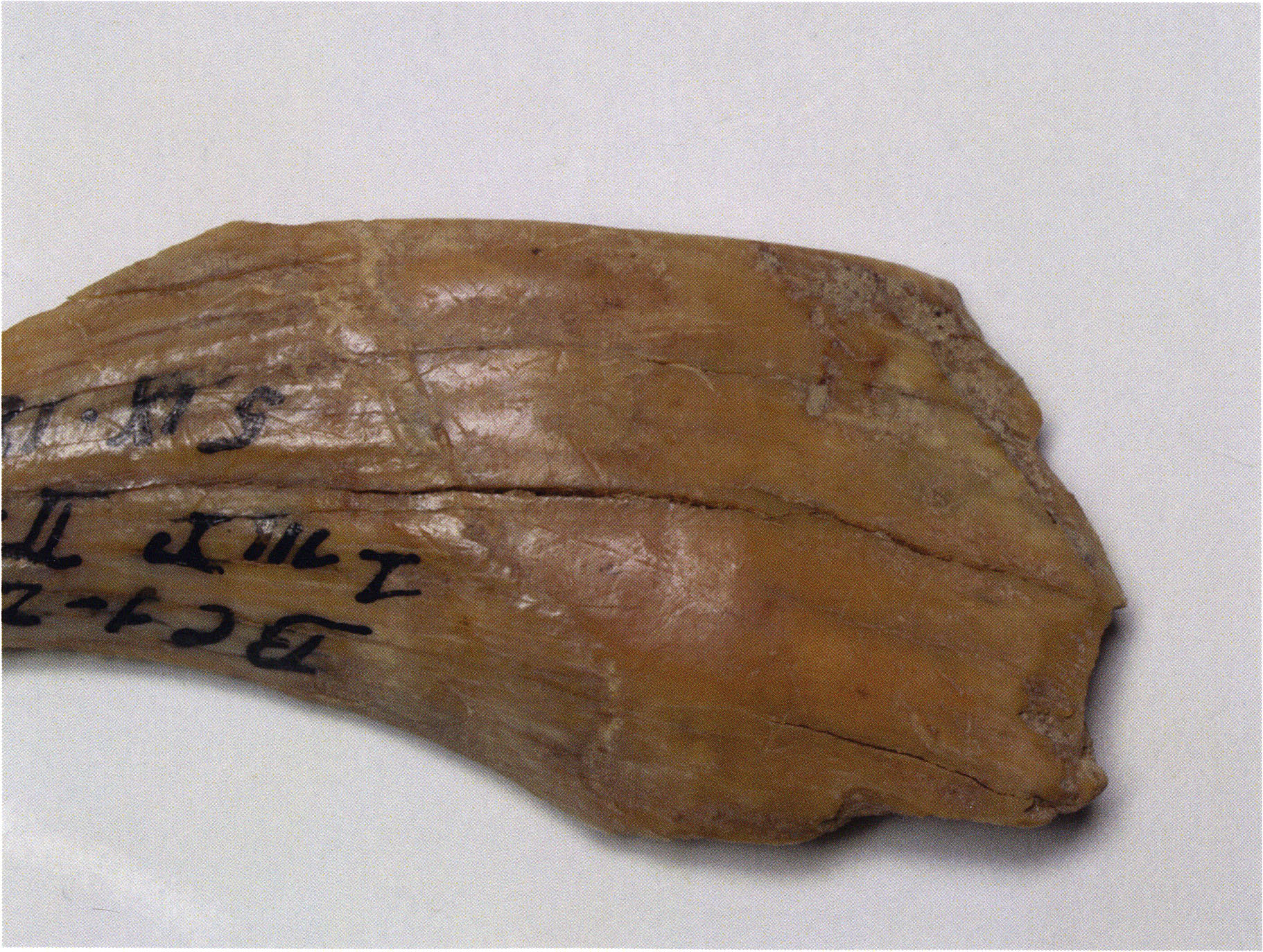
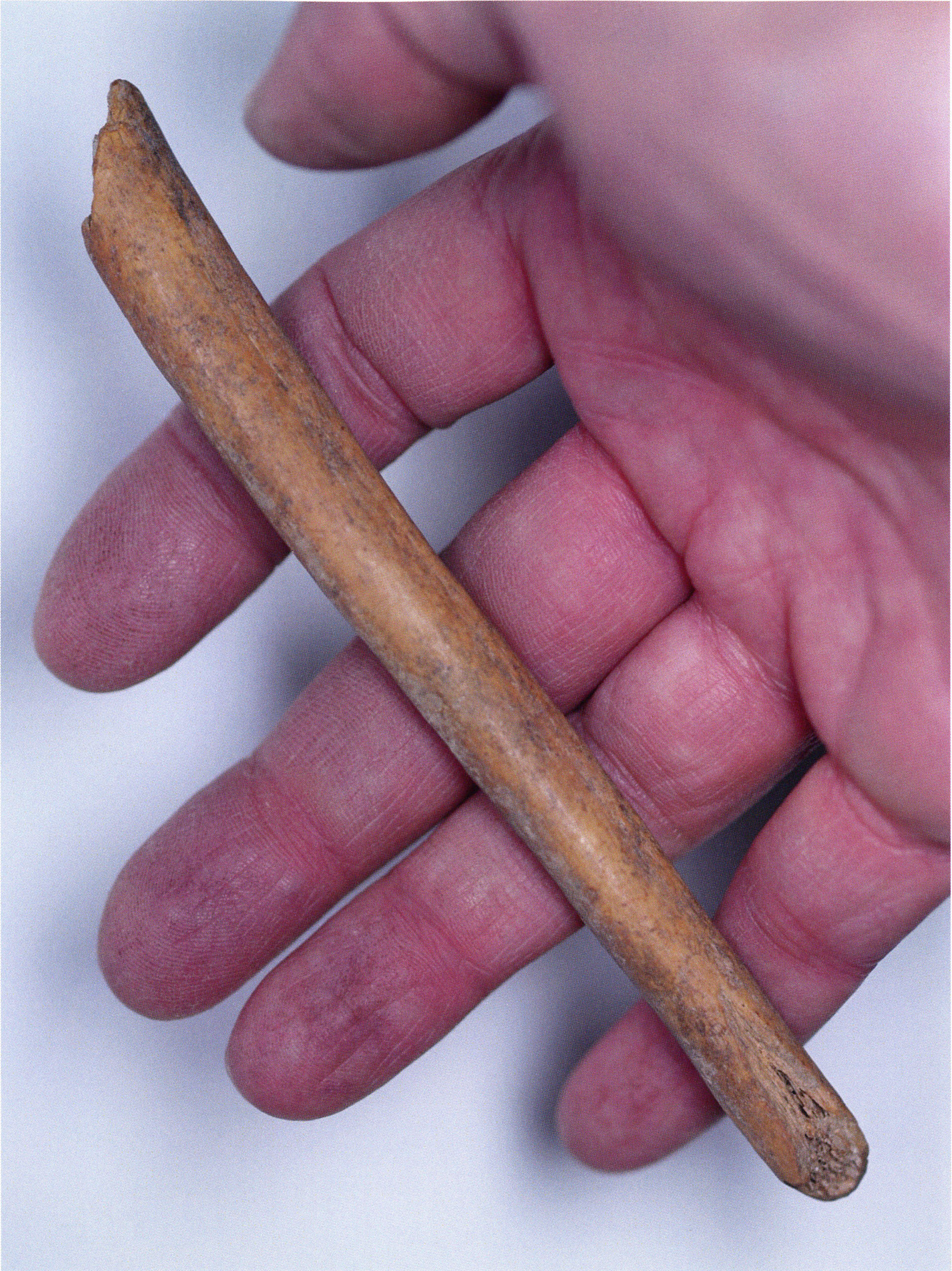
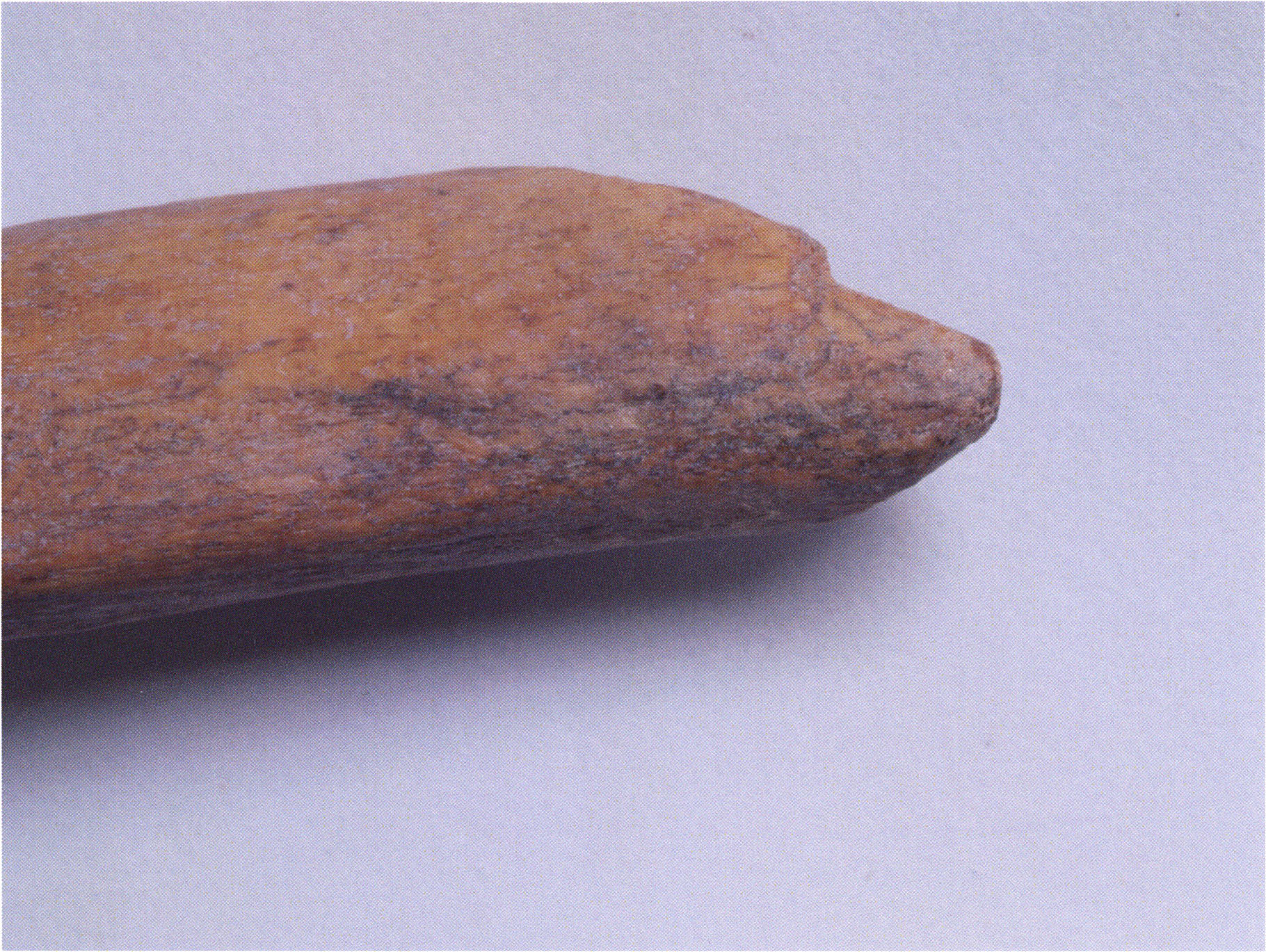
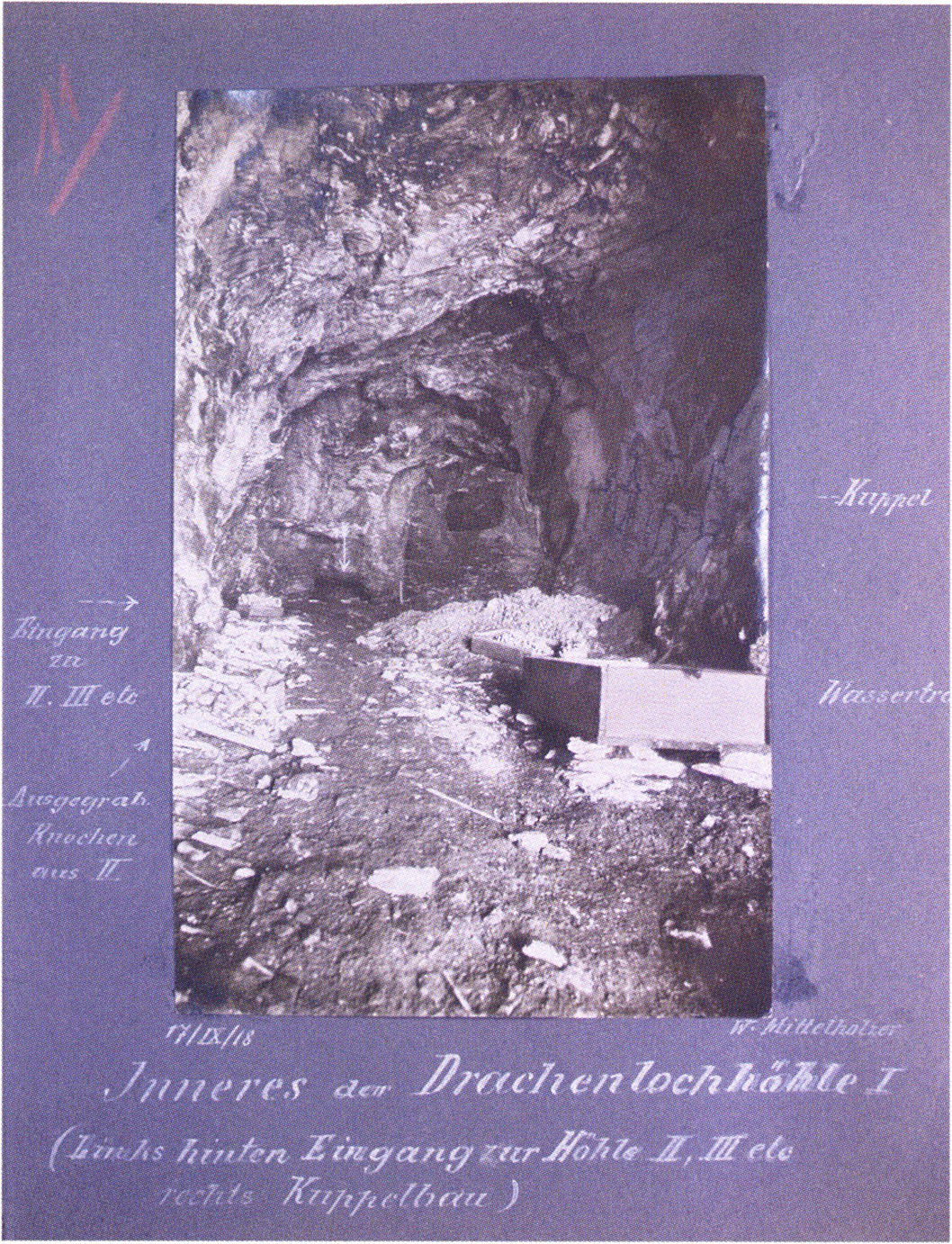
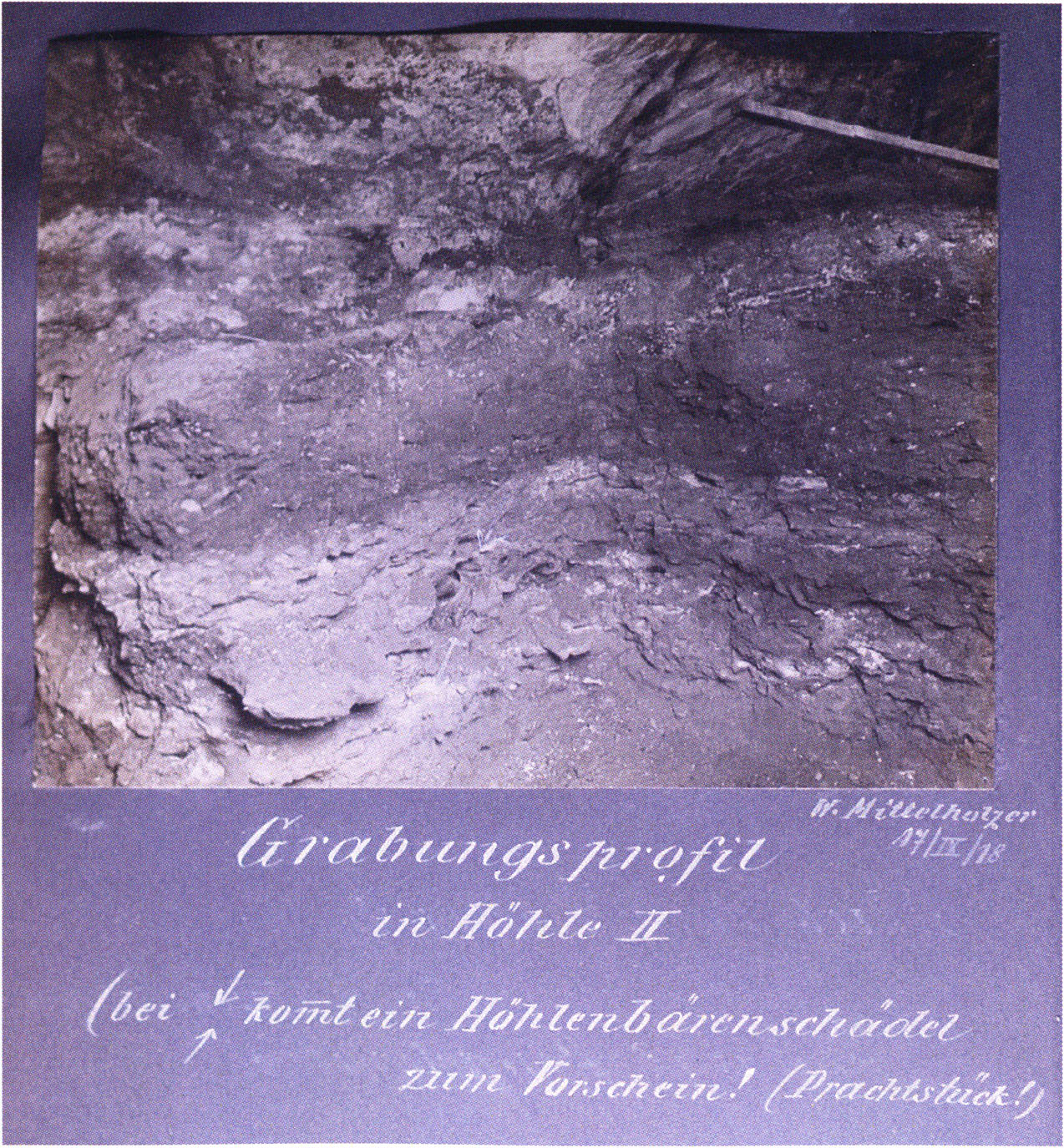
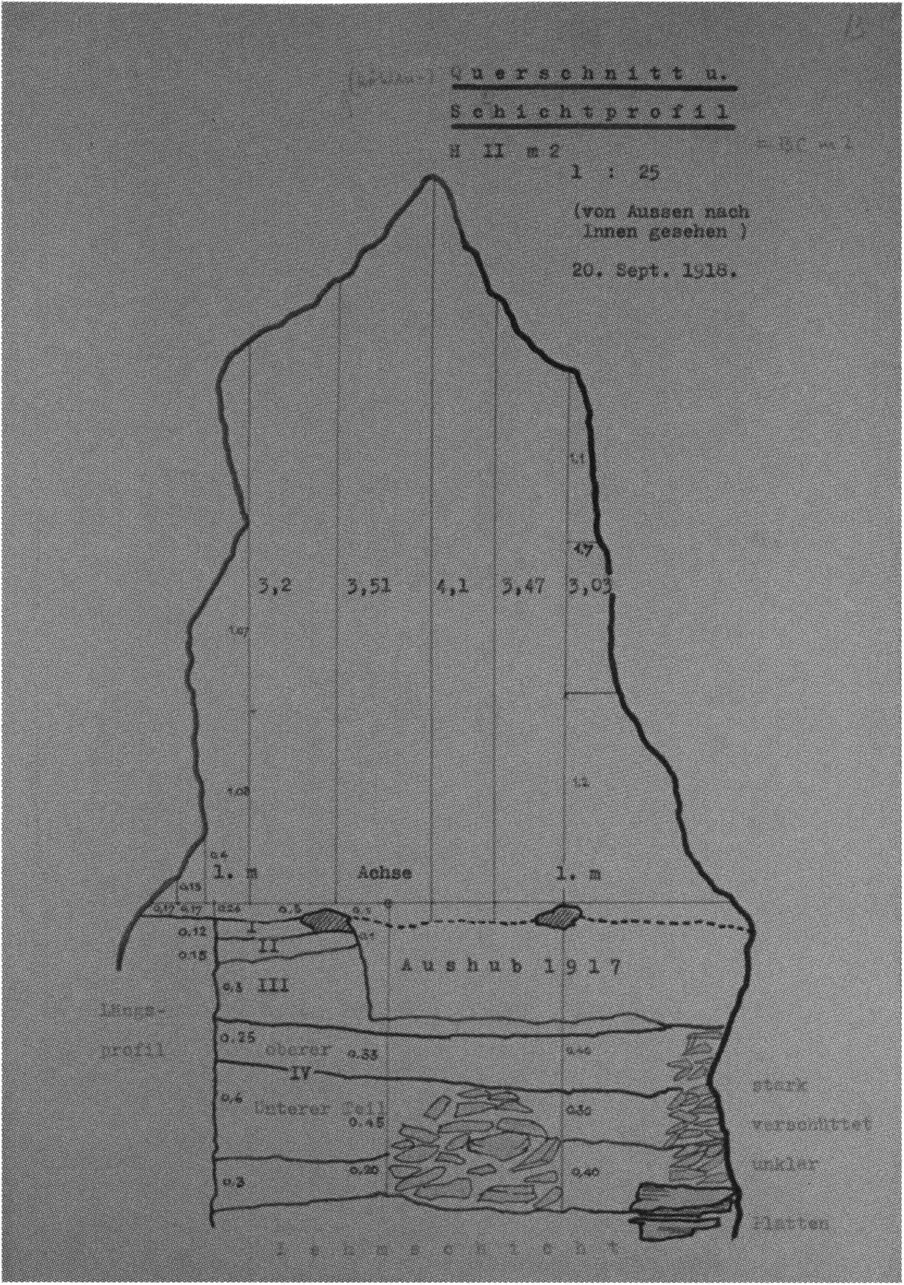
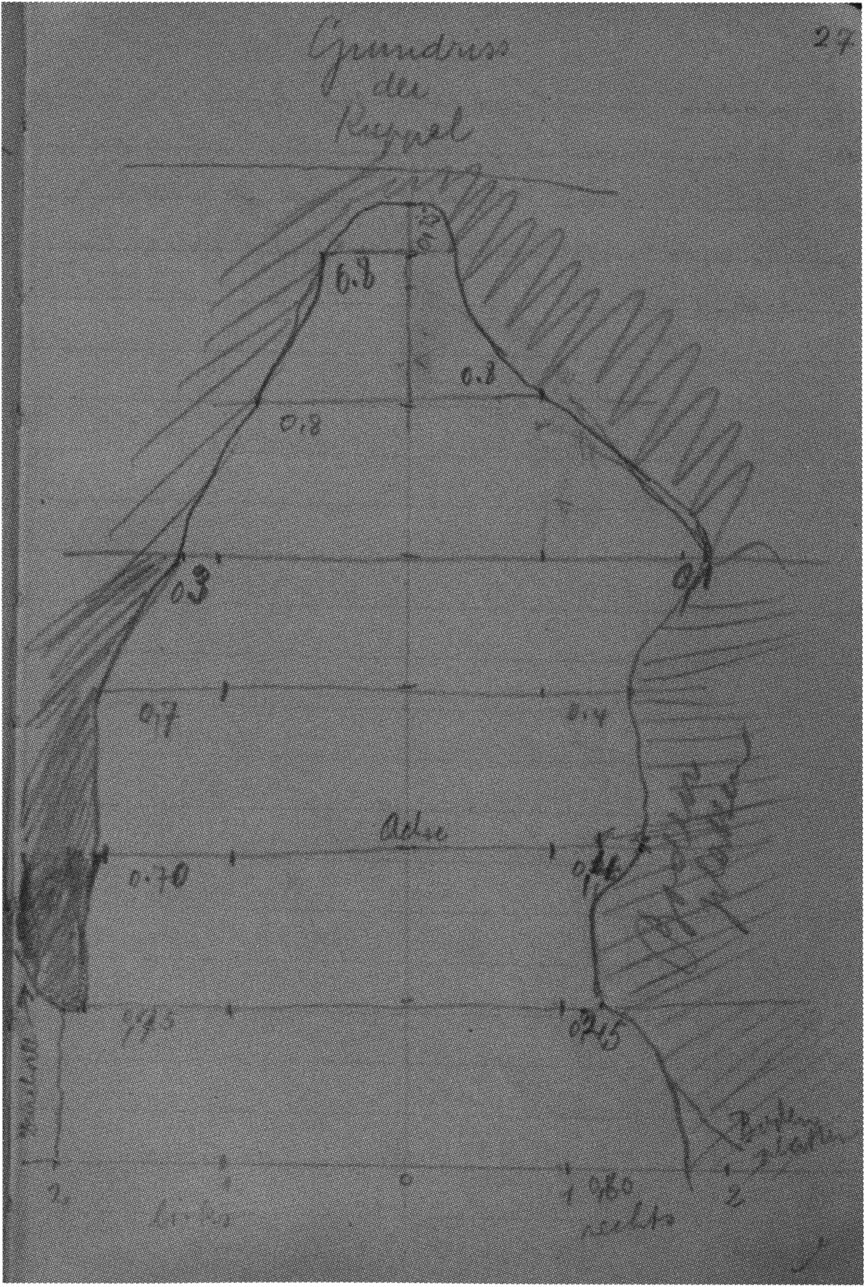
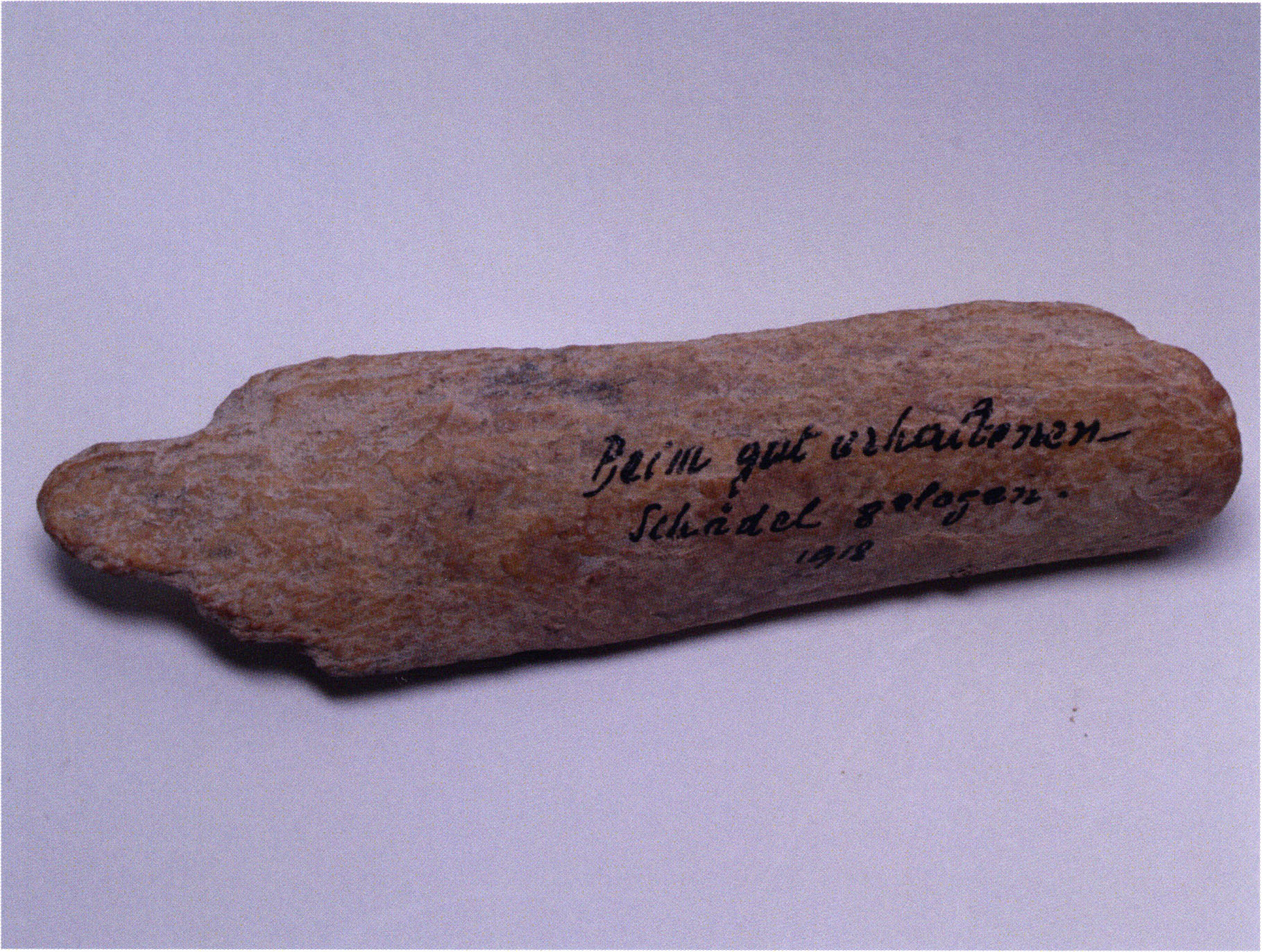
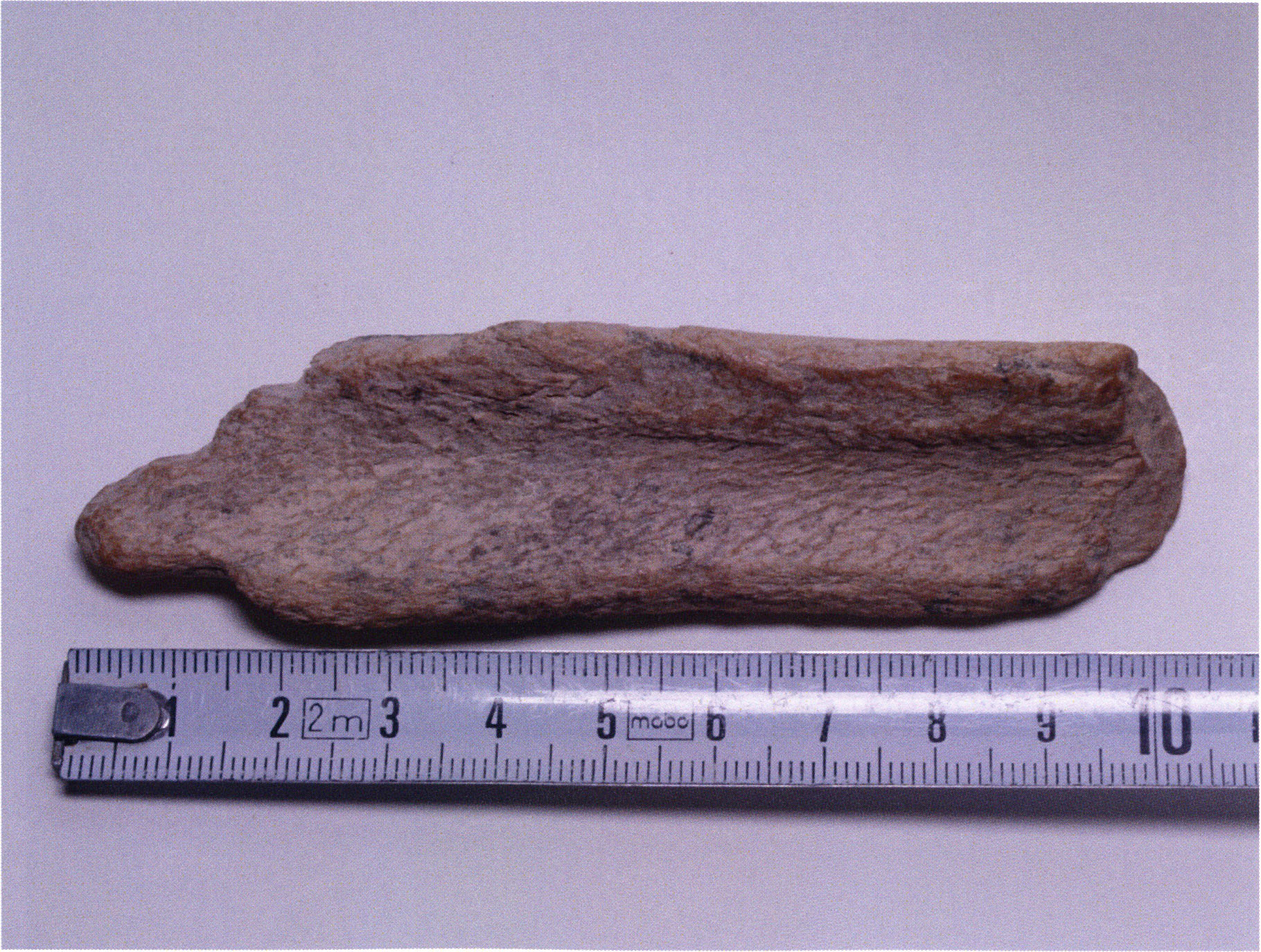
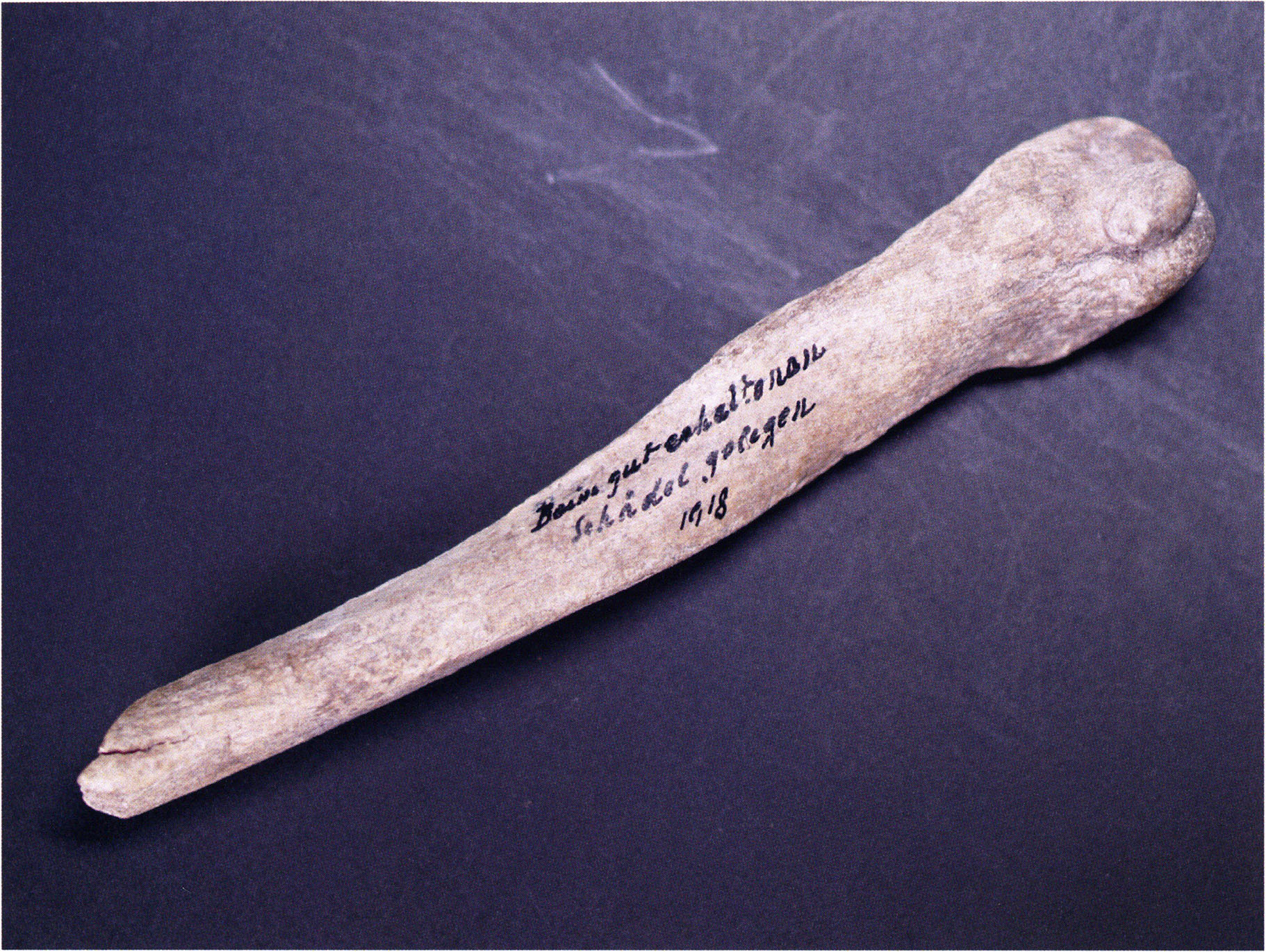
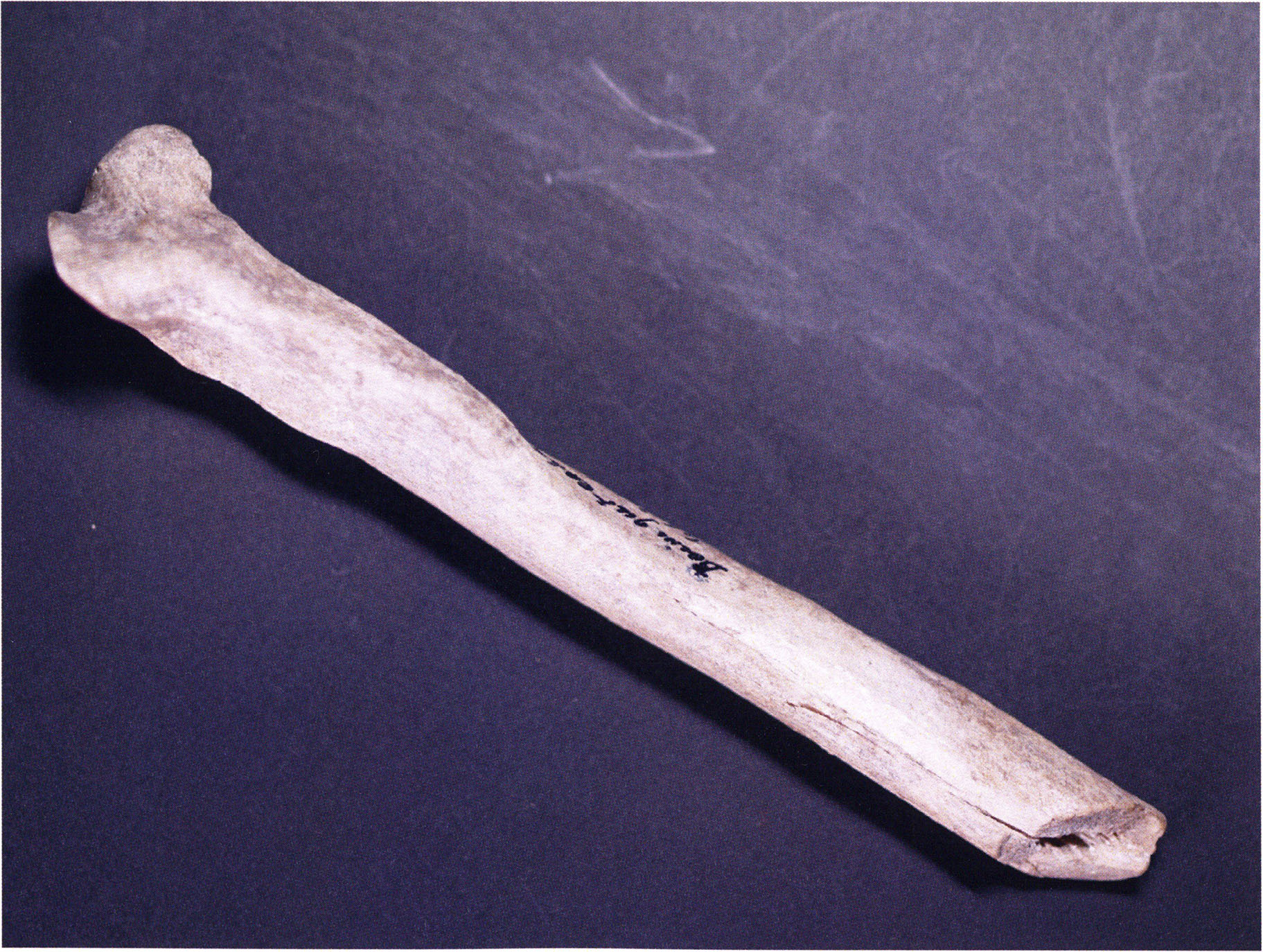
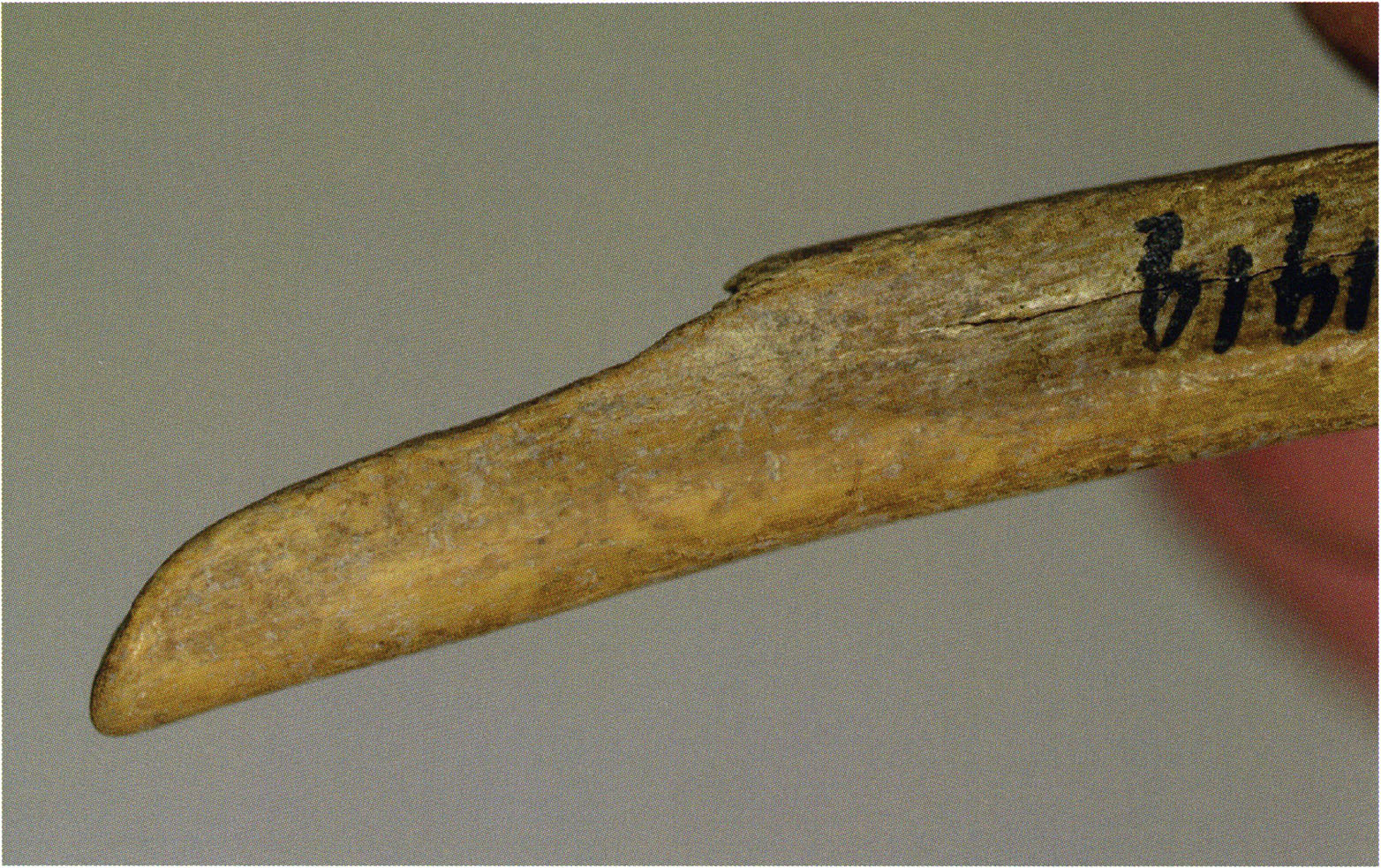
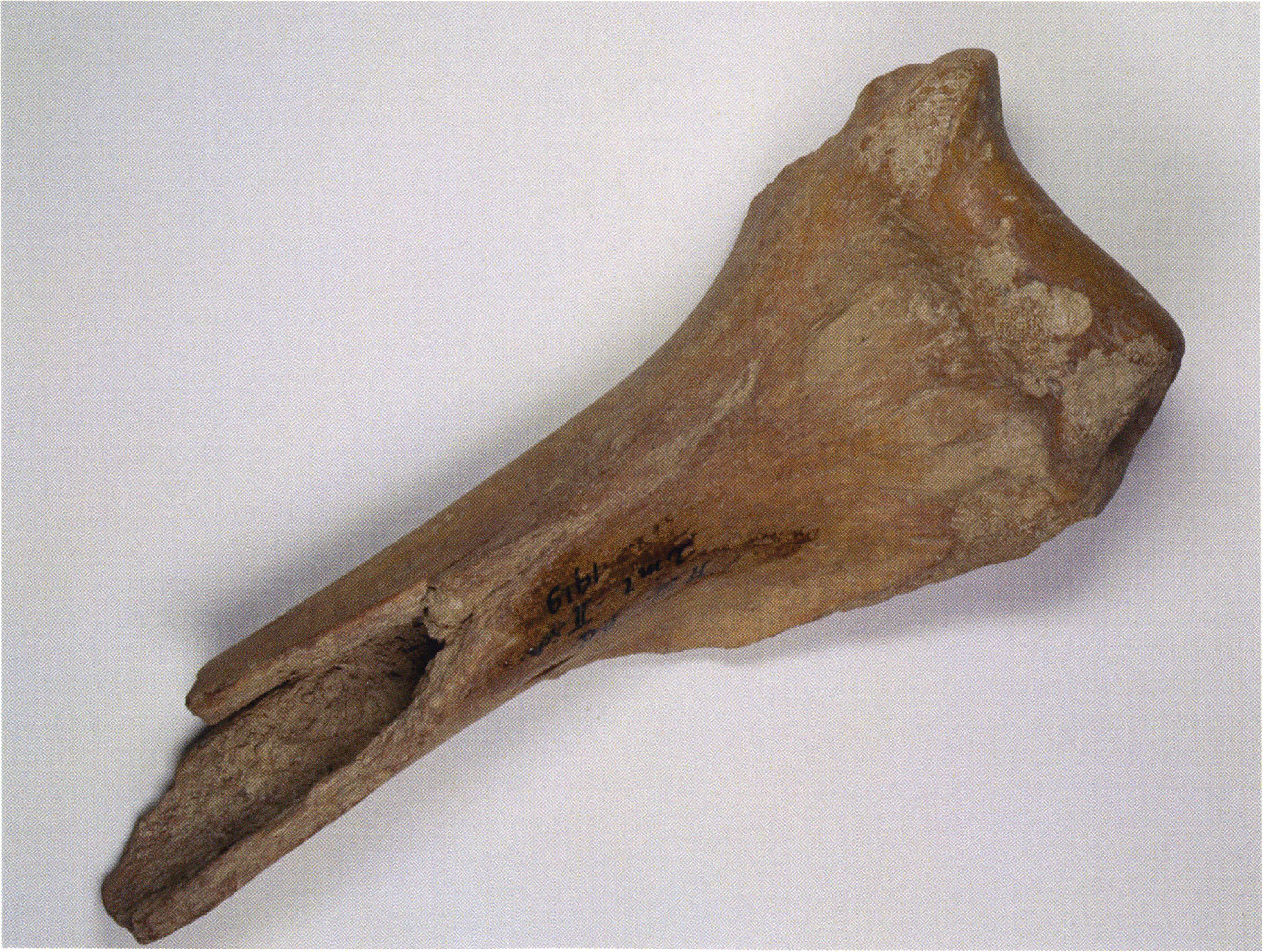
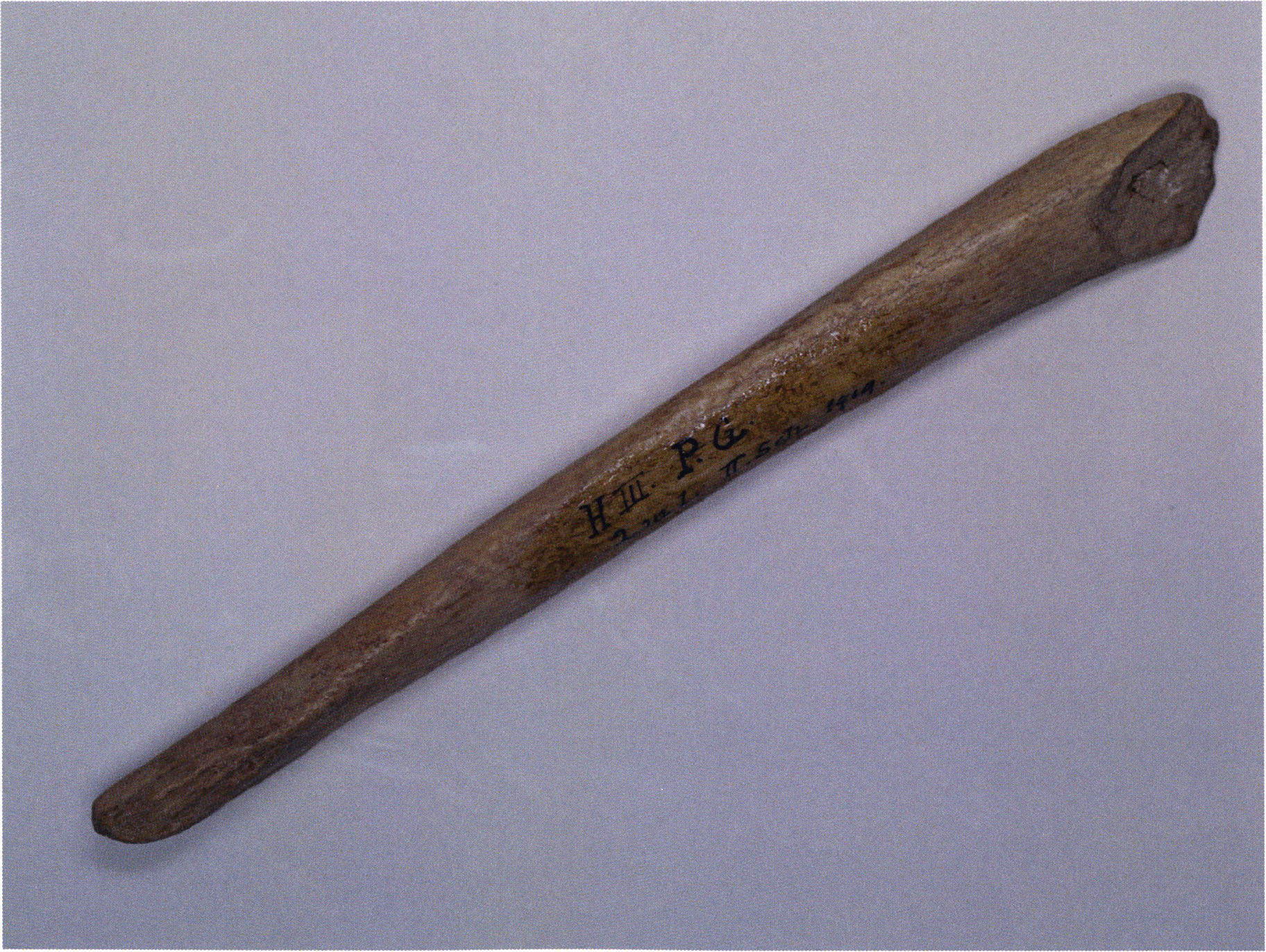
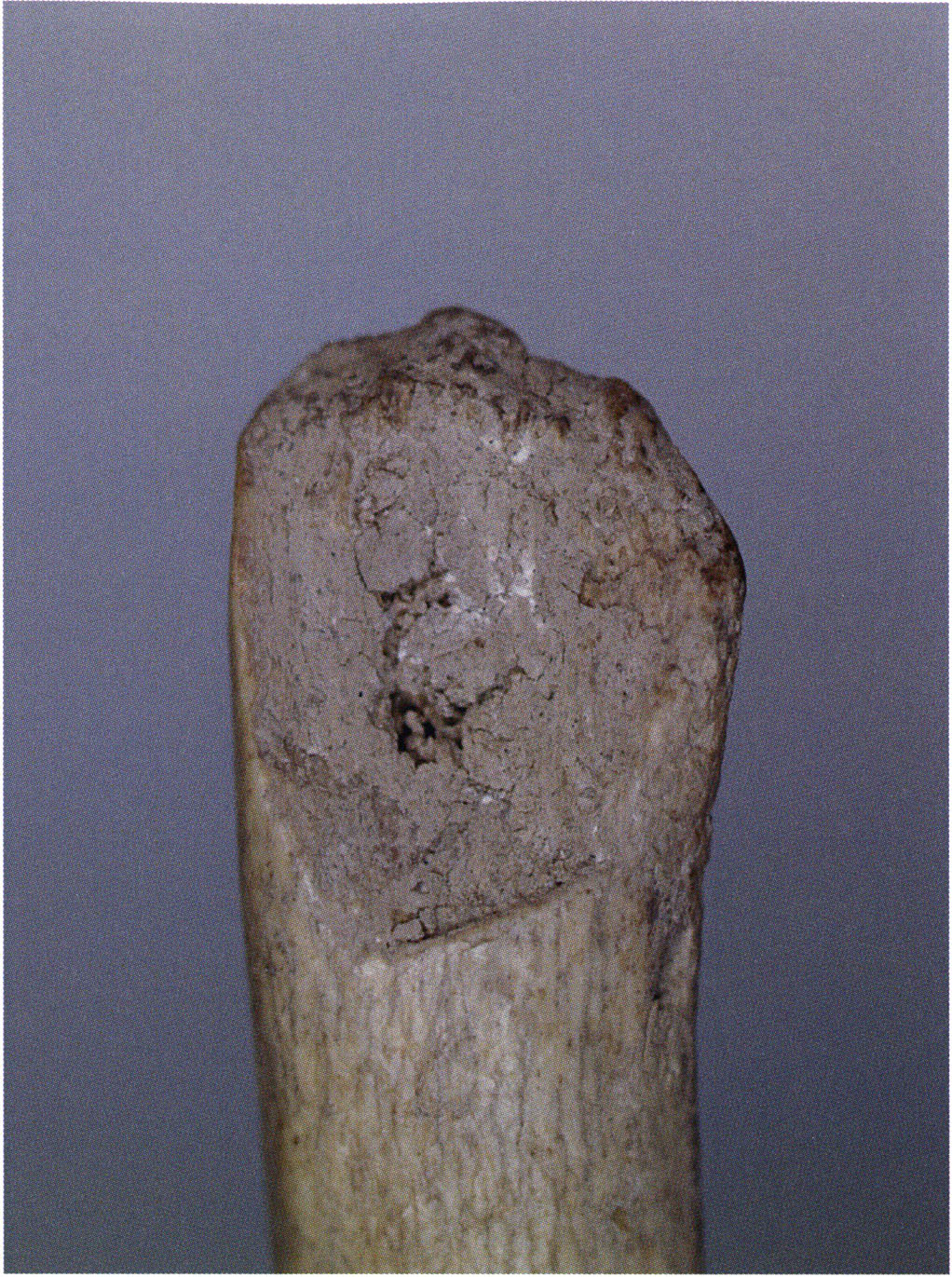
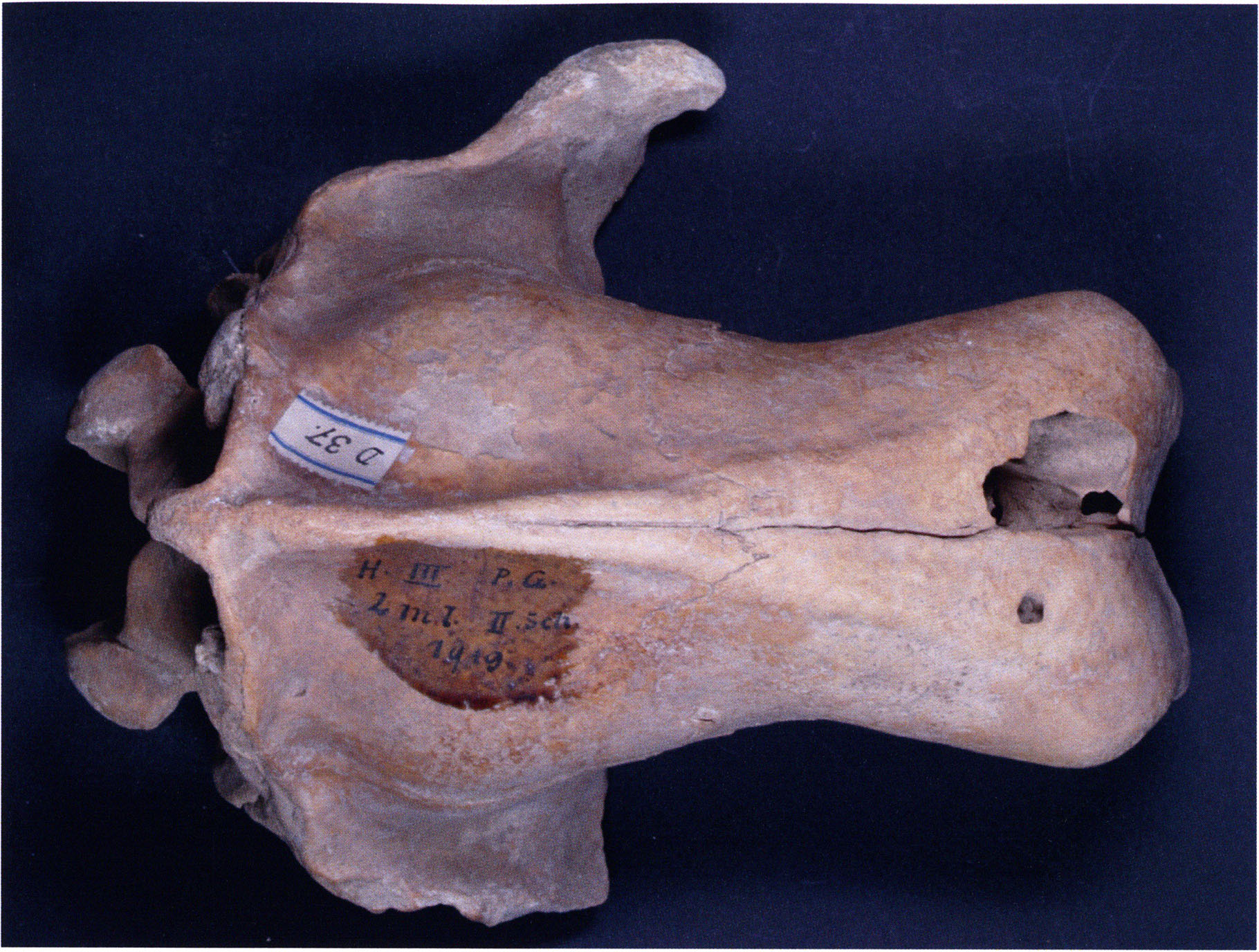
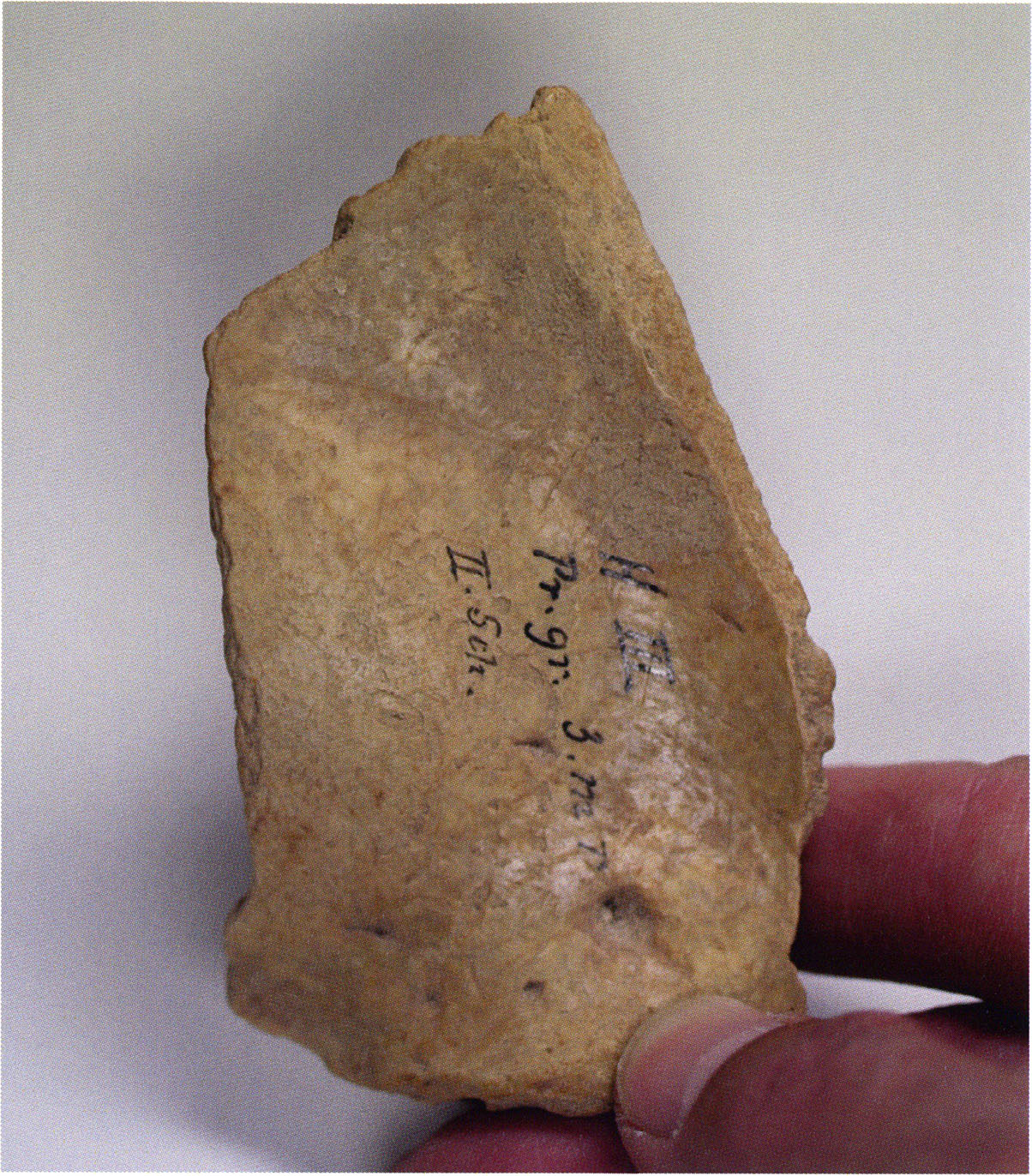
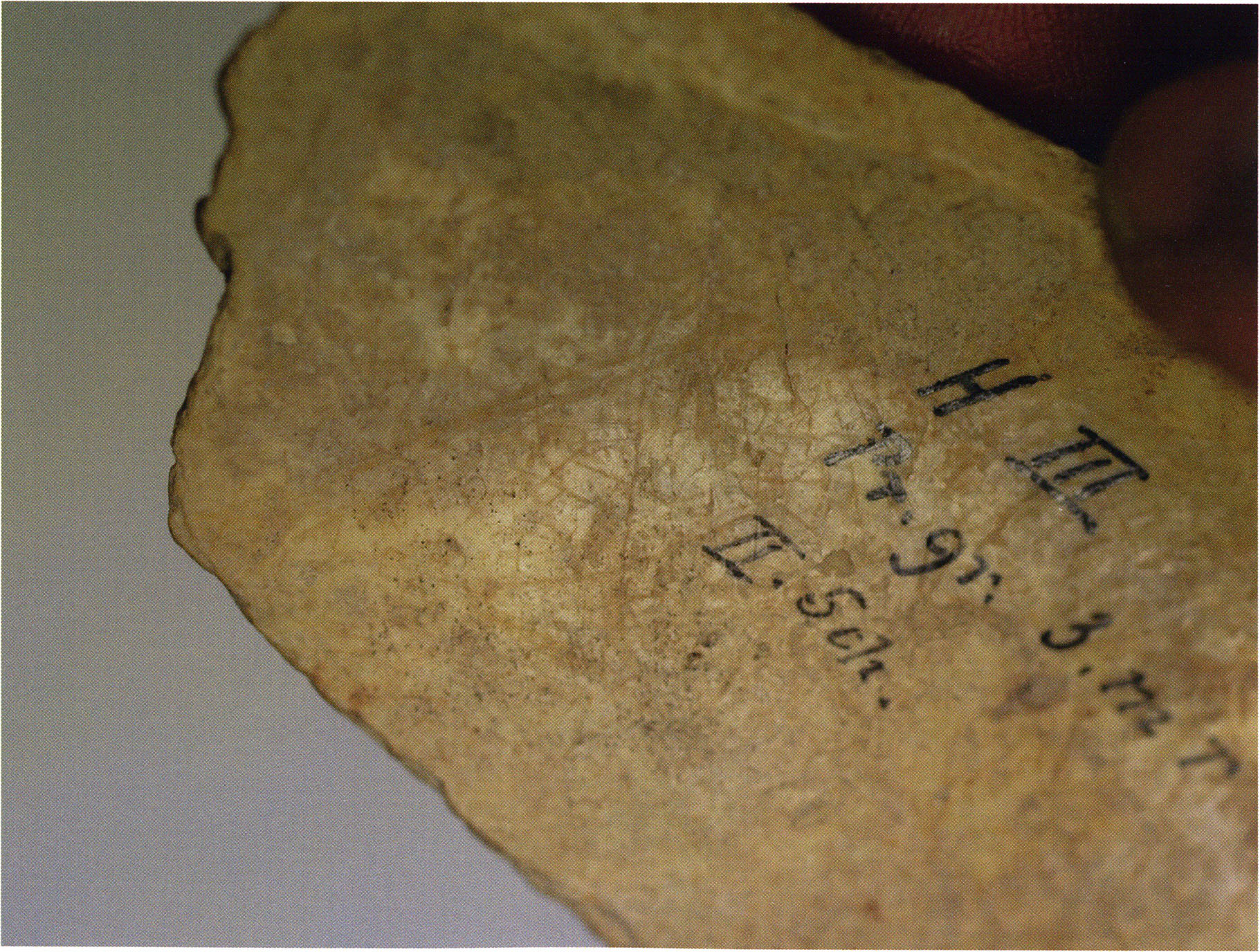
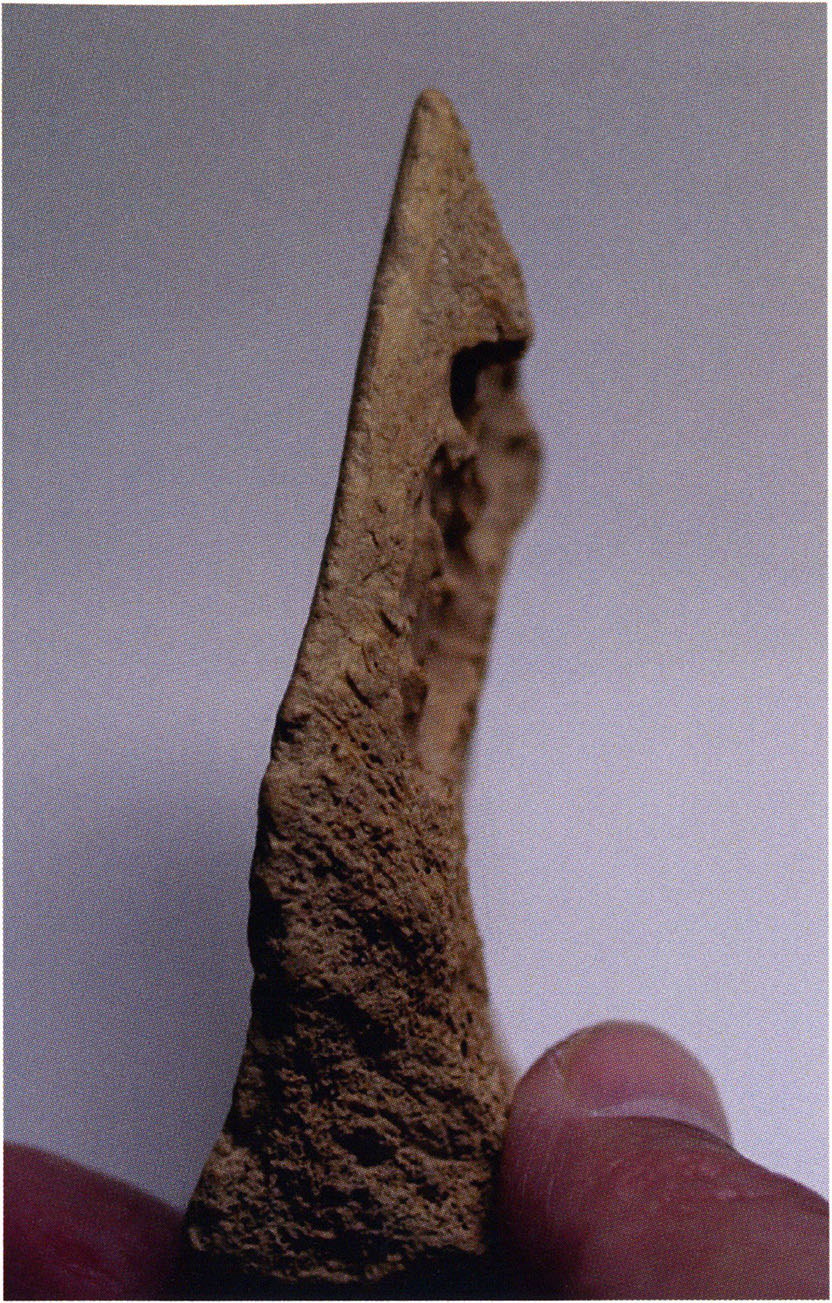
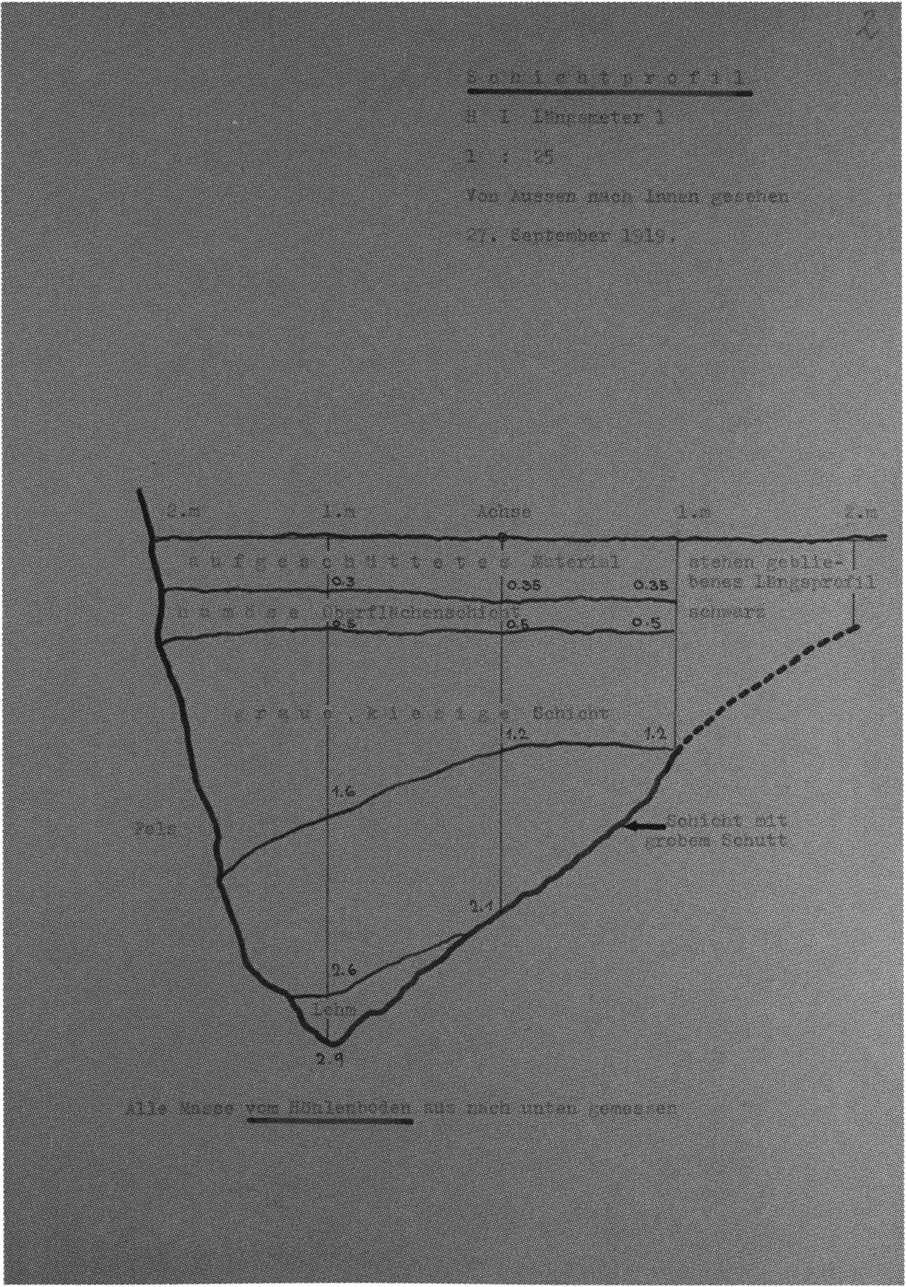
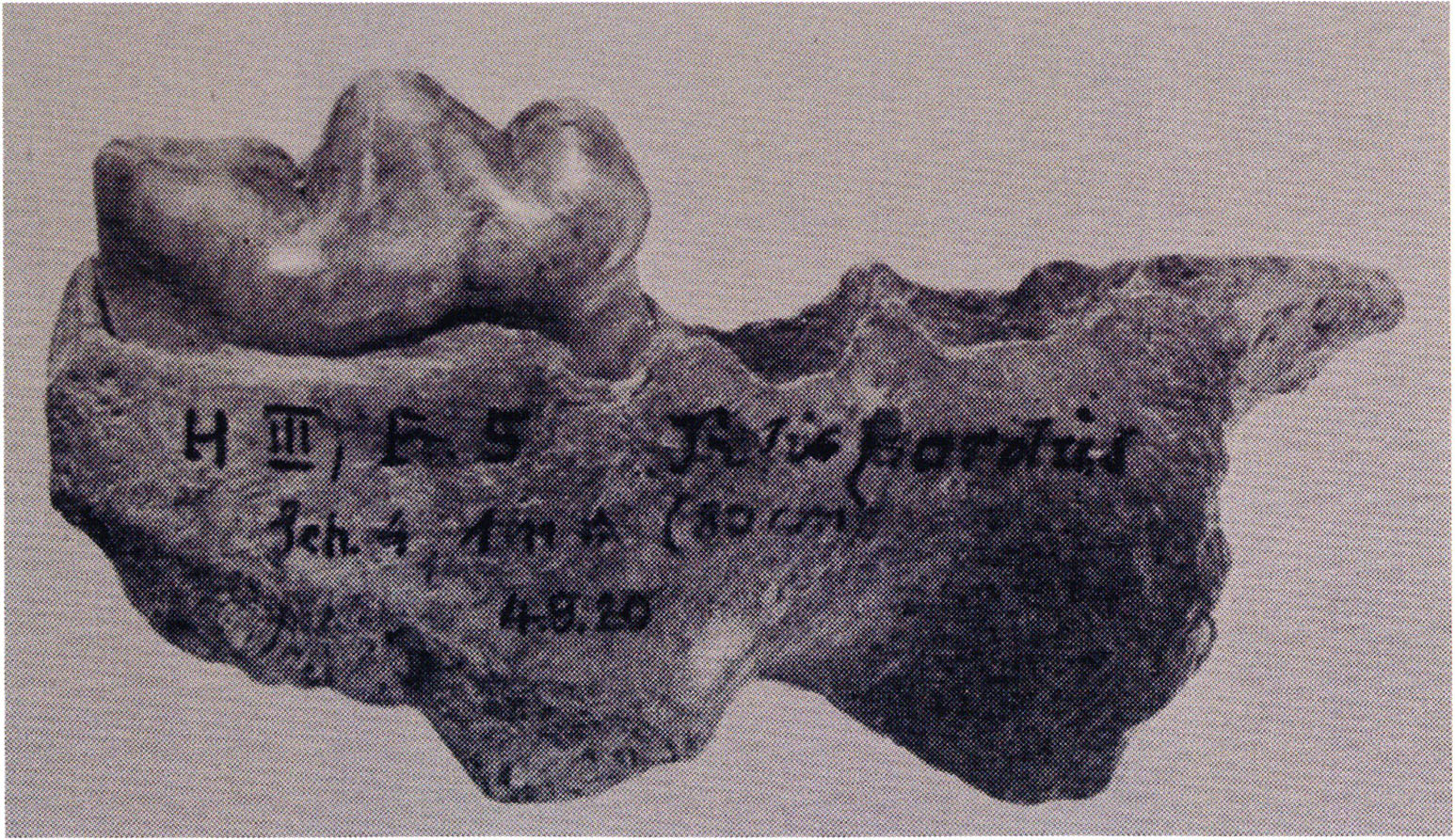
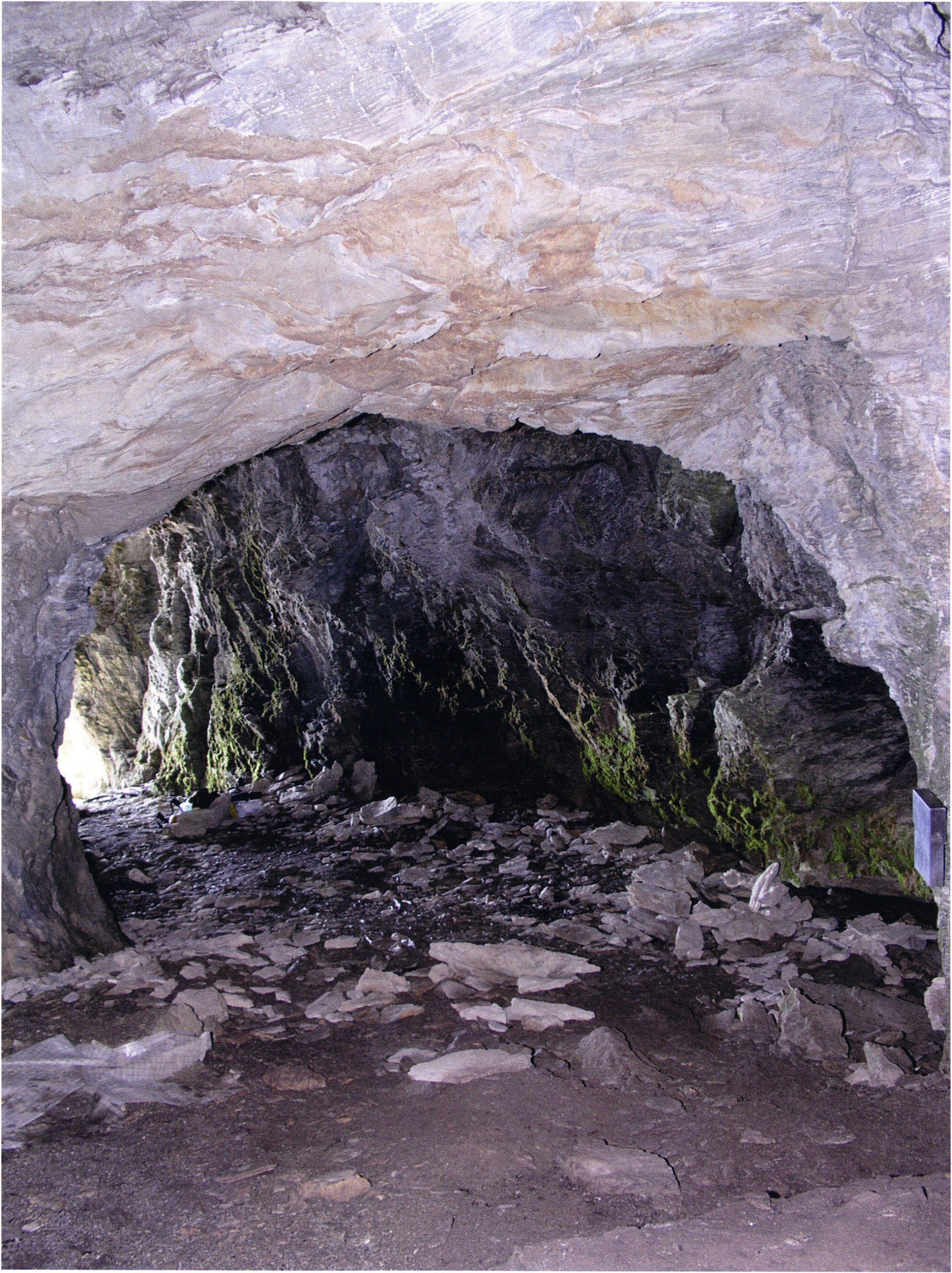
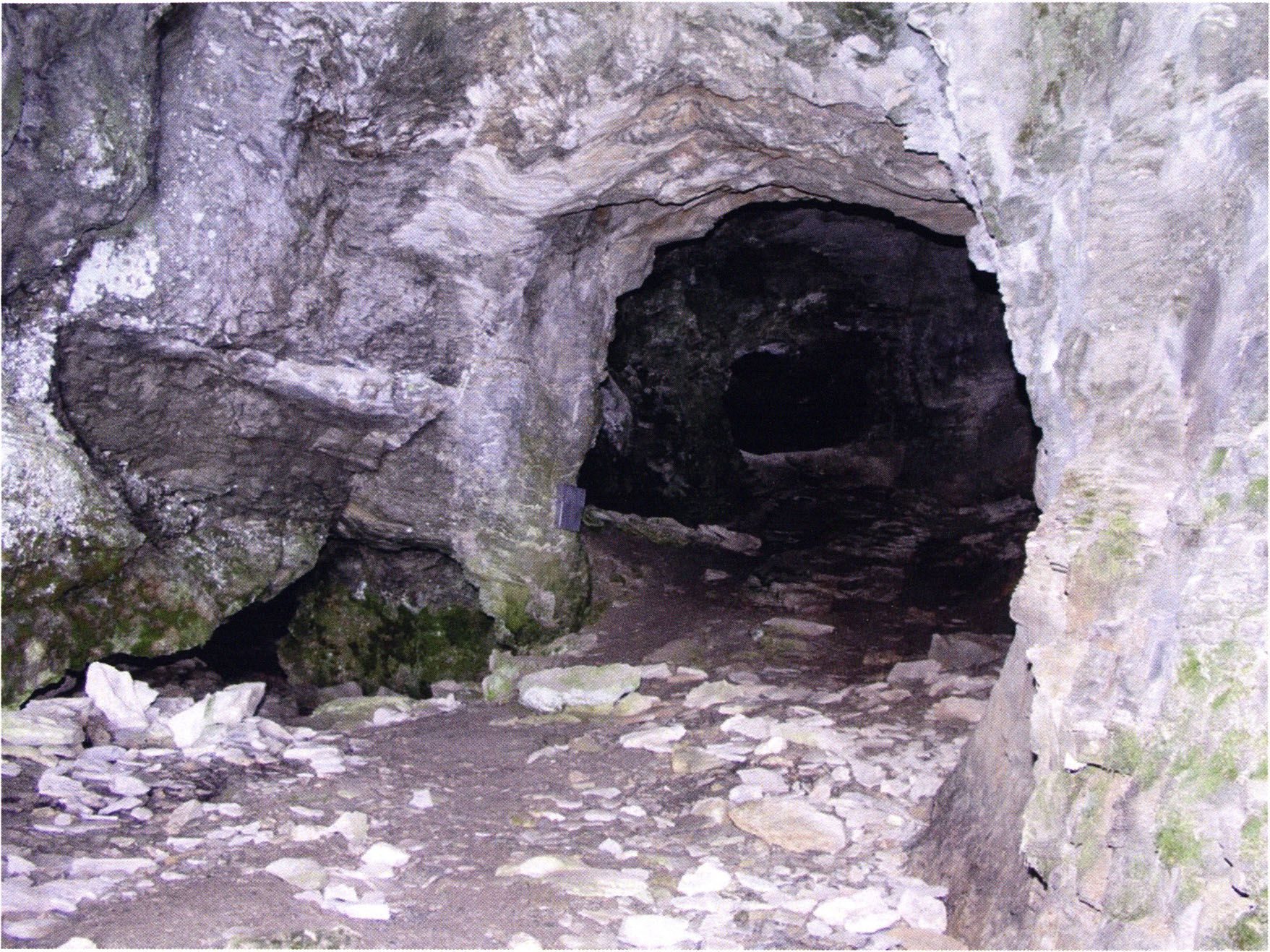
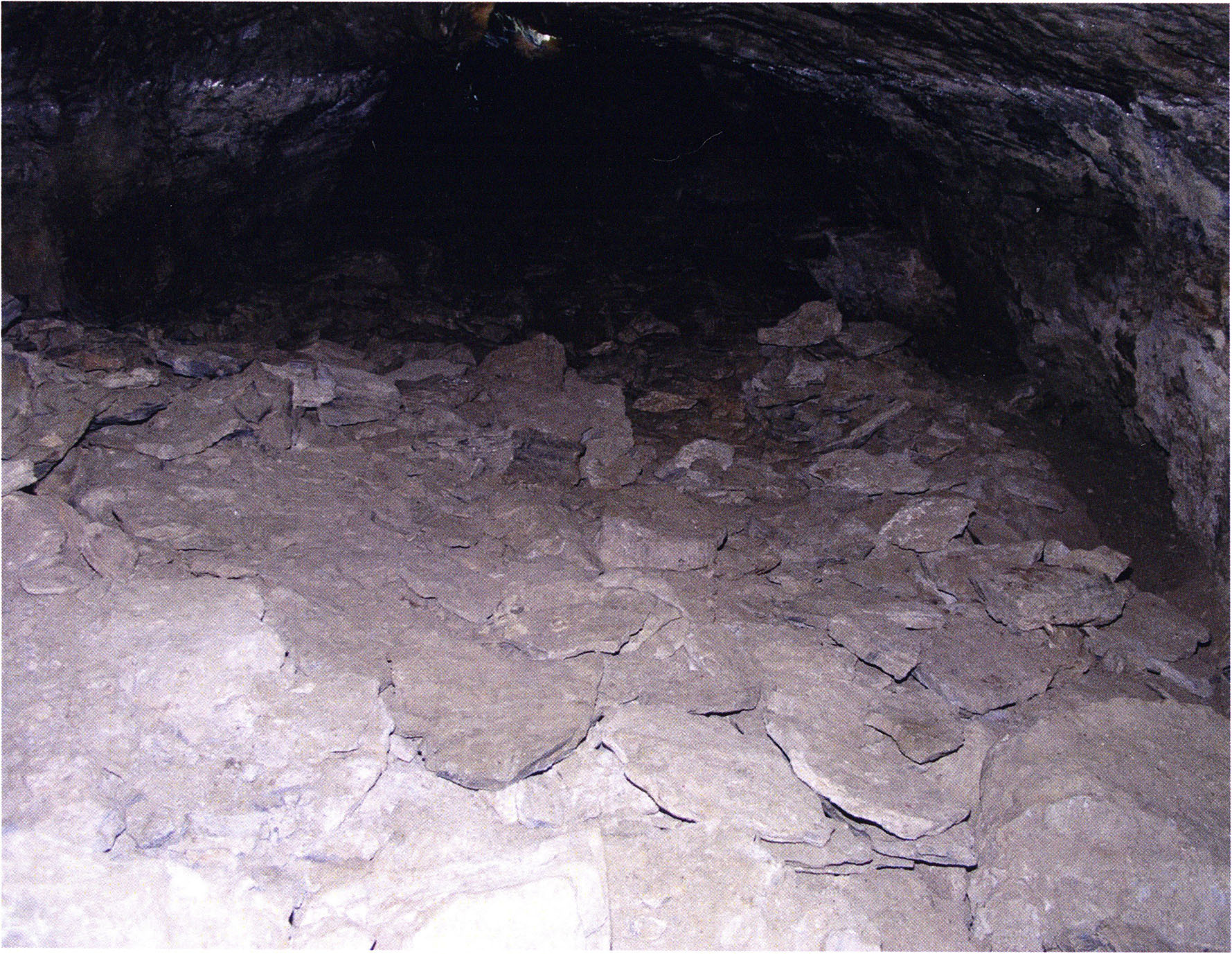
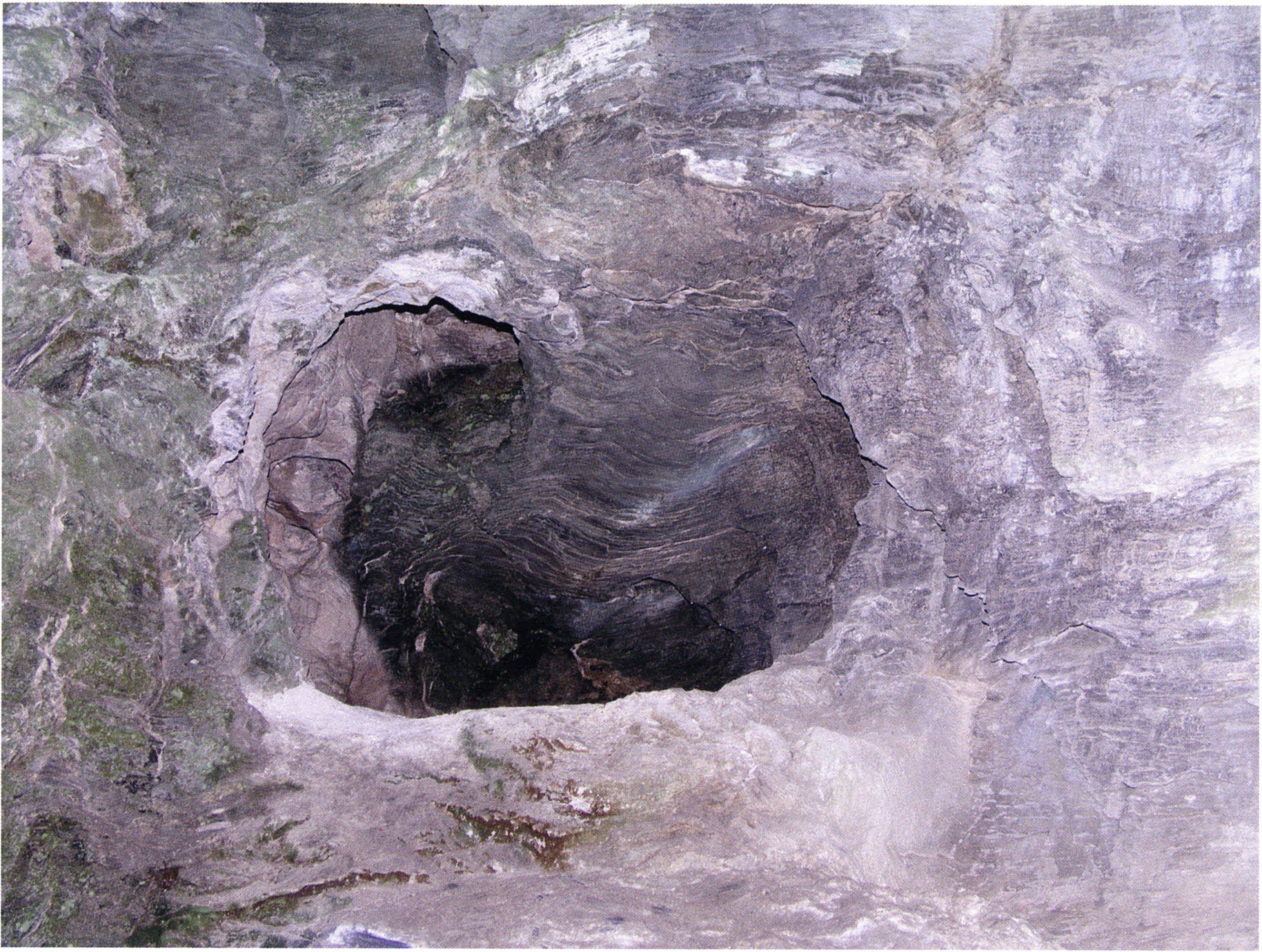
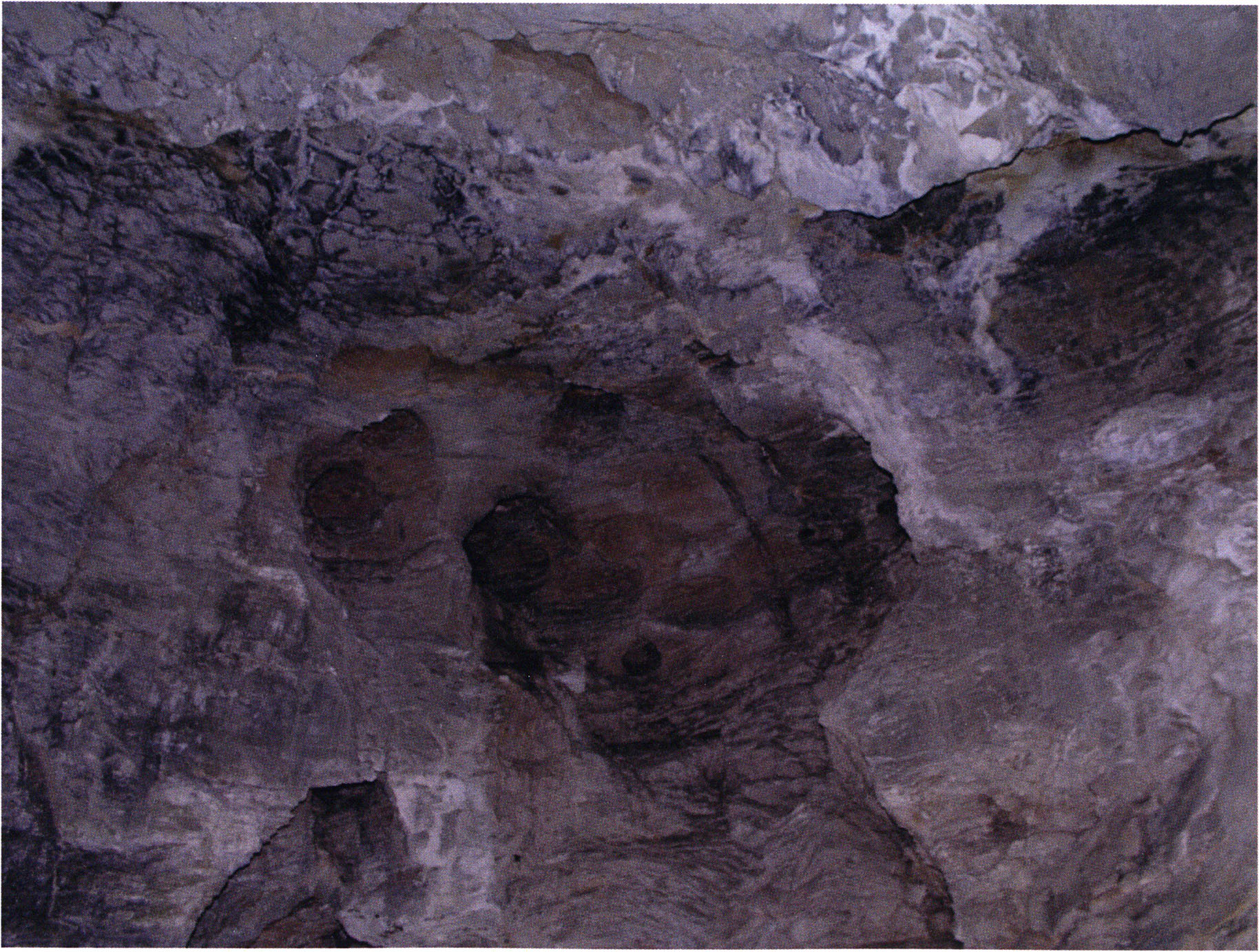
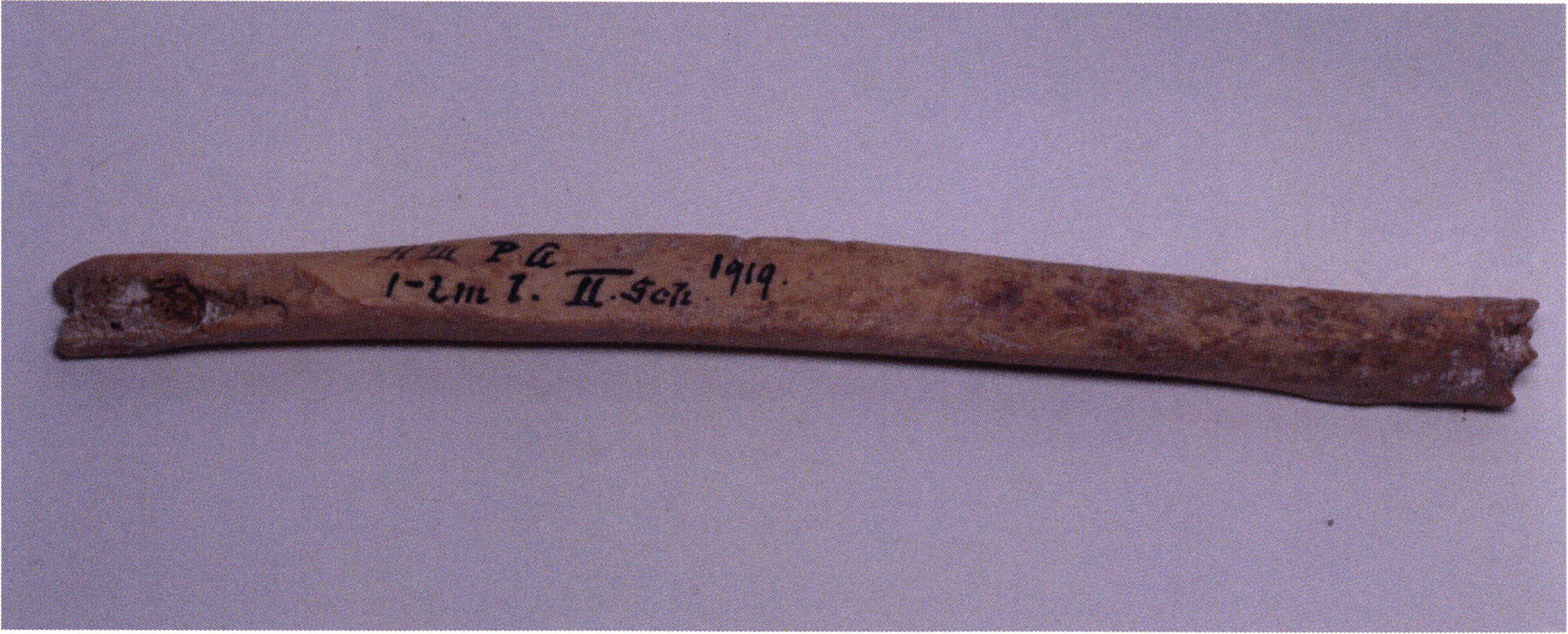
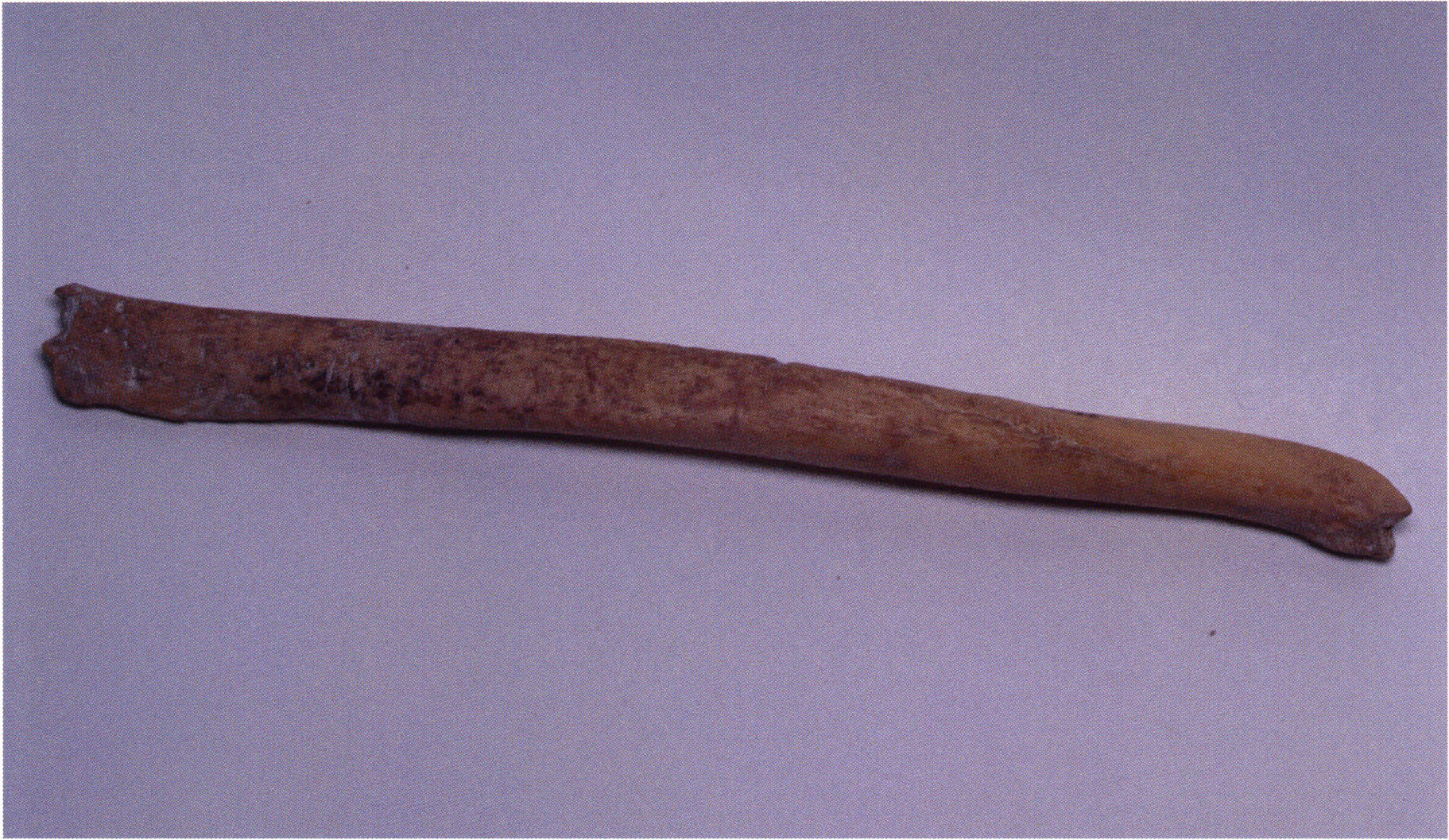
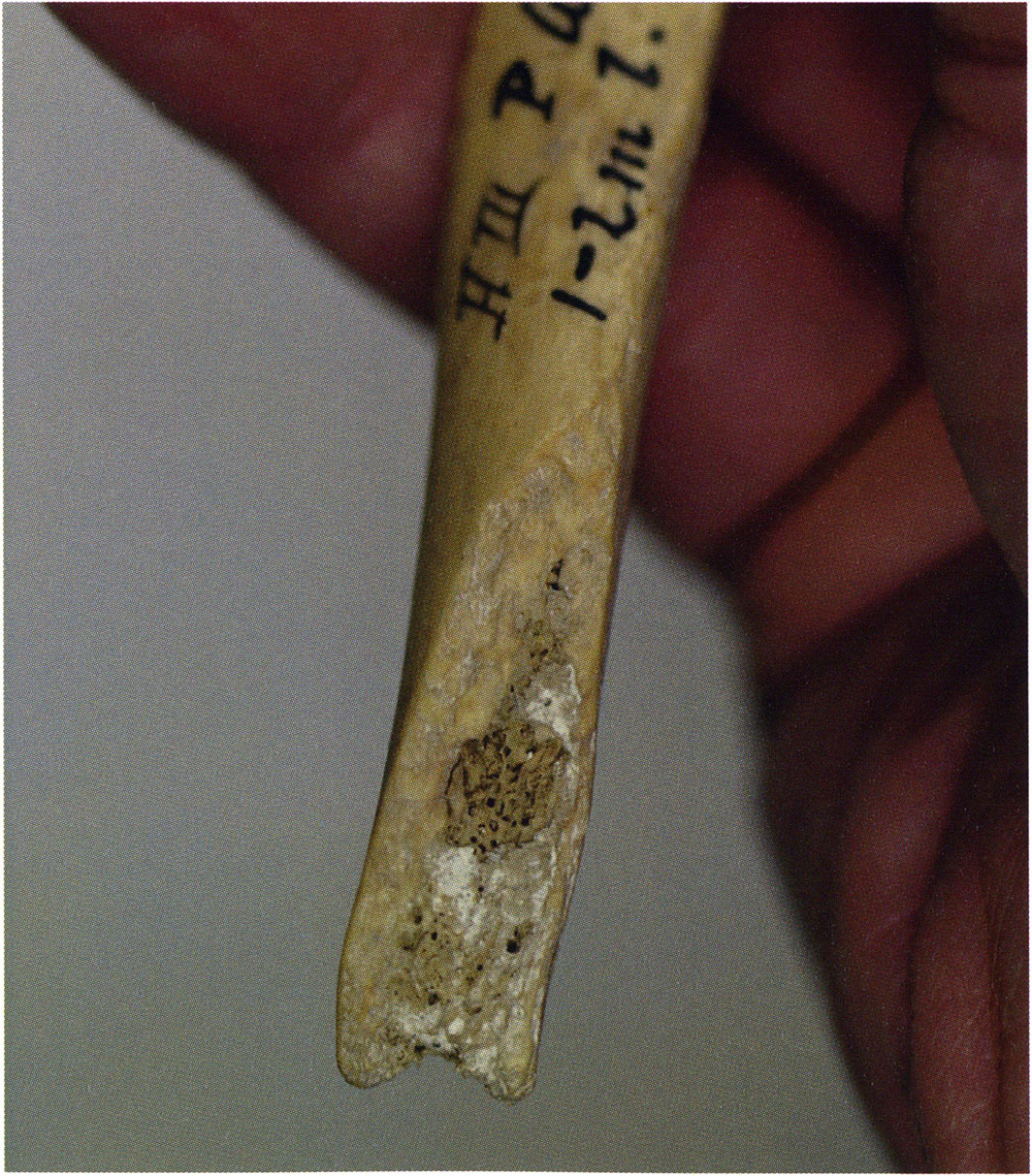
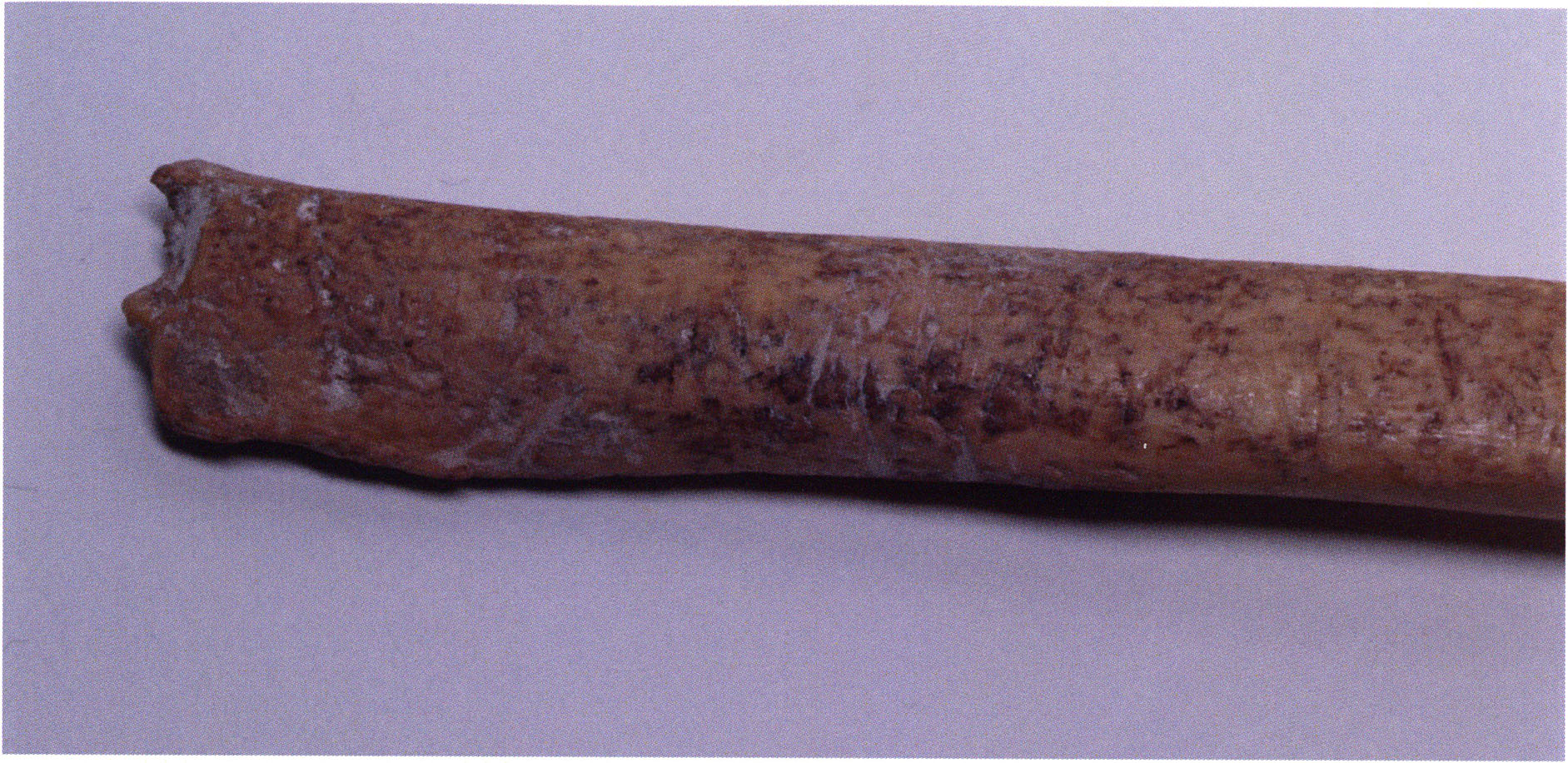
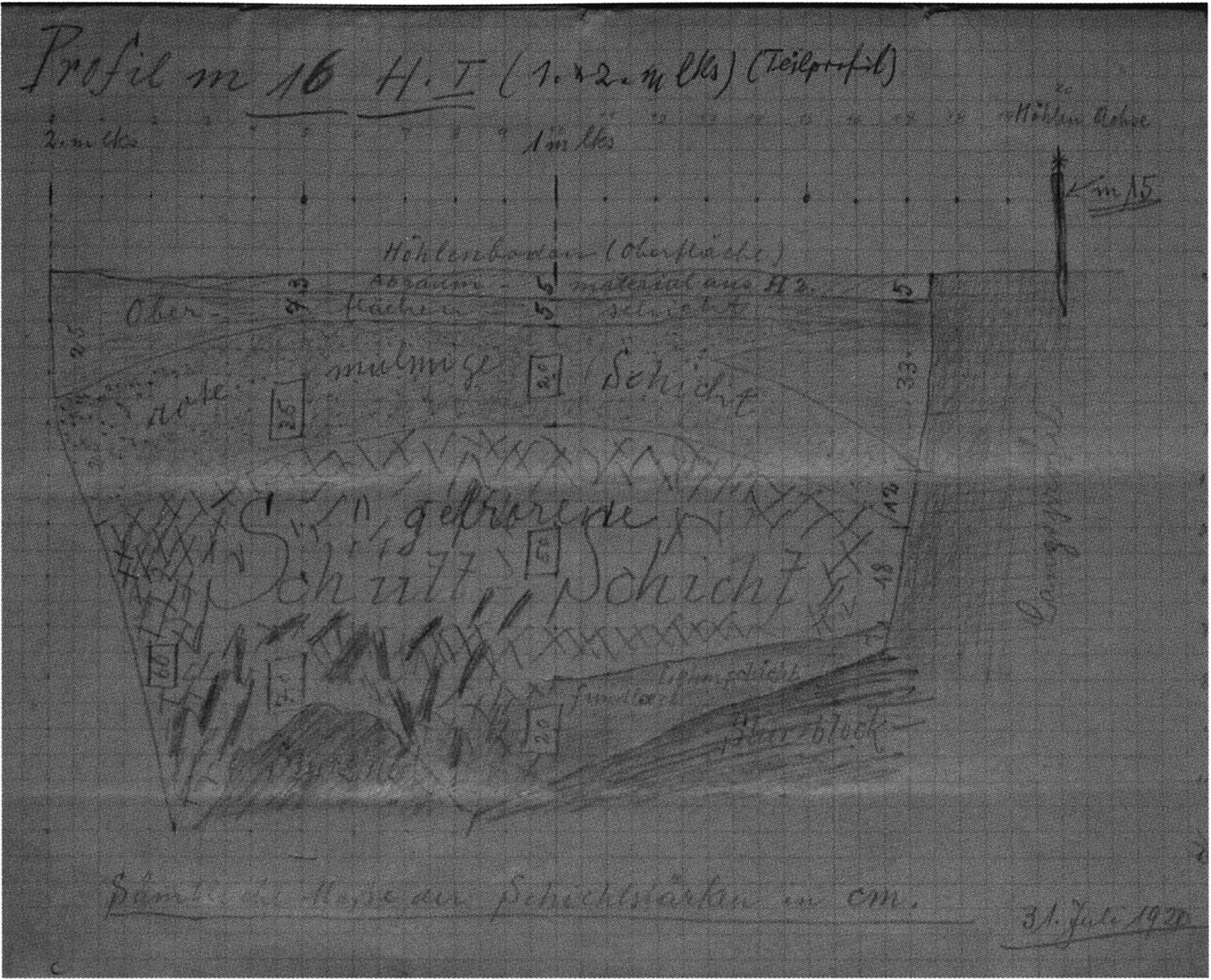
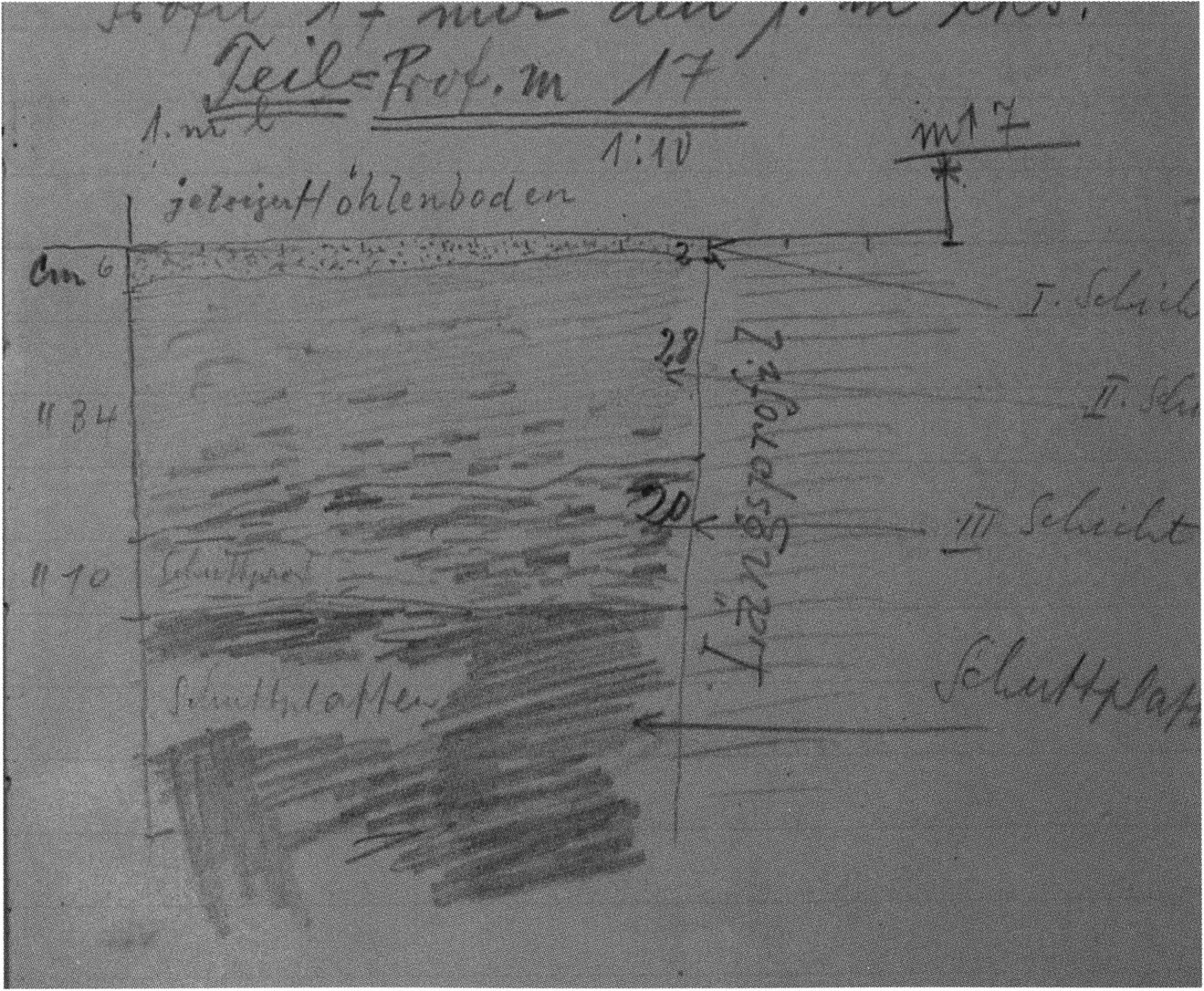
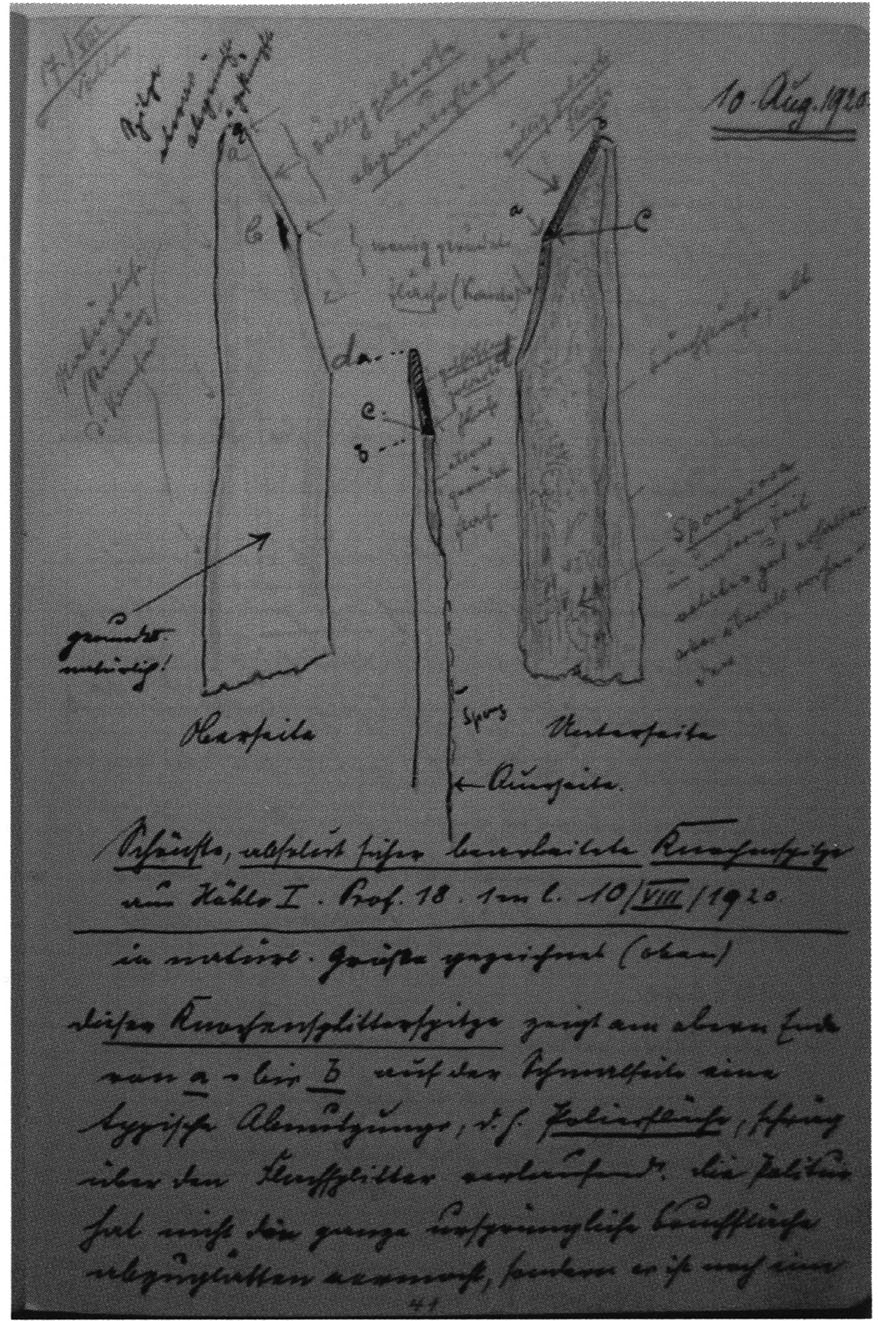
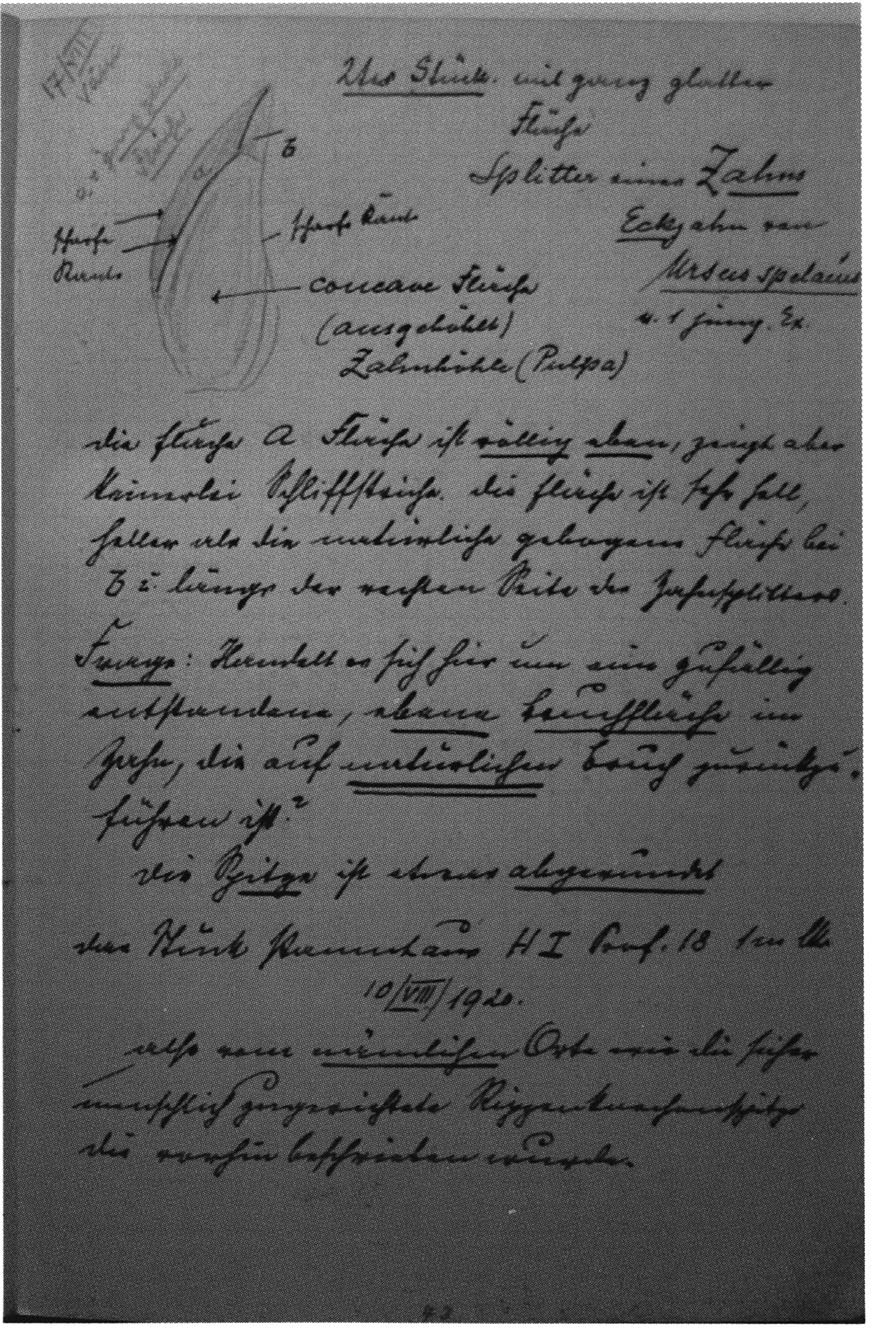
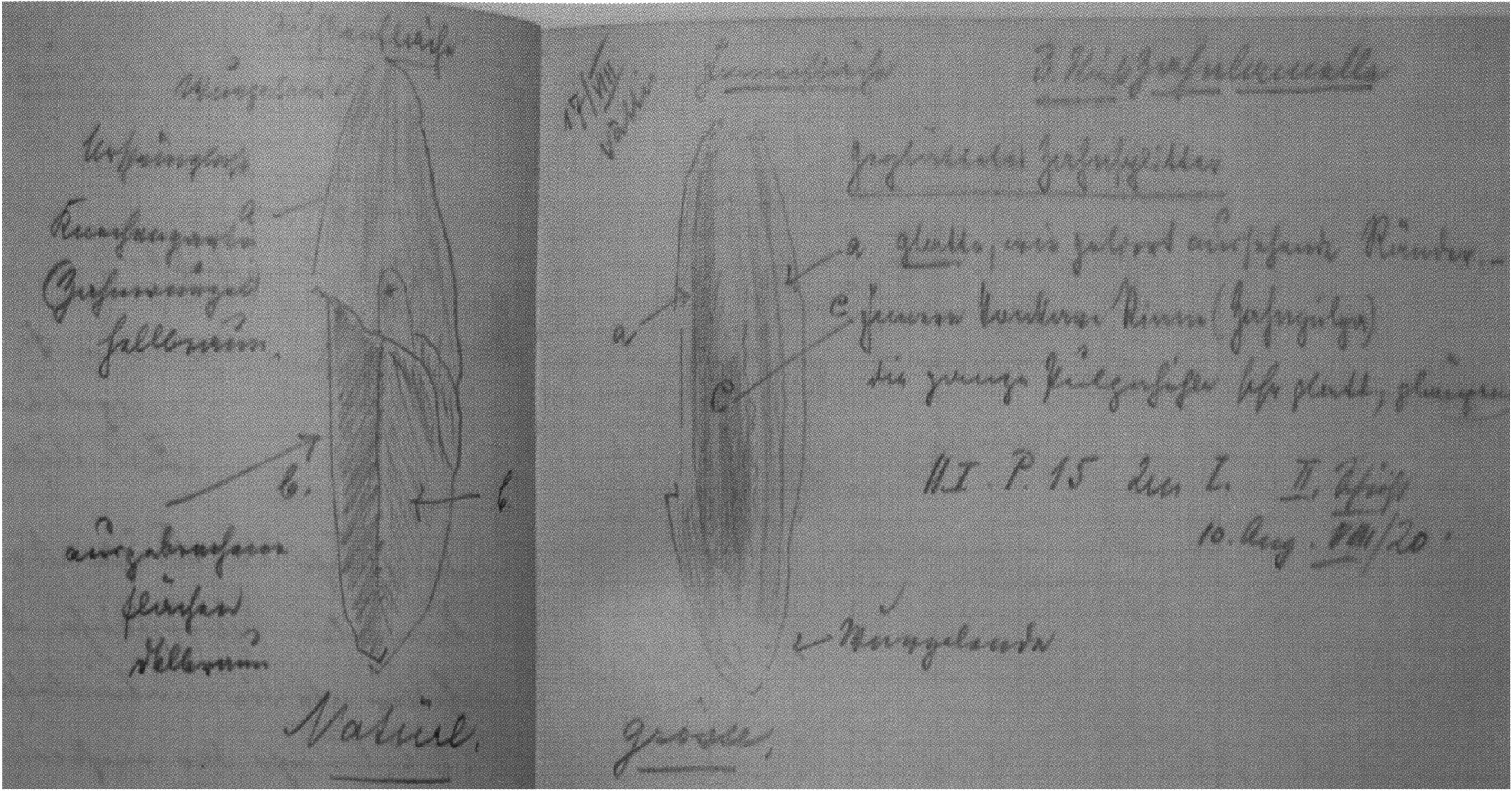
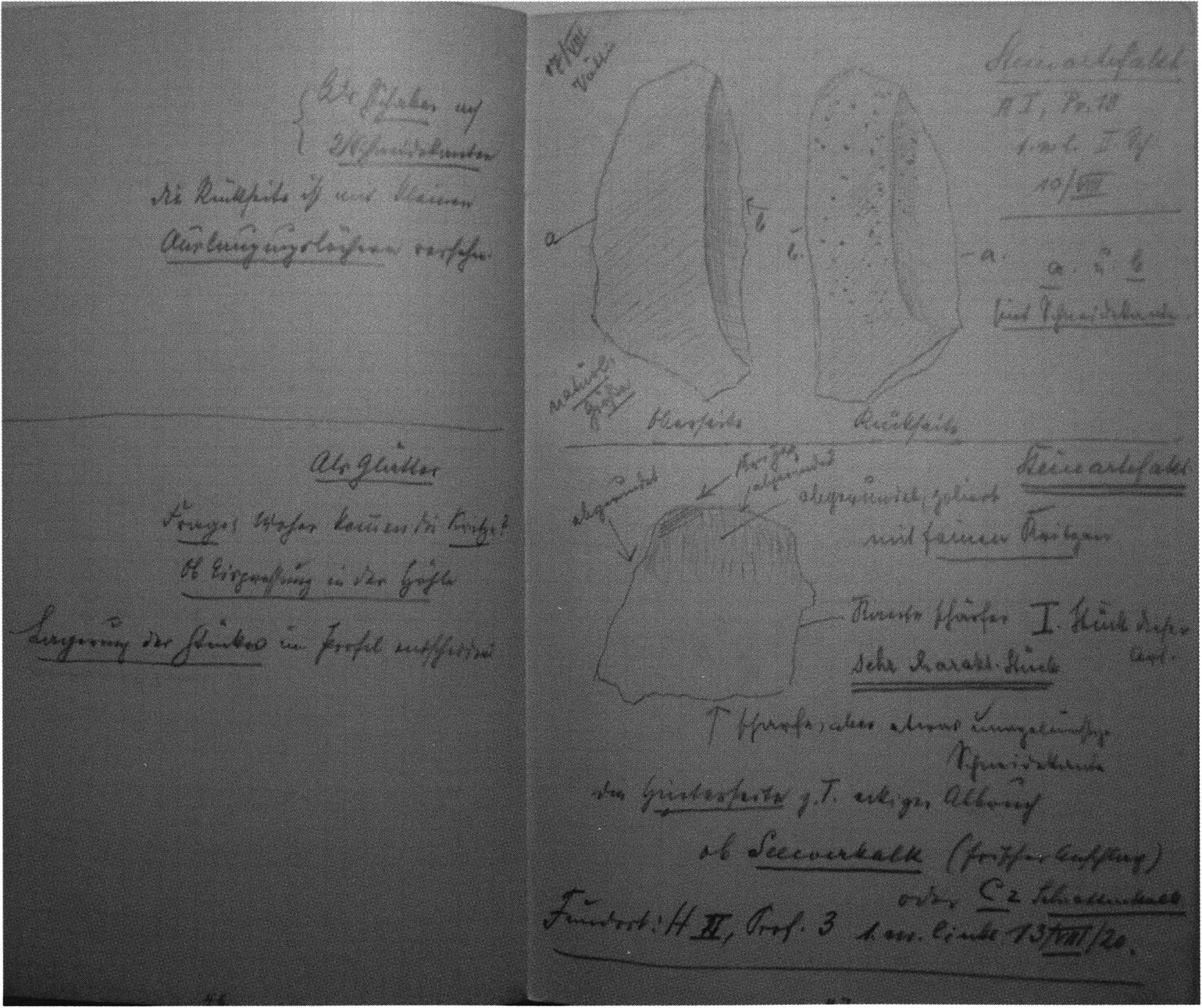
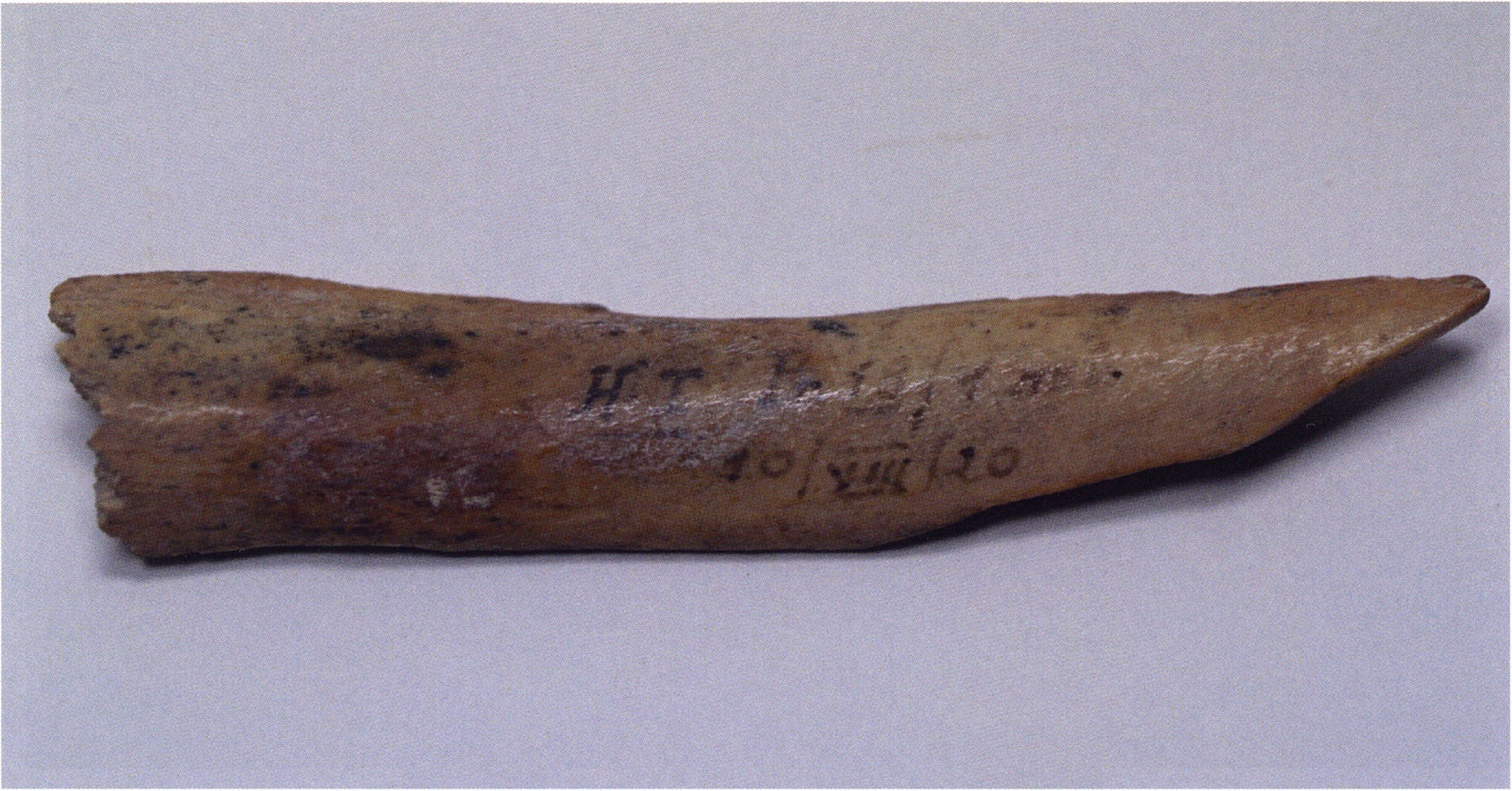
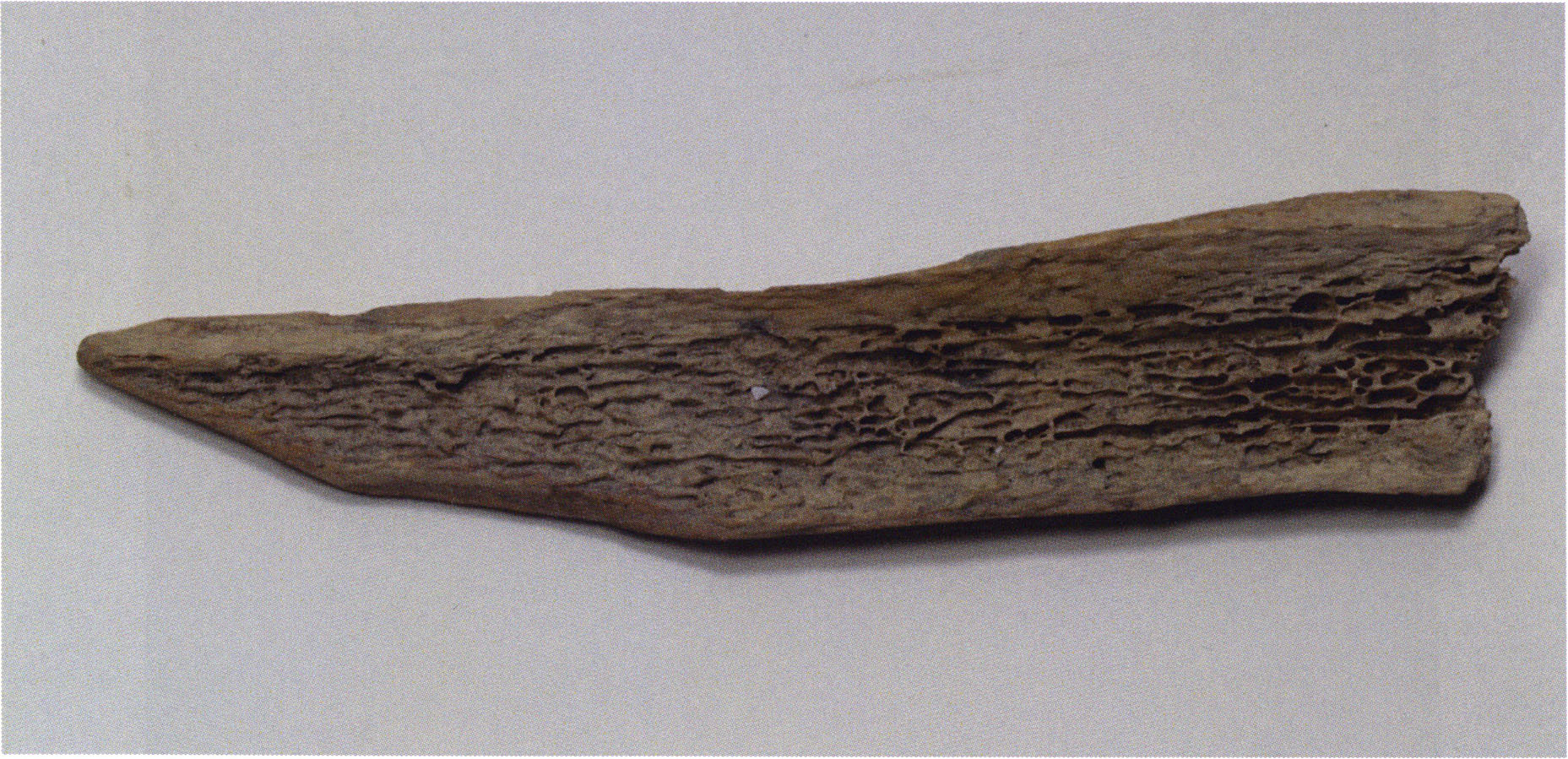
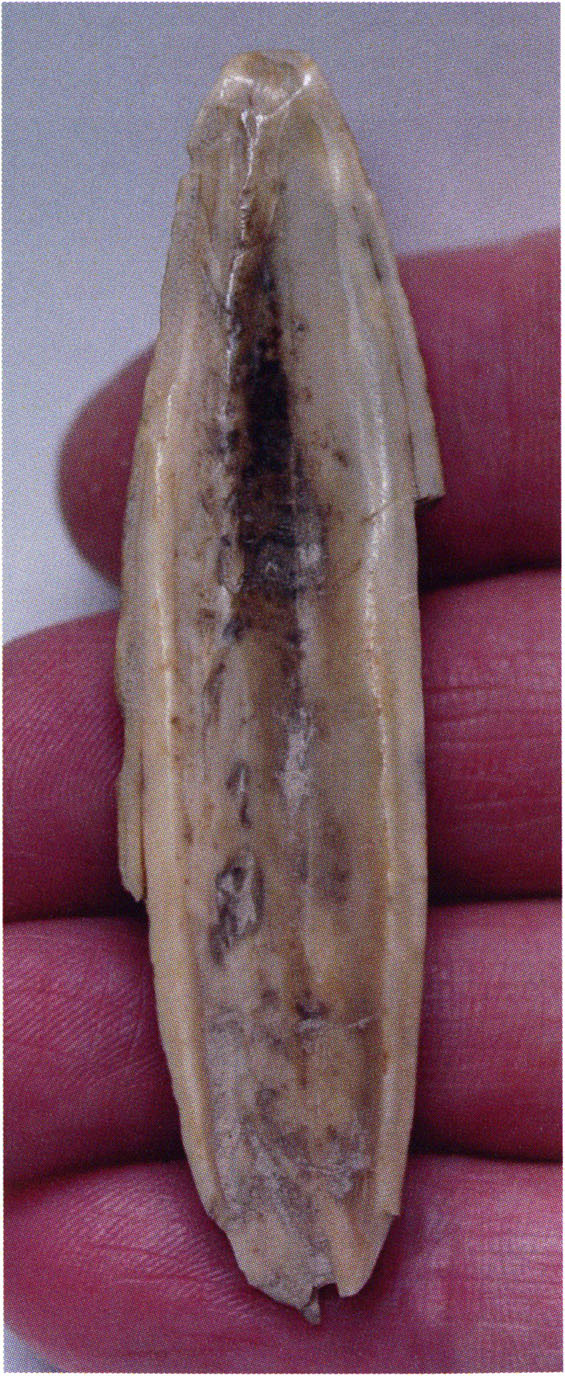
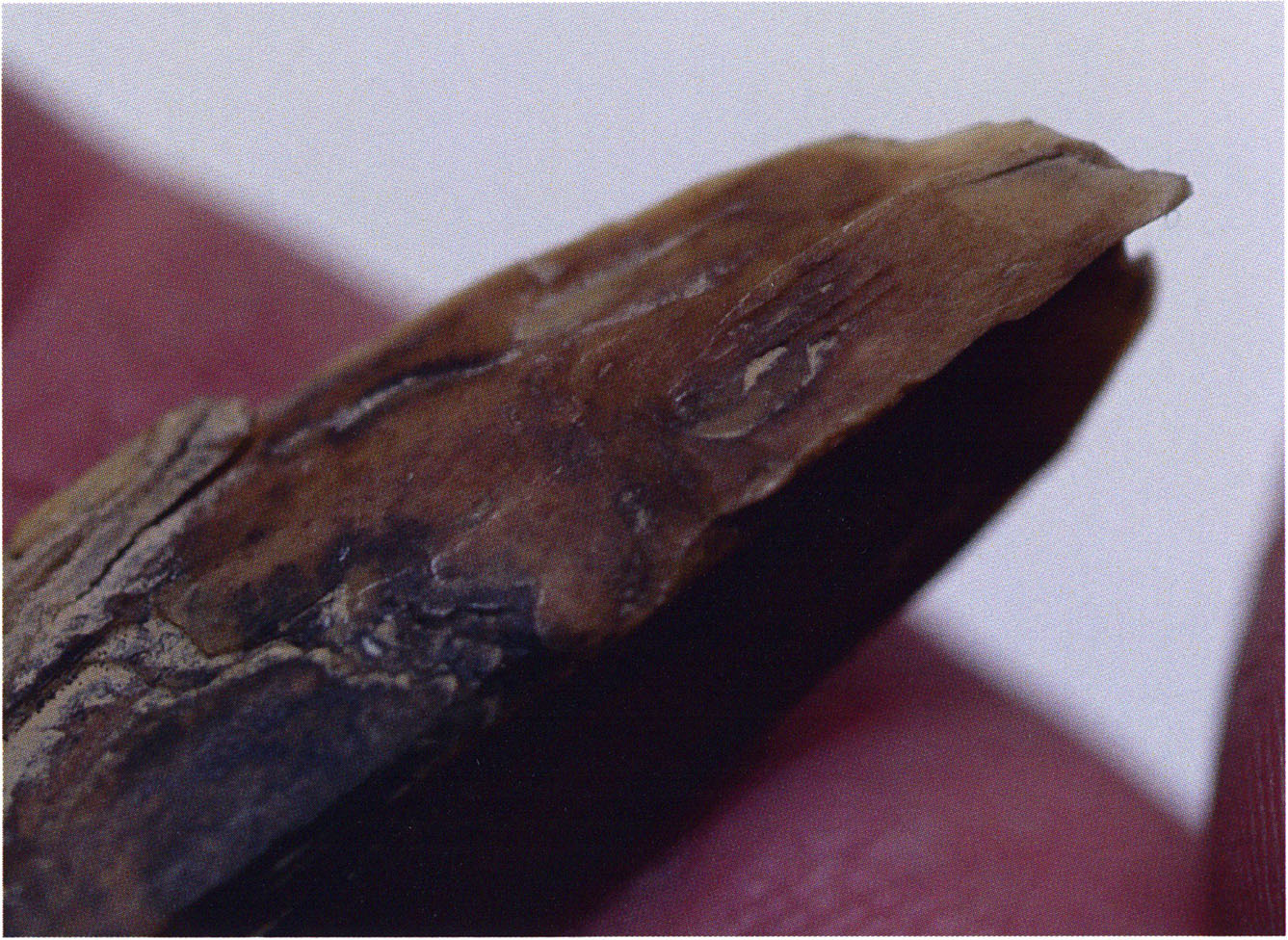
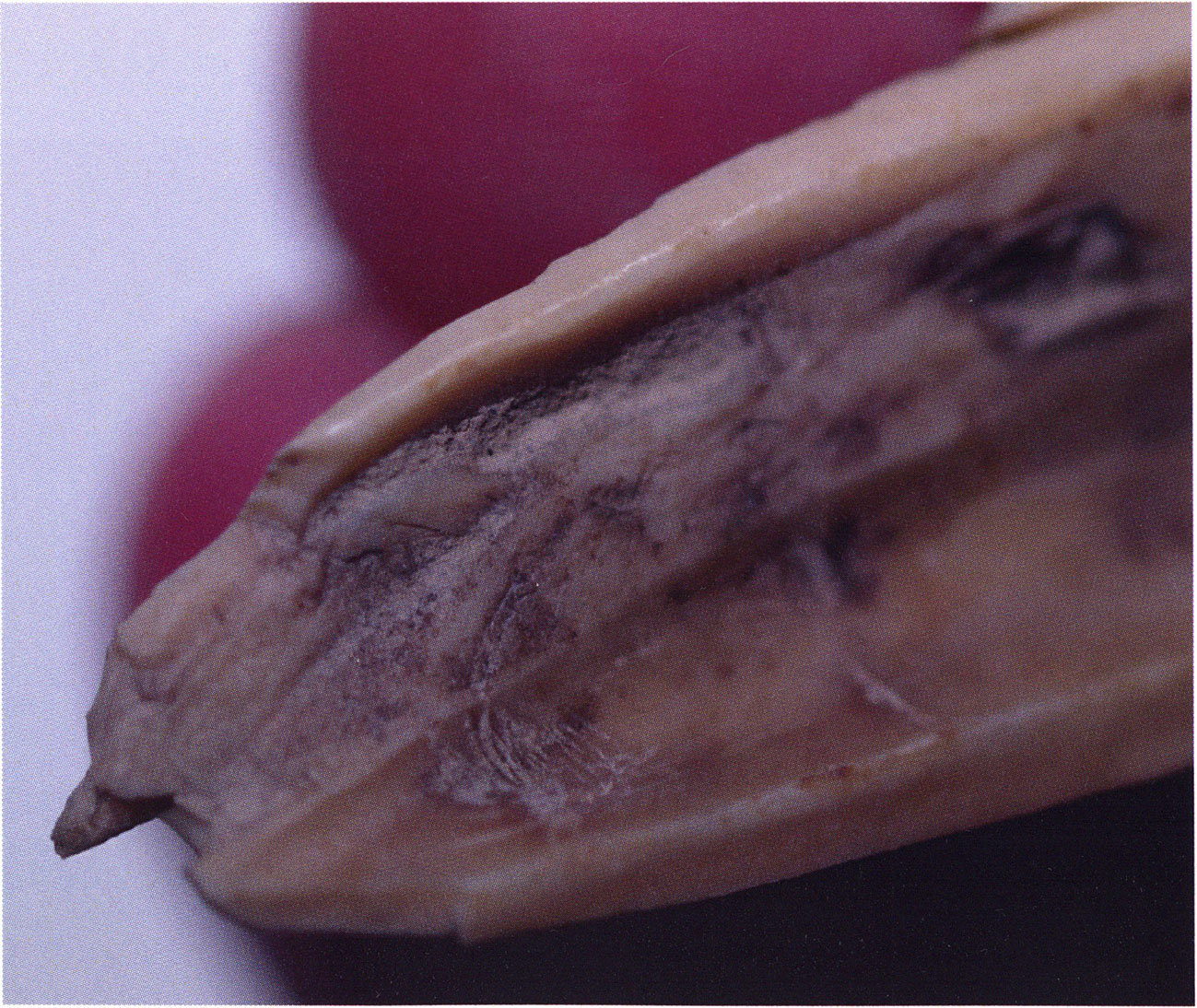
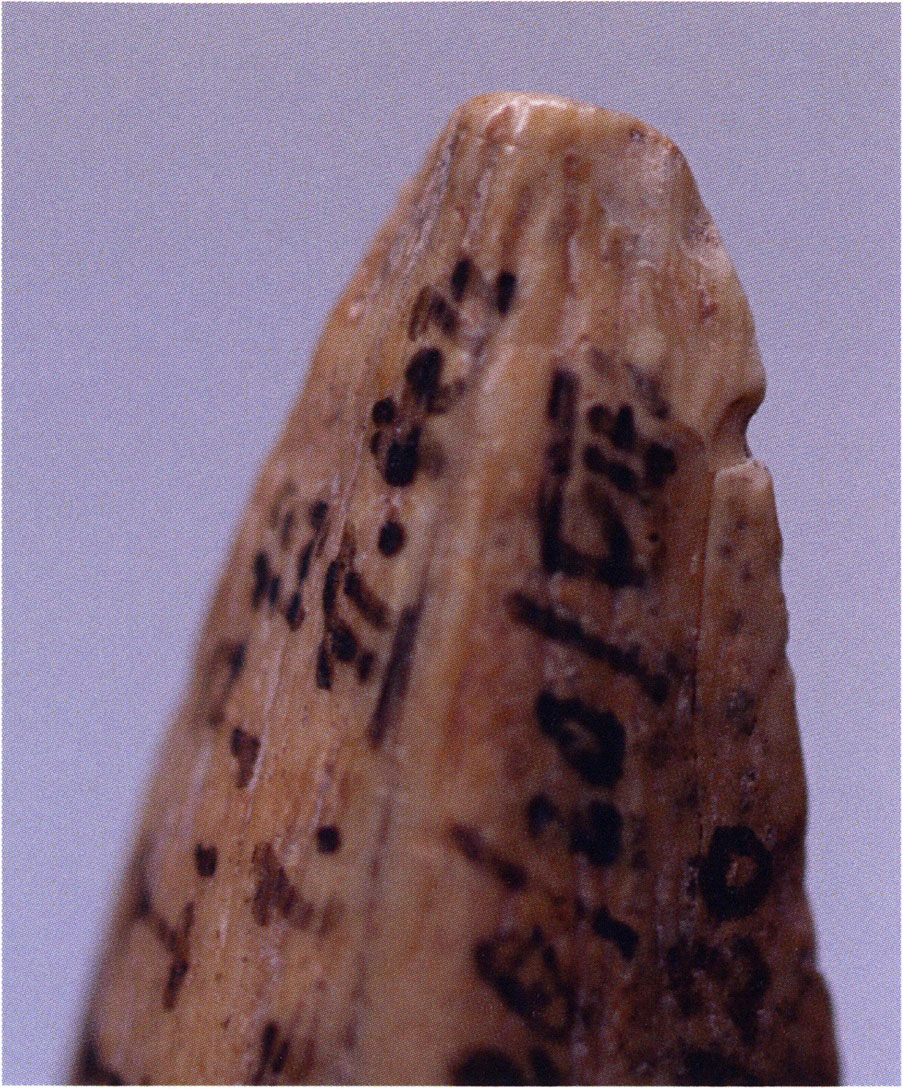
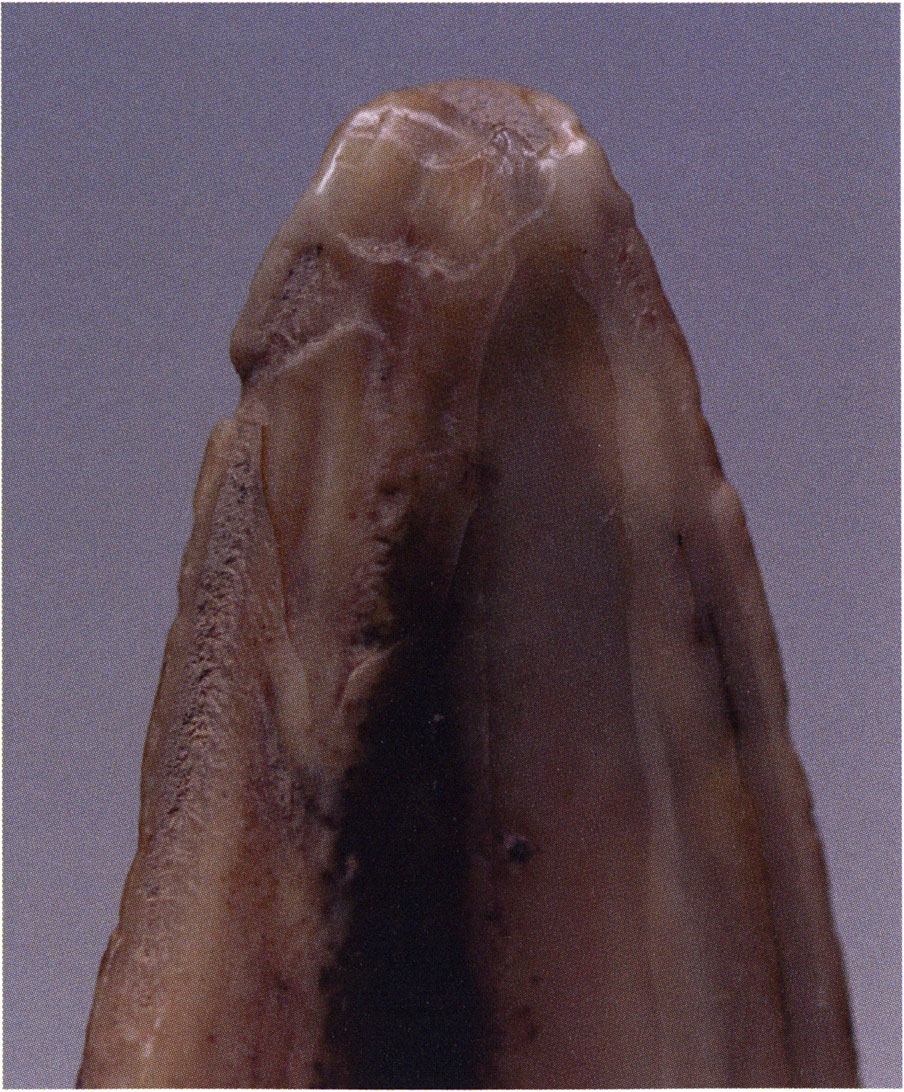
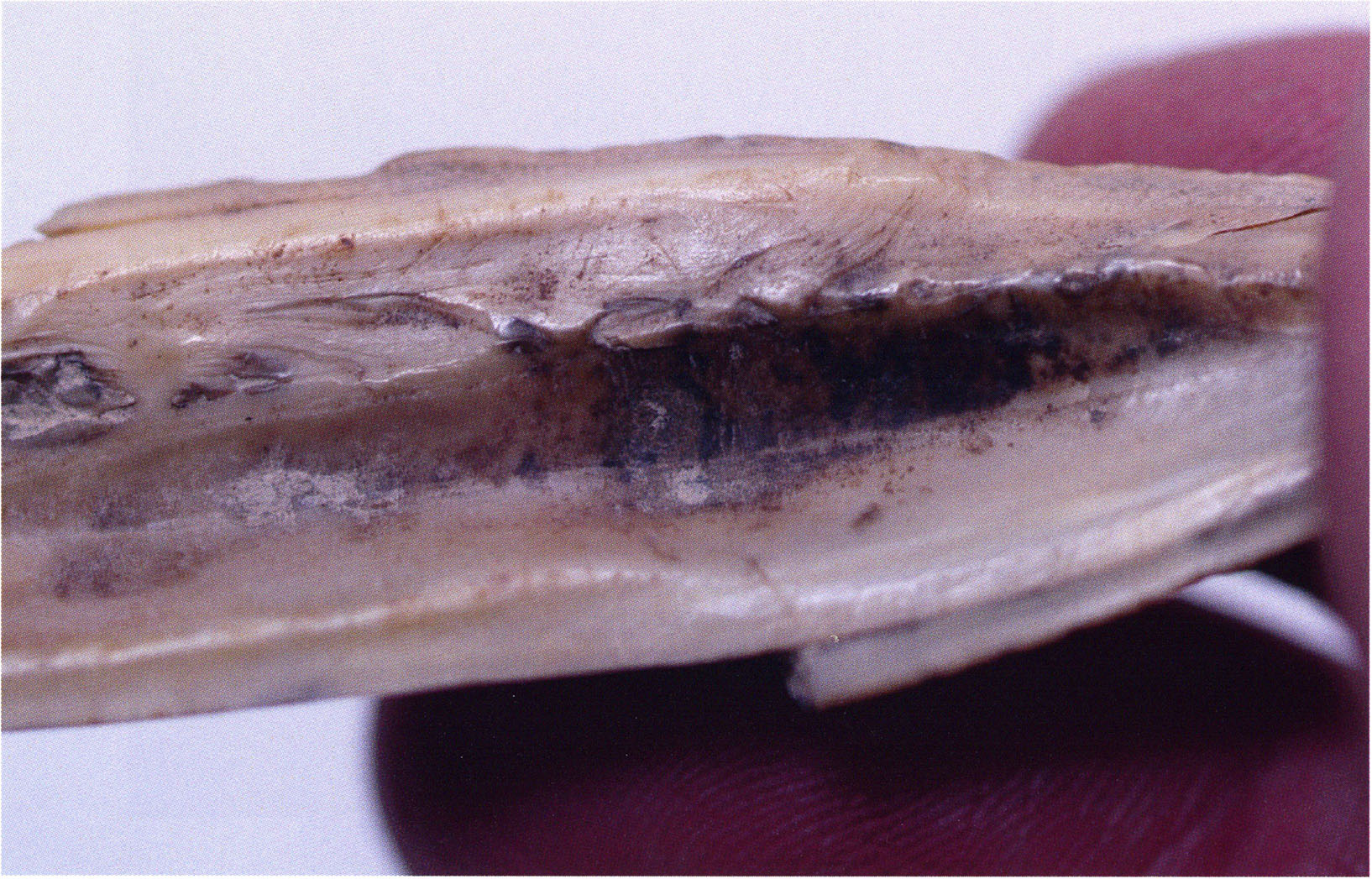
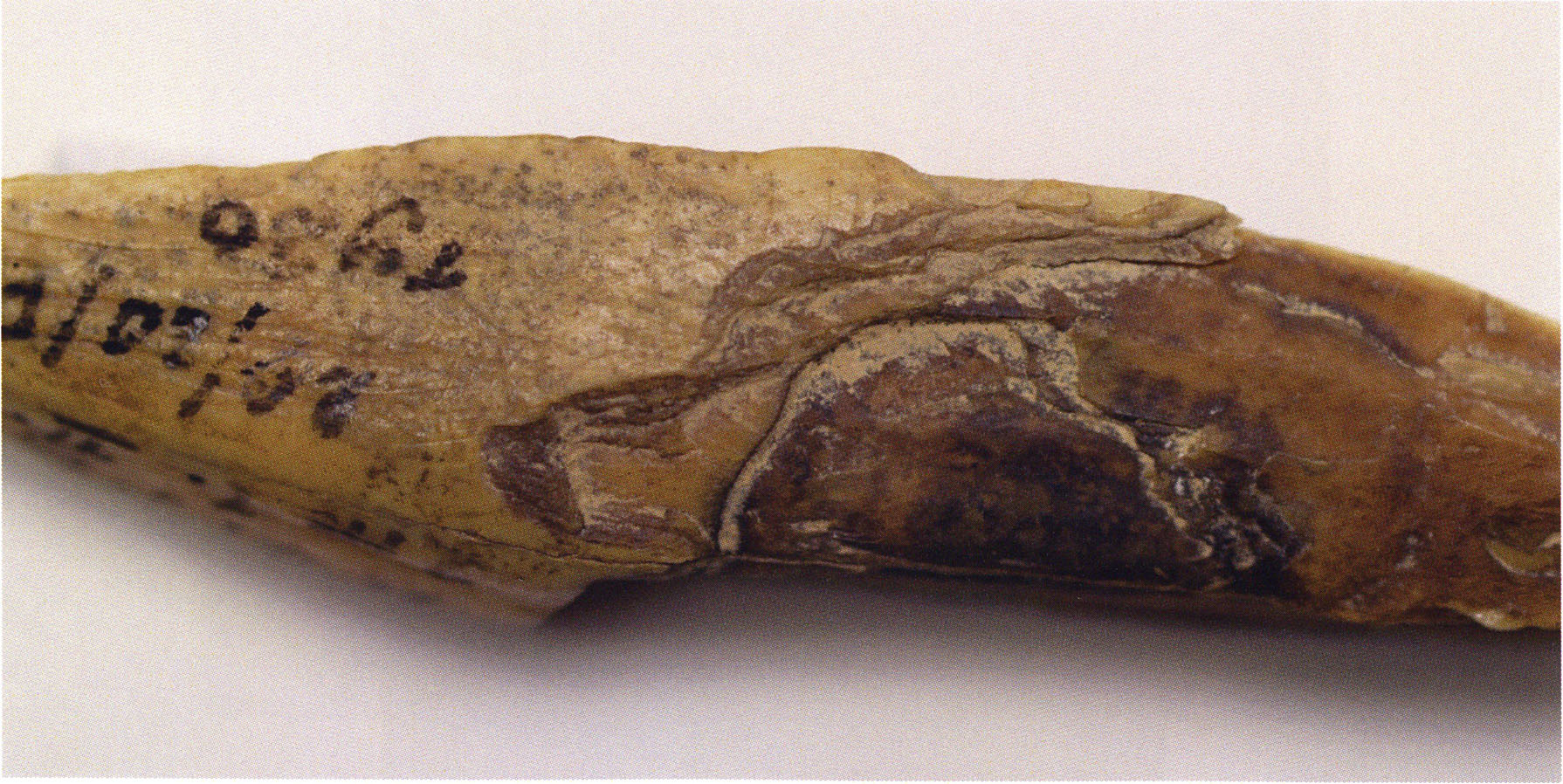
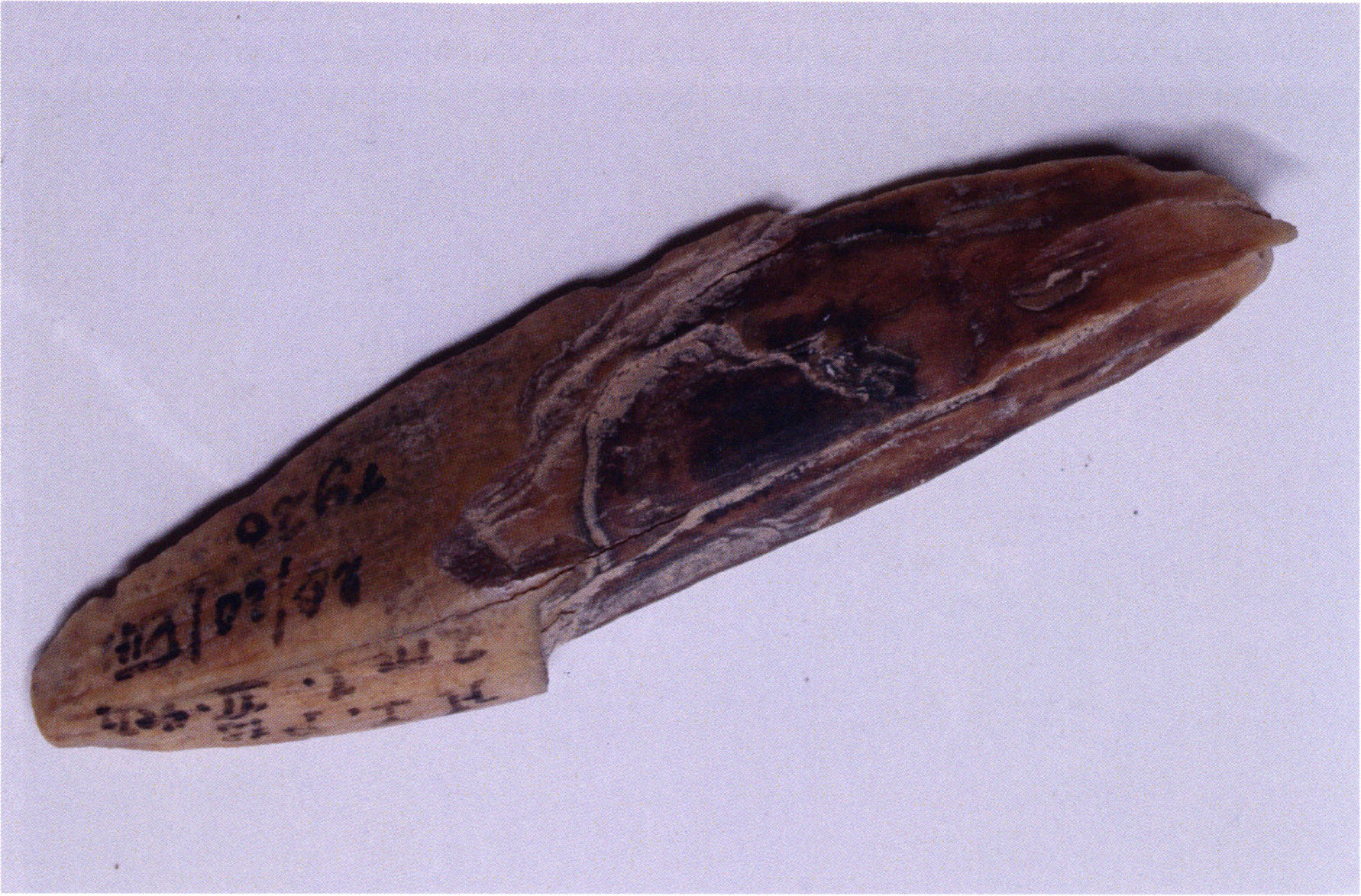
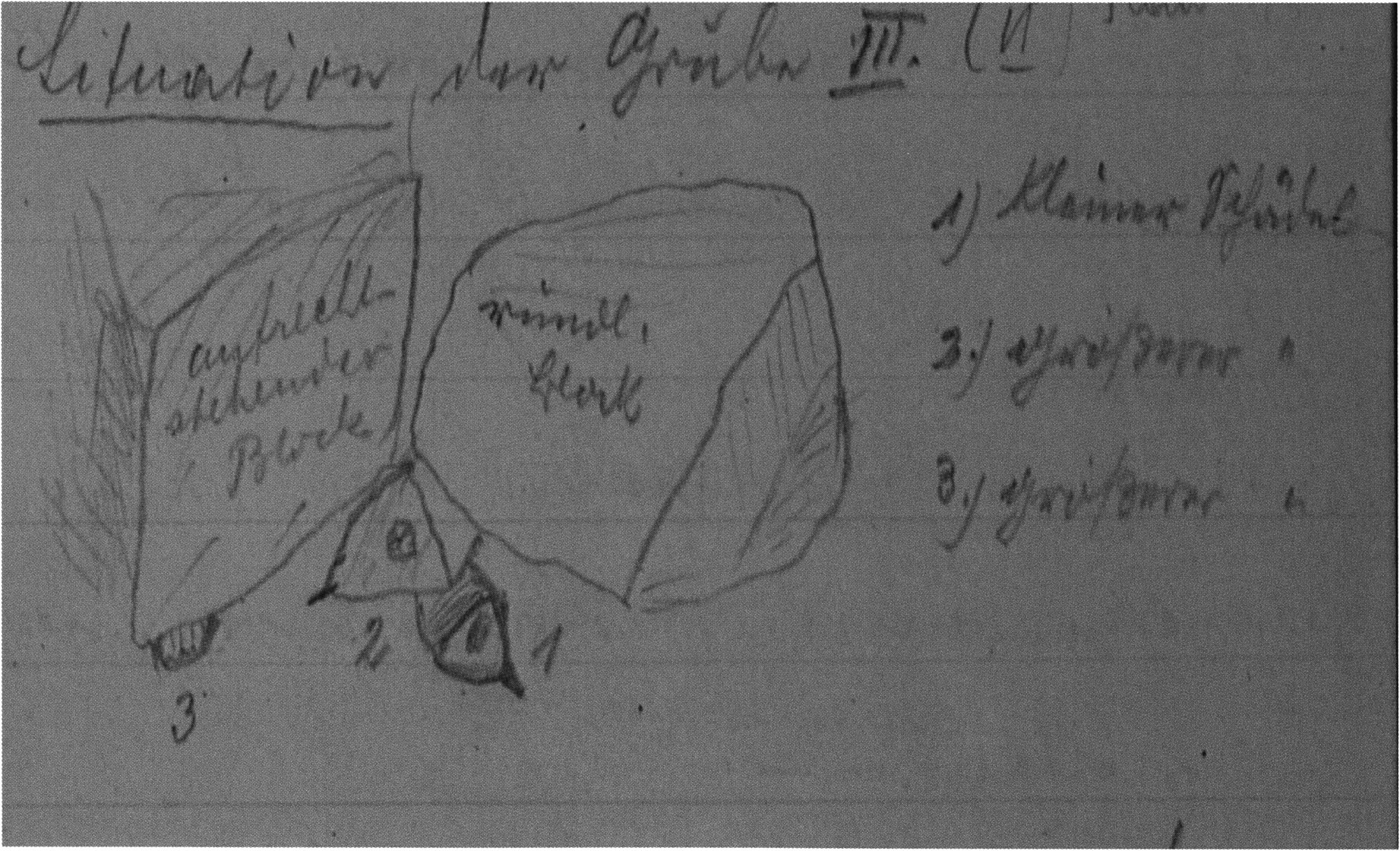
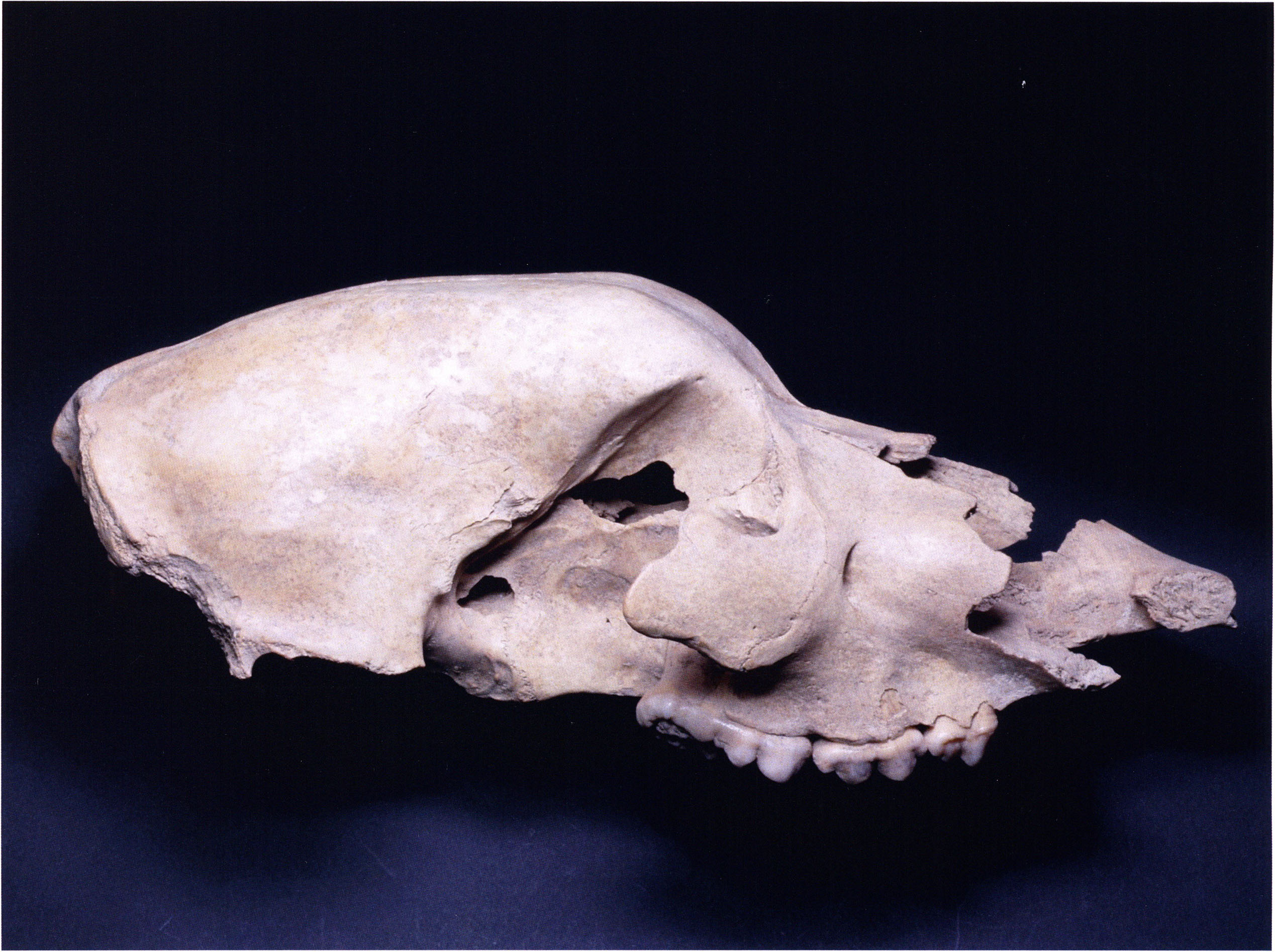
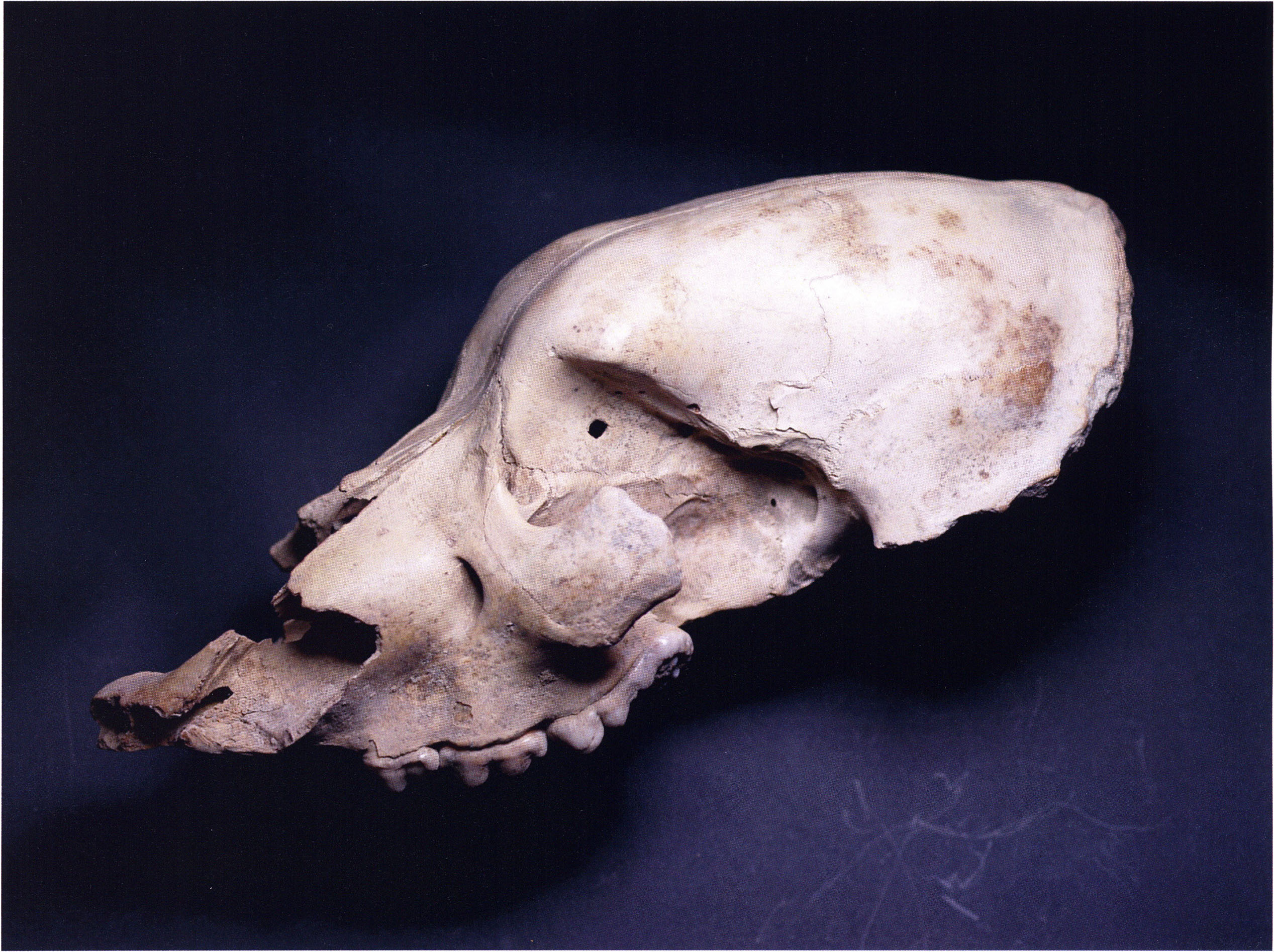
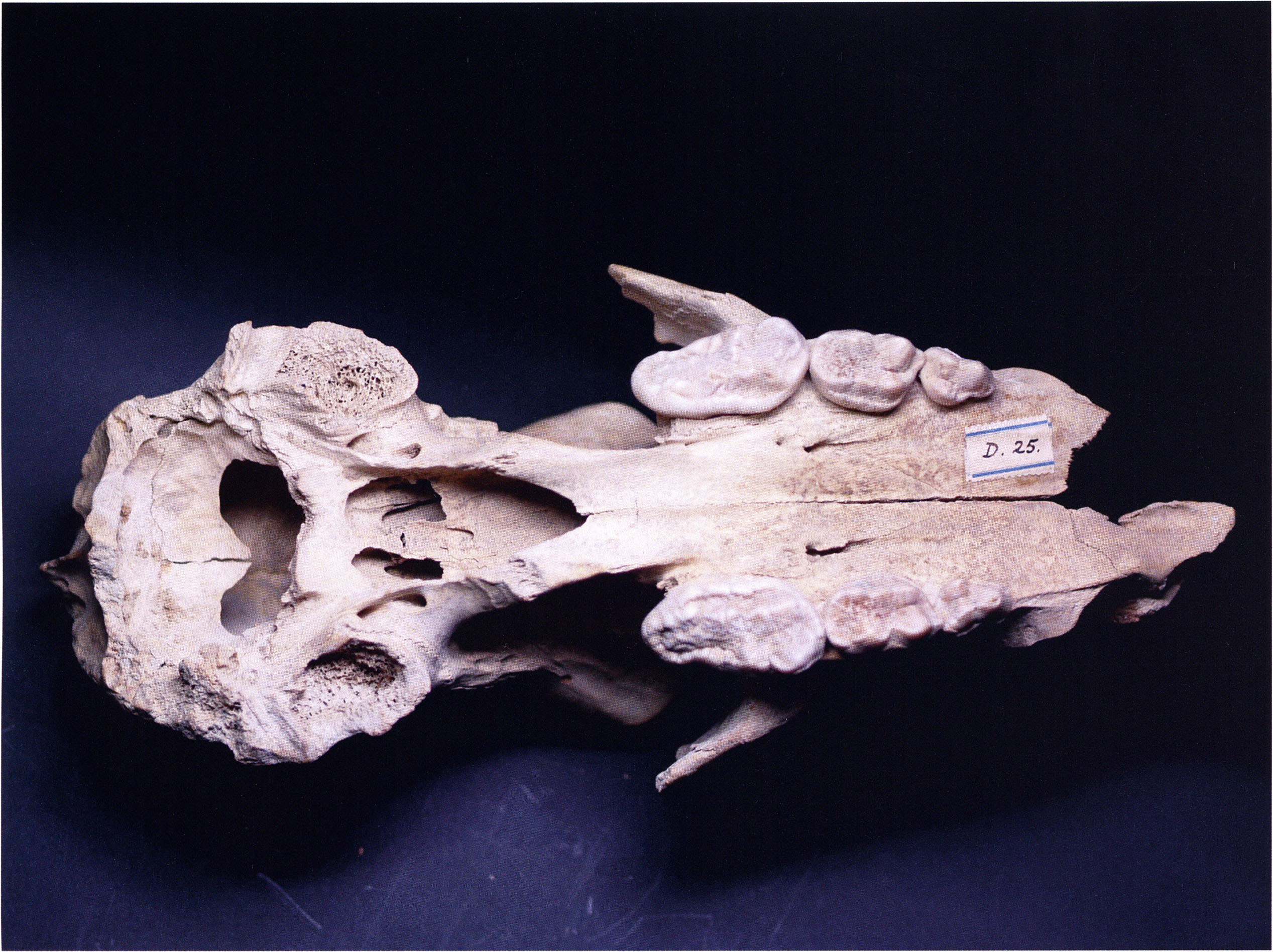
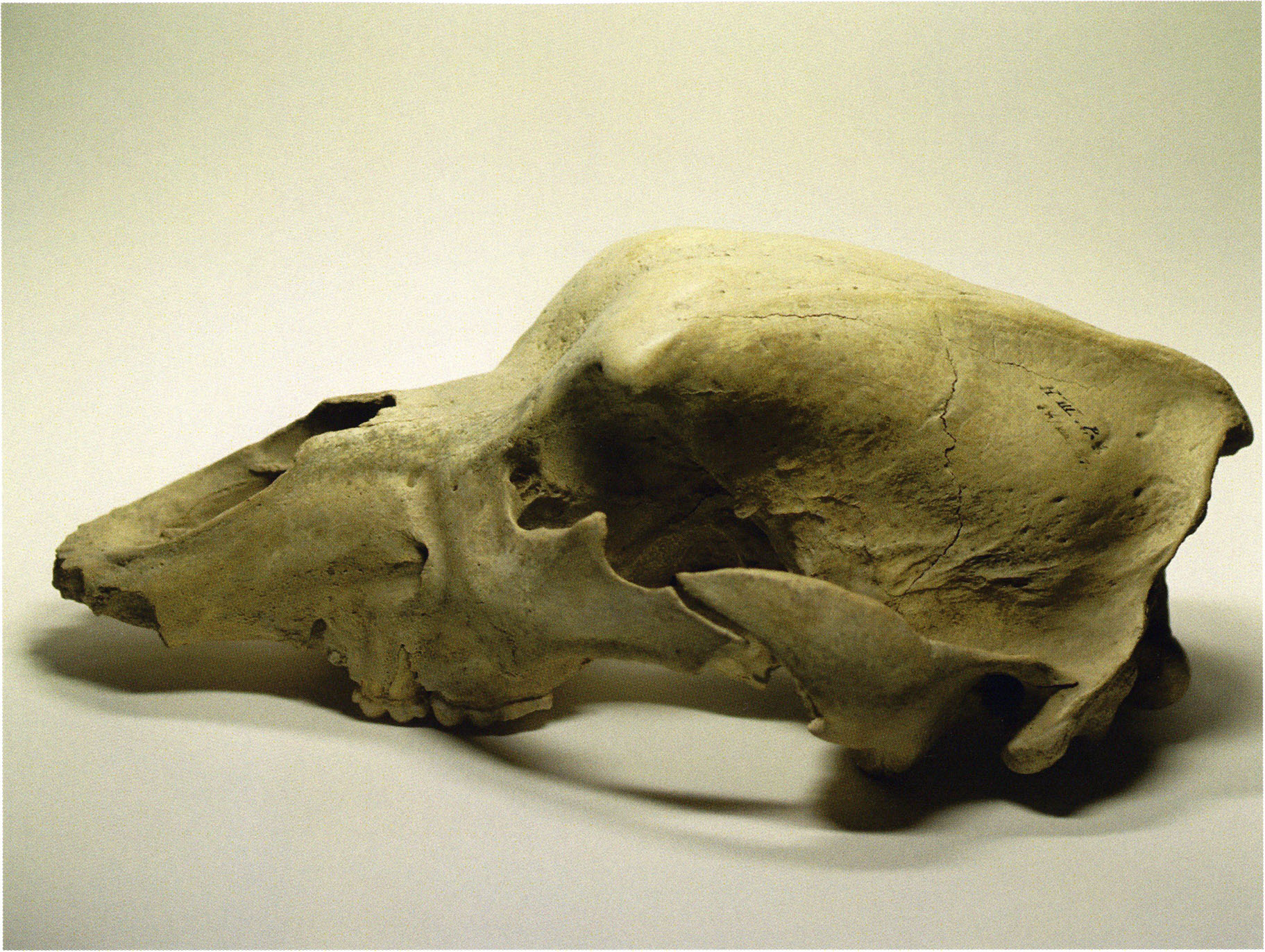
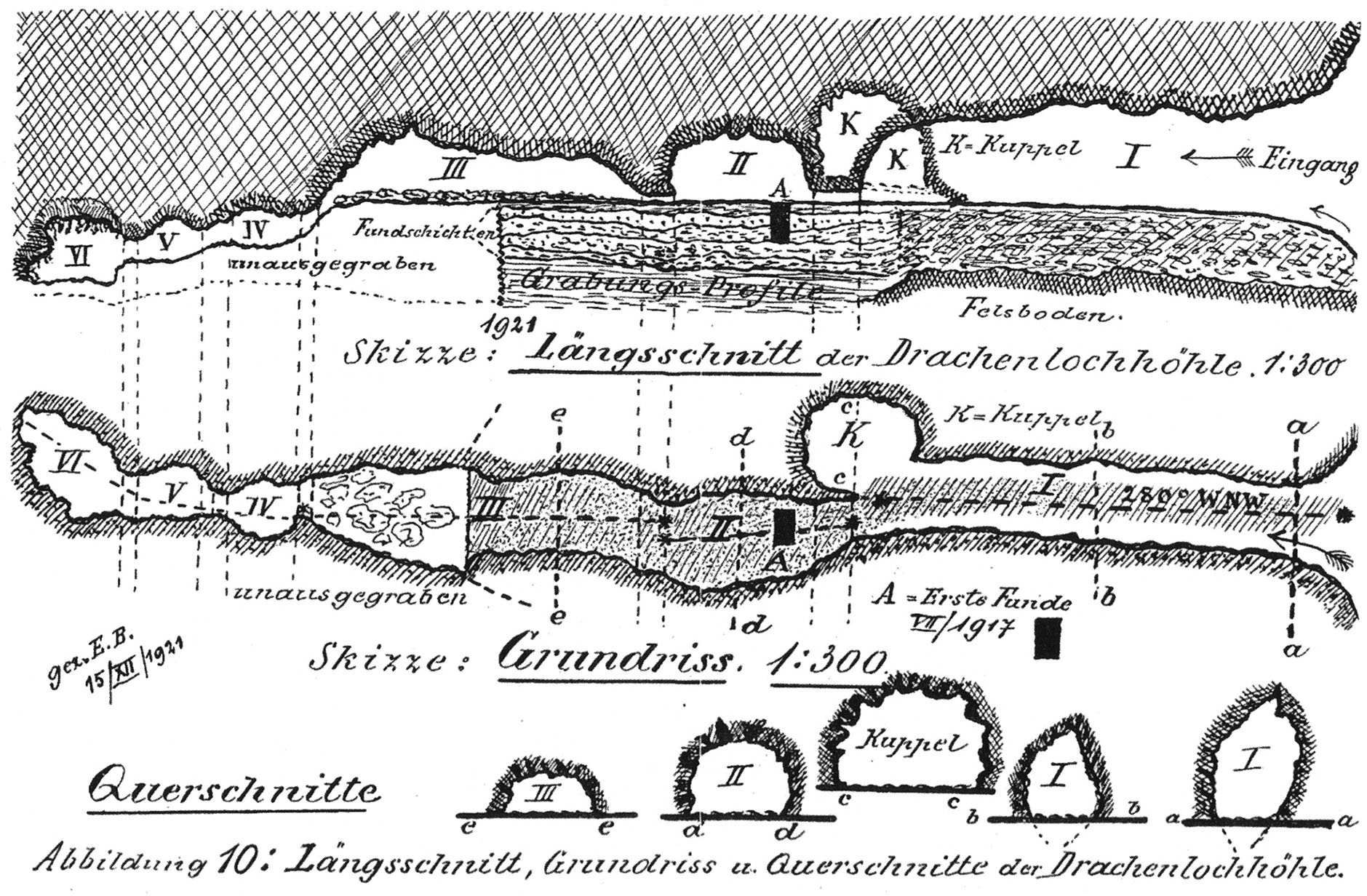
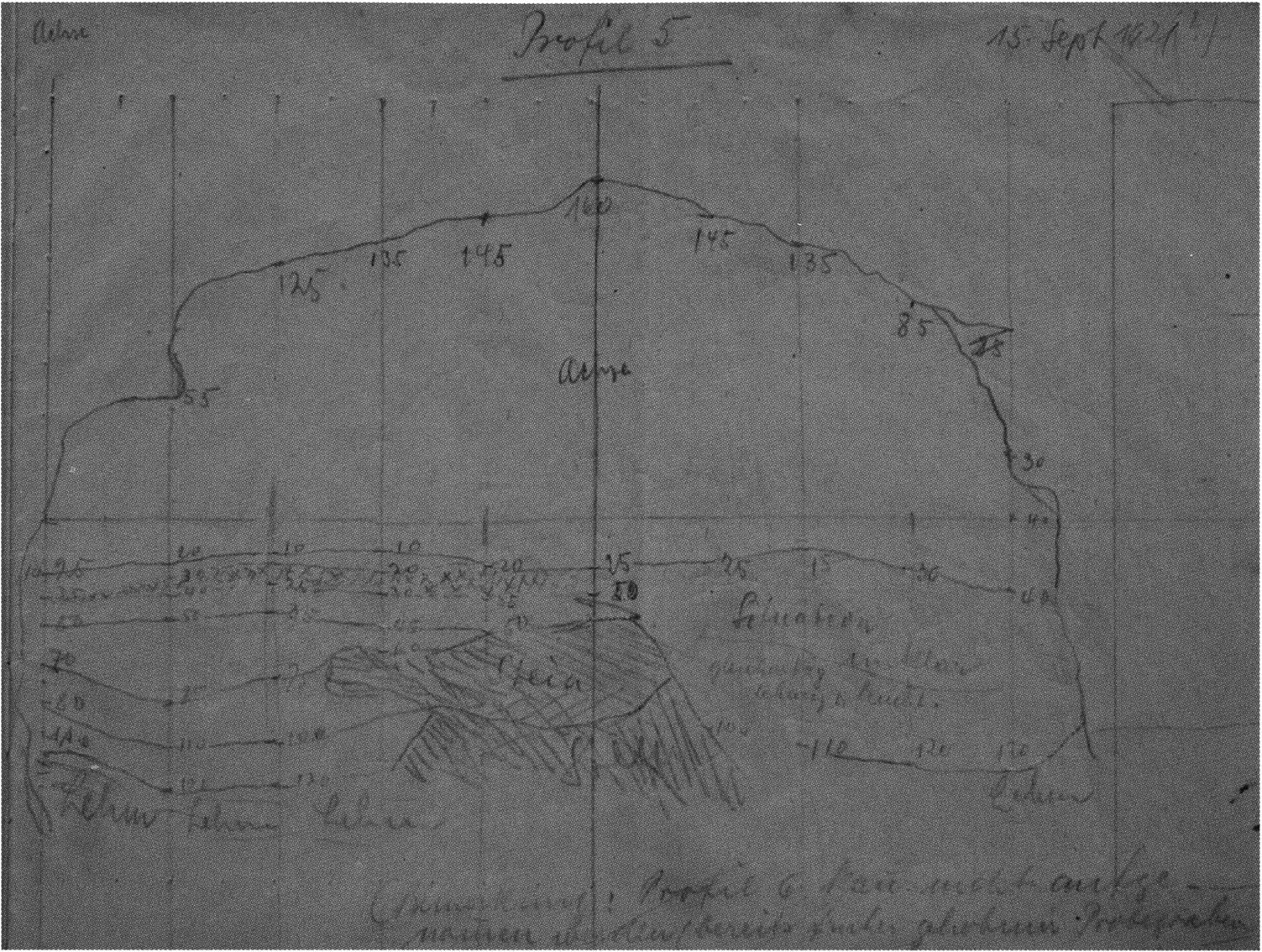
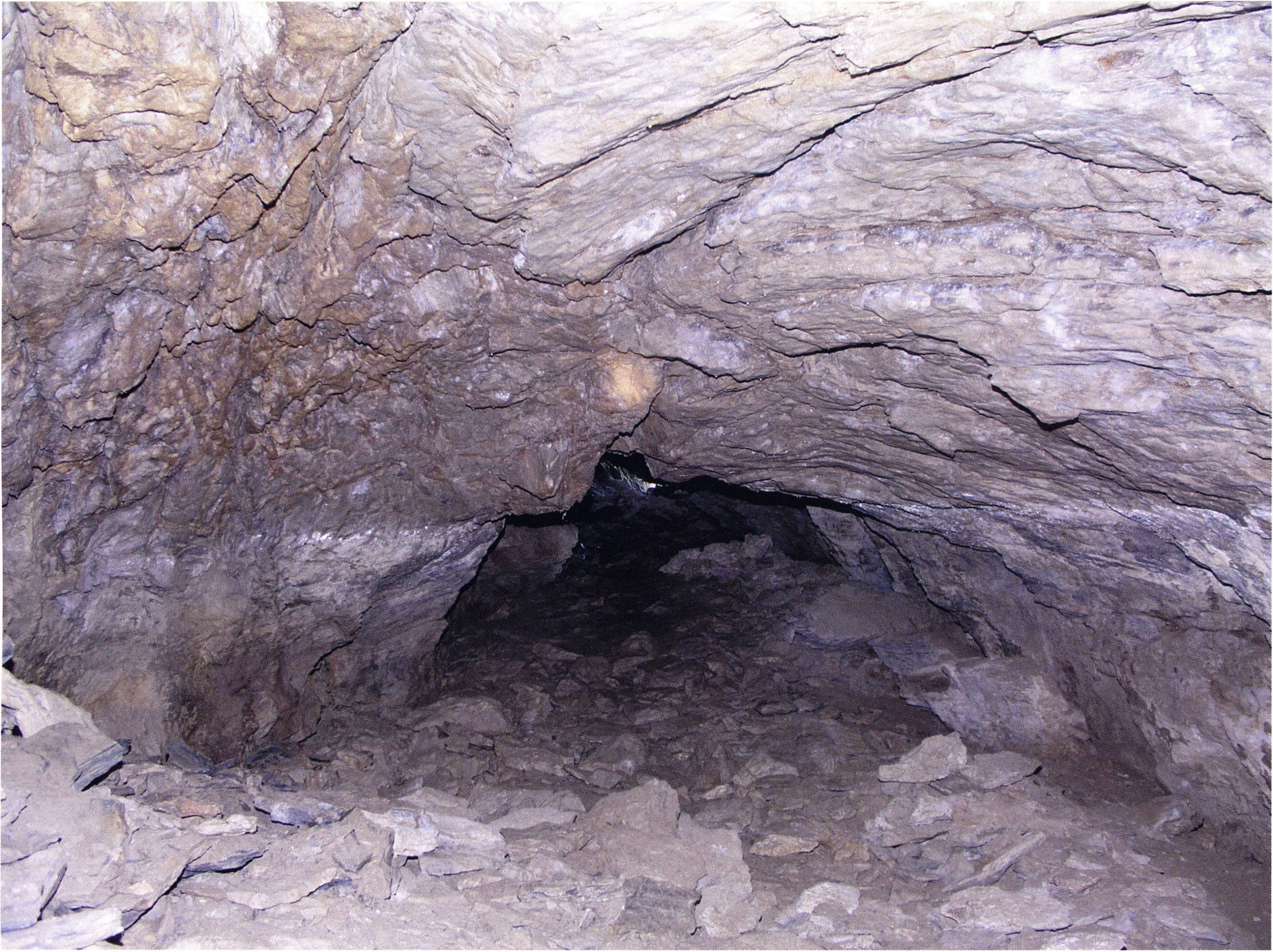
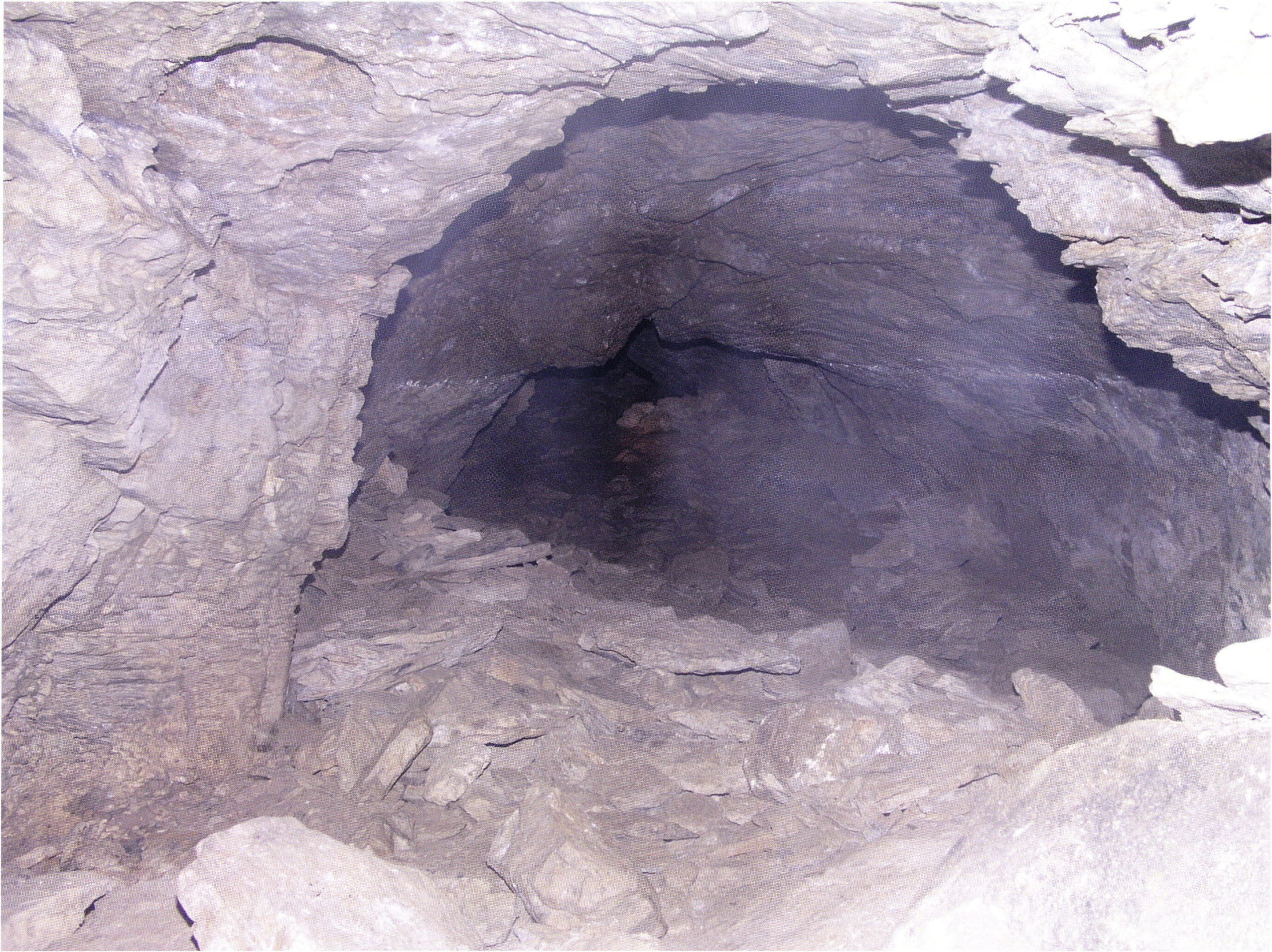
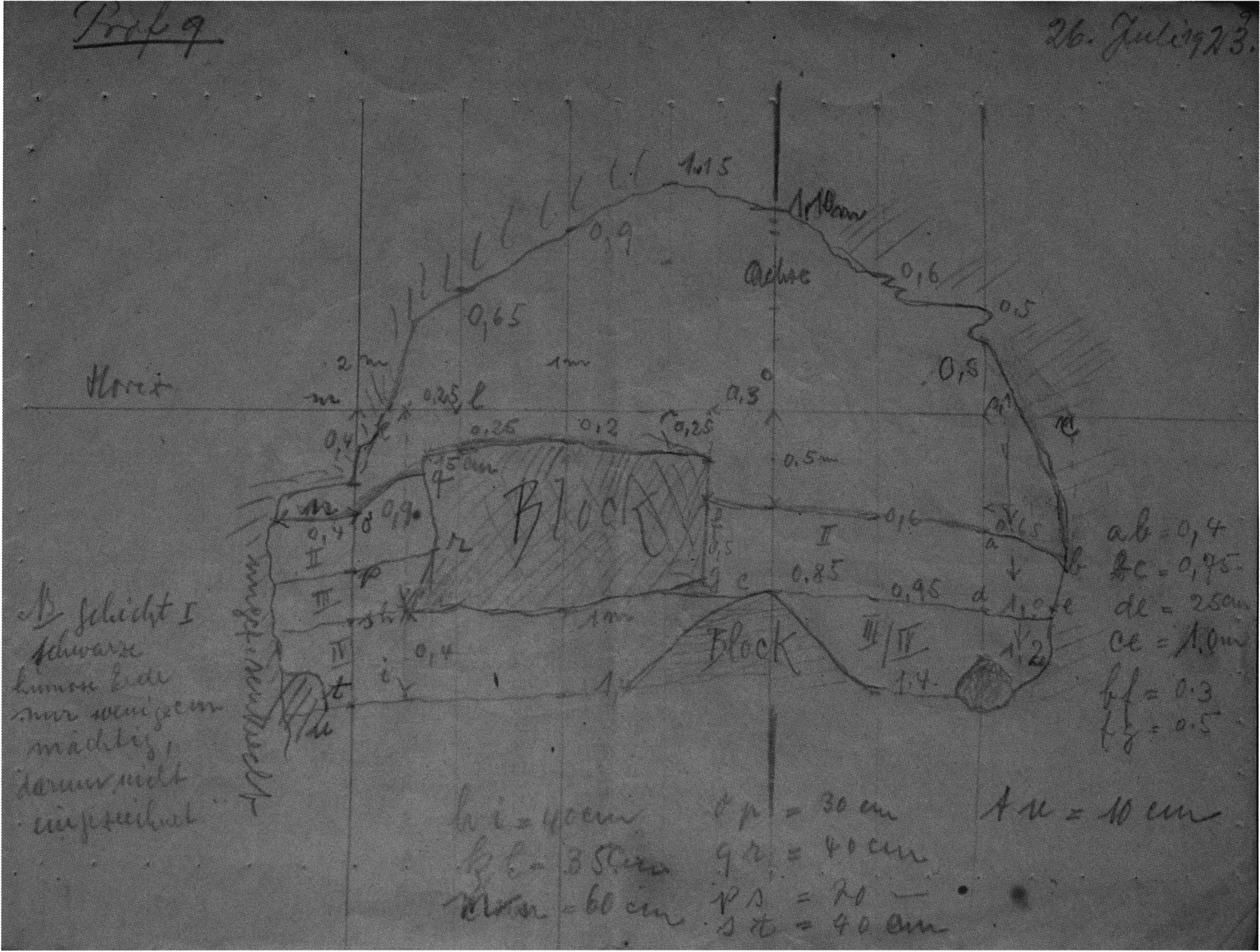
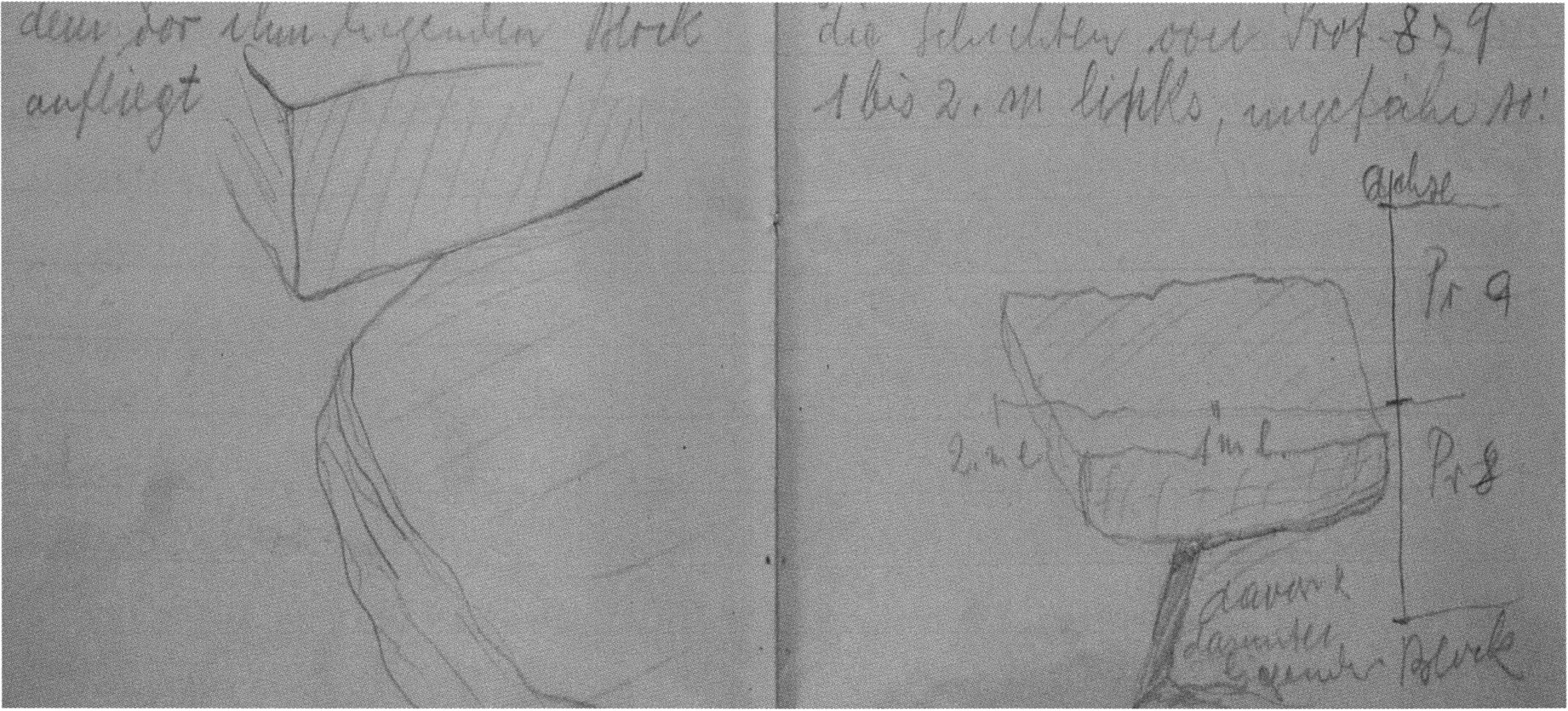
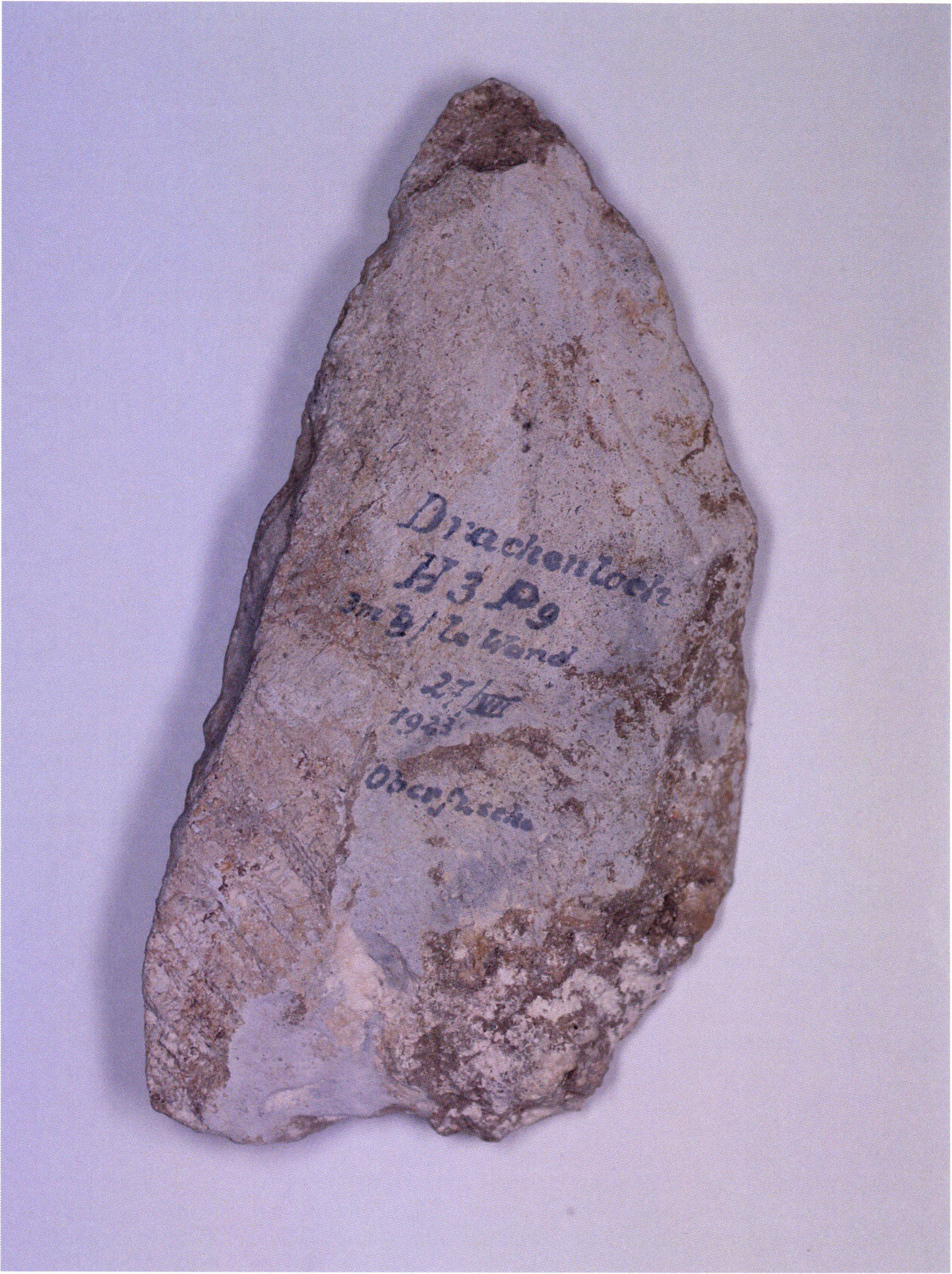
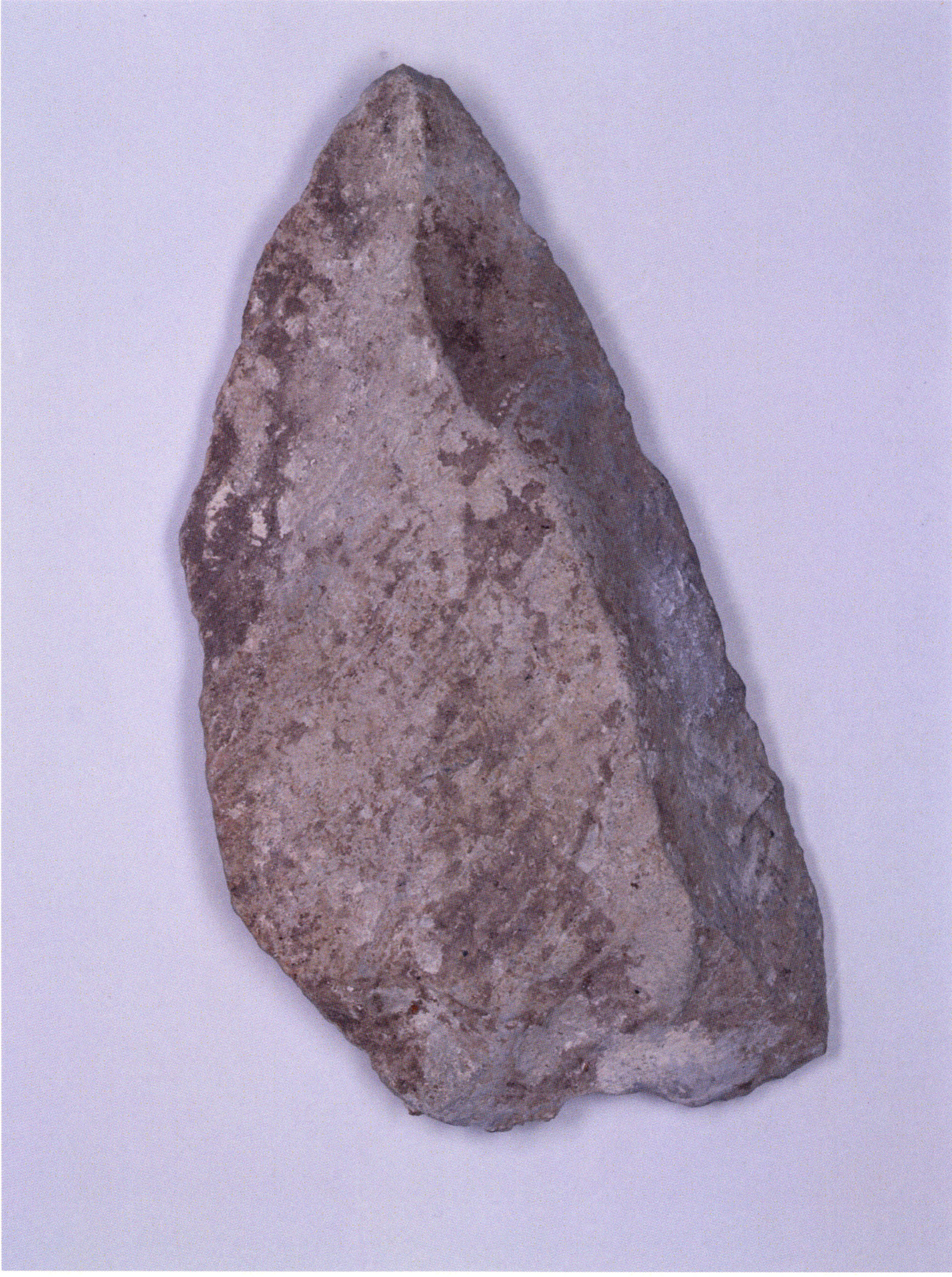
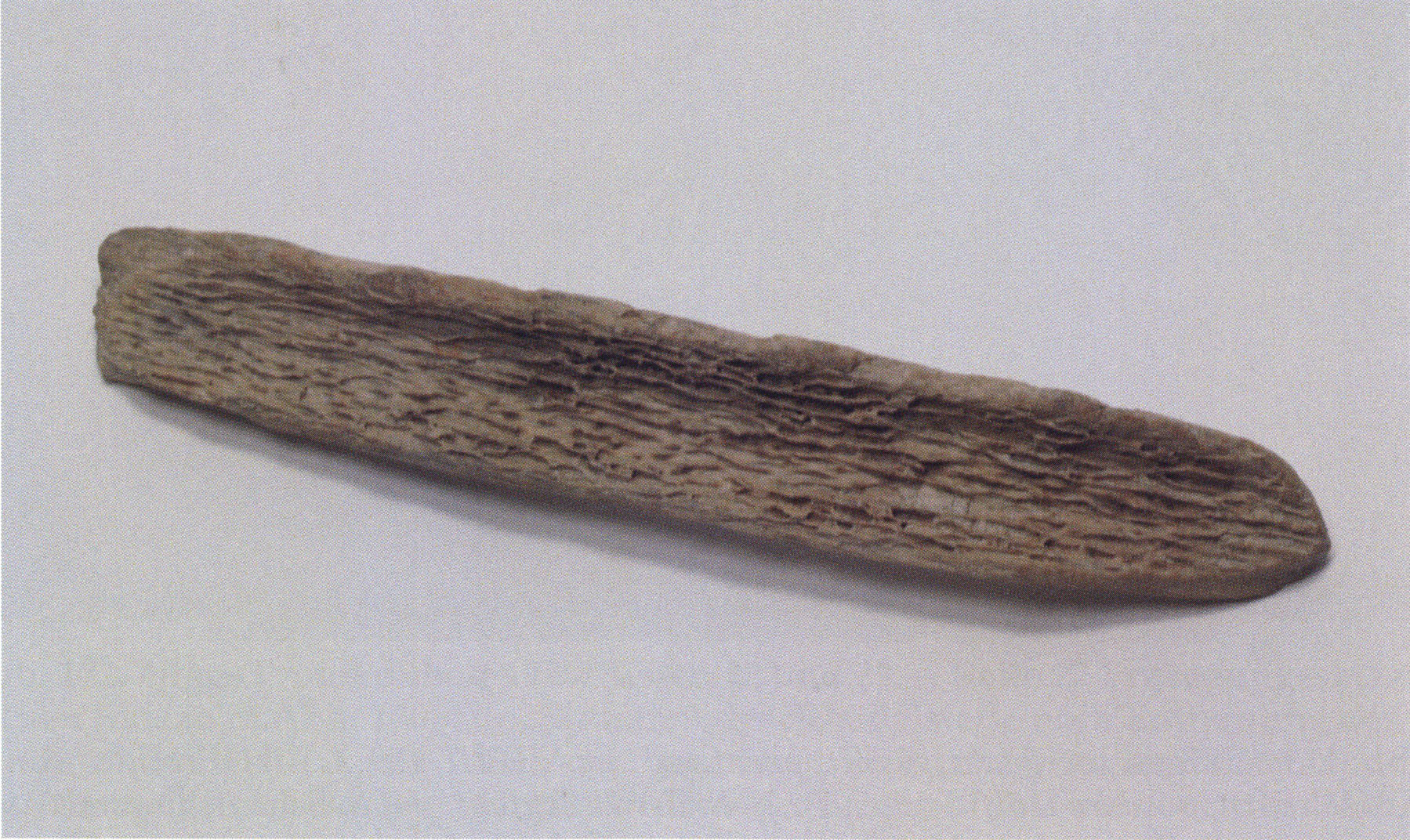
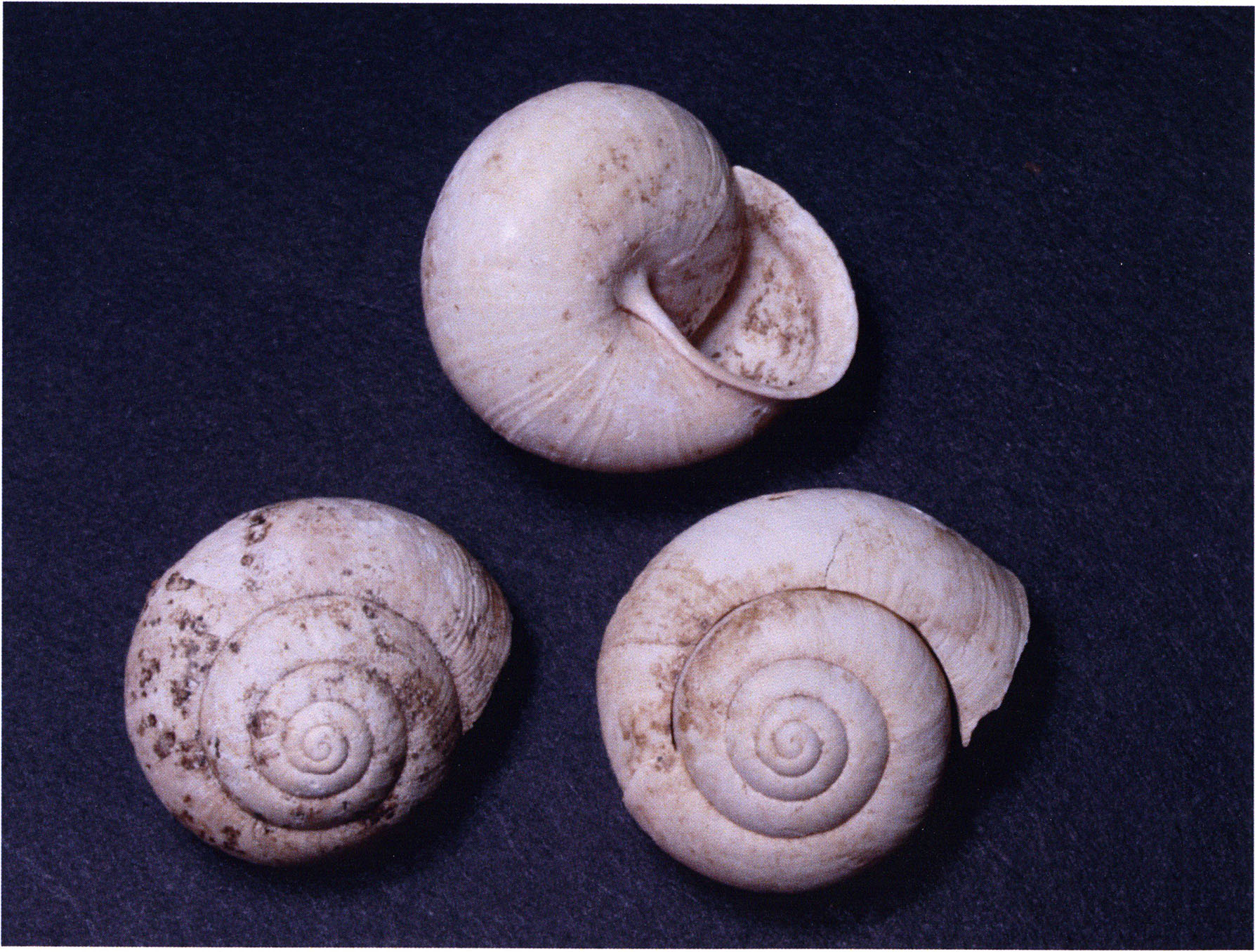
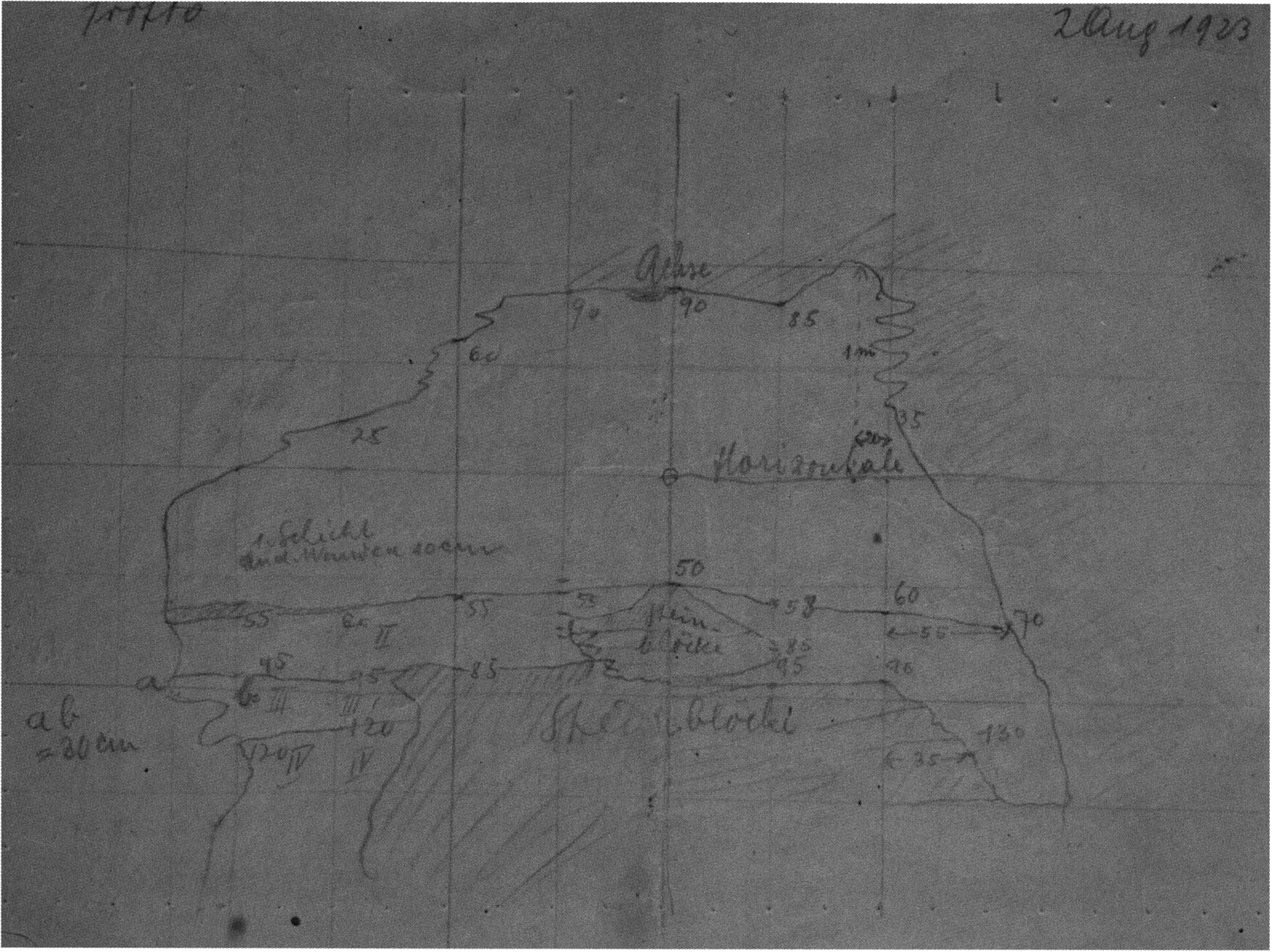
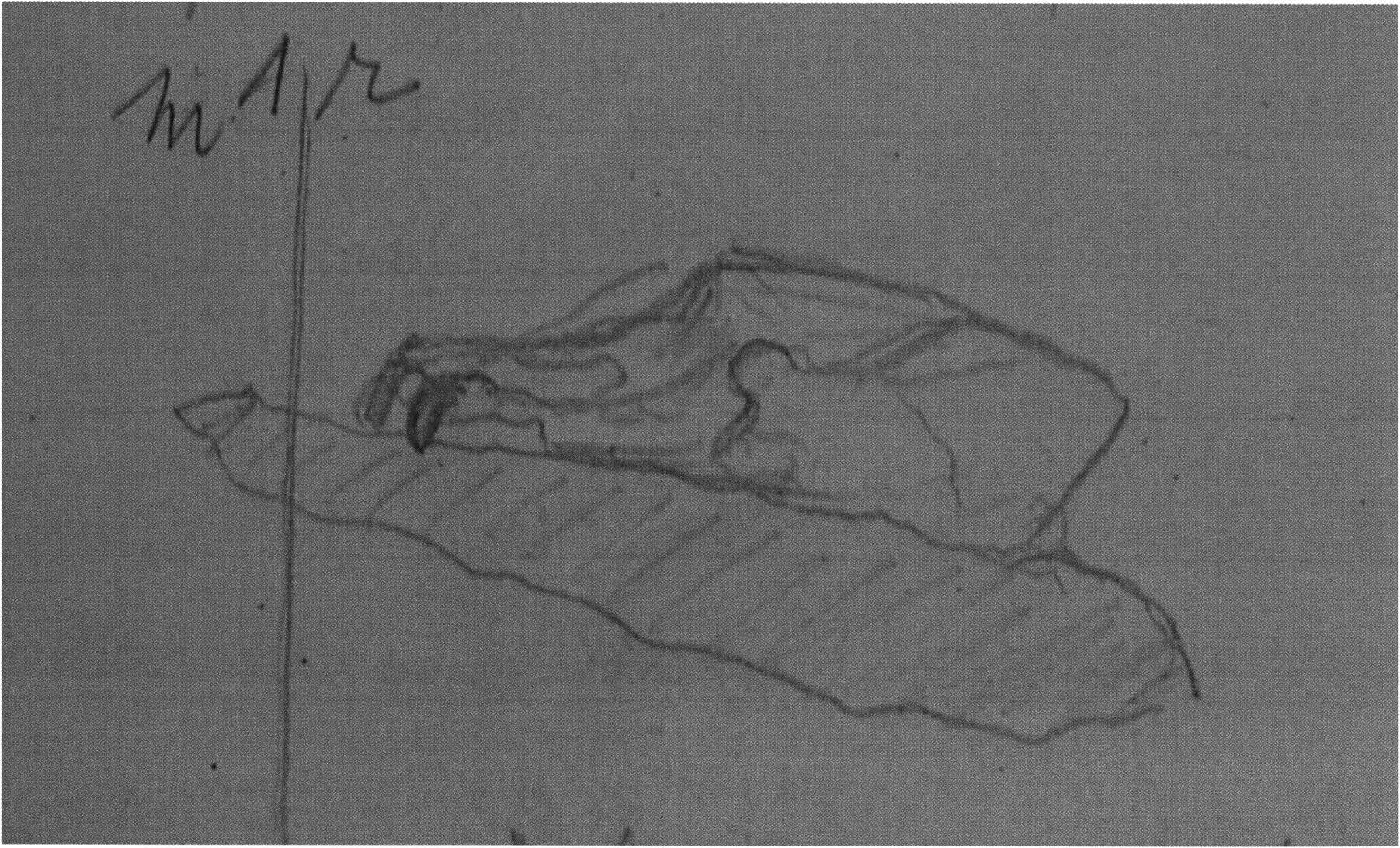
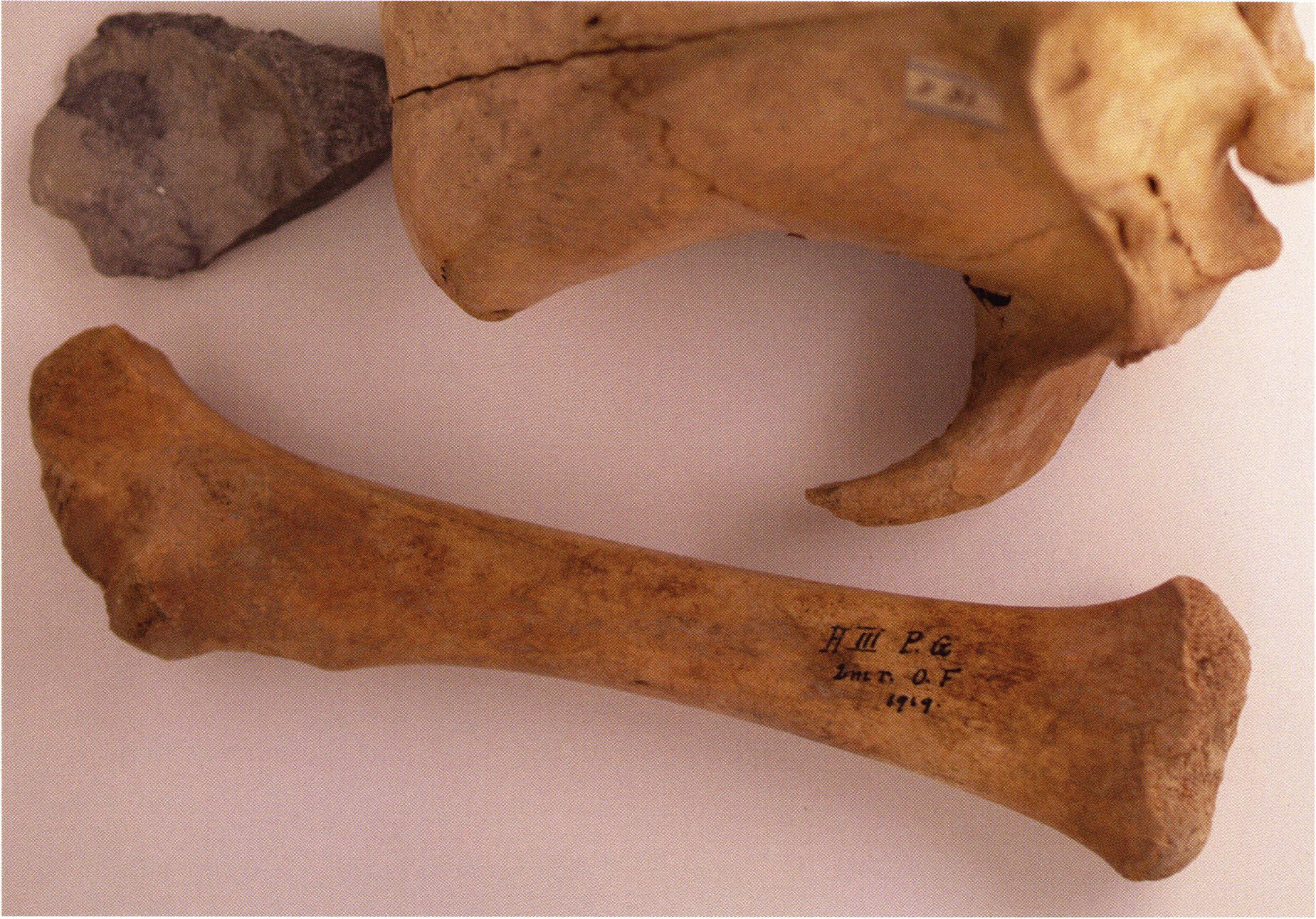
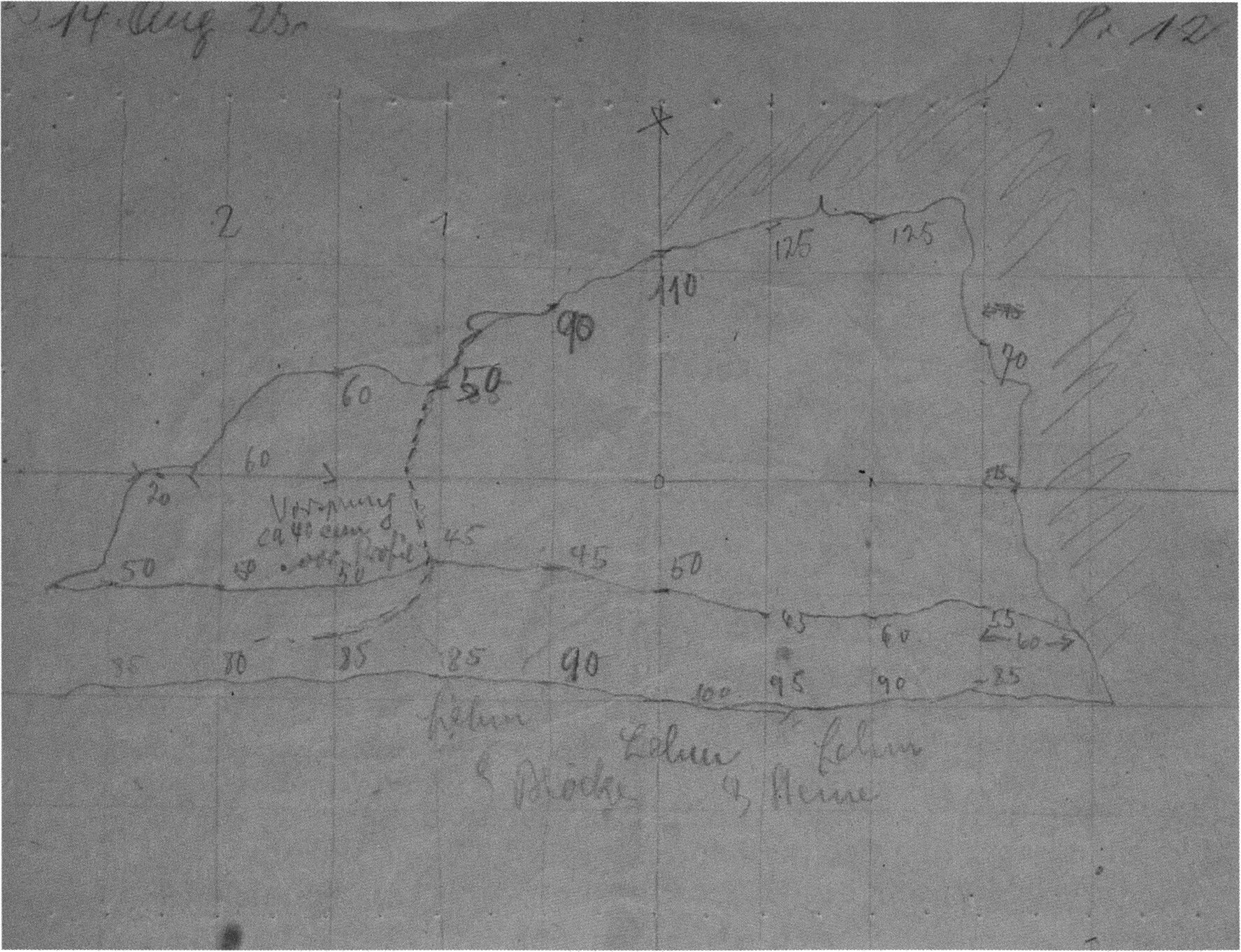
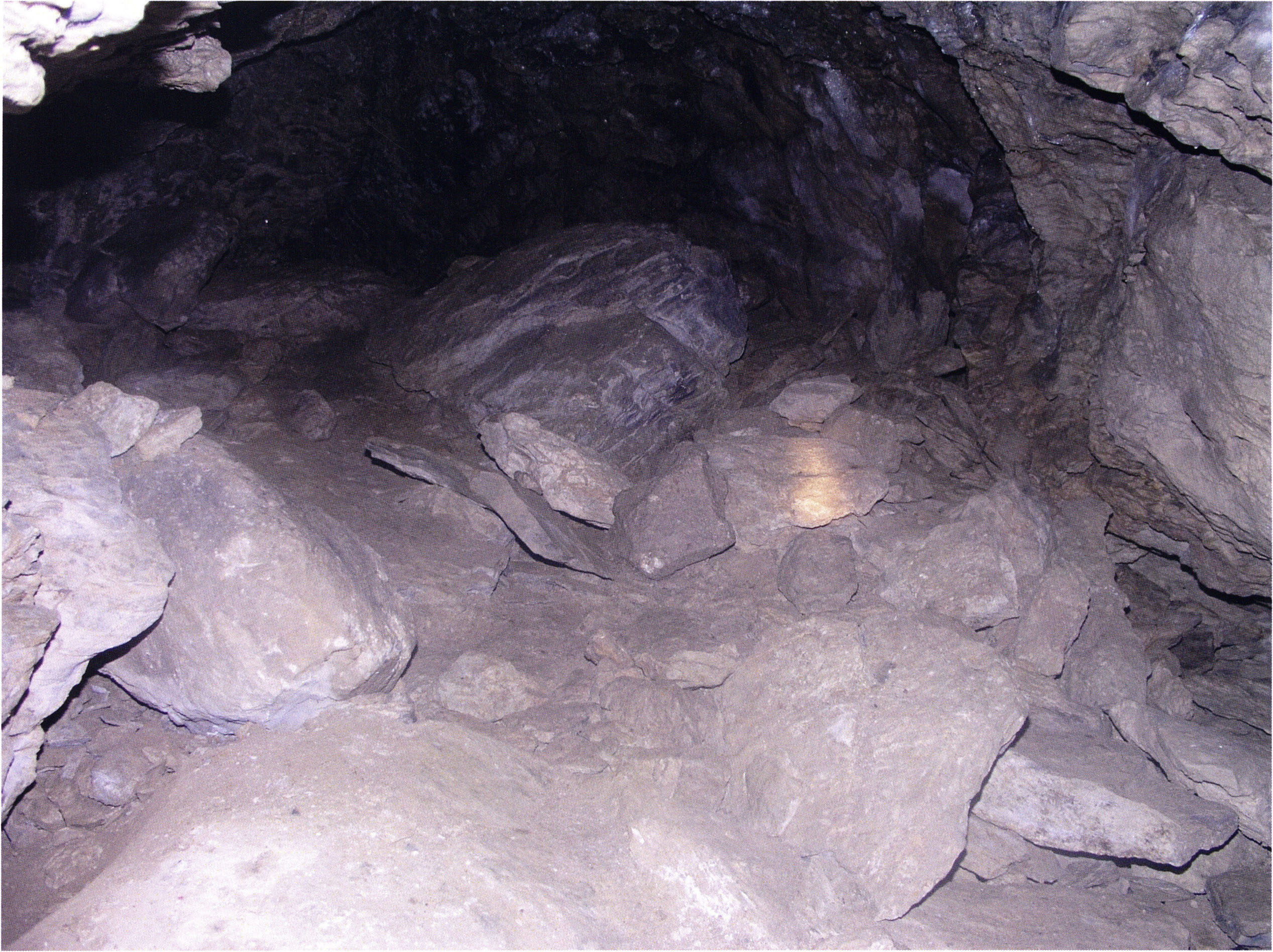
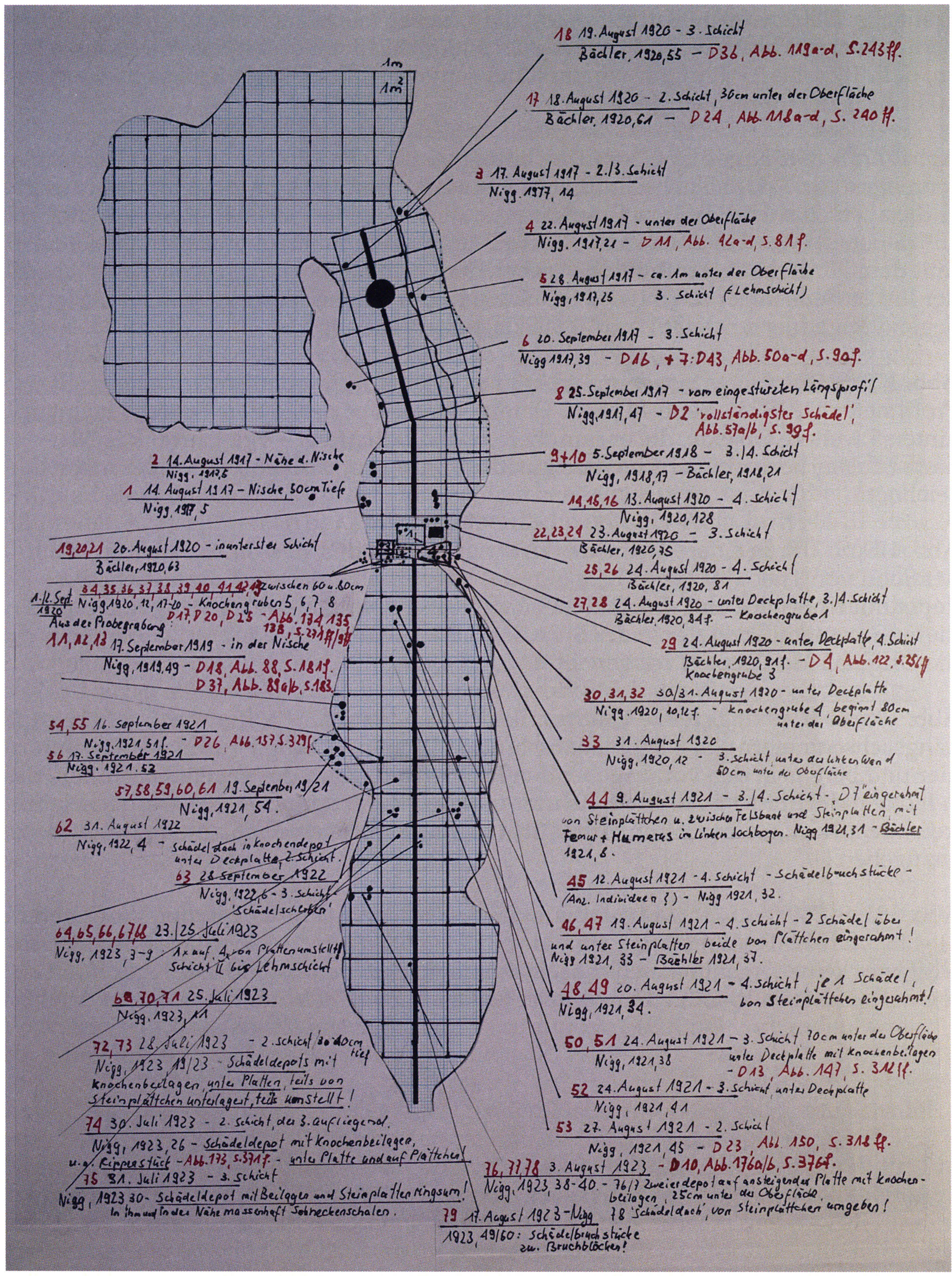
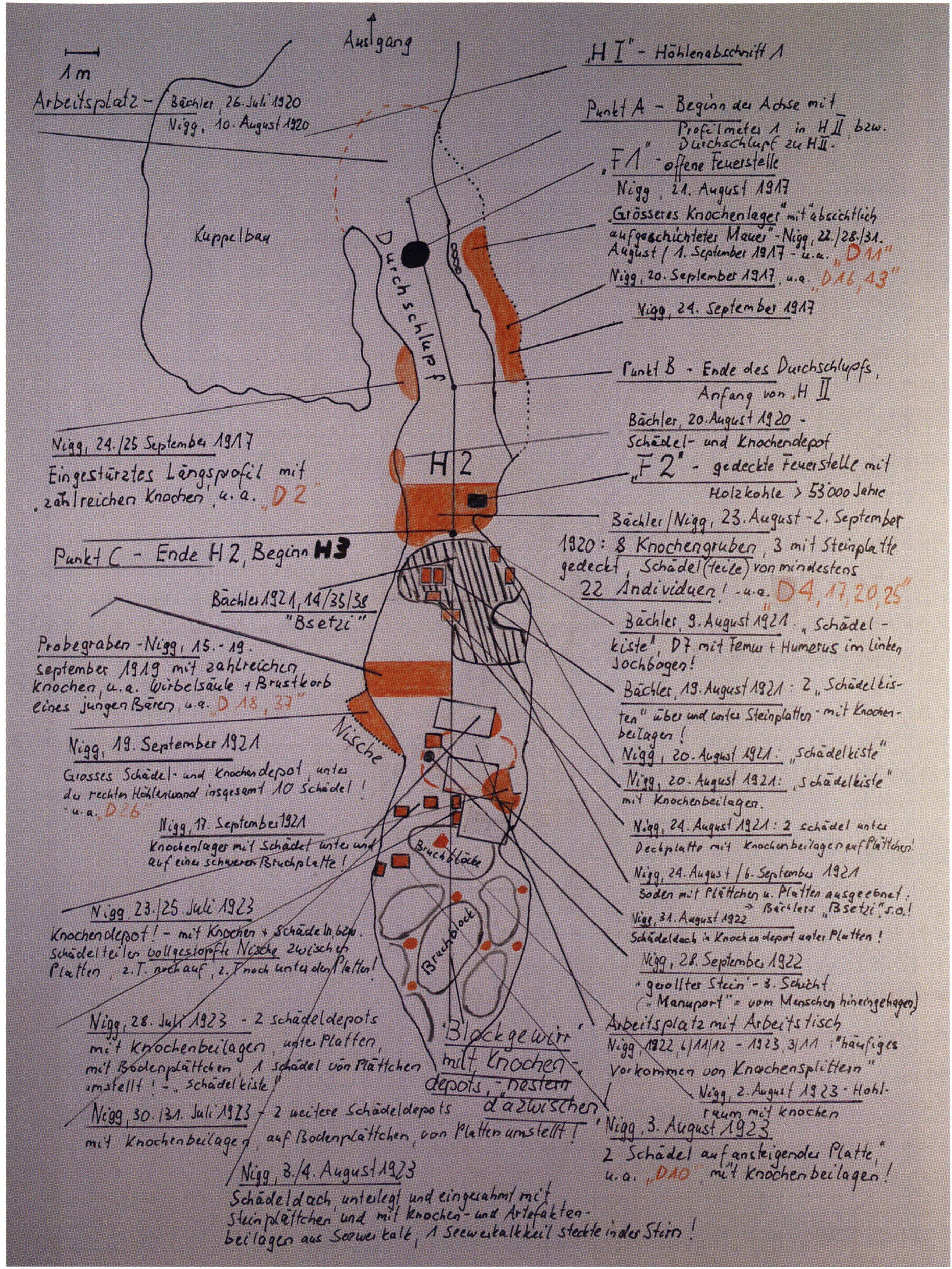
salvaged.work note: Only minor formatting has been performed on the original German text. Notably, figure images have not been inserted. Consult the original printed text (link available in the book’s main article on salvaged.work) for figures.
Eine Chronik der Drachenloch-Ausgrabungen ob Vättis/ Pfäfers, St. Gallen, 2427 m ü.M. in den Jahren 1917 bis 23, bestehend aus den Protokollen und dem Briefwechsel der leitenden Ausgräber Theophil Nigg und Dr. Emil Bächler, eingeleitet, mit einem Prolog versehen, übertragen, kommentiert, mit 304 (Nr. 1 -181) im Anhang erläuterten Einzelabbildungen und 2 (bzw. 3, Abb. 8/120) Plänen illustriert vom Herausgeber.
Den Niggs gewidmet -
Theophil, dem Entdecker und Ausgräber, - Toni, dem unermüdlichen Zeichner des Ausgrabungsmaterials und Bewahrer der Ausgrabungsbefunde seines Vaters !
Druck: Dietschi AG, Olten
Einband: Buchbinderei Bruno Ursprung, Trimbach
ISBN 978-3-033-01616-3
Einleitung
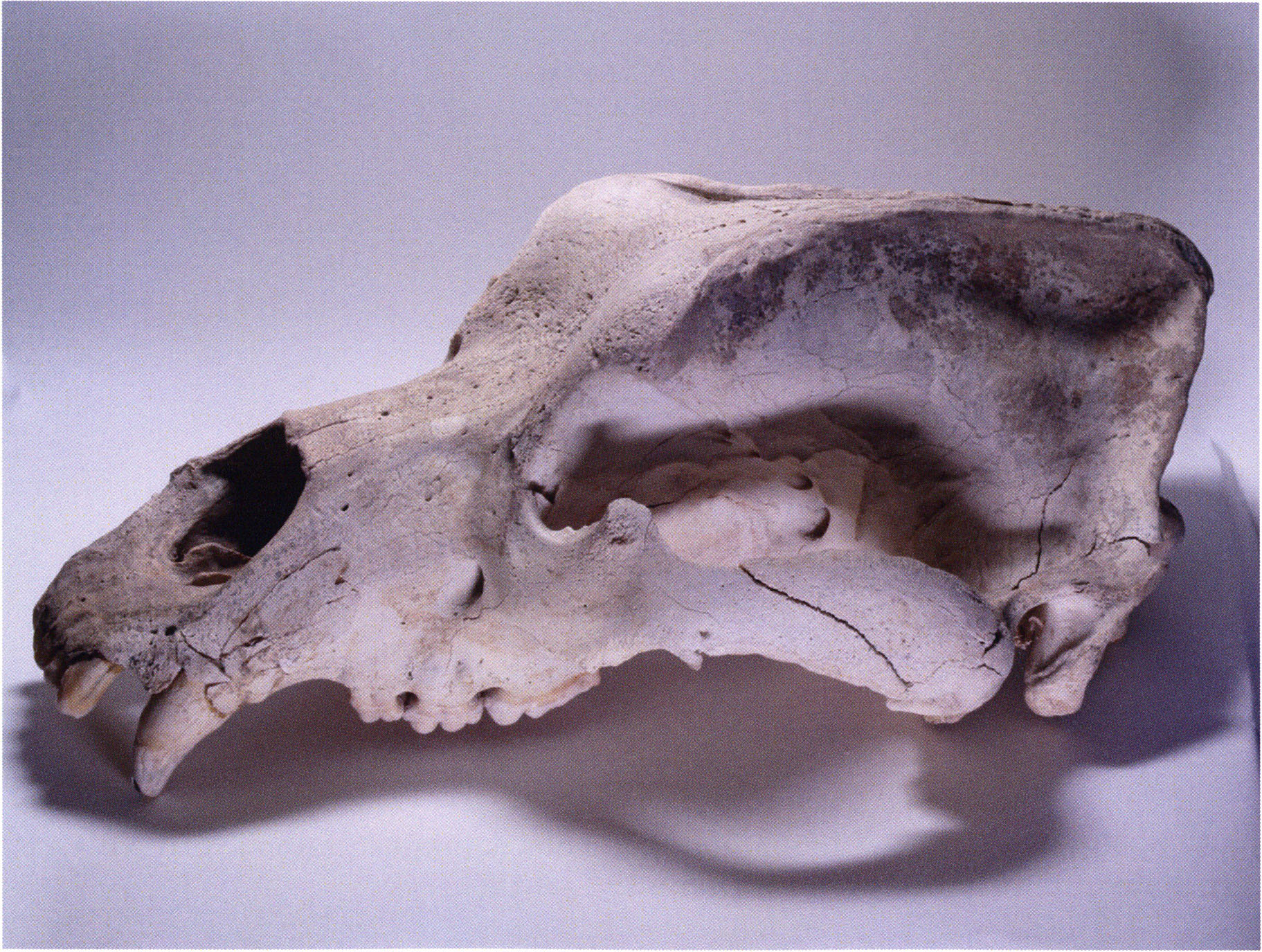
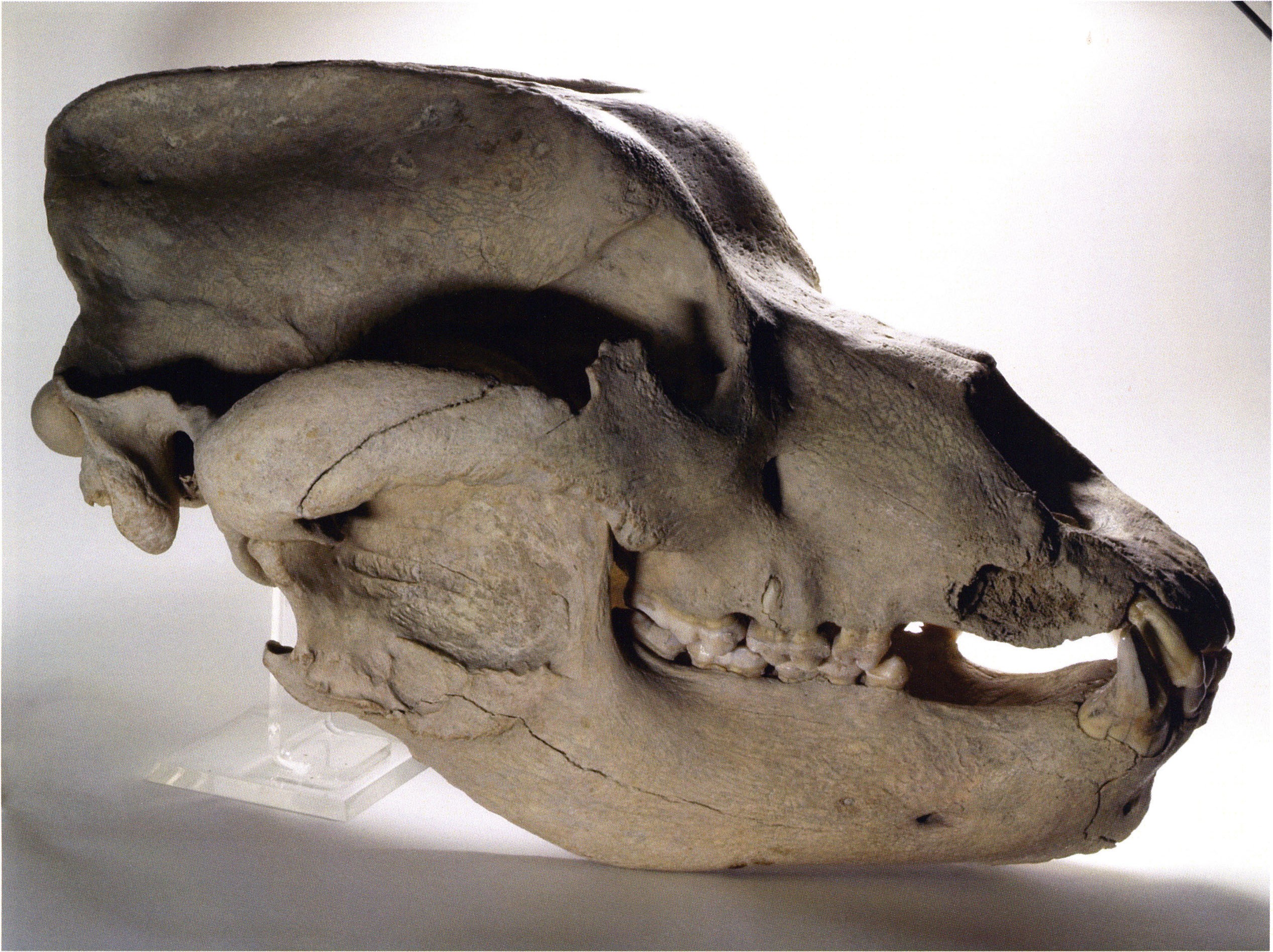
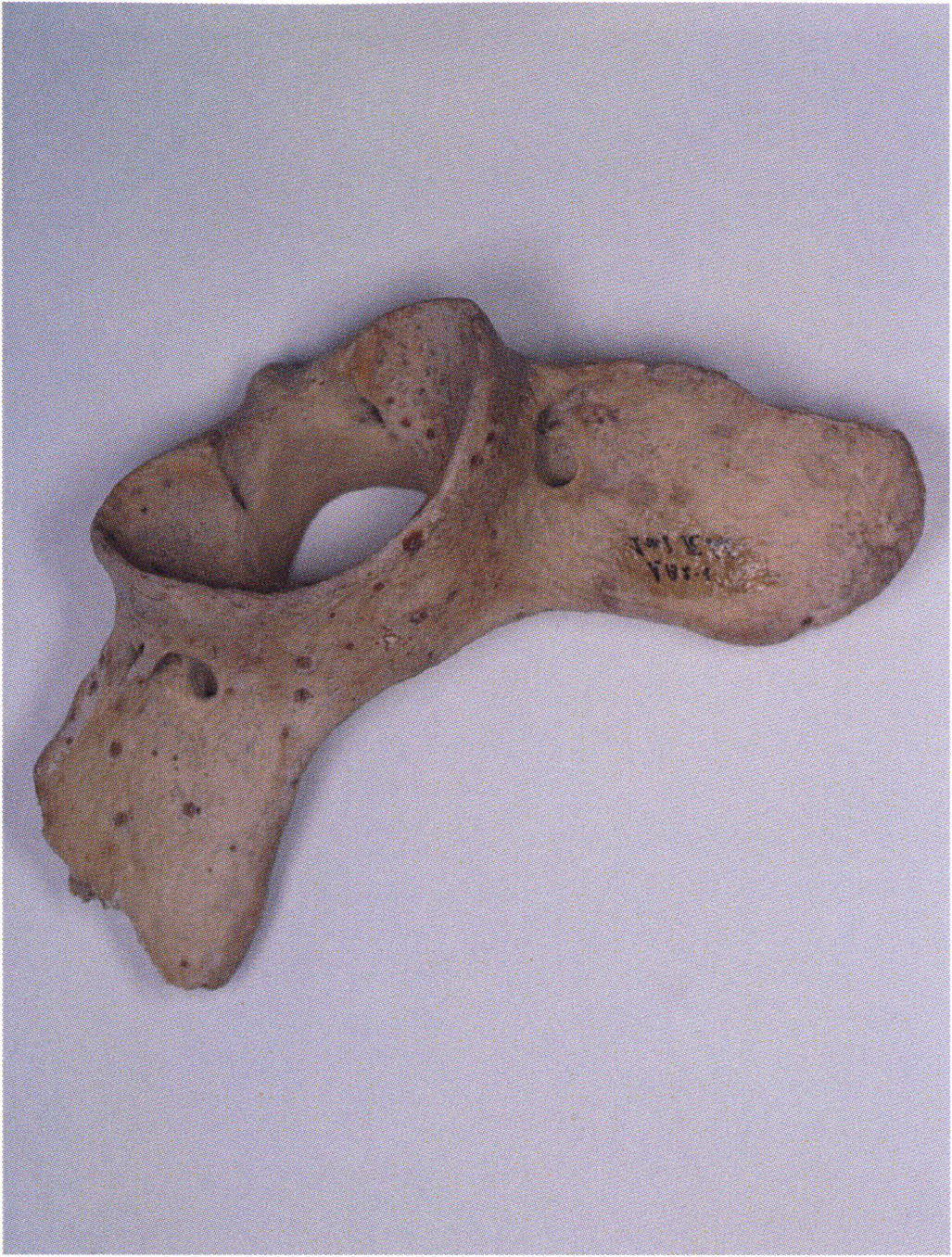
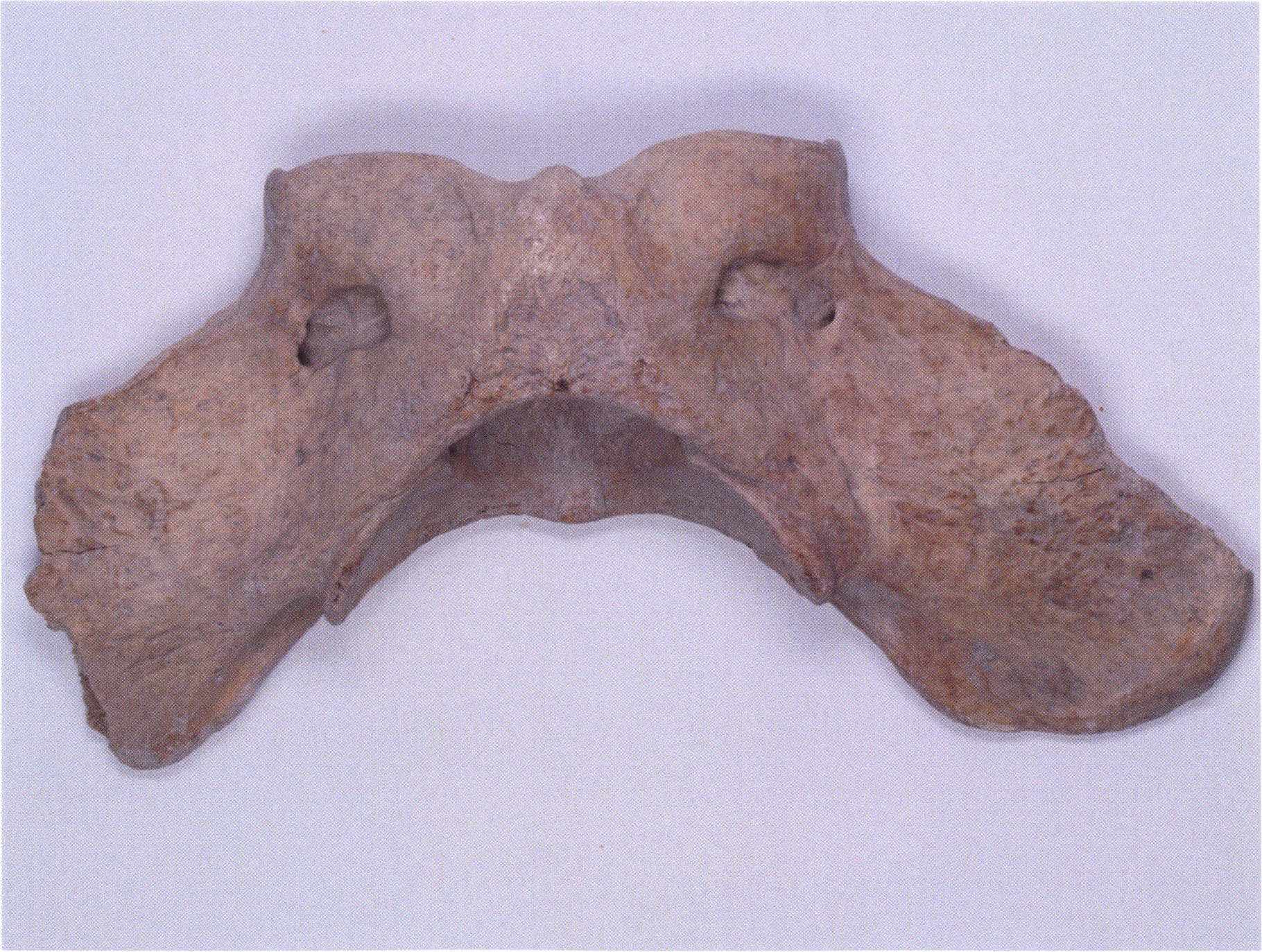
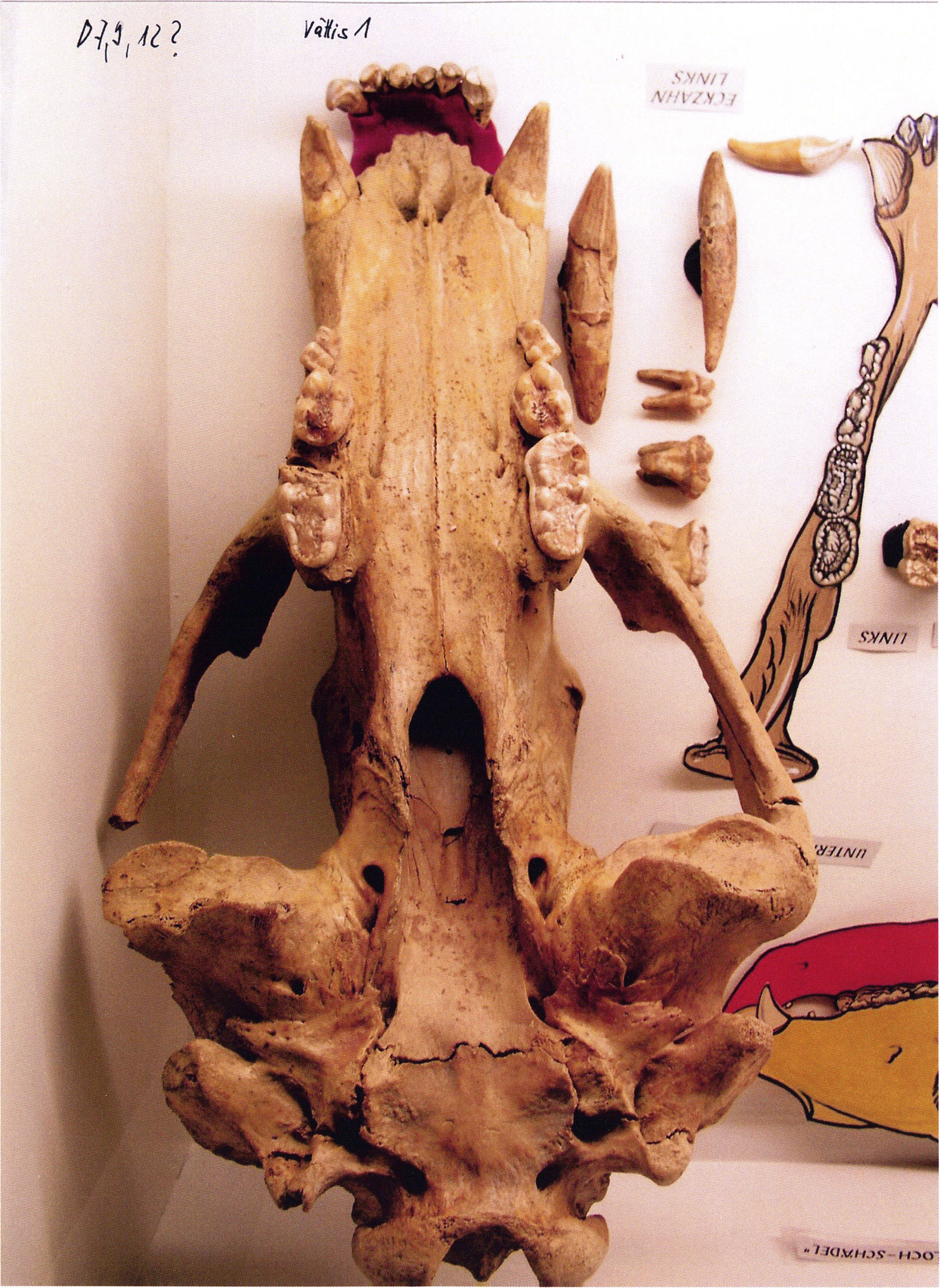
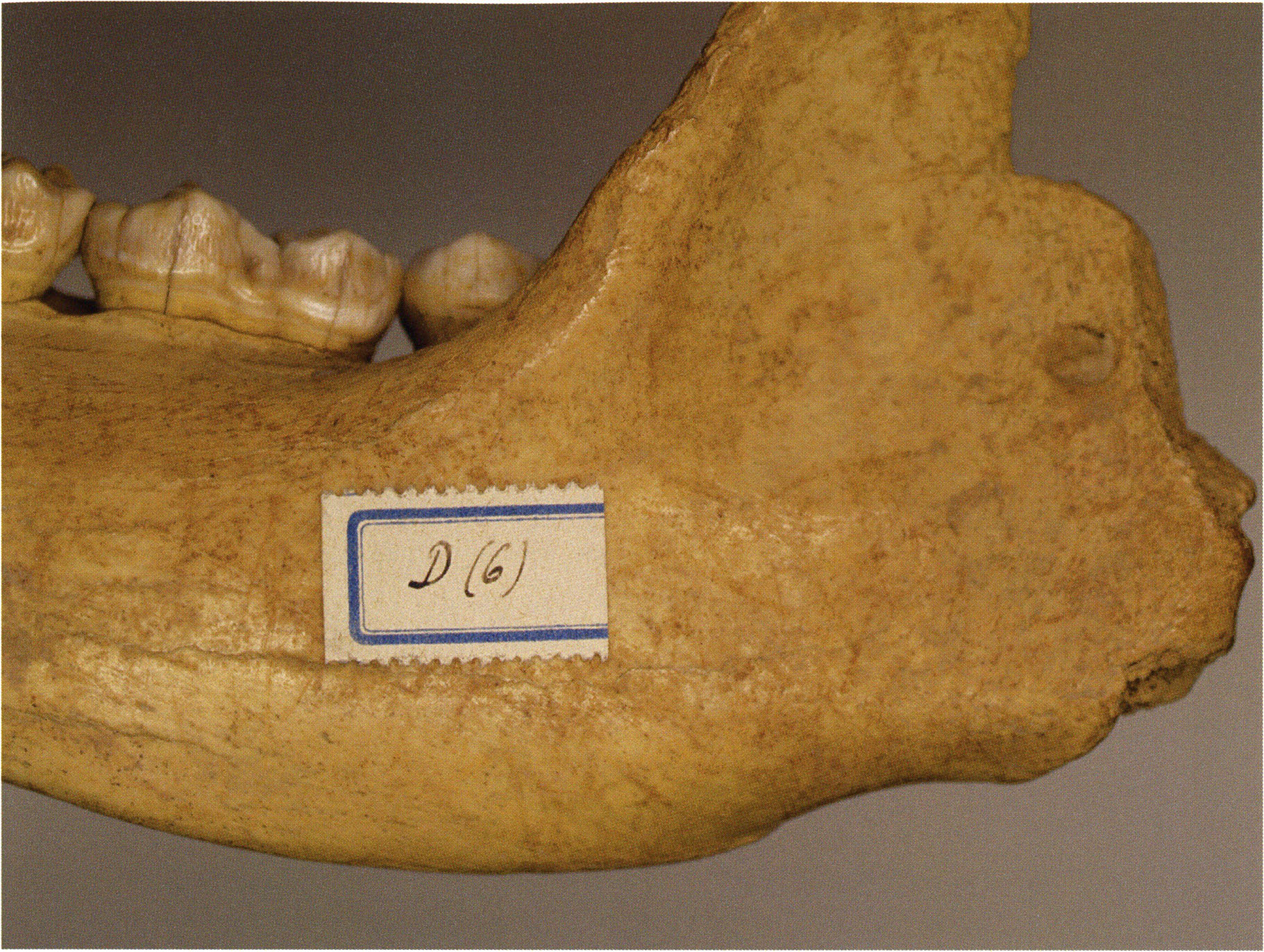
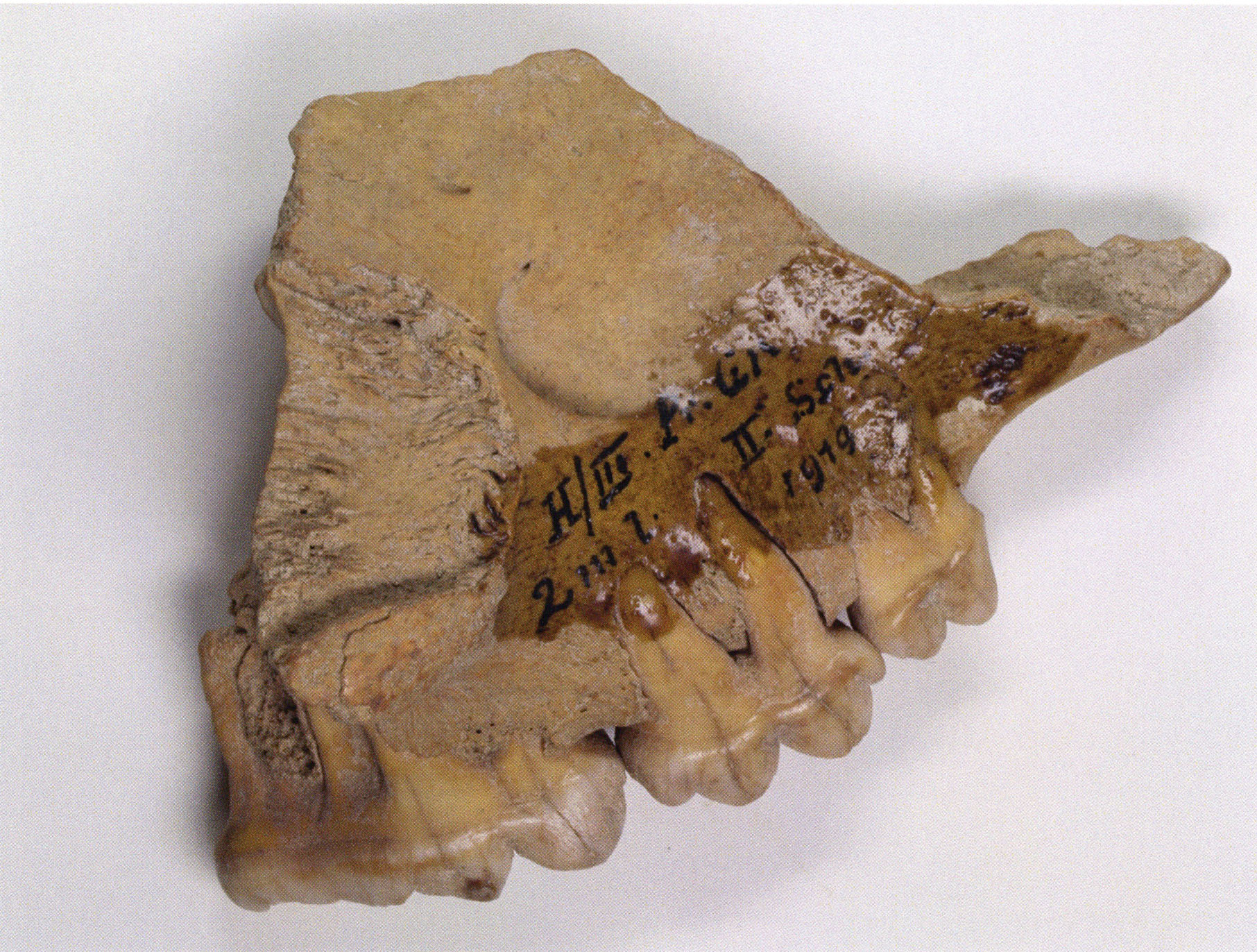
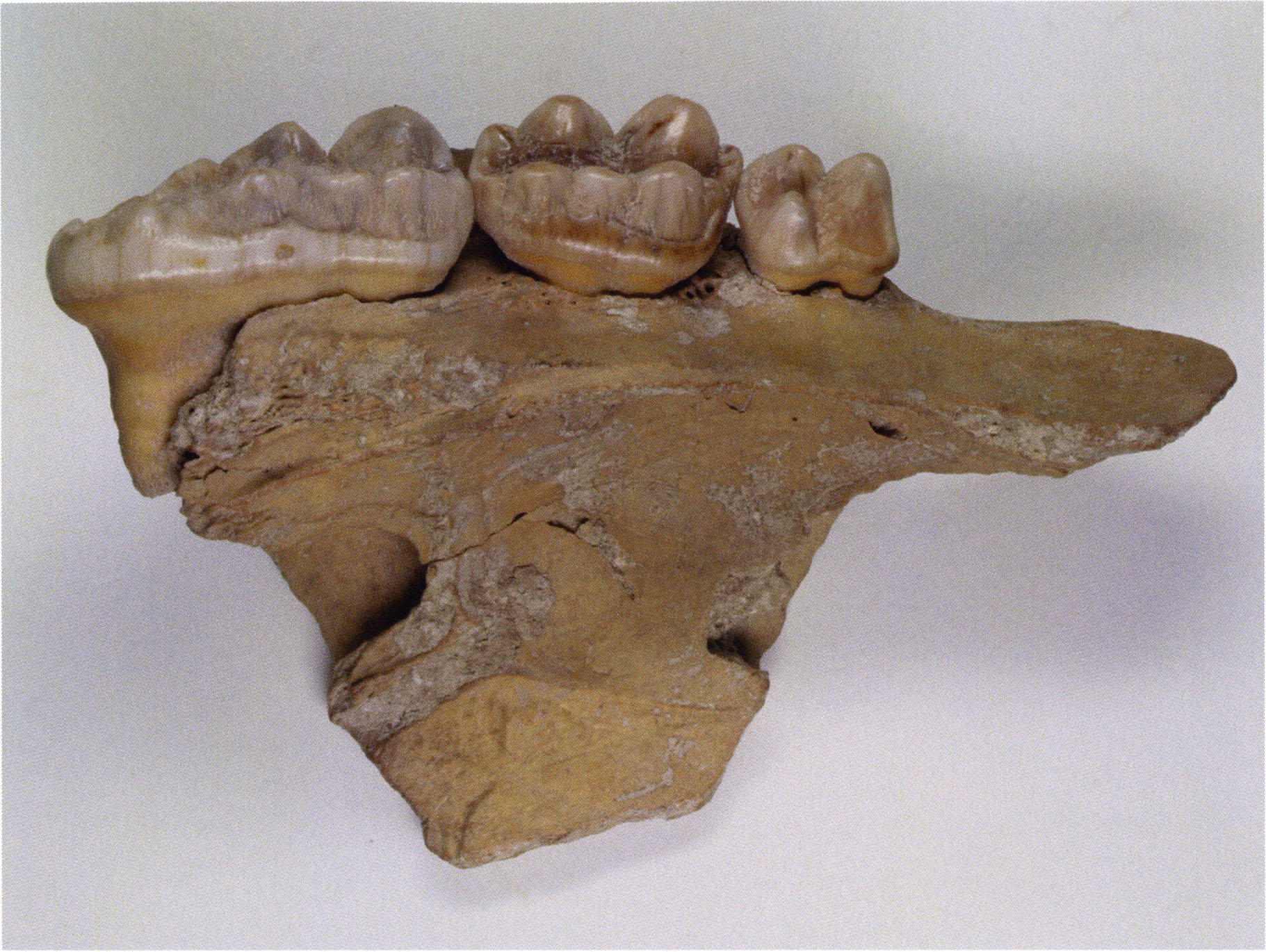
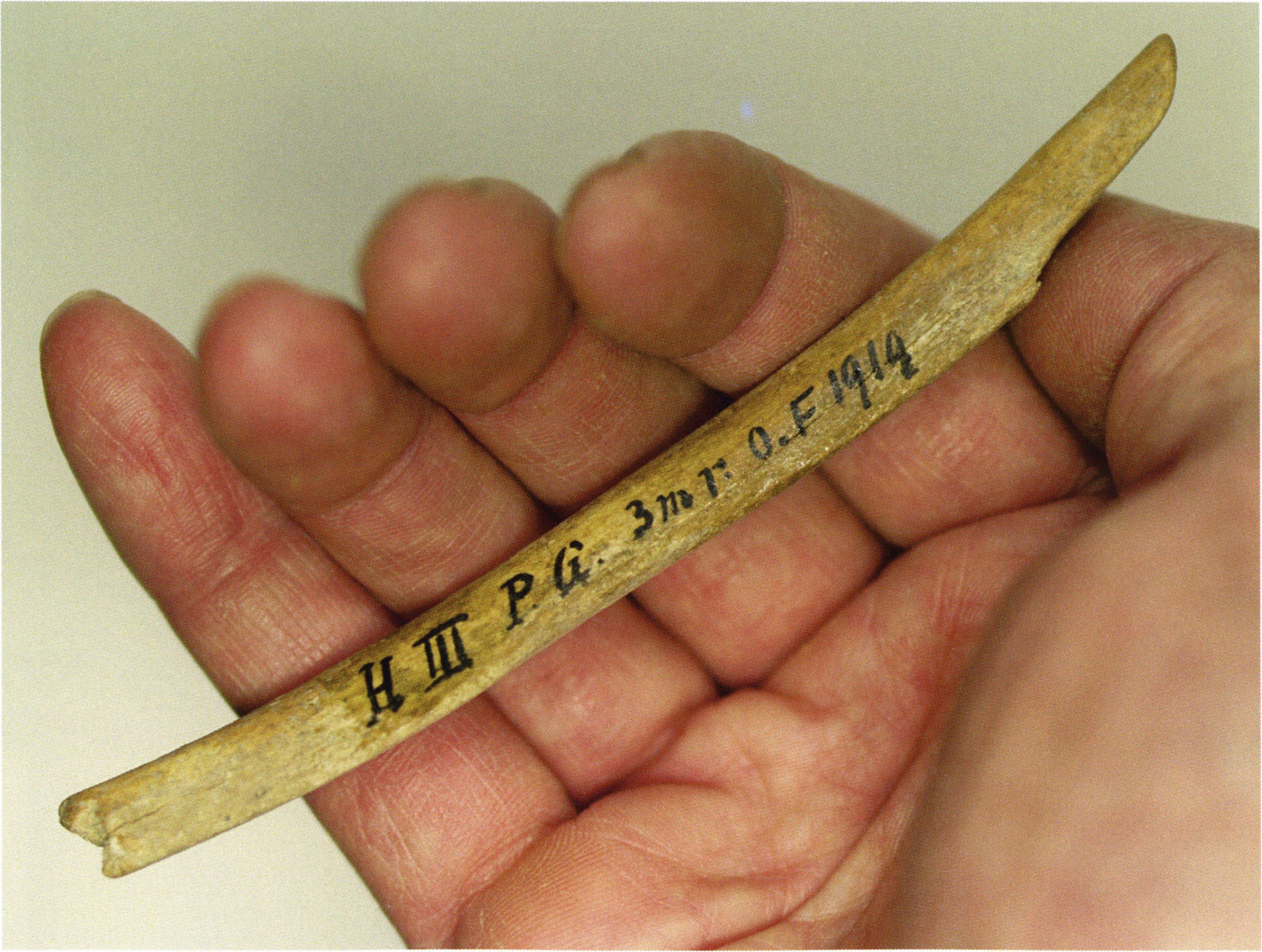
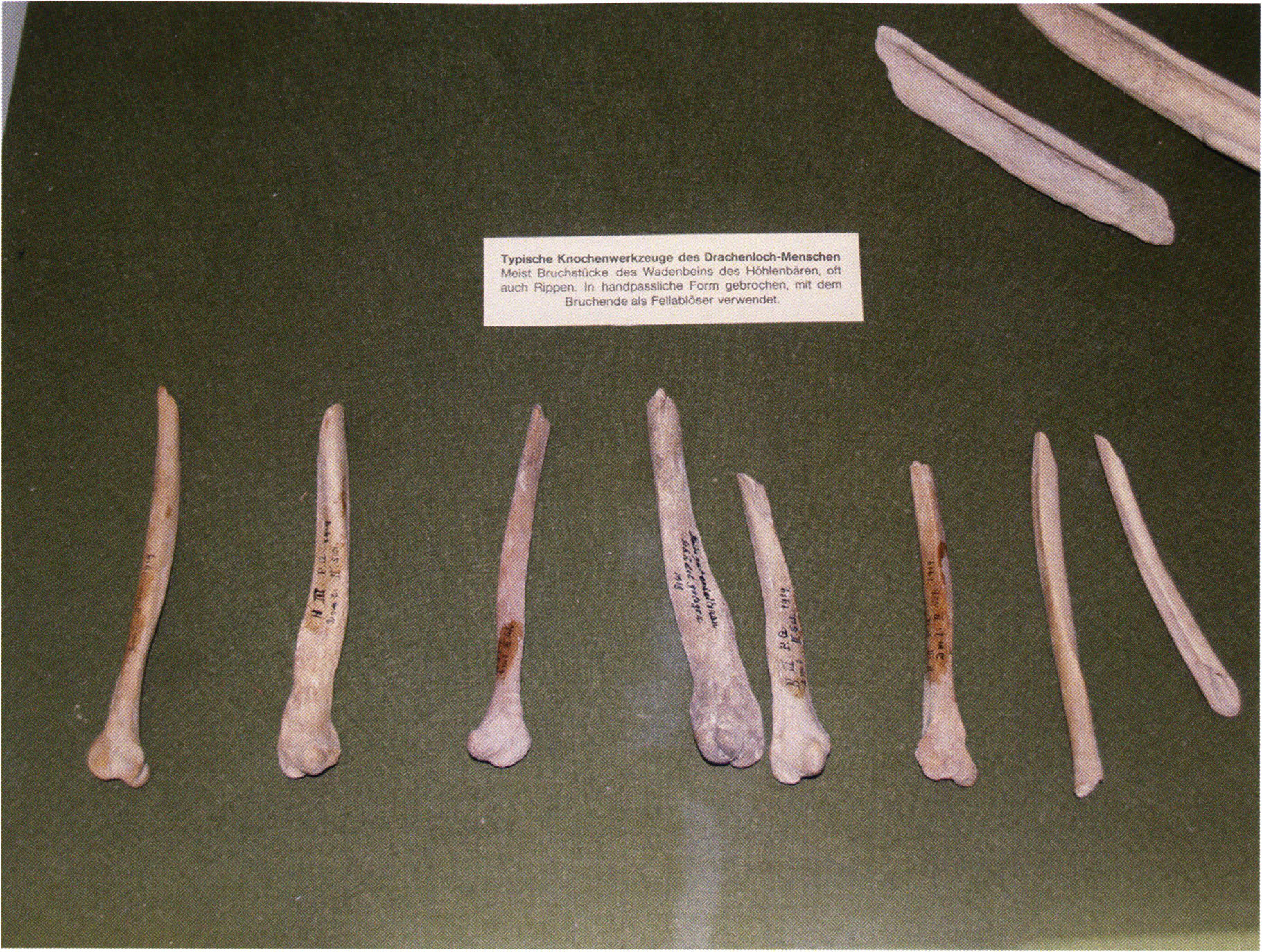
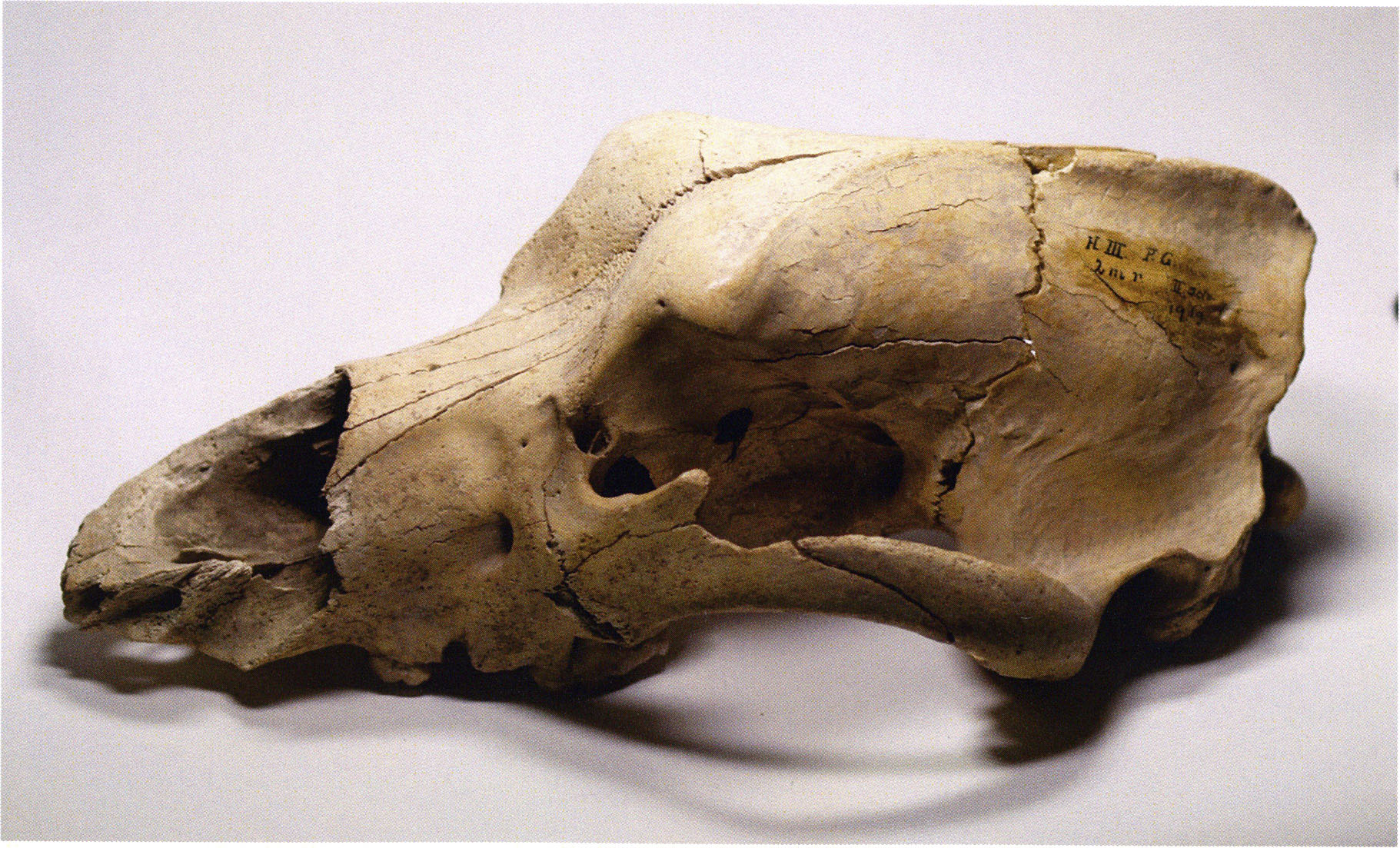
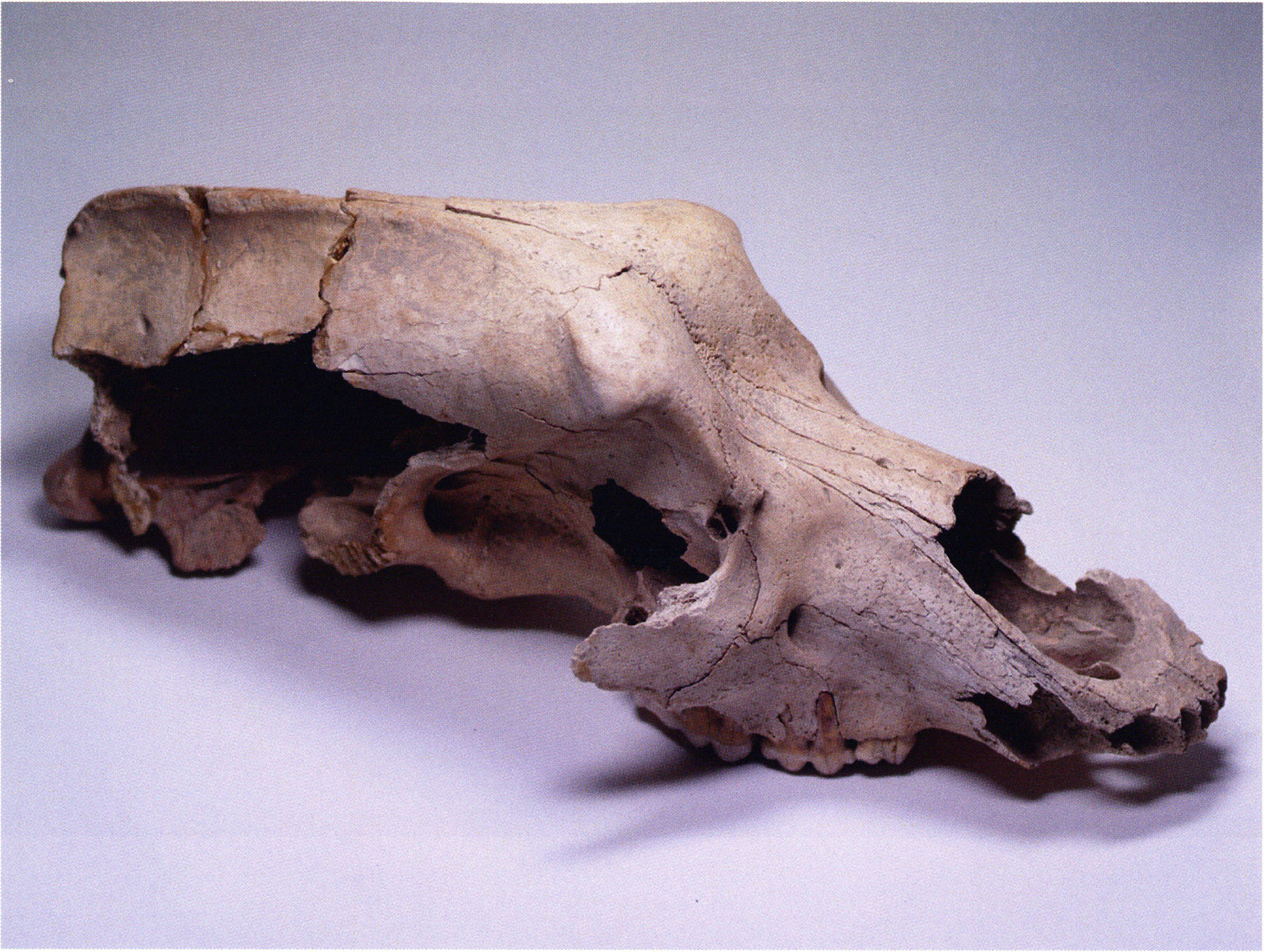
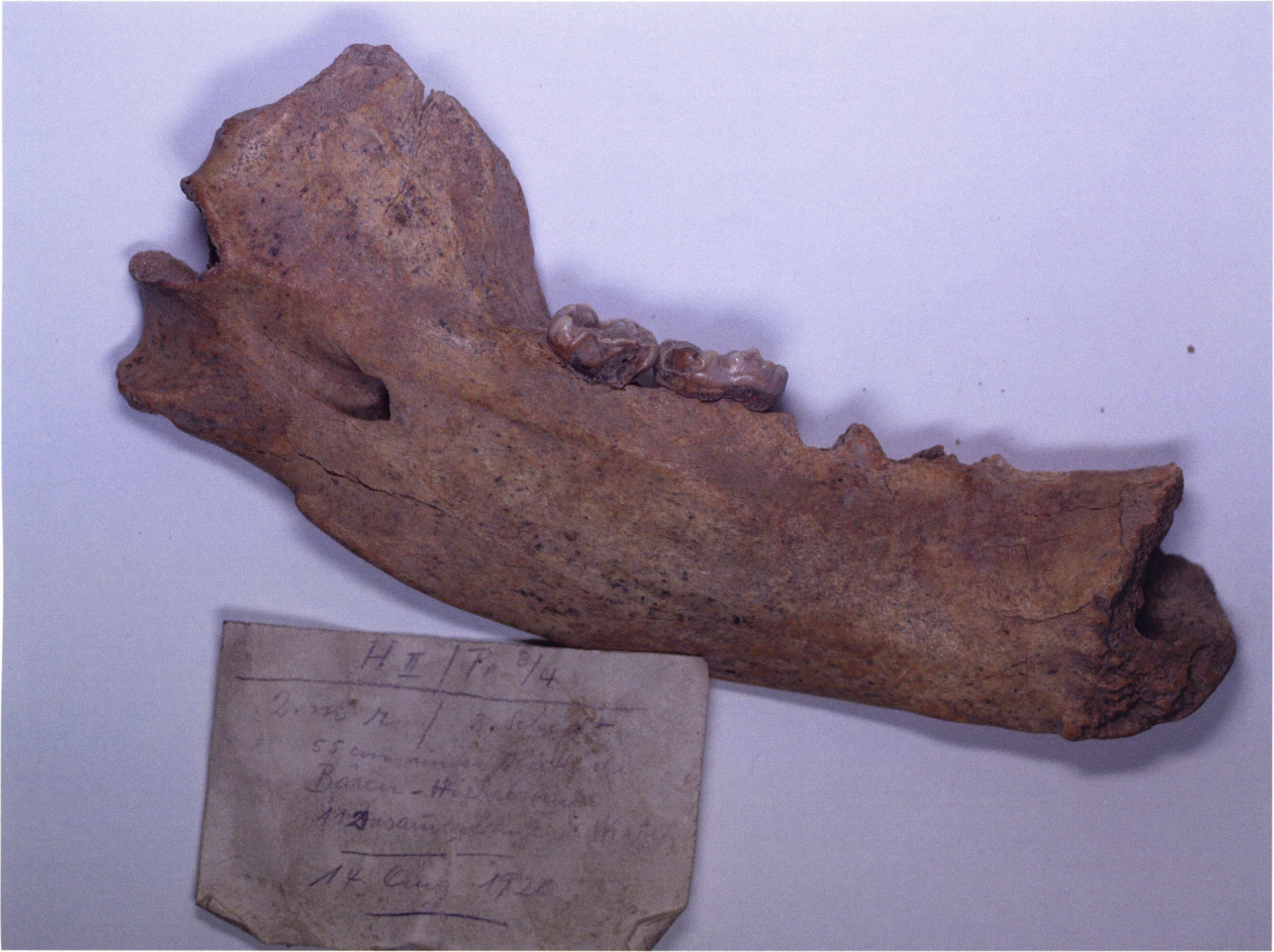
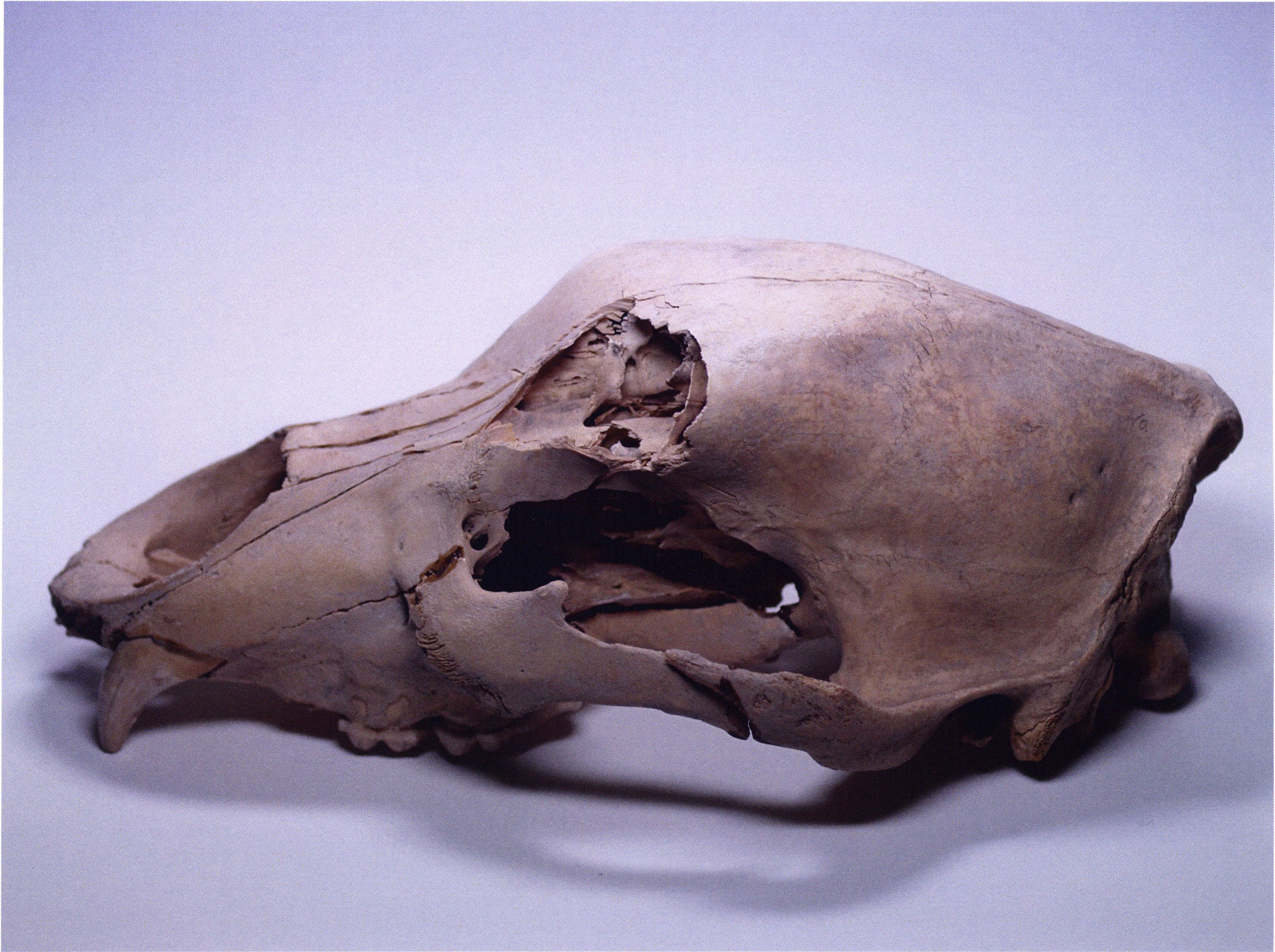
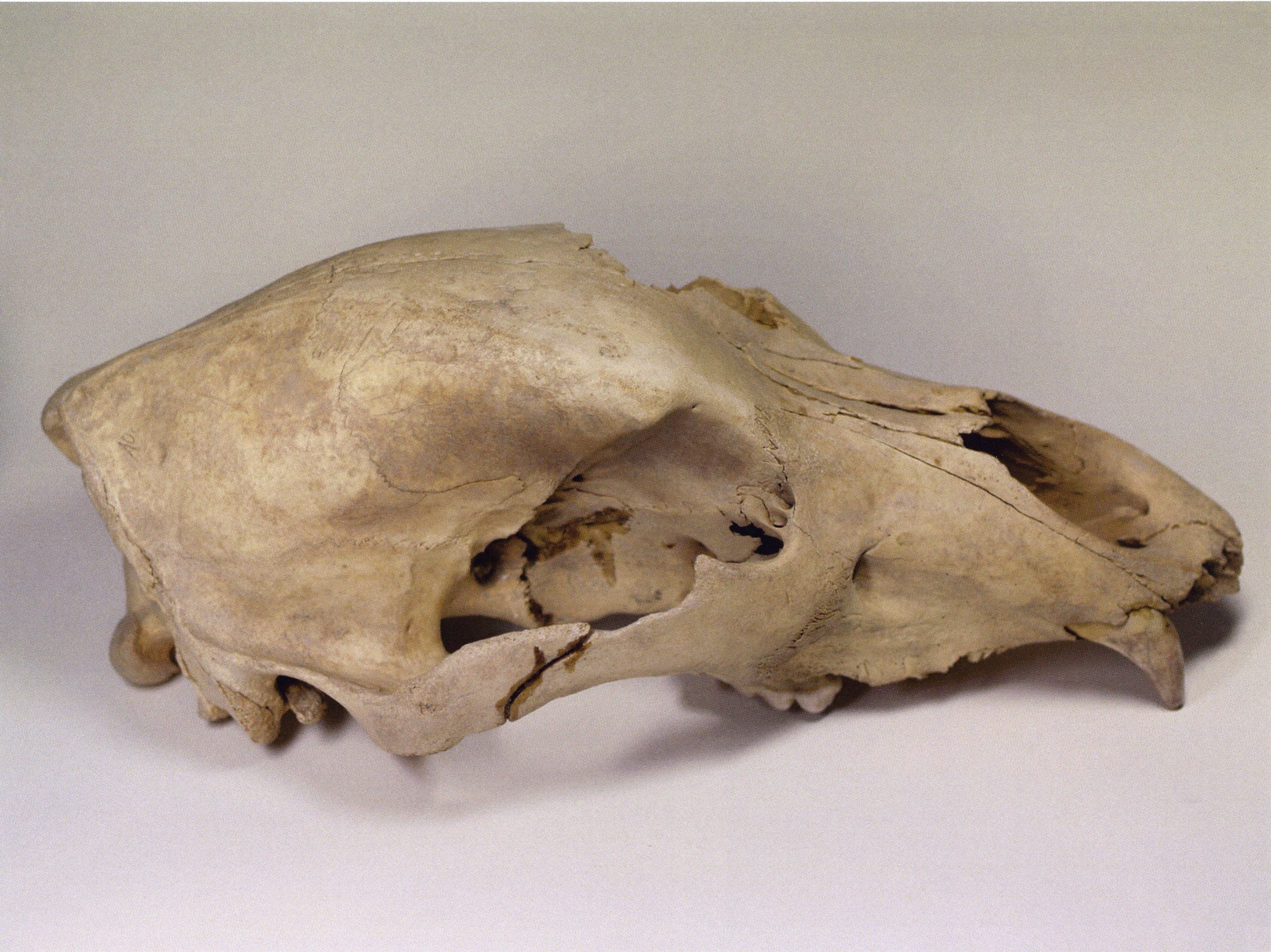
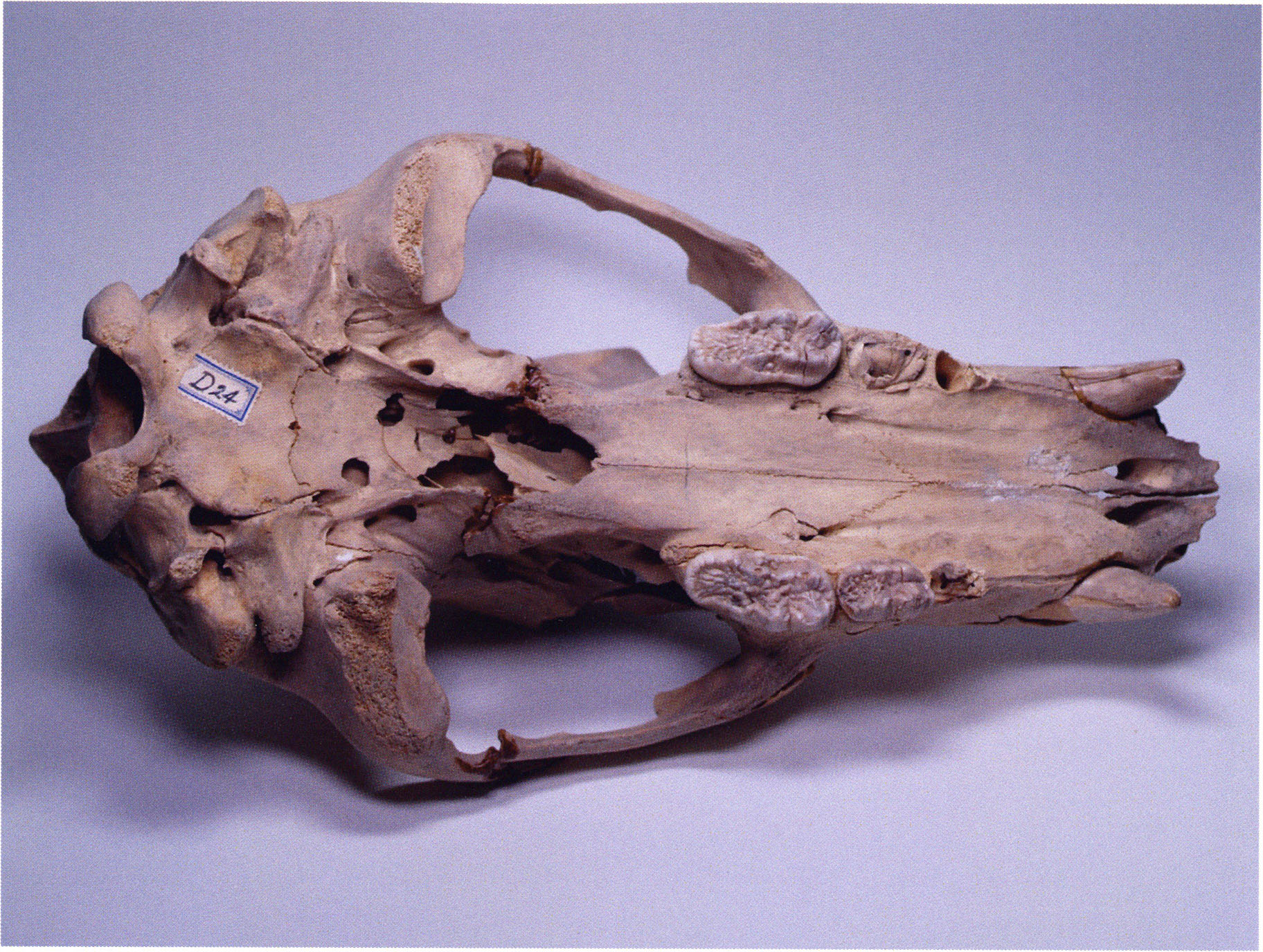
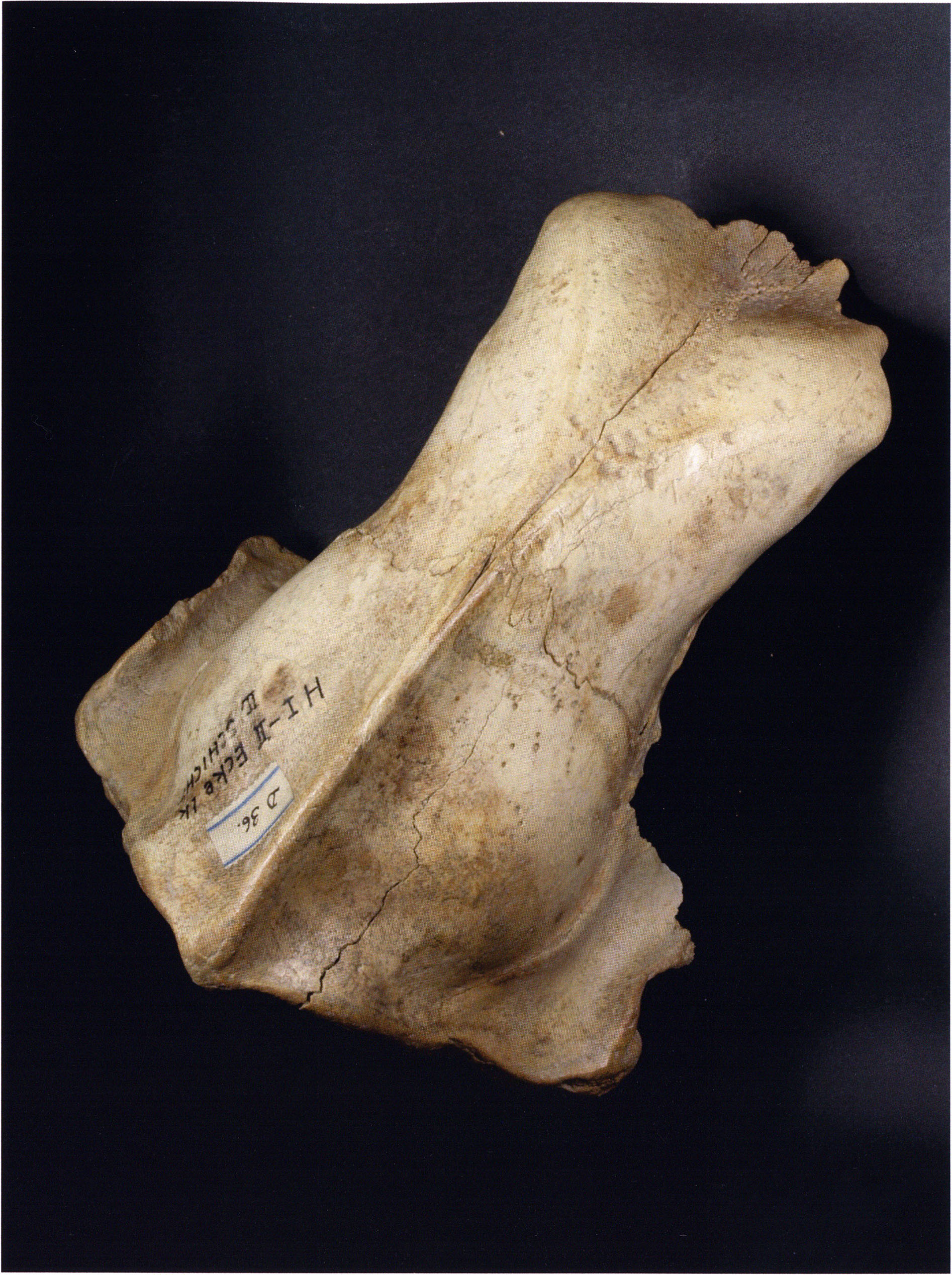
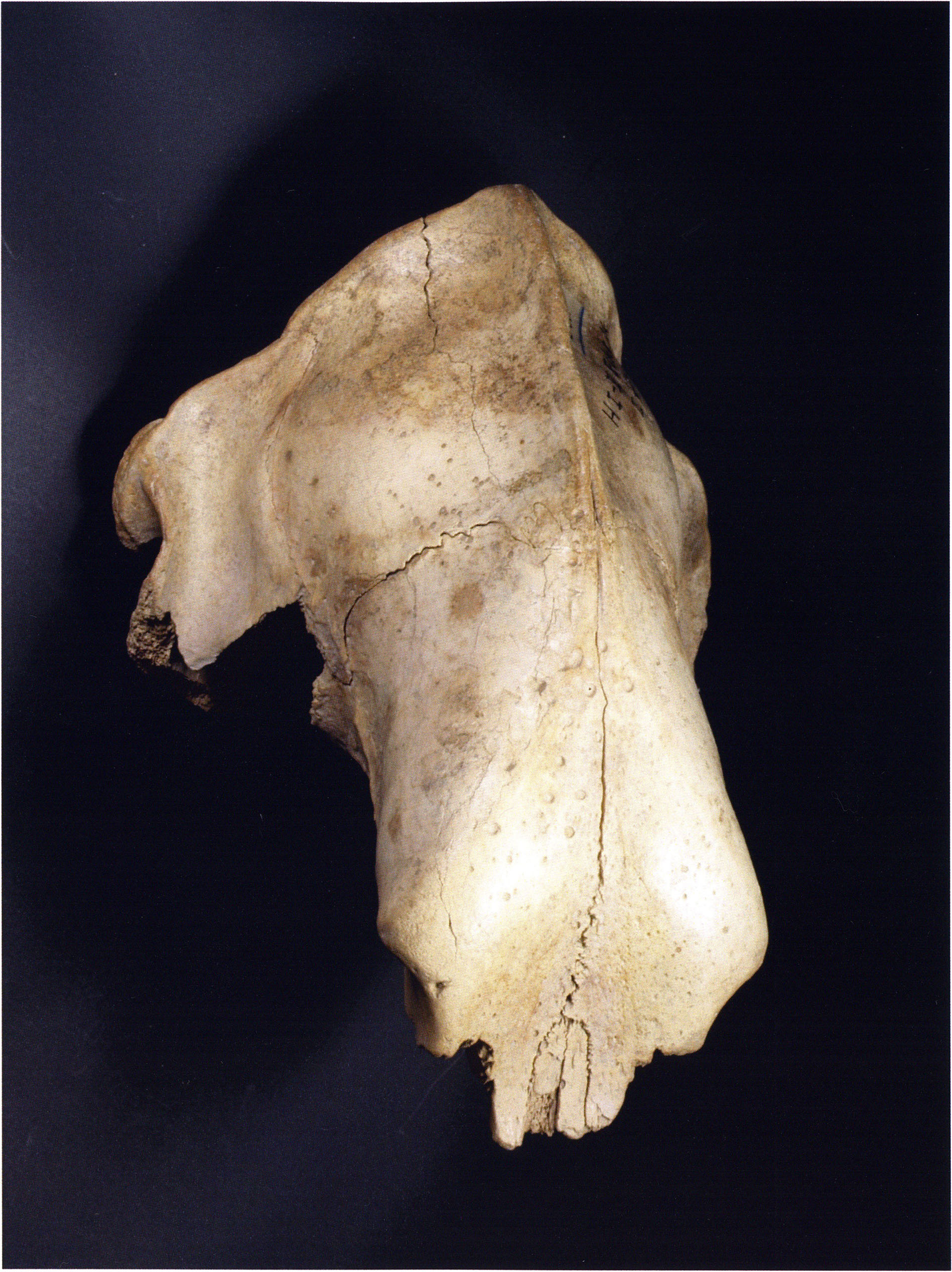
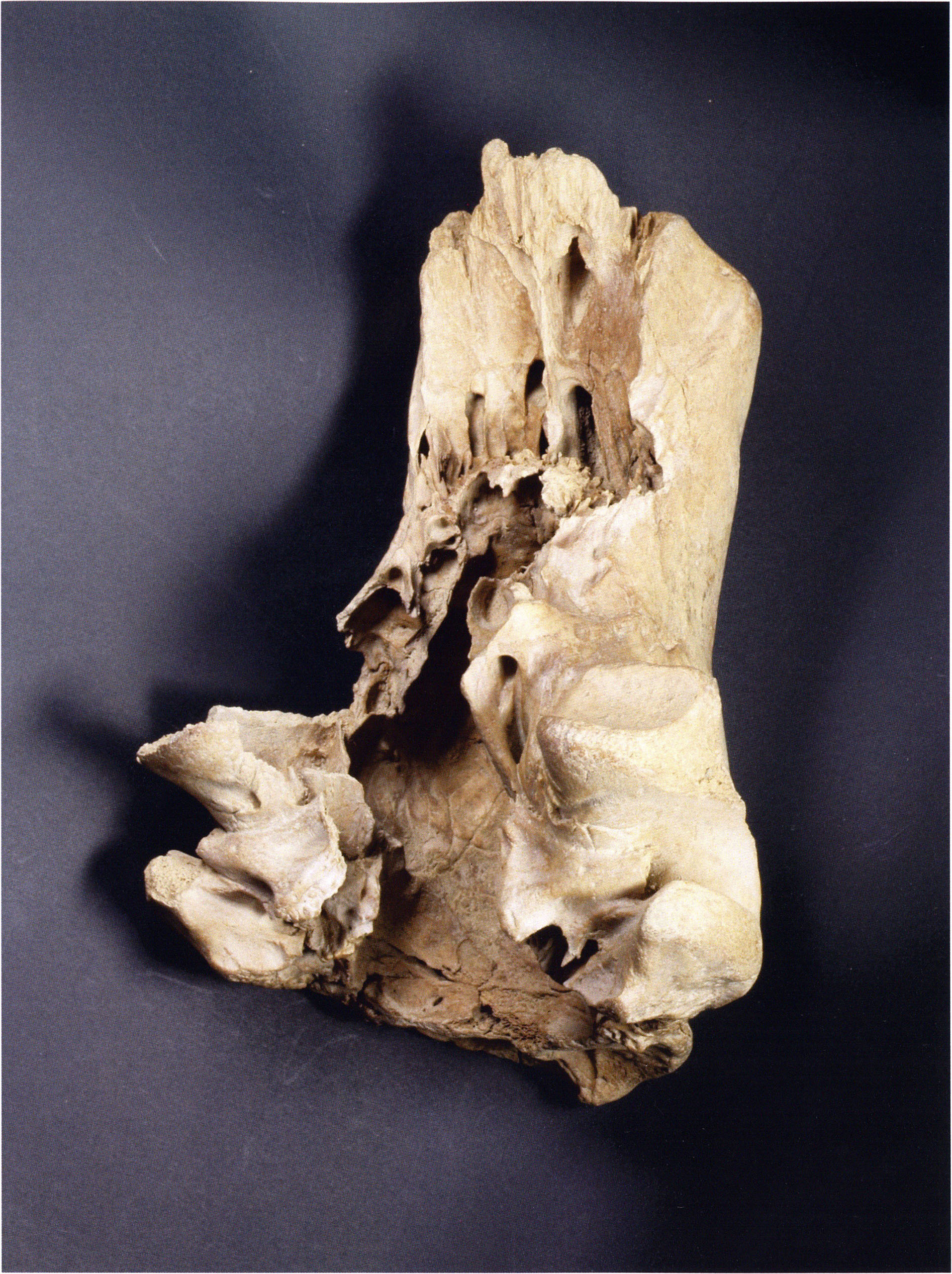
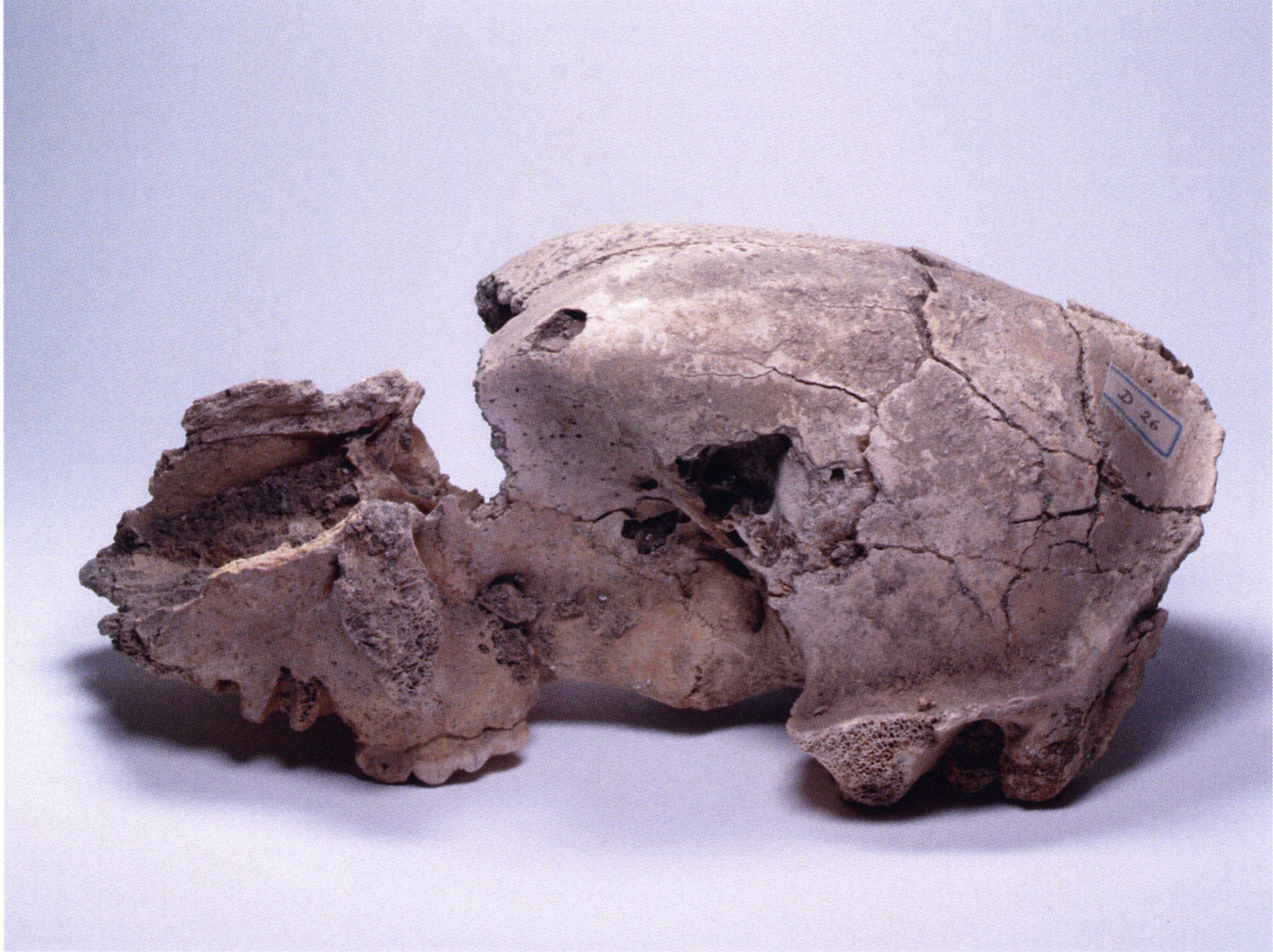
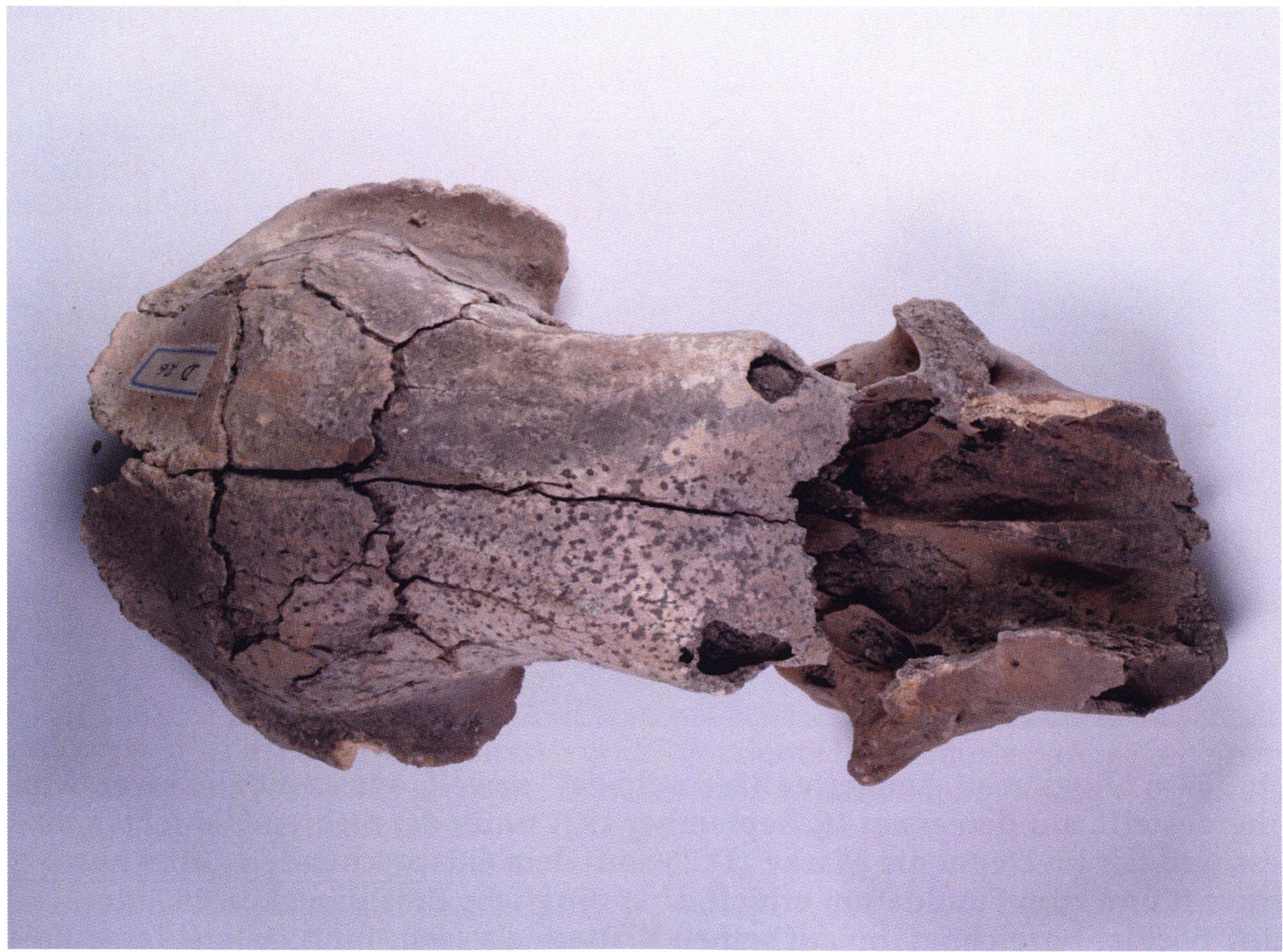
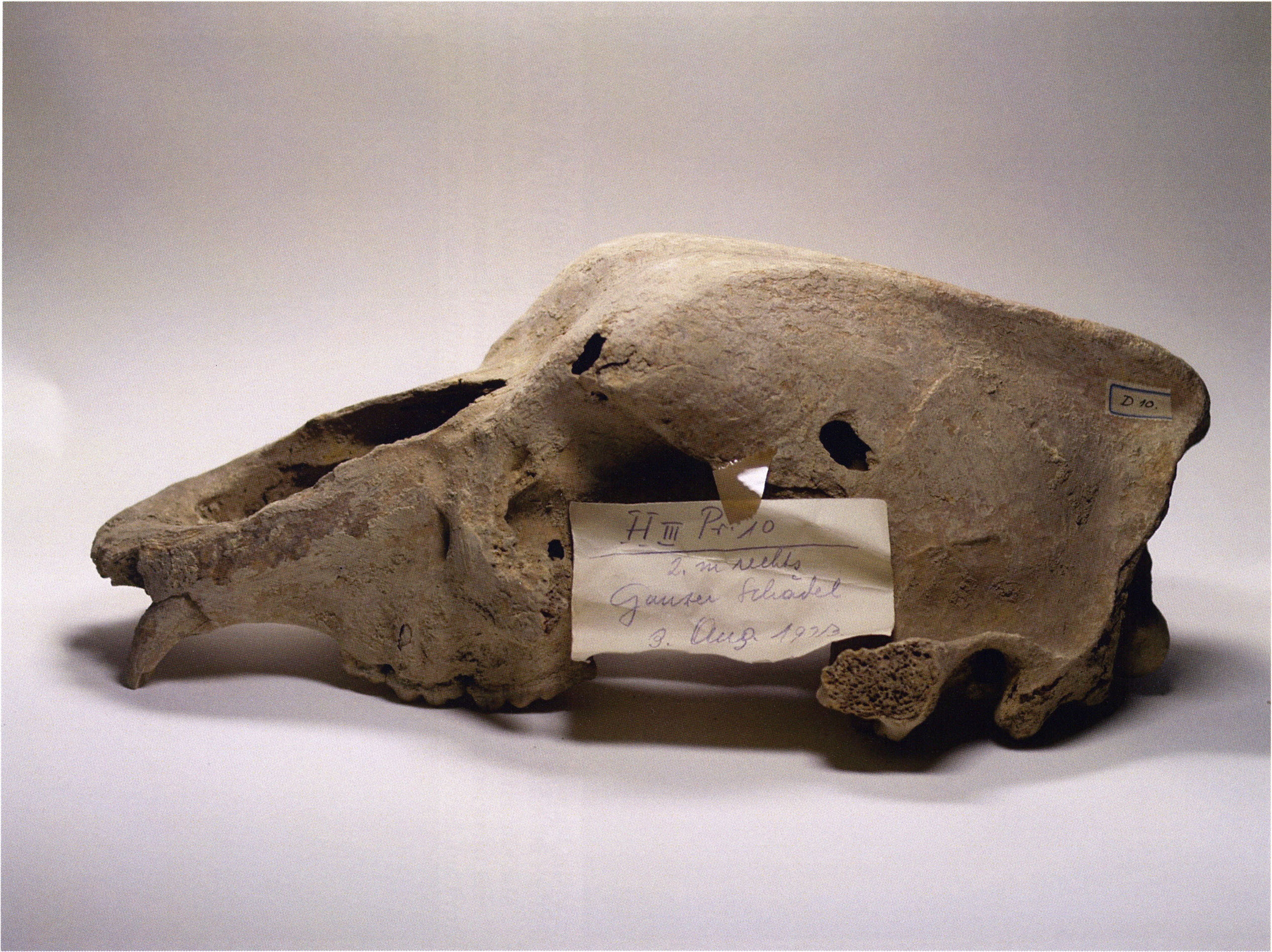
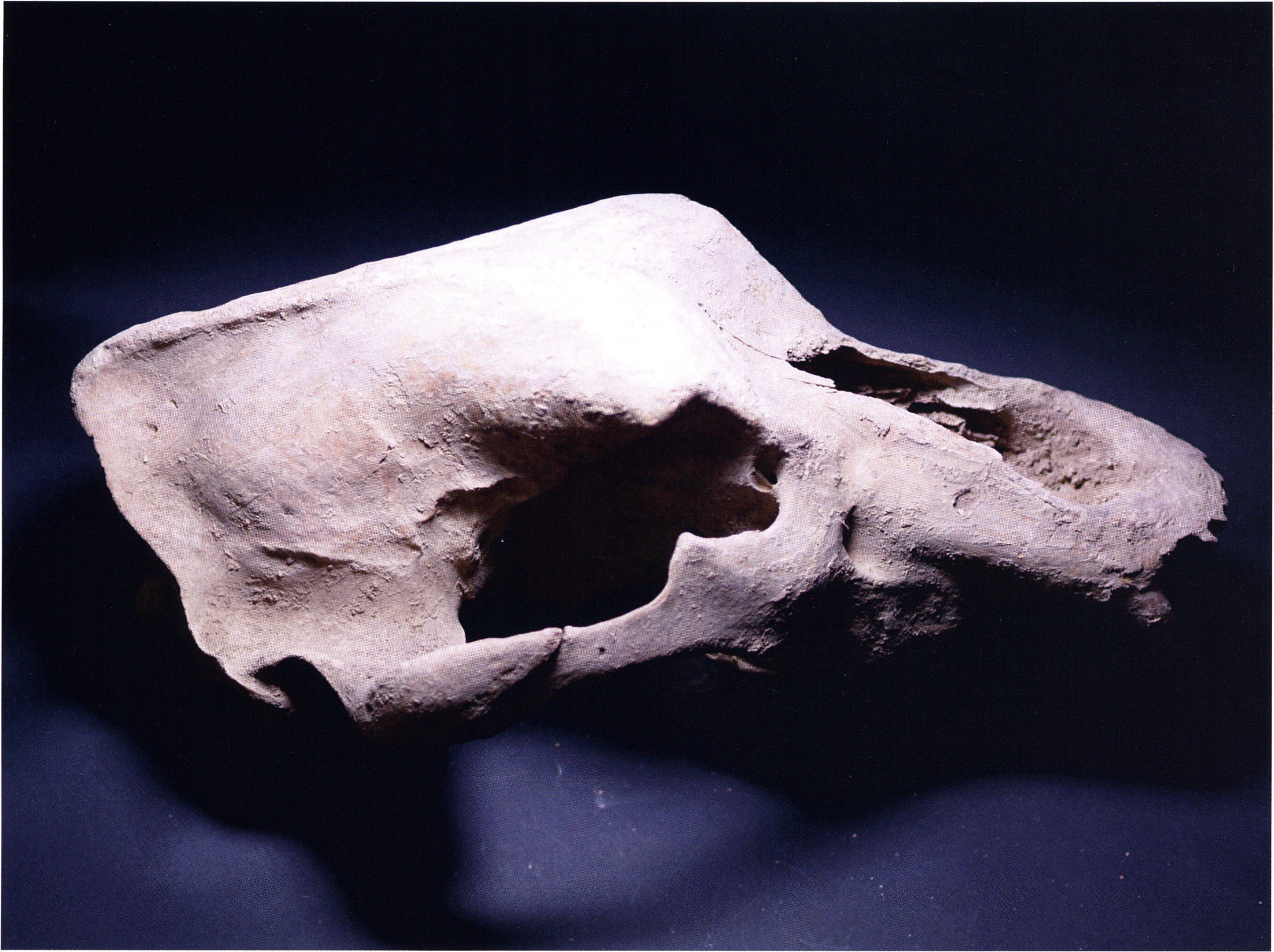
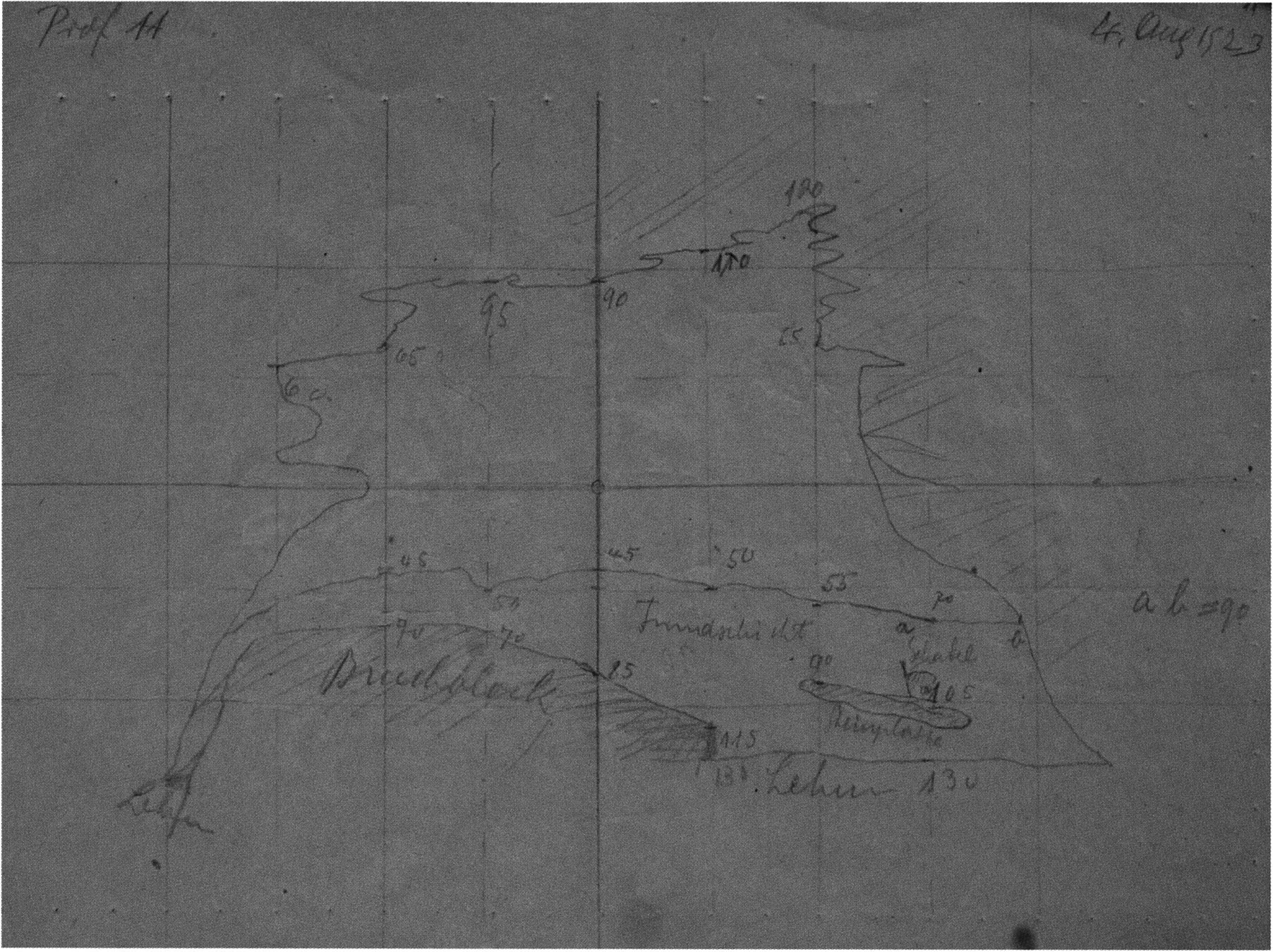
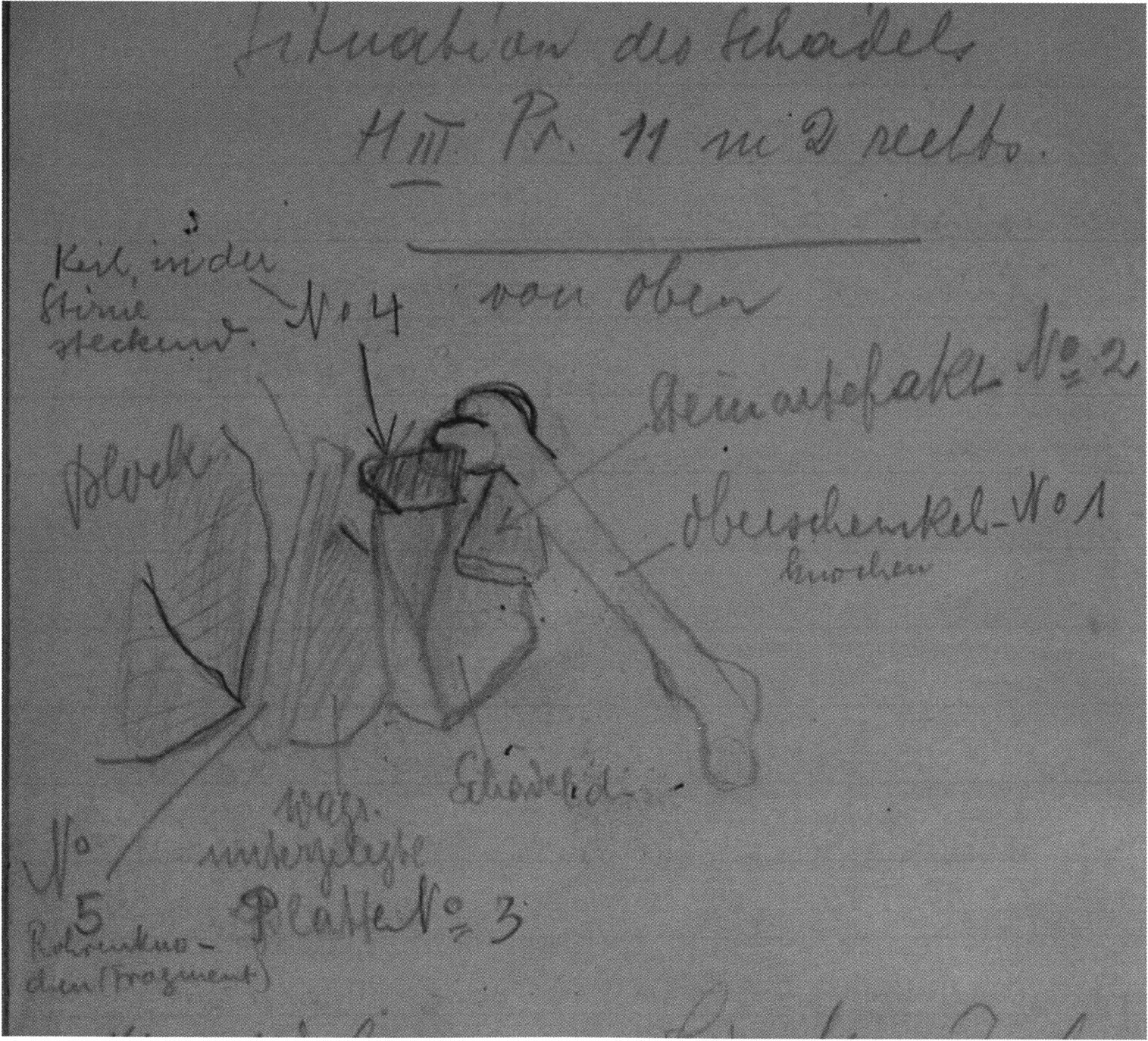
Das vorliegende Buch dokumentiert die Ausgrabungen der Drachenloch-Höhle zwischen 1917 und 1923 mit allen verfügbaren Quellen, mit den kommentierten Grabungs- und Fundprotokollen der Ausgräber Theophil Nigg und Emil Bächler, deren Korrespondenz aus diesen Jahren, den Fotos von Höhlenbärenschädeln, –knochen, und Seewerkalkartefakten aus dem Fundgut, das sich noch mehrheitlich im heute für die Öffentlichkeit geschlossenen Kirchhoferhaus in der Stadt St. Gallen und zu einem geringeren Teil im Ortsmuseum von Vättis befindet, das im 1. Stock die einzige, heute der Öffentlichkeit noch zugängliche Ausstellung zu den Drachenlochausgrabungen beherbergt.
Eine solch umfassende Dokumentation fehlte bis jetzt und drängte sich schon längst um so mehr auf, als bereits Emil Bächler in seinen Drachenlochpublikationen von 1921 und 1940 die Ausgrabungsergebnisse, die sich aus den von Nigg und seiner eigenen Person (!) exakt niedergschriebenen Grabungsprotokollen ergeben hätten, in unzulässiger Weise frei zusammenfasste, indem er über den Einzelbefund hinwegsah bzw. die Einzelbefunde teilweise sogar kombinierte und so den Befunden ein von den Ausgräbern nie angetroffenes, neu von ihm geschaffenes Aussehen gab !
Dieses Manco beseitigte der Sohn Theophil Niggs, im Jahre 1978 durch die Herausgabe von “Meine Höhlentagebücher vom Drachenloch, Theophil Nigg”, d. h. der Protokolle Niggs insoweit nicht, als er die Protokolle Bächlers bis auf eine unkommentierte Stelle unberücksichtigt liess.
Erst mit dieser vollständigen Wiedergabe des Quellenmaterials steht das für eine wissenschaftlich relevante Beurteilung notwendige Instrumentarium zur Verfügung Das Fazit des Herausgebers ist für alle Freunde der Stätte höchst erfreulich: Das Drachenloch verdient die einst in der ersten Hälfte des 20. Jahrhunderts durch Bächlers erwähnte Publikationen innerhalb der europäischen Prähistorie erlangte, herausragende B e d e u t u n g a l s h o c h a l p i n e, m i t t e l p a l ä o l i t h i s c h e F u n d – b z w. W i r k u n g s s t ä t t e d e s N e a n d e r t a l e r – M e n s c h e n u n d H ö h l e n b ä r e n j ä g e r s nach einer kritischen Überprüfung sämtlicher Ausgrabungsprotokolle, inkl. Zeichnungen und Skizzen, a u c h h e u t e w i e d e r m i t R e c h t !
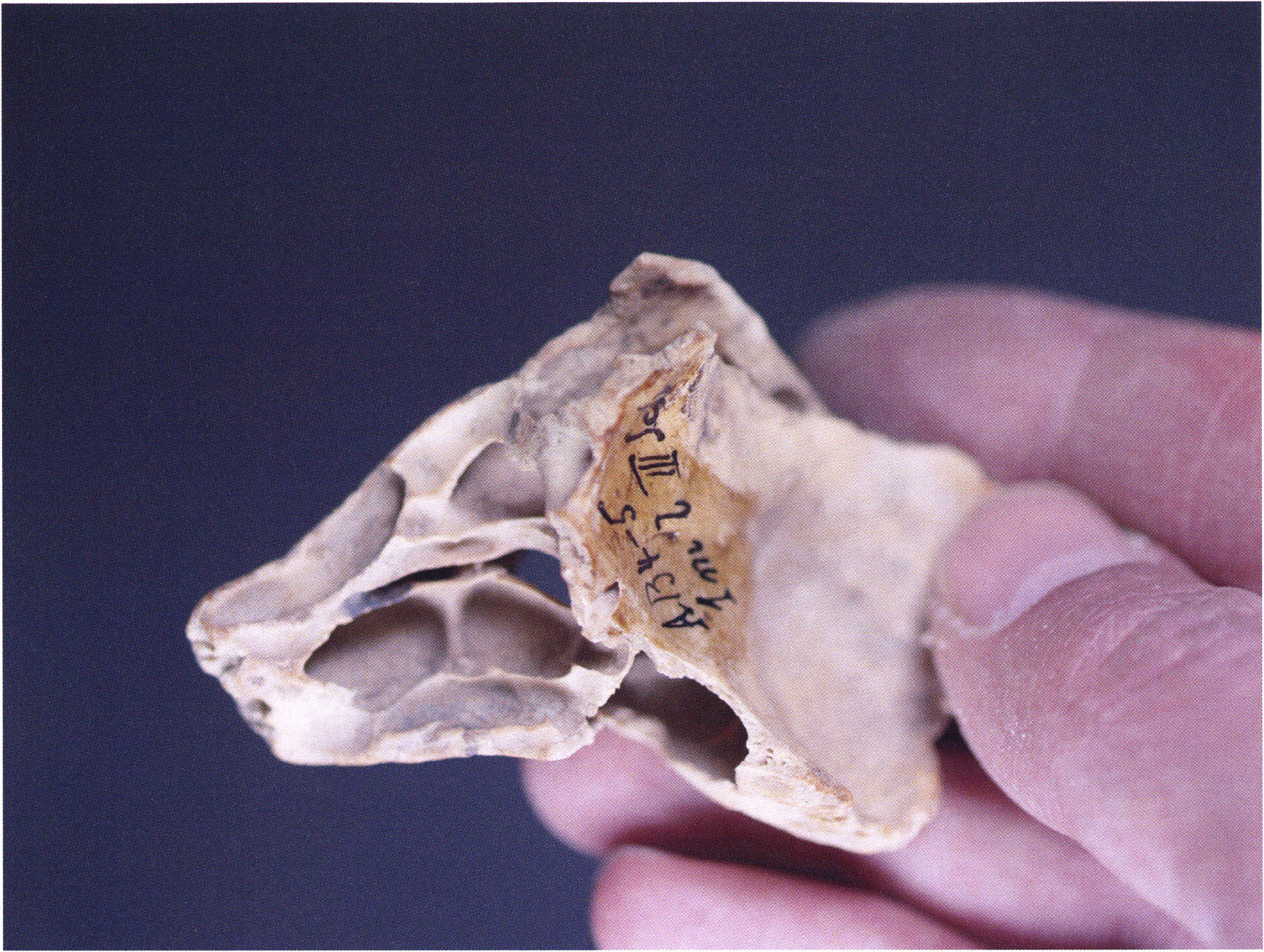
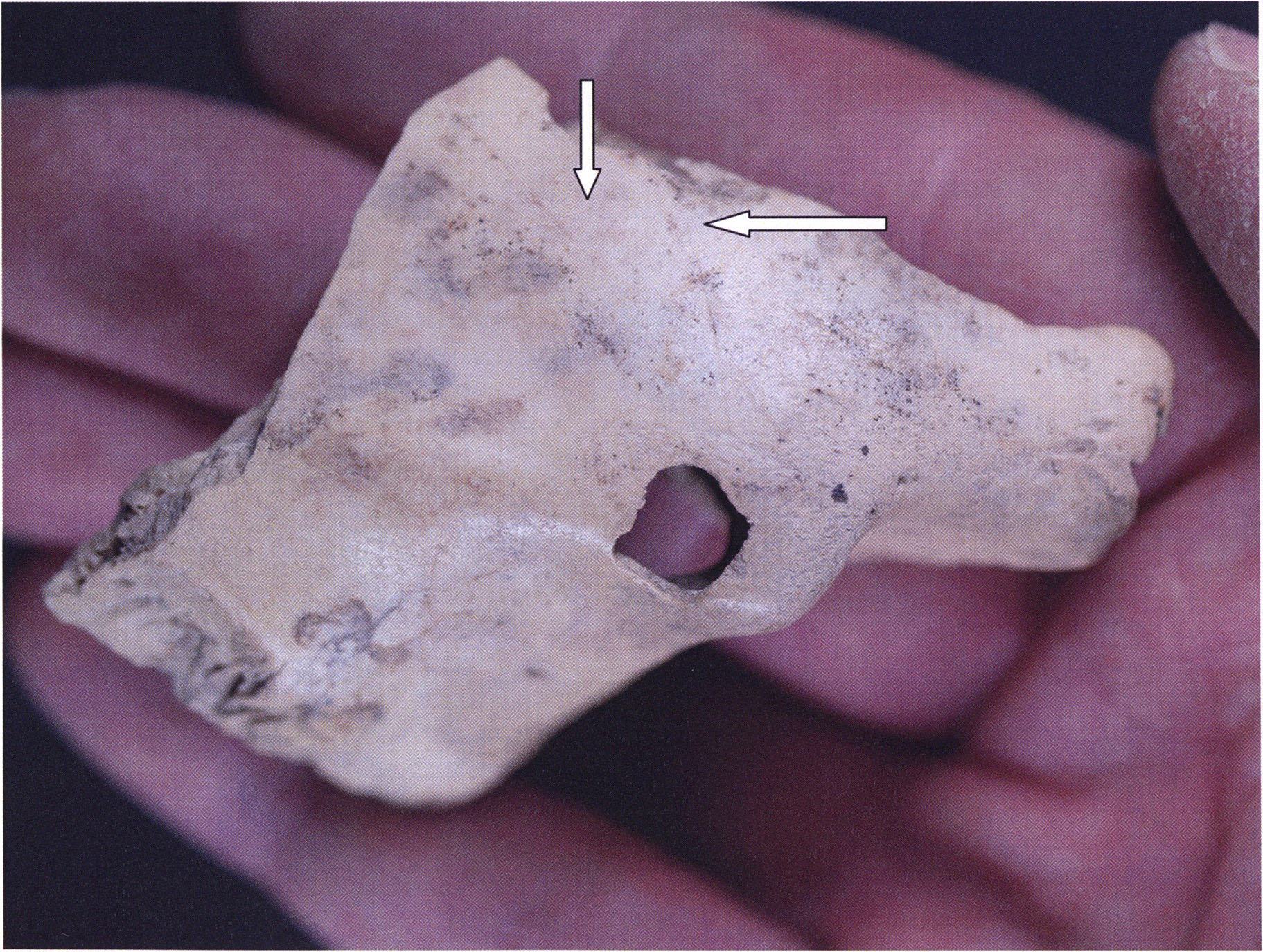
In diesem Buch werden auch erstmals archäologische Neuentdeckungen der letzten Jahre aus dem Ausgrabungsschutt der Höhle veröffentlicht: Dieselben bestätigen das durch die protokollierten Befunde hinlänglich bezeugte Bild des Bärenjägers im Drachenloch und bereichern das Fundgut der Höhle !
im August 2008, der Herausgeber
Danksagung
Dank gilt all denen, die es mir möglich machten, einzelne Objekte aus dem Fundmaterial der Drachenloch-Ausgrabungen zu fotografieren, vorab Herrn Direktor Dr. Toni Bürgin vom Naturmuseum St. Gallen und dem zuständigen Gremium; den Archiven in Chur (Herrn Ursus Brunold) und St. Gallen (Frau Dorothee Guggenheimer und Frau Ursula Hasler), die mich die Protokollhefte und Briefe der Ausgräber u. a. fotografieren liessen.
Herrn Rudolf Mettler, Chur, der mich freundlichst empfangen und mir die Briefe Bächlers an Nigg, die nach dem Tode von Toni Nigg in seinen Besitz übergegangen waren, zum Fotografieren überlassen hat.
Daneben meinem französischen Freund Jean-Dominique Lajoux in Paris, Ethnologe und ehemaliges Forschungsmitglied im CNRS, der mich zu der Abfassung dieser Chronik anregte, selbst den Epilog dazu beisteuern wollte, aber letztlich vor der deutsch abgefassten Chronik kapitulieren musste !
Besonders aber Doris Wobmann, die im Ortsmuseum von Vättis zusammen mit ihren Vertreterinnen die Bastion “Drachenloch-Ausgrabungen 1917 – 23” eisern und uneinnehmbar hält und die Besucher durch die noch vom Sohn Theophil Niggs, Toni Nigg, gestaltete und 1987 eröffnete Ausstellung führt, für ihre warmherzige Zusammenarbeit und Unterstützung.
Prolog – Menschliches Leben und Tun vor über 50’000 Jahren im Drachenloch.
Paläanthropologie. - Der Mensch mit der niederen, fliehenden Stirn, mit den ausgeprägten Überaugendächern, mit der langgezogenen, hinten abgeflachten Kopfform, mit dem schmalen, hohen Gesicht ohne markante Backenknochen, dem fehlenden Kinn und dem kräftigen und gedrungenen Körperbau hat Prähistoriker und Paläanthropologen seit seiner Entdeckung in der Mitte des 19. Jahrhunderts nicht mehr in Ruhe gelassen. Zu stark unterscheidet er sich äusserlich vom heutigen modernen Menschen und, als Datierungen im Nahen Osten in Europa eine Koexistenz der beiden Menschenformen nahelegten, rückte der “Fremde” immer mehr ins Abseits ! Derselbe schien nicht mehr der unmittelbare Vorfahre des heutigen Menschen zu sein. Ins Abseits war er bereits geraten, als man ihn und seinesgleichen unglücklich nach dem Ort benannte, heute kaum mehr vorhanden, am Neandertale bei Düsseldorf, benannt, wo 1856 beim Kalkabbau zufällig ein Schädeldach von ihm und Teile seines Skelettes zum Vorschein gekommen waren. Wohin sollte ihn aber die Paläanthropologie im menschlichen Stammbaum platzieren, wenn er nicht unmittbarer Vorfahre des modernen Menschen war und woher stammte denn der moderne Mensch ? – Vorab gesagt: Die Paläanthropologen sind sich bis auf den heutigen Tag uneinig, wobei ein beachtlicher Teil von ihnen eben unter diesem schon immer vorhandenen Eindruck der Andersartig- und Minderwertigkeit desselben gegenüber dem heutigen, modernen, auch nach dem Fundort “Cro Magnon” bezeichneten Menschen, in ihrer Ratlosigkeit für ihn einen nur in der Theorie existierenden Seitenast der menschlichen Entwicklungsgeschichte, eine Sackgasse der Evolution kreiert, in der das dem späteren Menschen schon nahe stehende Wesen, das aber noch nicht als vollwertiger Mensch gelten könne, sich befunden hätte. - Während Datierungen von Fundplätzen des Neandertalers in Europa die Blütezeit desselben in den Zeitraum von 70’000 bis 40’000 (eventuell 30’000) Jahren vor heute eingrenzten, fand man in Ost- und Südafrika Spuren des modernen Menschen, die auf 100 bis 150’000 BP und mehr datiert wurden. (Genetiker glaubten sogar den Stammbaum der afrikanischen Eva aufs genaueste rekonstruieren zu können, kannten sogar eine Geburt vor 200’000 BP und behaupteten sogar die Geburtsregion – die Südsahara - zu kennen !)
Die ältesten fossilen Spuren mit Charakteristika des modernen Menschen stammen offenkundig aus Afrika. In diesem Punkt war und ist sich die Paläanthropologie schon immer einig gewesen. Aber das “Problem” der Neandertaler und die Frage nach der Herkunft des modernen Menschen in Europa spaltete, wie gesagt, dieselbe und ebenso die Frage der Definition des letzteren überhaupt. Die einen Vertreter grenzen den modernen Menschen vom Neandertaler völlig ab, glauben an eine eigentliche Wiege des modernen Menschen in Afrika, der von 100’000 BP an den Nähen Osten erreicht und von dort in die verschiedenen Erdteile ausgewandert sei und Europa vor 40’000 Jahren etwa erreicht habe. Dieser heutige Mensch, so Richard Klein, ein Vertreter dieser Richtung, stehe hinter einem eigentlichen “Big Bang” des menschlichen Bewusstseins (The Dawn of Human Culture, 2002) und habe erst hiemit die Höhen des menschlichen Geistes erklommen, wie sie den Menschen von heute auszeichnen, etwa auch die Fähigkeit, Kunst auszuüben, Bilder in verschiedensten Rohstoffen handwerklich herauszugestalten oder auf Höhlenwände zu malen. Ein anderer Anthropologe, Chris Stringer, machte aus diesem neuen Menschen sogar eine eigentliche Spezies, was eine biologische Einheit von Individuen bedeutet, die einzig untereinander sich vermischen kann. (“Der Mensch ist höchstens 200’000 Jahre alt !”)
Die Vorstellung, dass - zeitlich nebeneinander liegend - menschliche Entwicklungslinien existiert haben sollen, die sich nach dem Massgab des heutigen Menschen in vollwertige und noch nicht vollwertige Menschen unterteilen liessen, ist unseres Erachtens nicht nur aus paläanthropologischer und archäologischer, sondern auch aus philosophisch-theologischer Sicht äusserst bedenklich ! Diese Bedenken zu beseitigen, vermag als ein Hauptvertreter dieser Betrachtungsweise der amerikanische Anthropologe Milford Wolpoff: Gemäss ihm beginnt die Geschichte von homo sapiens vor mindestens 2 Mio Jahren.
Im August 1984 entdeckte Kamoya Kimeu im ausgetrockneten Bachbett des Nariokotome Flusses, etwa 5 km vor der Mündung in den Turkana See, ein menschliches Schädelfragment. Im Laufe von 5 Ausgrabungskampagnen in den Jahren 1984 bis 88 kam innerhalb einer Ausgrabungsfläche von 425 Quadratmetern Stück für Stück nahezu ein vollständiges menschliches Skelett zum Vorschein. Die Sedimente, worin die Knochen lagen, wurden auf rund 1,5 Millionen Jahre datiert, das Alter des offenbar männlichen Verstorbenen mit 11 Jahren angegeben und dessen noch nicht ausgewachsene Körpergrösse mit 160 cm, dessen errechnete ausgewachsene Grösse mit rund 180 cm ! - Es gab für Richard Leakey und seine Mitarbeiter keine Zweifel: Hier standen sie vor den jugendlichen, in einzigartiger Weise beinahe vollständig erhaltenen Überresten – bloss die kleinen Hand - und Fussknochen wurden nicht mehr gefunden - eines der frühsten Erscheinungsbilder des Menschen.
Für den amerikanischen Anthropologen Milford Wolpoff ist eines klar: Sämtliche menschlichen Fossilien, die diesem Erscheinungsbild des Jünglings von Nariokotome nahe stehen - und dazu zählt er auch noch Knochen, die auf rund 2 Mio Jahre datiert sind - oder die sich offenkundig aus dieser menschlichen Erscheinungsform weiterentwickelt haben, sind ohne Unterschied zur “Familie” des Menschen, des “homo sapiens”, zu zählen ! Diese Spezies “Mensch” breitete sich nach Wolpoffs Auffassung vom Zeitpunkt ihrer Entstehung vor rund 2 Mio Jahren aus, verliess in ersten Gruppen schon bald den afrikanischen Kontinent und besiedelte nach und nach auch Eurasien. (Erste 1,75 Mio Jahre alte Spuren desselben finden wir im georgischen Dmanisi !)
Damals sei das Fundament aller späteren, nach Regionen sich weiterentwickelnden Erscheinungsformen des Menschen und deren variierende Kulturentwicklung gelegt worden, so Wolpoff (Multiregionale Entwicklung des Menschen !). - Für ihn driftete das Bild des modernen Menschen von heute durch einen nie abbrechenden Austausch der Gene der quer durch die Kontinente wandernden Menschengruppen untereinander allmählich und kontinuierlich heran, wobei ein Teil der regionalen Eigenart im äusseren Bild der Völker und ihrer Kultur stets erhalten geblieben sei. Dieser Genfluss war gemäss den Wanderungsbewegungen der Völker durch die Jahrhunderttausende einmal stärker, einmal schwächer, aber insgesamt blieb er konstant !
Der europäische, durch sein besonderes “Outfit” gekennzeichnete Neandertaler nimmt innerhalb der Geschichte des “homo sapiens” auch für den Anthropologen Milford Wolpoff eine Sonderstellung ein, aber nur insofern als dieser Ureinwohner Europas in höherer Masse vom Genaustauscsh mit einwandernden Volksgruppen während Jahrtausenden isoliert in einer Randregion, wie es Europa hinsichtlich des Austausches der Gene war, gelebt hätte.
Nach seiner Ansicht sei das Bild des modernen Menschen nach 40’000 BP nach und nach in Europa erschienen, wie es zum Beispiel an den in Aurignacien-Sedimenten der Lautscher-Höhle (Mladec, Tschechoslowakische Republik) gefundenen Schädeln gut ersichtlich sei. In ihnen verbinden sich Merkmale des zeitlich vorausgehenden, alteingesessenen Europäers, des Neandertalers, mit solchen des werdenden, herandriftenden modernen Menschen, als Ergebnis einer erneuten Zunahme der Wanderungsbewegungen innerhalb Europas und nach Europa und des damit verbundenen Genflusses nach 40’000 Jahren vor heute.
Damit verbunden, können wir ergänzen, trat ein vermehrter kultureller Austausch mit einem daraus resultierenden, im archäologischen Fundgut aus dieser Epoche wahrnehmbaren Kulturwandel statt. - So tauchen die frühsten Tier- und Menschendarstellungen erst nach 40’000 BP auf, was bedeutet: Wasser auf die Mühlen der “Out of Africa”- und “Big Bang”-Theoretiker des modernen Menschen zu befördern scheint, aber nur nach einer kurzsichtigen Betrachtung. Denn kunstvoll geschnitzte Tierdarstellungen, wie sie in dieser Zeit weltweit erstmals, u. z. im süddeutschen Raum, auftraten, können bereits nicht mehr als eigentliche Protagonisten eines neuen Zweiges menschlichen Kulturschaffens gelten, sondern vielmehr als “aufgegangene Blüten” einer Jahrzehn- und Jahrhunderttausende andauernden, unterschwelligen und kaum sichtbaren Wachstumsperiode menschlichen Kulturentfaltung. Eine Mutation im unvorstellbaren Hirn für die Entstehung der Kunst beim Menschen verantwortlich zu machen (so Richard Klein u. a.), gleicht der Verwendung des “Deus ex machi-na” in der griechische Tragödie.
Wenn wir nach dem allgemeinen Grund des frühsten menschlichen Kunstschaffens fragen, müssen wir als Auslöser einfache, menschliche Bedürfnisse, die auf dem Hintergrund erster menschlicher Tätigkeiten standen, sehen. Es ging dem damaligen Menschen und Jäger darum, einen Weg zu finden, das getötete Tier zu reproduzieren. Materiell war ihm dies durch eine kunstvolle Nachbildung in Stein oder einem anderen, vergleichbaren Stoff, wie zum Beispiel Elfenbein, möglich. Er hoffte aber, dem reproduzierten Tier auch das Immaterielle, das geistig-seelische Leben zurückgeben zu können, und verband diese handwerkliche Arbeit mit einer rituellen, diese obgenannte Absicht unterstreichenden Handlung. Man kann davon ausgehen, dass Kunst und Religion in der menschlichen Kultur ursprünglich einen unmittelbaren Zusammenhang hatten und ihre wechelseitig bedingte Entwicklung förderten.
Und weiter: Wenn die menschliche “Sprache”, was Kunst und Ritus betrifft, nach 40’000 BP deutlich “akzentuiert” ausgesprochen wird, so hat der Mensch vor 40’000 BP die “Symbole” der Sprache, noch nicht akzentuiert, d. h. die deutliche, vollständige künstliche Abbildung des Tieres oder des Menschen noch vermieden und statt einmal ein einfacheres, symbolhaftes Bild dafür verwendet, bzw. das im Ritus Angestrebte figürlich dargestellt ! - Oder anders ausgedrückt: Je mehr sich der praktizierte Ritus entwickelte, umso mehr näherte sich jener Punkt in der Entwicklung der Kunst, die vom symbolisch-bildhaften Darstellen ausging, wo sich die Bilddarstellung verselbständigte und der Ritus gleichzeitig die Bildsymbolik mehr oder weniger vollständig ersetzte. Die Sprache der Bildsymbolik war aber keine, wie man meinen könnte, unterentwickelte, die von noch rückständigen Menschen angewendet worden war, sondern höchstens eine andere bzw. gleichsam weniger akzentuierte Sprache innerhalb der gleichwertig nebeneinander stehenden Sprachen der Kunst ! In diese Richtung weist die Tradition der sog. Venusdarstellungen, wozu auch ein 35 mm grosses Figürchen aus vulkanischem Gestein gehört, das 1981 Naama Goren-Inbar vom archäologischen Institut von Jerusalem bei Berekhat Ram auf den israelischen Golan-Höhen zwischen zwei nach dem Argon 40/39 –Verhältnis berechneten, auf 233’000 bzw. 800’000 BP datierten Basaltschichten entdeckt hatte. Die Datierung weist also auf eine Zeit, die weit vor der Zeit der Entstehung der Tierschnitzereien aus dem Vogelherd (< 40’000 BP) liegt !
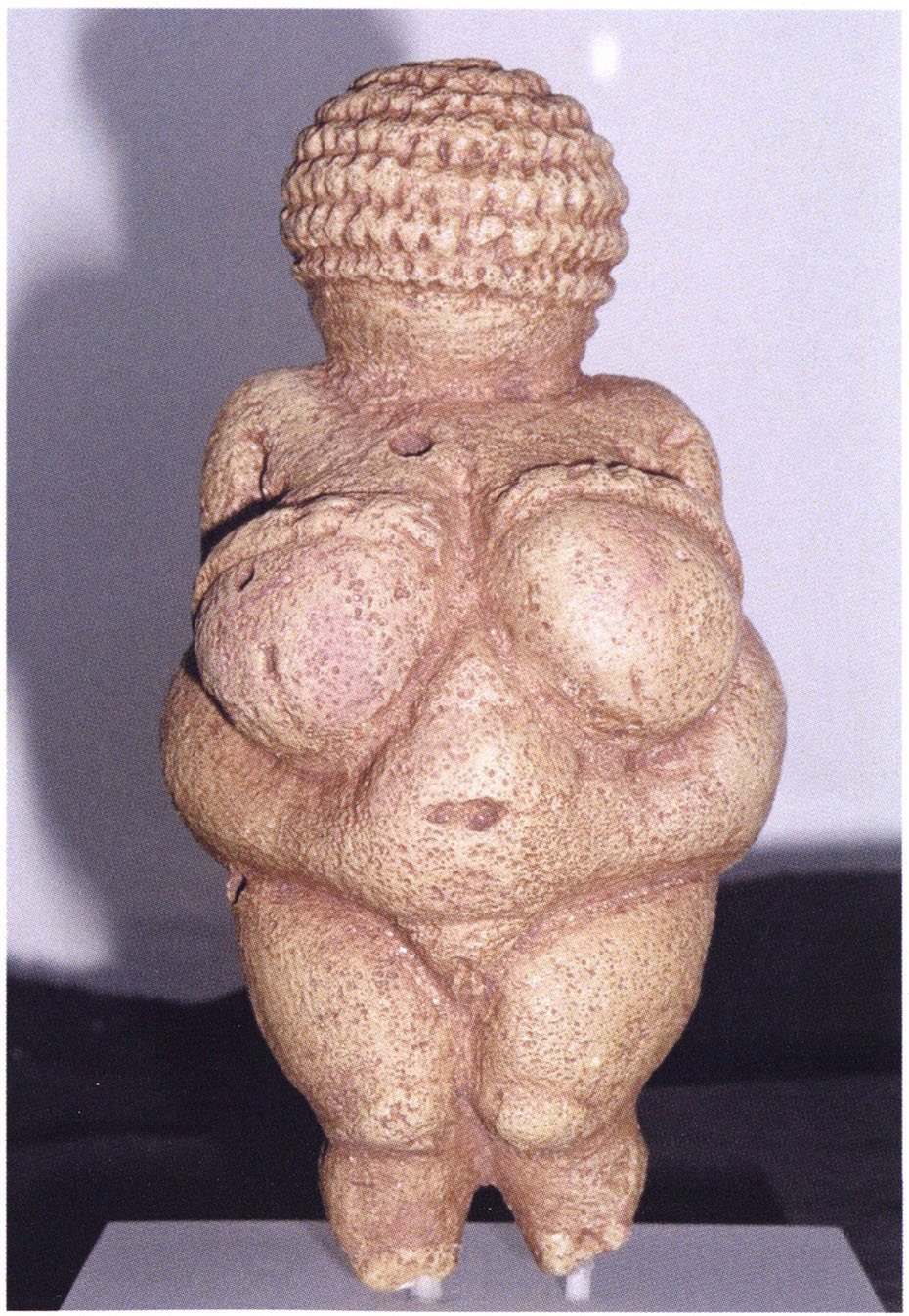
Eine Untersuchung dieses Figürchens von Alexander Marshack unter dem Elekronenmikroskop (vgl. Antiquity, 1997, 71, 327-337) ergab Bearbeitungsspuren und untermauert damit den allein mit dem Auge schon gut erkennbaren, künstlichen, vom Menschen gestalteten, figürlichen Charakter des Steines mit Darstellung von Kopf, angelegten und angewinkelten Armen und weiblicher Brust, bzw. angeschwelltem, schwangerem Bauch (Die Kleinheit des Figürchen verunmöglicht eine Unterscheidung der beiden Körperpartien !) – siehe Abb. 3, S. 17. In diesem Figürchen hat der Hersteller nicht eine (lebende) Frau nachgebildet, sondern seinen praktizieriten Ritus zur Wiederherstellung des getöteten Tieres symbolisch-figürlich dargestellt. Dieses Figürchen bildet zur Zeit den frühst datierten Beleg einer in einer Jahrzehntausende alten Tradition stehenden Reihe von symbolischen Darstellungen der weiblichen, gebärenden Fruchtbarkeit, deren berühmteste Vertreterin die viel später entstandene (26’000 BP) “Venus von Willendorf” ist - Abb. 4, S. 17 ! - Die Tradition der symbolisch-bildhaften weiblichen Fruchtbarkeitsdarstellungen hatte die gesamte vorchristliche Zeit überdauert und ging noch weit über die Steinzeit hinaus !
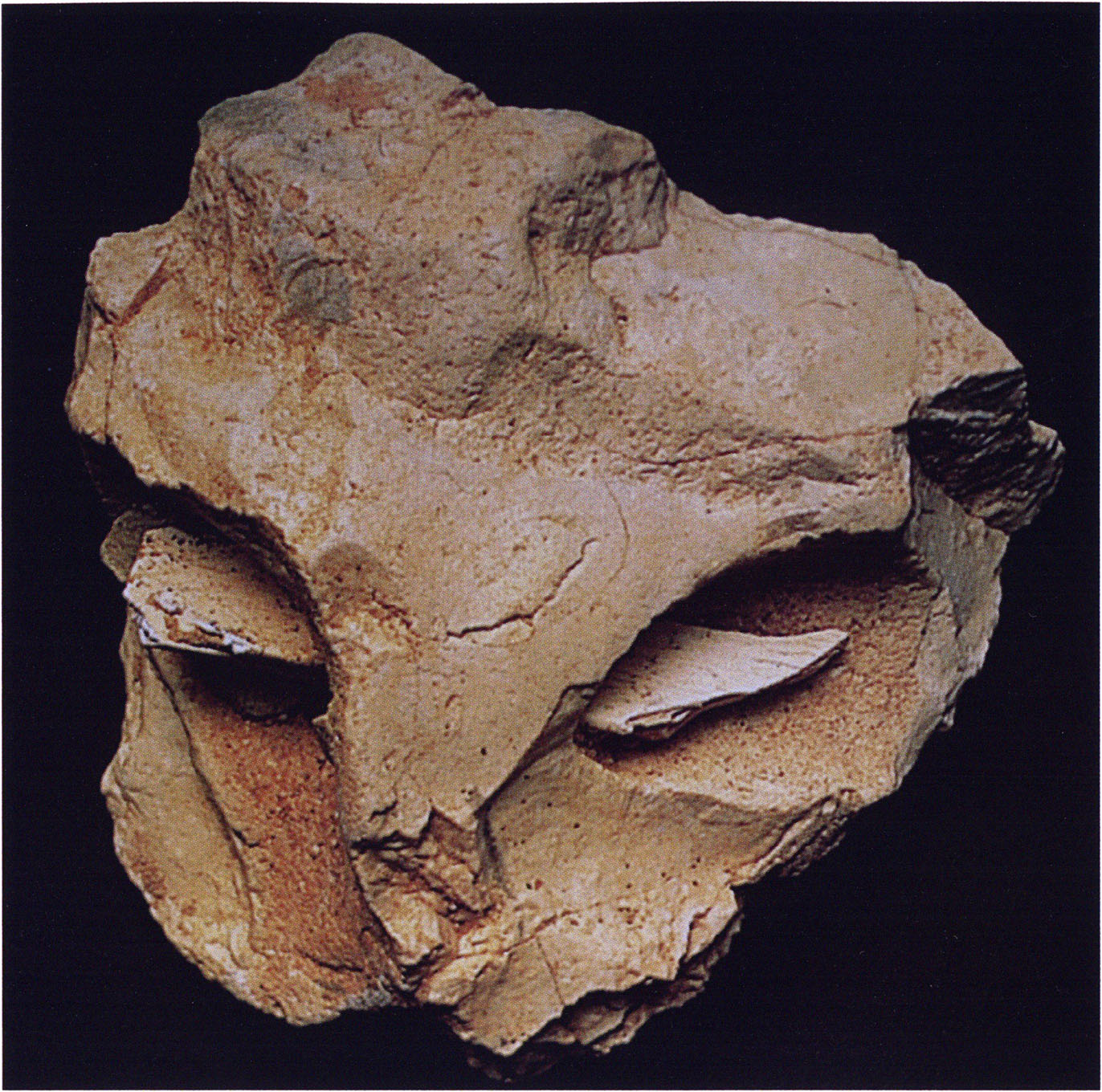
Symbolische, unvollständige Bilddarstellungen müssen wir also schon für die Zeit des europäischen Neandertaler-Menschen voraussetzen, ebenso entsprechende einfache Rituale, feierliche, regelmässig stattfindende Handlungen, die sich auf den immateriellen Bereich des Lebens bezogen. - So treffen wir symbolische Kunst in der sog. “Maske” von La Roche-Cotard an - Abb. 5, 18, die ihr Entdecker Jean-Claude Marquet - wie es scheint zu Recht - mit dem Neandertaler-Menschen in Verbindung gebracht hat (A Neanderthal face ? The proto-figurine from La Roche-Cotard. Antiquity, 77, 661-670). Es handelt sich dabei um einen flachen trapezförmigen, 93 x 105 (< 69) mm grossen Feuerstein, dessen eine Seite eine “Nasenbrücke” mit einer darunter horizontal verlaufenden Rinne aufweist, in die ein längliches Knochenfragment gestossen wurde. Das Knochenstück guckt auf beiden Seiten der “Brücke” heraus, beide sichtbaren Knochenteile wirken neben der “Nasenbrücke” wie Augen, das Ganze wirkt wie ein Gesicht resp. eine “Maske”. Der künstlerische Gehalt dieses geschaffenen Gesichtes ist sehr gering, aber auch gar nicht beabsichtigt. Allein die Symbolik stand im Vordergrund ! Welche ? Auch wenn sich der Entdecker diesbezüglich nicht äussert, liegt sie auf der Hand: Das Tote - der Knochen – wird zur Wiederherstellung des Lebens an den Ort des Lebens – symbolisiert durch die Augen – gelegt. Das Objekt erzählt uns die einfache rituelle Handlung, die der Mensch von La Roche-Cotard an ihm vollzog, und gleichzeitig repräsentiert es den Charakter jener bildsymbolischen Kunst, die vollständige, naturgetreue Abbildungen von Tieren, Menschen etc. noch meidet !
Einfache rituelle Handlungen und einfache bildsymbolische Gestaltung müssen wir auch für den Menschen vom Drachenloch voraussetzen, dessen Aufenthalt eine C-14 Datierung von aufgefundener Holzkohle in die Zeit vor 53’000 Jahren festlegt.
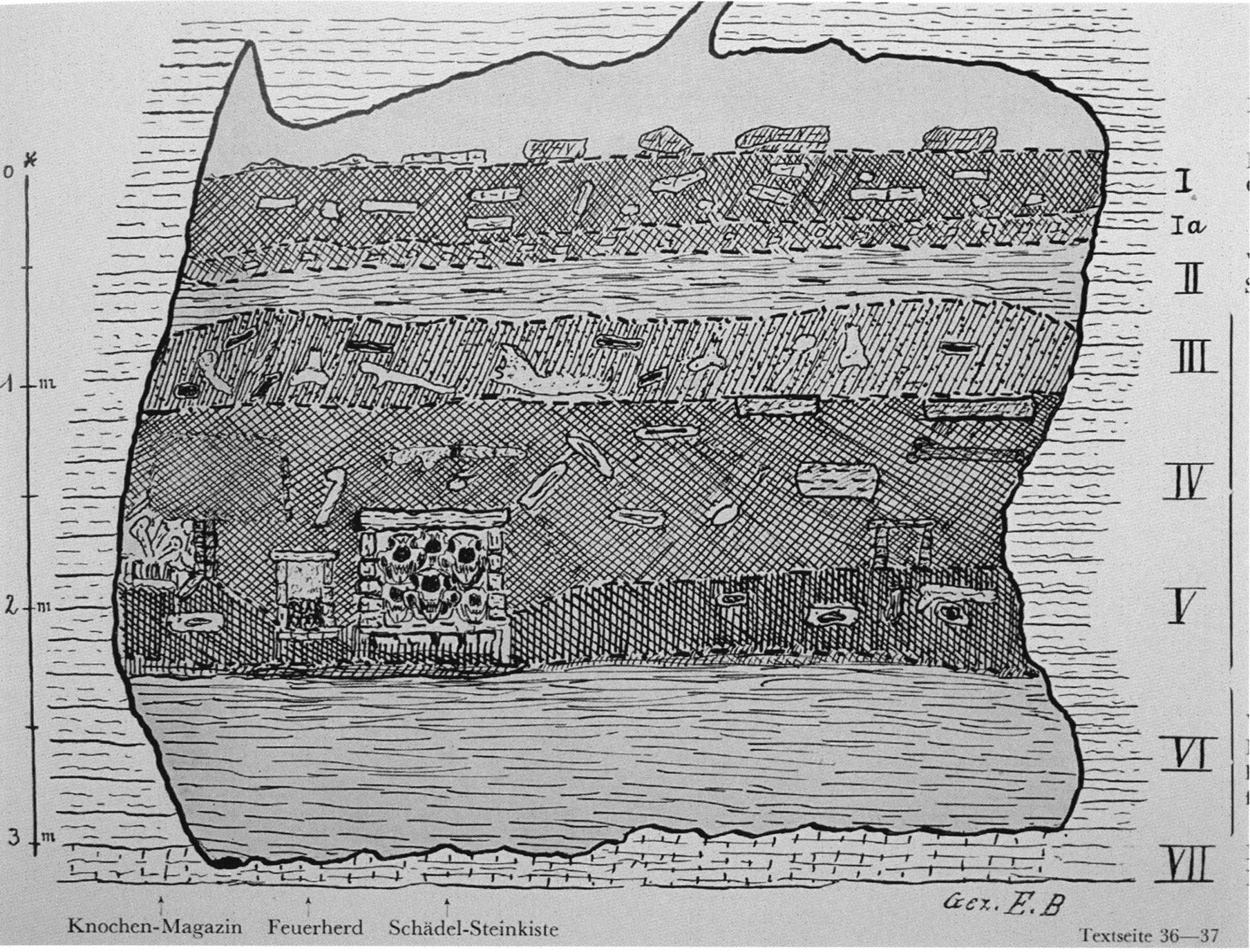
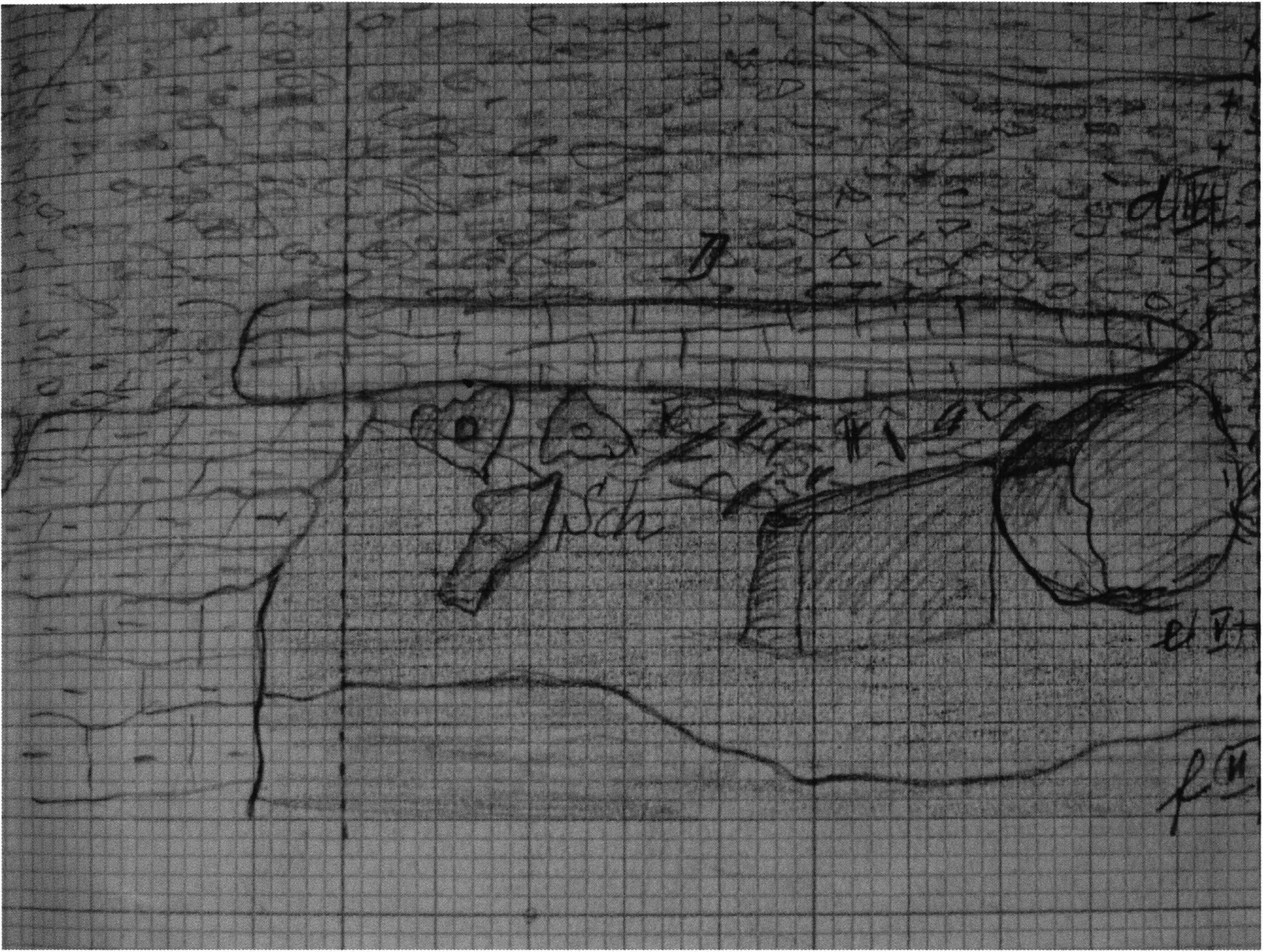
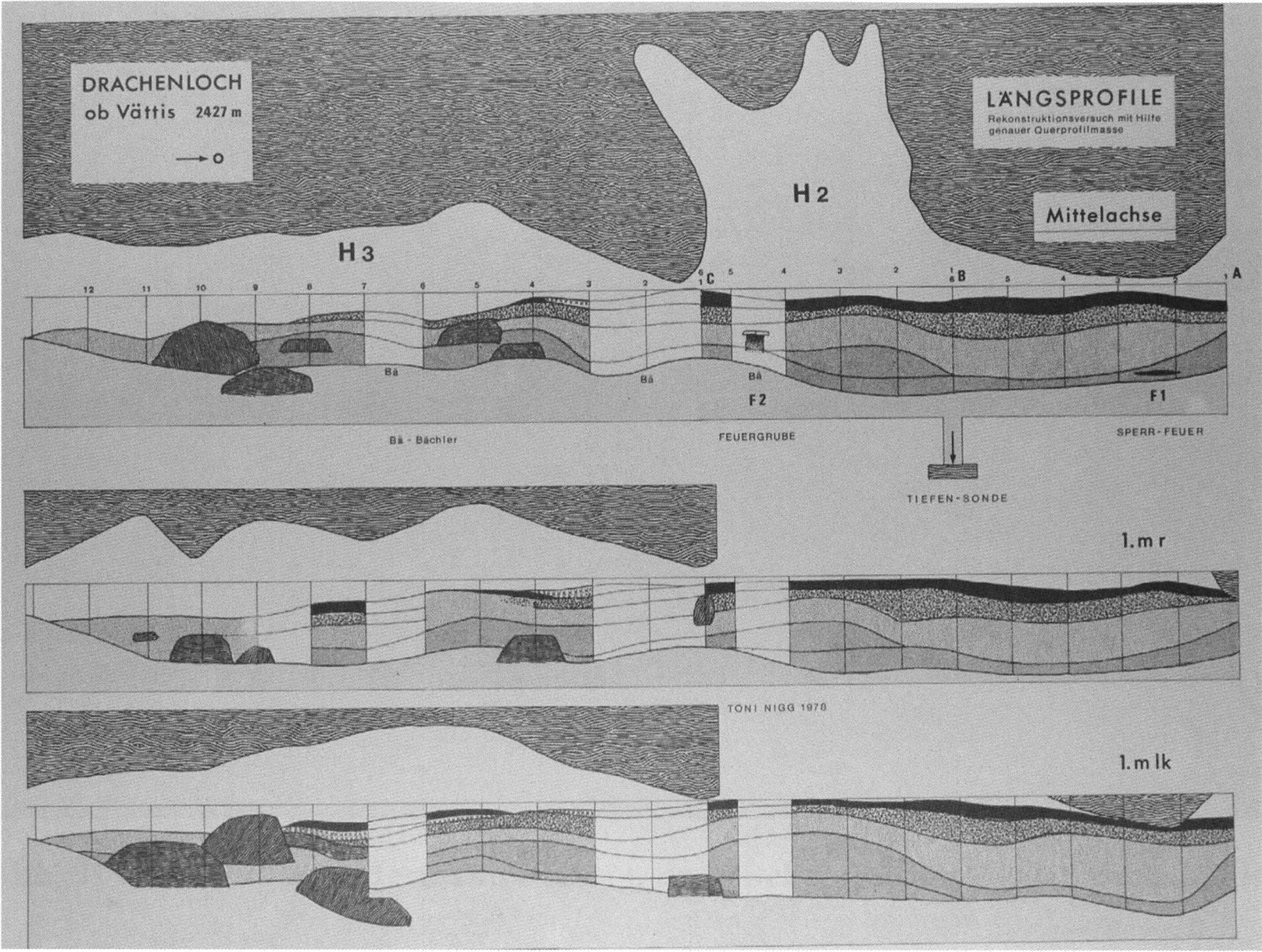
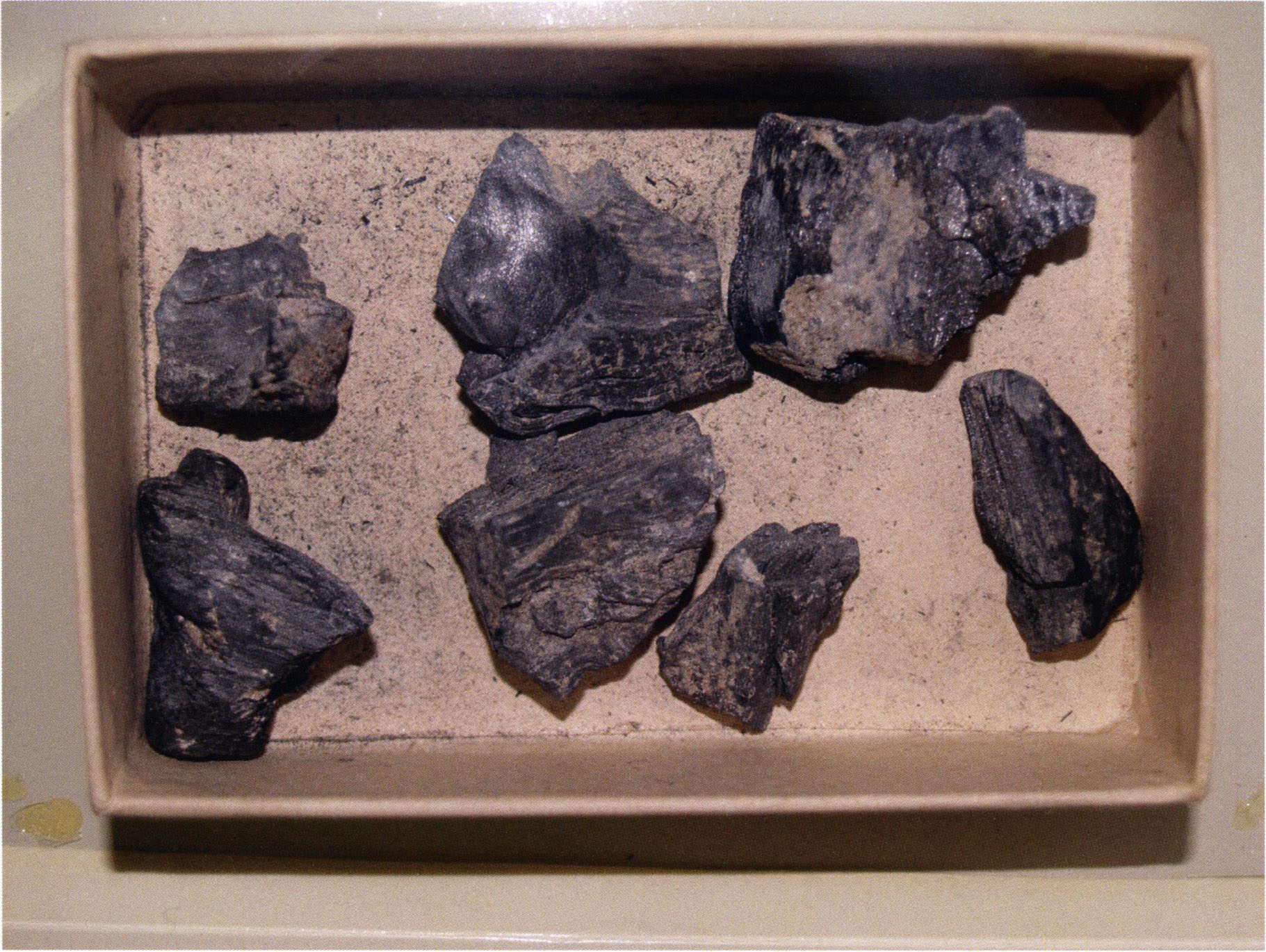
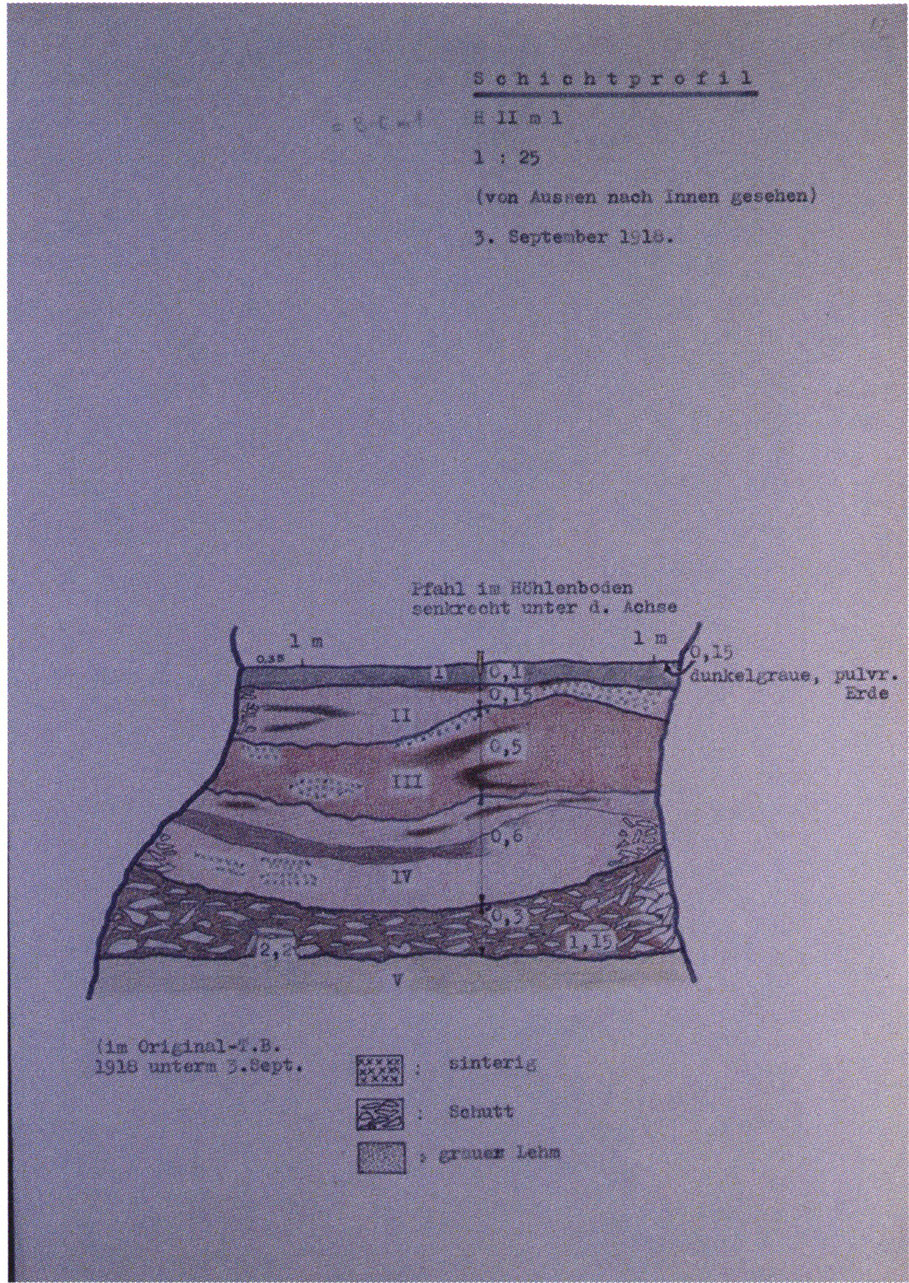
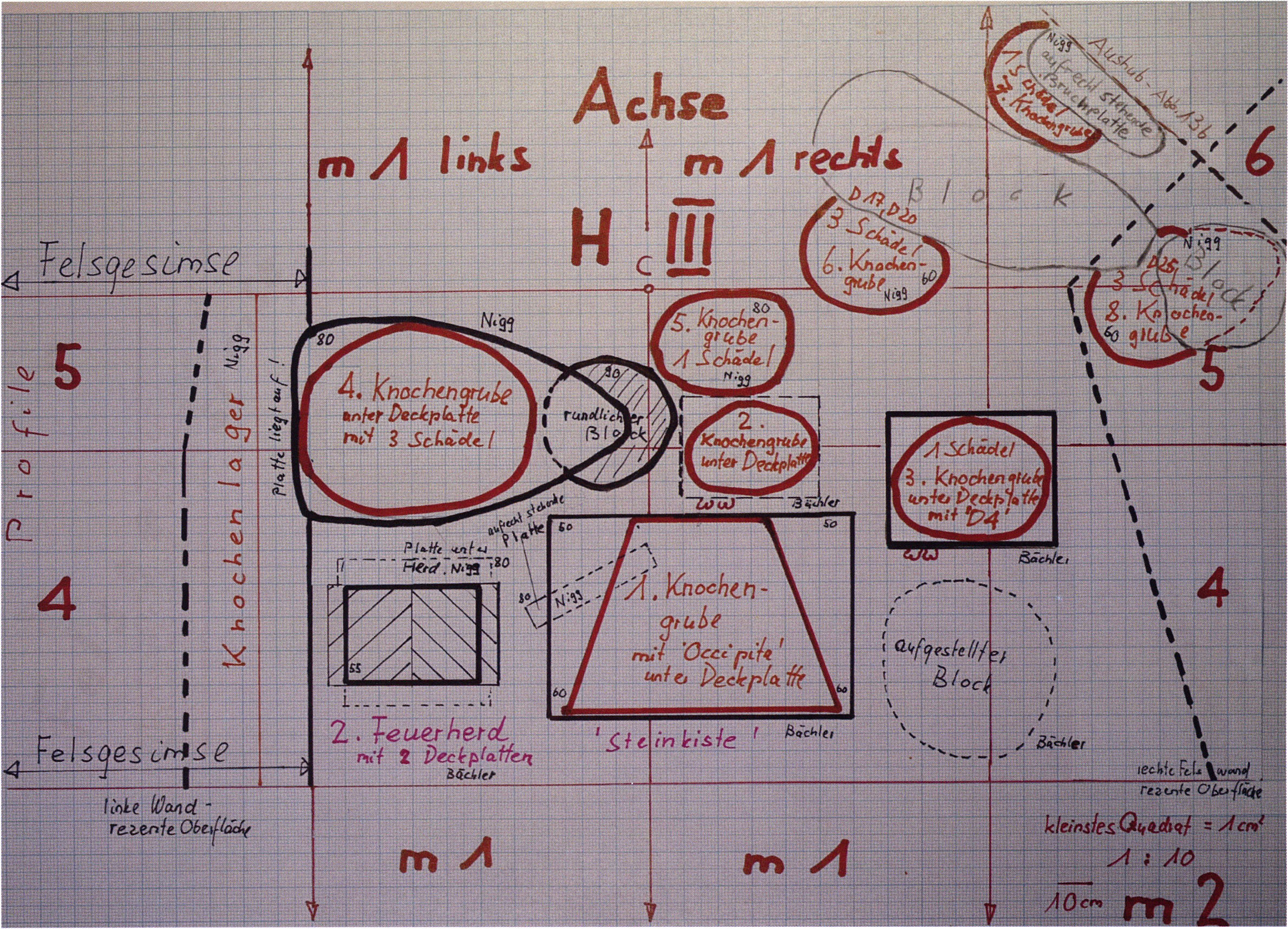
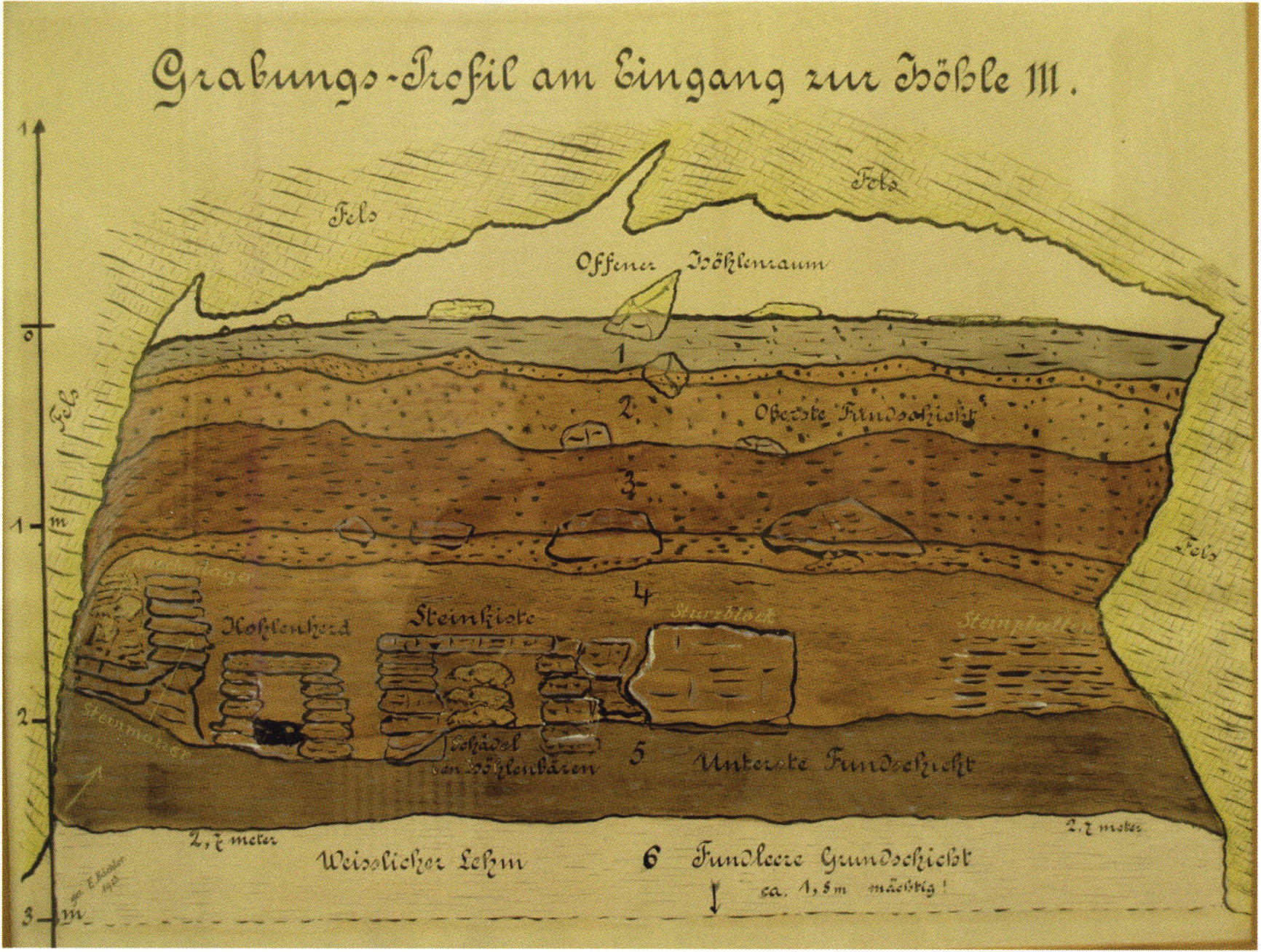
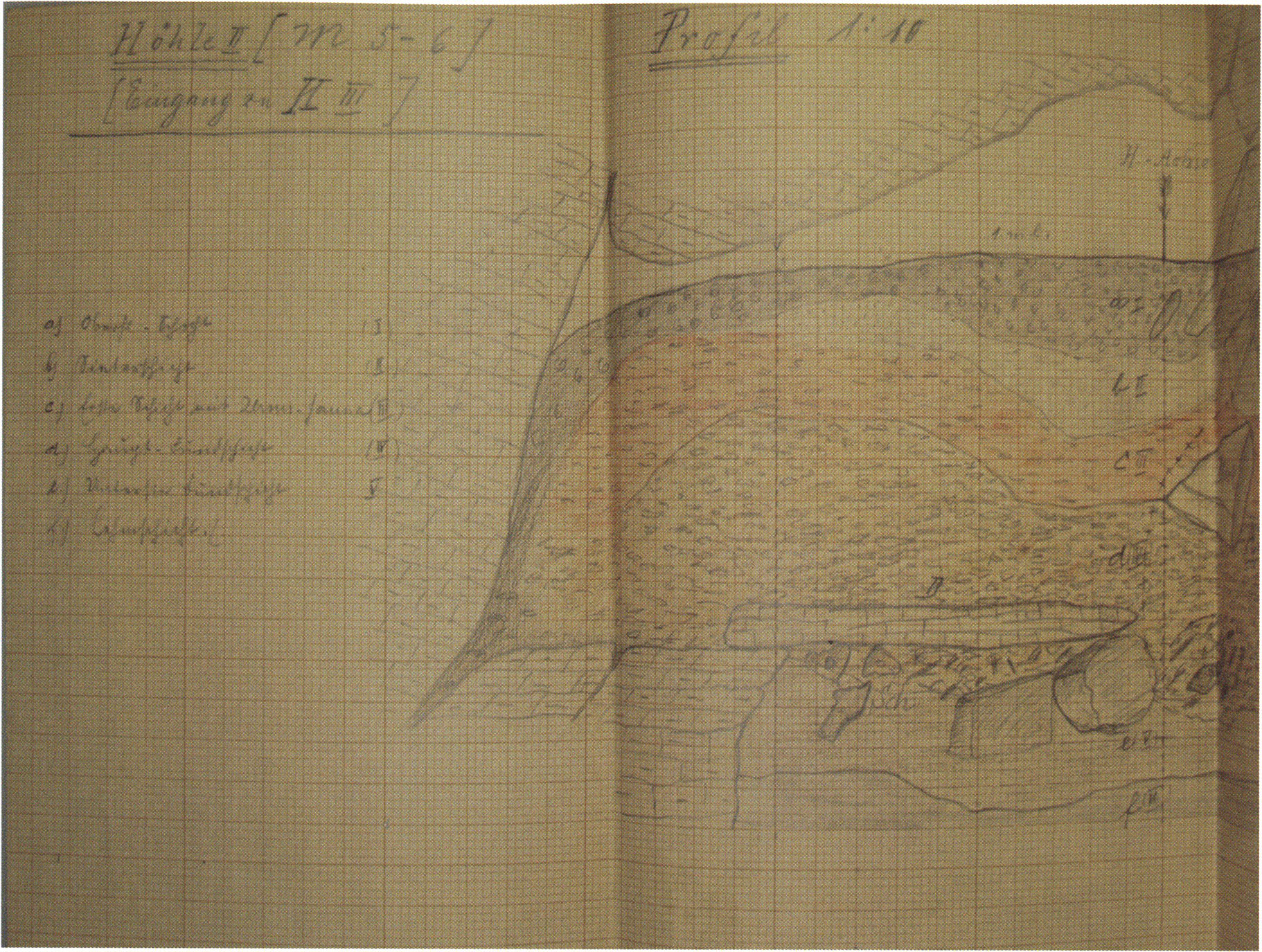
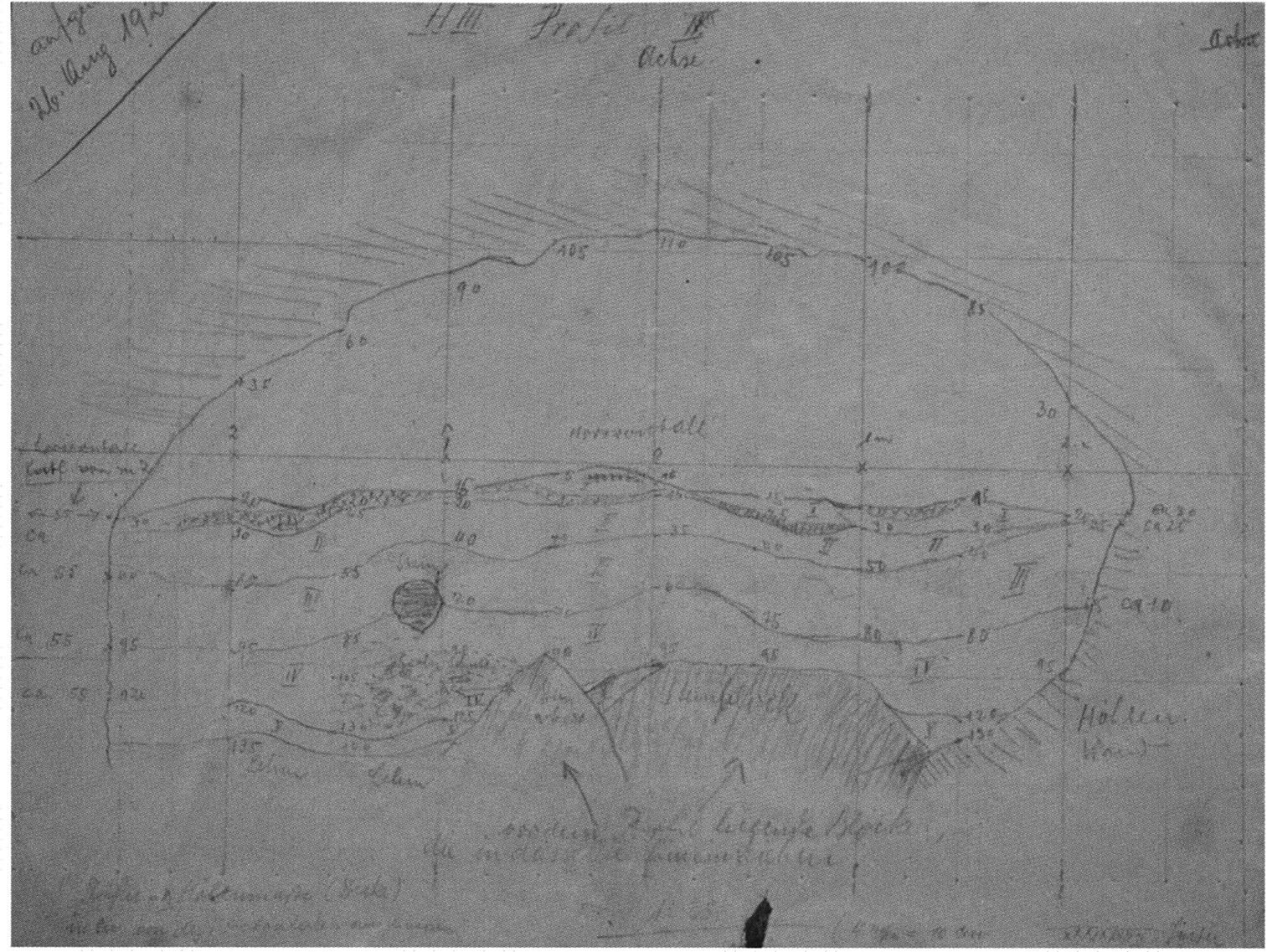
Datierung. - Als eigentliche Sensation unter den archäologischen Entdeckungen im Drachenloch galt und darf auch heute noch ein mit 2 Steinplatten gedeckter und von Steinlagern ringsum eingerahmter Feuerherd, also eine Art Steinkiste ohne Boden, gelten, die an der Oberfläche einer rund 10 cm dicken Aschenschicht, der nach unten bis 25 cm und mehr dick verbrannte Erde folgte, neben einzelnen angebrannten Höhlenbärenknochen Holzkohlenstücke der Legföhre enthielt. Emil Bächler, der Leiter der Ausgrabungen, war bei dieser Entdeckung zugegen. Er schreibt an entsprechender Stelle in seinen Notizen (1920, 74 f. und 77): “ Montag, 23. August 1920 – Juhui ! – Entdeckung des 2. Feuerherdes vor dem Eingang zur Höhle III, links von der Höhlenachse. In der Mitte von M<eter> 1 links <der Achse> fanden sich mehrere Steine, die hingestellt waren; in ihrer Mitte lag ein typischer Feuerherd mit besterhaltenen Kohlen (Holz) + Asche. - (77) Der Feuerherd 2 ist das famose Pendant zum Feuerherd am Eingang (Durchschlupf) von 1 zu II. Er befindet sich in durchaus intakter Lage am Grunde der Schicht III und auf der Oberfläche der Schicht IV, geht aber noch in die Schicht IV hinein - Abb. 6, S. 18. Er ist in die Vertiefung zwischen grössern Platten eingesenkt, ist also ein Feuerloch, das namentlich gegen aussen durch die Steinlager geschützt war. – Die Feuergrube war gedeckt durch zwei grössern 30 x 25 <cm> Seewerkalkplatten und horizontal darübergelagert waren. Hier wurde das Feuer wahrscheinlich im Glimmzustande erhalten durch Deckung desselben (Steine, feuchte Gras”boschen”). Die Holzkohlenstücke (Belege !) haben sich in demselben sehr gut erhalten, so dass die Bestimmung der Holzart gut möglich ist.” Und Seite 79 (1920) schreibt Bächler: “Der ganze Herd, d. h. sein Material, wird in besondern Kistchen aufbewahrt.” – Die Sensation bildete nicht nur die Entdeckung dieser Herdkonstruktion, sondern das Vorhandensein guterhaltener Holzkohlenstücke, übrigens vom Holz der Legföhre, die noch heute ein paar 100 m unterhalb des Drachenlochs vorkommt. Dieselben erlangten noch grössere Bedeutung, als nach 1945 eine Methode zur Altersbestimmung ehemals organischer Stoffe durch Ermittlung ihres Gehaltes an radioaktivem Kohlenstoff (C-14 ) entwickelt wurde. 1958 war es so weit: Eine Probe dieser Holzkohlenstücke aus dem geschlossenen Feuerherd gelangte ins C-14 Laboratorium in Groningen (NL), wo Prof. H. de Vries dieselbe in einer erste Messung auf “älter als 49’000 Jahre” datierte (GRO 1432), in einer zweiten auf “älter als 53’000 Jahre” (GRO 1477) (vgl. SGU 47, 103 - Heinz Bächler).
Damit besass man einen “terminus ante quem” für den Aufenthalt der Erbauer des Herdes im Drachenloch ! Bächlers Zuordnung der im Drachenloch aufgefundenen Kultur zum Moustérien traf voll ins Schwarze. Der Mensch, der sich vor über 50’000 Jahren im Drachenloch aufgehalten hatte, war aber eben jener anfangs beschriebene mit der niederen, fliehenden Stirn etc., der Neandertaler. Der Mensch mit dem modernen Ausseren ist in Europa für diese Zeit (noch) nicht belegt. Die Drachenlochausgrabung in den Jahren 1917 - 23 durch Emil Bächler und Theophil Nigg förderte Spuren vom Wirken des Neandertalers, des europäischen Ureinwohners, an den Tag, darin bestand und besteht ihr besonderer Wert.
Präziser zu dem “terminus ante quem” äusserte sich Elisabeth Schmid, die im Jahre 1954 vom 2. - 6. August Bodenuntersuchungen im Drachenloch unternommen hatte. Sie erkannte, dass bei der Höhlenlage des Drachenlochs von 2427 m ü.M. die Sedimentation während der langen Vorstoss-, Hochstands- und Rückzugszeit der Würmeisgletscher eine Stillstand hatte, und wies die Höhlenbärenschichten dem ausgehenden Riss/Würm-Interglazial, bzw. dem frühen Beginn von Würm zu ! (Schmid, Höhlenforschung, 132)
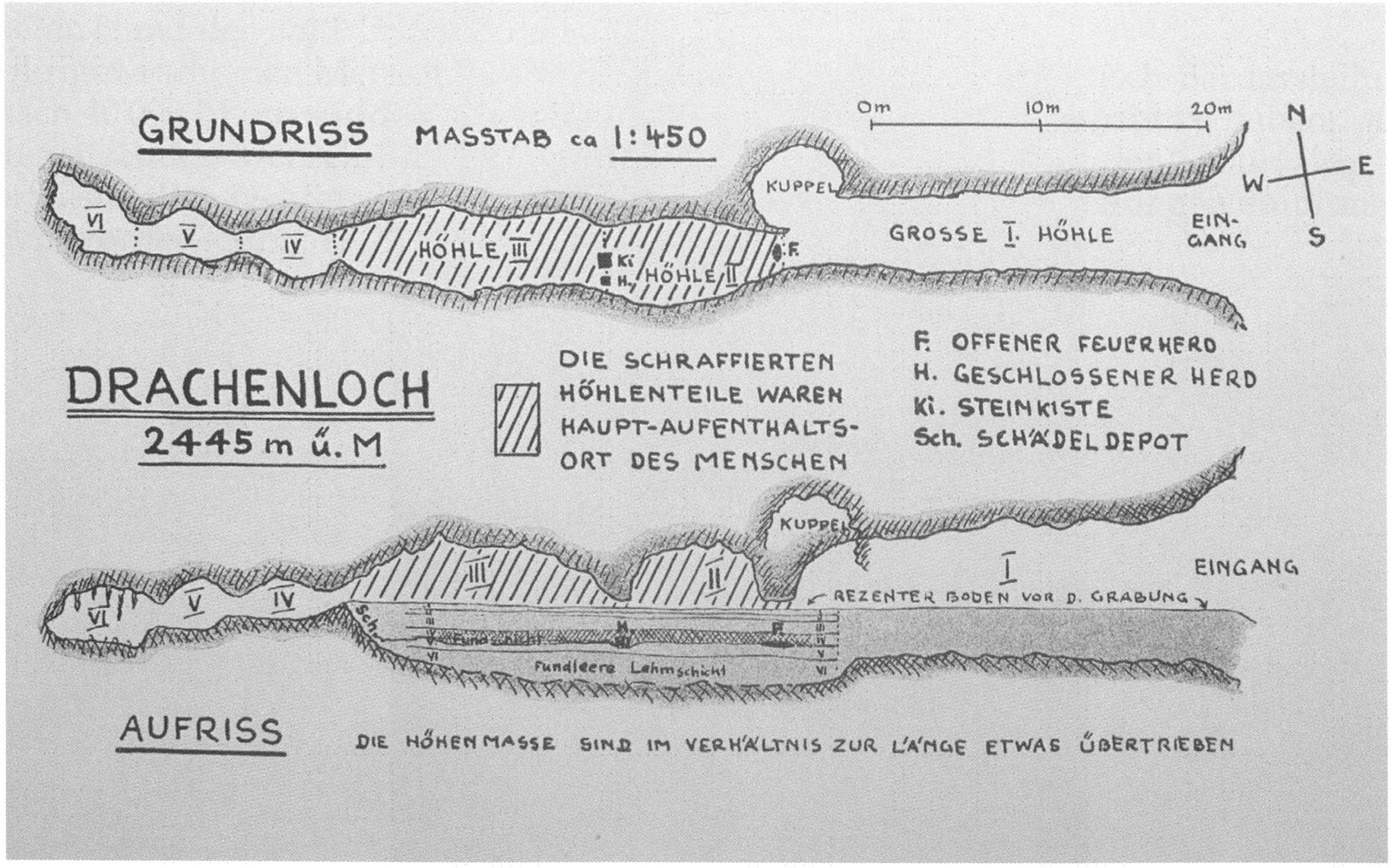
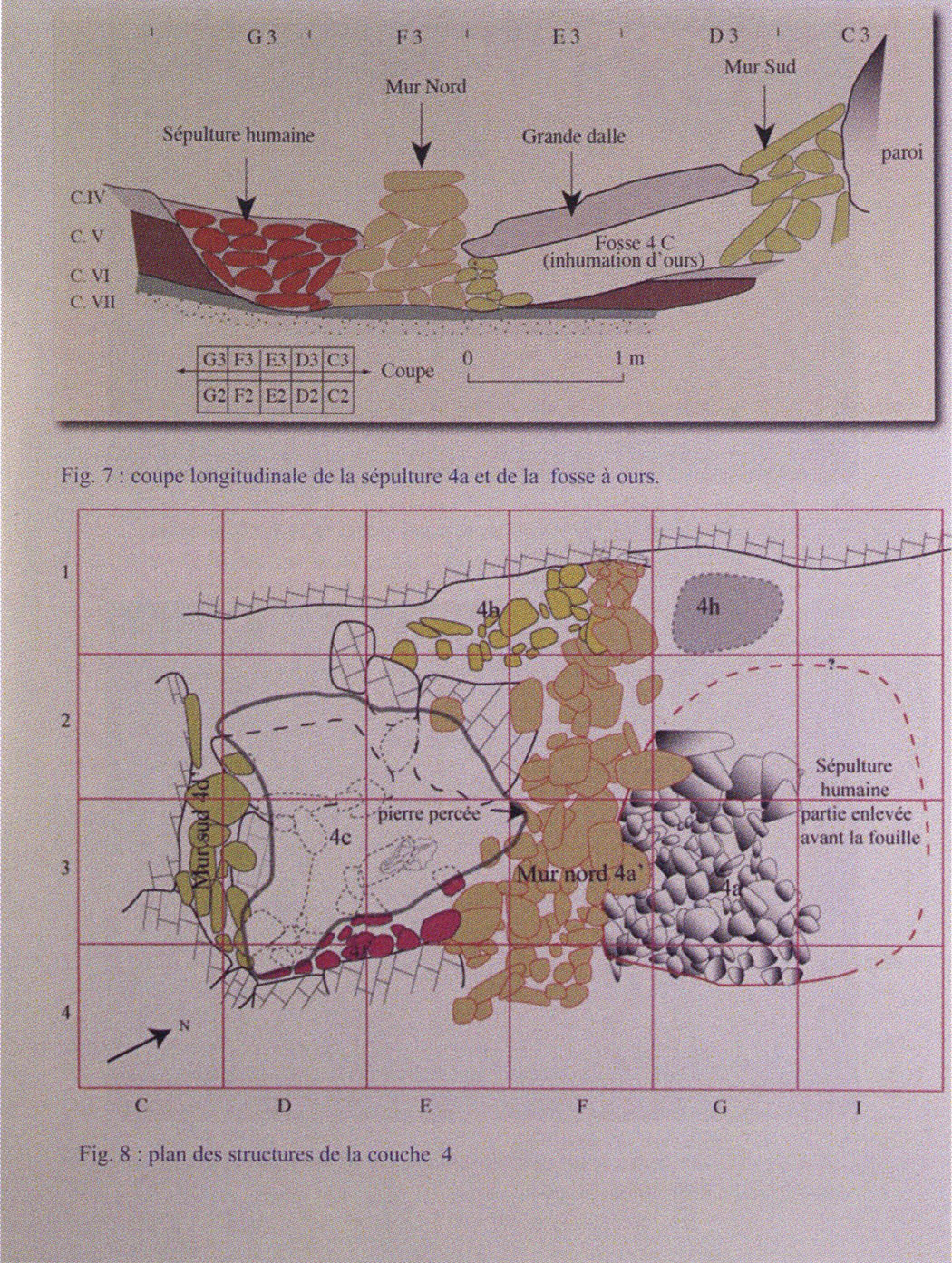
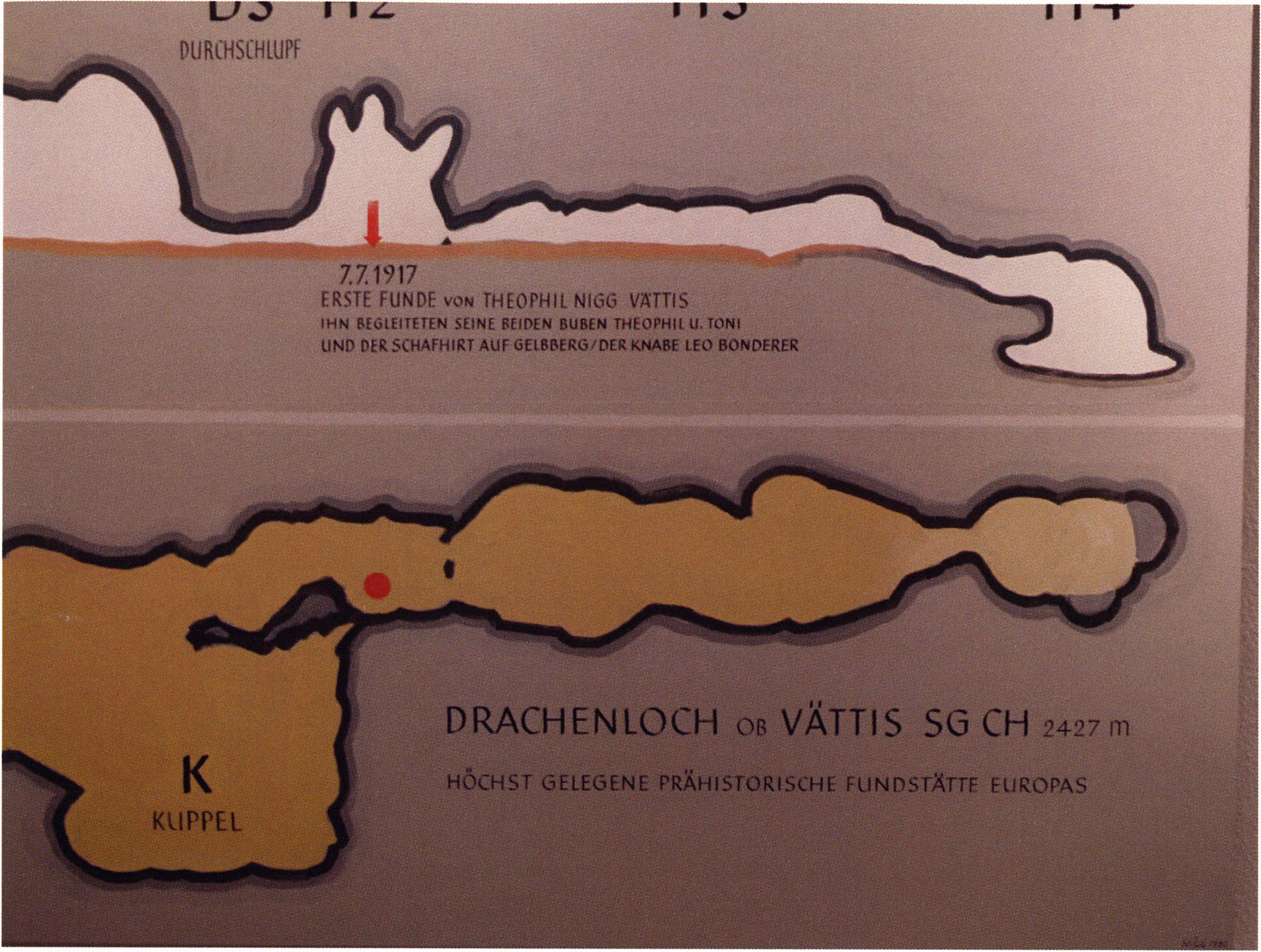
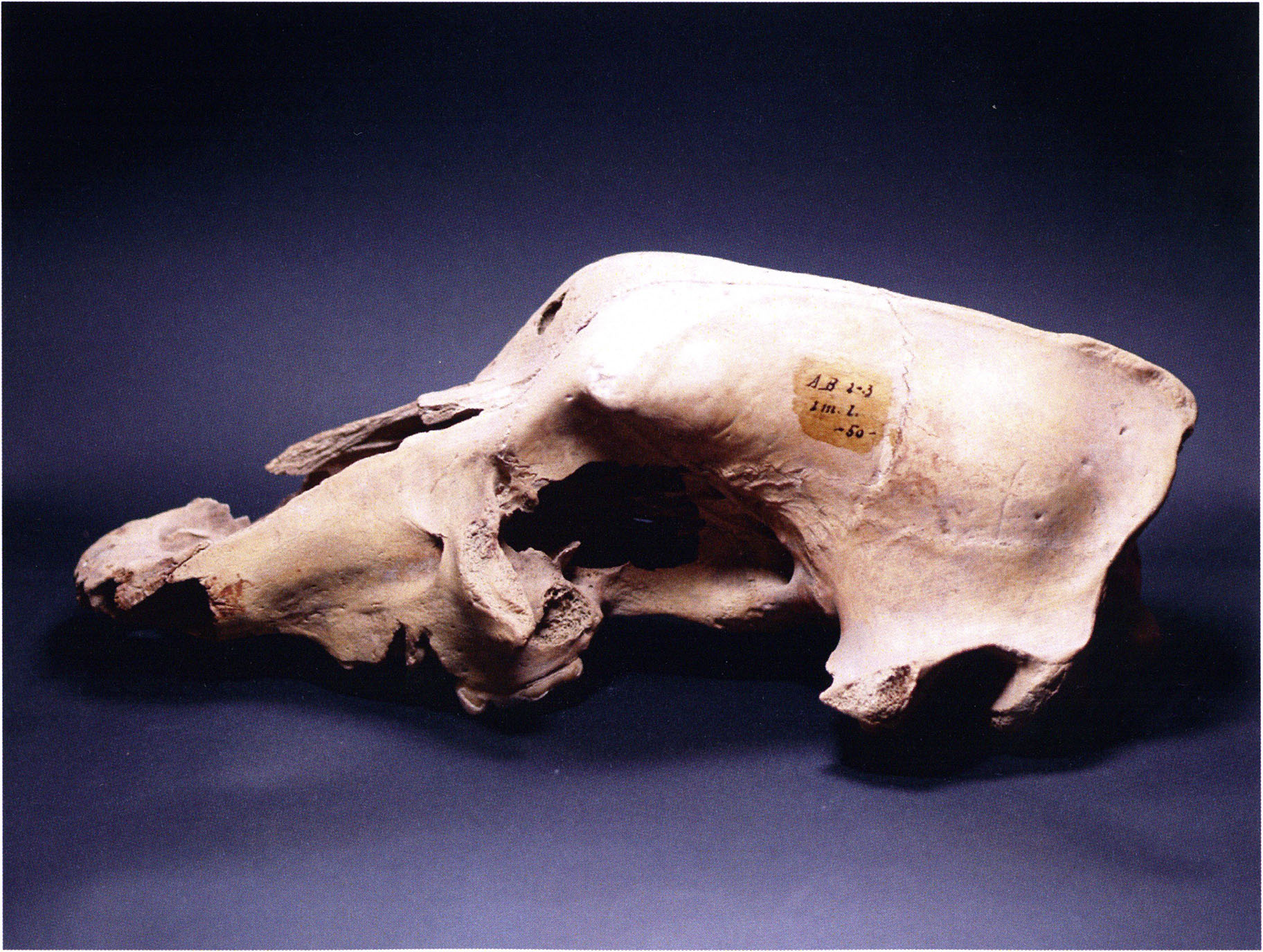
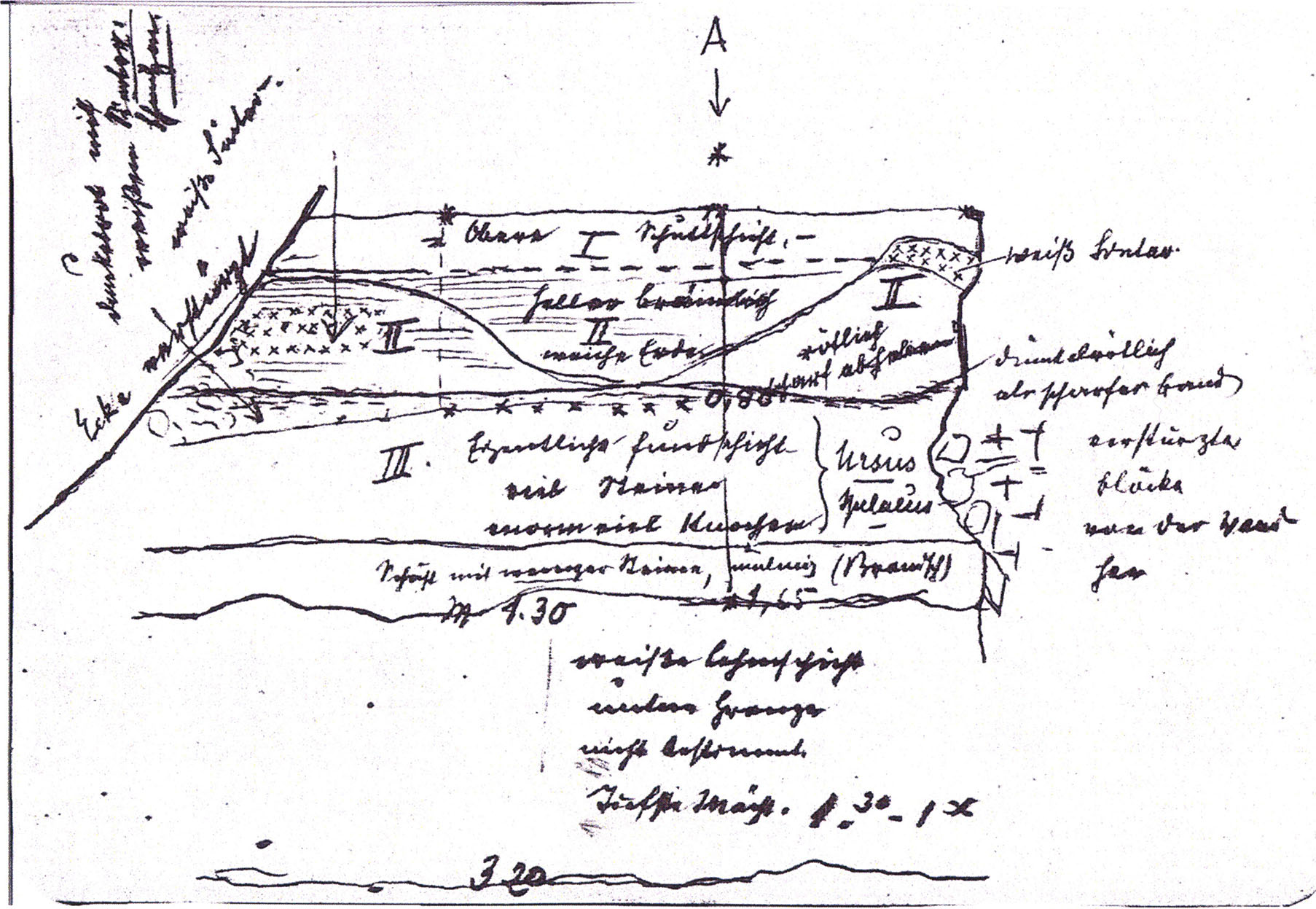
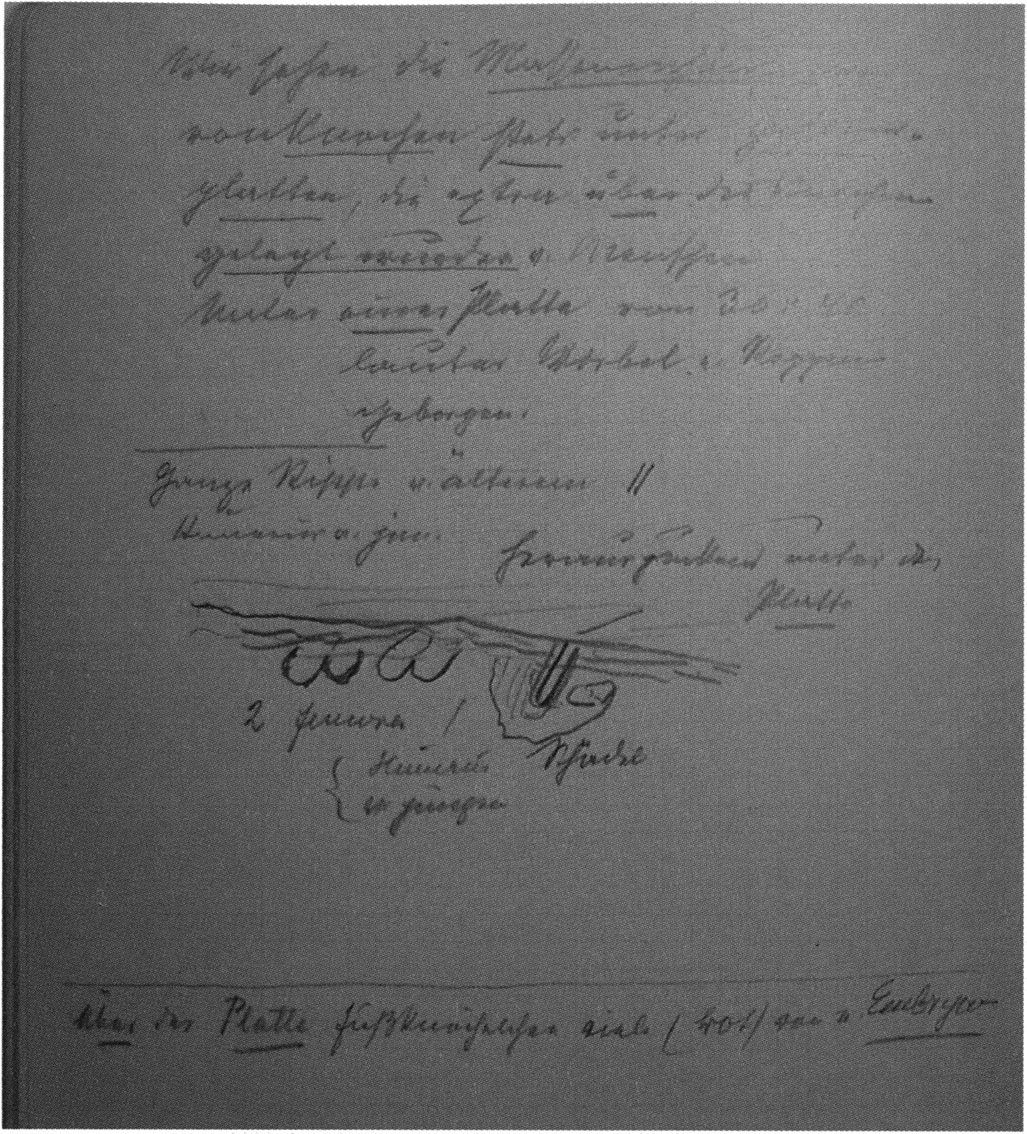
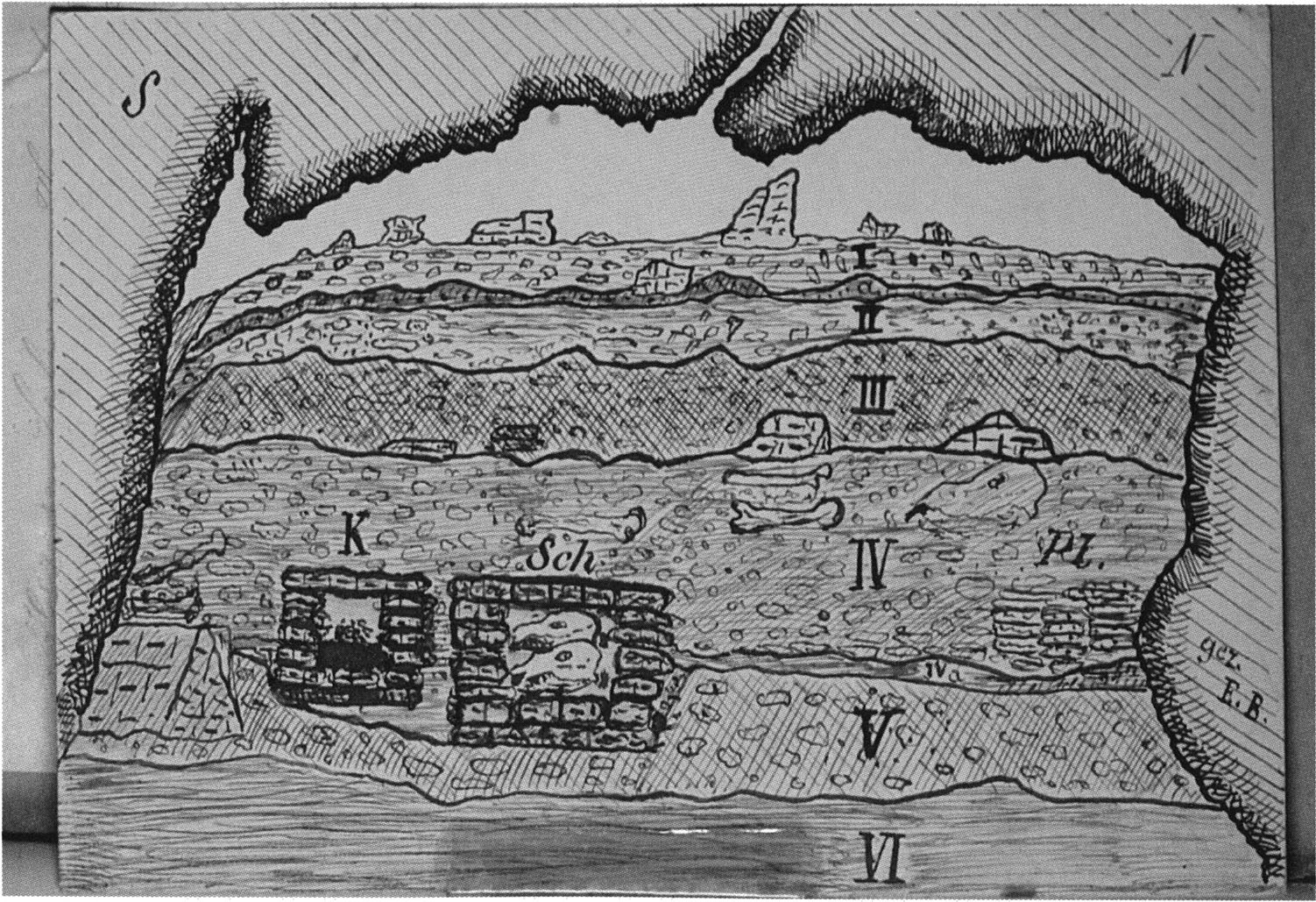
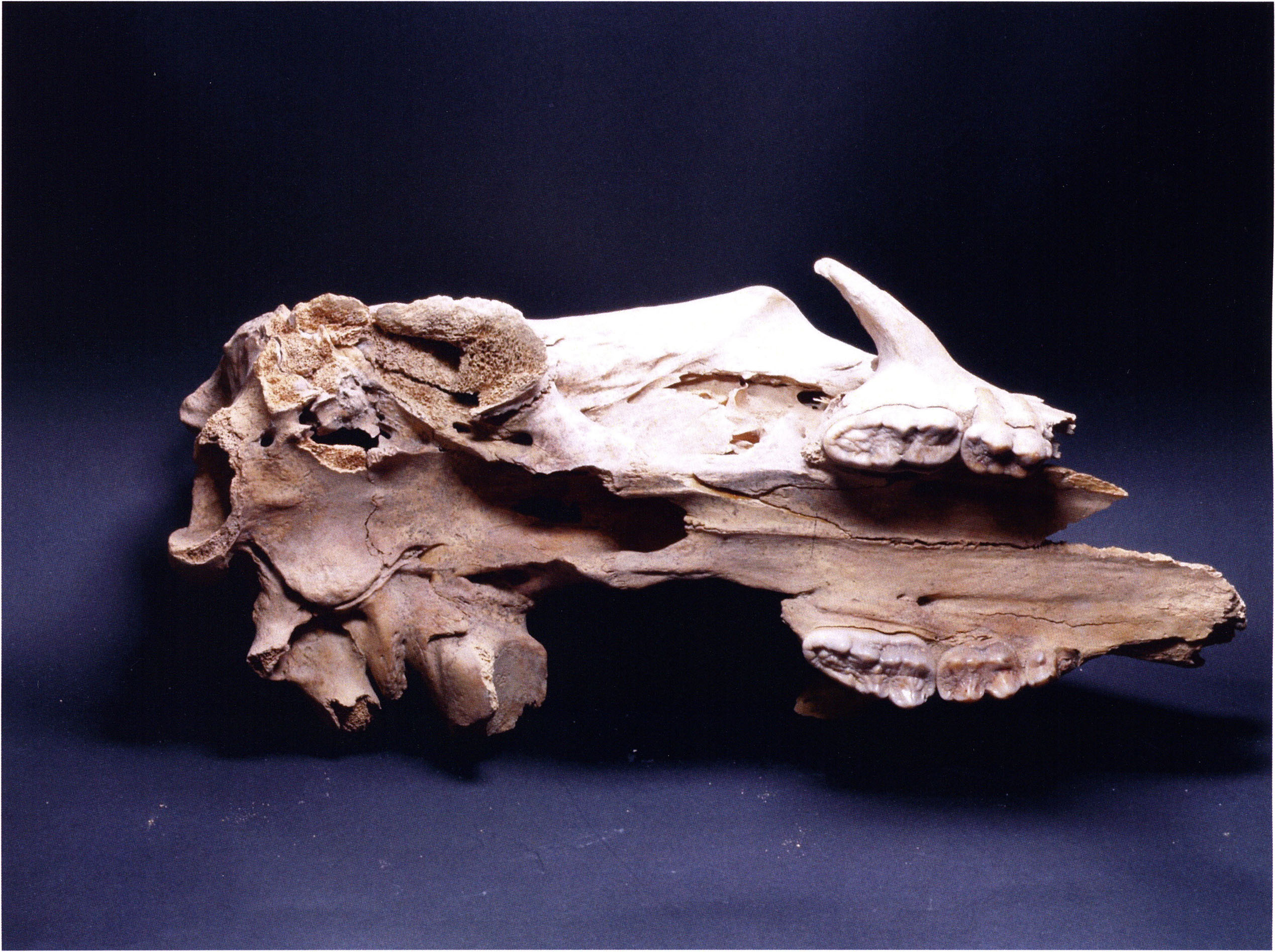
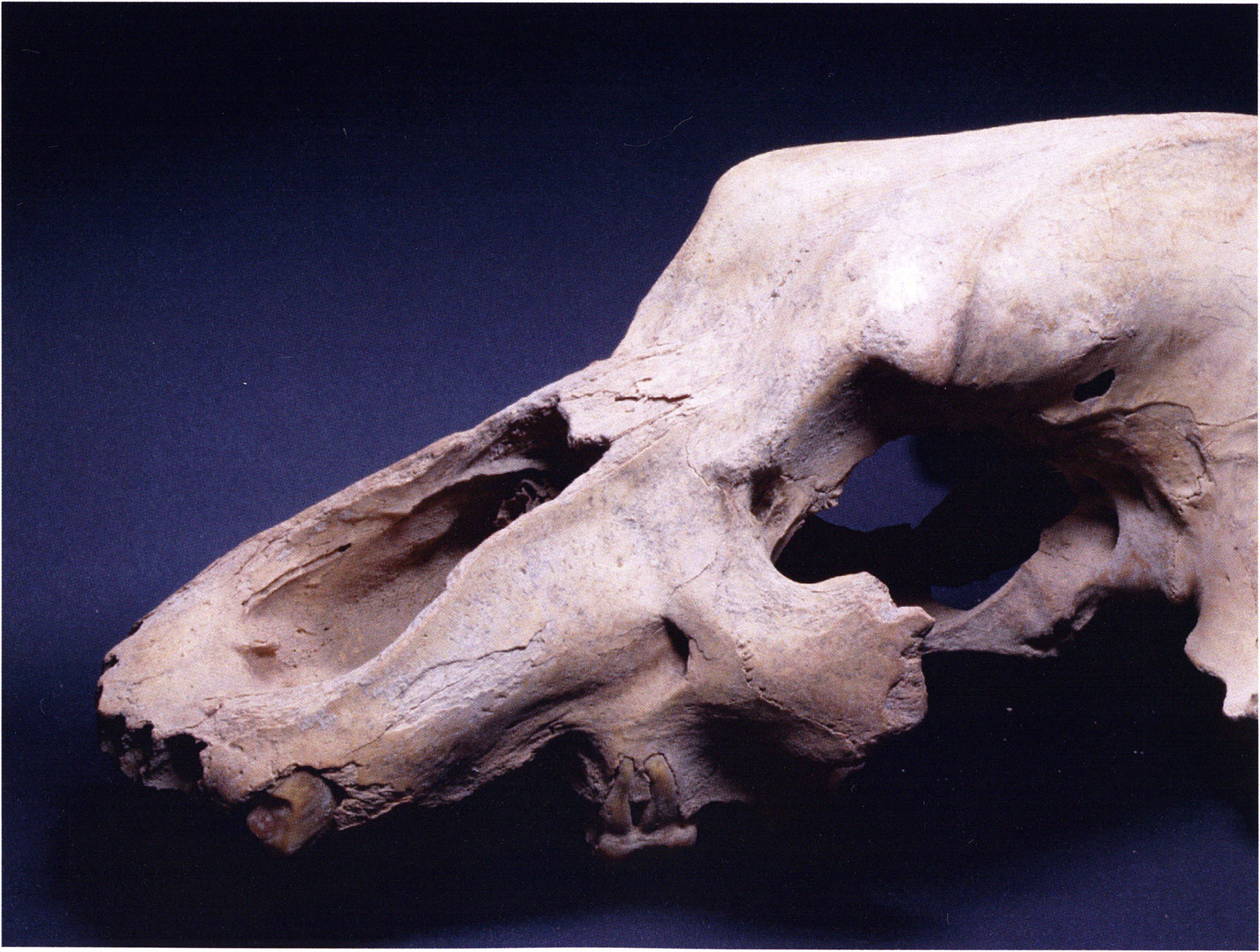
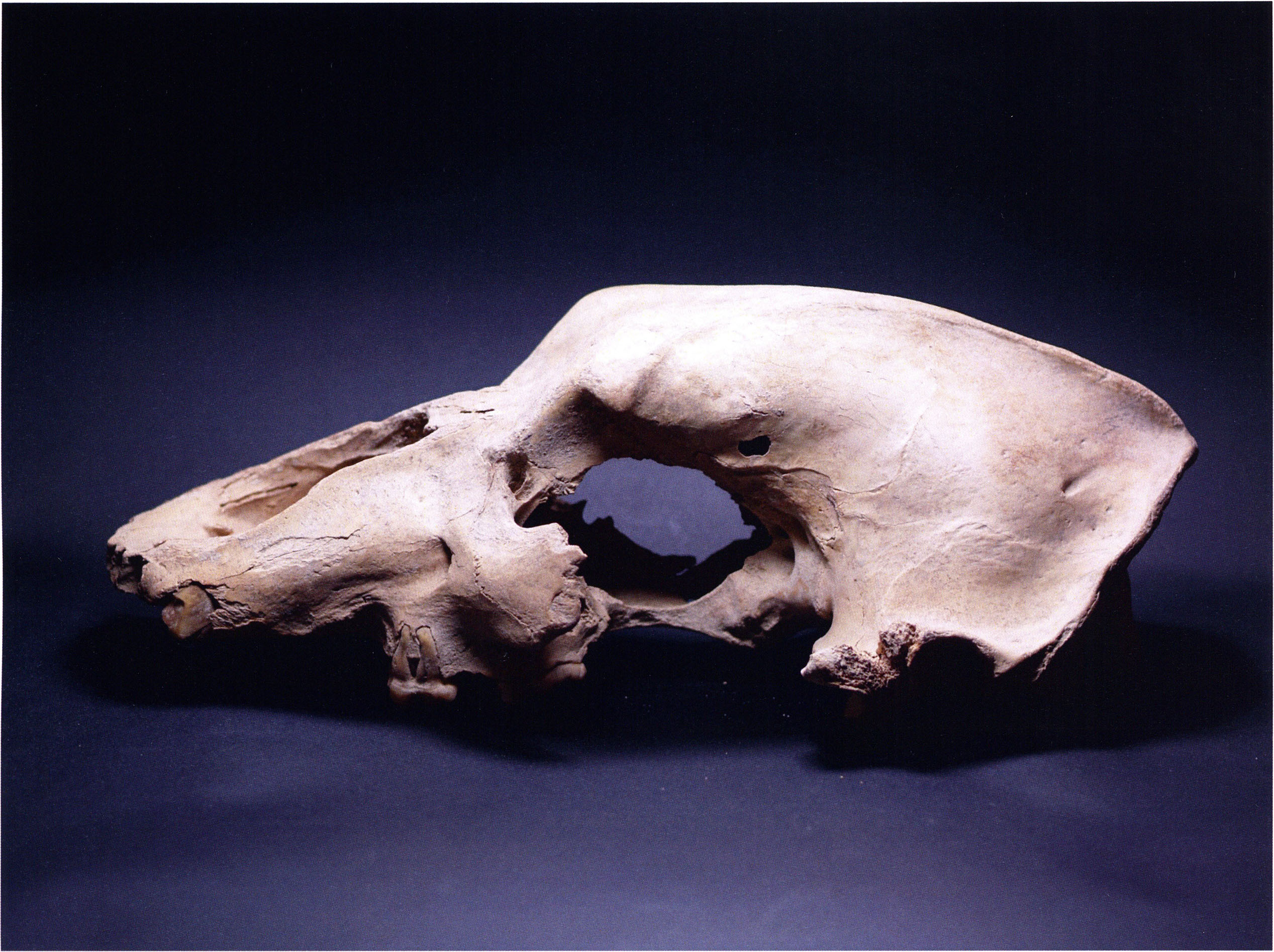
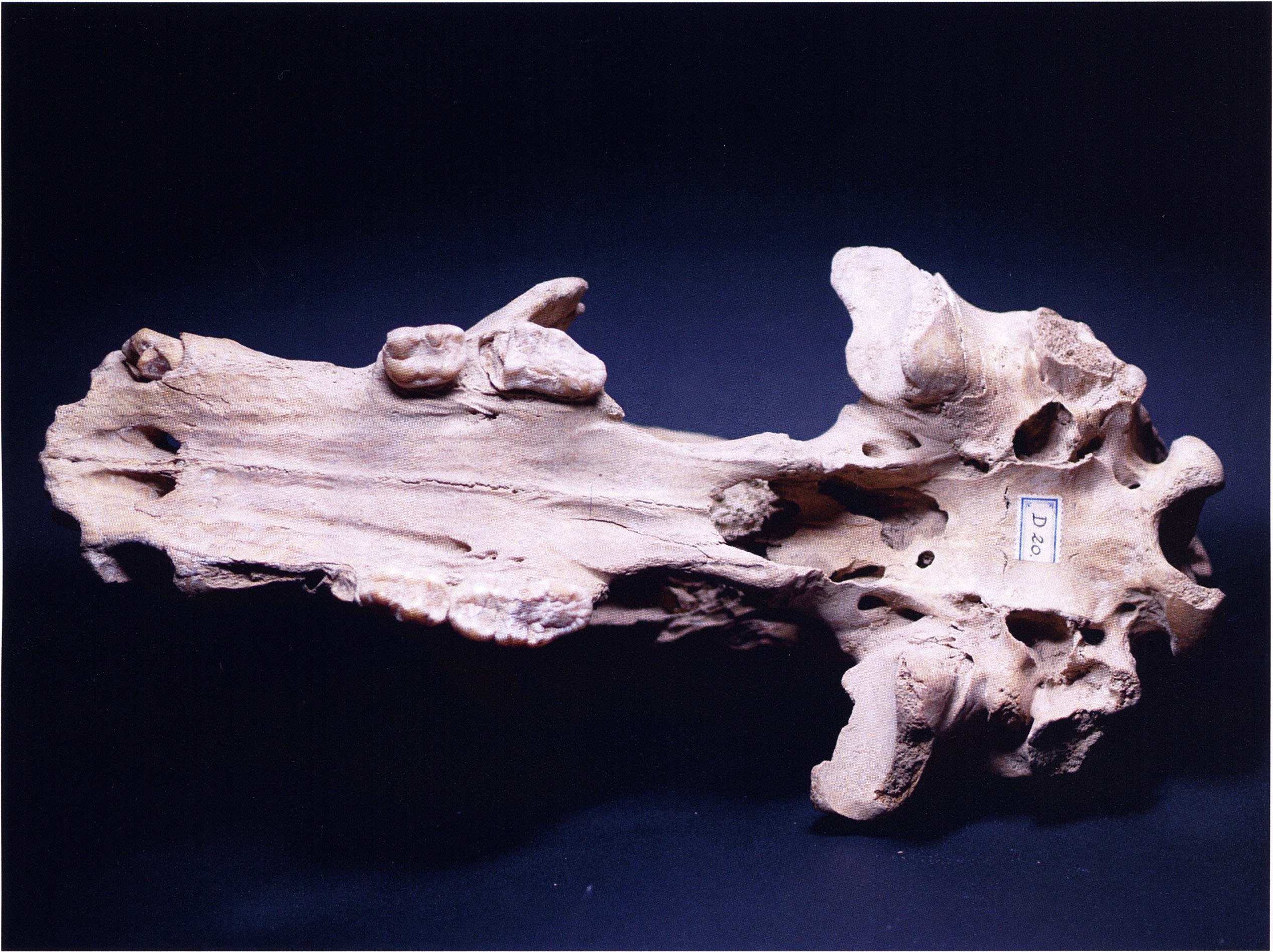
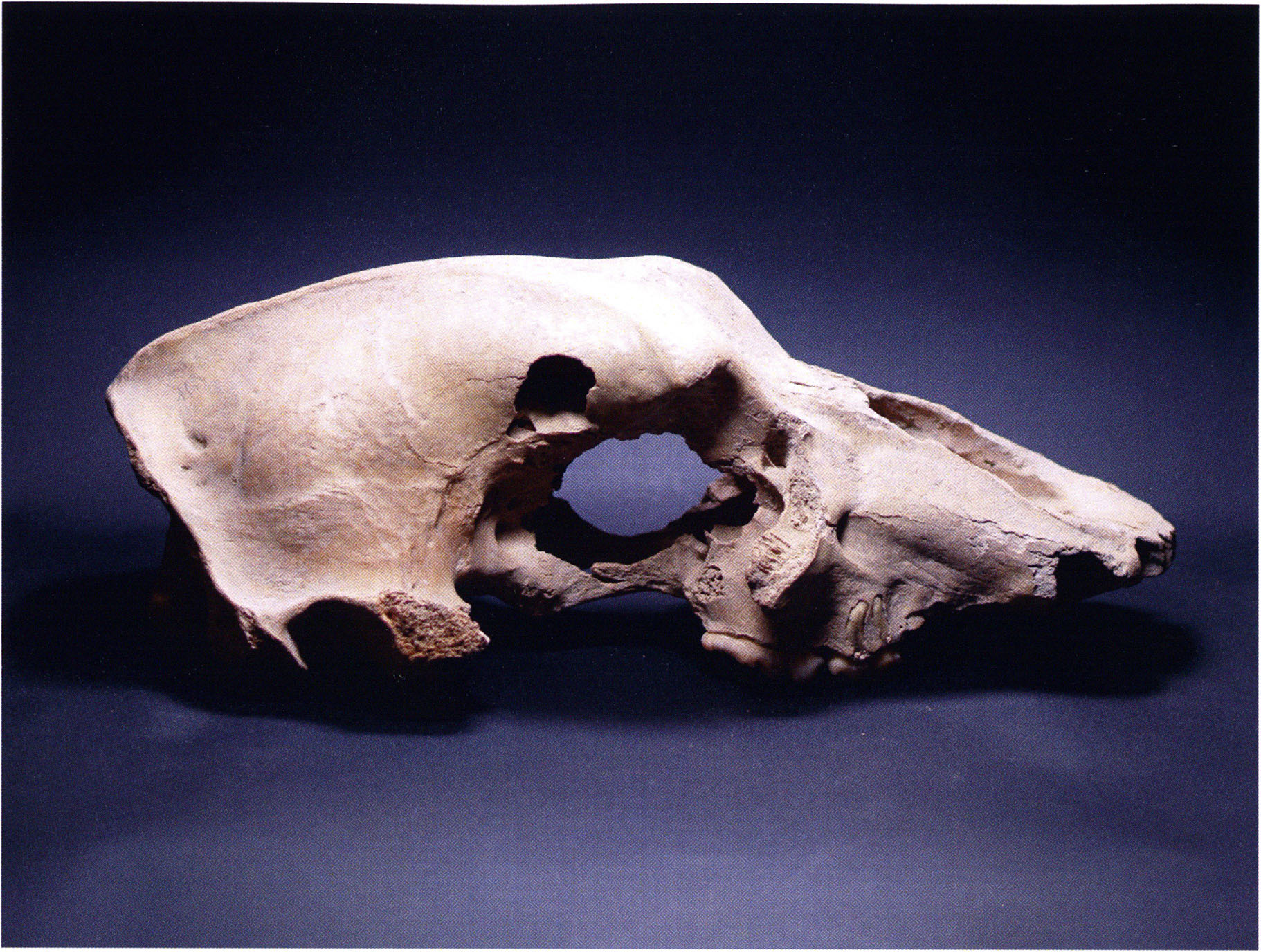
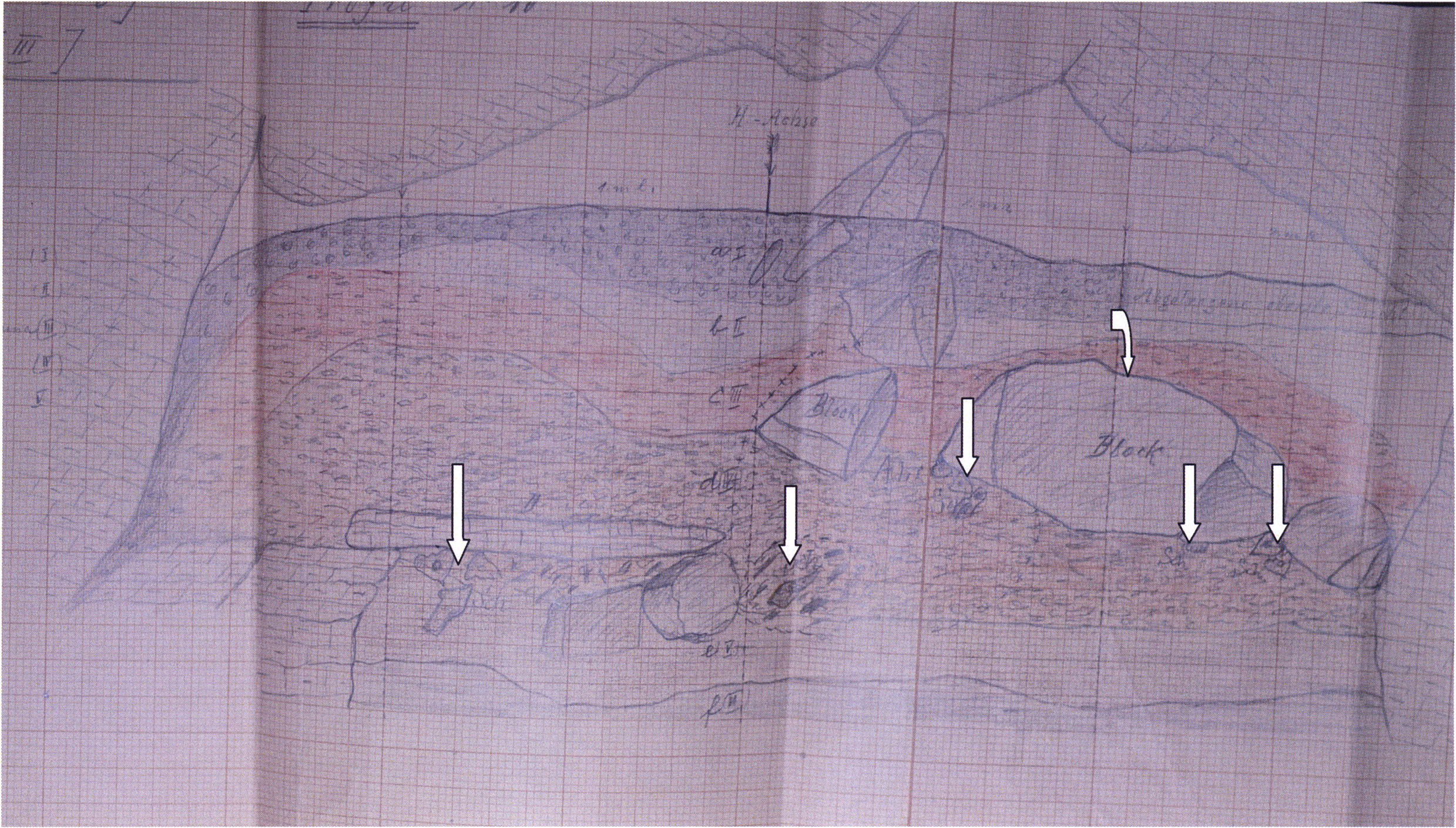
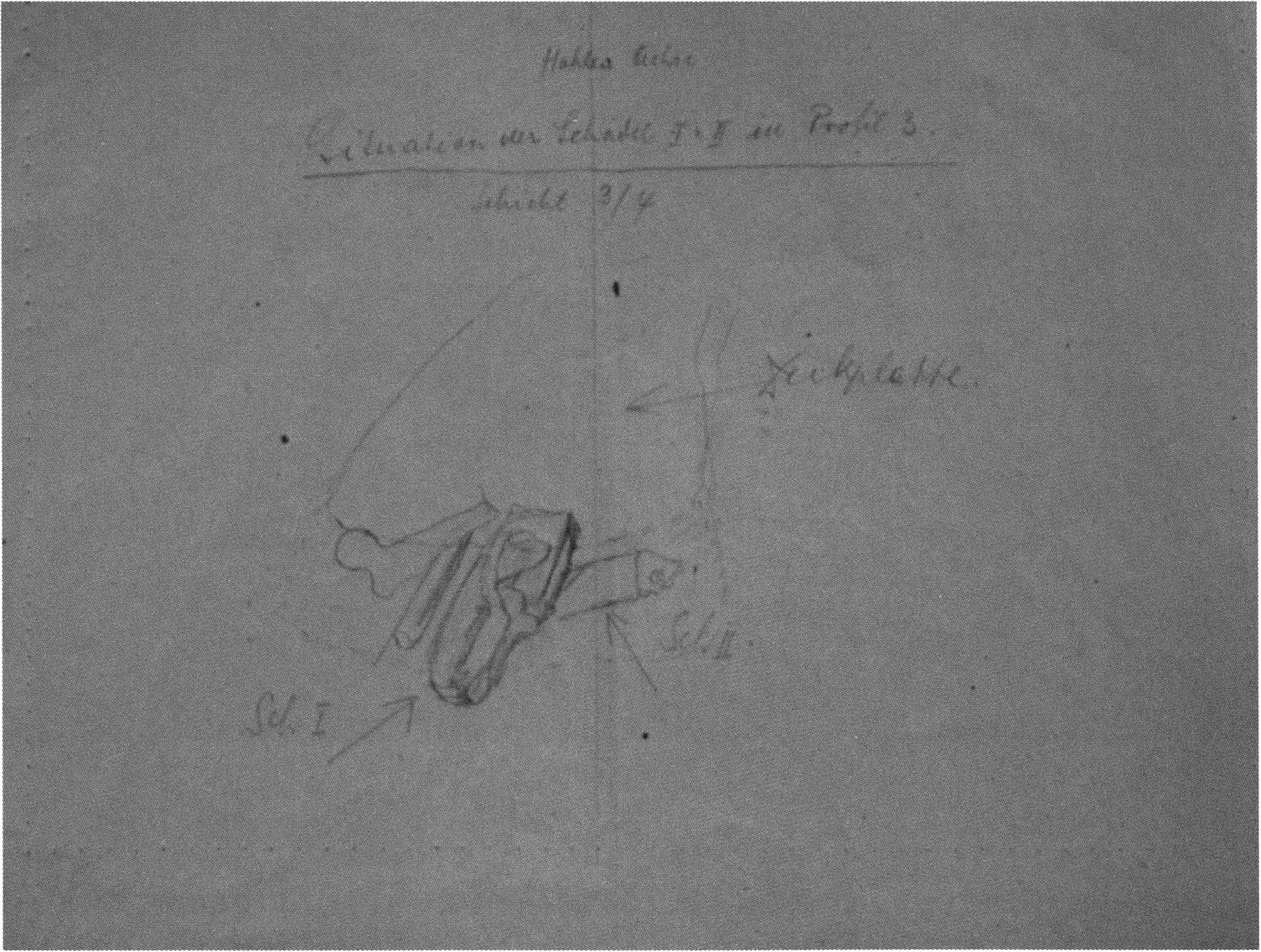
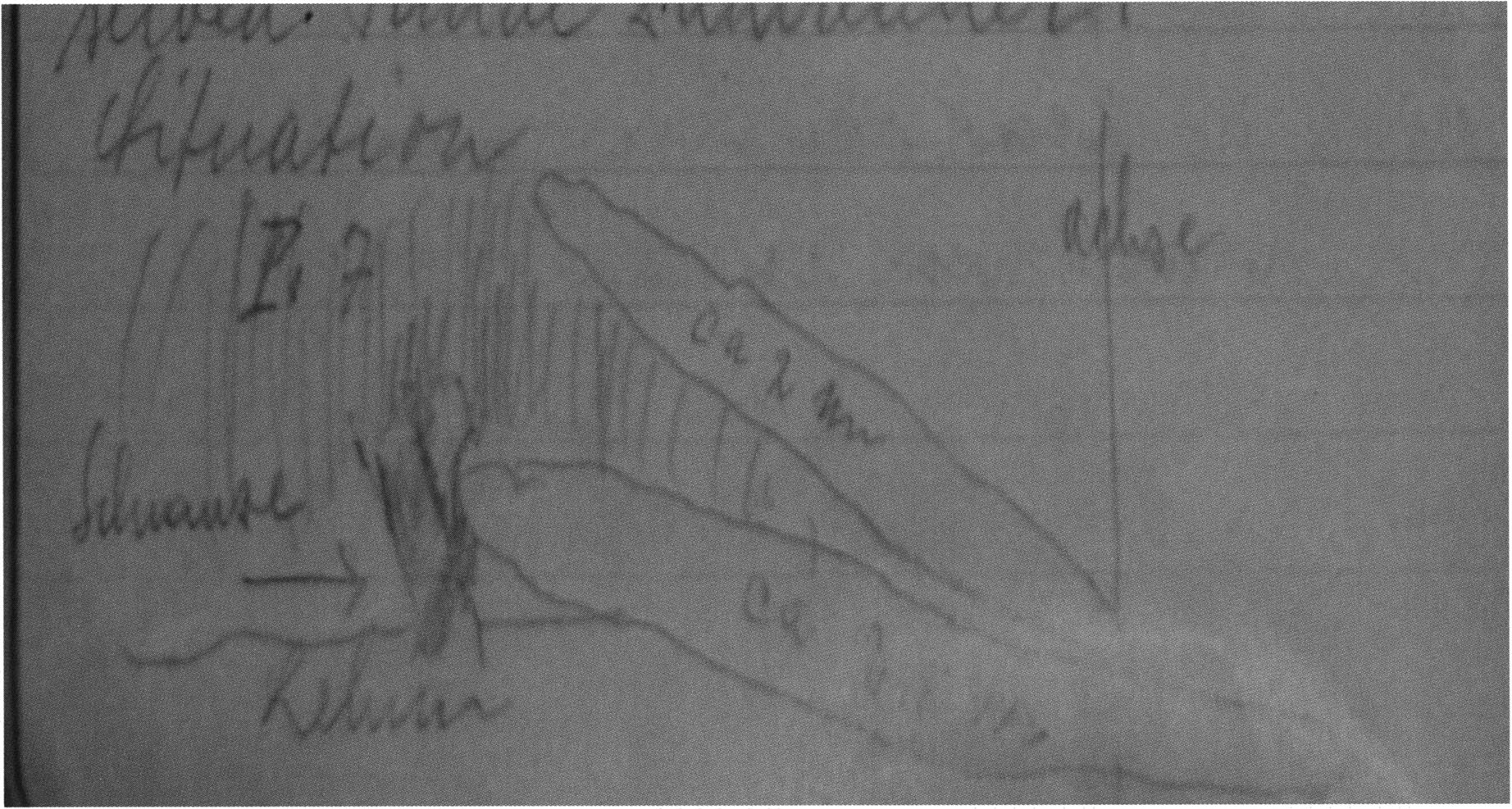
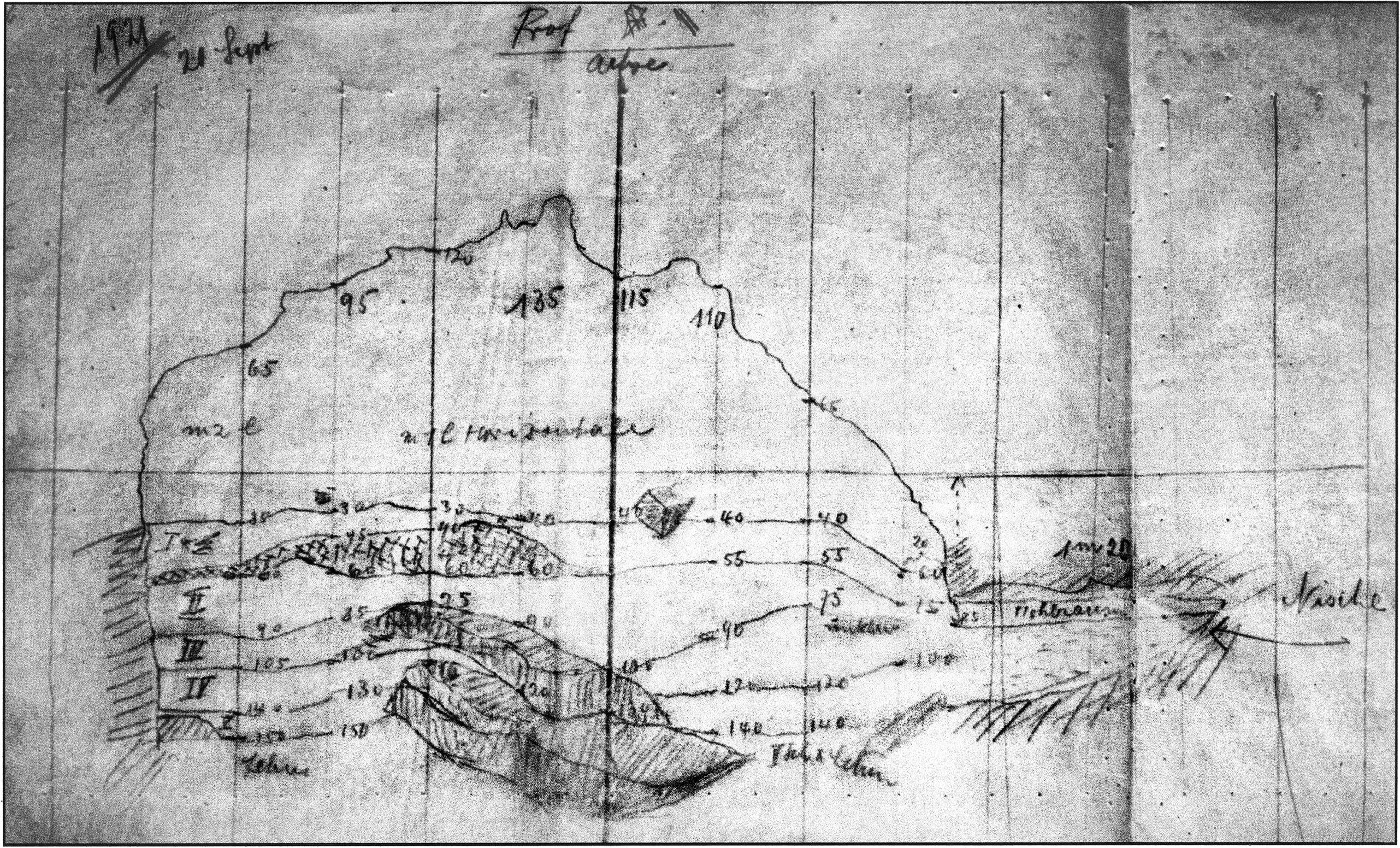
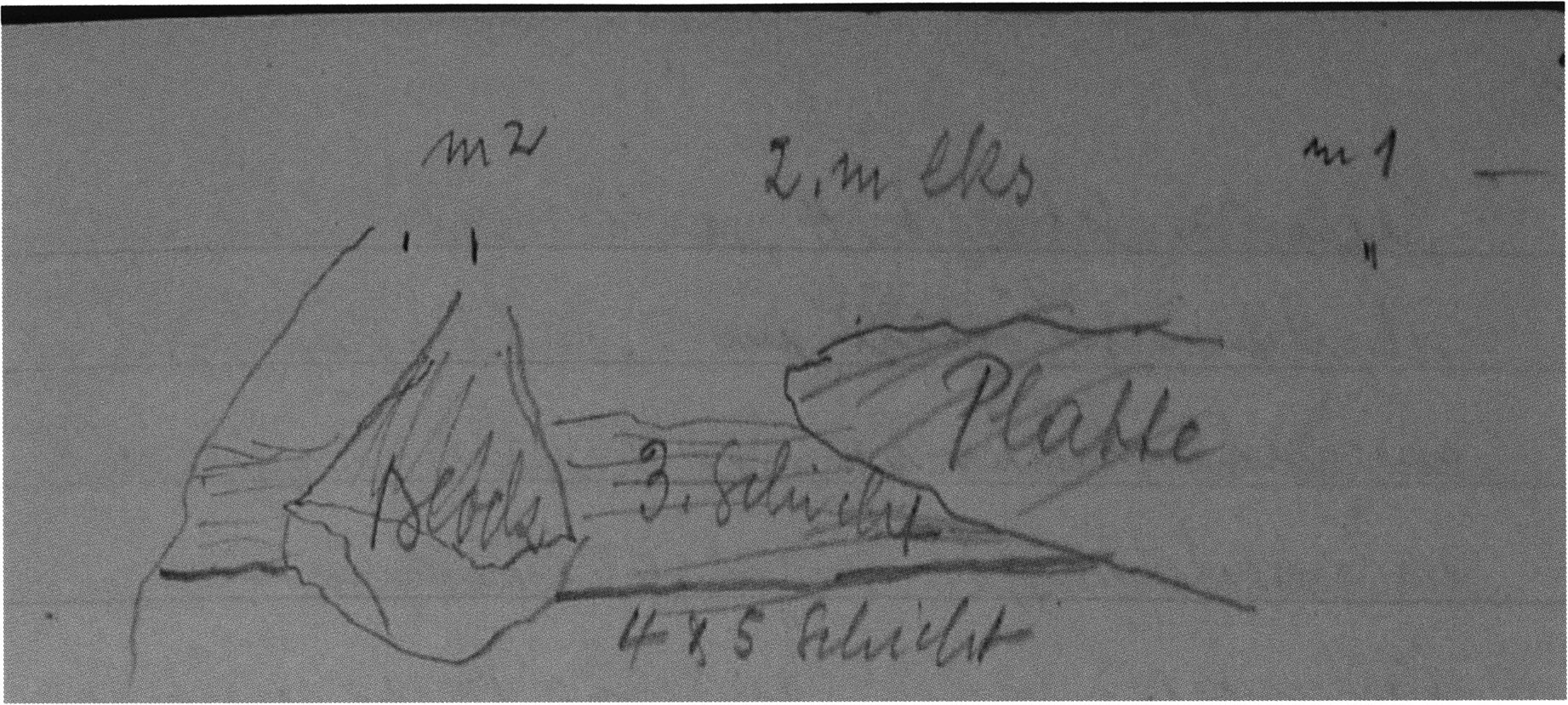
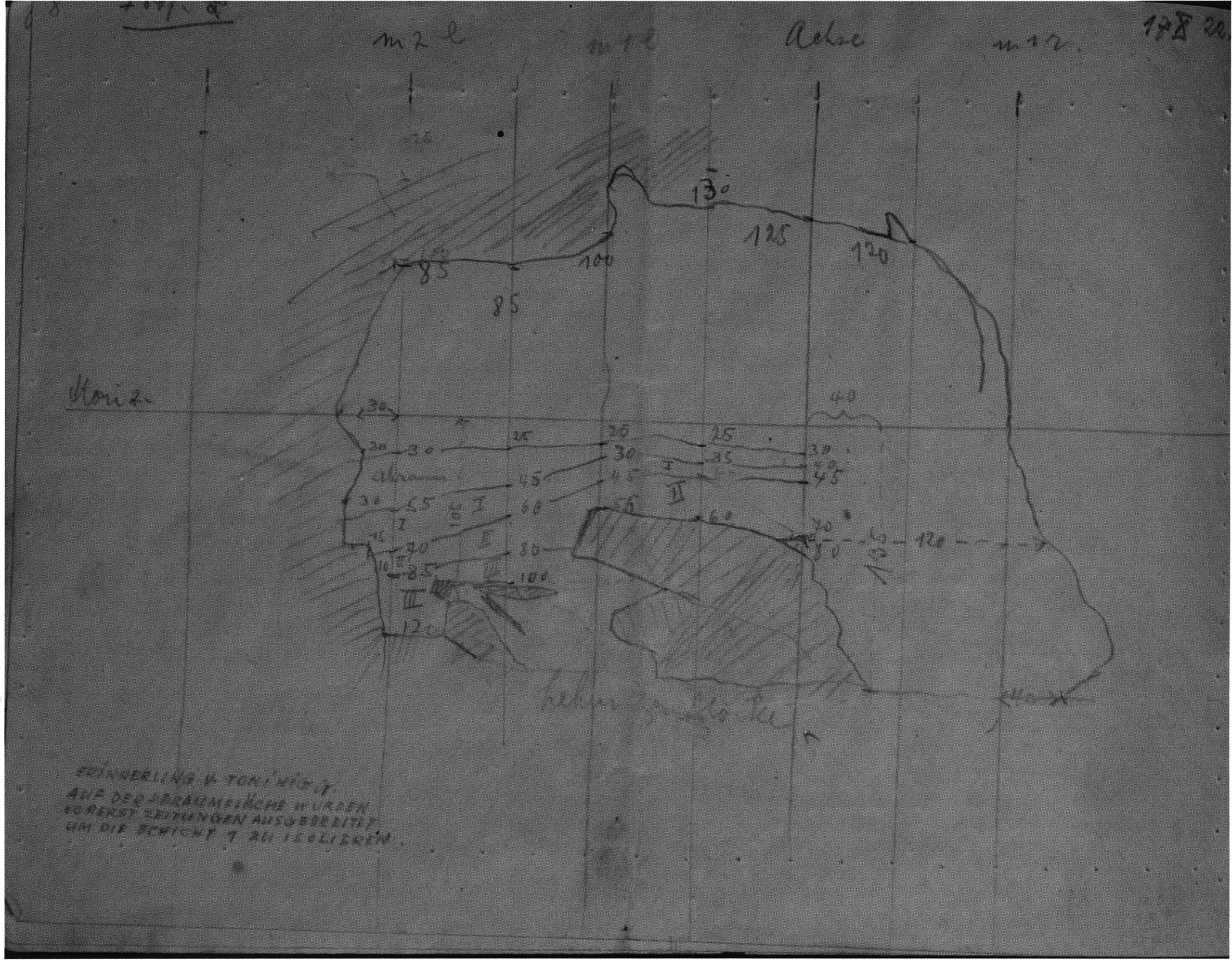
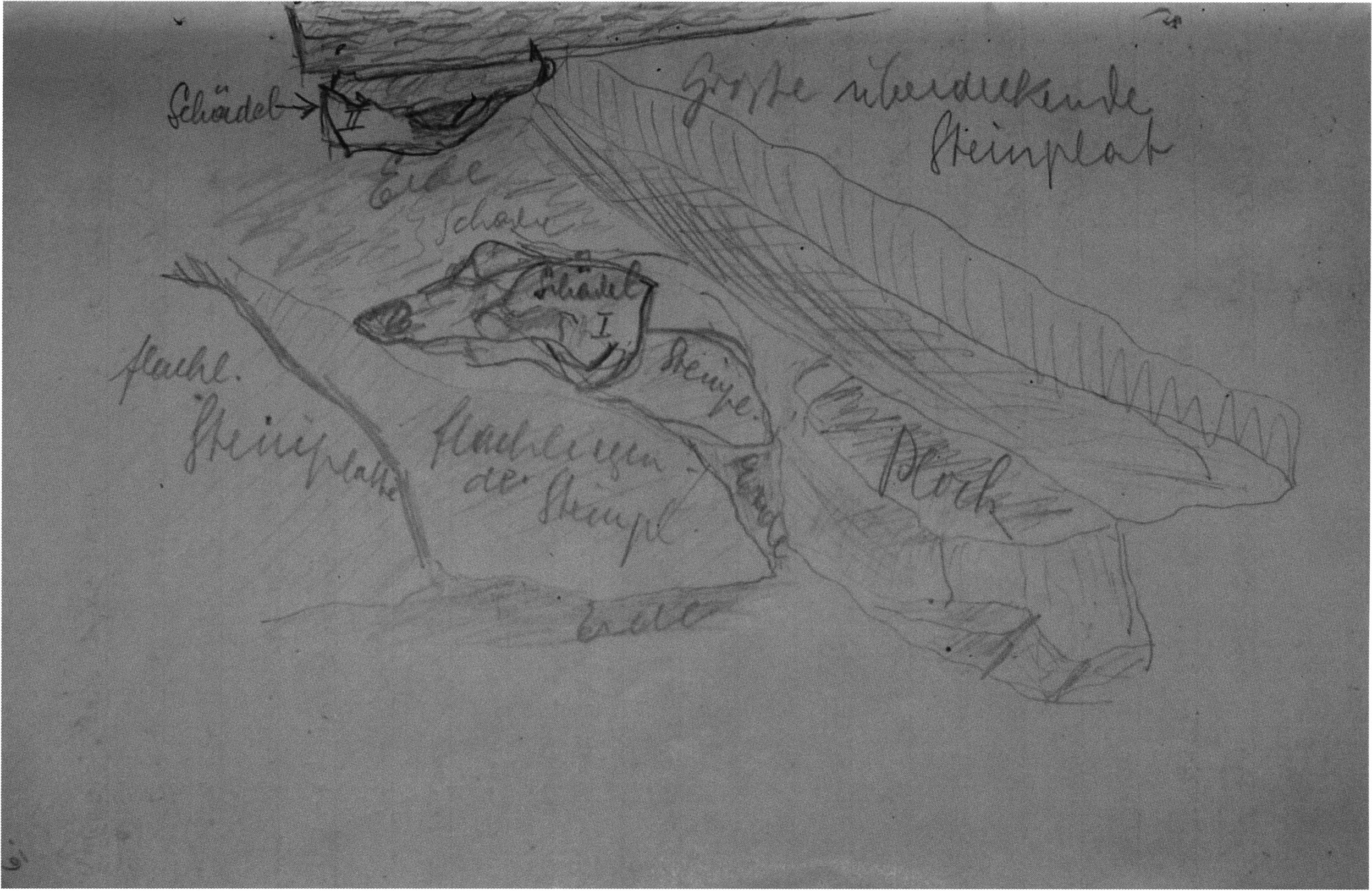
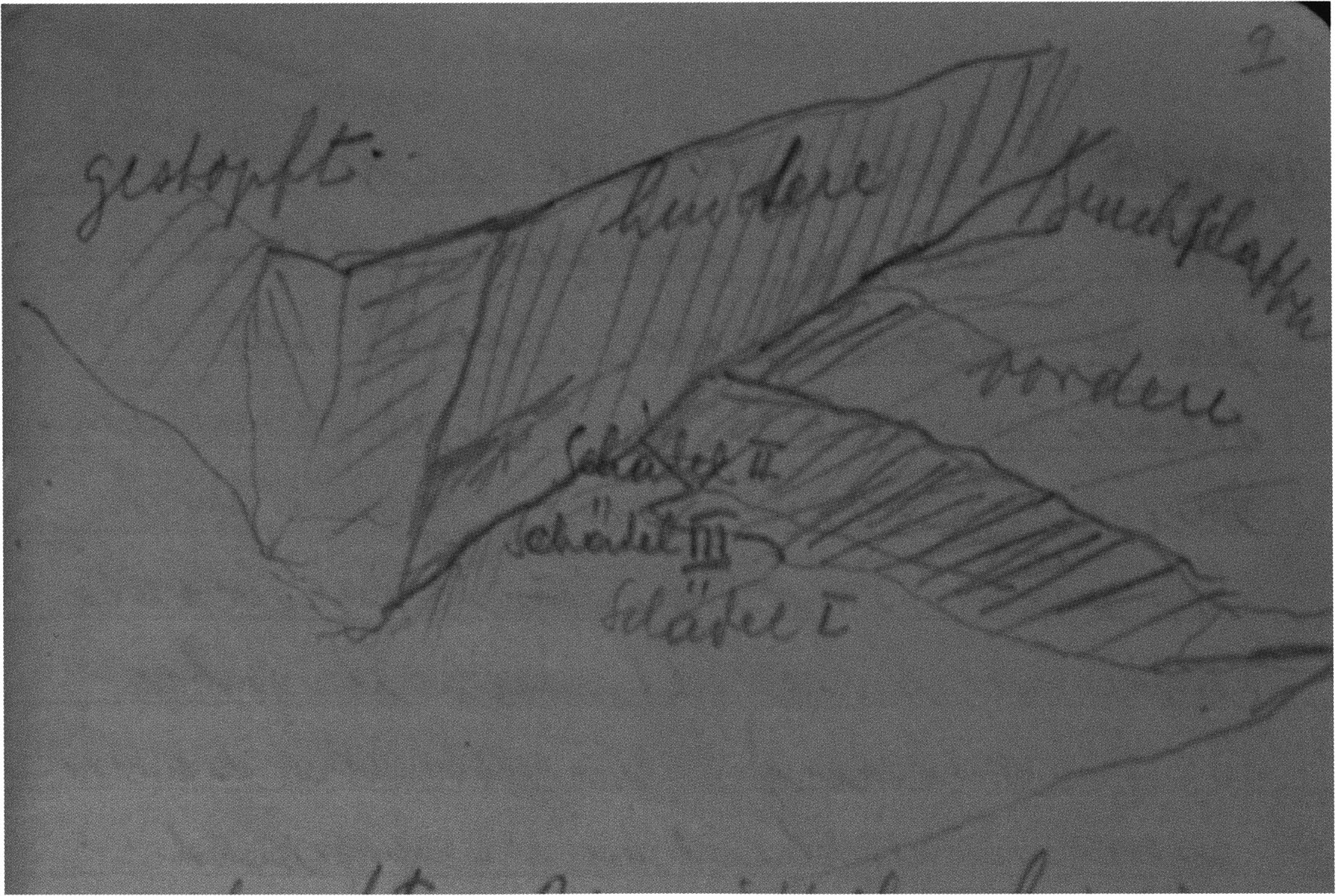
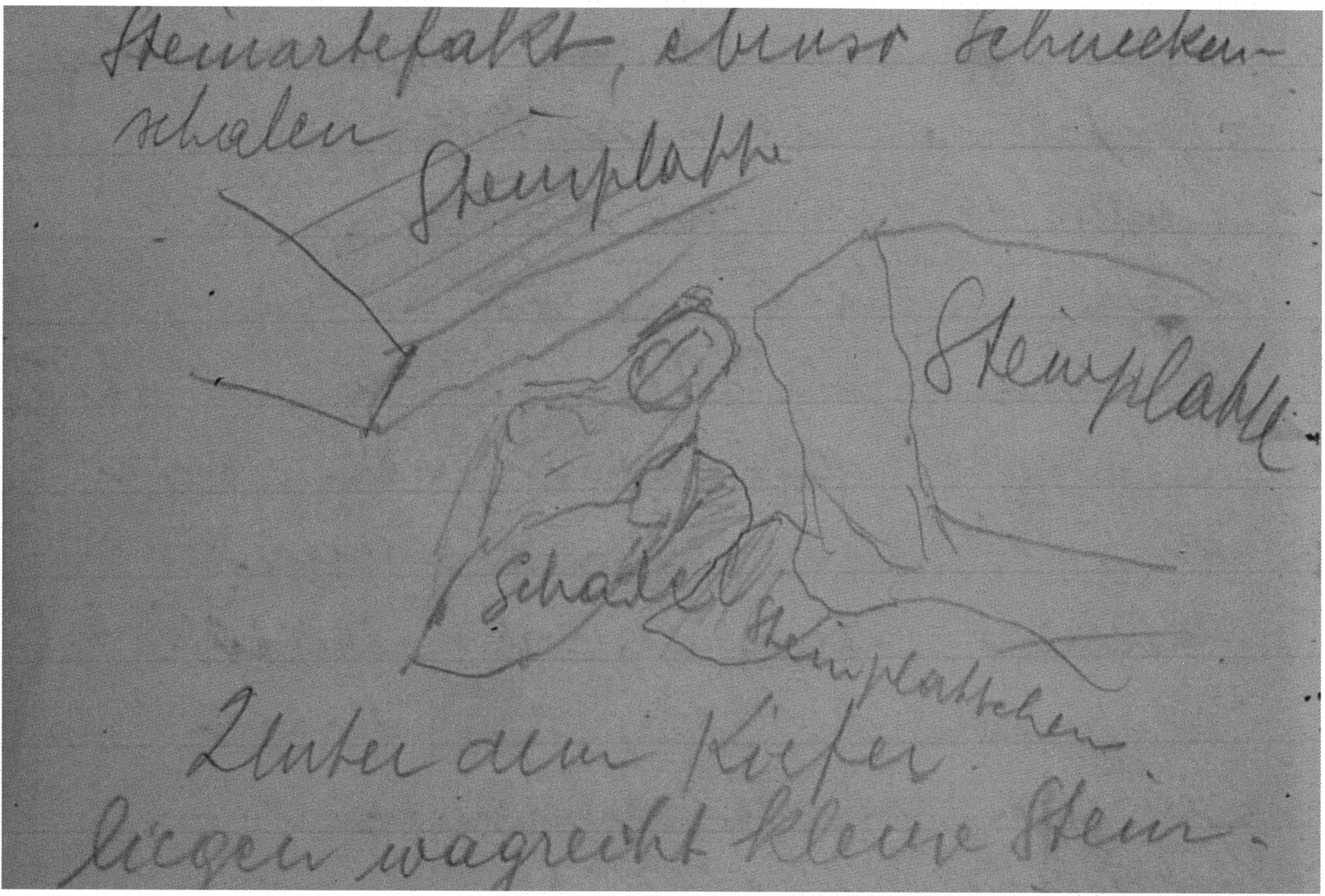
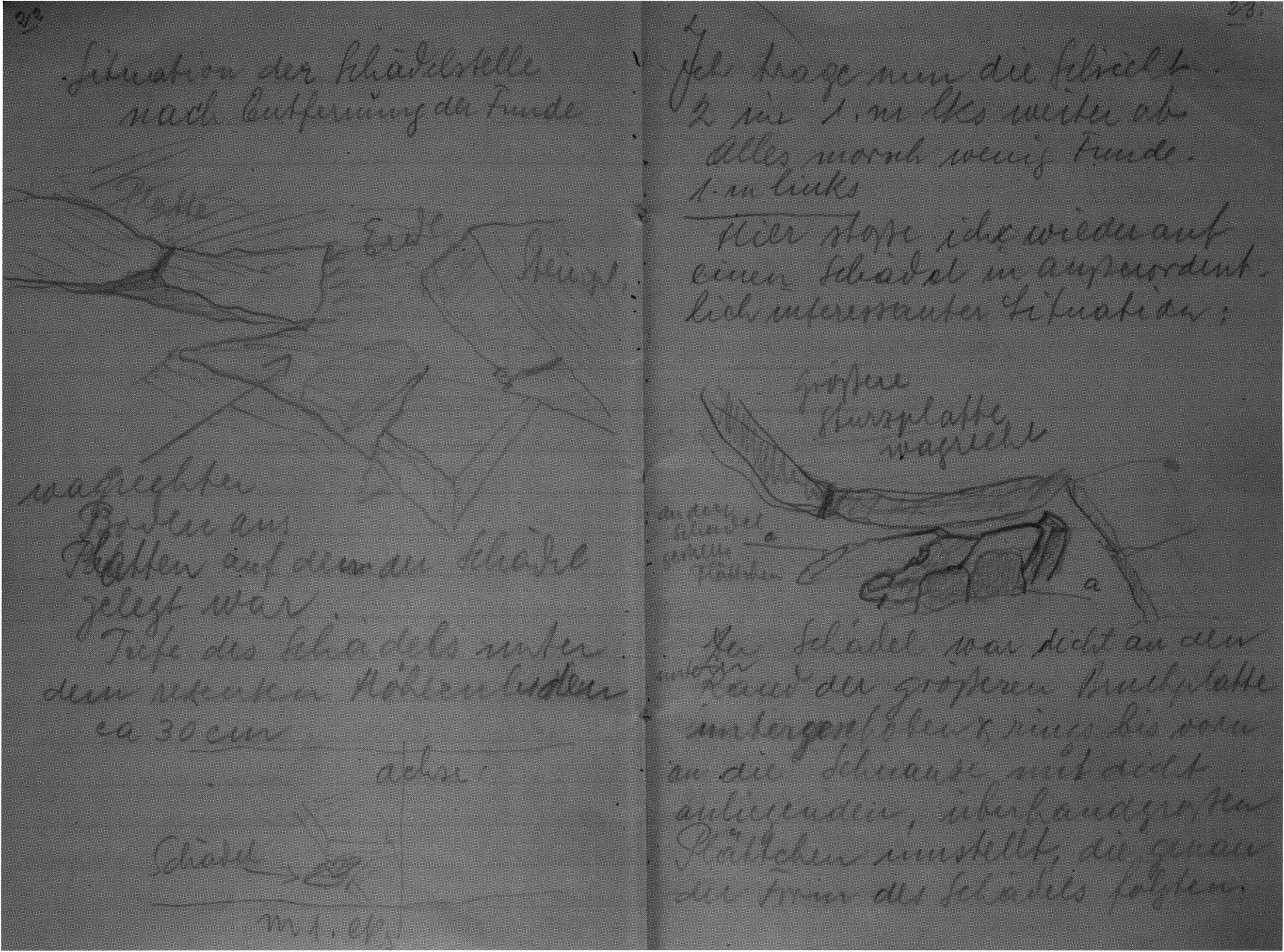
Steinkiste mit 7 Schädeln des Höhlenbären ? - Abb. 7/8, S. 19 - Unter Prähistorikern und Forschern europaweit bekannt wurde die Drachenloch-Höhle durch Bächlers Erwähnung und Skizzierung einer angeblichen Steinkiste, die 7 mit der Schnauze gegen den Höhlenausgang gerichtete Höhlenbärenschädel enthalten haben soll, und seinen damit zuteil durch diese Steinkiste untermauerte Theorie eines angeblichen Opferkultes an ein Höchstes Wesen (- nach P. W. Schmidts Theorie der Verehrung eines “Höchsten Wesens” als Urreligion der Menschheit, mit dem Bächler befreundet war !) Es mag einer der tragischsten und verhängnisvollsten Missgriffe eines für archäologische Ausgrabungen und deren Veröffentlichung Verantwortlichen sein, wenn er den angetroffenen Befund – aus welchem Grunde auch immer: Stand bei Bächler der Erzieher über dem Wissenschaftler, wie wir aus seinem Brief an Nigg vom 18. Februar 1922 schliessen müssen ? – manipuliert, verändert und so dem uneingeweihten, zeitgenössischen oder künftigen Forscher falsche Angaben übergibt bzw. hinterlässt !!! So geschehen bei Emil Bächler - eine Steinkiste mit 7 Bärenschädeln darin gab es im Drachenloch nie ! - und man kann die Erfindung derselben nur aufs tiefste bedauern, denn der Schaden, den sie anrichtete, war weit grösser als der vielfacht angestrebte Nutzen hätte sein können. Die Drachenloch-Ausgrabungen 1917 - 23, die unter solch schwierigen Bedingungen durch den bewundernswertesten Einsatz der Ausgräber Theophil Nigg und seiner beiden Mitarbeiter Abraham Bonderer und Hermann Kressig vonstatten gegangen waren, hatten wirklich Besseres verdient als diese pauschale Ablehnung der Befunde - ausgenommen die Holzkohlendatierung -, wie es leider durch die heutige Forschung geschieht. Hier wurde das sprichwörtliche “Kind mit dem Bade ausgeschüttet” ! Alles geriet unter den Tisch, nichts wurde mehr ernst genommen. So erklärt sich auch der zum Teil bis heute andauernde Erfolg einer schon von den Ausgräbern noch während ihrer Tätigkeit beschriebenen und eindeutig zurückgewiesenen Überlegung, wonach die angetroffenen Knochendepots natürlich entstanden sein könnten. (Zum “Charriage à sec par l’ours des cavernes” von F.-E. Koby vgl. Anhang !)
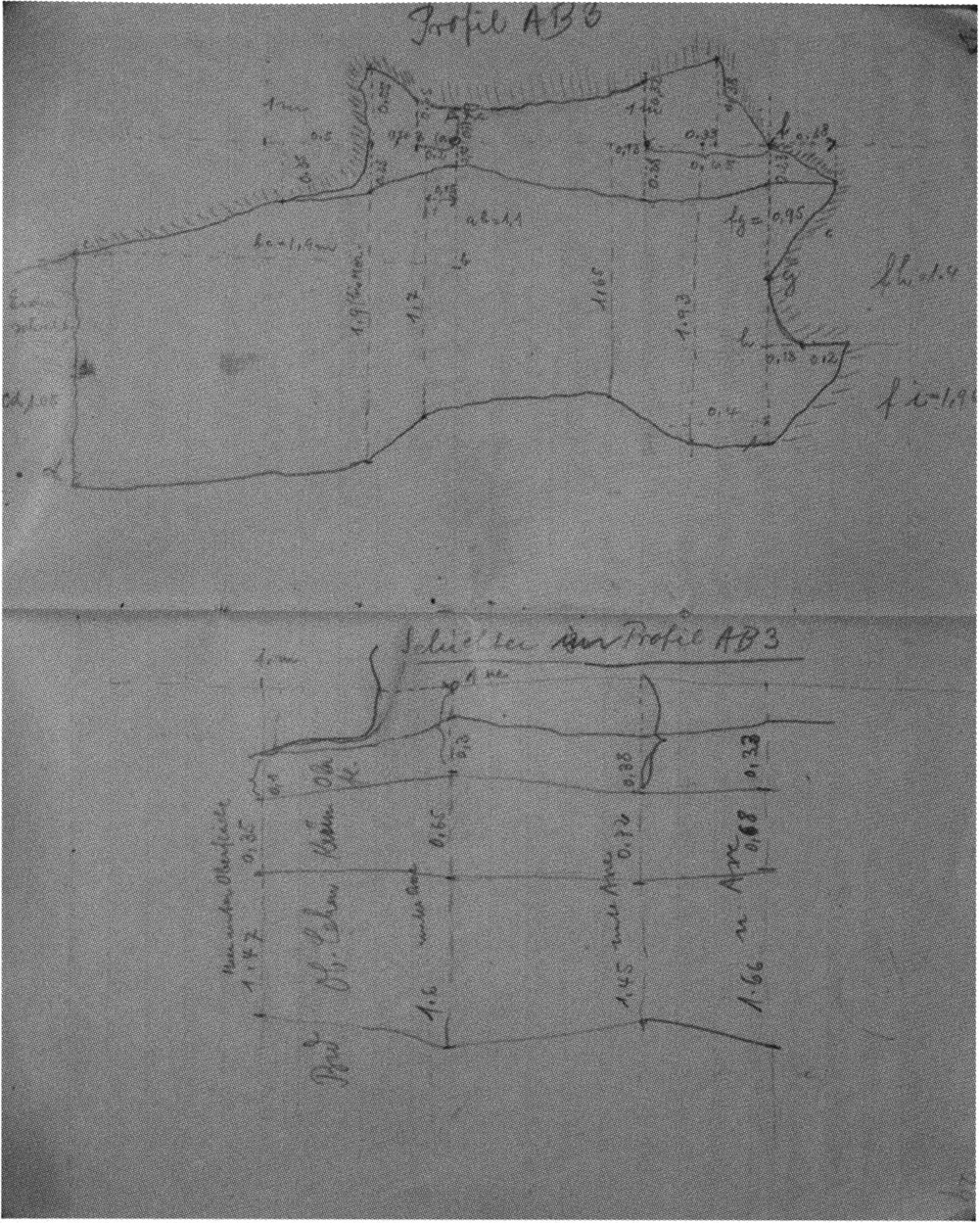
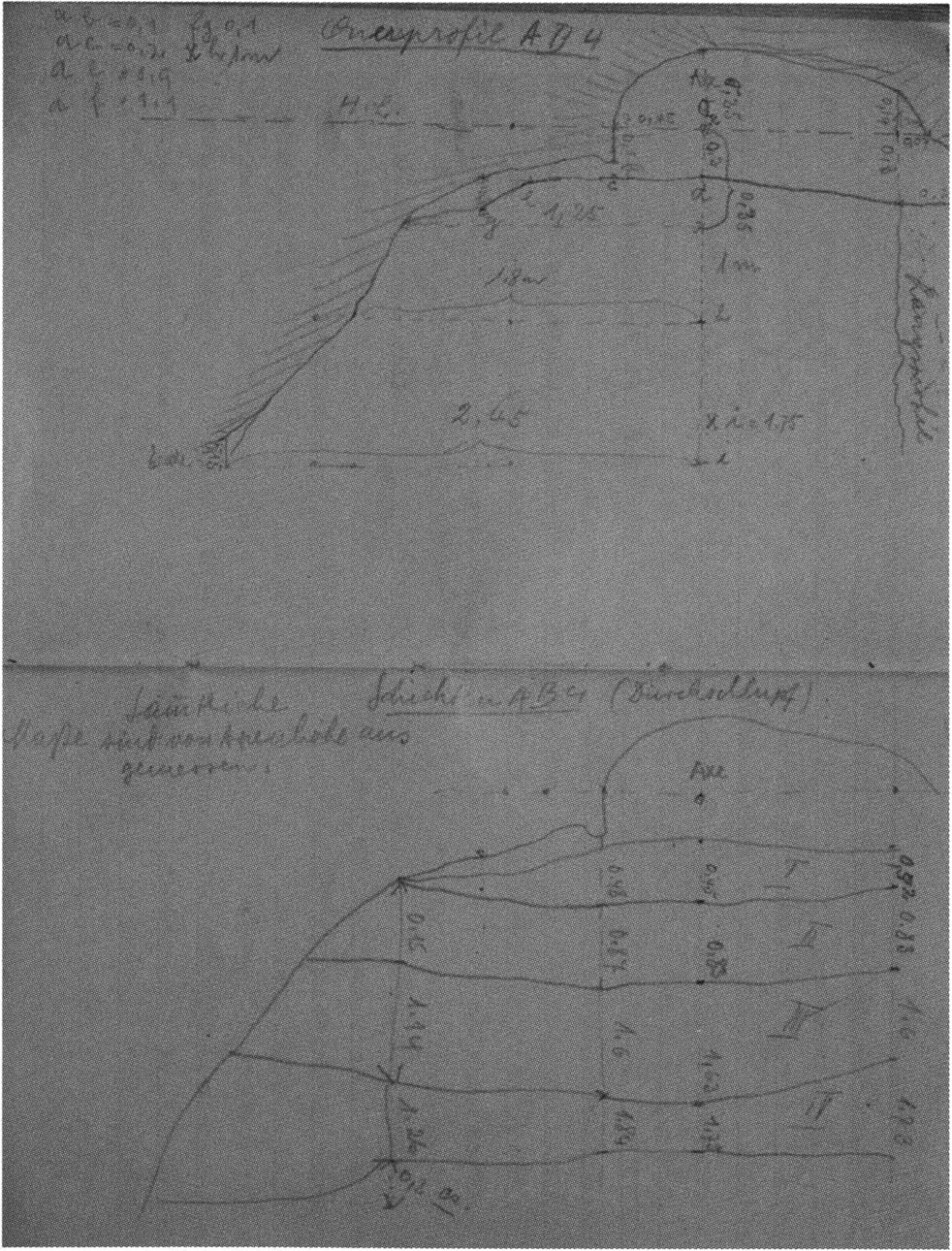
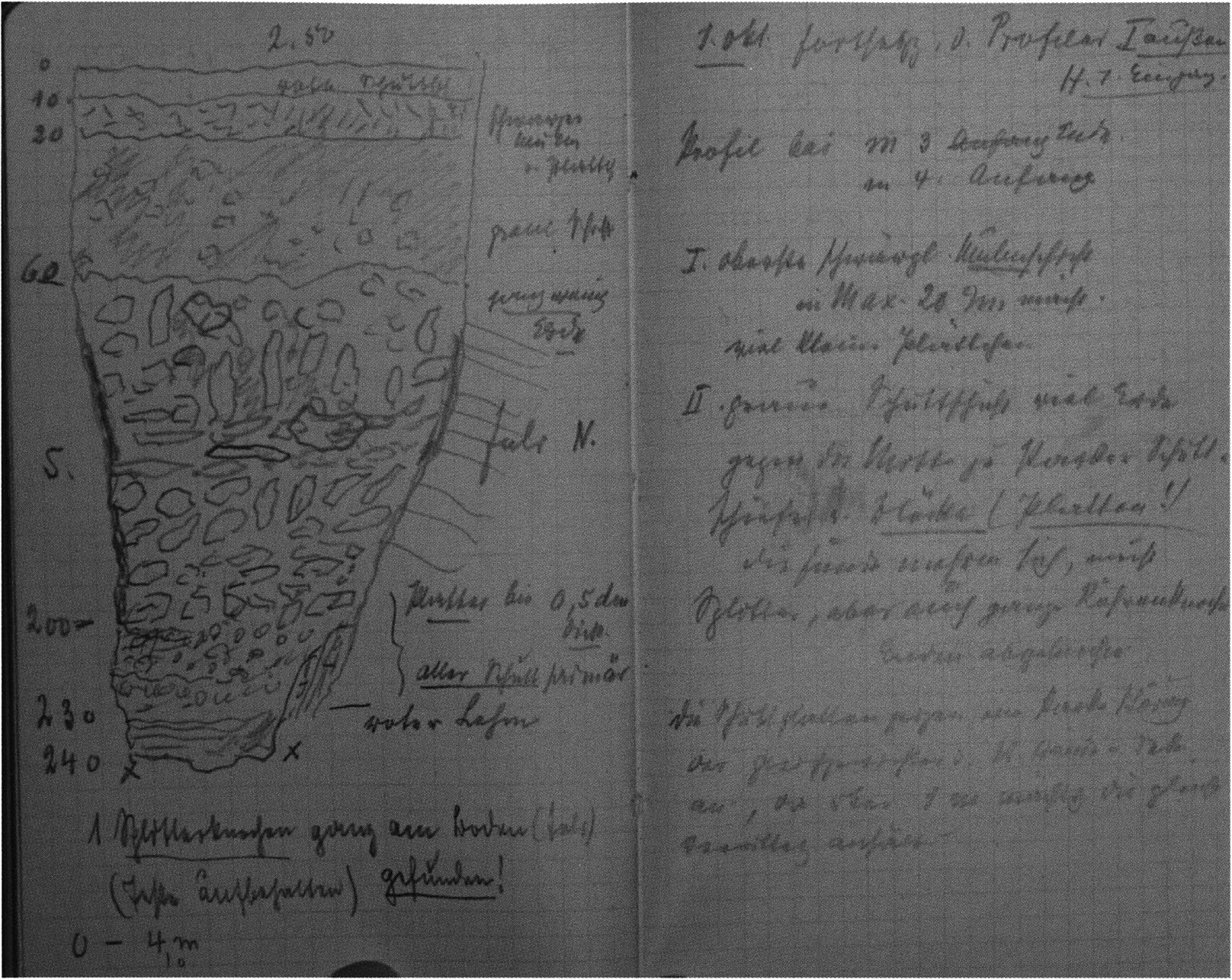
Dabei hatte Bächler selbst während seinen sporadischen Besuchen der Ausgrabungen Hund angelegt und täglich seine Beobachtungen an Ort und Stelle oder spätestens abends in der Gelbberghütte rund 500 m unterhalb des Drachenloch präzisest protokolliert und skizziert. Sämtliche seiner Erstaufzeichnungen wie auch die Protokolle des Ausgräbers Theophil Nigg insgesamt sind vertrauenswürdig und für die Forschung noch heute von gültigem Wert !
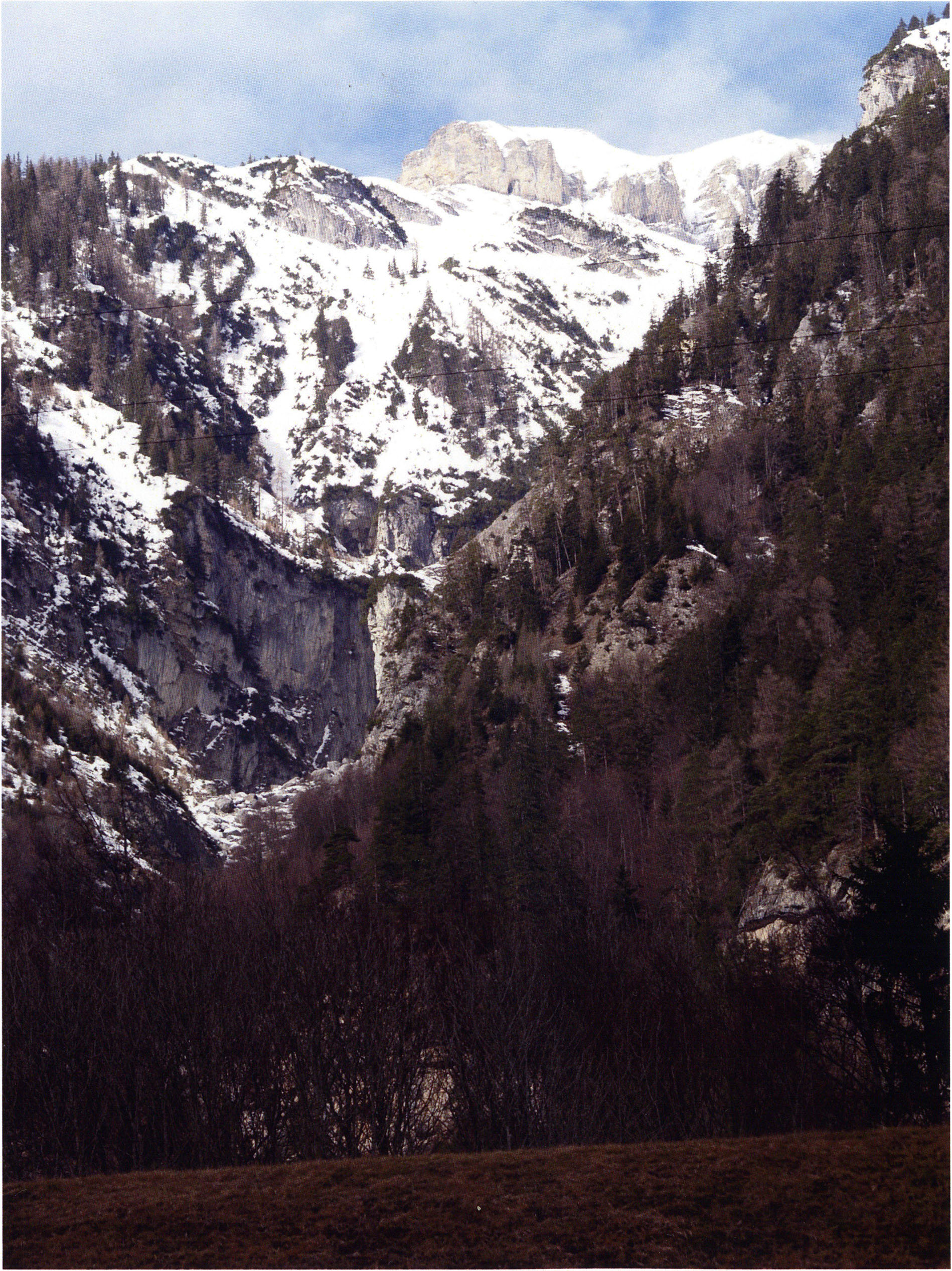
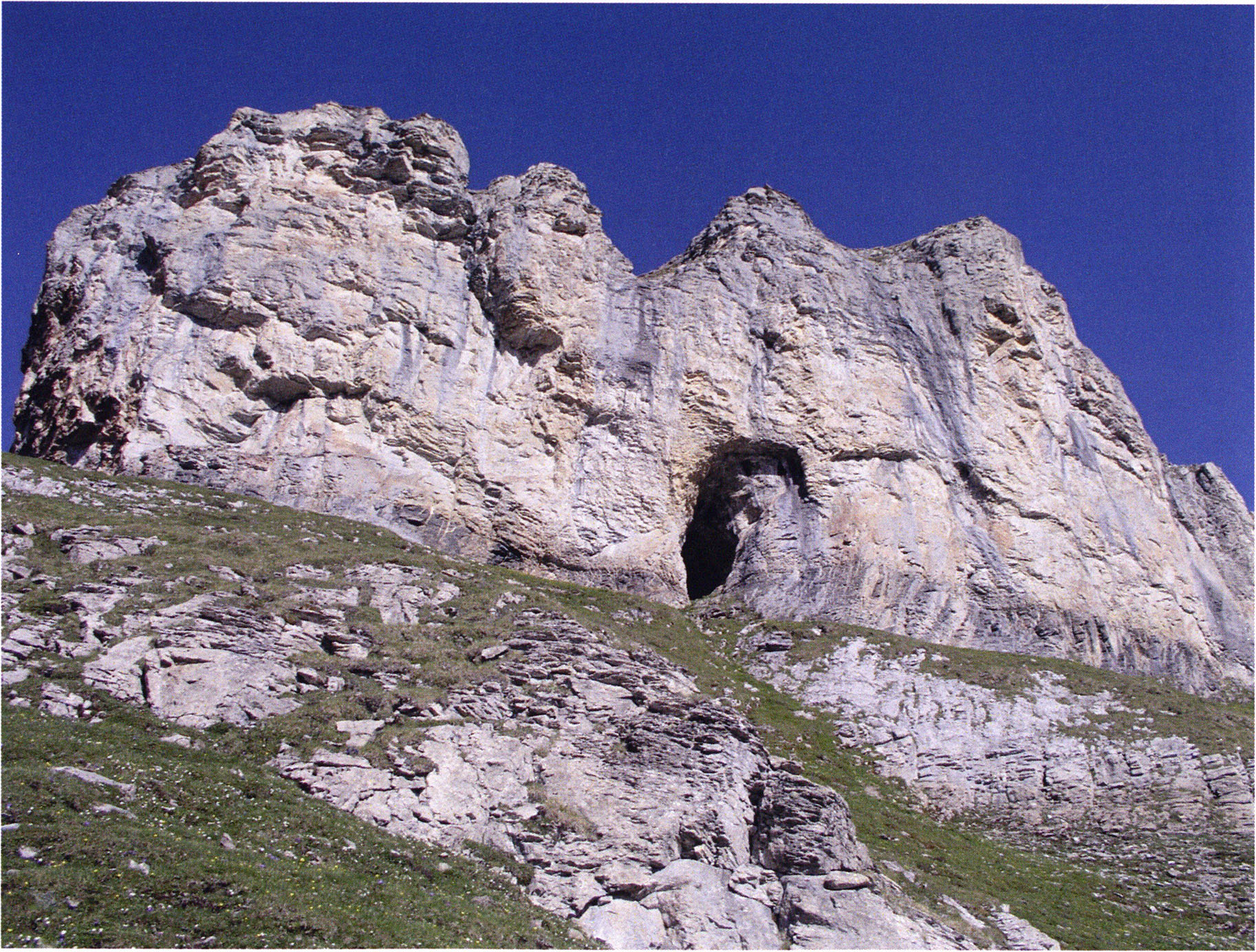
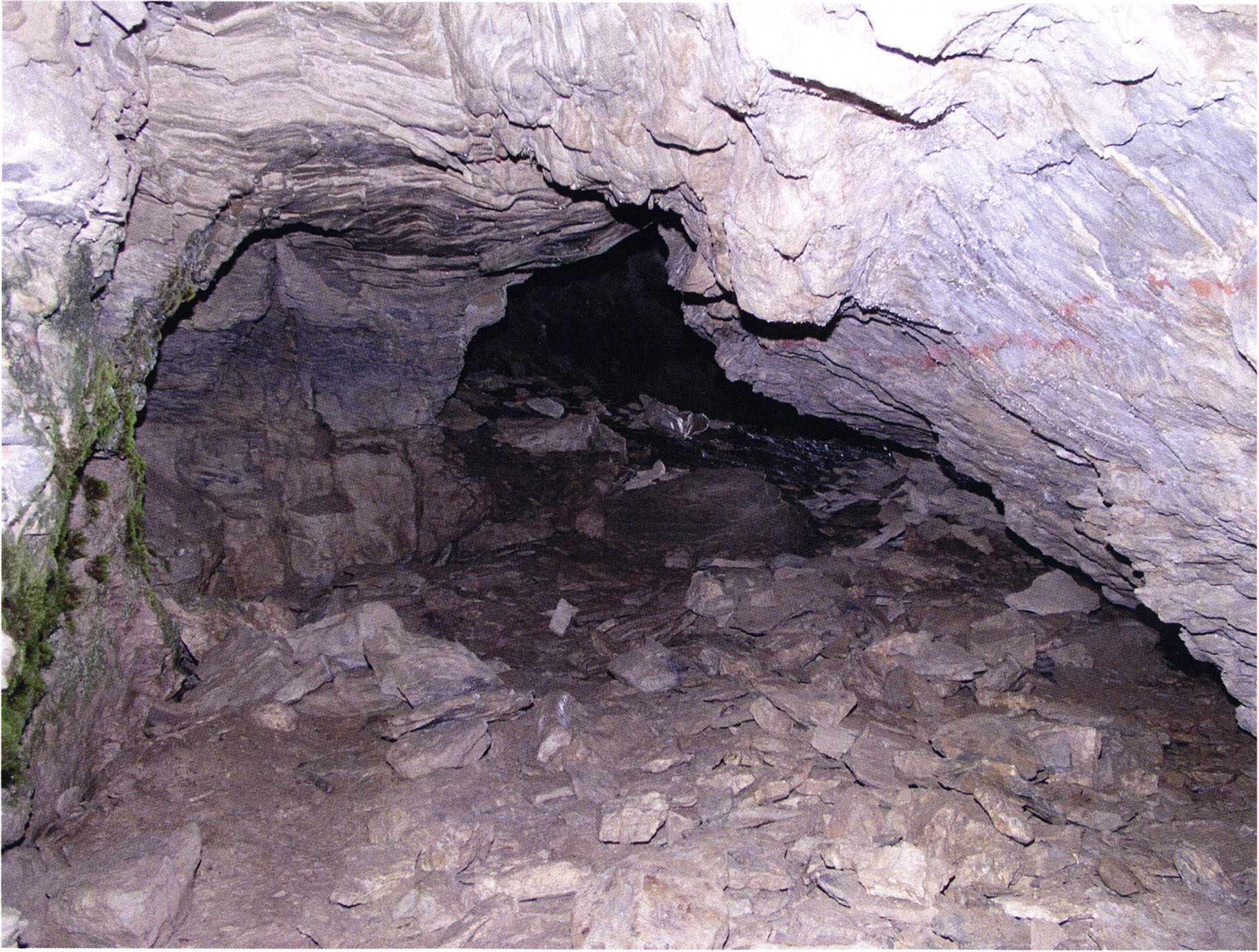
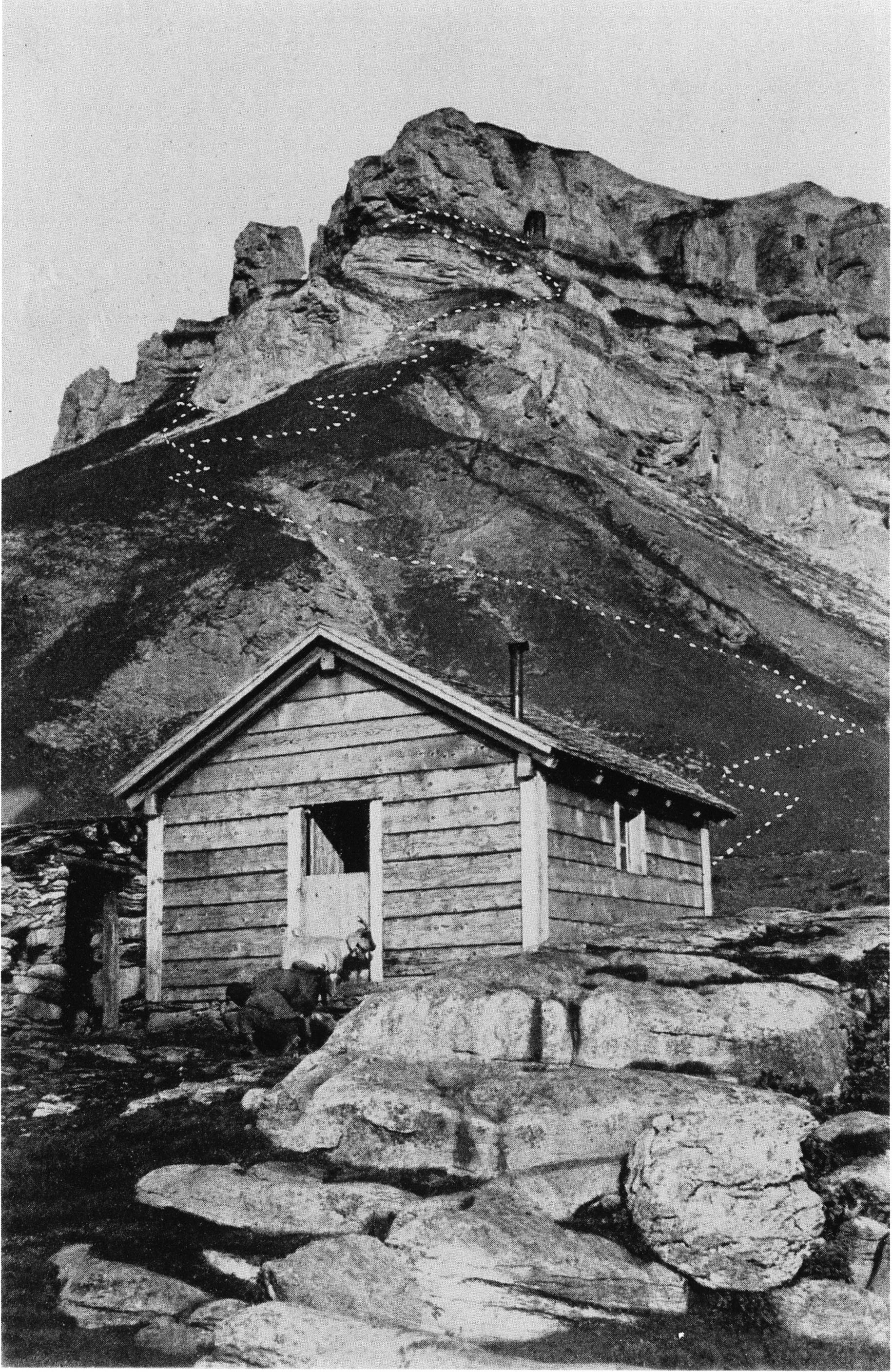
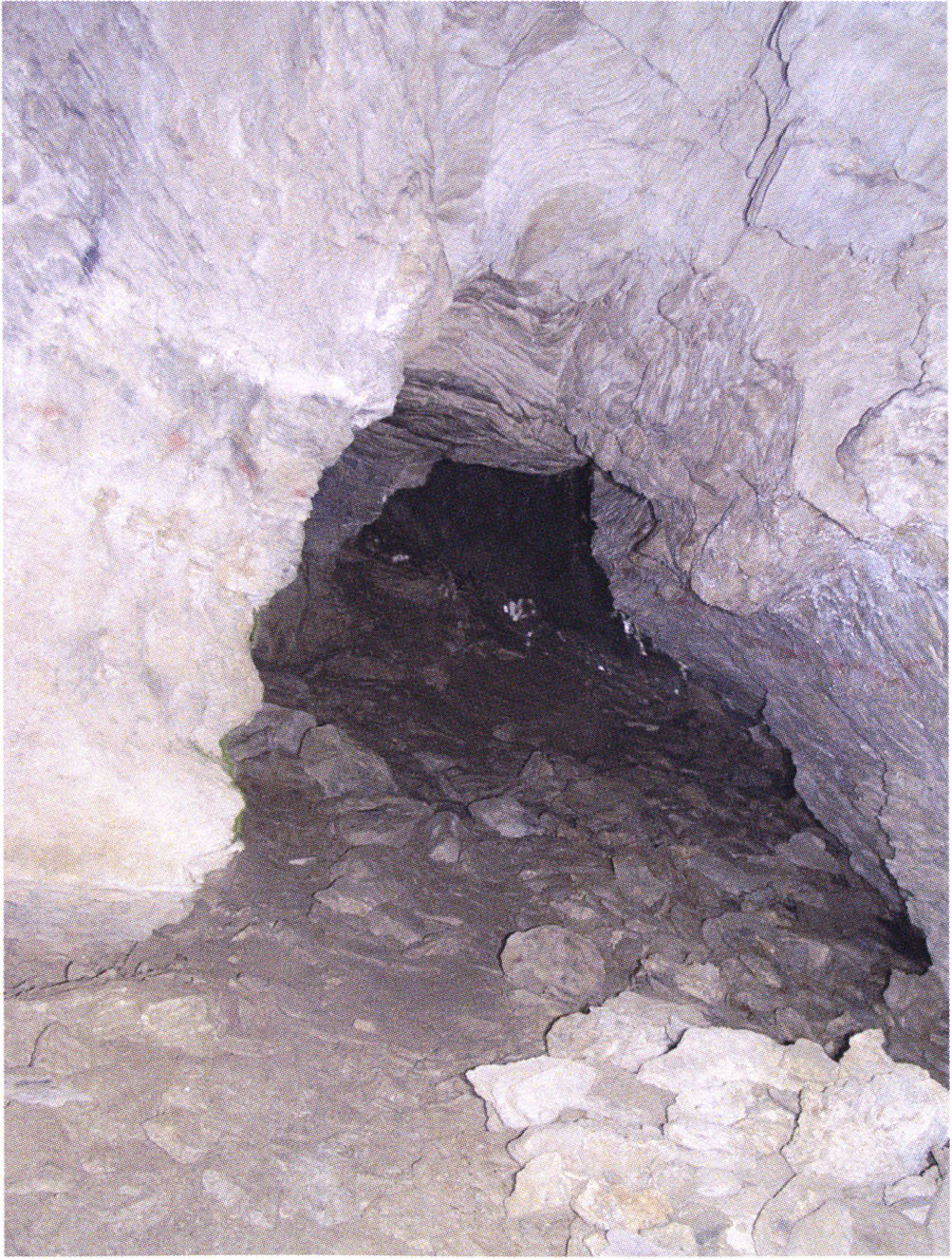
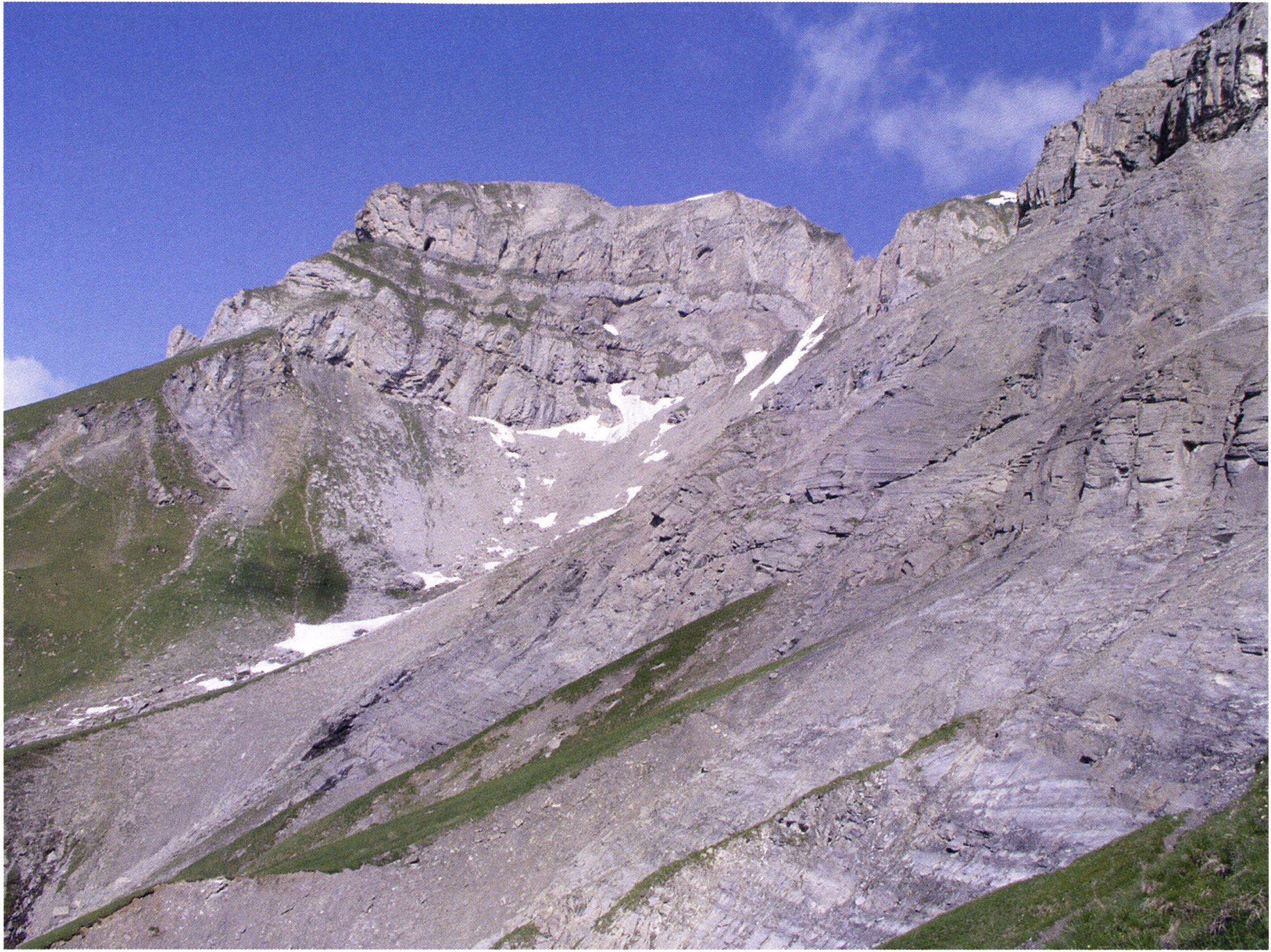
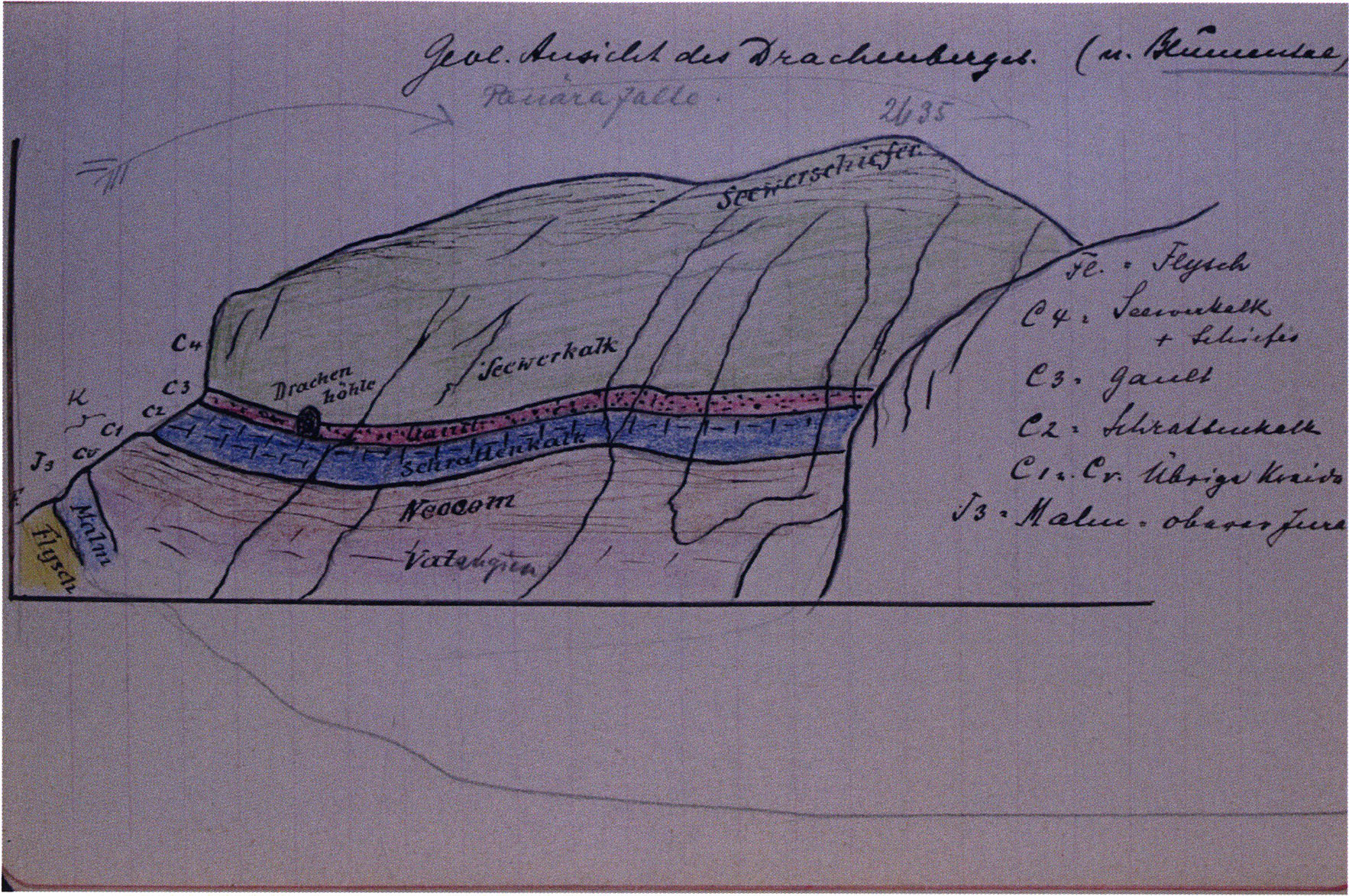
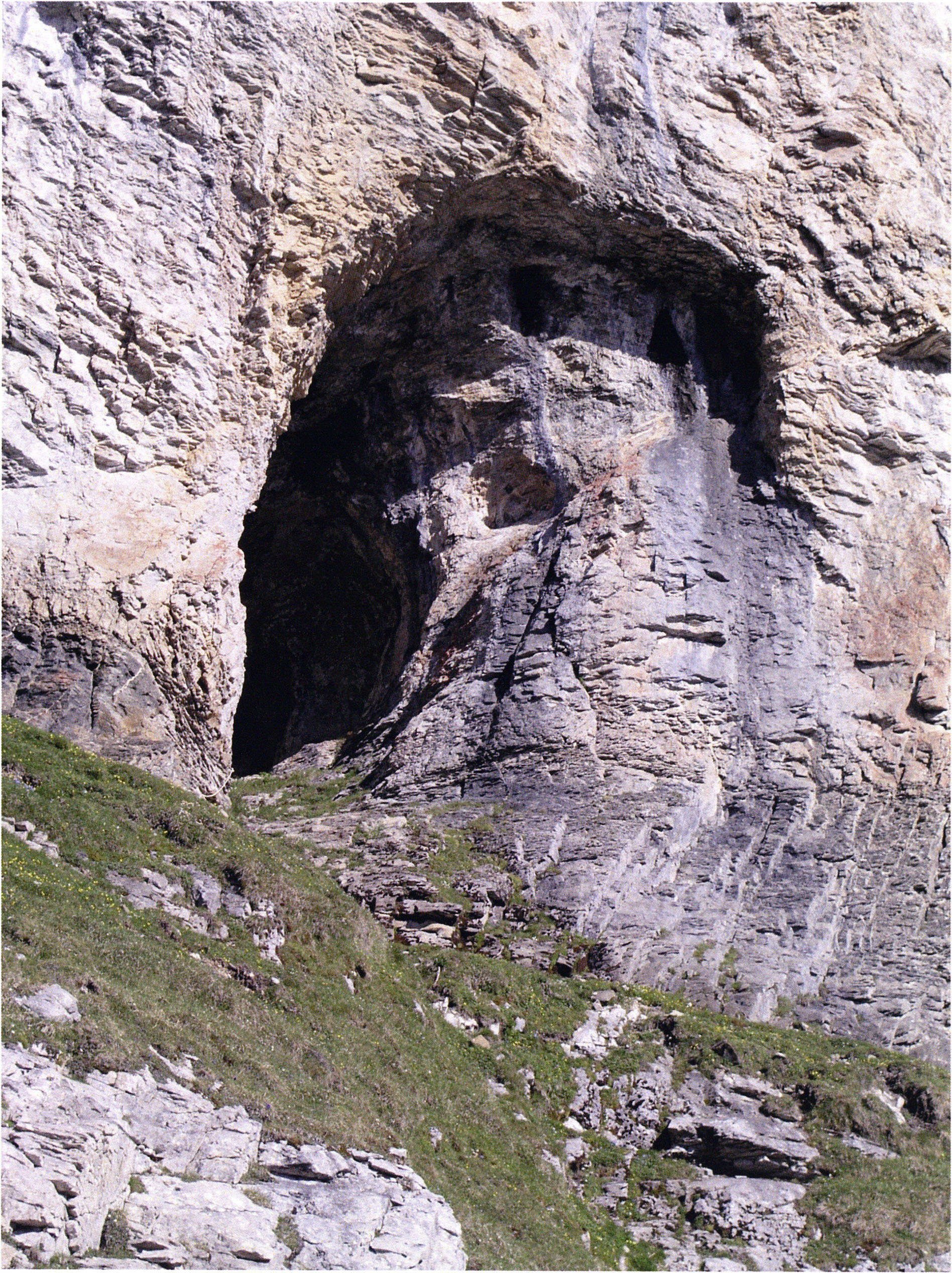
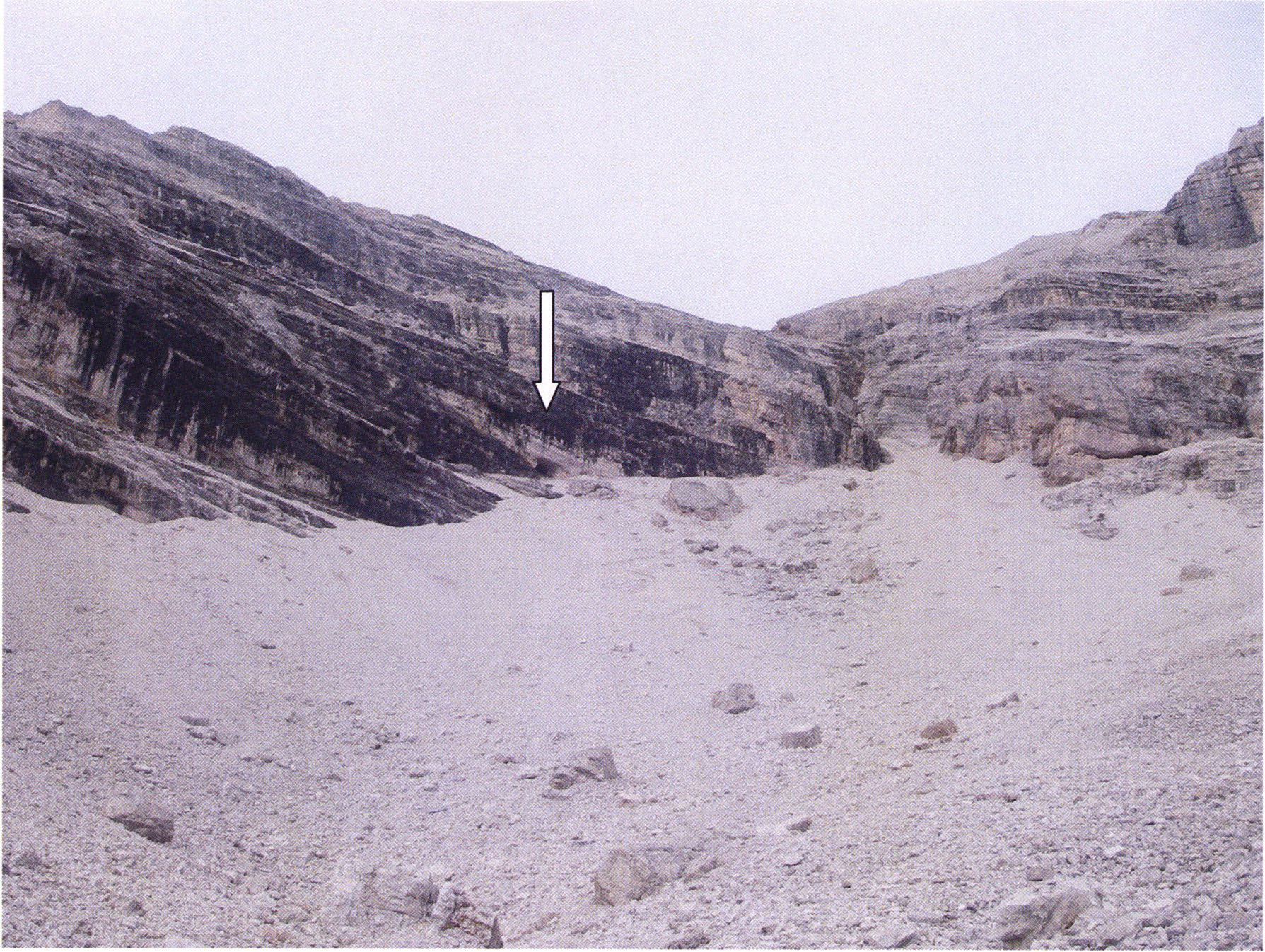
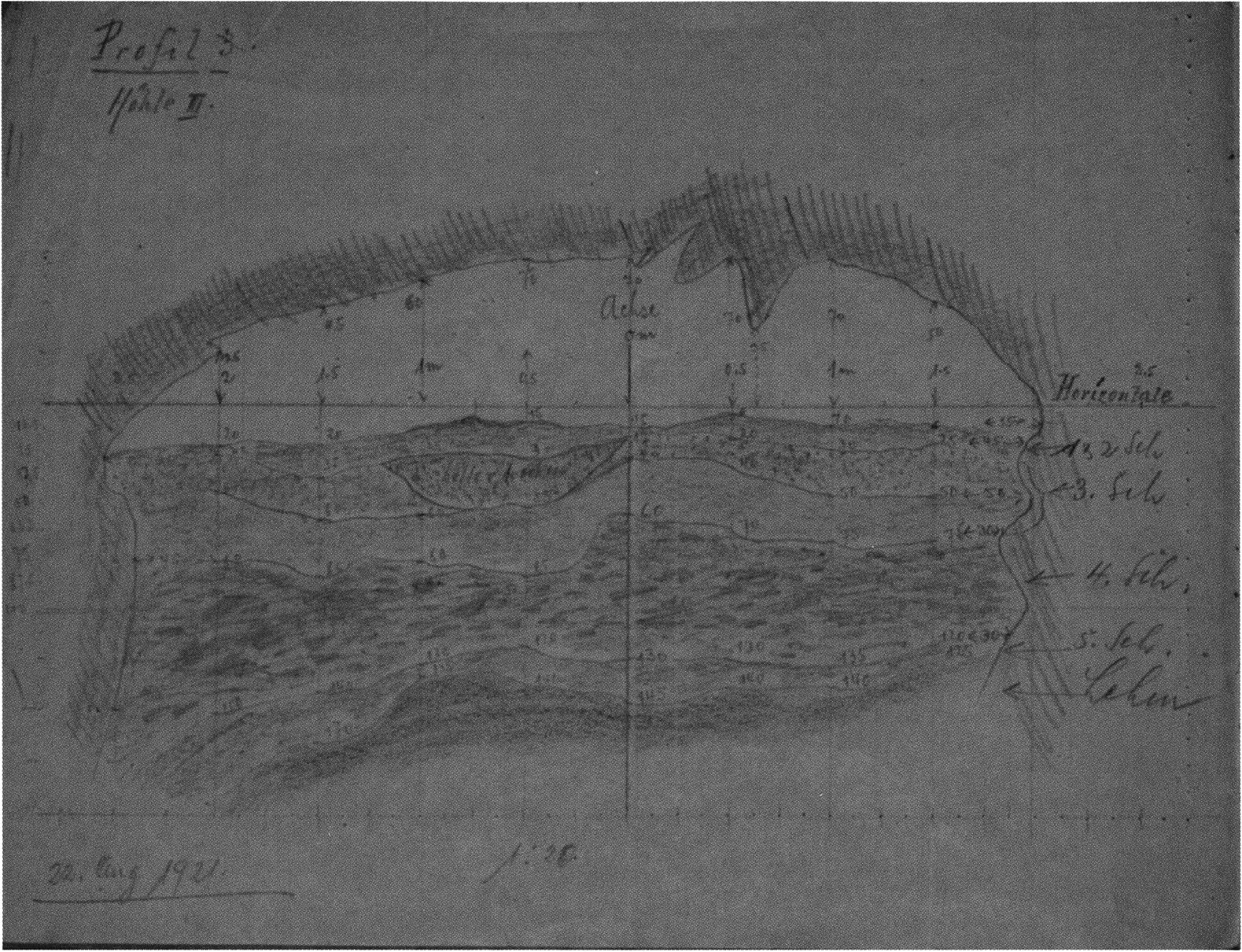
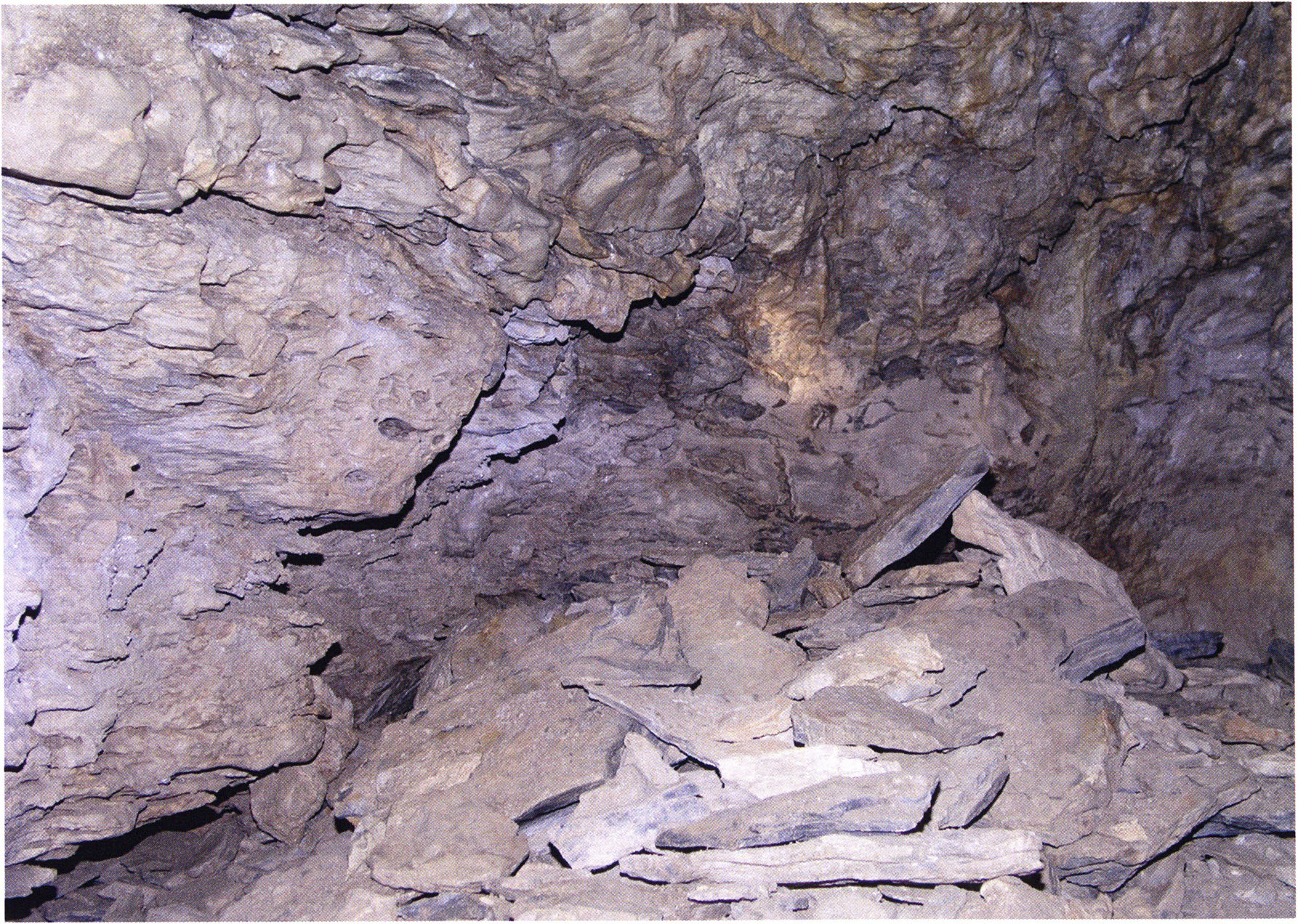
Der Leser staunt, wenn er liest, was Bächler wirklich direkt neben dem geschlossenen Herd angetroffen hatte ! Für ihn stand fest, dass er vor einem künstlichen, vom Menschen deponierten Lager von Höhlenbärenknochen stand (40 - 80 x 60 x 25 - 30 cm), wofür derselbe eine Grube ausgehoben und mit einer aus der Höhle stammenden, rechteckig zugehauenen Seewerkalkplatte von 90 x 60 x 5 - 8 cm zugedeckt hatte. ( Um der Vorstellung entgegenzutreten, dass es sich bei diesen Knochenlagern um während der Überwinterung verendete Bären handelte, die ein späterer Deckenbruch zugedeckt hätte, betonte er immer wieder, dass diese Lager nie die vollständigen Knochen eines einzelnen Individuums enthalten, nie nur einem Individuum und nie Individuen gleichen, sondern verschiedenen und u. z ausnahmslos jugendlichen Alters angehört hätten. Spontan ergänzte ich bei der Lektüre dieser Beteuerungen stets, dass ohne Vorhandensein einer künstlichen Grube oder eines oberflächlichen Schutzes bei einem Deckenbruch die Zertrümmerung der darunterliegenden Knochen total hätte sein müssen oder die Natur selbst hätte auf einen Schlag eine Steinkiste gebaut … – Ein Wasserfluss in diesem Ausmasse, dass er die Knochen durcheinandergewirbelt und teilweise fortgetragen hätte, war für eine Höhle mit einer Lage wie das Drachenloch am Fuss des Drachenberges auf 2427 m ü.M. - Abb. 2, S. 6 - hat, über alle Zeiten von vornherein auszuschliessen und Spuren von Tieren, die in den Knochen gewühlt, sie gefressen oder gar aus der Höhle entfernt hätten, existieren im Drachenloch ebenfalls keine !)
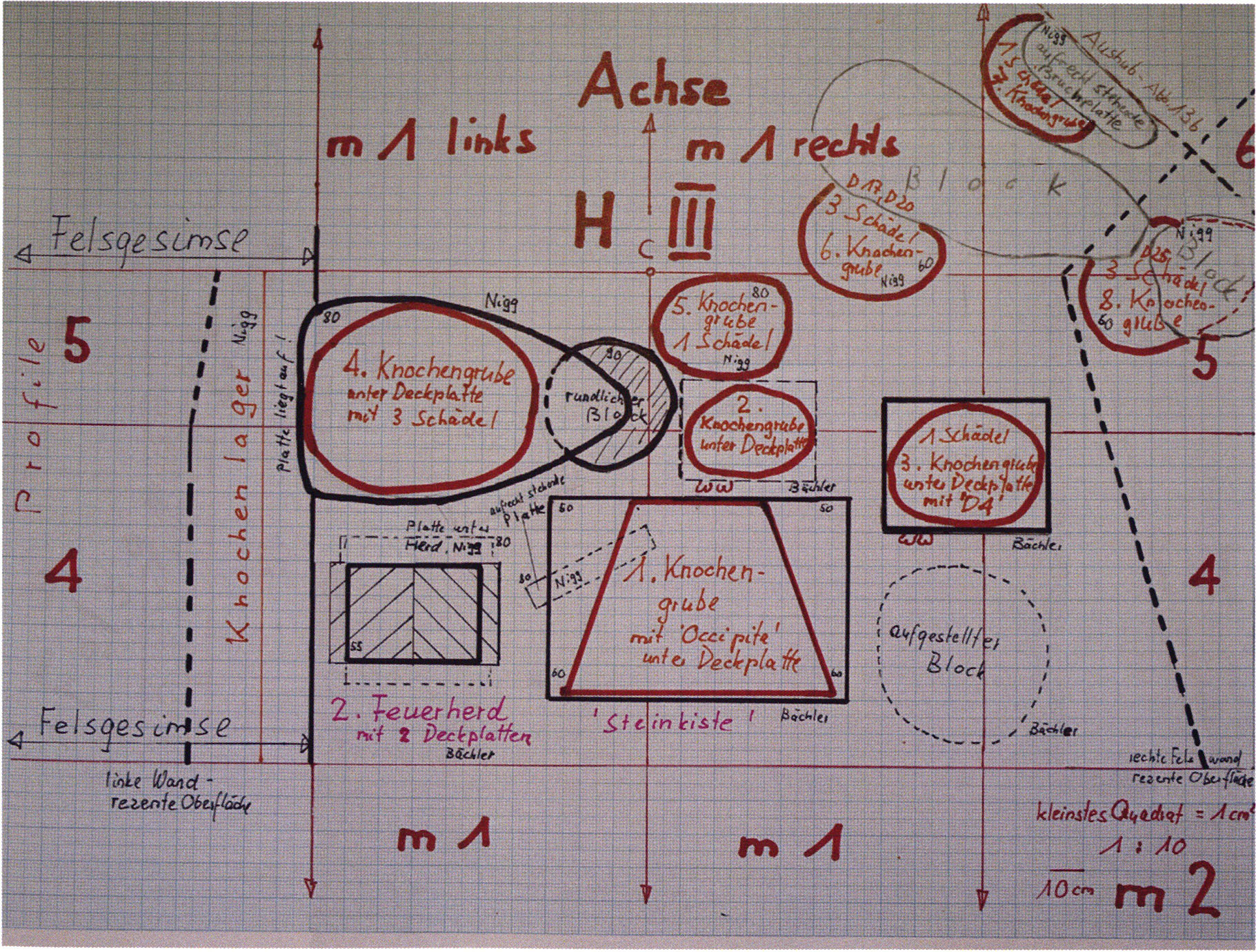
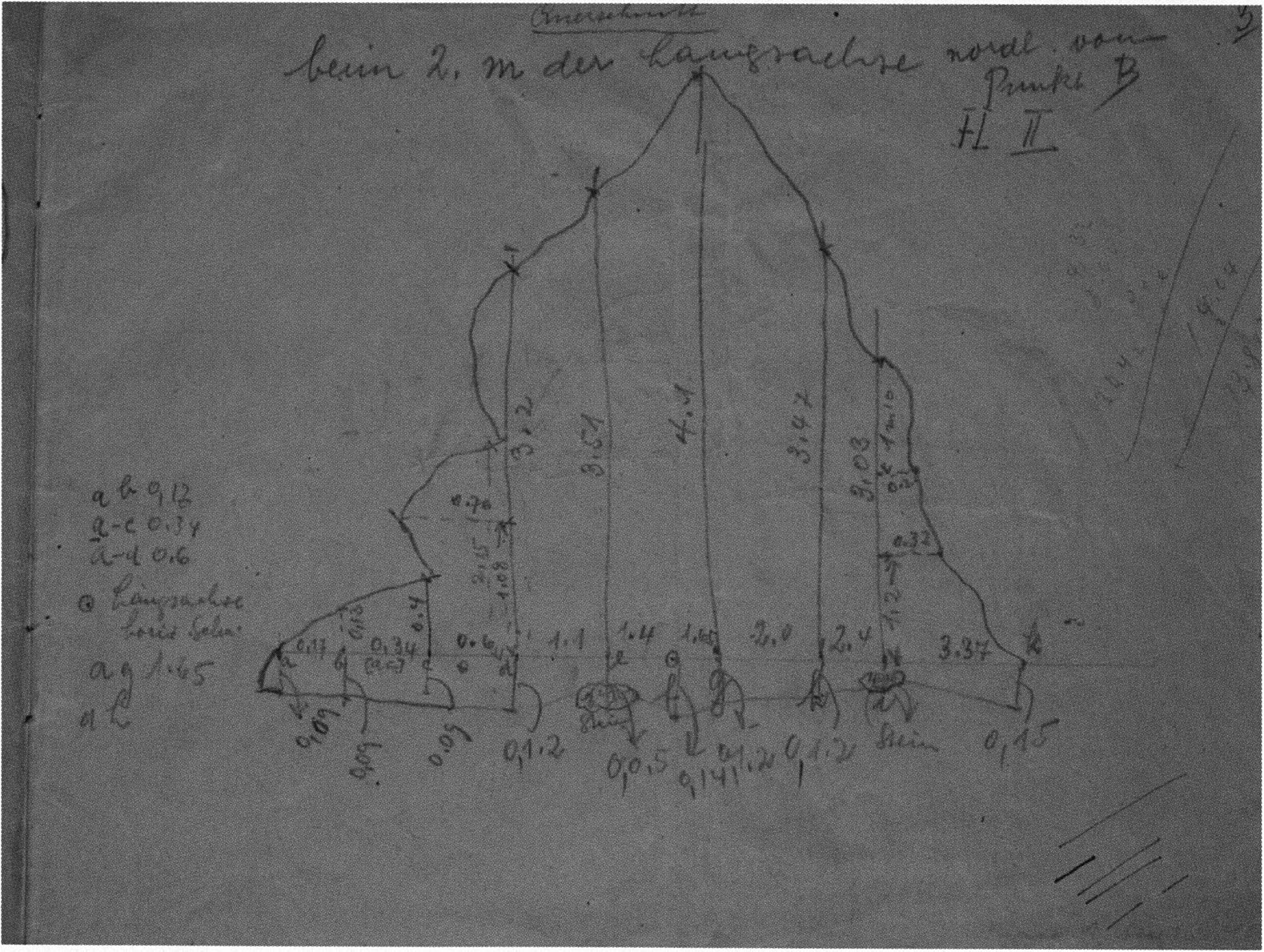
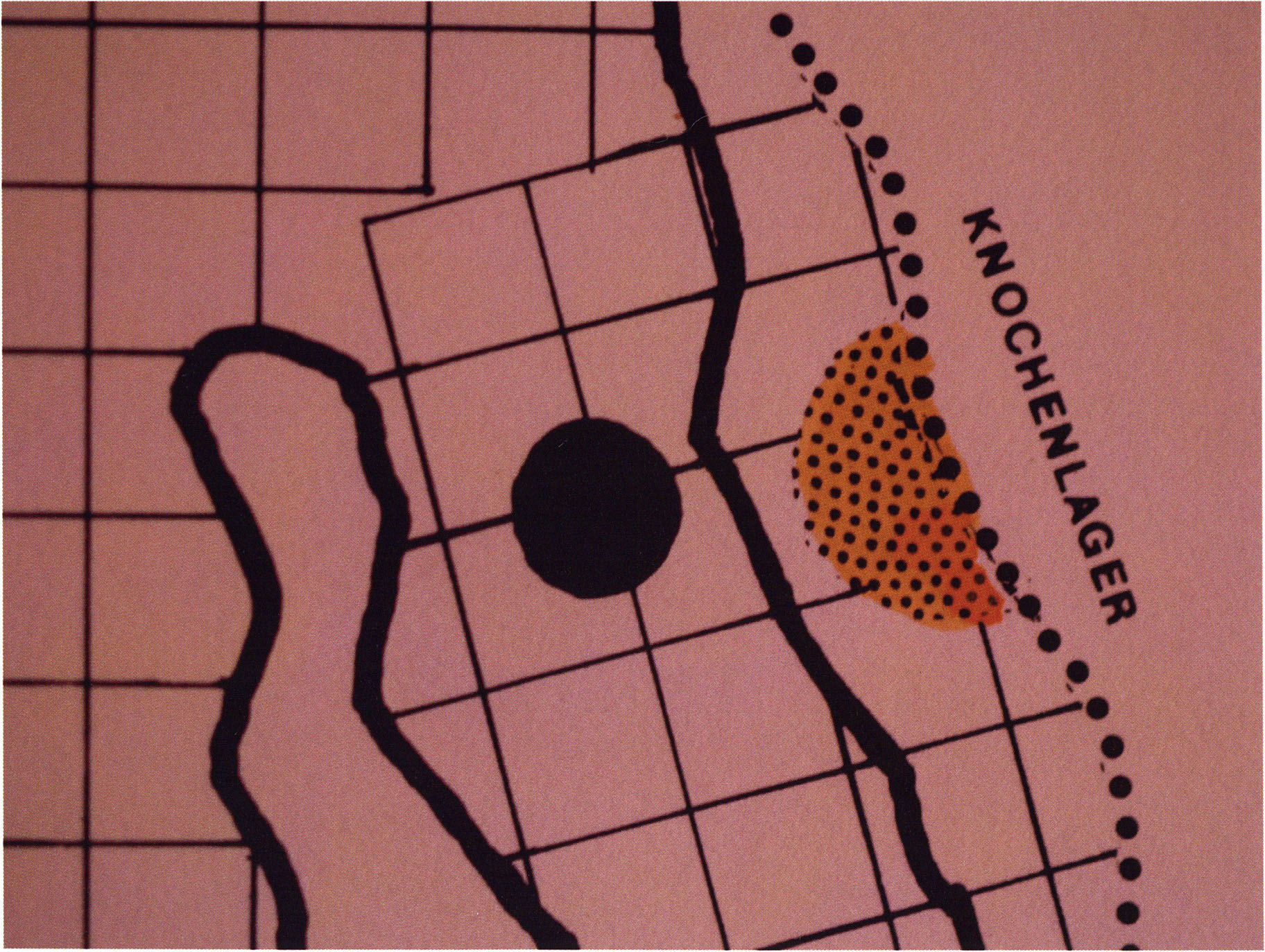
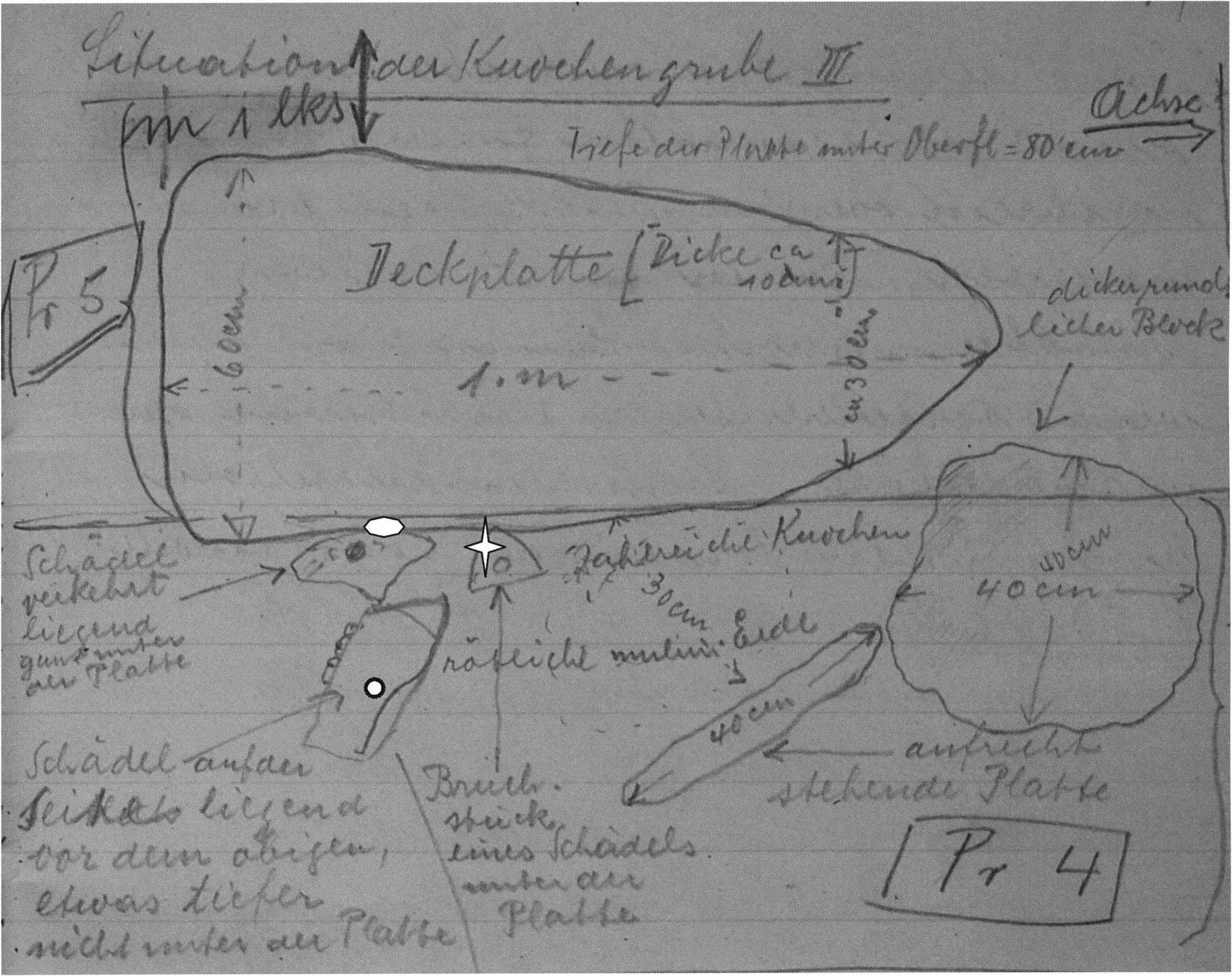
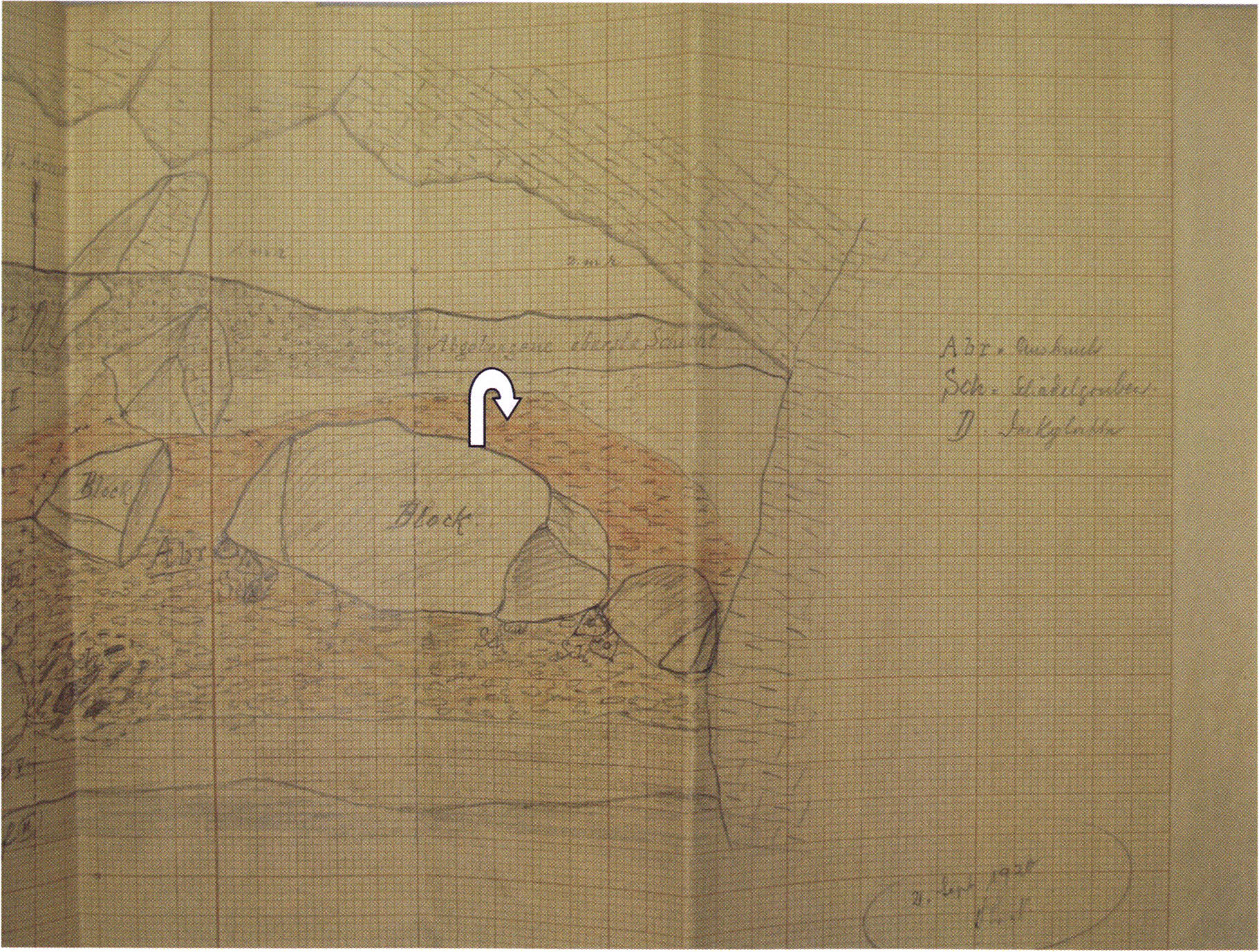
Kurios: Bächler verwendet in seinen Ausgrabungsnotizen (1920, Seite 89) tatsächich das Wort “Steinkiste” – s. u. S. 252 – meint aber damit das erwähnte mit einer Steinplatte gedeckte Knochenlager (Knochengrube 1, Abb 8 und 120, S. 19 und 255). - Zum Fundbestand dieses Lagers zählt Bächler 1920, 84/5 einiges auf, u. a. erwähnt er auch das Vorkommen von Schädelhinterteilen, keineswegs aber 7 vollständige Schädel - s. u. S. 251 !
Ein Opferkult ? – Der Ritus des Neandertalers im Drachenloch.
1997 führte eine Expedition Ethnoarchäologen hinter den Eisernen Vorhang nach Ostsibirien östlich des Jenissei-Flusses zu dem Volksstamm der Ewenken, dessen Lebens- und Arbeitsweise als Jäger - genannt - Autoren im Magazin Archäologie in Deutschland (AID, 6/2003, 14 -19) - Parallelen zur Kultur der Altsteinzeit zeige. Auf Seite 16, a. a. O., schreiben sie: “Am Nitchaka-See konnten wir beobachten, wie Tierknochen (der Jagdtiere) nach kunstvollen Ritualen entsorgt wurden. Der dahinter stehende Grundgedanke ist, dass ein totes Tier mit Respekt behandelt werden muss, damit sich seine Seele wohl fühlt und die Umgebung, wo die Knochen verbleiben, annimmt. Dann ist die Seele auch geneigt, in derselben Gegend als n e u e s T i e r w i e d e r g e b o r e n zu werden. Somit scheint ein wichtiger Aspekt der rituellen Knochenentsorgung darin zu bestehen, den Nachschub in den Revieren rings um die Siedlung zu sichern”. - Der Ritus der Entsorgung unterscheidet sich je nach Jagdtier. Zum Bären schreiben sie: “Bären begräbt man auf hölzernen Hochterrassen ähnlich denen, die man früher zur Bestattung von Menschen errichtet hatte”. -
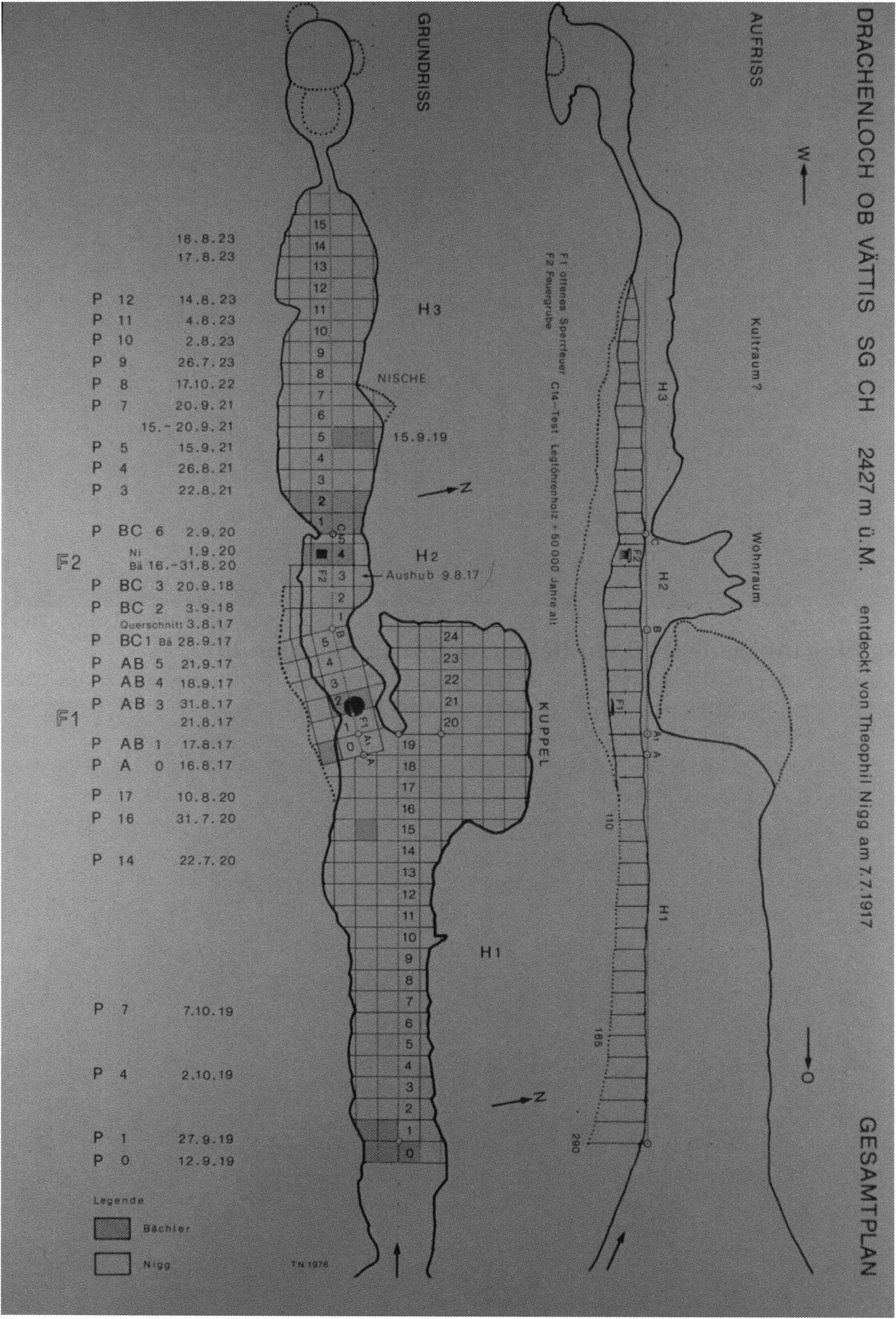
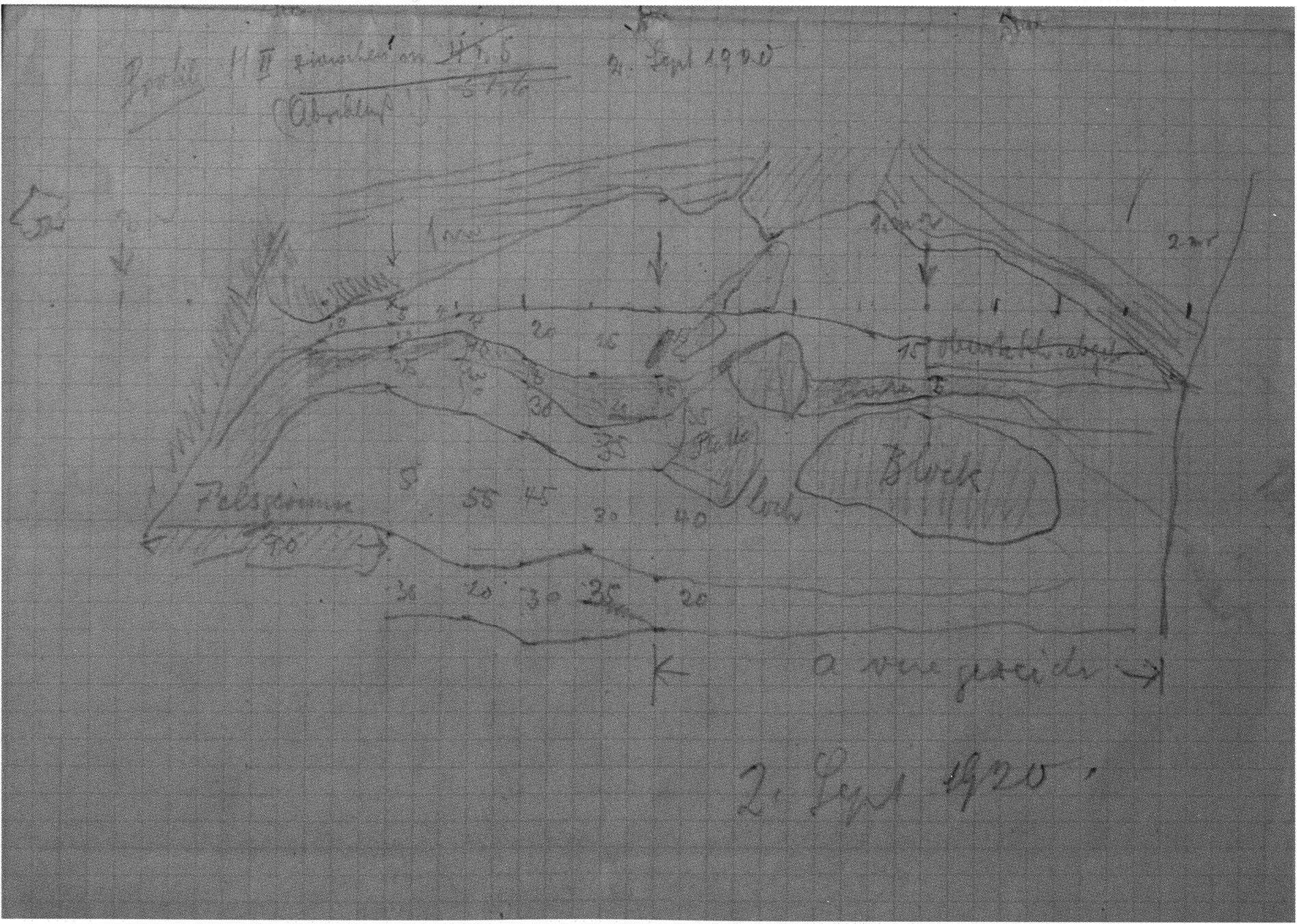
Wenn man sich auf einer falschen Theorie basierenden (vgl. Anhang) und mit den Beschreibungen und Skizzen der Ausgräber unvereinbaren Vorstellung Abstand nimmt, die Knochenansammlungen (Depots) in den Gruben neben und rings um den gedeckten Feuerherd im Drachenloch seien auf natürlichem Wege zustande gekommen, lassen sich wie oben beschriebenen 8 Knochendepotionen – s. Abb. 8 u. 9, S. 19 f. - in Meter 4 und teilweise 5 am Ende des 2. Höhlenabschnitts (H II) und am Eingang zum dritten (H III) nicht anders als solche noch heute bei den Ewenken beobachtete, r i t u e l l e K n o c h e n e n t s o r g u n g e n deuten, die das obenerwähnte Ziel der Wiedergeburt eines neuen Tieres verfolgen.
Bemerkenswert ist, dass die Ewenken früher ihre eigenen Verstorbenen in derselben Weise wie die getöteten Bären bestatteten. Der Bär gilt und galt seit jeher bei allen Bärenjagdvölkern Nordeurasiens und Nordamerikas als Urahne und Urverwandter des Menschen. Es sprechen keine Gründe dagegen, dass dies ältesten Traditionen und Vorstellungen entspricht und seine Wurzeln im frühsten und urtümlichsten Bärenjägertum hat, d. h. bereits in jenem des Neandertalers im Drachenloch und anderswo. Derselbe hat hier rund um den gedeckten Feuerherd Knochen des Höhlenbären in ähnlicher Weise rituell in Gruben “entsorgt”, wie er es an anderer Stelle, etwa in der kleinen Höhle von La Chapelle-aux-Saints – s. Abb. 10, S. 20 - mit seinen Verstorbenen zu tun pflegte. Man findet in Europa an Orten mit Spuren des Neandertalers keinerlei Belege, dass den Knochen irgendeines anderen Jagdtieres als des (Höhlen)bären in selben Ausmasse rituelle “Entsorgungen” gleich denen der eigenen Verstorbenen zuteil geworden wären. - Eugène Bonifay, der Ausgräber von Regourdou, konnte eine eigentliche Doppelbestattung eines Neandertaler-Menschen neben einem Braunbären nachweisen - s. Abb. 11, S. 21. In Regourdou scheinen auch Teile eines anderen Jagdtieres, des Hirsches , u. z. Schädel und Geweihstange, rituell “entsorgt” worden zu sein. Allerdings nimmt der weitaus grössten Teil und der rituell “entsorgten” Knochen der Braunbär ein. Die Befunde im Drachenloch und im 1000 km entfernten Regourdou legen die Vermutung nahe, dass der Bär im Kosmos des Neandertaler-Menschen im Vergleich zu anderen Jagdtieren eine besondere, u. z. verwandtschaftliche Stellung eingenommen und die “Entsorgung seiner Knochen” deshalb eine besondere Bedeutung für ihn hatte.
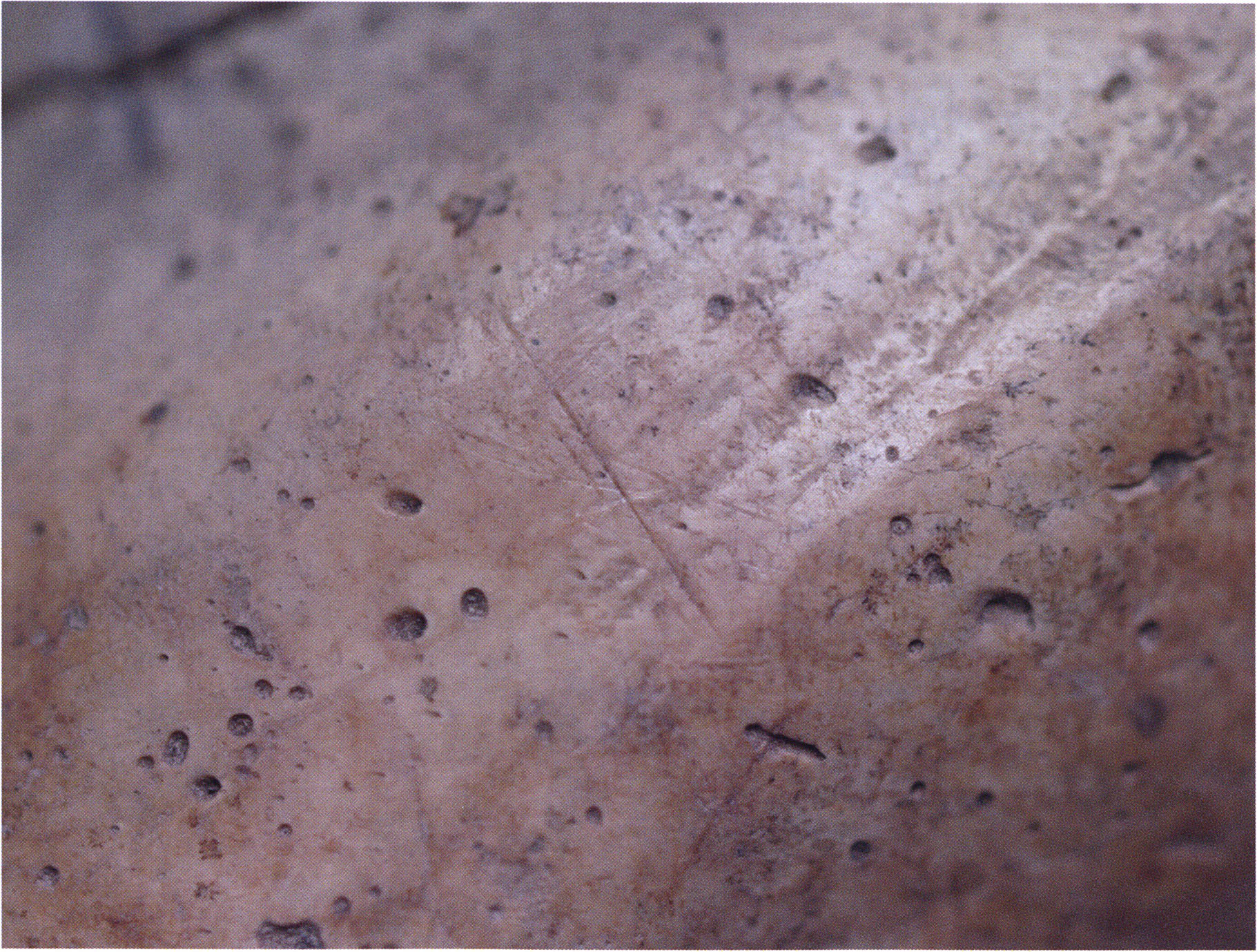
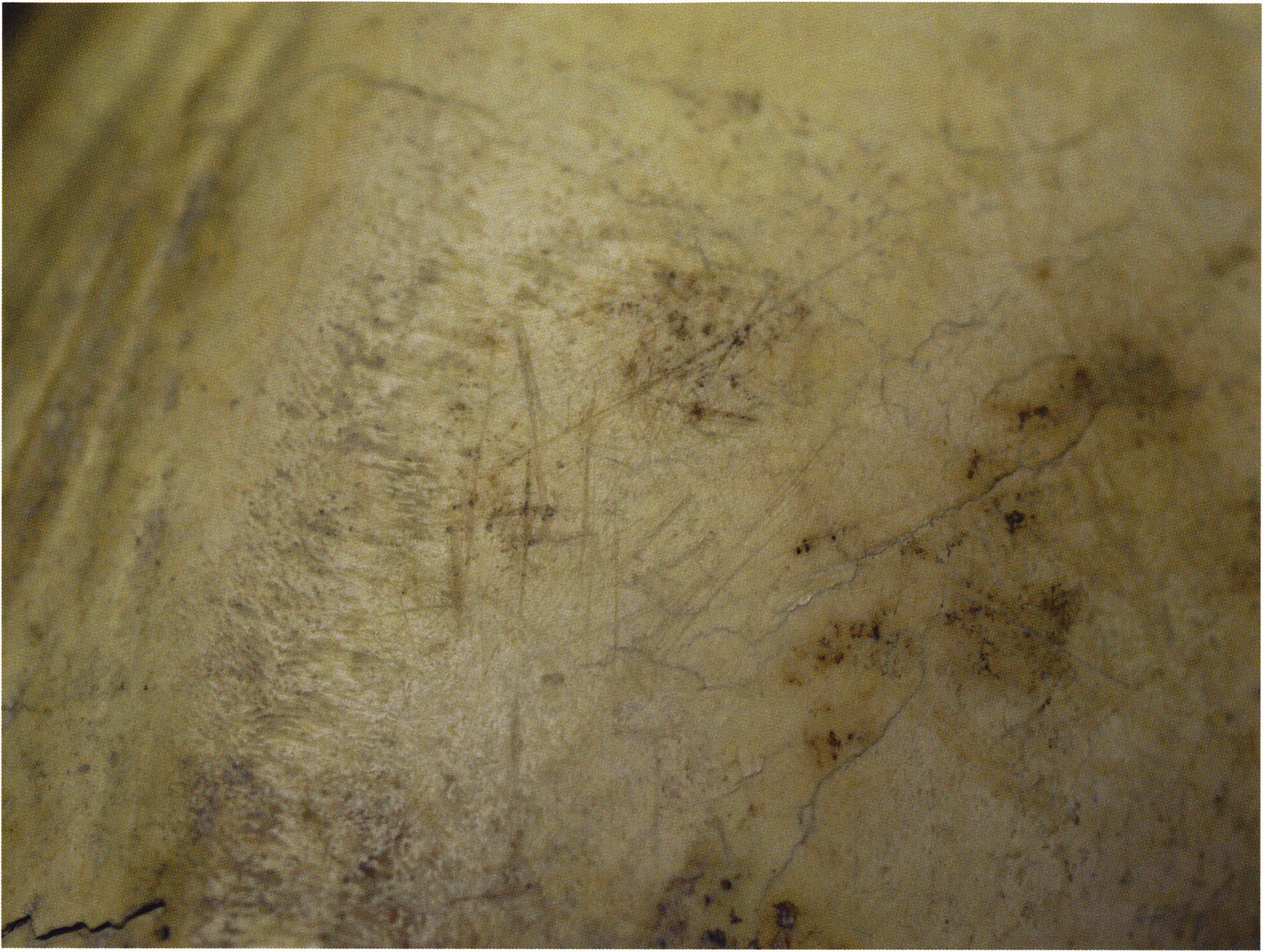
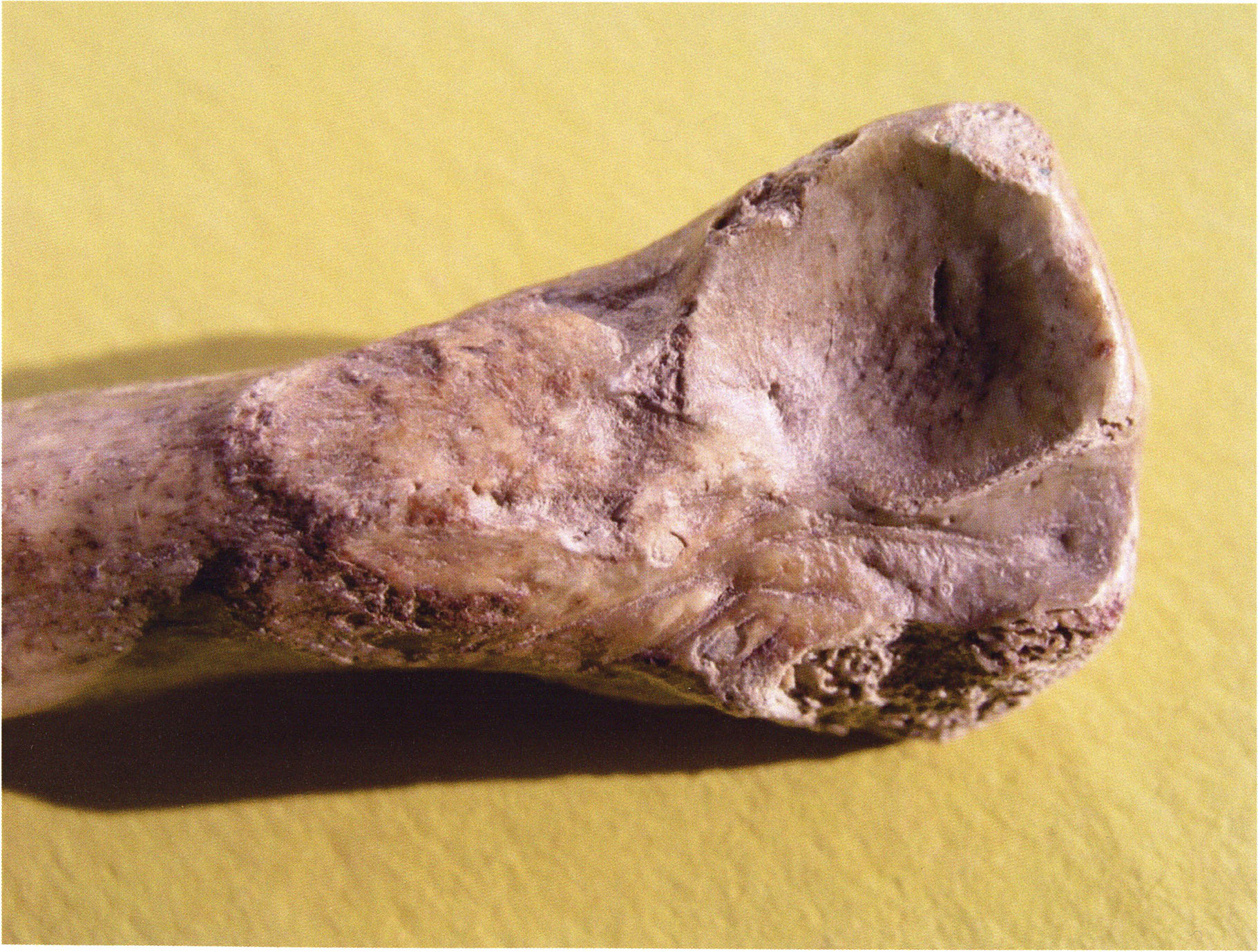
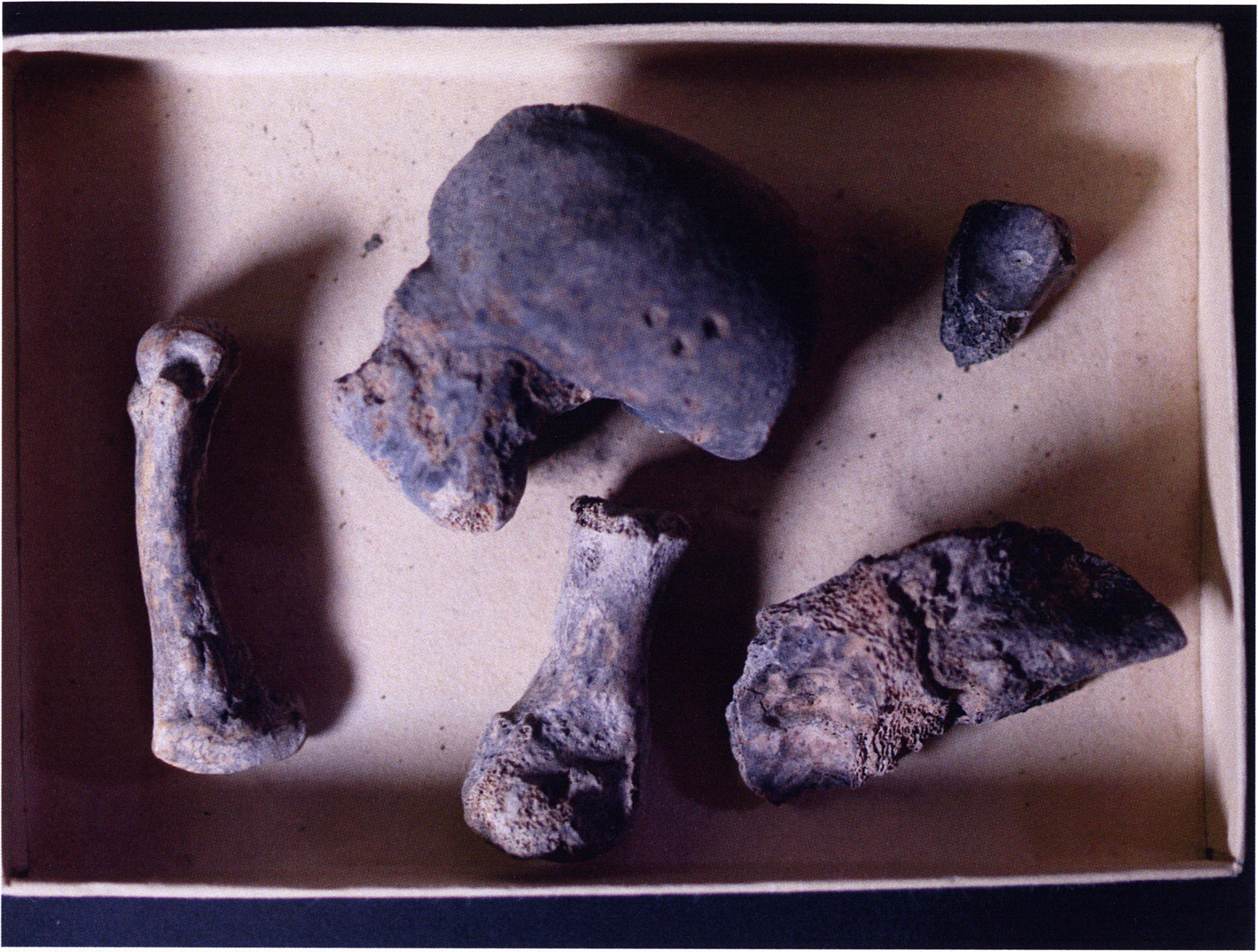
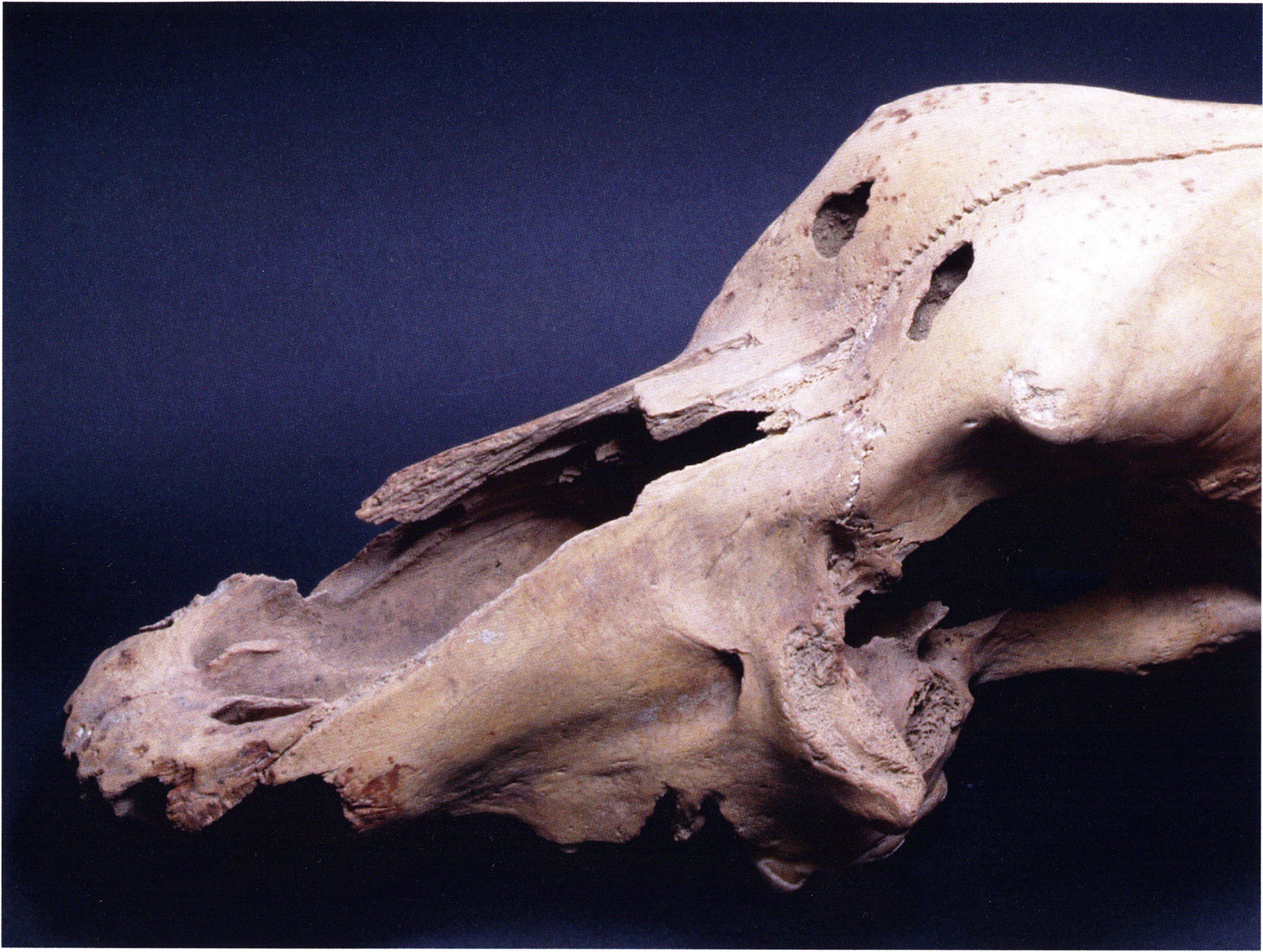
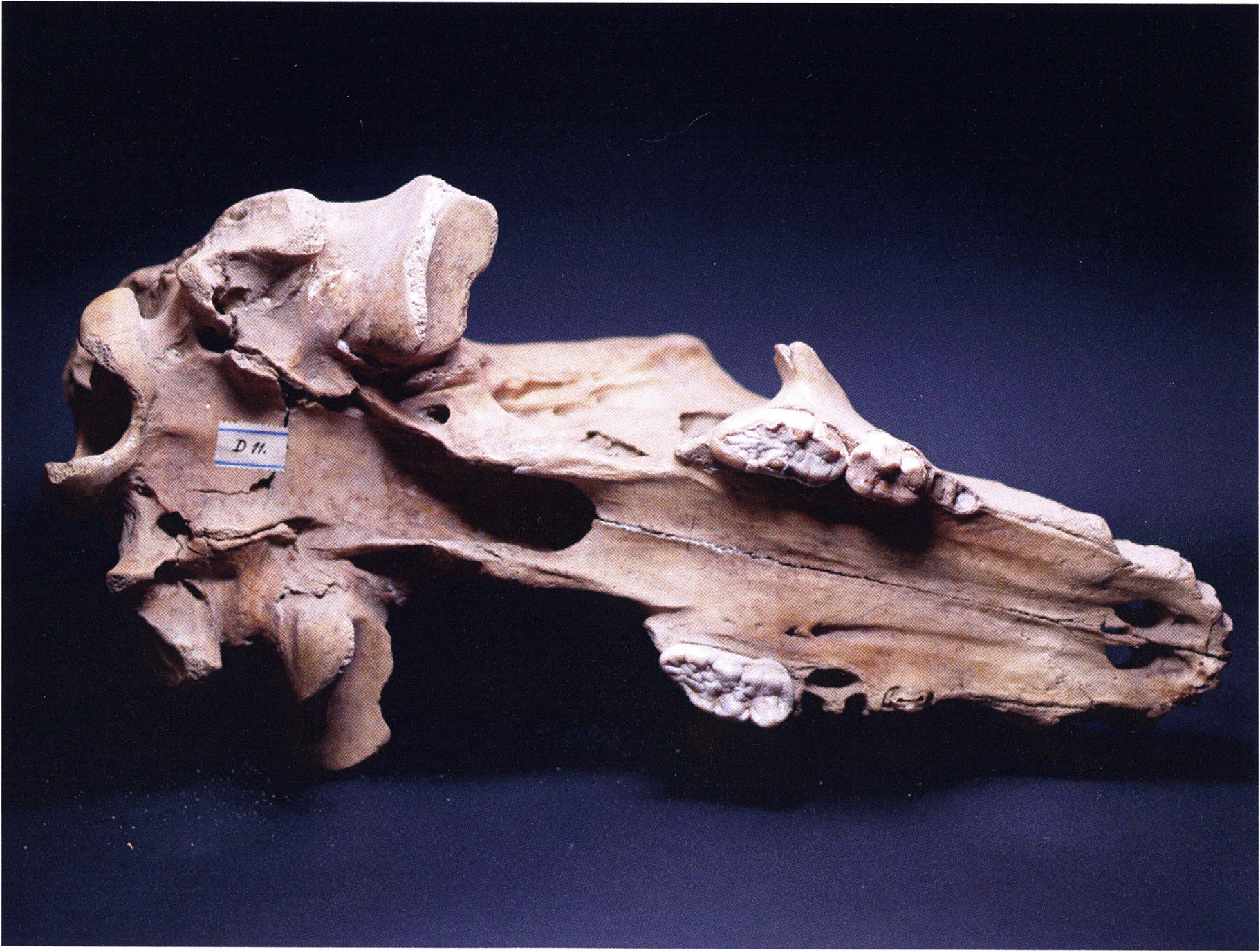
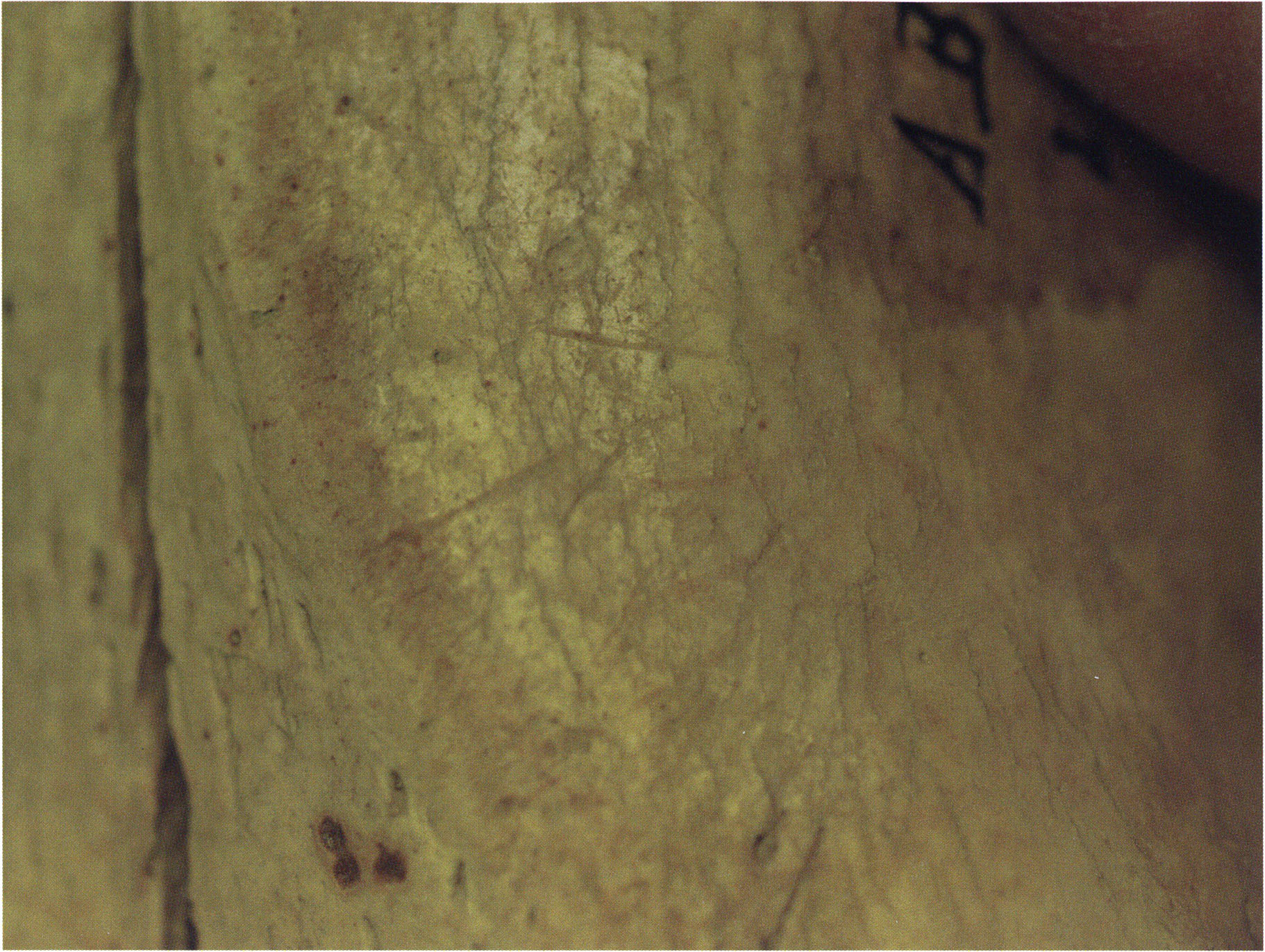
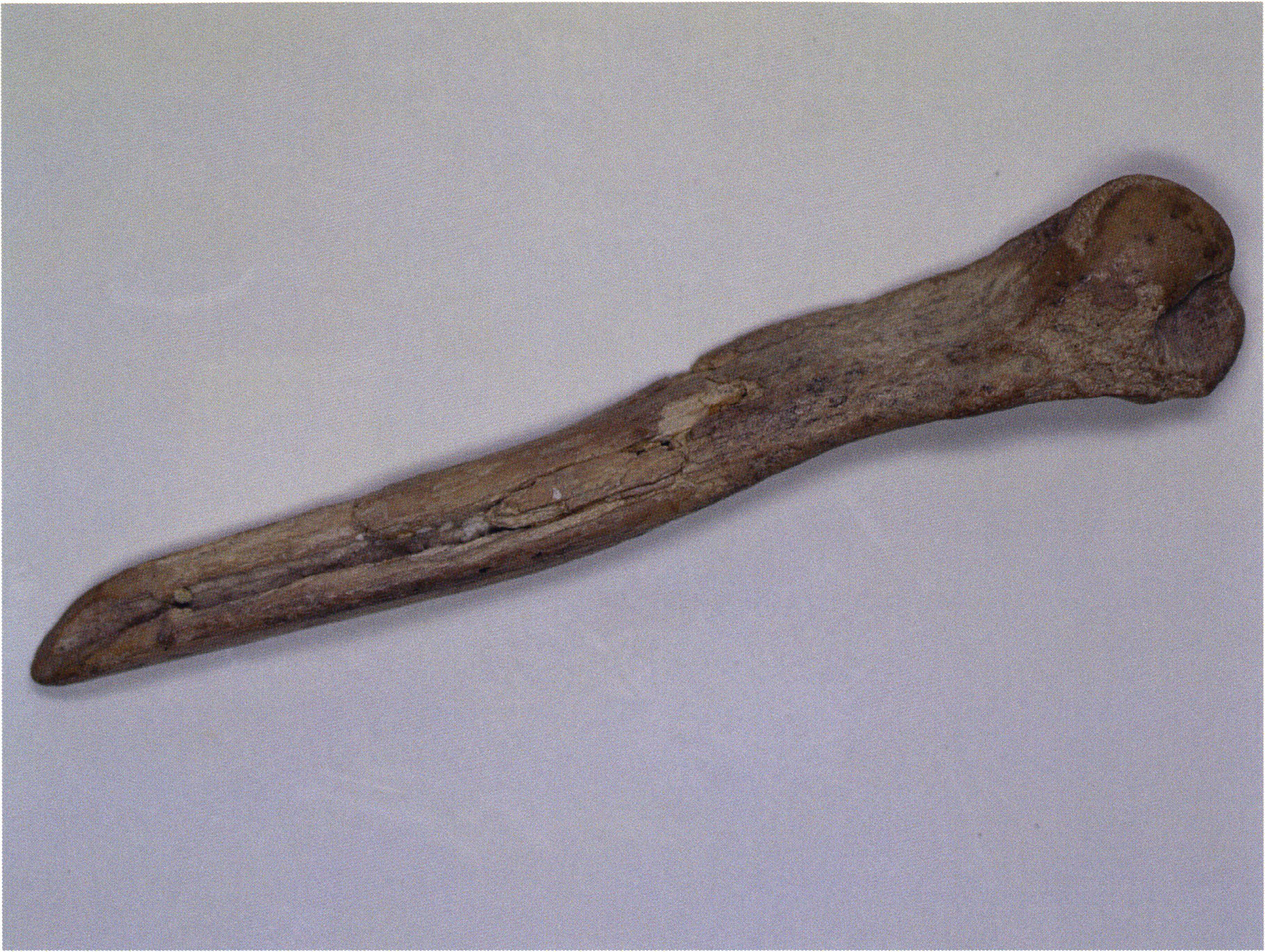
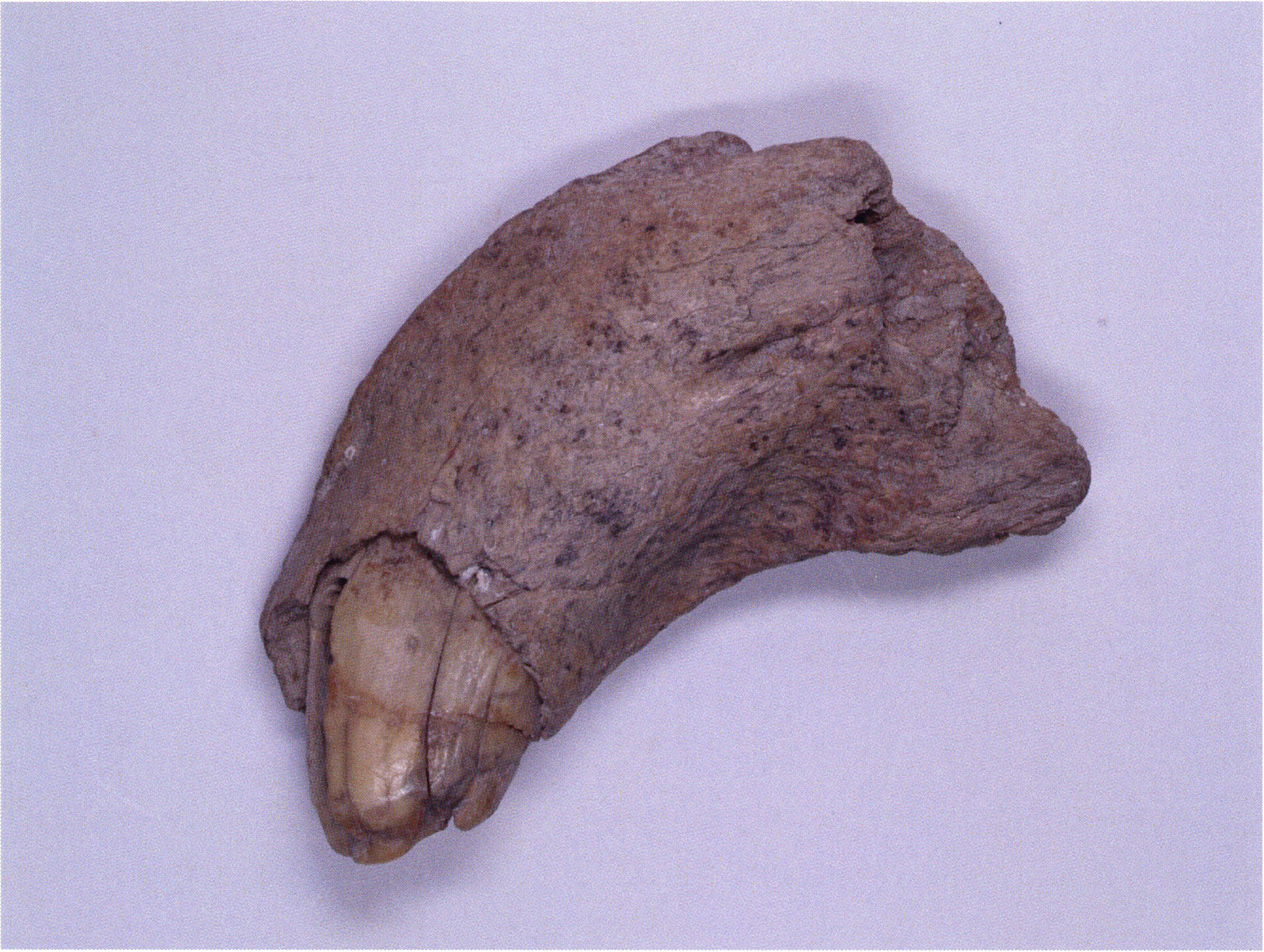
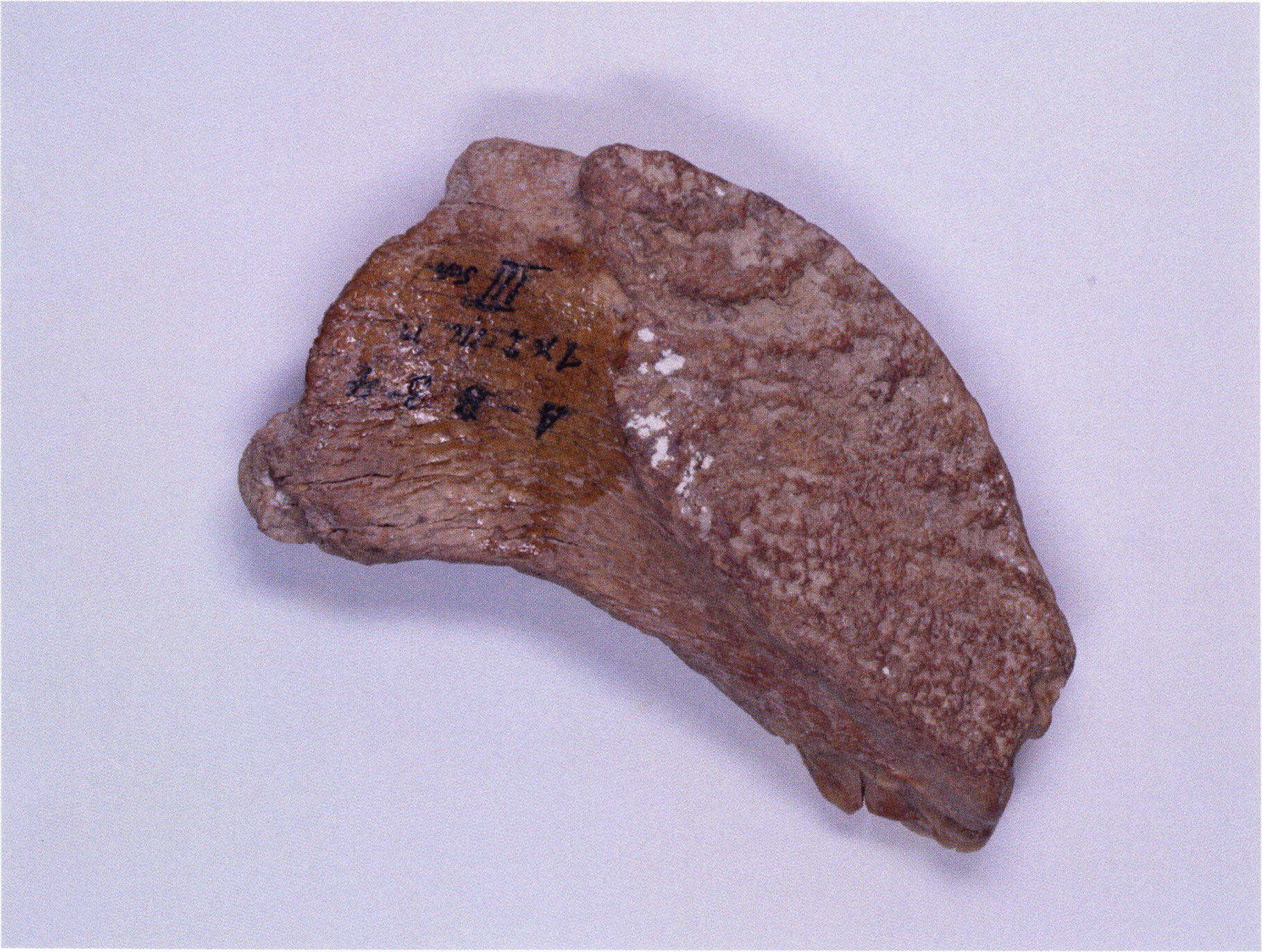
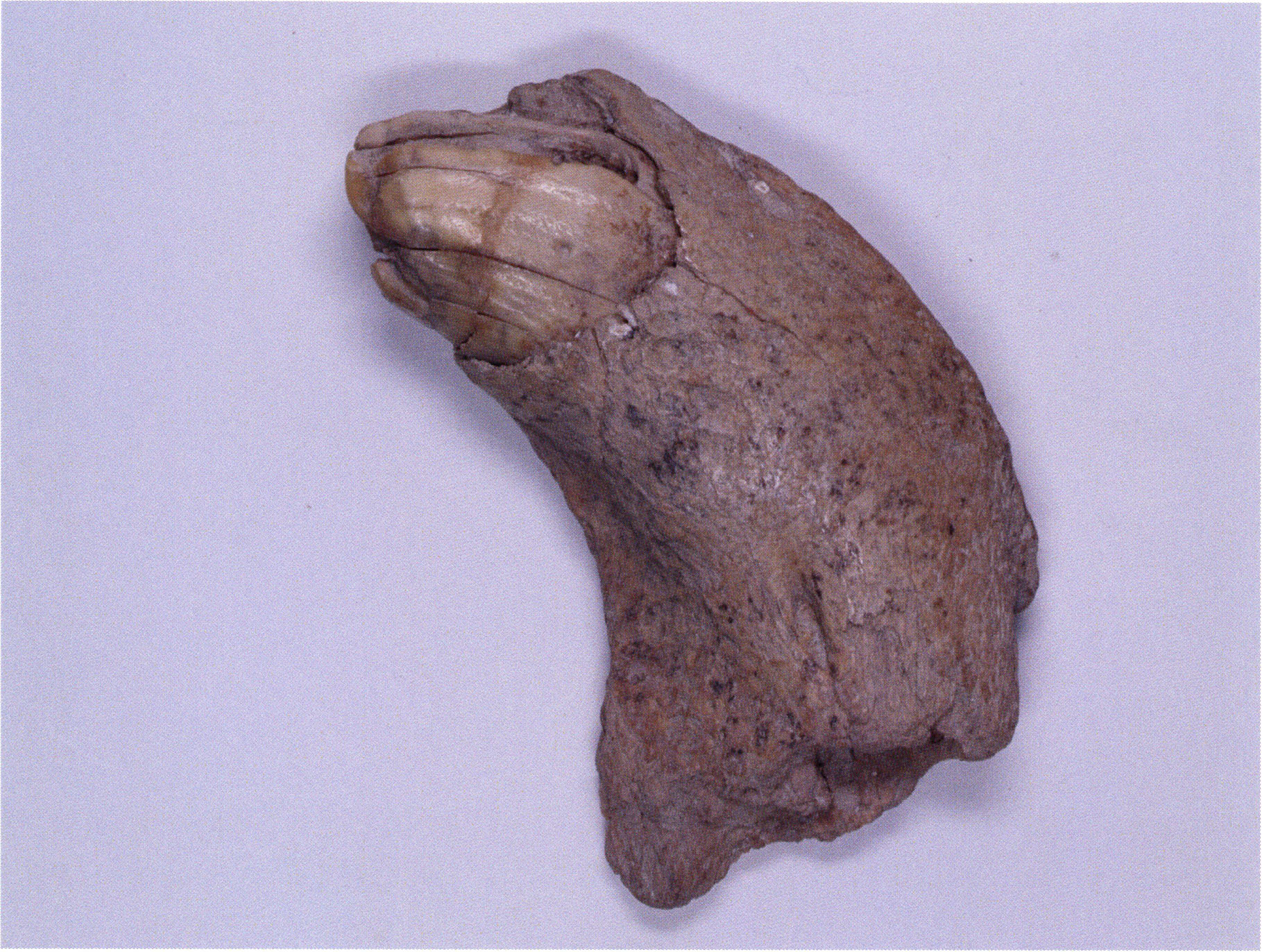
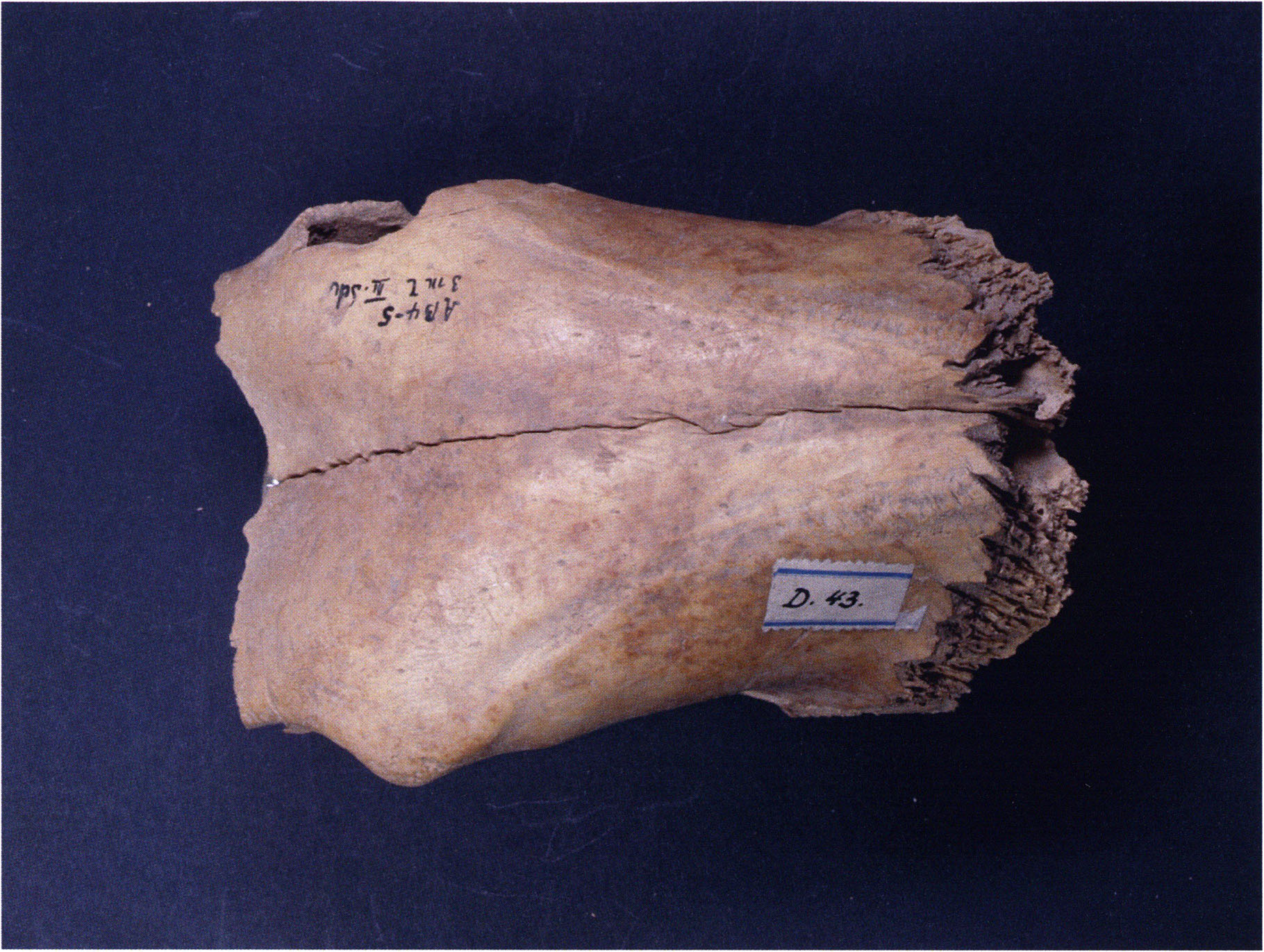
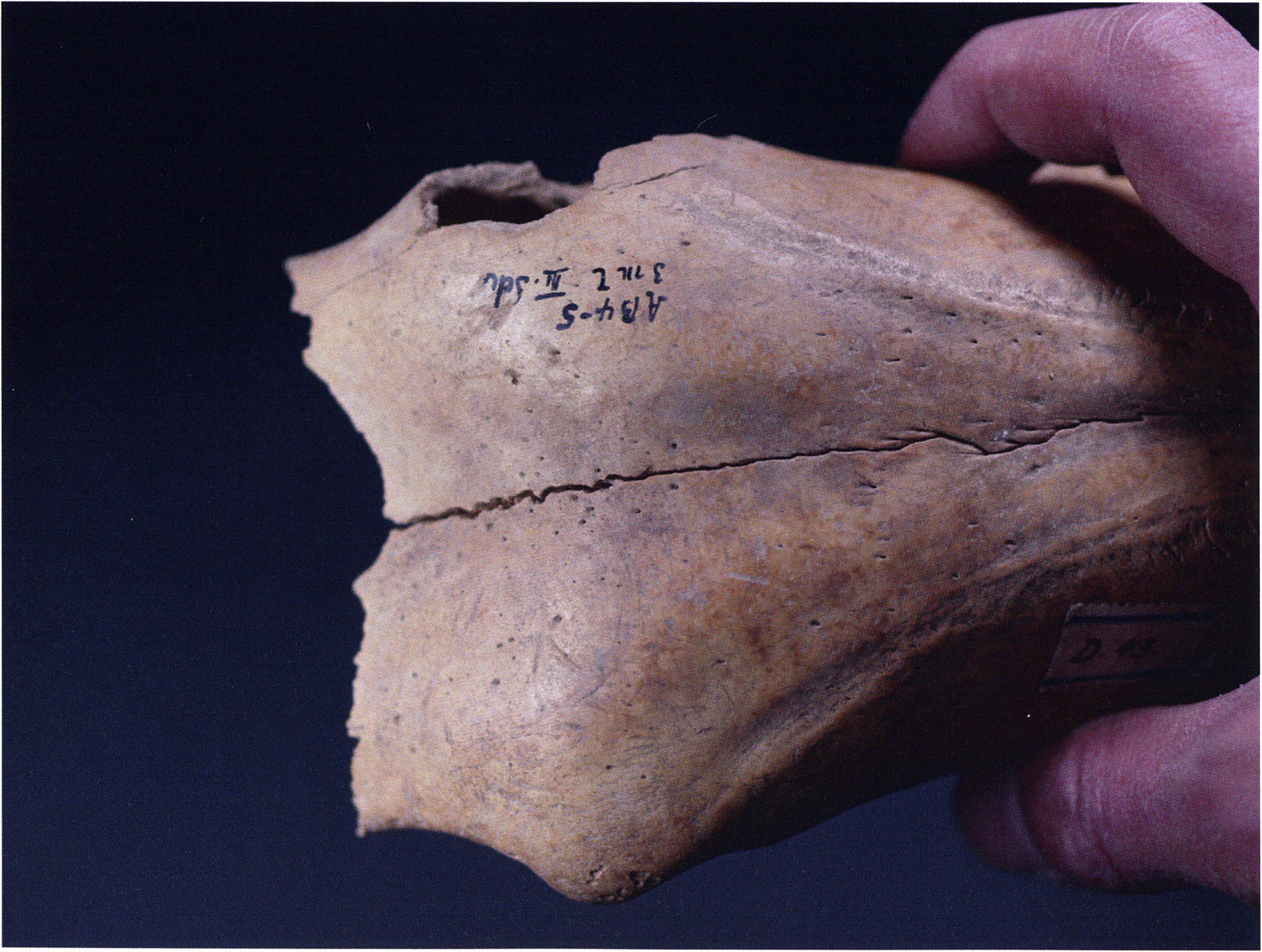
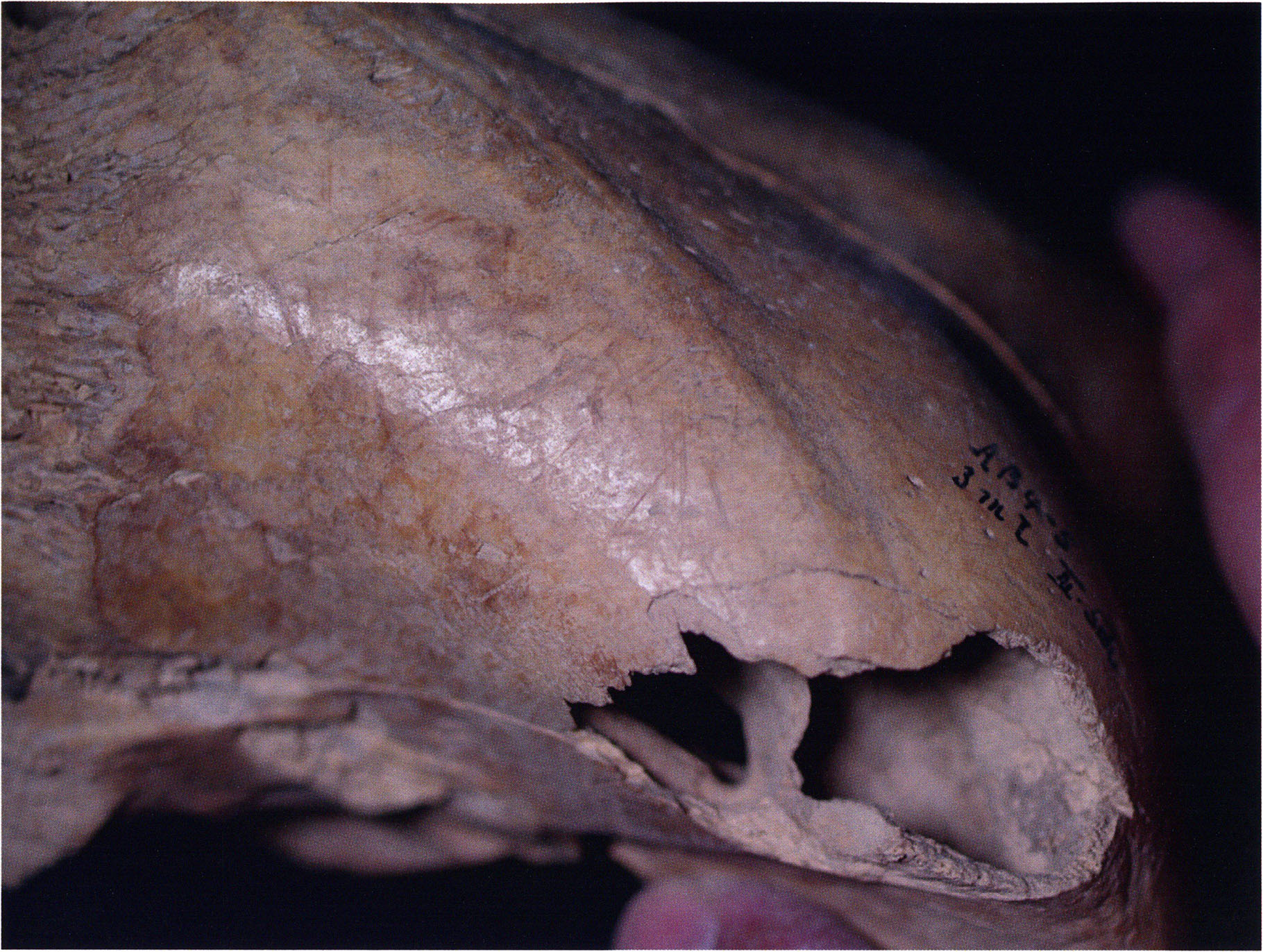
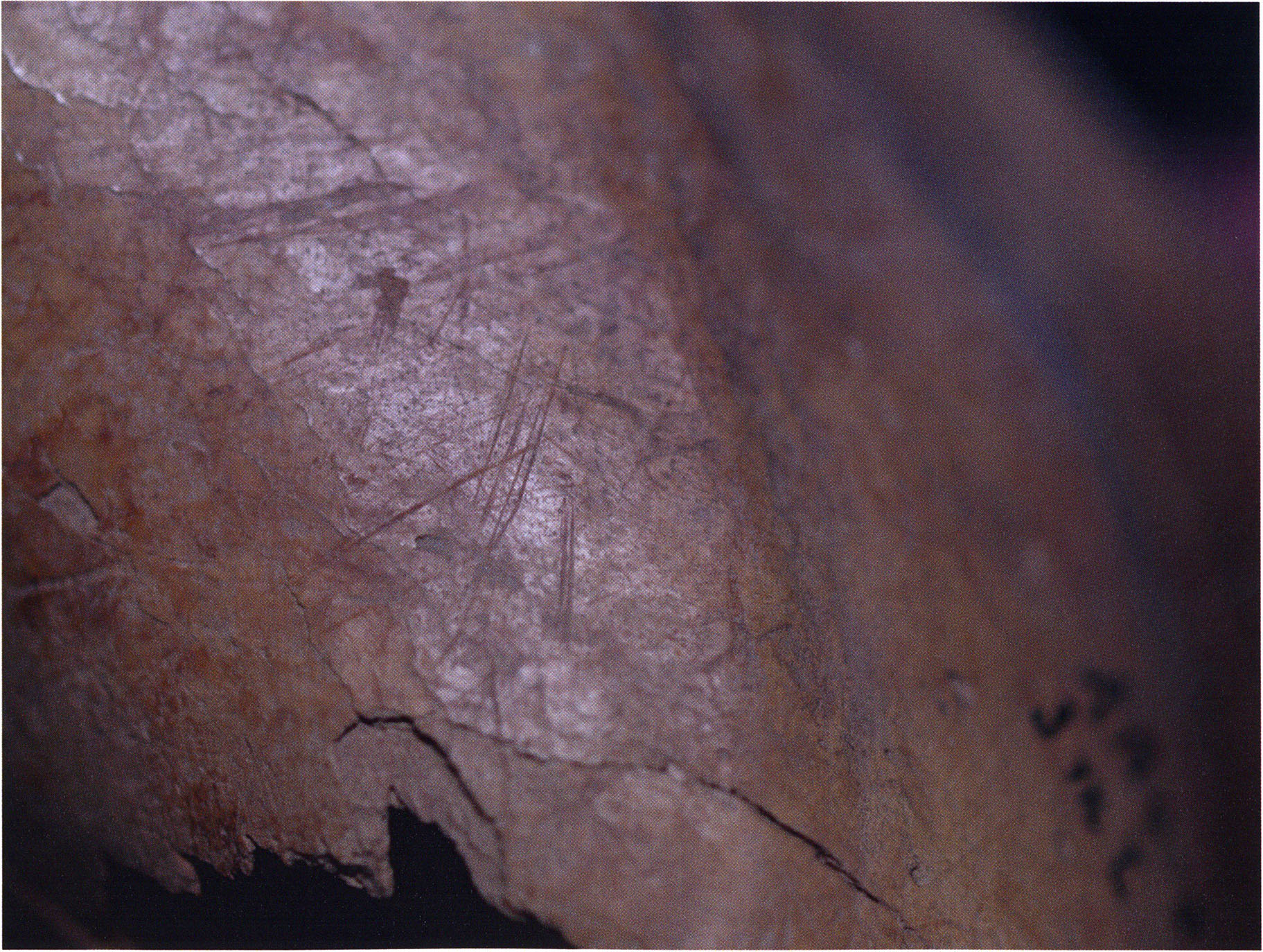
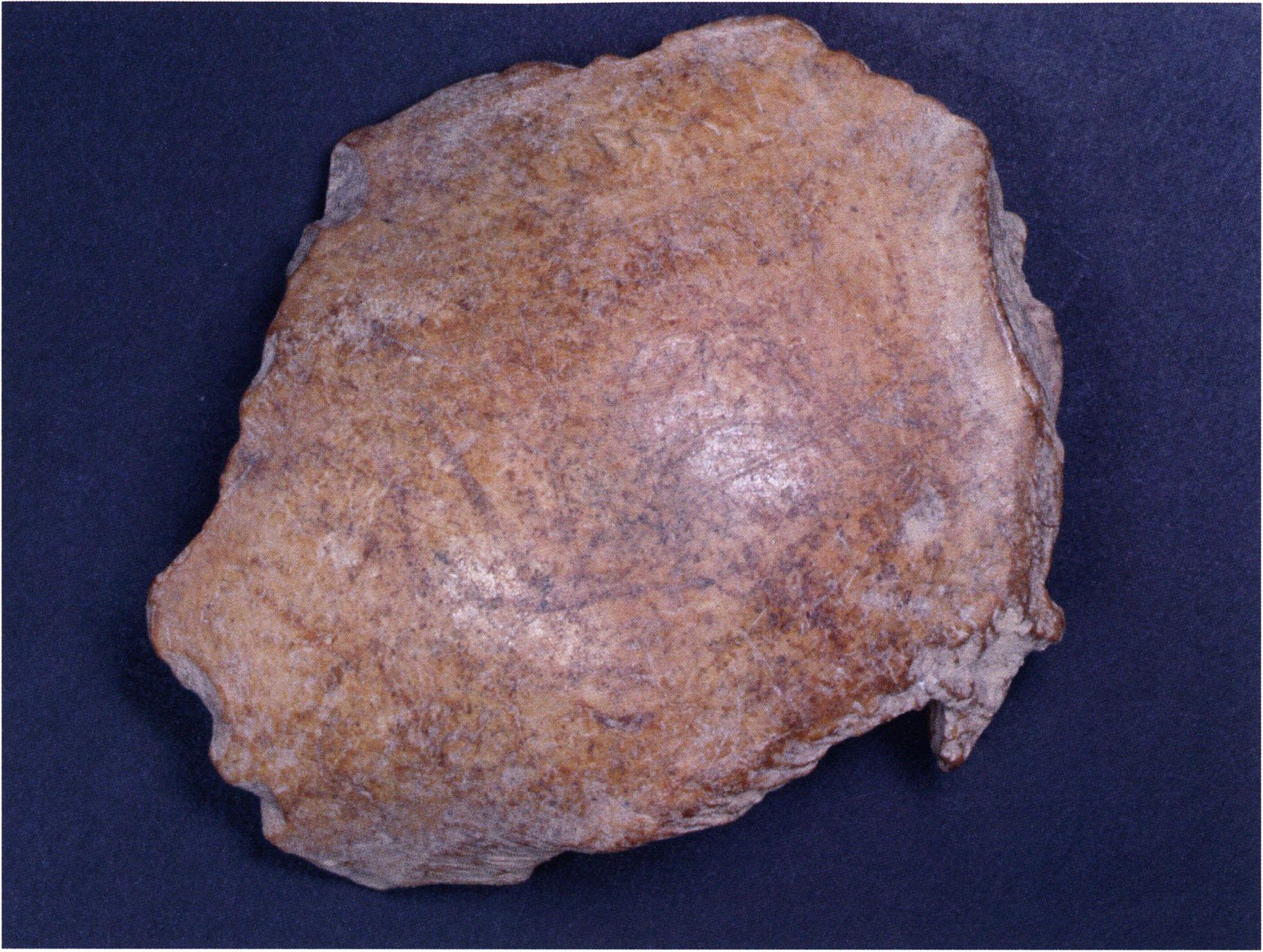
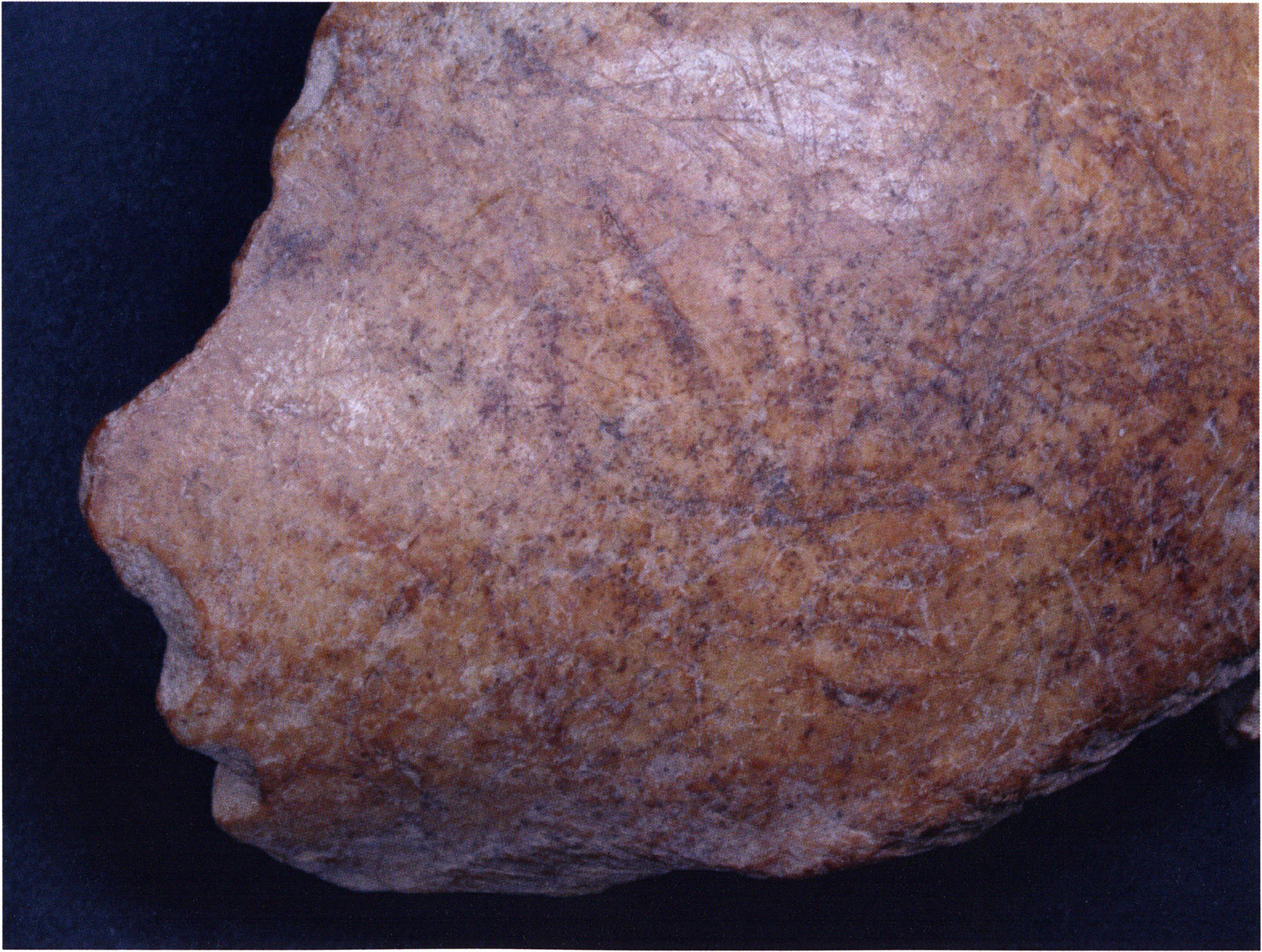
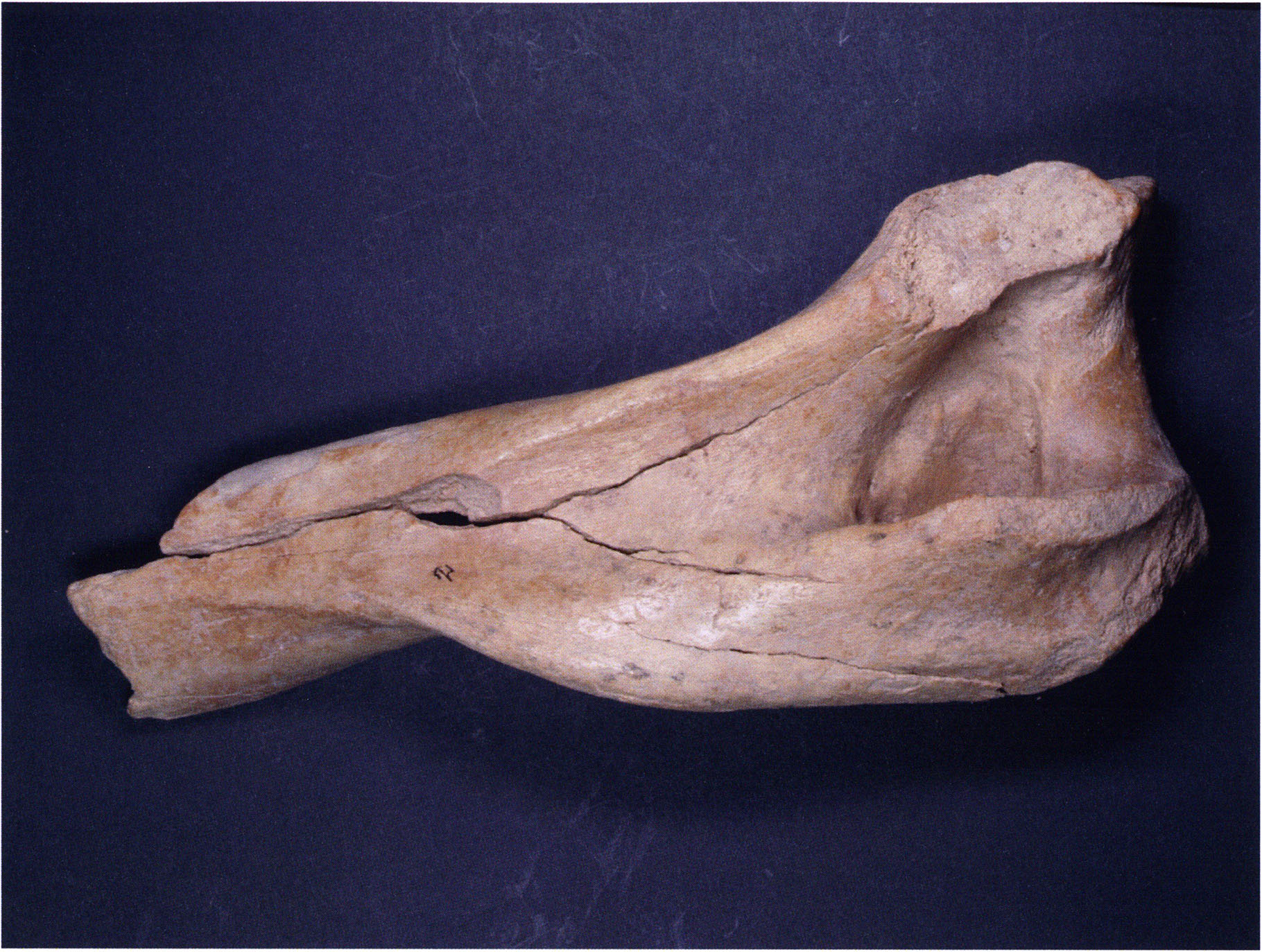
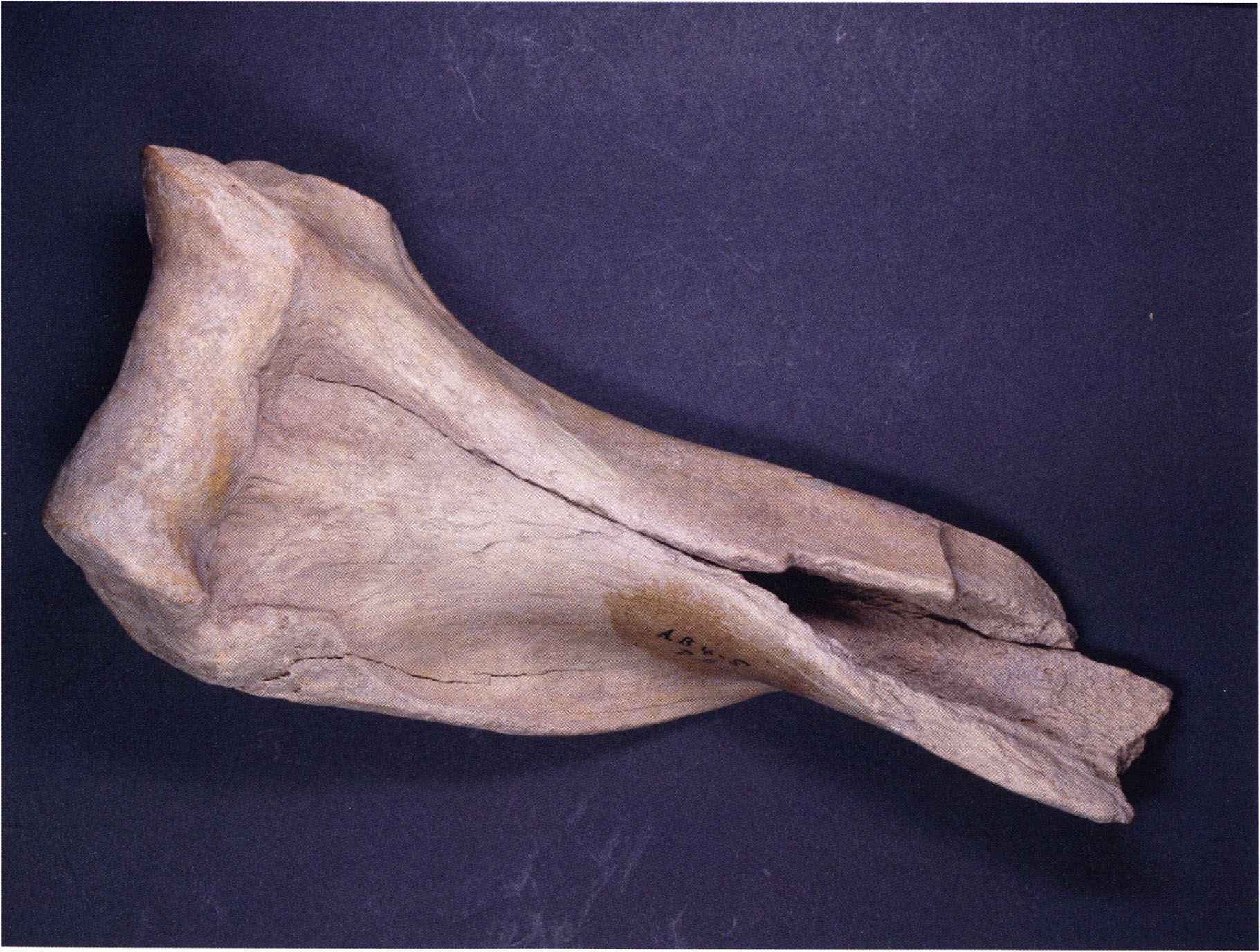
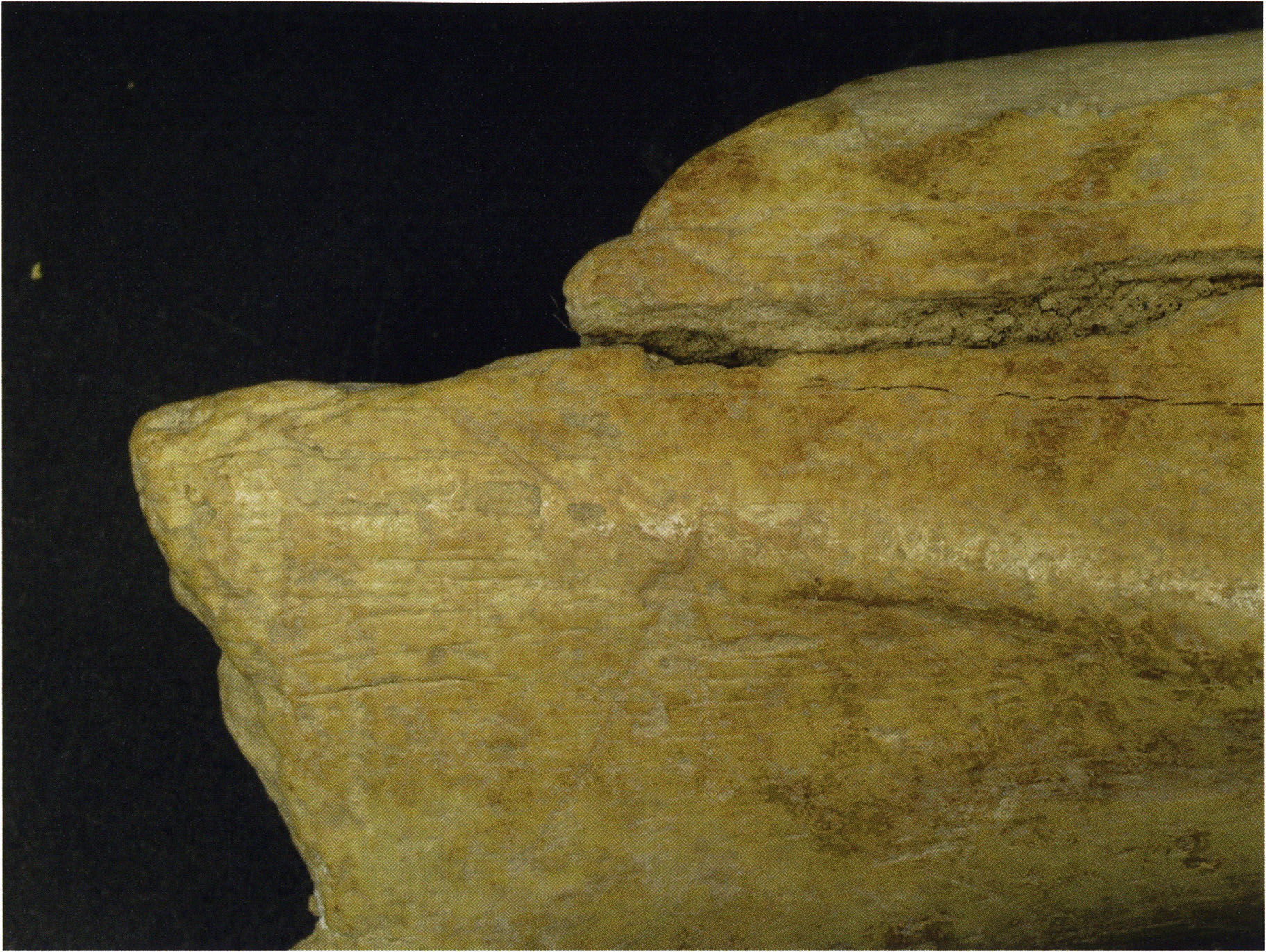
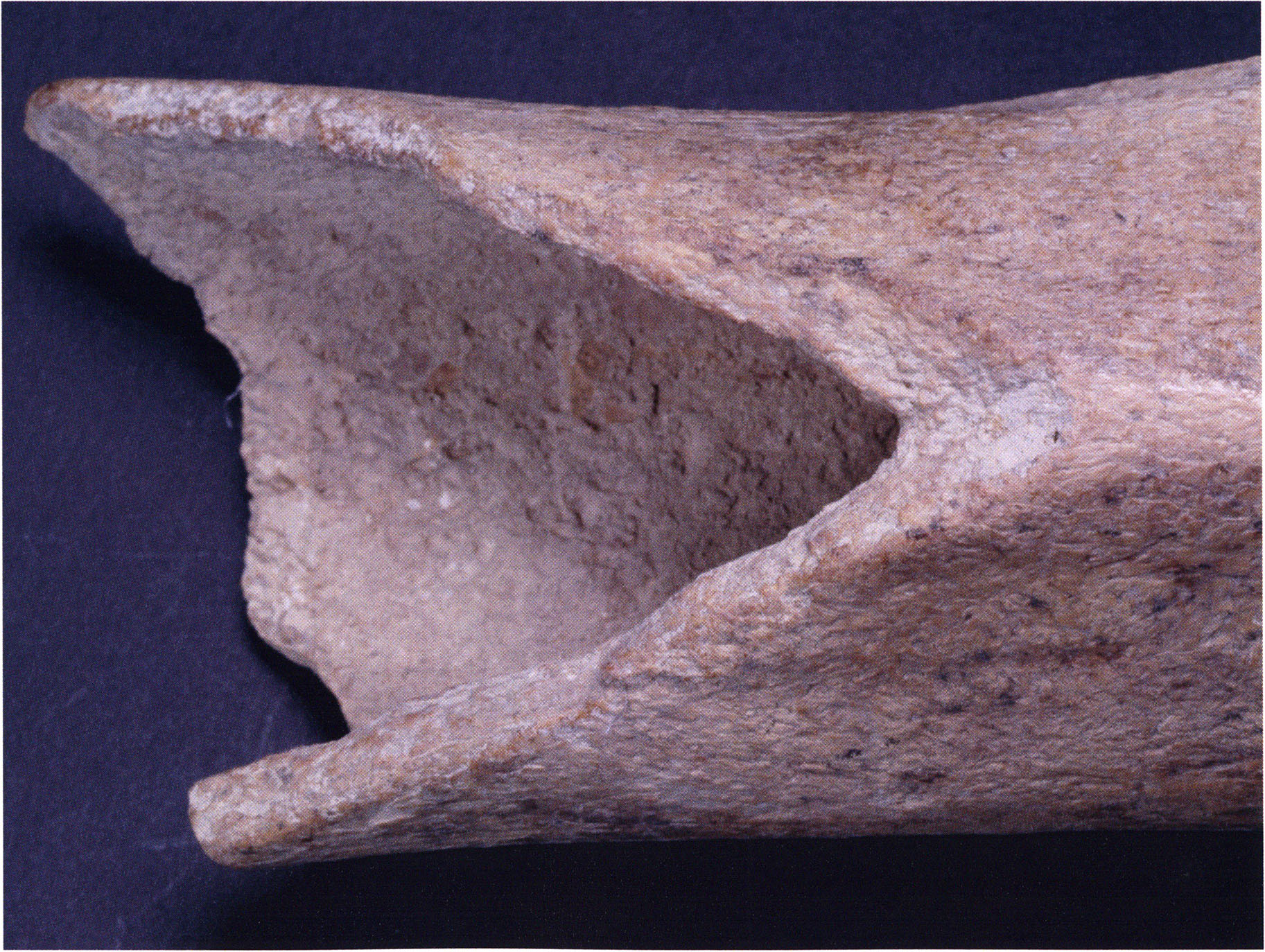
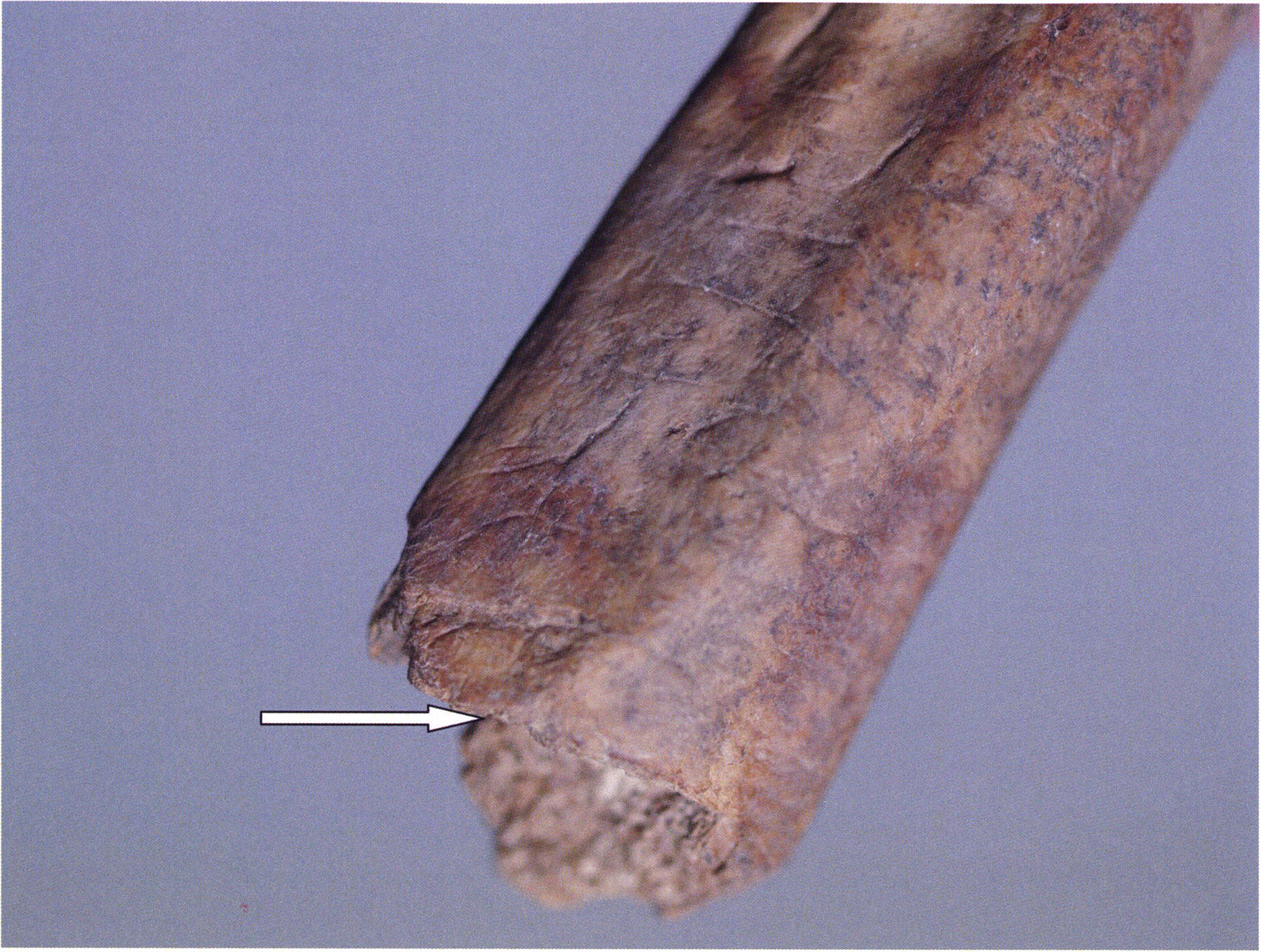
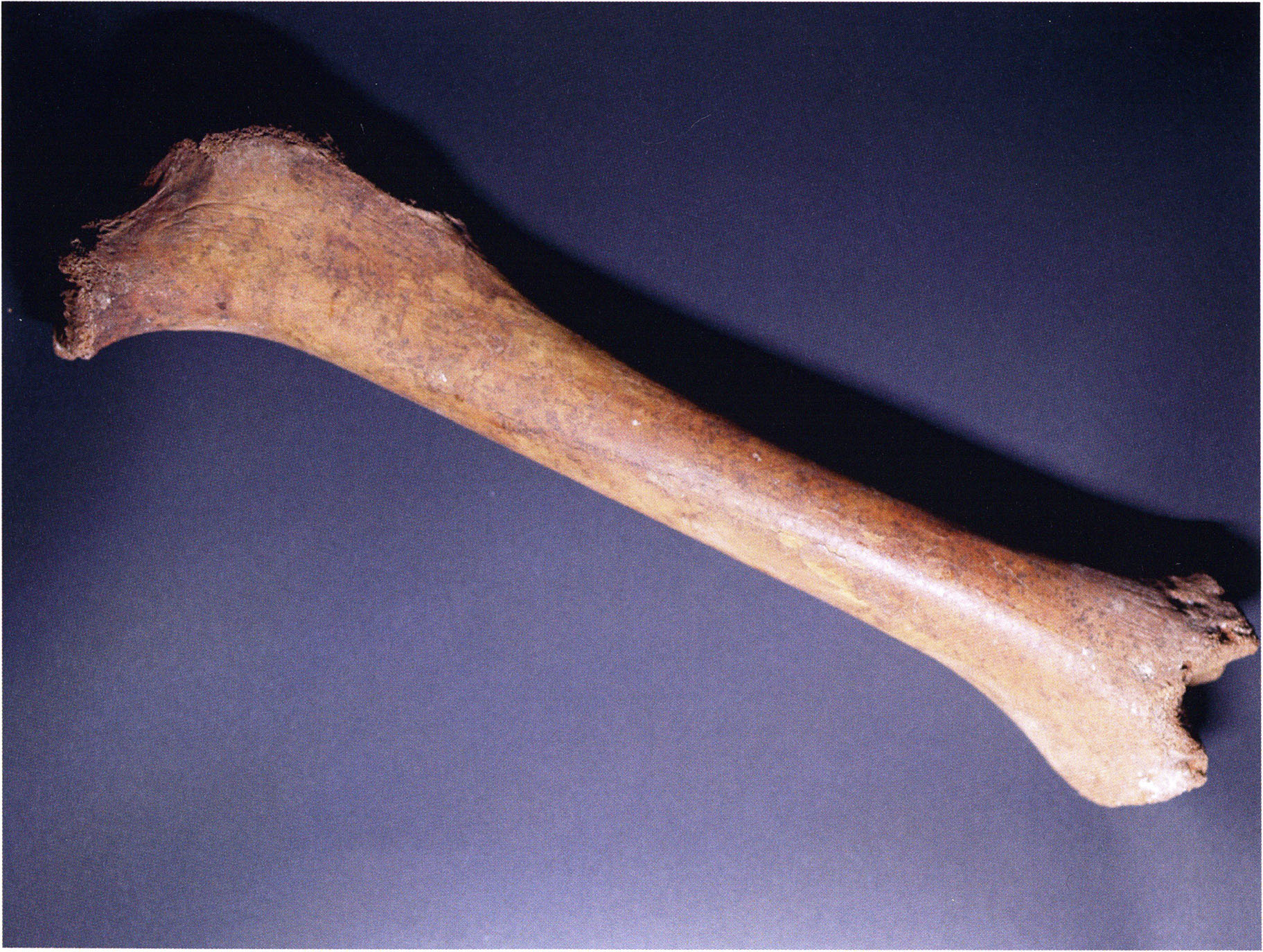
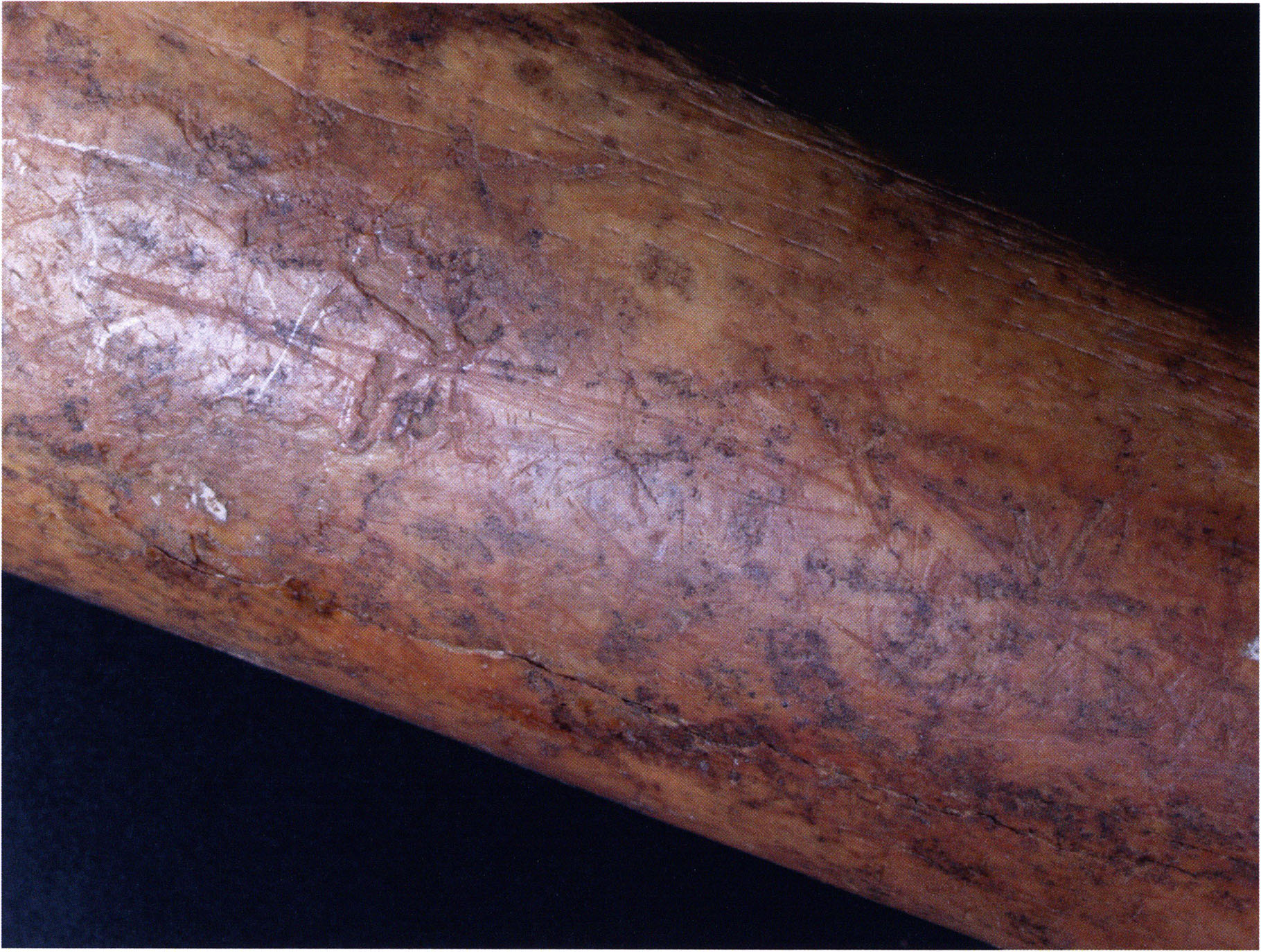
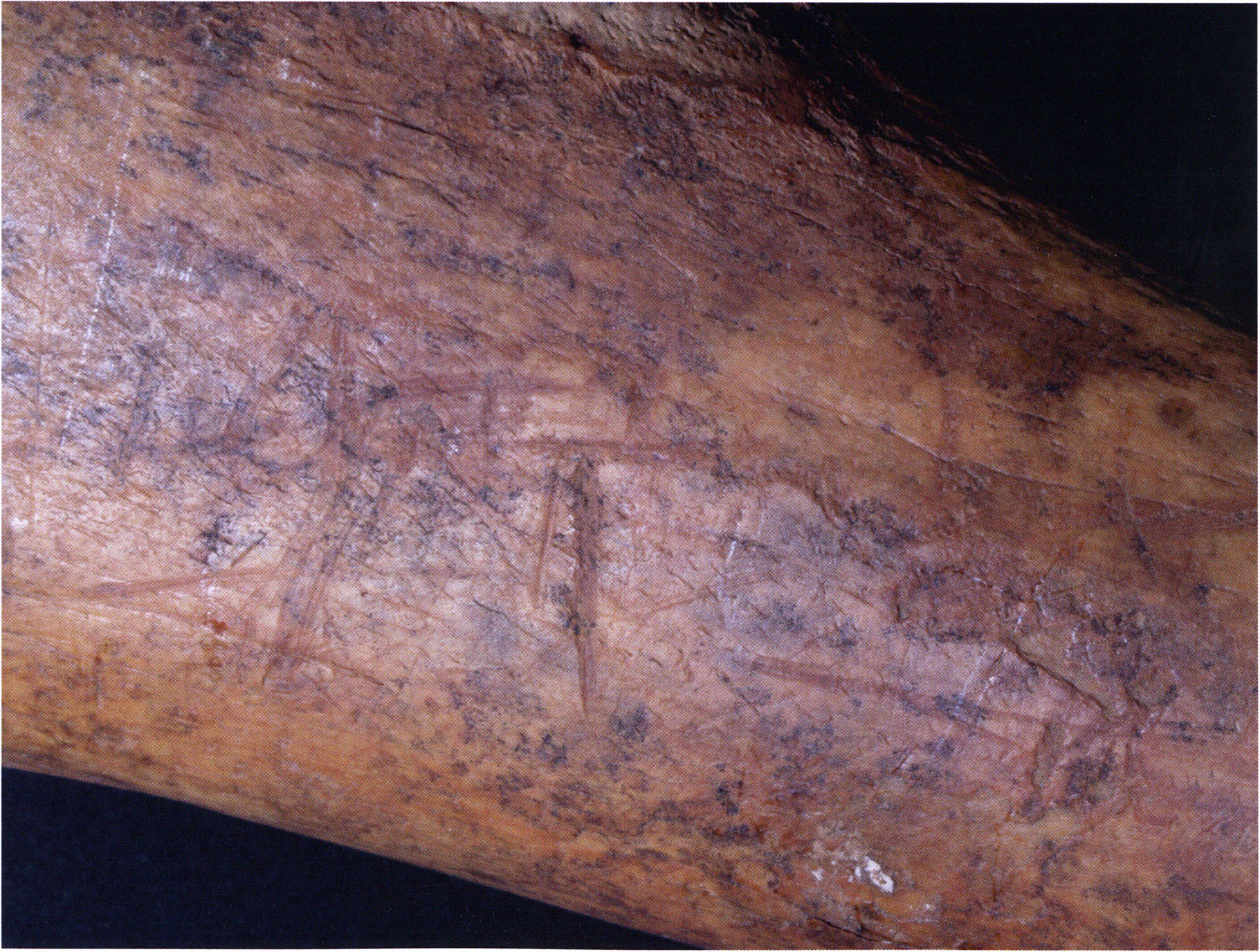
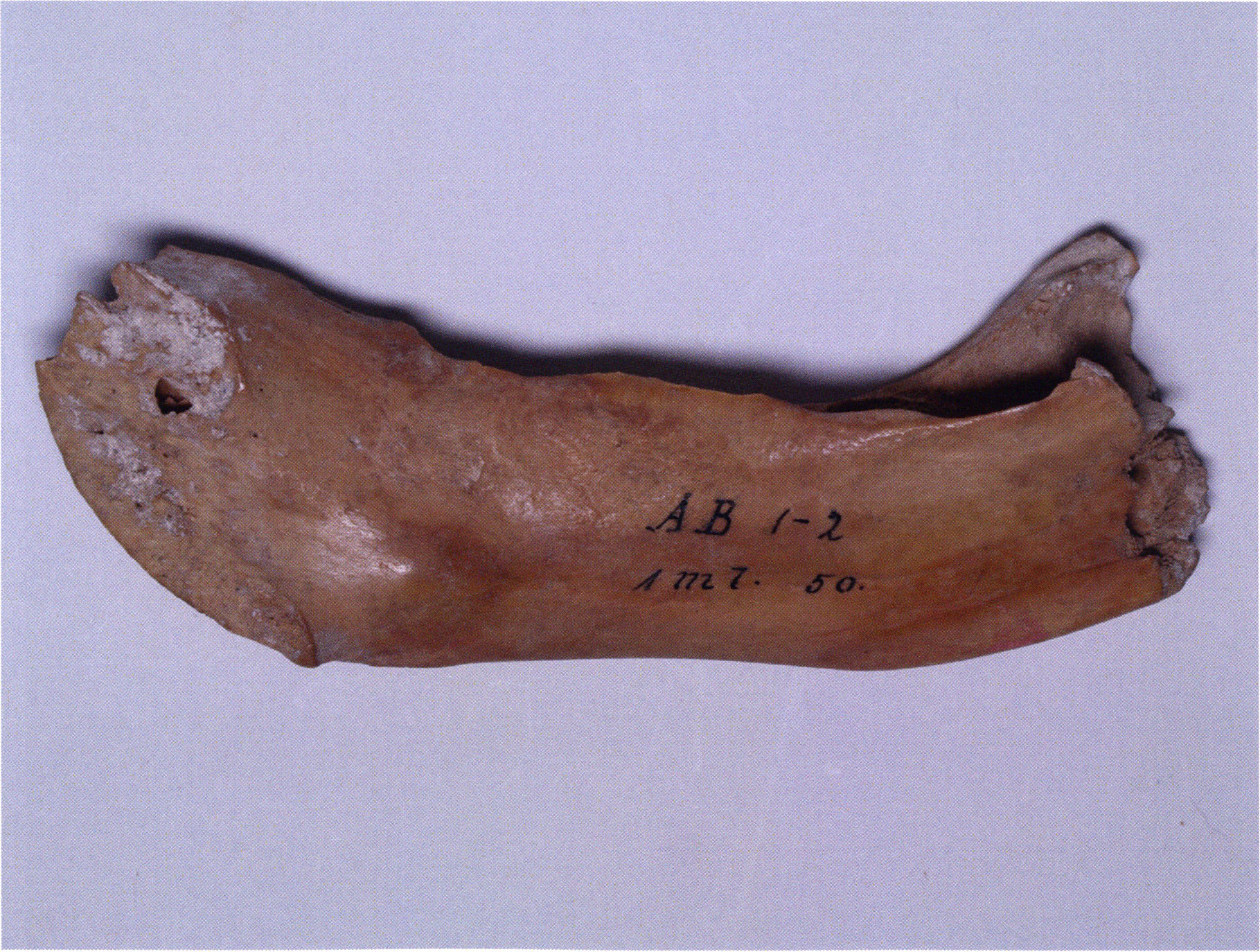
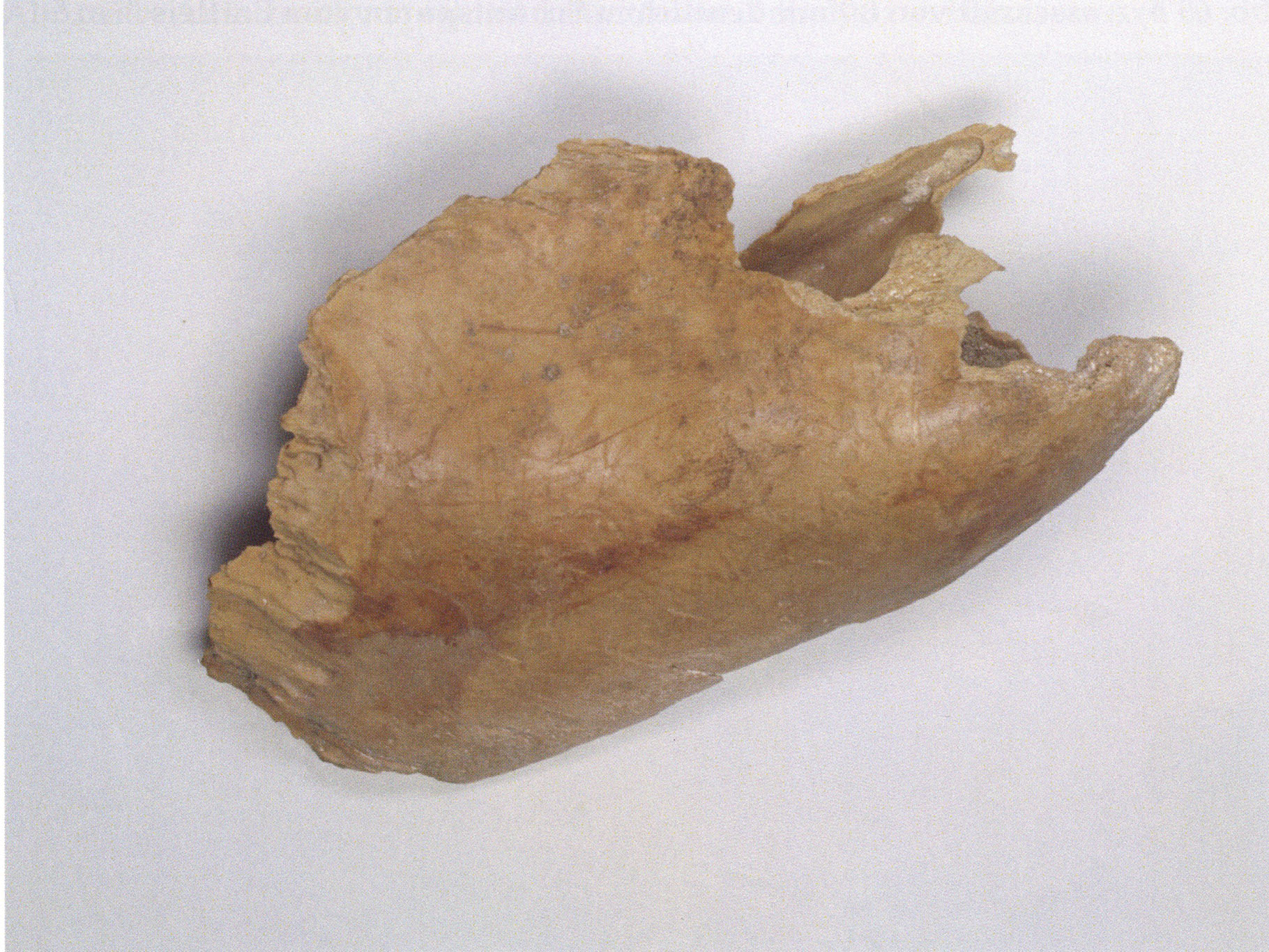
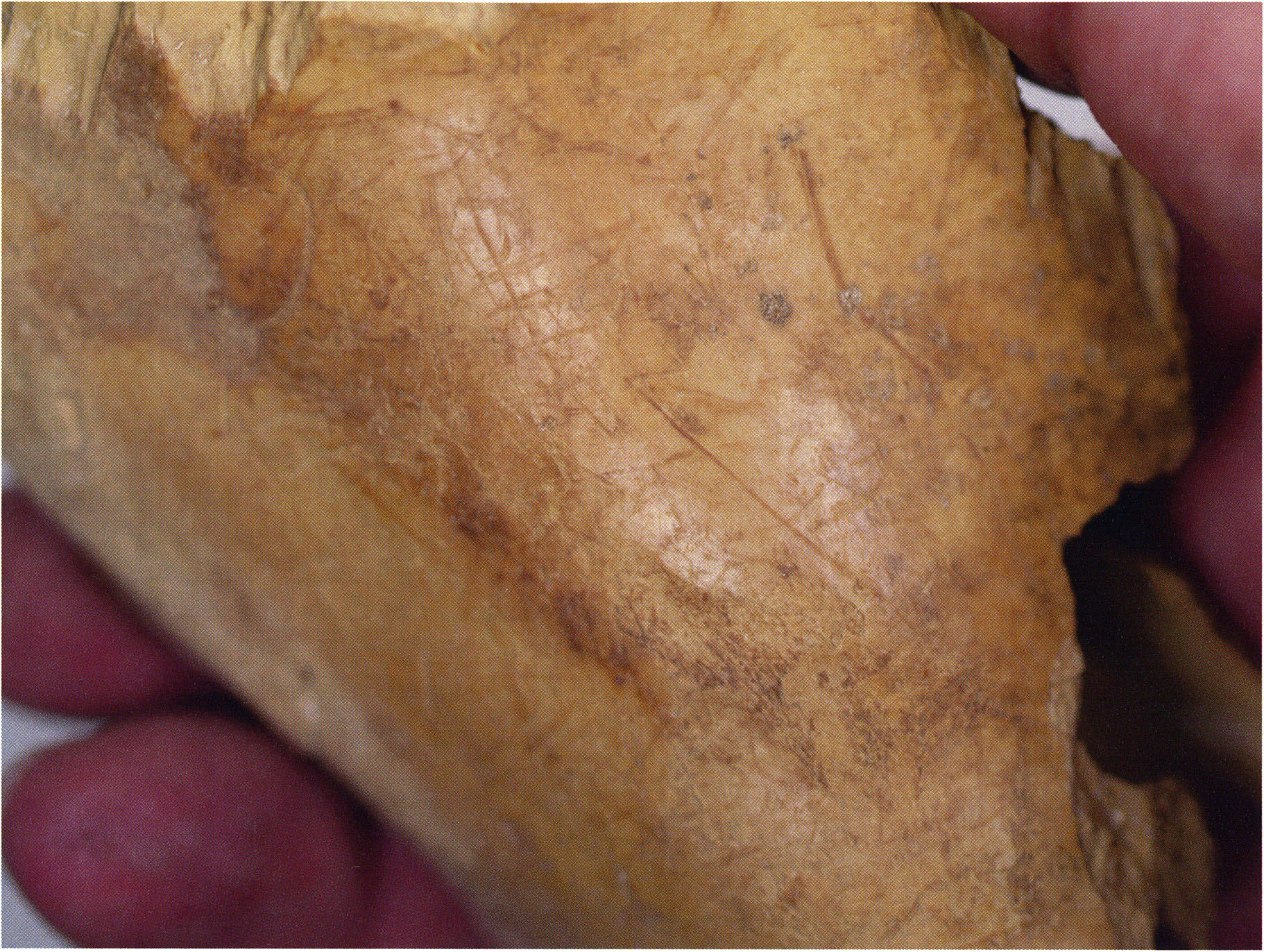
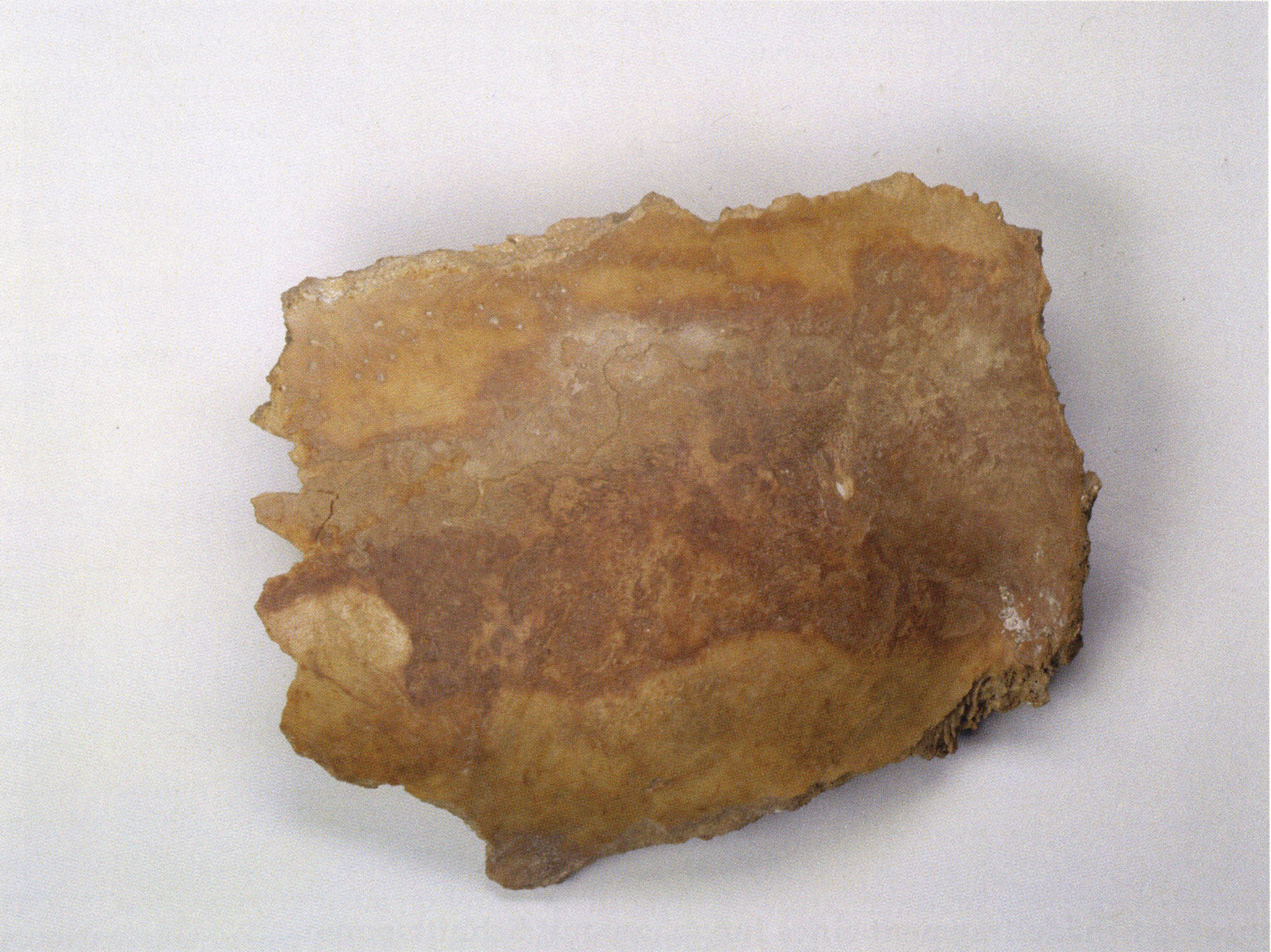
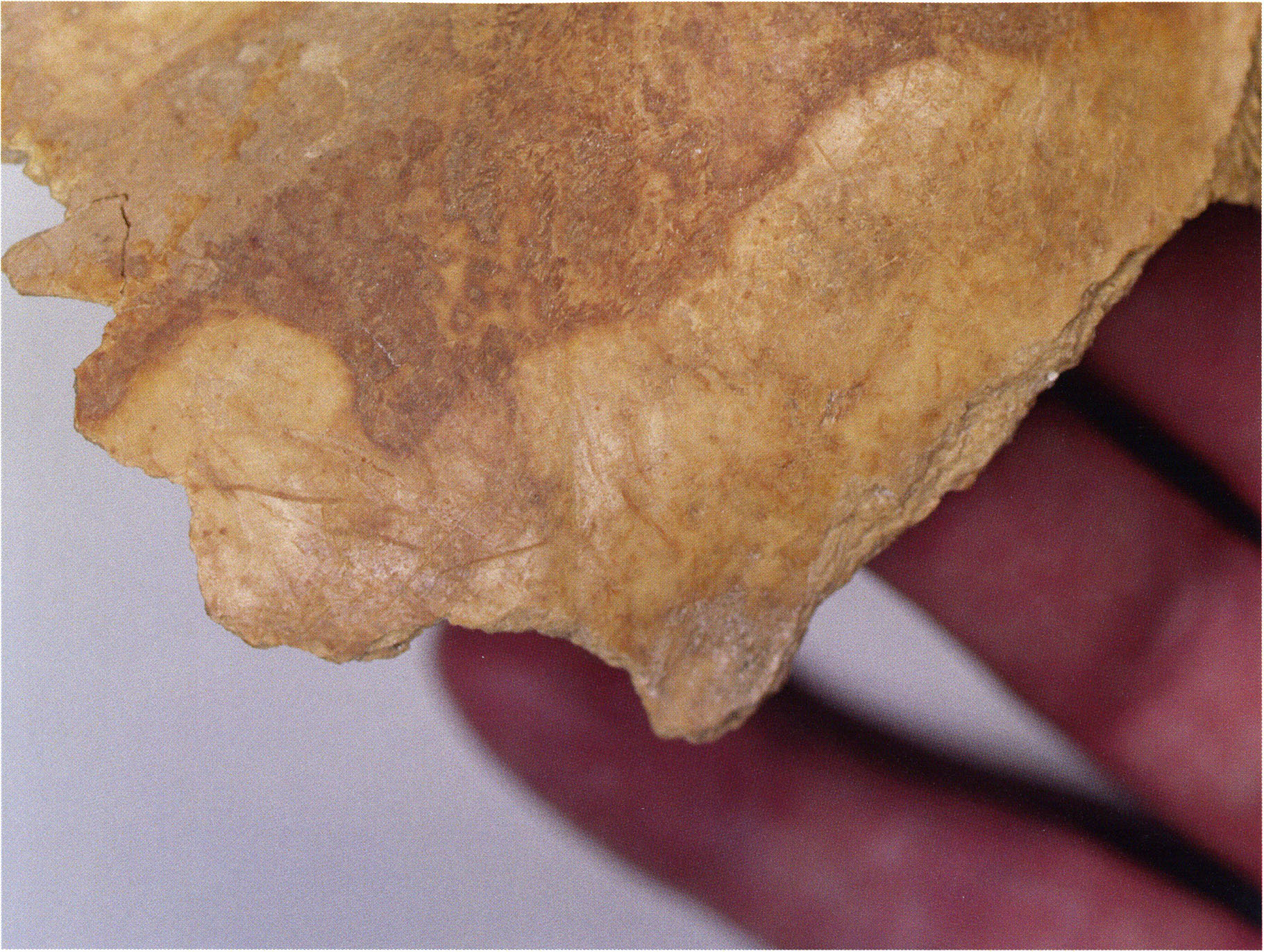
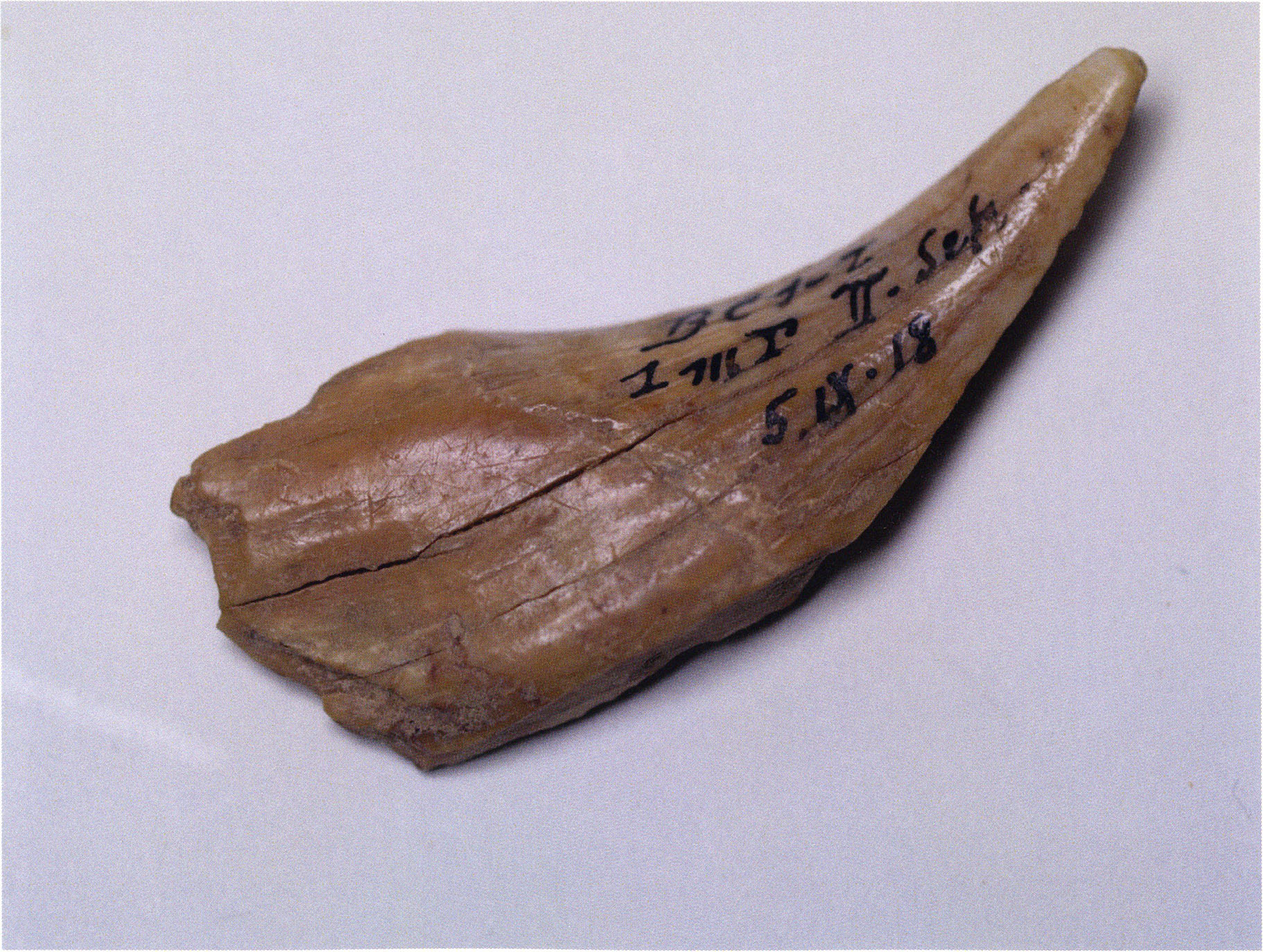
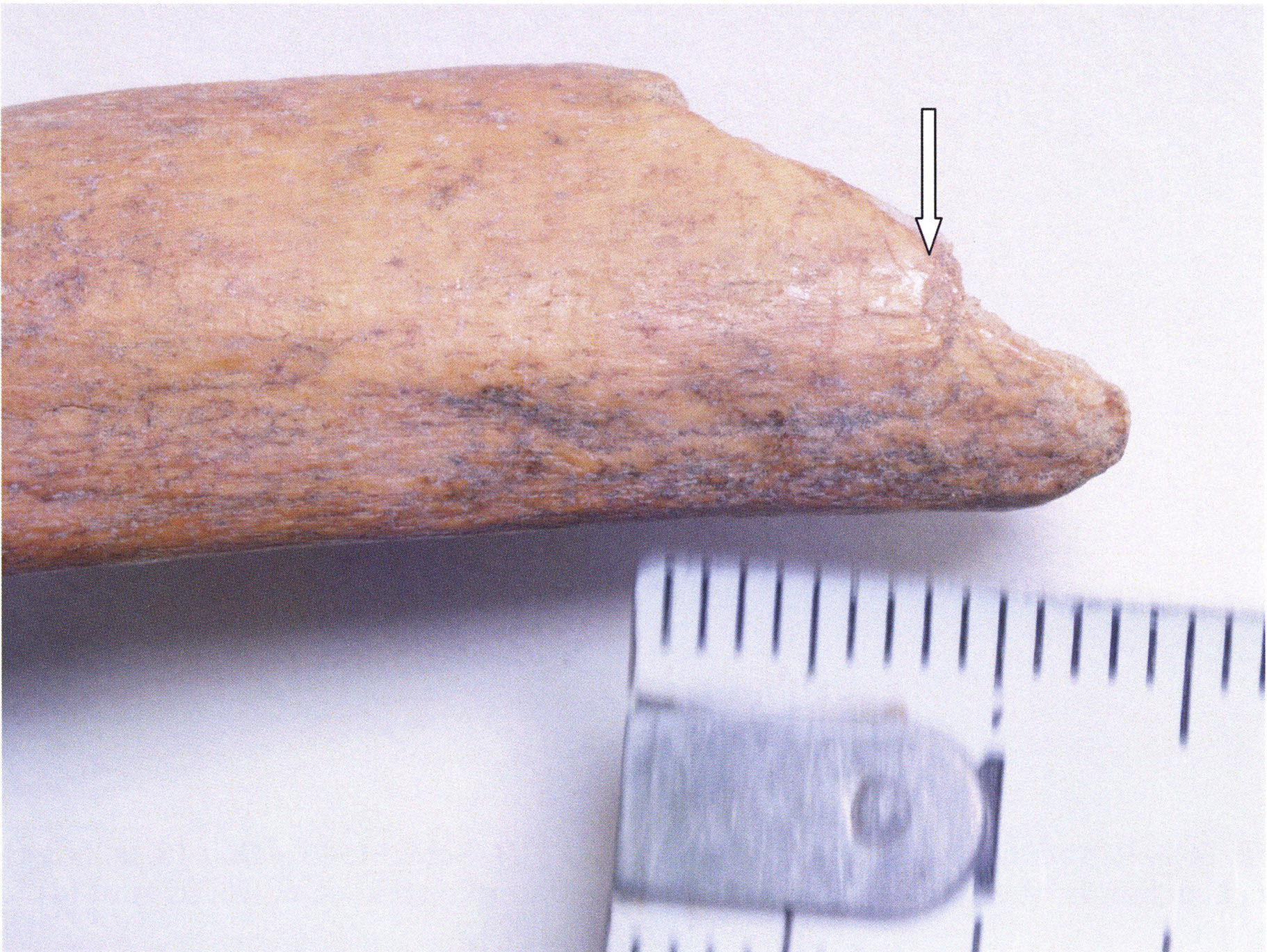
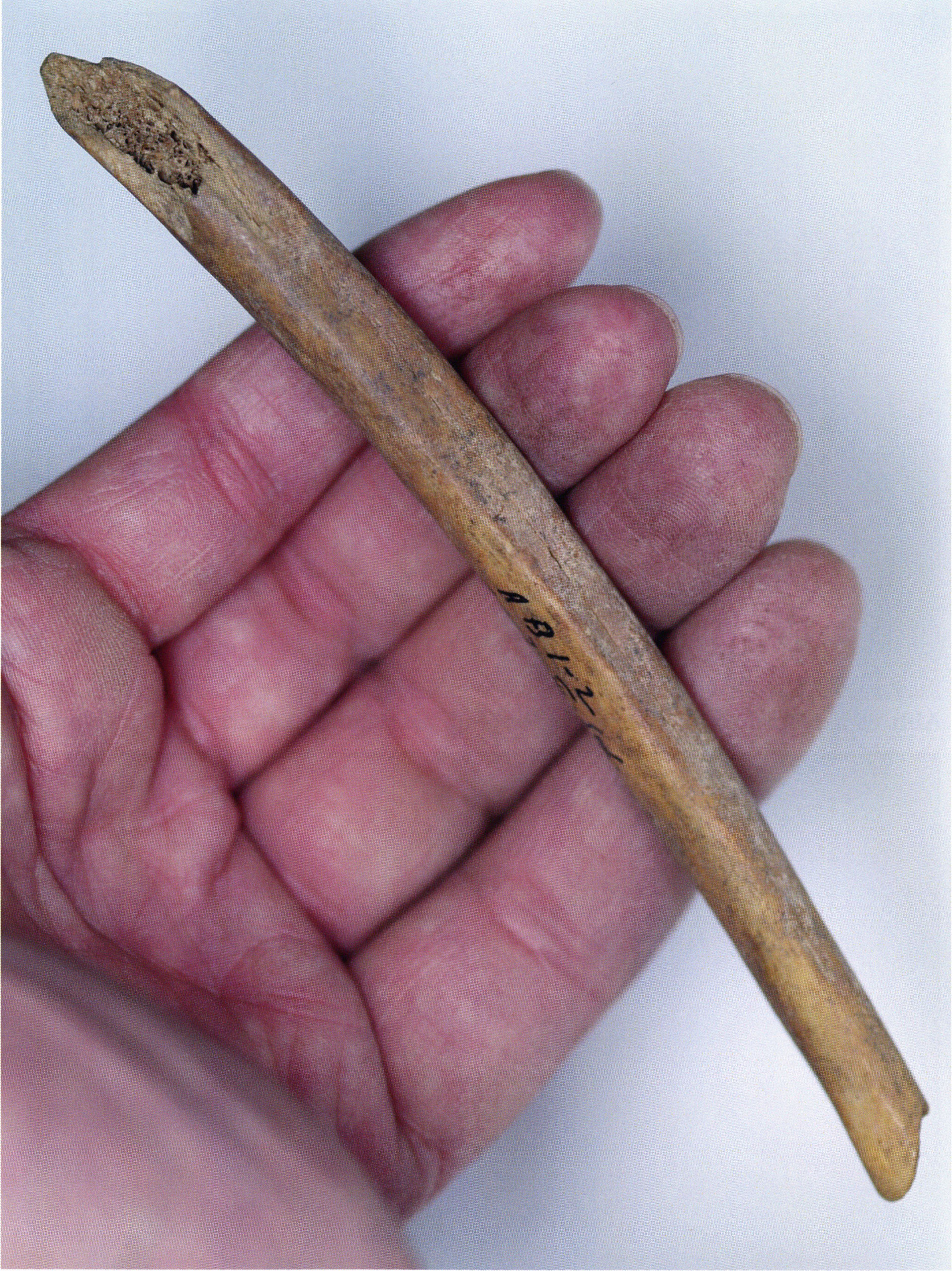
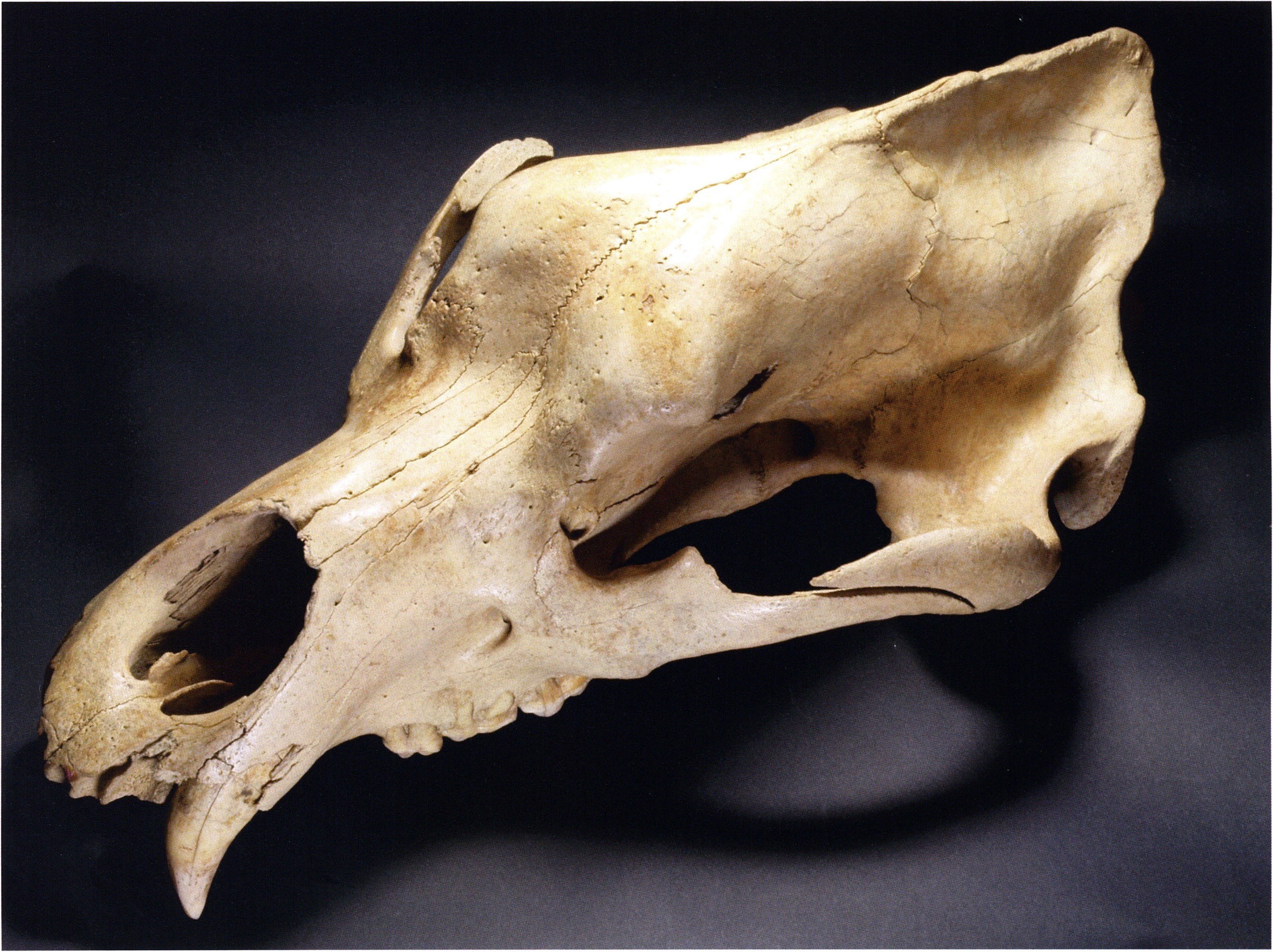
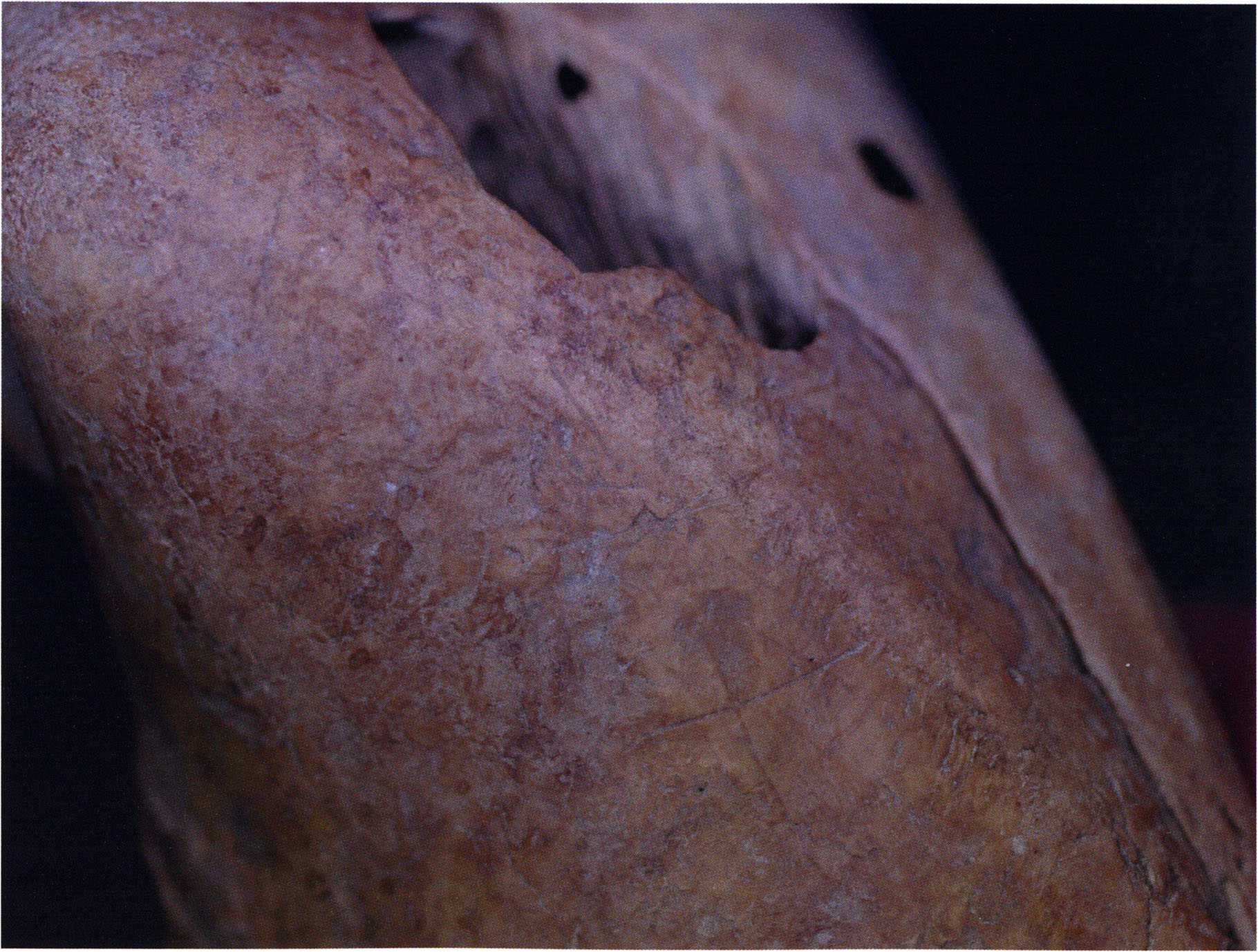
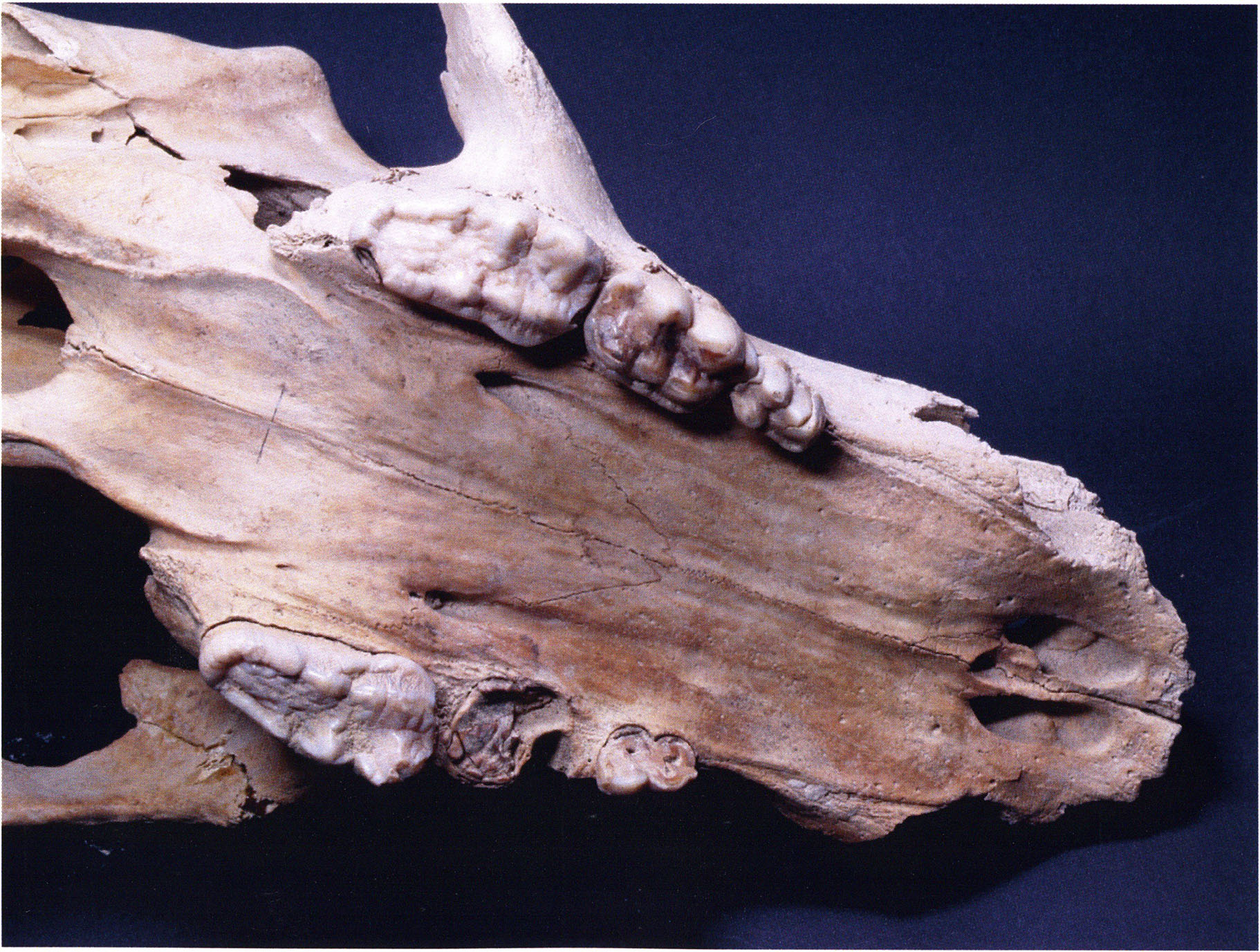
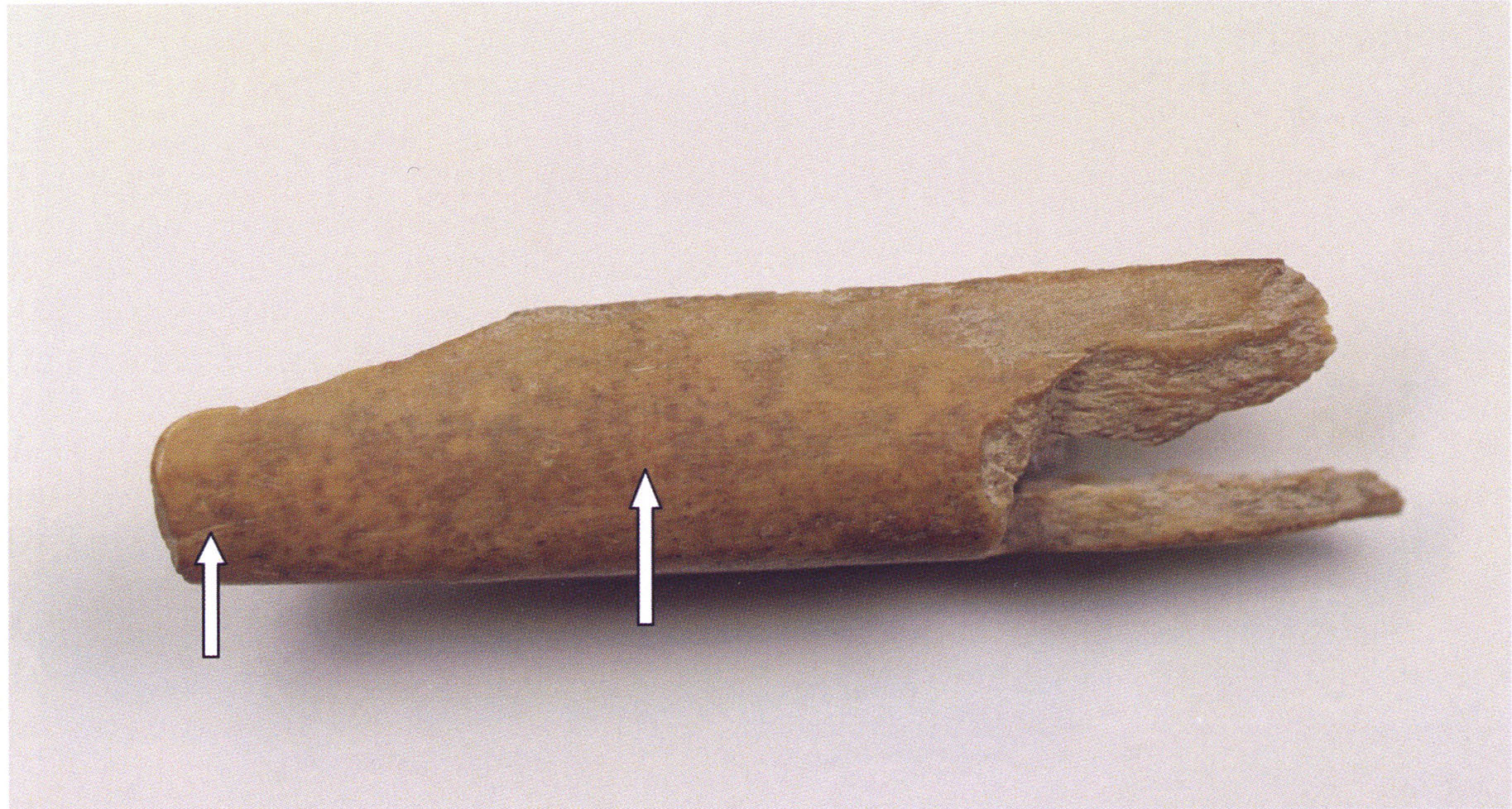
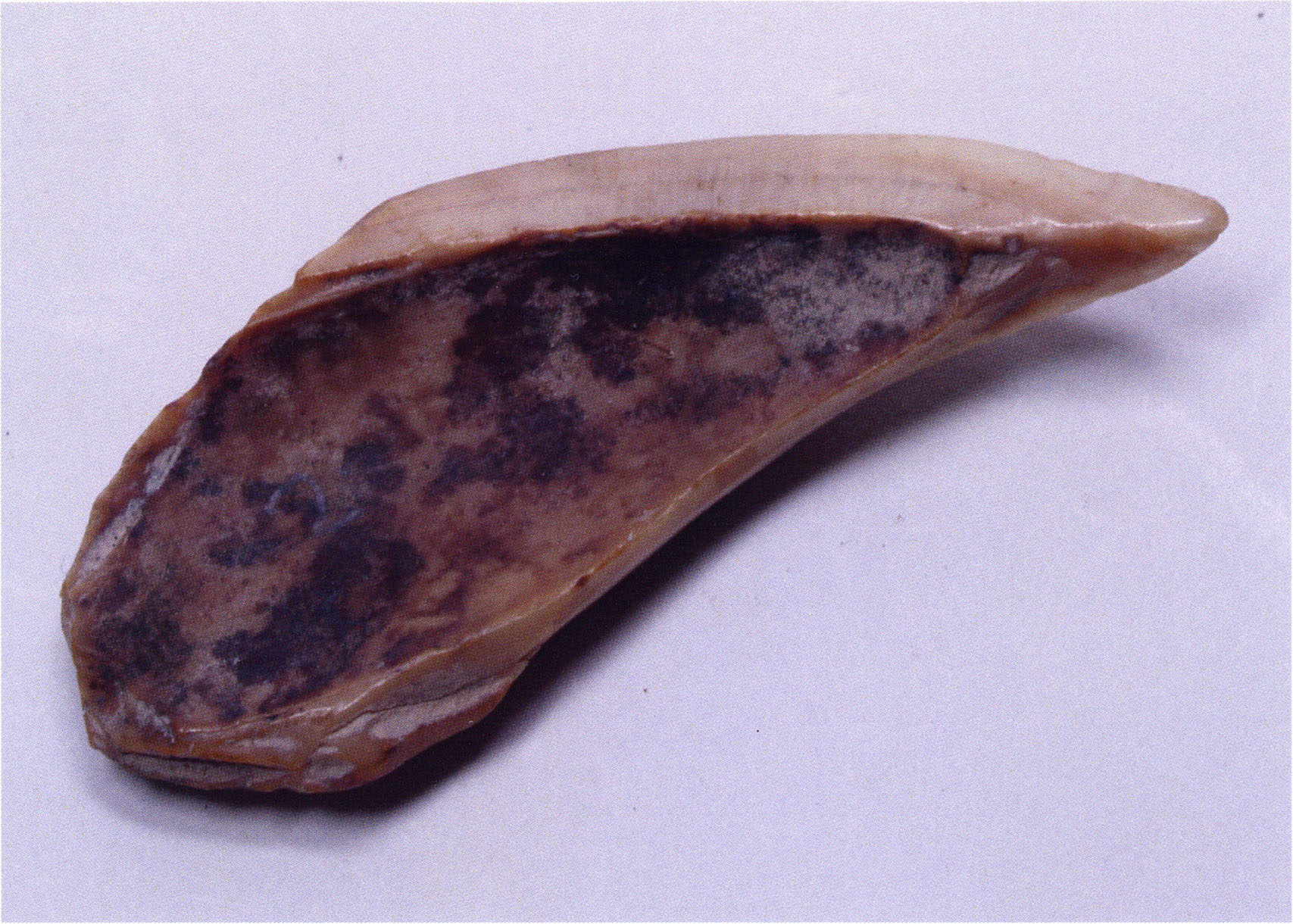
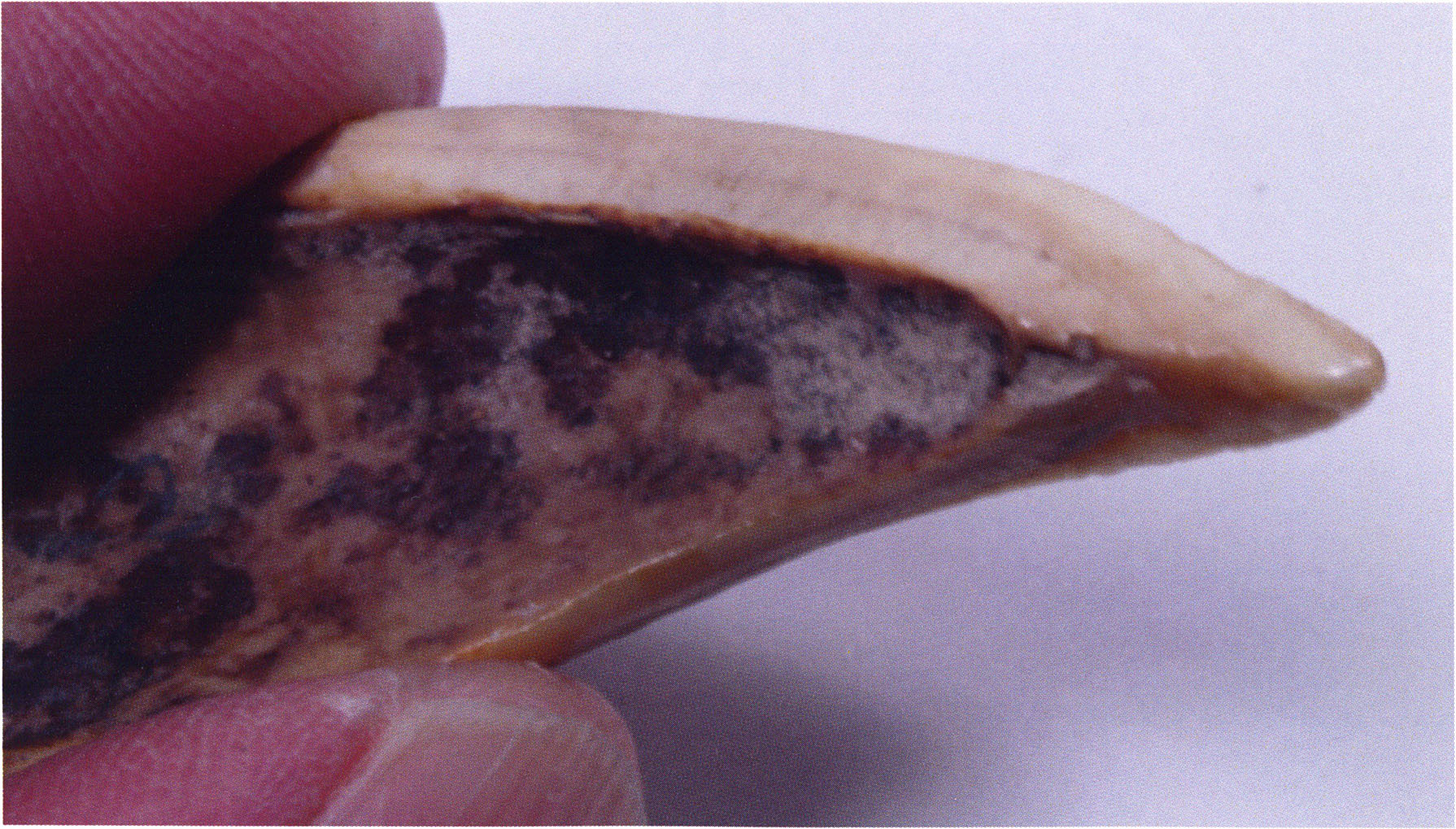
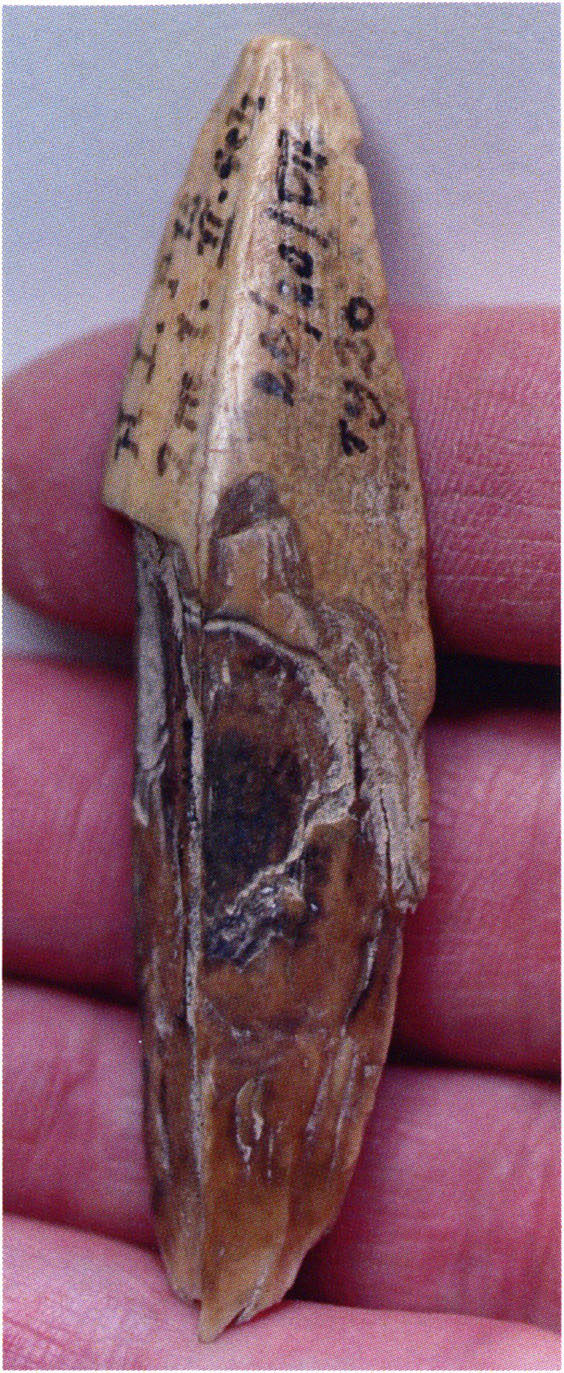
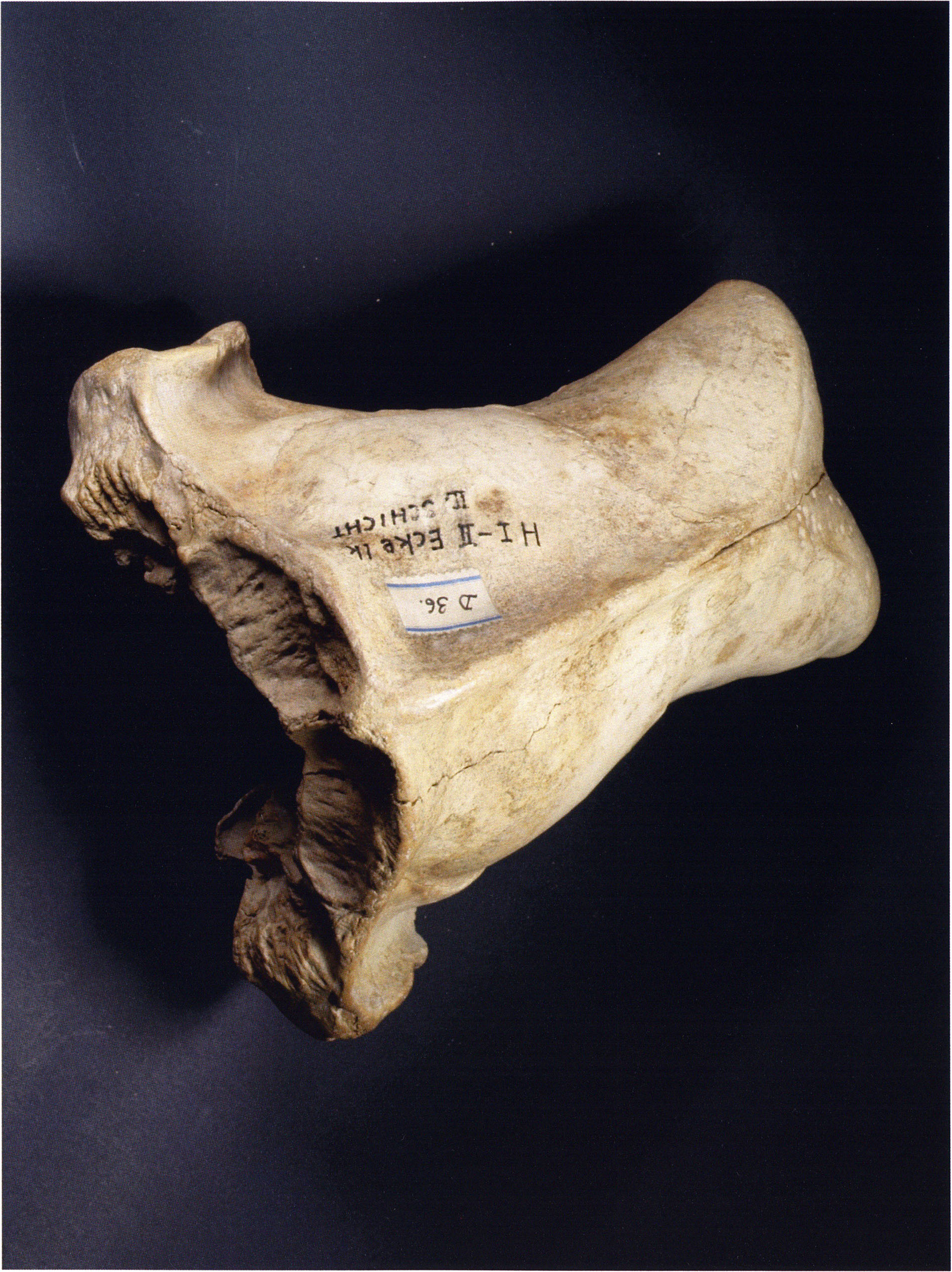
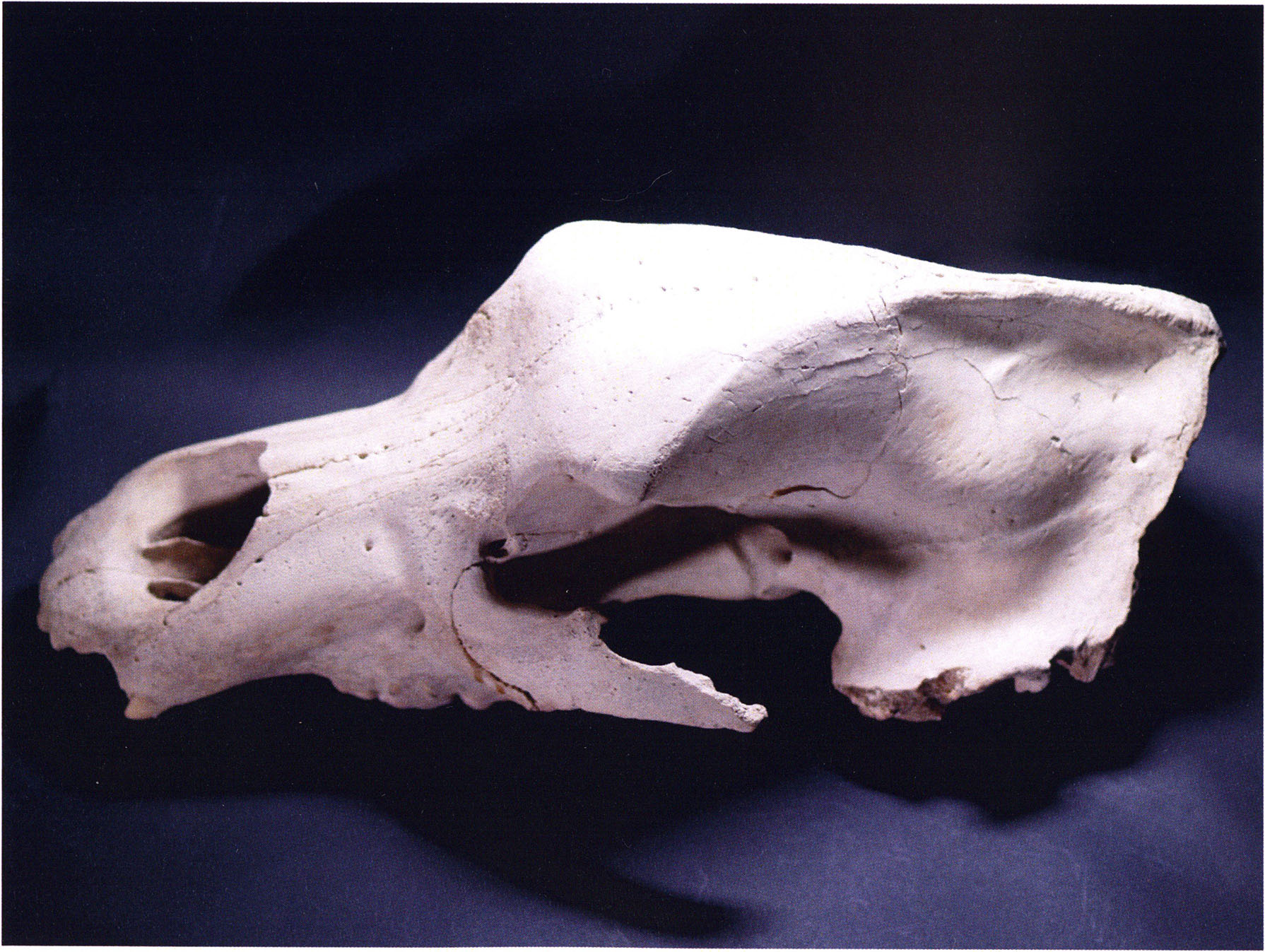
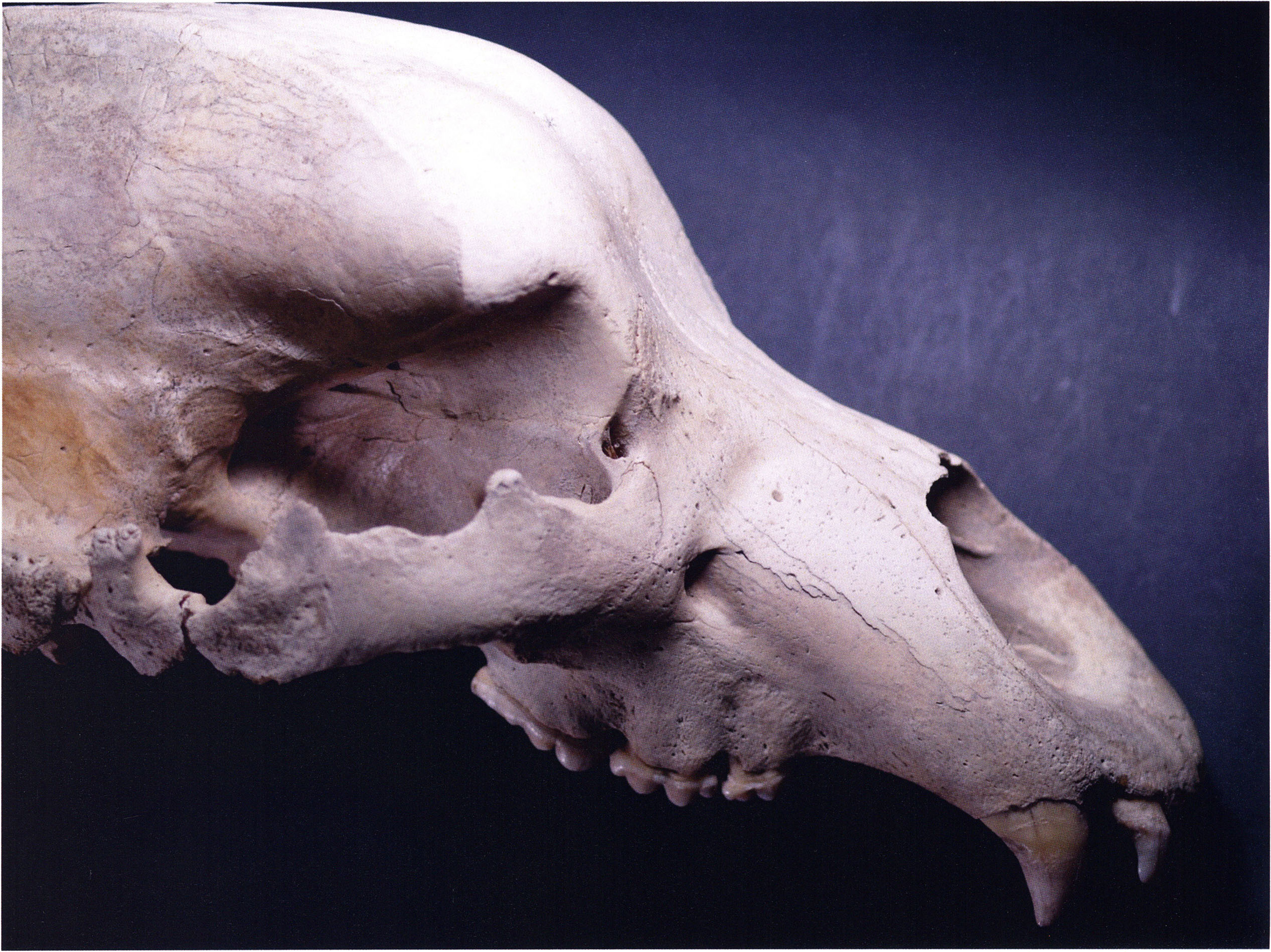
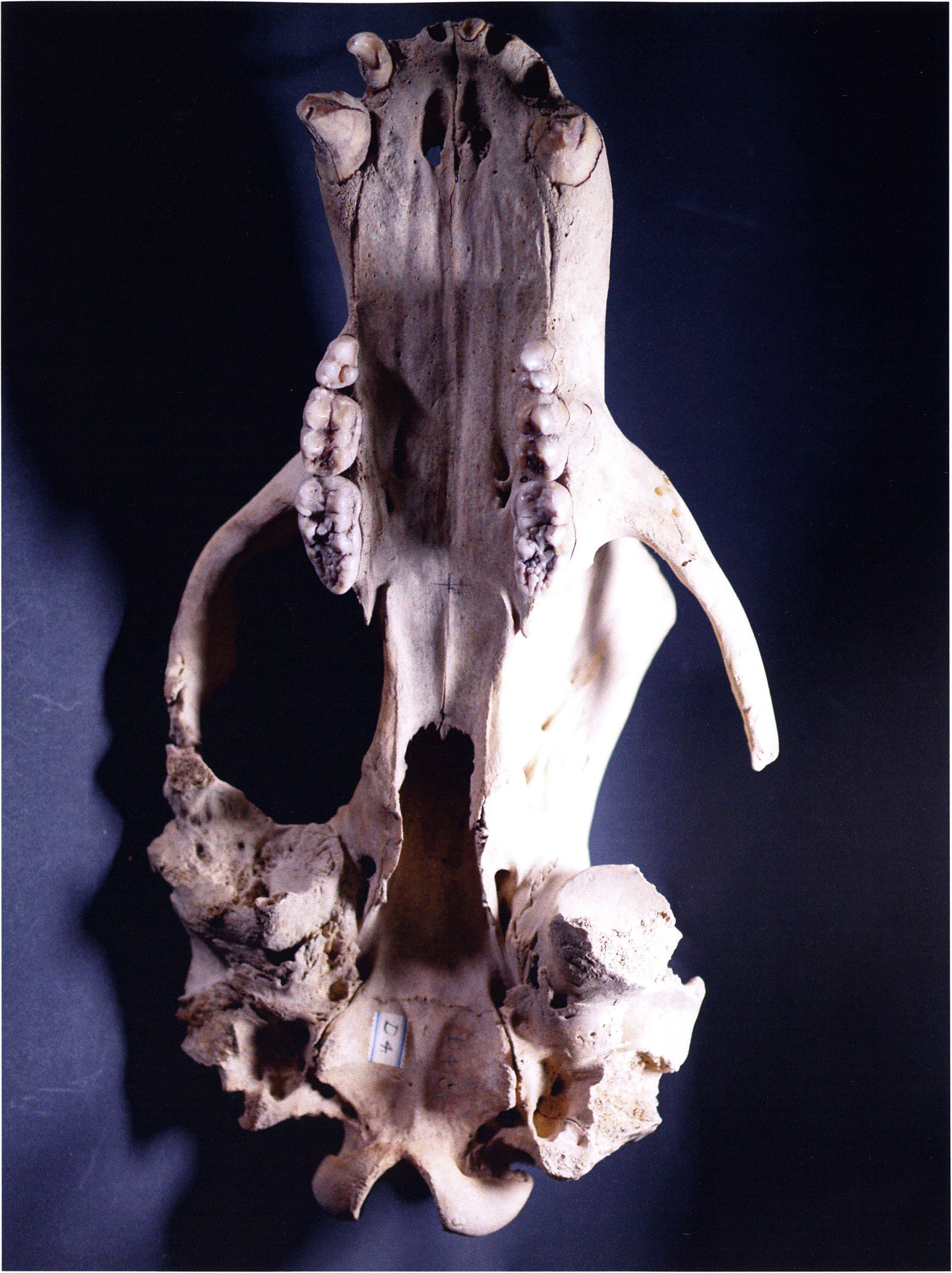
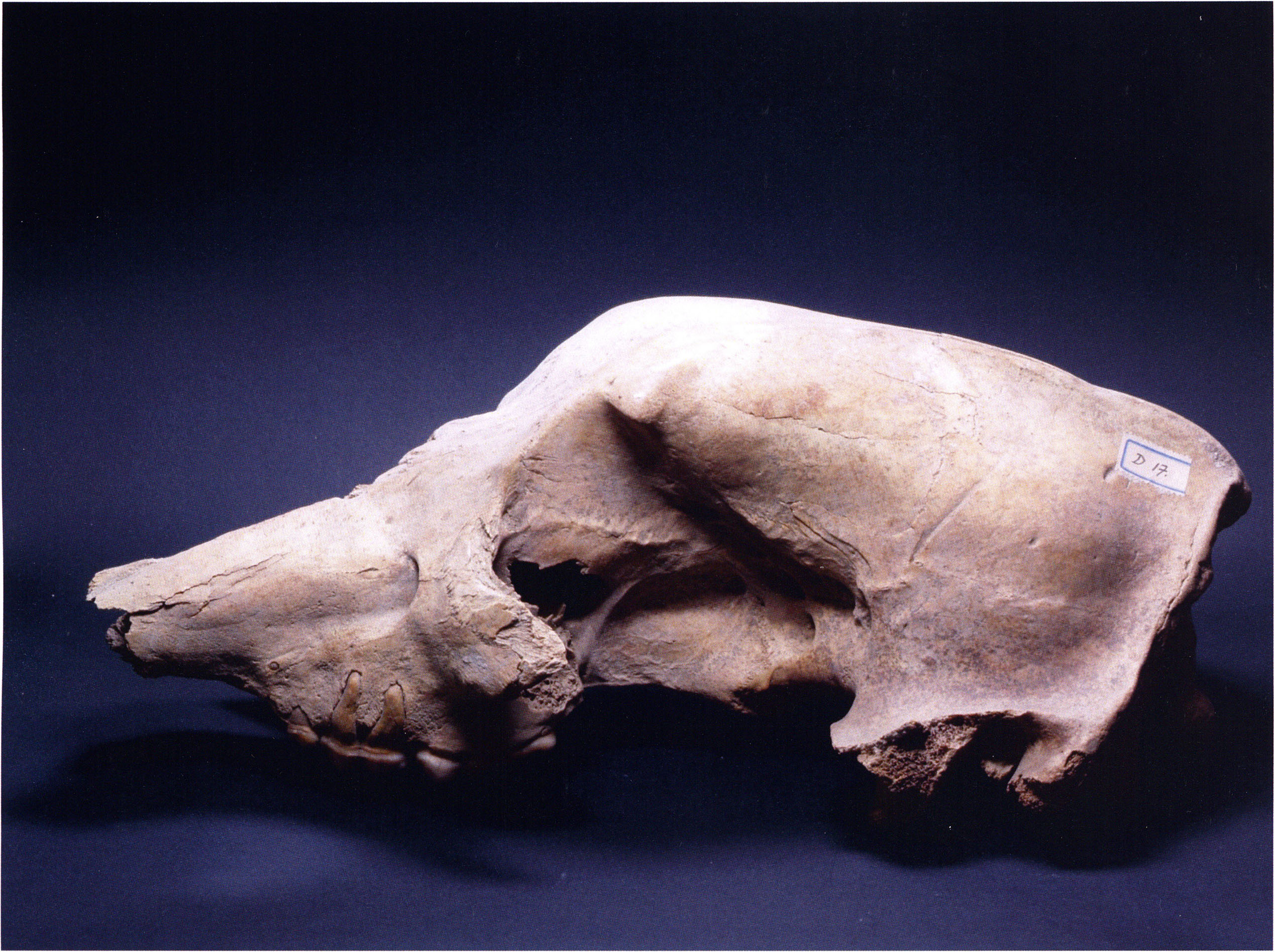
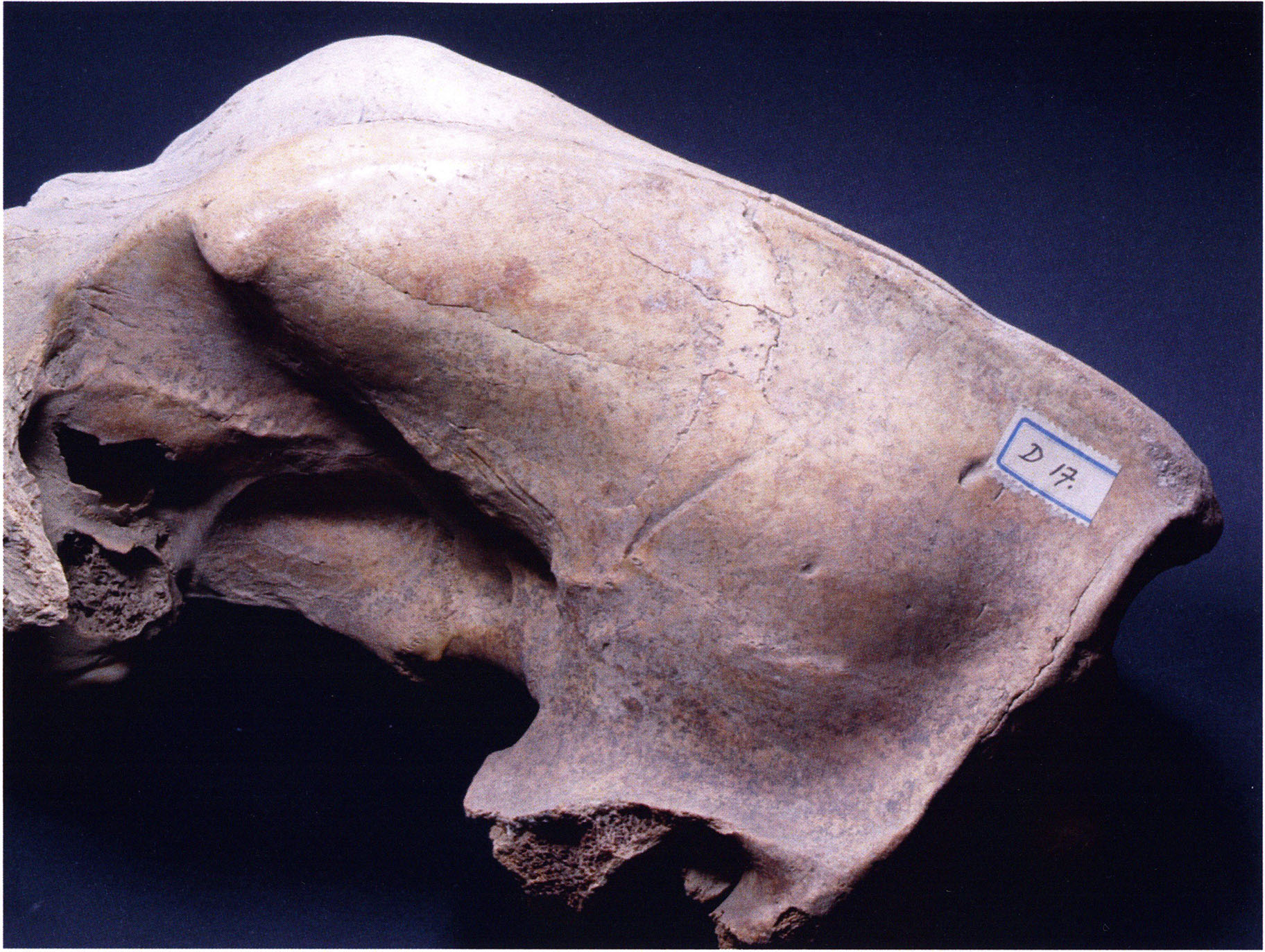
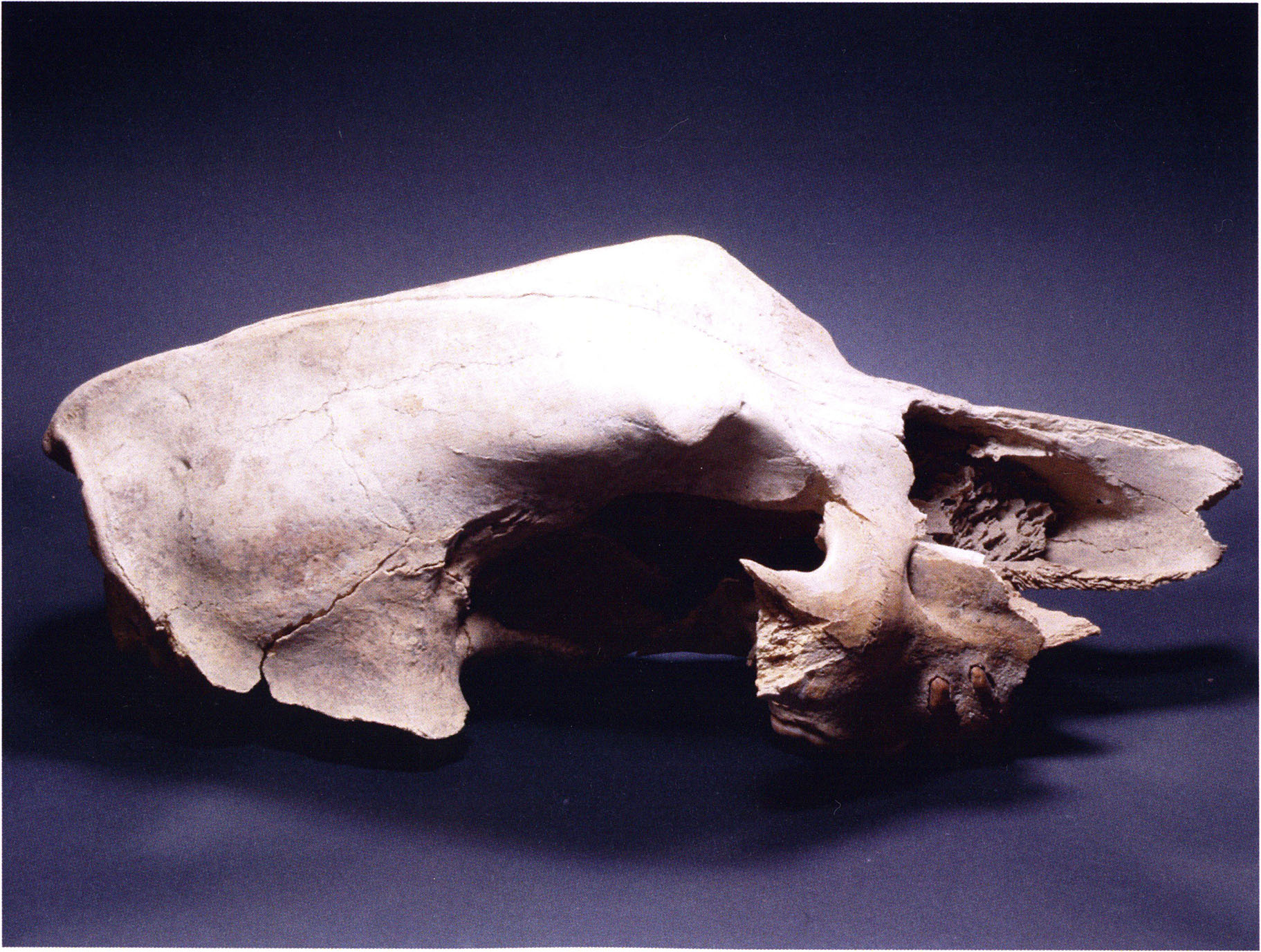
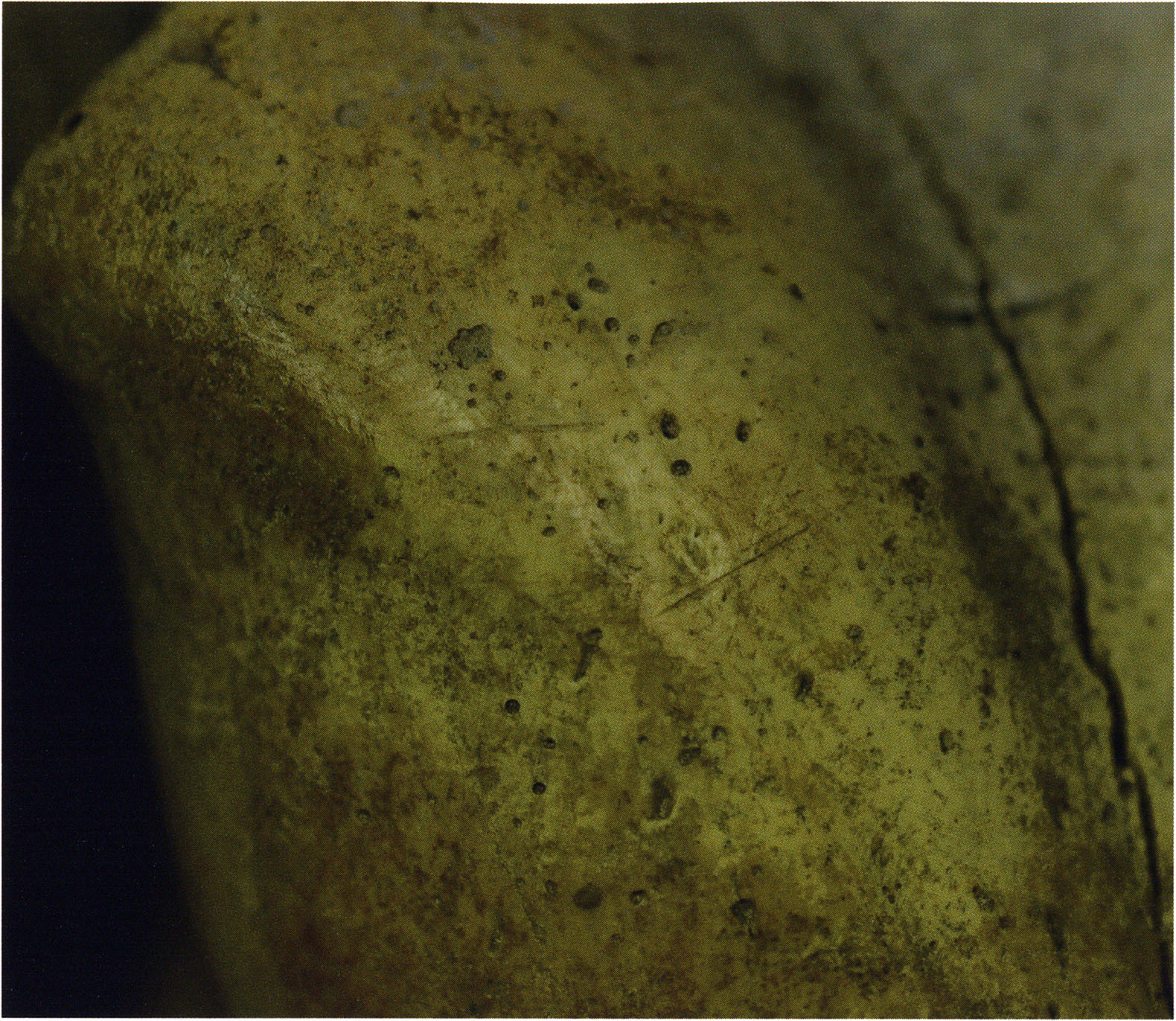
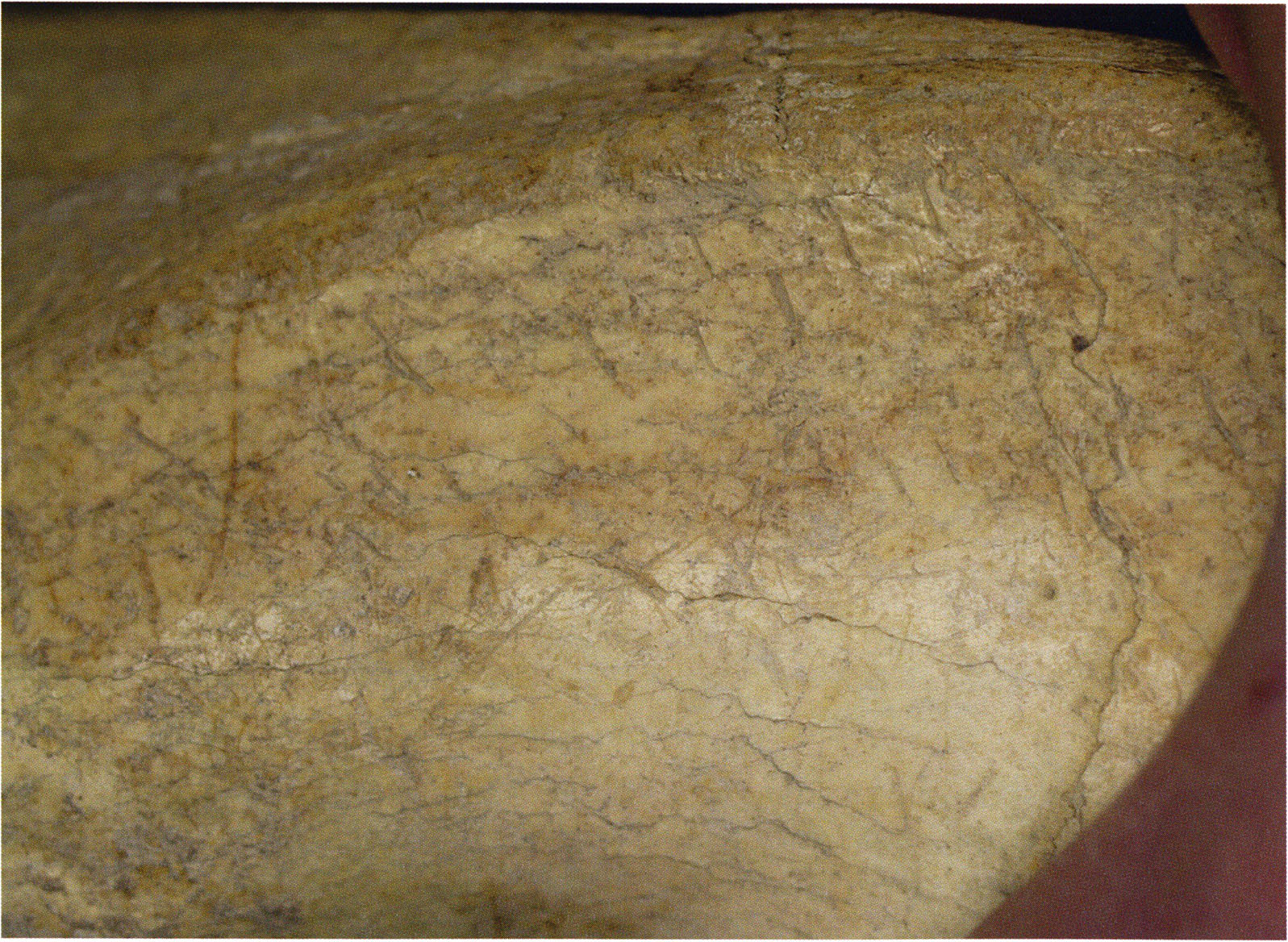
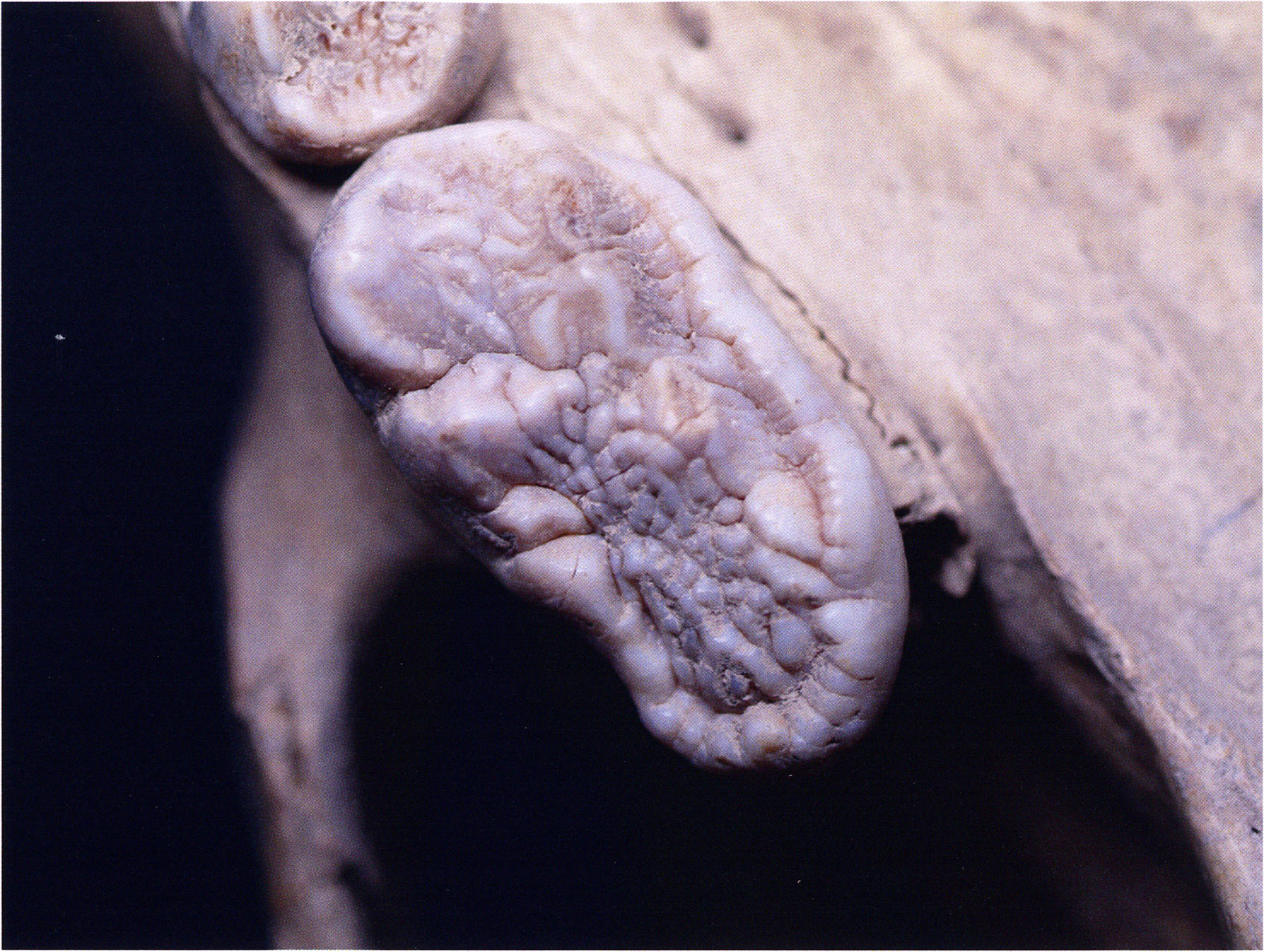
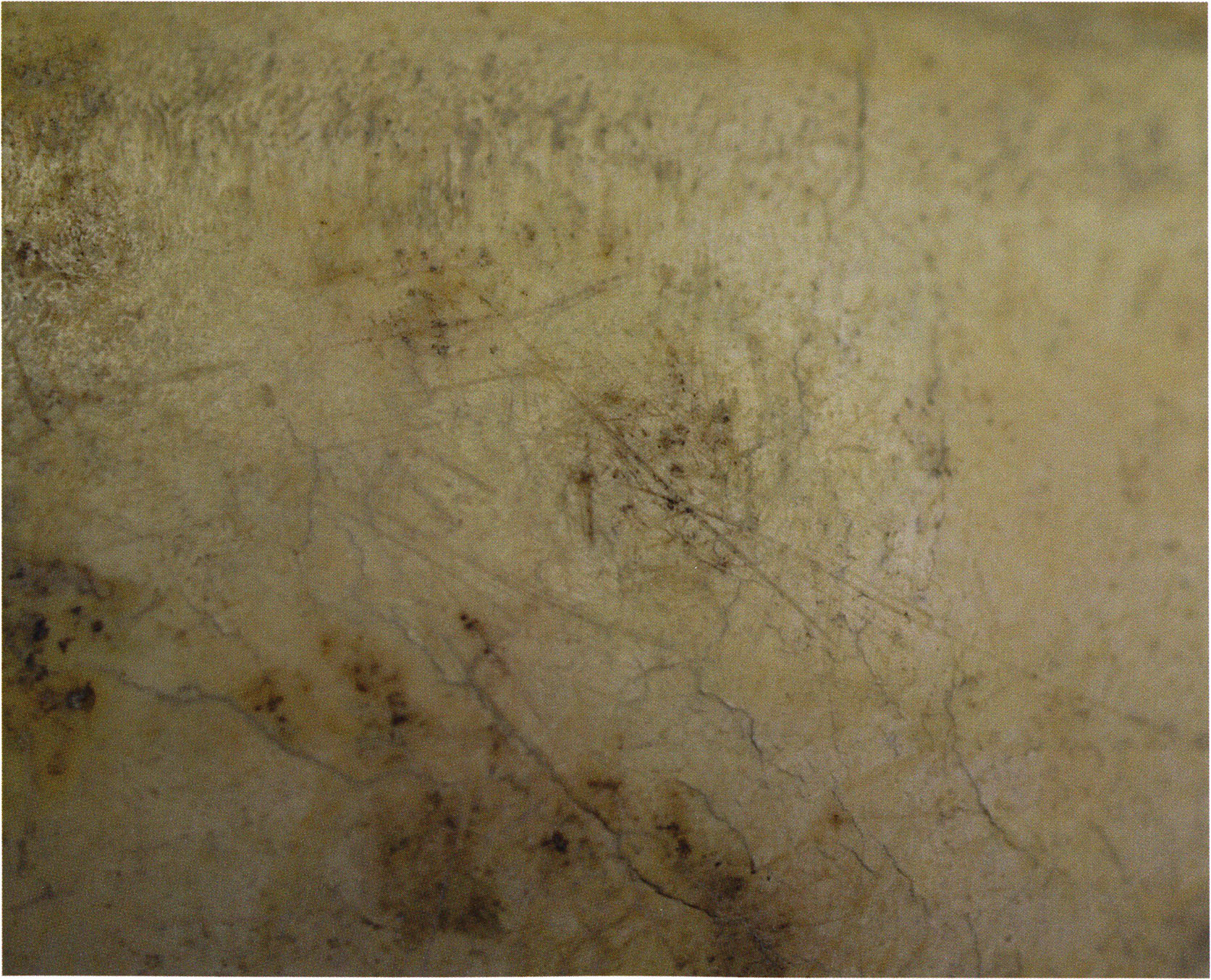
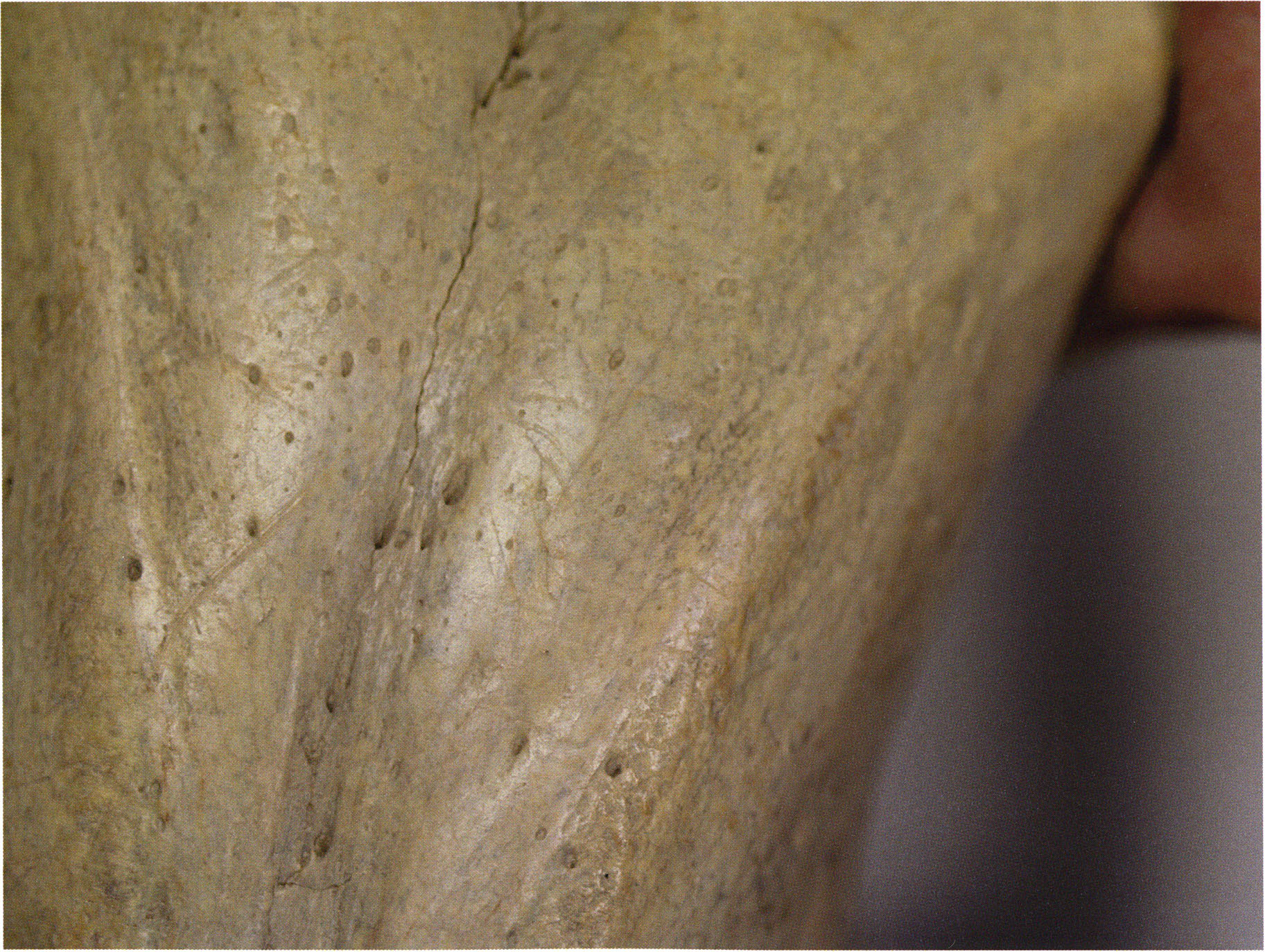
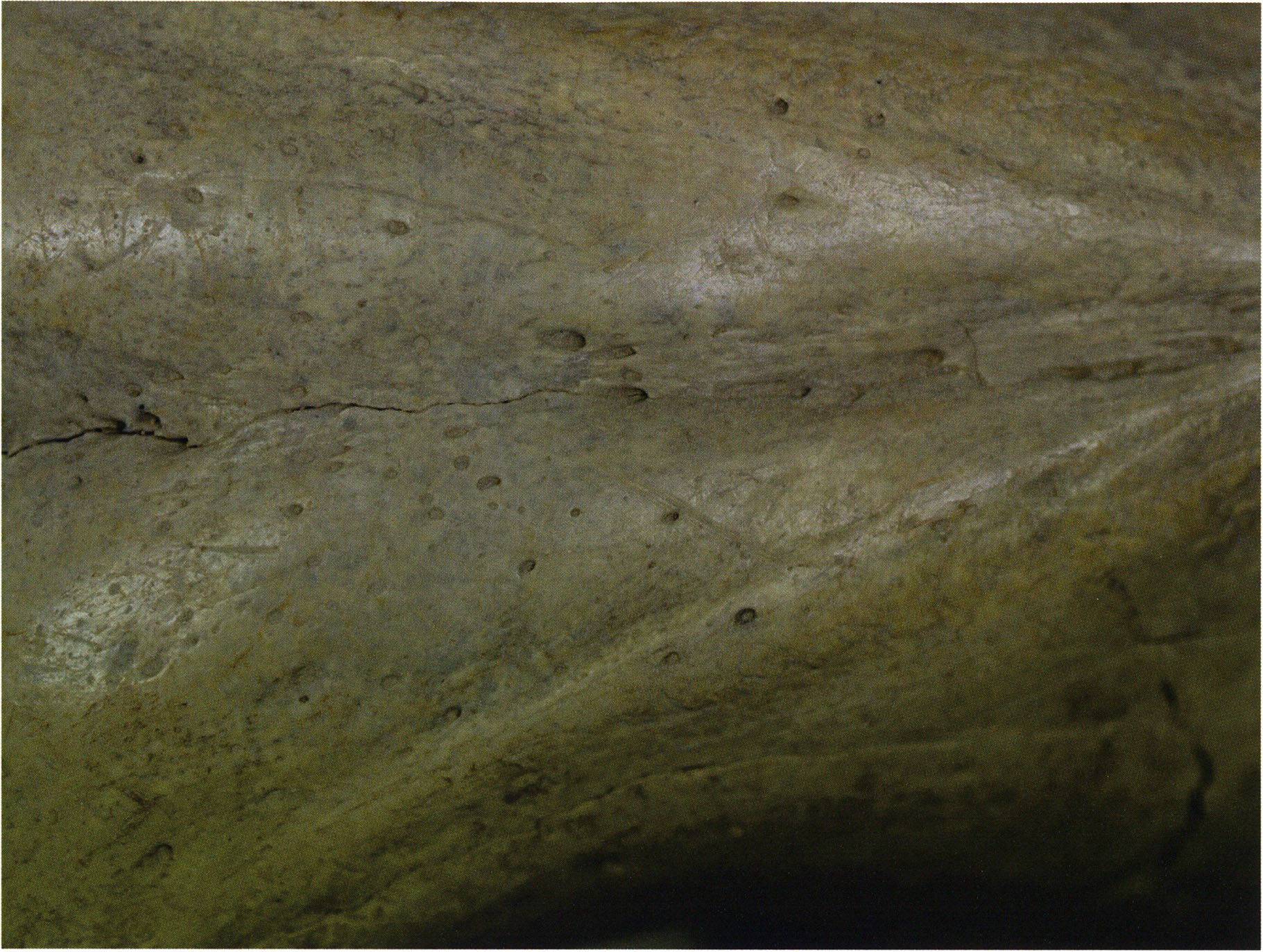
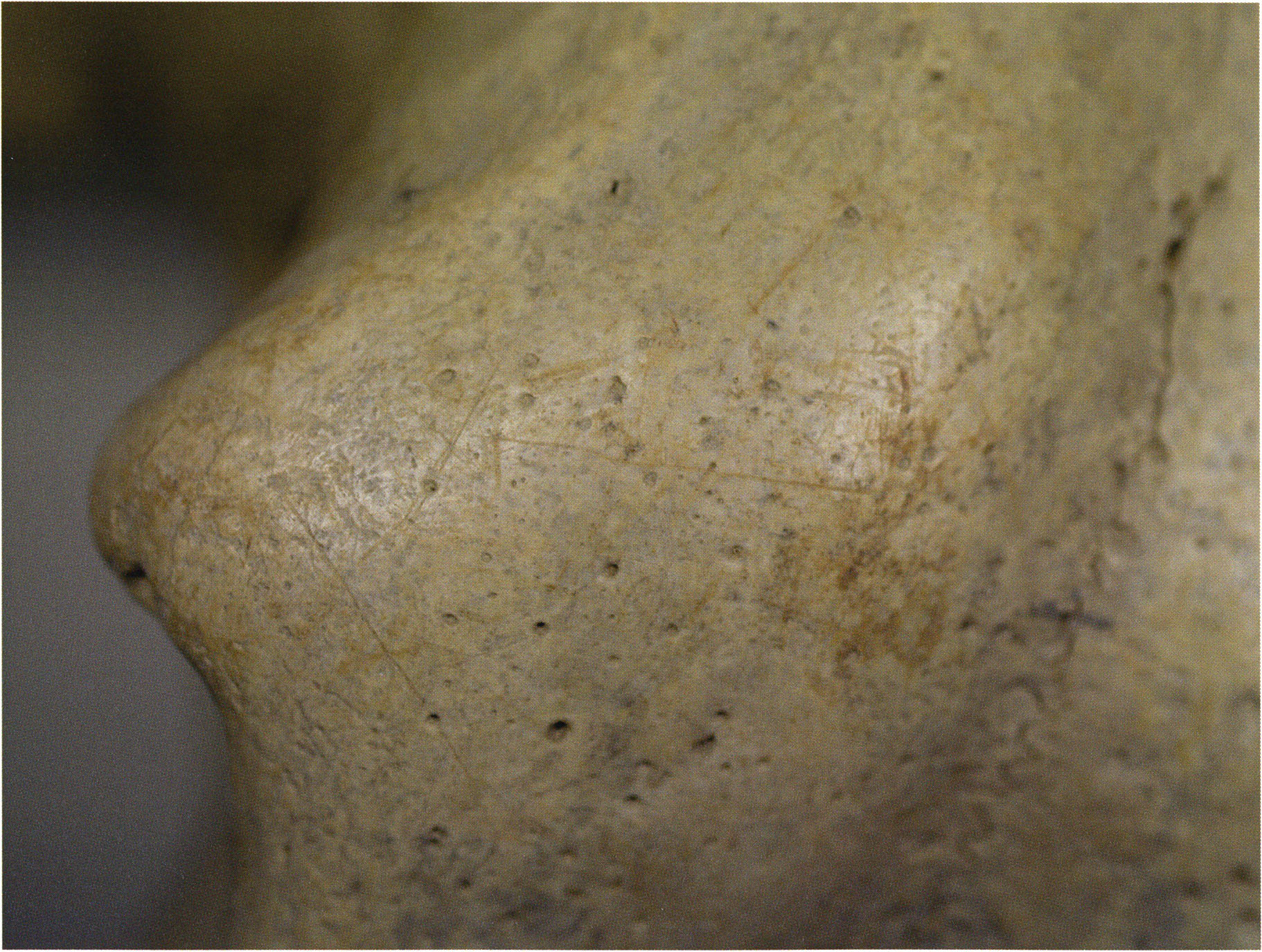
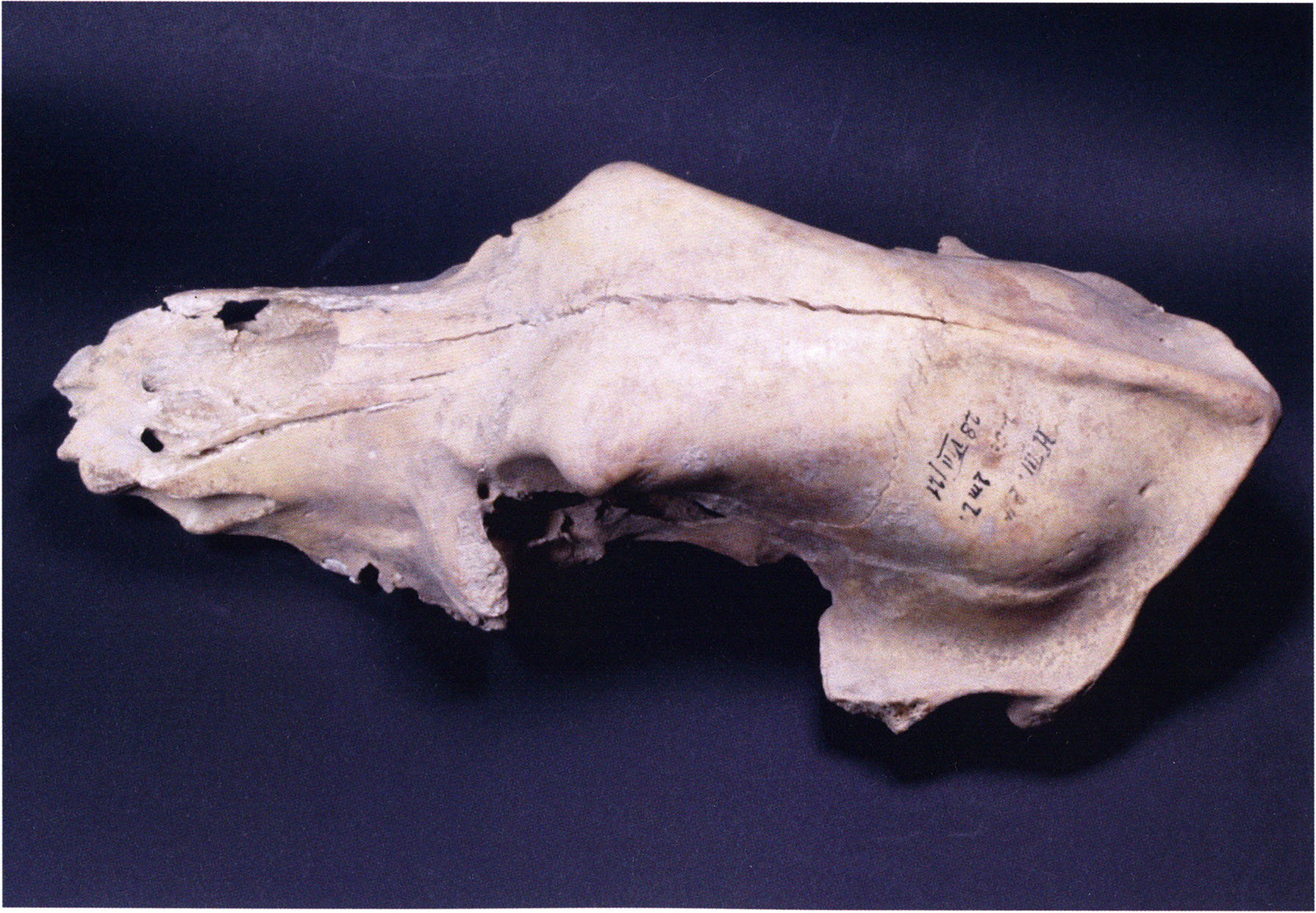
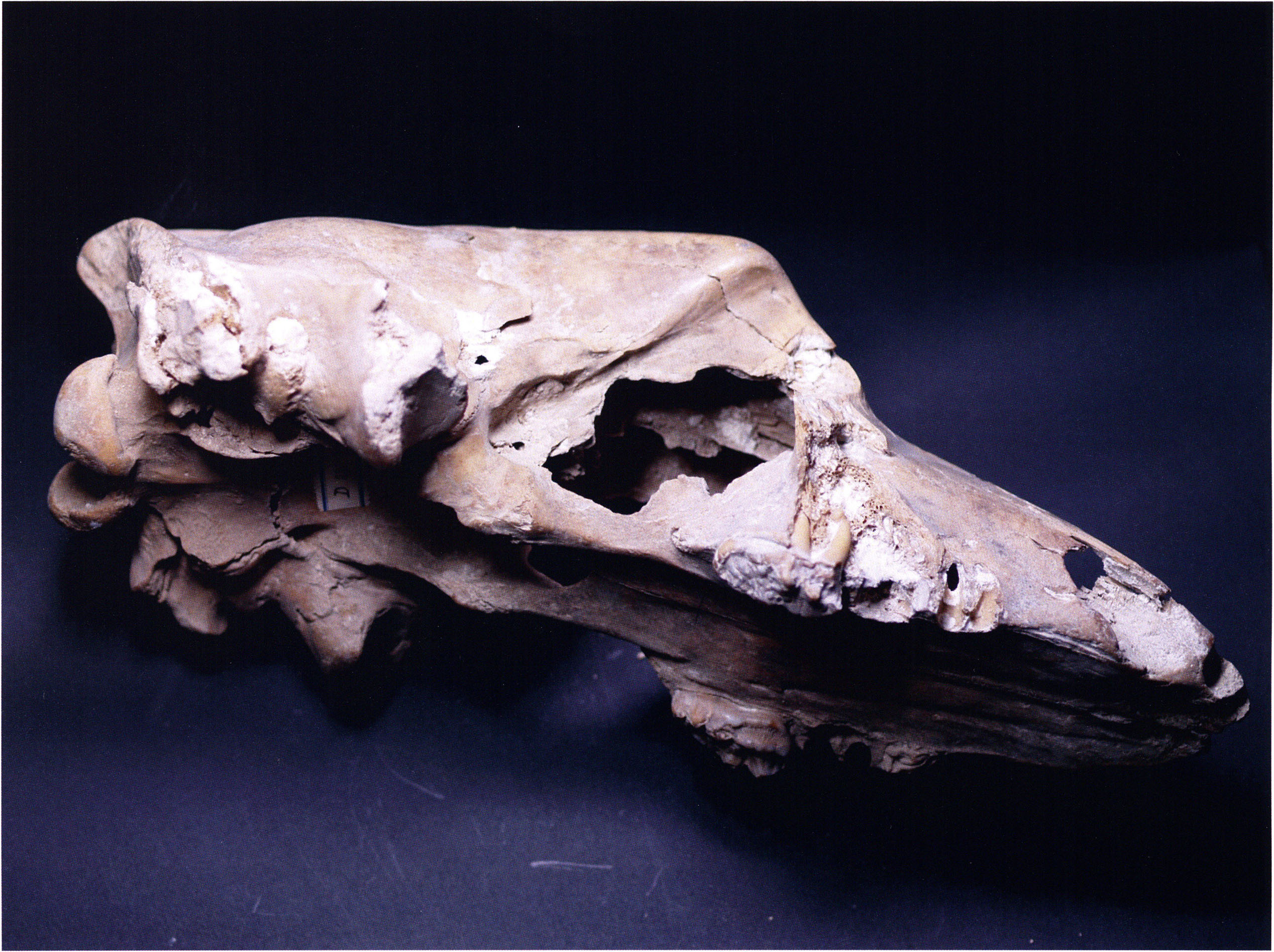
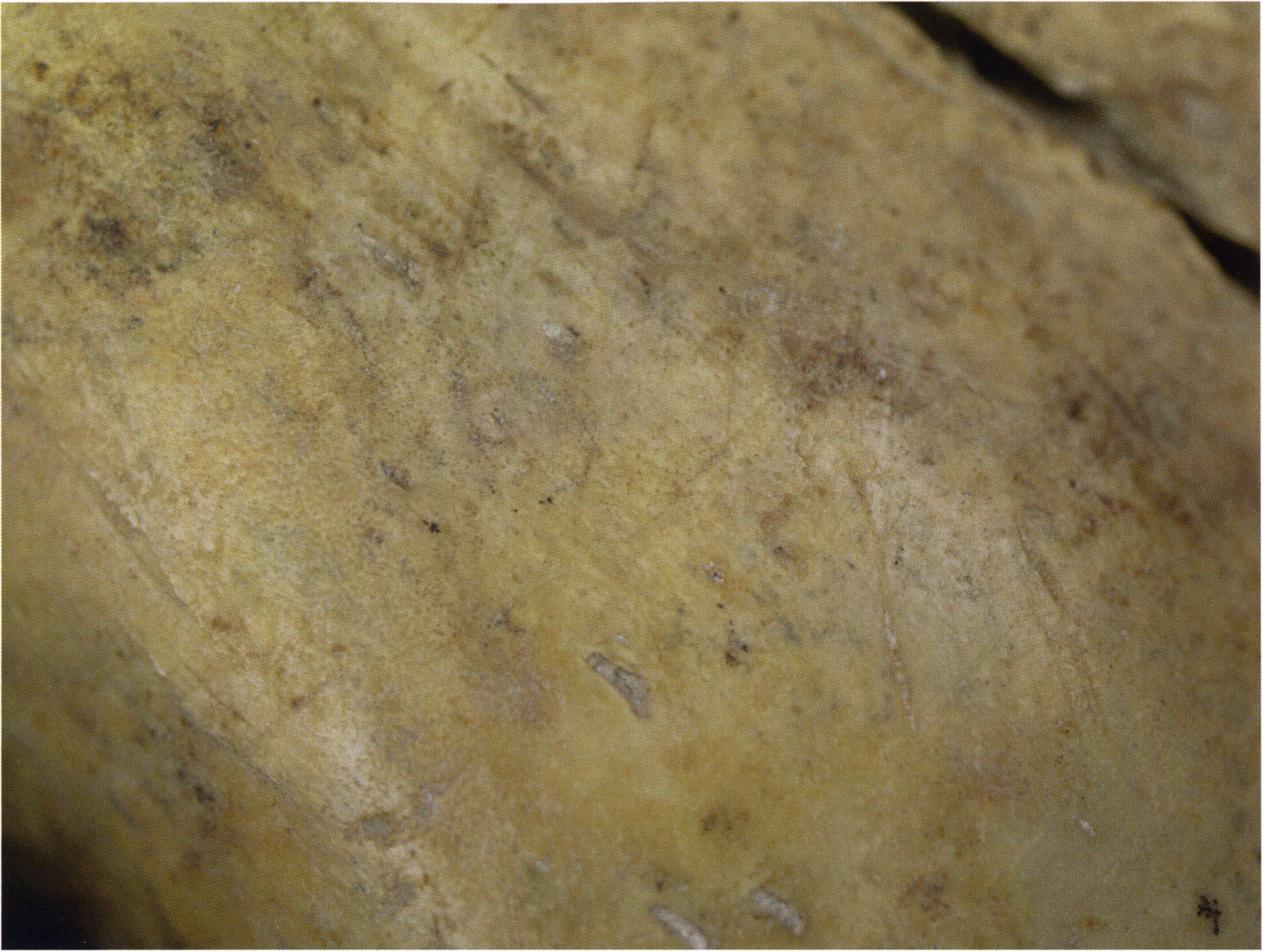
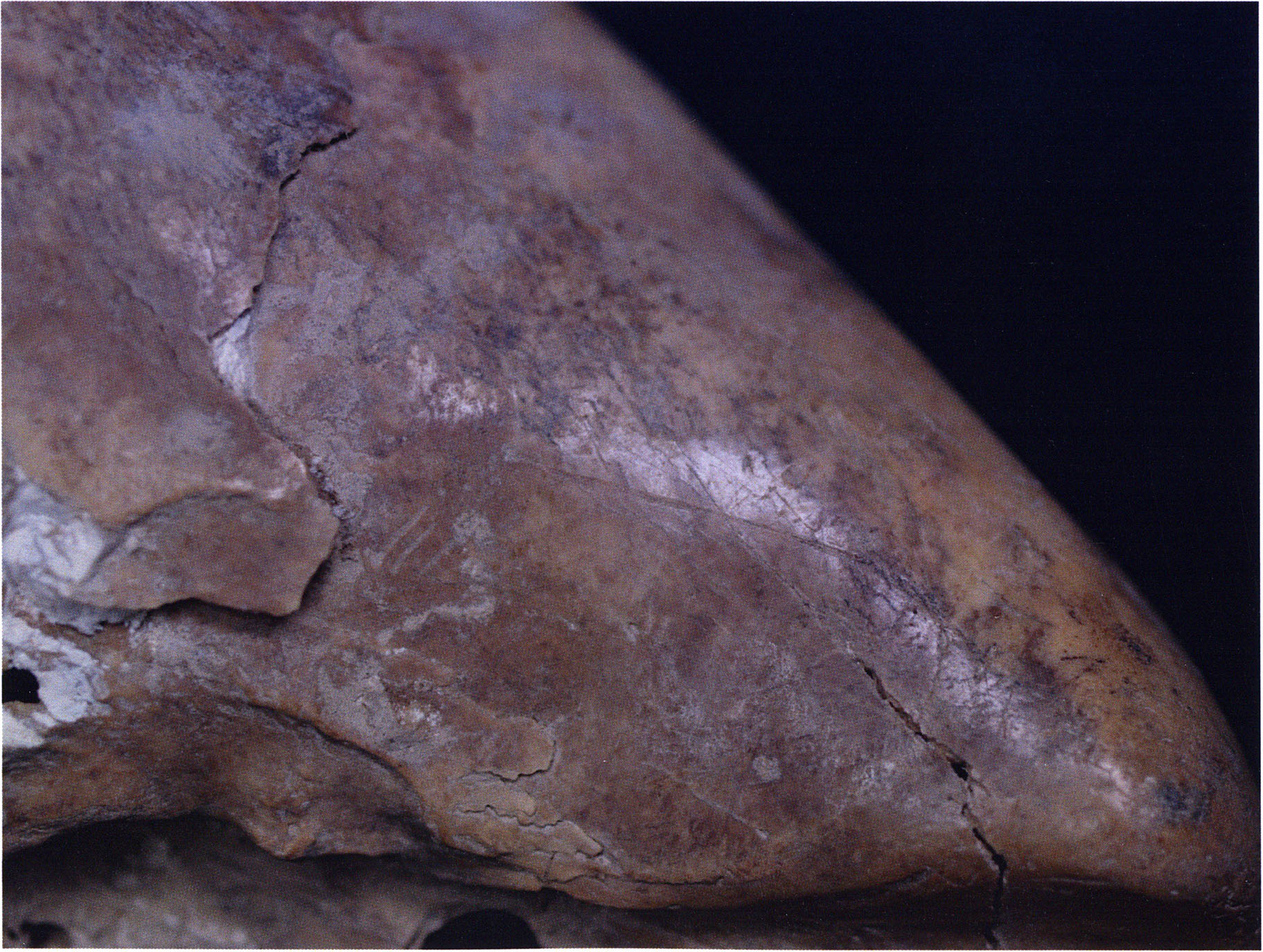
Bei der rituellen Entsorgung des getöteten Bären scheint der Neandertaler vom Drachenloch noch nicht feste Regeln befolgt zu haben. Immerhin stellt man fest, dass er keine vollständigen Bärenskelette entsorgt hat und dass die Auswahl der entsorgten Knochen variiert (vgl. die notierten Knochenanteile der Ausgräber zu den einzelnen Knochengruben und Depots). Immer wurde aber – wohl als natürliches, äusseres Identitätszeichen des getöteten Tieres – der Schädel oder ein Teil desselben mit anderen Knochen zusammen unter einer Platte oder einem Steinblock in eine Grube gelegt. Nach dem Schädeln und Knochen vorgefundenen Schnittspuren zu schliessen – s. Abb. 12 - 14, S. 21 f., wurde der ganze Bär (von Kopf bis Tatze) sorgsam entfleischt. Die Knochen wurden oftmals – vermutlich weit über 50 %, je nach Typus variierend, aber nach keinen erkennbaren Regeln betrieben - weiter zerlegt. Offenkundig wurde ein Teil der Knochen, wie erhaltene gebliebene, verkohlte oder angebrannte Stücke aus dem gedeckten Herd oder der offenen Feuerstelle belegen, auch verbrannt – s. Abb. 15, S. 23.
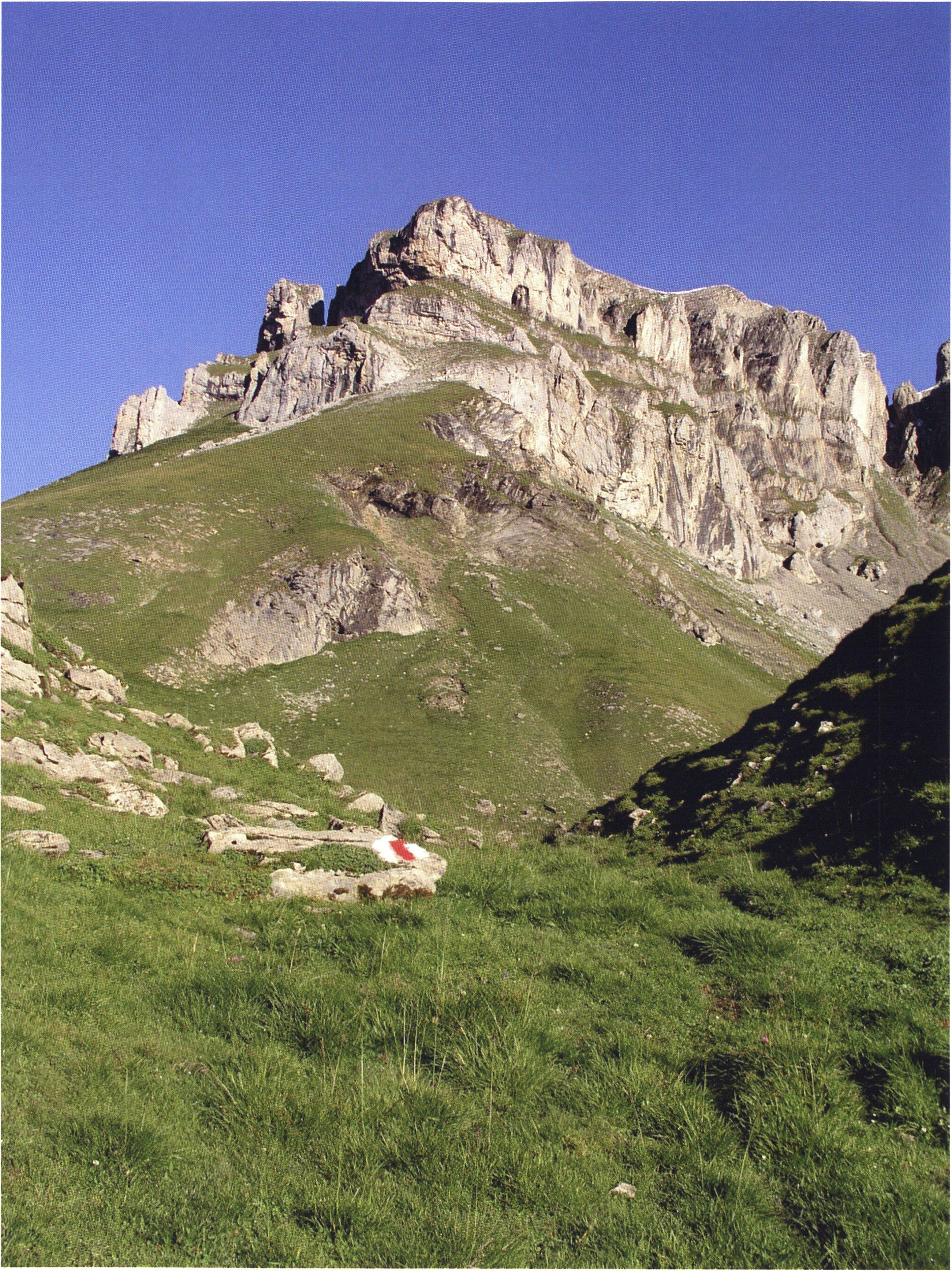
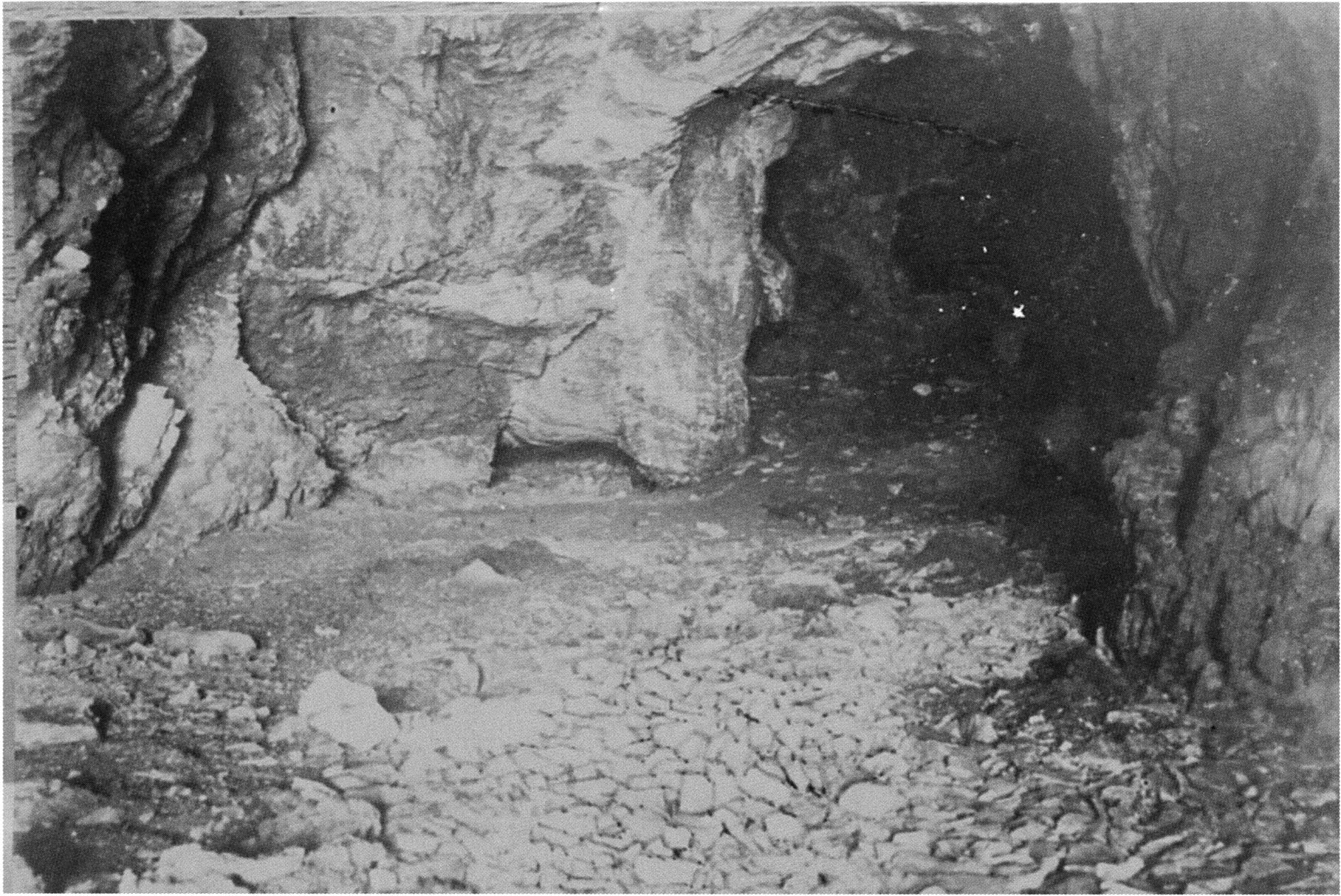
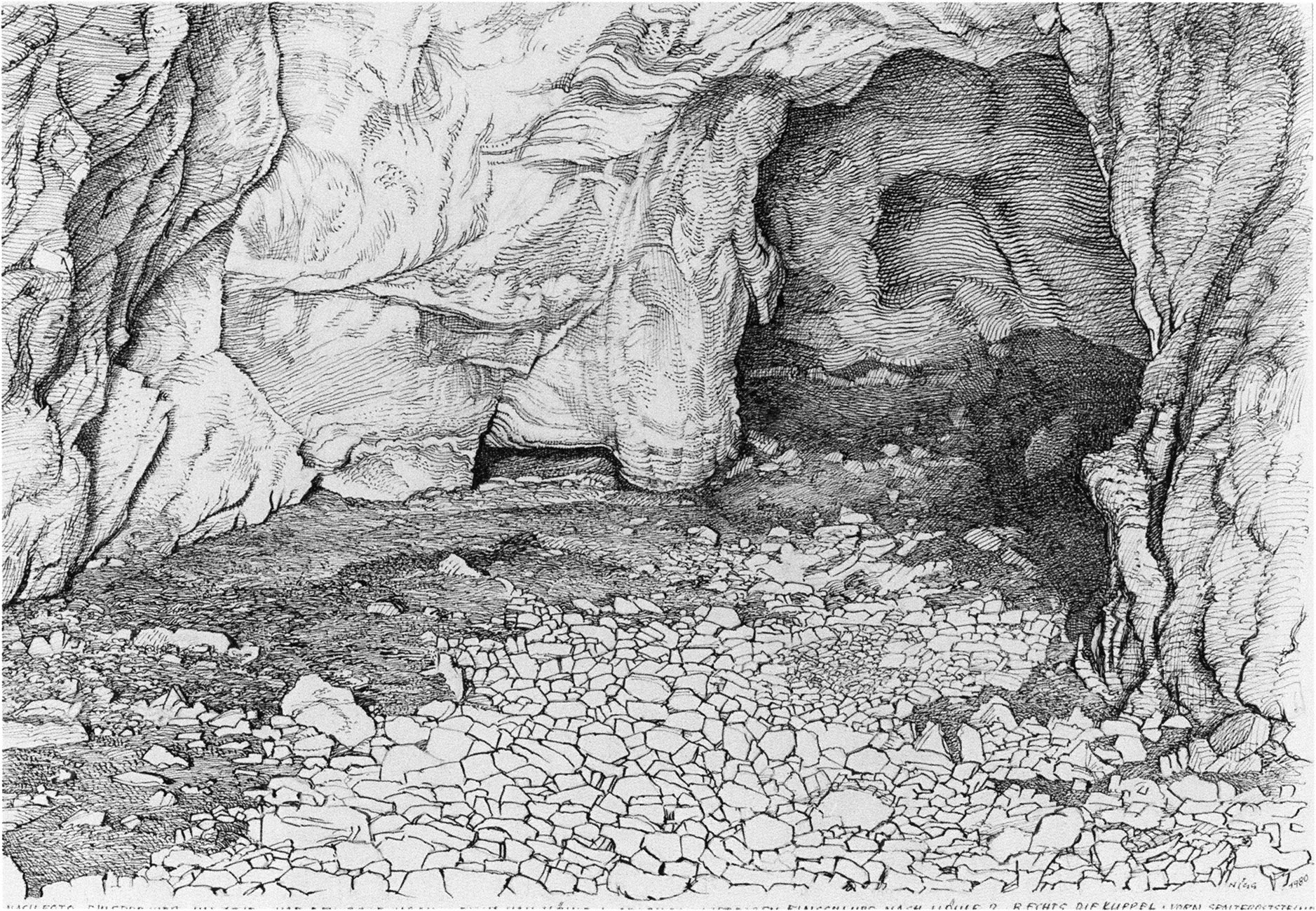
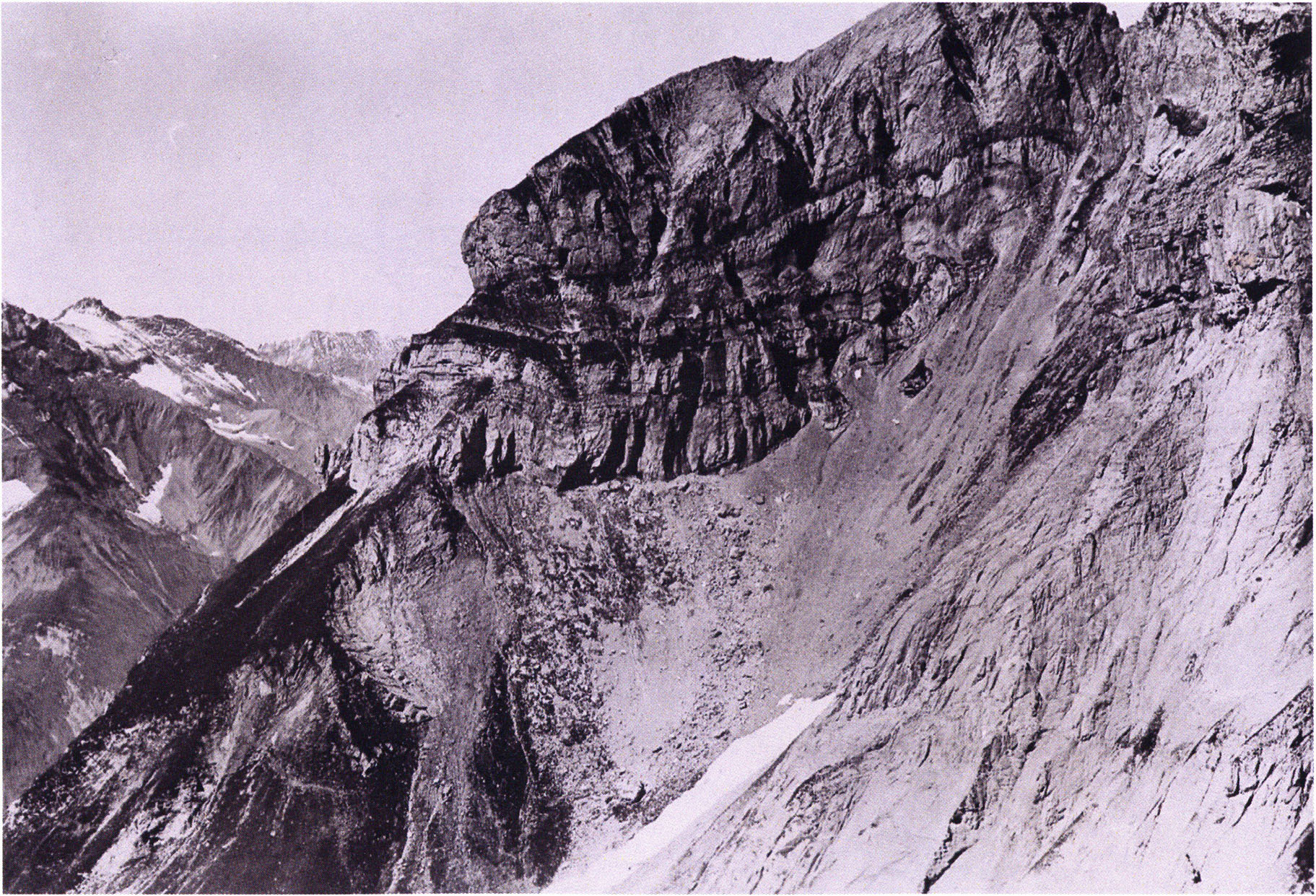
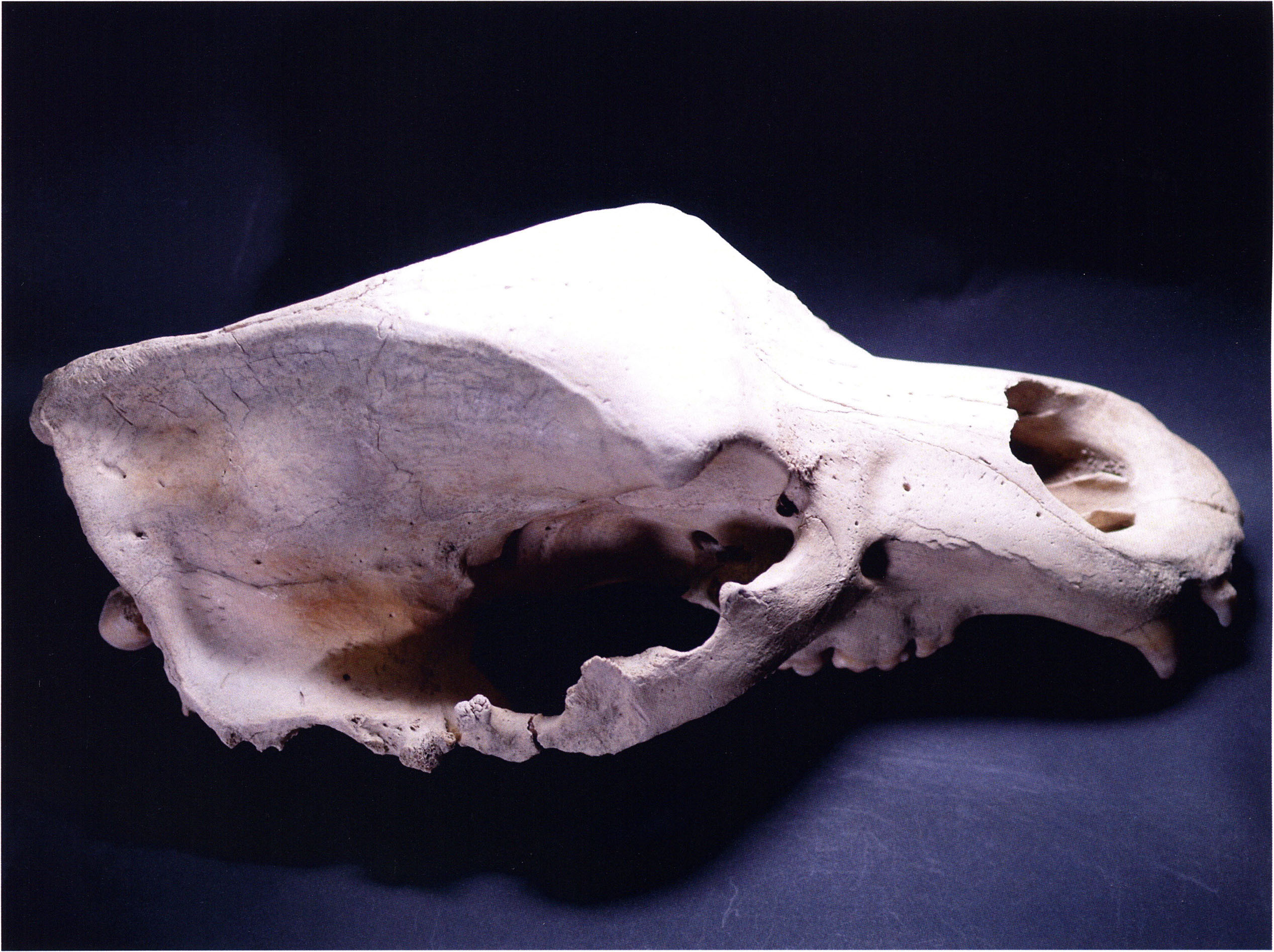
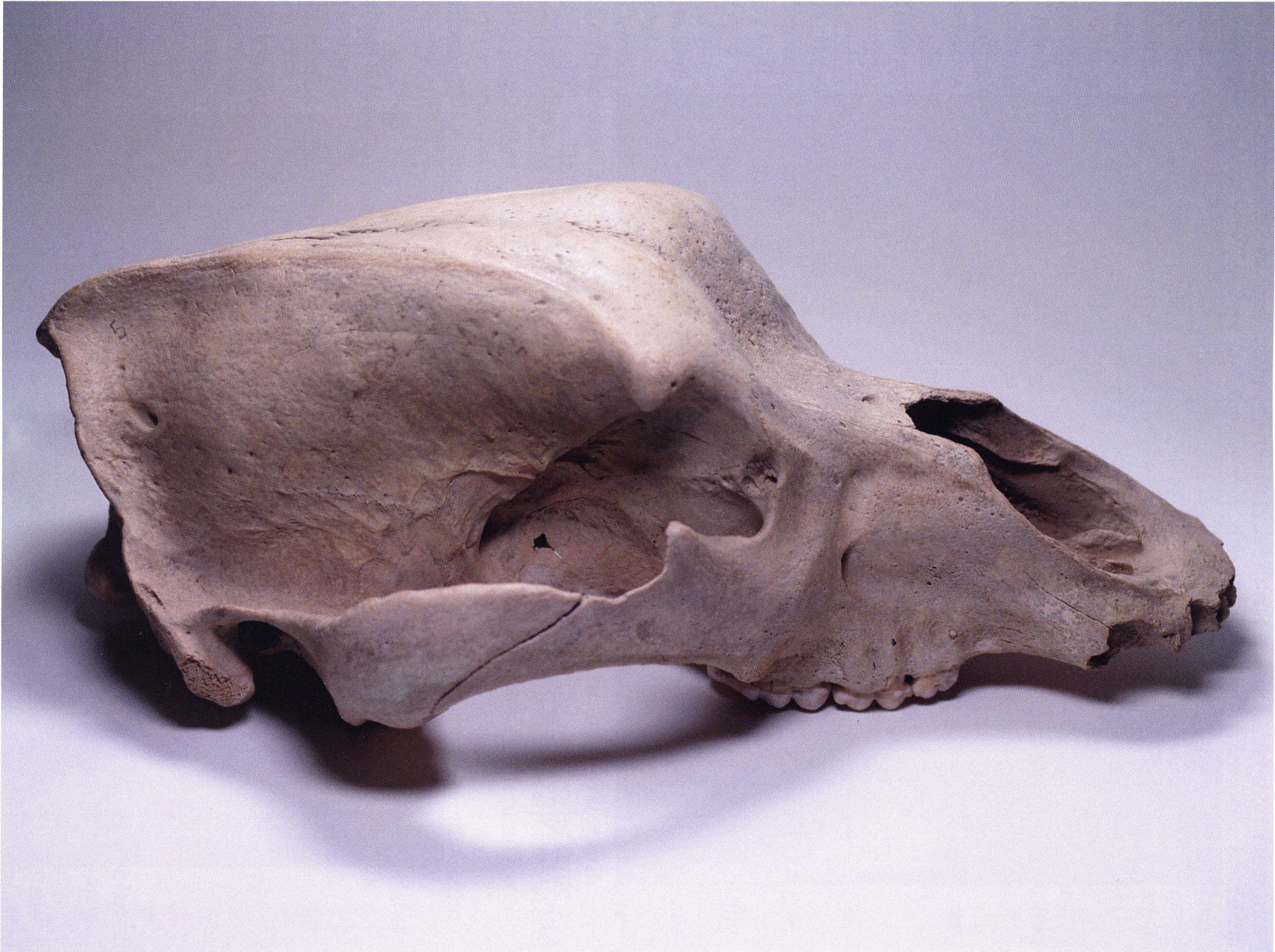
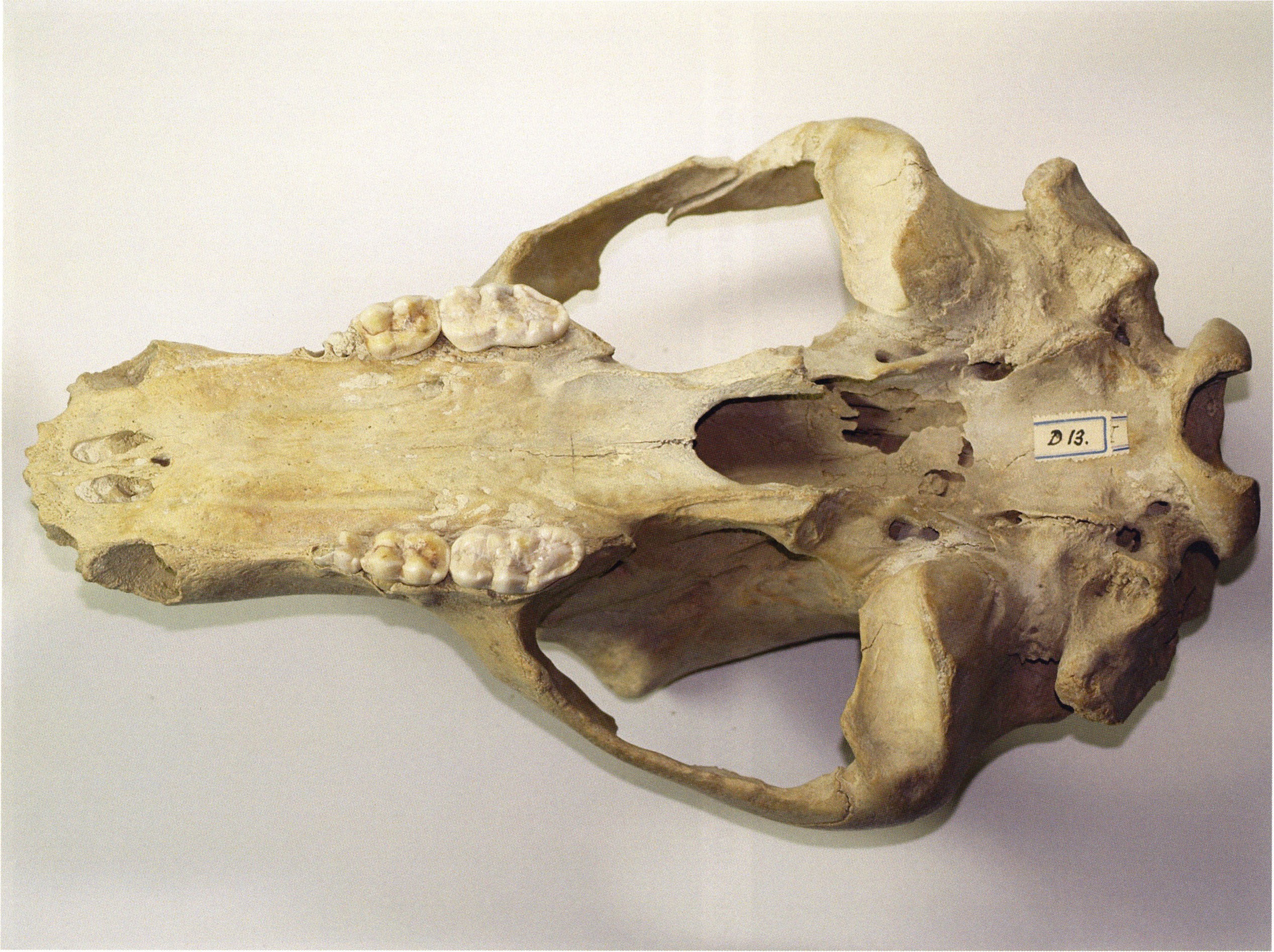
Die Tatsache, dass im Drachenloch unter den möglichen Jagdtieren des Neandertalers einzig dem Höhlenbären eine rituelle Entsorgung gleich einer B e s t a t t u n g durch denselben zuteil wurde, d. h. in dieser Höhle kein nennenswerter Abfall anderer Beutetiere aufgefunden worden war, macht das Drachenloch zu einem riesigen “O s s a r i u m d e s H ö h l e n b ä r e n”. Auf den Betrachter von heute wie von damals wirkt der Felsenkranz mit dem Höhleneingang in der Mitte - Abb. 16, S. 23 - wie ein mittelalterlicher Schoss. Auch dem Neandertaler-Menschen entging dieses augenfällige, symbolische Bild in der Natur des Drachenberges nicht; die Drachenloch-Höhle erschien ihm wie geschaffen für seinen B e s t a t t u n g s r i t u s der Knochen und Schädel seiner getöteten Höhlenbären. Derselbe zielte wie gesagt ganz offensichtlich auf die Geburt neuer Höhlenbären aus dem mütterlichen Schoss des Drachenlochs !
Um zum Ausgangspunkt der Frage eines möglichen Opferkultes an ein Höheres Wesen durch den Neandertaler zurückzukehren - Die Knochen- und Schädeldepots wären in diesem Falle Darbringungen an ein Gottheit, eine Deutung, die wie gesagt Bächler vertrat - , lässt sich allgemein menschheitsgeschichtlich festhalten, dass der M e n s c h v o r ü b e r 5 0 ‘ 0 0 0 J a h r e n (in diesem zeitlichen Rahmen dachte auch schon Bächler) n o c h z u s e h r T e i l u n d w e n i g e r B e t r a c h t e r d e s i h n u m g e b e n d e n K o s m o s war (und es war sich auch so wahrnahm), als dass er bereits zur Abstraktion eines höheren, geistigen Wesens - genannt Gott – das über allem und auch über ihn waltet, fähig gewesen wäre und es durch Opfer verehrt hätte. Immerhin hatte er die innerhalb des ihn umgebenden Kosmos waltenden und ihn selbst betreffenden Vorgänge von Geburt und Tod bewusst wahrgenommen und durch Riten zu beeinflussen versucht. Auch mag er in diesem Zusammenhang die weibliche, gebärende Fruchtbarkeit aus dem Kosmos abstrahiert, bereits dargestellt und in einem gewissen Sinne verehrt haben. - In diese Richtung weist nicht nur das frühe Figürchen von Berekhat Ram (s. o.), sondern ein Fund aus dem Drachenloch selbst !
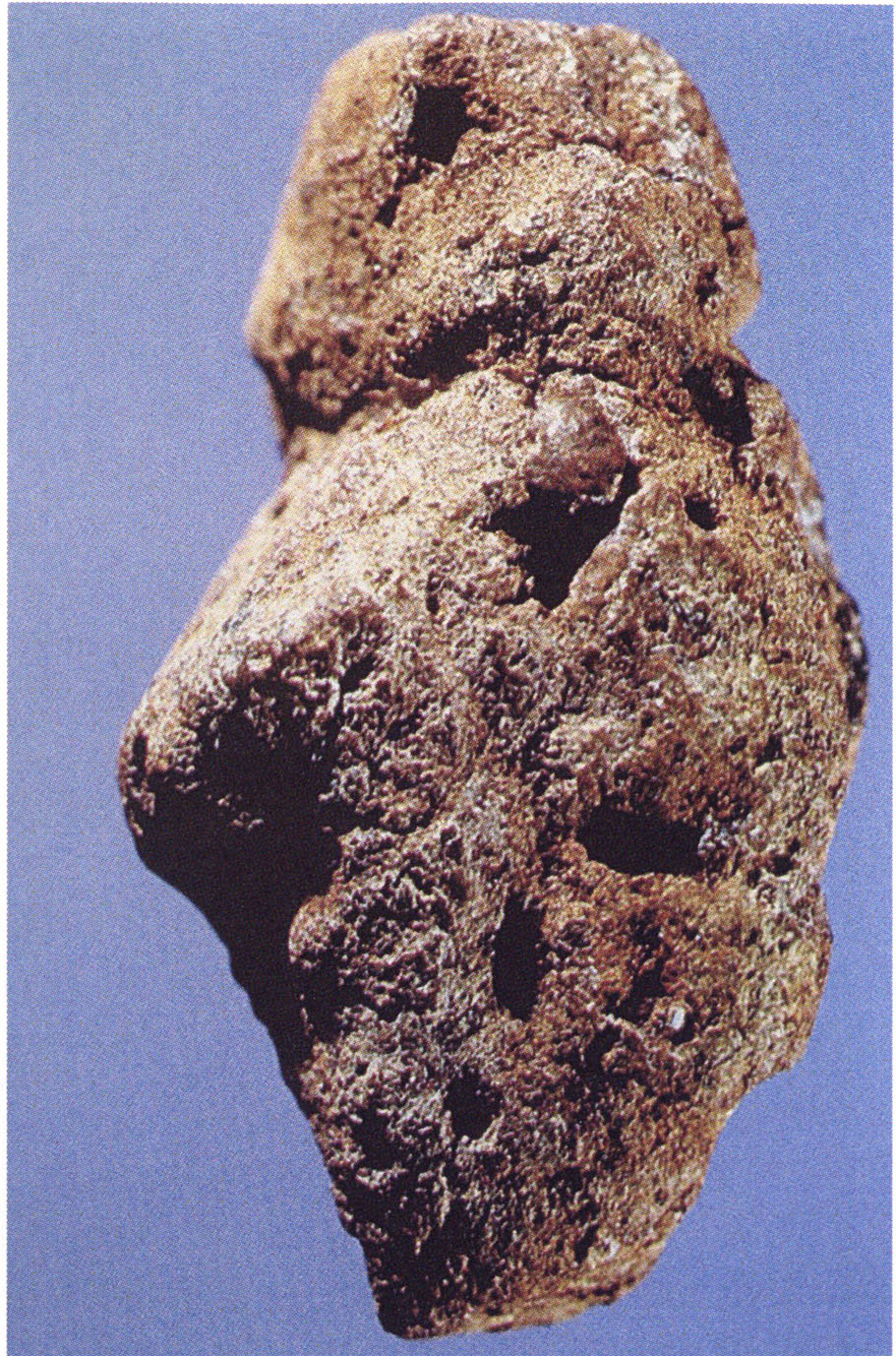
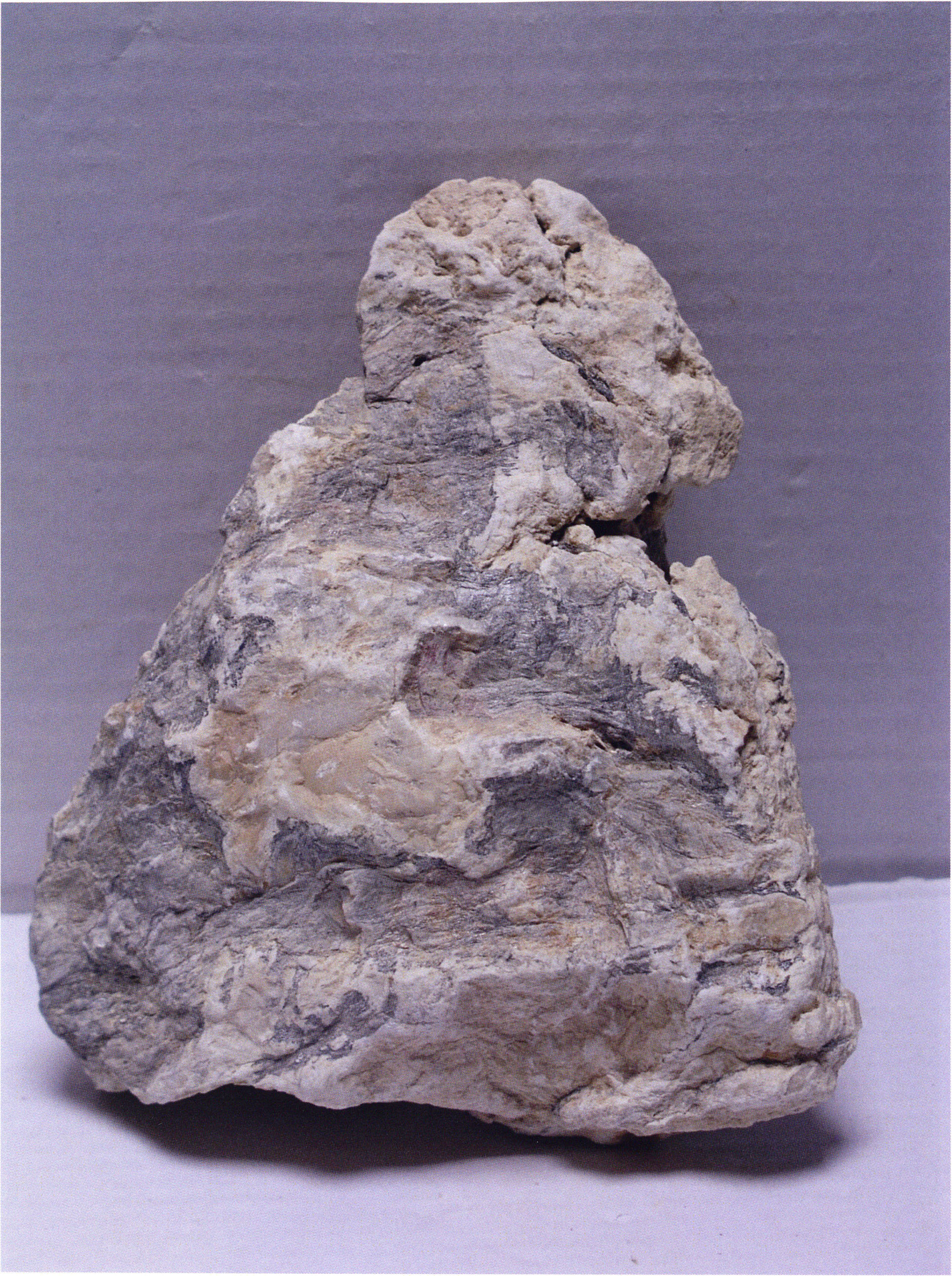
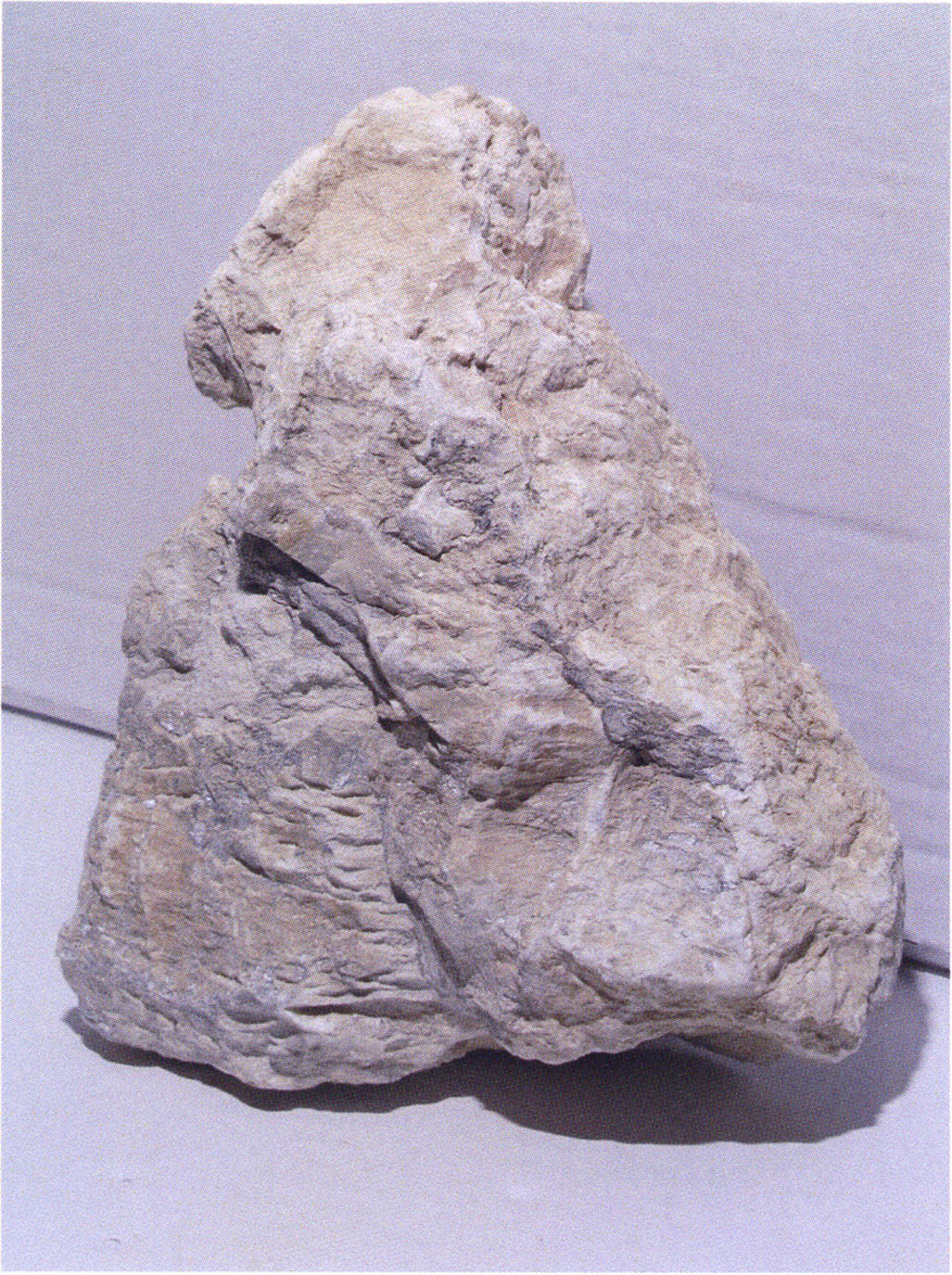
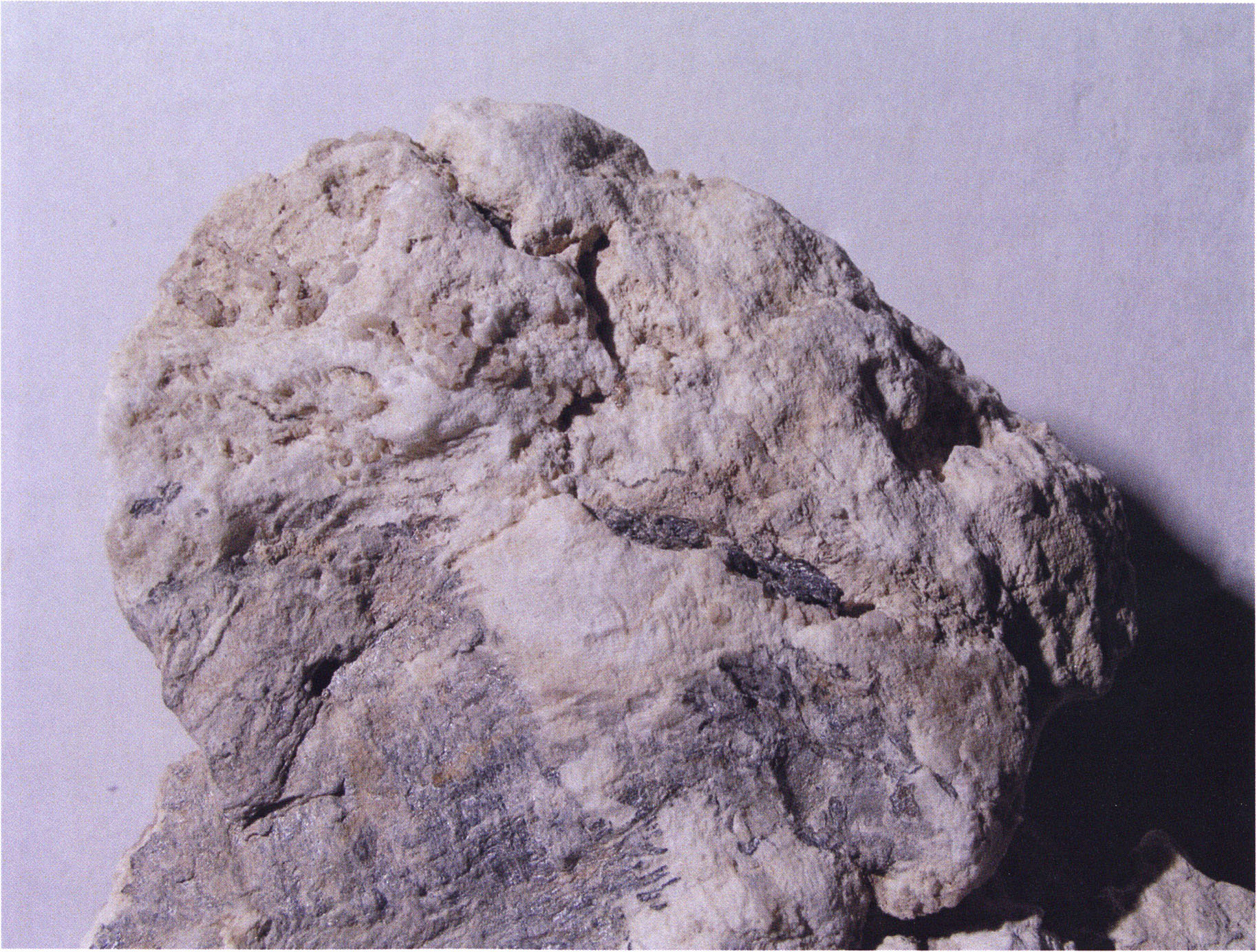
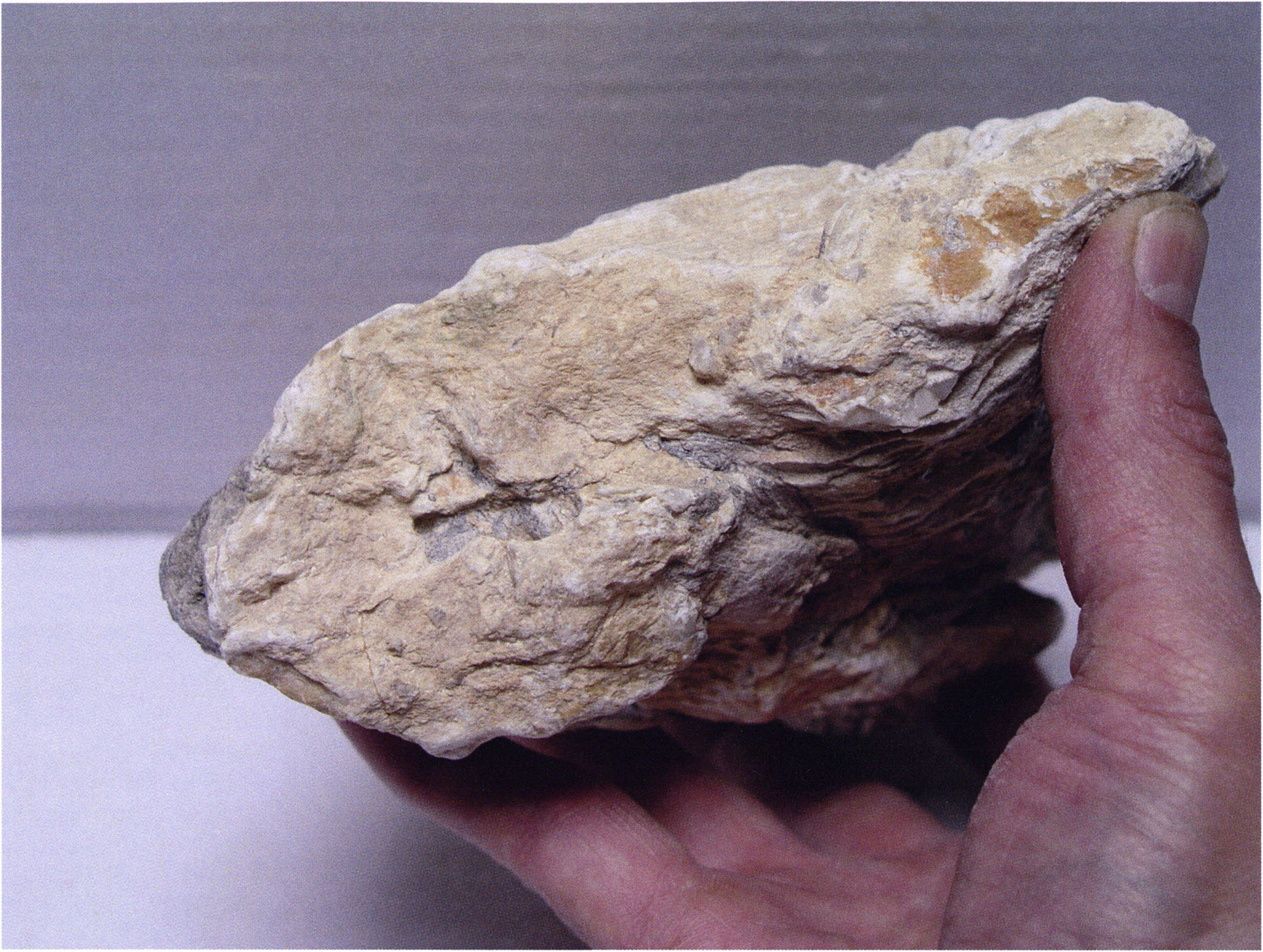
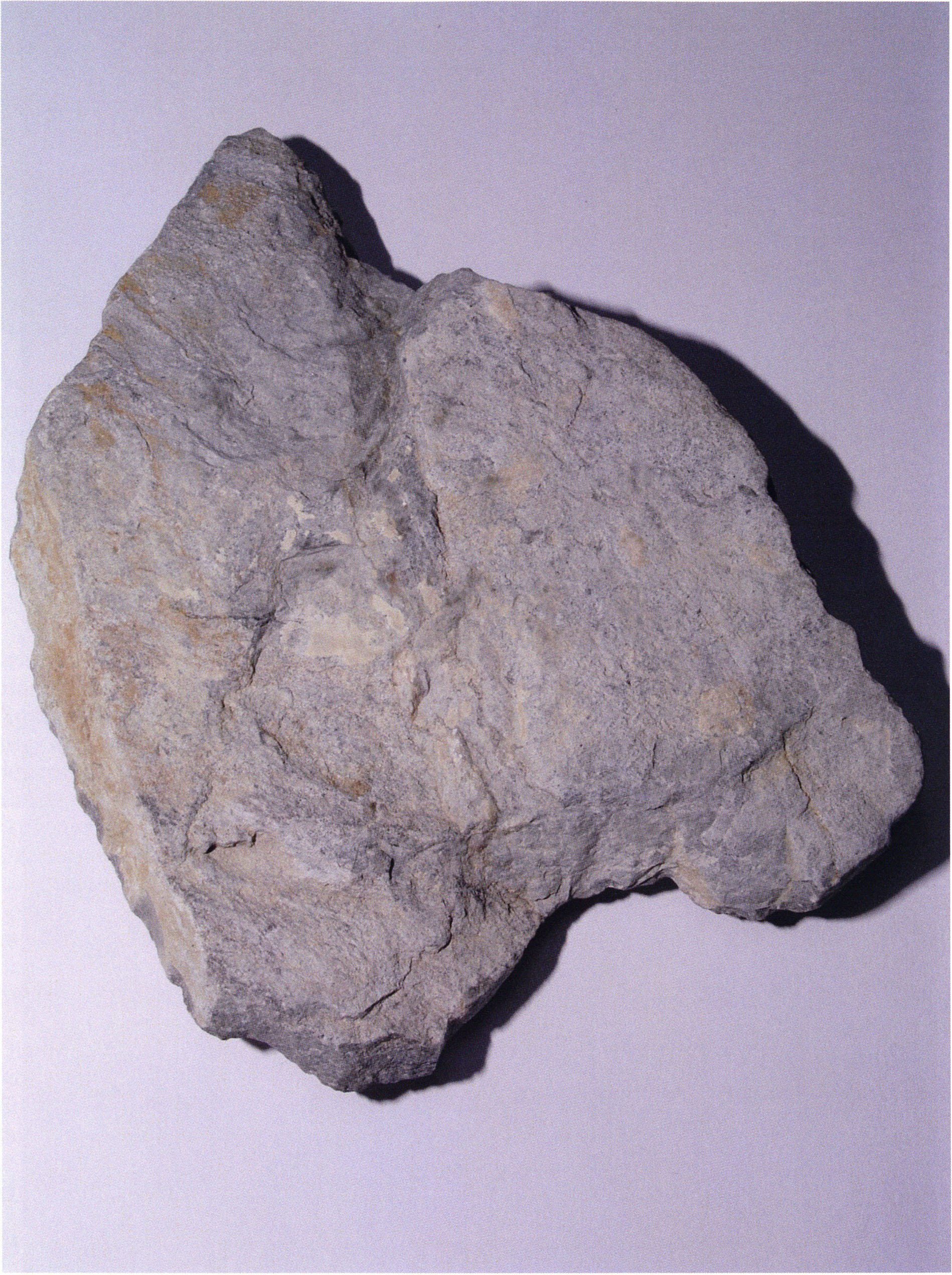
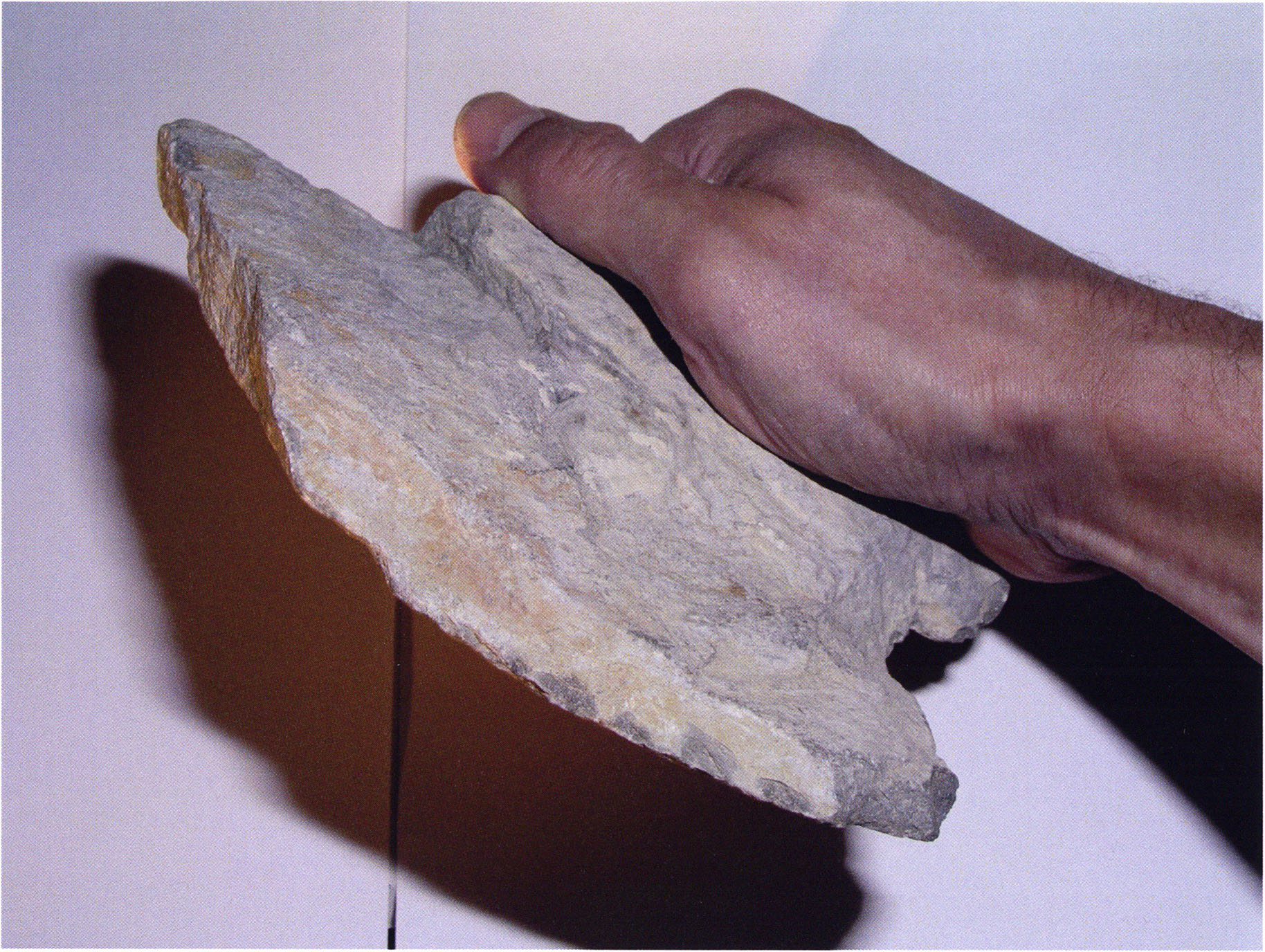
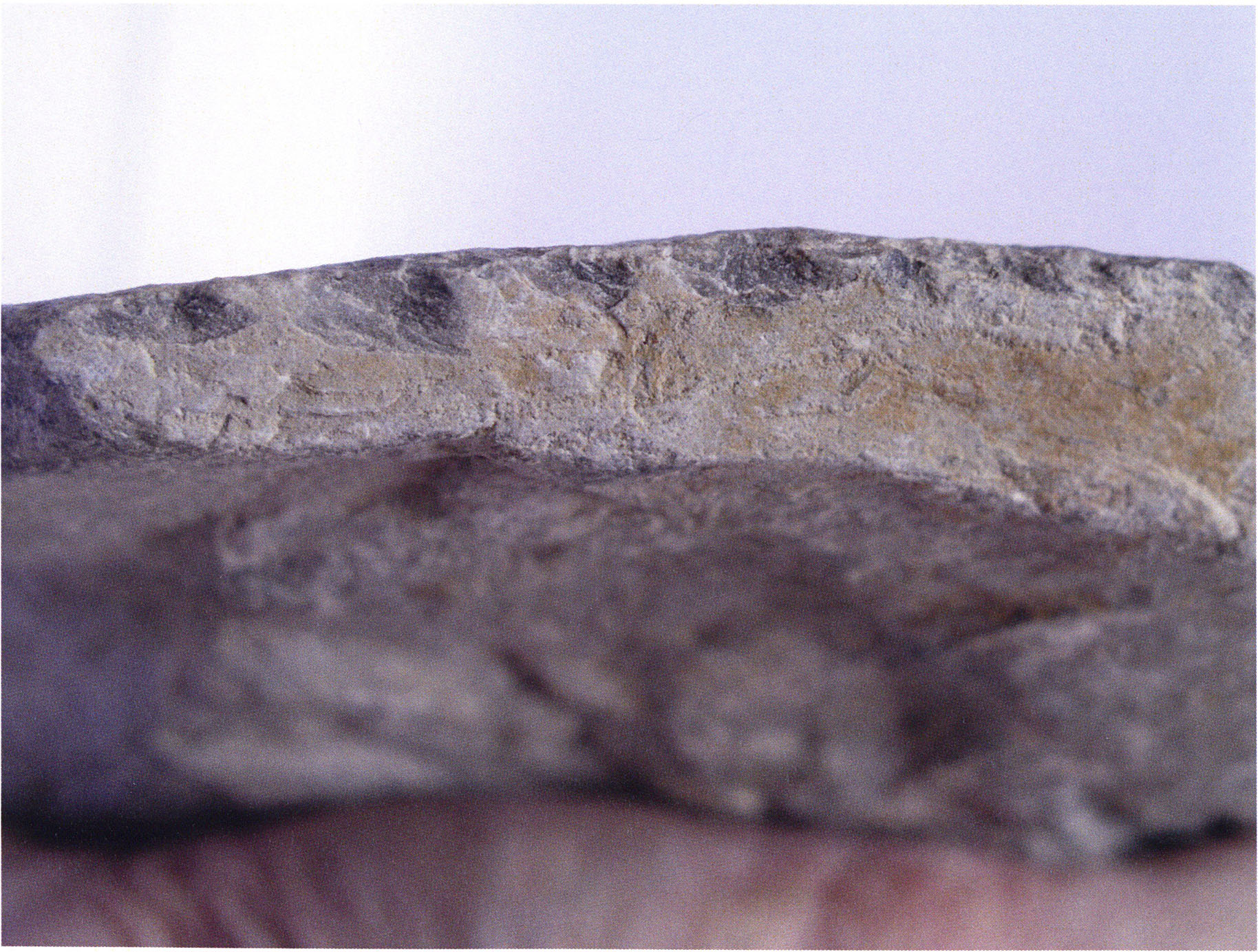
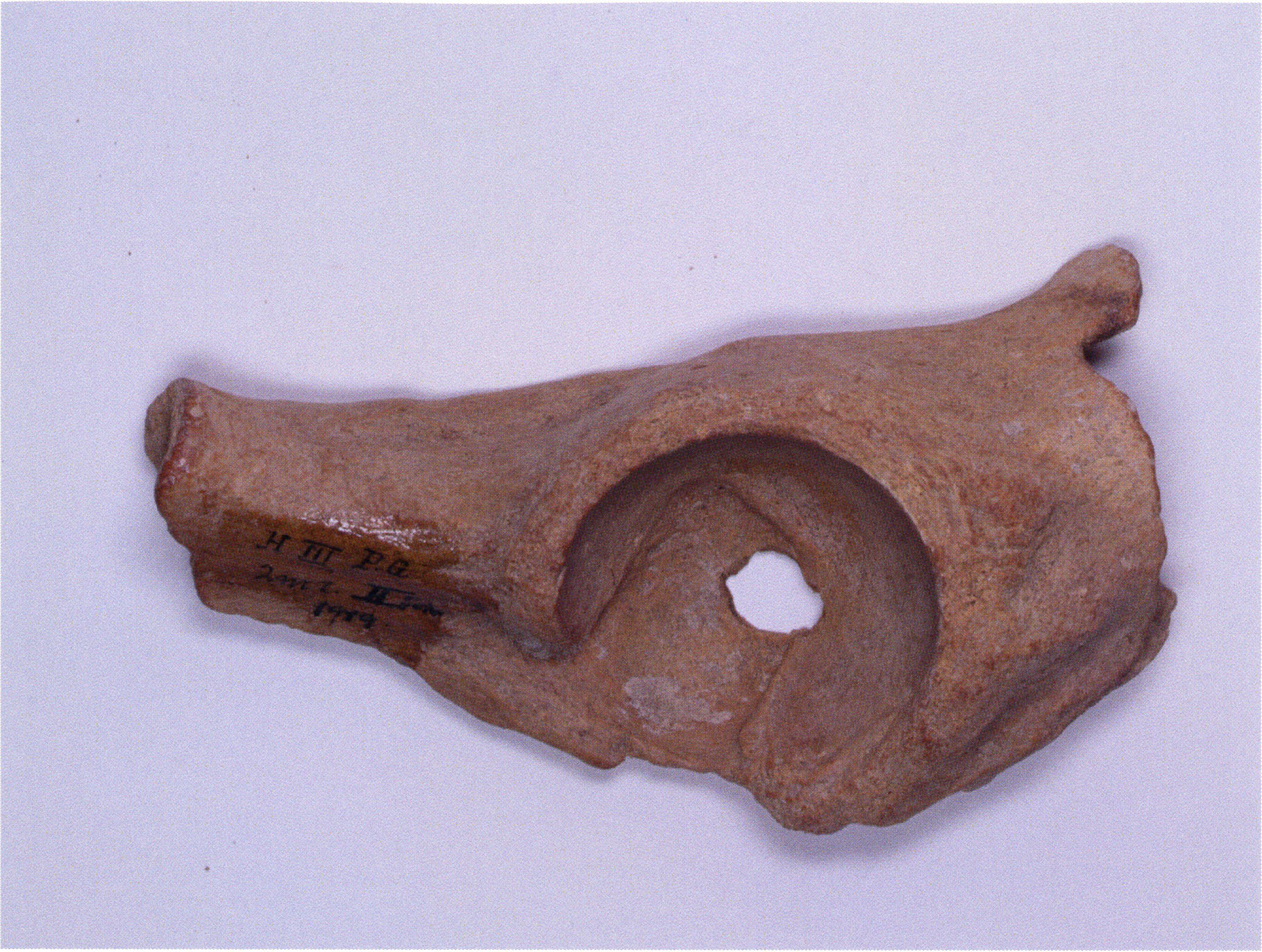
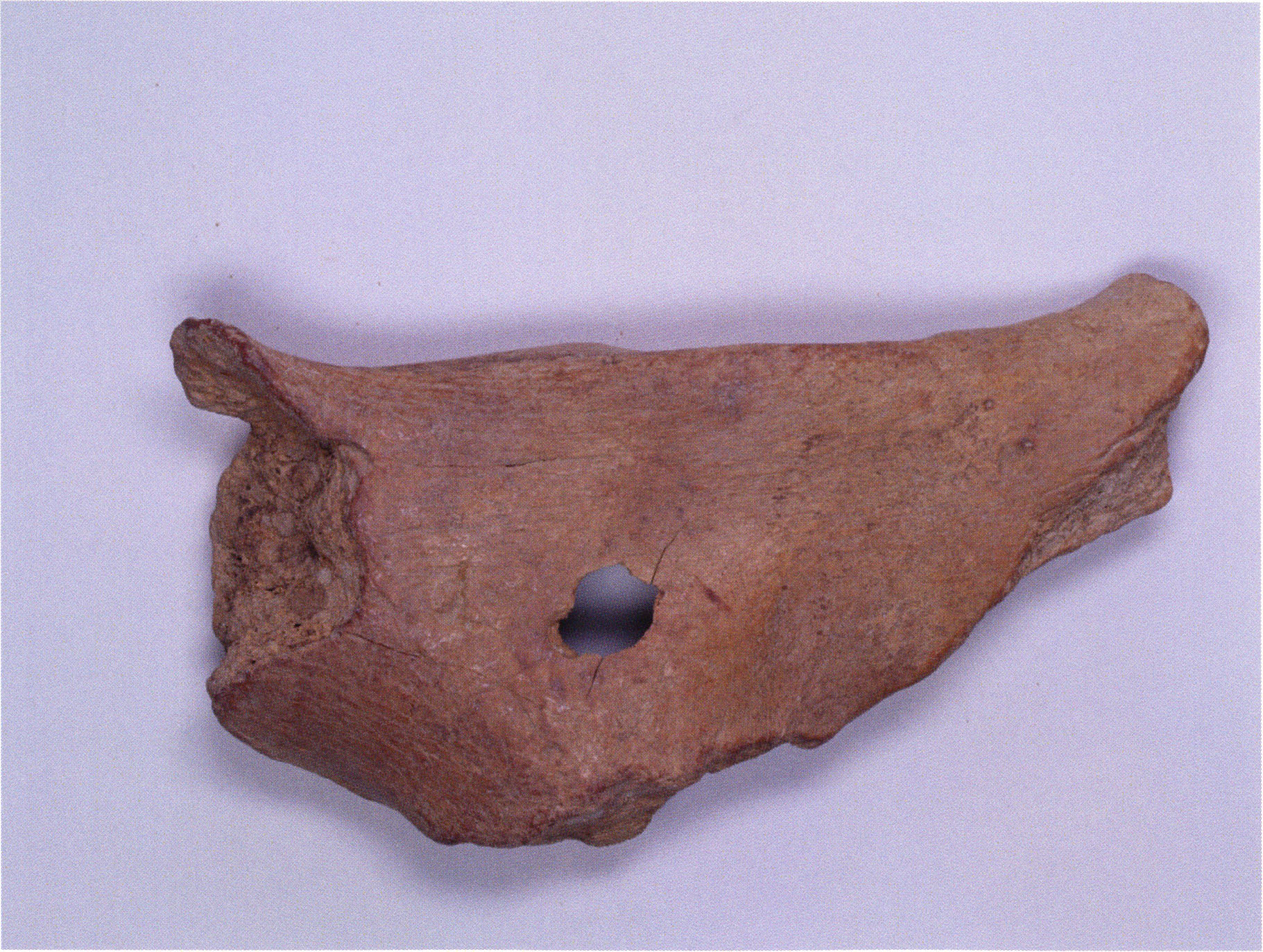
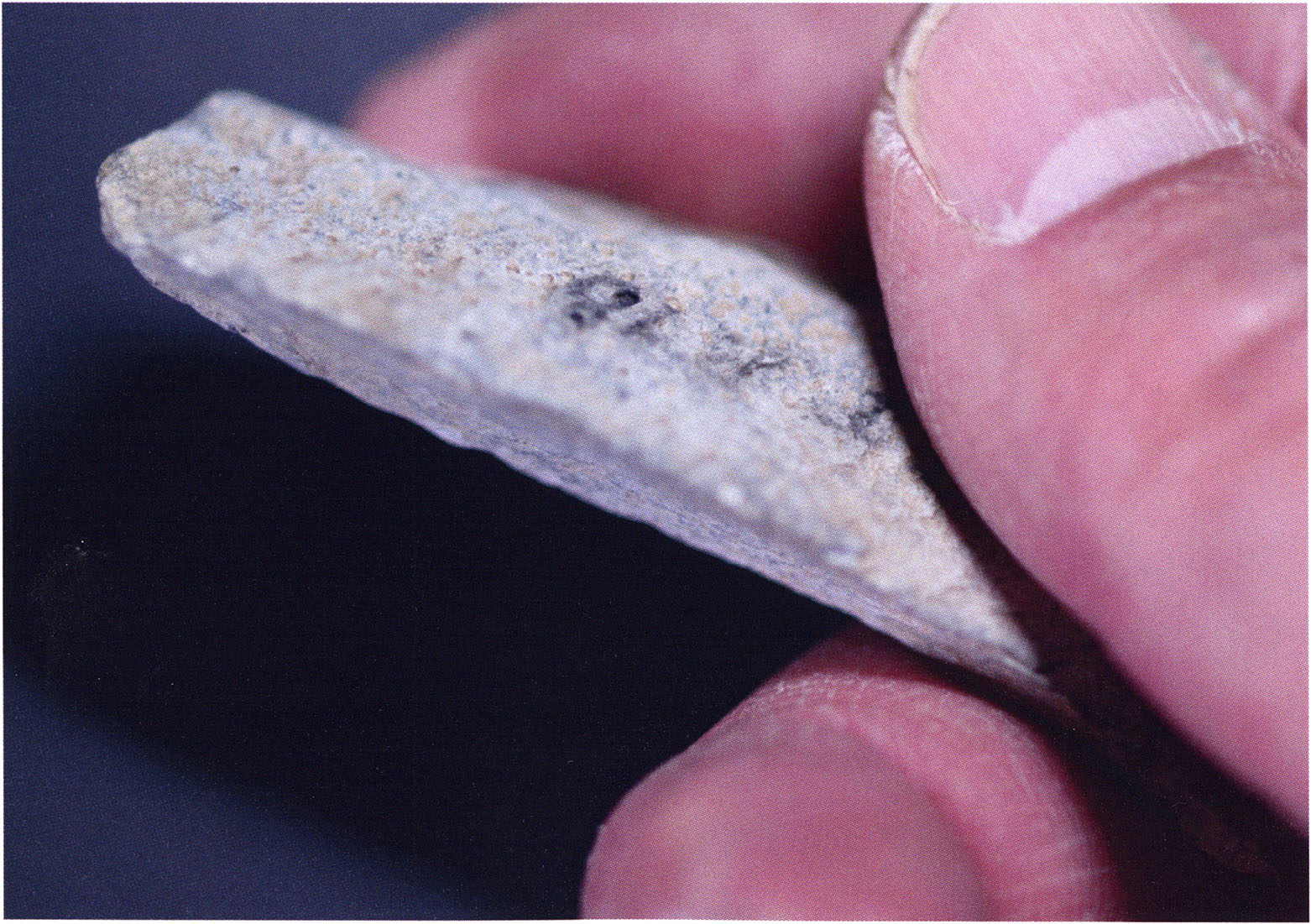
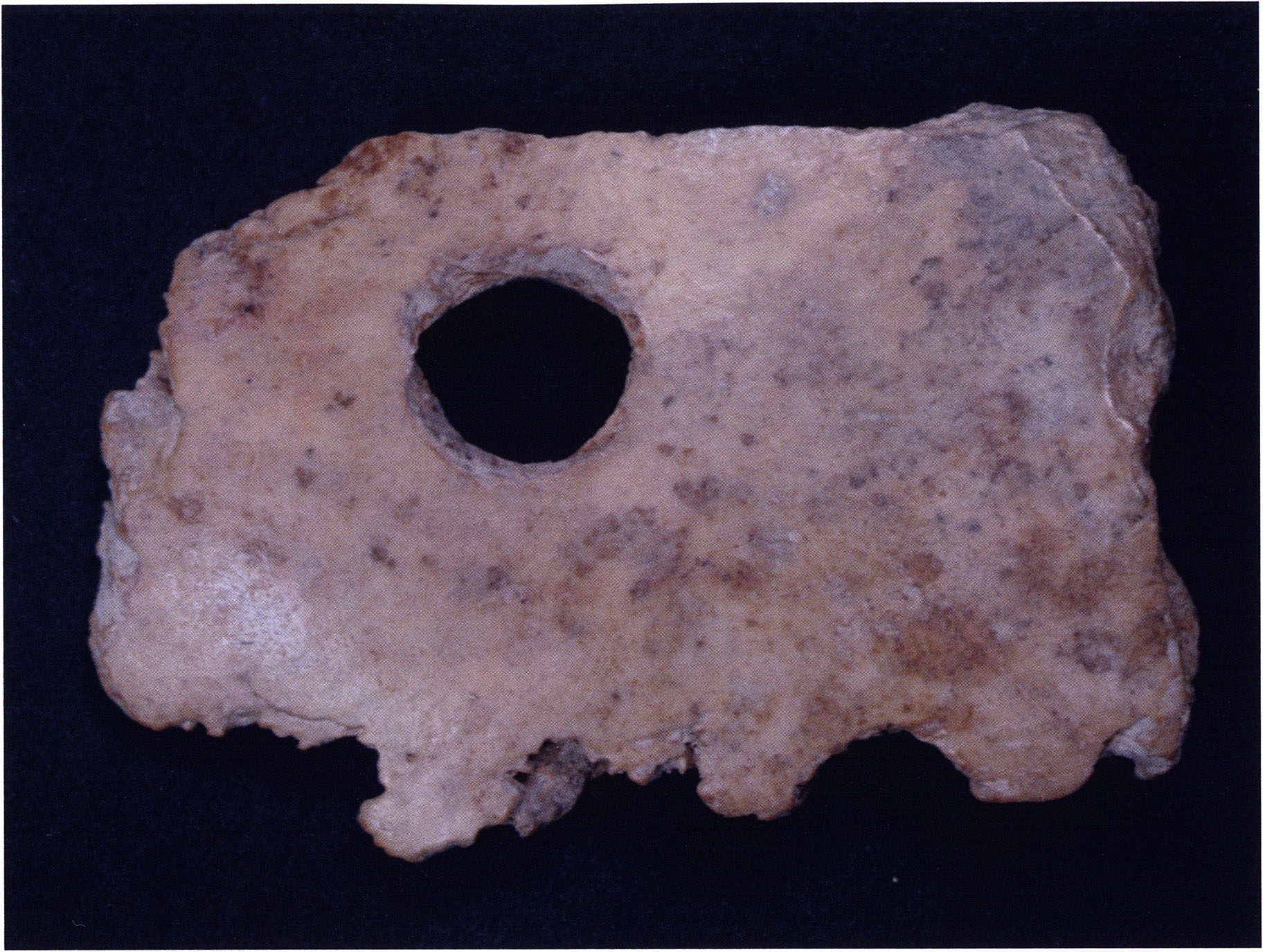
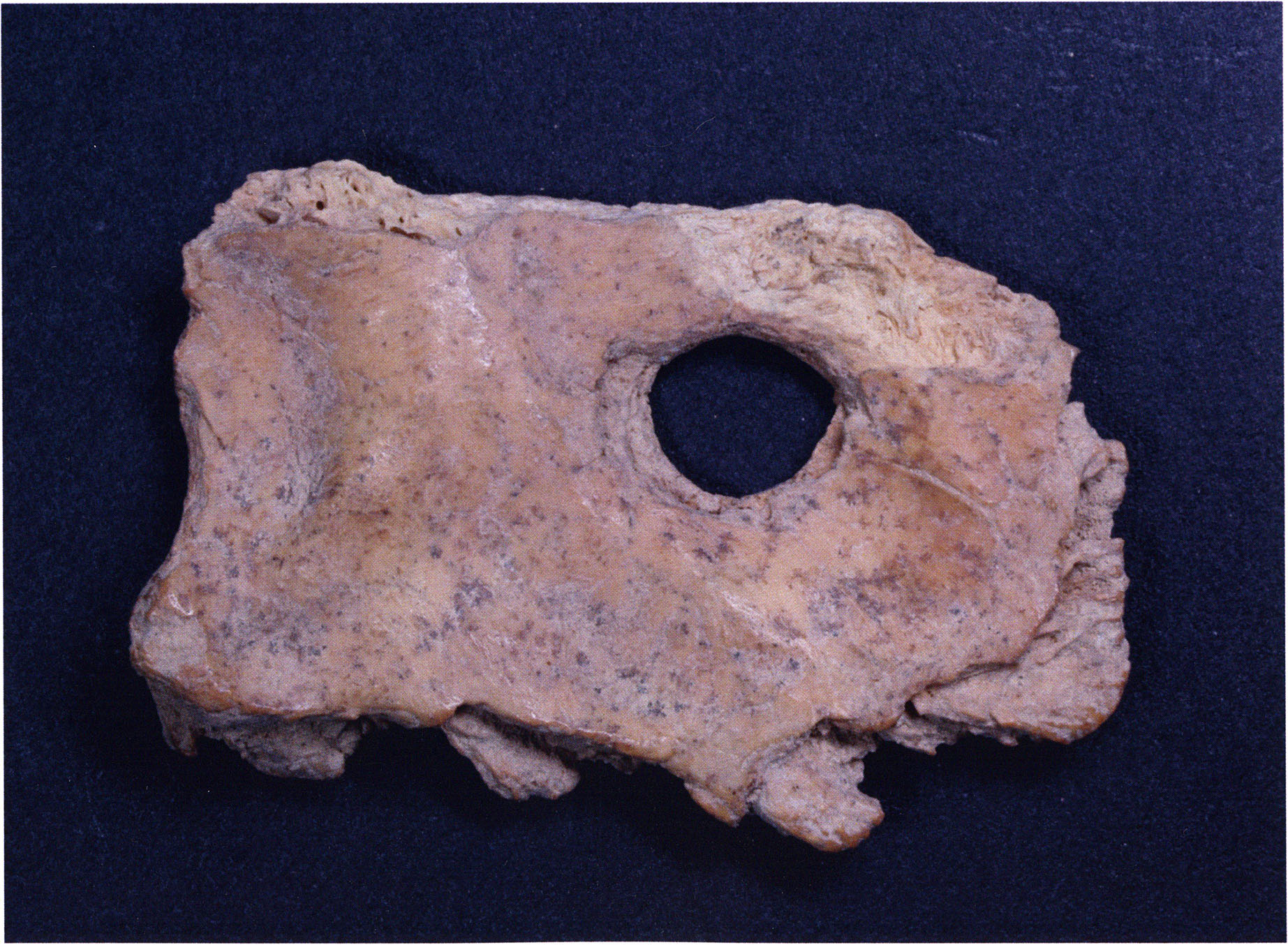
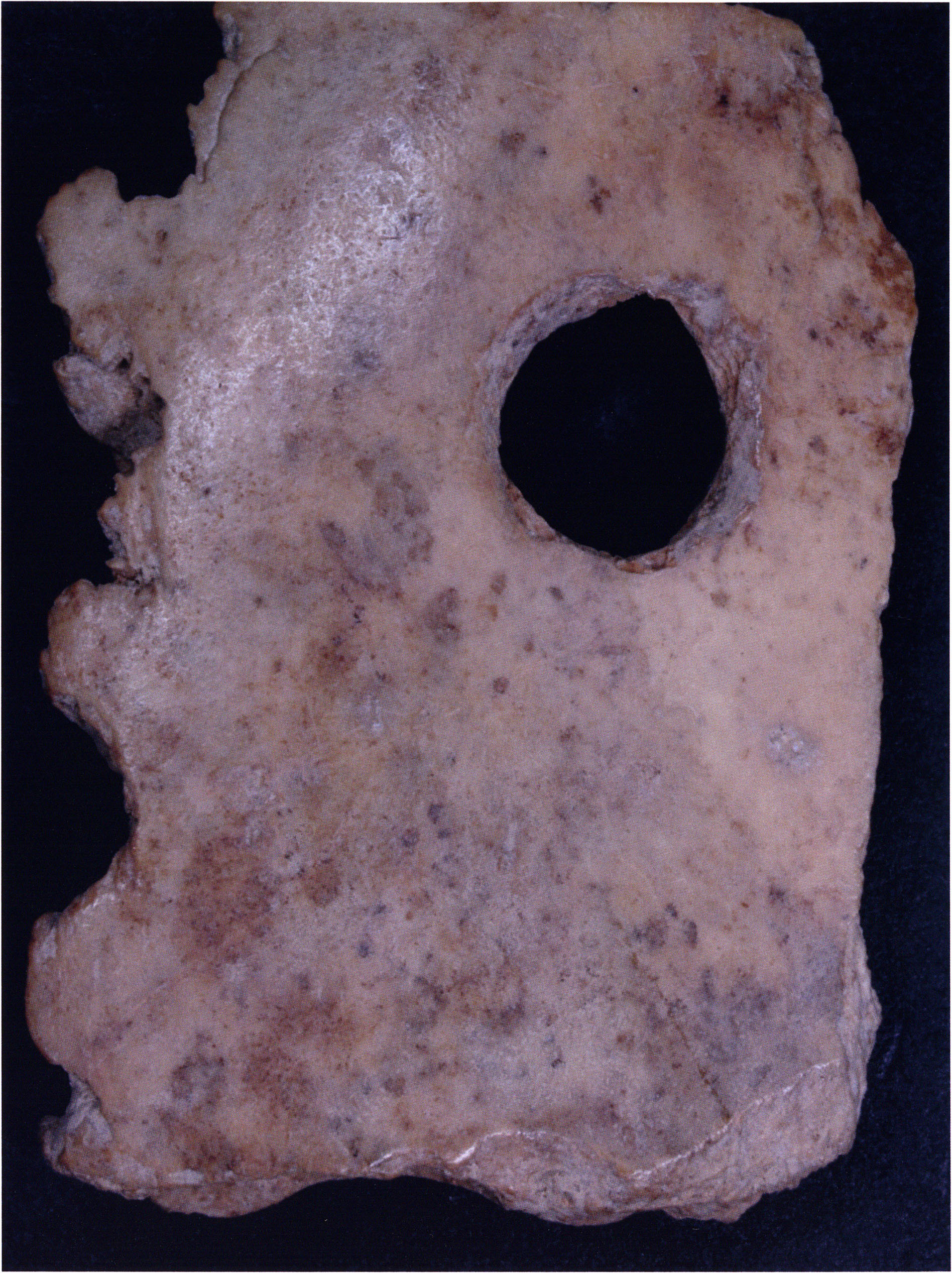
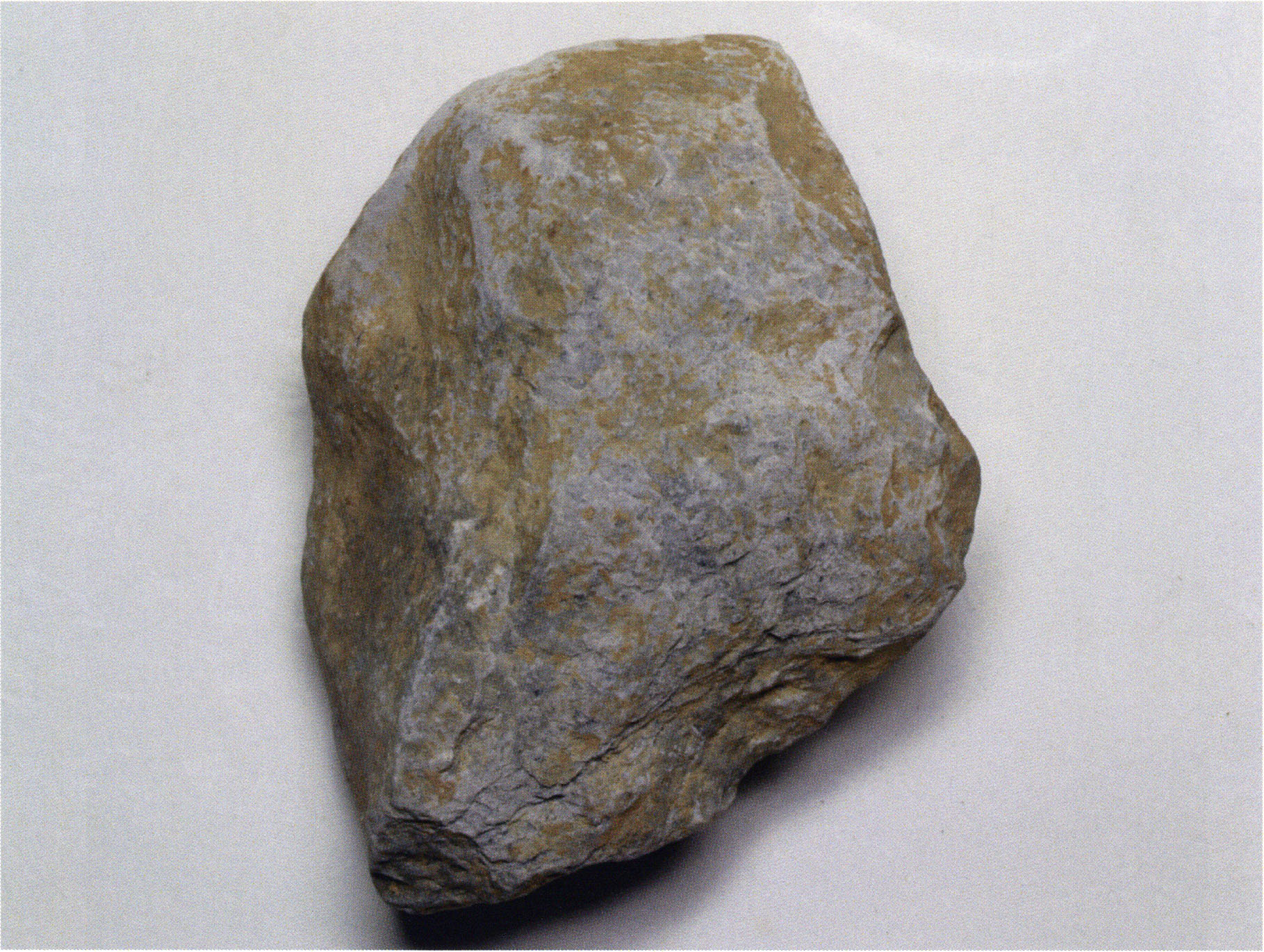
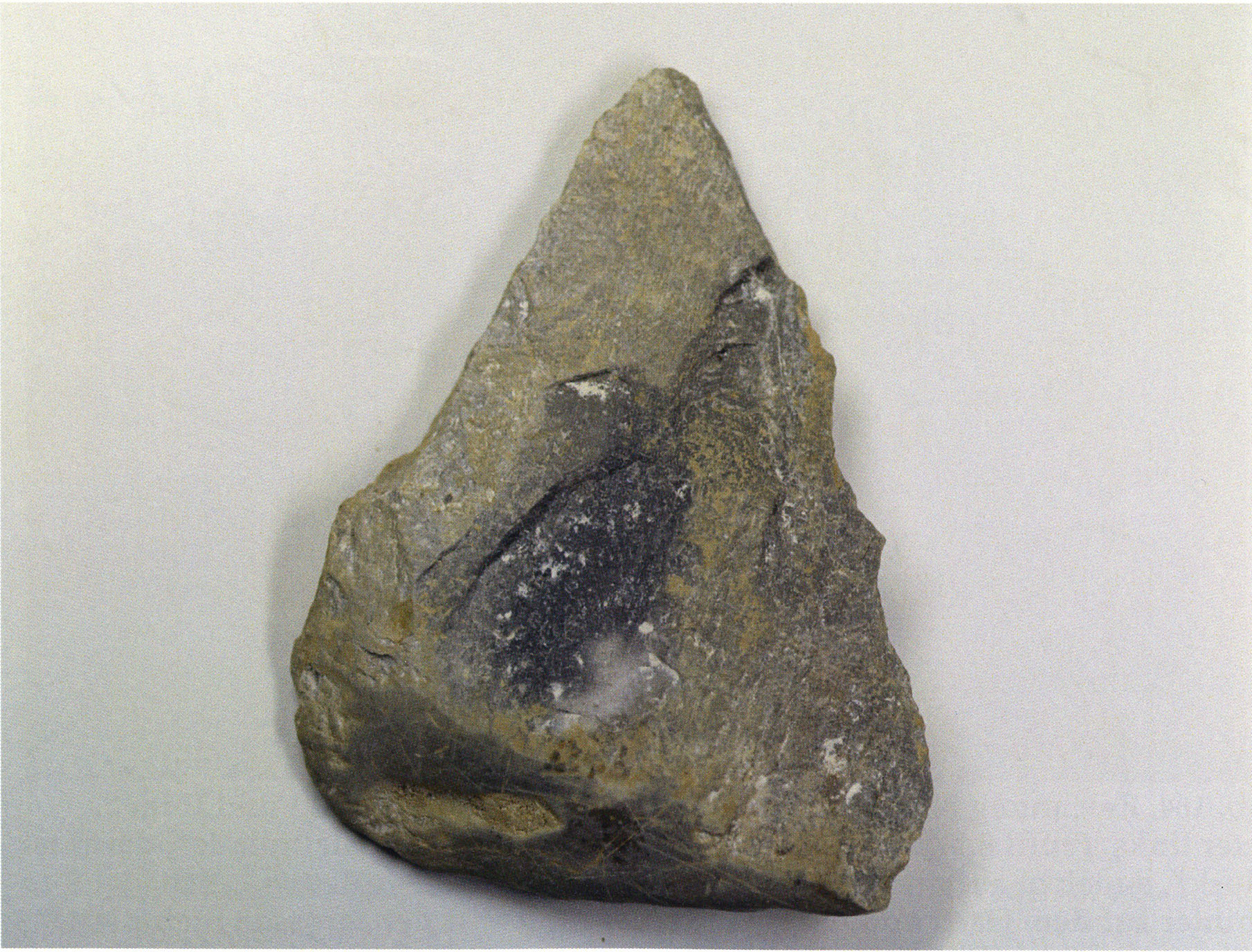
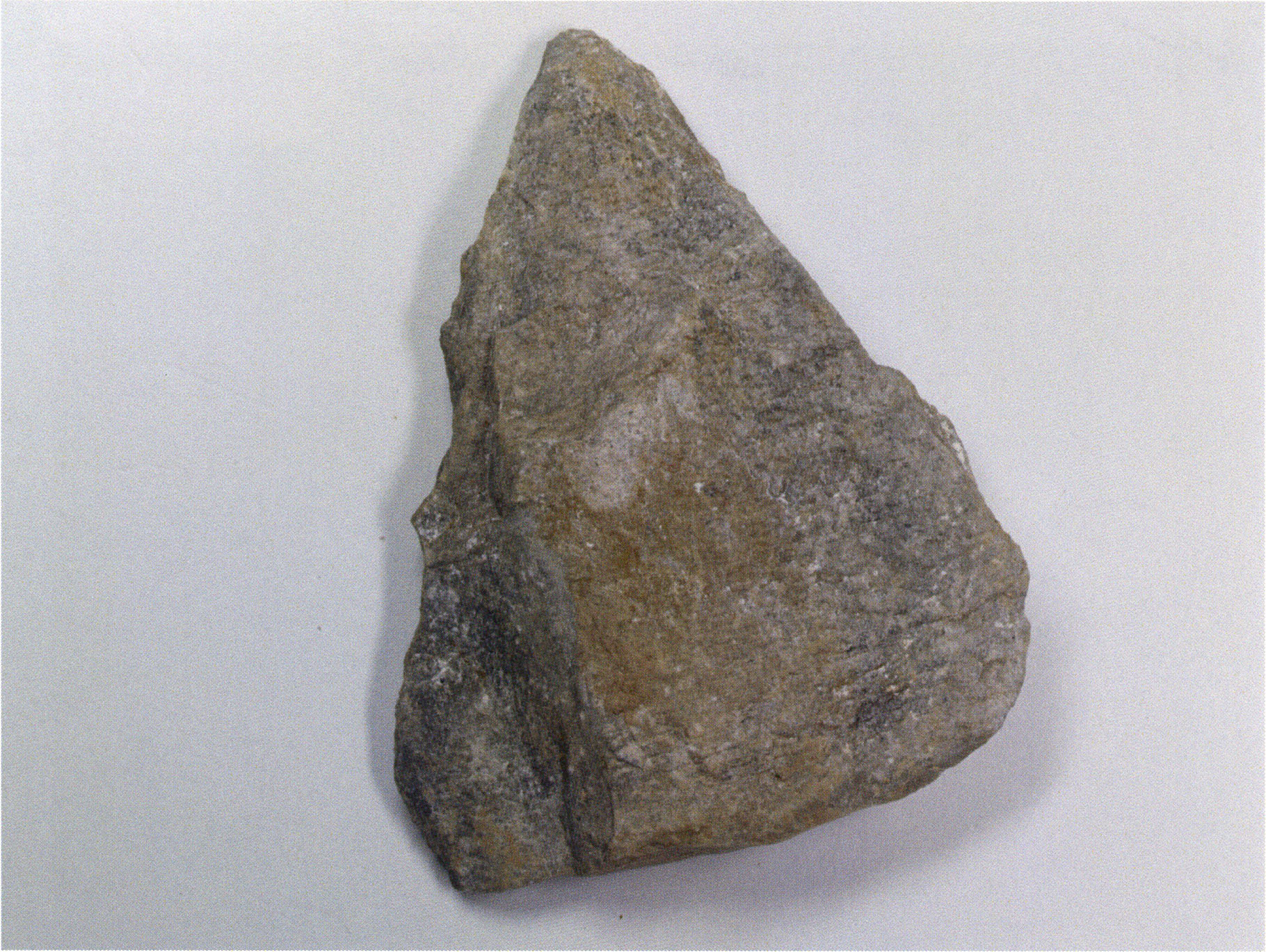
Steinskulptur. - Eine solche Darstellung der in der Natur wirkenden weiblichen, gebärenden Fruchtbarkeit könnte in einem 2004 im Schutt der Drachenloch-Höhle getätigen, heute im Ortsmuseum Vättis aufbewahrten und ausgestellten Fund vorliegen: ein heller Seewerkalkstein von Material des Höhlengesteins mit grauen Einsprengseln, der in eine mehr oder weniger d r e i e c k i g e F o r m gehauen worden war. In abstrahierender Weise dargestellt zu sein scheint eine - leicht nach vorne geneigte - sitzende Figur mit auf den ersten Blick menschlichem Aussehen. Der Mensch vor über 50’000 Jahren stellt aber keine sitzende (männliche oder weibliche) Figur ohne tiefere, symbolische Bedeutung dar. In der Bildsymbolik des Neandertaler-Menschen vom Drachenloch könnte diese dreieckige, sitzende Steinfigur eine G e b ä r e n d e , bzw. die bildlich dargestellte G e b u r t n e u e n H ö h l e n b ä r e n l e b e n s meinen, eine Deutung, die sich im Zusammenhang mit den in der Höhle vorgefundenen Spuren eines Bestattungsritus zum Zwecke der Neugeburt getöteter Höhlenbären (s. o.) geradezu aufdrängte. Das Haupt der Figur hebt sich durch die Rundung des Hinterkopfes vom Körper deutlich ab - Abb. 17 a/b, S. 24 f.; das Gesichtsprofil des Kopfes scheint die Doppelnatur von Mensch und Bär aufzuweisen und unter der Bärenschnauze auch das menschliche Kinn zu zeigen; deutlich markiert ist das der Menschen- und Bärennatur des Kopfes gemeinsame Auge - Abb. 17 c, S. 25. In der Darstellung einer Doppelnatur von Mensch und Bär käme ganz offensichtlich die noch bei rezenten Bärenjägervölkern bezeugte und für das Neandertalervolk vermutlich bereits vorauszusetzende Vorstellung einer Verwandtschaft zwischen Mensch und Bär zum bildlichen Ausdruck. Eine solche einfache, symbolisch-abstrahierende Darstellungsweise, wie sie dieser Stein aufweist, würde gut in die Zeit des Neandertalers passen, vgl. o. !
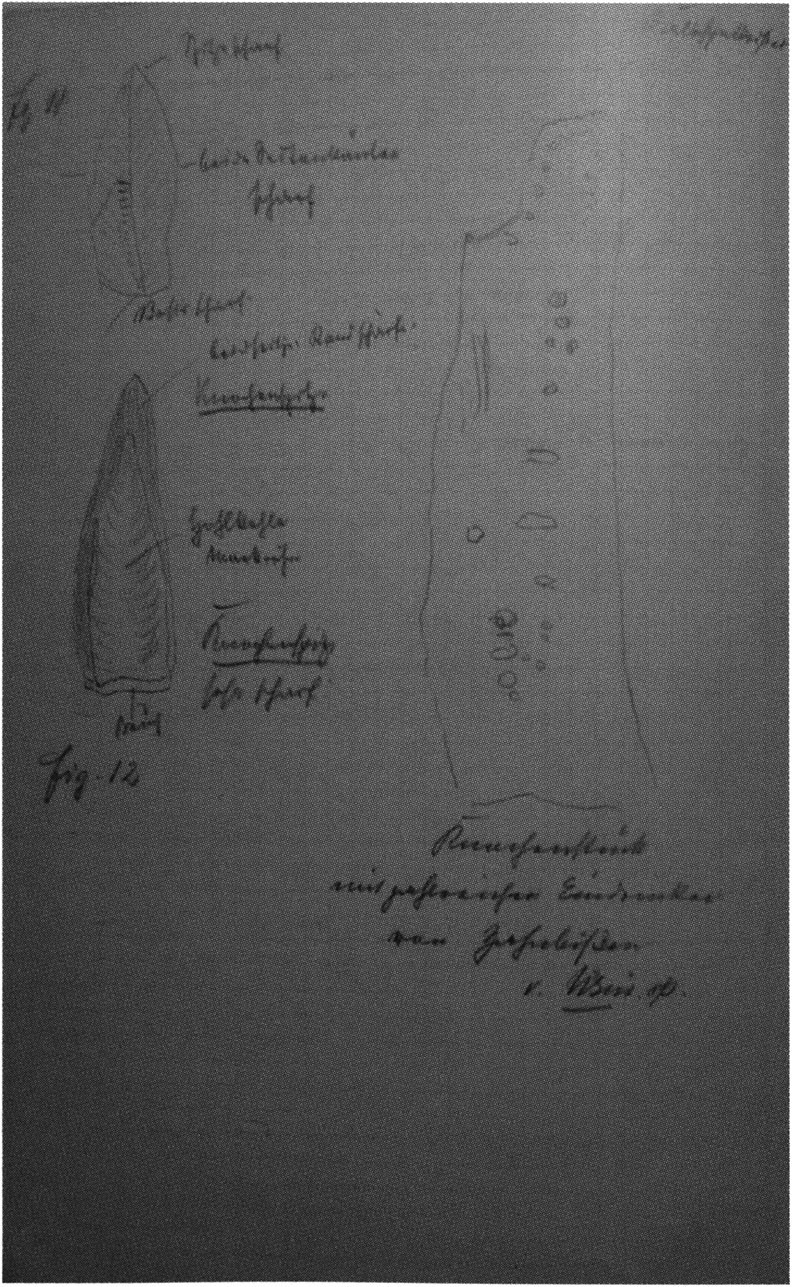
Steinskulpturen, wie hier eine vorzuliegen scheint, verlieren aber durch ihre Jahrtausende und Jahrzehntausende währende Einlagerung im Boden ihre einstmals vorhandenen, scharf kantigen Bearbeitungsspuren der Bildhauerarbeit und weisen an allen diesen Arbeitsstellen, insbesondere auch an den Rändern, eine abgeschliffene, gerundete Oberfläche auf. Die Natur wird gleichsam zur zweiten Bildhauerin und verleiht dem Kunstwerk eine Patina, die zu geben sie allein vermag ! An einem solchen Objekt nachzuweisen, dass es von Hand des Menschen stammt und kein rein zufälliges Produkt der Natur ist, ist nicht immer mehr möglich. Glücklicherweise lässt sich aber bei unserer Gebärenden vom Drachenloch an der Basis eine eindeutige Bearbeitungsstelle noch nachweisen: Von blossem Auge gut erkennbar hat der Bildhauer dort einen rechteckigen, rund 20 x 5 mm grossen Schlitz – wahrscheinlich die symbolische Darstellung des weiblichen Schosses - aus der hellen Seewerkalkoberflläche herausgemeisselt – Abb. 17 d, S. 26. Von dieser eindeutigen Bearbeitungsspur abgesehen machen aber allein schon die regelmässige, geometrische Form des Objektes und die modellierte Hinterkopfsilhouette mit der anschliessenden abgewinkelten, geraden Rückenlinie diesen Stein zu einer Figur, aus der unzweifelhaft der kreativ gestaltende Geist des Menschen spricht (und keine Hand des natürlichen Zufalls).
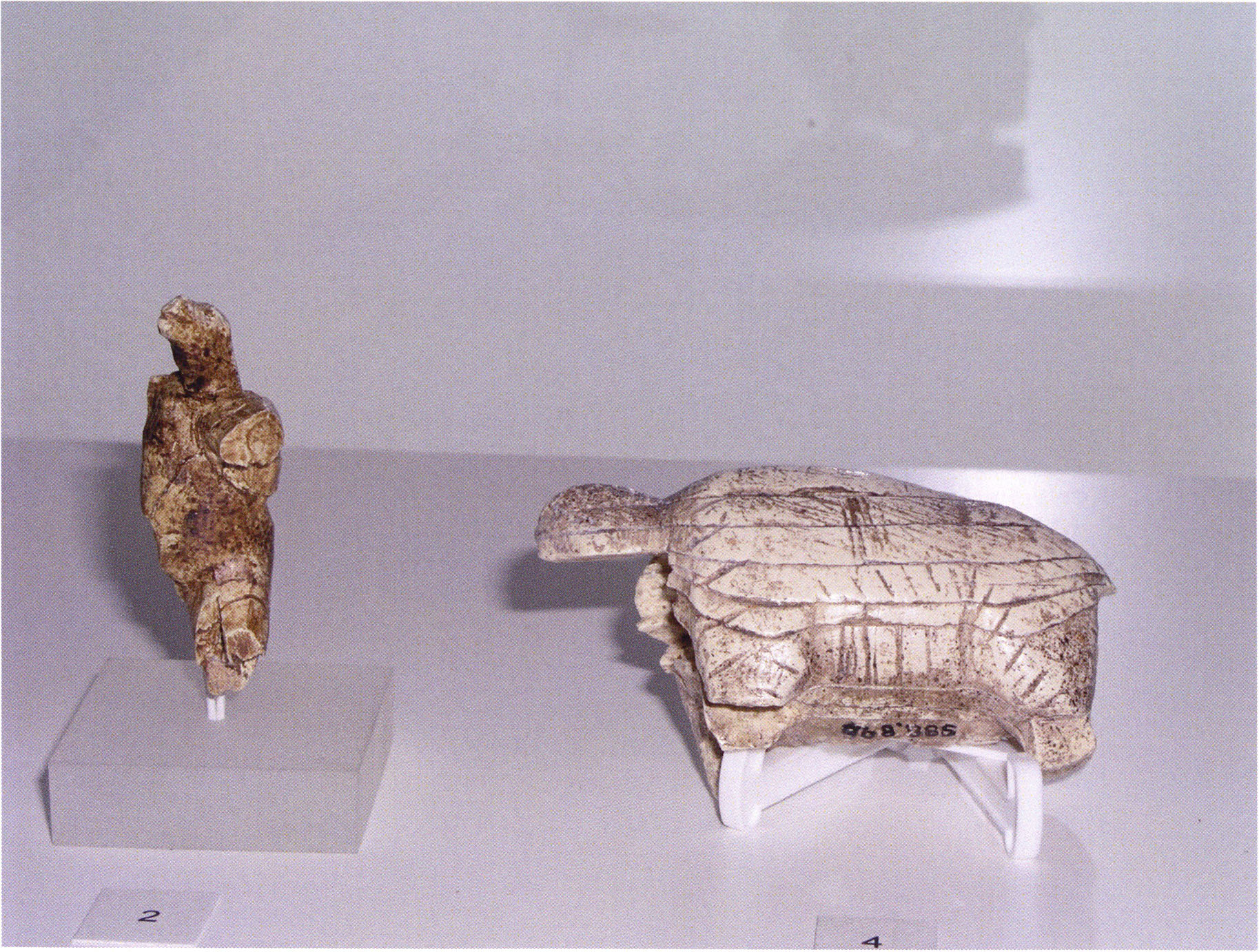
Übrigens scheinen Mensch-Tierdarstellungen und gerade die Mensch-Bärdarstellung nach 40’000 BP im süddeutschen Raum eine gewisse Tradition gehabt zu haben; aus der sitzenden Mensch-Bärfigur wurde eine stehende und der Akt der Geburt war offensichtlich nicht mehr als massgebendes Element dieser Darstellungen empfunden worden - Abb. 18, S. 26.
Die kommentierte Chronik der Ausgrabungen im Drachenloch 1917 – 23 ob Vättis / Pfäfers SG, 2427 m ü.M.
Die biographischen Mitteilungen auf den Tafeln im Drachenloch-Museum in Vättis zu den beiden Ausgräbern Nigg und Bächler:
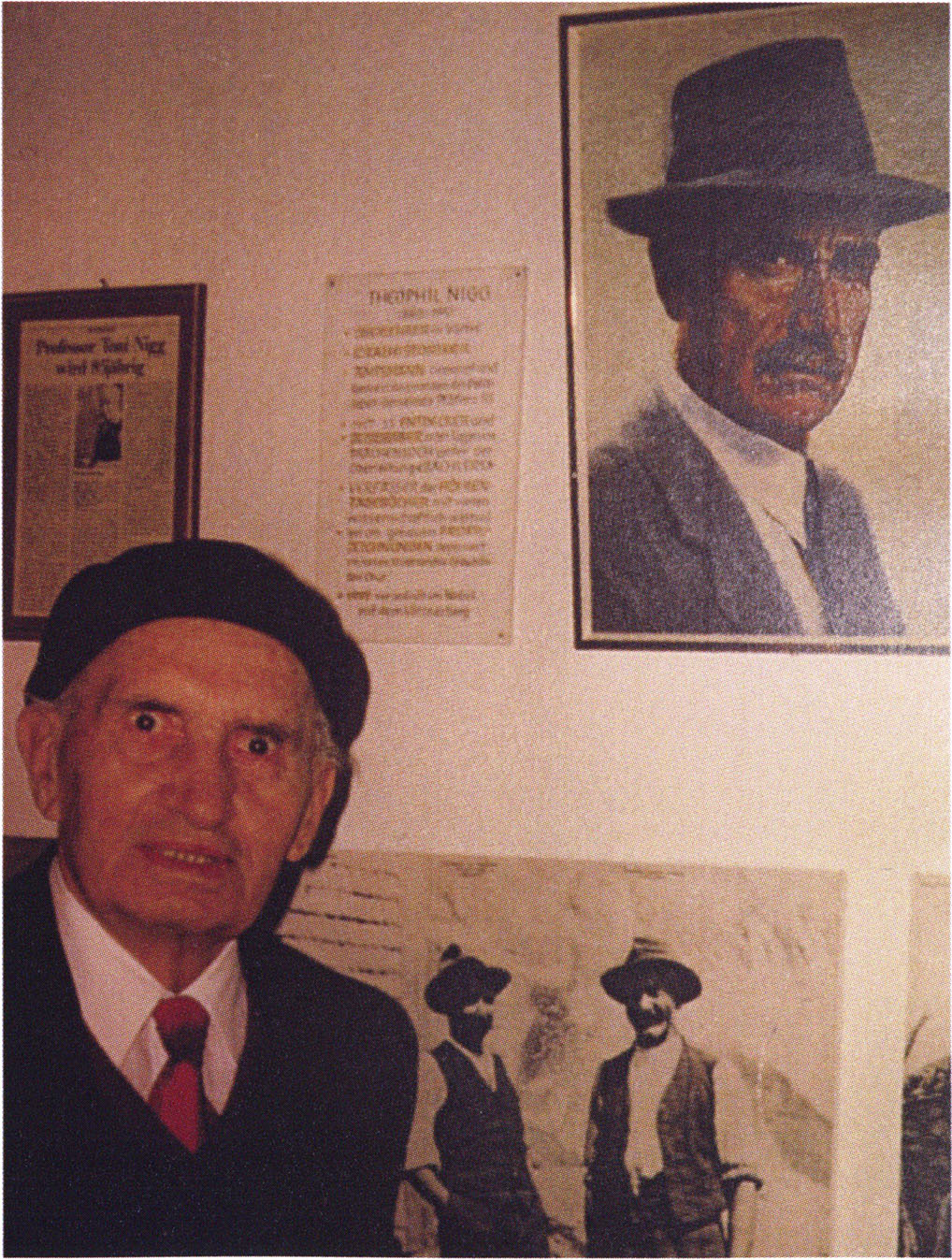
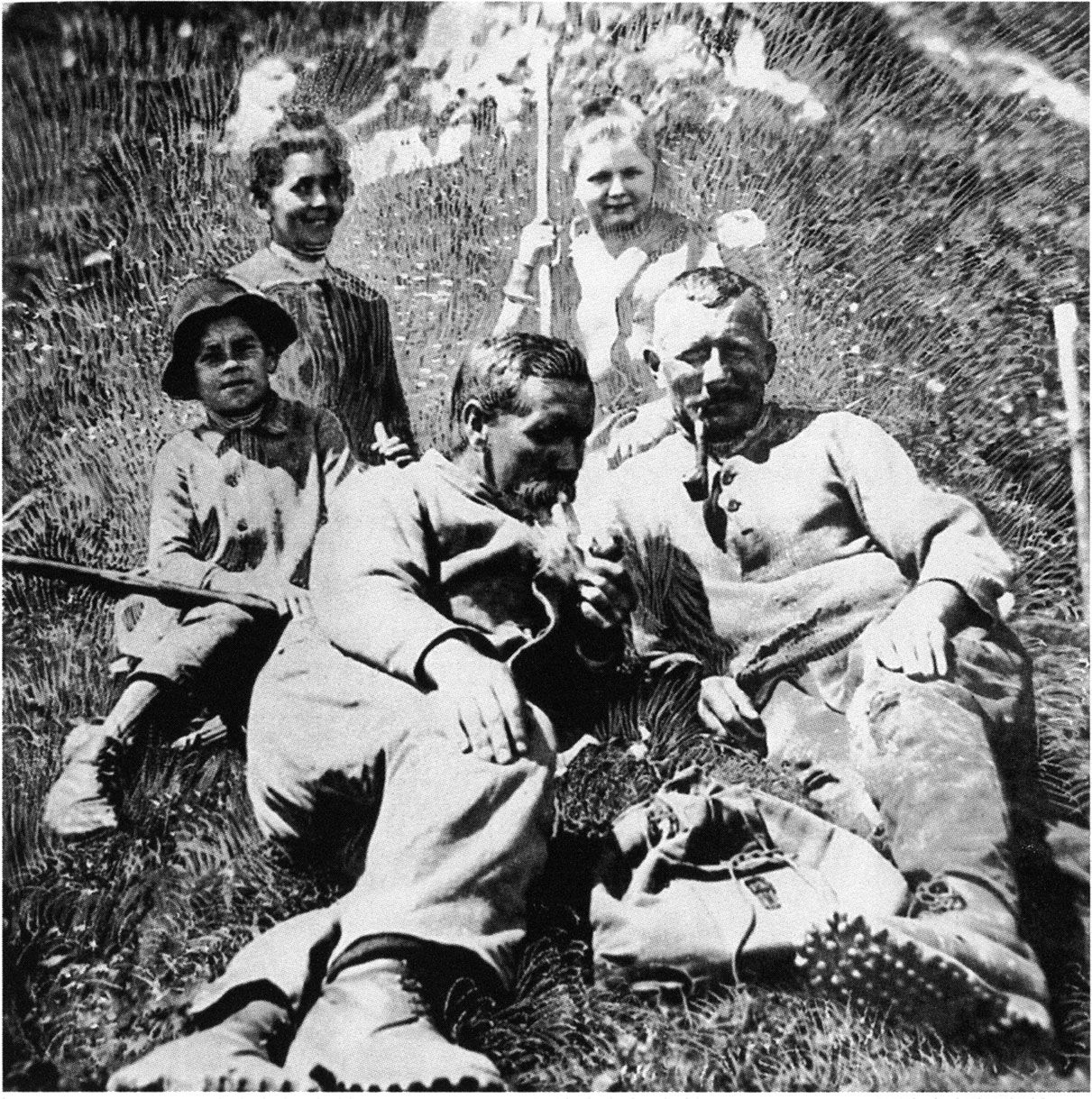
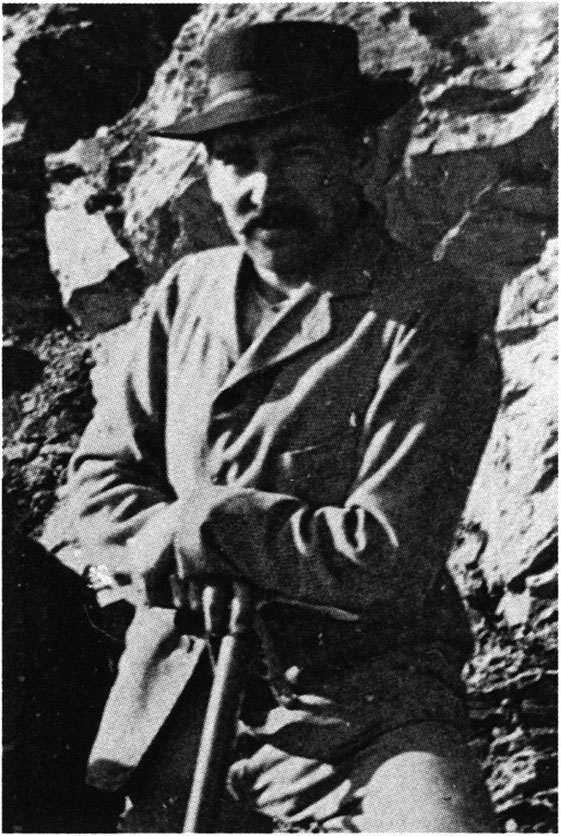
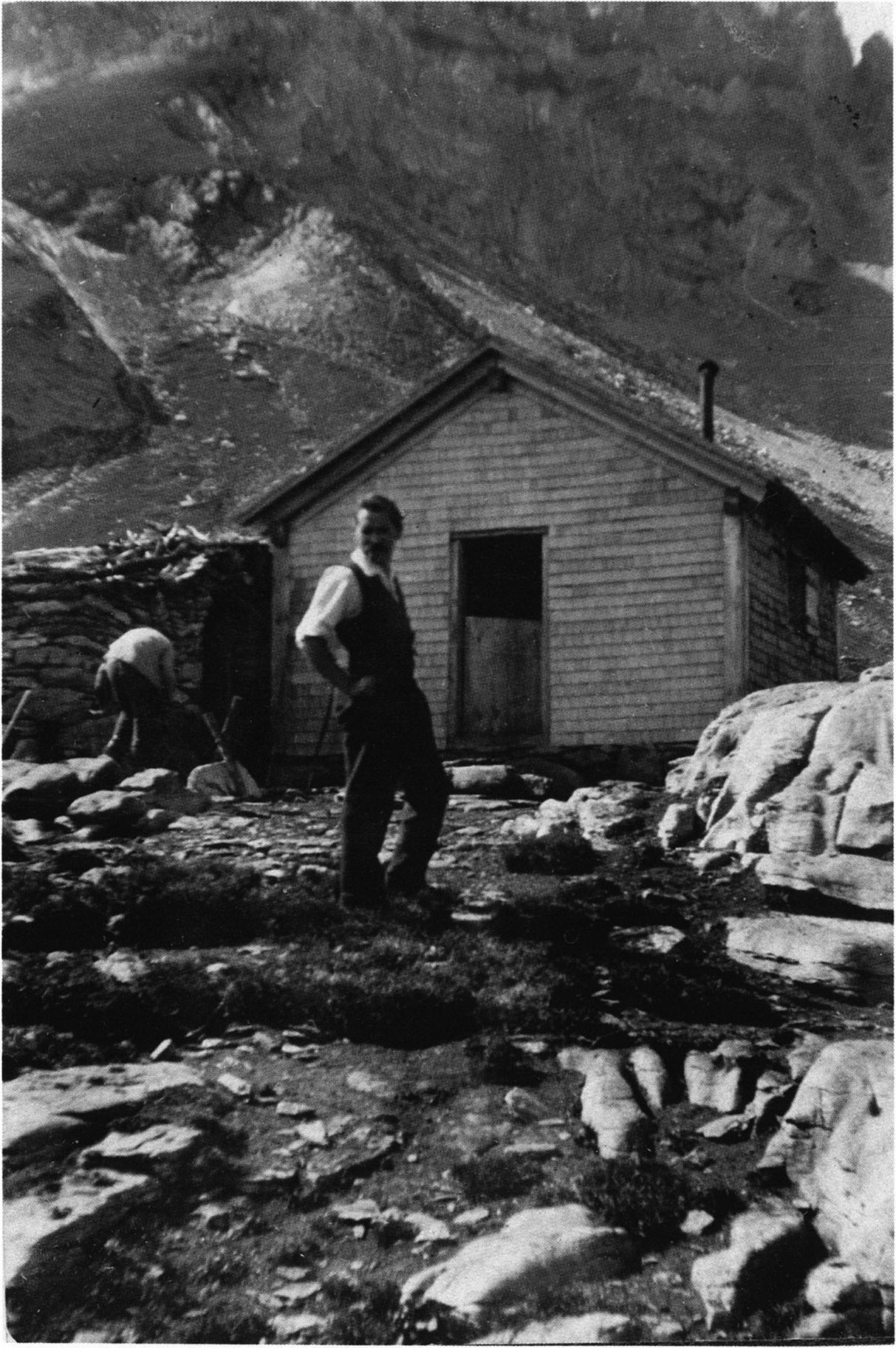
Theophil Nigg (1860 – 1957), - Abb. 19 a - c, S. 27 f. Oberlehrer in Vättis. Lokalhistoriker. Langjähriger Grossrat und Gemeindeammann der politischen Gemeinde Pfäfers (SG). 1917 - 23 Entdecker und Ausgräber in 201 Tagen im Drachenloch unter der Oberleitung Bächlers. Verfasser der Höhlentagebücher mit vielen wissenschaftlich wertvollen (Situationsskizzen und) cm-genauen Profilzeichnungen (deponiert im Staatsarchiv Graubünden Chur). –
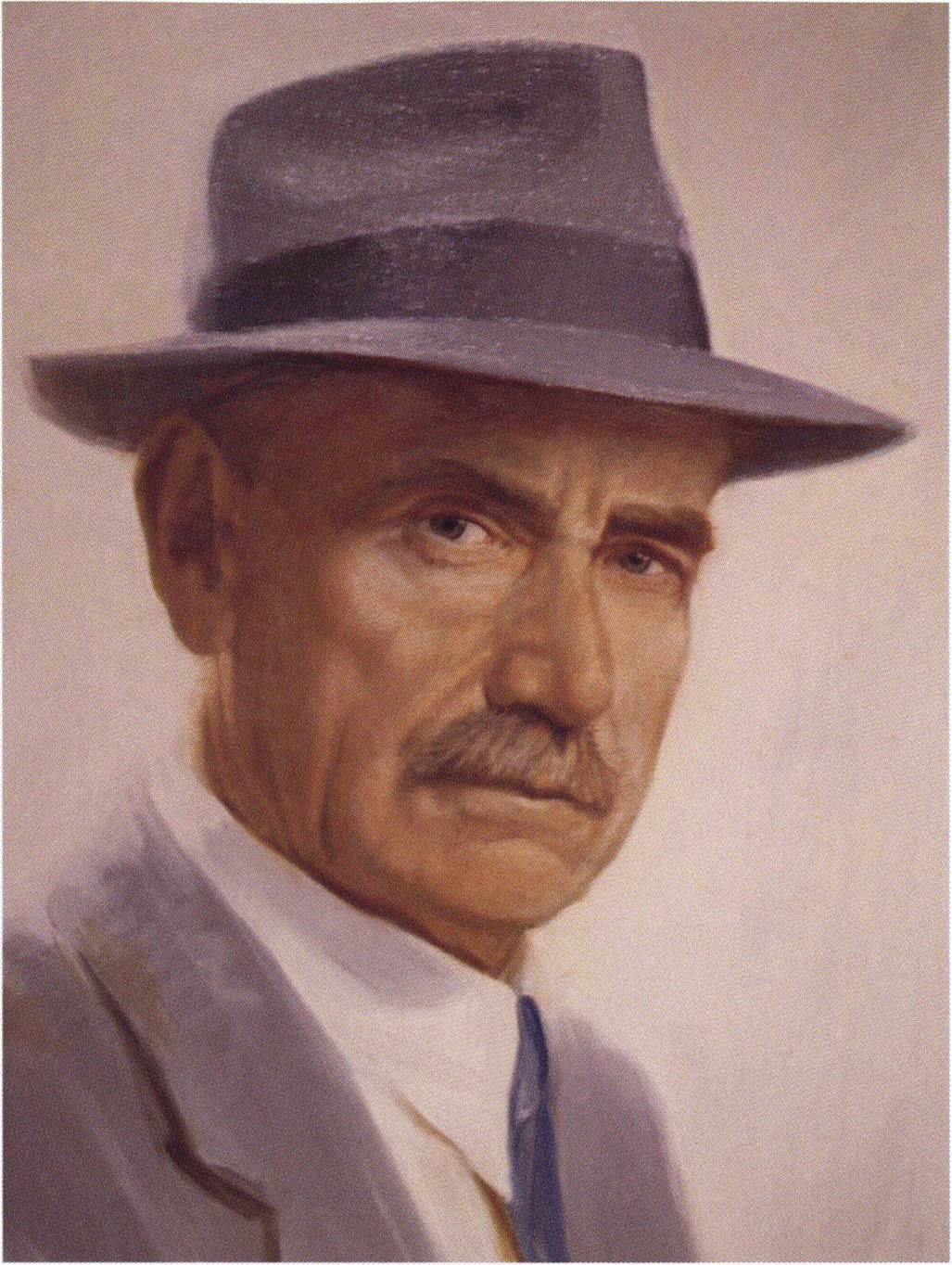
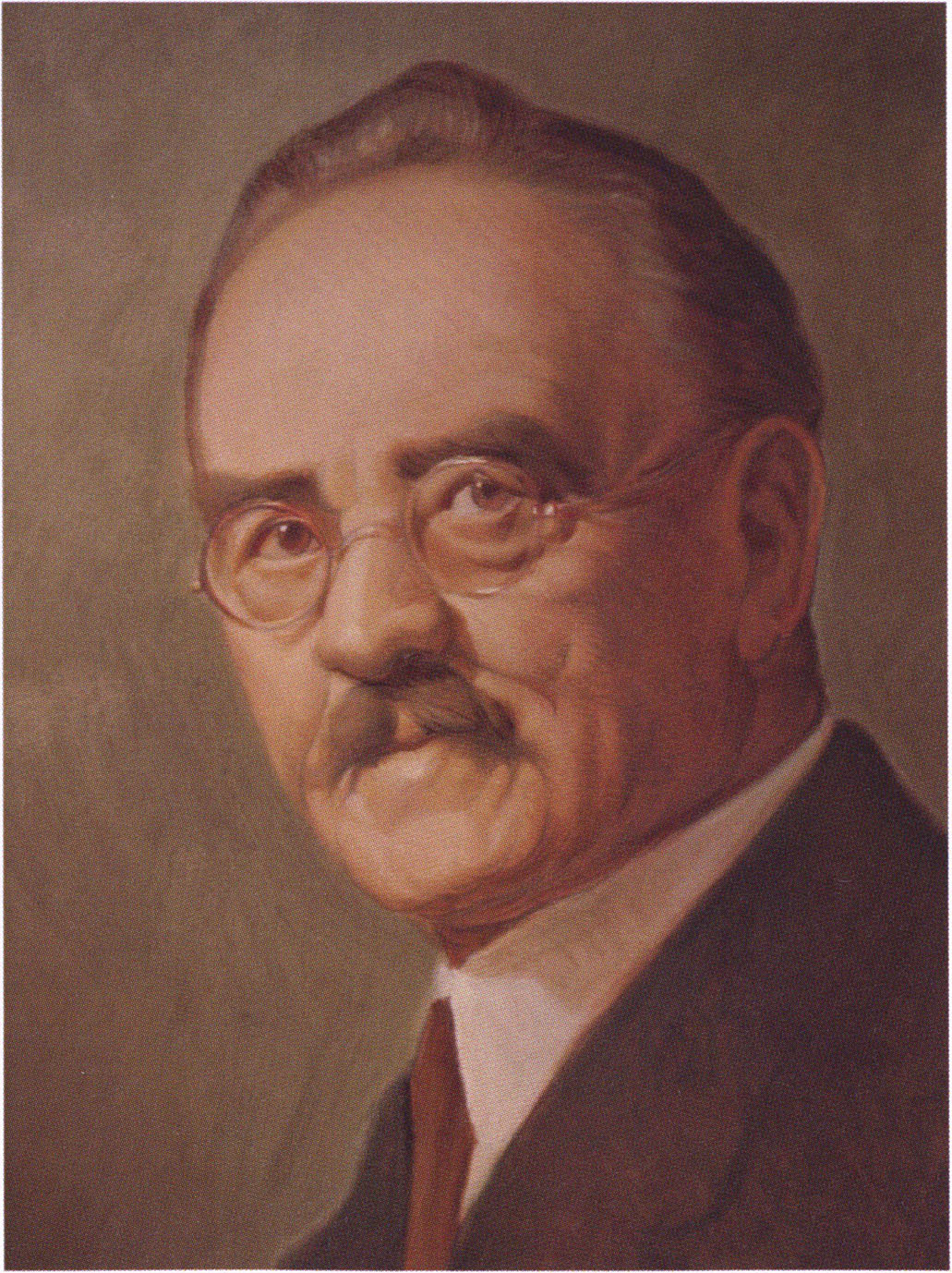
Dr. h. c. Emil Bächler (1868 – 1950), - Abb. 20, S. 27. Mittelschullehrer. Konservator am Heimatmuseum St. Gallen. Vielseitiger Gelehrter. Bekannter Höhlenforscher - Wildkirchli, Wildenmannlisloch. Oberleiter der Drachenloch-Grabungen (arbeitete 34 Tage in der Höhle). Wissenschaftlicher Bearbeiter der Funde: Das Drachenloch ob Vättis, 1921. Das alpine Paläolithikum der Schweiz, 1940. Ehrendoktor als verdienter Förderer der Wiedereinbürgerung des Steinwildes in der Schweiz.
Bächler schreibt in seinen handschriftlichen “Erinnerungen aus meinem Forscherleben” (II, Seite 5 f. - Archiv, Schachtel 16) zu den ersten Kontakten mit Nigg: “Anlässlich einer Demonstration der Wildkirchlifunde und eines Vortrages über die prähistorischen Forschungen im Wildkirchli vor der Lehrerkonferenz Gossau-Flawil machte ich die Lehrer aufmerksam auf die Höhle in den Kantonen St. Gallen und Appenzell, die der Untersuchung auf faunistischen und prähistorischen Inhalt zugänglich gemacht werden sollten, und erwähnte dabei das mir seit 1903 näher bekannte Drachenloch im Taminatale. Unter den anwesenden Lehrern war auch der damals in Gossau amtierende Lehrer Thomas Pfäfers, den ich aber damals noch nicht persönlich kannte”. Und Theophil Nigg ergänzt diese Vorgeschichte der Drachenloch-Ausgrabungen (Toni Nigg, 1978, Seite 14 f.): “Als ich im Jahre 1908 als Lehrer in mein Heimattal, u. z. nach Vättis kam, stand mein Entschluss fest, die dort bekannte Drachenlochhöhle baldmöglichst auf ihren Inhalt zu untersuchen. … Aber es verging eine Reihe von Jahren, bis ich wirklich dazu kam, meinen längst geplanten Besuch im Drachenloch auszführen. Ich verwendete hiezu einen schulfreien Nachmittag, es war der 7. Juli 1917, ein Samstag”.
Die folgende Chronik umfasst die Ausgrabungsprotokolle der Ausgräber, ihre Korrespondenz während der Jahre 1917 - 23, soweit sie erhalten ist (86 Briefe von Emil Bächler, 16 von Theophil Nigg), sowie erste Publikationen in Zeitschriften und Jahrbüchern dieser Jahre (z. T. vollständig, z. T. Ausschnitte).
Hinweise zur Gestaltung der Chronik und zu den Quellen und Abbildungen
Kursivschrift: Protokolle und Briefe der Ausgräber.
Kursivschrift, fettgedruckt: nach Darstellung der Ausgräber oder Einschätzung des Herausgebers archäologisch relevante Befunde.
Normalschrift: Ergänzungen, Kommentare, des Herausgebers.
Unterstreichungen von Wörtern oder Formulierungen: vom Original übernommen.
Die Orthographie wurde teilweise heutigen Regeln angepasst, statt & meist “und” geschrieben.
Abkürzungen im Original werden nach Gutdünken teils übernommen, teils ausgeschrieben.
Die Gestaltung der Briefe mit Ein- bzw. neuen Abschnitten richtet sich nach dem Original.
Das Zeichen // bedeutet, dass im Original eine neue Seite beginnt.
Wetterberichte wurden stets, Luftdruck- und Temperaturmessungen z. T. übernommen.
Bis 1919 schreibt Nigg eine zweite, meist kürzere Fassung seiner Ausgrabungsprotokolle und schickt sie an Bächler nach St. Gallen (“Tagebuch” genannt, erste Eintragungen 1917 noch vor Grabungsbeginn); wo Erst- und Zweitfassung wörtlich übereinstimmen oder nur geringfügigste inhaltliche Unterschiede aufweisen, wird auf die Zweitfassung verzichtet; im selteneren Falle werden beide kombiniert.
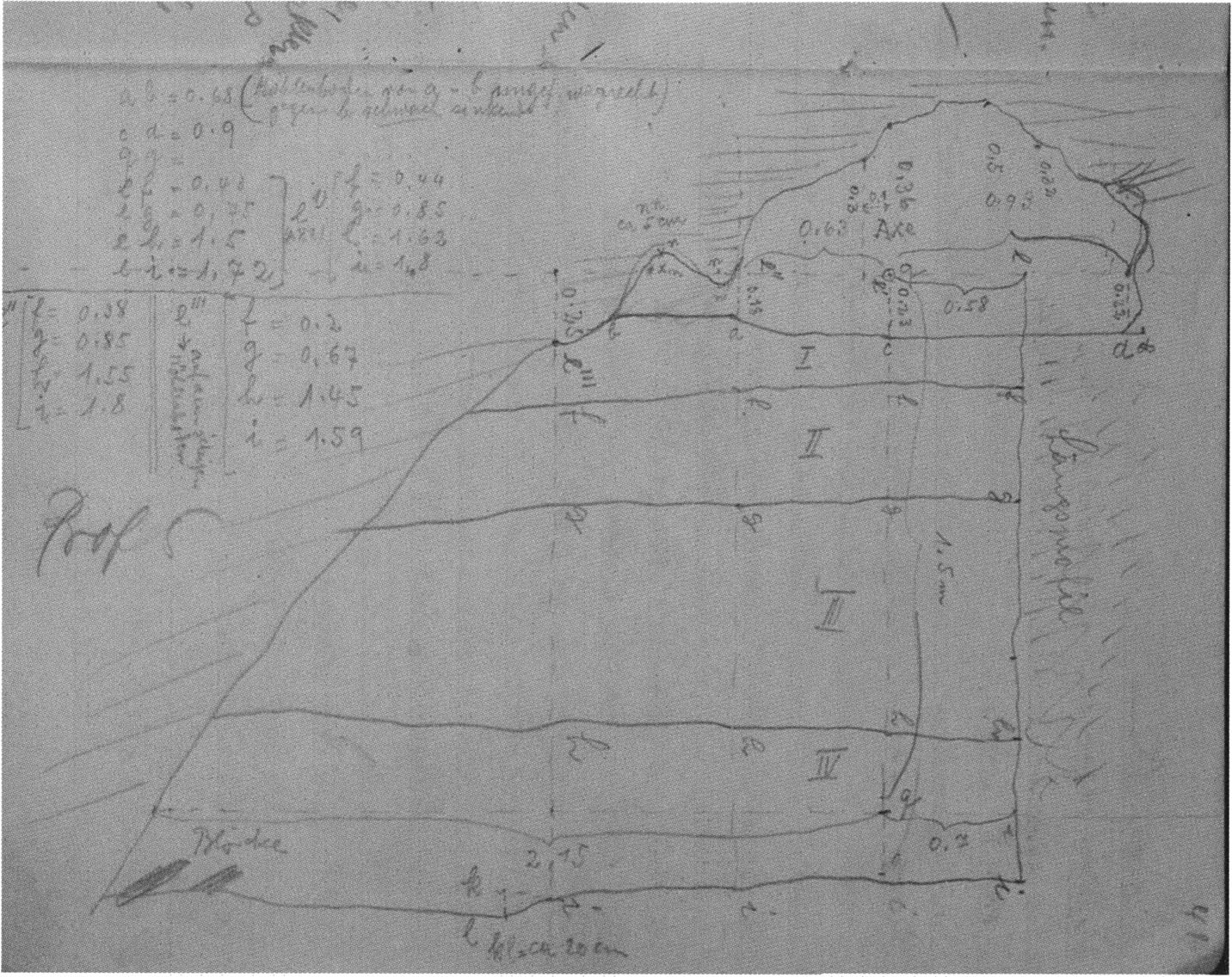
Sämtliche Aufzeichnungen Niggs, seines Notiz-, und 4 Skizzenhefte, werden im Staatsarchiv des Kantons Graubünden in Chur (STAGR) in einer Schachtel mit der Signatur D V/6 nummeriert aufbewahrt. (Zitierung: D V/6 + Nummer des Heftes + Zahl der Seite; zusätzlich wird bei den 4 Skizzenheften ein 5 vorangeschrieben.)
Sämtliche Protokolle Bächlers in Notizheften werden im Stadtarchiv - Vadiana - St. Gallen, Privatarchiv Emil Bächler, Schachtel Nr. 8, aufbewahrt; diese Notizhefte sind ohne Signatur. Die Zitierung erfolgt nach dem von Bächler selbst am Anfang des Heftes geschriebenen Ausgrabungsjahr + Seitenzahl; wo die Seitenzahlen fehlen, werden sie ergänzt.
Die 16 in der Chronik wiedergegebenen Briefe von Nigg an Bächler werden in Schachtel 32 des Bächler-Archivs aufbewahrt. – Von Niggs Briefen an Bächler sind ein Grossteil leider verloren gegangen !
Die 86 in die Chronik übertragenen Briefe von Bächler an Nigg befinden sich im Privatbesitz von Herrn Rudolf Mettler, Chur, und wurden mir freundlicherweise zur Verfügung gestellt, wofür herzlichst gedankt ist.
Die Korrespondenz der beiden Ausgräber aus den Jahren 1917 - 23 enthält neben Wichtigem auch viel Nebensächliches oder Familiäres; dennoch werden sämtliche Briefe vollständig und ungekürzt wiedergegeben. – Für eine Person, die ob ihrer permanenten Störmanöver wiederholt ins Kreuzfeuer der Kritik von Nigg und Bächler geriet, wurde das Pseudonym “Neumann” verwendet.
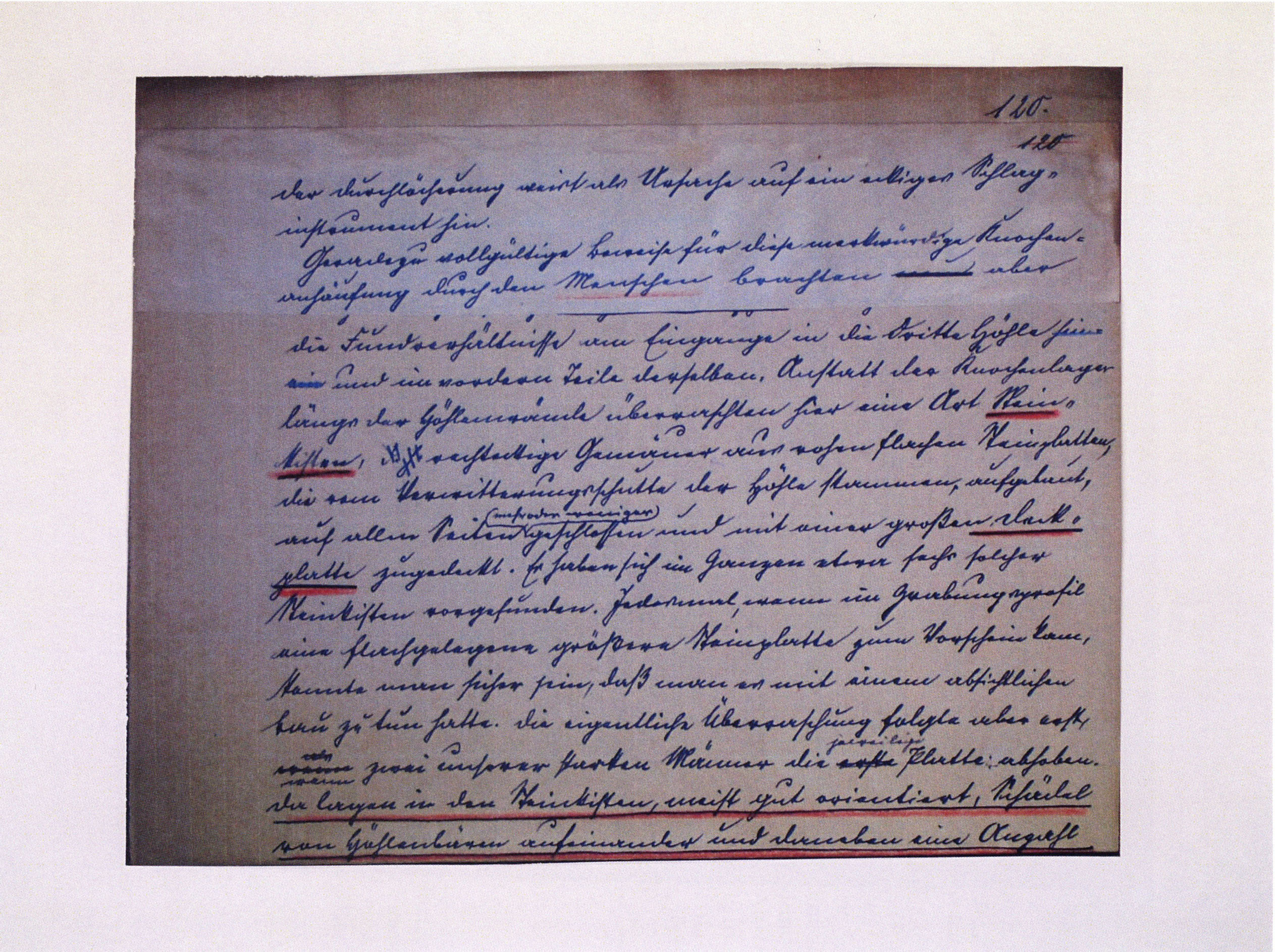
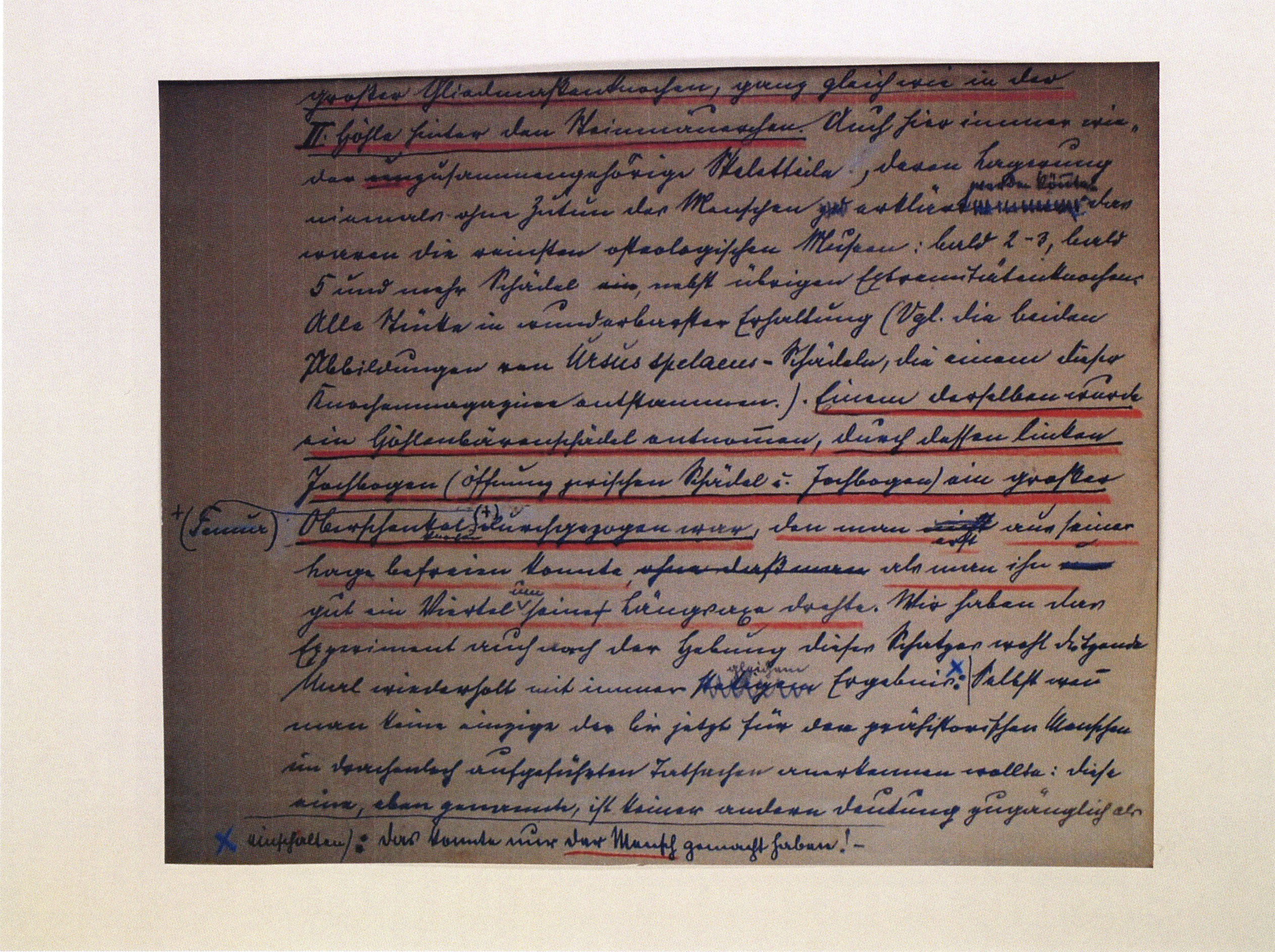
Die Protokolle und Briefe von Bächler sind mehrheitlich in “Deutscher Schreibschrift” abgefasst - im selteneren Falle auch jene von Nigg - und mussten transkribiert werden.
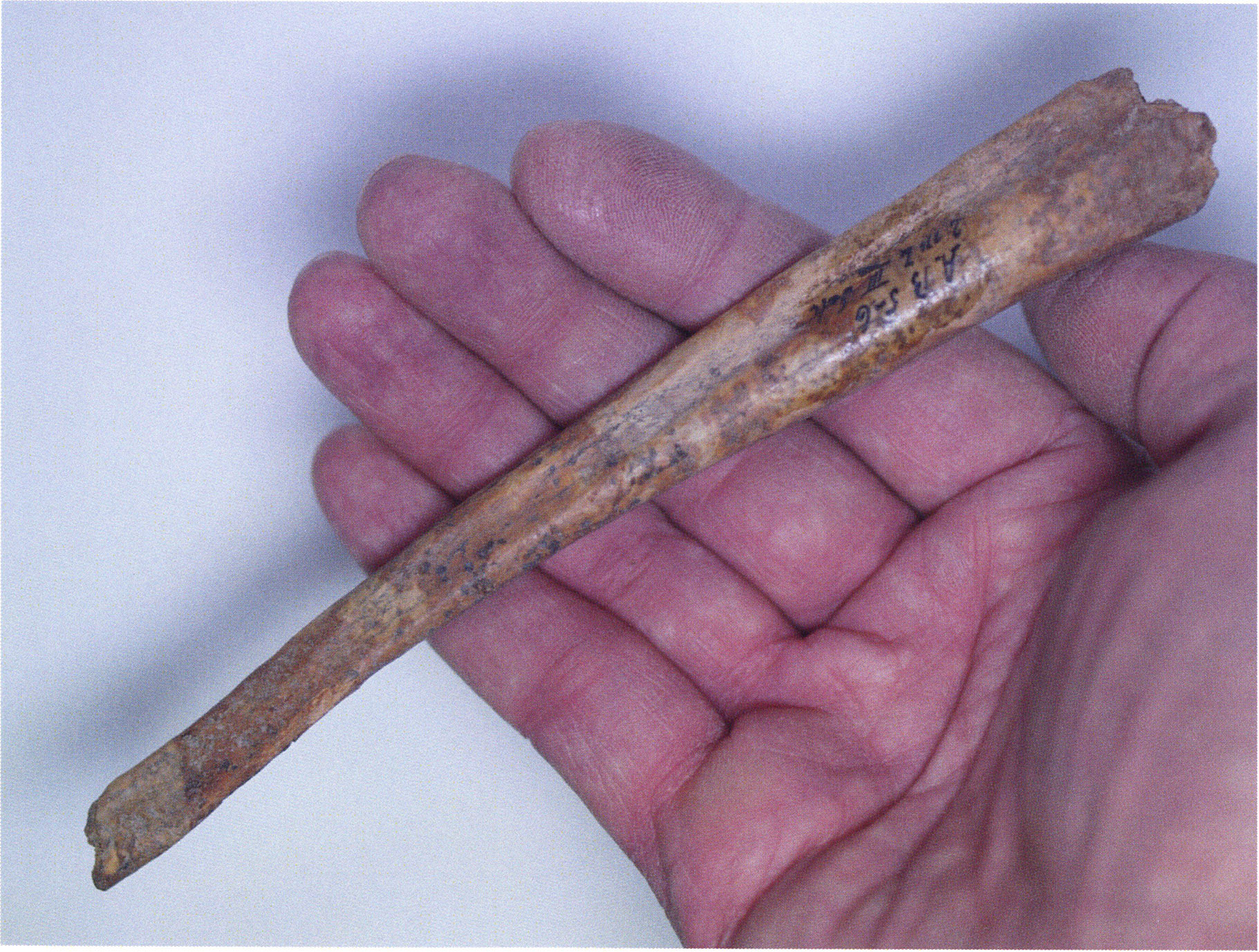
Vom Dezember 2005 bis zum November 2006 fotografierte der Herausgeber allwöchentlich im für die Öffentlichkeit geschlossenen Kirchhoferhaus der Stadt St. Gallen, wo sich bis heute das Hauptdepot des Fundmaterials der Drachenloch-Ausgrabungen befindet. Dr. Toni Bürgin, dem Direktor des vis-à-vis gelegenen Naturmuseums, und dem zuständigen Gremium gebührt mein herzlichster Dank für die Zulassung. - Beim abgebildeten Material wird nicht eigens auf diesen Aufbewahrungsort hingewiesen; stammt das fotografierte Material aus dem zweiten, kleineren Depot, nämlich dem Ortsmuseum in Vättis mit der permanenten, einzig für die Öffentlichkeit noch zugänglichen Ausstellung zu den Drachenloch-Ausgrabungen wird speziell darauf hingewiesen !
Sämtliche Fotos von Höhlenbärenschädeln, -knochen und Seewerkalkobjekten des Drachenloches stammen vom Herausgeber; ebenso jene von Skizzen und Zeichnungen aus den Notizheften und Publikationen der Ausgräber und aus den Museen. - Abb. 3 und 5 stammen aus “La naissance de l’art” von Lorblanchet.
———
1 9 1 7.
Tagebuch Fundhöhle „Draggaloch” (Drachenloch) geführt v. Th. Nigg, Lehrer, Vättis
*(D V/6 2, 1)
1917 *Samstag, 7. Juli
Exkursion nach dem „Draggaloch”
Entdeckung der vorgeschichtl. Tierfunde (Bärenreste) im Höhlenbodenschutte.
Diese lagen in ca. 50 - 60 cm Tiefe im weichen Grund der ersten linken Nebenhöhle.
Ich entnahm dieselben zwei mittelst Spaten ausgehobenen Löchern von quadratischer Grundfläche in Spatenbreite. Unter den Knochenresten befindet sich ein wohlerhaltener Bärenzahn. Die Fundstücke sandte ich, nachdem ich über Alp Ladils heimgekehrt war, an Herrn Konservator Bächler, St. Gallen z. Untersuch. Bei der Entdeckung waren meine beiden Knaben Theophil und Anton, der Knabe Leo Bonderer, Hirt auf Gelbberg, zugegen. –
―
Vättis, 7. Juli 1917
Sehr geehrter Herr Konservator!
Zweck dieses Schreibens und der Sendung ist, Sie, geehrter Herr, auf die Höhle „Draggaloch” (Drachenloch) am Gelbberg bei Vättis aufmerksam zu machen.
Ich habe heute dieselbe besucht und darin in 30 - 60 cm Tiefe beiliegende Knochenstücke und den Zahn (Bärenzahn?) gefunden. Mit einem Spaten grub ich mit Leichtigkeit im weichen Grund zwei kleine ca. 60 cm tiefe Probeschächte ungefähr in Spatenbreite. Es würde mich nun sehr interessieren, zu erfahren, ob die Knochen und der Zahn Reste von ausgestorbenen Tierarten sind, und ob Sie es für lohnend halten, die Höhle systematisch zu untersuchen. Falls Sie glauben, dass die Höhle wertvolle Relikte enthalten könnte, möchte ich Ihnen empfehlen, die Sache baldmöglichst an Ort und Stelle zu prüfen, da mein Fund fatalerweise nicht unbekannt geblieben ist und es leicht der Fall sein könnte, dass hiesige Kurgäste auf eigene Faust dort nach derartigen Dingen suchten. - Den Zahn würde ich gerne wieder zurück haben.
Indem ich hoffe, dass Sie mich entschuldigen, dass ich Sie bemühe, begrüsse ich Sie in
vorzüglicher Hochachtung
Th. Nigg, Lehrer.
―
St. Gallen, den 10. Juli 1917
Herrn Lehrer Th. Nigg, in Vättis bei Ragaz.
Sehr geschätzter Herr !
Für Ihre freundlichen Mitteilungen vom 7. dieses Monates sowie für die Zusendung der von Ihnen in der Höhle des „Draggaloch” gemachten Tierfunde sage ich Ihnen meinen besten Dank.
Ich muss Sie zu Ihrem Funde beglückwünschen, da es sich um wirkliche B ä r e n-reste handelt, und zwar von einer Art, welche jene des Höhlenbären an Grösse nahezu erreicht. Die Entdeckung ist also von Wert und ich möchte Sie dringend bitten, dafür zu sorgen, dass keine unberufenen Hände sich darein mischen, da sonst der Wert der ganzen Entdeckung illusorisch wird. Im übrigen wird der Staat St. Gallen nach Bestimmung des Eidgen. Zivilgesetzes die Hand darauf legen, da derartige Lokalitäten wissenschaftlich nach neusten Methoden untersucht werden müssen, und der Kanton der gesetzliche Eigentümer dieser Funde ist.
Ich denke mir, Sie halten diese Ihre Entdeckung geheim, damit Sie der Priorität nicht verlustig gehen. Sagen Sie einfach, die Sache werde von St. Gallen aus untersucht werden, und machen Sie darauf aufmerksam, dass niemand ein Recht zu graben hätte ausser den hiezu vom Staate beorderten Fachpersonen. Ich werde sofort Schritte bei der Regierung tun. Ich komme dann im Laufe der nächsten Woche nach Vättis, um mit Ihnen das mir wohlbekannte Draggaloch zu besuchen. Die weitere Untersuchung wird dann zeigen, dass Sie eine schöne Arbeitsstätte bekommen, zu der ich Ihnen alle Anleitung geben werde, da ich sowieso nicht immer dabei sein könnte. Unter allen Umständen bleibt die Entdeckung an Ihren Namen gebunden und dürfen Sie beruhigt bleiben, dass Ihnen von der Priorität als Entdecker nichts abgehen wird. Ich werde hiefür selbst sorgen.
Ich habe das Draggaloch zweimal besucht während meiner botanischen Arbeiten im Calfeis, das letzte Mal anno 1904; ich besitze einen genauen Plan derselben in 1 : 250. Haben Sie die Funde im vorderen grossen Teil (27m Länge), oder in der hintern rechten grossen Ausbuchtung (Kuppelbau) desselben oder ev. gar in einem der hintern Departemente, d. h. hinter dem engen Durchschlupf linker Hand hinten an // der grossen Eingangshöhle gemacht ? Ich nehme das erstere an. Als ich s. Z. die Höhle für meine Höhlenkarte notierte, fanden Herr Lehrer Graf, damals in Vättis, und ich nur die oberflächlich gelegenen Knochen von Weidetieren (von Füchsen eingeschleppt). Ich hatte zwar immer Verdacht, dass ev. trotz der Höhe der Höhle diese doch wenigstens Knochen von Ursus arctos (gemeiner Bär) enthalten könnte. Die Wildkirchli-Forschungen hielten mich aber stark an diese letztere Stätte. Nun sind Sie also vorausgekommen und das ist recht.
Wenn es sich schliesslich auch kaum um eine prähistorische Niederlassung handeln kann (es heisst zwar aufgepasst!), so muss die Stätte doch unter allen Umständen sehr genau durchgearbeitet werden, weil die Lagerung nach Schichten und übriger Fauna sehr wichtig ist.
Alle Wühlarbeit ohne exakte Methode würde die Höhle durchaus entwerten, da es sich heute nicht mehr nur um blosse Funde, sondern um deren genaue Interpretation handelt. Nur so kriegt die Höhle wirklichen wissenschaftlichen Wert. Legen Sie also sofort Protest ein gegen jegliche Räuberei in der Höhle. Wenden Sie sich im Falle der Not sofort an das Gemeindeammanamt Pfäfers oder an das Bezirksamt Sargans.
Ich nehme an, dass Sie in richtiger Würdigung der Sache nichts versäumen, um das zu tun, was vor Verschandelung dieser wichtigen zoologischen Stätte schützt, bis ich von hier aus die nötigen Schritte zum Schutze derselben getan habe.
Die Knochen und den Zahn werde ich Ihnen persönlich nach Vättis bringen, da ich noch eine Untersuchung vornehmen muss daran.
Nehmen Sie nochmals meinen besten Dank und die freundlichen Grüsse Ihres ergebenen
Emil Bächler
freundliche Grüsse in die „Lerche”.
―
Vättis, 11. Juli 1917
Herrn Konservator Bächler, St. Gallen.
Sehr geehrter Herr !
Ihr heutiger Brief brachte mir eine freudige Überraschung. Wenn ich auch vermutete, dass die Knochenreste einiges Interesse haben könnten, so habe ich dieses Resultat doch nicht erwartet. Der Gedanke, eine naturhistorisch so wertvolle Stätte in der Nähe zu haben, die uns ev. Überraschungen bereiten könnte, regt mich geradezu auf.
Natürlich werde ich mein möglichstes tun, um die Höhle vor Räuberei zu bewahren. Vor allem werde ich meinen Fund und das vorläufige Resultat überhaupt nicht mehr erwähnen. Dann werde ich morgen nach der Alp Gelbberg gehen und dem dortigen Hirten, einem Vättner, Instruktion erteilen, dass er die Höhle unberührt lasse. (Sein Knabe, der ebenfalls dort ist, war mit mir in der Höhle !) Überdies werde ich ihm Auftrag geben, dass er uns die Höhle bis auf weiteres bewacht und besonders Fremde vor dem Besuch derselben, oder doch (indem er mitgeht) vor Wühlarbeit darin abhält. Könnten Sie mir nicht ein entsprechendes amtliches Schreiben besorgen, das man dem Hirten zur Legitimation aushändigen könnte ? Ich denke, dass der Mann für seine Mühe entsprechend entschädigt werden kann und ich werde ihm dies von mir aus versprechen. Das beste wird aber immerhin sein, wenn die Untersuchung ohne Aufschub vorgenommen wird, und ich erwarte deshalb mit Ungeduld Ihre Ankunft.
Die Knochen stammen nicht aus der grossen Eingangshöhle, sondern aus dem ersten (trockenen) hintern Departement, in das man aus der grossen Höhle durch den ersten engen Durchschlupf gelangt. Es scheint mir, dass ev. sogar noch weiter hinten Funde gemacht werden dürften. Von besonderer Bedeutung scheint mir der Umstand zu sein, dass ich bei den Knochen kleine Spuren (etwas weniger als Bleistift-Dicke) von Holz fand (Menschen?), die mir aber fatalerweise beim Heimtransport verlorengegangen sein müssen. Ob dieselben aus tiefern Schichten stammten oder beim Graben von der Oberfläche hinunter fielen, kann ich nicht sicher beurteilen. –
Für Ihre freundliche Aufklärung danke ich Ihnen bestens.
Indem ich Ihrer baldigen Ankunft in Vättis mit Ungeduld entgegensehe,
verbleibe ich mit hochachtungsvollen Grüssen
Ihr ganz ergebener
Th. Nigg.
―
TAGEBUCH NIGG
Donnerstag, 12. Juli 1917 (D V/6 2, 2) Nachdem mir Herr Konservator Bächler am 10. Juli mittelst Schreiben das Ergebnis seiner Untersuchungen an den Fundstücken mitgeteilt (fossile Bärenreste) und mich zugleich ersucht hatte, dafür zu sorgen, dass die Stätte unversehrt bleibe, begab ich mich am 12. Juli nochmals nach dem Gelbberg und erteilte dem Hirten (nur der Knabe war anwesend) schriftliche Anweisung, die Höhle zu beobachten und allf. Besucher derselben darauf aufmerksam zu machen, dass dort weder gegraben noch irgendwas daraus weggenommen werden dürfe. Event. solle er jeweilen selbst mit zur Höhle gehen und mir von allen Vorkommnissen sofort Mitteilung machen. Für die Mühe stellte ich ihm angemessene Entschädigung in Aussicht. Im weiteren solle er aber ohne Not zu niemand über die Sache sich äussern.
―
Naturhist. Museum
St. Gallen
St. Gallen, den 14. Juli 1917
Herrn Lehrer Lehrer Th. Nigg, Vättis.
Sehr geschätzter Herr !
Die Angelegenheit Funde „Draggaloch” habe ich erst heute beim Justizdepartemente anbringen können. Es ist nun in erster Linie beim Eigentümer – Ortsgemeinde Vättis – den Schritt zur Sicherung der Höhle zu tun.
Am besten wäre für den Moment, Ihre Entdeckung in Vättis entweder ganz als Täuschung hinzustellen – Knochen von jetzt lebenden Tieren ! und dann schütten Sie in der Höhle zu, wo Sie gegraben, bis die Behörde begrüsst ist.
Oder aber: Wenn Sie zuviel ausgesagt haben, dann melden Sie dem Ortspräsidenten Herrn A. Jäger, dass die Entdeckung der Regierung mitgeteilt wurde und dass die Regierung an die Ortsbehörde gelangen werde, da die Funde nach Zivilgesetz dem Kanton gehören. Die Ortsbehörde sollte fürs erste ein Verbot erlassen betr. Nachsuche in der Höhle, da dieselbe wissenschaftlich untersucht werden müsse.
Ich selbst kann leider vor nächsten Donnerstag nicht weg von hier, da ich sehr pressantes habe. Bitte, schreiben Sie mir rasch, ob Ihnen dieser Tag passt und ob Sie die Geschäfte geheim halten können.
Mit den besten Grüssen bin ich Ihr
E. Bächler
―
Vättis, den 15. Juli 1917
Herrn Konservator Bächler, St. Gallen.
Sehr geehrter Herr !
Besten Dank für Ihre Mitteilungen. Es wird das Beste sein, wenn ich nun vorläufig mich in der Angelegenheit überhaupt zu niemand mehr äussere.
Denn es ist nur ganz wenigen Personen bekannt, dass ich Knochen aus der Höhle brachte; weiteres Aufsehen hat die Sache bis jetzt nach meinen Beobachtungen nicht gemacht. Von der Bedeutung des Fundes weiss niemand etwas. Die Hirten auf Gelbberg sind instruiert; sie werden ohne Not von der Sache zu niemand sprechen. Ich glaube, dass die Gefahr nicht gross ist, solange die Ortsbehörde nicht orientiert ist. Nachher wird die Sache aber ohne weiteres allgemein bekannt und dann stehe ich trotz Verbot für nichts ein. Ich halte es für unumgänglich, dass dann ohne Verzug mit der Arbeit in der Höhle begonnen werde und bitte Sie, bei der Regierung sich in diesem Sinne zu verwenden.
Nächsten Donnerstag stehe ich mit Vergnügen zu Ihrer Verfügung. Ich habe jetzt (Juli und August) Ferien.
Inzwischen nochmals herzlichen Dank und beste Grüsse !
Ihr ganz ergebener
Th. Nigg.
(Grabweise nicht Schaufel)
―
Naturhist. Museum
St. Gallen
St. Gallen, den 17. Juli 1917
Konfidentiell ! Bitte diesen Brief aufbewahren !
Herrn Lehrer Th. Nigg, Vättis.
Sehr geschätzter Herr !
In dem Momente, da ich Ihre gütigen Mitteilungen vom 15. M. erhalte, die ich Ihnen wärmstens verdanke, bekomme ich das dringende Mandat für eine gerichtliche Untersuchung, die mich mehr als 10 Tage hinhalten wird, da eine ununterbrochene Serie von mikroskop. Arbeiten erforderlich ist. Ich kann also nächsten Donnerstag zu meinem grossen Leidwesen noch nicht bei Ihnen erscheinen.
Da ich nun merke, dass Sie – ich begreife das am allerbesten – auf die Folter gespannt sind wegen Ihrer Entdeckung, so fühle ich es als meine freudige Pflicht, Ihnen sofort Anleitung zum Beginn Ihrer Arbeiten im „Draggaloch” zu geben. Es ist vollkommen recht. Behalten Sie die Sache ganz für sich und melden Sie vorderhand auch der Vorsteherschaft nichts, da es sofort einen Heidenspektakel gibt und Sie dann gefordert sind. Gestraft werden Sie nicht, dafür sorge ich nach Gesetz. Wir haben im Wildkirchli ein volles Jahr 1903/04 den Mund gehalten und sind dabei am besten gefahren. „Erst auspuddeln, dann ausschwatzen” hat mir mein grosser seeliger Geologe Eduard Fraas in Stuttgart einmal ins Ohr gesagt und er hatte recht. Sagen Sie einfach in Vättis, Sie suchen Minerale (Kalkspat), die Knochenfunde lassen Sie als Haustierfunde (von Füchsen eingeschleppt) gelten. Kommts dann nachher aus, so lässt man die dummen gewundrigen // Leute reden; die gescheiten schauen die Manipulation schon richtig an. Ich halte Ihnen schon durch. – Wie stehen Sie mit Kollege „Neumann” ? Würde er Ihnen die Sache nicht vorwegnehmen wollen ? Wenn nicht, desto besser ! Dann freut es mich !
Wenn Sie also nicht trauen, dann schütten Sie eher alles zu, wo Sie gegraben haben und stopfen Sie den Hirten auf Gelbberg den Mund ! Mit der Ortsbehörde reden wir erst, wenn die Regierung gesprochen hat. Man muss mit dem fait accompli vor dieselbe treten. Sonst gibt’s Händel. Ich kenne das. Man muss, sollte sie aber vermeiden.
Bevor die Sache mit der Regierung in Ordnung ist, sollten wir aber nicht beginnen miteinander. Wenn ich nämlich nach Vättis komme, so wittern die Leute eineweg (= sowieso) etwas, dafür kennt man mich ja allerorts, dass wo ich hinkomme, etwas „los” sein muss. Ich halte es für besser, Sie machen sich jetzt in aller Ruhe dran, dann scheint die Sache weniger wichtig. Wir haben dann schon positive grössere Resultate; die Sache selbst darf nicht überstürzt werden in der Ausgrabung. Wenn wir in Vättis zusammenkommen, so muss das unauffällig sein; wir treffen uns ev. „ganz von ungefähr”. Wir gehen dann hinauf ins „Draggaloch”, arbeiten dort zwei Tage. Dann trete ich ev. ja nach Gutfinden mit dem Bescheide der Befunde vor den Verwaltungsrat, der dann nicht mehr dagegen sein kann, und Ihnen nichts verbieten kann, weil Sie dann für die kantonale Wissenschaft arbeiten. Und wenn Sie das in den Ferien tun, kann Ihnen keine Vorsteherschaft der Gemeinde oder der Schule etwas dagegen haben. //
Es ist mir momentan ganz unmöglich, mehrere Wochen frei zu kommen. Sie selbst verteilen die Arbeit droben auf mehrere Ferien. Kommen die Funde dann nach St. Gallen, so erhalten Sie Entschädigung für Ihre Arbeit und Ihre Kosten. Vielleicht, dass ich im Herbste 8 Tage wegkomme.
Die heutigen und meine persönlichen Anleitungen in einer der nächsten Wochen werden Sie in den Stand setzen, selbsttätig zu sein. Ich wünsche und verlange, dass Ihr Name, als Entdecker, ganz bei der Sache bleibt. Die eigentliche wissenschaftliche Verarbeitung übernehmen wir beide. Dafür bleiben Ihnen einige flotte Kapitel. Sie übernehmen z. B. das Topographische, die Situation, Beschreibung der Höhle. Sagen vom Draggaloch, Geschichte der Entdeckung. Erste Arbeiten. – Profile und Grabungen.
Die Diskussion der Profile sowie die geologische, odontologische und osteologische Beschreibung der Funde, zeitliche Abgrenzung übernehme ich. So teilen wir uns ferner.
Sehr wichtig ist, dass Sie nicht alles allein ausgraben, ohne dass ich wenigstens 1 Längs – und ein Querprofil genau geprüft habe. Sie lassen also ein Vollprofil stehen. Sie arbeiten jetzt ein flottes Profil bis zum Boden durch unter Beachtung meiner ersten Anweisung. Dann können Sie bereits diskutieren, was Ihnen sicher grosse Freude macht! – Sie werden damit zum Höhlenforscher – es gibt bei Ihnen noch genug Arbeit! Das „Draggaloch”, die höchste Bärenstation der Welt! Glückauf ! Sobald ich also weg kann, komme ich zu Ihnen. Sollte etwas schief gehen, dann telegraphieren Sie mir: Aeroplan, d. h. es ist absolut notwendig, dass Sie sofort hieher kommen. Im Telefon (1321 St. Gallen) können Sie wohl nicht gut konversieren, wegen den „Lerchen”, die sehr aufmerksam sind, wenn’s an meine Adresse geht. Vous comprenez !
Mit besten Grüssen E. Bächler
St. Gallen, den 17. Juli 1917
ANWEISUNG
1) Aufnahme eines Planes (Grundriss und Querschnitt) des Fundhöhlenteiles.
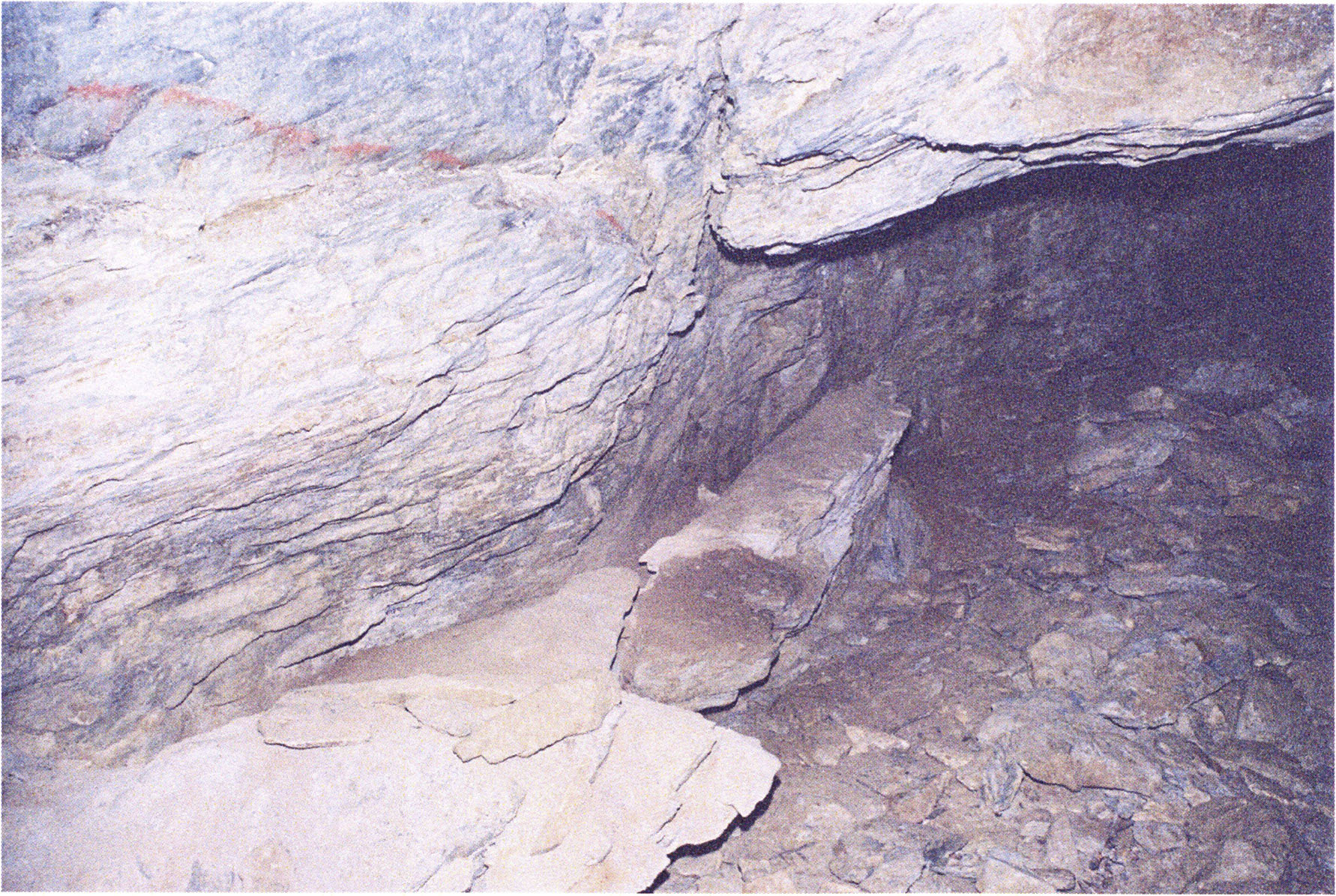
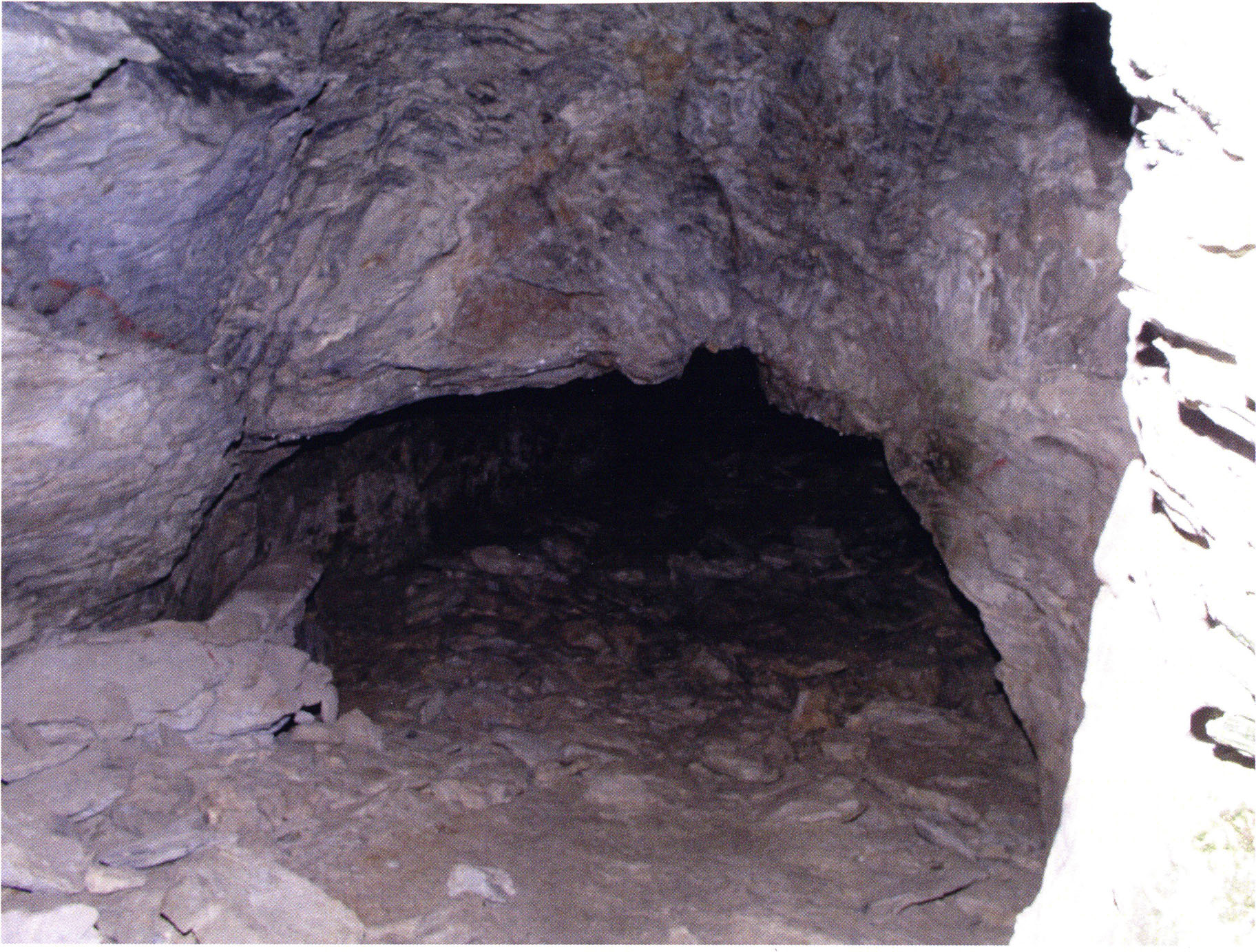
2) Genaues Markieren der ursprünglichen Höhe des betr. Höhlenoberflächenbodens. (mit Rotstift, Rötel, roter Farbe oder eingeschlagenen dicken Eisennägeln an den seitlichen Höhlenwänden, damit man weiss, wie hoch einst der Schuttboden lag.)
3) Die schon begonnene Grabungsstelle graben Sie direkt bis auf den Boden durch; der Graben sollte 1 – 1 ½ Meter breit sein. Die beiden Seitenteile des Grabens, d.h. die Querschnitte von Wand zu Wand der Höhle arbeiten Sie möglichst zu genau senkrechten Wänden ab (sogen. Querprofile). Vergleichen Sie die beiden Querprofile, ob dieselben gleich sind punkto Schichtung (Bodenschichten).
4) Ganz genaue Diskussion und Untersuchung dieser Schichten von oben bis unten. Genau notieren:
z.B. oben a) Schutt, Gesteinstrümmer, kleine oder grosse, Blöcke, grössere Deckenabbrüche.
b) feiner, sandiger, trockener, loser Schutt, in der Hand leicht zerreibbar.
c) lehmige, feuchte Schicht
d) harte u. sehr harte, gepresste oder harte versinterte Partie etc. etc.
e) Höhlenboden (Fels), Gestein der Höhle. Nativer Felsgrund
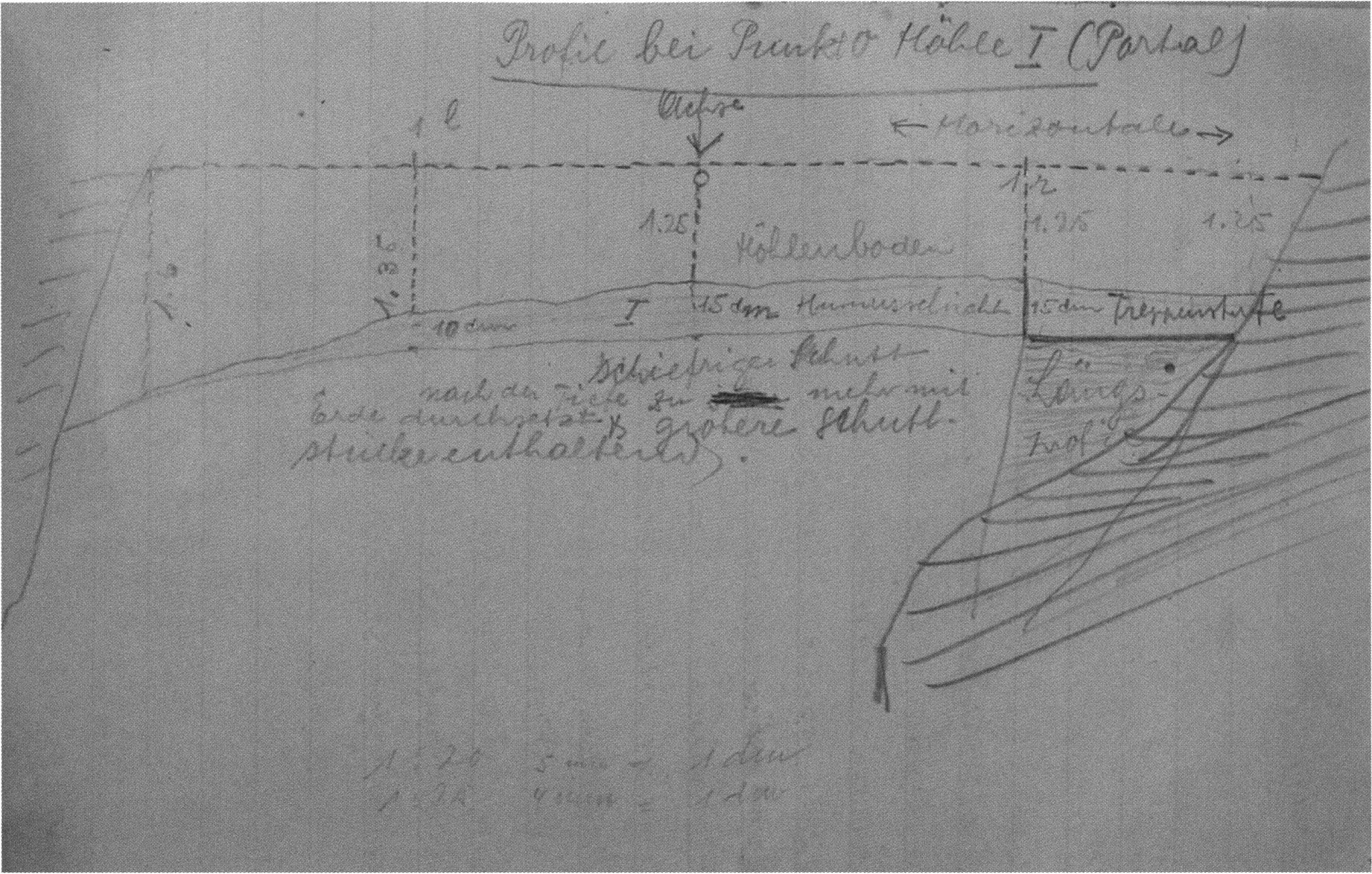
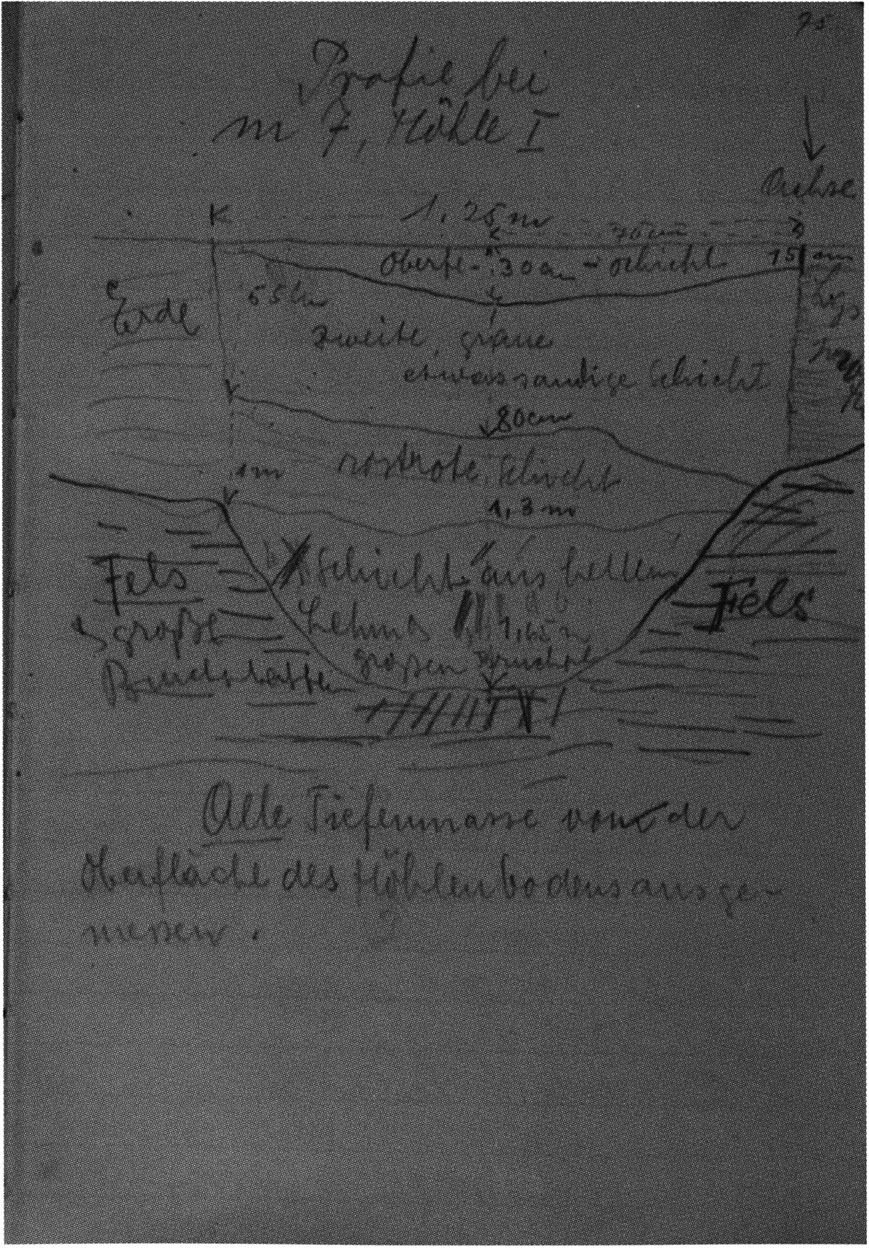
5) Anlegung einer Profilzeichnung. Verlauf der Schichten im Querschnitte an beiden Grabenwänden. Tiefenmasse der einz. Schichten von m zu m oder ½ zu ½ m genau einzeichnen und notieren, Farben der Schichten notieren !
*(Hier skizziert Bächler das Beispiel einer Schichtenabfolge.) //
*Die Feststellung der Schichten gehört zum Allerwichtigsten für eine flotte Interpretation. Gewöhnlich kennzeichnen sich die Schichten durch ihre Farbe des Schuttes, der Erde etc., durch die verschiedene Beschaffenheit mit Bezug auf Härte, Konsistenz, sandig, lehmig, sinterig. Es muss der genaue Verlauf der Schichten und ihre Dicke (Mächtigkeit !) ins Profil eingetragen werden.
6) Ganz genaue Eruierung der Orte, wo die Funde (Knochen etc.) liegen. In welcher Schicht beginnen sie, in welcher fehlen sie, gehen sie bis zum Felsboden ?
Alle Knochen werden aus den einzelnen Schichten in Säcke (Papier) oder überhaupt in Papier gesteckt und angeschrieben: Schicht I , II oder III etc.?
Am Anfange spannt man quer oben über den ursprünglichen Höhlenboden eine horizontale Schnur, oder auch höher oben und misst dann die Tiefe der Funde (von der Schnur oben gerechnet) ab und notiert sie.
Diese Eintragungen sind enorm wichtig. Nur langsam arbeiten, es pressiert nicht; man gewöhnt das Auge ans Sehen, alles wird klarer mit dem Arbeiten selbst. Also Geduld !
7) Grabarbeit a) Beleuchtung: Acetylenlicht, wenn irgend möglich. Kerzenlicht zu schwach. Velolaterne schon recht, dass man nichts übersieht.
b) Pickel nur in den fundleeren Schichten verwenden und um Blöcke zu entfernen.
in Fundschichten nur Kratzeisen:
Eisenstab, ca. 30 cm lang, mit Handgriff (Tuch darum), oben rechtwinklig abgebogen mit Spitze.(Zeichnung eines Kratzeisens)
// Anwenden dieser Kratzeisen (man kann auch an einem alten Eisenrechen eine Zinke wegfeilen !) leistet die besten Dienste, weil man die Funde leicht ablösen kann, wenig oder gar nicht verkratzt. Mehrzinkige Instrumente sind nicht gut. In den Fundprofilen kratzt man also ! – Pickel und Stechschaufel verderben die Funde. Es geht langsamer, dafür solider.
8) Funde also genau notieren, wo gefunden, Tiefe, Schicht. Wo die meisten Funde, in welchen Schichten, an den Wänden oder Mitte, Nischen etc. ?
Funde vom gröbsten reinigen; aber erst im Tale waschen mit Bürste, sorgsam. Sorgsames Herausnehmen und Ablösen aus der Erde, nachkratzen, damit sie möglichst ganz sind. Ganze Funde nur sorgfältig umkratzen im Profil, nicht sofort wegnehmen, wenn brüchig, sondern etwas trocknen, härten (!) lassen in der Höhlenluft. Feuchte Knochen brechen rasch, lässt man sie länger offen liegen, dann trocknen, härten sie sich zusehends. - Also möglichst viel ganze Funde. Zusammengehörige, aber gebrochene Teile sofort an Ort in Papier hüllen, damit man später sofort das Zusammengehörige beisammen hat. Wenn Sie auf einen Schädel (ganz) stossen sollten, dann decken sie ihn zu; ich gebe Ihnen dann Anleitung zur Hebung: Langsames, sorgfältiges Umgraben mit dem Kratzer, bis er komplett daliegt; dann 1 - 2 Tage liegen (trocknen) lassen an Ort. Beim Abheben wird er dennoch auseinandergehen; dann sorgfältig Stück um Stück, wie es „lässt”, abheben; Stück für Stück sorgfältig in Moos, Flechten, Gras legen, gut unterlegen; Schädel extra in Kiste ! (am besten) oder Korb (nicht Rucksack - alles beisammen !) bringen zum Taltransport. Das Wiederzusammensetzen ist etwas für sich, kann später besorgt werden. //
Ganze Funde sollten einzeln in Papier (Zeitungen) eingehüllt werden, ebenso Einzelteile, die zum Ganzen wieder vereinigt werden können.
Immer Zettelchen mit Fundangabe in die Fundpaketchen legen.
9) Notizbuch - Alles genau notieren: Arbeiten pro Tag (Datum). Protokoll über alle Befunde. Das Auffallende wird besonders notiert. Nichts ist geringfügig. Notieren Sie ja alles, was Ihnen neu ist, was Sie als Anfänger auch wissenswert finden. Das macht Freude. Stellen Sie sich selbst Fragen, die Sie beantwortet haben wollen.
Hauptfragen: 1) Ist ursus arctos in den obersten Schichten (II – folgende) ?
2) Erscheint dann weiter unten ein grösserer Bär ?
3) Sind beide in einer Schicht beisammen ?
4) Welche andere Tiere sind jeweilen noch in den verschiedenen Schichten bei den Bären vergesellschaftet ?
5) Sind die Knochen mehr ganz, oder stark zerbrochen im Profile ? Sehr wichtig ! Wo ganz, wo mehr gebrochen u. warum?
Hauptsache: Ja alle Knochen (auch Splitter) sammeln ! Nichts wegwerfen !
Achtung geben auf ganz kleine Tierreste (Zähnchen) selbst von Mäusen.
Achtung geben auf scharfrandige und gerundete Knochen !
(scharfrandig oder gerundet im Bruch) //
10) Eventuell: Prähistorische Funde ! (Eventuell; ich halte sie aber vorderhand für ausgeschlossen, weil Höhle zu hoch gelegen, zu weit von der Waldgrenze entfernt. (der ehemaligen und der jetzigen)
Allein, man kann nicht wissen ! daher:
Genau achten auf die Schuttsteine in den Tiefen, wo Knochenfunde (Bären). Schauen Sie sich genau den Höhlenfelsen nach (auf frischem Bruch und verwittert, zerschlagen mit Hammer !)
Dann Schuttsteine prüfen, ob hart oder weicher, d. h. ob Sie mit dem Messer geritzt, einen weissen Strich geben; das sind nicht Artefakte sind.
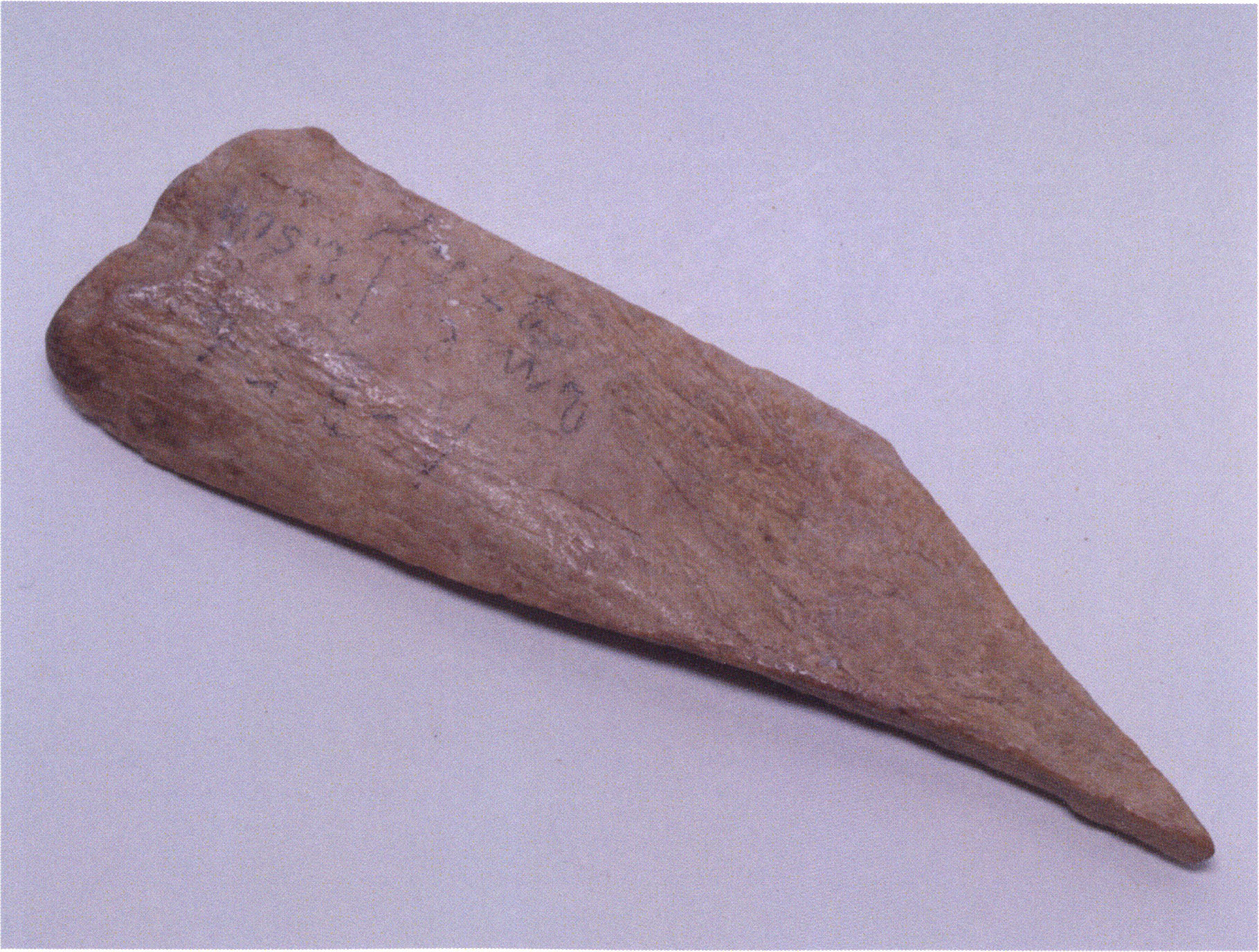
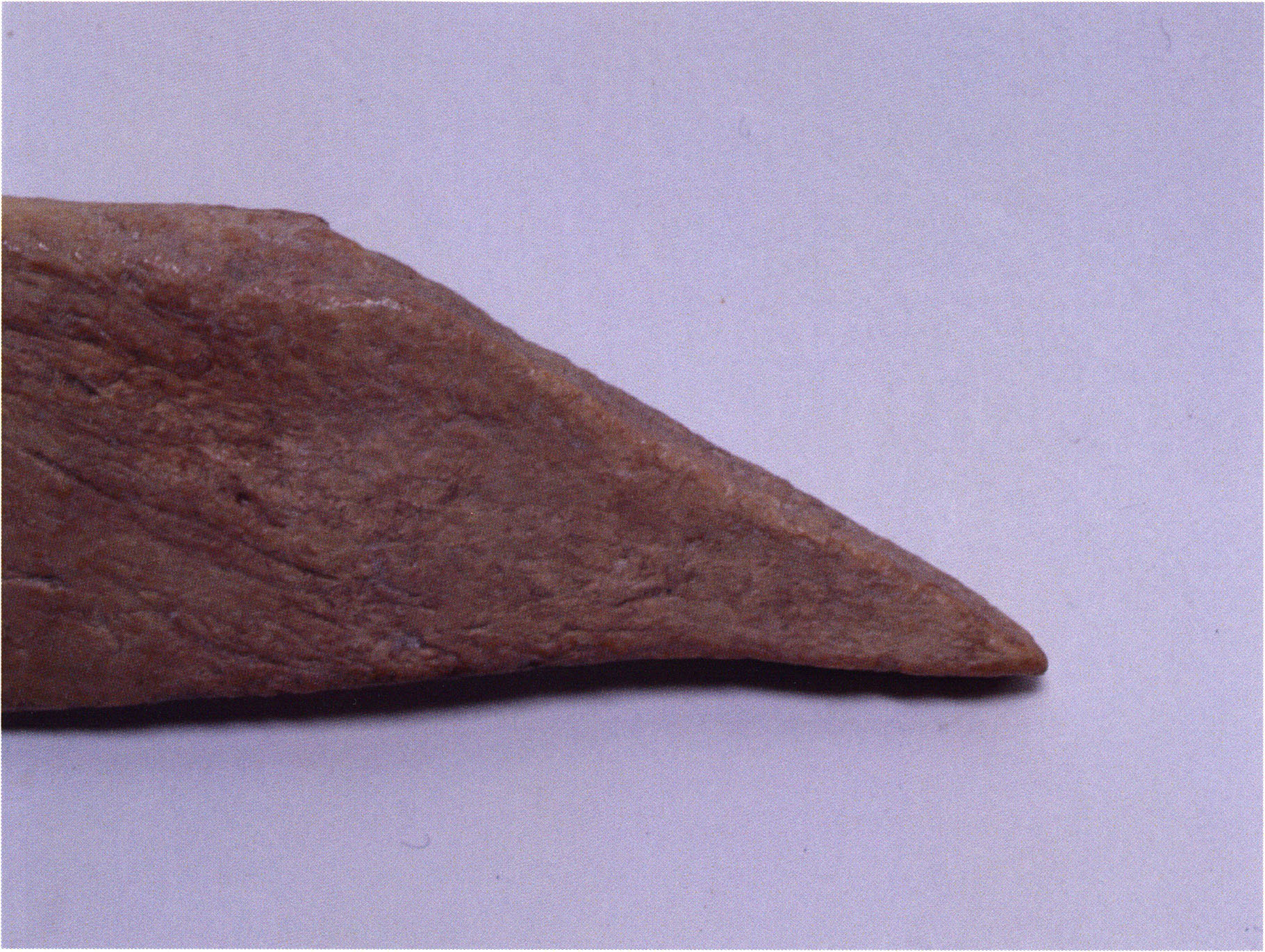
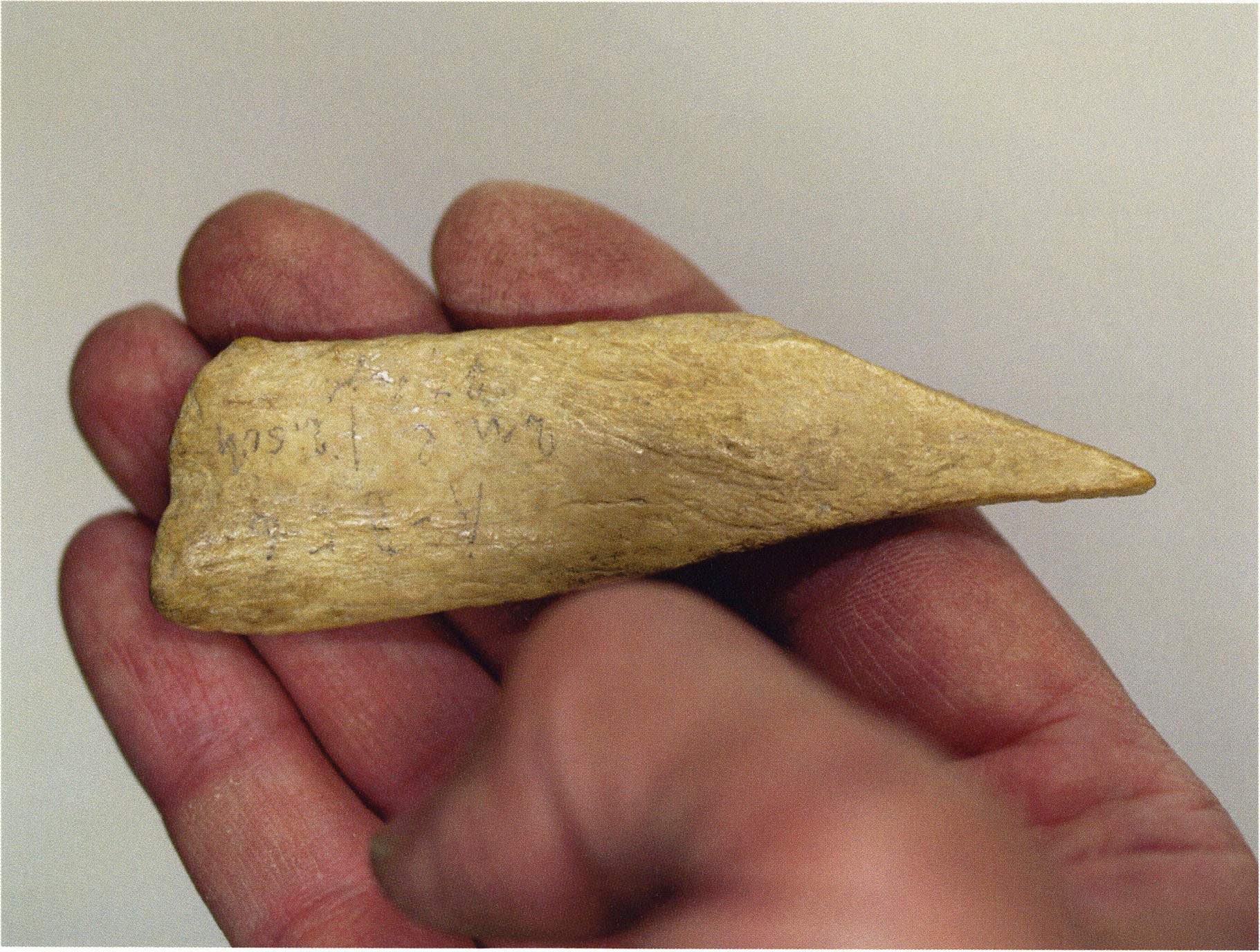
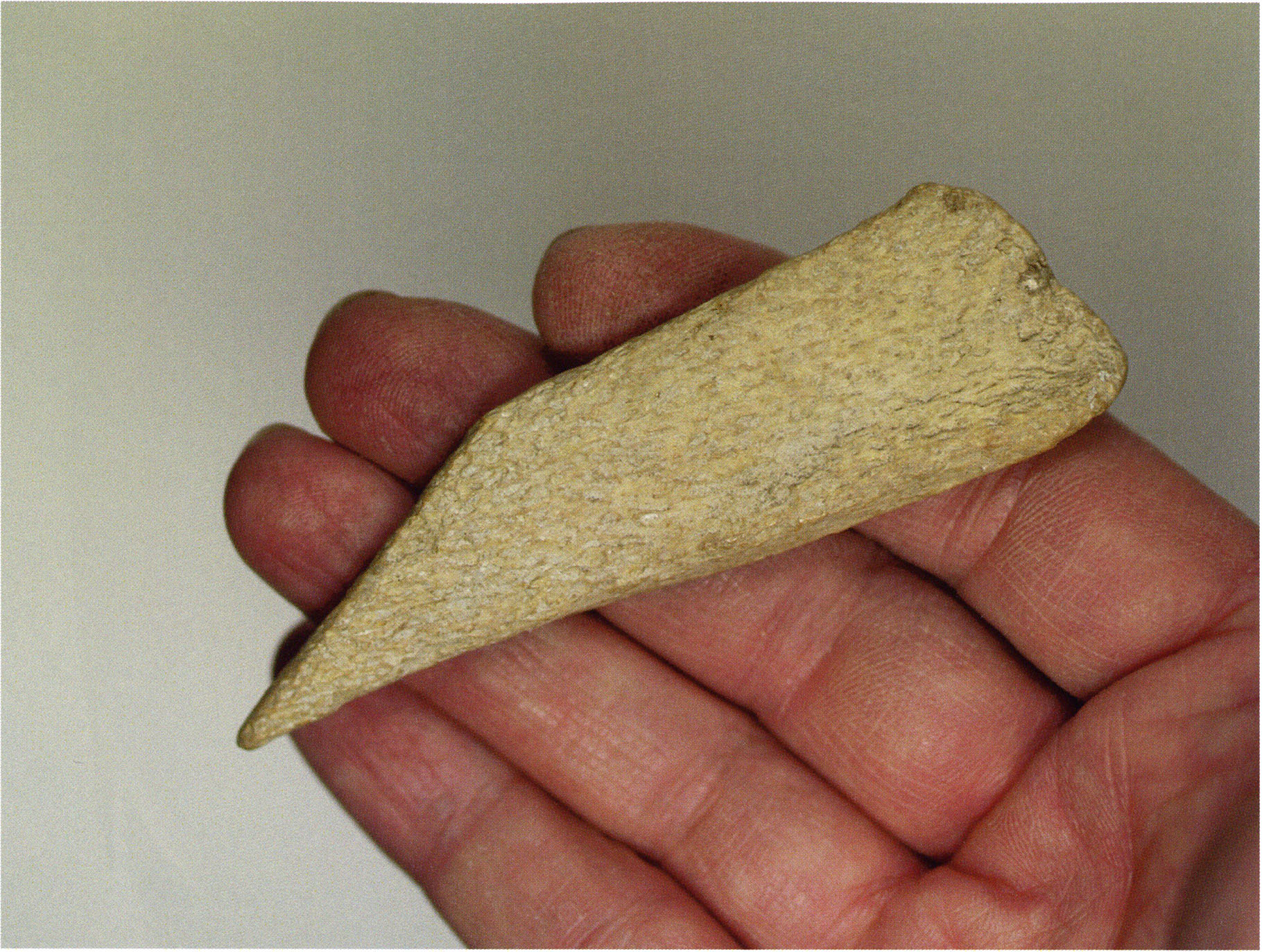
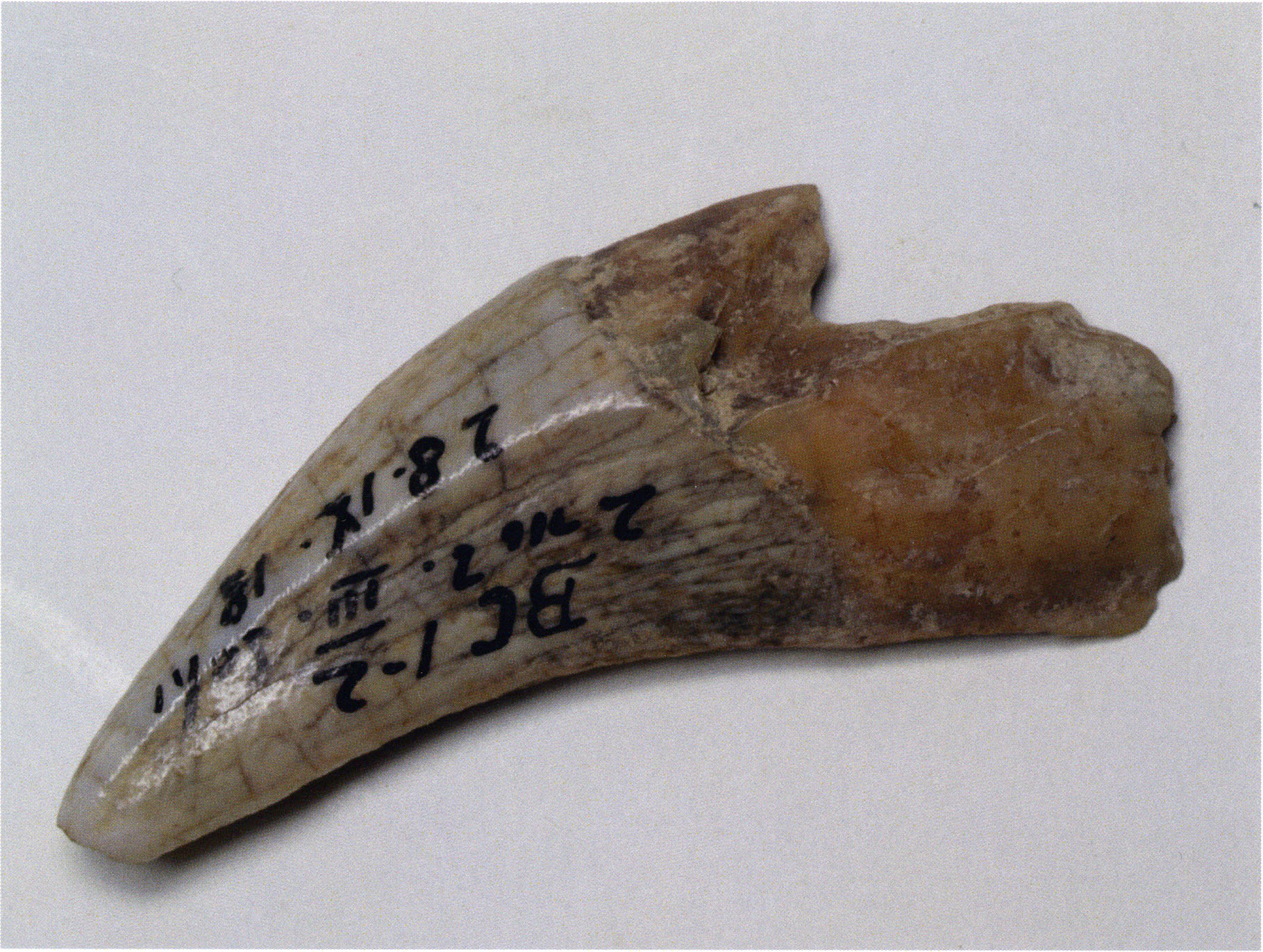
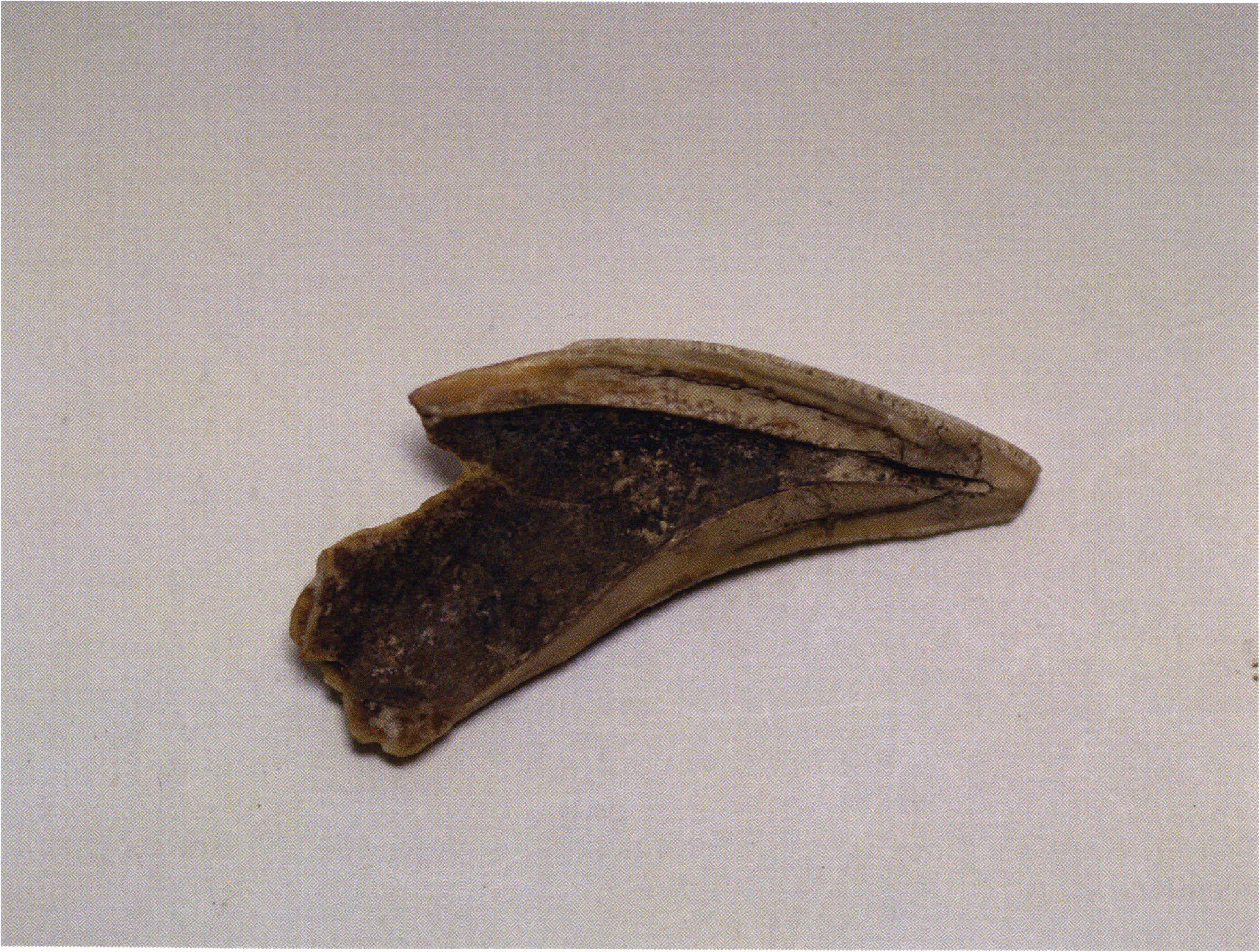
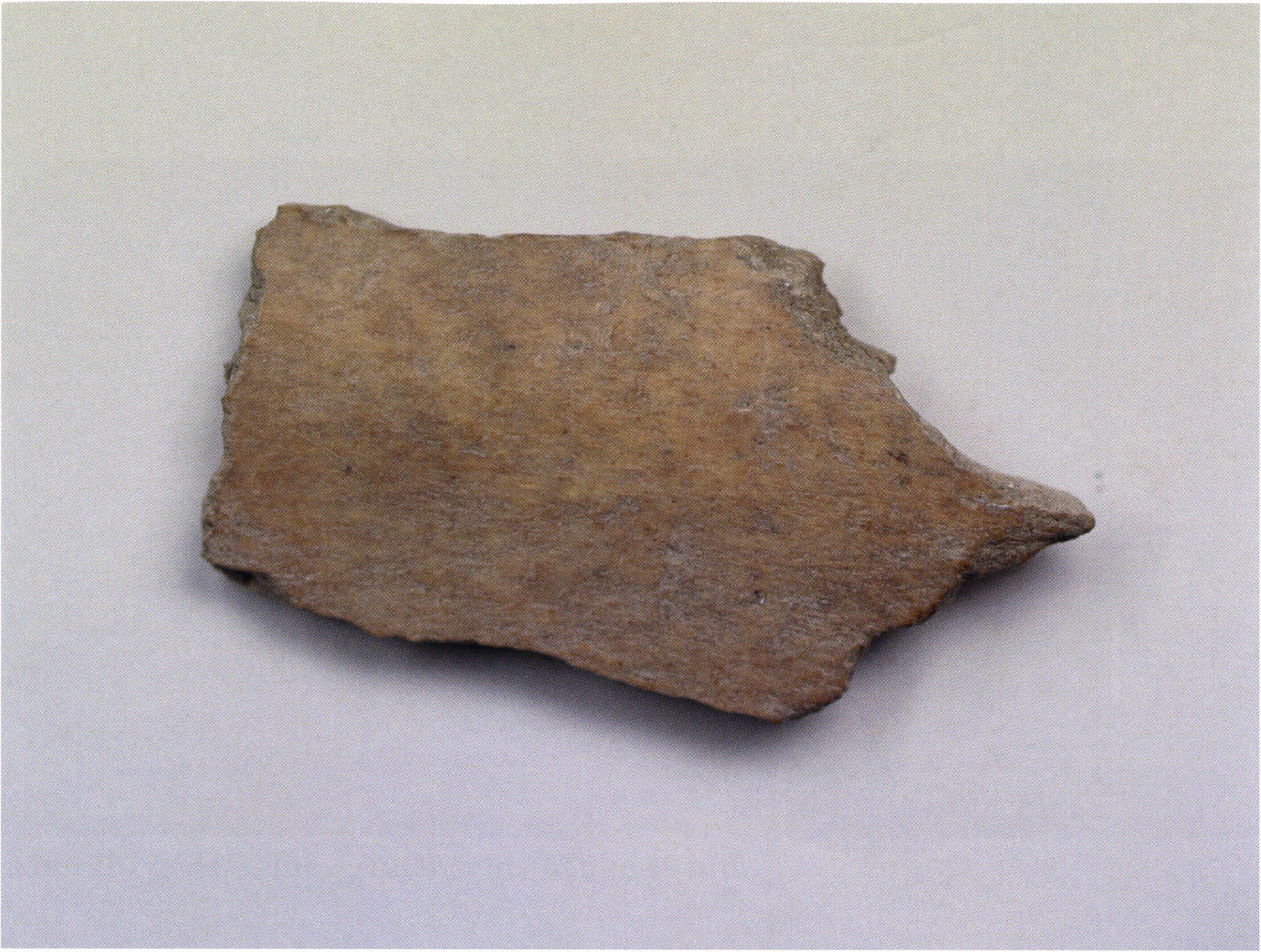
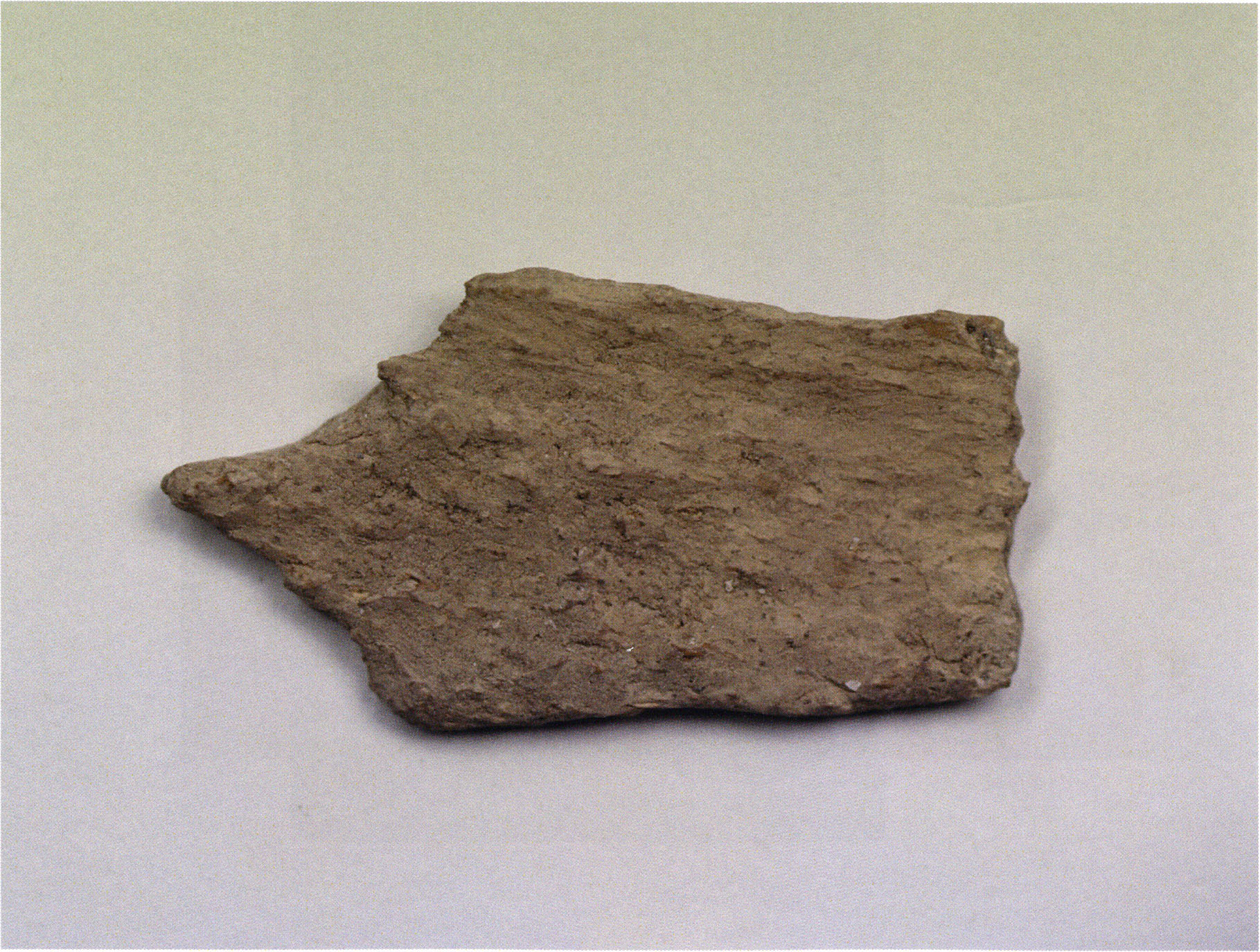
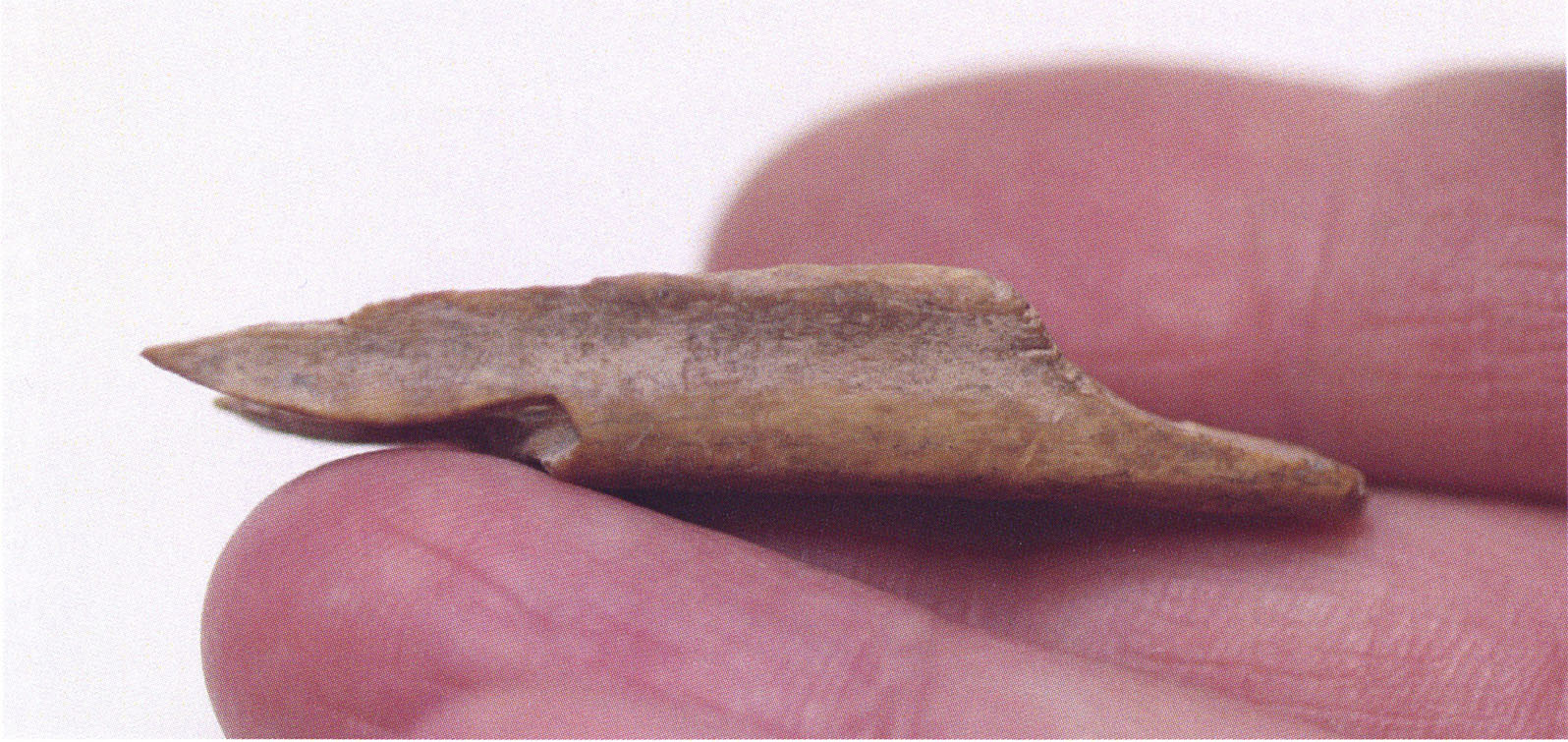
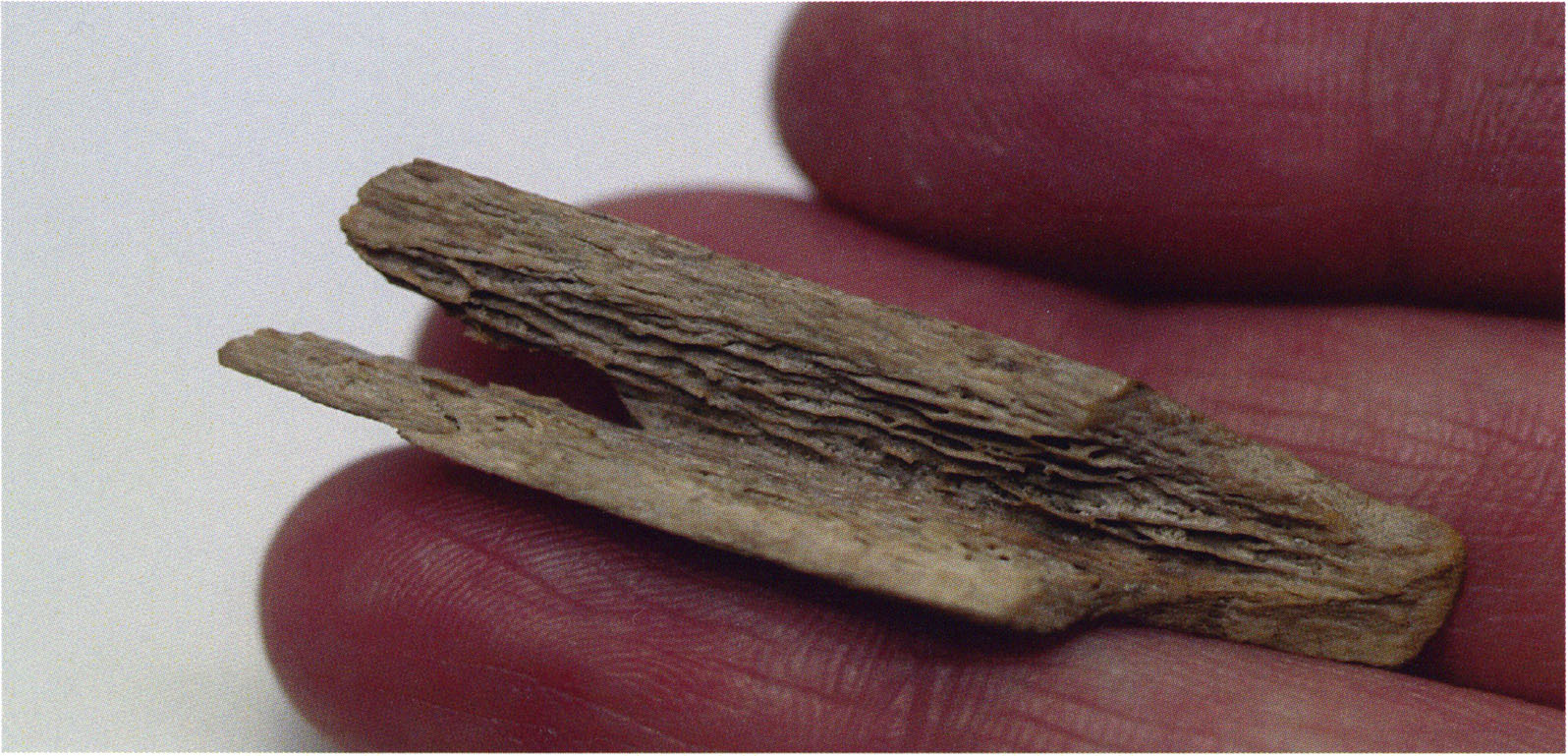
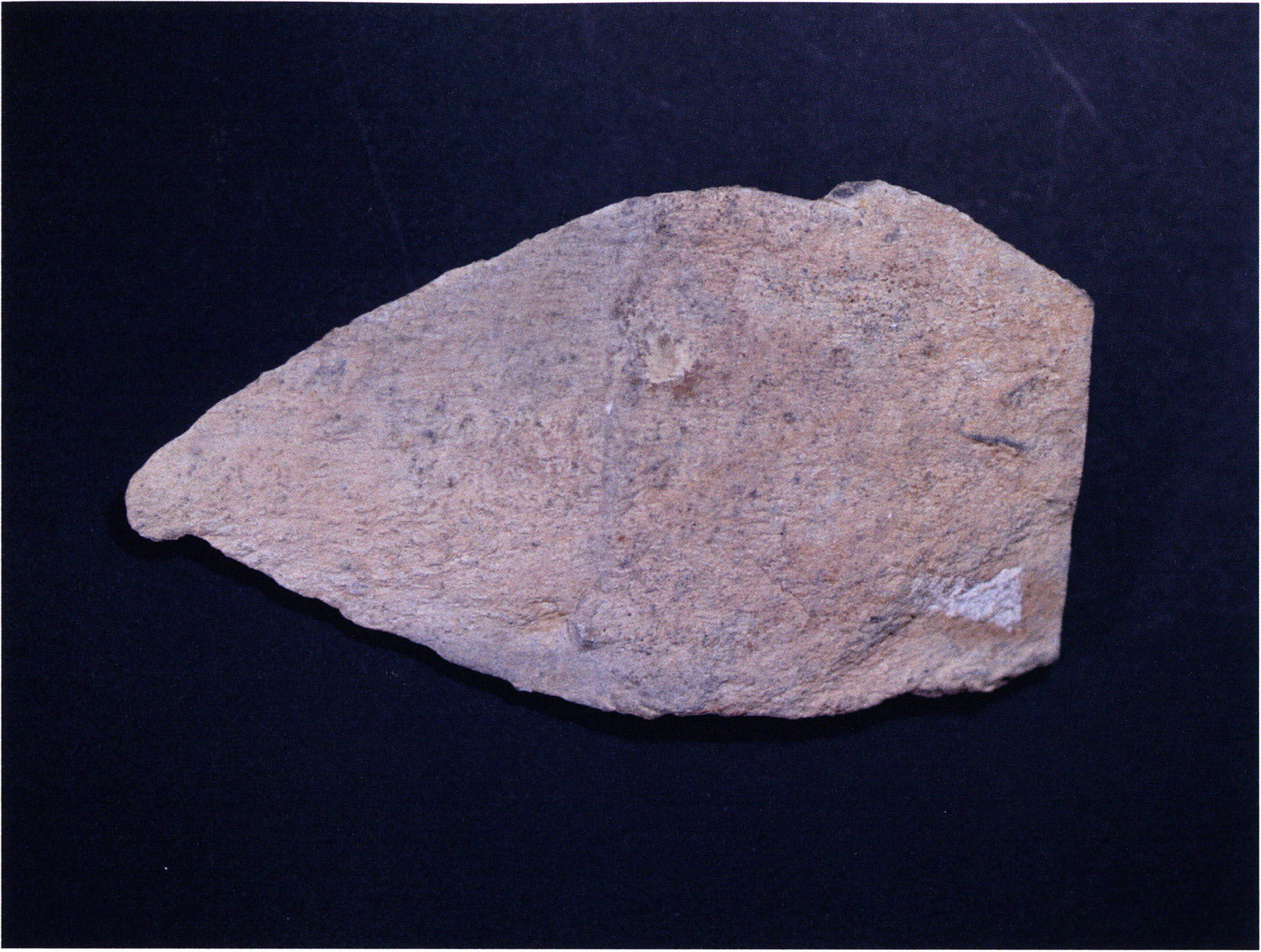
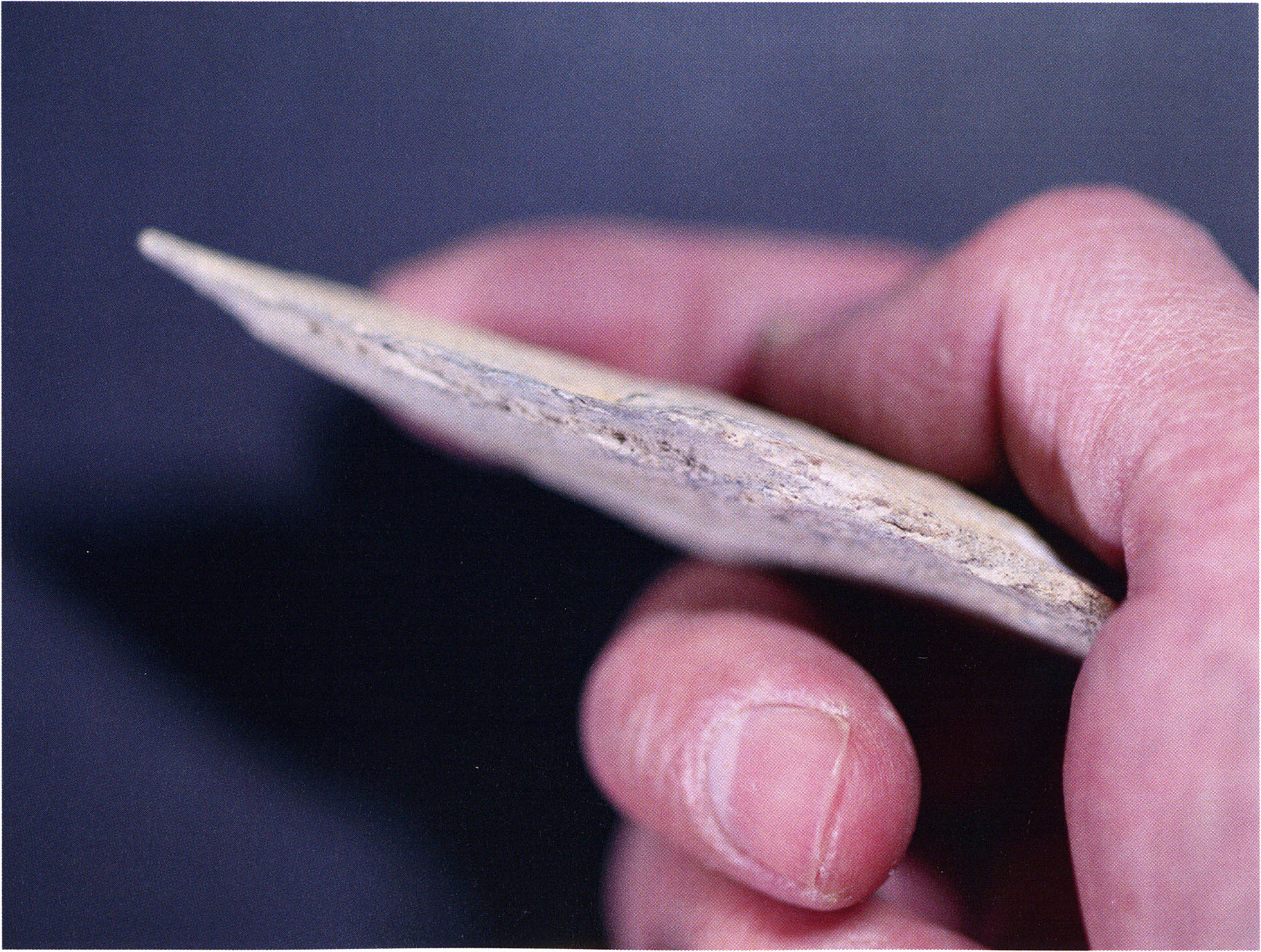
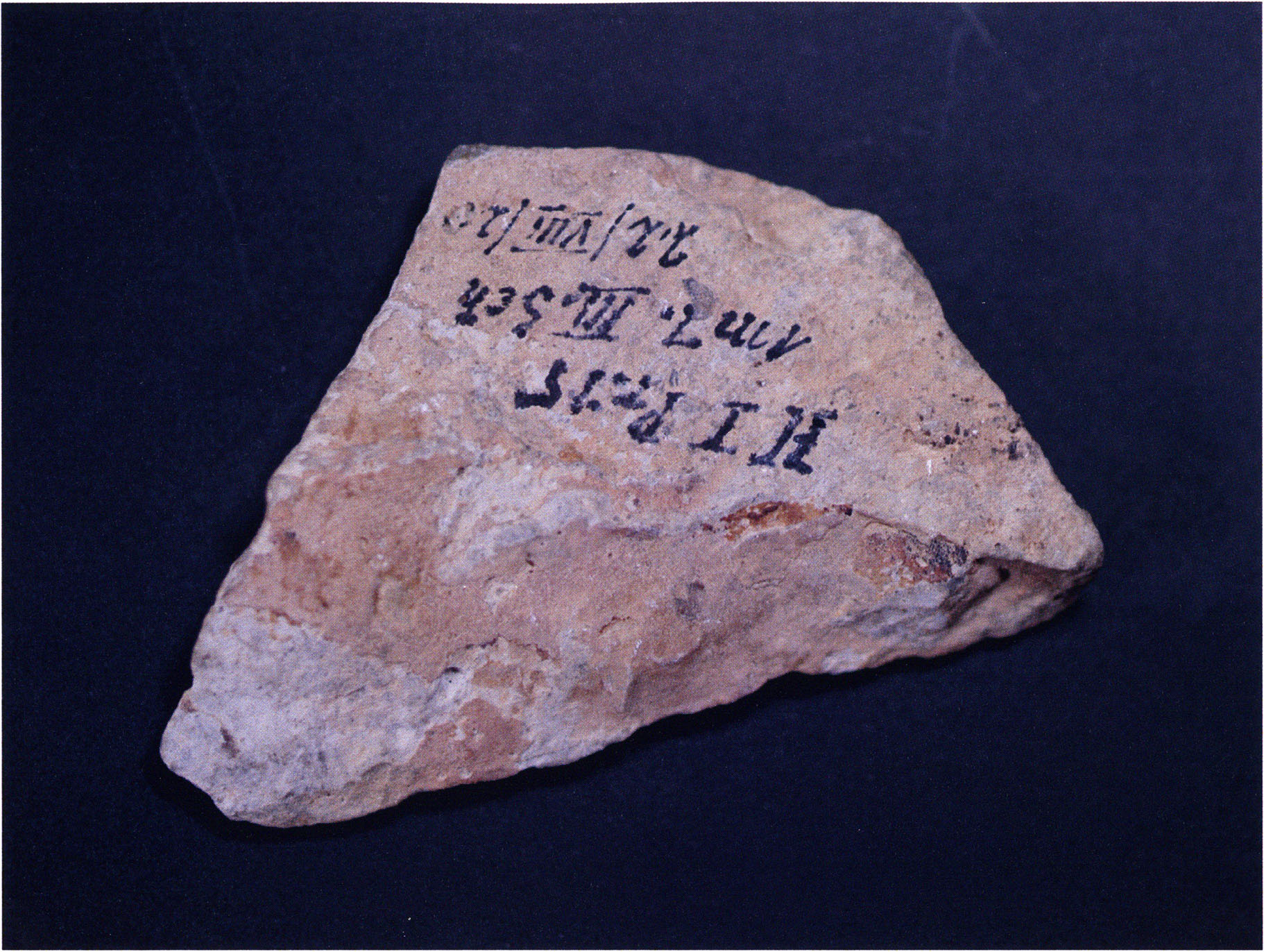
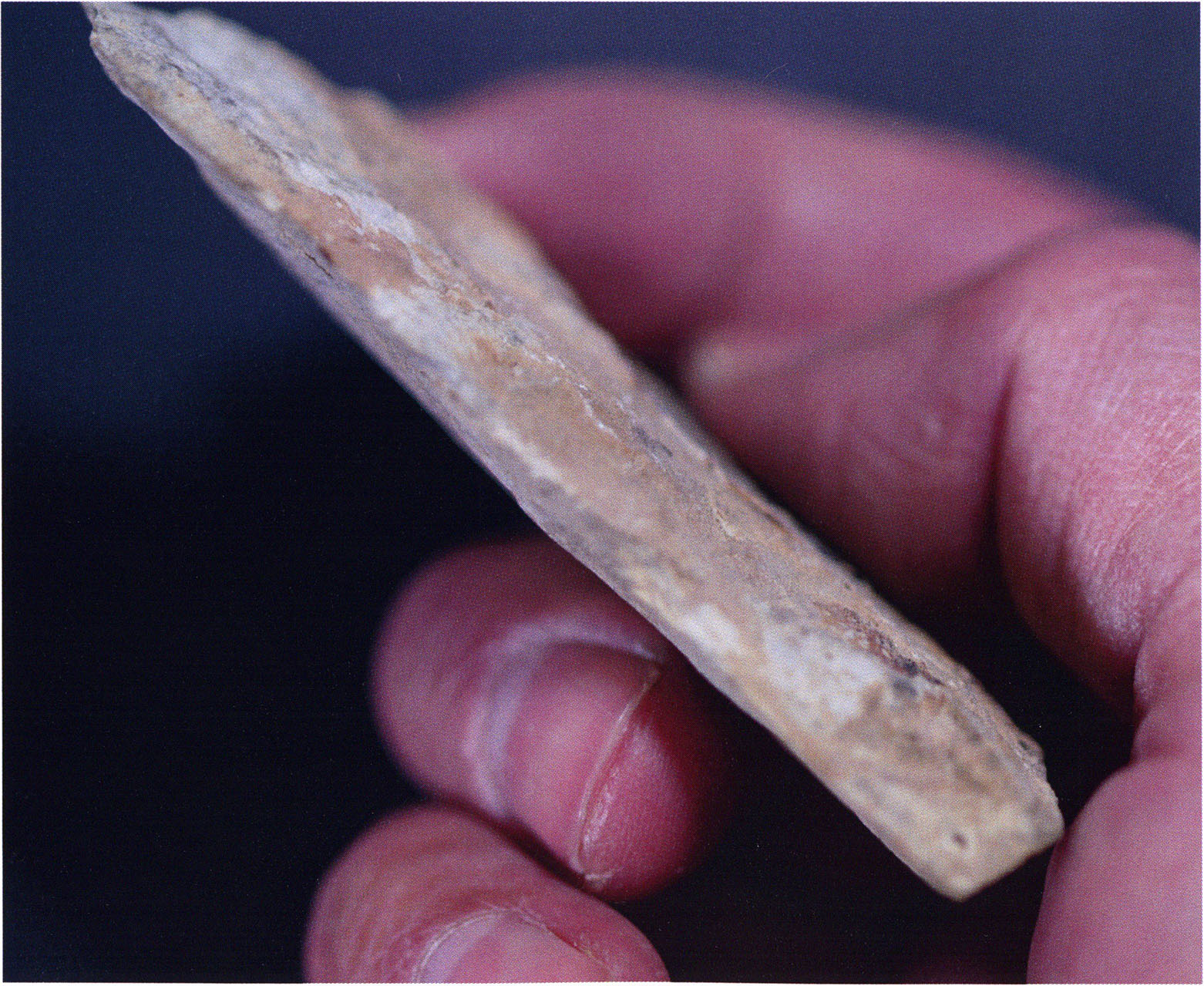
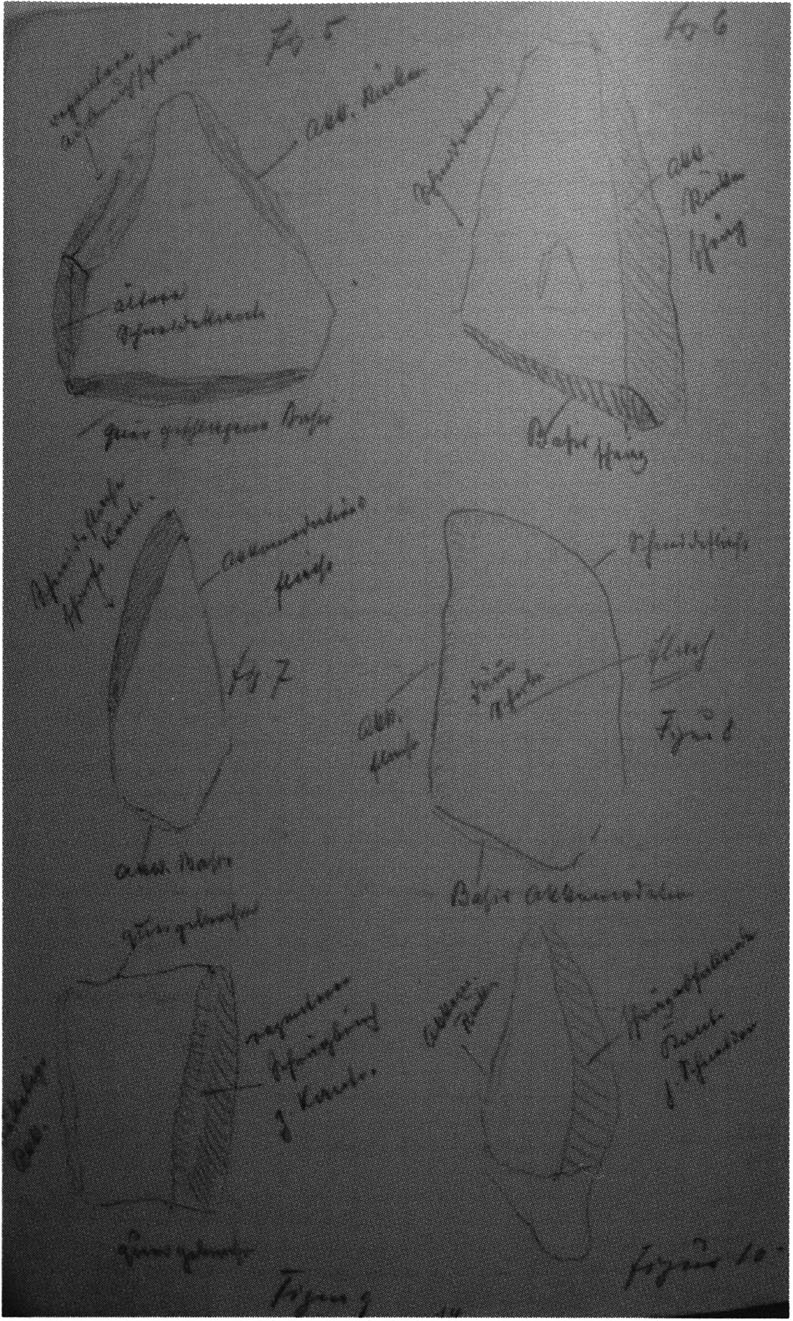
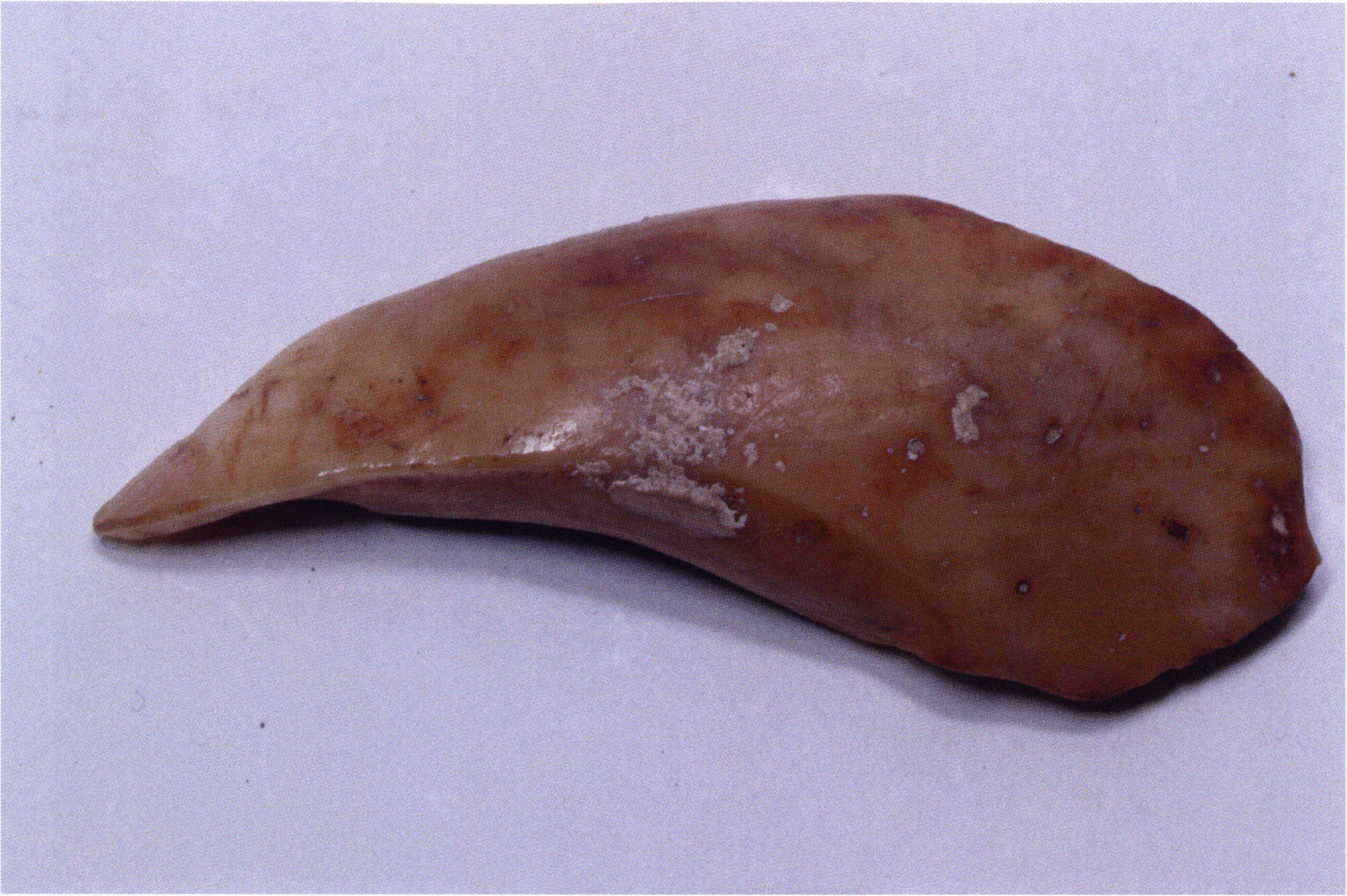
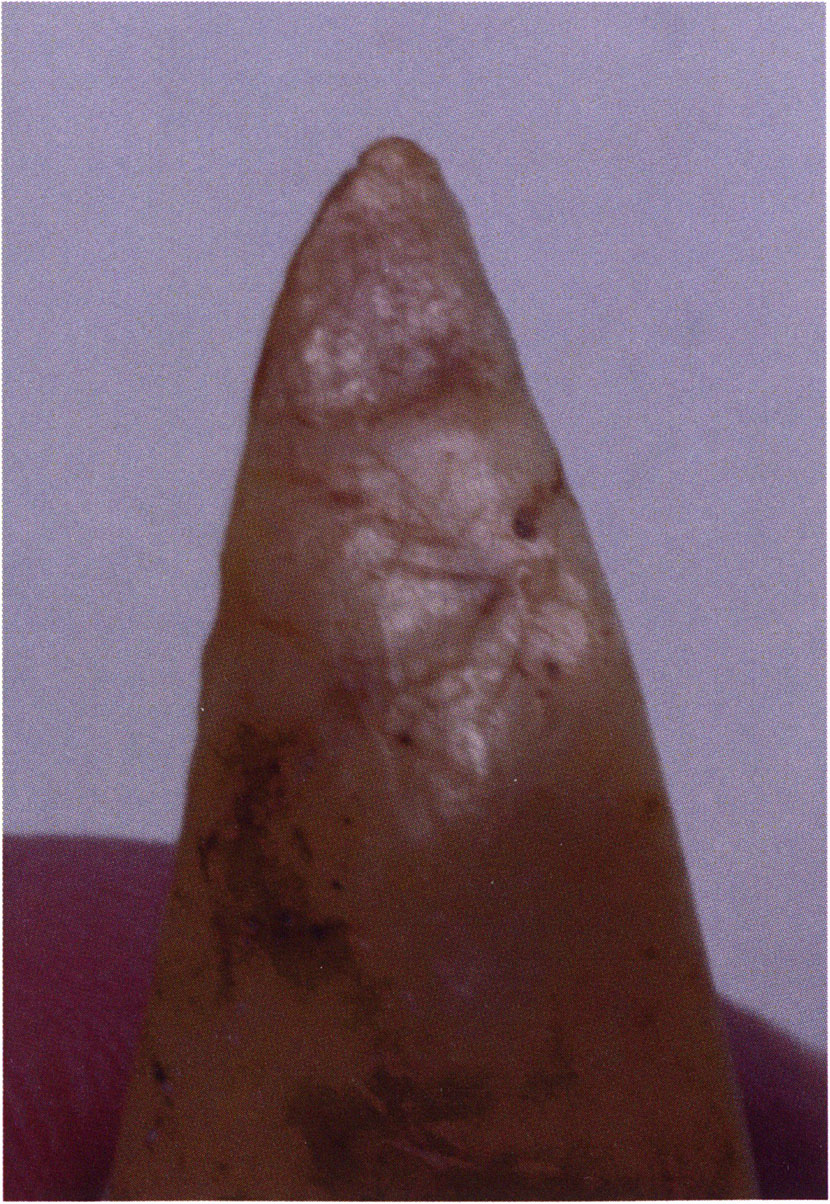
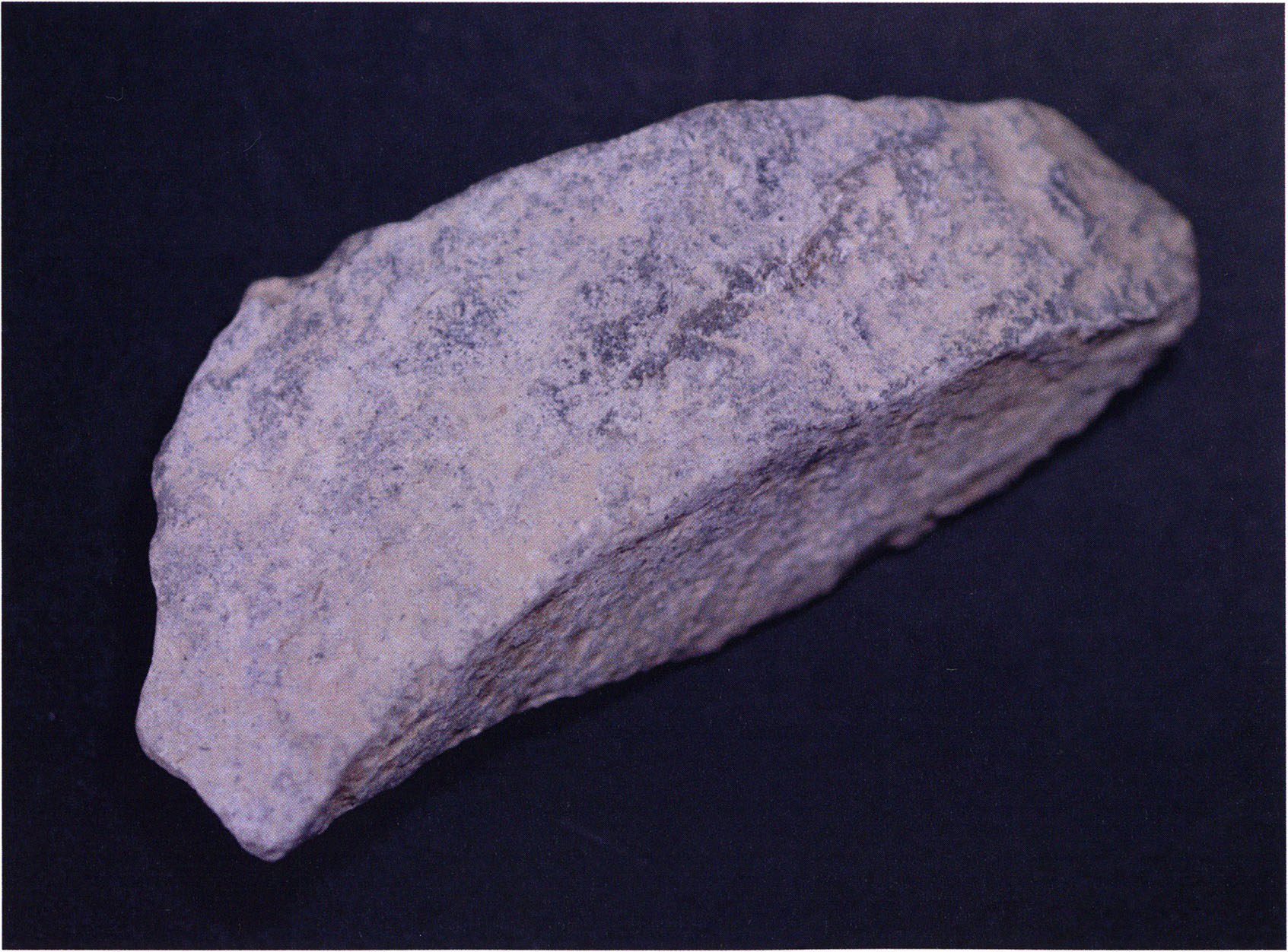
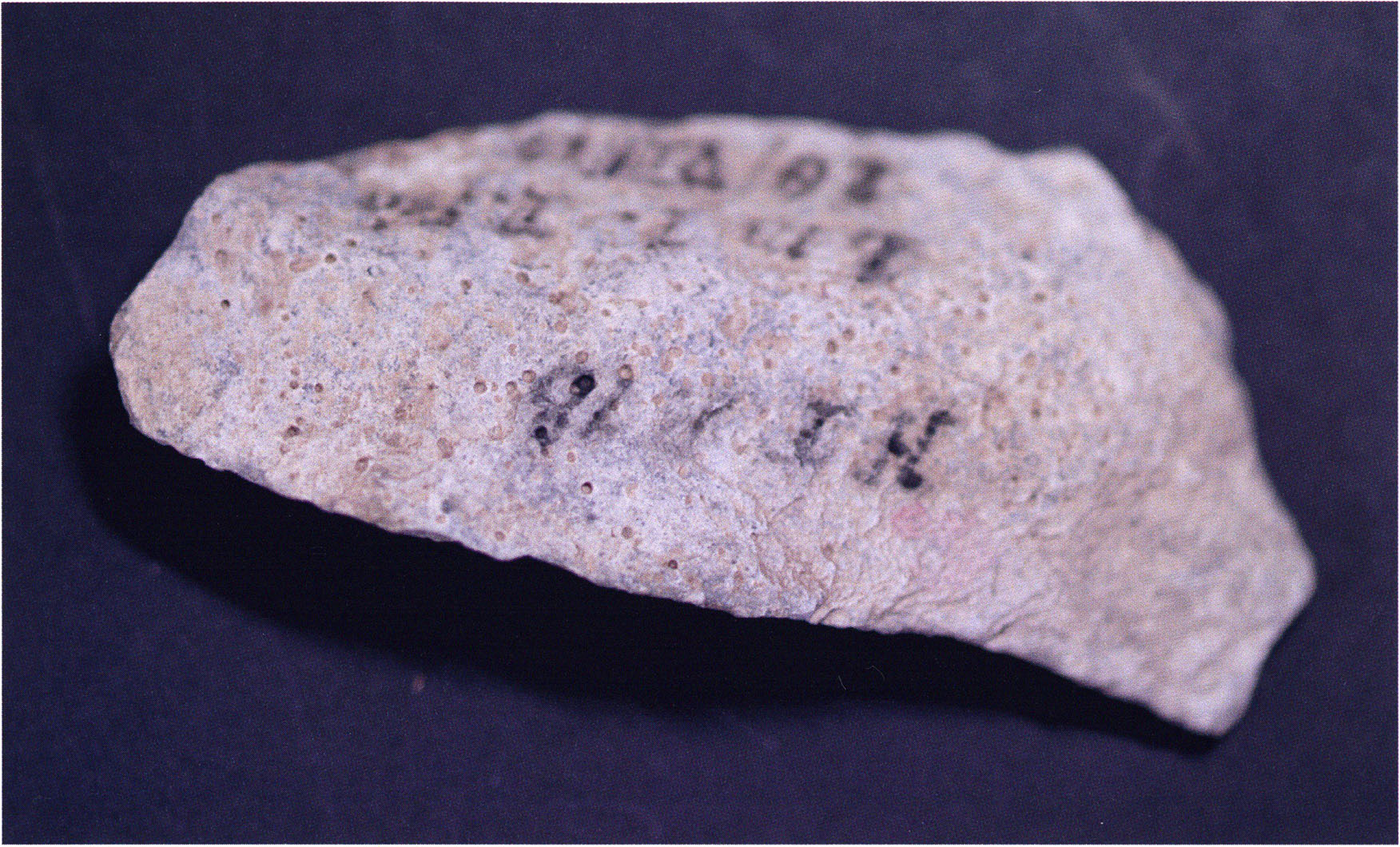
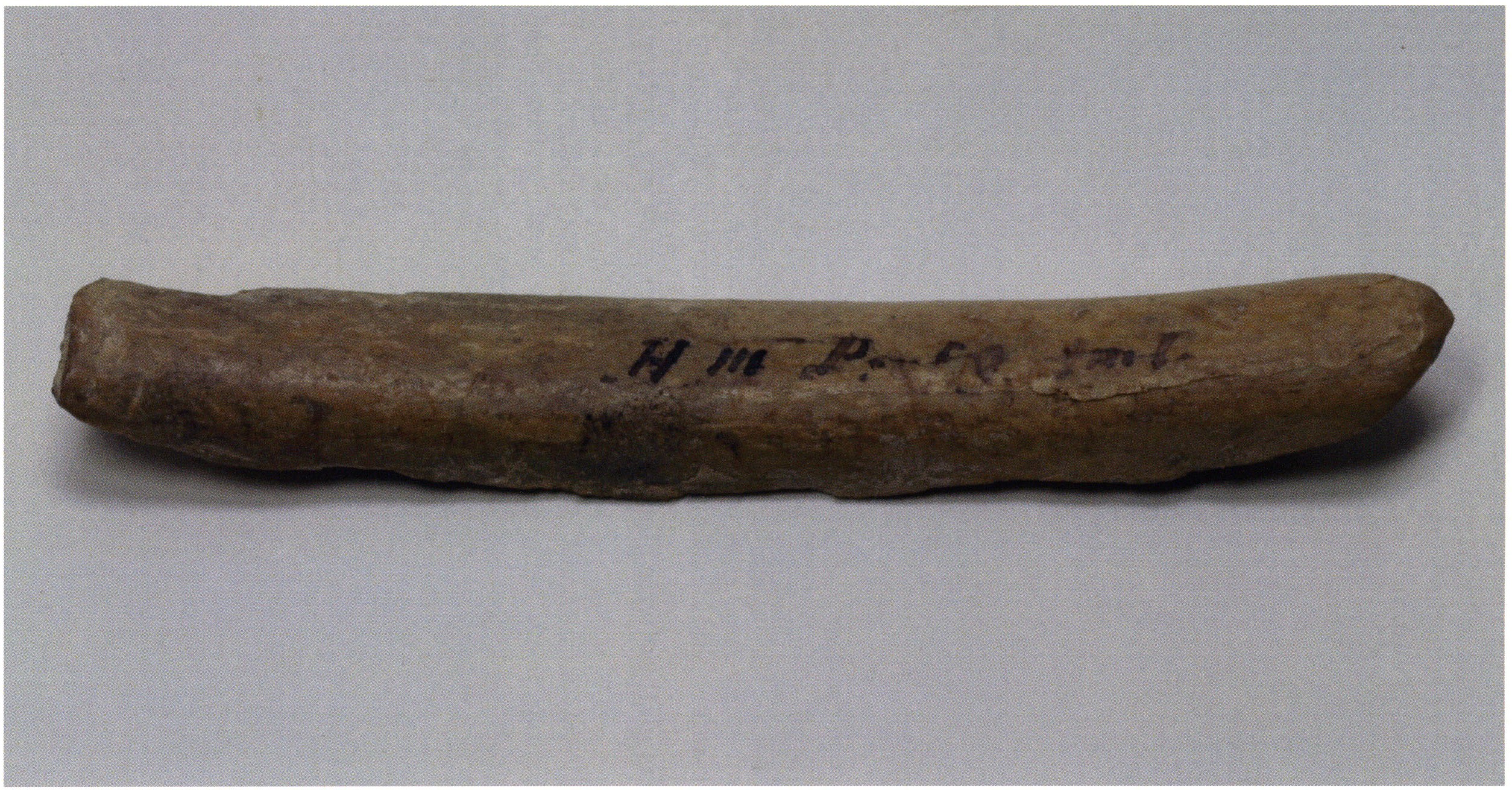
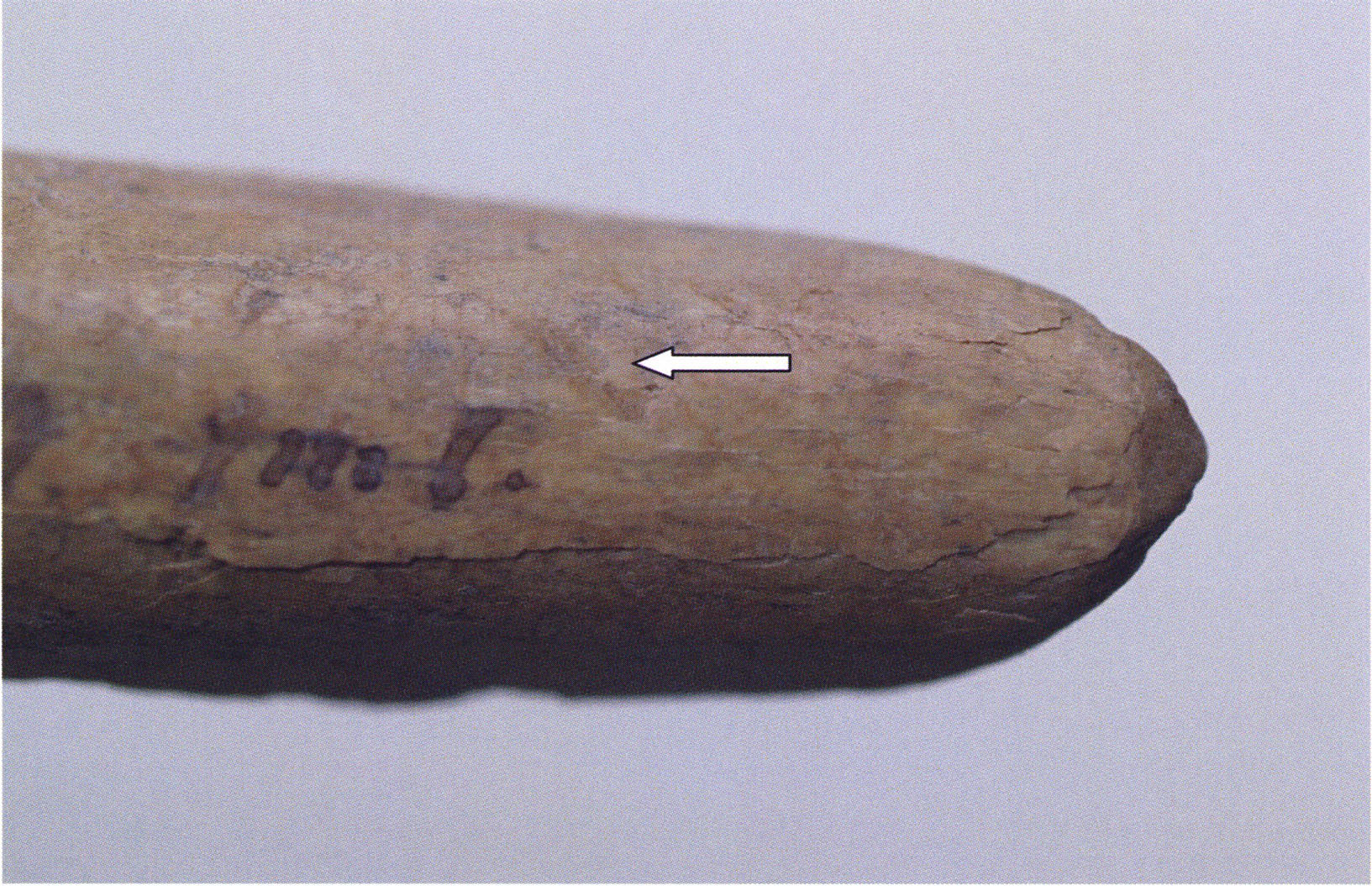
*(Die Ausgräber erkannten erst später, dass der harte Seewerkalk, das Höhlengestein, für die Herstellung von Artefakten, z. B. eines Keilmessers, sich bestens eignete – s. Abb. 21 a - c, S. 29 f.; Artefakte aus anderen Materialien fehlten im Drachenloch !)
*Oder aber hart (eventuell rote, schwarze, grüne Farbe !) oder so hart, dass keine Messerspitze oder Schneide sie ritzt, sofort aufheben, sorgsam verwahren; genau notieren, wo gefunden im Profil. Sofort Telegramm senden hieher: Bächler-Naturmuseum St. Gallen: (Stichwort:) Kartoffeln ! Ich verstehe dann. Wenn Artefakte kommen, muss Methode verschärft werden; dazu besondere Anleitung notwendig wegen genauester Interpretation.
11) Durchgegrabener und entfernter Schutt: Wenn möglich in die vordere, grosse Höhle ans Tageslicht schaffen, damit er nochmals durchsucht werden kann. Sonst nach hinten werfen ! Extra legen. Erst Zeitungspapier legen auf den oberen Schutthöhlenboden, dann die Erde drauf werfen, damit man sofort weiss, wo der Boden vorher war.
―
Vättis, 19. Juli 1917
Herrn Konservator Bächler, St. Gallen
Sehr geehrter Herr !
Herzlichen Dank für Ihre Mitteilungen vom 17. dsM. sowie für Ihre Anleitung, die ich gründlich studieren werde. Wie schade, dass Ihre Ankunft wieder verschoben wird ! Heute wäre ein prächtiger Tag, um nach dem „Draggaloch” zu steigen. Wenn ich nun, allerdings nicht leichten Herzens, allein mit den Arbeiten zu beginnen ich mich entschliesse, so geschieht das einzig, weil im Verzug entschieden Gefahr liegt, dass die Stätte doch verschandelt werden könnte. Wenn ich erst einige Zeit unter Ihrer Anleitung arbeiten hätte können, wäre mir die Sache bedeutend leichter gegangen. Ich hoffe nun, dass die Regierung bis zu Ihrer Ankunft in hier die Sache soweit behandelt hat, dass während Ihrer Anwesenheit in hier an den Ortsverwaltungsrat von der Oberbehörde Anzeige abgehen kann. Schwierigkeiten werden uns von der Ortsbehörde sicher keine bereitet, wenn sie aber (besonders das übrige Publikum!) vor ein fait accompli gestellt werden kann, umso besser. Zu trauen ist schliesslich niemand, am allerwenigsten Herrn „Neumann”. Es ist wirklich peinlich für mich, dies sagen zu müssen; ich habe aber mit ihm seit Jahren derartig unliebsame Erfahrungen gemacht, dass ich ihm nachgerade alles zutraue. Ich bitte Sie, meine Offenheit zu entschuldigen: ich halte dafür, dass ich angesichts des Gegenstandes geradezu mit der Wahrheit // heraus muss ! – Ich werde also vorläufig in aller Stille beginnen; wenn Sie aber herkommen, dann sollte die Regierung nach meiner Ansicht den Schuss loslassen. Denn auf die Dauer wird die Sache kaum unbemerkt bleiben und dann ist es jedenfalls nur nützlich, wenn es bekannt wird, dass da droben im Auftrag und unter dem Schutze der Regierung gearbeitet wird. Man hat dann auch gewiss eher die Mittel in der Hand, lästige, oder gar schädliche Besucher abzuhalten.
Ich habe nun bereits in einer zum Teil schlaflosen Nacht Ihre Anleitung ein erstes Mal studiert und da bin ich auf einige Einzelheiten gestossen, die mir noch nicht ganz klar sind.
1.) Wo soll ich mit Graben beginnen ? Wenn der Schutt in die äussere Höhle spediert werden soll, was mir das Beste zu sein scheint, wäre es dann nicht am besten, wenn ich den ersten Graben gleich vor dem engen Durchschlupf, (also noch in der ersten, grossen Höhle) anlegen würde ? Dadurch würde der Durchschlupf erweitert und der Durchtransport des Aushubmaterials leichter.
2.) Wie wird gegraben ? Ist Schicht um Schicht der ganzen Länge des Grabens nach abzuheben oder ist es besser, gleich am Anfang des Grabens bis ganz auf den Boden zu arbeiten ? Letzteres scheint mir gewisse Vorteile zu bieten, sobald einmal ein Schacht bis zur Tiefe erstellt ist: (Besseres Erkennen der Schichten, kleinere Gefahr, die Knochen durch Zertreten zu beschädigen oder zu zerstören)
3.) Profile: Ich denke, dass quer zur Richtung der Höhle gegraben wird, sodass also die Grabenwände Querprofile // darstellen. Wo erscheinen dann die Längsprofile ? Doch dort, wo ein Graben nicht der ganzen Länge nach ausgehoben ist ?
4.) Ist es richtig, wenn ich die Funde nach ihrer Lage bezeichne, wie folgt (Nigg zeichnet ein Querprofil mit Schichtfolge), z. B. Fund x: I 3b - I (1.Graben) 3 (dritter Meter von links nach rechts) b (Schicht b von oben nach unten), oder ist es nötig noch zu notieren, in welcher horizontalen Entfernung von den beidseitigen Grabenwänden sie liegen ? –
Das sind so einige vorläufige Fragen; mit der Zeit gibt es wohl noch mehr.
Ich werde nun die nötigen Vorbereitungen zum Beginne der Arbeit treffen und morgen die nötigen Messungen zur Erstellung des Planes vornehmen. Zur Mithilfe werde ich meinen grössern Knaben (Sechstklässler) mitnehmen: der ist mit Leib und Seele dabei und trägt eine schöne Erinnerung für’s ganze Leben von diesen Arbeiten davon. –
Inzwischen danke ich Ich Ihnen nochmals aufrichtig für Ihre gütige und selbstlose Art, mit der Sie mir zur Seite stehen, und ich versichere Sie, dass ich jede Gelegenheit benützen werde, um Ihnen meine Dankbarkeit zu beweisen. –
Mit hochachtungsvollen Grüssen
Ihr ergebener Th. Nigg
―
*Naturhist. Museum
St. Gallen
St Gallen, den 19. Juli 1917
Herrn Lehrer Th. Nigg in Vättis bei Ragaz.
Sehr geschätzter Herr !
Ich möchte Ihnen nur kurz berichten, dass ich die Sache betr. „Draggaloch” in längerer Eingabe an die Regierung geleitet habe und zwar auf dem kantonalen Ordnungswege durch das Erziehungsdepartement und das Justizdepartement. Da nach dem Zivilgesetz der Kanton alle Rechte auf die Höhlen als Naturdenkmäler hat, so wird also das „Draggaloch” als kantonales Naturdenkmal von der Regierung aus erklärt. Damit darf also niemand etwas daran machen als die hiezu befugten und beorderten Personen.
Es kommt nun also so:
Die Ortsgemeinde Vättis erhält von der Regierung die Meldung, dass die Höhle als Naturdenkmal zur Durchforschung erklärt sei, nach den §§ 702, 723 und 724 des Schweiz. Zivilgesetzes, dass zur Durchforschung der Konservator des St. Gallischen naturhist. Museums ernannt sei, der von sich aus weitere Mitarbeiter bestimme (wobei Sie in erster Linie vorgenannt sind, als Entdecker der neuen Funde).
Die Ausgrabung geht auf Kosten des Museums. Die Funde gehen in den Besitz des Museums und ein Teil wird der Schule Vättis bez. der Ortsgemeinde Vättis gratis abgegeben. Es darf kein Handel mit den Funden getrieben werden. Der Ortsbehörde wird erst etwas von Ihrer Entdeckung mitgeteilt, wenn ich die Situation droben angesehen haben werde. Es mag also gehen, wie es will, Sie berufen sich darauf, dass die Sache eben bei der Regierung anhängig sei und damit alle fremden Eingriffe untersagt seien !
Natürlich können Sie mit Ihren Arbeiten doch weiterfah//ren, wenn möglich recht unauffällig. Besorgen Sie bei ev. Anwesenheit von Schnüfflern Ausmessungen und anderes. Zuerst muss die Sache mit der Regierung in Ordnung sein. Ich nehme an, Sie verstehen mich richtig. Anstatt der beiden Ihnen in meinem letzten Briefe mitgeteilten telegraphischen Stichwörter nehmen Sie Ja (wenn alles gut und ruhig ist), Nein (wenn meine sofortige Ankunft nötig ist, wenn es also nicht klappen sollte). Ich dachte nämlich daran, dass die früher genannten Stichwörter bei der jetzigen Zensur nicht zulässig sind, und leicht Unzukömmlichkeiten entstehen könnten.
Also behalten Sie ruhig Blut, die Sache wird recht.
Mit den besten Grüssen bin ich Ihr
Emil Bächler
―
*Naturhist. Mueum
St. Gallen
St. Gallen, den 20. Juli 1917
Konfidentiell ! (Alte Briefe gefl. aufbewahren !)
Herrn Lehrer Nigg, Vättis.
Sehr geschätzter Herr !
Besten Dank für Ihr freundliches Schreiben von gestern. Es ist mir sehr recht, dass ich Ihre Haltung zu Herrn „Neumann” kenne, den ich persönlich seit 20 Jahren von der nämlichen Seite aus kenne, wie Sie. Ein unglückseliger Typus von Mensch. Es ist sehr notwendig, dass wir beide uns gegen ihn wappnen. Deshalb habe ich Regierung und Naturschutzkommission aufgeboten, damit er uns nicht Mist mache in die Sache. Die schriftliche Eingabe an das Erz. dep. ist gestern abgegangen, wie Sie aus beilieg. Kopie ersehen, die ich Ihnen zur Durchsicht und baldiger Retournierung an mich sende. Die Sache kommt nun recht. Ihre Priorität ist gewahrt für Entdeckung und Grabungen, da ich ja sowieso nicht lange dort sein kann. Natürlich bleibt Ihnen für die Publikation das Ihnen im letzten Schreiben zugesandte Recht für einzelne Kapitel von mir aus gesichert.
Bleiben Sie also bis zum Entscheide d. Regierung völlig ruhig und unauffällig. Dann gehen wir los. Die Ortsbehörde weiss also jetzt noch nichts. Ich werde Sie sofort benachrichtigen, wenn die Sache perfekt ist.
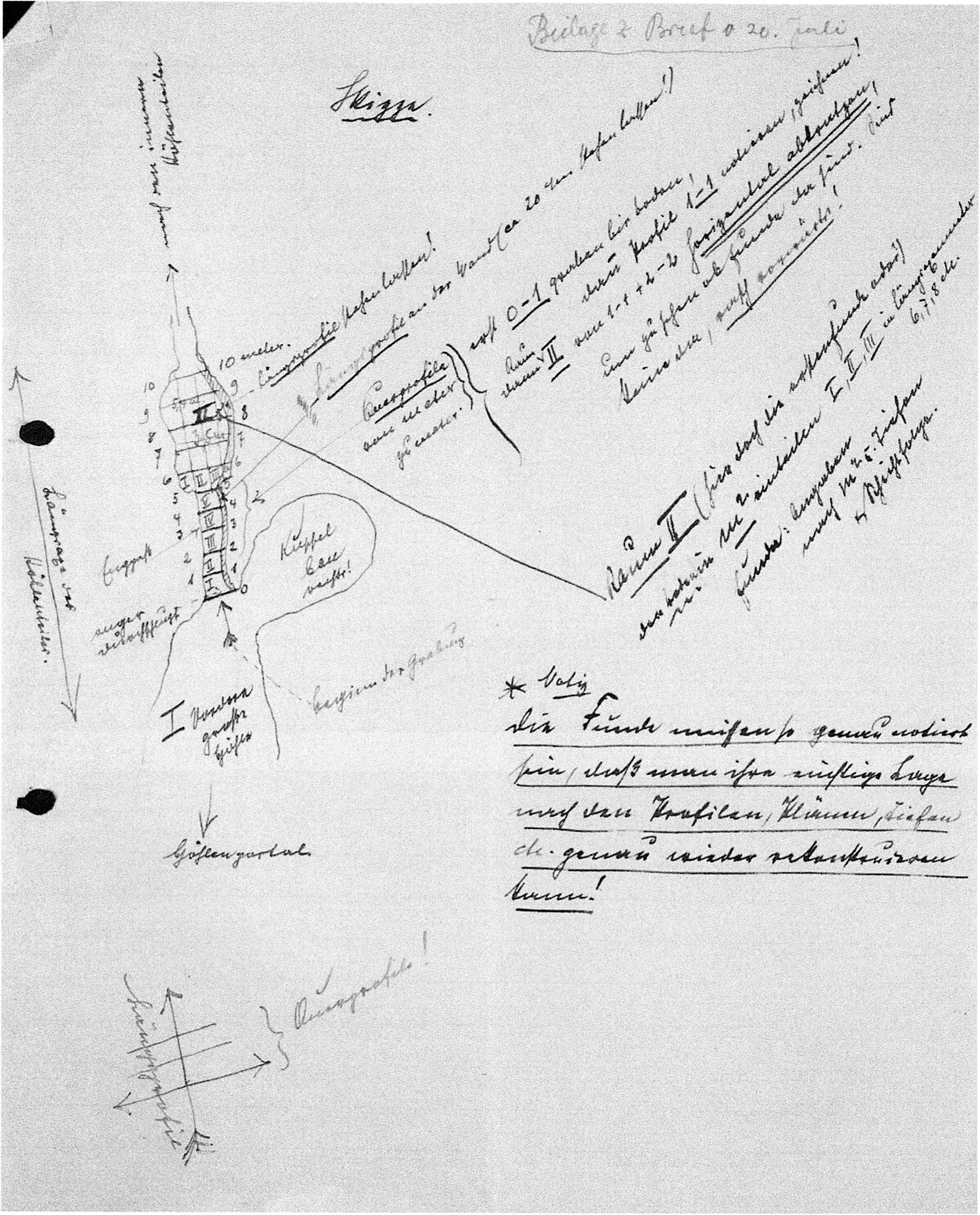
*Frage 1) Wo beginnen ? Vorn jawohl. Den ersten vordern Durchschlupf von I in II frei machen, dass es Platz gibt und Schutt in vordern grossen Raum befördern. Dort liegen lassen ! (Wegen ev. späterer Untersuchung !) Durchschlupf I ganz ausgraben, nur an der rechten // oder linken Wand ca. 20 cm stehen lassen (wegen Längsprofil warten und die Schichtenstreichung im Längsprofil, vide Skizze.) *Siehe Abb. 22, S. 45: dem Brief vom 20. Juli 1917 beigelegte Skizze; zur Situation in der Vorhalle vor den Grabungen vgl. Abb. 31 und 32, S. 59 ! –
Legende Bächlers zum Grundriss der Höhle von unten nach oben:
(mit Pfeil) zum* Höhlenportal, I – vordere grosse Höhle, (mit Pfeil markiert) enger Durchschlupf – Beginn der Grabung - (mit anschliessendem) Engpass - , rechts Kuppelbau, (am linken Rand) Längsachse des Höhlenteiles (sc. II) , (ganz oben) nach den innern Höhlenteilen *(sc. III etc.)
Bächlers Kommentare auf der Skizze rechterhand von oben nach unten und Zeile für Zeile:
Längsprofil stehen lassen !
Längsprofil an der Wand ca. 20 cm stehen lassen !
Querprofile von Meter zu Meter:
erst 0 – 1 graben bis Boden,
dann Profil 1 – 1 notieren, zeichnen !
von 1 – 1 + 2 – 2 horizontal abkratzen !
um zu sehen, ob Funde da sind. Sind
keine da, rasch vorwärts !
Raum II (Hier doch die ersten Funde oder ? – Bächler irrt sich, vgl. Abb. 25, S. 47 !) Den Boden in Quadratmeter einteilen I, II, III, in Längsachsenmeter 6, 7, 8 etc.
Funde: Angaben
nach Quadratmeter und Tiefen und Schichtfolge.
*Notiz
Die Funde müssen so genau notiert
sein, dass man ihre einstige Lage
nach den Profilen, Plänen, Tiefen
etc. genau wieder rekonstruieren
kann !
―
Fortsetzung des Briefes:
Schaffen Sie einen Durchpass (engen Durchschlupf rasch auf 1 m Länge) bis zum Boden, Schichten notieren (Mächtigkeit, Farben, Konsistenz)
Sind keine Funde da, dann rasch den folgenden Meter u. s. f.
2) Wie wird gegraben ?
Nach 2 Leitfaden: a) vertikal, von oben bis unten. Das gibt die Vertik.profile,
die Schichten von Wand zu Wand d. Höhle = Querprofile
b) horizontal auf Quadratmeter der Oberfläche verteilt.
Beide Leitfaden müssen abwechselnd gebraucht werden, nachdem der I. Quadratmeter durchgearbeitet ist.
Immer von Längsmeter zu Längsmeter der Längsachse der Höhle, bis dann ein ganzes Querprofil (von Felswand zu Felswand) zeichnen.
3 u. 4) Ihre Skizze (vgl. Niggs Brief oben S. 42), ebenso Bezeichnung, ist richtig ! (Bächler zeichnet dieselbe – Querprofil mit theoretischer Schichtfolge – nach.) Angaben der horiz. Entfernung von den Wänden dann nicht mehr nötig !
Notieren Sie auf: 1) Wie Knochen gelegen sind: horizontal, schief oder senkrecht
im Boden drin ?
2) Ob zusammengehörige beisammen oder zerstreut ?
3) Sehr zersplittert oder ganz ?
4) Knochenbrüche scharfkantig oder rund ?
5) Knochennester-Anhäufungen, daneben ganz leere Stellen!? Bitte Höhlenwände nicht beschädigen ! Ev. Kratzspuren von Höhlenbärenkrallen ! Achtung !
6) leere Schichten, Fundschichten (Partien) genau eruieren !
Auf diese Weise kann Ihnen nicht entgehen, was wichtig ist. - Es freut mich enorm, in Ihnen einen so einsichtigen Jünger der Höhlenforschung zu besitzen.
Excelsior und Gruss Ihrem filius. Sie haben recht. So was vergisst er niemals !
Mit den besten Grüssen
Ihr Emil Bächler (eiligst)
―
TAGEBUCH NIGG
Freitag, 20. Juli 1917 (D V/6 2, 3) Heute stieg ich bei nebligem Wetter nach der Höhle, um dieselbe zu vermessen. Mit Hilfe meiner Kinder (Theophil und Klara) nahm ich daselbst folgende Arbeiten vor:
a) Markierung der Höhle des jetzigen Höhlenoberflächenbodens mit roter Ölfarbe an den Höhlenwänden (in der Fundhöhle) - Abb. 26, S. 47 b) Vermessung der Höhle zur Aufnahme eines Planes (Grundriss, Längs- und Querschnitt)
―
Vättis, 22. Juli 1917
Herrn Konservator Bächler, St. Gallen !
Sehr geehrter Herr !
Dank für Ihr Schreiben vom 20. dsM. und für Ihre vielen Mühen um die Sache. Es gereicht mir zur Beruhigung und Freude, zu wissen, dass die Stätte nun bald unter den Schutz des Kantons kommt.
Ich war letzten Freitag behufs Planaufnahme wieder auf Gelbberg, bei welcher Gelegenheit ich die Verhältnisse in der Höhle, soweit dieselben auf die Arbeiten von Einfluss sind, noch mal genau prüfte. Je mehr ich den Gedanken, zu beginnen, näher trete, umsomehr komme ich zur Überzeugung, dass die Arbeit nicht ohne umfassende Vorbereitungen aufgenommen werden kann, wenn sie richtig herauskommen soll. Die besonderen Verhältnisse auf Gelbberg müssen unbedingt Berücksichtigung finden. Die ziemliche Entfernung und Höhe der Höhle, der mühsame (3 ½ St.!) Weg, der Transport des Arbeitsmaterials u. s. w. lassen es als sehr schwierig erscheinen, nur allein und unauffällig die Grabungen aufzunehmen. Gegenwärtig steht auf Gelbberg noch die Ihnen vielleicht bekannte, alte und elende Hütte. (Steinhaufen !) Es wird daselbst aber (übernächste Woche, soviel mir bekannt) die neue Hütte erstellt; das Holz ist bereits zur Stelle transportiert. Solange die Bauarbei//ten auf Gelbberg nicht beendigt, sollte mit den Grabungen nicht begonnen werden, einmal der genannten Unterkunftsverhältnisse wegen und dann, weil die Sache sowieso nicht unbeachtet ausgeführt werden kann, solange die Arbeiten droben sind. Ich kann aber die Zeit bis dahin doch nützlich verwenden, indem ich auf das sorgfältigste alle Vorbereitungen treffe. Bei meinem letzten Besuch der Höhle ist mir in Bezug auf die Grabungen noch eine andere Arbeitsmethode eingefallen, die in gewisser Beziehung wieder ihre Vorteile hätte und die ich Ihrer Beurteilung unterbreiten möchte. Ich fand nämlich, dass auch hinten in der Fundhöhle begonnen werden könnte. In diesem Falle gestaltete sich der Wegtransport des Aushubmaterials über den jetzigen, verhältnismässig ebenen Höhlenboden und durch den Durchschlupf hinaus ganz leicht auf folgende Art: Ich fabriziere aus einer niedrigen Kiste selber einen einfachen Rollwagen, indem ich aus runden Holzstücken bestehende, kleine Räder an der Kiste anbringe. Hinten und vorn an der Kiste wird je ein genügend langer Strick befestigt, sodass dieser Rollwagen durch den Durchschlupf aus und ein befördert werden kann, ohne dass man selbst durchzuschlüpfen braucht. Es ist nur nötig, dass eine Person in der äusseren Höhle steht. Wenn das Material auf diese Art kistenweise aussen abgelagert wird, so kann dieses ganz leicht so geschehen, dass man auch später noch ganz gut feststellen kann, von welcher Grabungsstelle es stammt. Ich denke, das sind gewiss Vorteile, die Beachtung verdienen. – Was nun die Beleuchtung anbelangt, so habe ich die Erfahrung gemacht, dass gewöhnliche, (gute) Velolaternen doch etwas zu schwach sind. Vielleicht wäre // es Ihnen in St. Gallen möglich, etwas Passendes zu erhalten. Für Carbid ist bereits gesorgt.
Ich glaube also, dass es doch, trotz der Gefahr, die im Verzug liegt, besser ist, wenn ich noch zuwarte, bis wir zusammen die Lokalität besichtigt und alles besprochen haben und bis alle Vorbereitungen sorgfältig und bis ins Kleinste getroffen sind. Dieses Letztere kann ganz unauffällig geschehen, was dagegen bei den Grabungen nicht der Fall wäre. Die Hauptsache ist nun, wenn die Regierung ohne Zaudern im Sinne Ihrer Eingabe schlüssig wird.
Inzwischen werde ich den Grundriss und die Schnitte der Höhle nach meinen Messungen konstruieren (Massst. 1 : 25); ich denke, dass dieser genügt. Möglicherweise sind noch zur Kontrolle einige Nachmessungen nötig. –
Falls Sie gelegentlich hieher kommen (je bälder, umso lieber !), würden wir uns am besten in der „Tamina” treffen, solange es unauffällig zu geschehen hat. Und zwar deshalb dort, weil in der „Lerche” und im „Kurhaus”Hr.„Neumann” sein Standquartier hat und dort immer herumschnüffelt: -
Soeben beobachte ich auch, dass „Neumann” mit einem Alpknecht von Ladils (Vättneralp), der weiss, dass ich Knochen aus der Höhle brachte, verkehrt. Wollen Sie also, bitte, unverzüglich die nötigen Vorsichtsmassnahmen treffen: ich wittere Gefahr. Er wäre gemein genug, die Stätte aus Neid zu verschandeln !
Inzwischen nochmals besten Dank & die freundlichsten Grüsse !
Ihr ergebener Th. Nigg
(Beilage ! Eingabe an d. Reg. Kopie)
―
Telegramm an Lehrer Nigg Vättis vom 22. Juli 1917
Regierung beschliesst Dienstag - Bericht Erziehungsdepartement fertig - sich auf Gesetz und unsere Briefe berufen - protestieren: niemand als Sie und ich ermächtigt - Brief folgt
Bächler
―
Vättis, 26. Juli 1917
Herrn Konservator Bächler, St. Gallen.
Sehr geehrter Herr !
Heute kann ich Ihnen mitteilen, dass die Höhle noch intakt ist, bzw. dass mir der Hirt auf Gelbberg nichts meldete. Allem Anschein nach hat aber Herr „Neumann” den von mir befürchteten Raubzug doch nicht ausgeführt, obwohl verschiedene Umstände (die ich Ihnen dann mündlich auseinandersetzen werde) sehr verdächtig waren.
Ich erwartete inzwischen täglich Ihren Bericht betr. Regierungsbeschluss. Ist die Sache noch nicht erledigt ? Wie ich Ihnen schon mitteilte, wird diese Woche die neue Hütte auf Gelbberg fertig und es könnte also nächste Woche mit den Ausgrabungen begonnen werden. Sehr gerne würde ich die Arbeiten vorerst mit Ihnen besprechen und unter Ihrer Anleitung anfangen. Auch würde es kaum möglich sein, dass ich die Arbeiten dann allein und ohne weitere Mithilfe besorgen kann. Denn es wird nötig sein, dass ich mich ganz der Arbeit in der Höhle widme; das kann ich aber nur, wenn ich mich mit dem Transport von Proviant etc. nicht beschäftigen muss. Hiefür sollte eine weitere Person in Dienst genommen werden können. Die Verhältnisse auf Gelbberg sind in dieser Hinsicht eben nicht gerade günstig. (Auch die Versorgung mit Milch ist // voraussichtlich schwierig !) Also, wie gesagt, ich möchte mit Ihnen vorerst die ganze Organisation besprechen und dann erst beginnen. Ist es Ihnen nicht möglich, Ende dieser oder Anfang nächster Woche hieher zu kommen, damit nicht zuviel Zeit mehr verloren geht ?
Gerne Ihre gütige Rückäusserung erwartend, verbleibe ich
mit den hochachtungsvollsten Grüssen
Ihr ergebener Th. Nigg
―
St. Gallen, den 27. Juli 1917
Herrn Th. Nigg, Lehrer, Vättis bei Ragaz.
Sehr geschätzter Herr !
Der Chef des Erziehungsdepartementes hat nach Besprechung mit dem Justizdepartemente eine Eingabe an die Ortsverwaltung Vättis gerichtet, dass diese letztere nach dem st. gallischen Einführungsgesetze zum Zivilgesetze von sich aus das „Draggaloch” als „Naturdenkmal”erkläre, dasselbe dem Rate zur wissenschaftlichen Bearbeitung überlasse, und bezeichnete uns zwei als Erforscher der Höhle. Die Ortsverwaltung Vättis sollte heute im Besitze des Schreibens des Erz. dep. sein. Das ist der Weg der kantonalen besonderen Bestimmung. Die Ortsgemeinde kann nicht umgangen werden, weil sie Besitzerin der Höhle ist.
Sollte nun also Hr.„Neumann” sich in die Sache mischen, so leiten wir Klage an das Departement ! Suchen Sie also sofort heute zu erfahren, ob der Verwaltungsrat in dorten das Schreiben erhalten und ob er bald Sitzung zum Beschlusse hat. „Neumann” ist (obwohl er sich Geologe heisst) nicht kompetent in Höhlenforschungen, darauf halten wir, ebenso bestimmt Sie, sobald es auskommt, dass nur Sie und ich in Betracht fallen können, Sie als Entdecker, ich als Fachmann in Höhlenforschung. Ich nehme an, dass Sie beim Verwaltungsrate in Vättis die Oberhand vor „Neumann” kriegen, umso // mehr, weil Sie und nicht „Neumann” der Entdecker sind. Das Departement spricht nicht von den gemachten Funden, um den Verwaltungsrat nicht aufzuregen. Halten Sie selbst Ihre Entdeckung solange geheim, als es angeht; wenn Ihnen aber etwas strittig gemacht würde, so wehren wir uns. Wir müssen vorsichtshalber erst den Ortsverwaltungsrat reden lassen. Sollte „Neum.” dort minieren, so wehren Sie sich.
Ich bin so heillos in meiner Arbeit drin, dass ich vor einer Woche sicher nicht wegkomme von hier; die gerichtl. Expertise geht zwar dem Ende entgegen, aber dann muss ich noch den Jahresbericht fürs Museum fertig erstellen. Ich komme aber sofort, wenn ich weg kann.
Bitte, tragen Sie noch Geduld, bis die Sache Ortsverwaltungsrat und Regierung geordnet ist.
Schütten Sie aber die Geschichte gänzlich zu, wenn Sie nicht trauen.
Mit den besten Grüssen bin ich Ihr ergebenster
E. Bächler
―
Vättis, 1. August 1917
Herrn Konservator Bächler, St. Gallen.
Sehr geehrter Herr !
Bis heute konnte ich noch nicht in Erfahrung bringen, ob die Ortsbehörde betr. „Draggaloch” schon beschlossen hat. Ich erwarte jedoch keine Schwierigkeiten. Ich werde heute noch mit Herrn Präs. Jäger sprechen (natürlich ohne die bereits gemachten Funde zu erwähnen) – und uns seine Unterstützung zu sichern suchen; die könnte uns unter Umständen wertvoll sein. „Neumann” wird nun kaum mehr viel gegen uns unternehmen können; denn auch mit der Ortsbehörde hat er sich durch gewalttätiges und unverschämtes Vorgehen in Gemeindeangelegenheiten verhauen; Versuche zu minieren hätten wenig Aussicht auf Erfolg ! Trotzdem wird es nun gut sein, wenn wir auch bald in Wirklichkeit Hand auf die Stätte legen, denn die Sache kann nun sicher mehr geheim gehalten werden. Ich habe inzwischen alle Vorbereitungen zur Aufnahme der Arbeit getroffen. Vor allem habe ich das in beiliegendem Verzeichnis angeführte Arbeitsmaterial bereitgestellt. Vielleicht werden Sie noch Ergänzungen anzubringen wünschen. – Die Hütte auf Gelbberg ist nun erstellt (Abb. 27, S. 48) und so könnte nun mit der Arbeit begonnen werden, sobald die Angelegenheit von den Behörden erledigt ist. Wie ich Ihnen schon mitteilte, machen die besondern Verhältnisse auf Gelbberg es zur Notwendigkeit, dass//ein Hilfsarbeiter engagiert wird, dem die Material- und Lebensmitteltransporte und andere Nebenarbeiten übertragen werden können. Ich finde es für ratsam, sich rechtzeitig umzusehen, um einen passenden, zuverlässigen und verschwiegenen Mann zu bekommen. Ich bitte darum um Ihren Bescheid, ob mir Kompetenz erteilt werden kann, einen Mann zu engagieren und mit demselben betr. Lohn abzumachen. Sobald die Behörden die Angelegenheit erledigt haben, würde ich mit den Arbeiten, d. h. vorerst mit dem Materialtransport, beginnen. Ich hoffe, dass es Ihnen nächste Woche möglich werde, hieher zu kommen, um die Sache in die richtigen Wege zu leiten. – Diese Woche werde ich, sofern es mir möglich ist, nochmals nach der Höhle gehen, um dort Nachschau zu halten und einige Messungen zu wiederholen.
Inzwischen verbleibe ich mit den besten Grüssen - in aller Hochachtung
Ihr ergebener Th. Nigg
Ps. Wäre es Ihnen möglich, einen Kompass zu bringen, sowie ein Queroïd zur Bestimmung der Höhe der Höhle in Meter ? Dankbar wäre ich Ihnen ferner für Angabe von Literatur über Höhlenforschung.
VERZEICHNIS des bereitgestellten Materials für die Ausgrabungen im „Draggaloch”.
Werkzeug: 1 Schaufel (mit kurzem Stiel)
1 Pickel
1 Kratzeisen
Zeitungspapier (als Unterlage für die Schuttablage)
1 Hammer (oder Axt)
1 Laterne (Velo)
1 Büchse Karbid – Wasserflasche
1 Korb (oder Kiste, ev. Stosskarren) z. Materialtransp.
1 Tube Ölfarbe (Pinsel)
Papiersäcke (z. Aufbewahren der Funde) (Kistchen)
Pflöcke zum Befest. der Laternen
Schreib- und Zeichnungsmaterial - Material zum Messen
Tagebuch (Tinten und Bleistiftgummi)
Block, Couverts.
Millimeterpap. zum Erstellen der Profile
Schwämmchen - Zettelchen
Mappe - Anweisung
Messband, Messlatte, Wasserwaage, Senkblei, Gliedermasssstab
1 Bund Schnüre, Pflöcke
zu beschaffen sind noch: ev. eine starke Acetylenlaterne ferner: Proviant und Wolldecken etc. - Kochgeschirr –
―
St. Gallen, den 2. August 1917
Herrn Lehrer Th. Nigg in Vättis.
Sehr geschätzter Herr !
Soeben erhalte ich Bericht vom Erziehungsdepartemente des Kantons St. Gallen, dass die Angelegenheit betr. „Draggaloch” von Seite der Ortsgemeinde Vättis in flotter Weise geregelt ist. Ich habe alle Akten zu Handen. Ich werde nun morgen dem Verwaltungsrate Vättis in Sachen Bericht erstatten und Sie als Mitarbeiter und bevollmächtigten Aufseher über das Ganze bezeichnen. Jede Einmischung Dritter ist damit ausgeschlossen. Damit ist Ihnen die Priorität gesichert und alles, was ev. befürchtet werden musste, ausgeschaltet.
Der Gemeinderat von Pfäfers hat bereits u./ 31. Juli eine Bekanntmachung erlassen, wonach das Betreten der Höhle Draggaloch ohne Bewilligung des Erziehungsdepartementes bei Busse verboten ist. Verbotsübertretungen sind sofort dem Gemeindeamt Pfäfers zu verzeigen, und es fällt dem Anzeiger die Hälfte der ausgesprochenen Busse zu.
Um nun ganz korrekt zu sein, ist es am besten, wenn Sie bis zu meiner Ankunft am nächsten Dienstag keine Ausgrabungen vornehmen. Ich möchte gerne die Sache mit dem Verwaltungsrate Vättis besprochen haben, damit namentlich für Sie alles flott geregelt ist. Da der Verwaltungsrat Vättis wünscht, dass zu den Arbeiten möglichst Leute aus Vättis zugezogen werden, so könnten Sie am besten nach Ihrer Wahl 1 - 2 Mann für die groben Arbeiten auserwählen. Den ersten Tag würden wir zwei allein droben sein, um die Sache gründlich anzusehen. Wir würden uns am Dienstag sowieso in Vättis treffen. Sie erhalten noch Bericht über die Zeit meiner Ankunft; da wäre es fein, wenn Sie mir etwas entgegenkommen würden, so etwa bis St. Peter. Ich lasse Sie ev. am Montag Abend 6 Uhr ans Telephon kommen. – Haben Sie schon Acetylenlicht für droben?
Beim Wegräumen des Schuttes müssen wir Bedacht darauf legen, dass kein Schutt über den Hang hinaus geworfen wird, da die Gemeinde Vättis dies nicht gestattet.
Soweit ist also alles geregelt für den Anfang. Die Konkurrenz ist ausgeschaltet. Es gilt jetzt nur zu wachen ! Morgen sende ich die Bevollmächtigung für Sie.
Auf frohes erstes Sehen und mit den besten Grüssen bin ich Ihr
E. Bächler
Besten Dank für Ihr flottes Verhalten in der Sache !
―
*Naturhist. Museum
St. Gallen
St. Gallen, den 3. August 1917
Herrn Lehrer T h. N i g g, Vättis bei Ragaz.
Sehr geschätzter Herr !
Hiemit erhalten Sie den Ihnen gestern angekündigten Bevollmächtigungsschein zu Ihren Händen und als Ausweis für allfällige Legitimation vor meiner Ankunft in Vättis. Sie sind damit gefeit vor jeglicher Schikane gewisser Personen. Den Passus betr. das Recht auf die Funde liegt im Sinne des Gesetzes und enthebt uns beide aller falscher Deutungen. Das Departement ist von Ihrer durch mich erfolgten Bevollmächtigung avisiert. Die Behörden von Vättis und Pfäfers werden ebenfalls heute noch begrüsst.
Mit den besten Grüssen bin ich Ihr
E. Bächler
BEVOLLMÄCHTIGUNG
Der Unterzeichnete, welcher unterm 2. August 1917 vom hohen Erziehungsdepartemente des Kantons St. Gallen die Ermächtigung zur Durchforschung und Ausgrabung des der Ortsgemeinde Vättis gehörenden Draggaloch ob der Alp Gelbberg, das vom Gemeinderat Pfäfers unterm 31. Juli 1917 als Naturdenkmal erklärt wurde, erhalten hat, ernennt hiemit den
Herrn Lehrer T h. N i g g in Vättis
zum Mitarbeiter in der gesamten Erforschung des Draggaloch, sowie als Leiter der Ausgrabungen während der Abwesenheit des Unterzeichneten und als Beaufsichtiger dieses Naturdenkmales während der ganzen Zeit der Forschungen daselbst mit den Kompetenzen der Zuhilfenahme der staatlichen Polizeiorgane.
Im Interesse der richtigen wissenschaftlichen Bearbeitung und Erforschung des Draggaloches verpflichtet sich der bevollmächtigte und beauftragte Herr Lehrer N i g g zur Innehaltung der von dem unterzeichneten Hauptleiter der Forschungen und Ausgrabungen an genannter Stätte aufgesetzten Instruktionen und Anweisungen.
Die Kosten für die Forschungen werden durch eine besondere Vereinbarung mit dem naturhistorischen Museum der Stadt St. Gallen nach Massgabe der Dispositionen des unterzeichneten Konservators desselben geregelt.
Die durch die Forschungen zu Tage tretenden Funde jeder Art gelangen in das Eigentum des naturhistorischen Museums der Stadt St. Gallen sowie ein Teil derselben in die Ortsschule Vättis.
Die Leiter der Ausgrabungen und Forschungen haben keinerlei Anrechte auf irgendwelche Funde aus diesem Naturdenkmal. Ebenso ist allen zu den Ausgrabungen beigezogenen Arbeitern jegliche Ansichziehung von Funden strengstens verboten bei Ahndung von Diebstahl.
Über alle ev. streitig werdenden Angelegenheiten entscheidet das kantonale Erziehungsdepartement.
St. Gallen, den 3. August 1917
Emil Bächler, Konservator des naturhist. Museums der Stadt St. Gallen.
―
TAGEBUCH NIGG
Freitag, 3. August 1917 (D V/6 2, 4) Die ersten Messungen in der Höhle lassen eine Nachmessung wünschenswert erscheinen. Zudem möchte ich mich selbst überzeugen, ob die Stätte noch unversehrt ist. Darum unternehme ich heute einen neuen Aufstieg zur Höhle.
Abmarsch morgens um 8 Uhr in Begleitung meiner beiden Buben Theophil und Anton.
Ankunft vor der Höhle nach einer 1-stündigen Rast auf Gelbberg ½ 1 Uhr mittags. Sämtliche Messungen werden neu gemacht - Abb. 28 – 30, S. 49 f.) Gegen vier Uhr Beendigung der Arbeit. Die Höhle ist nach Mitteilung der Hirten unbesucht geblieben, auch der Augenschein zeigt, dass alles noch intakt ist. Die Hütte auf Gelbberg ist fertig, jedoch ist die Erstellung eines zweiten „Trils” wegen Platzmangels nötig.
Abstieg vom Gelbberg um 6 Uhr, Ankunft in Vättis 7 Uhr abends.
―
Vättis, 4. August 1917
Herrn Konservator Bächler, St. Gallen
Sehr geehrter Herr Konservator !
Besten Dank für Ihre guten Nachrichten vom 2. d.M. sowie für die Bevollmächtigung. Die Angelegenheit hat also nun doch nach unserem Wunsche geregelt werden können. Ich war gestern behufs Nachschau und Wiederholung der Messungen wieder im „Draggaloch”, das nach der Aussage des beauftragten Hirten inzwischen von niemand besucht wurde und auch nach meinen persönlichen Beobachtungen an Ort und Stelle intakt geblieben ist. Ich habe nun Grundriss, Längsschnitt und Querschnitte nach meinen Ermessungen erstellt. Es freut mich sehr, Sie nächster Tage hier begrüssen zu können. Ich werde Ihnen bis Pfäfers entgegenkommen und bitte Sie, mir mitzuteilen, bis wann Sie dort (im Adler) zu treffen sind. In hier stelle ich Ihnen ein Zimmer im Schulhaus zur Verfügung; wir können hier am besten und ungeniert unsere Sache besprechen und ordnen. Im übrigen möchte ich Ihnen, wie ich Ihnen schon früher bemerkte, im Interesse der Sache die „Tamina” empfehlen, da wir dort am ehesten vor unliebsamen Schnüfflern verschont sind. Ich hoffe gerne, dass Sie mir diese Bemerkung nicht verübeln; ich tue sie im Interesse der Sache. Auf Gelbberg ist heute nur für einen, ev. keinen Mann Unterkunft = d. h. Schlafraum in der // Hütte (je nach dem der eine oder beide Hirten dort sind.)
Es lässt sich dort aber sehr leicht noch ein „Tril” für zwei Mann erstellen und ich würde dasselbe gerne sofort herrichten lassen, sofern Sie mich hiezu bevollmächtigen wollten. Könnten Sie mir nicht bis morgen, Sonntag, Abend noch die telefonische Mitteilung machen, dass ich am Sonntag noch die bezügl. Aufträge erteilen könnte. Alles weitere mündlich.
Inzwischen verbleibe ich mit den besten Grüssen
Ihr ergebener Th. Nigg
―
St. Gallen, den 4. August 1917
Herrn Lehrer Th. N i g g in Vättis.
Sehr geschätzter Herr !
Unsere Briefe haben sich gekreuzt. Es freut mich, dass Sie so zielbewusst an die Sache gehen. Ihre Vorsorge ist tadellos. Das Inventar stimmt. Ich bringe eine neue Acetylenlampe mit Reflektor mit, das heisst ich schicke sie mit der Post voraus. Barometer und Kompass trage ich immer mit. Engagieren Sie auf Mittwoch einen Ihnen zuverlässigen Mann. In der ersten Abmachung nicht über ortsüblichen Lohn hinausgehen. Wir machen dann noch extra mit ihm ab. Mit dem Materialtransport können Sie vorwärts machen. Literatur werden Sie von mir genügend erhalten.
Sollte ich wider Erwarten einen Tag später abkommen, so berichte ich Ihnen. Ich habe noch eine Gerichtssache zu begutachten.
Wir werden dann einen Finanzplan aufstellen, damit wir stets mit Mitteln versehen sind. Also Excelsior ! Es steht alles gut ! Die Schreiben an die Ortsbehörde Vättis und an den Gemeinderat Pfäfers sind gestern und heute abgegangen. Wir allein sind auf dem Plan !
Mit herzlichsten Grüssen in Eile
Ihr E. Bächler
―
TAGEBUCH NIGG
Mittwoch, 8. August 1917 (D V/6 2, 5) Ankunft von Herrn Konservator Bächler, St. Gallen.
Abends 9 Uhr: Konferenz mit dem Verwaltungsrat Vättis zur Besprechung der Arbeiten auf Gelbberg.
Donnerstag, 9. August 1917 (D V/6 2, 6) Aufstieg zum „Draggaloch” mit Herrn Konservator Bächler in Begleitung von Herrn Verwaltungsrat August Bonderer. Erste Untersuchung der Fundhöhle durch Herrn Konservator Bächler. – *Zum Boden der Höhle vor den Grabungen siehe Abb. 31/2 u. 34, S. 59 u. 61 ! *- Es wird mit Öffnung eines Probeprofils in der Fundhöhle begonnen. – *Betrifft Profilmeter 2 in H II/BC, vgl. unten Nigg, 20. Sept. 1918 (S. 153) u. Abb. 71, S. 144. - Knochenfunde in der Oberflächenschicht. Auf dem jetzigen Höhlenboden der dritten Höhle werden ebenfalls zahlreiche Bärenknochen konstatiert. Abends Abstieg zur Gelbberghütte, wo inzwischen durch zwei Arbeiter ein neues Tril erstellt wurde. Tagsüber, während des Aufstieges herrschte heftiger Föhnwind, abends starke Regengüsse. – Besprechungen mit Herrn Konservator bis nachts 12 Uhr; dann Erklettern des neuen Trils.*
Freitag, 10. August 1917 (D V/6 2, 7) Morgens ½ 5 Tagwache.
10 cm Neuschnee auf Gelbberg.
Der beabsichtigte Aufstieg zur Höhle ist unmöglich. – Besprechungen in der Hütte. Das Wetter scheint im Laufe des Morgens aufzuhellen, verschlechtert sich aber gegen Mittag wieder. Da das Schmelzen des Schnees für heute nicht mehr zu erwarten ist, wird mittags beschlossen, nach Vättis abzusteigen. Inzwischen ist der Träger Bonderer (Abb. 36, S. 62) mit der Acetylenlampe angekommen.
ca. 12 Uhr Abstieg nach Vättis. Samstag Morgen Abreise des Herrn Konservator Bächler nach St. Gallen.
PROTOKOLL NIGG
Freitag, 10. August 1917 (D V/6 1, 2) (einfache Skizze)
Bei der Probegrabung, 10. Aug., mit Hr. Bächler festgestellte Schichten in der mittleren Höhle:
I. gestörte Schicht oder jüngste Schicht v. Ursus arctos.
II. erste Schicht.
III. dunkle Erde, weich, krümelig, etwas feucht.
Vorbereitungen auf Montag, 13. August (D V/6 1, 3) Material zum Mitnehmen:
Wollenes Tuch für Reflektor
Säcklein für Material aus den Schichten für Modell
Latten für Horizontale des Querprofils
Gleitlatten, Pfähle (Latten: 1 St. à 3 ½ m, 5 St. à 2 ½ m = 6 St. zu Pfählen)
Ruckkübel (oder Blechtanse) Kiste für Knochen
Zigarrenkisten, Zeitungspapier ev. Packpapier –
kl. Nägel f. Verbot – Kistendeckel (z. Verlesen der Knochenerde)
kleines Beil –
Messer, Gabel, Salz, Proviant, Feile
zu bestellen:
Stosskarren - Wandkästchen (verschliessbar)
Tischchen f. die Höhle - Verbottafel (Brettchen 24/32 cm)
1 Brett für Gestell für Vorräte
Besorgen im Konsum:
200 gr Polenta, 50 gr Kaffee, 1 Päckchen Essenz, 4 St. Konserven: 3 St. à 1.90, 1 St. à 1.80
Tabak, - 55.
Käse
TAGEBUCH NIGG
Montag, 13. August 1917 (D V/6 2, 8) Beginn der Grabungen. Aufstieg mit einem Arbeiter auf die Alp Gelbberg Sonntag, 12. August abends 6 Uhr.
Tagesordnung:
5 Uhr Tagwache, 6 Uhr Morgenessen, nachher Abmarsch nach der Höhle mit Proviant und allerlei Material. Das Wasser für die Acetylenlampe muss aus der Alp hinaufgetragen werden, da es oben keines gibt.
Fortsetzung der Grabarbeiten am begonnenen Profil. Es erscheinen im 3. Meter ungefähr zwischen der zweiten (erste, zweite Schicht z. T. gestört) und dritten Schicht**ziemlich viele Knochen z. Teil in Nestern gelagert. **Mittag 12: Kaffee und Fleischkonserven. Nach der Mittagsverpflegung 1 Stunde Rast, dann Fortsetzung der Arbeit bis 6 Uhr abends. Abstieg zur Hütte und Abendverpflegung. Vesper und Z’nüni fallen weg.
PROTOKOLL NIGG
Dienstag, 14. August 1917 (D V/6 1, 5 - 6) zu bestellen in St. Gallen:
ca. 15-literige Blechtanse
Conserven oder Würste – Nudeln oder Macar.
Schreiben wegen Schmalz, Kitt für den Brenner, Putzpulver
Proviant etc. in Vättis:
Zündhölzchen – Militärmesser
Notizen betr. Funde 14. Aug.
BC 3/m 4 in der Nische an der r. Wand in 50 cm Tiefe nahe am nördl. Prof. einkl. Schädel.
(Die Fundstellen sämtlicher von Nigg und Bächler ausgegrabener und protokollierter Schädel sind unten auf Seite 412 in chronologischer Reihenfolge ihrer Entdeckung nummeriert in einen Grundrissplan der Höhle eingetragen ! – Bezeichnend für die Situation ganz am Anfang der Grabungen gibt Nigg hier und überhaupt in den ersten Ausgrabungskampagnen keine nähern Hinweise bez. einer künstlichen Schädellagerung mit Hilfe von grössern und kleinern Steinplatten. Auf der einen Seite rechnete man vorerst kaum mit einer prähistorischen Fundstätte, – s. o. – und auf der andern Seite war die prähistorische Forschung im allgemeinen auf solche Spuren frühmenschlicher Tätigkeit noch gar nicht vorbereitet. Entscheidend für die Entdeckung derselben durch die Drachenloch-Ausgräber war die Situation am Ausgang von H II, bzw. vor dem Eingang zu H III , s. u. !) An dieser Stelle Nest von zieml. vielen Knochen.
Hellere Erde mit zieml. vielem Schutt.
Auf der Grenze zwischen BC 2 und BC 3 im 3. m rechts nahe der Nische, d. h. dem 4. m erscheint in 45 cm Tiefe ein**Bärenschädel, sowie Zähne und Knochen. Der Schädel // liegt unterüber.
**Proviant
3 Brote, 300 gr Käse, 200 gr Pol. - Mittag.
Zündhölzli – Tabak – 6 St. Conserven
kl. Zange für Brenner
TAGEBUCH NIGG
Dienstag, 14. August 1917 (D V/6 2, 9) Fortsetzung der Grabarbeiten am begonnenen Profil: Öffnung von m 3 und Vertiefung von m 4 und zum Teil auch m 3 bis auf ca. 50 cm. In dieser Tiefe Aufdeckung einiger grösserer und kleinerer Schädel (s. o.), bzw. Kiefer sowie anderer gut erhaltener Knochen und Zähne.Die Arbeit wird ausschliesslich mit dem Kratzeisen vorgenommen und der Schutt nochmals auf Funde genau geprüft.
Abends Abstieg nach Vättis, da morgen Feiertag ist.
Beobachtungen:
viele Mäuse in der äussern Höhle, auch Dohlen besuchten dieselbe vorübergehend.
―
Vättis, 14. Aug. 1917
Herrn Konservator Bächler, St. Gallen.
Sehr geehrter Herr !
Soeben komme ich (wegen des morgigen Feiertages) vom „Draggaloch” zurück und ich möchte Ihnen kurz über die bisherigen Ergebnisse berichten.
Die Arbeit geht ganz gut vonstatten und gelingt von Tag zu Tag besser. Es scheint mir, dass die Höhle eine reiche Ausbeute ergeben wird, da jetzt schon die Funde ziemlich zahlreich sind. Unter anderem fanden wir heute einige kleine und zwei ganz grosse Kiefer, sowie gewaltige Reiss- oder eigentliche Eckzähne. Die Kiefer (die grossen) fallen mir deshalb besonders auf, weil sie Ähnlichkeit besitzen mit Pferde- oder Rindviehkiefern (grosse Zahnlücke) – aber auch Eckzähne aufweisen. Es scheint im „Draggaloch”eine ganz nette Gesellschaft neben- oder nacheinander gewohnt zu haben. Die Knochen sind hier; ich muss sie aber noch reinigen. Indessen werde ich dieselben baldmöglichst zustellen.
Wir arbeiten auf Gelbberg in der Regel von morgens 6 bis abends 6 Uhr. Morgens und abends essen wir in der Hütte, des Mittags in der Höhle. Da wir sowohl Wasser als Holz zum Draggaloch hinauftragen müssen, verpflegen wir // uns dort mit Konserven. Da wir hier die Konserven mit 1.90 per Stück bezahlen müssen, wäre es vielleicht praktischer, wenn Sie uns von St. Gallen aus damit versehen würden. Sie könnten dieselben dort vielleicht billiger bekommen. Wir brauchen per Tag zwei Stück; es wären also für den Monat August noch ca. 28 Stück nötig. Ev. könnten dieselben auch durch Wurstwaren teilweise ersetzt werden. Ferner ist es hier nicht möglich Teigwaren (Nudeln oder Makaroni) zu bekommen. Vielleicht wäre es Ihnen möglich uns von St. Gallen aus ca. 15 bis 20 Pfund zu senden. Wir könnten damit zugleich die schwer erhältliche Polenta sparen. Eine weitere Schwierigkeit erwächst uns mit der Beschaffung der nötigen Kochbutter. Wir haben nur noch für diese Woche Vorrat; ob es uns hier gelingt, noch weiteres aufzutreiben, ist fraglich. Wir brauchen jede Woche 2 Pfund. Zum Transport des Wassers nach der Höhle wäre eine 12/15-literige Blechtanse das Beste. Vielleicht ist es am besten, wenn Sie dieselbe gerade auch in St. Gallen besorgen. Ferner fehlt uns noch Putzpulver für die Acetylenlampe (die übrigens gut funktioniert) und Kitt für allf. Ersatz des Brenners. Und schliesslich möchte ich Sie bitten, mir den Kostenvorschuss zu ergänzen, da neben den vielen Transporten noch verschiedene Materialanschaffungen (Stosskarren, Tischchen, Kästchen, Bretter etc.) zu bezahlen sind. Vorab werde ich Ende dieser Woche die Arbeitslöhne auszahlen.
Und nun entschuldigen Sie mich bitte, wenn ich // Sie mit so vielen Anliegen belästige; ich hoffe zuversichtlich, dass die Resultate der Grabungen die Kosten voll und ganz rechtfertigen werden. –
Beiliegend die bisherigen Kopien des Tagebuches. Wollen Sie mir bitte mitteilen, ob diese Fassung genügt, oder ob ausführlicherer Text wünschenswert ist. – Ferner lege ich eine nette Illustration des Herrn „Neum.” im „Oberländer Anzeiger” bei. Der Verfasser derselben ist Bankverwalter Stoop in Flums. Der kennt den Herrn, wie es scheint, auch von der bessern Seite. Die Nummer bitte gelegentlich retour. –
Inzwischen die herzlichsten Grüsse !
(eiligst) Ihr ergebener Th. Nigg
―
PROTOKOLL NIGG
Mittwoch, 15. August 1917 (D V/6 1, 7) zu Hause: Reinigen eines Teils des Fundmaterials, Verpacken desselben in Kisten; Versand eines Schädels.
6 Uhr Abmarsch zum Gelbberg mit Abraham Bonderer.
Donnerstag, 16. August 1917 (D V/6 1, 7 - 12) Nebel und kalt.
BC 3 m 2 dritte Schicht bis 50 cm Tiefe braun; feucht, krümelig, wenig Funde.
Wegen Schuttanhäufung in der Fundhöhle und mangelhafter Funktion der Lampe wird nachmittagsmit dem Aushub vor dem Durchschlupf in der äusseren Höhle begonnen.
In allen Profilen wird von jetzt an von der Mitte (Achse) aus nach beiden Seiten, also 1. m links, 2. m links etc., bzw. 1. m rechts, 2. m rechts etc., (übrigens wie bisher) gemessen.// (10) In ca. 65 cm Tiefe (Die Tiefe von der horizontalen Achse aus gemessen – Schnur ! -, Erdschicht also bedeutend geringer, siehe Profil, Abb. 38, S. 63) bereits Bärenkiefer und Knochen. also:
AB 0 – 1
m 1 - 2 l Bärenkiefer 65 cm unter Hor. Erde krümelig, fast ohne Schutt.
m 1 l wenig Funde, Erde mehr Schutt.
m 1 r fast keine Funde, sehr viel Schutt (Deckenabbruch).
AB 0 – 1
II. Schicht - Erde etwas lehmiger in der Tiefe, immer schutthaltiger und feuchter. // (11) m 2 l. Die II. Schicht wird in ca. 1 m Tiefe unter der Horizontalen immer mehr schutthaltig. Die Knochen erscheinen fast ausschliesslich zersplittert (Deckenbruch), auch Kohle kommt in dieser Tiefe mitunter zum Vorschein (?); links an der Höhlenwand scheint sich eine Nebenhöhle zu öffnen. (Erweiterung des Durchschlupfes ?)
In ca. 95 cm Tiefe wird die Schicht sehr feucht und stärker verkittet, die Kluft links unter Höhlenwand erweitert sich. Grosser Knochen kommt zum Vorschein, stark eingekittet, gefroren (Eiskristalle), Verdunstungskälte ?
Je tiefer, desto lehmiger und nässer. Erde bzw. Lehm oft hart an den Knochen angefroren. //
*(12) *Leo Bonderer Tisch und Brett von Vättis gebracht.
TAGEBUCH NIGG
Donnerstag, 16. August 1917 (D V/6 2, 10) Abmarsch nach Gelbberg Mittwoch abends 6 Uhr (mit Abraham).
Weitergraben am angefangenen Profil in Höhle II. Da das ausgehobene Schuttmaterial bereits den Platz in der Höhle sehr einengt und die Lampe stark russt und raucht wird nachmittags die Arbeit an diesem Profil eingestellt und mit der Ausgrabung des Durchschlupfes in der äusseren Höhle begonnen. Um genügend Öffnung zu bekommen, wird vor dem Durchschlupf Punkt A um 1 m rückwärts versetzt und also vor dem Durchschlupf noch ein weiteres Profil von 1 m Breite ausgehoben; auch hier in den obersten Schichten bereits Bärenkiefer und andere Knochen. In ca. 1 m Tiefe stossen wir auf eine lehmige, nasse, sehr schutthaltige und gefrorene Schicht.
PROTOKOLL NIGG
Freitag, 17. August 1917 (D V/6 1, 12) Leo Bond. Knabe nach Vättis mit Brief und um Massstab, Latten und anderes Material zu holen.
Nach dem gestrigen nebligen & kalten Tag (Neuschnee auf den Gipfeln) wunderbar warmes & helles Wetter. Prachtvolle Aussicht in die Bündnerberge.
Fortsetzung der Grabungen im Profil AB 0 – 1. Die Eisschicht, resp. gefrorene Erde setzt sich nach der Tiefe zu im 2. m links immer noch fort. Spärliche Funde, meist zersplittert. – Es erscheinen in der Tiefe immer mehr und grössere Steintrümmer. Funde gehen fast ganz aus. Da die Trümmer (Platten) mehr oder weniger aufrecht // (13) *im Boden stecken, im anstehenden Fels die Schichten aber beinahe waagrecht liegen, vermute ich, dass wir noch nicht auf dem nativen Felsboden angekommen sind. – Wir schreiten zum:
m 1 links
Schicht, mehr Schutt, beginnt in ca. 60 cm Tiefe, zieml. Funde.
Schicht, lehmig, feuchter, bis breiartig, von ca. 75 cm an nehmen Funde an Zahl langsam ab.*
4. Schicht, gefrorener Schutt, beginnt in ca. 1 m unter Horizontalen, Funde immer spärlicher. Grosse Bruchsteine, Platten, Deckenbruch oder nativer Boden ? // (14)
*AB 0 - 1
Schicht, feucht bis nass, lehmig, viel Schutt.
Nahe bei AB 1 in 75 cm Tiefe Kiefer eines jungen Bären unter schwerem Bruchstein. Tier wohl durch Deckenbruch erschlagen? – Die Höhlenbärenknochen sind ausschliesslich durch den Menschen in die Höhle gelangt ! Nach Auffassung des Ethnologen und Buchautoren von „L’homme et l’ours”, Jean-Dominique Lajoux, ist (und war) die Drachenloch-Höhle, die er selbst besucht hat, für Bären hinsichtlich einer Überwinterung gänzlich ungeeignet ! – *90 cm unter Horiz. Erde bereits sehr nass, aber auch sehr schutthaltig. Gegen AB 1 im 1. m rechts unmittelbar vor der rechten Seitenwand des Durchschlupfes erscheintunter schweren Bruchsteinen in der 2. und 3. Schicht ein zertrümmerter Bärenschädel.
TAGEBUCH NIGG
Freitag, 17. August 1917 (D V/6 2, 11) Fortsetzung der Grabarbeiten am Profil AB 0 – 1. In der untersten Schicht tritt eine mächtige, schieferige Platte ans Tageslicht; deshalb wird hier mit der Vertiefung haltgemacht. Vermutlich reicht diese Platte weit in den Grund der Höhle I hinaus und leitet das in einer Nische der östl. Höhlenwand zeitweise herabrinnende Wasser gegen die westl. Wand. Sie wäre in diesem Falle für die Feuchtigkeit der tiefen Schichten als Ursache anzusehen. Dicht am Eingang zum Engpass nach der Höhle II graben wir einen zertrümmerten Bärenschädel (s. o. ) aus, der unter ziemlich grossen Bruchsteinen lag (Höhlenkatastrophe ? – s. Kommentar oben ). - Es wird noch das Profil AB 1 - 2 in Angriff genommen. Funde in diesem bis jetzt keine. –
―
St. Gallen, den 17. August 1917
Herrn Lehrer T h. N i g g , Vättis.
Sehr geschätzter Herr !
Das Mandat mit Fr. 150 - ist diesen Nachmittag an Sie abgegangen, ebenso ein Kistchen und ein Paket mit Lebensmittel von Roth in hier. Beiliegend finden Sie das flüssige Putzpulver, das einfach aufzustreichen ist, trocknen gelassen und dann mit dem Wollappen der Reflektor blank gerieben wird. Kratze sind so viel als möglich zu vermeiden. -
Auch das Rechnungsbuch liegt hier bei. – Betr. der Unfallversicherung habe ich mit dem Agenten unterhandelt, die Sache kommt für nur 14 Tage für drei Mann ziemlich hoch (45 Fr.) Wir wollen der Vorsicht halber aber die Auslage doch machen, und die Sache wird morgen weitergeleitet.
Wenn ich die Aluminiumtanse bekommen kann, so sende ich sie Ihnen morgen (Samstag) noch zu. Bitte, wollen Sie derselben Sorge tragen und dies dem Träger derselben empfehlen.
Falls Ihre sehr geschätzte Gemahlin für meine Frau Brombeeren oder Preiselbeeren liefern könnte, wäre ich Ihnen und ihr sehr dankbar dafür. Ich habe meiner Frau von den Vättner Beeren erzählt, und da wurde ihr der Mund wässerig.
Nehmen Sie meine herzlichsten Grüsse in Ihr liebes Haus von Ihrem
E. Bächler
―
St. Gallen, den 17. August 1917
Herrn Lehrer N i g g , Vättis bei Ragaz.
Sehr geschätzter Herr !
Meinen besten Dank für Ihre freundlichen Mitteilungen vom 14. dsM. Durch besondere Verfügung kann ich Ihnen heute ab hier durch die Kolonialhandlung R o t h, hier, folgende Lebensmittel zuführen für unsere Forschung: Je 3 Rationen Butter, Mais, Reis, Zucker, 3 Büchsen Bohnen, 1 grossen Salami, ferner 10 Pakete Spaghetti und 2 Pakete Fideli, letztere beiden konnte ich noch vor dem Ankaufsverbot erwerben. Wenn Sie noch Konserven benötigen, so beziehen Sie dieselben von Herrn Sprecher in der Tamina, da sie hier nicht viel billiger kommen. Teigwaren sind momentan nicht mehr zu kriegen, bis die Karten ausgegeben werden. Die Sendung geht Ihnen per Post direkt durch Herrn Roth zu.
Ferner erhalten Sie mit Mandat Franken 150.-, heute von hier abgehend. Mit der Blechtanse für das Wasser ist es schlimm bestellt, da die Anfertigung einer solchen momentan zu teuer kommt. Ich will noch sehen, ob sich ev. die Aluminiumtanse eignet, nur müsste derselben Sorge getragen werden, da sie sehr teuer war. Putzpulver sende ich Ihnen noch per Post.
Die Tagebuchnotizen genügen vollständig. Sie erhalten dieselben mit dem Rechnungshefte und der Zeitungsnotiz Stoop retour. Ganz recht so !
Der Reflektor der Lampe wird mit dem Putzpulver sachte angestrichen, etwas trocknen gelassen, dann mit wollenem Lappen glänzend gerieben.
Ich werde nächste Woche wieder kommen, wahrscheinlich am Dienstag. Wenn das Wetter gut ist, gehe ich noch am gleichen Tage hinauf in die Gelbberghütte. Falls einer Ihrer Knaben mitkommt, ist es gut, doch kenne ich ja den Weg dorthin.
Mit herzlichsten Grüssen an Sie und Ihre liebe Familie
m l: oberste trockene Schicht ca. 10 - 15 cm dick, fast keine Funde. Deckenbruch
m r: wie links.*
*In 50 - 80 cm unt. Horiz. zweite Schicht, krümelige Erde, ca. 30 cm dick, erscheinen Funde, 1 Kiefer eines jungen Bären, nahe der Wand rechts. Hier auch ziemlich viel Deckenbruch.
m links dritte (Lehm)schicht, beginnt in ca. 75 cm Tiefe unter der Achse und in ca. 80 cm (unter Horiz.) an der linken Wand. Sie senkt sich also von rechts nach links. Von 80 cm an unter Horiz. ist die Schicht bereits etwas gefroren, (Mächtigkeit 40 - 50 cm), sie enthält überall viel feineren (sie ist aber hier bedeutend weniger nass als bei AB 0 – 1) //* (17) und gröberen Schutt. Auch in dieser Schicht noch einzelne Funde, die gegen AB 2 zuzunehmen scheinen. In 1,3 m unter Horiz. wird die Schicht wieder etwas lockerer (besonders gegen innen, also AB 2), (unter den grösseren Blöcken) weniger gefroren und weniger schutthaltig. Wenig Funde. Ich bezeichne sie als 4. Schicht, 5. Schicht weich, nicht mehr gefroren in ca. 140 cm unter Hor. Dunklere, trockenere Erde. Vorn bei AB 1 bei 1,4 m unter Horizontalen aber immer noch gefroren, aber auch hier in 1,55 m fast unvermittelt wieder weiche Schicht wie bei AB 2, zu unterst ist diese Erde dunkel, lässt sich ballen, enthält aber ziemlich Schutt. Funde spärlich. // (18) 1. m links: 1 m 80 unter Hor. beginnt 6. Schicht, weisser Lehm, ballend und trocken.
Leo Bonderer bringt heute den Stosskarren von Vättis.
TAGEBUCH NIGG
Samstag, 18. August 1917 (D V/6 2, 12) Fortsetzung der Arbeit am Profil AB 1 – 2. Die gefrorene Schicht tritt auch hier auf, mit vereinzelten Kiefern, meist in der Nähe der Seitenwände. Sie ist stellenweise sehr hart und grosse Steine sind darin eingekittet und die Arbeit geht deshalb langsam voran. Die Schicht ist 40 - 50 cm dick. Darunter erscheint fast unvermittelt eine Schicht von weicherer, trockener Erde (ca. 140 cm unter Hor.), die sich ballen lässt. Sie enthält wenig Funde, dagegen viel groben Schutt. 1 m 80 unter der horizontalen Höhlenachse beginnt eine neue Schicht: weisser, zieml. trockener Lehm (ohne Funde bis jetzt). Den Höhlenboden erreichen wir heute noch nicht.
―
St. Gallen, den 18. August 1917.
Herrn Lehrer N i g g in Vättis.
Glückhafter Mann !
Zuerst Glückwunsch zu den lauter Bären ! Auch der Schädel ist Bär ! Halloh, was Neues ! Fast Höhlenbär, aber nicht gemeiner Bär, nämlich Ursus arctos, sondern arctoideus – *Sämtliche Bärenschädel und –knochen aus dem Drachenloch gehören zu „Ursus spelaeus”(= Höhlenbär; Rosenmüller & Heinroth, 1794) - Das ist ganz famos ! Schade, dass das Dach fehlt, oder haben Sie vielleicht die Stücke noch ? Da liesse sich das zusammensetzen. Das wäre brillant.*
Jetzt geht es los ! Langsam arbeiten, wo so feine Sachen kommen, Kabinettstücke für die kantonalen Sammlungen ! Jawohl, es rentiert die Kosten ! Glück auf !
In der Tiefe von 50 Zentimeter treffen Sie sicher gar keine Haustiere, da alles vorhistorisch ist, alles alte Fauna ! Geben Sie ja auf alle Funde acht, alles ist wertvoll, namentlich auch die kleinen Sachen.
Jetzt ganz stille sein, wir arbeiten in Ruhe. In 14 Tagen wird fest verrammelt ! - Noch melde Ihnen, dass ich heute Sie und z w e i weitere Mann auf Unfall versichert habe (à 8000. – Franken die Person, gültig vom 18. August d. J. bis 31. August.)
Wenn irgend möglich komme ich am Dienstag noch hinauf. Es kann Nacht werden, bis ich droben bin.
Mit herzlichsten Grüssen in Ihr ganzes Haus
Ihr E. Bächler
―
PROTOKOLL NIGG
Montag, 20. August 1917
(siehe Tagebuch)
TAGEBUCH NIGG
Montag, 20. August 1917 (D V/6 2, 13) Wegen Todesfall (Trauergottesdienst) begebe ich mich erst nachmittags nach dem Gelbberg. Der Arbeiter Abraham und der Träger Leo Bonderer sind am Morgen mit Proviant und Brettern hinaufgestiegen. Der Arbeiter beschäftigt sich am Nachmittag mit Mähen von Lagerheu, Anbringen eines Gestelles im Keller und Transport des Stosskarrens zur Höhle. Abends ½ 6 Uhr, noch bevor das in der Luft liegende Unwetter sich einstellt, lange ich in der Hütte an. Abends dichter Nebel und heftiger Regen.
m rechts:
In 1 m 15 cm unt. Hor. Schicht hart gefroren, Hinweise auf Frost schon etwas höher oben. //* (19) Funde hauptsächlich gegen die rechte Wand zu, überall, hauptsächlich zu unterst in der Schicht zahlreicher, zum Teil grober Schutt (grosse Deckenabbrüche). 135 cm u. Hor. bei Prof. AB 2 und 145 cm u. H. bei Prof. AB 1 in der Mitte - Höhlenachse – gemessen, beginnt wieder die tiefere ungefrorene, weichere Schicht. – Nahe dem Profil AB 2, direkt unter der Achse, in einer Tiefe von 160 cm u. H. Spuren von Kohle ? Feuer ? Mensch ? (Jäger ?) Auch Knochen dabei ! – Abb. 39 u. 40, S. 64 - Nigg stösst auf die „offene Feuerstelle” - F 1. Dieselbe lieferte, wie die „geschlossene Feuerstelle” - F 2 - vor dem Eingang zu H III Holzkohle, die von den Ausgräbern geborgen und 1958 zur Datierung ins C-14 Labor nach Groningen geschickt wurde. Die stratigraphische Lage der beiden Feuerstellen im Grenzbereich der Schichten III und IV liess mehr oder weniger dasselbe Alter für beide Feuerstellen erwarten. Das Resultat aus Groningen war ein anderes: Wie im Prolog oben bereits erwähnt, ergaben die Messungen der Holzkohlenproben aus dem „geschlossenen Feuerherd” zuverlässig > 49’000, bzw. > 53’000 Jahre BP, jene der Holzkohle aus der „offenen Feuerstelle” vorne hinter dem Durchschlupf von H I/H II jedoch ein offensichtlich viel zu geringes Alter von 5370 +/- 35 BP an - GrN - 12277. Letztere Messung geschah übrigens erst 1984. Die Probe aus F 1 war mit Sicherheit kontaminiert, sie war seit 1923 in einer offenen Kartonschachtel in einer Vitrine des Heimatmuseums St. Gallen ausgestellt ! – Abb. 41, S. 81; ausführlicher Leuzinger / Leuzinger - Schindler, Die C 14 - Daten der Feuerstellen im Drachenloch, Pfäfers SG, in: SGUF 82, 1999, 227 - 229.
Bei 1 m 66 cm senk. unter Horizont. beginnt die Lehmschicht (bei Prof. AB 2). (Situations-Skizze, *vgl. Abb. 39, S. 64 !) // (20)
*Die Lehmschicht scheint noch weit in die Tiefe zu gehen. Nachdem der zweite Graben bereits die Tiefe von 1,9 m erreicht hat, gehen wir zum
AB 2 - 3 über
und beginnen mit der Aushebung von
m 1 r 1. Schicht (Horizontale Schnur auf Höhe der Mittelachse ca. 0,2 m über dem Höhlenboden, 1 m r ca. 0,17 m.)
sehr wenige Funde, trockene, fast staubige Schicht mit ziemlich Schutt.
TAGEBUCH NIGG
Dienstag, 21. August 1917 (D V/6 2, 14) Fortsetzung der Arbeit im Graben AB 1 - 2. In einer Tiefe von 160 cm unter der Höhlenachse stossen wir auf eine gebogene, in waagrechter Richtung verlaufende schmale Schicht, die kohlschwarz ist und auch tatsächlich Kohle enthält. Spuren vom Mensch - vielleicht vorgeschichtlicher Jäger ? Auch hier beginnt (wie links) in der Tiefe wieder die Lehmschicht, die Kristallsteine enthält, aber keine Funde. Wir graben in derselben ca. 30 cm tiefer. Noch kein nativer Fels. Die Arbeit wird wegen der Tiefe des Grabens sehr mühsam. Es ist deshalb nötig, das Profil AB 2 - 3 vorerst in Angriff zu nehmen.
PROTOKOLL NIGG
Mittwoch, 22. August 1917 (D V/6 1, 20 - 21)
*1. m l
Prof. 2, 1. Schicht: Funde nicht zahlreich, hauptsächlich gegen die Wand.
m r.
wenig Funde, aber viel Schutt, so bis ca. 70 - 80 cm Tiefe. Diese Schicht kann auch als zweite //* (21) *bezeichnet werden, da sie sich nur wenig von der oberen unterscheidet.
m links
Beim Tiefergraben bricht die linke, obere Seitenwand ein, die ich als Vollprofil stehen lassen wollte. Hier sind die Schichten also locker. Oben unter der Felsendecke auf der obersten Schicht sind Nester (Dohlen ?) und darunter in der Erde zahlreiche Bärenknochen, Schädel, Kiefer, etc. -* Vermutlich ein grösseres, vom Menschen aufgeschichtetes Knochenlager direkt neben der Feuerstelle und unter der zurückweichenden Höhlenwand, welches für den Einsturz des vermeintlich kompakten, stehengelassenen Längsprofiles verantwortlich war ! - „D 11”, Abb. 42 a - d, S. 81 - 83, stammt aus diesem Knochenlager; der Schädel gehört zu einem jungen Tier, dessen vorhandenen Molare nur eine geringe Spur von Abkauung aufweisen. Es ist die v. Neandertaler-Menschen auf seiner Bärenjagd in der Regel bevorzugte Altersklasse ! Schnittspuren an ihm weisen auf die Entfleischung hin. - Ich nehme zusammen, was aus dem Schutt herausgenommen werden muss, das andere lasse ich stehe, da morgen Hr. Bächler hieher kommt.
Leo bringt von Vättis das Wandkästchen und das Hebeisen.
Abends 9 Uhr kommt Hr. Bächler von meinem Buben begleitet.
TAGEBUCH NIGG
Mittwoch, 22. August 1917 (D V/6 2, 15) Die Arbeit am Graben AB 2 - 3 wird fortgesetzt. Wir stossen links unter der Wand des Durchschlupfes auf ein ganzes Nest von Bärenresten, Schädel, Kiefer, Wirbel etc. Die durch Einsturz des auf der linken Seite stehen gelassenen Längsprofils entstandene Nische gehört zwar nicht mehr zum Engpass, da sie ursprünglich ganz (bis zur Höhlendecke) mit Schutt gefüllt war. Die durch den Einsturz zum Vorschein gekommenen Knochen habe ich deshalb separat gesammelt. 5 Uhr Abbruch der Arbeit in der Höhle, da in der Hütte noch Verschiedenes (Waschen v. Knochen, Anbringen des Wandkästchens) zu besorgen ist.
PROTOKOLL NIGG
Donnerstag, 23. August 1917 (D V/6 1, 22) Herr Kons. Bächler ist anwesend & besorgt die Aufzeichnungen.
Freitag, 24. August 1917 (D V/6 1, 22) Ebenso. Leo bringt von Vättis 2 Kisten & einige Zigarrenkistchen. Theophil bringt Proviant. Fortsetz. der Grabungen in Anwesenheit von Herrn Bächler.
m rechts
Oberflächenschicht (ca. 12 - 15 cm) sehr wenig Funde. (Viele Schnecken) //* (23) II. Schicht (ca. 20 cm dick)
Anfänglich sehr viel plattiges, kleineres Deckenbruchmaterial.
Die Schicht enthält durchweg fast nur Schutt und nur wenig und nahezu ausschliesslich zersplittertes Knochenmaterial.
Die Brandschicht beginnt ca. 150 cm u. Horiz.
TAGEBUCH NIGG
Donnerstag - Samstag, 23. - 25. August 1917 (D V/6 2, 16) Fortsetzung der Arbeiten in Beisein von Herrn Konserv. Bächler. Im Profil AB 2 – 3 wird besonders die dort beobachtete Kohlenschicht mit besonderer Sorgfalt untersucht, wobei schon an Ort & Stelle die Kohlen als vom Holzbrand herrührend erkannt werden. Auf der untersten Lehmschicht wird nicht weitergegraben, da dieselbe nach verschiedenen Proben sich als fundleer erwies. Proben mit Durchstechen mittelst Hebeisen ergaben, dass der native Felsboden in ca. 70 cm unter dieser Schicht sich befindet. Samstag Mittag Abmarsch vom Gelbberg (mit Hr. Bächler).
Der Arbeiter kehrt erst am Abend zurück.
NOTIZHEFT BÄCHLER 1917
„Notizen betr. Drachenloch /„Draggaloch” am Drachenberg ob Vättis August 1917” - Das Notizheft beginnt mit Eintragungen von 1903 und 1904; es gibt keine Seitenzählung. Nach einigen Seiten beginnt Bächler den 2. Teil – II. Eintragungen zu 1917 !)
II. Datum: 23. 24. 25. August 1917. E. Bächler im „Draggaloch”.
Herr Lehrer Nigg hat, nachdem er in Höhle II bis 50 cm gegraben und dort Funde gemacht, die auf zahlreiche Ausbeute schliessen lassen, den Durchschlupf von Höhle I (der grossen) in die II. von aussen, d. h. von Höhle I her in Angriff genommen. Es zeigte sich rasch, dass auch dieser Durchschlupf sehr viele Funde enthält, besonders in den Nischen links u. rechts des Einganges, u. zwar meist als ganze Knochen (auch Schädel von Ursus). Gegen u. in der Mitte des Querprofils sind weniger Knochen (ganze), mehr Splitter, Fussknöchelchen, Handu. Fusswurzeln. – (Bären an der Wand), neben ältern Ex. meist junge, 2 – 8 jährige (? – vgl. S. 388). - An den Wandrändern ist das Schuttmaterial locker, fällt von selbst zusammen, in der Mitte kompakt. // Die Schichtung des Schuttes ist nur ganz an der Oberfläche (I. Schicht) gestört, schon in der II. ist alles intakt, Schicht folgt Schicht, meist ziemlich scharf begrenzt nach Beschaffenheit u. Farbe, die Knochen u. weichen Schichten sind rot (Phosphorgehalt) – bis braunrot. (vgl. Knochenfarbe) Während an den Rändern mehr zusammengehöriges K.material enthalten, ist die Mitte von zerstreuten, vielfach nicht zusammengehörigen Knochenfunden begleitet. //
I. grösseres Querprofil A.-B.
I. oberflächliche Schuttschicht, gestört, in dieser dunkle (dunkelbraune bis schwärzliche) Erde, pulverig, nicht sehr feucht, teilweise fast staubig, Mächtigkeit sehr wechselnd: 12 - 15 cm / - 25 cm. Funde nur wenige u. zerstreut, dazwischen hellere Schichtung, sinterig, weisslich.
II. Schicht. Bräunliche Erde, schon stark rötlich, da schon viel Funde, die sich stets mehren gegen unten, oft ganze Nester, namentlich den Höhlenwänden nach; Erde krümelig, weich, sehr gut bearbeitbar; Schutt nicht gerade viel, Steine kleiner, Mächtigkeit ca. 30 cm.
III. Schicht. Dunkelrötliche Erde, ca. 40 cm, oberwärts noch trockener, gegen unten nass, wenig Fallschutt, aber sehr viele Funde. viel Junge, 2-10 jähr. Ursus. (vgl. S. 388 !) //
IV. Schicht. Ähnlich der III. in Farbe, aber mit grobem u. vielem Fallschutt von C 4, auch grössere Stücke, unten feinerer Schutt. Auffallend ist in dieser Schicht, dass dieselbe gefroren ist, d. h. es findet sich Krümelbildung, krustenartig, die glitzernden xx. Die Schicht ist daher hart, nur mit dem Pickel zu bearbeiten. Der ausgebrochene Schutt wird dann aufgetaut, wird ganz nass. – Fallschutt gegen unten kleiner – Funde in dieser Schicht weniger häufig als oben, gehen aber meist völlig aus. Mächtigk. 40 - 50 cm.
V. Schicht. weiche, rötlichbraun – ocker, trocken, oberwärts teils gefroren, fast unvermittelt dann weich, pulverig. – Funde spärlich, noch Schutt, aber feiner.
Unter dieser dann ein Kohlenschmitz (Brandherd), typische Legföhrenkohle, teils noch viel erhaltene Struktur. (Belege, *s. Abb. 41, S. 81) //
(Die Erde von der Brandschicht sehr mürbe)
Verbrannte Erde, sehr rötlich, C 4 Schutt gebrannt (Belege). Knochen mehr splitterig, Fussknochen, Zähne, Fusswurzeln (Belege). 2 - 5 cm.
VI. Schicht. Rascher Übergang., plötzlich eintretend.
weisse Lehmschicht, trocken, zerfallend, Lehmbrocken. ohne Funde. (bis dato) 50 cm. Ob Grundschicht ? – Der Durchstoss mit dem Hebeisen ergibt, dass die Lehmschicht noch tiefer geht (50 cm), d. h. dass der native Boden (Fels) noch nicht erreicht ist. Doch wird er nicht mehr weit entfernt sein, da das Eisen bereits auf Stein (ob nativer Fels oder Fallsteine ?) stösst.
Die Gesamttiefe des Profils beträgt mit dem bis dato ausgehobenen Teile der Lehmschicht (50 cm) circa bis zu 2 m. //
Der Lehm ist bröckelig, mehr trocken denn feucht, dabei in Würfel u. ähnlichen Formen gesondert. - Sehr interessant ist die typische Lehmschicht, weiss unten, die klimatologisch von Bedeutung sein muss, schon um ihrer grossen Mächtigkeit u. Einheitlichkeit willen. Es ist typischer Höhlenlehm, der von bedeutendem, lang anhaltendem Ca CO 3 –Absatz zeugt. Eine bedeutende Auslaugung muss stattgefunden haben, unter langer Dauer von Wasserfall - Abschmelzen des Eises der Frontkappe des Drachenberges u. des Höhleneises. –* Vor der letzten Eiszeit, vgl. Prolog, S. 12 ! - Die vielen runden Erosionskessel des Kuppelbaues der Höhle I deuten auf starke Wasserauskolkung hin. Die Grabungen im Boden des Kuppelbaues werden zeigen, ob die Lehmschicht des Durchganges von I in II eine einheitliche Erscheinung im ganzen Höhlensystem ist u. damit eine klimatolog. Periode bekundet. – //
Die auffallendste Tatsache aber ist das Vorkommen einerBrandschicht, über der Lehmschicht gelegen, in der Tiefe von 1,05 m unter der Oberfläche, (1,6 m unter der Horizontalen). Von der Mächtigkeit von 2 - 5 cm als total schwarze Holzkohlenreste – vgl. Abb. 41, S. 81- (Schmitz), in der Mitte am dicksten, gegen die Ränder schmäler werdend u. dann auskeilend. Die Länge im Profil beträgt ca. 1 m, die Breite ca. 80 cm – 1 m, sie lag fast eben (horizontal) nur wenig gegen rechts (von vorn gesehen) absinkend.
Die eigentlichen Kohlenreste sind ganz typisch Legföhrenholz (Belege zur genauen Untersuchung mitgenommen am 25. Aug. 1917 n. St. Gallen. – Bei dieser genauen Untersuchung in St. Gallen könnte die Kontamination der Holzkohlenproben von F 1 geschehen sein, vgl. o. S. 73 ! -
Es ist also ein typischerBrandherdin absolut ungestörter Lage; er ist alsovorhistorisch**, gleichzeitig mit dem Auftreten des Ursus arctoideus = sibyllina. – Im Drachenloch ist einzig Ursus spelaeus (= der Höhlenbär) vertreten ! – vgl. o. S. 72. //
Diese **Brandschichtist ein unwiderleglicher Beweis derAnwesenheit des Menschenin der Höhle zur Zeit des ursus arctoideus-spelaeus. (Geschrieben am 24./25. August 1917 in der Gelbberghütte !) Dieser Fund erweckt einen ganz neuen Aspekt in der Forschung, da es sich von nun an um die Aufsuchung nach weiteren Beweisen (Artefakten) desvorgeschichtlichen Menschenhandelt.
Es ist unmöglich, an eine andere Interpretation der Brandschicht zu denken, es ist absolut nicht verkohltes bzw. vertorftes oder unter Luftabschluss verfaultes Holz, sondern durch Feuer verkohlt. (Es handelt sich auch nicht etwa um schwarze Streifen der Gloeocapsa polydermatica - Alge, da ja die Holzstruktur der schwarzen Reste schon mit blossem Auge und mit Lupe absolut sicher erkennntlich ist.) – Man denke sich übrigens, wie überhaupt Holz in diese Höhle auf 2440 *(2427) m hinaufgelangt sein möchte und ohne Zutun des Menschen überhaupt. An eine Eingrabung einer Kohlenstätte (Meter !) ist nicht zu denken, da die Schichten durchaus intakt sind. //
Ein anderer Beweis für die* Feuerstätteist nun aber im besonderen die Beschaffenheit der Höhlenerde unter der Brandschicht. Diese Erde ist typisch rot gebrannt, mehlig, mulmig, sehr weich, relativ trocken.
Auch die in der Erde enthaltenenKnochen v. Ursus sind alle angebrannt**, mit e. schwarzen, abfärbenden Schicht bedeckt, die nicht Dekomposition (Verwesungsprodukt) der Weichteile v. Ursus) ist.
Sehr auffallend und weiterhin beweisend ist die völlige **Durchbrennung der Seewerkalkfallstückein dieser Erde. Die C 4 Stücke sind total weiss bis in den Kern (nicht subterrane Verwitterung) gebrannt, wie der Seewerkalk, der vor kurzem noch bei Rüti (Rheintal) gebrannt wurde. Manche C 4 Stücke sind auch kohlschwarz überzogen; der Überzug rührt nicht von verwesten Knochen her, - oder v. Gloeocapsa. //
Dieserote mulmige Erderührt also sicher von derdurchdringenden Wärme des Feuerherdesher. Ein Teil der Erde mag selbst wieder Holzasche gemischt mit Sinterabsatz der Höhle selbst sein.
Diese Entdeckung einer typischen Brandschicht lässt also die Forschungen im Draggaloch in eine neue Aera eintreten. Excelsior ! //
Die Schichtung im Profil ist eine z. T. sehr ausgesprochene in Bezug auf Konsistenz, Farbe, Einschluss von Fallschutt u. Erde.
Auffallend ist das Fehlen ganz grosser Deckenbrüche bis in die Tiefe von 2 Meter, überhaupt das Fehlen sehr vieler grösserer Steine. Viel mehr Erde, diese meist (mit Ausnahme der gefrorenen Schicht) weich, oft sogar krümelig. Feuchtigkeit nicht allzu stark, nur ob der Brandschicht, wo die Erde aufgetaut ist u. kein Abfluss durch die Lehmschicht stattfinden konnte.
Die Profile sind entstanden durch Sinterprozesse u. Knochenablagerung, vgl. noch Lehmschicht (vordere Notizen).
Eigentümlich ist die schalige Glättung der Decke unterm Eingang I - II (Durchschlupf): Verursachung – Strudelwasser, Eisdruck, Gleiten des Eises, - Abreiben durch Bärenfelle ???
*( Decke und Wände der Höhle von H II und H III sind insgesamt von dieser Qualität – vgl. Abb. 43, S. 83, als Resultat eines normalen Verwitterungsprozesses unter der Wirkung von Wasser – Kondens- und Tropfwasser – auf der Oberfläche von Felsdecke und –wänden ! Es gibt keine Bärenschliffe im Drachenloch !)
*Wie sähe der native Boden im Vergleich aus ? //
Beschaffenheit der Knochen:
Der Grossteil aller Knochen ist erhalten, die Zersetzung ist natürlich, mit zunehmender Tiefe eine forschreitende.
Es ist nur z. T. sehr zersplittertes Material da, das aber noch keinen sichern Beweis bildet für die Zersplitterung durch den Menschen. Auffallend ist nur, dass die Funde den Wänden nach mehr komplett, der Mitte nach mehr splittrig sind (Röhrenknochen, Zähne, Hand- u. Fusswurzeln, Fussknochen = ganz fast überall).
Zerstreuung durch die Raubtiere in der Mitte. (Bächler wird erst im Verlaufe der Ausgrabungen verstehen, dass der prähistorische Jäger die Bärenknochen in die Höhle geschafft hat; auch was deren Fragmentierung betraf, war er sich über die Ursache derselben zu Beginn der Grabungen noch im unklaren – vgl. im folgenden; unten erwähnt er zwar das Vorkommen von sog. Flötenschnabelbrüchen, ibs. bei Wadenbeinen – vgl. Abb. 44, S. 84, ohne dass er hier bereits daraus die notwendigen Schlüsse auf menschliches Tun hatte ziehen wollen !) Farbe der Knochen: Sie richtet sich nach den Erdschichten.
Oberwärts: weiss versintert
Mitte: mehr hellbraun-gelblich, prächtige Farbe (Schicht III-IV)
unten: dunkler – rötlichbraun.
In der Brandschicht schwarz – schwärzlich
Knochenbreccien fehlen bis dato ! //
Gebrochene Knochen:
Am meisten a) Rippen, b) Schulterblätter, c) Becken.
Bei vielen Röhrenknochen fehlen die Epicondylen, doch auch manche mit denselben. Die Brüche lassen noch keinen Schluss zu auf das Zerschlagensein durch Menschenhand - vgl. o. Flötenschnabelbrüche selten, bei Fibula - verschiedene Belege. Immerhin finden sich auch ganze Rippen.
Neben wenigen fast ganz erhaltenen Beckenhälften, eine grössere Zahl von Pfannenteilen*
***Bei den Kiefern sind die hintern grossen Flügel meist gebrochen u. entfernt, bei einem Kiefer total erhalten. - //
Tierwelt:
*(Bächler 1940, 179 spricht auch fürs Drachenloch von 99,5 % -iger Vertretung des Höhlenbären !)
*Ursus arctos fossilis.
Ursus arctos subfossilis ist sicher
ebenso u. arctoideus u. endlich
!! **Ursus spelaeus 2440 *(2427) m Meereshöhe.* (Kein einziger Schädel von Ursus arctos = Braunbär ist aus dem Drachenloch bezeugt; zu diesem frühen Zeitpunkt ist sich Bächler auch bez. Artzuweisung der Bärenknochen noch im unklaren !) Daneben tritt noch andere Fauna auf.
(Wiederkäuer) = capra ibex L. (Steinbock)
Iltis, Vögel
Von den Ursidae sind alle Alter vertreten, von den kleinsten bis zu den ältesten Individuen. Die Zahl der jungen Exemplare ist sehr gross, so dass darum Schlüsse gezogen werden müssen
a) entweder auf Postume (Das Drachenloch war kein Überwinterungsquartier für Höhlenbären, was Bächler später selbst erkannte ! Was er mit „Postume” in diesem Zusammenhang meinte ist unklar. Von sehr jungen Exemplaren – Neonaten - aus diesem Bereich der Höhle ist nichts bekannt.) b)auf Jagd des Menschen. (Im Verlaufe der Ausgrabungen bestätigt sich diese Annahme !) //
PROTOKOLL NIGG
Montag, 27. August 1917 (D V/6 1, 24) Morgen Neuschnee (Holztransp., Wäsche)
Mittags Aufstieg zur Höhle.
Verlesen des Materials aus AB 2 – 3 m 2 r. Das Material enthält viele kleine Knochensplitter !
Fortsetzung der Arbeit am 2. m r. Hier ist die Brandschicht ebenfalls vorhanden und enthält wieder Spuren vonKohle & Asche. Die unterste Lehmschicht sinkt 1 m rechts von der Achse (in 1,70 m Tiefe) fast unvermittelt (0,4 - 0,5 m - mit Skizze) zur Tiefe.
TAGEBUCH NIGG
Montag, 27. August 1917 (D V/6 2, 17) Aufstieg zum Gelbberg Sonntag Abend. Am Morgen ist nach heftigem nächtlichem Föhnsturm Neuschnee gefallen. Es wird mit dem Aufstieg zur Höhle noch bis Mittag zugewartet. Am Vormittag Transport von zwei Sperrlatten (für den projektierten Höhlenverschluss) vom Krächeli bis zur Hütte. Ich nehme eine Knochenwäsche vor. Bis Mittag ist der Schnee weg und wir steigen um 12 Uhr zum Draggaloch.
Vertiefung des Profils AB 2 – 3 im 2. m rechts bis auf die Lehmschicht. Auch hier in der Brandschicht neuerdings Brandspuren, wenn auch in kleinerem Umfang.**Darunter ziemlich Knochen z. T. mit Brandspuren.
**Die unterste Lehmschicht sinkt hier plötzlich nur ca. 30 cm zur Tiefe.
PROTOKOLL NIGG
Dienstag, 28. August 1917 (D V/6 1, 25 - 27) Föhnlage, stürmisch, Wetter unsicher.
Morgens Beginn der Arbeit am m 1 l (AB 2 – 3).
Hier bricht links das Profil, das hier sehr locker ist, bis weit unter die linke Höhlenwand fortwährend ein.Ein ganzes Nest von Knochen, auch ein Schädel, Reste mehrerer Bären, kommt zum Vorschein.** *(Teil des bereits oben Seite 74 erwähnten Knochenlagers – Abb. 45, S. 84; „D 11” – s. o. Protokoll zum 22. August – könnte auch erst an diesem Tag zum Vorschein gekommen sein. Dieses grössere Knochenlager lag hinter einer künstlichen Mauer von aufgeschichteten Steinplatten, s. u. !) *Ebenso wieder **Brandspuren (Kohle)ganz in der Nische, ca. 1 ½ m links der Achse, aber hier nur ca. 1 m tiefer als diese. Hier kommt auch einangebrannter Span** zum Vorschein. Derselbe liegt 1 m unter der jetzigen Oberfläche und 1 m 40 links unter der zurückweichenden linken Höhlenwand (von der Stelle gemessen, wo der jetzige Höhlen-Oberflächenboden die linke Höhlenwand berührte.)
Hier geht wie rechts, die untere // (26) Lehmschicht direkt unter der Höhlenachse ebenfalls mit steiler Böschung zur Tiefe; neben dieser Lehmschicht geht also die Brandschicht tiefer. Diese ist hier mit viel Deckenschutt erfüllt, aber auch Knochen, hauptsächlich Wirbel sind vorhanden. Die weisse Lehmschicht bildet hier also einen Wall in der Mitte des Durchschlupfes. Auf der linken Seite unter dem Eingang zum Durchschlupf sind grosse Bruchsteine dicht aufgeschichtet und machen fast den Eindruck einer **absichtlich aufgeschichteten Steinmauer**. Ich lasse diese Ecke stehen, sofern sie nicht selbst zusammenbricht.
In der **Brandschichtder Nische links erscheint – hurra !das erste Artefakt!!! – Merkwürdig ist // (27) hier, dass sich schon Brandspuren in der Lehmschicht zeigen. Diese zeigt denn hier auch die Eigenschaften der Erde in der eigentlichen Brandschicht. – Im übrigen viele Knochen aller Art und noch mehr schwererer & leichterer Deckenschutt.
TAGEBUCH NIGG
Dienstag, 28. August 1917 (D V/6 2, 18) Fortsetzung der Arbeit am 1. m links im Prof. AB 2 - 3. Hier brechen links unter der Seitenwand die sehr lockeren Schichten fortwährend ein, bis über 1 m 50 cm von der Höhlenachse entfernt. Hier kommen in der dritten (Lehm-) Schicht zahlreiche Bärenknochen (auch Schädel), vielfach komplett, zum Vorschein. Ebenfalls zeigen sich wieder sehr deutliche Brandspuren (angebrannter Span), aber noch in der dritten Schicht. Die Brandschicht ist hier wenig entwickelt, weist aber immerhin Kohlenspuren auf und steigt rasch (wie die untere, weisse Lehmschicht) zur Tiefe. In der Brandschicht erscheint das erste Artefakt (Knochen) –hurra !! (ein Stück wie in Abb. 44, S. 84 !)
NOTIZHEFT BÄCHLER
28. August 1917. (Bächler in St. Gallen) 1) Ankunft von 3 Kisten Knochen.
2) Übersendung des ersten Knochen-Artefaktes durch Lehrer N i g g.
3) Die Natur des Objektes lässt keinen Zweifel darüber, dass es sich umein von M*enschenhand gebrauchtes Instrument handelt, d. h. dessen oberes Bruchende ist geglättet, u. zwar durch Reibung u. Glättung auf härterer Unterlage. – das Ende einer Fibula.
Knochen-Artefakt von e. langschäftigen Knochen mit 2 Reibflächen der Bruchränder.*
TAGEBUCH NIGG
Mittwoch, 29. August 1917 (D V/6 2, 19) Nach stürmischer Föhn- und Regennacht setzt am Morgen Schneefall ein, der um Mittag noch fortdauert.
Wir steigen deshalb nachmittags nach Vättis hinunter, umso mehr, als ich morgen wegen einer Beerdigung dort sein muss. Nachmittags werden die mitgebrachten Knochen einer Reinigung unterzogen und das Artefakt wird versandt.
Abends scheint sich das Wetter wieder zu bessern, sodass mit Fortsetzung der Arbeiten am Freitag gerechnet werden darf.
―
St. Gallen, den 30. August 1917
Herrn Lehrer Th. Nigg in Vättis bei Ragaz.
Sehr geschätzter Herr Nigg !
Die drei Kistchen mit den Ursus und anderen Spezies habe ich richtig erhalten. Da hat es prächtige Sachen darunter. Alles übertrumpft aber Ihr Fund von heute Mittag, die polierte Fibula (Wadenbein des Ursus), die ich auf die erste Untersuchung hin auch nicht anders als künstlich, das heisst vom Menschen bearbeitet, bezeichnen möchte. Immerhin sind jene des Wildkirchli noch glatter und mehr poliert, was natürlich kein Gegenbeweis für die Artefaktennatur Ihres Fundes ist. Jetzt heisst es aber aufgepasst, denn wenn dieser Fund da ist, muss er durch weitere bestätigt werden. Also weiter „Glück auf !” Denn zum Kohlenherd gehört noch viel Zeug. Hoffentlich ist der Jäger vom Drachenloch nicht schon geizig gewesen. Wir haben eine ganz feine Aera 1918 und 1919 zu erwarten. Und ich kann Ihnen zugleich mitteilen, dass wir dafür auch die finanziellen Mittel kriegen.
Wir werden natürlich von einer prähistorischen Station noch niemanden was sagen, da sonst die Leute sehr aufgeregt werden und das der Sache schaden könnte. Wir nehmen erst den schönsten Teil heraus. Jedenfalls wollen wir klugerweise nur von Bärenfunden reden und dann den richtigen Artikel durch die Regierung machen lassen, dass alle Türchen geschlossen bleiben.
Ich habe Ihnen heute per Mandat wieder Franken 150 gesandt, womit Sie die laufenden Kosten erledigen können. Sie werden dann am Schlusse abrechnen, um zu sehen, ob noch mehr notwendig ist. Ich komme sowieso nächste Woche nach Vättis und wir werden alles noch besprechen.
Unterdessen seien Sie mit den lieben Ihrigen gegrüsst von Ihrem
Emil Bächler
P. s.: Herzlichsten Dank für die Beeren, die Ihre liebe Frau gesandt. Das letzte Mal war ich froh um die Post. Hinter St. Peter kam gerade der Herr„Neum.” mir fast entgegen. // Der Brief an den Ortsverwaltungsrat Vättis geht Ende dieser Woche ab. Ich rede nur von Bären, also vorhistorischen Tierfunden; das andere lasse ich weg.
Gestern abend war Herr Landammann Ueli Scherrer, Erziehungsdepartement, da. Grosse Freude ! Auch er mahnte zu Ruhe u. Vorsicht. – Vom Prähistorischen noch nichts sagen. Zuerst fein auspuddeln. Nur „Bären” suchen ! Dann und wann einen auffinden.
Es bekommt also niemand eine Erlaubnis vom Departemente zum Besuch d. Höhle. Falls etwa einer käme ohne schriftliche Bewilligung vom Dep. oder mir, absolut abweisen.
Herzlichst Ihr E. Bächler
―
PROTOKOLL NIGG
Freitag, 31. August 1917 (D V/6 1, 27 - 30) Aufstieg bei Neuschnee, kalt.
Profil AB 3 (s. Abb. 46, S. 85) //
Oben in der dritten Schicht und direkt unter Achse, ca. 30 cm von Prof. AB 3 gegen AB 4, 55 cm unter Oberfläche findet sich ein Knochen alsArtefaktverdächtig (zum Typus s. Abb. 44, S. 84 !). Gegen die Tiefe zu verändert sich die bisher als 3. bezeichnete Schicht. Sie wird von ca. 70 cm an unter der Oberfläche heller, schutthaltiger & härter, enthält aber immer noch Knochen.
TAGEBUCH NIGG
Freitag, 31. August 1917 (D V/6 2, 20) Aufstieg auf Gelbberg Donnerstag Abend.
Witterung Freitag Nebel.
Aufnahme des Profils AB 3. Beginn mit Profil AB 3 - 4 / 1. m lks.
Hier treten die Schichten deutlich zutage. Die bisherige, dritte, als lehmig bezeichnete Schicht verdient diese Bezeichnung kaum mehr. Oberhalb ist es rotbraune Erde, unterhalb ist sie heller und sehr schutthaltig und erscheint hier im Profil in Farbe und Struktur als besondere Schicht. Links brechen auch hier die Wände des Längsprofils ein, da dieselben sehr locker sind und auch viele Knochen enthalten. (Das oben unter der linken Felswand festgestellte Knochendepositum findet eine Fortsetzung.) Zuunterst und zuoberst in der 3. Schicht finde ich zwei Knochen mit verdächtig glatten Brüchen. –
PROTOKOLL NIGG
Samstag, 1. September 1917 (D V/6 1, 30 - 31)
*AB 3 – 4 / 2. m l (unter der l. Wand)
Schicht steigt unter die Wand hinab, dünn, zieml. Knochen.
Schicht sehr viele Knochen, Brandspuren; Steine, Holz, grosse Röhrenknochen zum Teil gespalten oder in der Mitte scharf //* (31) abgebrochen.** Die dritte Schicht wird gegen die Tiefe zu hier kompakter, enthält aber überall sehr viel Deckenbruchschutt. **Gegen die Tiefe unter der linken Höhlenwand sind die Schichten so locker und knochen- und schutthaltig, dass hier im Profil keine deutliche Abgrenzung mehr ersichtlich ist. – Depositum !
TAGEBUCH NIGG
Samstag, 1. September 1917 (D V/6 2, 21) Fortsetzung der Arbeit im Profil AB 3 – 4, u. zwar am 2. m links. Hier erscheinen wieder sehr zahlreiche Knochen, aber vielfach stark zersplittert; besonders die Röhrenknochen sind teils längsgespalten, teils scharf quergebrochen (Mensch oder Deckenbruch. – Letzterer „anterior”, er vermag nicht längszuspalten !) *Hier in der dritten Schicht wieder ein verdächtiger Knochen (Artefakt ?) Überhaupt sind hier unter der zurücktretenden linken Höhlenwand eine ganze Menge Knochen, ein ganzer Bärenfriedhof. *– Offenkundig diente die Nische unter der linken, zurückweichenden Felswand in der näheren und weiteren Nachbarschaft der Feuerstelle F 1 als grösseres Knochendepositum der Bärenjäger – vgl. o. !
NOTIZHEFT BÄCHLER
*6. – 8. September 1917 E. Bächler in Vättis, nicht im Gelbberg, weil Herr Lehrer Nigg nicht droben - Schnee, vide Tagesprotokolle.
Besichtigung der Funde.
Sept. Reise nach Zürich ans Naturforscherfest - 10. / 11.
Mittwoch Abreise nach St. Gallen.*
PROTOKOLL NIGG
Montag, 10. September 1917 (D V/6 1, 31 - 32) Aufstieg: morgens mit Abraham. Herschaffung und Spalten von Holz. Abends Gang in die Alp wegen Schmalz. Bei dieser Gelegenheit nehmen wir den Weg oben durch, den Wänden des Vättnerkopfes entlang, um die dortigen Höhlen zu rekognoszieren. Stellenweise ist der Weg aber schwierig (über Steilhänge). Die Höhlen sind ausnahmslos nicht tief gehend, entweder blosse sog. Balmen, oder dann enge, schutter//füllte (32) Spalten. Fast alle sind auch mehr oder minder feucht, einige schwer zugänglich. Eine Untersuchung des Höhlenbodens wurde deshalb nicht vorgenommen. –
TAGEBUCH NIGG
Montag, 10. September 1917 (D V/6 2, 22) Wegen dem Emdet (2. Schnitt) blieben die Arbeiten bis heute eingestellt.
Aufstieg morgens mit Abraham. Herschaffung & Spalten von Holz, da der Vorrat ausgegangen. Abends Gang in die Alp Ladils wegen Butter. Bei dieser Gelegenheit nehmen wir den Weg oben den Wänden des Älpli (=Vättner)kopfes entlang, um die dortigen Höhlen zu untersuchen.
Ergebnis: sämtliche Höhlen sind nur oberflächliche „Balmen” oder enge & feuchte Spalten und zudem schwer zugänglich und kommen für nähere Untersuchung jedenfalls nicht in Betracht.
PROTOKOLL NIGG
Dienstag, 11. September 1917 (D V/6 1, 32 - 33) Arbeit am Profil AB 3 – 4 , m 2 und 3 l und Beginn am m 1 r.
Im m 2 u. 3 l arbeiten wir in der 3. Und 4. Schicht. Die 4. Schicht ist hier sehr schwach ausgebildet. Kohlenspuren finden sich keine, aber viel Schutt, namentlich im m 3 l, wo stellenweise fast lauter Steine liegen, Funde hier nicht besonders zahlreich.
Bemerkenswert ist, dass unter der linken Höhlenwand, die hier stark zur Tiefe steigt, die Schichten nicht mehr deutlich sind (wie schon früher bemerkt wurde). Im m 3, der erst in der Tiefe // (33) der 3. Schicht auftritt, da die Höhlenwand hier eben so tief liegt, können die obern 2 Schichten nicht mehr festgestellt werden. –
Wir machen etwas früher Feierabend, da Abraham noch einen Bock für den Stosskarren zimmern soll. –
TAGEBUCH NIGG
Dienstag, 11. September 1917 (D V/6 2, 23) Arbeit am Profil AB 3 - 4 / m 2 und 3 l und Beginn mit m 1 r.
Im m 2 und 3 l ist die 4. Schicht nur schwach ausgebildet. Kohlenspuren finden sich keine, aber sehr viel Schutt, namentlich im m 3 l, wo stellenweise fast lauter Steine liegen, Funde hier nicht besonders zahlreich.
Unter der linken Höhlenwand, die hier stark in die Tiefe steigt, sind die Schichten nicht mehr deutlich.
Abends Erstellen eines Bockes für die Fahrbahn.
PROTOKOLL NIGG
Mittwoch, 12. September 1917 (D V/6 1, 33 - 34) Arbeiten: Leo bringt 3 Kisten und diverse Kistchen von Vättis. –
Fortsetzung der Arbeit am Prof. AB 3 – 4 / m 1 r. Die oberen beiden Schichten sind auch hier nicht scharf getrennt und enthalten nicht viel Knochen. Die dritte, eigentliche Fundschicht ist dagegen schärfer abgegrenzt und auch bedeutend mächtiger als die übrigen. Sie kennzeichnet sich vor allem aus durch zahlreiche Knochen und sehr viel Schutt. (Die Bärenjäger scheinen beidseitig an und unter der zurüchweichenden Felswand die Knochen deponiert zu haben.) Sie ist zudem härter gepresst. Die vierte Schicht hat hier nicht mehr // (34) so typische Brandmerkmale wie bei m 1 – 2. Immerhin ist auch hier noch richtigeBranderde. Die 5. Schicht (weisser Lehm) ist auch hier vorhanden.
Wir verlassen die Höhle gegen ½ 6 und steigen rasch zur Hütte ab, denn das Wetter lässt nichts Gutes erwarten. Kaum haben wir die Hütte erreicht, rast ein schwerer Gewittersturm vom Calfeisental heran: Sturm – starker Regen, Blitz und Donner ohne Unterbruch – Herr Bächler kommt wohl nicht ! –
TAGEBUCH NIGG
Mittwoch, 12. September 1917 (D V/6 2, 24) Fortsetzung der Arbeit am Profil AB 3 – 4, m 1 r.
Obere zwei Schichten auch hier nicht scharf getrennt und enthalten wenig Funde. Dritte, eigentliche Fundschicht dagegen ist schärfer abgegrenzt und bedeutend mächtiger als die übrigen. Merkmale: zahlreiche Bärenreste und sehr viel Schutt, härter gepresst. Brandspuren in der 4. Schicht nicht mehr so typisch, wie weiter vorn, immerhin auch hier noch richtige (mulmige)Branderde. Abends starker Gewittersturm ! Herr Bächler kommt wohl nicht !
PROTOKOLL (= TAGEBUCH) NIGG
Donnerstag, 13. September 1917 (D V/6 1, 34) Am Morgen Schnee, stürmisch, neblig und kalt. Wir gehen gegen Mittag nach Vättis, da keine Aussicht auf besseres Wetter ist.
Freitag, 14. September 1917 (D V/6 1, 34) (Untersuchung der Höhle im Balmentobel.)
Montag, 17. September 1917 (D V/6 1, 35; 2, 27) Morgens Aufstieg zum Gelbberg.
Mähen von Lagerheu. Herschaffen und Spalten von Holz, da der Vorrat aufgebraucht. Verlesen von Knochen.
PROTOKOLL (= TAGEBUCH) NIGG
Dienstag, 18. September 1917 (D V/6 1, 35 - 38) Aufnahme des Querprofils AB 4. (s. Abb. 47, S. 85) Fortsetzung der Grabungen AB 4 – 5.
Wir beginnen mit m 1 r.
Die Schichten 1, 2 und 3 zeigen im allgemeinen dasselbe Bild wie im vorherigen Profil. Nur die 5. Schicht – weisser Lehm – scheint allmählich höher zu steigen und deshalb liegt auch die 4. (Brandschicht) etwas höher. Eigentliche Brandspuren finden sich hier nicht, dagegen ist die Erde deutlich krümeliger, lockerer und enthält auch weniger Schutt als die darüber liegende 3. Schicht.
Hier finden sich auch in der 4. Schicht // (38) verhältnismässig mehr Knochen als im vorherigen Profil.
Theophil bringt das Karbid von Vättis.
Mittwoch, 19. September 1917 (D V/6 1, 38 - 39) Arbeit am Profil 4 – 5 / m 1 u. 2 links.
Schichtenfolge wie früher. In m 1 l enthält die 3. Schicht nicht mehr so viele und meist zersplitterte Knochen. Sie sind schon im untern Teil dieser Schicht meist geschwärzt. Die 4. Schicht ist hier nicht mehr ausgesprochene Brandschicht. Brandspuren fehlen. Knochen sehr morsch, meist schon ganz zerfallen, daher keine ganzen Stücke mehr. Die Erde verliert hier etwas die rötliche Farbe der 3. Schicht, sie wird mehr grau // - Übergang zur Lehmschicht ?
Theophil bringt am Abend die Tragkiste.
Donnerstag, 20. September 1917 (D V/6 1, 39 - 40) Prof. AB 4 – 5/ m 2 u. 3 l. Im m 2 u. 3 l erscheinen in der dritten Schicht wieder zahlreiche Knochen, auch Schädel und Schädelfragmente (u. a. „D 43”, Abb. 50, S. 90 f.; Abb. 51 – 53, S. 92 – 95) . Die Schicht enthält sehr viel zum Teil schweren Deckenbruch. Auch in der vierten Schicht liegen noch Knochen. Unter derselben auch hier wieder Lehm. Wir untersuchen hier deren Dicke mit dem Hebeisen und bohren dasselbe 80 cm tief, ohne das Ende oder Steine oder nativen Boden zu erreichen. - Theophil und Anton räumen die Höhle III aus. Die auf dem jetzigen Höhlenboden daselbst zusammengelesenen Knochen, geben eine // ordentliche Kiste voll. – von Höhlenbärenknochen ! – Die Sedimentbildung in H III ist viel geringer als noch in H II; die Deposita befinden sich an - nur wenig unter - der Oberfläche, haben aber vermutlich ungefähr dasselbe Alter wie jene in H II ! (Beobachtungen:
Drei Adler, zwei alte und ein junger, ein prächtiges Exemplar, gross und mit schönen weissen Flecken auf den Flügeln und auf dem Schwanz.)
―
Naturhist. Museum
St. Gallen
St. Gallen, den 21. September 1917
Herrn Lehrer Theophil Nigg, Vättis b. Ragaz.
Mein lieber Herr Nigg !
Ganz gegen meinen Willen komme ich vor nächsten Donnerstag, den 27. nicht mehr ab von hier, da ich durch amtliche Funktionen diese Woche u. anfangs nächster Woche völlig beansprucht bin. Zudem ist die Hauptversammlung der Wildparkkommission auf nächsten Mittwoch Abend vertagt worden. Ich würde also erst am Donnerstag Abend in Vättis ankommen, oder am Freitag früh von Ragaz weg. –
Mit dem 30. September würden wir also für dieses Jahr im Drachenloch abschliessen, da auch die Versicherung nur bis zum 30. dauert. Bis dorthin sollte der Höhlenabschluss beendigt, alles Material (das gute) unten sein. Wenn ich selbst nur noch einen Einblick in das Profil habe, so genügt es vollständig. –
Über den Winter muss ich der Behörde einen vollen Arbeits- u. Kostenplan pro 1918 entwerfen, damit wir dann munter ins Zeug gehen. Das wird eine flotte Aera geben, auf die wir uns freuen dürfen. Man ist überall gespannt auf die Ergebnisse.
Wenn Sie in Höhle III noch die Oberflächenfunde sammeln können (die guten) - Bereits am 20. geschehen ! -, so ist es ebenfalls recht. Vorderhand dürfen wir vollauf zufrieden sein.
Mit den herzlichsten Grüssen an Sie u. Ihre Lieben bin ich Ihr
Emil Bächler
―
PROTOKOLL (= TAGEBUCH) NIGG
Freitag, 21. September 1917 (D V/6 1, 40 - 43) (Leo Bonderer, hurra, bringt 2 Konserven)
Aufnahme des Profils AB 5. (Abb. 54, S. 96) Angriff auf das Profil AB 5 – 6.
Ich beginne mit dem m 1 l. Die Schichtenfolge bleibt sich immer noch gleich. Die dritte, in den ersten Profilen als Lehmschicht bezeichnet, ist tatsächlich keine solche, sondern sie besteht aus rötlicher, balliger Erde, die durchaus keinen lehmigen Charakter besitzt. Sie scheidet sich besonders scharf von der zweiten Schicht. Diese ist krümelig, dunkelrötlich und fast ohne Schutt; die dritte // dagegen enthält schon von oben an sehr viel Schutt u. auch (wieder im Gegensatz zur zweiten Schicht) viele Knochen. Der Übergang zur vierten Schicht ist dann wieder weniger unvermittelt. Die vierte Schicht wird gekennzeichnet durch relativ weniger Schutt u. weniger, meist geschwärzte Knochen. Auch die Erde ist hier von etwas dunklerer Färbung. Die 5. Schicht, weisser Lehm, beginnt in der Mitte, unter der Höhlenachse etwas höher oben und sinkt überall gegen die seitlichen Wände ziemlich unvermittelt zur Tiefe, meist nur 20 - 30 cm.
Diese Schicht ist also die erste, oberste Lehmschicht und das, was darüber liegt, wird wohl postglaziale Ablagerung sein (zum Alter der 3./4. Schicht liegt vom Profil BC 4 eine Datierung > 53’000 Jahre BP der Holzkohle vom geschlossenen Feuerherd F 2 vor ! – s. o.) Probebohrung mit dem Hebeisen ergab (wie gestern gemeldet) eine beträchtliche Schichtdicke. Wir bemerkten, trotzdem wir das Hebeisen bis auf 80 cm // Tiefe hinabtrieben, werden grössere Steine noch der native Boden erreicht. Ich vermute unter dieser Lehmschicht die Ablagerungen der letzten Zwischeneiszeit, da ich die Lehmschicht als Produkt der letzten Eiszeit betrachte. ( Es dürfte in diesem Falle der native Boden wohl erst in grösserer Tiefe zu erwarten sein. Welche Geheimnisse mag wohl diese eiszeitliche Ablagerung noch verbergen ? Wie schreibt doch die Natur ihre Geschichte grosszügig und in gewaltigen Lettern !!)
Samstag, 22. September 1917 (D V/6 1, 43 - 46) Fortsetzung der Arbeit am Profil AB 5 – 6 bei m 1 l. Ferner Ausgrabung eines Teiles des m 1 r (bis zum Längsprofil) bis zur 5. Schicht. Im allgemeinen das übliche Bild in den Schichten. In der 4. Schicht sind hier die Brand//spuren wieder deutlicher: trockene, leichte Erde,geschwärzte Knochen & etwas Kohle**. Eine neue Tiefenprobe mit dem Hebeisen ergibt 1,1 m, ohne dass wir auf Sturzblöcke oder den nativen Boden gestossen wären. Einzelne als **Artefakte** etwas **verdächtige Knochen** werden, wie bei dem vorigen Profil, ohne besondere Kennzeichnung in die Fundsäckchen gelegt, zur weitern Untersuchung. –
Schluss der Arbeit ca. ½ 4 Uhr, der Arbeiter soll um 6 Uhr Feierabend haben. Um 4 Uhr wird in der Hütte noch das Abendessen gekocht, um 5 Uhr Abstieg nach Vättis. – Die ganze Woche mit Ausnahme von Freitag Vormittag (Regen u. Nebel) das herrlichste Herbstwetter, das für uns als einzig unangenehme Folge hat, dass wir heute das Wasser aus der Alp zur Höhle // tragen mussten.
Im übrigen ist dies die erste volle Woche auf Gelbberg. –
Nach bisherigen Beobachtungen stelle ich folgende Schichtentabelle auf:
**I. Oberflächenschicht: ca. 20 - 25 cm tief, trocken, oben staubig, nach der Tiefe zu allmählich krümelig, schwarzbraun (oben) bis rotbraun (unten). Enthält: mässig Verwitterungsschutt, rezente Knochen, dann u. wann auch Bärenknochen (besonders auf der Seite gegen linke Höhlenwand.)
Übergang zur zweiten Schicht allmählich.
II. Schicht: ca. 30 - 35 cm mächtig. Sehr weiche, krümelige Erde, wenig Schutt, wenig Knochen, rotbraun, aber etwas heller als Schicht I. Trennung von Schicht III sehr scharf.
III. Schicht: ca. 60 - 80 cm mächtig. Rotbraune, krümelige bis ballige Erde, sehr stark mit Verwitterungsschutt, zum Teil auch grösseren Platten u. Blöcken durchsetzt; enthält, namentlich den Wänden entlang, sehr viele Knochen (Fundschicht).
Erscheint im // Profil grau (Schutt !). Übergang zu Schicht 4 unvermittelt.
IV. Schicht: ca. 15 - 20 cm dick. Ebenfalls rotbraun (etwas dunkler), auffallend trocken u. mulmig (verbrannte Erde !), geschwärzte Knochen, mitunter Kohlenspuren, Funde weniger zahlreich als in Schicht 3, fehlen aber doch nirgends. Viel weniger Schutt als in der 3. Schicht. Kein Übergang, abrupte Trennung von Schicht 5, sehr scharf.
V. Schicht: weisslicher Lehm.
Montag, 24. September 1917 (D V/6 1, 46 - 47) (Aufstieg Sonntag Abend)
Fortsetzung am Profil AB 5 – 6 / m 2 l. In der dritten Schicht wieder viele Knochen, wie immer. Ebenso im 3 m l (unter der überhängenden Felswand ! – Abb. 55 u. 56, S. 96 - 99). Während der Arbeit bricht plötzlich aus unbekannten Gründen das Längsprofil von m 4 – 6 ein (an der rechten Höhlenwand, vgl. Skizze in Abb. 54, S. 96). Die Aufräumung des Schuttes wird erst morgen // erfolgen, da eben der Feierabend anrückt.
Dienstag, 25. September 1917 (D V/6 1, 47 - 48) Vorerst wird der Schutt des eingebrochenen Profils weggeräumt und siehe da, neben zahlreichen Bärenknochen liegt darin ein nahezu unbeschädigter Bärenschädel samt beiden Unterkiefern. Leider hat er aber durch den Einsturz doch etwas gelitten. Das eine Jochbein ist abgebrochen, wie die frische Bruchstelle zeigt, ebenso ist bei dem einen Unterkiefer der Flügel durch den Sturz abgebrochen. Im Schutte finden wir einen Teil des gebrochenen Jochbeines und den Flügel des Kiefers, sowie alle ausgefallenen Zähne bis auf einen. Wie schade, dass der Schädel nicht durch Graben // gewonnen werden konnte; das hätte ein vollständiges und tadelloses Exemplar gegeben (Abb. 57, S. 99 f.)
Nachdem noch die 4. Schicht des Profils bei m 2 u. 3 links bis auf den Lehm abgegraben ist, beginnen wir im Profil AB 5 – 6 die Lehmschicht (5. Schicht) auszugraben. –
In der Mittagspause steigen wir auf den Gipfel des Gelbberges. Kletterei, für Ungeübte nicht zu empfehlen !
Leo bringt Bretter von Vättis.
Mittwoch, 26. September 1917 (D V/6 1, 56 - 57) Aushebung der Lehmschicht bei Profil AB 4 - 6. –
Bis auf ca. 1,2 - 1,3 m stossen wir auf keinen Widerstand. Überall weicher Lehm, der sich mit dem Spaten abstechen lässt. Weder Funde noch Schutt sind vorhanden. In 1,2 – 1,3 m Tiefe schwere Blöcke, zwischen denen der Lehm noch tiefer zu gehen scheint. Proben mit Pickel und Hebeisen ergeben, dass diese Blöcke noch nicht zum nativen Felsen gehören. Immerhin stösst das Hebeisen in ca. ½ m Tiefe überall auf Stein, ob nativer Fels oder grössere Platten können wir vorderhand nicht feststellen.
Wir brechen um ½ 4 Uhr mit der Arbeit ab, da es nicht möglich ist, die grossen Blöcke zu entfernen. //
(Christian Kohler, Wasen, & Christian Gort, Buel, bringen Bretter von Vättis bis zur Hütte und nehmen je einen „Schutz” Knochen hinab. Chr. Kohler die schwere Kiste, Gort den leichteren Sack.)
Donnerstag, 27. September 1917 (D V/6 1, 57) Leo bringt die Bretter zu den Sitzbänken. Transport von Brettern, Latten und Pfosten aus der Alp zur Höhle. Latten müssen im „Krächeli” geholt werden.
Verlesen der Knochen aus Höhle III und Waschen derselben.
Abends Abstieg nach Vättis mit Knochen.
Auf dem Weg treffen wir auf Hrn. Dr. Bächler, der mit Theophil im Aufstieg begriffen ist. Ich kehre um und begleite Hrn. Bächler nach der Hütte, während Th. die Knochen im Rucksack übernimmt und mit Abraham nach Vättis geht.
Freitag, 28. September 1917 (D V/6 1, 58) Morgens ½ 9 Uhr langt Abraham, von Vättis kommend, wieder bei der Hütte an. Wir steigen nun mit Herrn Bächler zur Höhle. Daselbst Abräumen des eingestürzten Profils durch mich und Hrn. Bächler. Aufnahme des Profils AB 5 - 6 durch Herrn Bächler (Abb. 63 b, S. 122). Währenddessen erstellt Abraham den Abschluss zur Höhle. Abends ca. 4 Uhr Abstieg zur Hütte mit sämtlichem Knochenmaterial und Werkzeug. Kratzeisen, Stosskarren und Kisten bleiben in der Höhle. In der Hütte noch Festessen bestehend aus gebratenen Erdäpfeln und Kaffee, dann Abstieg nach Vättis, zu viert mit allerlei Material – Da wir nicht alles Material wegbringen, steigen Abraham und Theophil am Samstag, 29. Sept. 1917, nachmittags nochmals zur Höhle, um // den Rest zu holen.
NOTIZHEFT BÄCHLER
Protokoll. 27./ 28./ 29. Sept. E. Bächler im Gelbberg. Besichtigung des Profils, Abschluss der Kampagne 1917.
Der Durchgang von Höhle I in Höhle II, der früher nur auf dem Bauche zu durchkriechen war (weil nur 50 cm Höhe des Schuttbodens bis zur Felsendecke), ist nun völlig, d. h. bis zum Eingang in die Höhle II durchgegraben. Dabei ist aber der native Boden noch nicht entblösst, der wahrscheinlich noch etwas tiefer liegt als die bis jetzt erreichte Tiefe von 1 m 30 der typischen weissgelben Lehmschicht. //
Durchgang I/II
*Beschaffenheit des Quer- und Längsprofils.
Es lässt sich deutliche Schichtung im Höhlenschutte konstatieren, welche in stratigraphischer Hinsicht einen völlig klaren Einblick verschafft in die im Schutte geborgenen Tierreste u. deren Zugehörigkeit zu den Schichten.
*(Bächler beginnt mit der Beschreibung der Schicht I u. II, bricht aber mittendrin ab; die vollständige Stratigraphie findet man bei Nigg, Protokoll zum 22. September 1917, s. o. !)
Art des Auftretens der Funde
Es ergibt sich folgendes allgemeines Bild.
1) Die Funde sind oberwärts, d. h. in den obersten Fundschichten spärlicher. Viele der an die Oberfläche tretenden Funde (Knochen) sind aufgerichtet worden oder infolge Absinkens des Schuttes in der Mitte am Rande des Felsens zur Höhe gerückt worden. – Eine merkwürdige Vorstellung Bächlers ! Tatsache ist, dass der Jäger im Engpass die Höhlenbärenknochen an und unter den zurückweichenden Wänden deponiert hatte ! Dies ändert sich am Ausgang von H II und in H III, s. u. ! 2) Die meisten u. die besterhaltenen Funde befinden sich durchwegs an den beiden Felswänden, wo sie ganze Knochenlager bilden. Diese Art des Randauftretens macht den Eindruck, dass der Mensch dieselben absichtlich an die Wand gehäuft, nachdem das Fleisch und das Mark von denselben genommen war.
3) Infolge der Lockerheit des Randschuttes sind die Funde relativ sehr gut erhalten, viel besser als in der Mitte des Ganges.
4) Auch die Randfunde enthalten selten Zusammengehöriges; es ist alles bunt durcheinandergewürfelt. Nur an einigen Stellen finden sich Reihen zusammengehöriger Wirbel. //
5) Die Mitte des Profils (des Ganges) enthalten weniger u. schlechter erhaltene Funde, d. h. sie sind meist mehr zersplittert.
6) Lange Röhrenknochen treten nur an den Rändern gegen die beiden Felswände hin auf.
7) Auffallend ist die Zahl der ganzen Schädel am Rande, während die Mitte keine solche enthält.
8) Auffallend: Die grosse Zahl der beiden ersten Halswirbel, besonders der Atlas-Stücke. (Mensch !) – Abb. 58 a - c, S. 101 f. 9) Ebenso finden sich eine grosse Zahl von Hüftpfannen-Stücken, von denen die breiten, flächenartigen Enden fehlen. Die Ränder dieser Pfannen sind stark abgerundet; es scheint, dass der Rand abgebraucht ist (Mensch !) Ganze Hüftbeine bis dato keine gefunden ! – Abb. 59 a/b, S. 102 f. Diese Feststellung Bächlers ist berechtigt; feststehen kann, dass sie vom Menschen bearbeitet worden sind; wozu er sie brauchte, bleibt unklar. Bächler 1940, 109 f., denkt an eine Funktion bei der Fellbehandlung, etwa beim Reinigen und Glätten der Haut ! // 10) Sehr vielen Röhrenknochen fehlen die Epiphysen (abgeschlagen), z. T. finden sich getrennte Epiphysen (oft nur eine, z. B. bei den Femora.) – vgl. Abb. 48, S. 86: Oberschenkelknochen mit abgeschlagenem Gelenkkopf ! 11) In überraschender Weise dominieren zu 99% die Funde von jungen Bärenindividuen, namentlich Kiefer von 1 - 3 Jährigen und ganz Kleinen. – Abb. 60 a - c, S. 103 f. Reste ganz alter Tiere sind bis dato nur sehr wenige zum Vorschein gekommen. Es lässt sich dies aus der Jagd des Menschen erklären, denn dieser bemächtigte sich vorab der jüngern, leichter fangbaren Tiere mittels Tierfallen. Eine andere Erklärung des Auftretens von konstant jungen Individuen. (Eine Bärenjagd mit Hinterhalt, Überfall und ev. anschliessender Treibjagd, bewaffnet mit Wurflanzen aus Holz – letztere eventuell mit einer Knochenspitze versehen, vgl. Erläuterung zu Abb. 56, S. 390 ! -, ist offenkundig bereits für die Zeit der Neandertaler-Menschen vor über 50’000 Jahren vorauszusetzen ! - Ein Silexsplitter in einem Höhlenbärenwirbel vom Hohlen Fels wird als abgebrochene Projektilspitze eines Speeres oder Lanze, Überbleibsel einer Bärenjagd vor 30’000 Jahren, betrachtet, vgl. Arch. Korrbl. 31, 325.)
―
St. Gallen, den 1. Oktober 1917
Herrn Lehrer Th. N i g g in Vättis b/ Ragaz.
Sehr geschätzter Herr Nigg !
Heute morgen sandte ich Ihnen per Postmandat Franken 400.-, mit welchem Betrag Sie die noch ausstehenden Taglöhne an Abraham Bonderer, Transporte, Lebensmittel (Konsum), Herstellung von Mobiliar etc. begleichen wollen. – Den Rest bitte ich Sie zu Ihren Handen nehmen zu wollen als à conto Zahlung an Ihre persönlichen Leistungen und Arbeiten im Drachenloche, wie wir es künftig benannt sein lassen wollen. Die Generalabrechnung bezüglich der Ihnen zugute kommenden Gratifikation wird stattfinden, wenn ich Ihre Protokollzusammenstellung und die Zahl der Tage kenne, welche Sie der ganzen Sache incl. Reinigung der Knochen gewidmet haben. – Für die 400 Fr. erbitte ich mir zuhanden der Kasse den üblichen Quittungsausweis, ordnungshalber.
Ich benütze heute gerne den Anlass, Ihnen Namens des Naturhistorischen Museums den ausgezeichneten und wärmsten Dank zu sagen für die ganz vortrefflichen Dienste, welche Sie der neuen kantonalen Forschung im Drachenloche durch Ihre eigene Initiative und unverdrossenste, tüchtigste Arbeit und eine ausgesprochene Forscherfreude geleistet haben. Ich freue mich sehr, mit Ihnen kommendes Jahr die Forscherkampagne dort oben wieder fortsetzen zu können und hoffe, dass wir das Ganze in absehbarer zu einem für den Kanton und die vaterländische Forschung gleich erfreulichen Abschlusse bringen werden.
Mit den freundlichsten Grüssen bin ich Ihr
Dr. E. Bächler
―
St. Gallen, den 1. Oktober 1917
Mein lieber Herr Nigg !
Zu dem offiziell abgefassten Briefe des Naturhistorischen Museums, den Sie gütigst aufbewahren wollen (besonders wegen Passus II u. Gratifikation), möchte ich doch noch einige Worte privater Natur beifügen.
Es ist mir am Schlusse der I. Kampagne Drachenloch ein Bedürfnis, Ihnen zu sagen, wie sehr ich mich darüber freue, dass sich die Drachenloch-Forschung an Ihre Person kettet. Denn das halte ich für eminent wichtig, dass Forschungen sich an lautere, währschafte Charakteren mit Forschungsfreudigkeit und biederem Sinn und Bescheidenheit binden, jener Bescheidenheit, die jede echte Forschung einfach fordert, die nur nach Wahrheit strebt. Ich verstehe darunter die Bescheidenheit im ideellen Sinne. Wenn Ihnen aber noch eine Gratifikation zugedacht ist, so versteht sich das ganz von selbst, da die Arbeit nach dieser Seite auch gewertet werden muss, um die Freudigkeit zu haben. Diese Gratifikation, die aber nicht dem sogenannten Taglohn aequivalent sein darf, dürfen Sie auch für die Zukunft mit ruhigstem Bewusstsein einstecken, sie voll und ganz verdient zu haben.
Ich freue mich, Sie persönlich hochschätzen zu dürfen um Ihrer flotten menschlichen Eigenschaften willen, die sympathisch berühren und es einem schon zum voraus zur Freude machen, weitere Jahre mit Ihnen verbunden bleiben zu dürfen. Dem offiziellen Danke füge ich darum auch noch meinen persönlichen bei, für Sie und Ihre liebe Familie, die mich so lieb und traulich aufgenommen und bei der man sich wohl fühlt, weil’s von innen kommt.
So hoffen wir freudig für das Kommende. Die Sache ist in gute Bahnen geleitet und wir dürfen mit Zuversicht vorwärts schauen. – Die Forschung wird an und für sich noch manche dankbare Ausblicke schaffen, von denen wir selbst heller und freudiger werden.
Soviel für heute ! Nehmen Sie, lieber Herr Nigg, mit Ihrer lieben Familie meine und meiner Lieben herzlichste Grüsse.
Ihr freundschaftlich ergebener
Emil Bächler
Am Samstag kam ich gut nach Hause. Alles stürzte begeistert auf den Ursus spelaeus Schädel los, Frau und Kind und Kegel. – Ein solchen Eindruck auf die Familie Bächler machte höchstwahrscheinlich der grosse, vollständige aus dem eingestürzten Längsprofil AB 4 – 6, s. Abb. 57 b, S. 100. - Wenn Sie mir den letzten Schädel in der Alu-Tanse, der Löcher im Kopfe hat, noch senden können, bin ich Ihnen dankbar (Zum Vergleich mit dem anderen durchlöcherten). Den andern behalten Sie ruhig dort zur Demonstration in der Schule.
Literatur folgt.
―
St. Gallen, den 10. Oktober 1917
Herrn Lehrer Theophil N i g g in Vättis bei Ragaz.
Mein lieber Herr Nigg !
Empfangen Sie vorerst meinen freundlichen Dank für Ihr vorletztes, liebes Schreiben !
*(Dieses hier erwähnte und viele weitere Antwortschreiben von Theophil Nigg an Emil Bächler sind nicht mehr auffindbar, d. h. vermutlich von Bächler bereits nicht aufbewahrt worden !) *Es bleibt bei dem daselbst Gesagten und das ist für uns beide wertvoll. Es steckt ein Segen in jeder von innen dirigierten Arbeit. –
Betreffend die Anfrage von Herrn Dr. med. Eberle in Gossau erfahren Sie genau, was ich seinerzeit mit dem Wildkirchli durchgemacht habe. Eben die besten Freunde hätten gerne ein Freundeszeichen in Bärenzähnen (!).
Ich kenne Herrn Dr. Eberle als guten Freund unseres Museums. Verdankt ihm dasselbe doch das herrliche Elchskelett von Gossau. Ich würde ihm am allerehesten entsprechen wollen, wenn wir beide ein Recht auf die Funde hätten. Das besitzen wir aber nicht und wir könnten leicht in grosse Verlegenheit geraten, wenn wir auch nur einen einzigen Zahn von uns aus verschenkten oder verkauften. Wir wollen sauberes Gewissen bewahren und uns frei halten von allfälligen späteren Anklagen. – Ich habe es mit Wildkirchli so gehalten und ich war darüber oftmals sehr froh. Es gibt nämlich auch böse Menschen !
Sie haben also gut machen ! Sie decken sich mit dem Hinweis darauf, dass die Funde nicht unser Eigentum, sondern dem Kanton, dem die Ausgrabungskosten deckenden Museum und der Ortsgemeinde Vättis gehören, und dass wir kein Verfügungsrecht darüber besitzen und dass jegliche widerrechtliche Hergabe von Funden uns in schlimme Situation bringen würde, die das ganze Werk gefährden könnte. – Ob eventuell später Funde zum Verkaufe gelangen werden, das steht nicht in unser Kompetenz. Bei allem Bedauern, nicht entsprechen zu können, bleiben wir beide neutral.
In diesem Sinne haben Sie ganz den richtigen Gedanken selbst geäussert ! Bleiben wir dabei !
Mit herzlichsten Grüssen von Haus zu Haus
Ihr Emil Bächler.
―
St. Gallen, den 18. Oktober 1917
Herrn Theophil N i g g in Vättis.
Mein lieber Herr Nigg !
Die stattliche Sendung der Kisten (eine scheint in Ragaz steckengeblieben zu sein ) sowie Ihre heutige Briefsendung mit Beilagen sind in bestem Zustande hier angelangt. Ich habe erst die grosse Transportkiste öffnen können – alles ist gut behalten. - Ich werde Ihnen nächster Tage schreiben, da ich momentan geradezu bombardiert bin mit allen nur möglichen Dingen. - Bitte, haben Sie noch etwas Geduld mit mir !
Noch etwas ! Die Naturwissenschaftliche Gesellschaft wünscht dringend einen Vortrag über das Drachenloch, den ich nicht vorenthalten darf, da sie mit dem Museum im engsten Zusammenhange steht. – Der Vortrag ist voraussichtlich schon nächste Woche, wahrscheinlich am Freitag, im Schützengarten. – Ich möchte Sie animieren, dem Vortrage beizuwohnen auf Kosten unserer Unternehmung. Wenn es nötig wäre, würde ich Ihr Schulpräsidium bitten, Sie für Freitag und Samstag frei machen zu lassen. Das bestimmte Datum würde ich Ihnen noch zeitig melden. Also bitte, schauen Sie, dass Sie abkommen können, ich möchte den Entdecker doch auch dabei haben. Sie wären natürlich mein Gast. – Ein Zeitungsausschnitt des St. Galler Tagblattes vom 6. November 1917 nimmt auf Bächlers Referat Bezug; der Frohsinn-Saal im „Schützengarten” sei bis auf den letzten Platz voll gewesen. Auch Nigg war anwesend !
Empfangen Sie, lieber Herr Nigg, mit den lieben Ihrigen unsere herzlichsten Grüsse
Ihr getreuer E. Bächler
―
Naturhist. Museum
St. Gallen
St. Gallen, den 7. November 1917
Herrn Lehrer Theophil Nigg, Vättis.
Mein lieber Herr Nigg !
Ich danke Ihnen herzlich für Ihre jüngsten Mitteilungen und freue mich, dass Sie wieder wohlbehalten in Ihrer „Residenz” angelangt sind, wo die Leute nicht so aufgeregt sind wie auf dem grossen Haufen der Stadt. Man darf sich tatsächlich nicht aufregen lassen; ich weiss das am besten. Darum lassen wir alle Querulanten ruhig gastieren, den Herrn Huber eineweg. Herr Dr. Rehsteiner (Präses der Naturwiss. Gesell. St. Gallen) hat sich natürlich auch rasch wieder gefunden. –
Einen anderen scheint die Sache zu stechen, aber er spielt vor sich hin den bon-homme, Ihren Kollegen „Neum”. Schauen Sie sich doch inliegende Karte, die er mir vorgestern sandte, an. (Sie schicken sie gelegentlich retour zu meinen Akten). „Was will jetzt der mit seinem Gschreibe” kann man auch fragen. Etwa mitmachen in Minne ? Non Monsieur ! cela ne va pas. Fürs Spitzbüberl ist er schon. Darum Obacht und nochmals Obacht. Wir sagen aber kein Wort zu ihm. Anstandshalber werde ich ihm die Karte kurz verdanken; er lässt vielleicht das wahre Gesicht schon noch heraus. Aber alles Schöntun oder Winseln hilft nichts. –
Mit dem Referenten Dr. E. Sch. im „Tagblatt” (von gestern) bin ich gar nicht zufrieden, da er erstlich „Böcke” gemacht und wieder das vergessen – der Lappi, was ich ihm noch extra auftrug. Ich // werde es aber am gegebenen Orte nachholen. Die verflixten Skribenten.
Ich habe mir die letzten 10 Tage nolens volens Ruhe machen müssen, trotzdem ein Berg von Arbeiten meiner erwartet. Per Extrapaket sende ich Ihnen die beiden Bücher Obermaier und Forrer, die Ihnen für einmal genügen dürften. Später müssen Sie besonders Hörnes noch haben, der geistreich ist. (allg. prähist. Literatur; genauere Titel bei Bächler 1940)
Das erste wird nun sein, dass ich die Rechnung fürs 1917 Drachenloch in Ordnung bringe; ich bitte nur noch um etwas Geduld.
Mit den herzlichsten Grüssen an Sie und Ihre liebe Familie von den Meinigen und mir bin ich Ihr getreuer
Emil Bächler
P.S. Haben Sie wegen dem elektr. Strom in Vättis schon nachgefragt (für die Bilder) ?
―
St. Gallen, den 8. Dezember 1917
Mein lieber Herr Nigg !
Noch bin ich kaum aus der Hatz des Nachholens von Liegengelassenem, Räumen und Zügelns heraus, dazu mit einem heillosen Brustkatarrh behaftet. Ich freue mich tatsächlich auf den nächsten Sommer, wo ich zu Gunsten der erneuten Forschung einmal abhängen kann. Ich würde zuletzt noch aufgefressen, wenn es so fort ginge. –
Es ist ganz recht, wenn Sie dem „Oberländer” einen Aufsatz über das Drachenloch schreiben, da ich selbst grundsätzlich jetzt noch nichts drucken lasse. Es macht sich aber sehr gut, wenn wenigstens das Volk des Sarganserlandes etwas erfährt und das können und sollen Sie tun. Das macht gute Stimmung für uns beide, da man sieht, dass wir solidarisch sind und einander Gleiches gönnen auch vor der Aussenwelt, zumal Sie Entdecker und der mit grösster Mühewalt sind. Wir beide haben ja – glücklicherweise – schon wacker Neider, das ist die Hauptsache, je mehr, desto besser ! – Wenn Sie mir Ihr Manuskript vorher einsenden, so ist es mir lieb, damit wir beide dafür haftbar sind, und wir uns von Seiten der Wissenschaft keine Korrekturen gefallen lassen müssen. Zur Vorsicht würde ich an Ihrer Stelle vom Verleger absolut vorbedingen: „Nachdruck verboten”. Sonst schreibt jeder„Daggel” nach und wie. Ich weiss das vom Wildkirchli her, wo ich oft wütend wurde über den Haufen von Unsinn, der nachgeschwatzt wurde. – Schreibt da schon so ein Vierfüsser es seien im Drachenloche — Menschenzähne gefunden worden. etc.
Sie haben gesehen, dass ich bei meinem Vortrage in Hier absichtlich das Drachenloch kurz gehalten habe. Warum: Sagt man am Anfang zu viel – es ist ja bei den Zuhörern zu 11/12 nur Neugierde, was sie hertreibt, dann kann man später bei dem so wichtigen Weiterforschen nicht viel Neues mehr bieten; das Interesse lässt schnell nach und die Gefahr ist da, dass man die Subsidien nicht mehr bekommt, weil alles schon bekannt ist (lauter„Bären”) und nichts „Neues” mehr zu Tage gefördert werde. Ich habe das beim Wildkirchli leider sehr erfahren müssen. Wir müssen strategisch sein, dass wir das Ganze zu gutem Ende bringen wollen. Eine Hauptsache ist aber, immer das nötige Geld zur Verfügung zu haben.
In Ihrem Aufsatz werden Sie also gut tun, erst einen historisch-prähistorischen Abriss zu liefern, eine kurze Chronologie der Steinzeit, (Altsteinzeit, Neusteinzeit), Kupfer-, Bronze- und Eisenzeit, in welch letzterer wir heute (!) noch stehen. – Ich pflege jeweilen die retrospektive, d. h. die // rückwärtsgehende Methode („Vom Bekannten zum Unbekannten”) zu verwenden. Dann die Forschungen in der Schweiz: Pfahlbauten (=Neolithikum) – Altsteinzeit: Kesslerloch – Schweizersbild u. a. = jüngste Altsteinzeit (Magdalénien), dann Wildkirchli und Cotencher (Kt. Neuenburg) = Mittlere bis ältere Altsteinzeit.
Dann schildern Sie die Fundstätte – das Drachenloch – so ausführlich als Sie für gut halten. Dann die Entdeckung durch Sie etc. Beginn der Grabungen. Entwerfen Sie ein hübsches Bild davon, wie man gräbt (nicht wie Italiener in einem Wassergraben) und was nun zur Freude des Forschers hervorkommt – so ein flotter Bärenkopf notabene von dem längst ausgestorbenen Höhlenbären und viele andere Knochen dieses und anderer Tiere, wie es nun gilt, das alles genau zu bestimmen, die Knochen auf ihren Zustand zu prüfen, zu untersuchen, ob auch Menschen dagewesen seien – diese eine der schwierigsten Aufgaben, da eben nicht allemale Tote begraben werden mussten, wenn es keine gab (!). Sie dürfen dabei wohl andeuten, dass solche Menschheitsspuren bereits da seien (Kohlenherd, aber nicht ein neuzeitlicher), ganz primitiv bearbeitete Knochen, die Knochen durchwegs von jungen und jüngeren Jagdtieren des Menschen. Also bis dato das Bild vom Wildkirchli. – Noch keine Stein-Artefakte. Aber es gelte jetzt erst recht weiterzuforschen, damit ein möglichst einheitliches, volles Bild des Ganzen gewonnen werde. So etwa meine ich. Animieren Sie alle, an die Forschung Geld zu steuern.
Im allgemeinen möchte ich Sie bitten, wenn da und dort gemault wird, dreingeredet wird etc. die Betreffenden immer aufzufordern, einen ganz namhaften Beitrag an die Ausgrabungen zu leisten, vorher sie gar kein Recht hätten, sich dreinzumischen. Sie verstehen mich schon.
Was nun meinen Vortrag in Vättis anbelangt, so würde ich ihn nicht vor Weihnachten, eher in der Weihnachts-Neujahrswoche oder dann in der zweiten Januarwoche halten, also wenn die Lawinen noch nicht meine Wenigkeit als Opfer ausersehen können. Aber wie steht es mit dem Heizen des Saales ? Bringt man das Holz auf ? Um die Kosten betr. Apparat zu verkleinern, könnte am Ende Ragaz aushelfen, wenn sie einen haben. Ich will noch Herrn Wirth in Ragaz anfragen. – Es kommt mir nun aber noch ein anderer Gedanke ! Wollten nicht Sie den Vortrag in Vättis – allerdings ohne Lichtbilder – übernehmen ? Vielleicht würden die Vättner das noch freundlicher empfinden, wenn ihr Lehrer sprechen würde als der Städter. Bitte sagen Sie mir es frank und frei heraus, was Sie von meinem Vorschlag halten. Ich überlasse Ihnen das Mandat sehr gern.
Die Bezirkskonferenz hat mir durch Herrn Wirth wissen lassen von ihrem Beschlusse, ich habe aber noch gar keine Antwort gegeben. Ich werde da noch // interpellieren und die Sache richtig stellen. Ich bin nicht gegen eine Aufklärung der Lehrerschaft in dortiger Gegend, dagegen wird eine Exkursion ins Drachenloch wohl unterbleiben.
Dagegen will die Sektion Piz Sol im nächsten Jahre eine Exkursion dorthin. Das ist etwas anderes. Aber ich möchte gerne das eint und andere auf Sie abladen, sonst gehe ich am Ende noch an „Vortragitis” zu Grunde. Wir müssen darüber noch reden.
Der Stein von Christian Kohler ist hier angelangt, ich werde ihm kommende Woche die Fr. 5.- senden.
*Es ist sehr fein, wenn Sie eine Winterinspektion des Drachenloches unternehmen. Aber geben Sie Acht, dass Sie ganz sicher sind vor Lawinen. Sie kennen das furchtbare Unglück der Lehrer von Weite-Azmoos ! So was dürfen Sie ja nicht provozieren ! Das Thermometer nehmen Sie ja mit, ich habe im Wildkirchli Tausende von Temperaturen gemessen für meine Spezialpublikation über Höhleneis. Beiliegend sende ich Ihnen zwei populäre Abhandlungen, die ich mir gelegentlich retour erbitte, da es die einzigen Belege sind, die ich noch besitze. –
(Folgen am nächsten Montag, nebst einem Referatsauszug aus einem unserer Jahrbücher.) Studieren Sie auch dieses Problem (Welches Problem Bächler meint, ist nicht klar !), es gibt deren noch Dutzende in der Höhle.
Ich habe die Gratulation von „Neum.” noch nicht verdankt aus wirklichem Zeitmangel. – Wenn Sie die Literatur ausstudiert haben, sende ich Ihnen eine zweite Serie, es ist fein, wenn Sie sich flott einarbeiten; es gibt noch genug streng Wissenschaftliches, das zum Teil Kopfweh macht. Obermaier ist und will populär sein und ist in diesem Sinne unbedingt das Beste. Sie müssen dann seine wissenschaftlichen Arbeiten auch verdauen, d. h. die Typologie, das Grundlegende !
Ich bin jetzt daran, endlich für Sie zu rechnen und möchte noch im alten Jahre ein gutes Gewissen bekommen.
Empfangen Sie, lieber Herr Nigg, mit den lieben Ihrigen die herzlichsten Grüsse von uns allen, besonders von Ihrem
Emil Bächler
―
Als Anhang zur Kampagne 1917 „Dr. E. Bächler’s, Vorläufiger Bericht über die ersten Ausgrabungen im „Drachenloch” ob Vättis. 2440 *(2427) m über Meer*, aus dem Jahresbericht des Naturhistorischen Museums in St. Gallen (1. Juli 1917 bis 30. Juni 1918) 8 – 11:
Die Drachenlochhöhle, im Volksmund „Draggaloch” auch „Drachenloch” genannt, war dem Volke schon lange bekannt und in neuerer Zeit auch von Touristen besucht. Da der hinterste Teil der Höhle sich durch das Vorkommen von kristallisiertem Kalkspat auszeichnet (im nur schwer zugänglichen Abschnitt 6 der Höhle, s. Längsschnitt in Abb. 25, S. 47 !), wurde sie auch des Besuches von Mineralsuchern gewürdigt. Im Jahre 1903 durchstöberte sie auch der Berichterstatter mit Lehrer Graf in Vättis und Fritz Iklé von St. Gallen. Schon damals fielen uns die vielen Knochen an der Oberfläche des Höhlenbodens auf. Wir setzten die Höhle bereits vor Jahren auf die Desideratenliste der vorgeschichtlichen Forschungen unserer Heimat. Dies um so mehr, als wir die Reste ausgestorbener Bärengeschlechter im Säntisgebiet nicht nur bis zu einer Meereshöhe von 1500 Metern, sondern auf Alpeel (Furgglenfirst) sogar bis genau 1800 Meter nachzuweisen vermochten.
Durch unsere Höhlenforschungen angeregt, begab sich Herr Lehrer Nigg in Vättis am 8. Juli 1917 ins Drachenloch, grub dort in Höhle II des Gesamtraumes bis auf 60 cm Tiefe und förderte eine Anzahl Knochensplitter zu Tage, die er uns unterm 9. Juli zur Begutachtung über deren Bedeutung und Art übersandte.Dieselben waren rasch erkannt. Mit Einwilligung des Ortsverwaltungsrates von Vättis, der Gemeindebehörde von Pfäfers und unter der Obhut des kantonalen Erziehungsdepartementes, das die Fundstätte zum kantonalen Naturdenkmal erhob, konnten die Arbeiten begonnen werden. (9. August 1917.)
Zur Situation der Drachenlochhöhle ist folgendes zu sagen: Die Höhle, deren mächtiges Eingangstor oder Felsenfenster schon vom Tale (Vättis), 950 m, aus gut sichtbar ist *( s. Abb. 1, S. 5), *liegt am Fusse des jähen Felswandabsturzes der Süd-Ostseite des 2635 m hohen Drachenberges. Der letztere gehört mit seinen Nachbarn, dem Vättnerkopf (2619 m) und dem Gigerwaldspitz (2295 m) als „Drachenbergklippe” (Blumental) zu der geologisch so interessanten kleineren Deckfalte der Panärahörner in der Ringelspitzgruppe, die auch noch den obersten Teil des prächtigen Calanda in sich fasst. Drachenberg, Vättnerkopf, Gigerwaldspitz und Calandagipfel sind durch Erosion abgetrennte Teile der einst zusammengehörenden Panära-Calandadeckfalte, die sich einst über das Calfeisen-Taminatal hinwegsetzte. Die genannten Berge liegen heute als geologische „Klippen”, als älteres Gestein (Kreide und Jura), über dem jüngsten Gestein (Flysch) der „autochthonen Aufwölbung von Vättis”. Die Drachenbergkuppe besteht aus den obersten Schichten der Kreide, dem Seewerschiefer und Seewer//kalk (zirka 200 m mächtig). Unter dem Seewerkalk zieht sich das dunkle, weithin sichtbare und schmale, zirka 2 bis 3 m mächtige Gesteinsband von Gault rings um den Berg (Ost-, Süd- und Westseite) herum. Die Höhle selbst liegt hart an der Berührungsgrenze der beiden Kreideglieder, doch noch völlig im Seewerkalk drin. – Abb. 61 – 63 a, S. 121 f.
Die Bildung der Höhle ist durchaus ein Werk der Natur. Dislokationen (Gesteinsverschiebungen) diverser Art und Erosion bzw. chemische Auslaugung sowie Verwitterung (mechanische) haben Hand in Hand den etwa 70 m langen, im Mittel 4 - 5 Meter breiten und nirgends über 7 Meter hohen, in verschiedene Abteilungen (zirka 6) zerfallenden Hohlraum geschaffen, der sich in gleichsinniger Weise in der Richtung von WNW – OSO, in den innern Teilen fast horizontal erstreckt (s. Abb. 33, S 60). Der Boden der Höhle besteht aus Erde (Sinter), Lehm und verwittertem Schutt der Höhlendecke und der Wände, sowie aus Anhäufungen von Tierknochen. Die Maximaltiefe dieses Bodenschuttes ist vorderhand noch nicht ermittelt, die Grabungen sind erst bis auf die Tiefe von 3,3 Meter gediehen. Auch konnte erst nur ein ganz kleines Areal, d. h. der enge Durchschlupf von der vorderen, grossen und belichteten Eingangshöhle zu der kleinen Höhle II durchgearbeitet werden (Flächenmass = 5 m Länge, 3 - 4 m Breite und 3,3 m Tiefe). Die unerwartet grosse Zahl der Funde verunmöglichte ein rascheres Vorgehen in den Grabungen, weil die ersteren nicht beschädigt werden durften.
Aus räumlich-technischen Rücksichten konnten nur wenige Personen an der ersten Kampagne teilnehmen. Herr Lehrer Nigg, den wir in die Details der modernen Höhlenforschung eingeweiht hatten, konnte mit einem zuverlässigen Gehilfen von Vättis die Hauptarbeiten besorgen, der Berichterstatter besorgte die Oberkontrolle und Direktive. Für den nicht allzu leichten Transport der Lebensmittel von Vättis aus, für den Abtransport der Funde usw. wurden die Hirten der Hütte Gelbberg herzugezogen. In freundlichster Weise überliess uns die Ortsverwaltung von Vättis, die Besitzerin der Alp Gelbberg und des Drachenberges (also auch der Höhle) die eben neu erstellte Schäflerhütte daselbst, 2076 m, zu Unterkunft und Standquartier während der Nacht kostenlos. Dagegen liessen wir auf Kosten unserer Unternehmung in der Hütte mehrere Immobilien erstellen (Heulager-Triel, verschliessbarer Kasten für wichtige Funde), die nun in den Besitz der Hütteneigentümerin übergegangen sind. Einen Teil der Bergküche besorgte uns der Hirte. Die Witterung der Monate August und September war ausnahmslos sehr günstig und förderte unsere Arbeiten ganz wesentlich.
Das Ergebnis derselben war einfach überraschend. Hier sei nur das Wichtigste erwähnt: War schon das Auftreten einer prähistorischen Fauna (Tierwelt) im Wildkirchli ein Unikum mit Bezug auf die Meereshöhe von 1500 m, so wird dieselbe hinsichtlich der gut erhaltenen Überreste und der Reichhaltigkeit derselben noch übertroffen. Das betrifft namentlich die prächtigen Funde verschiedener Bärengeschlechter // - Vorläufer unserer heutigen braunen Bären (Ursus arctos fossilis – Ursus arctoideus), als auch des eigentlichen Höhlenbären (Ursus spelaeus – allesamt !), der sich hier in einer Höhe, die wenig unter der des Säntisgipfels steht, also beinahe 1000 m höher als im Wildkirchli, in reichlicher Anzahl vorfindet in den untersten Fundschichten. Die Zahl der gut erhaltenen Schädel von Bären beträgt schon heute über 12, neben einer Menge besterhaltener Extremitäten und anderer Knochen, namentlich Zähnen. Ausser den Bärenarten gelangten auch Funde vom Murmeltier, der Gemse, des Steinbockes, des Edelmarders, von Wühlmäusen und Vögeln zum Vorschein (99,5 % Ursus spelaeus !). Die Liste wird rasch eine Vermehrung erfahren.
Am allerauffälligsten sind nun aber die Hinweise auf eine ehemalige Besiedelung unserer Höhle durch den prähistorischen Menschen. Dieselben sind so ausgesprochen, dass sich kaum eine andere Deutung möglich macht. Kurz gesagt: Sämtliche Bärenknochen stammen von Jungtieren, nur ein einziger alter Zahn mit Kieferrest deutet auf Einschleppung eines älteren Individuums. Die Jungtiere sind Beutetiere des urgeschichtlichen Jägers, der ihrer leichter habhaft wurde als der gefährlicheren Alten. Der grösste Teil der Skelettknochen ist enorm zerstreut, nicht zusammengehörig an Ort und Stelle. Es gibt förmliche Knochenmagazine, die nur vom Menschen derart aufgestapelt werden konnten, hinter besonders angebrachten Steinmäuerchen. Die Epiphysen vieler Extremitäten sind vom Schafte abgeschlagen, sie fehlen in der Nähe der Diaphysen gänzlich usw.
Zu alledem kommt das Vorhandensein eines mehr als ein Quadratmeter grossen, in der Höhlenbärenschicht gelegenen Feuerherdes, mit gut erkennntlichen Überresten von Holzkohle (Legföhren), mit gebrannten Steinen (Seewerkalk) und darunterliegender verbrannter, pulvrig-staubiger Erde. Die Gleichaltrigkeit dieses in der Mitte kuchenförmig aufgebauchten Kohlenherdes mit den Überresten von Ursus spelaeus (Höhlenbär) konnte mit aller Schärfe nachgewiesen werden. Nirgends war eine Störung der deutlich getrennten Schichten und ihrer Reihenfolge durch etwaige spätere, vielleicht bereits den historischen Zeiten angehörige Aufwühlung beobachtbar. Der Feuerherd lag in völlig intakter, ursprünglicher Situation. Seine Beschaffenheit ist von gleicher Art wie die Feuerstellen, die der Berichterstatter in den prähistorischen Fundstätten des Vézèretales in Südfrankreich (z. B. Le Moustier) gesehen hat. Die Feuerstätte im Drachenloch kann nur von Höhlenbärenjägern des Paläolithikums (Altsteinzeit) herstammen. Eine volle Bestätigung der Annahme, dass wir es im Drachenloche nicht nur mit einem Refugium von Wildtieren, sondern auch mit einer uralten Menschenansiedlung zu tun haben, beweist das Vorkommen zahlreicher, stark zersplitterter Knochen, wie wir sie im Wildkirchli an den Artefakten (Stein- und Knochenwerkzeugen)-Stellen gefunden haben. Eine derartige Zerkleinerung der Knochen konnte nur durch Menschenhand, nicht aber durch Steinschlag oder durch Zerstreuung durch wilde Tiere stattgefunden haben. Zu alledem kommen noch zwei weitere wichtige Umstände. //
Unter den bis jetzt aufgefundenen Hüftgelenkpfannen von Höhlenbären entbehren sozusagen alle der charakteristischen Fortsätze zum gesamten, vollständigen Hüftbein. Ferner überrascht die grosse Überzahl der beiden ersten Halswirbel (Atlas und Epistropheus) über die anderen Wirbelarten.** Zum guten Schlusse fanden sich an einer der wichtigsten Stellen bereits mehrere Knochenfragmente, an denen sich der Gebrauch durch Menschenhand unzweideutig nachweisen lässt und die in ihrer Art genau mit jenen des Wildkirchli übereinstimmen. Es sind Knochenwerkzeuge, **deren Bruchränder durch den vielfachen Gebrauch abgerieben und poliert sind und die als Fellablöser und Fellglätter gedient haben mochten, ähnlich wie wir es heute noch bei einer Anzahl von Naturvölker nachzuweisen vermögen.
Es ist kein Zufall, wenn wir an den bis jetzt bearbeiteten Höhlenteilen noch keine Steinwerkzeuge aus Quarzit (wie im Wildkirchli) angetroffen haben. Die Quarzitgesteine sind hier im Gebiet der Grauen Hörner wohl vorhanden im sogenannten Wildflysch, doch etwas weiter von der Höhle selbst entfernt. Es wird sich zeigen, ob die Drachenlochbewohner vielleicht auch Kalke des Höhlengesteins, selbst Seewerkalk verwendeten zur Herstellung ihrer Steinwerkzeuge, wie wir beim Wildkirchli bereits ein solches Stück entdeckten. – 1920 entdeckt und zeichnet Bächler diese Werkzeuge aus Seewerkalk: vgl. unten Abb. 102/3 und 105/6, S. 211 ff. !
Doch wir haben uns hier nicht auf Vermutungen einzulassen. Die weiteren Nachforschungen, die absolut nötig sind, werden Licht in noch manches Problem bringen, das die retrospektive Wissenschaft der Prähistorie, eine der Hauptgrundlagen der Beleuchtung der heutigen sogenannten „Kultur” des Menschen, so sehr beschäftigt !
So viel ist sicher, dass wir im Drachenloche mit einer vollwertigen und um ihrer extremen Höhenlage willen sehr interessanten paläontologischen Fundstätte zu tun haben, deren gründliche Aufdeckung unsere Kenntnisse von einstigen Tier- und Menschengeschlechtern, von vorhistorischen Klimaten, von Wald- und Schneegrenzen zur Diluvialzeit ganz wesentlich fördern und vertiefen werden. – Es ist ein gutes Zeichen des Verständnisses für den Wert der heimatlichen Forschung, dass Behörden und Private dieser neuen Entdeckung ihre Sympathie bezeugen, womit uns die Gewissheit gegeben ist, sie zur Grundlage erspriesslicher wissenschaftlicher Erhebungen gestalten zu können.
―
St. Gallen, den 31. Dezember 1917
Mein lieber Herr Nigg !
Trotz aller Müh und Hatz bin ich noch nicht dazu gekommen, Ihre Sache zu bereinigen. Bitte werden Sie nicht irre an mir ! Vor Weihnachten schnitt ich mich tief in meine linke Hand, die eiterte und mir enorme Schmerzen bereitete bis heute. Dann ist der Fall Pfanner plötzlich rezent und pressant geworden; ich muss zu Handen des Gerichtes das 40-seitige Gutachten bis am 4. Januar fertig halten. Dann aber kommt Ihre Sache. // Bestimmt. –
Zum neuen Jahr aber Glück und Segen für Sie und Ihre liebe Familie und ein frohes Gedeihen unserer Forschung droben im Drachenberge.
Das wünscht von Herzen
Ihr Emil Bächler.
(In einigen Tagen mehr Bericht !)
* * *
1 9 1 8.
Naturhist. Museum
St. Gallen
St. Gallen, den 9. Januar 1918
Mein lieber Herr Nigg !
Ihr lieber Neujahrsbrief (nicht erhalten !) hat mich herzlichst erfreut und ich danke Ihnen für Ihre freundschaftlichen Worte recht sehr. Was an mir liegt, werde ich sicher tun und ich hoffe, wie Sie, dass wir das Ganze zum guten Ende führen und uns beiden treu bleiben.
Ich könnte nun meinen Vortrag auf Sonntag, den 27. Januar festsetzen in Vättis. Ich käme dann schon am Samstag nach Vättis. Können Sie den Apparat von Pfäfers her besorgen. Die Sache von hier aus kommt viel zu teuer. Wenn’s nicht geht, verzichten wir am Ende auf die // Bilder, was zwar schade wäre. Aber im Notfalle ginge es auch. Der Mann, der den Apparat bedient, sollte aber vom elektr. Strom etwas verstehen, oder am Ende noch ein extra Elektriker - ich bin durch Erfahrungen gewitzigt. Eine Anzahl Bergblumen wären doch noch schön zwischen hinein und ein paar Wildkirchlibilder.
Also bitte, dirigieren Sie die Sache ! Hoffentlich ist das Wetter gut, dass man wenigstens nach Vättis kann ohne Gefahr. Ich würde natürlich noch vorher telefonieren, um alles sicher zu stellen. Von dem 27. und nachher kann ich nicht mehr gut ab, d. h. dann erst im Frühling. Im März und April würde wahrscheinlich gefährlich sein.
Empfangen Sie, lieber Herr Nigg, mit den lieben Ihrigen die herzlichsten Grüsse
Ihr getreuer E. Bächler
―
(Häberlin an Nigg) Pfäfers, den 15. Januar 1918
Geehrter Herr Lehrer !
Für Ihre freundliche Einladung zum Vortrage des Herrn Dr. Bächler danke ich Ihnen bestens. Wenn immer möglich werde ich mich gerne einfinden. Den Projektionsapparat stellen wir zu einem solchen Zwecke mit Vergnügen zur Verfügung. Wenn die Projektionsbilder des Herrn Dr. Bächler das übliche Format (8 ½ x 10) haben, so würde ich Ihnen den kleinern Apparat mit Nernstlampe empfehlen, der in einem Saale mit nicht allzu grossen Dimensionen sehr helle und schöne Bilder gibt. Für den Taminasaal z. B. oder für ein Schulzimmer wäre er vollkommen ausreichend. Er hat den Vorteil, dass er sich an jedem gewöhnlichen Steckkontakt anschliessen lässt, während Sie für unsern grossen Apparat mit Bogenlampe einen besonderen Anschluss erstellen müssten. Wir haben diesen Apparat an einem besondern Steckkontakt (25 Ampère). Er lässt sich auch für grössere Bilder verwenden.
Hochachtungsvoll grüsst Sie
Dr. Häberlin
―
St. Gallen, den 18. Januar 1918
Mein lieber Herr Nigg !
In meinem Vortragsprogramm ist ein Strich gemacht worden durch die Sektion „Kamor” Rheineck, die den Vortrag Alpenflora wegen dem Saal nur am 27. Januar haben kann. Danach muss ich nolens volens den Vortrag in Vättis auf den 3. Februar verschieben. Am 10. kann ich nicht, da ich exakt heuer am Fastnachtsonntag meinen 50. Geburtstag habe ! und da gehöre ich doch ins Haus und in die Familie. Die folgenden Sonntage werden mir durch Glarus (Sektion Tödi) – alles über Alpenblumen, besetzt. Sollte natürlich der 3. Februar nicht gehen von Vättis aus, so muss ich den Vortrag ins Frühjahr verschieben, kommen tue ich bombensicher vor Beginn unserer Arbeiten. Wenn’s aus mit dem Krieg und Luft gäbe !
Bitte, geben Sie mir Bericht, wie’s steht und wie sich’s machen lässt. Hoffentlich geht’s Ihnen und Ihren Lieben gut. Ich stecke immer noch in einem soliden Haufen von Arbeit.
Empfangen Sie mit den lieben Ihrigen die herzlichsten Grüsse
Ihr getreuer und freundschaftlich ergebener Emil Bächler
―
St. Gallen, den 28. Januar 1918
Mein lieber Herr Nigg !
Für Ihre freundlichen Mitteilungen (nicht erhalten !) empfangen Sie meinen herzlichsten Dank ! Ihre Anordnungen sind in jeder Beziehung gut, besonders die diversen Einladungen. Man kann da nicht zu viel tun. Ich würde also am Samstag um 2 Uhr in Ragaz eintreffen und sofort nach Pfäfers (Adler) hinaufgehen (Seilbahn). – Und dann per Post, wenn eine solche fährt, da die Glasbilder ziemlich schwer sind, nach Vättis und dort übernachten. – Wenn nur das Wetter gut hält. – Sollte es eben ganz schlimm werden, so würden Sie mir Samstag Vormittags bis 10 Uhr im Naturh. Museum (Telephon 802) telefonieren, da ich um 11 Uhr hier abreise. –
Was den Apparat anbelangt, so glaube ich, können’s wir mit dem kleinern (mit Nernstlampe) gut machen. Ich würde dann einfach die Bilder 9 : 12 weglassen, da die Grosszahl 8 ½ : 12 cm ist. Ich werde hierüber Herrn Dr. Häberlin noch persönlich verständigen. – Lassen Sie also den Apparat bis Samstag Abend nach Vättis kommen oder schon früher. –
Haben Sie aber jemanden, der den Apparat bedienen kann ? Einschalten der Bilder, Reglieren der Lampe etc. ? Das ist eben eine Hauptsache. Der Mann wird natürlich entschädigt. –
Die Leinwand (Projektionsschirm) müssen wir natürlich auch // von Pfäfers her haben, ohne eine solche geht’s nicht. –
Den Vortrag können wir natürlich auf den Samstag Nachmittag ansetzen, sofern der Saal ganz dunkel gemacht werden kann. Denn wenn derselbe nicht gut dunkel ist, mit Schliessen der Läden, dann sind die Bilder schlecht. –
Natürlich bin ich gerne bereit, den Schülern am Samstag Abend etwas vorzubringen, aber wir brauchen dazu schon eine gute Stunde. Denn auch für Kinder ist nur das Beste genug.
Ist am Samstag schon jemand da, der den Apparat bedienen kann. – Ich müsste in diesem Falle dann schon um 6.32 morgens von hier weg, damit ich noch zeitig in Vättis eintreffe. Eine Vorprobe mit den Bildern schon machen. –
Originalmaterial schleppe ich natürlich keines mit, wir werden das im Sommer einmal hinten separat von den neuen Funden vorweisen, den Grossen und den Kleinen.
Ordnen Sie also die Sache so an, wie Sie es für gut finden; ich richte mich ganz nach den Verhältnissen. –
Ich freue mich sehr darauf, Aufklärung zu geben, die uns nur nützen kann und dem Ganzen.
Empfangen Sie die herzlichsten Grüsse mit den lieben Ihrigen von Ihrem
Emil Bächler
Sehr wahrscheinlich reise ich doch schon morgens 6.32 hier ab, damit ich doch zeitlich in Vättis bin. //
Ich habe eben auch Herrn Dr. Häberlin geschrieben, auch wegen einer Apparatbedienung, die er von Pfäfers her nach Vättis schicken könnte.
―
TAGEBUCH NIGG
Mittwoch, 6. Februar 1918 (D V/6 2, 41 - 43) Kontrollgang nach dem Drachenloche (in Begleitung von Wildhüter Vogler).
Witterung: etwas föhnig, Himmel meist bewölkt.
Abmarsch in Vättis ½ 7 Uhr morgens.
Patina: 8 Uhr.
Gelbberghütte: 10 Uhr.
Aufstieg zur Höhle: 11.15.
Ankunft bei der Höhle: 12.20.
Schneeverhältnisse sehr günstig: Schnee tragend. Höhlenverschluss unversehrt, ebenso Verbottafel vor dem Eingang. Mächtige, ebene Schneewächte vor dem Höhleneingang und am Küchenplatz. Hinter dem Verschluss etwas eingewehter Schnee, im übrigen Höhle I vollständig schneefrei, Eisbildung sehr gering. Bloss auf dem Boden an // wenigen Stellen etwas Eisbildung, aber unbedeutend, an der linken (südwestlichen) Höhlenwand einige kleinere Eiszapfen und in der Nische (rechts im Hintergrund gegen die Kuppel), wo im Sommer stets Wasser rinnt, etwas Eisbildung. Im übrigen Höhlenboden in Höhle I sehr trocken. - Im Durchschlupf an der Decke prächtige blätterige Eiskristalle. Profile ganz unversehrt, trocken. Höhle II: ganz trocken, ohne Eisbildung.
Höhle III: etwas feuchter, an einer Stelle tropft Wasser. – Zu feucht für eine Überwinterung von Bären ! - Hier entdeckten wir an der Decke und an den Wänden allerlei Initialen, danach an einer Stelle auch die Jahrzahl 1766. // Die weiter hinten liegenden Partien (H IV – H VI) *besuchten wir nicht. Der Temperaturunterschied zwischen den innern und äussern Teilen ohne weiteres sehr deutlich bemerkbar.
Ich habe die Temperaturen an verschiedenen Stellen überdies sorgfältig gemessen. Resultate:
Temperatur ausserhalb der Höhle: - 1,6° C
Höhle I, äusserer Teil: - 1,2° C
*vor dem Durchschlupf: - 0,6° C
Kuppel: - 0,4° C
Höhle II: + 1,8° C
Höhle III, vorn und hinten: + 2,6° C
vor der Alphütte, ½ 4 Uhr abends: - 0,4° C
Ein weiterer Kontrollgang ist, günstige Verhältnisse vorausgesetzt, Ende März so auch im April vorgesehen.
―
St. Gallen, den 23. Mai 1918
Mein lieber Herr Nigg !
Ich habe Sie unverantwortlich lange warten lassen auf einen Bescheid wegen der Anhandnahme unserer Weiterarbeiten im Drachenloche. Bitte, zürnen Sie mir deshalb nicht. – Allein meine Arbeitsbürde ist derart gross und entsetzlich absorbierend, dass ich nicht einmal dazu gekommen bin, die letztjährigen Funde durchzuarbeiten. Eine Reihe von Gutachten, die sehr weitläufig geworden durch Serien mikroskopischer Untersuchungen und biologischer Experimente, Vorlesungen an der Handelshochschule, Fertigstellung von Manuskripten, ein neues Gutachten über die Mückenkalamität in der städtischen Kläranlage, das noch mehrere Wochen Untersuchungen heikelster Art erfordert, all das füllte meine Zeit totaliter aus. So kommt es, dass ich vor dem Monat August nicht daran denken kann, ans Drachenloch zu gehen. – Dann diese Zeit, wo es noch schwieriger als letztes Jahr ist, die Lebensmittel zu bekommen. Immer hoffte ich, der elende Weltkrieg werde noch diesen Frühling ein Ende nehmen. Die Sache kommt während des Krieges doch sehr teuer zu stehen. Da frage ich mich wirklich, wollen wir nicht doch besser abwarten mit dem Weiterarbeiten, bis einigermassen normale Verhältnisse in der Welt geschaffen sind und man ohne grössere Bedenken schaffen kann. Momentan ist es auch schwierig, das Ganze auf eine solide materielle Basis zu stellen, man schützt bei meinen Versuchen immer den Weltkrieg vor und bedeutet, dass nach Beendigung der Weltmisére die Mittel dann fliessen werden, so dass wir dann in einem Zuge und ohne weitere Halte fertig machen können. - Ein beeindruckendes Zeitdokument ! – Ausdauer, Zähigkeit und Enthusiasmus zeichnete diese Pioniere der alpinen Archäologie wie Nigg aus; mit Sicherheit hat er sich gegen Bächlers Vorschlag (s. u.) eines Unterbruchs der Ausgrabungen im Jahre 1918 bis ins Innerste gesträubt !
Was meinen Sie nun zu dieser Sache ? – Vor allem muss zuerst Ihre Sache, d. h. Ihr Guthaben geregelt sein, denn ohne das würde ich keine Schaufel in Bewegung setzen lassen. – Ich hätte überhaupt gerne in erster Linie die materielle Seite im Reinen für die gesamte Ausgrabung, damit wir ohne Hangen und mit Freuden arbeiten können. -
Ich werde nächstens die Behörde vernehmlassen, wie sie sich zu eventuellen Weiterarbeiten im Jahre 1918 im Drachenloche endgültig stellt, die Hauptschwierigkeit ist eben die teure Verproviantierungsfrage, welche die Kosten für das Ganze so stark erhöht, dass es vielleicht doch besser ist, wir warten den Schluss des Krieges ab. Die Sache entrinnt uns ja nicht und die Auftreibung der grösseren Mittel macht mir dann keine Sorge mehr. – Kämen die Verhältnisse punkto Krieg rasch besser, so könnten wir doch noch einen Monat in diesem Jahr benützen. //
Was nun unseren lieben Abraham Bonderer (Abb. 36, S. 62) anbetrifft, so möchte ich ihn doch unter allen Umständen wieder bei uns haben. Muss er sich dauernd binden lassen, wenn er vor dem August noch andere Arbeiten besorgt ? Eine definitive Entscheidung wegen der Weiterarbeiten im Drachenloche muss ich eben doch noch der Verwaltungsbehörde des Museums überlassen.
Ich möchte nun noch gerne Ihre ungeschminkte Ansicht über die ganze Sache anhören. Vor dem Publikum haben wir den ihm begreiflichen Entschuldigungsgrund der misslichen, teuren Zeiten, dass wir die Pfeife nicht zu teuer bezahlen wollen und einfach das Ende des Krieges abwarten, um dann um so eifriger dieser Forschung zu leben. –
Diesen Sommer sind meine Frau und ich auch Bauern geworden, indem wir 200 qm Feld bearbeiten, jetzt heisst es dann und wann morgens 4 Uhr aufstehen wie z. B. heute. Aber die Sachen stehen famos und wir haben grosse Freude daran.
Empfangen Sie, lieber Herr Nigg, meine und meiner lieben Frau beste Grüsse.
Ich bin stets Ihr getreuer Emil Bächler
―
St. Gallen, den 3. August 1918
Herrn Lehrer Theophil Nigg in Vättis bei Ragaz.
Mein lieber Herr Nigg !
Ich kann Ihnen die freudige Mitteilung machen, dass der Verwaltungsrat der Ortsbürgergemeinde St. Gallen in Verwirklichung dessen, was ich Ihnen schon geschrieben punkto Drachenloch, für dieses Jahr noch 1500 Franken Kredit erteilt hat zu den Grabungen droben. Auch wird Herr S a u r e r in Arbon nochmals 500 Fr. spendieren. Wir können also die ganze Forschung droben jetzt als gesichert betrachten, da der Rat für die folgenden Jahre die Mittel jeweilen nach meinem Budget zur Verfügung stellen wird. – Wir wollen uns also des guten Erfolges in aller Stille freuen. Wenn Sie gefragt werden, wer bezahle, so antworten Sie einfach: Der Verwaltungsrat der Stadt St. Gallen – punktum.
Leider bin ich seit der Grippeerkrankung immer noch angegriffen und ausserordentlich müde, vor allem zum Steigen noch nicht kapabel. Zum Glück fällt auch die S.A.C. Schweizerwoche wegen Grippegefahr weg, man hat mir abgeschrieben von Ragaz aus. Auch die Jungen haben verschoben. So hätten wir also dieses Jahr noch hübsch Ruhe vor den Dreinschmöckern.
Wie machen wir es nun ? Vor dem 15. dsM. komme ich wohl kaum weg von hier. Ich muss mir noch Sorge tragen. Sie könnten aber doch oben beginnen und meine ich, Sie könnten, bis ich komme, die Höhle II von dort her in Angriff nehmen, wo Sie letztes Jahr aufhörten. Wenn ich dann komme, werden wir von der äussersten Höhle vom jetzigen Profilanschnitt in die Kuppel hineinarbeiten, d. h. in den hintersten Teil der vordersten, belichteten Höhle, da ich dort schöne Funde erwarte. – In Höhle II lassen Sie einfach je eine Wandseite des Profiles stehen, zur Kontrolle, wenn Sie wollen je auf der einen oder anderen Seite oder ein Seitenstück ganz, das andere zur Hälfte oder zum Viertel. Sie werden schon sehen, wie Sie am besten zu Schlage kommen. –
Kann Abraham Bonderer wieder kommen ? Das wäre doch recht. Und kriegen Sie die Rationen ? Hoffentlich lassen sich August und September doch noch gut an.
Ich höre gerne Ihre Rückantwort und bin mit den herzlichsten Grüssen an Sie alle aus unserem Hause, besonders von Ihrem getreuen
E. Bächler
P. s. :Von Herrn Saurer wollen Sie nichts sagen, er will es nicht. Momentan ist Herr Kaiser - Saurer Verwandter von Herrn Saurer in Vättis. Herr Kaiser, den ich bestens grüssen lasse, wird wohl einmal hinauf wollen. Herr Kaiser ist ein tüchtiger Kenner des Sinai, Naturforscher, Löwenjäger und ein netter Mann. – Auf Geheimnisse müssen Sie aber nicht reagieren. –
―
St. Gallen, den 10. August 1918
Herrn Lehrer Th. N i g g in Vättis bei Ragaz.
Mein lieber Herr Nigg !
Ihre beiden Schreiben vom 4. und 5. August sind in meinem Besitze. (nicht erhalten !) Besten Dank ! Wollen Sie also gütigst die Vorarbeiten einleiten. – Beginn in Höhle II. Abraham soll den Weg ausbessern. Wenn Sie möglichst für Furage sorgen können, ist es sehr recht. Hier in der Stadt ist es heillos mit der Beschaffung der Lebensmittel. Der Ankauf eines Schafes wäre ideal, wenn ein solches zu bekommen ist. Das Geld dazu ist ja da. –
Ich sende Ihnen heute per Mandat 400 Franken für den Anfang. Wegen den Fleischkonserven will ich noch Nachfrage halten. Ich bin eben am Jahresberichte des Museums, der noch fertig sein muss, bis ich nach dorten komme. – Leider ist mein Zustand noch nicht rosig, der Katarrh will nicht weg und nachts kann ich noch nicht recht schlafen. Die Grippe hat mich stark angepackt und ich war abgeschunden körperlich und geistig. S’war aber auch ein Jahr. –
Für dieses Jahr wollen wir nur die notwendigsten Anschaffungen an Werkzeugen machen, diese aber ohne Einschränkung. Das Triel wollen wir heuer beim Alten lassen. Glücklicherweise sind wir für die besseren Zeiten nun gesichert und wollen dann mit Freude und Energie das Werk beendigen.
Wollen Sie mir noch mitteilen, ob dieses Jahr wieder drei Mann gegen Unfall zu versichern sind, ich würde dafür im Laufe nächster Woche sorgen.
So wie die Sache heute steht, kann ich vor dem 18. August nicht erscheinen, ich muss mich erst noch erholen und die fürchterliche Müdigkeit weghaben und den Katarrh.
Das Kassabuch und ein Höhlenbuch sende ich Ihnen ebenfalls heute noch zu. – Die Belege zu Ihrer Kasse habe ich hier behalten. Die Rechnung Simon Kohler, Schmied, begleiche ich von hier aus.
Mit den herzlichsten Grüssen von Haus zu Haus bin ich Ihr getreuer
E. Bächler
―
PROTOKOLL (= TAGEBUCH) NIGG
Montag & Dienstag, 19. & 20. August 1918(Höhlentagebuch pro 1918, Beginn der Arbeiten am 19. August – Schluss am 30. September, D V/6 4, 3) Abraham nimmt diese beiden Tage die notwendigsten Verbesserungen am Weg vor, hauptsächlich unterhalb Patina und am Krächeli.
Mittwoch & Donnerstag, 21. & 22. August 1918 (D V/6 4, 3) Abraham beschäftigt mit Materialtransport (Proviant, Karbid, Werkzeug) nach der Hütte. Dann Holzen.
―
Naturhist. Museum
St. Gallen
St. Gallen, den 21. August 1918
Mein lieber Herr Nigg !
Ich danke Ihnen für den letzten freundlichen Bericht. (nicht erhalten !) Es ist gut, wenn in erster Linie der Weg zum Drachenloch hinauf ausgebessert wird, damit ich wenigstens hinaufkomme. Denn leider bin ich noch nicht so hergestellt, dass ich längere Touren ohne Gefahr aushalte. Die verflixte Grippe hat mich noch ganz schachmatt gemacht und die Gefahr einer eventuellen Lungenentzündung provoziere ich nicht. Jedenfalls könnte ich nicht mit Rucksack hinauf, ich muss den hinauftragen lassen und ich muss sehr gemach tun und darf mich absolut keinen Erkältungen aussetzen. Wenn irgend möglich und mein Zustand es erlaubt, komme ich am nächsten Sonntag nach Vättis mit der Post. Käme ich nicht, so würde ich Ihnen Bericht geben, telegraphisch oder telephonisch via Tamina. –
Sie werden mit mir einverstanden sein, wenn wir Abraham einen Franken mehr Taglohn geben. Die Skala kommt dann auch Ihnen zugute bei der Generalabrechnung für die Kampagnen 1917 und 1918, die wir jetzt gut zusammennehmen können, wenn Sie einverstanden sind damit. Der Kredit ist ja jetzt geordnet. –
Ich wäre Ihnen sehr dankbar, wenn Sie die „Kuppel” noch nicht in Angriff nehmen würden oder höchstens wenigstens von der Seite her, da dort die Profile ganz genau aufgenommen werden müssen. Ich begreife, dass Sie wie mich der Wunder sticht. Wir wollen das aber in aller Ruhe machen, namentlich wenn keine Feldhasen, d. h. Kuranten mehr da sind. Dann freuen wir uns um so mehr. –
Addio und auf frohes Wiedersehen
Ihr getreuer E. Bächler
Haben Sie ev. eine Teppichunterlage und einen Deckteppich für mich aufs Heu ?
―
PROTOKOLL (= TAGEBUCH) NIGG
Samstag, 24. August 1918 (D V/6 4, 3 - 4) Aufstieg mit Abraham zur Höhle. Alles ist unversehrt, auch die Profile. Die Höhle ist trotz des vergangenen trockenen Wetters auffallend feucht, besonders im ausgegrabenen Durchschlupf. Am Eingang desselben findet sich in der Tiefe, wo die Blöcke stehen, sogar eine starke Eiskruste vor, die den ausgegrabenen Höhlenboden bedeckt. Sie ist an derselben Stelle, an der wir schon letztes Jahr auf Eis stiessen. Da in der Höhle kein Wasser fliesst, können wir die grosse Lampe nicht in Betrieb setzen. //
Im vordern Teil der Hütte werden Fussspuren von Füchsen (?) beobachtet, die also den Verschluss überstiegen haben. Abstieg abends 5 Uhr.
―
St. Gallen, den 25. August 1918
Mein lieber Herr Nigg !
Bereits war ich reisefertig. Da kommen mir drei pressante Sachen dazwischen, die ich noch unbedingt erledigen muss. Wie Ihnen das Telegramm meldet, komme ich Mittwoch Abend nach Vättis. Es wäre mir recht, wenn mir am Donnerstag morgen früh jemand den Rucksack bis Gelbberg tragen würde, da ich unbelastet sein muss.
Mit herzlichen Grüssen
Ihr E. Bächler.
―
TAGEBUCH NIGG
Montag, 26. August 1918 (D V/6 3, 2) Aufstieg von Vättis zum Beginn der Arbeiten.
Wir finden zu unserer Überraschung den am Samstag unter die Wasserspalte in der Höhle untergestellten Kessel leer, trotzdem der am Samstag niedergegangene starke Gewitterregen im Tale beinahe Hochwasser gebracht hatte. Es scheinen also die Niederschläge auf dem Drachenberge bedeutend geringer gewesen zu sein als in der Umgebung. – Da wir das Wasser nun herschaffen müssen, was über 1 Stunde Zeit beansprucht, verzichten wir darauf, die Lampe für den Rest des Nachmittags in Betrieb zu setzen. Wir verwenden die Zeit zur Erstellung eines bessern Küchenplatzes vor der Höhle und fabrizieren aus Brettern des Verschlages Tisch und Bank. Abstieg zur Hütte abends 6 Uhr.
Witterung: unbeständig, nachmittags Nebeltreiben, Hagelschauer.
PROTOKOLL (= TAGEBUCH) NIGG
Dienstag, 27. August 1918 (D V/6 4, 5) Beginn der Grabungen bei m 5 – 6 AB - Man beachte den Unterschied: Ende Ausgrabungskampagne 1917 arbeitete man zuletzt an AB 5 – 6, d. h. am Profilmeter 5 im 1. Abschnitt von H II (= AB). Nun ging man vom Profilmeter 5 zum Profilmeter 6 über. Dieser Profilmeter – inklusive das zusätzliche „Winkelsegment”, entstanden durch die Neuorientierung der Höhlenachse ! – vgl. Grundriss der Höhle, Abb. 33, S. 60 – kann auch zum 2. Abschnitt von H II (= BC) gezählt, also als „BC 0 - 1” bezeichnet werden ! – Zur Gliederung von H II in 2 Abschnitte vgl. neben dem Grundrissplan in Abb. 33 die Abb. 29 & 30, S. 50, und Abb. 43, S. 83. Auf Abb. 43 erkennt man die natürliche „Einschnürung” von H II: Der 1. Abschnitt (= „Durchschlupf”) weist eine tiefere, ebenere Decke auf, der zweite eine hohe, kuppelartige – vgl. Abb. 29 & 30 ! -
*1. m r. oberste Schicht
10 - 20 cm dick, wenig Funde, Erde trocken, krümelig.
m l. wie rechts, Funde spärlicher.*
*2. m l: Funde zahlreicher, zersplitterte Knochen, viel und grober Schutt. Erde wie oben.
Schicht: Erde krümelig bis annähernd ballig; zum Teil an den Wänden schwach sinterig, Schicht ca. 20 - 30 cm dick.
m r: Funde mehren sich. *Bruchstellen der Knochen scharfkantig, Quer- und Längsbrüche, mitunter schwach angeschwärzte Knochen.
**1. m l: Funde etwas spärlicher, im übrigen alles wie bei 1. m r.
Im Laufe des Nachmittags geht infolge etwas zu schwacher Füllung die Lampe aus und wir sind wohl oder übel zum Aufhören verurteilt.
Witterung: Vormittags Nebel, Regen, rauh; nachmittags aufheiternd.
PROTOKOLL (= TAGEBUCH) NIGG
Mittwoch, 28. August 1918 (D V/6 4, 6 - 7) Fortsetzung der Arbeit bei AB 5 – 6 *(ungenau für m 6 AB = BC 0 - 1 !).
Schicht
m l. ca. 50 cm* (unter der rezenten Oberfläche) Wadenbein, Verdacht auf Artefakt Knochen zum Teil geschwärzt. – Röhrenknochen meist scharfkantige Querbrüche, teils auch längsgespalten (Erscheinungen wie in den ersten Metern des Durchschlupfs – s. o. !) – *Erde rotbraun, wenig Schutt.
Schicht
m l: Erde stark mit teils groben Schuttstücken durchsetzt, viele Knochen-Kiefer* (= Kieferfragmente). 1. m l: Auch hier wieder einzelne Knochen mit mehr oder weniger glatten, schiefen Bruchflächen (= Flötenschabelbrüchen !), im übrigen wie im 2. m l, nur etwas weniger Funde. Mitunter Knochen mit der Erde härter verkittet.
Die Lampe versagt wieder, trotzdem dieselbe ganz mit Karbid gefüllt wurde. Wir steigen, nachdem wir auf der Westseite // des Gelbberges vergeblich eine nähere Wasserstelle suchten, zur Hütte ab. Ca. 5 Uhr Abstieg nach Vättis, da heute Abend Herr Bächler kommt und wir zudem noch verschiedenes Material, Proviant etc. heraufholen müssen.
Wetter: gut, föhnig.
TAGEBUCH NIGG
Donnerstag bis Sonntag, 29. – 31. August und 1. September 1918 (D V/ 6 3, 5 - 8) Do: Abraham geht allein nach dem Gelbberg, wo er sich mit Ausräumen des Schuttes aus Höhle I und mit Holzen beschäftigt.
Herr Bächler wartet hier (in Vättis) bessere Witterung ab zum Aufstieg. Ich bleibe ebenfalls hier.
Fr: Da das Wetter immer noch schlecht ist, können wir auch heute nicht aufsteigen. Abraham ist droben beschäftigt wie gestern.
Sa: Abraham arbeitet droben weiter. Da vorderhand keine Aussicht auf Besserung der momentanen rauhen Witterung besteht, verreist Herr Bächler wieder nach St. Gallen.
So: Das Wetter bessert sich, wir steigen darum nachmittags zur Hütte auf.
PROTOKOLL (= TAGEBUCH) NIGG
Montag, 2. September 1918 (D V/6 4, 9 - 10)
*Erstellen des neuen Sortiertisches.
AB 5 - 6 (= BC 0 - 1)
Schicht 1. m r: z. Teil geschwärzte Knochen, sonst wie links.
Schicht 1. m r: viel Schutt, teilweise grobe Steinplatten, Deckenbruch. Unter der rechten zurückweichenden Höhlenwand liegt der Schutt sehr trocken, sodass überall Hohlraum zu treffen ist. Die Funde sind nicht besonders zahlreich* – einzelne Stücke als Artefakte verdächtig.
***1. m l: etwas weniger Schutt und etwas mehr Funde, die Fundstücke bestehen grösstenteils nur in Bruchstücken von Knochen. Einzelne Spuren von **Kohle oder verfaultem Holz.
m l: Funde ebenfalls etwas zahlreicher, aber bei weitem nicht so // häufig wie in den ersten Metern des Durchschlupfes,wo regelrechte Knochenlager sich aneinanderreihten – s. o. ! Ebenfalls viel grober Schutt, Knochen grösstenteils nur in Bruchstücken.
Witterung: neblig – feuchtkalt; in der vorderen Höhle beginnt es nachmittags aus der Wasserspalte zu tropfen.*
PROTOKOLL (= TAGEBUCH) NIGG
Dienstag, 3. September 1918 (D V/6 4, 10 - 14) AB 5 – 6 (= BC 0 – 1)
*4. Schicht
m r: nichts Besonderes, viel Schutt.
Schicht
m l: wenig Funde, die Lehmbank uneben, wellig wie schon weiter vorn im Durchschlupf.
und 3. m l: sehr viel und z. Teil grober Schutt, Deckenbruch, namentlich gegen den 3. m, von dem nur etwa 10 - 15 cm angebrochen // werden, dann folgt die seitwärts fliehende Höhlenwand, Vogel- und Nagetierknochen, namentlich im losen Schutt an der Höhlenwand.
m r: spärliche Funde, unter der zurücktretenden Höhlenwand Hohlraum, mit grossen Platten.
Aufnahme des Profils AB m 6* (= BC m 1, Anfang des 2. Profilmeters in BC, also vor den Arbeiten in BC 1 – 2 ! - Abb. 64, S. 135.)
Allgemeine Bemerkungen zu m 5 – 6 (BC 0 – 1) Wie schon bemerkt stehen die Funde betreffs Zahl und Mannigfaltigkeit hinter den Erwartungen zurück. Es scheint hier die Lage am Eingang zur Höhle II von Einfluss zu sein (Hier zählt Nigg den Abschnitt AB mit den 5 bzw. 6 Profilmetern als „Durchschlupf” nicht zur Höhle II, die für ihn erst bei Punkt B beginnt ! – s. Abb. 33, S. 60), denn der Höhleneingang (bei Punkt B) war weder der passende Ort für den Menschen, um Mahlzeitreste aufzustapeln (wie in den ersten Profilmetern des Durchschlupfs, vor allem unter der linken, zurückweichenden Höhlenwand, s. o. !), noch war hier für die Bären die geeignete Stätte für den letzten Schlaf (d. h. Winterschlaf; H III kam wegen der auch im Winter auftretenden Feuchtigkeit auch nicht in Frage ! – s. u.)
***Auffallend ist das Vorkommen von Knochen ohne Aus//nahme derselben Art, die den Verdacht erwecken, dass es Werkzeuge des Höhlenmenschen waren; Werkzeuge, die vielleicht nur kurze Zeit gebraucht und dann, weil unvollkommen, zur Seite geworfen wurden.
**Im Profil zeigt sich im Durchgang die typische Einbuchtung der Schichten nach unten, die besonders in der Schicht III deutlich zu erkennen ist. Die Knochen in diesem Profil waren, besonders da, wo sie fast oder ganz zu Tage traten, sehr mürbe: Einfluss der Verwitterung im Laufe des vergangenen Winters. //
Fortsetzung der Arbeit bei BC
BC m 1 – 2
Schicht: Erde trocken, braunrot. Die im Profil AB 6* (BC 1) als erste bezeichnete Schicht erweist sich als nicht mehr ungestört, da bereits letztes Jahr der bei (BC) *m 2 – 3 ausgehobene Schutt auf diesem Profil (1 – 2) abgelagert wurde. Die oberste Schicht (1) zeigt sich infolgedessen als stark gepresst und mit Schutt aus 2 – 3 vermengt, trotzdem derselbe seinerzeit auf Papier gelagert und vorerst sorgfältig entfernt wurde. Es ist deshalb diese oberste Schicht zugleich mit der 2. ausgehoben worden.
m l: Die Funde sind zahlreicher als im Profil AB 5 – 6* (BC 0 – 1), es scheint, dass dieses als Eingang zur Höhle II eben wenig Funde enthielt.
Jos. Kohler bringt Werkzeuge etc. von Vättis (Bericht hinabgebracht wegen Carbid).
PROTOKOLL (= TAGEBUCH) NIGG
Mittwoch, 4. September 1918 (D V/6 4, 15 - 16)
*BC m 1 – 2.
Schicht
m l wie 1. m. – s. Fundobjekte in den Abb. 65 u. 66, S. 135 – 37.
m r. Im obern Teil der Schicht mitunter kleinere Zähne. Bärenreste besser erhalten als im vorigen Profil.
m r. (nur teilweise mehr)
Erde trocken, mauergrau, sehr scharf von der 2. intensiv roten Schicht getrennt. Ziemlich viel Schutt, namentlich der Höhlenwand entlang.
Schicht* (im Profil als III bezeichnet – s. Abb. 64, S. 135 !)
*Am Licht kräftig braunrötlich, im Freien dunkelbraun-rotgefärbte Erde; ballig, ziemlich feucht, an Knochen, am Sortiertische und den Sortierhölzern klebend.
m links: Es kommen eine ganze Anzahl als Werkzeuge verdächtige Knochen zum Vorschein. Die Schicht // ist auch von der darunterliegenden scharf getrennt.
Jos. Kohler bringt das Carbid von Vättis mittags.
Witterung: gut, kräftiger Föhn; Abend ruhig.*
m r: Gegen Erwarten wenig Funde, einzelne als Artefakte verdächtig, hauptsächlich im obern Teil der Schicht. – *Abb. 67, S. 137 f.
*2. m r: Mehr Schutt, Funde nicht besonders zahlreich.
Schicht* (im Profil als IV bezeichnet – s. Abb. 64 !) Sehr schutthaltig, hart gepresst bis versintert, Erde heller gefärbt. // Gegen die Tiefe zu zeigt sich beim Graben etwelche Veränderung: die Erde wird weicher, der Schutt scheint abzunehmen. Es wird sich beim Fortsetzen der Arbeit zeigen, ob die im Profil AB 6 (BC 1) als III. bezeichnete Schicht aus zwei verschiedenen Schichten besteht. Ist dies der Fall – *es war der Fall, s. Abb 64 ! - so wird eine 4. Schicht eingeschoben werden. Es kann sich indessen auch um den im Profil eingezeichneten dunklen Schmiss handeln und unter demselben (wie im Profil 6 angegeben) würde möglicherweise sich die obere Schicht fortsetzen. Es wird sich beim Graben auch zeigen, ob dieser dunkle Schmiss im 1. m rechts fehlt.* (siehe Profil) 1. m links: Die Funde mehren sich (Abb. 68 und 69, S. 139 – 42), die Schicht ist hart, stellenweise versintert – zahlreiche Zähne und Kieferfragmente; ich sehe darin einen Vorboten fundreicherer Schichten. – Im 2. m links, den ich als Längsprofil stehen lassen will, erscheint ein Schädel ! - s. u. Seite 156 f.: Bächler 1918, 21 – und Abb. 76, S. 149 f. Witterung: schön, mild, Mittag ziemlich Westwind, gegen Abend kühler.
Schicht
Fortsetzung bei m 1 links.
Es zeigt sich, dass diese Schicht doch aus zweien besteht* (s. o. Skizze, Abb. 64 !); während der obere Teil der Schicht (ca. 35 cm dick) die bereits erwähnten Eigenschaften zeigt (sehr schutthaltig, mit ziemlich zahlreichen Funden), ist der untere Teil (die unteren 15 - 20 cm) bedeutend weniger schutthaltig. Die Funde werden sortiert und die aus dem oberen Teil besonders verpackt. Auffallend ist hier die grosse Zahl gleichartiger Knochen. Es scheinen hier die Skelettreste bei weitem nicht mehr so stark zerstreut und durcheinander geworfen, wie in den Profilen des Durchschlupfs.
Es dürfte sich Höhle II als Totenkammer der Höhlenbären entpuppen, während der Durch//schlupf eher als Küche und Abfallgrube der Höhlenmenschen betrachtet werden darf. (H II kann insofern als Totenkammer der Höhlenbären bezeichnet werden, als tatsächlich deren Knochen regelrecht beigesetzt sind, s. u. ! - Mit Sicherheit war H II keine Sterbekammer der Höhlenbären; es werden weder mehr oder weniger vollständige Höhlenbärenskelette zum Vorschein kommen weder noch aus dem zerstreuten Knochenmaterial dieselben sich rekonstruieren lassen !) Besonders auffallend ist in dieser Schicht das massenhafte Vorkommen von Zähnen und Fussknochen.
**m 1 rechts: Um festzustellen, ob sich die Schichtverhältnisse auch rechts der Höhlenachse analog verhalten, wird vorerst auch hier die 3. Schicht in Angriff genommen. Es zeigen sich dieselben Verhältnisse. Auch die Skelettteile sind nicht so kunterbunt durcheinandergewürfelt, **gleichartige Knochen finden sich nicht selten zusammen, so z. B. Rippen, Schenkelknochen, Zähne (zahlreich) – Ob diese Anzeichen nicht so gedeutet werden dürfen, dass Aussicht besteht in II oder III auf ganze Skelette zu stossen ? (s. o. !) Wir arbeiten bis 1 Uhr in der Höhle und steigen dann zur Hütte ab, da vorgesehen war, den Nachmittag zum Holzen zu benützen, aber der schon am Morgen einsetzende starke Regen stiess den Plan um. Morgen muss Abraham den Molken aus der Alp holen, wir steigen also gegen Abend nach Vättis hinab.
Wegen ganz schlechter Witterung bleiben in der Woche vom 8. - 15. September die Arbeiten eingestellt.
―
Naturhist. Museum
St. Gallen
St. Gallen, den 6. September 1918
Mein lieber Herr Nigg !
Es war gut, dass ich nach Hause ging, da sich der Katarrh noch mehrere Tage hartnäckig hielt. Kaum hier, lag schon wieder ein Haufen dringender Arbeit da und so kann ich um zweier am Montag stattfindender Kommissionssitzungen willen erst am nächsten Mittwoch Abend nach Vättis kommen, dann aber etwas bleiben. Am Donnerstag morgen würde ich also in die Höhe steigen. –
Einen Mann für den Rucksack werde ich wohl bringen. – Die Brombeeren sind eben hier angekommen, herzlichen Dank // Ihrer sehr geschätzten Gemahlin von uns allen nebst den besten Grüssen.
Stets bin ich Ihr getreuer
Emil Bächler
―
PROTOKOLL NIGG
Samstag 7. September 1918 (D V/6 4, 20) Jäger R. transportiert den Trog zur Höhle.
Sonntag, 8. September 1918
Wochenabrechnung mit Abraham:
Taglohn 5 Tage à 8 Fr. 40. - Fr.
1 kg Butter 7.50 Fr.
Kartoffeln 1.80 Fr.
für Gewürz und Fleisch 1.- Fr.
Reiseentschädigung 10.- Fr.
————–
= 60.30 Fr.
―
St. Gallen, den 12. September 1918
Mein lieber Herr Nigg !
Am Mittwoch wollte ich bereits wieder zur Fahrt in die Höhe, da stand am Himmel geschrieben und seither war bei uns kein einziger ordentlicher Tag mehr. Dazu kam, dass mein Katarrh einfach hartnäckig tief unten rumorte und ich jeden Abend noch erhöhte Temperatur hatte. Ich durfte absolut kein Risiko übernehmen, da die Zahl der Rückfälle mit Tod leider nicht allzu klein ist. So starb gestern der Senior der st. gallischen Botaniker, Herr alt Erziehungsrat Theodor Schlatter. Der erste, der botanische Studien im Calfeis betrieben hat (im 72. Lebensjahr). Vor 14 Tagen noch gut dran, heute tot. Er hat mit mir noch die st. gallische Flora nun beurteilen wollen, wenn er sein grosses Kolonialwarengeschäft nach dem Kriege aufgegeben hätte. – Es heisst also auch bei mir noch aufgepasst und es ist gescheiter, Sorge zu tragen als Schlimmstes zu provozieren.
Ich habe immer an Sie und Abraham droben gedacht; hoffentlich sind Sie dem schlechten Wetter ausgewichen und zum mindesten in die Hütte Gelbberg gezogen, wenn nicht direkt zu Tale gestiegen. Bitte geben Sie doch recht acht auf Ihre und Abrahams Gesundheit. Was sich heuer nicht machen lässt, kann nächstes Jahr in fester Kampagne besorgt werden. – Wir wollen ja nichts erzwingen.
Wenn es bis Montag recht wird, komme ich nach Vättis, um Dienstag zur Höhle zu steigen, vorausgesetzt, dass oben nicht alles // im Schnee liegt. Wenn es möglich ist, bitte telegraphieren Sie mir (Bächler Kleinberg 3 St. Gallen) oder melden Sie gütigst Telephon 802 Museum am Brühl, ob Sie Montags hinaufgehen oder nicht. Der Hauswart kann mir den Bericht überbringen. Am besten ist wohl telegraphieren ! Über den Bettag würde ich sowieso noch hier bleiben. Die Arbeit fehlte mir hier nicht.
Mit den herzlichsten Grüssen bin ich Ihr getreuer
Emil Bächler
Beste Grüssse in Ihr liebes Haus !
―
PROTOKOLL (= TAGEBUCH) NIGG
Mittwoch, 18. September 1918 (D V/6 4, 20 - 21) Morgens Aufstieg zur Hütte. Herr Mittelholzer stieg gestern Abend hinauf, um heute in der Höhle im Auftrage von Herrn Dr. Bächler Photographien aufzunehmen. Als wir heute bei der Hütte anlangten, war Mittelholzer bereits zur Höhle aufgestiegen. Ich ging gegen Mittag ebenfalls zur Höhle, wo // Mittelholzer mit Blitzlicht die Kuppel und das Profil in Höhle II aufnahm. – *Abb. 70 a/b, S. 143.
*Der Wassertrog in der Höhle war trocken; bei einem Bodenbrett zeigte sich eine klaffende Lücke; er muss deshalb noch mit Nägeln und Kitt behandelt werden. Zum Glück hatten wir seinerzeit die Lampe und den Kessel vorsichtshalber noch gefüllt. In der Hütte wird von Abraham das Tril erweitert und den Nachmittag verwenden wir weiters zum Holztransport, da der Vorrat ganz aufgebraucht ist. Herr Mittelholzer steigt am frühen Nachmittag nach Vättis ab. - Arnold Kressig bringt die Bretter zum Tril und nimmt Knochen hinab.
Wetter föhnig.
PROTOKOLL (= TAGEBUCH) NIGG
Donnerstag, 19. September 1918 (D V/6 4, 21 - 23)
*Fortsetzung bei BC m 1 – 2
Schicht
m r: (unterer Teil der Schicht) dasselbe Bild wie bei m 1 l.
m r : Gegen die Höhlenwand grobe // Bruchplatten.
(Unsere Schafe, die wir zurückbehalten wollten – nachdem heute morgen die Herde zu Tal gefahren – treiben uns einen Spuk. Sie laufen uns von der Höhle weg davon, erst zur Hütte und dann weiters talab. Jetzt heisst’s, gern oder ungern, den Ausreissern nach. Abraham übernimmt die Jagd. Ich verlese noch das bereitstehende Material, verkitte den immer noch rinnenden Brunnentrog, verbessere, so gut es geht, den schlecht funktionierenden Brunnen der Carbidlampe und steige um ½ 2 Uhr zur Hütte, wo Abraham gerade mit den Flüchtlingen zurückkehrt. 2 Uhr Mittagessen. Nachher Exkursion ins Gelbbergtale, wo wir in der Bachrunse nach Quarziten suchen. Es finden sich solche ziemlich häufig. Wir nehmen einige Stücke als // Belege mit.) –
Holzen – Nachtessen 7 Uhr Abend. – Witterung: föhnig, bewölkt, mild.*
PROTOKOLL (= TAGEBUCH) NIGG
Freitag, 20. September 1918 (D V/6 4, 23 - 25)
*BC m 1 – 2
Schicht (unterste)
m l: Knochen sehr stark zersetzt, nicht besonders zahlreich, viel grober Schutt (Deckenbruch).
m l: wie 1. m, noch mehr Schutt.
Profilaufnahme (Bemerkungen: Das Profil BC 2 ist unvollständig, da rechts der Achse bereits letztes Jahr die ersten drei Schichten ausgehoben worden sind.) – s. Abb. 71, S. 144. //
BC 2 – 3.
m links, oberste Schicht (I):
Erde trocken, staubig, wenig Funde.
Witterung: Morgens starker Föhn, bedeckt, teils Nebel, Regen, Schneefall.*
m links
Schicht II: Sinterflecken, Erde nicht sehr verschieden von der Oberflächenschicht, ebenfalls trocken, graubraun. Funde nicht zahlreich.
Schicht III: Erde dunkelrot, feucht, ballig, klebt an Händen und Werkzeug. Wenig Schutt und stets kleine, bis faustgrosse Stücke. Funde zahlreicher, gegen unten in zunehmender Zahl. Überhaupt zeigt sich in allen Profilen dasselbe Bild in Bezug auf die Häufigkeit der Funde: Sie nehmen in der Schicht III gegen unten zu, sind im obern Teil der Schicht IV am zahlreichsten // und werden von hier an gegen die Tiefe allmählich spärlicher, ohne indessen ganz auszugehen. Erst die tiefste Schicht (grauer Lehm) scheint keine Knochen mehr zu enthalten (fundleere Schicht).*
TAGEBUCH NIGG
Mittwoch, 25. September 1918 (D V/6 3, 20) Die ungünstige Witterung gestattet erst heute wieder den Aufstieg (nachmittags).
PROTOKOLL (= TAGEBUCH) NIGG
Donnerstag, 26. September 1918 (D V/6 4, 28 - 30) Ausmessen der Kuppel, Grundriss. – s. Abb. 72, S. 144.
*Da wir jeden Tag Herrn Bächler erwarten und er noch eine Probegrabung in der Kuppel vornehmen möchte, treffen wir hiezu die Vorbereitungen. Ich nehme vorerst den Grundriss des Kuppelteiles auf (s. o.) Hierauf beginnen wir mit den Grabungen.
Kuppel 0 – 1
m links,
Schicht: schwarze, fast trockene Erde, Funde fehlen fast ganz.
Schicht: feuchte, hellrötliche Erde mit viel Schutt.
m links,
Schicht: wie rechts* (? – wie im 2. m)*, aber keine Funde.
Schicht: sehr viel und grober Schutt, Knochen nicht zahlreich, aber doch etwas mehr als im 2. m. Wir graben vorläufig nicht tiefer, sondern schreiten zu
Kuppel 1 – 2
m l,
Schicht: wie bei m 0 – 1. //
Schicht: Hier stossen wir auf mächtige Bruchplatten, die ein Tieferarbeiten sehr erschweren. Funde sind hier keine.
m l,
Schicht: keine Funde.
Schicht: wieder lauter schwerer Deckenschutt, z. Teil vorspringende Teile des Pfeilers zwischen Durchschlupf und Kuppel. Wir arbeiten hier nicht mehr tiefer, da dies besser und leichter dann geschieht, wenn die Höhle I ausgegraben ist. Um festzustellen, ob sich die Verhältnisse gegen die Tiefe der Kuppel zu nicht günstiger gestalten, gehen wir über zu
m 2 – 3 und nehmen in Angriff
m links:
oberste Schicht, keine Funde.
Schicht: alles nur Schutt, wir hören auf. //
Fortsetzung der Arbeit bei
BC 2 – 3. 1. m rechts, 4. Schicht:
Hier werden beide Teile der Schicht zusammengenommen, da im untern Teile schwere, aufrecht stehende Bruchplatten sind. Zahlreiche Funde, namentlich unter Bruchplatten. Es scheinen hier mehrere Bären von den abstürzenden Deckenplatten getötet worden zu sein.
*(Mit hoher Wahrscheinlichkeit trifft dieses Katastrophenszenario nicht zu ! – Dass Kalkplatten an dieser Stelle von der Decke auf darunter liegende Knochen, die der Mensch dort liegengelassen, gefallen sind, darauf scheint ein offensichtlich erst nach seiner „Entsorgung” in 2 Teile zerbrochener Oberschenkelknochen hinzuweisen, vgl. Abb. 73. S. 145 f. ! – Doch könnte es sich auch bereits hier, wie später vermehrt in H III, um vom Jäger für die Knochendepots verwendete Platten handeln !)
TAGEBUCH NIGG
Freitag und Samstag, 27. und 28. September 1918 (D V/6 3, 23) Herr Dr. Bächler hier. Es wird unter seiner Anwesenheit das stehengebliebene Längsprofil links bei BC abgebrochen und der im Profil sichtbare Schädel gehoben (vgl. Photo Mittelholzer – s. Abb. 70 b, S. 143 ; beim Schädel lagen u. a. zwei offensichtlich vom Menschen bearbeitete Knochenfragmente, *s. Abb 74 u. 75, S. 147 f. ! – zum Schädel s. Notizen Bächlers unten Seite 156 f. !) *- Ein schönes Stück !
Am Samstag wird von Abraham die Arbeit an dieser Stelle fortgesetzt, um wenn möglich das Profil noch ganz abzutragen, bevor die Höhle geschlossen wird.
Nachmittags Abstieg nach Vättis.
―
NOTIZHEFT BÄCHLER 1 9 1 8 (mit Seitenzahlen)
(Seite 3) Besichtigung der Grabungen, 27. Sept. 1918.
Profil in H II:
H II ist zu ¾ durchgegraben, es fehlt nur noch der letzte Viertel bis zum Durchschlupf II in H III. Das Profil ist durch gute Schichtung ausgezeichnet. Zur Linken ist das Längsprofil (2 m) ebenfalls sehr gut ausgeprägt und schliesst gut ans Querprofil. –
Zur Rechten ist bereits auf die erste Probegrabung von 1917 durch Herrn Lehrer Nigg, die zur Entdeckung der Funde führte, gestossen. – s. Profilskizze BC 2, Abb. 71, S. 144.
Die Schichtung ist gut ersichtlich und lässt mit den Funden auf folgende Verhältnisse schliessen:
Es handelt sich in Höhle II, d. h. der Ausweitung des Schlupfes I wie ein Durchschlupf selbst (gemeint Abschnitte AB und Anfang BC), nicht um einen Sterbeplatz von alten Tieren oder von ungeborenen Ursus-Tieren, sondern um eine typische Ablagerung von Jagdbeutetieren des Menschen. Es erhellt dies aus folgenden Tatsachen:
1) Fehlen von alten Ursus-Individuen, es handelt sich im Bestfalle um Tiere im Alter von 8 - 10 Jahren (Schädel komplett). // (5) 2) Es fehlen Foetus-Exemplare, die von alten, während des Winters verendeten Müttern stammen. Unter den 1917 und 1918 gefundenen Schädeln sind auch Männchen dabei.
3) Es fehlen komplette Skelette gänzlich, das Bild ist das des Durcheinanders, wie es bei der besonderen Auslese der Jagdtiere durch den Menschen konstant bleibt. –
4) Auffallend grosse Zahl von Schädeln, Kiefern, Zähnen, Atlas und Epistropheus, Hand- und Fusswurzelknochen des Bären. –
5) Die Grosszahl der Funde befindet sich den Höhlenwänden nach, während sie in der Mitte des Durchganges und namentlich in Höhle II viel spärlicher sind. Es ist das Bild der Aufhäufung von Kadaverteilen der Bären durch den Menschen, längs den Wänden. (Wie die überaus häufigen Schnittspuren auf Knochen andeuten, wurde die Bärenbeute in der Regel bis auf den Knochen entfleischt; eine Ausnahme bildete höchstens ab und zu der Kopf !) So wurden z. B. keine Schädel in der Mitte der Querprofile getroffen, dagegen den Wänden nach Lager von Schädeln und anderen Knochen, namentlich auch grösseren Röhrenknochen (In Abschnitt AB, unter der linken Felswand - s. o. !) // (6) 6) In dem Mittelgange treffen wir mehr kleinere Knochen und Splitter. Die Schichten sind in der Mitte härter als an den Wänden, wo sie oft locker sind, dass man die Profile kaum stehen lassen darf. (mulmig, sinterig)
7) Ganz auffällig ist es, wie die Knochen (Schädel) den Höhlenwänden nach oft förmlich gedeckt sind mit Platten von C 4. Es macht den Anschein, als ob die Kadaver (d. h. Knochen) jeweilen gedeckt worden wären mit solchen Steinen.
**(Auffällig ist, dass Nigg bis zu diesen Profilen noch keine andere Deutung als die eines natürlichen Vorganges durch Bruch von der Decke der Kalksteinplatten über den Knochen äussert; mit Sicherheit war es nicht in jedem Fall eindeutig zu erkennen, ob Mensch oder Natur dafür verantwortlich war. Im Verlaufe der kommenden Ausgrabungskampagnen, insbesondere 1920 am Ausgang von H II bzw. Eingang zu H III traf Nigg solch eindeutige Verhältnisse an, dass er die Platten über den Knochen allein als Werk des Menschen deuten konnte - s. u. !) **Grosse Sturzblöcke finden sich mit wenig Ausnahmen nicht in der Mitte des Durchganges.
8) In mehreren Fällen liegen mehrere Schädel fast beisammen. 27. Sept. 2 Schädel in BC (den einen s. Abb 70 b, S. 143), fast an der linken Wand. Bei den Schädeln sind meist die beiden ersten Halswirbel Atlas + Epistropheus beisammen, während die folgenden Wirbel fehlen. (Dieses Phänomen traf Bächler bereits 1917 an, s. S. 112 !) //
(Von Seite 7 - 15 fasst Bächler die Grabungsprotokolle von Nigg – s. o. – zusammen; Seite 17:)
Schichten:
Die Schichten kennzeichnen sich durch Farbe und Beschaffenheit.
Schicht I : dunkel, fast humusartig
- II: viel weisser, Sinter.
- III: rotbraun
- IV: hellerbraun
- V:
- VI: weissgrauer Lehm
Diese Lehmschicht wurde auch 1918 noch meist durchbrochen; sie ist aber auch im ganzen Verlauf der Höhle II durchwegs zu konstatieren. In Höhle II fehlt eine typische obere Lehmschicht.
Ganz auffällig ist das häufige Auftreten von plattigen C 4 Stücken den Wänden nach, die fast immer horizontal liegen ! Ganz selten auf den Kanten. Dagegen letztere im Mittelgange. – Solche Platten sind in der Mitte nie aufgetreten (nur 1 Stück, aber auf der Kante liegend. // (18) Diese Platten machen durchaus den Eindruck des absichtlich Aufeinandergelegten, es ist selbst nach dem Schichtenabbruch nicht zu denken, dass so viele Platten in horizontale Lage geraten konnten. der Schädel vom 27. September war förmlich von Platten zugedeckt, besonders vorn auf der Schnauze und über der Crista **(Scheitelkamm) **des Schädels (s. Photo Mittelholzer Abb. 70 b, S. 143 !) //
**(19) Das Schichtenmaterial ist im allgemeinen als sehr locker zu bezeichnen. Die Fundschichten sind weder stark lehmig noch sinterig verbacken, vielmehr oft fast pulverig, sandig, mehlig, mulmig. Ihre Bearbeitung ist daher leicht zu bewerkstelligen.
Auch die Farben sind grösstenteils ausgesprochen.
Die Fundschichten scheinen eine durchaus kontinuierliche Reihenfolge zu bilden, ohne Trennung durch infertile Schichten.
**In der Verteilung der Funde nach den Schichten lässt sich sagen, dass sie im allgemeinen von I - II - III langsam zunehmen, dann in III unten und IV oben am stärksten verbreitet sind, in V dann aber abnehmen und in der weissgrauen Lehmschicht dann plötzlich aufhören. –
Wir haben also auch hier eine einmalige Bewohntheit des Ursus spelaeus, die nur durch kleinere Schichtteile getrennt sein mag. // **(21)
**Schädel vom 27. Sept. 1918 Höhle II BC 1 – 2 2. m l IV. Schicht. Hebung.
Der Schädel ist in seiner ursprünglichen Lage im Grabungsprofil von W. Mittelholzer photographiert am 18. Sept. vormittags mit Benützung von Blitzlicht **(Abb. 70 b, S. 143). **Entblösst war aber nur der Vorderteil der Schnauze mit dem Eckzahn und dem linken Oberkiefer (der hintere Teil ist nicht mehr im Bilde, da er noch mit Erde überdeckt war). Der Schädel lag in Schicht IV vollständig horizontal aufrecht, d. h. in ganz normaler Lage, parallel der Felswand, die Schnauze nach vorn (Ausgang oder Durchschlupf I) gerichtet. Neben und etwas über diesem Schädel lag ein zweiter hart an der Felswand, der aber stark zerbrochen und infolge seiner Lage an durchzügiger Stelle sehr mürbe, schwärzlich und verwittert zu Tage gefördert wurde. Der erste Schädel war in tadelloser Verfassung, nur der Jochbogen links und die Schneidezähne lösten sich bei der Grabung ab (separat verpackt !); vom rechten // (23) Jochbogen ist ein kleines Stück herausgebrochen. - Abb. 76, S. 149 f. Hinter dem Schädel schlossen sich der Atlas und der Epistropheus fast an (s. o.), auf letztern folgte ein Lendenwirbel, der einem andern Skelett angehört. Nachher der Epistropheus eines jüngeren Bären.
Der Unterkiefer zu dem schönen Tier fehlt; es lag wohl eine rechte Hälfte des Unterkiefers weiter vorn, sie gehört aber wohl einem andern Tiere an.
Vorn über der Schnauze lag 1 Humerus, ferner der Schnauzenteil des II. Schädels !
Unter Schädel 1 lag ein Femur mit abgebrochenem Kopfe.
Über dem Schädel fand sich ein Kreuzbein eines jüngern Exemplars.
Die einzelnen Fundstücke sind alle separat gesammelt, um sich ein Bild der Schichtzusammengehörigkeit zu gestalten. (Unter denselben die Knochenfragmente in Abb. 74 u. 75, S. 147 f.!) Wir haben es an dieser Stelle mit einer typischen Abraumstelle von Bärengeschlechtern zu tun, die sich der Mensch an geeigneter Stelle // (25) erwählt hatte. – Es ist keine letzte Ruhestätte für alte Bären, die hier ihre Tage beschlossen. –
Das Auffallendste ausser dieser Zusammenstellung der Funde ist der Umstand, dass hier eine grössere Zahl von horizontalen Seewerkalkplatten über den Funden gelegen war. Die Situation ist derart, dass ohne Fehler geschlossen werden darf, es seien die betreffenden Skelettteile jeweilen vom Menschen mit solchen Platten überdeckt worden. –
Diese Aussage Bächlers weist sämtliche, später von Koby (s. Anhang) u. a. Kritikern aus der Ferne geäusserten Zweifel an der künstlichen Setzung der Platten über, unter und teilweise um die Knochen, ibs. die Schädel der Höhlenbären, zurück ! Bächler ist hier, wie dies aus seiner Formulierung hervorgeht, sich der Problematik durchaus bewusst, ist aber „ohne Fehler” davon überzeugt, dass der Mensch dafür verantwortlich ist !
Es fand diese Operation sehr wahrscheinlich doch aus Reinlichkeitsgründen statt, um nicht dem Verwesungsgeruche ausgesetzt zu sein. - Immerhin wurden die Höhlenbärenknochen des Drachenloches, nach deren Zustand und Spuren an der Oberfläche zu schliessen, in der Mehrzahl entfleischt ! Dennoch wird es sich wohl beim Bedecken und Umstellen der Knochen mit Platten um eine „bessere Entsorgung” handeln - s. Prolog !
―
TAGEBUCH NIGG
Montag, 30. September 1918 (D V/6 3, 24) Aufstieg zum Abschluss der Arbeiten und Verrammeln der Höhlenpforte.
Das Profil BC 2 – 3 wird, soweit die Zeit es erlaubt, noch abgegraben (bis zu Schicht 4). Wir entdecken hier noch ein halbkugeliges Stück Erz. – Die 4. Schicht kann nicht mehr in Angriff genommen werden, da die Zeit drängt. Wir brechen Sortiertisch, Esstisch etc. ab und erstellen den Abschluss. Es ist just das rechte Wetter dazu: Nebel und Schneetreiben. Abend ½ 5 Uhr ist alles in Ordnung; wir steigen rasch zur Hütte ab und nach einer halben Stunde ins Tal. Schon liegt Neuschnee, als wir mit Material beladen für dies Jahr Abschied nehmen. – Auf Wiedersehen im Sommer 1919 ! –
―
St. Gallen, den 2. November 1918
Herrn Lehrer Nigg, Vättis bei Ragaz.
Mein lieber Herr Nigg !
Ihre beiden Schreiben vom 3. und 26. Oktober (nicht erhalten !) habe ich in den Ferien erhalten, zu denen ich nun endlich, endlich gekommen bin. Und wie gut haben sie mir getan ! Das war wenigstens einmal Ruhe, die längst notwendige. Ich habe mich denn auch recht erfreulich erholt, wenn ich auch Sorge tragen muss zu meiner Gesundheit. –
Letzten Sonntag haben wir den guten Äscherwirt, Franz Dörig, zu Grabe geleitet, den ich in den Ferien vom Hirschberg aus noch zweimal besuchen konnte. Er war nicht mehr zu retten. An seinem Grabe sprach ich den wohlverdienten Dank aus für seine Treue an mir und am Werk des Wildkirchli. –
Heute sende ich Ihnen per Postmandat den Betrag von Fr. 150.-, mit dem Sie nun noch den Rest der ausstehenden Rechnungen begleichen wollen. Wenn’s mehr macht, so melden Sie es einfach.
Und nun die Hauptsache: Was Sie persönlich zu gut haben für Ihre Arbeiten pro 1917 und 1918 ! – Bitte, überprüfen Sie nun meinen Voranschlag, uns sagen Sie mir offen und ungeniert, ob Sie damit einig gehen können oder nicht und stellen Sie auch Ihre eigenen Propositionen. Ich habe diesbezüglich gestern mit Herrn Präsident Gsell Rücksprache genommen.
Wir proponieren Ihnen eine Tagesentschädigung von Fr. 12.- (also ohne Kost, die schon in den Rechnungen vorhanden ist).
Nach meiner Berechnung würden Ihnen zufallen:
1917 = 43 Tage im Drachenloch
20 Tage in Vättis (Reinigen der Funde)
1918 = 20 Tage im Drachenloch
summa = 83 Tage à 12.- = Fr. 996.-
hievon ab : Saldo vom Jahre 1917 = Fr. 216.41
bleiben Fr. 779.59
————-
Wenn Sie die Entschädigung zu klein finden, so sagen Sie es mir ganz offen. Unter Fr. 12.- gehen wir nicht, grundsätzlich.
Die Kisten für die nun folgenden Funde werde ich dieser Tage an Sie abgehen lassen. – Ich wäre Ihnen sehr dankbar, wenn Sie mir den neusten Bärenschädel sehr gut verpackt extra zusenden könnten. Daneben vielleicht // noch den gemeldeten Eisenerzbrocken, der mich sehr interessiert.
In Sachen „N.” können Sie sich bestimmt darauf verlassen, dass ich auf Ihrer Seite stehe. Ich will diesbezüglich Herrn Maurer avertieren. –
Wenn Sie mir dann die Abrechnung pro 1918 bald zusenden können mit den Belegen, so bin ich Ihnen sehr dankbar. Ich muss die Rechnung dann abschliessen. –
Punkto Grippe: Prophylaxis: Warm halten, sofort bei Unwohlsein in die Federn, gut zumachen, Schwitzen durch Tee trinken, bei Fieber Arzt rufen. Nach der Entfieberung mindestens noch 3 - 4 Tage im Bett bleiben (ja nicht zu früh aufstehen !), dann erst noch einige Tage oft mehr im warmen Zimmer verweilen, überhaupt nicht zu früh hinaus, vor jeder Erkältung schützen.
Nehmen Sie die freundlichsten Grüsse in Ihr liebes Haus von mir und den lieben Meinen !
Ihr stets getreuer
E. Bächler
Wünschen Sie die Entschädigung für Ihre Arbeit nach Vättis adressiert oder irgendwo anders hin, dass Ihnen die Post nichts ausplaudert ?
Bitte um gütigen baldigen Bericht.
Die Fr. 150.- gehen heute per Mandat ab, um 4 Uhr Nachmittag Samstag.
―
Privat !
St. Gallen, den 6. November 1918
Herrn Lehrer Nigg in Vättis bei Ragaz
Mein lieber Herr Nigg !
Empfangen Sie meinen herzlichen Dank für Ihren lieben Brief von vorgestern (nicht erhalten !), dem ich entnehme, dass Sie mit dem Ihnen gemachten Vorschlage einig gehen können. Es versteht sich ja ganz von selbst, dass solche Arbeiten anständig honoriert werden, denn vom bloss Ideellen hat noch kein Mensch gegessen gehabt. Und solange Millionäre sich für einen Federstrich entschädigen lassen, haben wir keine Ursache, uns zu genieren, wenn wir für geleistete Arbeit solcher Art auch etwas „Greifbares” in Händen wollen. – Also, wie Scheffel fein sagt:„Einstecken und sich höflich bedanken”. Sie verstehen den Sinn ja richtig.-
Ich werde nun sofort die Zusammenrechnung Ihres Guthabens vornehmen. Am nächsten Dienstag kommt die Sache vor den gesamten Verwaltungsrat. Was die Absendung des Betrages anbetrifft, so ist es doch etwas riskiert, denselben per Chargebrief an Sie zu senden. Ginge er verloren, so vergütet die Post nur 150 Franken. Ich glaube doch, dass es am besten wäre, den Betrag an die Bank in Ragaz auf Ihr Konto der hiesigen Ortskasse aus anzuweisen. Die Bank hat doch Geheimnispflicht. Oder an Ihre Adresse poste restante Ragaz unter Anweisung an Sie, wann der Betrag von hier an Sie abgegangen ist, damit Sie ihn dort in Empfang nehmen und nach eigenem Ermessen darüber verfügen. – Die in Ragaz wissen ja nicht, wofür Sie das Geld erhalten. In Vättis würde schon eher geplaudert. Bitte, schreiben Sie mir noch, wie Sie es endgültig wollen. –
Recht, dass die lausige Grippe Sie und Ihre Lieben verschont. Zu der schon gemeldeten Prophylaxis noch eins: Keine Furcht haben, sondern wagen: Uns darf sie nicht erwischen ! –
Empfangen Sie meine herzlichsten Grüsse in Ihr liebes Haus von Ihrem getreuen
E. Bächler
―
St. Gallen, den 9. November 1918
Herrn Lehrer N i g g in Vättis
Mein lieber Herr Nigg !
Ich danke Ihnen für Ihre Mitteilungen (nicht erhalten !) bestens. Skrupeln machen, das fehlte noch, wenn man etwas aufs allerredlichste verdient und noch mehr verdient hat. Die Sache kommt ja nicht in die Zeitung und in keinen öffentlichen Bericht hinein. -
Sie werden nun den Betrag im Laufe der nächsten Woche auf Ihre Rechnung auf die Bank in Ragaz direkt durch das Kassieramt der Ortsbürgergemeinde bzw. durch Herrn Präsident Gsell angewiesen erhalten und Ihnen durch die Verwaltungsratskanzlei nach Vättis Anzeige gemacht. Sie werden dann die Quittung direkt an Herrn Präsident Gsell senden. Ich möchte Ihnen raten, ein ganz kurzes Dankschreiben an ihn beizulegen, in dem Sie vielleicht auch betonen, dass Ihnen die Forschung viel Freude mache und dass Sie auch fernerhin gerne im Dienste derselben stehen. Herr Präsident Gsell ist Ihnen sehr gewogen. Das heisst etwas und ist für unsere Weiterarbeiten sehr wichtig.
An Herrn Direktor Maurer in Zürich habe ich vor drei Tagen geschrieben, so dass er nun orientiert ist. Ich habe im allgemeinen Interesse möglichst rasche Dislokation des Thermo-Psychrometerkastens auf die Seite „Neumanns” beantragt und ihm eine Skizze beigelegt. Ich habe die Person genügend gekennzeichnet und auch gesagt, dass ich „N.”nicht ein einziges Mal bei den Ablesungen in Vättis getroffen habe und eine gewisse Kontrolle der meteorologischen Angaben empfohlen. –
Gestern ist unsere neue Fundkiste an Sie per Express Station Ragaz abgegangen. Andere Kisten folgen nach. Die alten vorjährigen Kisten behalte ich hier, wenn Sie dieselben nicht reklamieren.
Wir sind jetzt fleissig an der Bearbeitung der Drachenlochfunde, die nun schon alle angeschrieben und sortiert sind.Jetzt gilt’s die osteometrische Vermessung, die auch begonnen. Es sind schon recht interessante Erhebungen da. – Bei einer Reihe von Schädelbruchstücken sind jeweilen über dem Auge je ein eingeschlagenes Loch (siehe z. B. Abb. 50 c, S. 91 und 51 b, S. 92) vorhanden u.s.w. Wir wissen also wie’s die Kerle gemacht haben mit den Bären (Eine Tötung aus nächster Nähe ist unwahrscheinlich; sie käme nur während der Überwinterung in Frage, wofür wie gesagt das Drachenloch ob seiner Meereshöhe und seiner Beschaffenheit für die Bären nicht in Frage kam und ebenso ist auch ein Jagdbetrieb während des Winters in diesen schneebedeckten, lawinengefärdeten Steilhängen unterhalb des Drachenloches undenkbar ! – vgl. Abb. 1, S. 5 - Die Löcher können vom Menschen stammen, sind aber erst nach der Entfleischung entstanden.)
Empfangen Sie und Ihre Lieben die herzlichsten Grüsse
Ihr getreuer Emil Bächler
Die Photos von Herrn Mittelholzer sind famos !
―
St. Gallen, den 25. November 1918
Herrn Lehrer Th. Nigg in Vättis.
Mein lieber Herr Nigg !
Vor einigen Tagen erhielt ich das Kistchen mit dem Ursusschädel in bester Verfassung. Ich danke Ihnen für dessen Zusendung bestens, desgleichen haben ich und meine liebe Frau die prächtigen Vättnerbirnen, die wir bereits gekostet, aufs herzlichste zu verdanken. Ich bin nun sehr froh, dass Ihre Angelegenheit Guthaben vom Drachenloch in Ordnung gebracht ist, so dass ich mit gutem Gewissen weiter arbeiten kann droben. Dass der Krieg solch ein Ende finden werde, haben wir und viele andere kaum denken können, die Hauptsache für uns ist, wenn wir nächstes Jahr ungehindert unserer Forschung weiter leben können, wozu alle Aussichten gegeben sind. –
Mit dem Waschen der Knochen müssen Sie durchaus nicht pressieren, dagegen wäre ich Ihnen dankbar, wenn Sie mir die zu dem gesandten Schädel noch fehlenden Teile (rechter Jochbogen – Schneidezähne u. a.), die wir extra zusammengelegt, senden könnten, damit wir das Stück endgültig zusammensetzen und ausrekonstruieren. – Mein jetziger Gehilfe, der als wissenschaftlicher Lehrling für 2 Jahre bei mir definitiv angestellt ist, ist in allen Teilen, namentlich auch im Modellieren und Rekonstruieren, ausgezeichnet. Ich kann mich nun tadellos der strengen Wissenschaft und besonders den Publikationen widmen. – Wegen Ihrer Beschäftigung im Winter nebenbei habe ich Ihnen schon Diverses aufgespart und werde Ihnen darüber noch berichten. –
Warum von Zürich aus in Sachen „N.” nichts geht, ist mir unerklärlich, ich will heute nochmals schreiben. –
Die Höhle oben wird also wieder verrammelt sein und einzig die Schneemäuse ihre lebendige Bewohner sein. –
Ich wünsche Ihnen und Ihren Lieben beste Gesundheit und einen recht guten Winter. Mir geht es nun wieder recht gut, die verflixte Müdigkeit verlässt mich so langsam und ich arbeite wieder mit Freude und Erfolg. Die Vorträge beschränke ich diesen Winter auf ein kleinstes Minimum. –
Ich bin stets Ihr getreuer
E. Bächler
Brief an Herrn Präsident Gsell ist gut und genügt vollauf !
Besten Dank für Ihre Kopie.
―
St. Gallen, den 28. November 1918
Mein lieber Herr Nigg !
Besten Dank für die freundliche Zusendung der Kassarechnung. Es ist mir recht, dass ich nun die Sache abschliessen kann. –
Punkto meteorologischer Station möchte ich Sie nach einem mir von Herrn Direktor Maurer gewordenen Schreiben darauf aufmerksam machen, dass der Streit Herrn Maurer sehr zu Herzen geht, da er ein äusserst feiner Mann ist. Er klagt mir direkt, dass das die einzige Station in 50 Jahren sei, die solche Unannehmlichkeiten gebracht habe. – Ich kann Sie nun versichern, dass Herr Direktor Maurer Schritte getan hat, dass das Thermometer baldigst entfernt wird, bzw. an einen andern Ort kommt. – Ich möchte Sie um meines Verhältnisses zu Herrn Maurer, der mir wiederholt sehr tatkräftig beigestanden in den meteorologischen Studien im Wildkirchli bitten, doch noch Geduld zu haben und das Instrument nicht selber zu beseitigen, weil es Eigentum des Bundes ist und eine Entfernung durch andere leicht Eigentumsklage des Bundes, die immer schlimme Folgen haben kann, provozieren würde. – Da möchte ich Sie doch vor Schaden bewahren und vor der Schadenfreude des Herrn „N.” Die Qualifikation desselben als Beobachter wird von der Direktion aus als sehr gut bezeichnet. Im Falle der Beseitigung des Instrumentes und Unterbrechung der Beobachtungen, die „N.” natürlich als willkommenes Argument gegen Sie benützen würde, fiele die Verantwortung auf Sie. Das könnte eine dumme Geschichte geben. – Also seien Sie auf der Hut, dass nicht etwa Sie zu Schaden kommen. -„Neumann” hat den Auftrag erhalten, das Instrument zu versetzen ! Sehen Sie, nun wartet er einzig darauf, dass Sie etwas daran machen, damit er Sie fassen kann. Und er käme zum Rechte, ganz bestimmt. –
Ich gebe Ihnen folgenden guten Rat: Benachrichtigen Sie kurz und ganz ruhig von 14 zu 14 Tagen Herrn Maurer, dass das Instrument noch immer da sei, es wird sich dann zeigen, ob er der Direktion gegenüber die Front bietet, die Weisungen nicht inne zu halten. Wir müssen sehen, dass er hineinfliegt nicht Sie. – Ich habe Ihnen das in aller Aufrichtigkeit geschrieben. Sie verstehen mich ja vollkommen und wissen, dass ich es nur recht meine. Ich kenne die Sachlage heute ziemlich genau und möchte nicht, dass Sie zu Schaden kommen. –
Mit den herzlichsten Grüssen an Sie und Ihre liebe Familie
bin ich Ihr getreuer E. Bächler
―
Nachtrag:
(Niggs) Gedanken 27. August 1918 (D V/6 4, 133 f.): Falls Artefakte und andere Spuren des Paläolithikers nicht noch zahlreicher zum Vorschein kommen (oder auch dann): Muss die Höhle nicht als Sommerwohnung des Höhlenmenschen angesehen werden ? Spricht nicht schon die abnorme Höhe der Siedelung für diese Annahme ? Vielleicht war dem prähistorischen Menschen die Konservierung des Fleisches durch Räuchern schon bekannt; er besass ja bereits das Feuer und es konnte ihm, dem äusserst scharfen Beobachter die konservierende Einwirkung des Rauchens auf das Fleisch nicht verborgen bleiben. Zu einer primitiven Küche, wo immer Fleisch in der Nähe des offenen Herdfeuers aufbewahrt wurde, erhielt er ja ohne besondere Absicht Rauchfleisch und er musste die Erfahrung machen, dass dieses länger geniessbar bleibt als ungeräuchertes. Was liegt nun näher, als dass er sich diese Entdeckung zunutze machte, zur Sommerzeit ins wildreiche Gebirge stieg und zu Beginn der rauhen // Jahreszeit mit seinen Schätzen an „Fleischkonserven” die wärmere Talwohnung wieder aufsuchte ?
* * *
1 9 1 9.
St. Gallen, den 21. März 1919
Mein lieber Herr Nigg !
Sie müssen sich schon mit einer ordentlichen Geduld gewappnet haben gegenüber mir, da Sie so lange keine Antwort auf zwei Schreiben (nicht erhalten !) von mir erhalten haben. Ich bitte Sie sehr um Entschuldigung, allein es lag zu viel Zeug auf mir. Ein Manuskript um das andere jagte sich, dazu hatte ich sonst noch einen Haufen von Verpflichtungen. Es ist manchmal zum Tollwerden, zudem ist meine Gesundheit seit der Grippe immer labil. Ich musste letzthin wegen des ewigen Katarrhs wieder 14 Tage in die Einsamkeit des Hirschberges, natürlich mit der Familie in eine Landvilla, wo wir allein schalteten und walteten. Natürlich hatte ich da zu arbeiten in Hülle und Fülle. Butter und Käse gab es genug, da die Innerrhoder „Verbärmst” mit mir hatten.
Wegen unserer Sommerkampagne 1919 im Drachenloch konnte ich Ihnen mit dem besten Willen noch keine Auskunft geben, da die Sache noch nicht vor Verwaltungsrat gekommen, bzw. vor die Museumskommission. Ich dringe aber darauf, dass die Sache noch diesen Frühling trätiert wird. Wenn nur die Weltverhältnisse schon besser stünden, das verteuert natürlich die Sache enorm. Wir wollen da also sehen, was sich machen lässt. Ich werde Ihnen natürlich bei Zeiten Bericht geben, wie alles steht und kommt, damit Sie sich nach Hilfskräften umsehen können. Vor Juli werden wir ja wahrscheinlich nicht beginnen können. –
Ihre Sendung ist in bestem Zustand angekommen und zum grössten Teile schon einmal durchgearbeitet, so dass wir einen Überblick über das Ganze haben. Das ist immer notwendig, bevor man weiterfährt. – Also machen Sie sich keine Sorge – es besteht zwischen uns beiden auch nicht die Spur einer Kontroverse. Ich wüsste nicht warum und weshalb.
Mit den herzlichsten Grüssen von Haus zu Haus
Ihr E. Bächler
―
St. Gallen, den 23. Juli 1919
Mein lieber Herr N i g g !
Einige Mitglieder des S.A.C. St. Gallen und der naturwissenschaftlichen Gesellschaft gedenken am nächsten Samstag und Sonntag nach Vättis (Samstag) und ins Drachenloch (Sonntag morgen 5 Uhr ab Vättis) zu gehen. –
Wie viele kommen, weiss ich noch nicht, bis Freitag Mittag ist’s bestimmt. Ich denke mit dem Übernachten wird’s keine grossen Schwierigkeiten geben, da man einen Teil wohl im „Calanda” unterbringen kann.
Am Sonntag sollten wir im Drachenloch einschlüpfen, also wenigstens ein Brett wegnehmen und nachher wieder zuschliessen. – Mit einem Hammer geht’s wohl, ich würde einen solchen mitnehmen und ein paar Nägel. Wenn es Ihnen irgendwie möglich ist, bitte kommen Sie mit. Aber Ihr Orgeldienst ? – Wenn’s natürlich schlecht Wetter ist, bleiben wir hier.
Ich würde Ihnen schon telegraphieren, ob wir am Samstag Abend kommen oder nicht und wie viele schon am Freitag Abend. – Nicht immer lustig für unsereinen, den Bärenführer zu machen. –
Wann wir oben beginnen, weiss ich immer noch nicht. Ich habe noch gar nichts von Ferien gehabt und ohnehin halb kaputt. Die Menschheit frisst einen noch bei lebendigem Leibe auf.
Mit herzlichsten Grüssen von Haus zu Haus Ihr
E. Bächler
―
Naturhist. Museum
St. Gallen
St. Gallen, den 29. August 1919
Herrn Lehrer Theophil N i g g in Vättis bei Ragaz
Mein lieber Herr Nigg !
Der Tit.Verwaltungsrat der Ortsgemeinde St. Gallen hat in seiner Sitzung vom letzten Dienstag beschlossen, einen Kredit von 1000 - 1200 Fr. an die Weitergrabungen im Drachenloch pro September bzw. Jahr 1919 zu geben. Somit könnten Sie nun mit Herrn Abraham Bonderer droben beginnen, wenn es Ihnen recht kommt. Ich erwarte gerne Ihren recht baldigen Bericht, ob Sie beginnen können, damit ich Ihnen dann etwas Geld vorausschicken lasse. Ich selbst könnte erst ab Mitte September an mitmachen, da ich vorher noch als Experte von Steinböcken ins Piz d’Aelagebiet und ins Val Tantermozza im Nationalpark mit Nationalrat Bühlmann,Sekretär der Schweiz. Nationalparkkommission, muss (vom 8. - 15. September).
Wenn irgend möglich komme ich aber vor dem 8. Sept. noch rasch hinauf ins Drachenloch.- Sie würden nun einfach direkt vorn beim Eingange der Haupthöhle I beginnen, die Geschichte herausschmeissen, aber recht acht geben, ob keine Funde da sind, eventuell von Quarzitartefakten, die Sie bald kennen, wenn an den Steinen die Erde nicht klebt, sondern sofort der Stein erscheint in seiner natürlichen Oberfläche. Wenn Schichtung vorhanden ist im vordern Bodenschutte, Profile genau einzeichnen und messen. Je ein Profil von Meter zu Meter der Längsachse erstellen, eventuell (wenn es Ihnen nötig erscheint) ein Längsprofil. Wir müssen systematisch vorgehen, auch wenn eventuell keine Funde erscheinen. Das Profil mit erstauftretenden Funden genau aufnehmen.
Sollten Sie finden, dass Sie lieber warten, bis ich selber komme, so können Sie hinten im Profil 1918 weiterfahren, das rechts etwas verschüttet ist von der Exkursion her. Was dort im Schutt liegt, als solchen extra in Sack legen, dann wieder ins frische Profil hinein. –
Auch am Weg ausbessern, was nötig ist. –
Abraham müssen wir recht belohnen, ich möchte, dass er zufrieden wäre. Die Hauptarbeit werden wir bestimmt 1920 mit gut fundierten Mitteln einsetzen. Die Nahrungsmittel sind dann wieder besser zu beschaffen. Überhaupt wird dann fest eingesetzt.
Empfangen Sie, lieber Herr Nigg, meine besten Grüsse von Haus zu Haus von Ihrem
E. Bächler
(freundlichen Gruss an Abraham !)
―
Naturhist. Museum
St. Gallen
St. Gallen, den 1. September 1919
Herrn Lehrer N i g g in Vättis bei Ragaz
Mein lieber Herr N i g g !
Herzlichen Dank für Ihre gütigen Mitteilungen (nicht erhalten !), die ich hier sofort beantworte. Es tut mir recht leid, dass Abrahams Mutter bzw. Pflegemutter krank ist. Aber in dem Falle dürfen wir ihr Abraham nicht wegnehmen und wünsche selber, dass er ihr getreuer Pfleger sei. Abraham bleibt ja sowieso bei uns, seine Treue soll auch darin eine Anerkennung finden und er soll den Vorzug als Erster stets geniessen. Er ist einer, der’s vollauf verdient. – Sagen Sie ihm das auch von mir aus, ich werde ihm aber auch noch in diesem Sinne schreiben, damit er sieht, dass man’s auch schriftlich macht.
Wenn Sie also einen andern kriegen für diese Ausräumungsarbeiten, dann ist’s recht. Ganz in dem Sinne, wie Sie schreiben, dass er nächstes Jahr mitmache, wenn seine Leistungen befriedigen. Heuer also nur als Aushilfe, bis Abraham eventuell doch noch mitmachen kann. Auch soll Abraham sagen, ob ihm die Person behage, wir dürfen ihm niemanden aufhalsen, den er eventuell nicht mag. –
Punkto Lohn halten wir also höher als die Waldarbeiter, selbstverständlich. Tun Sie das, was Sie für gut finden.
Die Sache mit der Tit.Verwaltung in Vättis werde ich diesen Herbst noch regeln, damit wir 1920 forsch an die Sache gehen können, - heuer also das Nötigste am Wege machen. –
Ich werde Ihnen morgen ein Rollmessband nach Vättis senden, das genügt. Man muss es nur vor zu starker Feuchtigkeit bewahren, damit es gut bleibt. – Karbid werden Sie wieder von Flums her kommen lassen. –
Am Samstag Nachmittag muss ich bereits nach Chur, dann einige Tage Piz d’Aela und Nationalpark und auf dem Rückwege nach Vättis. Wenn ich vorher noch hinaufkommen kann, tue ich’s. Ich habe aber noch den Jahresbericht fürs Museum zu machen. Ob ich ihn bis Donnerstag fertig bringe, weiss ich noch nicht. – Also wir sehen uns eineweg in Bälde. –
Ich wünsche Ihnen frohen Anfang. Excelsior, von den Menschen weg zu der Natur ! Es kann niemals Schlimmer sein.
Mit den herzlichsten Grüssen bin ich getreuer
E. Bächler
―
(Beginn der Arbeiten am 4. September – Schluss am 11. Oktober.)
PROTOKOLL (= TAGEBUCH) NIGG
Donnerstag, 4. September 1919 (D V/6 4, 34) Da Abraham Bonderer wegen Erkrankung seiner Pflegemutter bis auf weiteres verhindert ist, mitzuhelfen, ist an seiner Stelle aushilfsweise Hermann Kressig-Stützli (Abb. 37 b, S. 63) angestellt worden.
Derselbe arbeitet heute allein am Ausräumen und Ausbessern des Weges von Vättis bis zur Hütte. – (Selbstverpflegung des Arbeiters für diesen Tag)
Freitag, 5. September 1919 (D V/6 4, 35) Hermann trägt von Vättis Bretter zur Hütte und vervollständigt dort das Tril bis zur Wand.
Im Keller und in der Hütte werden noch Gestelle angebracht, das Tril wird in Ordnung gestellt (neues Gefütter), die Hütte herausgemistet und ein Holzvorrat angelegt. Ich komme mittags vom Vättnerberg her, um für die Arbeiten die nötigen Anweisungen zu geben. Abstieg am Abend nach Vättis, da noch Proviant und anderes heraufzutragen ist.
(Mittagsverpflegung in der Hütte, morgens und abends Selbstverpflegung)
Herrlicher Herbsttag !
―
Naturhist. Museum
St. Gallen
St. Gallen, den 5. September 1919
Mein lieber Herr N i g g !
In Eile teile ich Ihnen mit, dass ich morgen nach Chur verreise, um mit der Bündner-Steinbockkommission am Sonntag ins Piz d’Aelagebiet zu gehen. Am Montag abend werde ich dann in Vättis einrücken, wenn nichts dazwischen kommt. Sonst würde ich Ihnen nach Vättis Bericht machen. Die Korrespondenzen lasse ich vom Museum aus nach Vättis gehen, da meine Frau ebenfalls 10 Tage verreist ins Appenzellerland. –
Ich bringe dann Geld mit zu unserem Betriebe. – Das Rollmessband ist heute an Sie nach Vättis abgegangen. –
Auf frohes Wiedersehen in freier Alpenhöhe und mit herzlichsten Grüssen von Haus zu Haus
Ihr getreuer E. Bächler
―
PROTOKOLL (= TAGEBUCH) NIGG
Samstag, 6. September 1919 (D V/6 4, 36) Morgens Aufstieg zur Hütte mit Proviant. Mittagsverpflegung. Aufstieg zur Höhle.
½ 12 Uhr Beginn der Arbeit. Abbrechen des Verschlages. Herstellen einer Rutschbahn aus Brettern im Portal für den Schutt. Ausräumungsarbeit bis ½ 5 Uhr. Abstieg zur Hütte und Abendverpflegung. 6 Uhr Abstieg nach Vättis.
Prachtvoller, warmer Herbsttag.
Montag, 8. September 1919 (D V/6 4, 37) Aufstieg von Vättis nachmittags 4 Uhr mit Herrn Dr. Bächler.
Dienstag, 9. September 1919 (D V/6 4, 38) Ausräumen der Höhle. Exkursion auf die Hinterseite des Drachenberges: Quarzite mit Kalziten vermengt.
Alois bringt uns Karbid, Kleider usw. von Vättis.
Mittwoch, 10. September 1919 (D V/6 4, 39) Beendigung der Ausräumungsarbeiten. Verbesserung des Aufstiegs im Höhlenportal, Erstellen des Tisches. – Beginn der Grabungen hinter dem Portal. – Auf der Oberfläche liegt noch eine Schuttschicht aus dem Material der Höhle II. Darunter kiesiges Material, grau, fundleer.
―
NOTIZHEFT BÄCHLER 1 9 1 9
(Seitenzahlen ergänzt !)
(Seite 1) *9. September – Arbeiten:
Verlesen der Knochenbruchstücke von 1918 durch mich. –
Herausschaffen des Schuttes von 1917 und 1918 aus der Höhle. – Anfertigung einer Holzrinne, damit der Schutt direkt über den Hang hinunterfällt. –
Siestà auf der Westseite des Drachenberges ! (Calcit – Quarzitbänder)
September 1919
Weiterarbeit mit Knochenverlesen und Statistik.
Erstellung der Bank aussen vor der Höhle. – Treppe zum Eingang, auch Steintreppe in Gault.
Beginn des Aushubes von der Standlinie (Querprofil) dort, wo der Höhlenboden zur Ebene übergeht – Vermessung des Einganges mit roter Farbe //* (2) den ursprünglichen Oberflächenrand angebend. – Absteckung von 10 Meterlängen und Auspflöcken. Abgrabung von m 1 (Längsmeter). – vgl. Grundrissplan in Abb. 33, S. 60 !) Erstellung einer Profilskizze von je 1 m Höhendifferenz. - siehe Nigg D V/6 4, 41 – Abb. 92, S. 186 -
(Seiten 3 - 6 geologische Beschreibung des Vättnerkopfes – s. Abb 63, S. 122; Seite 7 ornithologische und botanische Beobachtungen; Seite 8 beschreibt Bächler die Situation beim Höhlenportal:) An der rechten Seite der Höhlenwand bleibt ein meterbreiter Block stehen, um als Treppe zu dienen, auch dient er als Längsprofil für die Grabung in Höhle I. Die rechte Felswand enthält wahrscheinlich keine Unterwitterungen, dagegen die linke, wo schon oberflächlich balmartige Höhlungen sichtbar sind. //
*(Zum Profil schreibt Bächler Seite 9:)
*I. Zuoberst rezente Schicht ca. 30 cm von dem Auswurfe 1917 und 1918 herrührend: braun, lehmig, nass.
II. Rezente Schicht des Bodens, sehr dunkel, schwärzlich, ca. 20 - 25 cm = mulmige Humusschicht des normalen Höhlenschuttes vor den Ausgrabungen.
III. dunkelgraue Schuttschicht mit kleinen plattigen C 4 Schiefern, eine starke Deckenplatte, Erde locker, gut bearbeitbar, ohne Funde.
―
PROTOKOLL (= TAGEBUCH) NIGG
Donnerstag, 11. September 1919 (D V/6 4, 40 - 41) Herr Dr. Bächler verreist am Morgen nach Vättis und Engadin.
Fortsetzung der Grabungen vor Punkt 0 in Höhle I. – s. o. ! Die kiesige Schicht geht allmählich in mehr erdige Beschaffenheit über. In ca. 70 cm unter der Oberfläche des alten Höhlenbodens (aufgeschüttetes Aushubmaterial aus II nicht gerechnet) erscheinen die ersten Bärenreste, zersplitterte Röhrenknochen und ein Reisszahn, alle gegen die linke Höhlenwand im 2. m links.
Die Funde bleiben auch gegen die Tiefe zu spärlich, gleichartig wie die ersten. Auch die Struktur der Schicht bleibt sich gleich, einzig zeigen sich mehr grobe Schuttstücke. //
Freitag, 12. September 1919 (D V/6 4, 42) Fortsetzung der Arbeit im Profil vor Punkt 0 im Portal.
Die zweite Schicht wird nach der Tiefe zu allmählich mehr lehmig und enthält zahlreich gröberen und feuchten Schutt. Die Farbe geht ins Weissliche über. Im obern Teil erscheint sie fein grau gesprenkelt wegen der massenhaft vorkommenden feinen Splitter von Schneckenschalen. - Die übrigen Funde (Bärenknochen) fehlen zwar nicht ganz, sind jedoch spärlich auf die ganze 2. Schicht verteilt (verschlepptes Material).
Wir erreichen in (-) m Tiefe eine rötliche, trockene Lehmschicht und darunter den nativen Boden. //
Samstag, 13. September 1919 (D V/6 4, 43) Rekognoszierung nach der Richtung der Krummbalm. Die Höhle erweist sich schon aus grösserer Entfernung als blosse „Balm” mit steilabfallendem Höhlenboden. Zudem befindet sie sich in der Höhe eines steilen Nordhanges. Wir verzichten darauf, dieselbe zu besuchen und kehren ins Drachenloch zurück, wo wir mit Ausräumungsarbeiten vor Profil 0 weiterfahren. - Mittags begebe ich mich amtsgeschäftehalber nach Vättis. Hermann trägt am Nachmittag noch Latten von Krächeli zur Hütte. - Alois Gyr bringt Trilheu.
Witterung: Die ganze Woche prachtvoll.
Montag, 15. September 1919 (D V/6 4, 44 - 46) (Sonntag Abend 4 Uhr Aufstieg zur Hütte mit Proviant und Material.)
Probegrabung in Höhle III.
Da der Wasservorrat in der Höhle immer mehr zurückgeht (Karbidlampe), beginne ich – um nicht eventuell Wasser für die Lampe aus dem Gelbberg herauftragen zu müssen - mit der Probegrabung in Höhle III (Profilmeter 5). Im vorderen ersten Drittel derselben wird ein Quergraben von 1 m Breite ausgehoben. Schon in der oberflächlichen Schicht – in 5 - 15 cm Tiefe - zahlreiche Bärenknochen. Die Funde nehmen nach der Tiefe zu an Häufigkeit ab. (Die Mächtigkeit und Anzahl der unterscheidbaren Schichten nimmt in H III dramatisch ab; die Schichten I und II werden zu den eigentlichen Fundschichten !) Auffallend ist das zahlreiche Auftreten von verdächtigen Knochen, die wahrscheinlich Bearbeitung von Menschenhand erfuhren. Wie in Höhle II liegen die Knochen kunterbunt durcheinander, besonders zahlreich an der Wand. Aber nichts Ganzes ist vorhanden, ausgenommen kleine, solide Knochen // (Hand- und Fussknochen). (Abb. 77 – 79, 81 – 85 und 87, S. 171 – 180) Gedanken: Bis heute erhalte ich den Eindruck, dass auch die Knochen in III aus Abfallhaufen stammen, die der Mensch hier aufgehäuft hat. Für diese Annahme spricht auch der Umstand, dass in der Mitte der Höhle die Funde spärlicher sind, da hier der Durchgang offen gehalten wurde. (Richtig: Der Höhlenbär hat kaum beim Durchgang die Knochen seiner verstorbenen Vorgänger beiseite geschoben – eine groteske Vorstellung ! – und den feuchten Höhlenwänden entlang – „Tropfwasser”, s. Nigg u. ! – war für die Bären H III seit je kein Ort zum Überwintern !) Bestätigen die weiteren Funde diese Annahme, so muss die Höhle während langer Zeiträume dem Steinzeitmenschen als Wohnung (= saisonaler Aufenthaltsort der Bärenjäger) gedient haben, bei nur kürzerem, oder nur einmaligem Aufenthalt der prähistorischen Jägerhorden wäre das Aufstapeln so grosser Abfallmassen undenkbar. –
**Die Schichten können heute noch nicht sicher bestimmt werden. –
Witterung: schön, föhnig – Anton bringt Butter von Vättis. //
Dienstag, 16. September 1919 (D V/6 4, 47 - 48) Fortsetzung der Probegrabungen im III. 1. und 2. m rechts.
**Wir finden auch hier in der Oberflächenschicht schon zahlreiche Knochen, die zum Teil aus dem Höhlenboden herausragen. Bis jetzt zeigt sich gerade diese oberste Schicht als eigentliche Fundschicht; nach der Tiefe zu nehmen die Funde an Zahl eher ab.** – *s. o.
**Hier stossen wir auf das Skelett (Wirbelsäule und Brustkorb) eines jungen Bären.* (Nach den Worten Niggs kein ganz junger Bär, etwa ein Neugeborener – Neonat , sondern vermutlich schon mehr oder weniger ausgewachsen – adult !) Besonders Wirbelsäule, Rippen und Armknochen sind gut, aber äusserst brüchig erhalten. Wir heben die Reste mit aller Sorgfalt. Diese Reste liegen nur ca. 10 cm unter der Oberfläche. Der Schädel fehlt leider, nur Bruchstücke finden sich. Daneben und darüber finden sich Knochen älterer Bären und einzelne andere, die ich nicht // bestimmen kann. Auch hier stossen wir auf verdächtige Brüche an Knochen (Flötenschnabelbruch ziemlich oft. – Insbesondere bei Wadenbeinen, s. Abb. 83 f. u. 86 f., S. 176 ff. ! Das gleichzeitige Vorkommen von zusammenhängenden Bruchstücken von Skeletten und von zahlreichen Knochensplittern sowie von wahrscheinlich bearbeiteten Knochen (s. Abb.) ist mir rätselhaft, ebenso der Umstand, dass gerade die oberste Schicht so zahlreiche und schöne Funde enthält. -
Nigg arbeitet erstmals in H III, wo gegenüber H I und H II ganz andere Verhältnisse vorherrschten ! – Der Grund für die divergierenden Befunde von bearbeiteten, fragmentierten Höhlenbärenknochen, wie sie im Durchschlupf und H II fast samt und sonders angetroffen wurden, und zumindest in einem Falle einem Teilskelett in Form eines Brustkorbes mit Wirbelsäule und Rippen könnte vielleicht neben der plausiblen Erklärung einer unterschiedlichen Behandlung der Jagdbeute durch verschiedene, zeitlich weit auseinanderliegende Jagdgruppen auch mit dem Raum H III in Verbindung stehen, der als hinterster zugänglicher Raum der Drachenlochöhle für die Bärenjäger der eigentliche rituelle Bestattungsort für ihre getöteten Bären gewesen war, wie die separaten Schädelbestattungen (s. Ausgrabungsjahre 1921 - 23) neben den mit Platten abgeschlossenen Knochengruben am Ausgang von H II bzw. Eingang von H III anzeigen ! In diesem Raum wurden in entfleischtem Zustande Schädel des Höhlenbären zusammen mit einzelnen ausgewählten, bearbeiteten und z. T. fragmentierten Knochen sowie offenbar im Ausnahmefall auch ganze, zusammenhängende Stücke wie dieser Brustkorbteil mit Rippen und Wirbel in einem Ritus beigesetzt und warteten nach der Vorstellung jener Jäger auf die Geburt zu einem neuen Bärenleben ! – vgl. Prolog, S. 14 ff. Die Höhle III birgt sicher noch Überraschungen !
Witterung: schön, föhnig, abends gewitterhaft.
Anton bringt Pfanne und Waschbecken von Vättis.
Mittwoch, 17. September 1919 (D V/6 4, 49 - 50) Fortsetzung der Probegrabung in Höhle III. m 2 und 3 r (gegen die rechte Höhlenwand.)
Oberflächenschicht: Gegen die Höhlenwand zu wird die Schicht lehmig und feucht, stellenweise stark versintert (Tropfwasser). Auch hier zahlreiche Knochen unmittelbar unter der Oberfläche, meist sehr zersplittert. In der Nische an der Höhlenwand zwei Schädeldächer und 1 ganzer Schädel; unmittelbar unter dem ganzen das Schädeldach eines ganz jungen Bären. – vgl. Abb. 88 – 90, S. 181 - 185. Der Probegraben im Profilmeter 5 schneidet die Nische in H III nur zu einem geringen Teil an; diese Nische wird sich als eigentlichen Bestattungsort von Schädeln und Schädelteilen des Höhlenbären erweisen – s. u. Nigg zum 19. Sept. 1921, S. 328, und vgl. Querprofil in Abb. 160, S. 332. - In der 2. Schicht in der Mitte des Profiles (bei m 1 r ) schwere Bruchplatten. Hier scheint sich die bisher als 2. bezeichnete Schicht zu teilen // in die zweite, mehr lehmig-feuchte und die darunter liegende 3. mit trockener, mulmiger Erde. Ob dies nur eine lokale Erscheinung ist, wird sich beim Fortschreiten der Grabung zeigen. Gegen die linke Höhlenwand zu war dieser Unterschied nicht bemerkbar. Die Funde nehmen in der 2. Schicht auch hier an Zahl rasch ab und werden in der 3. geradezu spärlich. Auffallend ist das wiederholte Vorkommen von zusammenhängenden Bruchstücken von Wirbelsäulen (ganzer Wirbelreihen) in der obersten Schicht. – dazu s. o. ! Witterung: schön, warm. Abends im Tale Nebel.
Donnerstag, 18. September 1919 (D V/6 4, 51 - 53) Fortsetzung in Höhle III.
Wir graben heute im 1. m links tiefer in der 2. und den eventuell folgenden Schichten. Die Arbeit wird durch grosse Bruchplatten erschwert. Die zweite Schicht ist hier oberhalb feucht und lehmig, wird nach unten zu trockener, nach und nach fast mulmig. Schon in 90 cm Tiefe beginnt eine helle Lehmschicht, analog derjenigen in Höhle II. (Nigg schildert anschaulich die neuen Schichtverhältnisse in H III mit der gegenüber den vorderen Höhlenteilen viel geringeren Mächtigkeit der Schichten !) Die Funde sind nach unten immer spärlicher, meist nur im zersplittertem Zustand vorhanden. Aufgefallen ist mir das verhältnismässig häufige Vorkommen von Wadenbeinen mit schrägem Bruch, mitunter auch mit schwachen Spuren von Politur, ferner dass ziemlich viele Rippen in allen Fundschichten liegen (dazu s. Abb. 83 f., 86 f., S. 176 ff. !); mitunter kommen auch einzelne Kohlenspuren vor.Das // Erlesen ist in der klebrigen Erde mühsam und das Aushubmaterial sollte unbedingt am Tageslicht noch nachkontrolliert werden. (Kleine Zahl von Zähnen !) Die Temperatur wird bei längerem Aufenthalt in der Höhle ungemütlich, namentlich beim Verlesen und anderer Arbeit, die wenig Bewegung gestattet.
Wir arbeiten das Profil rechts neben der Achse nicht mehr ganz durch und fahren am Nachmittag mit den Arbeiten in Höhle I fort, wo wir das Profil 1 in Angriff nehmen, nachdem der Abraumschutt von da entfernt und der Verlesetisch gezimmert ist. –
Die Brenner der Lampe sollten wennmöglich ersetzt werden, ebenso das Hahnenstück, das von Anfang an undicht war.
(Beobachtung: Heute beobachteten wir mittags vor der Höhle einen // vorüberfliegenden dichten Schwarm schneeweisser Vögel mit schwarzen Flügelspitzen und Schwanz, die mit deutlich hörbarem Geräusch vom Drachenberg her vorüberflogen und in der Richtung Calfeisental hinter den nächsten Felsköpfen verschwanden - Zugvögel ? Welche ? - Schneehühner !).
Anton bringt Packmaterial für die Knochen von Vättis herauf.
Witterung: Morgens sehr schön und warm, nachmittags bewölkt, etwas föhnig, aber sehr mild und sonnig. Im Lande draussen Gewitter, Regenbogen.
Freitag, 19. September 1919 (D V/6 4, 54 - 55) Fortsetzung bei Profil 1 Höhle I, oberste Schicht 2. m l und 1. m r. – vgl. Abb. 33, S. 60 ! Die oberste Schicht ist durchwegs dünn, nirgends mehr als 10 cm. Farbe: schwarz (humushaltig) mit vielen Bruchplatten. Wenig Funde, vereinzelte Bärenknochen, Schnecken zahlreich (hier und anderswo in der Drachenhochhöhle, siehe unten !), Knochen von Vögeln und Nagern. Sie geht allmählich in eine lockere Kiesschicht über, die ganz ausgewaschen und von zahllosen feinen Splittern von Schneckenschalen durchsetzt ist. Sie sieht fein weiss gesprenkelt aus. Funde spärlich.
Da das Wetter umzuschlagen droht, verwenden wir den Nachmittag, um den ausgehenden Holzvorrat zu ergänzen.
Ferner muss noch eine Leiter für die Profile hergestellt werden. –
Ich begebe mich im Laufe des Nachmittags wegen der Alpfahrt nach Fin//dels.
Witterung: windig, kalt, trüb.
Samstag, 20. September 1919 (D V/6 4, 56) Hermann Kressig erstellt am Vormittag die Leiter und trägt sie hinauf zur Höhle. Er spaltet das zugetragene Holz und macht in der Hütte Ordnung.
Ich steige am Morgen von Vättis zur Hütte, da noch die bessern Funde hinuntergetragen werden müssen.
Wir steigen nachmittags nach Vättis ab.
Witterung: windig, kalt.
Dienstag, 23. September 1919 (D V/6 4, 57) Der Bettag hat uns Schnee gebracht. Er liegt auf dem Gelbberg nach Aussage des Hirten ½ m hoch. Das Wetter besserte gestern, doch ist an’s Hinaufgehen noch nicht zu denken.
(Um dem Arbeiter entgegenzukommen und ihn nicht allzu lange ohne Verdienst zu lassen, beschäftige ich ihn am Montag bei mir und am Dienstag Vormittag suchen wir die Balmen und Höhlen im Brunnenwald - gegen Kunkels - ab, da uns dort eine Höhle bezeichnet wurde, in die man hineinschlüpfen müsse. Ergebnis: Dort und besonders im Sagentobel zahlreiche Balmen in der dort vorkommenden Breccie. Als Fundstätten aber wohl nicht in Betracht fallend.)
Donnerstag, 25. September 1919 (D V/6 4, 58) Nachdem die Schneeschmelze wider Erwarten rasch Fortschritte macht, steigen wir nachmittags zur Hütte hinauf.
(Beobachtung: ein schneeweisses Eichhörnchen auf Patina.)
Witterung: klar und mild, föhnig.
Freitag, 26. September 1919 (D V/6 4, 59 - 60) Wir setzen die Arbeit am Profil 1 in Höhle I fort.
Die Funde bleiben spärlich, das ganze Profil ist, wenn auch nicht ganz fundleer, so doch fundarm. Hauptsächlich sind Schneckenschalen & Zähne und Knochen von kleinen Nagern vorhanden. Bärenknochen nur vereinzelt (Splitter, Zähne, Fussknöchel), aus dem hintern Teil wahrscheinlich verschleppt. Die Schichten sind noch nicht klar zu unterscheiden. Die dünne schwarze Humusschicht und die etwas helle, lehmige Bodenschicht abgezählt, erscheint das ganze Profil nahezu gleichartig, kiesig, die Erde mehr oder weniger ausgewaschen, in der Tiefe weniger als oben.
Wir arbeiten im Profil möglichst rasch, um bald weiter einwärts und hoffentlich // in fundreichere Schichten bzw. Profile zu gelangen. Da hier die Schichten noch unklar sind und das ganze Profil fundarm ist, arbeite ich das Profil als ganzes durch und nehme eine Differenzierung der wenigen Funde nach den unklaren Schichten nicht vor.
Witterung: mild, föhnig.
In der Höhle stört der vom Schmelzwasser herrührende Wasserfluss die Arbeit etwas.
Samstag, 27. September 1919 (D V/6 4, 61 und 63) Fortsetzung bei Profil 1.
Wir graben das Profil aus bis zur Tiefe. Das Arbeiten wird durch groben massenhaften Schutt erschwert. Wir müssen den Pickel zu Hilfe nehmen.
In der Tiefe erscheint eine rotbraune Lehmschicht, verhältnismässig trocken und mit wenigen Funden, wie im übrigen Teil des Profils. Infolge der Schneeschmelze sickert im Profil Wasser durch; Einstürze sind möglich, besonders an den Stellen, wo massenhaft grober Schutt liegt.
Profilaufnahme (siehe folgende Seite) – Abb. 93, S. 186 ! Das Profil 2 wird abgedeckt und die oberste Schicht weggearbeitet: fundarm.
Schon in dieser Schicht grobe Bruchplatten.
Abstieg mit Funden abends 5 Uhr.
Witterung: föhnig, veränderlich.
Montag, 29. September 1919 (D V/6 4, 64) Nachmittags ½ 4 Uhr Aufstieg zur Hütte mit Herrn Dr. Bächler.
Witterung: Nebel
(Beobachtung: Balzender Birkhahn im obersten Chrächeli.)
Dienstag, 30. September 1919 (D V/6 4, 65) Fortsetzung der Grabungen.
Es werden die Profile 2 und 3 zusammen abgegraben. Die Arbeit schreitet soweit fort, dass bis zum Abend die Hälfte der Profile ausgehoben ist. Funde, wie bisher, spärlich, aber doch bis in die unterste Schicht vorhanden.
Herr Dr. Bächler findet beim Verlesen der Knochen aus Höhle II einen Wolfszahn (bzw. Kieferstück). - Abb. 91, S. 185 ! Witterung: sehr windig, Föhn.
(Beobachtung: Im Gelbbergtälchen 1 junger Adler gesichtet.)
―
NOTIZHEFT BÄCHLER 1 9 1 9 (Fortsetzung von Seite 167)
(Seite 11) 30. September 1919.
Vom roten T Zeichen der Höhle I weg 1 m (m 0 – 1) durchgegraben bis auf den Felsgrund. *(vgl. Abb. 33, S. 60) - *Der Aushub ist ein keilförmiges Stück da die nördliche Höhlenwand mit dem Fels bis zur Mittelachse der Höhle schief herabsteigt, auch die südliche Höhlenwand geht unten noch gegen die Mitte vor. – Der Höhlenboden ist also eine schmale, nur meter-, (an der engsten Stelle 30 cm-) breite Rinne.
Von m 0 bis aussen fällt der Boden rasch ab, der Schutt wird dort wegen gutem Zu- und Abgang belassen bis zum Schluss der Grabungen. - vgl. Abb. 99, S. 190 ! //
(13) Schichten. Beim Längsmeter 3 (Schluss von m 2) Anfang.
Das ganze Profil, ca. 2,5 (2,9) m tief, zeigt keine eigentliche typische Schichtung, da es ein eigentliches Schuttprofil darstellt.
Die oberste Schicht, 20 – 25 cm, braunrot (=Schicht I) ist rezenter Schutt von unserem Grabungsauswurf her, kommt für das Profil nicht in Betracht.
I. eigentliche Schicht (=Schicht II): dunkler Schutt (Verwitterung + Kalksinter), dunkel, mulmige Erde, viel C 4 Platten, kleine Schiefer.
Diese Schicht hält an bis tief unten, wechselt – bald viel blockiges und plattiges Material, Schiefer - bald dunkel, sandig, körnig, alles locker, nicht lehmiger.
Die Seewerkalkplatten sind im Profil oft senkrecht gestellt. //
*(14) (Zusammenfassung)
*I. Mulmschicht – oberste natürliche Schicht, ca. 30 cm.
II. Eigentliche graue Schuttschicht ebenfalls: weisse kleine Schnecken, bis zu unterst.
III. rotbrauner Lehm, 30 - 35 cm, ziemlich kompakt, meist nass, weil am Höhlenboden gelegen. Schnecken besonders in der schwarzen Mulmschicht, sie ist von lauter weissen Punkten durchsetzt, herrührend von grösseren Helices.
Zur Bildung der Mulmschicht haben besonders Moose mitgewirkt. //
*(15) *Funde.
Die Schuttschicht enthält ganz wenig zerstreutes Material:
a) Fuss- und Handknochen; meist ganz.
b) Zähne
c) Splitter, kleinere und ganz kleine, kaum ganze Röhrenknochen.
Ursus-Knochen, Vogelknochen (besonders oben), Schnecken, andere Vertebraten (Nager). //
*(16/17) *Die III.,rotbraune Lehmschicht, die sich scharf abgrenzend zuunterst erscheint, ca. 30 – 35 cm Mächtigkeit – sehr ungleich, enthält noch einzelne Reste, Splitter von Ursus. //
*(18)*In m 1 - 3 tritt die in Höhle II zuunterst liegende, weisse Lehmschicht nicht auf, sie fehlt.
**Gedanke: Hat die mächtige Schuttschicht vorn in Höhle I eine Wallbarrikade gebildet, dass die ausgelaugten Lehmmaterialien nicht nach aussen befördert werden konnten. – Die Weitergrabungen werden über den Verlauf der Schuttschichten Klarheit verschaffen. //
*(19) *In m 2 geht die nördliche Felswand schräg gegen den Felsboden der Höhle, so dass hier eine schmale Rinne im nativen Boden vorhanden. Dann steigt aber der Höhlenfelsboden gegen das Innere - gegen m 3 hin. Bei m 3 stossen die Höhlenwände im Felsboden nahe-zu zusammen.
Die nördliche Höhlenwand zeigt im Profil typische Rundung des Gesteins, also keine Ecken und Kanten.
Welches ist die Ursache der Rundung ?
a) Auslaugung durch das niederfliessende H2O.
b) Grössere Wassermengen beim Schmelzen des Eises in der Höhle.
c) Das Eis selbst beim Vorrücken. – //
*(20/21) – *(I. Mithilfe beim Pickeln in m 1 bis 2 vom 0 Punkt aus. II. Verlesen der letztjährigen – 1918 – Knochen – Fund von Wolfszahn mit Kieferfragment. - ) – s. Abb. 91, S. 185 u. dazugehörige Erläuterung !
(22/23) (Inventar. Drachenlochforschung: Fundstätte / Hütte.)
*(25) *1. Oktober 1919 Drachenloch. Föhnsturm beim Aufstieg, kleine Regenschauer.
(Es folgen Richtungsmessungen der Mittelachse von Höhle I und des Einganges zum Kuppelraum + eine Erwähnung des Punktes 0 vor dem Durchschlupf zu H II ) //
(26) Der Seewerkalk der Höhle ist sehr dünnschichtig, plattig, schalig gebogen, stark gefaltet.Prächige schalenförmige Abwitterung der Platten und Scherben in der Mitte der Höhlendachachse, besonders in der Mitte nördlich.
Eigentliche Spalten sind in der vordern Höhle nur in der Mitte im Dach, ONO verlaufend, ein schwächerer Riss südlich beim Eingang zum Durchgang. // (27) Den Eingang zur Kuppelabteilung bildet eine 5,40 m breite und 3,0 m hohe Öffnung, ca. 45° schräg zur Höhlenachse (mit Skizze) – Abb. 96, S. 188. Der Boden in der Kuppel steigt ziemlich stark gegen das obere Ende. – Ein folgender Satz bricht ab. //
*(28) *Länge des Kuppelbodens 8 m 50, Breite (Mitte) 8 m. – vgl. Grundriss in Abb. 33, S. 60. Dach der Kuppel solid, oben in der Mitte flach – s. Abb. 96, S. 188. Hinten nahe oberem Boden 2 Cavernen, 1 davon 2 m breit, 2 m tief, 1,30 m hoch mit kunstartigen (?) Verkolkungen – Abb. 97, S. 189 und oben Abb. 23, S. 46 !
(Höhlenbildungen im kleinen - die nördliche Wand im oberen Teile enthält 3 grössere Auskolkungen (Nischen) – Abb. 98, S. 189. Die südliche Wand ebenfalls 3 Auskolkungen (Wasserarbeit).
Bodenoberfläche: grosse Sturzblöcke, viel Mulm: Fundschicht liegt hier jedenfalls viel tiefer. //
*(29) ( *Hier sind Blitzlichtphotos zu erstellen)
(Seite 30: Querprofilskizze, Abb. 94, S. 187) 1. Oktober: Fortsetzung des Profiles I aussen H I Eingang.
Profil bei m 3 Ende, m 4 Anfang, s. o.
I. oberste schwärzliche Mulmschicht, in der Mittelachse 20 cm mächtig, viele kleine Plättchen.
II. graue Schuttschicht, viel Erde, gegen die Mitte zu starker Schutt und Schiefer und Blöcke (Platten !) - Die Funde mehren sich, meist Splitter, aber auch ganze Röhrenknochen, Enden abgebrochen. (30 –* 1 Splitterknochen ganz am Boden – Fels - gefunden !)
Die Schuttplatten zeigen eine starke Störung des Felsens der Nordwand-Mitte an, da über 1 m mächtig die gleiche Verwitterung anhält.* – s. markierte Stelle auf Bächlers Skizze in Abb. 94, S. 187. //
(32) Meist zwischen Schuttschalen eingeklemmt:
I. Knochen: *z. B. Steinbockwirbel
II. Schädelteile mit Aderabdruck* – vermutlich Parietalia (wie Abb. 52) von Jungbären ! III. Fussknochen, Röhrenknochenteile, scharfkantig, Splitter.
Der Seewerkalksschutt täuscht oft alle möglichen Dinge vor, da er meist in Spitter zerfällt. (Einschluss weissen Calcitkalks und eisenschutthaltiger Überzüge) - //
*(33) *Meter 4,0 – 6,0
In der Schuttschicht unter Platten und Scherben, in ca. 0,8 – 1 m Tiefe: Epistropheus, Kreuzbein, Rippen (auch Bruchstücke), Zähne, Metatarsen und Metacarpen (Fuss - u. Handknochen), auch gebrochene, Splitter von Röhrenknochen, kantig. Vogelknochen. Alles durcheinander, nichts Zusammengehöriges.
(A. Lumbricus an der Oberfläche im Mulm, dunkle, schwarze Schicht)
Knochenfunde nicht zahlreich, aber mehr als in m 0 – m 4. //
*(34) **Der native Boden steigt also im gleichen Masse wie die Bodenoberfläche gegen das Höhleninnere. *Der nördlichen Seitenwand nach ist der Schutt (Bodenschutt) der Höhle nur 80 cm mächtig, da er auf der schief zur Tiefe fallenden nördlichen Felswand aufruht. //
*(35) *Das äusserste Portal ist 3,5 m vom Fusspunkt der Grabung beim Portal entfernt, Fusspunkt aussen (rot) bis 0 Punkt = 5 m. – vgl. Abb. 99, S. 190 – Portal von aussen - u. Abb. 33, S. 60 mit Angabe des 0 Punktes; der rotmarkierte, sog. Fusspunkt lag nach Bächler insgesamt 8,5 m weiter vorne ! - Höhlenbreite des Bodens beim tiefsten Fusspunkte (rot) aussen: 3 m 10. //
(37) Auch die Gegend des Gelbberghütten-Plateaus (2070 m) war stets unvereist. An eine Bewohntheit der Höhle während des höchsten Gletscherstandes ist wohl nicht zu denken, da die Höhle selber - wie im Wildkirchli – vereist war. An eine Nunatakflora & -fauna ebenfalls nicht. Aber postglazial oder interglazial … - Letzteres nach Elisabeth Schmidt, s. o. Prolog S. 12 ! //
(40) Erratica (erratische Blöcke !) - *29. September 1919.
Patina, 1500 und 1520 m – untere und obere Wiese: noch zahlreich.
Unteres „Chrächeli”, 1680 m: noch ziemlich verbreitet.
Oberes „Chrächeli”: wenige.
oberste* (Erratica) 1890 m**: ganz vereinzelt. – Maximalhöhe = **1900 m.**
(Unterkreuzboden im Wege, Mitte zwischen Kreuzboden und Oberes Chrächeli 1 Talkgneiss
**Die Legföhren – *Brennmaterial für die Drachenlochfeuer des Neandertalermenschen, vgl. C-14 - Datierung ! *- und einzelne Lärchen gehen noch höher als die Erratica. (Kreide beginnt bei ca. 2000 m.) //
(38) Höhle III.**
**Von Höhle II nach III ein enger, kaum 50 cm hoher Durchschlupf, der in der Mitte der Breite durch einen merkwürdigen grossen Block verrammelt – **vgl. Abb. 25, S. 47 ! Der enge Durchschlupf geht zwar durch die ganze Breite von Höhle II/III, die Kommunikation war aber früher eine vollständige; die Höhle wurde dann sukzessive mit Schutt und namentlich Sinter (braun) gefüllt. Ebenso mit Knochenresten von Ursus (arctos – spelaeus !), solange als Ursus überhaupt noch ein- und ausschlüpfen konnte. Höher konnte er nicht mehr gehen des Einganges halber. -**
Weshalb Bächler hier im Zusammenhang mit den in H III angetroffenen Bärenknochen an ein Ein- und Ausschlüpfen der Bären denkt, ist merkwürdig – ein unrealistisches, auch den bisherigen Befunden der Ausgräber widersprechendes Bild ! Eine Überwinterung der Bären in H III kam zu keiner Zeit in Frage; tatsächlich wurden bis zum Schluss der Grabungen keine vollständigeren Skelette gefunden - höchstens Kompositionen mit wenigen zusammenhängenden Knochen, ja die Mehrzahl der Knochen erwiese sich als stark fragmentiert und bearbeitet ! Sämtliche Höhlenbärenknochen gelangten allein durch den Menschen in den Höhlenraum III ! - Der Barrikadeblock kann unmöglich von der Decke herkommen, er muss künstlich dorthin gelegt worden sein. - //
(39) In Höhle III ist zwischen I. und II. Drittellänge derselben eine Probegrabung durch Herrn Nigg vorgenommen worden, ein Querprofil, 1 m breit, von Wand zu Wand ca. 4 m lang. – im Profilmeter 5 ! Schichten. I. oberste mit rein weissem Sinter
II. rotbraune, mulmige Schicht. Sehr locker, mit der Hand bearbeitbar. Funde gehen bis zu oberst, stechen sogar aus der Oberfläche, namentlich an den Rändern hervor. Dann aber besonders häufig in der rotbraunen Schicht in ihrem oberen Teile, gegen unten nehmen die Funde rasch ab. An den Höhlenwänden mehr als in der Mitte, sehr zerstreut, alles durcheinander, selten Zusammengehöriges. (Skelett eines jungen Ursus* – **nicht vollständig, s. Nigg !) //
(42) ***Höhle III Fortsetzung Die Funde der obersten Sinterschicht oft ganz mürbe, verwittert und weiss überzogen. - 1 Knochen ist an der Felswand (nördlich) über der Oberfläche angesintert. (Stehen lassen !) - Erhaltungszustand der Knochen in der rotbraunen II. Schicht teils mürbe, teils sehr gut erhalten. – Seewerkalkstücke plattig, oberflächlich weiss, innen bläulich* (!) *dunkel. - (wie im Wildkirchli)
**Oben ursus arctos ?* – Stets U. spelaeus - Höhlenbär, nicht Braunbär !
***Aus Höhle III: Schädel von Ursus – Abb. 88, S. 181 f., Skelett eines Ursus junior (Brustkorbteil, s. o. !) – viel gutes Material.
(Aus Höhle II, Schürfung von E. B. , 1 famoser Humerus, 1 Unterkiefer)
PROTOKOLL (=TAGEBUCH) NIGG
Mittwoch, 1. Oktober 1919 (D V/6 4, 68) Weiterarbeit bei Profil 2 und 3. Verhältnisse wie bisher, wenig Funde. Kontrolle beim ausgehobenen Profil in Höhle III mit Herrn Dr. Bächler.
Witterung: stürmisch, Föhn; nachts starker Föhnsturm.
Donnerstag, 2. Oktober 1919 (D V/6 4, 69 - 70) Herr Bächler steigt vormittags nach Vättis ab. –
Fortsetzung der Arbeit in Höhle I bei m 4 und 5. Gegen m 4 unten Vorsprung der südlichen Höhlenwand. Hier verengt sich der Graben zwischen den Höhlenwänden bis auf ca. 1 m. -
*Vgl. Bächlers Querprofilskizze von m 4, Abb. 94, S. 187 ! –
Wir lassen die Schuttschicht auf dem Felsvorsprung links ebenfalls stehen, bis wir Klarheit haben, wie weit dieser sich nach innen zieht. (Bei m 5 noch vorhanden) – Der Graben wird bis zu m 5 ausgehoben, vorderhand nur bis auf die Lehmschicht, welche wir zuletzt in An//griff nehmen wollen. Die Verhältnisse ändern sich wenig. Die Schuttschicht enthält viele grosse, meist aufrecht stehende Platten. Die Funde mehren sich allmählich (viele Zehenknochen).
Die Witterung zwingt uns ½ 4 Uhr zur Hütte abzusteigen, abends nach Vättis. - Morgens windstill, bedeckt. Vormittags Nebel, Regen. Mittags beginnt es zu schneien; schon um 2 Uhr ist der Gelbberg ausgeschneit. Abends 4 Uhr bei der Hütte 5 cm Schnee.
Beobachtung: Schon am frühen Nachmittag suchen Dohlen und auch andere kleinere Vögel die Höhle auf.
Montag, 6. Oktober 1919* (D V/6 4, 71 - 72) Aufstieg morgens von Vättis. Transport einer Latte zum Verschlag vom Chrächeli zur Höhle.
Fortsetzung der Arbeiten bei m 5 – 6. Der annähernd 1 m breite Graben zwischen den Felsen setzt sich zunächst auch in dieses Profil hinein fort. Zufolge der Schneeschmelze ist in der Höhle ziemlich Wasserfluss aus der Deckenspalte. Die Profilwand des Längsprofils ist teilweise eingestürzt. Die Funde werden in diesem Graben spärlich. Die oberen Partien des Profils werden alllmählich erdiger. Die eigentliche Schuttschicht in der Mitte des Profils scheint sich auch weiter nach innen fortzusetzen. Bruchplatten weit in der Mehrzahl aufrecht stehend. Der Vorsprung der nördlichen Höhlenwand weicht // allmählich zurück.
Witterung: sehr schön, mild, Föhndruck. Vom Schnee der letzten Woche sind nur wenige Flecken mehr übrig. - Temperatur mittags in der Hütte 12° C, abends ½ 7 Uhr vor der Hütte 8,8° C. - Da mir das Thermometer verunglückt, erfahren die Temperaturbeobachtungen ein jähes Ende. –
Dienstag, 7. Oktober 1919 (D V/6 4, 73 - 75) Fortsetzung bei m 6 & 7.
Der Graben verengt sich gegen den 7. m noch mehr. Ungefähr bei 6 ½ m nähern sich die Höhlenwände bis auf ca. 30 cm. Zugleich ist hier im Höhlenboden eine ca. 40 cm hohe Stufe. Die untern Teile des Profils enthalten sehr viel groben Schutt (Platten, meist aufrecht stehend). Durch die Mitte des Profils zieht sich ein rostbrauner Schmiss, sehr weich, mulmig, ebenfalls mit einzelnen Funden. Der schmale, kaum meterbreite Graben hat nun bereits die Länge von 4 m erreicht und noch deutet nichts auf eine unmittelbar bevorstehende Änderung der Situation. Hoffentlich gelangen wir bald durch diesen „Hausgang” in die innern // „wohnlicher” aussehenden Teile der Behausung. - Die zahlreichen schweren Bruchplatten und Blöcke sind dem Vorwärtsdringen hinderlich. – Abb. 95, S. 187. In der Mittagspause machen wir dem Drachenberggipfel einen Besuch.
Witterung: mild, klar. Im Tale nachmittags Nebel.
Mittwoch, 8. Oktober 1919 (D V/6 4, 76 - 77) m 8 & 9 Höhle I.
Der schon in den vorherigen Metern auftretende rotbraune Schmiss erweitert sich hier zur eigentlichen Schicht, die von der Südwand gegen die Nordwand absteigt. Die Erde in dieser Schicht ist tief rostbraun mit ockergelben und schwarzbraunen Schmissen, die in der Längsrichtung der Schicht verlaufen. Knochenreste in dieser Schicht sind sehr stark zersetzt (sogar die Zähne !) und aussen schokoladebraun gefärbt. Die Erde ist hier sehr locker und mulmig, fast ohne Schutt. Unmittelbar unter dieser Rostschicht ist der Graben zwischen dem anstehenden Fels mit schweren eingekeilten und aufrechtstehenden Bruchblöcken und Platten ausgefüllt, die aber – glücklicherweise – bereits in einem weit fortgeschrittenem Zustand der Verwitterung // sind und sich verhältnismässig leicht zertrümmern lassen. Immerhin sind sie dem Vorwärtsdringen hindernd im Wege. – Funde sind immer noch spärlich. – Wir befinden uns hier senkrecht unter der grossen Spalte in der Höhlendecke, was die ganze Situation im Profil erklärt. Die Höhlenwände scheinen allmählich doch wieder eher auseinanderzulaufen, sodass der hier der kaum meterbreite Graben sich doch bald weiter öffnen dürfte.
Witterung: schön, mild, doch scheint Änderung bevorzustehen. Abends prächtiges, weites Nebelmeer im Tal bis zur Höhe von ca. 1600 m.
Donnerstag, 9. Oktober 1919 (D V/6 4, 78 - 79) Fortsetzung bei m 9 & 10.
Die Situation bleibt immer noch wenig ermunternd. Das Bild des Profils bleibt sich gleich, wie vorher, nur, dass die Schuttplatten und Sturzblöcke an Zahl und Grösse noch zunehmen. Die Funde werden sehr spärlich. Wir haben das Gefühl, in dem engen Graben noch nicht auf dem Höhlenboden zu sein, sondern auf grossen Sturzblöcken, die zwischen den nahe zusammentretenden Höhlenwänden eingeklemmt sind. In dem eingeengten Raume ist es aber einfach unmöglich, dieselben herauszuarbeiten. Die Höhlenwände scheinen bei m 9 & 10 nun doch auseinandergehen zu wollen. Vielleicht, dass das ganze Bild sich doch ändert, wenn wir einmal aus dem Bereich der // Wasserspalte in der Decke und des sie umgebenden Einsturztrichters hinaus sind. –
Abstieg nachmittags ½ 4 Uhr wegen zunehmender Dunkelheit in der Höhle (Nebel & Schneetreiben).
Witterung: Morgens Nebel mit zeitweise Regenschauern, vormittags und abends Schnee. –
Wir wollen den Morgen in der Hütte abwarten, da wir nicht viel Schnee erwarten und die Arbeiten in der Höhle diese Woche noch abschliessen möchten.
Freitag, 10. Oktober 1919 (D V/6 4, 80 - 82) Fortsetzung bei m 11.
Die kalte, stürmische Nacht hat eine leichte Schneedecke gebracht. Wir steigen morgens zur Höhle auf. Die ausgegrabene Erde und die Profilränder sind hart gefroren.
Da der Vorsprung der linken Höhlenwand langsam zurückweicht, graben wir beim Profil m 11 bis zur südlichen Höhlenwand. In der Nähe derselben ist die Erde weniger schutthaltig. In der Mitte, gegen die Höhlenachse, stossen wir ununterbrochen auf grosse, fast ausschliesslich aufrechtstehende Bruchplatten und grosse Bruchblöcke. Wir graben in die Tiefe, bis in die Rostschicht, die unten (nach einzelnen Spuren zu schliessen) von der schon in den inneren Höhlenteilen angetroffenen hellen Lehmschicht abgelöst wird. Und der Höhlenboden ? Die Höhe des ganzen (jetzt abgegrabenen) Profils // beträgt kaum 1 ½ m ! Gerade vor dem Profil liegt mitten im Graben ein ca. 2 m langer und 1 m breiter Sturzblock, dem wir nicht beikommen. Die rechte Höhlenwand hat sich hier bereits unter das Längsprofil zurückgezogen und das Bodengesimse der linken (südlichen) Höhlenwand ist schmäler geworden und scheint sich allmählich auch zu verlieren. Wir sind nun dem Durchschlupf bis auf 6 ½ m nahe gerückt. Ohne Ausheben einiger Profile in der ganzen Breite der Höhle wird sich hier kaum Klarheit über die Verhältnisse in Bezug auf den nativen Boden erreichen lassen. - Funde immer noch spärlich.
Beobachtung: Wir flüchten uns vor der ziemlich bissigen Kälte in der Mittagspause in den Hintergrund der Kuppel und sind hier angenehm überrascht, in eine geradezu wohlig // wärmende Luftschicht zu kommen. Der Unterschied zu der Temperatur hier und in der Höhle I ist so stark, dass wir glauben, in ein geheiztes Lokal einzutreten. - Schade, dass das Thermometer nicht mehr intakt ist !
Witterung: kalt, windig, Nebel und Schnee, abends aufheiternd.
Samstag, 11. Oktober 1919 (D V/6 4, 83) Morgens Aufstieg zum Abschluss der Höhle. Der gestrigen Aufheiterung ist wieder Nebel und Schneetreiben gefolgt. Der Aufstieg ist bei der leichten Schneedecke auf dem hart gefrorenen Boden mühsam und erfordert Vorsicht.
**Wir schliessen die Höhle ab, **(nachdem wir der Kuppel nochmals einen Besuch gemacht und dort die nämliche Wahrnehmung gemacht haben wie gestern, aber bereits in weniger starkem Grade.) –
Die Wegverhältnisse machen den beabsichtigten Transport des Werkzeugs zur Hütte unmöglich, da der Abstieg die grösste Vorsicht erheischt.
In der Hütte wird aufgeräumt und zusammengepackt. Mittags Abstieg nach Vättis mit Fundmaterial. –
Witterung: neblig, Schneetreiben, leichte Schneedecke bis zum Gamswald.
―
Naturhist. Museum
St. Gallen
St. Gallen, den 26. November 1919
Herrn Lehrer TH. N I G G in Vättis.
Lieber Herr N i g g !
Im Besitze Ihres lieben Schreibens (nicht erhalten !) von vorgestern, auf das ich dieser Tage noch zurückkommen werde, sende ich heute per Mandat ab hier Franken 300.- zur Begleichung der noch ausstehenden Rechnungen. Ich bitte Sie, mir diese Summe gütigst zu quittieren, damit ich die Belege ordnen kann. Die Abrechnung betreffend Ihres eigenen Guthabens werde ich dem Rate in den nächsten Wochen vorlegen, damit auch hier volle Regelung stattfinde. – Ich muss Sie um Entschuldigung bitten, wenn ich gegenwärtig wegen allzu viel dringendster Arbeiten kaum mehr nachkomme. Es kommt nur gleich eines auf das andere, da ich wieder ganz allein bin. Beck ist zum Weiterstudium nach Genf. – Von den Ursus junior-Knochen habe ich noch einige in den Kisten gefunden, einiges mag noch in den Profilen stecken.
Für heute bin ich mit den herzlichsten Grüssen an Sie und Ihre liebe Familie
Ihr getreuer E. Bächler
―
St. Gallen, den 31. Dezember 1919
Mein lieber Herr Nigg !
Sie haben ein volles Recht, mit mir unzufrieden zu sein, dass ich Sie so knapp gehalten während der letzten Monate. Allein kommen Sie selbst und sehen Sie, was wieder alles auf meinem Buckel liegt. Dazu hatte ich viel Verdruss …
Ich danke Ihnen herzlich für die Übersendung des Rechnungsheftes, wonach ich nun den Abschluss machen kann. Den Kassa-Saldo von Fr. 239.81 behalten Sie à conto Ihres Guthabens. Die Rechnung Schuler Ragaz ist noch nicht gekommen, ich werde sie von hier aus besorgen. Sollten Sie dieselbe erhalten, so schicken Sie dieselbe direkt hieher.
Das verunglückte Thermometer wird durch ein neues ersetzt, es ist natürlich keine Rede davon, dass Sie dasselbe vergüten. Das sind eo ipso zerbrechliche Dinger. Die Reflektoren und Brenner und die Tanse werden repariert. - //
Die 1919-er Funde habe ich bereits behandelt, es folgt nun noch die osteologische Vermessung, die bis im April Arbeit gibt. Es sind famose Sachen. Unter den Fibeln sind 10 Stück sicher bearbeitet. – *siehe Abb. 86/7, S. 179 – 181.
Sie werden sehen, w i e d a s D r a c h e n l o c h F u r o r e m a c h t, w e n n e i n m a l a l l e R e s u l t a t e b e i s a m m e n s i n d. Freuen wir uns, dass die Sache marschiert. Kommenden Sommer kann ich nun eher ab. – Ich werde zeitig für guten Einsatz sorgen.
Haben Sie punkto Weganlage noch weiteres besprochen? Wie hoch rechnen Sie die Kosten für unsern Tril ? Soll ich an Herrn Präsident Jäger schreiben ? Bitte, disponieren Sie ! –
Meine Schreibmethode habe ich aber in der Reinschrift; ich konnte sie Ihnen leider noch nicht übersenden, da ich alles noch im Bogen-Konzept hatte. Aber Sie werden Freude dran bekommen. - Eine grössere Veröffentlichung Bächlers zu den Drachenlochausgrabungen wird im Jahrbuch der Naturhist. Gesellschaft St. Gallen, 1921 erscheinen, s. u. ! -
Könnten Sie für die Drachenloch-Monographie ein Verzeichnis der Wirbeltiere im Calfeis mit Höhenangaben ihres Vorkommens erstellen. Eventuell die Dialektnamen derselben. Sagen über Tiere, Heilkräfte, Glücks- oder Unglückstiere. - Medizinischer Gebrauch von Tierteilen beim Volke.
Ich danke Ihnen herzlichst für Ihre treue, unentwegte Arbeit im Dienste der Drachenlochforschung; es ist eine grosse Freude und Genugtuung, solche wahrhaftige Männer wie Sie an der Spitze zu haben. Ich wünsche Ihnen und Ihrer lieben Familie ein recht gesegnetes 1920 und grüsse Sie mit dem Wunsch fernerer glücklicher Zusammenarbeit von mir und meinen Lieben aufs beste.*
Immer Ihr getreuer Emil Bächler
Allfällige Schnüffeleien ins Drachenloch beantworten Sie stets mit klassischer Ruhe. Es ist nicht notwendig, dass andere als Sie und ich das schreiben, was notwendig ist. Es gibt freche Wanzen, die stets nur vom Fette anderer leben. Da heisst’s kurz sein.
* * *
1 9 2 0.
PROTOKOLL NIGG
(Nigg führte von 1920 an neben dem Protokollheft kein separates Tagebuch mehr !) Montag, 28. Juni 1920 (D V/6 4, 86) Räumen des Weges durch H. Kressig bis unterhalb Patina.
1 Tag mit Selbstverpflegung.
Donnerstag, 1. Juli - Montag, 12. Juli 1920 (D V/6 4, 86 - 88)
(Fortsetzung der Wegarbeiten unterhalb Patina und zwischen Patina und Chrächeli durch Hermann Kressig, meist unterstützt von Theophil Nigg, halb- und ganztags, mit Selbstverpflegung)
―
St. Gallen, den 1. Juli 1920
Herrn Lehrer Theophil Nigg in Vättis b/Ragaz.
Mein lieber Herr Nigg !
Ich habe Sie unerhört lange warten lassen auf eine Antwort auf Ihre beiden letzten Schreiben (nicht erhalten !) und ich danke Ihnen, dass Sie nicht zu den „unverschämten Stupfern” gehören, die nur glauben, andere seien dazu da, einen Wohlmeinenden nur anzurempeln. Ich kriege nachgerade genug von den lieben Mitmenschen. Nicht von Ihnen, beileibe nicht, denn man schätzt die Anständigen dann umso mehr. –
Mein Steinbockbuch hat mir richtig eidgenössische Pflichten gebracht, da ich dreimal Begutachtender sein musste, auch für den Nationalpark wegen der Einsetzung des Steinwildes ins Terzagebiet. Da musste ich zweimal hinauf, am 31. Mai und 1. Juni und dann wieder mit dem lieben Trio – am 19. und 20. Juni -, das mir mehr Freude machte als ein paar hundert „Homo sapienser”, zu deutsch: Schlufi, Glünggi, Mistfink und wie diese schönen Dinger alle heissen. Da schaute ich auch über den Kunkels und wollte lieber auf den Gelbberg hinauf als zurück in die Stadt, wenn ich nicht immer Heimweh bekäme zu meinen Lieben daheim, die immer noch mein Trost sind.
Dann hatte ich die Revision über die Amts- und Rechnungsführung unserer kantonalen Kirche und des Kirchenrates wieder einige Wochen und dann machte ich meiner Galle Luft in dem salzigen Berichte an die Pfarrer und Laien der Synode. Die haben „gelost” und - horribile dictu - Beschluss des Kirchenrates: Drucken lassen ! Na da wird auch das Volk inne, wie ich über Kirche, Pfarrer und Volk denke und was ich alles leibhaftig erfahren habe. Das kriegen Sie dann auch zu lesen, das streitet mir keiner ab, der noch zwei Augen und gesunde Watschelohren hat. - Ich möchte zwar immer noch saftigere Ohrfeigen austeilen, aber dann gehören ein Anzahl mir selber, weil ich mich in meiner Güte immer noch missbrauchen lasse.
Aber Sie wollen ja ganz anderes hören von mir: wann’s wieder losgehe droben im Drachenloch und alle Vorbereitungen dazu. - Ich wollte die Sache schon längst anhebig machen, da kommt der leidige Fall, dass unser strammer Herr Präsident G s e l l seit Wochen an einer bösen Augengeschichte leidet und er der strengsten Schonung bedarf, so dass ich ihn mit dem besten Willen noch nicht belästigen durfte. Glücklicherweise geht’s zur Besserung, so dass ich die nächste Woche hoffe, bei ihm zu Hause (er ist in Dunkelkammer) vorsprechen zu dürfen. - Vor dem 20. Juli werden wir // aber nicht beginnen können, da ich auch noch den Jahresbericht für das Museum und den Abschluss der Rechnungen besorgen muss. Ich glaubte, erst anfangs August einsetzen zu können, da ich selber doch unbedingt nach so heillosen Strapazen des Jahres wieder einmal ausschnaufen sollte. Es ist zum Tollwerden. Ich hoffte sicher, dieses Jahr Vollbetrieb einsetzen zu können, wenn die Lebensmittel und Arbeitslöhne billiger geworden. Nun ist die Geschichte noch fast verrückter denn letztes Jahr und müssen wir uns mit einer kleineren Arbeitszeit (ca. 8 Wochen) wieder begnügen, damit die Sache nicht über die Kredite hinausgeht. Ich werde Ihnen sofort Bericht geben, wenn ich mit Herrn Präsident Gsell gesprochen habe. Die Wegverbesserung muss natürlich gemacht werden, nur darf es nicht gar zu teuer kommen. Wenn Vättis mithilft, geht’s ja schon zu beiden Teilen. Das können Sie ruhig anordnen. –
Wenn Sie für eigene Milch sorgen können, ist’s famos, dann sind wir nicht so haarig abhängig. Bretter müssen auch hinauf, damit die Höhle anständig geschlossen werden kann und Ersatz für Kaputtes geschaffen wird. Dann für den Holzboden in der Hütte.
Was meinen Sie dazu, wenn wir August und September für die Ausgrabungen festlegen ? Ist’s Ihnen so recht ? Ich kann dann noch alle Dinge hier in Ordnung bringen und mit besserem Gewissen weg. –
Am 11. Juli tagt in Chur die Schweizerische Gesellschaft für Urgeschichte. Da hat mich der Sekretär, Dr. Tatarinoff in Solothurn, zu einem Vortrage über das Drachenloch gekeilt- haarig - schon wieder ! Ich habe „natürlich” zugesagt „für eine halbe Stunde” und muss also hin – hau’s oder stech’s. Schon am Abend vorher soll ich Bilder zeigen im Hotel „Lukmanier”. Da sollten Sie nun auch kommen, unbedingt, damit Sie Zeuge sein können, ob ich „fasle” oder nicht. Ich führe Sie dann ein in die erlauchte Gesellschaft, wo Sie aber nicht Mitglied sein müssen. Der Vortrag ist am 11. vormittags im Grossratssaal in Chur, zu welcher Stunde schreibe ich Ihnen noch. Und nun: Vielleicht werden einige gute Kraxler – es hat zwar kein Hundert unter den Hörern – auch ins Drachenloch kommen wollen. Ob sich das gibt, weiss ich nicht, es könnte aber sein. Nun, dann beissen wir drein und führen ein paar - aber auf dem alten Weg - hinauf. Die sollen schnaufen lernen, dass ihnen Sehen und Hören vergeht. - Kämen Sie nicht nach Chur, so würde ich Ihnen nach Vättis telegraphieren, damit Sie parat sein können. Am besten wär’s, Mittelholzer würde die Kerls durch die Luft entführen und auf dem Glasergletscher absetzen. –
Vorderhand empfangen Sie mit den lieben Ihrigen allen die herzlichsten Grüsse
von Ihrem getreuen Emil Bächler
―
Naturhist. Museum
St. Gallen
St. Gallen, den 7. Juli 1920
Herrn Lehrer Nigg in Vättis bei Ragaz.
Mein lieber Herr N i g g !
Der Verwaltungsrat hat gestern in sehr löblicher Weise den Beschluss gefasst, für 1920 mindestens 1500 Franken an die Drachenlochforschung zu leisten, so dass wir nun wieder um ein Schönes vorwärts machen können. Damit können wir also die beiden Arbeiter Bonderer und Kressig beschäftigen, damit es etwas rascher vor sich geht. – Wir zahlen die Leute recht, wie Sie es für gut finden nach den dortigen Verhältnissen, d. h. etwas mehr pro Tag. Ich überlasse das ganz Ihnen, da es so recht kommt. Sie werden also in erster Linie den Weg ordnen lassen und dann einfach weiterfahren oben in der Höhle I unter steter Aufnahme der Profile und genauer Registrierung und Einordnung der Funde. Dann können Sie auch die Höhle II noch ganz durchgraben, dabei etwas von den Profilen stehen lassen, damit ich sie noch kontrollieren kann. In Höhle III würden Sie noch nichts weitermachen, da dort noch Funde sich an 1919 - *Probegrabung, s. o. - angliedern und dort noch Teile des kleinen Höhlenbären liegen müssen im Profile, die hier fehlen.* (Bächler erwartete irrtümlicherweise ein ganzes Skelett, s. o.) Den Durchgang von II zu III würden Sie auch ganz frei machen und namentlich dort Protokoll und Profile recht eingehend behandeln und seitlich auch etwas zur Kontrolle stehen lassen. - *Nigg wird am 1. September auf Millimeterpapier im Massstab 1 : 10 ein grossartiges, farbiges Querprofil vom Ausgang von H II, bzw. Eingang von H III zeichnen, s. u. ! *- Es ist das zu tun, dass nicht nachträglich Einwendungen gegen mich gemacht werden können. Es gibt eben kuriose Käuze in der Wissenschaft. – Ich werde erscheinen, sobald ich überhaupt mich losmachen kann. Ich hoffe zwar auf Entlastung im Juli bis anfangs August, um auch wieder einmal ausschnaufen zu können. Nun muss ich mich eben drein schicken. –
Bei den Profilen bitte ich Sie, allfällig fundleere Zwischenschichten – auch wenn sie nur wenige Zentimeter sein sollten - recht zu achten. Die Sache ist immer noch nicht klar, wie Ursus spelaeus bis zur Oberfläche gehen sollte ohne irgend einen Unterbruch *(vgl. Prolog, Seite 12). Das müssen wir genau herausknobeln. – Bei ganz besondern Funden: Alles stehen lassen bis ich erscheine. Allfällige andere Gesteine als solche der Höhle genau eruieren und ihre Lage notieren und einzeichnen im Profil. –*
Ich habe heute Herrn Guggenbühl, Generalagentur hier, Order gegeben zur Unfallversicherung von 3 Mann im Drachenloch. //
Die beiden Reflektoren werden soeben repariert, die Tanse kann man nicht löten, weil sie genietet ist, löten geht nicht. Soll ich sie dennoch wieder nach Vättis schicken? - Ich denke zum Transporte von „Waren” sowieso. Morgen werde ich Herrn Eisenhändler Debrunner begrüssen zur Abgabe der uns noch notwendigen Utensilien. Was wir nicht kriegen vergebens, werde ich eben anschaffen. Das Notwendigste wenigstens. –
Die Kiste für Transport will ich ebenfalls dieser Tage nach Ragaz (Bahnhof) schicken, samt den Stoffsäcken.
Am Sonntag Abend würde ich also noch nach Vättis kommen, Ihnen aber vorher telegraphieren, ob noch andere mitkommen für die geplante Drachenlochtour. Ich habe alle Verantwortung abgelehnt für eventuelle Herz- und andere „Geschichten”. –
Vielleicht ist bei der grösseren Lampe auch das Rohr verstopft, es würde sich darum handeln, mit einem Draht nachzuspüren und eventuelle Absatzprodukte darin zu entfernen. –
Ich wünsche Ihnen einen guten Anfang und schönes Wetter droben auf der Gelbberg- und Drachenhochhöhe und verbleibe mit herzlichen Grüssen
Ihr E. Bächler
Ich schicke Ihnen per Mandat für den Anfang Fr. 500. –
―
PROTOKOLL NIGG
Dienstag, 13. Juli 1920 (D V/6 4, 88 - 89) Ich & Hermann.
Vormittags: Aufstieg zur Hütte mit je einer Ladung Proviant und anderem Material.
Nachmittags: Entfernung des Höhlenverschlages. –
Die Profilwände in der Höhle I sind überall mehr oder weniger eingestürzt, immerhin ist der Zustand der Profile noch besser als wir erwarteten. Eine Runse im Schuttkegel vor der Höhle deutet auf starken Wasserfluss im Frühjahr. Der Wassertrog muss an die Höhlenwand zurückgenommen werden, da das // Profil unter ihm einzustürzen droht, besonders wenn das Einsturzmaterial einmal entfernt ist.
Witterung: sehr gewitterhaft. Während wir den Verschlag entfernen, geht ein starkes Gewitter (mit Hagel) über den Gelbberg. Wir benützen eine Pause, um abzusteigen, und den Weg in der Rüfi oberhalb der Hütte auszubessern. Das Gewitter setzt aber nach kurzer Pause erneut ein und treibt uns zur Hütte hinab.
Beobachtung: zweimal während des Nachmittags junger Adler über der Alp Gelbberg. –
Mittwoch, 14. Juli 1920 (D V/6 4, 90) Morgens Aufstieg zur Höhle. Erstellen des Sortiertisches. Beginn mit Ausräumen des Ausfüllungsmaterials in den Profilen vom letzten Herbst, sowie der Profileinstürze.
Die Profilwände zeigen durchgehend auf beiden Seiten Risse und müssen wohl oder übel abgeschrägt werden.
Witterung: vormittags aufheiternd, nachmittags und abends sehr schön.
Beobachtung: junger Adler, ein Falke.
(Mittags Ziegen auf Gelbberg gebracht)
―
St. Gallen, den 14. Juli 1920
Herrn Lehrer Nigg in Vättis bei Ragaz
Mein lieber Herr Nigg !
Es ist schade, dass Sie nicht in Chur dabei gewesen sind. – Am Abend brachte ich die Lichtbilder vom Drachenloch, am Sonntag Morgen hatte ich im Grossratssaale die Verteidigung der Thesen, ob Drachenloch trotz Mangel an Steinartefakten bis jetzt doch zu den prähistorischen Stätten gehöre oder nicht. - *Gemeint mangels Steinartefakten aus ortsfremdem Material, das die Prähistoriker gewöhnlich an altsteinzeitlichen Niederlassungen antrafen, z. B. Silex etc. ! Artefakte aus Seewerkalk (vgl. Abb. 21, S. 29 f.), dem Material des Höhlengesteins, waren denselben noch fremd. - Denn fast die ganze buckelige Gesellschaft war der Ansicht, es sei nicht möglich, dass der„Mensch” der Urzeit so hoch hinaufgegangen sei. Ich musste die Behandlung der Thesen vornehmen wie der Verteidiger einer Festung. Nach Schluss konnte kein einziger auch nur eine meiner „Festungen” über den Haufen rennen. Es war ganz köstlich, zu sehen, wie die Positionen nicht um einen Millimeter verrückt wurden und es am Schlusse hiess, „wir haben auch keine andere Deutung der Dinge”. Das Drachenloch ist eben wieder ein Kuriosum wie einst das Wildkirchli. Hoffentlich lassen sich noch mehr positive Punkte gewinnen, die auch den Kindern verständlich sind. - Da sich diese Hoffnung nicht ganz erfüllen wird, wird Bächler später die „Opferkiste mit 7 Höhlenbärenschädeln” kreieren ! (s. o. S. 12 f. ) - Wir wollen natürlich die letzten sein, die sich einer etwaigen Täuschung hingeben. - Einer Täuschung war Bächler nie erlegen ! – Am Vortrage war auch Oberst v. Sprecher mit grossem Interesse dabei und freute sich über die Entdeckung. Tarnuzzer (Geologe, Kantonsschule Chur) war ganz hoch erfreut und gönnt uns die Sache. Er kommt mit Herrn Coaz jun. auch im August ins Drachenloch.*
Zu einer Exkursion ist es also nicht gekommen, da keiner alpinistisch ausgerüstet war und fast alle die 2440 (2427) Meter fürchteten. Ich habe natürlich alle Verantwortung wegen allfälligen Herzkollapses abgelehnt und darauf aufmerksam gemacht, dass der Weg keine Landstrasse sei. – Es hat auch keinen Zweck, dass Nörgler in nicht volle Profile hineinkommen, man muss da mit dem gesamten Rüstzeug aufrücken können in ganz frischen Profilen. – Ich werde also nächste Woche hinaufkommen und Ihnen am Samstag Abend Bericht machen, wann ich komme. –
Die 500 Franken werden Sie erhalten haben und können damit also die ersten Auslagen bestreiten. – Die Behörde ist unserer Sache sehr gewogen, so dass wir fröhlich weiterarbeiten können.
Ich grüsse Sie mit den lieben Ihrigen herzlichst und bin
Ihr getreuer E. Bächler
Professor Studer, Bern, freut sich der Sache auch.
―
PROTOKOLL NIGG
Donnerstag, 15. Juli 1920 (D V/6 4, 91) Morgens Aufstieg zur Höhle. Weiterarbeit: Ausräumen des Profils bis zu m 11.
Nichts Besonderes zu melden, ganz wenig Funde, Erde stellenweise, am Boden des Profils, lehmig-breiig.
Um 3 Uhr Abstieg zur Hütte. Da wir nur einige Scheiter Holz mehr haben: Holzen. – Ich steige abends ab nach Vättis.
Wetter: sehr schön, nachmittags etwas bewölkt.
(Beobachtung: Nachmittags beim Abstieg in der Halde unter der gelben Wand 2 Gemsen + 1 Gitzi.)
Freitag, 16. Juli 1920 (D V/6 4, 92 - 95) Ich steige morgens von Vättis zur Hütte auf.
Hermann rüstet unterdessen das gestern Nachmittag zugetragene Holz.
Nachmittagsverpflegung in der Hütte, dann Aufstieg zur Höhle.
Wir beendigen das Ausräumen des Profils von 1919 in Höhle I. Die Funde aus dem darin liegenden Schutt sind sehr spärlich. –
Wir graben nun das im Herbst 1919 noch stehen gebliebene Stück des Profils 11 2. und 3. m l aus, um festzustellen, ob sich die Situation ändert. Es scheint das Gesimse gegen die linke Höhlenwand hin sich doch allmählich zu verlieren. Ob wir in der Tiefe (siehe 10. Oktober 1919 !) tatsächlich nur auf grosse Bruchblöcke stossen oder ob wir schon auf dem Höhlenboden stehen, können wir nicht erkennen. Hoffentlich klärt sich die Situation im folgenden // Profil (m 12). Funde immer noch sehr spärlich. Die Erde ist sehr feucht, die untere, rote Lehmschicht breiartig, sodass ein genaues Verlesen nicht geht.
Wir beginnen nun im Profil m 12 im 2. m links. Im ersten m links von der Achse steckt ein grosser, aufrechtstehender Sturzblock, dem wir eher beizukommen hoffen, wenn der 2. m l vorerst ausgegraben wird.
Oberste Schicht:
schwarze, krümelige Erde, mit Schutt durchsetzt. Funde etwas zahlreicher, namentlich Schnecken und Nagetierknöchelchen. Ein Wirbel von Steinbock oder Gemse (?), aber auch einzelne Bärenknochen. Mächtigkeit der Schicht Zentimeter.
Abstieg abends 5 Uhr zur Hütte. - Witterung: Gewitterhaft.
Auf dem Abstieg begegnet uns Wildhüter Vogler, der auf dem Weg ins Tersol begriffen ist. //
(Heute abends gegen 8 Uhr ging ein Gewitter vom Calfeisental her unter starkem Westwind über die Gegend. Bald wurde es im Calfeisental wieder heller und von der Sardona her schienen die Strahlen der untergehenden Abendsonne. Der obere Teil des Calanda erglänzte bald im hellen Sonnenschein, während der Regen ins Tal fiel. Da bildete sich ein prachtvoller Regenbogen, der vom Talgrund hinter Vättis in mächtigem Halbkreis bis hinaus gegen Ladils sich über das Tal mit dem Calanda spannte. Über diesem Bogen bildete sich ein zweiter, der in schwächeren Farben zwar, ebenfalls vollständig war. Das Ganze ergab ein wunderbar schönes Bild, wie ich es in meinem Leben noch nie sah. – Gleichzeitig lag das Calfeisental wie in helleuchtende Glut getaucht. // Bei prachtvoller Abendröte bildeten sich kurz darauf über Salaz wieder zwei Regenbogen, die aber nur in ihren untersten Partien sichtbar waren. Anfänglich schienen die Alphütten von Salaz in Brand zu stehen, in so glühendes Rot waren sie getaucht. - Überhaupt zeigten sich nach dem Gewitter während des ganzen Abends wunderbare Beleuchtungseffekte, die unmöglich zu beschreiben sind. – Ums Zunachten bei der Hütte grosse Fledermaus beobachtet.)
Samstag, 17. Juli 1920 (D V/6 4, 96) Fortsetzung bei m 12 Höhle I 2. m links, zweite Schicht.
Grauschwarze, krümelige bis ballige, stark verschuttete Erde.
Funde: zahlreiche Nagetierkochen und Schnecken. Bärenknochen nicht zahlreich, meist nur Splitter.
Dritte Schicht:
feuchter, roter Lehm, fundarm, rostroter Schmiss (zersetzte Knochen !), gegen m 3 links ist diese Schicht wieder hart gefroren. Sehr viele Bruchplatten, das Herausarbeiten eines sauberen Profils ist unmöglich.
4 Uhr Abstieg zur Hütte. Abendessen. Abstieg nach Vättis.
Witterung: prachtvoll, etwas Südwest.
―
Telegramm an Lehrer Nigg Vättis, 17. Juli 1920:
Kann nicht vor Donnerstag Vättis kommen – Weiterfahren oben – Bächler.
―
PROTOKOLL NIGG
Montag, 19. Juli 1920 (D V/6 4, 97) Abraham und Hermann tragen die Bodenbretter von Vättis zur Hütte.
Dienstag, 20. Juli 1920 (D V/6 4, 97 - 98) Morgens Aufstieg von Vättis mit Proviant etc. (Abraham, Hermann und ich)
Aufstieg zur Höhle. Weiterarbeit in Höhle I Prof. 12 1. m l.
Zunächst abarbeiten des grossen Bruchblockes (Platte) am Boden des Profils 10 und 11, da diese dem Materialtransport hinderlich ist. Im Prof. 12 1. m l stehen grosse Bruchblöcke, die von der Oberfläche bis zur Tiefe reichen; // mit Schlegel und Pickel werden sie herausgeschlagen. Fundschichten sind hier nicht vorhanden. Verschleppte Knochen.
Witterung: sehr schön.
Mittwoch, 21. Juli 1920 (D V/6 4, 98) Da ich am Morgen nach dem Vättnerberg muss zur Besichtigung des dortigen Wegprojektes (mit dem Kulturingenieur) erstellen Hermann und Abraham unterdessen den Boden in der Hütte. - Nachmittags kehre ich nach dem Gelbberg zurück. Da es indessen schon zu spät ist, um zur Höhle aufzusteigen, wird der Rest des Tages zur Ausbesserung der alten Hütte, die zusammenzustürzen droht, verwendet, damit wir eine Unterkunft für unsere Milchziegen bei schlechter Witterung haben.
Wetter: prachtvoll.
Donnerstag, 22. Juli 1920 (D V/6 4, 99 - 101)
*Profil 13 2. m links
I. Schicht, schwarze, krümelige Erde mit viel Nagetierkochen und Schnecken, einzelne Bärenzähne und - knochensplitter.
Stärke der Schicht: 30 - 40 cm.
II. Schicht, graue, schutthaltige Erde, Mächtigkeit sehr ungleich, unter Sturzblöcken tiefer gehend, an andern Stellen nur 10 - 20 cm dick. Funde weniger spärlich. Gegen die Tiefe zu wird die Schicht etwas lehmiger und hart gefroren. Funde nehmen nach der Tiefe ab. **Im allgemeinen scheinen aber die Funde an Zahl eher zuzunehmen gegenüber den vorherigen Profilen.
**III. Schicht, lehmige, braunrote Schicht, hart gefroren, löst sich nur schwer unter dem Pickel in grossen Schollen, die auf dem Sortiertisch mit dem Kratzeisen // zerschlagen werden. Knochenreste fast ausnahmslos in kleinen Bruchstücken, meist stark, oft auch vollständig zersetzt. (dunkelrote Nester !)
m links - Das ganze Profil ist von grossen und kleinen Bruchplatten ausgefüllt.
Schicht: Nur in kleinen Nestern zwischen den Bruchplatten, die bis zur Oberfläche reichen. – Ohne Funde.
Schicht und 3. Schicht: Die 2. Schicht fehlt sozusagen ganz, alles Schutt und grosse Bruchplatte. Ein einziger Knochensplitter.
Die 3. Schicht wie im 2. m lks., nur nicht gefroren, ebenfalls wenige Funde.
Dieser m (m 1 lks) wurde nicht ganz bis zur Höhlenachse hin // abgegraben. Die Höhlenachse lasse ich stehen, um weitere, spätere Grabungen zu erleichtern. *Auf der Achse werden die Längsmeter durch Pfähle gekennzeichnet, die stehen bleiben.
**Profil 14 2. m lks.
Hier reicht in der Mitte des Profils eine hellrote Lehmschicht bis unter die 1. Schicht:
Die erste Schicht ist von gleicher Beschaffenheit wie bisher: schwarze, krümelige Erde mit zahlreichen Schneckenschalen und Schalensplittern.
Witterung: schön, etwas bewölkt, Föhn; nachmittags gewitterhaft, abends Hagelschauer, Regen.
Freitag, 23. Juli 1920 (D V/6 4, 102)
*Herr Bächler kommt am Mittag.
Prof. 14 1. m lks.
Oberflächenschicht: grosse Bruchplatte, wenig Funde, Verhältnisse wie bisher.
m lks., (2.) Lehmschicht: heller Lehm, stark schutthaltig, wenig Funde (Splitter).
m lks., 2. Schicht: graue, kiesige, stark verschuttete Erde.
Witterung: veränderlich, abends gewitterhaft.
(Die Ziegen fehlen abends, mit den Geissen abends von Ladils fort.)*
―
NOTIZHEFT BÄCHLER 1 9 2 0
(mit Seitenzahlen !) Freitag, 23. Juli 1920 (Wetter schön. Föhn, Gewitter.)
I. Arbeiten.
Weiterführung des Mittelkanales in Höhle I. Der Graben ca. 1,7 m - 1,8 m breit am obern Rande, an der linken Seite (südlich) fast dem Felsen nach, an der rechten Seite (nördlich) 1,5 m vom Felsenrande entfernt. Richtung des Grabens direkt dem Eingang in die Höhle II zugewandt, um die Kommunikation mit II und III zu erleichtern. (Abfuhr der Schuttmaterialien)
Das Profil verengt sich gegen unten, indem beide Höhlenwände der Mitte zu neigen.
Beschaffenheit des Profils.
Es sind reine Schuttprofile. Massenhaft und zum grössten Teil Deckenabbruchstücke, oft sehr grosse Platten, die vielfach horizontal liegen. Keine Sinterererde, nur in der obersten eigentlichen Schicht. // (5) Die oberste Schicht ist sehr dunkel, fast schwarz, feucht, durchspickt mit lauter weissen zerschlagenen und ganzen Schneckenschalen (Helix nem. ?) und schwarzen – in allen Farben, vorwiegend schwarz - kleinen C 4 Steinchen, braunen Samenschalen mit vielen, oft massenhaften Nagetieren. Diese Schicht enthält die meisten Nagetierreste, auch Schicht II führt noch solche, doch schon viel weniger.
Die oberste Schicht ist eine typische Nagetierschicht (Funde von Schädeln). Sie zeichnet sich durch ihre grosse mulmige Beschaffenheit aus. Auch diese Schicht führt zwar noch viel Abfallschutt. // (6) Die Höhle I enthält verhältnismässig wenig verstreute Funde. Wäre der Bär da gewesen, er hätte die Knochen sicher hier verstreut, der Mensch magaziniert. - Die Zahl der zersplitterten Knochen wiegt bei weitem vor. – Dabei handelt es sich nur um kleine Splitter. (Kleiner Schneidezahn von ?)
Eiskristalle in Schicht II.
Ganze Platte übersät mit ca. 2 - 3 mm grossen Eiskristallen. – Diese Eisbildung rührt von der winterlichen Eisbildung her. Die von aussen eindringende Kälte, die den Boden gefrieren lässt, kann durch die Aussenwärme der Höhle, die – im Sommer - in stetem Zunehmen begriffen ist, hier nicht mehr vertrieben werden, das Eis hält an, es ist Dauer-Eis (von m 13 an Dauereis). //
(7) Schicht II.
Sie ist kompakter, von graubrauner Farbe, etwas lehmig, namentlich gegen unten, viel Schutt (eckig), auch hier Schneckenschalen - Ursus Funde - Schutt ziemlich klein. Schicht II enthält in 40 cm Tiefe Platten, auf denen sich Eiskristalle angesetzt haben; die Eiskristalle sind oben abgerundet, also im Schmelzungszustande.
Schicht III. (Rotbraune Schicht)
Rötlichbraun, ziemlich lehmig, nass, kompakter, viel Schutt, oft grösserer.
Schicht IV.
Mulmig, rotbraun, sehr locker. //
(8) Die Beschaffenheit des Schuttes in Höhle I deutet auf reine Naturarbeit (Verwitterung + Calcitsinterabsatz) hin. Keine Andeutung von zersetzten Knochen oder vom Menschen, der hier Ablagerungen zurückgelassen hat. - //
(10) Samstag, 24. Juli 1920 – Wetter gut. Abends starkes Gewitter.
Weiterführung des Grabens in Höhle I.
Besuch von Regierungsrat Dr. Mäder (mit Sprecher).
Samstag Abend nach Vättis Abstieg. Sonntag, 25. Okt. (irrtümlich oder wahrscheinlich eher protestierend ob der herbstlichen Wetterverhältnisse droben auf dem Gelbberg schreibt Bächler hier und im folgenden meist „Oktober” statt „Juli” !)* Jacobstag (Sankt Martin) in Vättis. Wetter prachtvoll, Föhn, 1 Tag ohne Gewitter.
Montag, 26. Juli 1920 – Föhn, Abend ½ 6 Uhr Hagel.
Aufstieg nach Gelbberg und Drachenloch.
Absturz von Steinen über die Felswand des Drachenberges (3 x). // (11)
Weiterführung des Mittelgrabens in Höhle I.
Längsmeter 15. –
Die Situation in der II. und III. Schicht ändert sich insofern als hier plötzlich in der II. eine mulmige, rötlichbraune Schicht auftritt, die ganz auf die Anwesenheit von Tier und Mensch hindeutet. – Sie scheint gegen m 16 an Mächtigkeit zuzunehmen, d. h. hinter den grossen Sturzblöcken in die Tiefe zu sinken.*
(!!!) In ganz auffallender Weise treten in Schicht II, dann noch etwas in der gröbern, drunter gelegenen Schicht III eine ganze Anzahl kleinerer Splitterknochen, besonders mit Zuspitzung derselben auf (Belege in Zigarrenkästchen).** – *Als Beispiel siehe Abb. 104, fig. 12, S. 212; von H I Pr. 15 fanden sich im Depot des Kirchhoferhauses keine kleineren Knochensplitzen in der Weise, wie sie Bächler 1920 auf Seite 16, fig. 12, zeichnet. Allerdings fanden sich ein kleines, offensichtlich vom Menschen zugespitztes Knochenfragment - möglicherweise vom Schädel eines Höhlenbären – ohne Angabe der Fundstelle und des Funddatums und desgleichen ein weiteres auffälliges Stück, die beide hier vorgestellt werden sollen, s. Abb. 100 f., S. 209 ff. !
**Daneben erscheinen nun in der sonst wenig grössere Steine enthaltenden Schicht eine ganze Anzahl kleinerer Seewerkalk-Stücke (zusammen mit den Knochensplittern), die eine grosse Handpasslichkeit (Akkommodationsrücken und entgegengesetzte Schneidekante) besitzen. – Bächler macht von einigen dieser in H I P 15 aufgefundenen Seewerkalkschaber in seinem Notizheft 1920 auf Seiten 12 und 14 Zeichnungen; siehe Abb. 102 f., S. 211 f. Der von Bächler auf Seite 12, fig. 1, gezeichnete Schaber konnte mit einem Stück aus der Sammlung identifiziert werden, s. Abb. 105, S. 213 ! – Daneben fand sich ein Stück mit der Angabe „H I Pr. 15 etc.”, von dem Bächler keine Zeichnung gemacht hat, s. Abb. 106, S. 214. -Ihre grosse Übereinstimmung mit Schabern ist gerade verblüffend und höchst // (13) verdächtig. Stehen wir hier vor einem Werkzeugplatz ? Die Fundörtlichkeit befindet sich in direkter Nähe des Feuerherdplatzes und jener des ersten massenhaften Auftretens von Knochen (Schädel + Extremitäten) des engen Durchganges von Höhle I und Höhle II, sowie bei der Nische in der Ecke links (südlich) diese Engpasses. –* vgl. Abb. 31 u. 96, S. 59 u. 188 !
*Dieses Zusammenvorkommen von
a) mulmiger, weicher Erde
b) kleiner Knochenspitzensplitter
c) artefaktenähnlicher C 4 Scherben
d) völlig veränderter Situation des Profiles
mahnt zu genauer Untersuchung dieses Profilteiles, besonders unter der Wand durch. Diese Situation beginnt 25 cm unter der rezenten Oberfläche. // (15)
Dienstag, 27. Juli 1920. In der Gelbberghütte.
Versuche an Seewerkalkstücken aus dem Profil m 15 (artefaktenverdächtig).
**1. der Seewerkalk des Drachenloches bricht gerne in Platten, Blättchen und Scherben, wobei scharfe Kanten entstehen können.
Diese Kanten eignen sich durchwegs in härteren Partien zum Schneiden und Schaben, da sie von grosser Schärfe sind und als abgeschlagene stärkere Splitter sofort benützt werden können. Eine Extra-Vorretuschierung ist absolut nicht notwendig; bei Handpasslichkeit des Stückes (vorhandenen oder besonders zugerichteten Akkomodationsflächen) kann die Arbeit (schneiden, schaben) sofort begonnen werden.
Beim Schneiden (Sägen) in Holz, das rasch in die Tiefe geht – mit 10 Zügen bis 0,5 cm – schärft sich das Instrument selber, indem kleine vorragende Randpartien absplittern und immer wieder eine scharfe Schneidekante entsteht, natürlich bis zu der Grenze, wo die Verdickung im Schieferende eine grössere wird.
Retuschiert man eine Schneidekante, so entsteht eine unregelmässiger Sägerand, //** (17) der wohl einige male als Schneiderand benützt werden kann, aber bald sich abrundet und unbrauchbar wird. –
Es besteht gar kein Zweifel, dass der Seewerkalk als Schneide- und Schaberinstrument ausgezeichnet verwendet werden konnte.
Das an Ort und Stelle in der Höhle selber vorhandene Rohmaterial ist und war in solcher Reichlichkeit vorhanden, dass der Bärenjäger gar nicht in Verlegenheit kommen sollte.*
Abgenütztes Material konnte rasch durch neues ersetzt werden; eine besondere Retuschierung und Nachretuschierung war absolut nicht notwendig.** *– Ab und zu geschah sie dennoch ! – vgl. Seewerkalkartefakt in Abb. 21 (a – c), S. 29 f.
**Natürlich gibt es beim Seewerkalk auch weichere Typen, die leicht splittern und sich in einzelne schieferige Plättchen absondern bei Gebrauch. Solches Material wurde vom Bärenjäger wohl sofort beseitigt (vgl. fig. 9 – in Abb. 103, S. 212 links unten).
Weitere Versuche mit Häuten von Tieren, trockenem Leder.
Schlag-Experimente ! // (18)
(Dienstag, 27. Juli 1920, ganz schlechtes Wetter, konstanter Regen und teilweise Gewitter. Wir bleiben in der Hütte Gelbberg. Barometerstand 596,5 mm, mittags 1 Uhr. Am 26. Juli 597 mm, ebenso am 27. morgens. Schnee in Sicht („laid Wetter”). // (19)
Allgemeines. (Höhle I) Da sich bis Meter 15 in der Längsachse von Höhle I nur ganz zerstreut Knochenmaterial befindet (alles nicht zusammengehörige Funde !), so ergibt sich mit Sicherheit, dass diese Höhle, trotzdem sie die bestbelichtete ist – vgl. Abb. 96, S. 188 ! -, in ihren vordern Teilen nicht Aufenthaltsort des Menschen war, sondern dass nur der hintere Drittteil* (von H I !) für einen solchen in Betracht fallen konnte, u. zwar:
**a) Wegen der grössern Sicherheit vor fallenden Deckplatten von der Decke der Höhle. Aus dem Längsprofil der Höhle (Grabungsprofil !) ergibt sich, dass das Gleichgewicht der Höhlendecke zeitweise sehr stark gestört war und dass **länger andauernde starke Deckenabbrüche mit grossen Platten **stattfanden. An einigen Stellen besteht nahezu das ganze Profil aus Deckensturzmaterial. - Sinterbildungen ganz wenig. – **Schon die Höhe und Breite von Höhle I spricht für starke Verwitterung** infolge der hier vorwaltenden Temperatur//(21) differenzen, die durch das Eindringen der Aussenluft durch Frostwirkung entstehen, während die hintern Partien und besonders die hintern Höhlenteile mehr ausgeglichene Temperaturen besitzen, dort die Verwitterung mehr und mehr ersetzt wird durch Sintererdeablagerung.
b) Wegen angenehmerer Temperaturverhältnisse und Windstille (kein oder nur geringer Luftzug.) - Der Luftzug macht sich in Höhle I bis gut in die Mitte bemerkbar, aussen recht empfindlich bei Föhn oder kaltem Wetter, wo die Aussen- und Innentemperaturen grössere Gegensätze aufweisen. Im Kuppelbau, der auch einige Meter höher liegt als der Höhleneingang, sammelt sich warme Luft an, die den Aufenthalt in demselben viel angenehmer gestaltet. – Das würde sich schon der Höhlenbär zu nutze gemacht haben, wenn er allein die Höhle bewohnt hätte. – Bächler denkt hier wohl (bei Mensch und Bär) an kurzfristige Besuche ausserhalb der Wintermonate !* - (Es wird sich zeigen, was der Bodenschutt im Kuppelbau enthält. Wie sind dort die Funde gelagert: viel oder wenig Bär, Splitterknochen, Mulmerde, kleine C 4 Scherben ?)
Der Boden in Höhle I war auch kälter (?) als jener der innern Höhlenteile, die Bodengefröme geht bis zum Eingang in Höhle II, wo sie heute auch im Sommer nicht völlig verschwindet. //
(23) (Eiskristallbildungen in Längsmeter 13/14). Die Eisbildung war auch nahe dem Durchgange (1917) noch in starker Ausbildung im Monat August.
c) Wegen der Bodenschräge.
Der native Höhlenboden in Höhle I senkt sich von ihrer Mitte ab stark nach aussen gegen das Höhlenportal hin. **Hier konnte der Mensch nicht gut fussen, er suchte sich seine Plätze an ebeneren Stellen. –
Desgleichen brachte er auch wegen grösserer Luftruhe den Feuerherd nicht in die Höhle I an, sondern hinten beim Eingang von I nach II an geschütztem, trockenerem Platze und wohl in direkter Nähe seines Arbeitsplatzes, seines Ruheortes in Höhle II und III, wo er hinter Mäuerchen auch die Knochenreste magazinierte. - // (25)
Lehmbildung im Durchgange, von Höhle I nach Höhle II und in letzterer selbst. –
Die weisse Lehmbildung ist in der Höhle I nicht vorhanden, wenigstens nicht bis zu ihrem hintersten Teile. (Ob im Kuppelgewölbe ?) Sie tritt erst im Durchgange und in Höhle II auf, in einer Mächtigkeit von 1 ½ - (2) m. Sehr wahrscheinlich bedeckt sie den nativen Boden, wenigstens konnte 1917 und 1918 ihr unteres Ende bis auf Felsboden verfolgt werden. Ob der letztere nativer Boden ist, muss noch festgestellt werden. Dieser Lehm, der grauweiss (auch gelblich) ist, muss seiner Beschaffenheit nach in einem stehenden Wasser abgelagert worden sein. Er enthält weder grössere oder kleinere Verwitterungstrümmer noch irgendwelche Knochenreste von Tieren, sondern besteht aus reinem CaCO3 mit wenig Fe2O3 in feinster Ausbildung.
Der Lehm kann nicht von ferner her //* (27) eingeschwemmt worden sein, sondern ist in loco hier aus dem CaCO3 haltigen Wasser ausgeschieden worden. // – (26) Woher wollte er denn eingeschwemmt sein ? Die Lage der Höhle war von jeher eine hoch exponierte. - Grössere Wassermengen mögen erst zu Zeiten der Eisabschmelzung vom Dache des Drachenberges stattgefunden haben. (siehe Notizen über Auskolkungen in der Höhle *– vgl. Abb. 97/8, S. 189 - *Wäre hier eingeschwemmter Lehm, vielleicht von aussen her, dann müsste Höhle I auch solchen enthalten. In Höhle I konnte aber der CaCO3 (frei) infolge Gefälles des nativen Bodens direkt nach aussen ins Freie gelangen. // (27) Der native Boden von Höhle II (vielleicht auch von III) muss tiefer gelegen sein als jener von I, daher staute sich in I das Wasser (Tropfwasser) und lagerte in einem kleinen Weiher den Lehm ab. -
Dieser Lehm war die erste Ablagerung über dem nativen Höhlenboden. – Darüber folgte die Ablagerung des farbigen Sinters vermischt mit Knochen der Höhlentiere. – Die Bewohntheit der Höhle setzte also bald nach ihrer Bildung ein, d. h. nach Ablagerung des weissen Lehms. //
(28, unzusammenhängende Notizen mit Agenda-Charakter, u. a. ein Entwurf für einen öffentlichen Anschlag in den 3 Hotels von Vättis, Lerche, Tamina und Alpina, mit folgendem Inhalt: „Der Zutritt zur Drachenlochhöhle ist während der Forschungsarbeiten erlaubt, in der übrigen Zeit laut amtlichem Verbot des Tit. Gemeinderates Pfäfers bei Busse untersagt. Es wird jeweilen in den Hotels die Zeit bekanntgegeben, wann die Höhle besucht werden darf.” – Daneben Dienstag, den 27. Juli 1920, als Termin für eine Unterredung mit dem Ortsverwaltungsratspräsidenten Jäger über den Stand der Forschungen.) //
(29 - *Neue Gesichtspunkte zu den Profilen m 14 / 15 / 16 der Höhle I.
Genaue Profilierung und Unterscheidung der Schichten.
Besondere Beachtung der Schicht II und III in Bezug auf Konsistenz, Beschaffenheit und Zerfall.
Genaue Inventarisierung der Schichtfunde. Art der Funde: Zusammengehöriges an Skelettteilen, gebrochene Knochen (Röhrenknochen), Knochensplitter, Knochenspitzen. Lage der Funde: zerstreut, magaziniert, Mäuerchen.
Fibulastücke: ganze, gebrochene kantige/ gebrochene abgerundete am Bruchende; welches Fibulaende: proximales oder distales? Lage der Fibulastücke (magaziniert). - Funde des gleichen Ortes zusammentun.
Rippenstücke: gebrochene; an den Bruchenden abgerundet.
os penis: gebrochene; an den Bruchenden abgerundet.
Wie verhält sich die untere Schicht, d. h. d i e unter der Schicht mit zahlreichen Funden? Ist gegen unten eine Abnahme der Häufigkeit der Funde?
Eventuelles Auftreten fundloser Schichtteile. //* (31)
*9. Übereinstimmung der Profile in m 14 - 16 mit dem Anfangsprofil oder wesentliche Unterscheidung.
Wo beginnt die weisse Lehmschicht ? - Für die wissenschaftliche Untersuchung ist eine genaue statistische Zusammenstellung der Funde äusserst wichtig !!!
Über die Lagerung der Funde, namentlich der Schädel ist genau Buch zu führen. Wie liegen die Schädel (aufrecht, umgekehrt ?) - wenn mehrere übereinander, wie ist dann die Lage ?) – //* (33)
Ergebnisse über die Fibulabruchstücke - kleine Statistik zu 4: Länge einer ganzen Fibula, mittlere Grösse: 22,1 / 22,2 und 22,3 cm.
grössere Grösse: 26,0 cm (unvollst. 25,1 cm).
I. Mittelstücke (Schaft der Fibula) gerundete, abgebrauchte Bruchenden mit regelrechtem Bruch (Flötenschnabel-Schrägbruch).
16,72 cm (Länge) und 2,35 cm (obere Breite), 13,3 cm und 2,7 cm, 18,9 cm und 2,8 cm (nur das untere Ende fehlend, wie abgebissen), 17,3 cm und 2,6 cm, 15,05 cm und 2,75 cm (erstgefundenes Stück, sehr abgenützt am oberen Ende), 12,9 cm und 2,65 cm (zweitgefundenes Stück, zerspalten, oben gut abgenützt), 12,3 cm und 2,5 cm (sehr gut abgenützt), 14,5 cm und 2,1 cm (sehr schön gerundetes Stück - Juli 1920 -, Flötenschnabelbruch), 12,4 cm und 2,6 cm (Bruch noch scharf, aber das ganze Stück mit dunkelbrauner Patina überzogen – Juli 1920; abgnützt; mit flacher Rückenfläche !!!) // (35)
*II. Mittelstücke (Schaft der Fibula), nur die obern Ende (capitula) gänzlich weg (mit Flötenschnabelbruch und abgebrauchtem, oberen Ende; das untere Ende quer abgebrochen, ohne Spuren der Abnützung).
15,8 cm (Länge) (mit seitlichem, oberem Schrägbruch; abgebraucht), 2. 15,4 cm (dasselbe, abgebraucht; mit Markröhre sichtlich), 3. 15,25 cm (dasselbe wie 1, Markröhre nicht sichtlich). Diese 3 Nummern sind des* proximalen = obern *Endes gänzlich beraubt und schräg gebrochen; es fehlt jeweilen nur direkt das Gelenkende.
10,1 cm (kurzes Mittelstück, der Grossteil des* proximalen *Endes weggebrochen; Bruch lang, flötenschnabelig gebrochen; vom unteren Ende wenig fehlend.)
8,5 cm (genau das Mittelstück des Schaftes mit stark gerundetem obern Bruchende, ohne Markröhre sichtbar.)
6,35 cm (gleich wie 5, Markröhre aber sichtbar; Bruch abgerundet; unterer Bruch scharf.)
6,2 cm (gleich wie 5 und 6, Bruch gerundet, Markröhre wenig sichtbar; unterer Bruch scharf.) //* (37) 8. 10,6 cm (ganz dünnes Stück von jungem Exemplar, nur das proximale *Ende wenig abgebrochen.)
11,2 cm (mit sehr langem Schrägbruch: 3,5 cm.)
10,4 cm (mit ausgesplittertem, langem Bruch und gespaltenem Schaft.) //* (38) (grosses Fibulastück von stärkerem Exemplar: 18 cm Länge; schiefer Flötenschnabelbruch, Bruch auf der Grenze von scharfem Bruch + abgebraucht) // (39) III. *(Ap)proximale Fibulastücke mit scharfgekantetem Bruch (Flötenschnabelbruch) gegen das distale (= untere) Ende hin. (Die obern Gelenkenden sind alle vorhanden.)
15,7 cm (Länge) und 2,5 cm (Breite)
16,05 cm und 2,22 cm (jüngeres Stück)
15,9 cm und !! 2,85 cm (von einem starken Exemplar)
4, 15,3 cm und 2,55 cm (von einem jungen Exemplar)
13,4 cm und 2,35 cm (von einem mittleren Exemplar)
12,5 cm und 2,95 cm (mittl. Ex., Schaft dünner als bei 3)
11,6 cm und 2,6 cm (mittl. Ex.)
10,0 cm und 2,5 cm (von jüngerem Ex.)
8,3 cm und 2,45 cm (splittriger Bruch)
IV. Distale Fibula (Die distale Gelenkfläche erhalten; flotter Flötenschnabelbruch, scharfkantig !) 11,6 cm. //
*Zu den Wadenbeinen mit 1 obern oder untern Gelenkkopf und 1 Flötenschnabel-Schrägbruch oder 2 Bruchenden ohne Gelenkkopf vgl. oben Abb. 44, S. 84 - Abb. 75, S. 148 – Abb. 86, S. 179 und Abb. 87, S. 179 – 81 !
―
PROTOKOLL NIGG
Samstag, 24. Juli 1920 (D V/6 4, 103) Fortsetzung bei Profil 14 und 15. Wenig Funde, schwere Bruchplatten.
Regierungsrat Mäder hier.
Witterung: gewitterhaft. Ziegen nachmittags herauf (Anton).
Montag, 26. Juli 1920 (D V/6 4, 104) Dr. Bächler, ich, Abraham, Hermann, Theophil (Sohn) – Aufstieg morgens von Vättis mit Proviant und Material. Weiterarbeit im Profil 15. Neue Fundschicht, Steinwerkzeuge aus Seewerkalk ? Knochensplitter zahlreich. Nähe einer Werkstätte ? – vg. Bächler oben ! Witterung: bewölkt, abends Hagel.
Dienstag, 27. Juli 1920 (D V/6 4, 104) Hüttenarrest: Regen – Schnee.
Mittwoch, 28. Juli 1920 (D V/6 4, 104) Eingeschneit. Wir steigen vormittags nach Vättis ab. – Bächler reist ab. - Ziegen hinab (morgens nicht gemolken).
Donnerstag, 29. Juli 1920 (D V/6 4, 105) Abends: Aufstieg zur Hütte (Ziegen herauf), Gelbberg bis unter die Hütte schneefrei.
Witterung: Gegen das Zunachten Nebel + Regen, windig.
Freitag, 31. Juli 1920 (D V/6 4, 105 - 107)
*Aufstieg zur Höhle. Oben ca. 25 cm Schnee. In der Höhle muss viel Wasser geflossen sein. Im Graben teils Profilnachstürze. Profil 15 unversehrt.
Profil 15 2. Schicht:
Der Rest der 2. Schicht wird abgearbeitet. Die Funde von ganzen Knochen werden nach der Tiefe zu und gegen Profil 16 hin häufiger. Im übrigen wie bisher.
Schicht: grau, gröberer und mehr Schutt, gefroren, nicht fundleer, Funde jedoch weniger zahlreich, weniger kleine Splitter, in der Tiefe dieser Schicht fehlen diese sozusagen ganz.
Grober Schutt, Typen von Steinwerkzeugen seltener ! // Bei m 2 lks in der hintern linken Ecke Bruchstücke eines Rückgrates hart eingefroren. Sorgfältiges Loslösen ist unmöglich. In der Tiefe dieser (der 3.) gefrorenen Schicht grosse aufrechtstehende Bruchplatte und überhaupt immer mehr grober Schutt. Da das Abarbeiten in dem engen Raum – gemeint ist der Quadratmeter 2 links ! - schwer geht, wird m 1 lks – zusammen mit dem nächsten Profilmeter 16 ! - in Angriff genommen.
Pr. 16 m 1 lks oberste Schicht (Schicht 1)
Stärke der I. Schicht vorn bei m 15 / 1. m lks ca. 35 cm, bei m 16 erreicht die 2. im m 15 erstmals auftretende rote, mulmige Schicht grössere Mächtigkeit. Sie schiebt sich hier zwischen die schwarze Oberflächenschicht und die (nunmehrige 3.) gefrorene Schuttschicht ein, wie es scheint (wenigstens im 2. m lks) auf Kosten der Oberflächenschicht, // die in den früheren Profilen direkt über der Schuttschicht lag. (Siehe Profilzeichnung H I m 16 / 1. und 2. m lks sowie die stehenden Längsprofile* – Abb. 107, S. 221.) Die mulmige, braunrote zweite Schicht ist bei m 1 l schon in ca. 40 cm unter dem Höhlenboden (Oberfläche) gefroren und geht hier in die stark schutthaltige 3. Schicht über. Sie zeigt im Profil m 1 lks überhaupt die Besonderheiten nicht mehr so ausgeprägt wie im m 2 lks.
Samstag, 31. Juli 1920 (D V/6 4, 107 - 109)
*Prof. 16 m 1 lks
Schicht. Vollständiges Abarbeiten der 2. Schicht. Befund wie oben angegeben.
Schicht. Schuttschicht, viel feiner und grober Schutt, Funde spärlich, schlecht erhalten (gefroren); bei m 2 lks muss der Rest – die 3. Schicht noch abgearbeitet werden –* s. o., //
(109) da eine schwere, waagrecht liegende Bruchplatte ein Tieferarbeiten vor Abtragung der 3. Schicht in m 1 unmöglich machte. Die Funde sind bei denjenigen aus Schicht 3, 1. m lks. Auffallend ist hier, dass die Schuttschicht hier ziemlich tiefer geht als im 1. m lks (Siehe Profil – Abb. 107, S. 221) und dass die Funde eher zahlreicher sind. Es scheint dies auf vermehrte Funde gegen die linke Höhlenwand hinzudeuten.
―
1. m lks 4. Schicht:
Hellroter, feuchter, balliger Lehm. Diese Schicht ist wenig mächtig (ca. 10 cm), liegt auf grosser Bruchplatte (oder Höhlenboden ?), die schief gegen links ins Profil abfällt. (Neigung wie die in der Kuppel liegenden Platten) Diese Schicht erweist sich bis jetzt als fundleer. –
Aufnahme des Profils bei m 16 – Abb. 107, S. 221; normalerweise zeichnet Nigg das Querprofil eines Meters nicht am Ende oder während der Arbeit an ihm, sondern zu Beginn ! Hier und beim nächsten Teilprofilmeter 17 – s. u. – geht Nigg nicht so vor ! Montag und Dienstag, 2. und 3. August 1920 in Vättis ! Mittwoch, 4. August 1920 (D V/6 4, 111) Morgens Aufstieg zur Hütte vom Vättnerberg aus.
Fortsetzung bei H I Prof. 17 / 2. m lks 3. Schicht *– Aufgrund der durch grosse Bruchplatten und gefrorenem Boden erschwerten Bedingungen gegen die linke Felswand hin trägt Nigg die Profilmeter 15 - 17 nicht getrennt für sich ab, sondern zusammen, d. h. geht bei Hindernissen gleich in den nächsten Profilmeter über !
*Die Schicht ist in ihrem obern Teile diese Woche aufgefroren. Die Zahl der Funde nimmt zu, namentlich im obern Teil dieser Schicht. - Knochenartefakte da - Typen von Steinartefakten spärlich. Gegen die Tiefe immer mehr grober Schutt, zu unterst wieder schwere Bruchplatten.
Witterung: abends 4 Uhr, 6 Uhr und dann besonders in der Nacht sehr heftige Gewitter !
*(Niggs eindrückliche Schilderung dieser Sturmnacht in der Gelbberghütte bei Toni Nigg, a. O., 75; wie schlimm Blitz, Donner, Hagel und Wind wüteten, wird aus dem sofortigen Abstieg der Ausgräber nach Vättis am folgenden Morgen deutlich !)
*Montag, 9. August 1920 (D V/6 4, 112 - 115) Aufstieg zur Hütte: Hermann von Vättis mit Proviant, ich vom Vättnerberg mit den Ziegen (Milch vom Abend an). Abraham fehlt wegen Magerheuens. - Mittags 11 Uhr Aufstieg zur Höhle.
Fortsetzung H I Prof. 17 / 2. m lks 3. Schicht.
Abarbeiten des Restes bis auf die grosse Bruchplatte in der Tiefe. Da wir derselben nicht beikommen, wird vorerst 1. m lks abgetragen.
oberste Schicht gegen m 2 lks sehr dünn. - Gegen m 17 *– am Ende von Meter 17 ! - scheint diese 1. Schicht auszulaufen, sie ist hier durchwegs nur einige (3 - 5) cm dick. In den innern Höhlenteilen kommt sie in dieser Beschaffenheit überhaupt nicht vor, gegen die Höhlenachse aber rasch stärker werdend. Auffallende Zähne - 3 Eckzähne von kleineren Raubtieren? Sonst Schnecken und Nagetierknochen wie bisher.
Schicht: Rötliche, mulmige Erde, //* (115) nach unten immer schutthaltiger und so allmählich in die 3. Schicht übergehend. Funde: Auffallend sind häufige Zahnsplitter (auch Knochensplitter). Typen von Steinartefakten vereinzelt. – 4 Uhr Abstieg zur Hütte, Einbringen des Lagerheus. Witterung: tagsüber schön, abends Gewitter. Dienstag, 10. August 1920 (D V/6 4, 115 - 121)
*H I Prof. 17 / 1. m lks / 2. Schicht (Rest)
Befund wie oben bemerkt.
Schicht.
Sehr stark schutthaltig, massenhaft kleinere und grössere Schuttplättchen.(Wasserfluss von links her ?) Schutt stark verwittert, Knochensplitter in hohem Grad zersetzt, mürbe und brüchig. Die Schicht (vorher wohl gefroren) ist //* (117) auch hier aufgetaut. Wenig Funde. –
In der Tiefe Bruchplatte, sanft nach rechts aufsteigend. Da der 2. m lks bereits im Jahr 1917 (anlässlich der Grabungen im Durchschlupf) angebrochen wurde, fehlen dort bei m 17 die obern Schichten. Daher umfasst das Profil 17 nur den 1. m lks.
Teilprofil m 17 – Abb. 108, S. 221. //
(119) *Abstecken des Profils m 18.
Dieses Profil reicht nun bereits in die Ausgrabungen vom Jahr 1917 hinein und ist (besonders im 2. m lks) damals zum Teil ausgehoben worden. Der Punkt 0 der Achse AB (Achse des Durchschlupfs) liegt in der Achsenlinie der H I und zwar 10 cm hinter Punkt 17. *– P. 18 ! vgl. Abb. 33, S. 60.
*1. m lks / 1. Schicht:
Diese Schicht ist hier so minim, dass ich sie nicht für sich abtrage, sondern zugleich mit der Schicht 2 wegarbeite. Sie fehlt übrigens gegen m 18, d. h. im hintern Teil dieses Quadratmeters, da sie schon 1917 weggearbeitet wurde.
Schicht: Diese Schicht fehlt hier, d. h. sie fällt mit Schicht //* (121) 3 zusammen. Schon von Anfang an stark schutthaltig und lehmig. In 40 cm unter dem Höhlenboden stosse ich auf waagrecht liegende flache Schuttplatten, die mauerartig geschichtet liegen. Schutzmauer vor dem Höhleneingang ? - vgl. Niggs Protokoll vom nächsten Tag, Mittwoch, den 11. August ! - Die darüber liegende Schicht bringt unerwartet eine ziemliche Ausbeute an Knochen, namentlich Splittern. Besonders auffällig sind häufige Splitter von Eckzähnen (Pfriemen?), auch einzelne Typen von Steinartefakten fehlen nicht ! – siehe Abb. 109 – 116, S. 222 ff. ! Witterung: Nebel, tagsüber ruhig, mild, abends frischer. (Abends Ziegen wieder fort)
―
NOTIZHEFT BÄCHLER 1 9 2 0 (Fortsetzung)
Bächler ist am 17. August 1920 wieder in Vättis; er zeichnet und beschreibt in seinem Drachenloch-Ausgrabungsheft 1920, Seiten 41 - 47 Funde Niggs - s. o. - vom 10. August 1920. – Abb. 109 ff., S. 222 f. ! Rippen-Fragment Schönste, absolut sicher bearbeitete Knochenspitze aus Höhle I. Prof. 18 1. m l - 10 / VIII / 1920** in natürlicher Grösse gezeichnet – Maximallänge 90 mm, Abb. 109, S. 222 + Abb. 113, S. 224. Diese Knochenspitze zeigt am obern Ende von a bis b - s. Zeichnung in Abb. 109 ! - auf der Schmalseite eine typische Abnutzungs-, d. h. Polierfläche, schräg über den Flachsplitter verlaufend. Die Politur hat nicht die ganze, ursprüngliche Bruchfläche abzuglätten vermocht, sondern es ist noch eine // kleine Fläche z. T. erhalten geblieben.
Am untern Ende der Schlifffläche befindet sich noch eine kleine dreieckige Gegenschlifffläche, die mit der längern Schlifffläche eine sehr deutliche Raute bildet. –
Etwas Rundung (Abnutzung) zeigt auch die unterhalb gelegene Schmalkante, die aber ausgewölbt gebrochen ist (Strecken b – d). Die Spongiosa (schwamm-ähnliche Struktur auf der Innenseite) des Splitters ist, namentlich in der untern Hälfte, noch sehr gut erhalten, die übrigen Bruchränder sind noch scharfkantig. Es ist möglich, dass das Stück während des Gebrauches gebrochen, die andere Hälfte verloren gegangen ist.
**Das Bruchstück stammt von einer der grössern, breiten Rippen von Ursus spelaeus. **Die intentionelle Verwendung des Stückes ist über alle Zweifel erhaben.
**Auf der Schlifffläche sind noch die feinen, parallel angeordneten Schliffstriche, etwas schräg von links (Aussenfläche) oben nach rechts unten gegen die Innenfläche verlaufend. // (43)
Zweites Stück mit ganz glatter Fläche, Splitter eines Zahns – Eckzahn von Ursus spelaeus (von einem jungen Exemplar) - 49 mm Länge, Abb. 110, S. 222 + Abb. 114, S. 225 f. - Die a-Fläche - s. Zeichnung in Abb. 110 ! - ist völlig eben, zeigt aber keinerlei Schliffstriche. - Hier irrt Bächler; Schliffstriche sind – vgl. auch Abb. 114 c/d – am Objekt im Gegenteil von blossem Auge gut sichtbar; sie können an dieser glatt polierten schmalen Fläche nur von der Hand des Menschen stammen !! - Die Fläche ist sehr hell, heller als die natürliche gebogene Fläche bei b und längs der rechten Seite des Zahnsplitters.
Frage: Handelt es sich hier um eine zufällig entstandene, ebene Bruchfläche im Zahn, die auf natürlichen Bruch zurückzuführen ist ? - Bächlers Zweifel sind unberechtigt, s. o. ! Die Spitze ist etwas abgerundet. Das Stück stammt aus H I / Prof. 18 / 1. m lks – 10 / VIII / 1920, also vom nämlichen Orte wie die sicher menschlich zugerichtete Rippenknochenspitze, die vorhin beschrieben wurde. // (44/5) 3. Stück: Zahnlamelle – geglätteter Zahnsplitter (H I / P 15 / 2. m l / II. Schicht – 10. August 1920.) – Länge 73 mm, Aussenfläche Seite 44 in natürlicher Grösse von Bächler gezeichnet, Innenfläche Seite 45, siehe Abb. 111, S. 223; Bächlers Legende zu den zwei Zeichnungen der Lamelle siehe Erläuterungen, S. 397 ! Fotos der Lamelle s. Abb 115 a – i, S. 227 ff. ! – Die Ränder der Innenseite der Lamelle weisen- deutlich sichtbar - Schliffstriche auf, die auf die Bearbeitung durch den Menschen zurückzuführen sind – Abb. 115 g; das untere Ende (Zahnwurzelende) ist abgerundet und poliert – Abb. 115 e/f, das obere weist eine kleine, scharfe dreieckige Spitze auf – Abb. 115 c/d. Auf der Aussenseite der Lamelle ist die hellbraune Rindenoberfläche des Knochens der Zahnwurzel zurückgeschnitten und macht noch rund einen Drittel der Aussenfläche aus; der Übergang von der unbearbeiteten zur „ausgebrochenen” Oberfläche der Aussenseite weist - ohne Zweifel nicht zufällig – die Silhouette von Schnauze, Stirn und Scheitel eines Bärenkopfes auf !!! – Abb. 115 h neben 115 a und i; siehe auch Erläuterungen zu Abb 115, S. 397. Dieselbe skizziert auch Bächler – s. Abb. 111, links, Seite 44; derselbe geht nicht darauf ein.
Kleiner Exkurs (Seite 44): Fund von 11 Wirbeln !!! Alle hintereinander gelegen, zur gleichen Wirbelsäule gehörig. – „Hohrückenstück”. – Alle Wirbel waren hinten scharf abgeschnitten, keine Vorder-, keine Hinterwirbel. - vgl. u. Protokoll Nigg 14. August (Samstag), S. 236 ! Bächler sieht hier eine bewusste Zerlegung und Auswahl der Beute durch den Höhlenbärenjäger vom Drachenloch ! // (46/7)
(47, oben) Steinartefakt – H I / Pr. 18 / 1. m l. / II. Schicht – 10 / VIII / 20. – siehe Zeichnung Bächlers, Abb. 112, S. 223, Erläuterung Bächlers s. u. Erl./Abb. 112; Fotos: Oberseite (Bächler S. 47, links) – s. Abb. 116 a, S. 231, Rückseite (ebda. rechts) – s. Abb. 116 b, S. 232, Schneidekante (b, Bächler) – s. Abb. 116 c, S. 232.
(47 unten) Steinartefakt – Fundort: H II / Prof. 3 / 1. m links - 13 /VIII / 20. - siehe Abb. 112, S. 223 unten ! Bächler schreibt dazu: obere und linke Kante abgerundet, (in der linken oberen Ecke) mit feinen Kritzen, *rechte und untere Kanten *scharfe Schneidekanten, (unten, etwas unregelmässig) – 1. Stück dieser Art, sehr charakteristisches Stück, die Hinterseite z. T. eckiger Abbruch, ob Seewerkalk (frischer Anschlag) oder C 2 Schrattenkalk ?
*(46) *als Glätter, Frage: Woher kommen die Kritze ? Ob Eispressung in der Höhle ? – Lagerung des Stückes im Profil entscheidend ! – Dieses Artefakt wurde in den Drachenloch-Funddepots leider nicht mehr aufgefunden und scheint verloren gegangen zu sein. Die Beurteilung des Objektes und insbesondere der erwähnten Kritze ist deshalb nicht möglich !
―
PROTOKOLL NIGG Mittwoch, 11. August 1920 (D V / 6 4, 123 - 127) H I Pr m 18 / m 1 und 2 lks (zum Teil schon 1917 abgetragen)
Im 1. m l stossen wir schon 40 cm unter der jetzigen Oberfläche des Höhlenbodens auf grosse, auch ins Profil 19 hineinreichende Platten. Sie liegen nahezu waagrecht (schwach nach links abwärts geneigt) und bilden eine ausgesprochene Brustwehr vor dem Eingang zum Durchschlupf. Ob es sich um grosse Bruchblöcke bzw. -platten handelt oder ob sie durch Menschenhand aufgeschichtet worden sind, wird sich hoffentlich beim Tieferarbeiten aufklären. Die Vermutung liegt nahe, dass sie im Zusammenhang mit den aufgeschichteten Steinen unter der linken Höhlenwand des Ein//ganges (125) zum Durchschlupf einen künstlich erstellten Abschluss der innern Höhlenteile bildeten. Im m 2 lks ist eine Lücke durch aufrecht stehende Platten ausgefüllt.
(124) Die vermeintliche Mauer erweist sich beim Abdecken als grosser Bruchblock vor dem Eingang zum Durchschlupf. Im obern Teil ist dieser Block durch die Verwitterung (Wasser aus der Kuppel – Frost) schieferig und es lassen sich leicht Platten ablösen. (Aussehen von aufeinandergeschichteten Bruchplatten) *- Auch ein grösserer Steinblock kann einen vom Menschen dahin bewegten künstlichen, mauerartigen Abschluss der innern Höhlenteile am Eingang des Durchschlupfes bedeuten ! Die von Nigg erwähnten verdächtigen Knochen-, bzw. Zahnstücke, von denen Bächler 3 skizziert, z. T. ausführlich beschreibt und als unzweifelhafte Artefakte bezeichnet – s. Abb.109 - 116, weisen in Bezug auf diese Umgebung im Profil 18 gegen die linke Höhlenwand auf einen Arbeits- und Aufenthaltsplatz des Menschen hin. In diesem Zusammenhang ist ohne weiteres denkbar, ja es liegt sogar auf der Hand, dass der Mensch an dieser Stelle im Profil 18 sowohl für die Aufschichtung von Steinplatten zu einer Mauer – Nigg, 10. August – als auch für die Verschiebung eines grössern Bruchblockes als eines Abschlusssteines vor den Eingang zu den innern Höhlenteilen – Nigg, 11. August – verantwortlich ist ! - Bezeichnenderweise stiessen die Ausgräber vor dem Höhlenteil III ebenfalls auf einen grossen Steinblock, künstlich dorthin befördert, wie Bächler 1919, Seite 38 – s. S. 194 – in seinen Notizen ausdrücklich kommentiert, um H III zu verbarrikadieren ! – Vgl. auch Bächler 1920, Seite 60 – s. u. S. 247 und Bächler 1921, Seite 33 – s. u. S. 307, der für die Situation am Eingang zu H II und zu H III teils den Menschen, teils die Natur verantwortlich macht !
Es kommt ein weiteres gewichtiges Faktum für die Beurteilung hinzu: Deckenabbrüche (als Alternative zu Verschiebungen von Blöcken durch den Menschen) geschahen in der Drachenloch-Höhle vor den Aktivitäten der Neandertaler-Jäger ! (vgl. Prolog, S. 12) - Ein solcher Block vor dem Eingang zu H II - ohne Funktion des künstlichen Abschlusses der innern Höhlenteile, sondern blosses, zufällig entstandenes Hindernis - wäre von jenen Leuten beseitigt worden ! -
*Links neben dem bis in den m 2 lks reichenden Bruchblock ist die Lücke durch aufrecht stehende Bruchplatten ausgefüllt, die sich leicht herausarbeiten lassen. Wir arbeiten den Block bis zur Tiefe ab, damit wir für den Stosskarren Weg bekommen. // (125, Fortsetzung)
*Die Funde sind hier vor dem Eingang zahlreicher als in den vorderen Teilen der H I, zudem sind auch hier wieder zahlreiche Knochensplitter (namentlich Splitter von Eckzähnen – Pfriemen ?) verdächtig.
Funde 2. m lks: Immer wieder zahlreiche Knochen und auch Zahnsplitter. – Ein Schneidezahn von verdächtiger Form !
H I Prof. 19 / 1. m lks, die stehen gebliebenen schwachen Reste (ca. 10 cm breit) werden bis auf die Bruchplatte abgearbeitet. Funde splitterig, wie bisher.
m lks: Hier ist nur die Böschung gegen die linke Höhlenwand* // (127) abzutragen, die ergiebiges Fundmaterial ergibt. Das letzte Stück, das wir herausnehmen, ist ein Kieferfragment mit Zahn – des Wolfes. Fundleere Schicht unter der Schicht I. Fand ich sonst nirgends! Witterung: Nebel, windstill, mild. - (126) Theophil bringt die Ziegen vom Berg - Abends Milch !
―
St. Gallen, den 11. Aug. 1920.
Sehr geschätzte Frau (Nigg) !
Die Schuhfirma Schneider & Co St. Gallen hat gestern 3 Paare Holzbodenschuhe an die Adresse Ihres geschätzten Gemahls abgesandt, die für die 3 Mannen im Drachenloch bestimmt sind. Ich hoffe auch noch die Militärbettdecken zu bekommen und Sie bis Samstag nach Vättis zu senden. –
Wenn ich mit der vielen Arbeit hier fertig werde, komme ich am Samstag Abend mit meinem kleinen Heinz auch wieder nach Vättis, // wir wollen sehen, was er dort macht und wie er sich die Berge beguckt. –
Ich freue mich sehr auf die Weiterarbeit und grüsse Sie herzlichst als
Ihr ergebener E. Bächler
―
PROTOKOLL NIGG Donnerstag, 12. August 1920 (D V / 6 4, 127 - 128) H II / BC Pr. 2 *(1 - 2) / 2. m lks / 4. Schicht:* - Nigg fährt dort fort, wo er am 20. September 1918 die Arbeit beendet hat, siehe S. 153. Rest gegen die linke Höhlenwand. Knochen meist in Bruchstücken, Nagetierreste, Schnecken. Kohlenspuren. *Typen von Steinartefakten fehlen.
*Erde rotbraun, mulmig. –
Pr. 3 (2 – 3) / 1. m lks / 4. Schicht: - Fortsetzung der Arbeiten vom 30. September 1918, s. o. S. 157 !
*Funde gegen die Tiefe zu spärlich werdend, stark zersetzt. Allgemeine Verhältnisse wie schon 1918 bemerkt.
m lks: (4. Schicht) Gegen die Wand // Schicht sehr locker. Viel Nagetieknochen und Schnecken. Unter den Nagetieknochen Schädelchen von ?
Witterung: Etwas gewitterhaft.*
―
St. Gallen, den 12. August 1920
Frau Lehrer N i g g in Vättis bei Ragaz.
Sehr geschätzte Frau N i g g !
Die Holzbodenschuhe (3 Paare) werden Sie für die „Mannen” bereits erhalten haben und es sollen dieselben sofort benützt werden von Ihnen in der Gelbberghütte. – Sie werden nun auch noch ein grosses Paket mit 6 Wolldecken von der Zeughausverwaltung des Kantons St. Gallen direkt erhalten. Diese Wolldecken sind für das Schlafen in der Gelbberghütte bestimmt und müssen nach Extraweisung möglichst sorglich behandelt werden, ja nicht mit Schuhen betreten werden, da wir haftbar sind für alle Schäden. Herr Regierungsrat Dr. M ä c h l e r, der Chef des Militärdepartementes, hat mir freundlichst entsprochen, als ich Ihn um die Lieferung der Decken ersuchte. –
In einem kleinen Pakete gehen morgen auch Schächtelchen nach Vättis ab zum Versorgen unserer wichtigsten und kleinen Funde im Drachenloch. –
Ich habe so haarig viel zu tun hier, dass ich erst am S o n n t a g abend in Vättis ankommen kann. Leider hat sich mein lieber Heinz den grossen Zehen zerschlagen heute morgen, so dass er diesmal wieder nicht mitkommen kann. Der arme Kerl heult deswegen, da er sich auf das Drachenloch und auf Vättis gefreut hatte. Nun, dann kommt er eben nächstes Jahr, da seine Ferien nur noch bis zum 23. August gehen. Dann kann er auch schon besser marschieren.
Gestern erfuhr ich, dass man nicht mehr nach dem Oberlande kommen dürfe wegen der Maul- und Klauenseuche, ich habe aber das Departement aufgeboten und das Bezirksamt Sargans und den Gemeindeammann von Pfäfers, dass ich doch durchgelassen werde. Im Gelbberg sind ja keine Kühe. –
Also ich hoffe bestimmt, am Sonntag abend in Vättis zu sein. Dann steige ich eben am Montag früh hinauf auf den Gelbberg. Es hilft mir schon einer Ihrer lieben Knaben den Rucksack hinauftragen, nicht wahr ? – wenn etwa die Männer schon am Sonntagabend wieder hinaufrutschen. –
Mit den herzlichsten Grüssen von uns allen bin ich Ihr dankschuldiger
E. Bächler.
―
Zeughausverwaltung des Kantons St. Gallen
St. Gallen, den 12. August 1920
Herrn Lehrer N i g g V ä t t i s
Wir sandten heute per Eilfracht Station Ragaz an Ihre Adresse 8 kant. Biwackdecken im Auftrage von Herrn Dr. B ä c h l e r.
Zeughaus St. Gallen, der Verwalter
―
PROTOKOLL NIGG
Freitag, 13. August 1920 (D V / 6 4, 128 - 129)
*H II Pr. 3 / 2. m lks : Ausgraben des Restes. (Bemerkungen unter 12. August) –
m rechts / 4. Schicht: Schwere Sturzblöcke. Unter denselben: Bärengrat – s. u. ! - Mehrere Schädel, jedoch sehr zertrümmert und wie auch die übrigen Knochen, teils bis zur Unkenntlichkeit zersetzt. Ganze Nester zersetzter Knochen: Erde rostrot von Knochensubstanz. Um von den Schädeln noch Bruchstücke zu retten, ist es nötig, auch den 2. m // rechts abzutragen, da einzelne Schädel in dieses Profil hinein ragen. Ein genaueres Bild wird sich erst nach Abtragung dieses 2. m r ergeben. - Vor dem 2. m r ist noch ein Rest des Prof. 2 stehen geblieben, der auch weggearbeitet wird.* (Pr. 2 / 2. m r / 4. Schicht) – Ein Längsprofil stehen zu lassen, halte ich hier nicht für ratsam, weil sie nach den bisherigen Erfahrungen stets einstürzen und so die den Wänden nach liegenden wertvollen Funde leicht in die Hände unberufener Eindringlinge geraten könnten(!). (Der schönste, vollständige Schädel aus dem Durchschlupf stammt aus einem eingestürzten Stück des Längsprofils ! ) – s. Abb. 57, S. 99 f. Witterung: zeitweise bewölkt, abends regnerisch.
Samstag, 14. August 1920 (D V / 6 4, 130 - 132) H II Pr 2 / 2. m r: Rest der 4. Schicht (von 1918). Gegen die rechte Höhlenwand. Viel grober Schutt. Zahnsplitter. (? Mensch oder Sturzblöcke.)
Pr 3 / 2. m r: Dieses Profil ist ebenfalls nicht mehr vollständig vorhanden. Der obere Teil ist abgetragen, vorn ist es bis auf die unterste Schicht abgeböscht. Ein Abarbeiten nach Schichten ist darum auch hier unmöglich. Es werden deshalb auch hier die Funde des ganzen Profils zusammengenommen, wobei jedoch zu bemerken ist, dass die meisten Funde aus mittlerer Tiefe stammen (3. Schicht). // Auf der Grenze zwischen Pr. 3 und 4 liegt im 2. m r 55 cm unter der Oberfläche (3. Schicht) der Rückgrat eines Bären, 11 zusammenhängende Wirbel, die wir glücklich in tadellosem Zustand herausbringen. - vgl. Bächlers Kommentar o. S. 220 ! - *Der Rückgrat lag waagrecht, quer zur Höhlenachse. Im Kanal des Rückenmarkes keine Spur von verwestem Mark (?). Die Funde aus den obern 2 Schichten (1. Schicht fehlt im Profil) werden zusammengenommen.
Schicht: Sehr feucht und sehr viel Schutt (grobe Blöcke). Im obern Teil massenhaft Knochen, aber alles kunterbunt durcheinander. (Ein Unterkiefer hatte ein Fersenbein hinter dem Eckzahn, 1. m.) Viele Knochen mit Spuren von Bearbeitung -* s. Abb. 117, S. 239. Die Schicht konnte heute nicht vollständig abgearbeitet werden.
Im allgemeinen fällt in H II die grössere Feuchtigkeit auf gegenüber anno 17 und 18. (Stärkerer Ein//fluss der Aussentemperatur und Luftfeuchtigkeit seit der Durchschlupf offen ist.) Es dürfte wohl ratsam sein, den Eingang zu Höhle II mittelst Brettern zu verschliessen, sobald die Grabungen pro 1920 beendigt sind. Die Knochen in Prof. 3 / m 2 r sind ohne Ausnahme ausserordentlich brüchig und morsch. Sie ertragen meist nicht einmal das Herausnehmen.
Als Ursache dieses auffallenden Gegensatzes gegenüber den Verhältnissen anno 17 und 18 betrachte ich die Einwirkung der Kälte in den vergangenen zwei Wintern. –
―
Telegramm an Lehrer Nigg Vättis vom Samstag, 14. August 1920:
Komme erst morgen abend Vättis, wenn Wetter gut
Bächler
―
PROTOKOLL NIGG - D V / 6 5 Montag, 16. August 1920 (D V / 6 5, 1) Abraham und Hermann Materialtransport.
Mittwoch, 18. August 1920 (D V / 6 5, 1) Herr Dr. Bächler, Abraham, Hermann.
Ecke links beim Eingang zu Höhle II.
(Ich in Affoltern)
―
NOTIZHEFT BÄCHLER 1 9 2 0 (Fortsetzung)
(49) Mittwoch, 18. August 1920
Aufstieg ins Drachenloch mit Abraham Bonderer, Hermann Kressig.
(1 Uhr 30 vor der Höhle = 2 Adler jung direkt vor dem Drachenloch. Temperatur vor der Höhle 12,2°.)
Bearbeitung der Ecke links beim Eingang von Höhle I in II (bzw. des Engpasses früher). Schicht I oben schwarz mulmig mit viel Schnecken. Mächtigkeit kaum 10 cm. Schicht II dunkel mulmig, von vielen kleinen Steinen durchspickt (plattige, eckige und abgerundete Stücke). Dazwischen sehr viele Knochen: ein eigentliches Knochenmagazin mit lauter zerstreuten unzusammengehörigen Teilen. // (48) Schicht II relativ trocken. Auffallend ist, dass gerade hier, in der Nähe des abgehobenen Feuerherdes eine solche Anhäufung von Knochen unzusammengehörender Art vorhanden ist, hier, direkt am Übergange von Höhle I in II (den früheren engen Durchschlupf). Diese Anhäufung lässt sich durch Tiere (Bären) nicht erklären, einzig und allein nur durch Menschenhand. – Kein natürliches Zustandekommen durch vorübergehende, die Knochen beiseite „schaufelnde”(?!) Bären, d. h. kein „Charriage à sec” ! (Koby 1941, 1943, 1953/4 – vgl. Anhang, S. 414) – In Höhle I fehlen ja solche Anhäufungen vollständig. - (49) Das Ganze macht den vollkommenen Eindruck, dass hier alles absichtlich an die Wand geworfen wurde und förmlich an sie gepresst wurde (vgl. Ursus Schädel – Bächler unten !) Schon oben auf lagen 2 zusammengehörige, komplette Radius und Ulna, // (50) ein schönes Kreuzbein, (51) dann folgte ein vollständiger, nur an der linken Schläfen-Stirnseite eingedrückter Schädel (50 eingeschlagen ? – die schwache Stelle nachher – gemeint: während der Lagerung geschehen !) eines jüngern Ursus arctoideus (spelaeus !) – Abb. 118, 240 ff., mit der Schnauze vollständig an die Wand gedrückt, der hintere Teil gegen die Höhlenmitte. Nicht weit davon lagen einige Wirbel. Daneben lagen 2 Schädelchen von ganz jungen Höhlenbärchen, die zwar in die Teile zerfielen, aber zusammengesetzt werden können (nicht identifiziert). – Neben dem grössern Schädel lag, ebenfalls eingeklemmt, an der Wand, ein stärkerer Humerus, der wohl zu ihm gehört. Er lag schräg unter dem Schädel. – Rechts daneben, ca. 20 cm, kamen ganz kleine Handwürzelchen zum Vorschein (viele), die alle einem der jungen Bärchen angehörten. –
Sonst liegt alles kunterbunt durcheinander, von jüngsten bis erwachsenen Ursus-Individuen. // (50, In Schicht II ist ein Stück Kohle gefunden worden – Beleg da ! – junge Schädel extra gepackt ! – In Schicht II auch ein typisches Knochenwerkzeug - halber Röhrenknochen. Einige Röhrenknochen der Epiphyse beraubt, Bruch intentionell ! – abgerundet – Knochenmarkbenützung nur an grössern Knochen mit viel Mark – Kiste mit den Funden)
*(51) *Auffallend sind wieder eine Anzahl kleiner älterer (nicht rezenter) Knochensplitter, besonders aber eine Anzahl von Seewerkalksplitter und –plättchen, von denen eine Anzahl wieder merkwürdige und verdächtige Formen zeigen. – wie in den vorausgehenden Profilmetern 15 - 18 von H I unmittelbar vor dem Einschlupf zu H II, s. o. ! // (52) (Barometermessungen zwischen dem 18. und 21. August)
(53) Die Schicht III wird heller und lehmig feucht. – Sie weist oberwärts wenig Funde auf, die Steine nehmen zu, stellenweise (rechts) sind lauter Platten grössern Kalibers vorhanden. Ihre Anordnung lässt sich nicht oder kaum durch natürliche Abwitterung von der Wanddecke erklären, vielmehr müssen dieselben als Mäuerchen aufgesetzt worden sein vom Menschen, der darauf die Knochen lagerte. Rechts auf dem Boden befindet sich ein grösserer Steinblock, der kaum als Abbruchstück von der Decke gedeutet werden kann. – Vgl. Nigg oben S. 219 und 233, Bächler unten S. 247 ! Die Lehmigkeit ist wohl durch verminderten Abfluss des Wassers nach unten (Ansammlung des H2O auf den Platten) zu erklären, auch mag die jetzt durch Abbau in II vorgedrungene Kälte (Frost) und Feuchtigkeit nicht ausgetrieben worden sein.
―
PROTOKOLL NIGG Donnerstag, 19. August 1920 (D V / 6 5, 2) Herr Dr. Bächler hier, Arbeit H I – II Eingang links.
Witterung: regnerisch gewitterhaft.
―
NOTIZHEFT BÄCHLER 1 9 2 0 (Fortsetzung)
(54) 19. August 1920
Allgemeines: (Nachdem am 18. ein starkes Gewitter – nachts 11 Uhr – und am 19. morgens 3 Uhr nach Einschlafen niedergegangen war, floss in der Höhle Wasser in Rinnen zum Mittelweg:Die Höhle I war also auch bodenfeucht bei stärkern Regenfällen, daher vom Menschen - + Tier - gemieden. Die Bewohnung fand in den hintern Teilen statt, weil dort trocken. – Bächler denkt an Höhlenabschnitt II ! – H2O auch aussen bei Esstisch unter der Felswand und bei Verbottafel, aus dem Felsen rinnend, Wasser im Trog viel, denselben fast füllend.) //
(55) Fortsetzung des Eckprofils von Höhle I in II.
(Verlesen und Ausscheiden der gestrigen Funde in Kiste - Verlesen des Schuttes Schicht I.)
Schicht III sehr lehmig und zeigt wenige und sehr zerstreute Funde, alles unzusammengehörig. – In Schicht III Hinterschädelteil *– Abb. 119 a – d, S. 243 ff. ! *- von Ursus arctoideus, (= spelaeus !)* + 1 linke Unterkieferhälfte.
Schicht III gehört paläontologisch zu II, die Funde beginnen auf den Platten, spärlich in II, dann gehäuft. (Die Ecke wird stehen gelassen wegen Sicherung der Decke ! – mehr als 1 ½ m.)* // (56) Viel Funde von Samenkernen (Arven ?) in den Profilen. (Untersuchung: Verlagerung *durch Dohlen ? - etc.)
*(Es folgen Temperaturmessungen vom 20. August 1920 innerhalb der Höhle, Angaben zur Witterung und zur Entdeckung von Limax Schnecken in dieser Höhe.)
―
PROTOKOLL NIGG Freitag, 20. August 1920 (D V / 6 5, 2) H II – Rest des stehengebliebenen Längsprofils von 1917 an der rechten Höhlenwand. Rest Pr. 3, 2. m r, unterste Schicht.
H II Pr 4. 1. m lks
Abends Ziegen fort, keine Milch.
―
NOTIZHEFT BÄCHLER 1 9 2 0 (Fortsetzung)
(57) *20. August 1920. Geburtstag von Herrn Lehrer Nigg !
Bearbeitet: das kleine Bödelchen, nördl. Kontrollprofil, stehen gelassen von 1917 her im Durchgang von Höhle I – II.
(Rezent: Sinterschicht weiss)
Schicht (oben) schwärzlich, sehr mulmig, mit viel Schnecken (Helices arbust.), Nagetieren und Fäkalien (Mengen) von Alpendohlen ? (oder Eulen ?) Mächtigkeit ca. 12 - 15 cm.
Schicht. Weisses Kalkmehl (typisch) stellenweise reinweiss, etwas feucht, in der Hand ballig, die Mächtigkeit beträgt ca. 10 - 12 cm, reicht hinter die Wände oft viel tiefer hinunter ! Dieser Sinter muss zur Zeit grösserer Auslaugung durch CaCO3 haltiges H2O abgelagert worden sein = Auslaugungsrestanz ! und kann gut der Würmeiszeit, d. h. der nach dem Abschmelzen des Eises in der Höhle (oder aber von den Niederschlägen der Warmzeit* – vgl. oben Seite 12 !) // (59) **herstammenden Auslaugung (vermehrter Wasserzufluss in der Höhle) entsprechen.
**In dieser Schicht befinden sich da und dort Funde (auch ganze Knochen) von jüngeren Ursus-Individuen. Doch gehören sie sicher nicht dieser Schicht an, sondern sind aus den obersten Teilen der Schicht III durch Bodendruck von oben hinaufgestochen in die Schicht II des Kalkmehls. Wenn sich etwa in der obersten schwarzen Mulmschicht Knochen vorfinden, so sind dieselben sicher aufgeschürft worden durch frühere Besucher der Höhle (historisch). (vgl. Höhle III)
Die Kalkmehlsubstanz dringt fast durchwegs noch in die Schicht 3 hinunter, sie punkt- und nesterweise durchsetzend. Das erklärt sich sehr leicht, da die rote, sehr mulmige Erde der Schicht III sehr leicht kalkmehlhaltiges Wasser durchsickern liess. – //
(60) – Zu beachten:
**Der Übergang von Höhle I und II scheint durchaus an den Seiten durch Steine (plattige Stücke) verrammelt gewesen zu sein.
**Dort befindet sich allerdings am Schlusse von Höhle I eine natürliche Barrikade durch Blöcke. - vgl. oben S. 233 ! //
(61) *3. Schicht: trockene, mulmige, (d. h. sehr weiche und lockere) rötlichbraune Erde, sehr scharf ausgeprägt, enthält ziemlich viele Knochen von Ursiden. Das Knochenmaterial ist gut erhalten, **die Funde sind absolut unzusammengehörig, enorm zerstreut, von den verschiedensten Individuen herrührend. viele Splitter. Menschliche Intention !
**Mächtigkeit ca. 35-40 cm.
Schicht: (Kann auch mit 3 identifiziert werden), da sie ungefähr gleiche Beschaffenheit zeigt wie 3, aber mehr steinig ist und nass (wenig lehmig). Sie enthält ebenfalls Knochen, in gleicher Art wie 3.
Diese Schicht enthält H2O, weil das Eis erst spät in derselben aufgetaut ist.
Mächtigkeit 25 cm.
Schicht: Wiederum rötliche, mulmige, trockene Erde, mit Knochen, diese aber stark zersetzt. Mächtigkeit 25 cm.
Schicht: Weisser Lehm (Tiefe 1m. 60) //* (63) 20. August 1920 - Nachmittags. (62, ganzer Tag sehr regnerisch, oben schwach Schnee im Regen, aber nicht auf dem Boden haftend.) // (63) Weiterarbeiten in Höhle II, Profil III. – 2. m rechts, unterste Schicht, vgl. Nigg S. 238.
A. Zuerst Abtragung des Restes der untersten Schicht an der rechten Höhlenwand: Unter dem Brette lagen mehrere Schädel von Ursus spelaeus, dicht aneinander gedrängt, wie an einem Haufen zusammengeworfen, der unterste direkt der untersten Schicht des hellen Lehms aufgelagert. (62, Schädel-Aufhäufung**, Schädel Ursus spelaeus ganze Oberseite, mit Ausnahme des Occipitale = Hinterhauptknochens. Zahl der Os occipitis - Occipitale - einzeln in den Profilen. – Offenbar mehrere Schädel ohne Occipitale !) //
(63) Ihr Zustand war ein äusserst mürber, zerbrechlicher. Mit Ausnahme von einem einzigen, dessen oberer Teil noch gehoben werden konnte, zerfielen sie in lauter Stücke.
**Neben den Schädeln liegen (62, ein sehr grosser Femur !**), **Kieferstücke und sonstige, meist totaliter unzusammengehörige Stücke, Fragmente (62, zerbrochene Kieferstücke verhältnismässig sehr viele !! D. h. nur die Teile vorhanden, nie im Profil brechende, die Teile liegen zerstreut – Nur der Mensch kann das !**) , **Splitter, alles mürbe und zerfallend, ausser den Carpale, Tarsale, Metacarpale, Metatarsale, Zähnen. – Das ganze Bild ist menschliche Tätigkeit ! Wir sehen hier also in evidenter Weise, wie die Faunafunde bis auf den Grund, d. h. die Oberfläche der Lehmschicht gehen, die Höhle also sofort bewohnt wurde, als die weisse Lehmschicht fertig gebildet war. – Eine bemerkenswerte Feststellung ! Die ersten Höhlenbärenknochendepots durch den Menschen geschahen demzufolge während einer Warmzeit, d. h. Zwischeneiszeit, vgl. oben Seite 12 ! - // (64) Die Lehmschicht deutet sich bereits an durch enorm stark zersetzte C 4 Stücke, die völlig weiss färben. Die Knochen sind stark eingeklemmt von vielen z. T. grössern plattigen Steinen. // (65) Dem Knochenmaterial nach zu schliessen handelt es sich bei den Ursus spelaeus -Tieren um starke Individuen. (Zähne, ca. 8 - 9 jährige !! – vgl. unten S. 388 !) B. Absteckung von m 4 in Höhle II und Beginn der Arbeiten von der obersten Schicht an. – (Meter 1 links von derAchse.)
I. Schicht: Schwärzliche Mulmschicht, nur oberflächlich, sehr weich, wo sie nicht getreten ist, nicht mächtig, kaum 10 Zentimeter.
II. Schicht: Grauliche, trockene, z. T. fast staubige Erde, mulmig, weich, wo sie getreten, (Mitte) fester, mit wenig Verwitterungssteinen, kleinern, plattigen C 4 Kalibers.
10 - 12 cm mächtig.
III. Schicht: Schneeweisse Kalkmehlschicht, verschieden mächtig: 5 - 10 cm, Kalkmehl mehlig, trocken oder etwas feucht (nicht staubig), lässt sich, wo getreten, fast ballen in der Hand, fällt aber leicht voneinander, Ablagerung aus CaCO3-haltigem H2O, das den C 4 durchsickert hat, daher Weissfärbung. - Andeutung für Würm-Eiszeit und Auskolkung des C 4 durch grössere chemische Erosion des C 4 des Drachenberges. - E. Schmid sieht einen Stillstand der Sedimentation in der Drachenloch-Höhle während der langen Vorstoss-, Hochstands- und Rückzugsphase der Würmvergletscherung, vgl. oben S. 12 ! - // (67) Schon in der Kalkmehlschicht treten Knochen von Ursiden auf; diese Knochen entstammen aber sicher der folgenden, darunter liegenden Schicht, sind durch Druck in die obere Schicht geraten. (Pressung von oben her: Passieren der Höhle *– durch den Menschen oder die Bären ? – Was auch immer Bächler hier meint, sicherlich ist der gemeinte Effekt kaum eingetreten !) Verwitterungsstücke kleinern Kalibers, Scherben. (Die obern schon in Schicht II auftretenden Knochen stammen ebenfalls aus der untern Schicht – roten Erde – s. o. ! – 66, Diese weisse Erde ist stellenweise stark gepresst, zerfällt in feste Brocken.) // (67)
IV. Schicht: Rotbraune, mulmige Erde, sehr locker, lässt sich zerreiben, meist trocken, fast pulverig, teilweise etwas feuchter. Diese Schicht ist oberwärts von vielen schneeweissen Schmitzen, Flecken von Kalkmehl durchspickt. Der Kalkmehlabsatz H2O konnte leicht durch die rote Mulmschicht durchsickern und bewirkte damit ihre Durchspickung mit dem Kalkmehl. Inhalt: meist kleinere, scherbige Stücke von C 4, die bereits sehr stark an den Kanten abgewittert sind, teilweise auch schon weisse Zersetzungsrinde besitzen.
Hier treten nun die ersten Knochenfunde auf, die dieser Schicht angehören. Es sind meist Teilstücke, auch ganze Knochen von jüngern Ursus-Individuen, aber alles nicht // (69) zusammengehörig (viele Fuss- und Handknochen).
**V. Schicht: Wie IV, braunrot, aber mit viel kleinerm Steinmaterial durchsetzt. Hier ist die Fauna am stärksten vertreten, viele ganze Knochen.
(Samstag. 21. August 1920. - 68, Wetter aufheiternd ! Aber oben noch Nebel, Sonne trüb wann durchblickend; abends 4 Uhr Barometer 588,0, Calanda und Tal heiter.
Fortsetzung von Profil IV in Höhle II. m 1 links von der Achse, dabei nicht anwesend, wegen Angina in Gelbberghütte geblieben.-
I. Verlesen der Funde ! II. Bsetzi vor der Hütte.
Telegramm an Dr. Jäger, Ragaz – 21./VIII./20.: „Wegen Angina kann Drachenlochtour nicht führen. Dr. Bächler”- ebenso an Reallehrer Wirth, Ragaz.
Abends Abstieg nach Vättis.) - // (71)
Ergebnisse 18. - 21. August 1920 – Gesamtbild:
**Die Arbeiten in der Ecke links des Einganges I zu II und in der Höhle II ergeben mit Sicherheit, dass hier ein Hauptaufenthaltsplatz– zumindest ein Arbeitsplatz ! *- des Menschen gewesen ist. Die Fundumstände zeigen durchwegs das Bild grosser Zerstreuung der massenhaft vorkommenden Knochenfunde an. Nirgends treffen wir vollständige, in situ gelegene Skelette von Ursiden an, es sind nur Teilstücke von Skeletten vorhanden. – Die Zusammenstellung der Funde ergibt durchwegs die Nichtzusammengehörigkeit: Ältere (aber nicht ganz alte) und jüngere oft alles beisammen.
―
PROTOKOLL NIGG
*Samstag, 21. August 1920 (D V/6 5, 3 - 8)
H II Pr. 4
m r: oberste Schicht (I. Schicht & Sinter = 2. Schicht):
Schnecken & Nagetierknochen – (durchgetretene ? – von Bächler übernommen, siehe Bemerkung oben !) Bärenknochen, namentlich gegen unten und gegen rechte Höhlenwand.
Schicht: mulmige, rote Erde, wenig Schutt. Funde: zahlreich, namentlich gegen rechts. //
(3) Zahlreiche Zahn- und Knochensplitter (Artefakte) - Knochenmaterial zerstreut, nichts zusammengehöriges beisammen. – Keine auffälligen Steine. – (4) Bemerkung: Da der 2. m r locker ist und ein Zusammenstürzen droht, wird vorerst dieser abgetragen, ehe die Schicht 4 im 1. m r in Angriff genommen wird. – Ausstecken: des Profils 5 – (Achse)
m r, Oberflächenschicht: locker, ziemlich viele Knochen (nichts Ganzes), offenbar nicht in die Schicht gehörend (eingetreten – s. o.) Gegen die rechte Höhlenwand // (6) steigt die Schicht zur Tiefe. Hier auch einzelne Vogelknochen. Die Sinterschicht sehr deutlich, gegen die Wand zu jedoch sich verlierend.
Die 3. Schicht enthält hier einen ca. 15 cm (im Maximum) mächtigen Einschluss von grauem Lehm, den die rötliche Erde dieser Schicht wie einen Kern umschliesst. Auch dieser Einschluss ist nicht fundleer. Der Übergang dieser dritten Schicht in die schutthaltigere 4. Schicht ist durch grosse Bruchblöcke verdeckt und tritt erst beim Abarbeiten des Profils deutlich zutage. (5, Zu bringen: Lumpen für Zieheisen, Karbid, grössere Fundsäcke) – (6), *Die Funde zeigen in beiden Schichten wieder deutlich die Anwesenheit des Menschen; nichts Ganzes, zahlreiche Splitter, nichts Zusammengehöriges, Knochen, die Spuren von Bearbeitung erkennen lassen.
**Gegen die Tiefe zu ist alles Material ausser//ordentlich (8) morsch und brüchig. (5 l Milch aus der Alp Ladils von Abraham)
*Montag, 23. August 1920 (D V/6 5, 8)
Morgens Aufstieg von Vättis mit Herrn Dr. Bächler.
H II Pr. 4.
und 2. m lks: 3./4. Schicht, zweiter Feuerherd (nähere Beschreibung durch Herrn Dr. Bächler).*
―
NOTIZHEFT BÄCHLER 1 9 2 0 (Fortsetzung, Seite 75)
Montag, 23. August 1920: Juhu !
Aufstieg Gelbberg – Drachenloch, (oben 2 Uhr).
Weiterarbeit in Höhle II, Meter 1 links und das schmale Band an der linken Höhlenwand dazu. –
Abtragung von Schicht III (roter Mulm), ferner der Schichten I und II längs der Wand.
Ergebnis: Abermals nur sehr zerstreute Knochen, unzusammengehörig. – Über die Funde muss ein genaues Inventarium aufgestellt werden, damit festgestellt wird, welche Knochen hier beisammen liegen. –
*Bächler beginnt mit einem kleinen Inventar: *Teile von verschiedenen Schädeln: 1 Ursus spelaeus-Schädeldach (untere Teile + Unterkiefer fehlen ! - *nicht identifiziert), 2 os occipitis Scherben (vom Hinterhauptsknochen) - (74, !!! Ursus spelaeus kommt schon am Grunde von Schicht III – rotbrauner Mulm – vor. Ursus arctoideus nur und spelaeus haben also noch gleichzeitig miteinander gelebt ! – Im Drachenloch ist wie gesagt nur Ursus spelaeus vertreten !) – (75)
Extremitätenknochen – ganze + gebrochene (Die Fortsetzungen – = Epiphysen – fehlen; die Bruchränder sind gerundet.)*
(74) Entdeckung des II. F e u e r h e r d e s vor dem Eingang zur Höhle III, links von der Höhlenachse. 23. August 1920.
**(75) **In der Mitte von m 1 links fanden sich mehrere Steine, die hingestellt waren, in ihrer Mitte lag ein typischer F e u e r h e r d mit besterhaltenen Kohlen (Holz) + Asche. - *Aus diesem 2. Feuerherd wurden Holzkohlenproben C-14 datiert, vgl. oben S. 12 und 73 - // (77) Der Feuerherd II in Höhle II nahe dem Eingange zu Höhle III ist das famose Pendant zum Feuerherd am Eingang (Durchschlupf) von I zu II.*
Er befindet sich in durchaus intakter Lage am Grunde der Schicht III und auf der Oberfläche der Schicht IV, geht aber noch in die Schicht IV hinein. er ist in die Vertiefung zwischen grössern Platten eingesenkt, ist also ein F e u e r l o c h, das namentlich gegen aussen durch die Steinlager** *– Bächler schreibt zuerst Steinschalen ! *– **geschützt war. – Die F e u e r g r u b e** *(Das Feuerloch) **war gedeckt durch zwei grössere 30 x 25(cm)Seewerkalkplatten, die horizontal darüber gelagert waren. Hier wurde das Feuer wahrscheinlich im Glimmzustande erhalten durch Deckung derselben. (Steine, feuchte Gras”boschen”etc.)
Die Holzkohlenstücke (Belege !) haben sich in demselben sehr gut erhalten, so dass die Bestimmung der Holzart– Legföhre ! *- gut möglich ist.
Daneben befindet sich Asche (Beleg !) , grau und weisslich.
Die Seewerkalkstücke (Belege !) sind weiss gebrannt an der Oberfläche, mürbe Oberschicht. - // (79) Die Färbung der Aschenschicht verdankt das Weissliche den (sc. von der Steinverschalung) abgefallenen verbrannten Oberflächenteilen der Seewerkalke. -
Der ganze Herd, d. h. sein Material wird in besonderen Kistchen aufbewahrt. –
Die Steinverschalung wurde offensichtlich preisgegeben; Bächler fasste – aus heutiger Sicht unverständlich ! - eine Wiederaufbau des Herdes mit den Originalsteinen in seinem St. Galler Museum nicht ins Auge; dem Abtransport der Steine ins Tal wäre nichts im Wege gestanden, möglicherweise aber einem Transport von Vättis nach St. Gallen ! Dienstag, 24. August 1920
(78, Wetter: regnerisch, oben leichter Schnee, ganzer Tag neblig.) // (79) Hebung des Feuerherdes. -
Die unter dem Feuerherde direkt gelegene Schicht V *– Der Feuerherd lag auf dem Grunde von Schicht III und tangierte nur noch einen Teil von Schicht IV ! *- ist total pulverig verbrannt und versintert (weiss). Die Schicht ist typisch getreten, daher das Wasser nicht durchsickerte und in der Schicht den weissen Sinter zurückliess. – Erde ganz mulmig, sehr trocken, kompakt. //
(81) Vor dem Feuerherd in Schicht IV eine ganze Menge gut erhaltener Knochen (Lager), Nest, z. T. angebrannte Knochen *– s. oben aus F 1, Abb. 15, S. 23 ! *– (80, Ursus spelaeus um den Feuerherd, wahrscheinlich alles zusammengehörig, Exemplar nicht alt.)
*Bächler beginnt mit einem weiteren kleinen Inventar: *1 Radius, 1 Tibia, 1 Femur, 1 linker Unterkiefer, 2 Brustwirbel, 1 Lendenwirbel, 1 Atlas, 1 Schwanzwirbel, Schädel (Hinter- und Oberteil gut erhalten, Schnauze fehlt). - *letzterer möglicherweise eine Wiederholung des obengenannten ! - (81) eine Anzahl Rippen, andere Schädelstücke, 1 Hüftpfanne, 2 Handwurzeln, 2 Femora von ganz jungen, verschiedene Kiefer.*
Die Feuerschicht ist sehr kompakt, hart, stark versintert, verbrannte Steine. Eine Störung ist ausgeschlossen. Die rote Erde ist ganz normal darüber gelagert in kompakter Gestalt. // (83) Hinter und neben der Feuergrube Mausgänge unter Platten (!) hindurch. Die Wühlmäuse haben die vermeintliche Störung hinter dem Feuerherd verursacht.
Lage des Kohlenherdes** (= Feuerherdes) **ca. 55 cm unter der Oberfläche, am Grunde der roten Mulmschicht** *- Schicht III.
**Viele noch flott erhaltene Kohle. Verbrannte C 4 - Stücke, *Sinterflecke. – Graue Asche. *Masse des Herdes: *Dicke des Herdes *– gemeint der Kohlen- und Ascheschicht - ca. 10 cm, aber die verbrannte Erde geht tiefer. (82, mittlere Dicke– gemeint Breite zwischen der Verschalung - = 25 cm) // - 2 Femora, jünger, in der eigentlichen Feuergrube. –
Breite des Feuerherdes = 40 cm, Tiefe = Länge = 30 cm.*
Knochengrube 1, mit Platte gedeckt: Rechts vom Kohlenherde, etwas höher als dieser lag eine C 4 – Platte, fast horizontal gelegen, Länge = 90 cm - Dicke etwa 5 - 8 cm – Breite = 60 cm. -
Sitzplatte neben dem Feuerherd. Unter dieser Sitzplatte fand sich ein Magazin von Knochen.** *– Vgl. Zeichnung unten, Abb. 120, S. 255 ! - //
(84) **Auch neben dieser Platte nochmals ein aufgestellter Block gegen die rechte Wand hin in m 2.– Nigg protokolliert im 2. Meter rechts am Übergang von der 3. zur 4. Schicht „grosse Bruchblöcke” ! (S. 249) – Bächler bezieht sich hier wohl auf einen dieser Bruchblöcke. //
*(85) Höhle II Profil IV / m 1 links Massenansammlung von Knochen unter einer Deckplatte - ***„Sitzplatte”, s. o. ! ***- Die Platte wurde künstlich auf die Knochen gelegt. Länge des Lagers = 80 cm (40 cm nach hinten), Breite = 60 cm, Mächtigkeit = 25 - 30 cm.
Die Platte lag hinten 50, vorn 60 cm unter der Oberfläche. - Die Knochen sind nicht zusammenghörig. – Alles von jungen Exemplaren. -
Fundbestand:
**1. **Schädelteil von Ursus arctoideus *(= spelaeus), hintere Hälfte + Frontale (rechts ganz).* Bei sämtlichen bisher erwähnten Schädeln aus dem 1. Meter links im Profil 4 – hier, oben und im folgenden – ist nur der Hinterteil vorhanden. - Eine auffällige, gleichförmige Behandlung derselben durch den Neandertaler-Bärenjäger ! – vgl. auch oben Abb. 119, S. 243 ff. und Erläuterung. 2. Unterkiefer, links/rechts *(beide Hälften), noch einer rechts.
Humerus, distale Hälfte
Humerus, distale Hälfte und andere Exemplare, angefressen *(sc. von Mäusen)
*5. Femur, an beiden Epiphysen abgebrochen und abgefressen von Mäusen ! -
*Bächler 1920, 83, hat bereits „Mausgänge unter Platten” von „Wühlmäusen” konstatiert, s. o. !
*6. Radius von jungem Exemplar ohne Epiphysen
6 Rippenreste
1 Fibula (ganz)
Os hamatum* (Hand- bzw. Fussknochen) Wirbel viele ! - Jochbogenteil
*Auf der gegenüberliegenden Seite 84 zählt Bächler ohne Fortsetzung der Nummerierung ein Kunterbunt weiterer Knochen auf; die Aufzählung (oben und im folg.) enthält bei der obengenannten Grösse des Lagers nur einen kleinen Teil desselben !
*diverse (ca. 6) Schulterblätter
verschiedene Eckzähne (auch eines alten, die andern junior; alle derobiert ! *– vom Französischen und meint der (äusseren) Schicht beraubt, vgl. unten S. 253: „an der Spitze derobiert”, d. h. mit Zahnschliff ! - *einzelne Schädel occipita !! *– s. Bemerkung oben !
Humerus (jung, Enden fehlen), Femur (jung, ganz), Ulna (jung, ganz)
Metatarsen, Metacarpsen (bestimmte Hand- und Fussknochen)
*Rippen (viele gebrochen, unvollständig)
weitere Zehenglieder, Fussknochen, einzelne Krallen, Femurköpfe
2 x Radius (ganz, jung), Humerus und Femur (Epiphysen abgetrennt, alle jung)
Tibia (ganz, junior), Patella, viele Röhrenknochen ohne Epiphysen, Oberkieferstück mit M 2, M 1, Pm 3 *– sc. Löcher, denn *Backenzähne fehlen ! –
Os penis etc. etc. //
*(86) Wir sehen die Massenanhäufungen von Knochen stets unter Gesteinsplatten, die extra über die Knochen gelegt wurden vom Menschen. *- Es scheint, dass Bächler immer noch von der Situation um den Kohlenherd herum spricht, vgl. seine Zusammenfassung unten Seiten 89 und 91 ! – Auf ein weiteres Beispiel dieser mit einer Steinplatte gedeckten Knochenlager beziehen sich die mit einer Skizze – Abb. 121, S. 256 - verbundenen, stichwortartigen Angaben auf Seite 86:
Knochengrube 2, mit einer Steinplatte gedeckt, ohne Angabe der Lage: Unter einer Platte von 30 x 40** *cm **lauter Wirbel und Rippen geborgen.* – Kleines Inventar: Ganze Rippen von älterem** *Individuum - **Humerus von jungem, 2 Femora, Schädel herausguckend unter der Platte, skizziert von Bächler, s. o. ! - Über der Platte Fussknöchelchen - viele (rot) - von einem Embryo.* – Da sich Bächler über die Herkunft der roten Farbe nicht weiter äussert, wird dieselbe auf einem natürlichen Prozess während der Lagerung im Boden beruhen, kaum auf eine Färbung durch den Menschen zurückgehen. – Bächlers Feststellung der Knochenspuren eines Embryos ist bemerkenswert; später wird sein Sohn Heinz (1957, 137 Anm.) vergleichbare Zuweisungen seines Vaters als Irrtum bezeichnen ! - // (87)
Nachdem Bächler bei der Hebung des Kohlenherdes schon ein Stück der 4. Schicht abgetragen hatte – s. o., bezieht er sich nun auf den Rest der Abtragung von Schicht IV: Schicht IV, heller, gräulichbraun, feuchter, doch nicht lehmig, ziemlich kompakt, mit viel kleinern Steinen, ohne weitere Deckplaten. Funde noch ziemlich zahlreich, doch gegen III *(? - Profil III ?) viel weniger, alles zerstreut, viel zerbrochenes und splitteriges Material. Viele kleine Splitter (Belege), auch abgerundete und kantig gebrochene Fibeln(gemeint mit Flötenschnabelbruch, s. Abb. 44, 75 etc.)Merkwürdige Nester von Knochensplittern. In dieser Schicht oft gerundete C 4. // (88)*
*Funde von Steinplatten künstlich bedeckt ! // (89) *– Im folgenden bezieht sich Bächler auf das Vorausgehende, deutet es und beschreibt dann eine weitere mit einer Steinplatte gedeckte Knochengrube - Knochengrube 3 - ausführlicher:
Steinkiste** *(gemeint Knochengrube 1, S. 251 !)
**Die Knochenansammlung (Depositum) unter der vorhin genannten Steinplatte(Knochengrube 1) *bietet das unzweideutige Bild, dass der Bärenjäger vom Drachenloch den Beuteabfall (Knochen seiner Jagdtiere) nicht aus der Höhle trug, sondern sie in der Höhle selber magazinierte, sie entweder den Höhlenwänden nach aufstapelte und mit Steinmäuerchen einrahmte - zur Linken des 1. Feuerherdes, s. o. ! -* oder sie mit Steinplatten deckte.
Hier vor dem Eingange zur Höhle III lag etwas links von der Mitte der Feuerherd (Feuergrube), der ringsum von Knochen umgeben war, in dem selbst Knochen angebrannt waren (vide Belege). Es war das Bild völliger Magazinierung der verschiedensten Knochen von den verschiedensten Individuen und Altern zusammengehäuft. – Oft finden wir Serien zusammengehöriger Wirbel, weil sie das Hohrückenstück als Ganzes benützten.– vgl. Bächler oben S. 220 ! *In unserem Profil IV *(links der Achse) *Meter 1 und 2 (2 - unvollständig, bloss ein schmaler Streifen an der linken Höhlenwand)* finden sich nun die Massenansammlungen direkt um den Kohlenherd herum, die Knochen wurden // (91) jeweilen mit Steinplatten gedeckt.*
Knochengrube 3, mit einer Steinplatte gedeckt: Genau in der Mitte der Höhle II **– Zur Erklärung: Bei der ursprünglichen, noch nicht ausgegrabenen Situation der Höhlenbodenoberfläche am Ausgange von H II, bei der die linke Höhlenwand bzw. –decke sehr stark gegen Norden vorragte und so die Mitte nach rechts verschob ! - vgl. Skizze Nigg, Abb. 28, S. 49 ! -* **zwischen m 1 und m 2, d. h. auf der Grenze der beiden– Wir befinden uns jetzt rechts der Achse ! - trat eine Platte in der Grenze der Schicht III (rotbrauner Mulm)– zu Schicht IV ! - eine etwa 40 x 50 cm und 1 dm dicke horizontal gegelegene C 4 Platte auf, unter welcher sich ein förmliches Knochenlager befand,– Es folgt ein kleines Inventar (90, Verzeichnis der bei dem Schädel – s. u. – gelegenen Knochen:) - obenauf Extremitätenknochen, wovon zuoberst zwei Femora, genau parallel gelegt, die untern Epiphysen nach vorn (aussen) schauend, darunter weitere Extremitätenknochen, ebenfalls horizontal gelagert, teilweise ebenfalls in gleicher Richtung mit dem Femora, dann Wirbel etc., wovon wieder von verschiedensten Individuen und Altern.
Rechts daneben, am tiefsten gelegen war ein auf der linken Seite liegender prachtvoller Schädel von Ursus spelaeus, (90** - 50,5 cm – Prachtfund ! - siehe Abb. 122, S. 256 ff. + Erl.) , einem wohl jüngern Exemplar (10 Jahre alt), doch grossem Tier, mit hoher gewölbter Stirne** – Abb. 122 c, S. 258.- Das Tier hat noch völlig nicht abgekaute Backenzähne; die Eckzähne sind an der Spitze derobiert- s. u. S. 251 -der rechte Jochbogen ist von // (93) Schneemäusen eigenartig angefressen- Abb. 122 b/c, S. 257/8,beim linken fehlt der hintere Verbindungsbogen* - Abb. 122 a, S. 256.* Sonst alles erhalten.
Der Schädel war enorm eingepresst im Profil und bedurfte sorgsamster Auslösung (Th. Nigg). - 92, Eisenhammerschlag auf die Platte hat ihn nicht erschüttert oder zerschlagen. -
Der Unterkiefer fehlt bis jetzt. Auf der rechten Seite des Schädels beim Gaumen lagen noch weitere Röhren- und andere Knochen. Wieviele Knochen noch zum Schädel gehören, ist zu eruieren. – (Wirbel)*
Im Oberkiefer erhaltene Zähne von D 4, s. Abb 122 d, S. 259: Pm 4** *(Kleiner Backenzahn), **M 1, M 2(Backenzähne 1 und 2)flott erhalten, I 3(Schneidezahn aussen) *rechts rhalten, I 3 links fehlend, I 2 (genen innen) beide fehlend, I 1 **(in der Mitte)* **rechts vorhanden* (inzwischen verlorengegangen), I 1linksabgebrochen *(sic est !) // (94)*
Nebenbei: Die Feuergrube
Die Funde der Feuergrube, und auch um den Schädel - gemeint der Knochengrube 3 - sind alle mitzunehmen für die Darstellung eines Situationsbildes. Erstellung eines zeichnerischen Profiles von Profil IV / V. *– siehe Abb. 123/4, S. 260 + Erl. !
*(24. August Abends 9 Uhr Barometer = 594,0 / 25. August Morgens 8 Uhr Barometer = 594,0.) // (95)
Mittwoch, 25. August 1920
Schneewetter: Hüttenleben !
Abends Abstieg nach Vättis.
Donnerstag, 26. August 1920
Schlechtes Wetter. Standquartier Vättis.
Prof. Felber, Zürich, Dr. Forrer jun., Besichtigung der Funde.
Abends Dr. Moesch und Frau Urnäsch.
Freitag, 27. August 1920
Langsam aufheiternd.
Dr. Keel, St. Gallen, und Familie.
Brief an Guggenbühl - 47 Tage: 7. Juli – 31. August, versichert; Arbeitstage bis 27. August: 35; Rest zugute 12 Tage – Anfrage, ob bis 10. September Versicherung gültig.
Samstag, 28. August 1920 - aufheiternd
Heimreise St. Gallen – 7.29 St. Gallen. // (97)
Zusammenfassung 1920 Die Weiterarbeiten 1920 im Drachenloch haben nun den vollendeten Beweis erbracht, dass es sich hier um eine palaeolithische Niederlassung des Menschen handelt. Es sind alle Momente vorhanden, die das fertige Bild der Altsteinzeit, und zwar ihres älteren Teiles, liefern, welches Bild mit demjenigen vom Wildkirchli die grösste Übereinstimmung besitzt. -
Für das Palaeolithikum sprechen
A. Die Fauna mit dem Hauptrepräsentanten Ursus spelaeus, der hier en abondance die untern Schichten *– d. h. die Fundschichten insgesamt -bevölkert.
Neben ihm finden wir hauptsächlich Ursus arctoideus, die Form mit dem flachen Stirnbein.– Wie gesagt: Bächlers Unter- bzw. Zuteilung der Bärenfunde im Drachenloch zu zwei verschiedenen Unterarten: spelaeus und arctoideus, war ein Irrtum: Ursus spelaeus - der Höhlenbär – umfasst die ganze Bandbreite von Individuen mit kürzerer oder längerer, mit gewölbterer oder weniger gewölbter Stirn; - bei Ursus arctos - dem gemeinen Braunbär - fehlt die Stirn zur Gänze; letzterer ist auch bereits für das Mittelpaläolithikum bezeugt, wie z. B. in der 70’000 Jahre alt datierten Neandertaler-/Bären-Begräbnisstätte von Regourdou, vgl. Abb. 21. + Erl. ! -Ursus spelaeus fehlt im Neolithikum vollständig ! –
B. Die Funde der menschlichen Artefakta aus Knochen und Stein. Es fehlen jegliche Vorkommen von Metallen (Eisen, Bronze, Kupfer), ebenso mangeln irgendwelche Spuren neolithischer Ansiedelung. // (99) Für die menschliche Besiedelung sprechen:
1) Die beiden Feuerherde =
a) Feuerherd I, in starker Ausbildung unterm Eingang von Höhle I in Höhle II.
b) Feuergrube unterm und vor dem Eingange der Höhle II zur Höhle III. Die Feuergrube war von absichtlich hingelegten Steinen eingerahmt und das Ganze mit einer grössern Steinplatte von C 4 gedeckt.– Gemäss Protokoll Bächlers, s. o., 2 je 25 x 30 cm grosse Kalksteinplatten ! *Beide Feuerherde enthielten: verbranntes Holz (Legföhren), verbrannte Steine *aus Seewerkalk(C 4), verbrannte Knochen, pulverige und verbrannte Erde.
Beide Feuerherde waren durchaus intakt in der Schicht III (am untern Ende derselben) gelegen, es ist dort nirgends eine Störung der Schichten vorhanden. –
Die Herde liegen völlig in der Ursus spelaeus-Schicht.* – Bächler unterschied wie gesagt irrtümlich Ursus spelaeus von arctoideus; in Wahrheit gehen die sog. Spelaeus-Schichten, ibs. in H I und H III, bis an die Oberfläche ! – Zum - ohne Unterschied - hohen Alter sämtlicher Fundschichten vgl. E. Schmid, zit. S. 12. Überdies stellt man fest, dass sämtliche im Drachenloch angetroffene Kulturspuren, ibs. an Knochen und Stein, von den obersten Schichten bis zu den untersten, im ganzen Bereich der Höhle vorne in Höhlenteil I bis zuhinterst in Höhlenteil III, sich in nichts unterschei-den, d. h. vollkommen identisch sind und deshalb dem gleichen, geschlossenen Kulturkreis des Neandertaler-Menschen angehören !! (F 2 ist bekanntlich inzwischen mit „Terminus ante quem” auf 53’000 Jahre BP datiert !)
Die Lage der Feuerherde ist eine durchaus charakteristische, d. h. jeweilen unter den Eingängen von Höhlenteilen (I - II, II - III) gelegen, von wo der Rauch in ausgezeichneter Weise zur Höhe und den Decken der Höhlen entlang nach aussen abziehen konnte. (Versuche mit Rauch ! *– Toni Nigg, Sohn des Ausgräbers, hatte am 5. August 1956 solche Versuche in der Drachenhochhöhle unternommen und konnte Bächlers Vermutung eines optimalen Rauchabzuges tatsächlich bestätigen ! (a. O., 139 f.) //
(101) Das zur Verbrennung gelangte Holz ist Legföhrenholz. Die sonstige Legföhrengrenze liegt auf 1960 - 1970 m Höhe, d. h. noch 100 m tiefer gelegen als die Gelbberghütte (2070 m). Es ist ausgeschlossen, dass der Urjäger sein Feuerholz aus dieser Tiefe in die über 500 m höher gelegene Drachenhochhöhle hinauf schleppte; er musste das Holz aus der unmittelbaren Nähe nehmen, nämlich aus dem einstens viel höher reichenden Legföhrenkranze am Hange des Gelbberg-Drachenberges.*
Die Wald- und Holzgrenze ist hier nachweisbar durch den Menschen künstlich erniedrigt worden („Anthropogene Depression der Waldgrenze”). – Die Waldgrenze lag im Riss/Würm-Interglazial, einer Warmzeit, der wahrscheinlichsten Zeitperiode für die Höhlenbären des Drachenloches und deren Jäger, wie überall in den Alpen - so auch für die Landschaft unterhalb der Conturineshöhle auf 2800 m Höhe (Abb. 125, S. 263), worin man Knochen von Höhlenbären fand, vorauszusetzen - einige hundert Meter höher als heute ! Die Masse der verbrannten Hölzer ist, namentlich beim Kohlenherde I (Höhle I - II) . . .
Hier bricht Bächler seine Zusammenfassung ab ! – Den Abschluss seines Notizheftes 1920 bilden S. 119 eine nummerierte Aufzählung zu den für die Ausgrabungen 1921 im Drachenloch notwendigen Anschaffungen, S. 120 Barometermessungen vom 16., 17. und 26. August, S. 121 Skizzen, S. 122/23 allerlei Notizen, u. a. Bestellungen und zu begleichende Rechnungen, S. 124/25 Kurzangaben der Arbeitspensen 1920 von Montag, dem 28. Juni (Wegarbeiten von Hermann Kressig) bis Samstag, dem 21. August und schliesslich zuhinterst S. 126 noch Eintragungen zu Bus- und Bahnverbindungen St. Gallen – Vättis. Dort auch deponierte Blätter mit Querprofilskizzen, u. a. von AB 6, vgl. Abb. 63 b, S. 122 + Erl.
―
PROTOKOLL NIGG
Dienstag, 24. August 1920 (D V/6 5, 8) H 2 Pr. 4
Weiterarbeit im ganzen Profil. 1. m r / 4. Schicht gegen Pr. 5 Knochengrube mit zahlreichen Knochen und einem schönen Schädel des Höhlenbären (Mensch). – Nigg ist von der künstlichen An- bzw. Ablage überzeugt; er schreibt aber Knochengrube, nicht Knochenkiste, vgl. Erl. zu Abb. 123 ! – Gemeint ist Bächlers 3. Knochengrube mit „D 4” (ders. 1920, 91 - s. o.), für deren Lage er hier Bächlers Angaben ergänzt !
Mittwoch, 25. August 1920 (D V/6 5, 8)
*Schneewetter, Hüttenarrest, nachmittags Abstieg nach Vättis.
*(Donnerstag bis Sonntag Nigg in Vättis; Bächler reist am Samstag ab, s. o.)
Samstag, 28. August 1920 (D V/6 5, 9) Hermann und Abraham – Transport von Knochenmaterial von der Höhle zur Hütte und nach Vättis.
Montag, 30. August 1920 (D V/6 5, 9 - 10)
*Aufstieg morgens von Vättis.
H II Pr. 4
m r.* (In „Deutscher Schreibschrift”:) *Abarbeiten der untersten zwei Schichten, Viel zersplittertes Material – **Knochenartefakte, gegen m 1 lks Erde bis unten mulmig. (Nähe der Feuergrube !) – Funde bis auf die unterste helle Lehmschicht, aber durchwegs äusserst morsch.
m lks: Abarbeiten der Schichten unter der Feuergrube. Erde sehr // mulmig, trocken. Direkt unter der Feuergrube grosse Steinplatte und unter dieser viele Knochenreste, aber ebenfalls sehr morsch. Knochengrube 4, mit einer Steinplatte gedeckt (vgl. Abb. 120):
**Gegen Prof. 5 zeigt sich in den untersten 2 Schichten abermals eine durch Steinplatte gedeckte Knochengrube mit Schädeln.* Wetter: Nebel, kalt, abends aufheiternd.
Dienstag, 31. August 1920 (D V/6 5, 10 - 15) H II Pr 4 / 2. m links
*Nigg knüpft an die Entdeckungen des Vortages an:80 cm unter der Oberfläche, direkt unter der Feuergrube eine waagrecht liegende Bruchplatte (Boden der Feuergrube ?),* - und beschreibt jetzt die 4. Knochengrube ausführlicher:* darunter, in das Profil 5 hineinreichend (nur ca. 20 cm in das Profil 4 herausstehend) zweite Bruchplatte über einer neuen Knochengrube mit Schädeln. Diese Bruchplatte liegt waagrecht, 90 cm unter der Oberfläche.* - // Um Klarheit über die Situation zu erlangen, trage ich vorerst noch m 2 lks ganz ab. 2. m lks 3. und 4. Schicht Hier ist ein bis zur Tiefe reichender, vorspringender Block der linken Höhlenwand (oder Sturzblock ?) – Abb. 126 – 28, S. 263 f. - Ein Abarbeiten nach Schichten ist hier nicht möglich, auch schon darum, weil hier alles trockene, lockere graue Erde ist, die in den Lücken & Winkeln zwischen Wand und Block bis zur Tiefe gleich bleibt. Knochen sind hier zahlreich, aber äusserst morsch und brüchig. - vgl. Abb. 123/24 + Erl. !
***Prof. 5 / 1. und 2. m links:
**Um die Situation bei der neuen Knochengrube klar erkennen zu können, trage ich vorerst die oberen 3 Schichten des Profils 5 im 1. und 2. m lks ab. Die Entfernung der linken Höhlenwand von der Achse beträgt hier nur 1,3 m. Es wird zudem nur ein Bruchteil des Meters 5 abgetragen und zwar an der Höhlenwand auf die Länge von 40 cm und auf der Achse von 70 cm nach Innen (gegen // H 3). Hier, in der Mitte des Profils, ist zudem schon bei der Abdeckung der Knochengrube I (rechts des Feuerherdes) ein Teil des Profiles 5 (40 cm weit hinein) abgehoben worden.
**Oberste Schicht (+ Sinterschicht) - Schon in dieser Schicht erscheinen ziemlich häufig Bärenknochen (zum Teil aufrecht stehend !)
Schicht:
Massenhafte Knochenreste, links unter der Höhlenwand Schädelstück. Alles durcheinander ! Funde aber schlecht erhalten, morsch, zerfallen leicht. Schädelstück 50 cm unter der Oberfläche. Unmittelbar hinter der Feuergrube noch einzelne Kohlenstücke. Erde hier festgetreten, gepresst. 4. Knochengrube, gedeckt:
**80 cm* – Nigg korrigiert die oben protokollierte Tiefe von 90 cm ! - unter der Oberfläche liegt hier die bereits erwähnte Platte über der Knochengrube. Unter dieser Platte liegen 3 Schädel nebeneinander & daneben, darüber und darunter (bis in die graue Lehmschicht hinein) massen//haft Knochen, alles kunterbunt durcheinander. Aber alle Knochen sind morsch und zerfallen häufig bei der leisesten Berührung. Ebenso die Schädel - sogar Eckzähne sind morsch ! Die Erde zeigt hier durchaus nicht die Eigenschaften der Schicht 4; sie ist im Gegenteil mulmig und trocken; umsomehr fällt der schlechte Zustand der Knochen auf. (Einfluss der Feuergrube oder der Winterkälte ?) Es scheint hier also dicht hinter der Feuergrube e i n e K n o c h e n g r u b e a u s g e h o b e n (bis in die graue Lehmschicht hinein) und m i t e i n e r S t e i n p l a t t e z u g e d e c k t worden zu sein. Die Grube war bis zur Tiefe mit Knochen und hand- bis (in einzelnen Fällen) nahezu kopfgrossen Steinen, namentlich aber grösseren & kleineren Platten tatsächlich vollgespickt. Einzelne Stücke, so besonders 2 Kreuzbeine, ein Wirbel und eine ganze Rippe (schwärzlich gefärbt) lagen (letztere waagrecht) ca. 10 cm tief in der Lehmschicht (5. Schicht). // Nigg skizziert die Situation, Abb. 130, S. 266; diese 4. Knochengrube skizziert er auch in einer farbigen Querprofilzeichnung vom 2. September, vgl. oben Abb. 7, S. 20 und unten Abb. 131 u. 133, S. 267 f. - Wetter: Nebel, kalt, abends aufheiternd. // Im allgemeinen scheint aber die Lehmschicht doch fundleer zu sein, wenn auch in ihrem obersten Teil Spuren von vermoderten Knochen nicht fehlen. Artefakte in Knochen kamen vor, aber wegen vorgeschrittener Verwitterung nicht unzweifelhaft. Steinartefakte fehlten in typischen Formen fast ganz. (verwittert ?)
―
(Eine Kurzfassung zum Dienstag, 31. August, 1920 bei Nigg auch in D V/6 Skizzenheft 4, Seiten 3 - 5, ebenfalls mit einer Skizze der 4. Knochengrube, inkl. Deckplatte Stützplatte und -block. ) Mittwoch, 1. September 1920 (D V/6 5, 16 - 19) H II Pr 4 / 4. Schicht / 2. m r
Teil einer Bärentatze. – In der Tiefe grosse Blöcke, die in’s Profil 5 hineinreichen (vgl. Nigg oben, S. 249). Ich decke darum vorerst Profil 5 ab bis auf diese Tiefe. – Profil 5 nennt Nigg auch „Bruchprofil”; nach der Grundrissskizze von H II (+ Durchschlupf; vgl. Abb. 28, S. 49) misst dasselbe bis an den Eingang von H III nur 47 cm. Verwirrend bezeichnet Nigg den 1. Profilmeter von H III immer noch als H II Pr 6 (!), so im folgenden und auf seiner farbigen Querprofilzeichnung vom Ausgang H II / Eingang H III, s. Abb.131, S. 267 ! (Zur Situation vgl. auch Grundrissplan, Abb. 120, S. 255) Pr 5 / m 1 r (Rest – das Folgende in „Deutscher Schreibschrift”:) Oberste Schicht (+ Sinter) (Schicht 1 und 2)
Einzelne grosse Röhrenknochen (wahrscheinlich aus H III verschleppt). – Dieser Meter wurde teilweise schon mit dem 1. m lks abgetragen bei der Hebung des dort liegenden Schädels. (in der 4. Knochengrube !)
*3. Schicht: Funde nicht besonders zahlreich. – Zerstreutes Material.
Schicht: Eigentliche Fundschicht: Schon beim Übergang von Schicht 3 zu 4 nehmen die Funde überraschend zu und füllen die ganze 4. Schicht, meist bis zu unterst aus, ohne in der 5. Schicht // auszugehen. –
Im 1. m r (in der Höhe der Feuergrube) ist die Erde festgetreten. Hier Knochen- und einzelne Steinartefakte.
**(Da der 2. m r – gegen die Wand – einzustürzen droht – grosse Steinblöcke im Profil – trage ich vorerst diesen ebenfalls bis auf die Schicht ab.)
Pr 5 / m 2 r / oberste Schicht* (+Sinterschicht): Schon durchwegs Knochen (verschleppt), Schuttplatten (kleinere), namentlich gegen die Wand. Ich versuche dieses Profil abzuschrägen, da sich die Höhlenwand rechts schief hinabzieht. Es liesse sich die Höhle 3 so leichter und besser abschliessen. Nigg skizziert die Situation: Abb. 136, S. 278.
*3. Schicht:
**Funde schon zahlreich. Schädelstücke, Artefakte, nach unten noch beständig zunehmend. //
Schicht (Auch der Rest dieser Schicht im 1. m r dazu)
m r: 5. Knochengrube, ungedeckt (Abb. 120, S. 255; Abb. 132, S. 267): *80 cm unter der Oberfläche im untern Teil der 4. Schicht Bärenschädel, auf den Kiefern liegend, Schnauze gegen rechte Höhlenwand. Daneben & darüber & darunter Knochen aller Art: An den rechten Jochbogen gedrückt der untere Kopf des Oberschenkelknochens, unter dem Jochbogen ein Wirbel, neben dem rechten Oberkiefer eine Rippe, vor und über der Schnauze Zehenknochen, rechts, ganz nah, ein Unterkiefer u.s.w. –
Knochengrube mit „D 17 und 20”, ungedeckt (Abb. 120, S. 255; Abb. 132, S. 267): Gegen den 2. m r, etwas höher liegend, (60 cm unter der Oberfläche), aber noch in der 4. Schicht nochmals 3 Schädel beieinander. Ein junges Exemplar auf der linken Seite liegend mit der Schnauze nach hinten, ins Profil 6 hineinragend, ein zweiter auf den Kiefern liegend mit der Schnauze nach oben schauend, dicht hinter dem ersten in gleicher // Höhe und der dritte wieder etwas auf der linken Seite liegend, links neben dem ersten, zum Teil durch Bruchblock verdeckt und wie der erste wieder mit der Schnauze ins Profil 6 hineinragend. Der hintere Teil dieses Schädels liegt genau auf m 5, d. h. auf der Grenze zwischen (Bruchprofil) 5 & 6. – Abb. 134, S. 271 ff. und Abb. 135, 274 ff.
Knochengrube, ungedeckt (Abb. 120, S. 255; Abb. 132/3, S. 267 f.): In der vorher erwähnten schiefen Profillinie des 2. m rechts – Abb. 136, S. 278 - **guckt unter einer aufrecht stehenden Bruchplatte die Schnauze eines 4. Schädels hervor. Unmittelbar bei diesen Schädel lagen zahlreiche Knochen bunt durcheinander, unter andern: 1 Beckenknochen, 1 kleiner Unterkiefer, 1 Fersenbein, Rippenstücke, ein Oberschenkelknochen, Zehenknochen etc., die ich alle separat sammle.
**Witterung: Nebel, kalt.
*(Eine erste, kürzere Fassung zum Mittwoch, 1. Sept. 1920, bei Nigg, D/6 Skizzenheft 4, Seiten 7 – 10.)
*Donnerstag, 2. September 1920 (D V/6 5, 20 – 22; in „Deutscher Schreibschrift”) H II Pr 5 / 2. m r / 4. Schicht:
Knochengrube, ungedeckt (Abb. 120, S. 255; Abb. 132, S. 267; Abb. 137, S. 278): 1,4 m rechts von der Höhlenachse entfernt, 60 cm unter der Oberfläche neuerdings eine Knochengrube mit 3 Schädeln, Schädelfragmenten und vielen Knochen.
Unter einem grösseren Schädel (Nr. 2, auf der Skizze in Abb. 137), der auf der Seite liegt und von einem schweren Steinblock fast ganz zugedeckt ist, liegt ein kleinerer Schädel – „D 25”, Abb. 138, S. 279 ff. -, Kiefer nach oben. daneben, unter dem aufrecht stehenden Block, ein dritter Schädel, der fast ganz im Profil 6 (bzw. Rest des Profils 5 – Aha !!) steckt und nur den äussersten Teil der Schnauze // ins Profil 5 herausstreckt. Bei den Schädeln auch hier viel Knochenmaterial kunterbunt durcheinander (unter Schädel 3 ein schönes Schulterblatt).
Erde in der Grube locker, viel Steine, leere Zwischenräume. – Keine natürliche Entstehung während der Sedimentation, sondern wie gesagt künstlich vom Menschen angelegte Gruben zwecks Deponierung von Höhlenbärenknochen !! - ***Alle Knochen, einschliesslich Schädel schlecht erhalten.
**1. & 2. m r / 5. Schicht: Funde weniger zahlreich, Knochen morsch, in hohem Grad zersetzt.
Schicht:
Lehmschicht, im obern Teil noch einzelne Knochen und Verwesungsspuren enthaltend. – Aus Schicht 5 fasse ich in einem Fundsäcklein eine Erdprobe. –
Mittags Profil 5 abgearbeitet. Nachmittags Aufnahme des Profils* – siehe Abb. 128, S. 264, bzw. Abb. 131 - 33, S. 268 f. - *Erstellen des Verschlags vor dem Profil, Verpacken der Schädel, Verlesen der Knochen, Aufräumen des Werk//zeuges etc. - 3.15 Abstieg zur Hütte mit Knochenmaterial. - 4.30 Abendessen. - 5 Abstieg nach Vättis.
Witterung: Nebel, Schneefall, morgens Neuschnee bis ob der Hütte (abends ist er zurückgeschmolzen bis auf die ersten Köpfe unter der Höhle.) –
*(Kurzfassung zu diesen Notizen von Donnerstag, dem 2. September 1920 in: D V/6 Skizzenheft 4, Seite 11)
Freitag und Samstag, 3. und 4. September 1920 (D V/6 5, 22) Transport von Fundmaterial von der Höhle zur Hütte und nach Vättis. (Abraham & Hermann) - Witterung: Dauerregen, oben Schnee. // Seite 23 Entdeckungen bei Knochenwäsche Samstag, 18. September 1920 (D V/6 5, 24) Abraham & Hermann tragen Holz zum Abschluss zur Hütte. ½ Tag
Montag, 20. September 1920
Hermann allein Materialtransport. 1 Tag
Dienstag, 21. September 1920
Abraham & Hermann Materialtransport. 1 Tag
Samstag, 25. September 1920
Abraham & Hermann Materialtransport. 1 Tag
Montag, 27. September 1920 Abschluss der Höhle. (Abraham & Hermann & ich)
Naturhist. Museum
St. Gallen
St. Gallen, den 1. September 1920
Mein lieber Herr N i g g !
Wohlbehalten wäre ich wieder in der Gallusstadt angelangt, wo wieder ein Haufen Arbeit meiner wartet, bis ich endlich zu meinen längst notwendigenFerien komme. –
Gestern sandte ich Ihnen per Postmandat Vättis Franken 600.-, die Sie zur Bereinigung der ausstehenden Posten benützen wollen. Herr Präsident G s e l l freut sich des Erfolges dieser Kampagne, er lässt Sie freundlich grüssen und wünscht, dass wir die Schlussrechnung dieses Jahr möglichst bald erstellen, damit alles in Ordnung kommt. – Da der Kredit von 1800 Fr. pro 1920 mit meinen Spesen aufgebraucht ist, muss ich beim Rate noch um einen Nachtrag einkommen, damit auch Ihr Guthaben dieses Jahr so rasch wie möglich regliert werde. Ich bitte Sie also, die Rechnungen baldmöglichst ausstellen zu lassen, damit wir abschliessen können. In diese Rechnung kommen also auch die absolut nötigen Vorkehrungen: Erstellung der Abschlusstüre in der Höhle, Fensterladen an der Gelbberghütte, Kasten unter dem kleinen Kästchen in der Hütte. Die andern Notwendigkeiten: Sortiertisch neu, Triel über dem Hirtentriel, Tischplatte auf den alten Tisch, Sitzschemel für die Höhle, Brettergestelle in den „Keller” der Hütte nehmen wir dann auf eine besondere Rechnung für den Winter, d. h. Sie schicken mir dann einfach die Rechnung für die letzteren Sachen, wenn sie erstellt sind. –
Die Unfallversicherung dauert also nach Vereinbarung mit der Gesellschaft nur noch bis 10. September. Bis dann sollten alle Arbeiten oben beendigt sein, damit nicht eine neue Versicherung eingegangen werden muss. Ich hoffe, dass das Wetter keinen Streich spielt, damit der Termin innegehalten werden kann. Sollte das nicht der Fall sein, so bitte ich Sie um zeitige Benachrichtigung, damit niemand ohne Versicherung arbeitet und im Unfalle nicht gedeckt wäre. –
Wenn Sie dann eine Kiste parat haben mit gewaschenen Sachen, können Sie dieselbe rasch hieher schicken, damit ich Ihnen die Kiste wieder retourniere. Den schönen Schädel – Bächlers „prächtiger Schädel” aus der 3., gedeckten Knochengrube, „D 4”, s. Abb. 122, S. 256 ff. ! -* aus den letzten Ausgrabungstagen möchte ich natürlich schon um der Vermessung halber gerne bald haben. –
Wir tun also schon gut, wenn wir die Höhle gut abschliessen, da sehr wahrscheinlich (!) direkt unterm Eingange vom II zum III der Homo drachenbergensis liegt.* - Die Spuren von dessen Tätigkeit waren am Ausgang des 2. Höhlenabschnittes (II) derart allgegenwärtig, dass sich Bächler - etwas kühn - am Eingang von III dessen Grabgrube erhoffte, wie man sie 1908 in der kleinen Höhle von „La Chapelle-aux-Saints”- Abb. 10, S. 20 - entdeckt hatte ! - **Sie haben ihn ja schon mit dem geistigen Auge eräugt // und dann muss er erscheinen ! Hocus Pocus, Herrgott wär das fein, es hat mir schon davon geträumt. Item, nächstes Jahr stehen wir an hochinteressanten Aufdeckungen. –
**Ich wünsche Ihnen und Ihren Lieben einen guten Herbst und schönes Wetter für die Herbstarbeiten. Bleiben Sie alle recht gesund und wohl und seien Sie mit Ihrer lieben Familie, den Helfern Abraham und Hermann herzlichst gegrüsst !
Ich bin Ihr stets getreuer Emil Bächler.
―
St. Gallen, Bettag 1920
Mein lieber Herr Nigg !
Sie haben doch eine feine Ahnung gehabt, dass der Monat September nicht für die Drachenloch-Forschungen passe. Den letzten Freitag morgens um 3 Uhr weckte mich meine liebe Frau und um 8 Uhr war schon, gesund und munter unsere herzige Kleine, die
Ursula Veronika
als stramme Bärin zur Welt gekommen, unsere „Benjaminin”: Ihr Köpfchen mahnt mich so recht an die Benjamine des Ursus spelaeus und darum wird sie später nicht böse werden, wenn sie erfährt, dass ihr Name nach den Glücksfunden des Jahres 1920 im Drachenloch benannt wurde. – Die Geburt verlief tadellos in 1 Stunde. Es ist ein überaus strammes Kindchen, mit an 200 Gramm weniger denn 8 Pfund, also eine richtige Bärin. Und sittsam, in der Nacht nur 1 mal reklamierend, dann aber fix ruhig ohne Mucksen. Die Mutter befindet sich bis heute tadellos gut und die kleine Bärin erhält von ihr genug Milch. – So hoffen wir auf guten Fortgang zur Freude der Eltern und der hochbeglückten Geschwisterchen. –
Ihr liebes Schreiben (nicht erhalten !) hat mich höchst gefreut, dass der Schluss des Profiles in II noch so ergiebig gewesen an Ursiden. Unterdessen werden sie aber fertig geworden sein. Für den Abtransport und Transport des Verschlages sind Sie, Abraham und Hermann noch richtig versichert, da ich den Termin mit der Versicherung löste // und nur für die effektiven Tage der Arbeit bestimmte. Die Freude bei der Behörde über die gute Aera 1920 ist gross und 1921 bereits gesichert. – Wenn Sie mir die Rechnungen bald abschliessen können, bin ich Ihnen herzlich dankbar. Vergessen Sie ja nicht, Ihre Zusammenstellung 1919 und 1920 betr. Ihrer Arbeitstage, incl. Waschen und Reinigen der Funde beizulegen, damit auch Sie zufrieden gestellt sind. Ich möchte tabula rasa haben und Ihnen gegenüber ein gutes Gewissen ! –
Ich mache erst jetzt Ferien bis Mitte Oktober, bleibe aber in St. Gallen, mit Ausnahme von einigen Abstechern. Die Korrespondenzen werden mir alle Tage ins Haus gebracht, auch vom Museum her.
Grüssen Sie mir alle Lieben in Ihrer Familie recht herzlich ! Seien Sie selbst aufs beste begrüsst und des herzlichsten Dankes versichert für Ihre Treue und Ihre vorbildliche Mitarbeit am schönen Werke von Ihrem getreuen
Emil Bächler.
Bei meiner Rückreise von Vättis bin ich in Pfäfers abgestiegen und habe einmal Ihrer lieben Mutter ein kurzes Besüchlein gemacht, das sie sehr gefreut hat. Ich weiss ja selbst gut genug, was eine so gute, vortreffliche Mutter an ihrem Sohn hat und Ihr grosser Erfolg ist auch ihre innige Genugtuung. Eine solche Mutter ist ein grosser Segen und ich wollte ihr einmal sagen, was mir ihr Sohn bedeute. - Ich freue mich herzlich, dass Sie Ihrer lieben Mutter dieses Erlebnis noch bereiten durften !
―
St. Gallen, den 13. November 1920
Mein lieber Herr N i g g !
Empfangen Sie meinen herzlichsten Dank für Ihre verschiedenen gütigen Sendungen, und Ihre lieben Briefe (nicht erhalten !), ganz besonders auch für die feine Kostprobe, die ihre volle Würdigung finden wird. – Ich bin so enorm in andere Arbeiten eingespannt gewesen, dass ich erst vorige Woche zum Auspacken der Kisten gekommen bin. Die Sachen sind alle gut erhalten und ich habe eine mächtige Freude über die Ergebnisse der von Ihnen noch zum Schluss gemachten Entdeckungen. Das war ein ergiebiger Sommer, wie wird’s erst im III werden !
Am Mittwoch musste ich rasch für den Kantonstierarzt eintreten, der einen Vortrag hätte halten sollen über die Maul- und Klauenseuche. Da sprach ich natürlich über unser Drachenloch und die neusten Ergebnisse aus der Forschung. Der Saal war wieder knallvoll und die meisten baff über die schönen Funde und Ergebnisse. –
Nächste Woche werde ich die Rechnungen alle zusammenstellen und dann Ihr Betreffnis dem Rate mitteilen. Ich vermisse aber noch Ihren Anteil an Arbeit vom Sommer 1919, der auch dazu gehört und die Tage für die Reinigung der Funde. Ich möchte das alles noch diesen Monat regliert haben, damit ich Ihnen gegenüber ein gutes Gewissen habe. Auf die verschiedenen Fragen werde ich Ihnen ebenfalls nächste Woche Antwort geben.
Was die Kalkspate anbetrifft, die Sie gefunden haben, so müssten zur technischen Verwendung völlig glashelle Stücke da sein. Die beiden mir gesandten Stücke sind für diesen Zweck noch trübe. Es ist ein ähnliches Vorkommen wie in der Kobelwieshöhle im Rheintal. Für das Museum würde ich gerne eine Reihe von Stücken ankaufen für die mineralogischen Sammlungen als Belege für das Taminatal. –
Ich möchte für heute wenigstens nur eine kleine Entlastung Ihnen gegenüber geleistet haben und bitte Sie herzlich, auf nächste Woche sich noch zu gedulden, bis ich wieder schnaufen kann. –
Die herzige Ursula Veronika ist unser Herzkäfer geworden, das ist ein flottes Mädel, das schon brummt wie ein kleiner Bär und die Augen wie eine Forscherin schweifen lässt und lacht, als ob sie die Bären im Drachenloch selber entdeckt hätte. –
Am Vortrage ist Ihrer warm gedacht worden, schade, dass Sie nicht da waren. Der Präsident der historischen Gesellschaft, Prof. Bütler, hatte eine mächtige Freude, trotzdem ich die Historiker getüpft habe.
Nehmen Sie, lieber Herr Nigg, die herzlichsten Grüsse von Haus zu // Haus, besonders von
Ihrem getreuen Emil Bächler (in alter Eile !)
―
St. Gallen, den 22. Dezember 1920
Mein lieber Herr N i g g !
In den letzten Wochen war ich von einem scharfen Lungenkatarrh heimgesucht, der mich längere Zeit an Haus und Bett fesselte. Das und ein entsetzlicher Haufe von Arbeit haben es mir einfach unmöglich gemacht, Ihre bzw. die ganze Drachenlochrechnung abzuschliessen vor Weihnachten, was ich so absolut sicher gerechnet hatte, um im alten Jahre noch meinen Verpflichtungen nachzukommen. Dazu kam noch, als ich eben Zeit machen wollte, die schwere Erkrankung der Stiefmutter meiner Frau, Frau Tobler im „Gemeli”, wo ich die Geschichte mit dem Hausverkauf und ev. Verpachtung desselben, weil niemand anders da ist, übernehmen musste. Ich klage mich sehr stark an, dass Ihre Sache, die mir so am Herzen gelegen war, hintenan kam. –
Nun komme ich aber nächste Woche daran, sie endgültig zu ordnen und sie dem Rate zu überweisen, so dass anfangs Januar die Geschichte erledigt sein dürfte. – Wenn es Ihnen möglich ist, bitte, entschuldigen Sie mich und seien Sie mir nicht böse.
Dürfte ich Sie bitten, mir zu berichten, ob das Geld direkt an Sie oder wieder an die Bank in Ragaz überwiesen werden soll. –
Dass Sie die Arbeit für die (Lehrer)konferenz machen, ist sehr zu begrüssen und ich werde Ihnen eine kleine Zusammenstellung machen über das Drachenloch, die gerade für Ihre Auseinandersetzungen passt. Penck, II. Band *(Penck u. Brückner, Die Alpen im Eiszeitalter, 1909), ist sehr schwer geschrieben, ich werde Ihnen aber denselben aus meiner Bibliothek zusenden. –
Den Reinhardt (L. Reinhardt, Der Mensch zur Eiszeit in Europa, 1913) müssen Sie ja nicht kaufen, ich habe den Kerl mit andern in der letzten Samstagnummer Nachmittag des „Tagblattes” abgemurkst, nachdem ich eine heftige Brieffehde mit ihm hatte. –
Aber ich schicke Ihnen hier ein kleines Weihnachtsgrüsschen:„Die Höhlenkinder” von Sonnleitner. Das ist Futter für Jung und Alt. Das macht ihm kein Zweiter nach. Das können Sie auch in der Schule brauchen. Und der feine Geist, der in den Büchern steckt. Ich habe die Bücher eben auch im Tagblatt empfohlen.
Die Zeichnung des lieben Anton (Toni Nigg) hat mich ganz riesig gefreut. Bitte schreiben Sie mir rasch, was ich dem Knaben auf Neujahr schicken darf als Gegengeschenk. Ich möchte ihm doch etwas Passendes geben für seine Anhänglichkeit.
Die Presse hat nach einem stupiden Rapport über meinen Vortrag über das // Drachenloch Blödsinn an Blödsinn kolportiert, auf den ich nicht antworten kann, weil es Zeitungsgewäsch ist, das ich immer totschwieg. Hauptsache ist ja das, was wir berichten. Ich habe Ihren Namen im Vortrag ganz besonders hervorgehoben und dass die Arbeiten ohne Sie nicht möglich wären ! – Zeugen sind die 200 Anwesenden beim Vortrag selber. Da schreiben die Zeitungsbüffel immer meinen Namen. Ich werde da im neuen Jahr einmal etwas durch die Depeschenagentur ergehen lassen zur Orientierung.
Neider haben wir natürlich allenthalben, Sie unter den lieben Kollegen, ich unter den Wissenschaftlern. Aber das ist recht, sie lässt man neidisch sein.„Neider, desto besser”, hat mir ja Prof. F r ü h einst geschrieben, „was keine Neider hat, ist nichts wert”. - Machen lassen !
Dem Abraham und Hermann ihre je 50 Franken will ich nicht vergessen, sie müssen sie noch haben, bevor die neue Arbeit beginnt.*
Und nun wünsche ich Ihnen mit den lieben Ihrigen recht frohe Weihnachten ! Haben Sie nochmals Dank, vielen Dank für die Geduld, die Sie meinetwegen haben müssen. Und für die Treue, die Sie dem Werke angedeihen lassen. –
In alter Freundschaft bin immer Ihr getreuer
Emil Bächler.
* * *
1 9 2 1.
Naturhist. Museum
St. Gallen
St. Gallen, den 9. März 1921
Mein lieber Herr Nigg !
Ich muss Sie abermals herzlich bitten, mich ganz als Knaben Absalon recht schonend zu beurteilen und zu behandeln. Sie haben das ja immer in lieber Weise getan, wofür ich Ihnen stets dankbar sein werde. Aber es liegt und lag immer nur zu viel auf mir, ich weiss nicht mehr, wie ich den Moment aufs weiseste ausnützen kann, so rar sind die Minuten. Eben als ich Ihre Sachen endgültig ordnen wollte, kam die schwere Krankheit der zweiten Mutter meiner lieben Frau, wo ich mangels männlicher Hilfe dauernd einspringen musste. Dann erfolgte letzte Woche ihr nicht erwartete Hinschied, wo ich neben meinen vielen Verpflichtungen abermals einspringen musste, alles leitend und dirigierend. Jetzt kommen die Teilungsgeschichten und Verpachtung des 120 Jahre alten „Gemeli” in St. Gallen. Noch diese Woche müssen wir alles Mobiliar herausschaffen. Der Bruder meiner Frau ist in Neapel und kann nicht herkommen. Alles liegt auf mir. Die Steuerbehörde hat schon am Tage nach dem Tode von Frau Tobler sel. ihre Schnüffelnase hineingesteckt, muss aber warten, bis wir fertig sind. -
Sie begreifen, wie ich da hintennachkam und ich bitte Sie, seien Sie mir nicht dauernd gram. -
Für einmal schicke ich Ihnen mein Handexemplar von Penck und Brückner, Band II *(Die Alpen im Eiszeitalter, 1909). Ich verweise Sie namentlich auf die Seiten 440, 699 u. folgende, wo das Wichtigste steht. Wann müssen Sie den Vortrag halten in der Konferenz ? Ich könnte Ihnen für kurze Zeit noch ein Manuskript, das zum baldigen Drucke bestimmt ist, übersenden, das einen kurzen Überblick über die Urgeschichte der Schweiz enthält. - Dazu dann einige Notizen über das Drachenloch, cum grano salis.
Penck und Brückner brauche ich sehr viel, wenn Sie die Notizen bald machen können daraus, bin ich Ihnen sehr dankbar.
Am Sonntag vor 8 Tagen hätte ich in Ragaz (Sektion Piz Sol) einen Vortrag über alpine Höhlenforschungen halten sollen, wie vor 5 Wochen in Zürich, da kam am Samstag der Todesfall. Noch am Freitag konnte ich telegraphisch alles abbestellen und muss nun, wie es scheint, im April den Vortrag ablassen. Ich war eben daran, Ihnen noch zu schreiben, als die Nachricht kam, es stehe mit der lieben Schwiegermutter böse. –
Ich hoffe, dass Sie Anfangs April mit mir wieder zufrieden werden. Unsere Ausgrabungen im Drachenloch sind für 1921 wieder ganz gesichert finanziell. Den Betrag für Sie (1920 u. 1921) entnehmen wir nun einfach dem Reservefond von 18000 Franken. Also kanns nicht fehlen. –
Wie geht es Ihnen und Ihren Lieben ? Unsere Ursula Veronika ist ein herrliches Bärenkindchen voller Kraft, Gesundheit und Lebensfrohheit. Dazu von einer rührenden Bravheit und entzückendem Lachen. Das liebe Kindchen hatte noch keinen bösen Tag und steht bei der Bärenmutter an konstanter reicher Milchquelle. Meine liebe Frau lässt Sie und Ihre Lieben herzlichst grüssen und ich schliesse mich ihr freudig an.*
Stets Ihr getreuer, aber vielmitgenommener
Emil Bächler
―
Naturhist. Museum
St. Gallen
St. Gallen, den 29. April 1921
Mein lieber Herr Nigg !
Endlich bin ich so weit, dass ich nun auch Ihnen gegenüber mein Gewissen entlasten kann. Das waren ärgere Strapazen als zweimal pro Woche ins Drachenloch hinauf. Man muss es nur mit Steuerbehörden zu tun haben und Eigentümer von Liegenschaften sein. Die Pachtgeschichten mit dem „Gemeli” machten mich noch zum „Krämer” – Gott seis geklagt. Im Laufe der nächsten Woche wird nun Ihre Sache geordnet. Das Geld wird nach Ihrer Weisung an die Bank in Ragaz gesandt. Aus einem Manuskript heraus schicke // ich ebenfalls nächste Woche eine Übersicht über die schweizerische Urgeschichte und das zum Drachenloch Gehörige.
Mit den herzlichsten Grüssen von Haus zu Haus, besonders von der famosen Ursula
Ihr getreuer E. Bächler
Besten Dank für die Zusendungen!
―
St. Gallen, den 3. Mai 1921
Der Verwaltungsrat der Ortsgemeinde St. Gallen
an Herrn Lehrer Nigg, Vättis.
Wir danken Ihnen sehr für die bis jetzt im Drachenloch geleistete Arbeit und geben unserer Freude Ausdruck, dass sie in der nächsten Zeit weitergeführt werden soll. Der Rat hat Ihre Anregung, die beiden Arbeiter Abraham Bonderer und Hermann Kressig mit einer Gratifikation von je Fr. 50.- zu bedenken, gutgeheissen. Der Betrag wird Ihnen zugehen und wir bitten Sie, ihn den Beiden zu übermitteln.
Ihr Guthaben von Fr. 744.20 wird das Kassieramt Ihrem Wunsche gemäss an die Bank in Ragaz schicken.
Hochachtungsvoll
(Im Namen des Verwaltungsrates)
Der Präsident: Gsell
Der Ratsschreiber: Dr. Bodmer
―
St. Gallen, den 4. Mai 1921
Kassieramt der Ortsgemeinde St. Gallen
an Herrn Theophil N i g g , Lehrer, V ä t t i s.
Im Auftrage von Herrn Museumsvorstand Dr. Bächler überweisen wir heute der Bank in Ragaz zur Gutschrift auf Ihrem Konto Fr. 744.20 als Entschädigung für 82 Arbeitstage abzüglich Sollsaldo der Rechnung von 1919. Gleichzeitig zahlen wir an Sie direkt durch unser Postscheckkonto Fr. 100. – als Gratifikation an A. Bonderer & H. Kressig und ersuchen Sie, die Auszahlung an die genannten Herren zu vermitteln. Die beiliegende Quittung erbitten wir uns baldigst retour und gewärtigen auch gerne Empfangsanzeige über unsere Einzahlung an die Bank in Ragaz.
Hochachtend
Kassieramt d. Ortsgemeinde St. Gallen
(Name)
1 Quittung incl.
―
St. Gallen, den 4. Mai 1921
Mein lieber Herr N i g g !
In Eile möchte ich Ihnen mitteilen, dass der Rat gestern die Ausbezahlung Ihres Guthabens an der Drachenlochforschung pro 1920 und 1919 beschlossen hat und die Summe an die Bank in Ragaz auf Ihren Namen gesandt wird, was dieser Tage geschieht.
Ich habe nach Ihren Angaben vom 28. Oktober a. p. angesetzt:
1919 33 Tage à 12 Fr. (excl. Verköstigung) Fr. 396. –
1920 49 Tage à 12 Fr. (excl. Verköstigung) Fr. 588. –
――― ――――――
82 Tage Fr. 984. -
Davon sind abzuziehen vom Saldo-Soll der Rechnung von
1919, den Sie für sich behielten: Fr. 239.80
verbleiben zu Ihren Gunsten Fr. 744.20
welche Summe auf Ihr Konto Bank in Ragaz nun angewiesen wird. –
In der Zählung der Tage habe ich die halben Tage auf ganze aufgerundet, womit Sie gewiss einverstanden sind. –
Sollte irgend etwas nicht stimmen, so bitte ich Sie mir dies ganz ungeniert zu sagen, wir kommen ja wieder zusammen und wollen alles in Ordnung haben.
Sie erhalten sodann direkt durch das Kassieramt der Ortsgemeinde St. Gallen dieser Tage Fr. 100. – zugesandt, welche Sie unsern beiden getreuen Männern Abraham Bonderer und Hermann Kressig zuhalten wollen. –
Unsere Kampagne pro 1921 ist, wie ich Ihnen schon früher sagte, finanziell gesichert, so dass wir diesen Sommer ohne Sorge weiterfahren können. – Ich nehme diesen Sommer gleich meine ganze Familie nach Vättis. Da kann ich dann ruhig im Oberlande bleiben. –
Die Manuskripte folgen diese Woche noch nach.
Empfangen Sie, lieber Herr Nigg, die herzlichsten Grüsse an Sie und Ihre liebe Familie von
Ihrem getreuen Emil Bächler
Entschuldigen Sie die längere Aufschiebung, wenn es möglich ist. - Ein kleines Brieflein von Ihnen an Herrn Präsident W. Gsell, Stadthaus St. Gallen, würde ihn sicherlich freuen. Bitte schreiben Sie ihm ein paar Worte.
―
St. Gallen, den 12. Mai 1921
Mein lieber Herr Nigg !
Heute sende ich Ihnen per Postpaket den ersten Teil meiner vorläufigen Arbeit über das Drachenloch, das die Naturwissenschaftliche Gesellschaft in ihr nächstes Jahresbuch aufnimmt *(57. Band, I. Teil, Vereinsjahre 1920 und 1921, Seiten 1 – 145, siehe Literaturverzeichnis). (Die Kommission hat mich aufgefordert, diese vorläufige Mitteilung so rasch als möglich zu erstellen.) Wie Sie aus Seite 8 unten vor der Fussnote ersehen, arbeiten wir die Monographie miteinander aus. – Bächler schreibt dort: Eine eigentliche wissenschaftliche Monographie der prähistorischen Tierfunde und der Belege für die einstige Anwesenheit des Altsteinzeitmenschen wird nach Abschluss der Forschungen erfolgen (Verfasser: E. Bächler und Th. Nigg). – Zu dieser angekündigten Monographie, in der er Nigg als Koautor sieht, wird es nicht kommen; erst viel später – Erscheinungsjahr 1940 – wird er Wildkirchli, Drachenloch und Wildenmannlisloch in e i n e r Monographie zusammenfassen und deren Forschungsergebnisse resümieren !
*Am Schlusse des Teiles I habe ich noch eine Skizze als Fortsetzung, die für Ihr Referat notwendig ist. Ich habe die Sache noch nicht ins Reine geschrieben und sende Ihnen daher das, was im Manuskript fertig ist. *Welche Kapitel „Teil I” umfasst und welche Kapitel Bächler Nigg nur „skizziert” zusendet, ist nicht klar. - Die eigentliche Monographie wird natürlich viel umfangreicher und Ihre Mitarbeit ist durch diese vorläufigen Erörterungen durchaus nicht verkürzt. –
Wollen Sie mir, bitte, das Manuskript bald retour senden, wenn Sie die wichtigsten Angaben heraus notiert haben. Wenn Sie darin Fehler finden, bitte sagen Sie es mir offen. Ich schwöre nicht auf Unfehlbarkeit. Ich musste das Ganze in 3 Wochen niederschreiben. – Die sorgfältige, wissenschaftlich exakte Übertragung der protokollierten Befunde - neben jenen von Nigg, insbesondere seiner eigenen – war Bächler in dieser kurzen Zeit von 3 Wochen ganz offensichtlich nicht möglich; dies betrifft vor allem auch die wichtigsten Entdeckungen am Ausgang H II und Eingang H III. Dazu schreibt er (Unterstreichungen nach dem erhaltenen Manuskript, a. O., „Privatarchiv Bächler”, Schachtel 1, das vielleicht Nigg vor die Augen bekam – Abb. 139/140, S. 291 f.): Geradezu vollgültige Beweise für diese merkwürdige Knochenanhäufung durch den Menschen brachten aber die Fundverhältnisse am Eingange in die dritte Höhle und im vordern Teile derselben. Anstatt der Knochenlager längs der Höhlenwände überraschten hier eine Art Steinkisten, rechteckige Gemäuer aus rohen flachen Steinplatten, die vom Verwitterungsschutte der Höhle stammen, aufgebaut, auf allen Seiten mehr oder weniger geschlossen und mit einer grossen Deckplatte zugedeckt. Es haben sich im ganzen etwa sechs solcher Steinkisten vorgefunden. Jedesmal, wenn im Grabungsprofil eine flach//gelegene grössere Steinplatte zum Vorschein kam, konnte man sicher sein, dass man es mit einem absichtlichen Bau zu tun hatte. Die eigentliche Überraschung folgte aber erst, wenn zwei unserer starken Männer die jeweilige Platte abhoben. Da lagen in den Steinkisten, meist gut orientiert, Schädel von Höhlenbären aufeinander und daneben eine Anzahl grosser Gliedmassenknochen, ganz gleich wie in der II. Höhle hinter den Steinmäuerchen. Auch hier immer wieder unzusammengehörige Skelettteile, deren Lagerung niemals ohne Zutun des Menschen erklärt werden konnte. Das waren die reinsten osteologischen Museen: bald 2 - 3, bald 5 und mehr Schädel nebst übrigen Extremitätenknochen. Alle Stücke in wunderbarster Erhaltung (vgl. die beiden Abbildungen von Ursus spelaeus-Schädeln, die einem dieser Knochenmagazine entstammen. *– Abb. 17 und 19, zw. S. 96/7 = „D 2 und D 24”; beide stammen anderswoher: vgl. Erl. zu Abb. 57 und 118 ! - Die Befunde sind frei zusammengefasst, siehe als Beispiel Abb. 124, S. 260 und Erl. zu Abb, 123/4 ! – Zu den tatsächlichen Verhältnissen vgl. die Protokolle der Ausgräber und die danach erstellten Pläne, S. 255 und S. 412/13 !
(Fortsetzung d. Briefes) In der ersten Schrift erscheinen bereits ca. 20 Abbildungen. Die Monographie wird davon über 60 bringen.
Für Ihre lieben Mitteilungen *(nicht erhalten !) danke ich Ihnen bestens. // Ich bin froh, dass Sie nun auch befriedigt sind und dass Abraham und Hermann Freude hatten an der Gratifikation. Ich hoffe, dass für Sie auch einmal etwas Rechtes herausschaue ! Da nun der Monumentalbau des neuen Museums fertig dasteht, so haben die Naturwissenschaften auch eher Hoffnung auf ein Excelsior. Die biologischen Gruppen, die ich erstellen liess, sind wundervoll. Ich werde diesen Herbst und Winter viel zu tun haben mit der Erstellung des II. Teils des Heimatmuseums (Zoologische Abteilung). Da sind Ferien wieder illusorisch. –
Ich habe das populäre Wildkirchli (320 Druckseiten) längst fertig, aber der Druck ist noch viel zu teuer. - Die Monographie „Wildkirchli” erscheint erst 1936, offensichtlich in einer gekürzten Version. - Im Winter muss auch eine Monographie über den Steinbock (ca. 420 Seiten) in Druck gehen. Ich werde schrecklich geplagt wegen der Fertiggestaltung. –
Die Drachengeschichten habe ich absichtlich aus meinem grössern Manuskript über „Drachensagen” hieher ausgezogen. - Sie sehen, wie schlimm es mit der Erklärung von Sprecher steht (Jahrbuch, S. 21). Prof. Dr. Pult ist einer der feinsten Forscher im Rätoromanischen. Track = Vättnerisch dragg, tragg ist deutsch (latinisiert – Was meint Bächler mit „latinisiert” ? - Mit Sicherheit stammt das neuhochdeutsche Wort „Drache”- Vättner Mundart „Dragga”(loch) - aus dem alten Bestand des Indogermanischen; sowohl das Altgriechische „drakon” als auch das Lateinische„draco” kennen dieses Wort bereits in derselben Bedeutung für „Drache, Schlange”! Gutturale „g, gg, ck, k, ch” und Dentale „d, t” sind in sich austauschbar !) - Das Wort stammt nicht vom Rätoromanischen. Zur Etymologie gehört noch mehr als ein F. W. Sprecher.*
Empfangen Sie, lieber Herr Nigg, die herzlichsten Grüsse von Ihrem getreuen
Emil Bächler.
Bitte sagen Sie mir: Ist in der Vättnersprache das harte t in draggaloch auch zu hören. Stimmt die Abrechnung ?
! Wenn Sie irgendetwas gegen meine vorläufige Publikation über das Drachenloch empfinden sollten, so sagen Sie es mir, bitte, rundweg heraus ! Ich möchte unter keinen Umständen auch nicht die kleinsten Differenzen mit Ihnen. Ich würde sie als ein Unglück empfinden. Ich habe einzig dem Drängen der Kommission der Naturwissenschaftlichen Gesellschaft nachgegeben und einmal etwas „Vorläufiges”niedergeschrieben.
Als Kapitel, die Sie in der Monographie bearbeiten würden, habe ich mir folgende notiert:
1) Situation, Topographie: Beschreibung und genaue Darstellung des gesamten Höhlensystems samt Höhlenplan.
2) Die Grabungen und Fundschichten (Charakterisierung des letztern). Verteilung und Vorkommen der Funde in den Schichten. Die Grabungsmethoden.
3) Geschichtliche Notizen über den Drachenberg. Alpwirtschaft, einstige Verbreitung des Waldes.
4) Die heutige Wirbeltierfauna des Calfeisentales. Volksnamen der Tiere. Bärengeschichten. Jagdgeschichte des Tales.
5) Die Besiedelung des Calfeisentales durch den Menschen.
6) Die Entdeckung der Funde. Geschichte der Grabungen.
Ich trete Ihnen natürlich gerne auch andere Kapitel ab, da // ich mit dem palaeontologischen Fundmaterial genug zu tun habe und mit der Charakterisierung der prähistorischen Funde. – Ebenso mit der geologischen Zeitstellung etc.
Wenn Sie irgendwelchen Wunsch haben, so äussern Sie ihn ungeniert. Ich möchte zwischen uns beiden reinen Tisch haben. –
―
Es folgt der aus den Jahren 1918 – 21 einzig erhaltene Brief Niggs an Bächler !
(Stadtarchiv - Vadiana - St. Gallen, Privatarchiv „Emil Bächler”, Schachtel 32 !)
Vättis, 28. Juni 1921
Sehr geehrter Herr Bächler !
Heute endlich kann ich Ihnen Ihr Manuskript retour senden. Meine Arbeit ist fertig und das Referat muss ich nun um ein Jahr verschieben. Letzter Tage erhielt ich nämlich vom Präsident der Bezirkskonferenz die Anfrage, ob ich nicht zugunsten von Lehrer David, der ein „dringliches” Referat über die Rechtschreibung hätte, das meinige verschieben wollte. Natürlich tue ich das, denke mir aber hiebei mein Verslein über die unheilbare Kleinigkeitskrämerei von uns Schulmeistern ! Nächstes Jahr kommen dann die Herren Kollegen schön herein nach Vättis und steigen samt der neuen Orthographie hinauf ins Drachenloch und zwar so, dass sie einmal wissen, dass sie mit mir gegangen sind ! Gehen sie auf meinen Vorschlag nicht ein, so verweigere ich das Referat. –
Wie ich Ihnen schon schrieb, habe ich Ihr Manuskript mit grossem Interesse gelesen und ich hoffe, dass Sie mir nicht zürnen, wenn ich mir in aller Bescheidenheit einige Bemerkungen hiezu gestatte. Vor allem möchte ich Sie bitten, meinen Namen als Verfasser der eigentlichen Monographie nicht vorauszuschicken, da mein Beitrag sowieso nur bescheidener Art sein kann. Von den Kapiteln der Monographie, die Sie mir zur Bearbeitung zuordnen, kann ich mit gutem Gewissen nur Kapitel 3 (Geschichtliches) übernehmen, eventuell auch noch Kapitel 5 & 6 (Besiedelung & Entdeckung & Geschichte der Grabungen). Kapitel 1 & 2 liegen mir weniger und es wäre mir sehr lieb, diese nicht übernehmen zu müssen, während ich mich an Kapitel 4 „Heutige Wirbeltierfauna” eher wagen würde. Immerhin müsste ich noch verschiedene Vorarbeiten und Studien dazu machen, besonders müsste ich noch sämtliche Wirbeltiere kennen lernen, die überhaupt zu beobachten sind, und ich möchte Sie bitten, mir die einschlägige Literatur anzugeben, damit ich mich heute schon einarbeiten und mit den Beobachtungen beginnen kann. In der Beilage übermache ich Ihnen noch einige Notizen, hauptsächlich zum geschichtlichen Teil Ihres Manuskriptes, die ich mir beim Studium desselben machte und die, wie ich erhoffe, erwünscht sein könnten. *- Ein Grund für das Nichtzustandekommen der grossen Drachenloch-Mongraphie Bächler – Nigg wird sicher auch Niggs fehlendes Einverständnis zur Redaktion der Kapitel 1 & 2 in diesem Brief sein, was Bächler zweifellos insgeheim enttäuscht haben wird. Sicher hat Nigg seine Bescheidenheit hier einen Streich gespielt, denn diese von Bächler gestellten Aufgaben lagen mit Sicherheit im Bereich von Niggs Möglichkeiten, die Bächler, der ihn gut kennengelernt hatte, richtig eingeschätzt haben mag. -
*Wir sind nun mitten in der Heuernte. Die Ferien haben begonnen. Sollten wir bald mit den Vorbereitungen zu unserer bevorstehenden Kampagne droben beginnen ? Es wäre vielleicht doch wünschenswert, den Weg unterhalb Patina und auch unterhalb Krächeli an den schlimmsten Stellen noch zu verbessern. Die Arbeiter wären sehr gerne bereit, zwischen die Heuernte hinein, diese Arbeiten vorzunehmen, da sowieso gegenwärtig hier Arbeitsmangel herrscht. Dann wäre droben noch Ihr Tril zu erstellen und gleichzeitig weiteres Material hinaufzurüsten. Ich bitte Sie auch, das bitter notwendige Verpackungsmaterial für die Funde, besonders kleine Schächtelchen und grössere Säcke nicht zu vergessen. Ich bitte Sie also höflichst um Mitteilung, ob wir während der Heuernte mit den Wegarbeiten beginnen sollen, damit dann später dieser in Ordnung ist. Ich rechne den Weg in 3 - 4 Tagen gehörig in Stand zu stellen, wenn beide Arbeiter mithelfen. Über die weiteren Vorarbeiten werde ich mir // noch eine Zusammenstellung machen und Ihnen nächstens Vorschläge machen. Sie, bitte, bei der Verwaltung das erneute Ausbrechen der „Drachenlochitis” in Vättis und dass sie dies Jahr auch die Arbeiter ergriffen hat. –
Zu Ihrer Frage betr.„t” im Traggaloch bemerke ich, dass hier nach meinen Beobachtungen ausschliesslich Traggaloch oder Trachaloch, in beiden Fällen mit hartem anlautendem T, gesprochen wird.
Ich hoffe Sie und Ihre Lieben wohlauf und grüsse Sie und Ihr ganzes Haus herzlichst ! Mit herzlichem Dank, Ihr ergebener
Th. Nigg.
―
St. Gallen, den 12.7.21
Der Verwaltungsratspräsident der Ortsgemeinde St. Gallen
an Herrn Lehrer Nigg, Vättis.
Sehr geehrter Herr.
Die Kasse hat heute den Auftrag erhalten, Ihnen Fr. 500.- für die kommenden Ausgrabungen im Drachenloch zugehen zu lassen. Ich wünsche gut Wetter, schöne Arbeitstage und besten Erfolg.
Hochachtungsvollen Gruss
Gsell. Präsident.
―
St. Gallen, den 15. Juli 1921
Mein lieber Herr N i g g !
Mit allerbestem Dank melde ich Ihnen – zwar wieder recht spät – den guten Empfang des Manuskriptes und Ihres lieben Briefes. Ich hatte letzthin eine ziemlich heftige Debatte mit alten Kindsköpfen wegen dem Feldpredigeramte zu führen und musste die Militarier einmal beim Schopfe nehmen, die aus dem elenden Weltkriege rein nichts gelernt haben. – Zu alledem musste ich noch in den städtischen Kreisschulrat hinein, ob ich wollte oder nicht.
Ich bin Ihnen sehr dankbar für Ihre gütigen Bemerkungen zu meinem Manuskripte und werde darin Ihre Priorität vermerken. Vor Ende August kommt aber die Sache nicht zum Drucke. Wir haben noch Gelegenheit, über das eint und andere zu reden.
Der Rat hat uns nun also vorderhand wieder einen Kredit von 2200.- Franken bewilligt für die Drachenlocharbeiten pro 1921 und ich habe sofort Ordre gegeben, dass 500.- Fr. sofort an Sie gesandt würden, damit mit der Wegverbesserung jetzt schon begonnen werden kann. Wenn Sie auch oberwärts gegen die Höhle hin am Drachenberghang den Weg gangbarer machen lassen, so ist es recht, da es doch viel Material herabzutragen gilt dieses Jahr. –
Es wäre mir recht, wenn Sie mir den Beginn der Grabungsarbeiten in der Höhle melden könnten, damit ich mich danach einrichten kann. Ich denke, wir werden die Monate August und September dafür nehmen, damit wir in Höhle III ausräumen können. Ich werde sofort dann die Versicherung bereinigen und Ihnen die nötigen Sachen zuschicken (Schachteln, Säcke, Kisten). Die Brenner will ich ebenfalls nächste Woche herkommen lassen und Ihnen auch die Reflektoren übermitteln. –
Ich muss hier noch eine Reihe Arbeiten fertig machen, unter anderm auch den Jahresbericht für das Museum. – Ich habe, wie ich Ihnen schon meldete, im Sinne, mit meiner Familie nach Vättis zu kommen, wenigstens drei Wochen der Ferien. Ich habe schon letztes Jahr mit Kreisförster Jäger davon gesprochen, weil wir eben doch mehrere Zimmer nötig haben. In ein Wirtshaus wollen wir nicht, um ungestörter zu sein. Ich muss aber erst noch schreiben, ob sie den Platz noch nicht vergeben haben und ob meine Frau mit zwei Kindern kommen könnte so in der ersten oder zweiten Augustwoche. Meine Frau würde etwa 14 Tage bleiben, dann würde sie unsere Magd ablösen, damit meine Frau wieder zur kleinen Ursula nach Hause kann. Mit einem Zimmer im Schulhause bei Ihnen // hätten wir natürlich zu wenig Platz. Ich denke, dass Ihnen diese Lösung nicht unbehaglich sei. Wenn Sie aber etwas Richtigeres finden, so bin ich Ihnen dankbar. Die Familien kommen ja sowieso zusammen und Heinz freut sich schon gewaltig, mit Theophil oder Anton auf den Vättnerberg zu gehen und dort als Älpler zu leben. –
Ich selbst bin wieder totaliter abgeschafft und liege gern einmal einige Tage auf dem Gelbbergrasen draussen, um recht zu faulenzen. –
Empfangen Sie also, lieber Herr Nigg, nochmals herzlichsten Dank und die freundlichsten Grüsse von Haus zu Haus, besonders von Ihrem getreuen
E. Bächler
Würden Sie eventuell bei Kreisförster Jäger anfragen, ob wir die Zimmer haben könnten. -
―
Mitte Juli beginnen die Wegarbeiten und damit setzt Nigg seine Protokolle fort; vorausgeht ein Kontrollgang im Frühjahr 1921, den Nigg ebenfalls protokolliert hat:
Kontrollgang vom 23. Februar 1921 (D V/6 1, 66 – 67) Bei teilweise tragendem Schnee und prächtigem Wetter in Begleitung von Joseph Sprecher jun. zur Hütte und zur Höhle. Befund:
Hütte: Schloss an der Hüttentüre erbrochen, im übrigen alles unversehrt. –
Höhle: Türe wurde allen Anzeichen nach geöffnet, Höhle II: Verschlag gegen III unversehrt, auch sonst keine Anzeichen, dass hier irgendwas gemacht wurde. Temperatur über 0°, schätzungsweise 6 - 7° (?). Boden nur im vorderen Teil, unmittelbar hinter der Türe schwach gefroren, hier an der Decke und innen an der Türe sowie ausserhalb oben am Eingang Reifbildung. Höhle I sehr trocken, Spuren // deuten nur auf geringen Wasserfluss während des Winters.
Schneehöhe vor der Höhle ca. 1m, auf Gelbberg ca. 60 - 70 cm. - Ecke (Kanzel) hinten beim Turm fast ganz aper. Wir beobachteten zahlreiche Gemsen im Tersol, zusammen wohl über 100 Stück in verschiedenen Rudeln über die schneefreien Eggen auf der Ost(Gelbberg)seite der Alp verteilt. In Gelbberg selbst nur ein einziges Tier beobachtet (!?)
―
PROTOKOLL NIGG
Freitag, 15. Juli 1921 (D V/6 5, 26) Abraham & Hermann Transport von Brettern (zum Tril). Aufstellen des Kastens in der Hütte, Räumen des Weges.
Samstag, 16. Juli 1921 - Abraham, Hermann und ich Arbeit am Weg.
Montag, 18. Juli 1921 - (alle 3) Arbeit am Weg.
Dienstag, 19. Juli 1921 – (alle 3) Arbeit am Weg (oberhalb Patina).
Mittwoch, 20. Juli 1921 - (alle 3) Aufstieg zur Hütte, Arbeit am Weg zur Höhle.
Donnerstag, 21. Juli 1921 - (alle 3) Arbeit am Weg zur Höhle. Markierung.
(Bergheuet) – Fortsetzung der Arbeiten am 1. August.
―
(Briefbogen mit Emblem vom Wildpark Peter und Paul St. Gallen)
St. Gallen, den 24./25. Juli 1921
Mein lieber Herr Nigg !
In aller Eile sende ich Ihnen wenigstens den einen Reflektor (Planrefl.) für die Acetylenlampe, den andern habe ich nach Luzern (Firma Margreth) gesandt, da man die Brenner nicht bekommt in St. Gallen. – Der Acetylenlampen-Mechanikus in St. Gallen behauptet, dass der Ihnen gesandte Brenner durchaus noch gut sei. Ich habe aber 2 neue bestellt.
Die beiden Kisten NM 1 & 2 sind gestern hier abgegangen, darinnen sind Schächtelchen für die kleinen Sachen vom Drachenloch. Heute bestelle ich die Decken vom Zeughaus. Heute (Montag) über 8 Tage komme ich mit meiner Familie nach Vättis. Bitte wollen Sie es Herrn Kreisförsters mitteilen. Frau und 2 Kinder, Urseli bleibt hier mit der Magd. Meine Frau bleibt 14 Tage, dann rückt unsere Magd nach und bleibt bei Heinz und Hanneli noch 8 Tage. Ich würde also die Zimmer bei Kreisförsters für 3 Wochen mieten. - Falls Sie noch am Heuen wären, so bleibe ich einfach im Tale und mache mit Frau und Kindern Exkursionen. Beim Beginne der Arbeiten in III möchte ich sowieso dabei sein. // Das Rechnungsbuch bringe ich dann selber mit.
Im Gelbberg wollen Sie bitte das Triel über dem Schäfler noch installieren lassen, ebenso die grössere Tischplatte, damit wir’s bequem haben.
Wenn Sie noch etwas benötigen, so wollen Sie es mir rasch melden, damit ich es vor der Abreise noch besorgen kann.
Mit herzlichsten Grüssen und auf frohes Wiedersehn
Ihr E. Bächler
―
St. Gallen, den 28. Juli 1921
Mein lieber Herr N i g g !
Das ist doch ein haariges Pech ! Schon haben wir mit Freude sondergleichen uns auf die Abfahrt nach Vättis (Montag) gerüstet, da bekommt Heinz, der liebe Kerl, gestern die wilden Blattern, die nun ganz ausgebrochen sind und ihn in dieser Hitze ins Bett geschmissen haben. Unser Arzt verbietet natürlich eine Abreise, Heinz muss 8 - 10 Tage im Bette bleiben. Wir wissen nicht, ob Hanneli und die kleine Ursula Veronika eventuell auch schon angesteckt sind, was vor Ablauf von 10 Tagen nicht bestimmt gesagt werden kann. Die wilden Blattern dürfen wir aber nicht nach Vättis bringen. Das ist fait accompli und lässt sich nichts machen. – Force majeur !
Ich habe nun mit dieser Post Herrn Kreisförsters die Sache auch geschrieben und sie gebeten, sofort anderweitig über die Zimmer zu verfügen, da jetzt Saison in Vättis ist. Bestenfalls könnten meine Frau und die beiden Kinder noch die letzten 8 Tage der Ferien der Kinder zu einem Aufenthalte in Vättis benützen, dann müssten sie sich aber in der„Lerche” oder in der „Tamina” einnisten, wenn nicht allenfalls die Zimmer bei Kreisförsters doch noch frei wären. Ich habe aber dort Freipass zur Verfügung über die Zimmer gegeben, damit Herrn Kreisförsters nicht Schaden entsteht.
Da ich nun doch noch einige Tage zusehen muss, wie sich die Sache mit den wilden Blattern gestaltet, so wird meine Ankunft in Vättis ebenfalls um einige Tage verschoben, wahrscheinlich bis Mittwoch. Sie begreifen das.
Morgen sende ich Ihnen noch eine Acetylenlampe (Handlampe), die wir noch gut brauchen können droben. Die Brenner sind leider noch nicht gekommen von Luzern. Ich sende aber den Hohlreflektor gleich jetzt schon mit nach Vättis. Es folgen noch Zigarrenkistchen für Funde.
Lassen Sie sich also nicht abhalten vom Beginn der Weitergrabungen. Stechen Sie in Höhle 3 an, wo Sie letztes Jahr aufgehört haben. Wollen Sie aber stets noch an den Rändern etwas stehen lassen, damit ich das Querprofil in situ noch prüfen kann. No. 3 ist sehr wichtig für neue Anhaltspunkte. Allenfalls könnten Sie auch in der Kuppel von Höhle I einen Einschnitt machen. Nun Sie werden schon das Rechte treffen. - Der Vorfall soll unsere Freude hoffentlich nicht trüben. - //
Bitte, teilen Sie mir auch noch rasch den Beginn der Arbeiten droben mit, damit ich sofort die Versicherung beginnen lassen kann. –
Wenn Sie noch Werkzeuge benötigen, die man in Vättis erstellen lassen kann, so bestellen Sie dieselben nur ungeniert.
Das Triel für mich, überm „Schäfler” lassen Sie also nur gleich erstellen. Wir bekommen sowieso Besuch diesen Sommer, der etwa übernächtigt. –
Die Sektion Piz Sol will Ende August hinaufkommen. Ich muss dann erst Vortrag halten. - Wenn ich also am Mittwoch komme, kann ich doch wieder bei Ihnen logieren, da es keinen Sinn hat, dass ich bei Kreisförsters bin. Ich habe Ihnen das geschrieben. –
Mit den herzlichsten Grüssen und auf ein frohes Wiedersehn für alle bin ich Ihr getreuer
Emil Bächler
―
PROTOKOLL NIGG
Montag, 1. August 1921 (D V/6 5, 27) (Hermann allein): Transport von Decken nach der Hütte, Mähen von Lagerheu – Anbringen des Trils über dem Schäfler.
Dienstag, 2. August 1921
(alle 3) Aufstieg zur Hütte mit Proviant etc. Einbringen von Lagerheu – Holzen.
Witterung: sehr heiss, föhnig, abends gewitterhaft.
―
(Telegramm) St. Gallen, den 2. VIII. 1921
Frau Lehrer Nigg, Vättis.
Kann erst Samstag abends nach Vättis kommen. Brief folgt
Dr. Bächler
―
St. Gallen, den 2. Aug. 1921
Sehr geschätzte Frau Nigg !
Es ist mir leider durch verschiedene Dazwischenkommnisse verunmöglicht worden, schon morgen nach Vättis zu kommen, so dass es Sonntag werden wird, bis ich dort erscheine, eventuell am Samstag spät. - Falls diese Woche jemand nach dem Gelbberg hinaufgeht, so bitte ich dort berichten zu lassen Ihrem Herrn Gemahl, dass Sie fröhlich in Höhle III weiterarbeiten sollen, bis ich komme.
Der Buabe Heinz hat sich langsam erholt. // Doch muss er wahrscheinlich, wie sein Schwesterlein auf Ferien auswärts verzichten, was beiden sehr leid tut. Hoffentlich gibt’s sich’s ein andermal.
Mit herzlichen Grüssen an Sie und Ihr Liebe bin ich Ihr ergebener
Emil Bächler
―
PROTOKOLL NIGG
Mittwoch, 3. August 1921 (D V/6 5, 27 – 33) Aufstieg zur Höhle. Erstellen von Sortiertisch und Esstisch. Aufnahme des Grundrisses in der Kuppel – Abb. 141, S. 303 (vgl. Abb. 33, S. 60). Beginn der Grabungen in H I m 18 & 19 1. m rechts. – Nigg beginnt wegen Bächlers Abwesenheit noch nicht mit H III, sondern setzt die am 11. August 1920 beendeten Arbeiten – vgl. o. S. 233 – rechts der Achse gegen den „Kuppelbau” hin fort ! - Hier grosser Sturzblock, der vor dem Eingang zu II in den bereits ausgehobenen Graben herausreicht. Schuttprofil, Schichtungen nicht erkennntlich, viel grober und feiner Schutt, stark mit feuchter Lehmerde durchsetzt. Knochenfunde fehlen nicht, sind jedoch nicht zahlreich.
Ein über den Gelbberg heranziehendes Gewitter nötigt uns ½ 5 Uhr zum Abstieg. Anton bringt das Telegramm von Herrn Bächler.
Witterung: Föhnig, heiss, abends Gewitter. //
Donnerstag, 4. August 1921
Dem gestrigen Gewitter ist Dauerregen mit Schneefall gefolgt. Da nachmittags die Niederschläge aussetzen, steigen wir zur Höhle auf, um dort den Wassertrog mittels Asche abzudichten. Auf dem Rückweg nehmen wir die Wegmarkierung vor mittels aufgestellten Steinplatten und roten Farbzeichen.
Witterung: Vormittags Nebel, Regen, Schnee (Neuschnee bis zum Säss). Nachmittags Aussetzen der Niederschläge, gegen Abend langsame Aufheiterung.
Freitag, 5. August 1921
H I Pr 18 & 19 / 1. m r oberste & Schuttschicht: Zahlreiche kleine & kleinste Knochensplitter. (Produkte des Deckenbruchs oder Nähe eines Werkplatzes – Bächler vermutete bereits 1920 aufgrund dieser zahlreichen Knochensplitter und anderer auffälliger Funde, die er zeichnete und beschrieb – Abb, 102 ff., S. 211 ff. und 109 ff., S. 222 ff. – einen Arbeitsplatz unmittelbar vor dem Einschlupf zu H II, vgl. oben S. 207 f. und Nigg oben S. 219 und 233 (mit Kommentar). Pr 16 & 17 Um die Grabungen in der Kuppel leichter vornehmen zu können, werden auch m 16 & 17 (1. m rechts) in H I ausgegraben. Die rechte Seite dieser Profile in H I (16 - 19) reicht ebenfalls in den Kuppelraum hinein.
Pr. 16 & 17, 1. m r, oberste Schicht, schwarze durch massenhafte Schneckenschalensplitter grauweiss // gesprenkelte Erde mit viel Schutt; wenig Funde, (Zahn eines grösseren Wiederkäuers).
Pr. 16 & 17, 1. m r, zweite Schicht:
Fast nur Schutt, viele grosse Deckenbruchplatten & Blöcke. Funde: wenige Knochensplitter. In der Tiefe erscheinen grosse Blöcke, die sehr dick sind. Ich gehe deshalb zu 2. m r über und grabe, um dort die Situation festzustellen, die Profile 17 & 18 an. Auch hier schon unmittelbar unter der Oberfläche fast lauter Schutt mit zahlreichen schweren Platten.
Grabung in der Kuppel. Ergebnis = 0.
Witterung: warm; sehr schön (Föhndruck).
Samstag, 6. August 1921
Forsetzung der Grabungen vom letzten Jahr in H II, Durchschlupf zu H III (H II Pr 5/6).
H III Pr 1, 1. m lks.
Oberste Schicht bereits ziemlich zahlreiche // Bärenknochen, z. T. über die Oberfläche des heutigen Höhlenbodens herausragend – Tatsächlich haben die Ablagerungen in H III gegenüber jenen von H II (inkl. „Durchschlupf”) eine geringere Mächtigkeit, sodass die Höhlenbärenknochenfunde, bzw. -deponien näher an die Oberfläche rücken oder z. T. sogar auf ihr liegen ! – Die zweite Schicht ist hier nicht deutlich und wird zugleich mit der 1. Schicht bis zur 3. Schicht ausgegraben. (!) 3. Schicht: rotbraune, mulmige Erde mit wenig Schutt und zahlreichen, aber sehr morschen und brüchigen Knochenresten. Ganz dasselbe Bild, wie in den letztjährigen Profilen. Geht nach unten sehr deutlich und fast unvermittelt in die 4. Schicht über. Einzelne Rippen scheinen als Werkzeug benützt worden zu sein.
**4. Schicht: Zeichnet sich besonders durch sehr viele Schuttblöcke, kleinere und grössere waagrecht liegende Platten aus. **Knochenfunde immer noch zahlreich.
Nach der Tiefe wird der Schutt wieder spärlicher (Übergang zur folgenden Schicht): Stellenweise Sinterbildung (hart), Kohlenspuren (Nähe eines Feuerherdes ? Vielleicht verschleppte Kohlen der Feuergrube F 2 im vorigen Profil ?)
Witterung: prachtvoll, etwas Föhndruck. //
Montag, 8. August 1921
Aufstieg mit Herrn Bächler und Kunstmaler Früh. Als Träger wird Josef Kressig engagiert (und von Herrn Bächler entlöhnt.) - Nachmittags: Holzen, schriftliche Arbeiten. (Übertragen des Tagebuchs ins neue Heft – Vermutlich Bächlers Übertragung gemeint !) –
An diesem Tag wird Nigg von Kunstmaler Früh fotografiert – s. Abb. 19 c, S. 28; Bächler bleibt bis 19. August und e r notiert in erster Linie zu den Ausgrabungen; Niggs Protokolle sind in dieser Zeit nur kurze Zusammenfassungen, den 12. August ausgenommen ! Dienstag, 9. August 1921 (Dr. Bächler hier)
Aufstieg zur Höhle. Weiterarbeit am Profil H III Pr 1 - 3./4. Schicht - 2. m lks. Schädel – Ausführlicheres bei Bächler, s. u. ! Mittwoch, 10. August 1921
Vormittags Weiterarbeit am Profil 1 H III. Heben des Schädels. Nachmittags Abraham und ich nach Vättis wegen Packmaterial.
Donnerstag, 11. August 1921
Nicht zur Höhle. Abraham & ich kommen mittags mit Material zur Hütte. Föhn & Regen. //
Freitag, 12. August 1921
Dr. Bächler bleibt in der Hütte. Ich mit den Arbeitern zur Höhle – Weiterarbeit.
H III Pr 1 - 2. m lks.- 4. (unterste) Schicht. Viel Schutt, darunter typisches Gerölle, auch Gaultstücke – Die Drachenlochhöhle liegt auf Gault, s. Zeichnung in Abb. 63 a, S. 122, aber bis jetzt nicht gerollt –„Gerollt” als typisches Merkmal eines Fremdkörpers, den der Mensch ins Höhleninnere trug.* Knochen morsch, nur kleine Bruchstücke, im allgemeinen spärlich. Gegen die rechte Höhlenwand zahlreicher, aber immer sehr morsch. Schädelbruchstücke. Artefakt (Rippe). Quarzitstück (an der rechten Höhlenwand, 4. Schicht. – Vom Menschen hineingetragen,* Abb. 142, S. 303 !) Zahlreiche Schuttplatten, besonders gegen die rechte Wand. Es werden sämtliche Funde der 4. Schicht (ganzes Profil) zusammengenommen, d. h. links neben der Achse für sich und rechts neben der Achse ebenfalls für sich. Gaultstücke durch die ganze Schicht ziemlich häufig. Einige Stücke werden als Belege den Funden beigelegt. - Witterung: Morgen Föhn, nachmittags Nebel & Regen, abends Schneefall. - Wir steigen nach Vättis ab. //
Dienstag, 16. August
Abends Aufstieg zur Hütte (Dr. Bächler, ich, Abraham und Hermann).
Mittwoch, 17. August 1921
Aufstieg zur Höhle. H III Prof. 2. Aufnahme des Profils 1 – Offenbar durch Bächler; diese Querprofilzeichnung fehlt ! - (Abarbeiten der) obersten Schicht – ganze Breite.
Witterung: hell, kühl. Donnerstag, 18. August 1921
Weiterarbeit im Profil H III / Prof. 2 / 3. & 4. Schicht. Witterung: hell & warm.
Freitag, 19. August 1921
Weiterarbeit in H III Pr. 2 - Schicht 4. Zwei Schädel, Zeichen von Schädelkult – D. h. in erster Linie ein Schädeldepot ! – Ausführlicheres bei Bächler, s. u. S. 307 ! Abends: Hr. Bächler nach Vättis.
Witterung: warm, morgens leichter, nachmittags & abends starker Föhn.
―
NOTIZHEFT BÄCHLER 1 9 2 1
(Mit ergänzten Seitenzahlen: 1 - Umschlaginnenseite, Vermessungen ausserhalb der Höhle – 2/3, Liste der Arbeitstage Bächlers 1921 im Drachenloch; vgl. die vorausgehenden Angaben bei Nigg – hier und bei Bächlers zweitem Besuch 1921 im September ! – 4/5, Ausgaben bei 1. Anreise.)
*6, Dienstag, 9. August 1921
Aufstieg zum Drachenloch. Wetter sehr schön - föhnig.
Abstecken der Achse in H III.
Beginn der Arbeiten in m 0 – 1 in Höhle III. Abdecken der obersten Schichten.
Oberste Schicht, (15 cm), schwärzlich-mulmig, durchsetzt von Fäkalien von Vögeln und Fledermäusen. Moose (Wühlmäusenester).
Knochen durchstechend, manche von Wühlereien. // 7, Eingang von II zu III.
Die Mitte des ersten Längsmeters 0 – 1 war mit grossen 50 : 60 C 4 Blöcken verrammelt. Nachträglich zeigte sich, dass diese Blöcke wirklich von der Decke abgestürzte Teile sind, deren Negative oben in der Decke noch nachweisbar sind. Einer der Blöcke lag schon nicht mehr in der III. Schicht (rote Erde), so dass seine Abwitterung von der Decke in historische, bzw. nachprähistorische Zeit fällt. Der 2. Block reichte mit seiner Unterfläche noch an die prähistorische Zeit heran. // – Bereits 1919 erwähnt Bächler einen „Barrikadeblock”, der H II von H II abschloss (s. S. 194); auch bei diesen Blöcken wird es sich kaum um („historische”) Deckenbrüche handeln (vgl. Prolog, S. 12 und Bächler u. S. 307) !
(8, Temperaturmessungen in der Höhle) 9, An der linken Seitenwand in m 0 – 1 befinden sich bankähnliche, horizontal gelagerte Sitze aus 2 zirka 1 ½ - 2 m langen C 4 Blöcken, schön regelmnässig. Hinter dieser Bank Hohlraum. -* Dieselben beginnen schon am Ausgang von H II; es kann sich dabei allein um Niggs „Felsgesimse” handeln – vgl. Abb. 126, S. 263 und 131, S. 267. – Vor dieser Bank lag in C 4 Plättchen 2 - 3 dm lang und 2 dm breit der Ursus spelaeus Schädel, vor ihm eingelagerte Gesteinsplatten. Auch dieser Schädel mit den übrigen Knochen war m a g a z i n i e r t. – Nach der Beschreibung Bächlers lag dieser Schädel in der Lücke zwischen der Felsbank an der linken Höhlenwand und den „eingelagerten”, d. h. aufgeschichteten Steinplatten und war zusätzlich von kleineren C 4 - Seewerkalk-plättchen eingefasst; Bächler nennt diese Art von Steinkonstruktionen „Steinkisten” ! So z. B. in seiner Publikation von 1921, s. o. S. 290. Dazu zählte er vermutlich die 4 ersten, mit einer Steinplatte gedeckten Knochenlager + die vorliegende + die im selben Profilmeter 0 - 1 rechts der Achse folgende, s. u. ! – Wie Bächler im folgenden mitteilt, hatte dieser Schädel im linken Jochbogen 1 Femur + 1 Humerus durchgezogen, s. u.! - Gemäss den Angaben auf einem der Notizblätter, die Heinz Bächler zu den Höhlenbärenschädeln vom Drachenloch verfasst hat - a. O., war der Schädel im Depot mit der Marke „D 7” versehen worden, seine Profillänge war 430 mm (1940, 191), sein Erhaltungszustand wird als „sehr splitterig + brüchig” bezeichnet und seine Altersklasse mit „II c” (1940, 192) - „Zähne etwas angekaut” - angegeben. Leider ist dieser Schädel „D 7” heute im Depot nicht mehr auffindbar ! - //
(10) 4. Schicht. Erst hellgräulich, kompakt, dann durchsetztvon einer Anzahl kleiner C 4 Plättchen, die sozusagen horizontal geplattet liegen. Dazwischen eine mulmige, fast trockne gräuliche Sinterererde, die von der eigentlichen roten Erde der Schicht III stark absticht durch ihre viel bleichere Farbe. Oft enthält diese Erde auch weissliche Schmitzen, die hauptsächlich von der stark zersetzten, weissen, vermürbten Oberfläche der C 4 Plättchen und Platten her-rühren. - Die Seewerkalke sind hier ziemlich weit ins Innere zersetzt, gleich wie in den untern Schichten im Wildkirchli. – Die bleichere Farbe der Erde dieser 4. Schicht rührt hauptsächlich vom // (11) viel geringeren Gehalte an Knochenmaterial her.
Tatsächlich ist die Schicht IV viel knochenärmer, da und dort treten zerstreut Knochen auf, die keine Zusammengehörigkeit haben. // (12, leer)
(13), ***Beweise für die Anwesenheit des Menschen in Höhle III.
Auflagerung und Einschliessen von Ursus Knochen - Schädel - mit horizontal gelagerten C 4 Platten.* – „D 7”, s. o. !
**2. Femur- und Humerusknochen durch die linke Jochbogenöffnung durchgestossen, Natur und Bär waren dazu nicht imstande. – vgl. Abb. 143, S. 304 ! 3. Fund eines Stückes Gault mitten in C 4 Platten an der linken Wandseite.
Es ist dies der einzige derartige Fund bis jetzt. Unter ihm lagen alles C 4 Stücke. Der Seewerkalk hat bis jetzt stets den Inhalt des Abfallprodukts der Höhlendecke gebildet, die Wände // (14) ***sind bis jetzt stets C 4, Gault (C 3) ist im Wandgestein auch in tiefsten Profilen nie getroffen worden, es liegt tiefer, wahrscheinlich noch unter der weissen Lehmschicht. - Das (C 3) Gault-Stück ist typisch in seiner Farbe und Beschaffenheit; es muss vom Menschen eingeschleppt worden sein, u. zwar direkt vom Eingang vor der Höhle draussen.
Frage ? Woher kommt es, dass die Abfallstücke der IV. Schicht stets so typisch horizontal gelegen sind, stets in solchen kleinen Plättchen ?
Es macht ganz den Anschein, als ob dieselben z. T. absichtlich gelegt worden seien, um den feuchten Untergrund der weissen Lehmschicht zu trocknen, bzw. zu decken („Bsetzi”). Es ist kaum möglich, dass diese Plättchen vom Fall zerbrochene //* (15) *Teile grösserer Fallplatten darstellen, oder durch Zersetzung grösserer Platten entstanden sind.
An Orten mit vielen Knochen (Knochenlagern) ist die Erde stets kompakter, selbst gegen die Felswand hin. Die Erde ist hier gestampft und gepresst. Absichtliches Zudecken und Einpressen der Knochen mit Erde ?* – Die Verhältnisse der 8. Knochengrube widersprechen dieser Aussage – vgl. die Aussagen Niggs oben S. 270 ! Dort wurden die Knochen, nachdem sie in die ausgehobene Grube gelegt worden waren, offenbar nur mit wenig Erde zugedeckt, sodass die zwischen den Knochen vorhandenen Zwischenräume nicht ausgefüllt wurden ! Offenbar existierte aber auch die andere Version, wonach die Grube nach der Deponierung der Knochen mit reichlich Erde gefüllt und hernach dieselbe zur Ebnung des Bodens eingestampft wurde.
**6. Die grösseren Schädel mit Knochenlager sind fast durchwegs (Eingang II zu III) wie die Kohlenherde mit Platten eingerahmt und mit grosser C 4 Platte überdeckt. - Explizit erwähnt Bächler neben der Deckplatte nur hier in der vorliegenden „Schädelkiste” eine dem Kohlenherd „F 2” entsprechende, vollständige, d. h. auch seitliche Einrahmung mit kleineren Platten ! – Die unter den Platten befindlichen Schädel und Extremitätenknochen samt // (16) Wirbel sind alle gut erhalten. Die Annahme, dass an diesen Knochenansammlungspunkten von Deckengestein erschlagene Tiere vorhanden seien, wird durch folgende Tatsachen vollständig widerlegt :
1) Es sind ausnahmslos Knochen verschiedener Individuen vorhanden. Siehe Punkt 5.
2) Es ist kein einziges ganzes Skelett da, selbst unter und neben den grössten Platten.
3) Die Extremitätenknochen sind stets vollkommen erhalten, wenn sie gebrochen, so fehlen ihre beidseitigen Enden, d. h. es ist nur eines da. Darum sind die Brüche nie Splitterbrüche, sondern quer abgeschlagene Brüche. Keiner der unter Platten gelegenen Schädel zeigt nur irgendwelche Verletzungen an der // (17) Oberfläche.
4) Warum sind denn keine Reste von ganz alten Bären weder in die Höhle gekommen noch unter den Gesteinsplatten vorhanden. (? !) –
5) Absolut einwandfrei als Beweis für die vom Menschen hier magazinierten Knochenreste ist das Beisammensein von Knochen der verschiedensten Ursus (Junges – und Mittelalter) u. a. Tiere. – 99,5 % sind Höhlenbärenknochen ! - Es sind immer nur Teile des Skelettes, nie das ganze.
6) Beim Anhäufen der Knochen fällt jedem auf, dass neben dem Schädel immer mehrere grosse Extremitätenknochen beigegeben sind: -
Bei dem in m 0 – 1 , m 2 – wärts gefundenen Schädel, in dessen Jochbogenöffnung sich 1 Femur und 1 Humerus befanden, zeigt es sich, dass der Schädel schon gänzlich von Fleisch und Bein // (18) befreit war, sonst hätten die beiden Knochen nicht durchgestossen werden können. - „Entfleischung” durch den Menschen ! - Die beim Schädel vorhandenen Knochen sind nicht zusammengehörig – s. u. ! – Probe auf das Exempel am Schädel. – (Gemeint: Femur und Humerus in den Jochbogen ziehen !)
Weitere Belege:
7) Kohlenherde mit Platten.
8) Absichtlich zerschlagene Knochen – (Bruch, Fehlen des andern Endes).
**9) Magazinierung hinter Mäuerchen, Schädellager **– wie hier in H III m 0 – 1 links.
10) Alles Jungtiere: Jagdtiere.
11) Knochenartefakte.
12) Quarzitfund, 12. Aug. 1921 **– Abb. 142, S. 303, (19) **das in der Höhle unpassend ist, es musste von aussen herein befördert worden sein – aus Profil m 0 – 1 in Höhle III, Schicht IV, (18) + geglättetes Calcitstück.
13) Unzusammengehörige Knochen ( Extremitäten) bei den Lagern.
***14) Zusammenstellungen und Magazinierungen von
Fibula
Rippen
Coxae (Gelenkpfannen)
Stets den Wänden nach, Mitte frei.* // (19) – Keine benagten Knochen !**
15) Sehr viele Kiefer, die in der Mitte abgebrochen sind und deren hinteres Gelenkende fehlt. Dabei sind die Eckzähne jeweilen an der Spitze abgeschlagen. Bei manchen Kiefern fehlen auch die.
*16) *Das Fehlen von Massenlagern von Knochen und Feuerherden in der Höhle I, dagegen die Ansammlungen in II und III. **// (20)
*17) *Das Vorhandensein von Calcitstücken (gelbweiss) jeweilen um die Schädel und Knochenlager herum **- ibs. in H III m 0 – 1 links !
18)* - s. o.! - Durch den Jochbogen durchgezogener Femur (+ 3 Humeri)* // (21)
** Beim Schädel im Profil 0 - 1 links – Knochenbeilagen*– Abb. 144, S. 304:
**1. ein rechter Femur, beide Epiphysen weg + Knochen der Länge nach auf beiden Plattseiten, namentlich auf der Innenseite gespalten. Durch den Jochbogen gezogen.
ein linker Humerus, untere Epiphyse (Rolle) erhalten, obere Epiphyse ab + Plattseiten mit Sprüngen, namentlich die Innenseite. Durch den Jochbogen gezogen.
und 4. zwei andere linke Humeri, bei beiden die obere Epiphyse fehlend - 1 mit abgeschlagener Epiphyse (Knochenbruch des Schaftendes !)
(Alle drei Oberarme nicht zusammengehörig)* // (22)
**5. 1 Tibia links, komplett mit Schrägsprung durch die Oberseite der Schaftmitte.
***6. 1 Tibia rechts, komplett mit Längssprüngen auf der Vorderseite des Schaftes; nicht zu 5 gehörig, weil kleiner als 5.
1 Ulna (links ?) fast komplett, nur die obere Epiphyse verletzt).* –
*8. 5 Lendenwirbel – nicht zusammengehörig.
2 Brustwirbel.***
10. 1 Epistropheus (gross).
11. 1 Kieferstück von einem jungen Exemplar.
12. 1 Femur Epiphyse.
13. 1 Ulna Epiphyse. //
(20) (Freitag), 12. August 1921
Teils stürmisch, Regen, abends Schnee bis Patina. Abstieg nach Vättis. Geologische Nachsuche. Gesteine von der Gelbberghütte bis hinauf (Belege für das Museum). Herr Nigg, Abraham und Hermann arbeiten noch das Profil 0 – 1 fertig bis auf den Boden aus.
*(vom 13. – 15. August 1921 Ausfall der Arbeiten)
*Dienstag, 16. August 1921
Aufstieg zum Gelbberg abends 4 Uhr. // (23 leer, 24) (Mittwoch), 17. August 1921
Aufstieg Drachenloch. Wetter schön - Föhn.
*(Es folgen Temperaturangaben, die Bächler beim Aufstieg und in der Höhle - H II: 4,2° - gewonnen hatte.) //
(25, *In der Höhle tropft es - Trog - konstant. Graben nass; vom Regen zum Schnee. 14. /15. /16. / VIII. *1921. // (26)
(Mittwoch), *17. August 1921
I. Aufnahme des Profils (Querprofils) von m 1, Punkt 1. (1 m einwärts von Punkt 0. Siehe Spezialprofil. – Die Querprofilzeichnung am von Bächler angegebenen Punkt fehlt ! Eine Vorstellung dieses fehlenden Profils gibt Bächlers Charakterisierung der Schichten im folgenden:) II. Weiterarbeit: m 1 – 2
Abhub der Schichten I und II bis auf die rote Schicht. // (27 leer, 28) Charakterisierung der Schichten I –V
Schicht I, Oberflächenschicht.
Dieselbe ist von sehr lockerer Beschaffenheit, wo sie nicht durch das Ein- und Ausschlüpfen in die Höhle III fest geworden ist. Sie ist von schwärzlicher, mulmig-humioser Farbe. Ausser dem obligaten Sinter enthält die Schicht viel Fäkalien von Vögeln (Alpendohlen, Mäusen), ferner Moos und Pflanzenfasern, die von Mäusen u. a. Tieren eingeschleppt sind, eventuell auch Braunellen (Accentor alpinus). Im weitern treffen wir in ihr, namentlich unter Steinen Massen von gebleichten Schneckenschalen, Nagetierknochen rezenter Art, auch Vogelknochen an. // (29 leer, 30) II. Schicht.
Gräuliche Erde (Sinter) mit vielen Schmitzen (bis 0,4 – 0,5 cm mächtigen weissen Calcitsinterschmitzen (Proben), die teilweise durchsetzt sind von gebleichten Schneckenschalen. Konsistenz mulmig pulverig. Enthält Knochenreste von Ursus, die z. T. in die oberste (I.) Schicht durchstossen. Die in der Schicht befindlichen Steine sind durchwegs noch kantig, wenig durchsetzt. - Stellenweise ist diese Schicht sehr gepresst. Sie geht an den Felswänden beiderseits tief hinunter. Auch im m 1 nach der Achse geht diese Schicht rasch in grössere Tiefe und gewinnt an Mächtigkeit. Dort ist der weisse Sinter bis 10 – 15 cm mächig und kompakt. // - (31) Knochen viel übersintert weiss, gut erkennbar. Teilweise finden sich auch in Schicht IV solche übersinterte Knochen, doch bei weitem nicht so dicht überzogen. // (32) Weil der Oberfläche näher gelegen, ist der Sinter meist noch feinst, doch gibt es Stellen, wo er völlig trocken und pulverig ist und in der Hand zerfliesst. Von lehmiger Beschaffenheit ist hier noch kaum etwas zu spüren, wenigstens lässt sich der Sinter nicht ballen. Abwitterungssteine sind da und dort, meist aber von kleinem Kaliber.
Mehrere Sturzblöcke gingen nicht weiter als in diese II. Schicht, die grössten aber lagen direkt auf der Schicht I. Sie sind als Verrammelungsblöcke historisch. - vgl. o. S. 301 ! - // (33) Zwischen Schicht II Und III ist eine Zwischenschicht heller, mehr grau und lehmig kompakt, 10 cm – 15 cm, an einer Stelle bis 30 cm. // (34) III. Schicht.
Rote Sinterede. Mulmig bis pulverig. Knochen alle rötlich und grössere (Extremitäten) meist horizontal gelagert. Diese Schicht ist am längsten bewohnt gewesen, da am meisten Jagdbeute vorhanden und in ausgiebiger Weise hier das Knochenmaterial der Beute magaziniert wurde. // (36) IV. Schicht: Merkwürdige Steinplattenschicht, meist kleine, horizontal gelagert, schichtweise – überhaupt – wie absichtlich gelagert, um die Bodenmächtigkeit abzuhalten. – Eine bessere Erklärung findet Bächler (1921, 14) oben Seite 302 (vierter Beweis für die Anwesenheit des Menschen.) - In Prof. II liegen 40 - 50 cm mächtig lauter Plättchen. // (35) Diese Steinplättchen und -platten sind ganz charakteristisch in ihrer horizontalen Anwendung. (siehe Profil II in Höhle III auf m 1 der Längsachse - Dieses Profil fehlt, vgl. o. !) - Reine Calcite als Einrahmung der Knochenlager. - Bächler denkt in erster Linie an die Einrahmung von „D 7” mit C 4 - Plättchen, s. o., und der beiden am 19. August entdeckten Schädel, s. u. ! - Kultus. - Zum Inhalt des vorliegenden Ritus (Kultus) s. Prolog, S. 14/5 ! - // (36) Die Erde ist heller als in III. Knochen bleicher, gelblich. Die Schicht enthält lauter Unzusammengehörendes, Zerstreutes und in der Mitte ganz wenig. – Die Steine sind alle mit weisser Zersetzungsrinde versehen und oft bis in den C 4 Kern zersetzt. Die zwischen den Platten gelegene Erde ist lehmig feucht und heller als in III. // (40 !) Donnerstag, 18. August 1921
Weiterarbeit in Profil I – II / II. & III. Schicht.
*Herrliches Wetter, (Sohn) *Heinz im Drachenloch ! // (41)
(Freitag),* 19. August 1921
(Leichter Föhn – herrliches Wetter; Temperaturen: Mitte Höhle I = 7°, hinten Höhle I = 6°, Kuppel = 6,4°, in Höhe II = 4,5°)* // (37 !) m 1 – 2 rechts der Achse: In dieser plattigen Schicht, etwa 30 cm tief in derselben (cm von oben) liegen unter einer Steinplatte und über einer solchen 2 Schädel von ältern Ursus spelaeus-Exemplaren. - Eine gesicherte Identifikation der beiden Schädel ist nicht möglich ! - Der obere Schädel lag ziemlich normal, Schnauze etwas schräg nach der rechten Höhlenwand abwärts, von links nach rechts (Jochbogen abgerissen, aber da). Der untere hintere Schädel lag umgekehrt, Hinterhauptsloch nach vorn (Profilöffnung). – Die beiden Schädel lagen übrigens ganz in Plättchen eingeklemmt, 1 Plättchen in der Nasenöffnung. – Die Schädel sind sehr feucht und brüchig, der linke Jochbogen war ziemlich derobiert (beseitigt). // (38) Beim Schädel lagen 1 Radius und 1 Ulna (Humeri fehlend), ferner 2 Halswirbel (Atlas und Epistropheus).
Die Prognose auf Knochenkult hat sich hier auffallend bewahrheitet. Die Lagerung der Plättchen vorn im Profil war verdächtig. Auch hier eine Magazinierung von Knochen (besonders Extremitäten), Radius und Ulna zusammengehörig. Aber nie ein komplettes Skelett. Ulna stark zersplittert auf einer Längsseite. – Die vielen Plättchen sind nicht von der blossen Abwitterung herstammend, sondern planmässig hingelegt. Eine Zersetzung grösserer Platten // (39) in solche Einzelplättchen ist unmöglich, es handelt sich um intentionelle Anordnung derselben.
Kürzere Besiedelung in Schicht II und hauptsächlich in Schicht IV, längere hauptsächlich in Schicht III (Schicht IV viel intentionell am Profil aufgebaut), ganz kurze Besiedelung in Schicht V. Auf Schicht IV fand eine Hauptbesiedelung statt. – Schädel in IV wurden von den Bewohnern der Schicht III eingegraben und mit Platten (Kultus !) bedeckt. – Die Drachenloch-Höhle war nie Wohnung, nur Arbeits- und vorübergehender Aufenthaltsort ! - Schädel II Gesicht nach vorn (gerichtet, sehr schön gelagert, ohne den Kiefer, wiederum in Platten begraben. Platten klein, seitlich, Grundplatte und -deckel grösser, völlige Einrahmung. Häufig weisse Calcite. Hebung durch Theophil Nigg.
―
PROTOKOLL NIGG Samstag, 20 August 1921 (D V/6 5, 34 – 50) H III Pr. 2 (m 1 – 2) / 4. Schicht. Unter der linken Höhlenwand wieder ein Schädel, aber sehr morsch, zerfällt bei leisester Berührung. Mit ausgesucht dünnen Steinplatten von Tellergrösse zugedeckt. Im m 1 rechts nahe der Achse, an das Profil 3 anstossend, unter grosser Deckplatte, wieder auf kleine Plättchen aufgelagert Schädel und andere Knochenfragmente.
**Im übrigen ergeben sich wenig Funde in dieser Schicht, die zudem meist sehr schlecht erhalten sind. - 6 Uhr Abstieg nach Vättis.
Witterung: bedeckt, windstill, abends neblig.* //
*Montag, 22. August 1921
Morgens Aufstieg von Vättis bis zur Hütte (mit Abraham und Herman). Mittags zur Höhle. HIII Pr. 2/ 5. Schicht, ganze Breite.
Immer noch Funde bis direkt auf die Lehmschicht.* ***Namentlich gegen die linke Höhlenwand sind die Funde noch ziemlich zahlreich, darunter auch bearbeitete Knochen.
**(Unter linken Höhlenwand ein lebender Käfer) –
Aufnahme des Profils 3 in HIII.* – Abb. 145, S. 311: Nigg nimmt das Profil am Punkt, wo der 3. Profilmeter beginnt, bei m 2 in H III auf; das Profil in m 1, wo der 2. Profilmeter beginnt, wurde (oder sollte) vom anwesenden Bächler aufgenommen werden, fehlt aber heute, vgl. o. !
*Witterung: aufheiternd, abends kühl. Temperatur abends 6 Uhr vor der Hütte 9,7° C.* //
*Dienstag, 23. August 1921
H III Pr. 3, Oberflächenschicht, ganze Breite:
**Die Oberflächenschicht besteht hier fast durchwegs nur aus einer 2 – 8 cm dicken, lockeren, weissen Sinterschicht, unter der unmittelbar eine rote, weiche viele Knochen enthaltende Schicht liegt, die der bisherigen Schicht 3 entspricht. Es scheint in Höhle 3 sich ein anderes Verhältnis der Schichten zu entwickeln als wir es bisher hatten. Der Unterschied ist bis jetzt am augenfälligsten in den obersten zwei Schichten. Die bisherige schwarze Humusschicht fehlt nach und nach; in Pr. 3 ist sie nur mehr in der Nähe der Höhlenwände festzustellen, in der Mitte des Profils fehlt sie vollständig. An ihre Stelle tritt hier als oberste Schicht die schon erwähnte Sinterschicht.
Funde: Bären bis an die Oberfläche, z. T. Knochen schief bis aufrecht aus den tieferen Schichten herausstechend. // ***Bearbeitete Knochen, namentlich Rippen sind ziemlich häufig vorhanden.
**3. Schicht:
m rechts: Hier erscheinen* zahlreiche Funde: Reste eines jungen Bären, z. T. zusammenhängend; *ferner prächtiger, grosser Epistropheus, zusammenhängende Wirbelreihe (ohne Rippen), die ins Profil 4 hinein sich fortsetzt.
m rechts: Reste von (? Steinbock),* ***Artefakte. Hier Erde sehr feucht, lehmig (Nähe der Höhlenwand).
**2. m links: **Hier ist die in Profil 3 eingezeichnete hellere Schicht. Die Erde zeigt sich sehr trocken, fast staubig; dies und der Umstand, dass fast nichts (mit Ausnahme des kleinen Bärenkieferchens) zum Vorschein kommt, lässt eine Störung des Profils durch frühere Ausgrabung vermuten. Diese muss aber schon sehr weit zurück//liegen, da darüber eine ungestörte Sinterschicht lagert.
**1. m links: Etwas weniger Funde als rechts der Achse.
m links: (Bruchstück gegen Höhlenwand)* zahlreiche Knochenreste, aber ausserordentlich morsch.
Witterung: neblig, rauh. Anton bringt Fundstücke nach Vättis.
Mittwoch, 24. August 1921
H III Pr. 3 / 3. & 4. Schicht: Auf der Achse 1. m rechts & 1. m links zwei Bärenschädel unter schwerer Bruchplatte, ca. 70 cm unter Oberfläche. Bruchplatte im obern Teil der dritten Schicht, Schädel im untern Teil derselben Lage. Darunter und darüber und in der Nähe zahlreiche Knochen, die // separat gesammelt wurden. Auch im grossen (samt beiden Unterkiefern komplett erhaltenen) Schädel lagen Knochen und kleine Steine im Innern zwischen den Unterkiefern und innerhalb der Jochbogen eingelegt. Ferners waren dem Schädel eine ganze Anzahl Knochen untergelegt, die ebenfalls separat gesammelt wurden. – Abb. 146, S. 311. Beim „kleinen Schädel” (siehe nebenstehende Skizze II - Nigg 5, 40; derselbe überträgt diese Skizze noch ins separate Skizzenheft I, 1921, Seite 3 = Abb 146 !) - stecken zwischen dem linken Jochbogen 2 Rippen und 1 Fibula (Bruchstück), zwischen dem rechten Jochbogen eine Handwurzel, unter dem Schädel 1 Rippe, Rippenbruchstück bearbeitet, 1 Gelenkkopf, auf kleinen Plättchen aufgelagert. - Schädel II + der darüberliegende Schädel I, s. Skizze ! - Zu diesem Schädel fehlen die Unterkiefer. In der Schnauze ein Wirbelscheibchen. – Zum kleinen Schädel II siehe Abb. 147, S. 312 ff.; der vollständige „grosse Schädel I” ist leider im heutigen Depot nicht mehr identifizierbar !! Im 1. m links neben den Schädeln ist die Schicht von zahllosen, meist nicht handgrossen, flachen Plättchen ge//bildet, die meistens mehr oder weniger waagrecht liegen. – Bächlers „Bsetzi”, die in grösserem Umfange von demselben in den ersten beiden Profilmetern von H III freigelegt wurden ! - Funde sind hier auffallend spärlich.
Im 1. m rechts ist die Erde sehr stark lehmig und feucht (klebt stark am Werkzeug).Hier findet sich noch in der 3. Schicht ein merkwürdiges Knochenfragment, durchlocht. (Steinbock ?) - Wenn auch vielleicht nicht mit dem vorliegenden durchlochten, „Steinbock”– Knochenfragment identisch, liegt im heutigen Depot ein auffälliges, kleines Knochenfragment mit einer grossen, mit Sicherheit künstlichen Durchlochung, s. Abb. 148, S. 316 f. Unter schwerer Deckplatte, die ins Profil 4 hineinragt, ein Schädeldach und andere Knochen.Die Schichtenfolge wird hier unklar, die meisten Funde liegen aber unverkennbar über der 4. Schicht.
Witterung: morgens neblig, Föhn, rauh, abends windstill, milder, aber wechselnd. // Donnerstag, 25. August 1921
H III Pr. 3 / 3. & 4. Schicht:
Im 1. & 2. m rechts wird die dritte Schicht stark lehmig und feucht, während die 4. Schicht darunter wieder trocken und mulmig, allerdings wie bisher stark mit Steinen durchsetzt ist. Links der Achse kann diese Veränderung der Schicht 3 aber nicht beobachtet werden. Funde: verhältnismässig nicht zahlreich.
In der 4. Schicht liegt rechts der Achse eine mächtige Bruchplatte, die augenscheinlich noch ins Profil 4 hineinreicht. Funde in dieser Schicht immer spärlicher. Sie gehen jedoch hinab bis in den obersten Teil der hellen Lehmschicht, sind hier jedoch ausserordentlich morsch.
Die Funde der 4. und 5. Schicht nehme ich zusammen.**Dagegen stammen die Knochen, die bei den Schädeln lagen, sowohl aus der 3. wie auch aus der 4. Schicht.
**Witterung: Nebel, Regen. // Freitag, 26. August 1921
Aufnahme des Profils H III Pr. 4 (m 3 – 4 !) (Siehe Skizzenheft - Abb. 149, S. 318). Profil 4 Oberflächenschicht, ganze Breite:
Die Oberflächenschicht kennzeichnet sich in H III durch einen immer deutlicher ausgeprägten, hellen Streifen von weichem Sinter, der nach hinten stellenweise bis zu 20 cm und mehr Mächtigkeit anwächst. Darüber liegt, namentlich an den Wänden (wo der Sinterstreifen vorderhand allmählich sich noch verliert) eine schwarze Humusschicht. In der Mitte des Profils jedoch ist sie sehr schwach entwickelt, stellenweise tritt Sinter direkt an die Oberfläche. Unter dem Sinter erscheint unmittelbar eine mulmige, stark rote Schicht, die nunmehr im Profil als Schicht II bezeichnet ist. Funde birgt die Sinterschicht augenschein//lich keine. Was an Knochen darin vorkommt, sticht entweder aus Schicht II herauf oder ist aus der Oberfläche eingedrückt (Einsackung).
**2. Schicht:
Intensiv rotbraune weiche, mulmige Erde mit **recht viel Funden, die zum Teil in die Sinterschicht und darüber hinaus aufstechen.Von der Achse an nach rechts wird sie feucht (lehmig) wegen des hier von der Höhlenwand abtropfenden Höhlenwassers.
**Witterung: neblig, aber ziemlich windstill, nicht besonders kalt. // Samstag, 27. August 1921
H III Prof. 4 / 2. Schicht, ganze Breite:
Wie im Profil 4 (siehe Skizze eingezeichnet, steigt die 2. Schicht rechts zur Oberfläche, d. h. sie keilt im 2. m rechts aus. Die Erde ist, wie schon bemerkt, von stark dunkelrotbrauner Färbung, mulmig, weich und enthält, ausgenommen der linken Höhlenwand entlang, wenig Schutt. Die Funde sind meist gut bis sehr gut erhalten und ziemlich zahlreich vorhanden. Im 2. m links ein **kleiner Bärenschädel, der bis in den untern Teil der Sinterschicht heraufragt. (Die Nasenöffnung & der vordere Teil des Schädels voll weissen, weichen Sinters) - Dem Schädel fehlen die Zähne und Jochbogen, sonst ist er gut erhalten.Er war nicht, wie die früheren von Steinplatten eingerahmt und gedeckt, sondern lag in freier Erde. – Abb. 150, S. 318 ff. – Offenbar wurden beide Praxen angewendet – mit oder ohne Steineinrahmung ! – Das Höhleninnere im Fels bildete im Grunde genommen bereits den geeigneten Ort für eine Einsargung in Stein; in der Mitte des Höhlenganges wurde eher mit Steinplatten operiert ! -
*Einzelne in seiner Nähe liegende Knochen sind trotzdem // separat gesammelt und als zum Schädel gehörend bezeichnet worden.
Schicht: Verhältnismässig weniger Funde als in voriger Schicht. Erde heller, feuchter und etwas steiniger. - Abends: Abstieg nach Vättis. Witterung: aufheiternd. E m d e n.* - Die Grabungen werden erst am Dienstag, den 6. September, weitergeführt ! Freutag, 2. September 1921
Hermann holt in der Hütte Knochen.
Samstag, 3. September 1921
Hermann und Abraham tragen Knochen von der Hütte herab. // Montag, 5. September 1921
Hermann und Abraham bringen Knochen von der Hütte.
Dienstag, 6. September 1921
Fortsetzung der Grabungen in H III Pr. 4 / 3. Schicht:2. m rechts (gegen rechte Höhlenwand) Erde sehr feucht (Tropfwasser von der Höhlendecke). Funde ziemlich häufig, aber vielfach schlecht erhalten.4. Schicht: Funde auffallend spärlich. Die Schicht liegt bereits im Bereich der grossen Sturzblöcke und enthält zudem viele kleinere Schuttplatten und –plättchen.An einige Stellen (1. und 2. m links) liegen wieder flache Schuttplatten waagrecht im Profil,ohne dass aber darunter // Knochen deponiert wären. Es scheint vielmehr, dasshier der Boden zwischen den grossen Blöcken mit Schutt und grössern Platten ausgefüllt und ausgeebnet wurde.Die Erde in dieser Schicht ist wieder trockener und tief rotbraun. Unter den grossen Schuttblöcken steigt die Lehmschicht weit herauf.**Im allgemeinen scheinen die Funde immer mehr in den obern Schichten (1. - 3.) zu liegen, während sie in der 4., der untersten Fundschicht, immer ärmer werden.
**Witterung: neblig, milde, gegen Abend aufheiternd.
Mittwoch, 7. September 1921 (D V/6 5, 48 – 50) H III Pr. 4 / 4. Schicht:
Gegen rechte Höhlenwand etwas mehr Funde, aber alles morsch. Erde hier voll von verwittertem // Schutt und grossen Blöcken. (Mittags langt Dr. Bächler an.)
Donnerstag, 8. September 1921
H III Pr. 5 (Rest) 4. & 5. Schicht (Letztes Jahr *– 1919 ! *- ausgehobener Probegraben). - Demgemäss wurde der Probegraben in der gesamten Breite des Profiles 5 ausgehoben – vgl. oben S. 168/9 ! - Nigg nahm kein Profil 5 auf ! – Witterung: prachtvoll.
Freitag, 9. September 1921
H III Pr. 5 / Schicht 4 & 5:
Abräumen des deponierten Schuttes aus dem Probegraben. Abraham abends nach Vättis.
Witterung: morgens leichter, abends ziemlich starker Föhn.
Samstag, 10. September 1921
Dr. Bächler, Hermann und ich Exkursion in H IV. – vgl. Abb. 25, 153 und 156, S. 47, 323 und 324. // Dienstag, 13. September 1921
Morgens: Aufstieg zur Hütte, mittags zur Höhle. Aufnahme des Grund- und Aufrisses von H III. – vgl. Abb. 156, S. 324. Mittwoch, 14. September 1921
Geologische Exkursion nach dem oberen Gelbbergtale und Älplikopf, nachmittags in die Halde unter dem Gelbberg. Vermessungen.
Donnerstag, 15.September 1921
Fortsetzung in H III Pr. 6.
Oberste Schicht & Sinter. Grosser Kiefer links von der Achse.
Aufnahme des Profils. – Nigg nahm an diesem Tag das Profil 6 (nach 5 Längsachsenmeter) in H III auf ! – Vom Punkt nach 4 Längsachsenmeter in H III existiert keine Querprofilzeichnung !
―
NOTIZHEFT BÄCHLER 1 9 2 1, 2. TEIL
46, (Mittwoch), 7. September 1921
Durchgearbeitet vom 21. Aug. – 28. Aug. und bis 6. September: Längsachsenmeter 3 und 4 (2 – 3, 3 – 4). Es treten hier auf der rechten Höhlenwandseite von der Mitte an und in der Mitte grosse Sturzblöcke (zum ersten Mal) auf, die auf der weissen Lehmschicht aufsitzen und teilweise noch in dieselbe versenkt sind.Die Zwischenräume und Unebenheiten zwischen den Sturzblöcken sind mit lauter kleinen horizontal gelagerten Platten ausgeebnet (45, intentionelle Verebnung).Die Funde sind daselbst ganz spärlich. // 47, In Längsmeter 4 steigt die Oberfläche der Lehmschicht (weiss) weiter an, nachdem sie im Durchgange sich merklich senkte.
**Die Decke der Höhle III zeigt bei ihrem *Ausgange gegen II typische Glättung, wie von Eisschicht herrührend* – vgl. Abb. 129, S. 265. Es ist aber sicher die Folge von Eisdruck in der Höhle, der gegen die verengende Vorderpforte sich geltend machte.
Im übrigen finden sich massenhaft abgerundete derartige Teilflächen der Decke, an denen die ruhige chemische Korrosion *durch kontinuierliches Tropfwasser sehr deutlich gekennzeichnet ist.* // 48, Namentlich an der linken Höhlenwand befindet sich über der Ausfüllungsgrenze nach oben ein ca. 50 cm breiter Riemen von weissem Sinterbelag, an dem jetzt feine Wassertröpfchen (Eis). – In Höhle III muss ein gewaltiger Deckensturz stattgefunden haben, vielleicht infolge Erdbeben oder sonstiger jäher Entlastung des Gleichgewichtes der Deckenschichten – vgl. die gewaltigen Bruchblöcke in den gezeichneten Querprofilen, Abb. 149 und 155, S. 318 und 324 ! // (49, leer)
50, (Donnerstag), 8. September 1921
Wetter wundervoll herbstlich. Grandiose Aussicht.
Temperatur aussen der Höhle, Essplatz, direkte Besonnung 16,8 ° C. 10 Uhr 15.
*(Es folgen weitere Temperaturmessungen: *In Höhle I – 7,4 °, in Höhle II – 3,6 °, am Essplatz, 1 Uhr – 11,8 ° / 4.30 – 9,8 °.) In Höhle III Weiterarbeit rechts – Im bereits 1919 ausgehobenen Probegraben, im 5. Profilmeter). Die gewaltigen Sturzblöcke - *s. o. - sind zu umgehen. Die Blöcke reichen in die weisse Lehmschicht hinein. Es waren – bei der Grabung 1919 - Hindernisse im Wege schon hier den* // (51) ersten Höhlenwandnischen. – Die beiden untern Schichten enthalten nur wenig und zerstreutes Material. Die meisten Funde der Felswand nach.
Schicht IV sehr lehmig, nass, oben sinterbreiig (weiss und gelb an der Decke. **Hier war Wasserzügigkeit. Belege von der Decke. //
52, (Freitag), 9. September 1921
Weiterarbeit in Höhle III. Abbau rechts und den alten Schutthaufen vom Probegraben (kleines Skelett abgeführt – vgl. oben S. 168 !).
(Weitere Temperaturmessungen: Essplatz, direkte Sonnenbestrahlung: 15,1 °, Höhle I: 5 °, Höhle III hinten an der Decke: 4 °, am Loch zu (H) IV (Abb. 153, S. 323): 2,6 °. – Lampe vormittags stark russend, nachmittags mit Plastilin Brennerloch verkleinert – brennt mit kleinerer, aber sauberer Flamme.) - Im zweiten Drittel der Höhle III treten auf der Oberfläche mächtige Decksturzplatten auf, die rezenter Natur sind, aber schon sehr lange da liegen, da unterdessen an der Decke das Gestein tiefgreifende Korrosion erfahren hat. - vgl. Abb. 151, S. 321. //
(53/4 oben, Richtungs- und Längenmessungen: Höhle III hinten nach Nordpol: 104 - 106 ° - WNW – OSO / Länge: 19 m - *17,5 m, s. u. ! - // *Höhle I, vom Fixpunkt *0 aussen = 19 m, vom Fixpunkt 0 aussen bis Höhlenportalaussenwand = 10 m; Total = Länge 29 m.* – Hauptachse der Höhle 106 ° *Abweichung vom magnetischen Nordpol.) 53, *Die Höhle III zeigt bereits die typischen Wirkungen der chemischen Korrosion an Decke und Wänden, die sich in kernigen Ausfressungen dokumentiert, die gewöhnlich den Schichtflächen nach eingesetzt hat – vgl. Abb. 151/2. An der Decke und an den Wänden finden sich zahlreiche rundlöcherige cavernöse Löcher, die meist aber nicht weit in den Fels hineinreichen (Alle Cavernen mit kleinerer Öffnung hinten). Im Hintergrund von H III gegen IV am Loche sind die C 4 Schichten enorm verbogen, gewellt, in schmalen Schichtplatten „verblättert”, so dass diese Zerknitterung und Verbiegung die Höhle III und IV bilden machte. – vgl. Abb. 153, S. 323 ! // 54, An den Wänden von H III haben wir die gleichen Rhizopodengeschichten wie im Wildkirchli, die also ganz im Dunkeln sich an die Wände heften. Es sind meist kleinere, nicht halbkugelige Gebilde, viel feiner und die meisten vertrocknet und ausgezogen in wurmähnliche Gebilde (namentlich rechts an den Wänden). – In Höhle II wurden diese Rhi-zopodenkolonien noch nicht beobachtet. // 55, Alle Kamine und Rundlöcherbildungen in Höhle I (Kuppel), II und III haben gegen hinten in der Felswand runde Löcher, aus denen das H2O hervorströmte. Die Kavernitäten haben den Anschein, als ob sie anfänglich geschlossen gewesen seien, in denen H2O den grössern Hohlraum korrodierend erzeugten, dann aufgebrochen wurden. Es mag aber auch sein, dass das H2O den Wänden nach die grösseren Hohlräume durch langsames Abfliessen am Gestein erzeugten. - //
56, (Samstag), 10. September 1921
Temperatur Essplatz - 16,4 ° C. 9.30 Vm. direkte Besonnung, 13,0 ° C. Schatten.
Wetter sehr schön, leichter Föhn mit Föhnbänken und balligen Wolken. // 57, Durchsicht der hintern Höhlen IV. – s. Abb. 153, 156 u. 25, S. 323 f. u. 47. Von III geht es in die Tiefe, ca. 2 Meter in ein kleines Interieur, das kaum 2 m breit und 2 m lang ist. Dann folgt, langsam absinkend in einen Schlauch, der kaum 2 m lang, stark verlehmt, man kann sich kaum durchzwängen. Dann erweitert sich der Raum zu etwa 1 m Länge und 1 m Breite, Höhe ca. 1.30. Dann steht man am Rande des Kessels. Der Kessel liegt ca. 4 m tiefer als der vorletzte Cavernenteil. Länge und Breite ca. 2 m, Grundriss rundlich, Höhe = 3 m. Rosenartige und korallenähnliche Stalaktiten. Alles versintert. Ganze Länge ca. 6 Meter. – Abb. 154, S. 323. // 58, Die Achse der Höhe IV und V ist ziemlich gleichlaufend mit der Hauptachse in III. (Es folgt eine Grundriss-Skizze von Ende H III bis H VI – s. Abb. !) Der hinterste Teil nimmt an Versinterungen, Stalaktitenbildungen und Calcitkristallbildungen immer mehr zu. – Aus den schwer zugänglichen Höhlenteilen V und VI sind keine Höhlenbärenknochen funde und keine sonstigen Spuren des prähistorischen Menschen bekannt ! - // 59, Die Gesamtlänge der Höhlenteile
I. a) *Von der Höhlenportalaussenwand bis zum x/0 – Punkt = 10 m
b) vom Fixpunkt 0 */ x bis Höhle II = 19 m
II. Höhle = 7 m *(9 ½ Profilmeter !)
*III. Höhle = 19 m *(16 ½ Profilmeter !)
*IV. – VI. Höhle = 8 m
*→ = *63 m
Die Höhle läuft nahezu parallel mit der Südwand des Drachenberges, d. h. die Höhlenachse läuft noch etwas auf die Achse der Wand zu. // 60,
(Dienstag), 13. September 1921
Wundervolles Wetter, leicht Föhn. Aufstieg Gelbberg & Drachenloch. (Ornithologische Notizen folgen.) - Planskizze der Höhle erstellt. – Die Originalskizzen sind vermutlich verlorengegangen, dienten aber zweifelsfrei als Vorlage für die im Jahrbuch 1920/ 21, Abb. 10, veröffentlichten Skizzen der Höhle, die Bächler am 15./12./1921 gezeichnet hat – Abb. 156, S. 324 ! – Den letzten Rest des Probegrabens noch durchlesen. Sammeln von Moosen und Flechten aus der Höhle I und Kuppel. //
61, (Mittwoch), 14. September 1921
*(Exkursion zum Vättnerkopf, Gesteinsproben)
62, (Donnerstag), *15. September 1921
*Vgl. Nigg oben – Besucher im Drachenloch.
(Freitag), *16. September 1921
Abstieg nach Vättis und Heimreise nach St. Gallen. –
―
PROTOKOLL NIGG (D V/6 5, 50 – 58 Ende 1921) Freitag, 16. September 1921
(Morgens steigt Herr Dr. Bächler mit Frau nach Vättis ab.)
H III Pr. 6: Oberste Schicht und Sinter ziemlich zahlreiche Funde, die aus der 2. // Schicht in den Sinter und in die oberste Schicht heraufreichen. Die linke Seite des Profils ist trockener als die Hälfte rechts der Achse. Auffallender Weise häufen sich die Funde aber gerade an der rechten Höhlenwand, die sich hier schief nach unten zieht, Nischen bildet, während die linke Wand fast senkrecht absteigt.
**II. Schicht: ganze Breite Funde nicht besonders zahlreich, gegen rechte Höhlenwand häufiger. Hier liegt auf dem Grunde der zweiten Schicht (der 3. Schicht aufliegend)* ***Skelettreste eines ganz jungen Bären – vgl. oben S. 168 f. mit Kommentar und S. 308 - und unter der zurückweichenden rechten Wand zahlreiche, aber schlecht erhaltene Bärenreste (zertrümmerter Bärenschädel - Abb. 157, S. 329 f.) Die Erde in dieser Schicht ist links der Achse prächtig mulmig, rechts dagegen feucht und lehmig.
III. Schicht: Linke Hälfte des Profils weiche, mulmige Erde, wenig Funde. // Rechte Hälfte: Erde feuchter, lehmig, klebt am Werkzeug,Funde nehmen auffallend an Zahl zu,wie ich, von links nach rechts arbeitend, über die Achse vorrücke. Da stosse ich ca. 1 m rechts der Achse in 50 cm Tiefe auf einen grossen Unterkiefer, der augenscheinlich zu dem links der Achse (gegen linke Höhlenwand) in der II. Schicht gefundenen gehört. - Nigg meint die beiden Hälften, den Fund der ersten erwähnt er nicht ! - In gleicher Tiefe davor, ins Profil 7 hineinragend, erscheint der hintere Teil eines Schädels.(Rechts neben diesem lagen die Reste des jungen Bären.)Der Schädel ist wieder zum Teil unter einer kleinen Steinplatte.Bei der Hebung erweist sich der Schädel jedoch nur als das Hinterdach eines solchen, das übrige fehlt. - Dieses Hinterhaupt wird von Heinz Bächler in seinen Notizblättern zu den Schädeln vom Drachenloch als „D 34” registriert („H III, Pr. 6, 16. September 1921, Sch 2; Alter: noch jung bis mittel”); es existierte offenbar noch ein dazugehöriges Kieferstück, das Nigg nicht protokolliert hat und zu dessen Zähnen Bächler schreibt: „Keine Spur von Abkauung !”- Heute sind beide Teile leider nicht mehr auffindbar. - Witterung: sehr schön und warm. // Samstag, 17. September 1921
H III Pr. 6 / 4. Schicht:
Linke Hälfte.In der Mitte des Profils schwere Bruchplatten aus Seewerschiefer. Links davon gegen die Wand Erde trocken, mulmig, wenig Schutt und auffallend wenig Knochen. Unter dem linken Rand der Platten, von diesen teilweise verdeckt und ins Profil 7 hineinragend ein Schädel und in seiner Nähe zahlreiche Knochen, ebenfalls teilweise unter der Platte, wie überhaupt in der Nähe der Platte, auch über derselben Funde zahlreicher. - Nigg skizziert die Situation, Abb. 158, S. 331. - Es macht den Anschein, dass das Deckensturzmaterial, das in H III von Profil 4 an und vermehrt gegen hinten vor allem in der Mitte im Bereich der Achse auftrat (s. Abb. 151/2, S. 321 f. und Profilzeichnungen, ibs. 6, 7 und 8 mit den zwei von Nigg hier skizzierten Bruchplatten), oftmals direkt an Ort und Stelle für die Deckung und Bestattung der Höhlenbärenknochen und - schädel verwendet wurde. – Die schweren Bruchplatten aus Seewerschiefer hatten nach Niggs Angaben auf der erwähnten Skizze eine Ausdehnung von 2 – 2,5 m ! Der prähistorische Mensch mag in diesem Falle für das Depot am Rande der bereits daliegenden Bruchplatten eine Grube ausgegraben, Schädel und Knochen deponiert, die Platten wenn möglich leicht darübergezogen und später auch auf der Platte, wie er es an anderer Stelle zu tun pflegte, weitere Knochen abgelegt haben !! - // Der Schädel liegt auf der Lehmschicht und ist ausserordentlich morsch. Er zerfällt bei der Hebung.
**Montag, 19. September 1921
Morgens Aufstieg zur Hütte, mittags zur Höhle.
H III Pr. 6:
**Rechts der Achse ist die 4. Schicht ausserordentlich feucht, so dass sie sich fast wie Pflaster streichen lässt. (Ursache: Tropfwasser von der Höhlendecke, Tropfsteinbildung an derselben.) - Kein Ort für einen längeren Aufenthalt für Mensch oder Bär weder heute noch damals, etwa im Interglazial ! - Unter der zurückweichenden rechten Höhlenwand liegen in einer geräumigen Nische Knochen und Steine in Masse locker aufgeschichtet. Der Zustand der Knochen ist aber in einem hohen Grad der Zersetzung. Von den in der Nische liegenden 5 S c h ä d e l n zerfallen // alle bei der Hebung trotz Sorgfalt. Sogar die Zähne zersetzt.Die Nische birgt neben den Bärenresten eine Menge Kleinmaterial (Wolfs?kiefer, Vogelschädel, Fledermaus kiefer etc.), *das vermutlich viel später hinzugekommen ist ! Diese natürliche Nische in der linken Höhlenwand von H III in den Profilmetern 6 und 7 bot dem Drachenloch-Bärenjäger einen willkommenen Ort für ein grösseres Schädel- und Knochendepot ! – Abb. 159 u. 160, S. 331 f. - *Witterung: aufheiternd.
Dienstag, 20. September 1921
Aufstieg zum Abschluss der Arbeiten.
H III Pr. 6 unterste (IV. und V.) Schichten:
Sehr wenig Funde. Nichts Besonderes zu bemerken.
Im allgemeinen scheint sich die Situation im Profil 7 wieder zu bessern, insoweit, als die überaus schweren Bruchblöcke der bisherigen letzten Profile doch auszubleiben scheinen, wenn auch // schwerere Bruchplatten nicht fehlen. Eine schwere, ca. 2 m breite Bruchplatte aus Seewerschiefer, lassen wir vorderhand ungehoben, da sie ins Profil 7 hineinreicht und auf der Lehmschicht aufliegt. In den untersten Schichten zeigt sich auch die Erde rechts der Achse viel trockener und weniger schutthaltig als links der Achse – vgl. oben. Sie enthält aber auch auffallend wenig Funde:Die eigentliche Abfallgrube dieser Stelle der H III scheint eben die Nische unter der rechten Höhlenwand zu sein. Es sei hier nachträglich noch bemerkt, dass die Oberfläche der Fundschichten in dieser Seitengrotte, nicht bis zur Felsdecke reichte und also dazwischen ein eingeschlossener Luftraum lag. Funde lagerten aber // hier nicht nur bis unter die Oberfläche, sondern traten aus dieser hervor (dunkler Bärenschädel) und lagen oberflächlich lose darauf (kleinere Knochen von Vögeln und Nager. – Letztere viel später hinzugekommen !) Die Grotte wurde ganz ausgeräumt, auch jener Teil derselben, der ins Profil 7 hineinreicht. (Situation siehe im Profil 7.) - Aufnahme des Profils 7 – Abb. 160, S. 332. Ausräumen, Erstellung des Abschlusses zu Höhle II (Mauern). Abtransport des Materials zur Hütte. Abends Abstieg nach Vättis. Anton bringt Riegel für die Türe und Werkzeug von Vättis zur Höhle. - Witterung: vormittags heftige Regengüsse, Nebel, abends setzt der Regen aus, tritt nachts neuerdings ein. //
Mittwoch, 21. September 1921
Abraham & Hermann Transport von Fundmaterial und der Wolldecken nach Vättis.
Donnerstag, 22. September 1921
Abraham & Hermann Materialtransport.
Freitag, 23. September 1921
Abraham & Hermann Materialtransport.
September 24 (Samstag)
Abraham & Hermann Materialtransport.
S c h l u s s 1 9 2 1.
―
St. Gallen, den 20. Oktober 1921
Mein lieber Herr Nigg !
Endlich habe ich es wieder mal auf einige Tage Ferien gebracht, so dass ich mit meiner Familie 5 Tage im Säntis wandern konnte bis zu dessen Spitze, von wo wir am Donnerstag einen wundervollen Blick nach Süden hatten zum Piz Sol, Ringel u. a. heimeligen Berggestalten. - Vorgestern sind die Kisten von Vättis gut angelangt, die ich morgen noch inspizieren werde. Vielen Dank für all Ihre immense Mühe, wer könnte Ihnen überhaupt regelrecht danken für Ihre Aufopferung ! - Prof. Bayer (Wien) kommt erst nächstes Jahr, aber sicher. So ist es ausgeschlossen, dass ich dieses Jahr noch mal nach Vättis komme, da ich andernächste Woche mit meinen Vorlesungen und mit dem Winterprogramm einsetzen muss.
Auf meiner mehr als 2 jährigen Suche nach „Tschudis Thierleben der Alpenwelt” bin ich so glücklich gewesen, das Buch (die letzte Auflage, andere sind keine mehr erschienen) antiquarisch aufzutreiben von Geering in Basel. Und da weiss ich nichts Erfreulicheres, als das schönste der Tierbücher, aus dem ich meine Naturfreude geschöpft habe, Ihnen als kleines Zeichen meiner Dankbarkeit zu überreichen. Möge es Ihnen die Freude bereiten, wie sie mir immer wird, wenn ich Jugendglück wieder in Erinnerung rufe. // Da ich dieses Jahr nicht wieder so lange hintan bin mit der Abrechnung Drachenloch, so bitte ich Sie freundlichst, Ihre Rechnung abzuschliessen, sobald es Ihnen die Zeit erlaubt.
Walter Früh ist entzückt vom letzten Besuche in Vättis. Die Bilder werden tadellos (siehe Abb. 19 c, S. 28), ich hoffe, in Herrn Mettler einen splendiden Schenker derselben zu finden. Anton wird nun wohl diesen Winter zur Kunstmalerei übergehen, da er einen so guten Lehrmeister gefunden hat. – Ich wünsche Ihnen und Ihrer lieben Familie einen recht guten Winter und danke Ihnen nochmals für alle Güte und Treue,
Ihr freundschaftlich Sie und Ihre Lieben grüssender
Emil Bächler.
―
St. Gallen, den 3. November 1921
Mein lieber Herr Nigg !
Ich bin wieder einmal in der „Hatz”, haarig und komme nicht mehr nach. Also, wollen Sie mir 2 Exemplare fürs Naturhistorische Museum der vergrösserten topographischen Karte besorgen. Die Eschmannkarte behalten Sie als Ihr Eigentum, da ich noch eine Doublette besitze. Leider bin ich noch nicht zum Auspacken gekommen, weil ich die Eröffnung der biologischen Sammlungen vorzubereiten hatte, das ganze untere Stockwerk im Kirchhoferhaus. Nächste Woche komme ich dran. Die Kisten sind aber alle gut im Zustande. Diesen Winter geht’s an die Drachenloch-Ausstellung im Heimatmuseum ! Das soll fein werden.
Mit herzlichen Grüssen von Haus zu Haus bin ich Ihr getreuer
Emil Bächler.
* * *
1 9 2 2.
St. Gallen, den 22. Januar 1922
Mein lieber Herr Nigg !
Wenn ich Ihnen unverschämt lange nicht mehr schreibe, so müssen und dürfen Sie nie anders raten als: Hat der wieder mal nach allen möglichen und unmöglichen Seiten zu wehren, wenn ihm nur nicht der Schnauf zu frühe ausgeht. So ist’s ! Konstant in einer Saujagd, Jäger und Gejagter. Also keine Spur von Verstimmung, da hätten ja Sie in erster Linie zu klagen.
Nachdem Sie nun mir den richtigen „Puff” gegeben, reagiere ich mit herzlichem Dank für Ihr liebes Schreiben (nicht erhalten !) und die famosen Profile, // die Sie beilegten und die mich sehr freuen. Dass ich nicht gefaulenzt habe, werden Sie Ende Februar erfahren ! Von den Kisten habe ich – horribile dictu – erst deren 4 ausgepackt, natürlich die schönsten Stücke. Alles ist famos im Stande. Der grosse Schädel – tadellos – der hat Furore gemacht, noch mehr als in Vättis, wo er auch nicht „selbstverständlich” war (vgl. S. 309). In 14 Tagen werde ich alles ausgepackt haben. Die Rechnung wird bis 15. Februar abgeschlossen. Besten Dank. - Bitte, riskieren Sie ja nichts etwa mit einem „Gang zum Drachenloch” (vgl. S. 296). Das sitzt ja ruhig oben im Schnee. Und Sie // müssen busper und gesund und heil bleiben für die Schlusskampagnen und für viele Jahre noch !
Ich werde Ihnen binnen kurzem mehr berichten. Alles Gute, Ihnen und Ihrer lieben Familie und unsern beiden Mannen im bereits tapfer begonnenen Jahre ! Verspätete Gratulation, aber ernst und aufrichtig. Möge das 22 auch im Drachenloch so freudig sein wie die Vorgänger !
Mit herzlichen Grüssen und freundschaftlichem Handschlag
Ihr getreuer Emil Bächler
―
Vättis, 13. Februar 1922
Sehr geehrter Herr Bächler !
Ich danke Ihnen bestens für Ihr Schreiben vom 22. vorigen Monats und komme heute, um Ihnen zu sagen, dass Sie nach erfolgter Abrechnung mir mein Treffnis nicht mehr nach Ragaz auf die Bank anweisen möchten. Es macht mir nämlich den Eindruck, als ob andere Leute die Nase hineingesteckt hätten, und habe schweren Verdacht auf Förster Jäger, der bei der Bank in Ragaz im Bankrat sitzt. Wäre es nicht möglich, dass mir das Guthaben durch Scheck auf irgendwelche Bank in St. Gallen angewiesen oder auf eine weniger auffällige Art direkt (was mir am liebsten wäre) zugesandt würde ? In Ragaz habe ich den Kontokorrent ohnehin aufgehoben. Sie wissen vielleicht einen Weg, um die Sache auf unauffällige Art zu erledigen. – Wir haben nun hier gehörig Schnee, soviel wie noch selten, aber seit einigen Tagen unter Föhneinfluss prächtiges, mildes und klares Wetter.
Ich hoffe Sie und Ihre Lieben alle munter und verbleibe mit bestem Dank und herzlichsten Grüssen von Haus zu Haus
Ihr ergebener Th. Nigg.
―
St. Gallen, den 18. Februar 1922
Mein lieber Herr Nigg !
Den Ihnen noch zukommenden Monaten voraus sende ich Ihnen hier das populäre Drachenloch, das nun nach vielen Mühen heute fertig geworden ist, wenigstens als Jahrbuch. - Das schon wiederholt zitierte Jahrbuch der St. Gallischen Naturwissenschaftlichen Gesellschaft, 57. Band, Vereinsjahre 1920/21. Bezogen auf das Drachenloch blieb es, abgesehen vom Umfang des Bildmaterials, die ausführlichste und „quellennächste” Darstellung (s. o.); sie erfolgte allerdings mit Sicherheit zu früh ! - Die Separata werden erst in 14 Tagen fertig sein und da erhalten Sie dann noch 2 Exemplare derselben. Als Vorgänger unserer gemeinsamen Arbeit (Seite 8 unten), die natürlicherweise erst in wenigen Jahren erscheinen kann, orientiert diese Schrift Laien und Gelehrten so weit es für einmal // tunlich und notwendig ist. - Diese gemeinsame Arbeit wird leider nie realisiert werden, vgl. o. ! - An einigen Orten musste ich im Texte etwas ferme auftreten in den Beweisführungen, weil es noch Zweifler gibt, denen man mit dem Schlägel winken muss. (Siehe Prolog, S. 13 !) - Einige wichtige Daten ergeben sich aus dem Studium des Materials und der Fundumstände, das ja später noch ausführlicher geschildert werden muss. Arbeit noch in Hülle und Fülle. Präsident Gsell hat eine grosse Freude ob der Arbeit und ich nehme gerne an, dass Sie auch zu Ihrer Zufriedenheit ausgefallen ist.(Seite 9, 11 oben, 104 Schluss des ersten Absatzes – Seiten, in denen Bächler auf Niggs Verdienste abzielt !) Im historischen Teil // der Entdeckung der Funde bin ich genau nach meinem Tagebuch vorgegangen. – Von der Arbeit, deren Herstellung ca. 5200 Fr. kostet, haben wir 1000 Separata machen lassen, das Stück für 5 Fr. für den Buchhandel. Ich selber bekomme nur 40 Stück, so dass ich sehr haushalten muss, wenn nur die Fachleute berücksichtigt werden. – Wem in Vättis müssen wir unbedingt 1 Exemplar zustellen ? Ich möchte doch dafür sorgen, dass wir zwei doch noch einige Exemplare zur Verfügung haben. – Ich bitte Sie, das erste Jahrbuch-Exemplar in Vättis noch nicht zu präsentieren, da sonst alle meinen, man sollte ihnen 1 Exemplar schenken. Soweit kann ich nicht // gehen, da ich nicht gewillt bin, weitere finanzielle Opfer zu bringen. –
Leider haben wir seit 4 Wochen ein wahres Spital im Hause, Frau und 2 Kinder (Heinz und Hanneli) lagen schwer krank (Lungenentzündungsbeginn, Grippe) zu Bette. Am Dienstag bekam die herzige Ursula plötzlich Grippehhustenanfälle mit schweren Convulsionsanfällen-Starre. Wir waren 4 Tage in vollen Ängsten um die liebe Kleine. Im Momente ist etwas Besserung eingetreten. – Ihrem Wunsche werde ich gerne entsprechen und einen richtigen Zahlungsmodus ausspintisieren.
Empfangen Sie, lieber Herr Nigg, mit den lieben Ihrigen die herzlichsten Grüsse
Ihres getreuen Emil Bächler.
―
Vättis, 28. Februar 1922
Sehr geehrter Herr Bächler !
Ich danke Ihnen herzlich für das mir zugesandte Buch „Drachenloch”, das mich sehr interessiert und mich ausserordentlich freut. Ich war gerade aus dem Bett, in das mich ein Grippeanfall kommandiert hatte, als die Post Ihr Paket brachte, und da hatte ich Zeit, darin zu blättern. Besonders die Kapitel IX, X und XI interessierten mich vor allem, enthalten Sie doch die Hauptresultate unserer Arbeit und erst, wenn man alles im Zusammenhang vor sich sieht, wird einem so recht klar, welch prächtige Stätte das Drachenloch eigentlich ist ! Und dann die prächtigen Bilder ! Das Buch wird reissenden Absatz finden, Sie werden sehen ! Ich möchte nun gerne, dass eine Anzahl Exmplare auch in unser Tal kommen und ich werde diejenigen, die sich für unser Werk interessieren auf das Buch aufmerksam machen. Ich weiss heute ja nicht gerade, wie viel Stück ich anbringen kann, möchte Sie aber doch bitten, mir für alle Fälle von den 1000 Separata etwa 2 Dutzend zurückzubehalten, die hoffe ich hierherum an Mann zu bringen. Ich fürchte, wenn das Werk in die Buchhandlung kommt, kommen unsere Leute zu spät. Berichten Sie mir, bitte, ob Sie mir nicht die gewünschte Zahl für den Verkauf sichern können. – Schenken würde ich hier das Buch // niemand als dem alten Präsidenten. Er ist eigentlich der einzige hier, der unsere Sache würdigt und mit Wohlwollen und ohne Missgunst betrachtet. Ich weiss allerdings nicht, ob man dem gewaltigen Kassier A. Kohler auch eins geben sollte - aus Klugheit, nicht weil er’s verdient hätte. Sie werden mich verstehen ! Weitere Exemplare würde ich hier durchaus nicht verschenken. Wer sich wirklich für unser Werk interessiert, soll dies beweisen, indem er das Buch kauft. – Im Buch S. 116, wo Sie von den Fibeln handeln, erwähnen Sie die abgebrauchten Rippen nicht, die in der Ausbeute vom letzten Jahr so zahlreich sind und in H III die Fibeln geradezu zu ersetzen scheinen. Wohl auch ein deutliches Zeichen, dass hier eine andere Horde am Werke war als H II. - Ich habe dieselben in den Sendungen, soviel ich mich erinnere, bestmöglich zusammengestellt, sie werden hoffentlich angekommen sein ?
Es tut mir recht leid, zu hören, dass Sie Ihre Lieben krank haben. Ich wünsche allen recht gute Besserung ! – Auch hier ist die Grippe eingekehrt, es liegt das halbe Dorf und wir hatten im Haus ebenfalls ein allgemeines Krankenlager. Nun geht’s wieder etwas besser, nur Anton scheint noch nicht hergestellt zu sein, trotzdem er 2 Tage auf war.
Empfangen Sie nochmals meinen herzlichsten Dank für das prächtige Buch und seien Sie und Ihre Lieben herzlich gegrüsst von Ihrem ergebenen
Th. Nigg.
―
St. Gallen, den 14. März 1922
Mein lieber Herr Nigg !
Hiemit erhalten Sie das eigentliche Separatum „Drachenloch”, das Ihnen früher gesandte Jahrbuch können Sie irgendwie zum Ausleihen an Interessenten verwenden, es gehört natürlich Ihnen. (In St. Gallen und andernorts ist grösste Freude über das Büchlein.) – Da wir 900 Separata für den Verkauf haben, so stehen Ihnen 20 Exemplare sowieso zur Disposition zu gelegentlichem Verkaufe à 5 Fr. - Wenn Sie es also für richtig erachten, würde ich ja 1 Separatum dedizieren an:
1) Präsident Jäger
2) Gemeindekassier Anian Kohler
3) an Abraham Bonderer
4) an Hermann Kressig
5) Gemeindeammann Mader, Pfäfers
Wenn Sie selbst noch einige Separata für sich wünschen, so kriegen Sie solche sowieso gratis ! N ° 1. 2. 3. 4 würde ich direkt an Sie senden zur gütigen Verteilung. – Neumann bekommt natürlich keines von mir. Ich erwarte also gerne Ihren Bericht ab und bin mit herzlichsten Grüssen von Haus zu Haus
Ihr getreuer Emil Bächler.
―
St. Gallen, den 27. März 1922
Mein lieber Herr Nigg !
In Eile – ich bin momentan wieder in alter Hatze – übersende ich Ihnen 5 Exemplare des Drachenlochs. 2 sind noch für Sie ( Sie können später noch mehr haben), 1 für Präsident Jäger, 2 für unsere Abraham und Hermann. – An Herrn Gemeindeammann Mader ist auch 1 Exemplar abgegangen. – Herr Dr. Rehsteiner übersendet Ihnen vom Lager 20 Stück, die Sie also zu vertreiben suchen (à 5 Fr.) - Was Sie nicht an Mann bringen, senden Sie wieder retour. Es pressiert ja // gar nicht mit dem Absatz. Ich persönlich habe mit dem Versand nichts zu tun. – Die Zeitungen schreiben schon tapfer. – Sinn und Unsinn. Einige sehr gut. Ich sende Ihnen Ausschnitte. - U. a. das St. Galler Tagblatt, Redaktor Steinmann, am 21. und 22. März, unter dem Titel „Die Forschungen im Drachenloch”, die NZZ , Prof. Karl Hescheler, am 28. und 29. März, „Vom Drachenloch”, und der „Bund”, Prof. Otto Tschumi, siehe Brief unten !
Mit herzlichsten Grüssen an alle - Ihr getreuer
Emil Bächler
―
St. Gallen, den 28. März 1922
Lieber Herr Nigg !
Die 20 Separata gehen morgen an Sie ab. Hier die Besprechung in der NZZ von Universitätsprofessor K. Hescheler, der den zoologischen Teil des Kesslerloch s bearbeitete.
In Eile mit herzlichsten Grüssen von Haus zu Haus
Ihr getreuer Emil Bächler
―
(Brief von Urgeschichtsprofessor O. Tschumi, Bern, an den Kollegen Emil Bächler, Archiv „Emil Bächler”, Schachtel 31)
Bern, 13. III. 22.
Hochverehrter Herr Kollege !
Die Besprechung Ihres spannend geschriebenen Buches an den „Bund” ist abgegangen und wird nächstens erscheinen. Empfangen Sie den herzlichsten Dank für die Übersendung eines Exemplares mit Widmung ! Ich hoffe, dass eine Spur Lesefreude, die ich empfunden, in die Besprechung übergegangen sei. Ich habe Herrn Nigg stark hervorgehoben, um jenen allzuvielen im Lehrerstande Mut zu machen, die von der Altertumsforschung abstehen und hoffe, Sie seien mit der Form einverstanden. Wenn ich nach dem grossen // Genusse einen Wunsch äussern dürfte, so wäre dies die Anbringung eines Massstabes auf den Fundtafeln, damit man sich auch im Bilde sofort über die Grösse orientieren kann. – Das anthropologische Werk von Classen (K. Classen, Die Völker Europas zur jüngern Steinzeit, 1912 - im Jahrbuch S. 2 zitiert) wird in Fachkreisen sehr stark angegriffen und bei seiner Verwendung ist Vorsicht vonnöten. – Im übrigen habe ich gestern in Gedanken einen schönen Tag zusammen mit Ihnen erlebt und mich gefreut über diese meisterhafte Art, dem Volke eine so schwierige Materie nahe zu bringen. – Soeben hat uns eine Bernerin, Frau Rychner in Langenthal, 3000 Fr. für die SGU (Schweizerische Gesellschaft für Urgeschichte) vermacht ! Wir sollten unsere Mitgliederzahl von 350 auf 700 verdoppeln, um erhöhte Subventionen beziehen zu können.
Mit besten Grüssen
Ergebenst Ihr O. Tschumi.
―
Vättis, 2. Juni 1922
Sehr geehrter Herr Bächler !
Ich komme heute mit einer Bitte an Sie. Wie Ihnen bekannt ist, habe ich diesen Sommer, im Juli, das Referat an der Bezirkskonferenz Sargans, die in Vättis stattfindet, zu halten und Gegenstand des Referates ist natürlich das Drachenloch. Ich habe das Referat schon letztes Jahr geschrieben – s. o. - und, als ich es letzter Zeit wieder hervorzog und durchlas, bin ich dazu gekommen, es teilweise umzuarbeiten. Ich habe über die primitive Kultur des Neandertalers ein Kapitel beigefügt, da das für Pädagogen sicher interessant sein muss. - Für Nigg stand fest, dass der Neandertaler-Mensch für die Hinterlassenschaften im Drachenloch verantwortlich ist und er schreibt in seinem Referat (vgl. S. 343 f. !) Seite 28: „Aber wenn ein glücklicher Zufall uns im Drachenloch die Reste eines seiner (früh)eiszeitlichen Bewohner erhalten haben sollte, so würde aus diesen zweifellos die Zugehörigkeit zur Neandertalerasse hervorgehen …” ( ! ) - Besonders was über die ersten Spuren von Religion und Kultus zu sagen ist, scheint mir wichtig. Da nun im Drachenloch Spuren eines Jägerkultus sind, wäre ich Ihnen sehr dankbar, wenn Sie mir für ca. 8 Tage das Buch von Soergel leihen wollten (W. Soergel: Lösse, Eiszeiten u. paläolithische Kulturen. Jena 1919). - Ich bin gegenwärtig an der Bearbeitung der einschlägigen Kapitel. – Die Lehrerkonferenz hat sich also wirklich dazu aufgeschwungen, den Besuch der Höhle auf’s Programm zu setzen. Ich glaub’s zwar erst, wenn ich die Herren droben sehe. – Von Glarisegg hat mich ein Dr. Göldi angefragt wegen Besuch der Höhle über Pfingsten. Ich habe ihm geantwortet, dass // die Höhle zwar noch geschlossen sei, dass ich ihm jedoch einen Mann mit den Schlüsseln mitgeben wolle, und ich habe ihm deutlich zu verstehen gegeben, dass an den Profilen absolut nichts gemacht werden dürfe. Ich werde dies übrigens Abraham oder Hermann (der eine wird die Leute begleiten) noch besonders einschärfen.
Ich werde nächstens selbst hinaufsteigen, um zu sehen, wie sich die Dinge droben über Winter gehalten haben, und werde Ihnen dann berichten, sofern sich irgend etwas Bemerkenswertes ereignete.
Inzwischen verbleibe ich mit den herzlichsten Grüssen von Haus zu Haus
Ihr ergebener Th. Nigg.
―
Naturhist. Museum
St. Gallen
St. Gallen, den 22. Juni 1922
Herrn Lehrer T h e o p h i l N i g g in V ä t t i s .
Mein lieber Herr N i g g !
Ihr liebes Schreiben traf mich tief im Bette. Am 30. Mai fiel ich auf der grossen Museumstreppe so ungeschickt, dass mein rechtes Fussgelenk totale futsch war und ich so auf 3 - 4 Wochen ausser Betrieb gesetzt war mit teilweise äusserst schmerzhaften Tagen. Die Maschine, die glücklicherweise nicht gebrochen ist nach den Röntgenaufnahmen, zeigt dagegen alle Folgen einer impertinenten Sehnenverquetschung, die mich heute noch nicht marschieren lässt. – So komme ich erst heute dazu, Ihnen den S o e r g e l zu senden, der aber nur die Jagdmethoden, nicht den Jagdkultus bespricht. Die Literatur über den letzteren ist enorm zerstreut und ich besitze tatsächlich nur jene Angaben, die ich im Büchlein S. 109 aufgeführt habe. Ich muss noch eine Menge Literatur erst kommen lassen für meine kleinere Arbeit über Jagdkultus. Dagegen will ich Ihnen noch Keller: Tiere des klassischen Altertums schicken. – Wegen den heurigen Grabungen ist Herr Präsident G s e l l der Ansicht, dass wir trotz grösserer Sparmassnahmen im Museumshaushalte doch etwas arbeiten sollen. Ich würde Ihnen den Vorschlag machen, diese Arbeiten in den August oder September, so ca. 4 Wochen, zu verlegen. Dagegen vernehme ich gerne Ihre massgebenden Dispositionen. Wir sollten sehen, dass wir nächstes Jahr noch den Hauptangriff auf die hintersten Teile der Höhle // vornehmen. Ich könnte unmöglich jetzt schon die Tour ins Drachenloch machen, solange mein Fuss noch so schlecht dran ist. – Vielleicht ist es auch Ihnen recht, wenn Sie einmal einen Sommer Ihren landwirtschaftlichen Arbeiten richtig leben können. Ich selbst muss mir unbedingt auch einmal richtige Ferien gönnen, denn bis jetzt musste ich die Freizeit immer für längst Liegengelassenes verwenden und kam nie zur Ruhe. – Gerne vernehme ich hierüber auch Ihre Meinung. – Es ist sehr wahrscheinlich, dass diesen Sommer manche Touristen ins Drachenloch wollen. Ich glaube, es könnte Ihnen dies nicht sehr angenehm sein und erachte es als das Richtige, dass die hintern Teile sowieso geschlossen bleiben, wenn nicht Ihre oder eines unserer Arbeiter Aufsicht dabei ist. Für Führungen sollen Sie aber unter allen Umständen Führerpreise berechnen. Denn den „Laggel” soll man den Gwindrigen nicht machen. – Ich wünsche Ihnen für Ihren Vortrag besten Erfolg. Sollten Sie Lichtbilder benötigen, so gebe ich Ihnen dieselben gerne zur Benützung. Sie können mir nur schreiben. – Sind Sie schon einmal droben gewesen und haben Sie eventuell Spuren von zweibeinigen Mardern getroffen ?
Gerne höre ich von Ihnen gute Berichte und grüsse Sie und Ihre liebe Familie recht herzlich von meiner Frau und mir.
Ihr getreuer Emil Bächler
P. s.: Was macht das „Bergwerk” in Vättis. Sind schon einige tausend Tonnen Uranpecherz gehoben ?Ich glaube noch nicht recht an diesen Rummel. – vgl. „P. s.” unten vom 4. Juli !
―
Vättis, 4. Juli 1922
Sehr geehrter Herr Bächler !
Ich muss Sie um Entschuldigung bitten, dass ich Ihnen erst heute antworte. Ich hatte eben im Sinne, Ihnen noch vor der Konferenz meine Arbeit zu unterbreiten, und nun ist sie auf nächsten Montag angesetzt und ich bin immer noch nicht ganz fertig. Ich danke Ihnen also herzlich für Ihr liebes Schreiben und die gütige Überlassung von Soergel, den ich Ihnen hiemit wieder zustelle. Gleichzeitig erlaube ich mir, Ihnen mitfolgende 7 erratische Gesteine zur Bestimmung zu übersenden, und bitte Sie, mir dieselben im Laufe der Woche wieder zuzustellen, da ich sie der Konferenz vorlegen möchte. Später mögen Sie die Steine nur für’s Museum zuhanden nehmen. Ich werde übrigens gelegentlich unsere Berge noch weiter absuchen, um eine möglichst vollständige Sammlung zusammenzubringen. Wenn Sie mir Bilder über prähistorische Fauna senden könnten, wäre mir das ausserordentlich erwünscht, da ich die Charaktertiere von Tundra, Steppe, Wald zur Eiszeit im Referat beschreibe. Anderes, Tabellen, Skizzen etc. habe ich mir selbst verfertigt. – Was nun die heurigen Grabungen betrifft, so bin ich ganz mit Ihnen einverstanden, bis gegen Mitte August (d. h. nach dem Bergheuet) zuzuwarten. // Ich habe auch mit den beiden Arbeitern darüber gesprochen und sie sind damit zufrieden. Wir können dann auch eher in Ruhe droben arbeiten, da Vättis bis dahin bald Saisonschlusss macht. Wenn Gwindrige vorher hinauf wollen, so gehen wir schon mit, wenn die Herrschaften die Mühe nur vergüten wollen. Ich habe schon bisher stets verlangt, dass unsere Arbeiter ihre Entschädigung bekommen, wenn sie mitgehen. Droben haben wir die Türe letzten Herbst neu gesetzt, einen starken Kloben für das Schloss (mit durchgehenden Schrauben) angebracht und innerhalb links und rechts neben der Türe mit grossen Steinen derart verrammelt, dass einer die Türe schon mit Gewalt sprengen müsste, wenn er hinein wollte. Dies Jahr wird sicher nicht gemaust ! Ich war in der zweiten Hälfte Juni droben und habe das Profil im III tadellos intakt gefunden, gerade als ob wir erst davon weggegangen wären.
Es tat mir recht leid, von Ihrem Unfall zu hören: Hoffentlich hat sich inzwischen Heilung eingestellt, sodass Ihnen im August dann der Aufstieg in unsere Klubhütte nicht gar zu mühsam wird.
Ihr „Drachenloch” hat hier guten Absatz gefunden. Ich bin mit den 20 Exemplaren fertig und hoffe, dass nach der Konferenz auch die Lehrer sich zum Bezuge melden. -
Inzwischen verbleibe ich mit herzlichem Dank und besten Grüssen an Sie und Ihr liebes Haus
Ihr ergebener Th. Nigg.
P. s.: Vom Uranpecherz habe ich seit dem ersten Rummel wenig mehr vernommen. Ich kann nicht beurteilen, was und wie viel Wahres an der Geschichte ist.
Ein ganz fabelhafter Kerl ist dieser Oberst Beichel schon. Ich hatte Gelegenheit, ihn bei der Arbeit zu beobachten. Item – wenn nichts anderes bleibt von dem Erz, so wird den Vättnern doch das „Pech” bleiben.
―
St. Gallen, den 6. Juli 1922
Mein lieber Herr Nigg !
Empfangen Sie meinen herzlichsten Dank für Ihr liebes Schreiben, das mich sehr interessierte. Ich bin sehr froh, wenn wir dieses Jahr erst später mit den Arbeiten beginnen können, da mein Fuss noch nicht gut pariert.
Die Erratica habe ich Ihnen bestimmt und Sie finden beiliegend die Nomenklatur. Die strengere Trennung der verrucanähnlichen Gesteine ist noch nicht durchgeführt. Flott ist das Puntaiglas !
Es tut mir sehr leid, dass ich Ihnen die Bilder vom Museum, die die eiszeitlichen Tiere darstellen, nicht senden kann, weil Sie unter Glas eingerahmt sind und leicht Bruch der Scheiben eintritt, wenn sie nur wenig gedrückt werden. Ich will aber zu Hause noch nachsehen, was ich an Bildern besitze. – Einiges kann ich Ihnen noch senden bis am Montag. – Ihre Mitteilung betreffs Uran-Erz-Pech hat mich gaudiert. Kreisförster Jäger hat mich auch interpelliert: ich bin aber peptisch gewesen in der Antwort. Seine Anfrage betreffs Ferien in seinem Hause habe ich verneint; es hat, wie es scheint, bereits wieder Anfragen. // Für Ihren Vortrag wünsche ich Ihnen besten Erfolg. Die Köbis sollen erfahren durch Sie, was forschen und schaffen heisst. Hängen Sie Ihnen nur wacker Büchlein übers Drachenloch an.
Es ist sehr verdienstlich, wenn Sie nach Erratica fahnden. Sie werden die Standorte allemal genau einzeichnen auf der Karte.
Mit herzlichsten Grüssen von Haus zu Haus Ihr
E. Bächler
―
St. Gallen, den 14. Juli 1922
Herrn Lehrer Theophil N i g g in V ä t t i s.
Mein lieber Herr N i g g !
Nehmen Sie meinen herzlichsten Dank für die gütige Übersendung Ihres Manuskriptes, das ich bereits in aller Schnelle durchgelesen habe und worüber ich mich sehr freue. Sie haben da den Kollegen eine ganz famose Einführung in die Urgeschichte gegeben, die so recht als Vorbereitung zum Studium meiner Schrift über das Drachenloch dient. Ich habe ein ganz ähnliches Kapitel in meinem noch ungedruckten Wildkirchli. – Indem ich Ihnen mein herzliches Kompliment zu Ihrer flotten Arbeit mache, bin ich ebenfalls restlos dafür, dass sie weitern Kreisen zugänglich gemacht werden muss durch Abdruck in einer der Oberländer Zeitungen und dann in einer schönen Zahl von Separaten. Die Kosten dafür könnte doch wohl die Konferenz übernehmen, da sie ja nicht mehr teuer kommen, nachdem der Satz da ist. Auch könnte sie in Verkauf gegeben werden für das Oberländer Publikum. – Ich will die Arbeit nun noch in Musse durchlesen und sie ihnen bald retournieren. Soll ich dem Präsidenten der Konferenz noch mein Urteil über sie melden ?
Beim raschen Durchlesen habe ich es gerne gesehen, dass Sie Obermaier zitieren. - Hugo Obermaier, Der Mensch der Vorzeit. 1912. – Obermaier war zu seiner Zeit ein führender Prähistoriker in Europa; Bächler war mit ihm seit dessen Besuch bei den Wildkirchli-Ausgrabungen befreundet, wie die erhaltene Korrespondenz bezeugt (Archiv, Schachtel 31). - Sie haben da stets eine Stütze gegen allfällige Anrempelungen. Sie wissen ja, dass es Leute gibt, die Angst haben, die Kirche falle um, wenn man von 20000 Jahren und mehr spricht und man den Menschen als „heraufgekommen” darstellt. – Dr. H. Obermaier war katholischer Priester; er hatte als Prähistoriker einen Lehrstuhl im schweizerischen Freiburg ! - Bei der Schilderung des Neandertalers würde ich die Ausdrücke aus // Klaatsch (H. Klaatsch-Heilborn, Der Werdegang der Menschheit und die Entstehung der Kultur, 1920) „bestialisch” etc. etwas mildern. Ebenso würde ich dem Kannibalismus in der Urzeit nicht so viel beimessen, weil Krapina nicht einwandfrei kannibalistisch ist und wir sonst herzlich wenig sichere prähistorische Belege haben. Nicht alle Primitiven sind Kannibalen und die Kannibalenverhältnisse der jetzigen Naturvölker lassen sich nicht direkt auf den Urmenschen anwenden. – Sie tun vielleicht um der „Kritik” willen gut, Klaatsch-Heilborn nicht zu viel zu zitieren; es ist ihnen manches unterlaufen, was an Tendenz grenzt. In einem Vortrage kann man das schon sagen. Gedruckt sieht es immer etwas anders aus.
Wahres, absolut Sicheres sage man ohne Furcht auf Kommendes. Sie wissen vielleicht, wie Dr. Schneider, katholischer Vikar in Altstätten, darüber wacht, dass die Urgeschichte ja nicht mit der Kirche in Konflikt gerate. Ich bin da immer sehr vorsichtig gewesen, nicht aus Schwäche oder allzugrosser Toleranz, sondern weil wir eben über das Leben und Treiben des Urmenschen keine geschriebenen, unantastbaren Akten besitzen. – Es ist erfreulich, dass wenigstens ein Teil der Lehrer oben war im Drachenloch. Die andern werden wohl auch noch nachrücken. – Ihre Ansporne zur Heimaterforschung sind äusserst begrüssenswert und ich glaube, dass Sie auf fruchtbaren Boden gesät haben. Die Anfänge sind immer klein und man muss einer guten Idee Zeit lassen zum Durchbruche.
Sie haben mit grossem Geschick ein schönes Arbeitsfeld sich errichtet, das Ihnen noch manche Befriedigung und Freude bereiten wird. – Mit Freude werde ich Ihnen noch weitere Literatur zur Verfügung stellen und wollen Sie die noch behaltenen Schriften nur in aller Musse geniessen.
Mit den herzlichsten Grüssen bin ich Ihr getreuer
Emil Bächler
P. s.: Die Bilder sende ich Ihnen gerne wieder zu.
Theophil Niggs Referat erschien ebenfalls 1922 in der Buchdruckerei Ragaz, 35-seitig, unter dem Titel „Eiszeit und erste Spuren menschlicher Kultur im Sarganserland. Ein Beitrag zur heimatlichen Vorgeschichte. Von Theophil Nigg”. Diese Veröffentlichung Theophil Niggs auf dem Hintergrund seiner Ausgrabungen im Drachenloch hat neben den bekannten Veröffentlichungen von Emil Bächler viel zu wenig Beachtung gefunden; immerhin war er der „Chef”- Ausgräber im selben, stand mit wenig Ausnahmen stets an der „Front” der Entdeckungen und war keineswegs ein unselbstständiger Denker und abhängig von den Analysen und Interpretationen seines Freundes, der die Ausgrabungen von St. Gallen aus leitete. Seine Darstellung verdient das nötige Gewicht bei der Beurteilung der Drachenlochausgrabungen und deren Befunde; es gab für ihn nie einen Zweifel, dass der paläolithische Mensch, u. z. der Neandertaler (vgl. oben S. 339), für die Hinterlassenschaften in der Höhle, für Menge und Verteilung der Höhlenbärenknochen, verantwortlich zu machen ist. So schreibt er u. a. Seite 19, a. a. O.: „Aus der Art, der Verteilung und Lagerung der Knochenfunde geht jedoch mit absoluter Sicherheit hervor, dass die Höhle dem Höhlenbären und seinen Genossen überhaupt nicht als Wohnhöhle gedient hat, sondern, dass die Skelettreste im Höhlenschutt von der Jagdbeute herstammen, die der Paläolithiker dort einschleppte. Wäre das Drachenloch eine eigentliche „Bärenhöhle”, in der der Höhlenbär durch Generationen hindurch gehaust hätte, so müssten offenbar Reste hier verendeter a l t e r Tiere als mehr oder weniger vollständige Skelette aufgefunden werden. Tatsächlich zeigt sich aber in den Fundschichten ein ganz anderes Bild ! An dem seit 1917 gehobenen, reichen Fundmaterial konnte Dr. Bächler durch Zählung einzelner charakteristischer Knochen des Skelettes die Zahl von über 600 Individuen nachweisen. Alles waren durchweg entweder ganz junge oder doch jüngere Tiere. Bis heute konnte auch nicht e i n altes Exemplar nachgewiesen werden, von dem angenommen werden dürfte, es hätte sich in der Höhle zum letzten Schlaf niedergelegt. Wie sollen nun die Reste junger Tiere in so gewaltigen Massen in die Höhle gelangt sein, ausser durch den urzeitlichen Jäger ? - Aber auch die A r t d e r L a g e r u n g der Knochenreste in den verschiedenen Höhlenteilen spricht zwingend für diese Annahme. Die eigentlichen Fundschichten befinden sich nur in den innern, trockenen und für den Menschen als Wohnplatz (=Aufenthaltsort) am besten geeigneten Höhlenräumen. Hier liegen die Knochenreste entweder den Wänden entlang aufgehäuft, besonders massenhaft zu beiden Seiten der prähistorischen Feuerherde, oder dann stellenweise in offenbar absichtlich hergestellten, mit Steinblöcken eingefassten und mit Steinplatten zugedeckten Gruben.
Aber hier wie dort lagen // (20) stets Skelettteile beisammen, die nicht zusammengehörten, ja meist von verschiedenen Individuen herstammten”. Und Seite 27, a. a. O., schreibt Nigg: „Ausserordentlich interessant gestalteten sich die Fundverhältnisse am Eingang zur Höhle III und in dieser selbst. Hier war schon die Lagerung der Knochen eine durchaus andere. Statt der den Wänden entlang gelagerten Haufen fanden sich hier häufiger mitten im Höhlenboden mit Steinen eingefasste und mit Steinplatten gedeckte Knochengruben, worin stets mit sichtlicher Sorgfalt eingebettete Schädel und andere Skelettteile lagen. In einer solchen Grube war z. B. ein Höhlenbären-Schädel, durch dessen linken Jochbogen ein Oberschenkelknochen herausschaute. Der war derart zwischen Schädel und Jochbogen hineingeschoben, dass er ohne Drehung um seine Achse nicht herauszuziehen war. In der Nähe dieser Knochengruben fand sich eine merkwürdige Feuerstätte. Handelte es sich zu Beginn von Höhle II um ein o f f e n e s Lagerfeuer, so lag hier ein richtiger Feuerherd, eine F e u e r g r u b e vor, die mit Seewerkalkstücken umgeben war und ebenfalls, wie die Knochengruben, eine Deckplatte trug. In der Grube waren Asche, Kohle – darunter die inzwischen datierten Holzkohlenstücke ! - und angebrannte Knochen, besonders Fussknochen des Höhlenbären … “.
―
St. Gallen, den 14. August 1922
Mein lieber Herr Nigg !
Empfangen Sie meinen herzlichsten Dank für Ihre letzten Mitteilungen, die mich sehr interessierten. – Die beiden ersten „Freie Rätier” hatte ich bereits gelesen und freute mich, dass der schofle Hagel „Neumann” eins auf die Nase bekam von meinem Freunde Prof. Tarnuzzer in Chur. Die Erwiderung „Neumanns” aber war mir unbekannt. Jetzt hat sich der Saukerl fein entpuppt. Das geht natürlich gegen Sie und mich und dafür wollen wir ihm schon tun. Ich habe die Zeitungen sofort dem Sekretär des Erziehungsdepartementes überreicht und „Neum.” hat wenigstens für einmal den „Merksmarks” erhalten (vom Departement aus), dass er irrtümliche Dinge publik mache. Holt der Schweinehund weiter aus, so werden ein paar Handfeste hinter ihn herkommen. Vorderhand tun wir ihm nicht die Ehre an, uns mit ihm herumzuschlagen, er würde sich viel zu viel geehrt fühlen, sich mit uns zu messen. In den nächsten Tagen wird Dr. Manz gegen ihn ausholen im Tagblatt (wie mir Redaktor Steinmann eben sagt) wegen seines Prognostikons in Uranpecherz - s. o. Man sieht, dass sich „Neum.” eben leidenschaftlich mit Pech beschäftigt und an dem besudeln wir uns nicht. Geht es weiter so mit ihm, so werde ich die Behörden schärfer gegen ihn richten. Vorderhand wollen wir ihn verachten, wie es alle tun, denen seine schmutzige Gesinnung nun offenbart ist. Er soll nur Stimmung gegen unser Werk machen, der Schmutzli, der im Tagblatt selber noch schrieb „Vättis werde jetzt noch einmal berühmt durch das Uranpecherz, das „Drahdirum” und die heissen Quellen. Ein Schmierfink ist er so wie so, dass er die Ergebnisse Beichels diesem vorauspubliziert, bevor die Gutachten an den Staat abgegangen sind. Der Schelm und Hinterruckser. Es wird also gut sein, wenn wir uns auf der Wache halten, was er weiter//hin unternimmt, damit wir uns wappnen. Vorderhand bleiben wir ganz ruhig, wir gewinnen mehr damit. Gilts Ernst, so stehen wir nicht allein.
Ich hätte Ihnen gern schon früher berichtet. Da war ich abermals unfällig geworden. Am Turnfestmontag wär ich beim Haar von einem Tram überfahren worden, als ich dem Photographen S c h m i d t in hier zur Leiche wollte. Knapp entging ich dem Abschneiden der Beine, bekam so heillose Püffe von dem Vehikel, dass meine rechte Schulter heute noch entsetzlich schmerzt und ich nachts nicht schlafen kann. Dann eins in die Nieren, die glücklicherweise wieder besser sind, Schürfungen und Kontusionen am ganzen Körper. Die ganze Schuld trug der Kondukteur, der mich bei der Festhütte aussteigen hiess, dann aber noch weiter gegen das Feldli (Friedhof) fuhr. – Ich kann von höchstem Glück sagen und hatte entschieden einen Schutzengel über mir, der mir sagte, dass ich meine Beine in Sicherheit bringen solle. – Der Arzt hat mir untersagt, vor Anfang September ins Drachenloch zu gehen, da auch der Kopf einen heillosen Schlag erlitten, der mir immer noch Schädelbrummen macht. – Ich sah aus wie ein Gemetzgeter und streife heute Wundrinde um Wundrinde ab. – Der Acetylenlampenfabrikant hat mir auf zwei Schreiben nicht geantwortet. Die Lampe ist noch hier und ich muss sehen, wer in hier das Notwendige machen kann daran. In der Kiste fand ich den Aussenkessel nicht vor. Ist der eventuell noch in Vättis oder im Gelbberg oben ? Bitte berichten Sie mir rasch darüber, damit ich eile mit dem Apparat. Sind die Brenner nicht mehr tauglich?
Anbei sende ich Ihnen auch Ihre flotte Arbeit retour, die ich noch einmal durchgelesen habe. Ich habe an einigen Orten Bleistiftnotizen gemacht. Wie ich Ihnen schon schrieb, würde ich die verschiedenen tierischen Anklänge an den Menschen und die Menschenfresser weglassen, weil Ihnen das Anfeindungen bringen könnte, namentlich von Seite des bekannten Schmutzli. // Kein Mittel ist dem zu gering, andere zu beschuften und zu beschmutzen. Er könnte ja auch die Geistlichkeit gegen Sie hetzen. Weichen Sie dem vorsichtig aus, da ein Dr. Schneider, Kaplan in Altstätten, leicht Stimmung gegen Sie machen könnte und da würde sich niemand mehr freuen als der „Neumann”. Sie wissen ja, wie heute die Winde wehen und dass von solchen Leuten die Wissenschaft in einem Schnapp getötet wird.
Ich freue mich aber sehr, dass Ihre famose Einleitung zu meiner Schrift unbedingt gedruckt wird. Da kommt Ihnen glücklicherweise „Neum.” nicht nach. Ich lege gleichzeitig die Bilder wieder bei, die Sie an der Konferenz vorlegten. Ich brauche Sie noch lange nicht, und Sie können dieselben wohl in Zirkulation geben. – Nicht wahr, Sie lassen doch eine Anzahl Separata machen, da ich sowieso auf eines reflektiere. – Wenn Sie nun weiterfahren im Drachenloch, so wird es wohl gut sein, im III erst die haarigen Blöcke zu entfernen, aber geben Sie ja acht, dass niemand erdrückt wird. Der „Neumann” würde eine Freude haben, wenn etwas passierte. –
Empfangen Sie, lieber Herr Nigg, mit allen Ihren Lieben die herzlichsten Grüsse
Ihres getreuen Emil Bächler.
―
PROTOKOLL NIGG
D V/6 6, 1 – 17: 19. August – 17. Oktober 1922. Samstag, 19. August 1922
Hermann 1 Tag nach Gelbberg, Mähen von Lagerheu (mit Verpflegung). (Schafhirt bringt das Heu ein.)
Freitag, 25. August 1922
Ich mit Hermann: Rüsten von Latten im Krächeli, Transport derselben nach Höhle, Aufstellen des Wassertroges.
Samstag, 26. August 1922
Hermann allein. Deckentransport.
Montag, 28. August 1922
Hermann allein. Decken- und Materialtransport. // Dienstag, 29. August 1922
Ich & Hermann. Aufstieg mit Material und Proviant zur Hütte. Nachmittag mit Material zur Höhle. Reparatur von Tisch und Kochherd, die zusammengeschlagen sind.
Witterung: Morgens schön, aber föhnig, nachts starker Föhnsturm.
Mittwoch, 30. August 1922
Beginn der Grabungen in H III Pr. 7. Auf der obersten Schicht liegt noch Material des Probegrabens von 1919, das damals in der Höhle aufgeschüttet wurde; stellenweise liegt es bis zu 10 cm hoch. Es wird zunächst von der ganzen Breite des Profils abgeräumt und verlesen. Die I./ oberste Schicht (samt Sinter) // hat wenig Funde. Bei der Arbeit im Profil macht es überhaupt den Eindruck, als ob die Sinterschicht fundleer sei. Knochen, die sie enthält, ragen stets entweder aus der Oberflächenschicht in sie hinein oder stechen aus der darunter liegenden II. Schicht herauf. Unbedingt klar ist die Situation aber nicht. Auffallend viele Knochensplitter.
**Witterung: Föhnsturm, gegen Abend etwas abflauend, morgens bewölkt, dann neblig, Regenschauer.* - *Morgens beim Aufstieg zur Höhle in den Platten ob der Hütte (ca. 2150 m) ein Hermelin beobachtet, noch braun.
Donnerstag, 31. August 1922
Abraham kommt von Vättis.
H III Pr. 7 Schicht 2 (rötliche, mulmig Erde) 1. m links:
In m 1 l tritt eine mächtige, sich nach rechts gegen die Höhlenachse senkende Bruchplatte bis fast an die Oberfläche dieser* // *Schicht.* – s. Querprofil, Abb. 160, S. 332.
*m 2 & 3 (unvollst.) links:
In m 2 l auf der Grenze wieder etwas kleinerer **Bruchblock. Hart daneben Knochen häufiger. Auffallend viele Rippen und besonders viele kleine, 2 – 5 cm lange Knochensplitter, mitunter abgenützt.
**m 1 rechts:
Die Bruchplatte reicht nur bis zur Achse, also nicht mehr in diesen Teil des Profiles hinein. **Zahlreiche Funde, teils wieder unter flachen Platten. Randumfassung aber nur undeutlich vorhanden. In diesem Knochendepot liegen u. a. beisammen Schädeldach eines ganz jungen Bären, fast vollständiges Jochbein, grosser Kiefer etc. Sie werden separat gesammelt.*Auffallend: abgebrauchte Knochenstücke wie einige verdächtige handgerechte Seewerkalkstücke.
**Witterung: morgens schön, schwacher Föhn, der tagsüber wieder zum Sturm anwächst und abends etwas abflaut. Abends bedeckt, Regen.* // Freitag, 1. September 1922
Während der Nacht ist Schneefall eingetreten. Morgens 8 Uhr liegen vor der Hütte bereits 30 cm Neuschnee und es schneit noch immer zu. Die Temperatur ist aber ziemlich mild: 1,8 ° C. Da keine Aussicht besteht, den Aufstieg zur Höhle machen zu können, steigen wir nach Vättis ab. – Die Ausgrabung wird erst am 28. September weitergeführt ! Donnerstag, 7. September 1922 (Hermann zur Höhle, um abzuschliessen.)
―
St. Gallen, den 2. September 1922
Mein lieber Herr Nigg !
In zwei verschiedenen Postsendungen übermachte ich Ihnen: I. die kleine Handacetylenlampe vom Vorjahr - II. eine neue Lampe - III. die alte Acetylenlampe neu hergestellt, aber mit anderen Brennern und Reservebrennern. Diese Brenner dürfen nicht mit der Nadel gereinigt werden, sondern mit der V e l o p u m p e zur Reinigung ausgeblasen. Das Licht der neuen Brenner sollte hell sein, wie ich beim Reparateur selber gesehen habe. Von der Luzerner Fabrik bekommt man das Gewünschte nicht mehr.
Zur Vorsicht habe ich die neue Lampe hier gekauft. – Die Wolldecken werden Sie vom Zeughaus erhalten haben.
Ebenso sandte Ihnen Herr Präsident G s e l l 5 0 0. - Fr. als 1. Zahlung an die heurigen Arbeiten. – Die Säcklein hat der Hauswart der letzten Sendung ebenfalls beigefügt. Kistchen, Schächtelchen werden noch folgen, ebenso das Kassabuch. Heute erhalten Sie noch Ihr P r o t o k o l l. – Vor dem 15. September kann ich wahrscheinlich nicht nach Vättis kommen, da ein entsetzlicher Haufe Arbeit auf mir liegt.
Wenn wir in der Wildparkkommission einig werden, setzen wir in den D r e h e r bei Vasön 5 Steinböcke aus, 4 ältere und einen jüngern, die wir von hier abschieben müssen. Was sagen Sie dazu ? Dürr, unser Mitglied, war vorgestern in Vasön mit Vogler und Pfiffner. – Das wird ein Leben geben.
*„N e u m a n n” schrieb mir, er trete auf meinen Brief nicht ein. Der Kerl macht also weiter in seiner Dunkelmännerei, bis ihm die Stunde schlägt.*
Mit herzlichen Grüssen
Ihr getreuer E. Bächler
―
Naturhist. Museum
St. Gallen
St. Gallen, den 9. September 1922
Mein lieber Herr N i g g !
War das eine Regenwoche ! Sie haben sicher nicht arbeiten können im Drachenloch oben ! Ich bin sehr froh, dass Sie mit den neuen Lichtern zufrieden sind. Die alte Lampe habe ich selbst brennen gesehen und das Licht hat mir sehr gefallen. – Sie können ja auch beide Lichter, das ganz neue zu dem alten, brauchen. – Die Kistchen werden Ihnen am Montag zugesandt. So würden Sie wohl Zigarrenkistchen in Vättis bekommen für die erste Not.
Mit den Steinböcken ins Taminatal wird es vorderhand nichts. Wir haben gestern Abend Sitzung der Wildparkkommission gehabt: 4 gegen 7. Papa Mader und ich sind unterlegen, trotz heftigster Attacke auf die Schlappschwänze, die fürchteten, die Tiere gehen über Winter zu Grunde. Den Dreher muss man schon noch etwas ansehen und ich hoffe, dass wir im Frühling nochmals einhauen. Mader ist sakrisch vertäubt über die sog.„Mehrheit”, die die Tiere noch im Park will. Also zusehen. Die Presse hat wieder zu früh geschrieben. Papa Mader habe ich Ihre Bedenken wegen des Drehers gezeigt, er und andere in Pfäfers sind nicht pessimistisch.
Ich weiss immer noch nicht, wenn ich nach Vättis kommen kann. Es liegt so viel Pendentes auf mir in allen möglichen Kommissionen und im Schulrat und an der Altenrheinpublikation (Emil Bächler, Bilder vom Altenrhein. Mit 12 Federzeichnungen von Hugo Pfendsack. 138 S. Rorschach 1922), dass ich kaum mehr schnaufen kann und nachts bis 1 Uhr arbeiten muss. – Zudem will meine Frau in 8 Tagen für 10 Tage nach München mit ihrer Schwester. Aber loskommen muss ich natürlich, wann es nur für kurze Zeit ist. Sollte etwas ganz Apartes erscheinen, so lassen Sie das einfach liegen und schicken Sie mir im brenzlichsten Falle ein Telegramm. –
Mit den herzlichsten Grüssen an Sie, Ihre Lieben und die beiden wackern Männer bin ich
Ihr getreuer Emil Bächler
―
PROTOKOLL NIGG Donnerstag, 28. September 1922 (D V/6 6, 5)
*Morgens Aufstieg von Vättis mit Hermann. Mittags zur Höhle. Weiterarbeit in H III Pr. 7.
m rechts / 3. Schicht:
Erde feucht, klebt am Werkzeug. Funde immer noch zahlreich. Knochen//artefakte ! Besonders viele Funde (leider meist schlecht erhalten) gegen rechte Wand und unter derselben. Schädelscherben, im Loch eines grossen Atlas ein Zehenknochen eingeschoben. In dieser Schicht viel grober Schutt, meist über faustgrossen Platten. Ein gerollter Stein ! (wird zu den Funden genommen)* – Aus ortsfremden Material ? Kieselstein ? Nigg präzisiert leider nicht, aber offenkundig betrachtet er diesen Stein als Fremdkörper in der Höhle, der vom prähistorischen Menschen von aussen in das Innere der Höhle getragen worden war (= „Manuport”). - Im linken, gegen die Höhlenachse zu gelegenen Teil des 1. m rechts liegen neben der hier nach rechts abfallenden grossen Platte (siehe Profil – Abb. 160, S. 332) zahlreiche Splitter grösseren und kleineren Masses und häufig zeigen sie mehr oder weniger deutliche Gebrauchsspuren. Ob diese Platte als Arbeitstisch diente ?** Die Situation im Profil deutet darauf hin, umso zwingender, als sich auch links neben der Platte das nämliche Bild in den Fundschich//ten zeigt. (Siehe Bemerkungen vorn zu m 2 und 3 links.) (Abends kurz vor Arbeitsschluss flattert in H III eine Fledermaus umher. Sie soll Samstags gefangen werden, wird beschlossen. Nachdem wir aber aus H III nach Schluss der Arbeit in H I hinausgegangen sind, zieht auch die Fledermaus aus und verschwindet oben in der Kuppel.)
Witterung: den ganzen Tag föhnig, bedeckt, gegen Abend eher aufheiternd.
Freitag, 29. September 1922 (Ich & Hermann)
H III Pr. 7 / 1. m rechts / 4. und unterste Schicht:
Auf der linken Hälfte dieses Meters, gegen die grosse (hohl liegende) Bruchplatte ist die Erde etwas trockener, mulmiger, gegen rechts zu jedoch rasch sehr feucht, ballig, fast pflasterig werdend. Es lässt // sich hier zwischen 4. und unterster Schicht keine Grenze ziehen und es werden darum beide Schichten zusammen ausgehoben. **Funde spärlicher: links sehr wenige, gegen rechts etwas mehr, namentlich gegen die Nische unter der rechten Höhlenwand** (die zum grössten Teil mit Profil 6 letztes Jahr geleert wurde.) Der Rest der Funde aus der Nische wird separat verpackt. – Die Platte mitten im Profil (siehe Profil 7) erweist sich nun als richtige Deckenbruchplatte, die auf dem Höhlenboden, soviel bis jetzt beurteilt werden kann, auf der Lehmschicht // zum Teil hohl aufliegt. Da sie aber noch ins Profil 8 hineinreicht, kann die Situation erst später zuverlässig beurteilt werden. – Sämtliche Funde aus den untersten Schichten sind sehr morsch und zerfallen leicht, namentlich auch die aus der Nebennische, welche auch Mäusefrass aufweisen. Einzelne Extrafunde sind separat gesammelt. – Witterung: Morgens im Tal Nebel, mittags auch oben, nachmittags kühler, aus dem Nebel rieselnd. Föhn steht still.
Beobachtung (abends): Eine Schar finkenartiger Vögel vor der Höhle umherschweifend, bald auf- und wieder zu Boden fliegend. Weisse Binden auf den Flügeln (aussen) und beim Flug auch Schwanz und hinterer Teil des Rückens weiss schimmernd. (Schneefinken ? Wetterzeichen ?) Glaube auch abends den Mauerläufer an den Felsen neben der Höhle bemerkt zu haben, bin aber nicht sicher, ob er’s war. – Murmeltiere sind noch wach. - // Samstag, 30. September 1922
Nach kalter, stürmischer Nacht liegt am Morgen wieder ein schwacher Schnee bis hinab auf Schröter & umgefallnen Wald. Temperatur vor der Hütte morgens ¼ 7 Uhr „- 4,7 °” bei momentaner Windstille. Der leichte Schnee ist unten zu einer Eiskruste gefroren. An einen Aufstieg zur Höhle ist nicht zu denken und wir steigen vormittags mit Material nach Vättis ab.
Donnerstag, 5. Oktober 1922
Morgens Aufstieg von Vättis mit Abraham & Hermann. Mittags zur Höhle.
H III Pr. 7 / 2. & Bruchstück von 3. m links (gegen Höhlenwand) // - Abb. 162, S. 358. Die Schicht ist sehr stark mit Steinen und grössern Blöcken durchsetzt. **Zwischen diesen weiche, mulmige Erde mit viel Knochen und sehr zahlreichen Splittern, zum Teil zweifellos bearbeitete Stücke, wie überhaupt überall in diesem Profil.** Die Schichtenfolge zwischen 3 und 4 ist etwas unklar, die Erde wird einzig allmählich gegen unten zu dunkler und noch eher trockener. Da in 4. und 5. Schicht wieder grosse Bruchsteine liegen, unter denen stets die helle Lehmschicht folgt und der Unterschied zwischen 4. und 5. Schicht zwischen den Blöcken ganz verwischt ist, werden diese beiden Schichten zusammengenommen. **Im obersten** // **Teil der Schicht 4, vielleicht noch in Schicht 3 gehörend, im 2. m links gegen Profil 8 eine sehr hübsche, bearbeitete Rippe mit unzweifelhaften Gebrauchsspuren.** - *Ein vergleichbares Stück fand Nigg im Profil 9 am 30. Juli 1923, s. u. mit Abb. ! - *Stellenweise zwischen den Steinen in Schicht 4 und 5 ist die Erde fast staubig trocken, die Funde sind in der Tiefe jedoch sehr stark zersetzt. **Das ausserordentlich häufige Vorkommen von Knochensplitter in diesem Profil, die vielfach deutliche Gebrauchsspuren zeigen, darf wohl als Anzeichen gedeutet werden, dass hier ein Werkplatz war. Die grossen Bruchplatten boten mehr oder weniger glatte und ebene Oberflächen, die sich als Arbeitstische zur Herstellung der Knochenwerkzeuge trefflich eigneten. Die natürliche Beleuchtung fehlte hier allerdings, doch könnte die primitive Bearbeitung des Materials (Zersplittern der grossen Röhren//knochen, Erstellen des Flötenschnabelbruches, Glätten der Bruchkanten) ganz wohl auch im Scheine des Lagerfeuers vorgenommen werden.** Vielleicht bringen die folgenden Profile Klarheit.
Witterung: Tagsüber föhnig, mild, abends ruhig, etwas bewölkt.
Freitag, 6. Oktober 1922 (!) Die Nacht brachte unerwartet Regen und der Morgen wieder Schneefall. Da gegen Mittag keine Besserung eintritt, kann der vorgesehene Aufstieg zum Abschluss der Höhle nicht vorgenommen werden. Bei der ständig miserablen Witterung ist an ein Fortsetzen der Arbeit nicht zu denken. Es zeigt sich neuerdings, dass **die Höhenlage der Höhle und die örtlichen Verhältnisse ein ungestörtes Arbeiten meist nur bis Ende August, höchstens // Mitte September zulässt ! – Wir steigen um ½ 12 Uhr nach Vättis ab. – Dienstag, 17. Oktober 1922
Morgens Aufstieg zur Hütte mit Abraham & Hermann. Mittags zur Höhle, Aufnahme des Profils 8 – s. Abb. 161, S. 357. - *Abschluss der Höhle, Abstieg zur Hütte mit Lampen, Kochgeschirr etc. Zu Tale mit Decken und grosser Karbidlampe. In Höhle I Wasserfluss (Schneeschmelze). Eisbildung an den Höhlenwänden. Hinter Portal stellenweise westliche Höhlenwand mit Eis überzogen (bis 1 m lange, 5 cm dicke Eiszapfen).
*(Ende der Grabungskampagne 1922)
―
St. Gallen, den 11. November 1922
Herrn Lehrer T h. N i g g in Vättis.
Mein lieber Herr N i g g !
Ich bin noch nicht ganz gestorben, wie Sie mit vollem Recht annehmen könnten, da ich Sie so unverschämt lange ohne Antwort gelassen habe. – Sie müssen mich entschuldigen, wenn Sie wissen, wie sehr ich (ganz im Stillen) seit meinem letzten Unfalle immer etwas leidend gewesen bin und einmal ums andere unpässlich gewesen war, bald an Schädelbrummen (vom Falle her), bald an Hexenschuss und allgemeiner Apathie von den jahrelangen Schindereien her, ohne je richtige Pausen. - Ich hätte tatsächlich nicht ohne Risiko ins Drachenloch kommen können und so bin ich eigentlich sehr froh gewesen, dass droben nicht viel los sein konnte infolge der schlimmen Sommer- und Herbstwitterung. - Um so mehr hoffe ich, dass ich nächsten Sommer wieder völlig hergestellt sei und wir dann tapfer drauf los machen können.
In meiner Rekonvaleszentenzeit habe ich ein Büchlein von 136 Seiten geschrieben über den Altenrhein, seine Fauna und Flora und das Naturschutzgebiet, das eben in Definitivabdruck gelangt und das Sie auch haben müssen, - vgl. Brief Bächlers vom 9. September. - Die Sache hat wie alles bei mir auch wieder sehr pressiert vom Verleger aus, weil ich sie schon letztes Jahr hätte erledigen sollen. – Vorgestern hörte ich in Oberuzwil, wo ich einen Vortrag über Blicke in die Urgeschichte des Menschen (Bilder vom Wildkirchli und Drachenloch) in der Bezirkskonferenz Untertoggenburg hielt, dass Ihr Vortrag nun gedruckt in der Oberländerzeitung erschienen. Ich freue mich dessen sehr und gratuliere Ihnen, dass die Sache verwirklicht wurde. – Bitte sagen Sie dem Drucker, er solle mir die Blätter auch zuschicken gegen Nachnahme. Ihr Name hat in der Konferenz allgemeine Freude ausgelöst und selbst etwas „Schulmeisterneid”. (Sie kennen ihn ja auch wie ich !) Eben deswegen frisch vorwärts ! – Was nix wert ist, hat bekanntlich keine Neider.
Vor einiger Zeit traf ich in St. Gallen Herrn Dr. med. Haslibacher (Ragaz, jetzt Zürich). Er hat ein ganz vernichtendes Urteil über die Rutengängerei des Oberst Beichel gefällt. Das sei alles Schwindel, was der Mann da behaupte. Natürlich ist er wild, dass man ihn bei der Sache total umgangen hat. Aber das glaube ich ihm fest, dass es absolut nicht möglich ist, so genaue Daten mit Tiefen und Temperaturen zu prognostizieren, wie Beichel das getan hat. - // Die drei Kisten Funde sind also richtig hier angelangt, doch habe ich noch keine Zeit gefunden, sie zu öffnen. Besten Dank zum voraus. – Die Wolldecken können wir nach meinem Gesuche beim Sekretär des Militärdepartementes in Vättis lassen über Winter. Sie möchten dieselben aber doch gütigst mit Naphtalin versehen, damit die Insekten nicht dahinter kommen ! – Anbei erhalten Sie auch das Kassabuch, in das Sie nun die diesjährigen Einnahmen und Ausgaben eintragen wollen. Falls noch ein Rest von den 500 Fr. bleibt, so behalten Sie ihn als Saldo-Soll, doch müssen Sie mir noch notieren, was Sie zu gute haben. – Nächstes Jahr müssen wir die genauen Pläne der Höhle erstellen, damit wir nach und nach an die Ausarbeitung der wissenschaftlichen Monographie des Drachenloches gehen können, wofür Sie bekanntlich auch engagiert sind nach unserer Abmachung. – Die Monographie „Drachenloch” mit dem Koautor Theophil Nigg wird - wie gesagt - nicht zustande kommen ! - Erst Toni (Anton) Nigg, der Sohn Theophils, Zeichnungslehrer an der Kantonsschule Chur, wird anhand der präzisen Querprofilzeichnungen seines Vaters einen gültigen Grundrissplan der Höhle erstellen, u. z. nach dem rezenten Oberflächenboden, wie ihn sein Vater vor der Ausgrabung angetroffen hatte ! (s. Abb. 33, S. 60) An demselben orientieren sich auch die Grundrisse im Anhang diese Buches ! - Unter allen Umständen fangen wir nächstes Jahr früher an. – Dem „Neumann” wird es natürlich nie gelingen, uns einen Fuss zu stellen. Ich habe diesbezüglich mit massgebenden Personen gesprochen. – Den grösseren Beleuchtungsapparat müssen wir nach Ihren Mitteilungen jedenfalls wieder umändern lassen, er sollte seinen Dienst doch tadellos versehen.
Und nun wünsche ich Ihnen, lieber Herr Nigg, und Ihren Lieben einen recht guten Winter, beste Gesundheit und frohen Mut in die Zukunft. Ich verbleibe mit den herzlichsten Grüssen in alter Treue
Ihr Emil Bächler.
Beste Grüsse an Abraham und Hermann !
Beilage: Kassabuch.
―
St. Gallen, den 19. Dezember 1922
Mein lieber Herr Nigg !
Herzlichsten Dank für Ihren solennen Gruss aus dem Taminatale, der morgen eine besondere Würdigung erfahren wird ! Eben dieser Tage bekam ich von Dr. Oberholzer in Glarus die geologische Karte des St. Galler Oberlandes. Als kleinen Weihnachtsgruss sende ich Ihnen das schon früher mir von Prof. Albert Heim geschenkte Exemplar, das nun als Doppel in Ihre Hand bleibend übergeht. Der Erklärungsband mit Profilen wird wohl noch ein Weilchen auf sich warten lassen. Ich hätte Ihnen gerne meine Altenrheinarbeit übersendet, doch ist sie wegen des Buchdruckerstreites auf Weihnachten nicht erschienen, trotz meiner Pressiererei ! Sie kommt also noch ! – Mein Plan, noch nach Vättis zu kommen, ist also ins H2O gefallen, dafür habe ich mich wieder vollkommen erholt von meinen beiden Unfällen, stecke aber – wie immer – in einem Wust von Arbeit. Bis im Frühling sage ich nun wacker ab und habe damit schon einen guten Anfang gemacht.
Der Sekretär des Militärdepartementes hat mich beordert, // die Wolldecken (20) vom Gelbberg gegen Feuer zu versichern à 25 Fr. Sind diese im Gelbberg oder in Vättis ? – da ich der Versicherung den Ort angeben muss. Gerne hätte ich dem Herrn Präsidenten die Abrechnung 1922 vom Drachenloch im Laufe des Januars eingegeben, damit Sie auch zu Ihrer Sache kommen. Das Kassabuch haben Sie doch erhalten. – Herr „Neum.” ist wieder still geworden, das „Tagblatt” hat ihm seine bandwurmartige Erwiderung wieder im Manuskript retour gesandt. Als ich diesen Herbst Dr. med. Haslibacher (Ragaz) vor seiner Abreise nach Zürich traf, bezeichnete er die ganze Beichel-Rutengängerei als schweren Schwindel ! Er, der Rutengänger selber ! Haben Sie Weiteres gehört ?
Dem „Neum.” habe ich hier die Riegel gestossen. – Ist Ihre Arbeit über Heimatliches aus dem Taminatale fertig gedruckt ? Ich habe noch keine einzige Nummer bekommen. Das Ganze erscheint doch separat ?
Heute bekam ich von Huber & Co Frauenfeld den IV. Band der Heimatkunde vom Thal meines verstorbenen Freundes Samuel Walt (Geschichte und Urgeschichte). Das Büchlein ist recht flott für den Lehrer. So etwas sollten Sie fürs Taminatal schaffen ! Lassen Sie es sich von Fehr zur Einsicht kommen. –
Und nun empfangen Sie mit den lieben Ihrigen die herzlichsten Grüsse und Wünsche für frohe Weihnachten und Neujahr von
Ihrem getreuen Emil Bächler.
―
1922 erschien ein ansprechender Artikel „Das Drachenloch ob Vättis – Eine hochalpine Fundstätte aus der Altsteinzeit” von F. Saxer in der Zeitschrift „Natur und Technik” (Jg. IV – 1922, Heft 3, 69 – 75), dem Bächlers Publikation vom Februar zugrunde lag.
* * *
1 9 2 3.
St. Gallen, den 11. Januar 1923
Herrn Lehrer T h e o p h i l N i g g in Vättis bei Ragaz.
Mein lieber Herr N i g g !
In aller Eile (!) danke ich Ihnen herzlichst für Ihre gütige Sendung, insbesondere für Ihr liebes Schreiben (nicht erhalten !) und für Ihre famose Arbeit über „Eiszeit und erste Spuren im Sarganserland”. Ich habe eine helle Freude daran, dass Sie das Thema so frisch und klar angefasst und dass die Arbeit nun auch separat als eigenes Opus von Ihnen veröffentlicht ist. Gewiss bildet es eine recht willkommene Einleitung in „das Drachenloch”, in dem ich natürlich das Allgemeine nur kurz behandeln durfte wegen des zur Verfügung stehenden Raumes. Nun ist ein hübsches Ganzes da und sollen es die Herren Lehrer nur merken, dass auch einer „von ganz hinten” auch etwas leisten kann. Sie sollten Herrn Redaktor Steinmann vom „Tagblatt” auch ein Exemplar zur Besprechung senden. – Die 85 Fr. habe ich Herrn Dr. Rehsteiner gestern abend überreicht und Sie sind damit entlastet. Die drei Geschenke sind abgerechnet. Besten Dank. – Ebenso für das bereinigte Kassabuch. Von dem Saldo (Fr. 205.20) nehmen Sie nun 12 Tage à Fr. 12.- = 144 Fr. als Ihr Arbeitsanteil an sich. Ich werde das in der Schlussrechnung vermerken. Die übrigen Fr. 61.20 tragen wir als Saldo pro 1923 vorderhand vor. – Ich bin im Momente nicht ganz sicher, ob die C a r b i d rechnung hieher gekommen ist, ich glaube es (Das Kassabuch liegt gegenwärtig auf dem Kassieramt). Sollte eine solche an Sie gelangen, so schicken Sie sie mir zur Begleichung von hier aus.
Falls Sie weitere Bestellungen auf das „Drachenloch” bekommen, so weisen Sie die Leute an Dr. Rehsteiner, damit Sie sich nicht mit diesen Dingen abmühen müssen. Es ist langweilig, ich weiss das schon. Die Herren von der Kommission machen leider keine Propaganda mehr und so sind noch über 400 Stück da. Ich mache für keines meiner Bücher Spektakel. Ich bin Ihnen aber für Ihren Hinweis in Ihrer Schrift (S. 1) sehr dankbar. – Morgen muss ich in Zürich über den Steinbock im S.A.C. Sektion „Uto” vortragen. Ich habe noch die Bilder zu richten und bitte Sie, mit dem heutigen vorlieb zu nehmen. Ich bleibe aber stets Ihr Sie und Ihre Lieben herzlichst grüssender und in Freundschaft verharrender
Emil Bächler.
―
Es folgt ein ausgewähltes Dankschreiben an Nigg für dessen Zustellung seines Büchleins:
Chur, den 22. Januar 1923
Hochgeehrter Herr Lehrer.
Ihre mir gütigst zugesandte Broschüre habe ich gleich nach deren Ankunft in einem Zuge durchgelesen und reichlichen Gewinn davon getragen. Sie haben mit dieser Veröffentlichung einen wesentlichen Beitrag zur Popularisierung und Verbreitung der wissenschaftlichen Untersuchungen geleistet. Dafür wollen wir Ihnen herzlich dankbar sein. Es ist nicht zu vergessen, dass Bächlers ausgezeichnetes Buch, das Sie mir zu schenken die Güte hatten, nicht sehr weit verbreitet ist, dass man unseren „Durchschnittsmenschen” nicht zumuten kann, sich durch diese nicht leicht verständlichen, exakten Forschungen durchzuarbeiten. Will man wirklich solche Stoffe gleichsam ins Land hinaustragen, so muss die Speise schon vorbereitet, um nicht zu sagen „vorgekaut” sein.
Diese Missionstätigkeit haben Sie in Ihrer schönen Abhandlung vorzüglich ausgeführt und man wir Ihnen dafür gewiss in vielen Häusern und Familien dankbar sein. Finde ich einige freie Stunden, so will ich im „Freien Rätier” auf Ihre Publikation hinweisen.
Inzwischen verbleibe ich mit freundlichen Grüssen Ihr
Dr. F. Jecklin ( Stadtarchivar in Chur)
―
Naturhist. Museum
St. Gallen
St. Gallen, den 16. Juli 1923
Herrn Lehrer Th. Nigg in Vättis.
Mein lieber Herr N i g g !
Meine 4 - wöchige heftige Bronchitis und die Erkrankung meiner ganzen Familie an der nämlichen hässlichen Krankheit (3 Wochen lang lag alles im Bette), verschuldet diesmal die späte Antwort. Dann kam, wie Sie vielleicht gehört haben, eine neue Entdeckung einer eminenten paläolithischen Station à la Wildkirchli und Drachenloch im Wildenmannlisloch am Selun (Churfirsten) auf 1600 Meter Höhe, in dem ich im Oktober die ersten Probegrabungen machen wollte, da es mir schon lange auf dem Herzen lag. – Die dritte von Bächler in seiner Monographie von 1940 behandelte Höhle ! - Kommt da ein Theodor Schweizer, Telegraphenangestellter aus Olten, einer unserer findigsten Prähistorikerlaien, der 97 % aller Gelehrten aus dem Felde schlägt, zugleich ein charmanter Kerl, ins Wildenmannlisloch, fängt gleich nach Ihrem Muster in der II. Höhle an zu graben, findet in wenigen Tagen Kisten voll der schönsten Knochenwerkzeuge unbestrittenster Art, Zähne, Knochen, Schädel des wahrhaftigen Ursus spelaeus, Massen, Massen, in Akkumulation. – Das Polizeitelephon Unterwasser meldet mir, dass einer droben grabe. Sofort Gemeindeammann, Kantonspolizei, Landammann des Kantons auf Pikett gestellt, der Polyp geht hinauf nach Selun, sistiert die Grabungen, konfisziert die Funde für’s Gemeindeammannamt etc. Dann wie beim Drachenloch alles vernagelt, verboten ! Im September, 2. Hälfte, erste Grabung u.s.w. – Schweizer war vorgestern bei mir. Die Basler hatten Ihn gesandt, den St. Gallern mal an einem andern Höhenorte die Höhlenbären zu stibitzen. Rechnung ohne den Wirt gemacht ! „Dir heid e verzwickt Ordnig im Kanton Sant Gallä, me cha chum e paar grabe und mer hei scho de Büttel uf em Buggel. I wotts däne Herre säge z’Basel”. – Nun aber Drachenloch ! Erst heute morgen ist Herr Präsident G s e l l aus den Ferien zurück. Ich hatte schon vorher die Eingabe wegen Weiterfahren gemacht. Morgen wird der Rat beschliessen, etwa 1500 Fr. an Drachenloch zu geben pro 1923 Kampagne. 500 Fr. werden Ihnen zum ersten direkt von der Kasse aus gesandt. Wenn Sie dann keines mehr haben, schreiben Sie einfach an Herrn Präsident G s e l l. – Der Arzt hat mich und meine ganze Familie zur Ausheilung von der Bronchitis nach Inner-Arosa deportiert. Wir reisen übermorgen früh ab und bleiben 4 Wochen dort (Adresse: Chalet Sonnenberg, Herr Wiesendanger, Inner-Arosa). // Nun werden Sie also einfach beginnen, frisch weitermachen, wacker profilieren, notieren etc., wie Ihnen das ja geläufig ist. Mich selbst kriegen Sie erst nach Mitte August, da mir der Arzt jegliche Strapaze ernstlich verbietet. Ich muss heute die Sünden der 20 - jährigen Überarbeitung büssen. Aber sagen Sie das niemandem, die Menschheit ist ja doch ein fauler Apfel. Es ist sicher, dass ich jetzt einmal gehörig ausspanne und nur mir lebe. Sollte aber so ein vertrackter Neandertaler aus dem Drachenloch herausgucken, na dann rentierte schon ein Sprung von Inner-Arosa nach droben. – Weitere eventuelle Steinkisten bitte genau skizzieren, auch die Mäuerchen den Wänden nach und die Steine aufbewahren, da ich gerne im Drachenloch-Zimmer eine Originalausgabe aufstellen würde. *– Das Vorhaben im Drachenloch-Zimmer kam trotz weiteren Steinkistenentdeckungen 1923 - s. u. - leider nicht zustande; der allzu beschwerliche und gefährliche Transport der schweren Deckplatten den fast vertikalen Abstieg ins Tal hinunter mag ein Haupthindernis gewesen sein ! - Was mögliche Schädel- und andere Knochenfunde vom Neandertaler betrifft, waren in jenen Drachenlochausgrabungsjahren die bekannten französischen Entdeckungen zwischen 1908 und 1912 in Le Moustier, La Chapelle-aux-Saints und in La Ferrassie noch ganz präsent ! Bemerkenswert ist, dass Bächler und Nigg die prähistorischen Hinterlassenschaften schon immer mit der Kultur der Neandertaler verbunden hatten; Gewissheit entstand aber erst durch die C-14 Datierung in Groningen, s. Prolog ! – *Jetzt sollten Sie einmal sehen, wie die Funde vom Drachenloch im Heimatmuseum florieren, ich habe die Sammlung vor kurzem eröffnet. – Karten, Pläne, Profile (vgl. Abb. 123, S. 260 !), Photos eine ganze Menge. Es präsentiert sich flott, die Leute haben Freude und sperren die M . . . .auf. - Der “Neumann” soll jetzt noch sagen, es sei alles in Kisten und Kasten vergraben !
Ich schicke Ihnen noch das Kassabuch. Sollte ich’s vergessen im Trubel des Zusammenpakkens für morgen nach Arosa, so schreiben Sie einfach die Ziffern extra auf. –
Allen meinen Getreuen in Vättis herzlichste Grüsse und Wünsche weitern guten Gelingens am Werke !
Ihr getreuer Emil Bächler
―
St. Gallen, den 17. Juli 1923
Mein lieber Herr Nigg !
Hier sende ich Ihnen noch das Kassabuch. Ich werde Sie und die beiden Getreuen nun auch wieder bei der Versicherung Guggenbühl Generalagentur in Hier vorläufig anmelden. Es wäre mir recht, wenn Sie Herrn G. benachrichtigen würden, wann (an welchem Tage) Sie mit der Arbeit beginnen, damit der Anfangstermin festgesetzt ist.
Wie viele Wollteppiche haben wir vom Kriegskommissariat oben ? Sie sollten nämlich // gegen Feuer versichert werden nach Weisung des Sekretariates des Militärdepartementes. Könnten Sie das ev. rasch in Ragaz besorgen ? Das Stück zu 40 Fr. –
Mit herzlichstem Glück auf ! und besten Grüssen an Sie, Ihre Lieben und die beiden Mannen Abraham und Hermann !
Ihr getreuer Emil Bächler
―
(in „Deutscher Schreibschrift”) Vättis, 19. Juli 1923
Herrn Dr. E. Bächler, z. Zt. Chalet Sonnenberg – Inner-Arosa.
Sehr geehrter Herr Bächler !
Ich habe Ihre Schreiben und das Kassabuch richtig erhalten, meinen besten Dank dafür ! Mit herzlichem Bedauern vernehme ich die Nachricht von dem Missgeschick, das Sie und Ihr liebes Haus betroffen hat. Ich hoffe und wünsche nun sehr, dass die gute Bündner Bergluft Ihnen und Ihren Lieben die erwartete Kräftigung bringe.
Mit grösstem Interesse vernehme ich Ihre Kunde vom Wildenmannlisloch an den Churfirsten und offen gestanden, auch mit einigem leichtem „Ärgernuss”,dass uns ein anderer in den Garten gestiegen ist. Seitdem Sie mir s. Zt. vom Bestehen dieser Höhle und Ihrem Verdacht erzählten, hatte ich immer den geheimen Wunsch, dort einmal zu „wundern”. Noch dieses Frühjahr redete ich mit meiner Frau davon, dass ich gerne einmal dort nachsehen möchte, allerdings nicht, ohne Ihr Einverständnis zu holen. Etwas anderes hätte ich für unehrlich und hinterhältig angesehen. Nun ist also ein anderer eingestiegen und es hat mich köstlich gaudiert, wie prompt Sie Ihm und den Herren Baslern eine Nase gedreht haben. Die Hauptsache ist nun, dass die Stätte dem Kanton nicht verloren geht. // Ihr Museum wird nun wohl über die Grenzen unseres Landes hinaus durch seine einzigartige prähistorische Sammlung berühmt und beneidet. Ich freue mich sehr darauf, die Stätte mit Ihnen einmal besuchen zu dürfen, es ist ja von hier nicht gar so weit bis in die Churfirsten.
Inzwischen ist Ihr Kassabuch angelangt und auch vom Verwaltungsrat Anzeige, dass vorderhand 500 Fr. für’s Drachenloch gesandt werden. Ich werde nun nach Ihren Weisungen droben mit aller Sorgfalt weiterfahren und Ihnen nach Arosa jede Woche Rapport machen, wie’s steht. Heute und gestern haben wir mit dem Materialtransport nach der Hütte und mit der Ausbesserung des Weges begonnen in der Weise, dass die Ausbesserungen jeweilen beim Abstieg vorgenommen werden. Letzter Tage war ich wieder auf einer Entdeckerfahrt auf der Bündnerseite der Calanda auf Tril Alp Salaz bis Klubhütte und habe hiebei das Vorkommen verschiedener kleiner Höhlen (leer !) festgestellt und notiert und ich werde morgen noch ein sehr verdächtiges Objekt aufsuchen; das gäbe ein Gaudium, wenn ich anlässlich Ihres Aufenthaltes in Graubünden unsern lieben Nachbarn ennet dem Calanda ein Geschenk prähistorischer Art machen könnte ! In jedem Falle werde ich Sie über den Erfolg oder Misserfolg meiner // Fahrt auf dem Laufenden halten.
Die Militärteppiche bzw. - decken werde ich heute noch (20 St. à 40 Fr.) gegen Feuer versichern lassen, ebenso werde ich heute Guggenbühl avisieren.
Ich freue mich sehr darauf, Sie nach Unterbruch von mehr als einem Jahre wieder einmal hier empfangen zu dürfen, hoffe auch, dass ich Ihnen inzwischen von unserer lieben Hochwarte droben recht erfreuliche Rapporte machen kann und wünsche Ihnen und Ihren Lieben recht schöne Ferien und gute Erholung droben im schönen rätischen Bergtal und mein ganzes Haus schliesst sich meinen Wünschen von Herzen an.
Mit den besten Grüssen
Ihr ergebener Theophil Nigg.
Soeben ging ein Schreiben von Reallehrer Wirth ein, das ich Ihnen beilege. Soll ich einlenken oder nicht ? Ich tue es nur, wenn ich Ihnen damit einen Dienst erweisen kann und werde Wirth erst Bescheid geben, wenn ich von Ihnen Bericht habe. – s. Bächlers Brief unten vom 17. August !
―
PROTOKOLL NIGG
D V/6 7, 1 – 54: 18. Juli – 28. August 1923. Mittwoch, 18. Juli 1923
Abraham’s & Hermann’s erster Materialtransport nach der Hütte (Decken und grosse Lampe). Auf dem Rückweg Räumen und Ausbessern des Weges.
Donnerstag, 19. Juli 1923
Abraham & Hermann Materialtransport. (Kisten etc.) Auf dem Rückweg Räumen und Ausbessern des Weges. // Montag, 23. Juli 1923
(Alle drei) morgens Aufstieg zur Hütte, mittags zur Höhle. Beginn der Grabungen bei Pr 8 H III: In diesem Profil steckt eine letztes Jahr zum Teil abgedeckte Steinplatte und dicht hinter dieser, höher gelegen tritt eine zweite grosse Steinplatte aus dem Höhlenboden heraus und reicht noch bis ins nächste und übernächste Profil hinein.
Auf der Platte bei m 1 l beginne ich mit den Grabungen. Auf der obersten Schicht liegt noch etwas wenig Aushubmaterial vom früheren Probegraben, das mit dem Material der obersten // Schicht entfernt wird. Hier schon ziemlich viele Funde, darunter namentlich kleines, zersplittertes Material und Steinsplitter. In der 2. und (teilweise) 3. Schicht grabe ich nun hinab bis auf die Platte im Profil und nach hinten bis an die Stirn der aus dem Boden herausragenden Platte. Zahlreiches Splittermaterial, namentlich kleine Schädelbruchstücke, Steinsplitter, Kohlespuren. Hier scheint wieder etwas los zu sein (vielleicht unter der Platte ?) oder Arbeitsplatz ? – vgl. Abb. 165 u. 166, S. 360 f. 2. m (& Reste 3. m) links:
Hier liegt noch ziemlich Aushubmaterial aus dem Probegraben auf der Oberfläche. Ich schaffe es für sich weg und sammle die Funde extra. // Oberflächenschicht: Dunkle, fast trockene Erde, sehr stark mit Vogelmist durchsetzt, auch Sinter (wenig Funde). 2. Schicht: Feuchter, rötlich, lehmig, mehr Funde, namentlich gegen die Platten, auch Artefakte. Die grosse Bruchplatte (hinten) reicht nicht unter diese Schicht hinab. 3. & und folgende Schicht: Gegen und unter der Steinplatte zahlreiche Knochen sowie ein Schädel (nicht identifiziert - zur Situation vgl. bei Nigg nachfolgende Skizze, Abb. 164, S. 359 !), der in den Fugen überall auseinanderzufallen droht. Rings um den Schädel Knochen und Splitter aller Art, die separat gesammelt werden (siehe Funde). Hier um diese Platten herum scheinen sich die Funde zu mehren bzw. // zu konzentrieren. (In den Fundschichten ein grösseres Gaultstück - offensichtlich vom Menschen hineingetragen !) Dienstag, 24. Juli 1923
Wegen einer Beerdigung muss ich am Montag Abend nach Vättis. Abraham & Hermann rüsten am Dienstag Holz für die Hütte. Dienstag nachmittags Aufstieg zur Hütte.
Mittwoch, 25. Juli 1923
Alle drei morgens Aufstieg zur Höhle. Weiterarbeit in H III Pr 8. Situation des Schädels I, siehe folgende Seite (6 – Abb. 164, S. 359) // Über dem am 23. aufgedeckten Schädel I, etwa 10 cm weiter hinten, ca. 20 cm höher gelegen, in dem Winkel zwischen vorderer und hinterer Platte liegt auf dem Schädeldach ein zweiter Schädel, der sich unversehrt ausheben lässt. (ebenfalls nicht identifiziert!) Darunter und darüber alles voll Knochen, Oberschenkel, Ellenbogen, Zehenknochen, bunt durcheinander. Da die ganze Nische zwischen den Platten voll von Knochen ist, die von Schicht 2 bis auf die Lehmschicht hinabreichen, muss alles im Zusammenhang (nicht nur schichtweise) ausgehoben werden, namentlich auch, um die Situation bei den Schädeln zu erkennen. Es handelt sich hier also um ein richtiges Knochendepot. Auch die Steinplatten (flachliegende) um Schädel I fehlen nicht. Direkt // unter diesem Schädel liegt keine Platte, er ist auf Erde gebettet, dagegen waren rings bzw. auf der vordern Seite der Nische Steinplatten vorgelegt, die immerhin nicht zur Mauer aufgeschichtet waren. – D. h. keine eigentliche, „vollständige” Steinkiste mit zu Wänden (Mauern) aufgeschichteten Steinplatten ! - Dieser Schädel I war im schlechtem Zustand und liess sich nicht als ganzes heben, der rechte Teil des Schädeldaches fehlte zudem.
Unmittelbar hinter Schädel I, wenig höher vor und unterhalb Schädel II stosse ich auf das Schädeldach III, das auf dem Kamm in der Erde liegt. Die Nische zwischen den 2 schweren Bruchblöcken (die je 1 ½ - 2 m im Geviert messen und bis zu ½ m dick sind) ist mit Knochen voll//gestopft. – Hier auf Seite 9 oben folgt eine kleine Skizze zur Lage von Schädel III, Abb. 163, S. 358. - Unmittelbar bei diesem Schädeldach (darunter) liegt 1 Atlas und die meisten Knöchel einer Tatze, diese in natürlicher Reihenfolge beieinander. Dahinter Bruchstücke eines weiteren Schädels.Links neben der hinteren Bruchplatte gegen m 3 zu nehmen die Funde etwas ab, hier Steinbockknochen - Ein weiteres Beutetier neben dem Höhlenbären ! - wenig über der untersten, fundleeren Schicht.Unter dem grossen (hintern) Bruchblock sind // seitlich, überall, wo es möglich war, Knochen hineingeschoben. Die Blöcke lagen vermutlich schon, als der Paläolithiker hier war.Ob dies stimmt, wird sich zwar erst zeigen, wenn die Blöcke entfernt sind, d. h. sobald festgestellt werden kann, ob unter den Blöcken noch Funde sind oder nicht. – Wie im Profil 6 links der Achse am 17. September 1921 bereits ersichtlich wurde, deponierte der „Paläolithiker” die Knochen auch unter bestehende Bruchplatten und - blöcke, indem er dort am Rande die Erde entfernte und so eine Grube für die Knochen schuf ! Für solche Verhältnisse an diesem Ort spricht auch, dass die Knochen von der 2. bis zur Lehmschicht reichen – s. o. – und dass Nigg, wie aus dem folgenden hervorgeht, keine eigentlichen Schichten zu unterscheiden imstande ist ! - *Die Schichtung ist zwischen den Blöcken undeutlich, doch scheinen die Funde auf die Schichten II und III sich zu konzentrieren, wenn sie auch ganz in der Tiefe nicht fehlen, wohl aber spärlicher und ausserordentlich morsch sind.
m rechts, Oberflächenschicht: Wenig Funde, Schuttprofil aber wenig mächtig. Erde* // *dunkler, gegen rechte Höhlenwand zu feucht.
Schicht: lehmige, rötliche Erde.* Funde zahlreich, auffallend viele Splitter, zerschlagene Kiefer, Schädelfragmente, viel Verdächtiges, einzelne Stücke zweifellos Artefakte. War hier wieder ein Arbeitsplatz ? Die günstigen tischähnlichen, beinahe waagrecht liegenden Bruchplatten würden als Arbeitstische sich gut geeignet haben.Gegen rechte Höhlenwand ist die Erde sehr feucht. – ***In der 2. Schicht nahe der 3. Schädelkalotte eines jungen Höhlenbären, daneben Schädelfragment eines älteren Exemplares.
**Donnerstag, 26. Juli 1923
Schicht: Erde feuchter, ballig, klebt an Knochen und Werkzeugen. Namentlich den Wänden entlang sehr feucht.* // Funde etwas weniger reichlich.Zahlreiche Bruchstücke, darunter sehr Verdächtiges. Steinwerkzeuge wie immer schwer zu eruieren, Stücke, die nach Form und Grösse Artefakte sein könnten, sind massenhaft da, aber stets sind die Ränder abgestumpft, verwittert. Einzelne auffällige Formen werden aufgehoben, namentlich wenn sie an besonders bemerkenswerten Stellen (Knochenmagazine, Schädelgruben etc.) liegen. In diesem Profil erscheint eine Serie von 4 Wirbeln, Epistropheus und 3 folgenden. (Atlas ist nirgends vorhanden !)
**Hier scheint sich in der Tiefe wieder eine, etwas trockenere, Funde enthaltende Schicht vorzufinden. // Ob es nur eine rein örtliche Erscheinung ist ? Im allgemeinen sind aber alle Schichten der rechten Höhlenwand entlang feucht, um so feuchter, je näher die Wand ist. Die Funde sind demnach nicht immer gut erhalten. **Aber überall zeigt sich, dass der Mensch dahinter war, da auch bei Knochenanhäufungen alles kunterbunt durcheinander liegt. – Ein kunterbuntes Durcheinander von Knochen immer verschiedener Individuen ! - Verdächtige Splitter zahlreich.
Aufnahme des Profils 9. – Abb. 168, S. 362. – Abarbeiten der grossen Sturzblöcke der Profile 7 – 9.
Freitag, 27. Juli 1923
Weiterarbeit mit Wegschaffen der grossen Blöcke. Hinter einem Block im Profil 9 an der linken // Höhlenwand (½ m rechts davon) auf dem Höhlenboden (d. h. Oberfläche) liegend Schädel einer jungen Ziege - oder Steinbock ? (Historisch ? Rezent ?)
Das Abheben des obersten mächtigen Bruchblockes, ca. ½ x 1 m und mehr als ½ m dick, verursacht viel Arbeit; es gelingt uns aber, ihn ohne Verletzung der darunter liegenden Funde zu entfernen (durch Abspalten mittelst Bissen, Hebeisen und Pickel).Er liegt etwas hohl, da er auf dem vor ihm liegenden Block aufliegt. - // Wie wir die unterste Platte (die nach dem Abspalten der obern Schichten noch bleibt) abheben, zeigt sich, dass die Erde darunter dicht mit Schneckenschalen und Nagetier- und Vogelresten übersät ist. Aber auch Höhlenbärenreste und Verdächtiges stechen schon in die hier überaus dünne Oberflächenschicht durch. Dieser Block ist also nach der „Besiedelung” der Höhle auf die Fundschichten abgestürzt. – Er bedeckte die Schichten von Prof. 8 und 9 1. bis 2. m links ungefähr so: - Bei Nigg auf Seite 15 unten folgt, wie bereits auf Seite 14 unten, eine kleine Skizze, Abb. 167, S. 361. - Das nachträgliche Hinzustossen dieses Blockes durch einen erst nach der Zeit der Neandertalerjäger erfolgten Deckensturz, der sonst nirgends nachweisbar ist, ist äusserst fraglich und entspricht kaum den wahren Geschehnissen, zumal die heutige Decke über dem 8. - 10. Profilmeter in H III keinerlei Negativspuren dieses von Nigg mit den Massen ½ x 1 x ½ m beschriebenen Blockes aufweist. Die Decke gestaltet sich heute regelmässig, leicht gewölbt, mit Rillen und Furchen durchzogen und durch die Jahrzehntausende andauernde Erosion mehr oder weniger glatt patiniert, s. Abb. 151 u. 152, S. 321 f. – Im Protokollheft 1923, Seite 15 - Abb. 167 rechte Seite, S. 361 – skizziert Nigg, wie dieser Bruchblock im 9. Profilmeter dem im 8. Profilmeter liegenden Block auflag und offenkundig dadurch einen eigentlichen Hohlraum bildete, wie Nigg schrieb, „hohl lag”! Nicht das einzig mögliche, aber das wahrscheinlichste Szenario wird nun sein, dass die Schnecken – Helicigona (Arianta) arbustorum alpicola, Abb. 171, S. 369 – von aussen in die Höhle krochen, u. a. auch bis an diesen feuchteren Ort im 9. Profilmeter von H III gelangten und sich dort auch unter dem Bruchblock massierten. Und als gelegentlicher Gast – im Gegensatz zur von den Ausgräbern mehrmals festgestellten (Schnee)-maus, einem ständigen Bewohner des Höhlenbodens – könnte ein „kleiner Räuber”, der Mäuse und Alpendohlen auf dem Speisezettel hatte, z. B. der Hermelin diesen Hohlraum hier oder etwa die Nische H III P 6/7 aufgesucht und seine Speisereste hinterlassen haben ! - Ich nehme nun das gesamte unter dem Block liegende Oberflächenmaterial (sowohl aus m 1 und m 2) zusammen. An der linken Höhlenwand lässt sich nun, nachdem die Blöcke entfernt sind, wieder wie früher die schwarzbraune, unterste Schicht erkennen, die unmittelbar auf dem Lehm liegt und voll von vermoderter Knochensubstanz (daher die Färbung) ist. Ganzes findet sich hier nicht mehr vor, ausgenommen ein Bruchstück, das auf der Grenze zur nächstobern Schicht liegt, demnach auch dieser angehören kann. Auf der Lehmschicht liegen die Anfänge von Tropfsteinbildung, von denen ich ein Stück aufhebe. // 2. und 3. m links (vom 2. nur Rest neben Bruchplatte), Oberflächenschicht:
Gegen Wand etwas stärker, sonst nur sehr schwach entwickelt (1 – 2 cm), darunter sofort die hellrötliche 2. Schicht. Darum Höhlenbärenknochen häufig schon in die oberste Schicht durchstechend. Hier ein typ. Moustérienkeil aus Seewerkalk. – Abb. 169, S. 363 f. *Kann Zufall sein, könnte ebensowohl, da neben Höhlenbärenknochen liegend, auch Artefakt sein.
2. Schicht: rötliche Erde, mässig feucht, zahlreiche Funde, aber nicht besonders gut erhalten.Wieder im Haufen regellos zusammengeworfen, auf und unter Bruchplatten, aber ohne erkennbare Grubenanlage.
Der Wand entlang, wo die Erde sehr locker ist, Nagetierknochen auch in dieser Schicht, // ebenso, wie immer, wo Höhlungen sind, zahlreiche Schnecken. Da diese Schnecken auch unter dem schweren Bruchblock in Hohlräumen lagen, stellenweise so dicht, dass Gehäuse an Gehäuse lag, da sie fast in jeder Schicht, wenigstens bis zur dritten, vorkommen, sofern Hohlräume vorhanden sind, muss wohl an Einschleppung durch Mäuse gedacht werden. Merkwürdig ist auch das Vorkommen von Vogelknochen unter dem grossen Bruchblock. Entweder war ursprünglich der Höhlenboden auch neben den Blöcken auf der Oberfläche von Nagetier- und Vogelresten übersät, welche dann durch eindringende Menschen und Tiere an diesen Stellen zertreten wurden und sich nur an den ge//schützten Stellen erhielten, oder dann sind die unter den Steinen und den Wänden entlang in Massen vorkommenden Schneckengehäuse und Nagetierreste durch irgendwelche Tiere eingeschleppt. – vgl. „Szenario” o. ! Samstag, 28. Juli 1923
Pr. 9 2. und 3. m links, 2. Schicht:
Erde z. Teil hart versintert, aber zahlreiche Funde. Auf der Grenze gegen 3. Schicht schlecht erhalten (morsch). Der Wand entlang immer noch Nagetierknochen und anderes, das separat verpackt wird. Einzelnes Verdächtiges.
**1. m links, 2. Schicht: **Schädel (nicht identifiziert !) unter Steinplatten im rechten Jochbogen Schneidezahn //+ Unterarmknochen. Über und um denselben verschiedene Knochensplitter, Kieferfragmente etc. Innert dem rechten Jochbogen unter der Kieferplatte ein Steinartefakt, ebenso Schneckenschalen. - Nigg skizziert hier die Lage des Schädels zwischen den Platten, s. Abb. 170, S. 369. - Unter dem Kiefer liegen waagrecht kleine Steinplättchen, darauf (quer unter dem Schädel) ein rechter Unterkiefer. Im Innern des Schädels zahlreiche Schneckenschalten. Links neben Schädel ein verdächtiges Seewerkalkstück (Artefakt ?). Der Schädel liegt auf einem Boden von waagrechten, nebeneinander gelegten Steinplättchen. Unmittelbar hinter Schädel in gleicher Höhe wie Plattenboden Fragment eines Schulterblattes. Links neben Schädelmitte nochmals verdächtiges Seewerkalkstück (stark verwittert). Kiefer unter dem Schädel sehr morsch (zerfällt). Unmittelbar vor dem Kiefer, also unter der Schnauze des Schädels ein Zehenknochen. Hinter dem Schädel auch Kohlenspuren. // - Es folgt eine zweite Skizze zur „Situation der Schädelstelle nach Entfernung der Funde” (+ des Schädels), Abb. 172, S. 370 linke Seite mit Legende. – // *Ich trage nun die Schicht 2 im 1. m links weiter ab. Alles morsch, wenig Funde.
m links:* Hier stosse ich wieder auf einen Schädel (bei der Hebung zerfallen) in ausserordentlich interessanter Situation: - Nigg skizziert, s. Abb. 172, S. 370 rechte Seite 23 ! - Der Schädel war dicht an den untern Rand der grösseren Bruchplatte untergeschoben und rings bis vorn an die Schnauze mit dicht anliegenden, überhandgrossen Plättchen umstellt, die genau der Form des Schädels folgten. // Rechts des Schädels unter der Bruchplatte war eine etwas grössere Platte, anlehnend an den Schädel, aufgestellt, in der Weise, dass sie durch 2 untergeschobene Steine in der Lage gehalten wurde, dass der Schädel ihr Gewicht nicht zu tragen hatte. Als der Schädel entfernt war, blieb sie ruhig in der ursprünglichen Stellung, wie aber die untergeschobenen Steine entfernt wurden, fiel sie auf die Stelle, wo vorher der Schädel war. - Leider war der Schädel ausserordentlich morsch, so dass er bei der geringsten Verschiebung aus seiner Lage zerfiel. Wie immer lagen in der nächsten Umgebung des Schädels zahlreiche andere Knochen, die aber zum Teil voll//ständig zerbröckelten, sobald sie aufgehoben wurden. Auch verdächtige Steinscherben fehlten nicht. Alles, einschliesslich der Einrahmeplättchen, wurde geborgen. Lage: Mitten im m 1 lks 40 cm unter der Oberfläche auf der Grenze zwischen Schicht 2 und 3. Hier scheint also e i n k a u m z u v e r k e n n e n d e s Z e i c h e n v o n e i n e m g e w i s s e n K u l t u s v o r z u l i e g e n, d e n d e r P a l ä o l i t h i k e r m i t d e n S c h ä d e l n b e t r i e b. A l s S p i e l d e r K i n d e r d a r f d i e s e r u n v e r k e n n b a r a b s i c h t l i c h e „B e s t a t t u n g s r i t u s” k a u m g e d e u t e t w e r d e n. – Wie aus seinem zuletzt geschriebenen Satz erkennbar wird, ist Nigg bis in sein Inneres von dieser materiellen Manifestation religiös-rituellen menschlichen Urverhaltens aus heftigste ergriffen. - (Augenzeuge der Situation Abraham Bonderer – Nigg lässt in seinem Protokoll für eine schriftliche Bestätigung des Genannten eine Lücke frei, die derselbe später mit den Worten ausfüllt: „So an Ort und Stelle im Profil Samstag, 28. Juli 1923, ebenfalls gesehen: Abraham Bonderer”.
Montag, 30. Juli 1923
H III Pr. 9 2. & 3. m links 4. (unterste) Schicht: Viele Sturz//platten, braunrote, mulmige Erde, wenig Funde, morsch.
1. m links 3. Schicht:Unter den Schädeln viele grosse bis sehr grosse Bruchplatten, zwischen denen alles mit Knochen vollgestopft war. *Doch ist fast nichts erhalten, fast alles zerbröckelt unter den Händen.
und 2. m rechts (2. m unvollständig): Oberflächenschicht sehr schwach entwickelt.* Aus der 2. Schicht stechen überall Knochen durch.Gegen Wand sehr feucht (Wasserfluss an der rechten Höhlenwand).In diesem Profil (Pr. 9 m 1 rechts, vordere Hälfte gegen Pr. 8) in der 2. Schicht, auf 3. Schicht liegend, ein Schädel. (nicht identifiziert !) Knochen über und um denselben: Ellenbogenbein, Schulterblatt etc., werden separat // gesammelt. Er liegt wieder unter einer Steinplatte, von dieser aber nur zum Teil zugedeckt, auf einem Boden von Steinplättchen, der aber weniger vollständig ist als beiden bisherigen Schädeln dieses Profils. Auch von einer Steineinrahmung ist hier nichts zu bemerken. Dagegen fehlen die üblichen Knochenbeigaben nicht. Erwähnenswert ist, dass im rechten Jochbogen ein Atlas steckt, der jedoch nicht zu diesem Schädel gehört. Unweit des Schädels liegt in gleicher Höhe ein Schulterblatt sowie ein sehr verdächtiges Rippenstück. - Abb. 173, S. 371 f. - Alles wird separat gesammelt. Tiefe des Schädels (Boden) unter der rezenten Oberfläche des Höhlenbodens 40 cm.Alle Funde // drängen sich immer mehr nach oben und die Mächtigkeit des Profils scheint immer mehr abzunehmen. In der 3. Schicht etwas rechts vom Schädel sind nochmals eine Anzahl Knochen zusammengelagert. Hier befindet sich auch ein rechter Unterkiefer, der vielleicht zum Schädel gehören könnte.
**Dienstag, 31. Juli 1923
Pr. 9 1. m rechts: Unterste Schicht (vordere Hälfte gegen Prof. 8) fast alles morsch. Die wenigen Funde werden zu denjenigen der 3. Schicht gelegt.
Pr. 9 1. m rechts 2. Schicht (hintere // Hälfte gegen Pr. 10):
Wie immer sofort **viele Funde**, auch Rezentes (Murmeltierschädel und Ziegenschädel -?), beide dicht an der rechten Höhlenwand. Erde sehr feuchter Lehm, der fest an den Knochen haftet. Trotz grosser Feuchtigkeit (an der Höhlenwand zerfliesst der Lehm beinahe) sind die Knochen recht gut erhalten. Auch hier wieder **Verdächtiges**. **Das Profil enthält auch hier, rechts der Achse auf engem Raum sehr viele Funde, die oberhalb überall in die dünne Oberflächenschicht durchstechen, während umgekehrt Oberflächenfunde in dem obersten Teil der lehmigen 2. Schicht aufliegen.Unter den Funden sei neben mehreren Kiefern ein // *mächtiges Kreuzbein erwähnt. Überhaupt deutet die Dimension der hier liegenden Knochen auf grössere Tiere (wenigstens zum Teil).
Schicht: Diese lässt sich von der 2. nicht scharf trennen.* Sie enthält ebenfalls noch viele Funde; nahe der Höhlenwand erscheint wieder ein Schädel. - nicht identifiziert ! - Derselbe ist kompakt in sehr feuchten Lehm gebettet und sehr gut erhalten. Auch hier sind wieder, wie üblich, Steinplatten rings um den Schädel teils aufrecht gestellt und teils gelegt. Dem Schädel sind zwei grössere Röhrenknochen untergelegt und rings um denselben liegen Knochen in grosser Zahl, die alle gesammelt werden. // Im linken Jochbogen steckt ein Wirbel. Im rechten Jochbogen steckt quer eine Rippe, rings um den Schädel liegen in Massen als Beigaben Schneckenschalen, es macht den Eindruck, als ob der Schädel damit überschüttet worden wäre. Ob die Schneckenschalen nicht vom Menschen absichtlich beigelegt wurden und also irgendwelche Bedeutung bei seinem Kult hatten ? (Hoernes – „Urgeschichte der bildenden Kunst” / 1925 - erwähnt Schneckenschalen als Fetische und als Schmuck. II, S. 342.) – Wer die Dünnwandig- und Zerbrechlichkeit der Schale der „Drachenlochschnecken” (Helicigona - Arianta - arbustorum alpicola - Abb. 171, S. 369) kennt, wird schon allein deswegen dieselben als Sammelware und Schmuck des Neandertaler-Menschen nahezu ausschliessen, auch wenn deren Symbolik offenkundig ist und die Annahme von deren Verwendung innerhalb des „Drachenloch-Ritus” durch den Neandertaler-Menschen noch so naheliegend und für den Betrachter noch so verführerisch zu sein scheint ! – Im übrigen vgl. zur Frage der Herkunft gerade auch im selben, 9. Profilmeter massenhaft auftretender Schneckenschalen in Hohlräumen des Höhlenbodens das o. S. 366 Gesagte ! -
Es scheint überhaupt H III die K u l t s t ä t t e d e s D r a c h e n l o c h j ä g e r s gewesen zu sein, während H II mit ihren offenen Lagerfeuern und ihrem trockenen Höhlenboden wohl eher als Wohnraum - kurzfristiger Aufenthaltsraum ! - gedeutet werden kann. In H III war der Raum durch die vielen Sturzblöcke so stark beengt, // dass sich diese Höhlenkammer schon deshalb, besonders in ihrer hintern Hälfte, als Wohnraum weniger eignete, umso weniger, als der Höhlenboden hier schon bedeutend feuchter ist. Hier mögen auf den grossen Sturzblöcken wohl die Opferhandlungen stattgefunden haben, von denen die Schädelfunde so beredtes Zeugnis ablegen. – Tatsächlich konzentrieren sich die mit Steinplatten und -plättchen unterlegten, bedeckten und eingerahmten Knochen- und Schädellager auf den Ausgang/Eingang von H II/H III und auf H III im speziellen. H III kann als d e r Höhlenabschnitt des Drachenloches gelten, i n d e m eigentliche Bestattungsrituale für die Knochen und Schädel der getöteten Höhlenbären vonstatten gingen. - Was die Frage von Opferhandlungen im Drachenloch durch den Neandertaler-Menschen betrifft, siehe den Kommentar im Prolog, S. 14 f. ! - Nachtrag: Auffallend ist, dass bei den Schädeln in den meisten Fällen die Schneidezähne fehlen und offenbar schon fehlten, als der Schädel gelagert wurde. Denn, wären sie erst nach der Lagerung ausgefallen, so müssten sie unter dem Schädel zu finden sein, was aber meist nicht der Fall ist. Wenn aber der Paläolithiker die // Zähne aus dem Schädel entfernte, bevor er ihn der Erde übergab, so entsteht die Frage, wozu er dies vornahm und wozu er die Zähne verwendete. Als Schmuck wohl kaum, da durchbohrte Zähne bisher nicht gefunden wurden. - Durchbohrte Tierzähne wurden allerdings an anderen Wirkungsstätten des Neandertaler-Menschen tatsächlich gefunden; dass man solchen Schmuck und andere Alltagsgegenstände im Drachenloch nicht vorfand, mag damit zusammenhängen, dass diese Höhle wahrscheinlich ausschliesslich zur Deponierung der Höhlenbärenknochen und –schädel aufgesucht worden war, d. h. nur kurzfristig, und nie ein eigentlicher Wohn- und Schlafraum des Neandertaler-Menschen gewesen war ! - (Da Herr Dr. Hug, Glazialgeologe, und 2 andere Herren, Kurgäste, zugegen waren, als der Schädel - s. S. 368 - gehoben wurde, und den Versuch machten, die Situation mit Blitzlicht zu photographieren, unterliess ich die Skizzierung. Ich liess die photographische Aufnahme unter der Bedingung zu, dass sie nicht veröffentlicht werden dürfe und dass uns allenfalls die Platten zu Vergrösserungszwecken zur Verfügung gestellt werden. - Die Aufnahme ist nirgends aufgetaucht (vgl. Brief von Heinz Bächler an Toni Nigg vom 19. August 1958, Kopie aufbewahrt im Ortsmuseum Vättis !) - Abends Abstieg nach Vättis mit den Schädeln und anderem Material, da // Kisten und Säcke wegen Mangel an Packmaterial geräumt werden müssen. - Mittwoch, 1. August 1923
Abraham und Hermann steigen zu Hütte, um weiteres Fundmaterial hinabzutragen. - Donnerstag, 2. August 1923
Alle drei morgens Aufstieg zur Hütte, mittags zur Höhle.
Pr. 9 H III 1. & 2. m rechts, unterste Schicht: Sehr feuchter, balliger Lehm, klebt zähe an Werkzeugen und Knochen. Funde wenig zahlreich, schlecht erhalten. Zwischen den Bruchplatten // unter der Höhlenachse befinden sich Knochenreste in den Hohlräumen, die unmöglich erst hineingebracht werden konnten, nachdem die Platten in ihrer heutigen Lage waren. Es macht den Endruck, als ob die Platten absichtlich aufeinandergeschichtet worden wären.
**Profilaufnahme - von Profil 10, Abb. 174, S. 375 - Nachdem dies geschehen, werden die obersten Bruchplatten zum Teil weggehoben, zum Teil (die oberste, grösste) abgespalten. **Wie die teils vor, teils unter diesem Block liegenden Platten weggehoben sind, werden in einem kleinen Hohlraum unter dem grossen, zuoberst liegenden Block Knochen sichtbar, // ***1 Kiefer, mehrere Wirbel, Wadenbein etc. Alles sehr morsch (schlechter Luftabschluss). Die Annahme, dass die Platten erst nachträglich an die Stelle kamen, scheint durch diese Beobachtung gestützt zu werden.
**Um diesen Bruchblock abspalten zu können, wird nun im Profil 10, 1. m links zunächst tiefer gearbeitet. Oberflächenschicht: Teilweise hart versintert, bereits Höhlenbärenknochen, mit Rezentem vermischt.
Schicht: prächtige, mulmige dunkelrote Erdschicht. Zahlreiche Knochen, aber nicht besonders gut erhalten. Nichts besonders Auffälliges.* // Freitag, 3. August 1923
Pr. 10, 1. & 2.(Bruchstück) m rechts: Die Höhlenbärenreste treten hier überall aus dem Höhlenboden hervor, wie auch die rötliche, hier feuchte Lehmschicht überall auf der Oberfläche sichtbar ist und mit der sehr schwach entwickelten Oberflächenschicht,(die ausser an den Wänden überhaupt nicht mehr festgestellt werden kann), zu einem festgetretenen, zähen Lehmboden verbacken ist.
**Hier wurde tatsächlich vom „rezenten” Besucher der Höhle auf Höhlenbärenknochen gegangen, ohne dass diese, festgekittet im Lehm, dadurch Schaden nahmen. So fand sich hier **ein sehr gut erhaltener mächtiger Unter//schenkelknochen unmittelbar an der Oberfläche, aber fest im hartgetretenen Lehm verkittet. Die Funde von m 1 und 2 (Bruchstück) werden zusammengenommen und es wird die Oberflächenschicht von der Schicht 2 nicht mehr abgesondert. Die 3. Schicht ist ebenfalls nicht mehr sicher zu trennen.Es scheint hier sich immer mehr um eine einheitliche Fundschicht zu handeln, die sich zwischen den mächtigen Bruchblöcken eingelagert findet. Die Mächtigkeit dieser Schicht scheint zudem nach hinten immer geringer zu werden.
Schädel in m 2 rechts an der Grenze gegen Pr. 11 - Schädel, ca. 25 cm unter der Oberfläche gelegen. - Abb. 176, S. 376 f. - Dem Schädel sind wie//der zahlreiche Knochen beigegeben, die in seiner Umgebung gelagert sind, auch Verdächtiges fehlt nicht (Artefakte). Im linken Jochbogen, von dem nur mehr ein Stummel vorhanden ist, stecken ein Gelenkkopf, ein Steinartefakt (?), 1 Zehenknochen & 1 Splitter. – Auch im rechten Jochbogen, der erhalten ist, sind verschiedene Steine und Knochensplitter, die alle separat verpackt werden. Unmittelbar neben dem rechten Jochbogen erscheint der Hinterhauptskamm eines weitern Schädels, der auf der linken Seite liegend, ins Profil 11 hineingeht. – vgl. Profil 11, Abb. 177, S. 378. Der Schädel im Pr. 10 ist auf eine ansteigende Platte // gesetzt, sodass die Schnauze aufwärts schaut. – Nigg skizziert, s. Abb. 175, S. 375. – Das Schädeldach ist ca. 25 cm unter der jetzigen Oberfläche. Auch seitwärts und hinten am Schädel sind einzelne waagrecht liegende und auch schief aufrecht stehende Platten. Die absichtliche Lagerung desselben ist zweifellos.-
Rechts daneben, hart unter der Höhlenwand liegt auf der untersten Schicht (Lehm) der hintere Teil eines mächtigen Schädeldaches. Auch hier liegen // in der Nähe zahlreiche, andere Knochen sowie Verdächtiges. - siehe Protokoll „4. August”! - Es war hier in diesem Block- und Steingewirr unzweifelhaft der Ort, wo die Höhlenmenschen ihren Göttern & Geistern Opfer brachten, wir stehen in H III vor einer palaeolithischen Kultstätte. - Hier wird deutlich, wie hautnah Nigg durch diese mit darunter, darüber und daneben gelegten Steinplatten und -plättchen gebauten Schädel- und Knochendepots über die Zeitspanne von Jahrzehntausenden hinweg die Gegenwart des Neandertaler-Menschen erfuhr und dessen Handlung, die allerdings der Erneuerung des getöteten Bärenlebens gewidmet und noch keine Opferhandlung war (vgl. Prolog, S. 14 f.) ! - Samstag, 4. August 1923
Pr. 10/ 2. m links neben Sturzblock enge Kluft. Hier steigt die Oberflächenschicht, gut ausgebildet, tief hinab und enthält ziemlich viel Rezentes (Bruchstück eines Schädels – Wolf oder brauner Bär ? *– nicht mehr zu eruieren !) – sonst wenig von Ursus spelaeus.
Profilaufnahme* - von Profil 11, Abb. 177, S. 378. - Schuttprofil. In der Mitte // mächtige Sturzplatte, die schon im Pr. 9 in der Tiefe auftauchte und bis ins Profil 11 hineinreicht.
Pr. 11/ 2. m links:
Nachdem im Pr. 11 eine (unter der Höhlenachse) auf der Oberfläche liegende Sturzplatte weggeschafft ist, gehe ich an die Hebung des schon erwähnten Schädels (Schädeldaches) im 2. m rechts: - Abb. 178/9, S. 378 f. Auch hier wieder das Bild absichtlicher Lagerung auf untergelegten Steinplättchen, mehr oder weniger deutliche Umstellung von Steinblöcken und Steinplättchen, auffallende Lagerung der beigegebenen Knochen. Zahlreiche verdächtige Gesteins- und Knochenstücke, die // teils ausgeprägt, teils weniger deutlich das Aussehen von Artefakten zeigen. Einzelne Stücke sind besonders ihrer auffallenden Lagerung wegen erwähnenswert und sollen besonders genannt sein: Beim Wegräumen der Erde über dem Schädel zeigte sich ein aufrecht stehendes scheibenartiges Kalkstück, das in einem klaffenden Loch in der Stirn des Schädels steckt. Weitere Gesteinsscherben, die unmittelbar beim Schädel liegen und ihrer Form nach verdächtig sind, werden ebenfalls gesammelt. // Situation des Schädels H III Pr. 11 / m 2 rechts. – Nigg (44) skizziert, s. Abb. 178, S. 378, und nummeriert die gezeichneten Objekte von N ° 1 - N ° 5: N ° 1 – Oberschenkelknochen, N ° 2 – Steinartefakt, N ° 3 – waagrecht untergelegte Platte, N ° 4 – Keil in der Stirn steckend, N ° 5 – Röhrenknochenfragment. – Im folgenden beschreibt er weitere Beilagen (N ° 6 - N ° 9), die er nicht gezeichnet hat: Hart über dem linken Jochbogen ein Backenzahn (N ° 6), unter dem Oberschenkelknochen (N ° 1) in gleicher Richtung gelagert Knochensplitter (N ° 7). Über dem linken Jochbogen (hinten) ein Artefakt (N ° 8). Vorn direkt unter Schädel // Steinartefakt ? (N ° 9). *(in entsprechend nummerierte Papiere eingehüllt)
m rechts:
Voll von Sturzblöcken. Unter der bereits erwähnten grossen Sturzplatte, die auf der Oberfläche lag und die gleich anfänglich weggeräumt wurde, folgt erst eine ca. 10 cm dicke Lehmschicht* - hier eine Oberflächenschicht, vgl. oben S. 373 ! - (mit einzelnen morschen Funden). Darunter eine ca. 10 cm dicke Schicht dunkelbrauner Erde, mit Höhlenbärenresten und darunter folgt wieder der Lehm (unterste Schicht). – Von hier an bis ans Ende von H III überall zwischen und teilweise unter Steinblöcken Knochendeposita, Nigg bezeichnet sie als „Knochennester”! – Die hier erwähnte, an der Oberfläche liegende grosse Sturzplatte muss gemäss Niggs gezeichneten Querprofilen 10 und 11 ihrerseits teilweise auf einem Block gelegen haben. - Abends Abstieg nach Vättis. // (Montag, 6., bis Donnerstag, 9. August 1923, Heuen auf Vättnerberg.)
Freitag/Samstag, 10./11. August 1923
Abraham und Hermann Knochentransport von Hütte nach Vättis.
Montag, 13. August 1923
Morgens Aufstieg zur Hütte, mittags zur Höhle.
Pr. 11/ ganze Breite (hinterer Teil gegen Pr. 12): fast ganz von Blöcken und Bruchplatten erfüllt, wenig Funde.
Dienstag, 14. August 1923
Profilaufnahme Pr. 12 – Abb. 180, S. 379. Pr. 12 links der Achse: Fundschicht immer geringer.Funde meist unmittel//bar unter der Oberfläche, zwischen den (vielen) grossen Blöcken auch tiefer. Viel Verdächtiges. Schichten können nicht mehr unterschieden werden. Die wenig mächtige Fundschicht liegt unmittelbar auf dem Lehm.
**rechts der Achse: **Profil nahezu ganz durch mächtige Bruchplatte ausgefüllt. An deren linkem Rand zahlreiche Knochen beisammen, aber keine Schädel. Hier unter der Platte Kohlen. - Abends Abstieg nach Vättis mit Fundmaterial.
Donnerstag, 16. August 23
Nachmittags Aufstieg zur Hütte. // Freitag, 17. August 1923
Pr. 13:In dem Blockgewirr liegen die Knochen nur in ganz vereinzelten Nestern zwischen den Blöcken. - Abb. 181, S. 380. - Hier, sowie im Raum gegen die linke Höhlenwand zeigt sich noch die rotbraune Erde. An der Höhlenwand links sehr wenig Funde, Bruchstücke von Knochen.Ein Knochendepot liegt aber zwischen Bruchblöcken in Pr. 12 und 13 unter der Höhlenachse. Hier ein sehr auffallendes Knochenbruchstück, das sowohl durch seine Form im allgemeinen als auch durch seine merkwürdige Biegung auffällt.Es wird separat verpackt. Im übrigen werden die Funde aus diesem Profil zusammengenommen und auf die Profilaufnahme ver//zichtet. Immerhin wird noch nach Metern links und rechts der Höhlenachse weitergearbeitet, soweit es die Bruchblöcke zulassen. Besonders bemerkenswerte Funde sollen allfällig wie zuvor nach ihrer Lage genau bestimmt werden.Auch rechts der Höhlenachse sind zwischen Bruchblöcken wieder Knochennester, Kohlespuren, auffallend viele Rippen, aber die Funde sind sehr morsch und liegen (besonders in der Nähe der rechten Höhlenwand) in festgetretener, klebriger, zäh zusammenhaftender Lehmerde. – Unmittelbar unter der Höhlenachse sind in eine enge Spalte zwischen Bruchblöcken zahlreiche Knochen eingezwängt, auch Bruchstücke // eines Schädels.
**Samstag, 18. August 1923
Pr. 14 & 15 (Hintergrund der Höhle – s. Abb. 181, S. 380 !)
**Die Funde konzentrieren sich um die grosse Bruchplatte in der Höhlenmitte und zwar in kleinen Nestern. Unter den Funden ist einzig bemerkenswert ein gut erhaltenes Schulterblatt sowie einzelne beisammenliegende Handwurzel- und Zehenknochen.Der graue Lehm steigt hier sozusagen überall an die Oberfläche.Die zahlreichen grossen Bruchblöcke liegen zum Teil hohl, sodass sich da und dort darunter Hohlräume öffnen, wenn // dazwischen ausgegraben wird.Unter den Blöcken ist aber durchweg der graue Lehm sichtbar. Nur dort, wo Knochenreste sind, hat sich rotbraune, mulmige Erde entwickelt, die aber nicht mehr stark in Breite und Tiefe entwickelt ist. - Ende der Arbeit in H III ! - In H I sind vor dem Einschlupf zu H II von früher her noch ca. 2 m der linken Höhlenwand entlang stehengelassen worden, die wir nun in Angriff nehmen. Schon nach kurzer Arbeit zeigt sich, dass hier das der Höhle I eigentümliche Schuttprofil weniger schutthaltigen Schichten Platz macht, die sich deutlich voneinander abheben. Heute wurde das // Aushubmaterial noch nicht untersucht, da sich noch wenig Knochenspuren zeigten, doch soll das genaue Verlesen auf dem Sortiertisch einsetzen, sobald Funde zum Vorschein treten. – Abends Abstieg nach Vättis.
Montag, 20. August 1923
Abraham & Hermann Transport von Fundmaterial von der Hütte nach Vättis.
Dienstag, 21. August 1923
Nachmittags Aufstieg zur Hütte mit Herrn Dr. Bächler (vgl. nachfolgenden Brief vom 17. August). // Mittwoch, 22. August 1923
H I. Hinterer Teil der linken Höhlenwand gegen Einschlupf zu H II. Abarbeiten des stehengelassenen Profils. – Streufunde.
Donnerstag, 23. August 1923
H I. Weiterarbeit links vor dem Einschlupf unter zurückweichender Höhlenwand. – Streufunde. - Ende der Grabungen ! Freitag/Samstag, Montag/Dienstag, 24./25. und 27./28. August 1923
Materialtransport, Werkzeug etc. durch Abraham & Hermann von der Höhle. - Ende der Protokolle !
―
(St. Gallen) Inner-Arosa, 17. August 23
Mein lieber Herr Nigg !
Ihr lieber Brief hat mich herzlich gefreut ! Die strikte Innehaltung ärztlicher Ordre hat mich jegliche Korrespondenz unterbinden lassen. S i e werden das wenigsten begreifen. Dafür habe ich nun wenigstens die vier Wochen flotte, wenn auch nicht völlige Erholung gefunden. - Meine Familie, die nun gänzlich hergestellt ist, bleibt noch 7 Tage hier und sie wird nächsten Freitag, den 24. heimreisen. – Ich selbst werde kommenden Montag Abend, den 20. in Vättis eintreffen. Dienstag bis Freitag // Drachenloch, an letzterem Tage Zusammentreffen mit meiner Familie in Ragaz und Heimreise, um bald darauf wieder im Drachenloch zu erscheinen. – Ich freue mich herzlichst, Sie und Ihre liebe Familie nach längerem Unterbruch wieder zu sehen. Ihr Bericht über Drachenloch ist sehr erfreulich !
Grüssen Sie mir Ihre Lieben herzlichst und auch die beiden getreuen Knappen im Drachenloch. Sie selbst empfangen die Versicherung steter Treue !
Ihr Emil Bächler
―
NOTIZHEFT BÄCHLER 1 9 2 3
Neben den wiederholten Angaben zu einer „typischen Schichtung” in H I an der südlichen Wand unmittelbar vor dem Einschlupf zu H II anlässlich der Restarbeit am 22. August – vgl. Nigg oben – fast Bächler auf 6 beschriebenen Seiten das für ihn Wesentlichste aus den Protokollen Niggs zur Kampagne 1923 zusammen und übernimmt auch 3 von dessen Skizzen !
Im Jahrbuch der St. Gallischen Naturwissenschaftlichen Gesellschaft, 59. Band, 1923, Seite 81/2, dankt Bächler der Ausgrabungsequipe „Drachenloch”, vorab Theophil Nigg:
„Ausgezeichneter Dank gebührt denen, die hoch droben, in der höchsten alpinen Höhle gestanden und in emsiger, freudiger Arbeit die prähistorischen Schätze aus ihrem vieltausendjährigen Grabe gehoben haben: Herrn Lehrer T h e o p h i l N i g g in Vättis, der als Entdecker der Höhlenbären im Drachenloch (Juli 1917) mein vorbildlich getreuer und gewissenhafter Mitarbeiter gewesen, der sich rasch und sicher in die Methodologie der urgeschichtlichen Höhlenforschung einarbeitete und dem ich auch in meiner Abwesenheit die Leitung des Ganzen ruhig überlassen durfte, A b r a h a m B o n d e r e r und H e r m a n n K r e s s i g, beide von Vättis, die diensteifrigen Helfer in der Schwerarbeit in der Höhle und beim Durchsuchen der Fundschichten, denen // keine Proviant- und Utensilienlast den steilen Aufstieg hinan und keine Fundbürde ins Tal hinunter zu schwer gewesen, die des Zweckes ihrer Arbeit bewusst waren und treu zur Sache hielten.”
* * * *
Erläuterungen zu den Abbildungen
Deckel vorne: Gelbbergalp mit alter Hütte und im Hintergrund der Felsenkranz mit dem Eingang der Drachenloch-Höhle, Foto F. W. Sprecher vor 1917.
Deckel hinten: Aussicht durch das Höhlenportal, Höhe ca. 7 m, Foto Walter Mittelholzer.
Abb. 1, S. 5: Der Eingang zur Drachenloch-Höhle auf 2427 m ü.M. vom Tale aus in Vättis, 943 m ü.M., gesehen.
Abb. 2, S. 6: Im Vordergrund Gelbberg, im Hintergrund Felskranz mit dem Höhleneingang des Drachenlochs in der Mitte. Dieser Felskranz ist dem eigentlichen Drachenberg (2605 m ü.M.) vorgelagert !
Abb. 3, S. 17: Seitliche Ansicht des 35 mm grossen Figürchens mit der Tradition bildenden Darstellung weiblicher Fruchtbarkeit; 1981 von Naama Goren-Inbar auf den israelischen Golan-Höhen bei Berekhat Ram entdeckt und zwischen 233’000 und 800’000 BP (Jahre vor heute) datiert. Vgl. Alexander Marshack, The Berekhat Ram figurine: a late Acheulian carving from the Middle East, in: Antiquity, 71, 1997, 327 - 37. (Foto Alexander Marshack)
Abb. 4, S. 17: „Venus von Willendorf” (Replikat), ca. 26’000 Jahre alt (Cohen).
Abb. 5, S. 18: Die „Maske” von La Roche-Cotard (Foto aus Lorblanchet, La naissance de l’art, 144). Zur „Maske” vgl. Jean-Claude Marquet, A Neanderthal face ? The protofigurine from La Roche-Cotard, in: Antiquity, 77 (2003), 661 – 670.
Abb. 6, S. 18: Lage des von Bächler am 23. August 1920 vor dem Eingang zur Höhle III am Grunde der Schicht III und auf der Oberfläche der Schicht IV entdeckten geschlossenen Feuerherdes (H) und des von Nigg am 21. Juli 1917 am Eingang von Höhle II entdeckten offenen Feuerherdes (F). Die Skizze mit dem Grund- und Aufriss der Drachenloch-Höhle ist aus Bächler (1940), Tafel XII Abb. 22, entnommen.
Abb. 7, S. 19: Bächler (1940), Tafel XXIII, Abb. 40.
Abb. 8 (= 120), S. 19: Schematische Grundriss-Skizze der 8 Knochengruben und des Feuerherdes gemäss den Ausgrabungsprotokollen von Nigg und Bächler im Meter 4 und 5 am Ende des 2. Höhlenabschnittes (H II) und zu Beginn des dritten (H III).
Abb. 9, S. 20: Ausschnitt des farbigen Querprofils, das Theophil Nigg am 2. September 1920 nach seiner Bleistiftskizze im Tagebuch gezeichnet hatte: Die mit einer Platte aus Seewerkalk gedeckte Knochengrube IV. In der Grube unterhalb der Platte fanden sich u. a. 3 Schädel des Höhlenbären (Sch). Die kleinste Einteilung des Papieres entspricht einem Zentimeter (im Quadrat).
Abb. 10, S. 20: Längsschnitt der Höhle La Chapelle-aux-Saints mit der Grabgrube, die das Skelett eines Neandertalers (schwarze Skizzierung) barg, vom Entdecker J. Bouyssonie aus dem Jahre 1908 gezeichnet.
Abb. 11, S. 21: Längsschnitt und Aufriss der in der Schicht 4 nebeneinander liegenden Steinsetzungen über dem Neandertalergrab („sépulture humaine”) und dem Skelett eines Braunbären („inhumation d’ours”) in der Ausgrabungsstätte Regourdou, entnommen aus: Eugène Bonifay u. a., La Sépulture néandertalienne du Regourdou (Montignac sur Vézère, Dordogne), C.E.R.L.A.T , Mémoire n° 4, 2007, p. 7.
Abb. 12, S. 21: Schnittspuren am Schädel „D 17” aus Grube 6, vgl. Abb. 8. (Aufbewahrungsort: St. Gallen, Kirchhoferhaus, Drachenlochzimmer.)
Abb. 13, S. 22: Schnittspuren am Schädel „D 25” aus Grube 8, vgl. Abb. 8. (Aufbewahrungsort: St. Gallen, Kirchhoferhaus, Drachenlochzimmer.)
Abb. 14, S. 22: Schnittspuren am Mittelfussknochen (Metatarsale 3) eines Höhlenbären aus dem Drachenloch (Ortsmuseum Vättis).
Abb. 15, S. 23: 4 angebrannte und verkohlte Fuss-/ Handknochen und 1 weiteres verkohltes Knochenfragment des Höhlenbären aus F 1 des Drachenloches (Drachenlochzimmer des Kirchhoferhauses, St. Gallen); das Scapholunatum weist drei kreisrunde, in einem Dreieck angeordnete kleine Vertiefungen auf, in dieser geometrischen Anordnung kaum Bissspuren, sondern vom Menschen als symbolisches Zeichen mit ritueller Bedeutung angebracht.
Abb. 16, S. 23: Felsenkranz mit dem Eingang zur Drachenloch-Höhle in der Mitte; Höhe des Höhlenportals ca. 7 m.
Abb. 17 a, S. 24: Einfache, abstrahierende Figur einer (sitzenden) Gebärenden aus Seewerkalk; 2004 im Bereich des Arbeitsplatzes (s. Plan, S. 413) aufgefunden, maximale Ausdehnung des Steines 193 mm - Vorderseite: die Figur weist im Zentrum rötliche (heute fast verblasste) Farbspuren auf ! - Vgl. Prolog, S. 15/6.
17 b, S. 25: Rückseite - der rechte Schenkel der dreieckigen Figur hebt die Kopf-, Rücken- und Gesässlinie der Gebärenden gegenüber der Vorderseite - 17 a - noch deutlicher hervor. Der Kopf weist auch auf der Rückseite eine Markierung des Auges auf !
17 c, S. 25: Kopf der Figur mit wohlgerundetem, menschlichem Hinterhaupt (linker Rand) und nach rechts anschliessendem Bärenkopf im Profil in und über einem menschlichem Kopf, der mit Mund und Kinn nach unten unter die Schnauze des Bärenkopfes reicht; der Bärenkopf hebt sich durch eine scheinbar teils natürlich, teils künstlich entstandene Zäsur im Stein ab ! (vgl. auch Abb. 17 a !)
17 d, S. 26: Basis der Figur mit einem rechteckigen, rund 20 x 5 mm grossen, aus der hellen Seewerkalkoberschicht herausgemeisselten Schlitz (Bildsymbol des weiblichen Schosses).
Abb. 18, S. 26: Bärin in stehender, menschlicher Haltung vom Geissenklösterle (Süddeutschland) nach 40’000 BP (linke Figur, Nr. 2, Replikat).
Abb. 19 a, S. 27: Porträt von Theophil Nigg (1880 – 1957), Ortsmuseum Vättis.
Abb. 19 b, S.. 28: Theophil Nigg auf einer Ringeltour ca. 1910.
Abb. 19 c, S. 28: Theophil Nigg, am Montag, 8. August 1921, vor der Gelbberghütte von Herrn Kunstmaler Früh fotografiert, der an diesem Tag die Ausgrabung besucht hat – s. Nigg.
Abb. 20, S. 27: Porträt von Dr. h. c. Emil Bächler (1868 - 1950), Ortsmuseum Vättis.
Abb. 21 a, S. 29: Flaches Seewerkalkartefakt, 2004 in der Nähe der Figur - Abb. 17 – aufgefunden, max. Ausdehnung 174 mm. „Allrounder”: Kanten, inkl. Spitze und 2 „Encoches” (Einkerbungen), rundum geschärft und z. T. retuschiert ! - Ortsmuseum Vättis. - 21 b, S. 30: Retuschierte Kante von obigem Artefakt. - 21 c, S. 30: (vom selben) Gut sichtbare Retuschen !
Abb. 22, S. 45: Skizze Bächlers vom Grundriss der Drachenloch-Höhle mit Notizen, dem Brief vom 20. Juli 1917 an Th. Nigg beigelegt.
Abb. 23, S. 46: Eingangshalle des Drachenlochs mit Gabelung; rechts zum Kuppelbau, links „enger Durchschlupf” zu den Höhlenteilen II und III. (vgl. Abb. 31/2)
Abb. 24, S. 46: Blick vom Höhlenteil III in den Höhlenteil II und in Richtung Ausgang zumTageslicht.
Abb. 25, S. 47: Längsschnitt und Grundriss der Drachenloch-Höhle vom Kuppelbau an am Ende der Eingangshalle; die Stelle von Niggs ersten Funden ist rot markiert. Ortsmuseum (Drachenloch-Museum) Vättis, Zeichnung Toni Nigg, Sohn Theophils.
Abb. 26, S. 47: Höhlenabschnitt hinter dem „engen Durchschlupf” mit Markierungslinie an der rechten Höhlenwand in roter Ölfarbe zum Niveau des Oberflächenbodens vor der Grabung.
Abb. 27, S. 48: Die „neue” Hütte auf Gelbberg, 2040 m ü.M., im Hintergrund der Felskranz mit dem Eingang der Drachenloch-Höhle, 2427 m ü.M. (Photo Walter Mittelholzer, 18. September 1918) - Die geschlängelte, punktierte Linie zeigt den Verlauf der kürzeren, direkteren Route zur Höhle.
Abb. 28, S. 49: Skizze Niggs von H II nach der 2. Messung vom 3. August 1917, Grundriss (D V/6 S III, 1).
Abb. 29, S. 50: Skizze Niggs nach der 2. Messung vom 3. August 1917 vom Durchschlupf & H II, Längsschnitt (D V/6 S III, 2).
Abb. 30, S. 50: Skizze Niggs nach der 2. Messung vom 3. August 1917, Querschnitt beim 2. m der Längsachse nördl. von Punkt B, H II (D V/6 S III, 3).
Abb. 31, S. 59: Eingangshalle (H I) des Drachenlochs, rechts zum Kuppelbau, ungefähr in der Mitte der enge Durchschlupf zu den Höhlenteilen H II und III, vor Beginn der Ausgrabungen 1917, Foto F. W. Sprecher, Vättis.
Abb. 32, S. 59: dasselbe, gezeichnet von Toni Nigg nach dem Foto.
Abb. 33, S. 60: Gesamtplan (Grundriss und Aufriss) des Drachenlochs von Toni Nigg, dem Sohn des Entdeckers und Ausgräbers Theophil Nigg, eingeteilt in Meter bzw. Quadratmeter - das vom Vater verwendete Ausgrabungsraster - und mit Angabe der Ausgrabungsetappen zwischen 1917 und 1923. Den Raum in H II mit der höher gelegenen Decke bezeichnete er als Wohnraum (im Sinne von Arbeits- und Aufenthaltsraum; in diesem Bereich befand sich der gedeckte Herd ! ), den feuchteren, hinteren Raum mit weniger Bodenfülle und vermehrt grösserer Steinbrocken als möglichen Kultraum (Hier befanden sich verschiedene Höhlenbärenschädeldepots ! – s. u. )
Abb. 34, S. 61: Längsprofile in H II und H III, erstellt von Toni Nigg nach den Querprofilen seines Vaters; auffällig ist wie die dritte Schicht, die in H II die Knochengruben samt dem gedeckten Herd barg, in HIII allmählich an die Oberfläche stösst. Tatsächlich fand man dort am 9. August 1917 - s. Tagebuch Nigg – nahezu an der Oberfläche schon Höhlenbärenknochen !
Abb. 35, S. 61: Anton (Toni) Nigg, in den neunziger Jahren über 85-jährig, in der 1987 eröffneten, permanenten Drachenloch-Ausstellung vor einem Bild seines Vaters stehend, die sich im Ortsmuseums in Vättis befindet und die er selbst gestaltet hat. Toni Nigg war Zeichnungslehrer an der Kantonsschule Chur; er schuf u. a. vortrefflichste osteologische Zeichnungen vom Höhlenbären.
Abb. 36, S. 62: Abraham Bonderer (1884 – 1964) als sechzigjähriger neben seiner Frau Luise und seiner Grossenkelin; als Wald- und Gelegenheitsarbeiter und Kleinbauer war er einer der beiden Mitarbeiter von Theophil Nigg bei den Ausgrabungen im Drachenloch, auch für Transportdienste des Fundmaterials von der Höhle ins Tal hinunter - s. nächste Abb. - und für die Wiederinstandstellung der Transportwege im Frühjahr zuständig. Nomen ist omen: Von ihm wird eine grosse Ehrfurcht vor Gott, der Natur und dem Leben allgemein überliefert. Er sei grundgütig und sehr fromm gewesen und habe beispielsweise jedes Tier, das er schlachten musste, mit einem kurzen Gebet gesegnet: „Gott hat’s gegeben, Gott hat’s genommen, Gott segne es !”
Abb. 37 a, S. 62: Abtransport des Fundmaterials von der Gelbbergalp ins Tale hinunter: gewaltige körperliche Strapazen für Niggs Mitarbeiter Abraham Bonderer - rechts - und Hermann Kressig - links, s. u. !
Abb. 37 b, S. 63: Im Sommer 1919 Mittagsrast auf dem Drachenloch-„Bödäli”; im Vordergrund liegend links Theophil Nigg und rechts Hermann Kressig (1880 – 1965); letzterer ersetzte 1919 Abraham Bonderer und blieb schliesslich, nachdem dieser wieder hinzugestossen war, bis 1923 dabei. Sein Enkel Klaus Kressig, Vättis, beschreibt ihn wie folgt: „ Der „Herma”, wie er im Dorf genannt wurde, galt allgemein als zuverlässiger Arbeiter, den man überall einsetzen konnte, sei es als Alphirt, als Holzer oder als Strassenarbeiter usw. Er leistete stets ganze Arbeit. So auch als langjähriger Gemeinde-Weibel und als treuer Mitarbeiter des Höhlenforschers Theophil Nigg bei der Fundhebung im Drachenloch während der Sommermonate von 1917 – 1923. Neben der Mithilfe bei den Ausgrabungen und neben dem „Abtransport” der Fundgegenstände war Hermann Kressig für die Verpflegung des Forscher-Teams verantwortlich und Theophil Nigg lobte ihn immer als guten Koch.
Abb. 38, S. 63: Quer- und Längsprofilskizze Niggs am 16. August 1917 (D V/6 1, 8 - 9) beim Punkt 0 vom 1. Meter im Abschnitt AB. (vgl. Abb. 33, S. 60)
Abb. 39, S. 64: kleine Querprofilskizzen Theophil Niggs, D V/6 1, 19 und 24, zur Feuerstelle beim Durchschlupf zu H II, von Toni Nigg zusammengefasst und nachgezeichnet. (Stadtarchiv St. Gallen - Vadiana, „Emil Bächler”, Schachtel 8)
Abb. 40, S. 64: „Menschen ringsum die offenen Feuerstelle (F 1) beim Durchschlupf”, Zeichnung Toni Nigg.
Abb. 41, S. 81, Holzkohle aus der Feuerstelle F 1 hinter dem Durchschlupf (H I /H II) in einer offenen Kartonschachtel, in einer Vitrine des Drachenlochzimmers im Kirchhoferhaus, St. Gallen.
Abb. 42 a - d, S. 81 - 83: „D 11” - (a) linke Seite mit Signatur „AB 2 - 3 2. m l - 50 -“; der Schädel stammt vom eingebrochenen Profil - s. Nigg - im 2. m links, etwa 50 cm unter der Oberfläche. - Dieser Schädel ist an der Unterseite - (c) - mit der aufgeklebten Marke „D 11” (= Drachenloch N ° 11) versehen; 45 Schädel und Schädelhälften aus dem Drachenloch sind in dieser Weise markiert. Heinz Bächler hat sie auf 35 handschriftlich geschriebenen Seiten nach „Alter”,„Habitus” und „Defekten” beschrieben. (Aufbewahrt werden diese Notizblätter in Schachtel 8 des Bächler-Archivs im Stadtarchiv St. Gallen - Vadiana.) - Mehr oder weniger vollständig erhalten (wenn auch fast ausnahmslos ohne Unterkiefer) wurden im Drachenloch 25 Schädel; dieselben (D 1 - D 25) wurden 1940, Seite 191, ebenfalls von Heinz Bächler in der Reihenfolge ihrer Grösse und mit den Angaben von 18 verschiedenen Streckenmassen am Schädel in Millimetern tabellarisiert. – Von diesen 25 Schädel sind heute im Drachenlochzimmer des geschlossenen Kirchhoferhauses 22 deponiert, D 7, D 9 und D 12 scheinen zu fehlen. Zwei von ihnen könnten mit den beiden vollständigen, aber signaturlosen Schädeln im Ortsmuseum Vättis (SG) identisch sein; dort befinden sich auch noch 2 Schädelhälften „D 33” und „D 36”. Von den 20 mit entsprechender Marke versehenen Schädelhälften oder grösseren Schädelteilen (D 26 – D 45) sind im Drachenlochzimmer bloss noch 8 auffindbar: D 26, D 27, D 35, D 37, D 38, D 39, D 40 und D 43, zusammen mit D 33 und D 36 aus dem Ortsmuseum Vättis insgesamt noch 10 ! – Von Nigg und Bächler wurden ± 79 Schädel/Schädelhälften/Schädelfragmente protokolliert – vgl. Plan, S. 412. Wie der Ausgräber Nigg selbst protokollierte, zerfielen viele der Schädel bei der Hebung in einzelne Fragmente, so dass eben letztlich nur die erwähnten 45 registriert, beschrieben und mit einer Marke versehen werden konnten ! (Heinz Bächler - s. u. - fand sogar im Depot 161 Oberkiefer, d. h. Schädel oder Schädelfragmente, mit dem rechten, grossen Molar M 2 !) –
(b) unvollständige Schnauze und Stirn mit 2 Löchern; für diese Spuren der Zerstörung - beide Jochbogen fehlen ebenfalls - ist vermutlich der prähistorische Mensch verantwortlich, (c) Gaumenseite mit beiden M 1 und rechtem M 2; alle drei Molare weisen eine geringe Spur von Abkauung auf. -
Heinz Bächler überprüfte den hinteren, grossen Backenzahn – M(olar) 2 links und rechts – in den Oberkiefern sämtlicher ganzer oder fragmentierter Höhlenbärenschädel vom Drachenloch und konnte – 1957, 142 – bez. Alterstufen und Zuordnung des untersuchten Materials zu denselben folgende Zahlen tabellarisieren (Im folgenden werden die beiden Tabellen in der Publikation von 1957, S. 142 zusammengefasst und die Verteilung der in diesem Buch abgebildeten Hohlenbärenschädel D + Zahl aus der Tabelle von Heinz Bächler in der Publikation von 1941, S. 192, übernommen):
Noch nicht fortpflanzungsfähige Jungbären
Altersstufe 1 (1 a + 1 b): ¾ - 1 ½ Jahre 51 x = 17,2 % u. a. D 20, 23, 24, 25 , 26.
2 a : 1 ½ - 2 Jahre 88 x = 29,85 % u. a. D 4 (?), 11 (hier), 17, 18.
2 b : 2 - 4 Jahre 100 x = 33,55 %
= 80,60 % !!!
Fortpflanzungsfähige Bären
Altersstufe 2 c : 5 - 10 Jahre 27 x = 9,15 % D 13
2 d : 10 - 15 Jahre 16 x = 5,55 % D 2
3 : 15 - 20 Jahre 12 x = 4,10 %
4 : 20 - 35 Jahre 1 x = 0,30 %
5 : 35 - 50 Jahre 1 x = 0,30 %
+ 19,40 %
100,00 %
Rund 80 % - u. a. D 11 - gehören zu noch nicht fortpflanzungsfähigen Jungbären ! – Ganz offensichtlich jagte der Neandertaler-Mensch mit Vorliebe diese noch jungen Tiere, die leichter und mit weniger Gefahr für das eigene Leben erlegt werden konnten ! – (Sämtliche Altersangaben im Buch stützen sich auf diese Tabelle !) – (d) Schnittspuren am Schädel D 11, die vom Entfleischen herrühren !
Abb. 43, S. 83: H II hinter dem Durchschlupf; in der Mitte des Fotos (Kreuzung der Diagonalen) befand sich ungefähr die offene Feuerstelle (F 1), unmittelbar hinter dem „engen Durchschlupf” von H I zu H II.
Abb. 44, S. 84: Fibula (Wadenbein) – Fragment mit typischer schräger Bruchkante (sog. Flötenschnabelbruch). Das Stück in dieser Form mit der scharfen Bruchkante als Werkzeug verwendbar.
Abb. 45, S. 84: Höhlenplanskizze mit dem Ausschnitt von H II hinter dem Durchschlupf, wo sich die Feuerstelle F 1 und das Knochenlager befanden.
Abb. 46, S. 85: Querprofilskizzen AB 3, Nigg (D V/6 1, 28 - 29).
Abb. 47, S. 85: Querprofilskizzen AB 4, Nigg (D V/6 1, 36 - 37).
Abb 48 - 53, 55 - 56, vom Neandertaler-Menschen in den Profilmetern AB 2 bis 5 entlang, bzw. - linkerhand – unter den zurückweichenden Felswänden „entsorgte” Bärenknochen, z. T. zerlegt oder zertrümmert, mit Bearbeitungsspuren, oftmals mit deutlichen Kratz- und Schnittspuren, die von der Entfleischung herrühren !
Abb. 48 a - d, S. 86 f.: Oberschenkelknochen – Femur – aus AB 3 – 4 1. + 2. m links, III. Schicht. (a) – „Vorderseite”, (b) - „Rückseite”, (c) und (d) - Ausschnitte mit deutlichen Schnittspuren auf dem Schaft.
Abb. 49 a – d, S. 88 f.: Unterkieferfragment mit Eckzahn aus AB 3 – 4 2. m rechts, III. Schicht. (a) und (c) – Vorderseite, (b) - Rückseite; mit dem Eckzahn als Spitze könnte dieses handliche, faustkeilförmige und schon den Ausgräbern aufgefallene Stück vom Neandertaler-Menschen als Werkzeug – sog. „Pic”– verwendet worden sein ! Auffällige, kaum vom Bären zu Lebzeiten zugezogene, sondern von der Tätigkeit des Menschen herrührende Kratzspuren auf der Emaille des (heute abgestumpften) Eckzahnes – (d) !
Abb. 50 a – d, S. 90 f.: Vorderes, bei der Naht abgebrochenes Schädeldach – (a) – aus AB 4 – 5 3. m links, III. Schicht mit sehr deutlichen Schnittspuren an Stirn - (b) - und Schläfe – (c) und (d) - vom Entfleischen durch den Drachenloch-Höhlenbärenjäger !
Abb. 51 a/ b, S. 92: Stirn-/Schläfen-Fragment –„Sphenoïdale”- Frg. - eines Jungbären aus AB 4 – 5 1. m links, III. Schicht. (a) – Innenseite, (b) Aussenseite mit Kratz- und Schnittspuren vom Entfleischen.
Abb. 52 a/b, S. 93: Den Nähten entlang herausgebrochenes Jungbärenschädelfragment - „Parietale” - aus AB 5 – 6 2. m links, III. Schicht, Aussenseite (a); (b) Ausschnitt mit deutlichen Kratz- und Schnittspuren vom Entfleischen.
Abb. 53 a - d, S. 94 f.: Hälfte eines gewaltsam entzweiten Oberarmknochens aus AB 4 – 5 P. E., d. h. vom am 24. Sept. 1917 von Nigg erwähnten, stehengelassenen und eingestürztem Längsprofil AB 4 – 6. (a) , Seite A; (c) – Ausschnitt von Seite A mit Kratz- u. Schnittspuren; (b) - Seite B. – (d) Bruchstelle eines 2. entzweiten Humerus vom selben Ort.
Abb. 54, S, 96: Querprofilskizze Niggs zu AB 5 (D V/6 1, 41).
Abb. 55 a/b, S. 96 f. (a) Rippenfragment aus AB 5 – 6 2. m links, III. Schicht, (b) das eine Bruchende weist parallele Schnittspuren auf, an deren äussersten wurde die Rippe vom Menschen abgebrochen !
Abb. 56 a – d, S. 97 – 99: Röhrenknochenfragment aus AB 5 – 6 2. m links, II. Schicht, aufgefunden am 24. Septembet 1917, maximale Länge 92 mm. Das Stück weist auf der Aussenseite im Bereich der dreieckigen Spitze und wenig darüber hinaus gegen die Mitte zu eindeutige Bearbeitungsspuren (Kratz- und Schnittspuren) auf, welche offensichtlich bei der Abflachung des Knochens im Bereich der Spitze entstanden sind (a – c). Dieses war durchaus geeignet, die Spitze eines „Bärenspiesses” zu bilden. Bearbeitete Knochenspitzen sind auch sonst aus dem Mittelpaläolithikum, der Zeit des Neandertaler-Menschen, bezeugt, so etwa aus dem Vogelherd (Baden-Württemberg). – (d) Innenseite.
Abb. 57 a/b, S. 99 f.: (b) Der vom eingebrochenen Längsprofil AB 4 - 6 an der rechten Höhlenwand stammende, „nahezu unbeschädigte Bärenschädel samt beiden Unterkiefern” (Protokoll Niggs vom 25. September 1917 !); die dort detailliert mitgeteilten, vom Einbruch des Profils herrührenden Beschädigungen wurden beseitigt – so wurden z. B. der zerbrochene (linke) Jochbogen wiederhergestellt (s. 57 a), die beiden Unterkieferhälften wieder zusammengefügt etc. Dieses Stück bildet den vollständigsten Höhlenbärenschädel aus dem Drachenloch; noch heute befindet es sich im Kirchhoferhaus als ehemaliges Ausstellungsobjekt in einer Vitrine des Drachenlochzimmers. Dem Schädel fehlt die Angabe des Fundortes, ebenso die D-Signatur ! - Gemäss Heinz Bächlers Schädelbeschreibungen (s. o. S. 388) ist dieser Schädel am ehesten identisch mit „D 2”. Die Profillänge von „D 2” misst 450 mm. (Eine Nachmessung ergab ungefähr dieselbe Länge !) – Der Schädel weist keine Entfleischungsspuren auf; dies und sein vollständiger Zustand samt den Unterkiefern (eine Ausnahme im Drachenloch !) weisen auf eine Sonderbehandlung desselben durch die Drachenloch-Bärenjäger hin. Offenkundig fehlten aber auch hier wie üblicherweise im Drachenloch der Rest des Skelettes oder zumindest einzelne dazugehörige Skelettteile ! – Mit der Altersklasse 2 d, d. h. 10 - bis 15 – jährig, gehört dieses Exemplar zu den älteren, die im Drachenloch bloss mit 5,55 % vertreten sind ! (siehe Tabelle oben, S. 388)
Abb. 58 a - c, S. 101 f.: Atlas, erster Wirbel, aus AB 2 – 3 1. m links III. Schicht, ventral (a), dorsal (b) und (c) Ausschnitt mit Schnittspuren: am linken Rand von unten nach oben vertikal, horizontal und schräg – rechterhand, oberhalb der Öffnung schräg !
Abb. 59 a/b, S. 102 f.: Typisches Beckenfragment im Drachenloch, Hüftgelenkpfanne (Acetabulum) aus AB 0 – 1 2. m links, II. Schicht, (a) Innenseite, (b) Aussenseite mit (vom Gebrauch als „Hohl- bzw. Glockenschaber” ?) abgenütztem Pfannenrand !
Abb. 60 a – c, S. 103 f.: Rechtes Unterkieferfragment eines Jungbären aus AB 1 - 2 1. m links, unterhalb der linken Felswand, wo sich ein grösseres Knochenlager befindet – s. o., 50 cm unter der Oberfläche. (a) Innen-, (b) Aussenseite und (c) ein Ausschnitt von (a) mit feinen Schnitt-, bzw. Kratzspuren, die vom Entfleischen herrühren; das Fragment weist offenbar geringe Brandspuren (rötliche Färbung !) auf. In unmittelbarer Nähe befand sich die Feuerstelle F 1 !
Abb. 61 , S. 121: Blick aus Nordost auf den Eingang des Drachenlochs von der Alp Ladils aus. (Foto 2004)
Abb. 62, S. 121: Dasselbe von oben (Flugaufnahme Walter Mittelholzer); rechterhand Felswand am Fusse des Drachenberges mit (ganz links) Felsenfenster des Drachenlochs. (Das eigentliche Eingangstor liegt hinter diesem Fenster, vgl. vorausgehende Abb. !) - Linkerhand ein Ausschnitt der Panärahörner mit Ringelspitz.
Abb. 63 a, S. 122: „Die Geologie des Drachenberges”, Zeichnung Emil Bächler, Notizheft (zu den Drachenloch-Ausgrabungen) 1917. Den Kommentar gibt Bächler in seinem Jahresbericht des Naturhistorischen Museums, s. S. 119: „Zur Situation der Drachenhochhöhle …” !
Abb. 63 b, S. 122: Profilaufnahme AB 6 durch Bächler, vgl. S. 111. Diese Skizze fehlt im Notizheft 1917; sie geriet vermutlich als Beilagenblatt zuhinterst ins Notizheft von 1920, wo sie Toni Nigg seinerzeit aufgefunden und kopiert hatte ! - Umgeschriebene Legende der Schichtfolge: „Obere Schuttschicht I, (an der rechten Felswand) weiss: Sinter – Schicht II: (in der Mitte, trichterförmig) heller, bräunlich, weiche Erde, (an der linken Felswand, „Ecke verstürzt”) weiss: Sinter, (gegen die rechte Felswand) rötlich, scharf abhebend – (zwischen Schicht II und III) dunkelrötlich als scharfes Band, 80 cm unter der Oberfläche, (gegen linke Felswand) mit weissen Sinterflecken – Schicht III eigentliche Fundschicht von Ursus spelaeus, viel Steine, enorm viel Knochen, (an der rechten Felswand) verstürzte Blöcke von der Wand her - (es folgt Schicht) mit weniger Steinen, mulmig, Brandschicht (bis 130 cm u. d. Oberfläche) – (darunter) weisse Lehmschicht, untere Grenze nicht bestimmt, tiefste Mächtigkeit 1,30 – 1,x cm , (Bächlers theoretischer nativer Felsboden 320 cm unter Oberfläche)”.
Abb. 64, S. 135: Querprofilskizze Niggs vom 3. September 1918, BC 1 (D V/6 4, 13), übertragen von Toni Nigg. (Die Nachzeichnungen der Querprofilskizzen von Theophil Nigg in seinen Protokollheften durch seinen Sohn Anton Nigg werden im Stadtarchiv St. Gallen – Vadiana - Privatarchiv Emil Bächler, Schachtel 8 aufbewahrt !)
Abb. 65 a/b, S. 135 f.: (a) Schädelfragment (Schläfenbein) eines Jungbären; dieses und das Schädelfragment in Abb. 66 sind beide in einem hölzernen Zigarrenkistchen im Drachenlochzimmer des Kirchhoferhauses aufbewahrt, worin sich ein Zettel mit der Angabe des Fundortes: „ BC 1 – 2 2. m links, 1. Schicht, 24. Sept. 18 befindet. Insbesondere das Datum des Fundes scheint falsch zu sein – vgl. die Angaben bei Nigg; auch Schicht 1 wird kaum zutreffen, hob Nigg doch in diesem Profilmeter in den Metern links der Achse beide Schichten 1 und 2 zusammen aus ! – (b) Das Fragment weist deutliche Schnittspuren auf, die nur vom Entfleischen herrühren können !
Abb. 66 a/b, S. 136 f.: (a) Schädelfragment (Schädeldach) eines Jungbären. Die Oberfläche ist aufgeplatzt und rostrot gefärbt; der Knochen lag ursprünglich in oder in der Nähe einer Feuerglut. - Ausserdem weist auch diese Fragment wiederum von der Entfleischung stammende Schnittspuren auf ! - (b).
Abb. 67 a - c, S. 137 f.: (a) Bei dem der Länge nach halbierten Eckzahn-Fragment mit der genauen Aufschrift „BC 1 – 2 1. m rechts II. Schicht, 5. IX. 18”, mit einer polierten Oberfläche und unzähligen, feinsten Kratzspuren ist Bearbeitung, Herstellung und Gebrauch als Stichel bzw. Ahle – am naheliegensten bei der Bearbeitung der Bärenhaut (zur Herstellung einer Bekleidung) - offensichtlich ! – (Ein zweites Exemplar von dieser Art s. u. in Abb. 69, S. 142 !) - (b) Innenseite des Fragmentes, - (c) Detail von (a) mit gut sichtbaren, zahllosen feinsten Kratzspuren !
Abb. 68 a - d, S. 139 – 141: (a) Rippenfragment; während die eine, flötenschnabelartige Bruchstelle eine Abrundung – s. auch (d) - hat, weist die andere im Profil die Form eines Bärenkopfes auf ! Könnte die Form eines Bärenkopfes für sich noch als reiner Zufall ohne menschliche Planung dastehen, macht ein eingraviertes Auge an der richtigen Stelle, bei dem die feinen Schnitt- bzw. Gravurspuren rundum deutlich sichtbar sind – (b) und (c) – das Bruchende dieser Rippe zu einem kleinen Kunstwerk des Neandertaler-Menschen. Die Silhouette des Bärenkopfes mit dem durch den Bruch verlängerten, deshalb leicht ansteigenden Scheitel, der kurzen, fast vertikalen Stirn mit dem übergrossen, runden Auge dahinter, der anschliessenden, schräg abfallenden Schnauzenlinie mit der abgerundeten Nasenspitze zuvorderst und schliesslich der zurückweichenden Unterkieferlinie – s. (d) – kann nur das Ergebnis menschlichen Denkens, Planens und Gestaltens sein ! - vgl. (b) und (c). - (d) Dasselbe Rippenfragment mit der Innenseite der Bruchstelle, welche die Form eines Bärenköpfchens aufweist ! - Fundort und Funddatum sind auf das Fragment geschrieben; zu dem präzis angegebenen Funddatum – 5. September 1918 – passt nicht AB (die Profilmeter im Durchschlupf, ausgegraben 1917), sondern BC 1 - 2 1. m links / III. Schicht – offensichtlich ein Verschrieb !
Abb. 69a/b, S. 142: (a) Ein weiteres Eckzahnfragment mit derselben Entstehung und Funktion wie das Stück oben in Abb. 67, S. 137 f. Deutlich sichtbar sind, insbesondere auf dem weissen, polierten Zahnschmelz, unzählige, feinste Kratzspuren ! Die halbierte Zahnspitze scheint – wie die Innenseite (b) zeigt – abgebrochen zu sein. – Die Basis weist - zusätzlich zum vorigen Stück in Abb. 67 – eine künstliche Einkerbung mit anschliessender Spitze auf ! (Verwendung ?) - (b) die Innenseite des Fragmentes. – Zu dem aufgeschriebenen Funddatum 28. September 1918 passt eher der Profilmeter BC 2 - 3 (2. m links / III. Schicht) statt, wie geschrieben, BC 1 - 2 etc. ! - vgl. Nigg.
Abb. 70 a/b, S. 143: Aufnahmen von Walter Mittelholzer, der am 18. September 1918 im Auftrag von Bächler im Innern der Höhle fotografierte (s. Protokoll Nigg !) – (a) Blick vom Eingang ins Innere der Höhle (H I); rechts der eben hinauftransportierte neue Wassertrog. (b) Aufnahme des stehengelassenen Längsprofils B C 1 – 2 2. m links, vgl. Protokoll Nigg vom 5. September. Darin sichtbar (mit 2 weissen Pfeilen markiert !) der dort erwähnte Schädel.
Abb. 71, S. 144: Nachzeichnung der Querprofilskizze BC 2 vom 20. September 1918 (Nigg D V/6 4, 24), Toni Nigg (Stadtarchiv St. Gallen, s. o. !)
Abb. 72, S. 144: Grundriss der Kuppel vom 26. September 1918, Nigg D V/6 4, 27.
Abb. 73 a – d, S. 145 f.: In zwei Teile zerbrochener, fragmentierter Oberschenkelknochen (Femur) aus BC 2 – 3 1. m r / IV. Schicht, gehoben am 27. September 1918 ! - (a) oberer Teil 1 – Kopf mit Hals am Trochanter (vom Menschen) abgeschlagen. - (b) an Teil 1 angefügter Teil 2 mit („Knie”)gelenkkopf. – (c) Bruchstelle an Teil 2. – (d) Teil 1 mit Schnittspuren, die durch die im Boden auf die glatte Knochenoberfläche wirkenden, zersetzenden Kräfte hier kaum sichtbar mehr sind !
Abb. 74 a/b, S. 147: Oberschenkelknochenfragment, das beim gut erhaltenen, von W. Mittelholzer fotografierten – s. o. – Schädel in BC 1 - 2 2. m links IV. Schicht – vgl. Bächler 1918, 21 auf Seite 156 - lag, der am 27. September 1918 gehoben wurde – s. Protokoll Nigg ! - (a) Aussenseite - (b) Innenseite; das 104 mm lange Röhrenfragment weist in der Mitte der einen Querbruchstelle eine regelrechte, schön gebildete, etwa 15 mm lange, künstlich gebildete Zunge mit abgerundeten Kanten auf, an der anderen eine schön gebogene, scharfe, schneidende Kante auf. Die Herstellung dieses Stückes durch den Menschen ist offenkundig, ebenso dessen Gebrauch als Werkzeug !
Abb. 75 a/b, S. 148: Wadenbeinfragment, das ebenfalls beim gut erhaltenen Schädel lag (a) – s. o. Das Stück ist mit jenem in Abb. 44, S. 84, vergleichbar; beide sind mit der scharfen Kante des sog. Flötenschnabelbruches (b) als Werkzeug (z. B. bei der Bearbeitung der Bärenhaut) verwendbar !
Abb. 76 a/b, S. 149 f.: Nach den von Bächler (1918, 21- vgl. S. 156) angegebenen, teils bei der Hebung entstandenen Beschädigungen und nach Überprüfung sämtlicher D - Schädel ist dies am ehesten das „Prachtstück”, das am 5. September 1918 in BC 1 – 2 2. m links IV. Schicht entdeckt, am 18. von W. Mittelholzer fotografiert und am 27. im Beisein von Bächler gehoben wurde ! – (a) von oben links, (b) von unten. Heute im Ortsmuseum Vättis ausgestellt.
Abb. 77 – 79, S. 171 – 173: Aus der Probegrabung 1919 - PG – in H III, dem 2. und 3. m rechts, 2 x von der Oberfläche – Abb. 77 u. 78, 1 x aus Schicht II - Abb. 79, drei Hüftgelenkpfannen - Hüftbeinfragmente mit abgeschlagenen Darm-, Sitz- und Schambein. Diese Fragmentform tauchte im Drachenloch immer wieder – rund
Abb. 76 a/b, S. 149 f.: Nach den von Bächler (1918, 21 – vgl. S. 156) angegebenen, teils bei der Hebung entstandenen Beschädigungen und nach Überprüfung sämtlicher D - Schädel ist dies am ehesten das „Prachtstück”, das am 5. September 1918 in BC 1 - 2 2. m links IV. Schicht entdeckt, am 18. von W. Mittelholzer photographiert und am 27. im Beisein von Bächler gehoben wurde! – (a) von oben links, (b) von unten. Heute im Ortsmuseum Vättis ausgestellt.
Abb. 77 – 79, S. 171 – 173: Aus der Probegrabung 1919 - PG – in H III, dem 2. und 3. m rechts, 2 x von der Oberfläche – Abb. 77 u. 78, 1 x aus Schicht II - Abb. 79, drei Hüftgelenkpfannen - Hüftbeinfragmente mit abgeschlagenen Darm-, Sitz- und Schambein. Diese Fragmentform tauchte im Drachenloch immer wieder – rund 200 x ! – auf gegenüber nur 4 vollständigen Hüftbeinen, wobei die abgeschlagenen Teile – zum Vergleich von Pfanne und ganzem Hüftbein s. Abb. 77 ff. und 80 ! – nirgends mehr auffindbar waren; schon den Ausgräbern war deshalb rasch klar, dass der Mensch für diesen Abschlag der Beine verantwortlich zu machen ist. Aufgrund der abgescheuerten Pfannenränder - s. Abb. 77 – 79 a ! – schloss Bächler (1940, 109 f.) auf einen Gebrauch als Werkzeug für„ die Erstbearbeitung der Tierhaut – Schaben, Strecken und Fetteinreiben” – in Anlehnung an die Arbeit von A. Gansser: Prähistorisches Gerben, 1934; letzterer spricht vom „Glockenschaber” ! – Insbesondere das Exemplar in Abb. 78 weist auf die Richtigkeit dieser Deutung hin: Hier wurde offensichtlich der Pfannenrand zur Hälfte nachgeschärft, wonach der abgescheuerte, hier fast polierte Rand bei der weiteren Verwendung als Werkzeug in diesem Sinne über den ursprünglichen Pfannenrand nach aussen geriet ! – s. Abb. 78 a rechts . - Oftmals sind diese Pfannen am Boden aufgrund dessen Dünnwandigkeit – wahrscheinlich ebenfalls beim Gebrauch als Werkzeug – durchlöchert worden ! - 3 x (a) Pfannenaussenseite, (b) Pfanneninnenseite. Alle 3 Stücke weisen insbesondere auf der Innenseite vom Menschen herrührende, feine, auf den Abbildungen kaum sichtbare Kratz- und Schnittspuren auf ! – vgl. auch das Exemplar in Abb. 59 a/b, S. 102 f. !
Abb. 80, S. 174: Höhlenbärenskelett-Rekonstruktion im Wildkirchlizimmer des Kirchhoferhauses mit Originalknochen vom Wildkirchli und Abgüssen, wie z. B. den Hüftbeinen, die in dieser Vollständigkeit mit Pfanne, Darm-, Sitz- und Schambein nicht nur im Drachenloch - s. obige Anmerkungen, sondern auch im Wildkirchli fehlten !
Abb. 81 - 87, S. 174 – 181: Eine Auswahl von bearbeiteten Knochenfragmenten aus der Probegrabung 1919 im Profilmeter 5 des Höhlenraumes III:
Abb. 81 a/b, S. 174 f.: Fragmentierte, linke Jungbären-Unterkieferhälfte (a) mit (b) feinen Kratz- bzw. Schnittspuren.
Abb. 82 a/b, S. 175 f.: Oberkieferfragment mit M 2, M 1 und PM 3 ohne Spur von Abkauung; dieses massiv reduzierte Fragment kann in dieser Form nur auf den Menschen zurückgehen – (a) Aussenseite, (b) Innenseite. Dem Stück war im Kirchhoferhaus ein Kärtchen mit dem Inhalt „Oberkieferfragment des Höhlenbären aus magazinier-tem Knochenlager des Urmenschen im Drachenloch” beigefügt.
Abb. 83 f. und 86 f., S. 176 ff. und 179 ff.: Rippen- und Wadenbeinfragmente mit sog. „Flötenschnabelbrüchen”. (Zur Entstehung derselben vgl. Bächler 1940, 99; vgl. auch oben Abb. 44 und 75, S. 84 und 148 !) – Beim Fragment in Abb. 83 a wurde der Anfang der Bruchstelle durch einen Querschnitt - s. (b) - eingeleitet. (Dasselbe beim Rippenfragment in Abb. 55 b, wobei dort kein Schrägquerbruch anschliesst, s. o. S. 97.) Während die leicht gewellte, scharfe Kante am Bruchende beim Stück in Abb. 83 noch zu einem Teil erhalten ist, ist das Bruchende vom Stück in Abb. 84 vom Gebrauch als Fellablöser und -glätter (s. Bächler !) abgenützt und poliert – s. (b) S. 178 ! Abb. 86, eine Auswahl von Fellablösern - Wadenbein- und Rippenfragmenten, darunter vier aus dem Probegraben von 1919 ! - ausgestellt im Drachenlochzimmer des Kirchhoferhauses.
Dem Wadenbein in Abb. 87 a/b, S. 179 ff. ist in eher untypischer Weise an beiden Enden der Gelenkkopf durch Bruch entfernt worden; während das eine ein Schrägquerbruch (= „Flötenschnabelbruch”) – siehe (c) S. 180, ist das andere ein gerader Querbruch mit zwei Einkerbungen s. (a) rechts ! - Das Stück weist auf der einen Seite gegen den geraden Querbruch hin verschiedene, deutlich erkennbare, parallel angeordnete Schnittspuren auf – s. (d) S. 181 !
Abb. 85, S. 178: Oberarmknochenhälfte (Humerus); dieses Fragment weist exakt denselben Bruch auf wie die Stücke in Abb. 53 - vgl. (b) und (d), S. 94/5 ! – Offenkundig sind die Brüche durch dieselbe Technik des Menschen entstanden.
Abb. 88 – 90, S. 181 - 85: Schädel, Schädeldach, Schädeldachfragment aus der Nische an der rechten Höhlenwand in Profilmeter 5 der Probegrabung; diese Nische, die sich auch auf den 6. Profilmeter erstreckt - s. Abb. 160, S. 332 - wird am 19. September 1921 noch weitere 5 Schädel preisgeben ! Sämtliche Schädel aus dieser Nische waren sehr brüchig und zerfielen bei der Hebung – vgl. Nigg a. a. O. Auch der am 17. Sept. 1919 entdeckte war in einzelne Teile zerbrochen (vgl. ibs. neben Abb. 88 (a) auch (b) !) - Das Stück aus H III PG 2. m rechts II. Schicht wird als „D 18” bezeichnet. Dieser Schädel gehörte zu einem jungen Exemplar, bei dem die Abkauung von M 2, M 1 und PM 3 (rechte Reihe ! – links: Krone des Prämolaren und kleinere Molaren abgebrochen !) nur geringe Spuren aufweist. Alterklasse 2 a, 1 ½ - bis 2 - jährig. Diese Konzentration von Schädeln bzw. - dächern und - fragmenten in dieser Nische an der rechten Wand von H III ist die grösste in der Drachenlochöhle; die Nische pries sich dem Bärenjäger vom Drachenloch als günstiger Ort für die Deponierung von Schä-deln offenkundig geradezu an.
Abb. 89 a/b, S. 183: Bei „D 37” sind Schnauze – Oberkiefer samt Nasenrücken und Jochbogenansätze + Stirn bis und mit Augenhöhlen – vom Menschen entfernt (a) - eine Behandlungsweise des Schädels wie sie auch an anderer Stelle im Drachenloch - z. B. in AB 5 - 6 3. m l / III. Schicht („D 33”) oder in der Ecke H I/HII links II. Schicht („D 36” - beide Ortsmuseum Vättis) - noch auftaucht; die linke Stirnhälfte weist ein grösseres, die rechte ein kleineres Loch auf, das Schädeldach an verschiedenen Stellen deutliche Schnittspuren, die vom Entfleischen herrühren – siehe (b) - Spuren insgesamt, die der Mensch hinterlassen hat !
Abb. 90 a/b, S. 184 f.: Rechtes Schädeldachfragment (a) aus der Probegrabung m 5 H III 3. m r II. Schicht mit gut sichtbaren Schnittspuren (b) ! - Das Stück – vom Menschen so geschaffen – kann mit der Kante - (c) - als Schaber und Glätter zur Bearbeitung der Bärenhaut verwendet worden sein.
Abb. 91, S. 185: Reisszahn mit Kieferfragment von Panthera pardus L. var. spelaea aus Bächler 1940, Tafel CXIII, Abb. 133, 2 – skizziert von Bächler im Protokollheft Niggs von 1919, Seite 66, wo er das Stück nach einem ersten Augenschein in der Gelbberghütte mit dem Wolf - Canis lupus – in Verbindung brachte, und später in St. Gallen leider mit falschen Angaben von Herkunft und Funddatum versehen: H III Pr. 5 1. m r/ IV. Schicht / 4. 9. 20 – zur Herkunft und zum Funddatum vgl. Bächler und Nigg o. Seite 191 f. ! - Dieser Fund eines Höhlenpanthers steht im Drachenloch vereinzelt da; als Knochenfragment, das nur vom Menschen in diese Form gebracht werden konnte, reiht er sich nahtlos in die Reihe der bearbeiteten Höhlenbärenknochen ein !
Wie Heinz Bächler, Sohn von Emil Bächler, Toni Nigg, Sohn von Theophil Nigg, mitteilte – s. D V/6 4, 67 ! - ging das Pantherkieferfragment mit Reisszahn beim Zügeln in die renovierten Ausstellungsräume des Heimatmuseums St. Gallen – im Kirchhoferhaus – verloren ! )
Abb. 92, S. 186: Querprofilskizze Niggs in seinem Notizheft (D V/6 4, 41) vom 11. September 1919 am Punkt 0 beim Portal in H I.
Abb. 93, S. 186: Querprofilskizze Niggs vom 27. September 1919 von m 2 in H I - (Toni Niggs Nachzeichnung von Skizze in D V/6 4, 63 verwendet !)
Abb. 94, S. 187: Querprofilskizze Bächlers – Notizheft 1919, 1. Oktober - von m 4 in H I.
Abb. 95, S. 187: Querprofilskizze Niggs in H I m 7 vom 7. Okt. 1919 (D V/6 4, 75).
Abb. 96, S. 188: Blick vom Kuppelraum in Höhlenraum I. – Rechts befindet sich der enge Durchschlupf zu H II (nicht sichtbar).
Abb. 97, S. 189: Die südliche Kaverne an der hinteren Wand des Kuppelraumes, deren Masse Bächler 1919 mit 2 x 1,3 x 2 m angibt.
Abb. 98, S. 189: Die von Bächler 1919 erwähnten Auskolkungen an der nördlichen Wand des Kuppelraumes.
Abb. 99, S. 190: Portal der Drachenlochöhle - Höhe ca. 7 m !
Abb. 100 a/b, Seite 209: Knochenplättchen in rechteckiger Form mit Zuspitzung an der einen Breitseite, maximale Ausdehnung 40 mm (Röhrenknochenfragment ?) – Das Stück ist vom Menschen in diese Form gebracht, handlich und als Ahle bzw. Stichel verwendbar ! Auf der Aussenseite - (a) - weist es zahlreiche feine Kratzer auf. (b) - Innenseite. Angaben zur Fundstelle und zum Funddatum fehlen.
Abb. 101 a – c, S. 210 f.: Röhrenknochenfragment, dessen 1 Ende eine breite - vom Reiben = Schaben - abgerundete, polierte Spitze aufweist. Die „Füsse der beiden Beine” am anderen Ende sind immer noch spitz – b ! – und messerscharf.
(a) - Aussenseite mit zahlreichen Bearbeitungs-, d. h. Kratz- und Schnittspuren.
(b) - seitliche Ansicht, ebenfalls mit Schnittspuren.
(c) - Innenseite. - Maximale Ausdehnung 49 mm.
Angaben zur Fundstelle und zum Funddatum fehlen.
Abb. 102, S. 211: Bächlers Notizheft 1920 Seiten 12 und 13. – Vgl. die Zeichnung auf Seite 12 oben (fig. 1) mit Abb. 105 a, S. 213 !
Bächler erkennt in den hier und Seite 14 – Abb. 103 – gezeichneten Seewerkalkstükken Werkzeuge mit Akkommodationsrücken und entgegengesetzten Schneidekanten, d. h. Schaber !
Abb. 103, S. 212: Bächlers Notizheft 1920 Seiten 14 und 15.
Abb. 104, S. 212: Bächlers Notizheft 1920 Seiten 16 und 17. In fig. 12 zeichnet Bächler ein Beispiel aus der „Anzahl kleinerer Splitterknochen mit Zuspitzung” und betitelt es mit „Knochenspitze”.
Abb. 105 a/b, S. 213: Seewerkalkschaber, den Bächler 1920, Seite 12 fig. 1, abgezeichnet hat. Angaben zur Fundstelle und zum Funddatum fehlen. (a) - die Rückseite von Bächlers gezeichneter Vorderseite. (b) – Schneidekante.
Abb. 106 a/b, S. 214: Seewerkalkschaber aus H I Pr. 15 1. m l III.Sch.; Tag und Monat des Datums „22/VIII/20” sind mit Sicherheit falsch. Bächler hat dieses Stück nicht gezeichnet. Es weist wie die übrigen ebenfalls Akkommodationsrücken - (a) - und Schneidekante – (b) – auf.
Abb. 107, S. 221: Querprofilskizze Niggs von Profilmeter 16 in H I, 1. und 2. Meter links, vom 31. Juli 1920 (D V/6 Skizzenheft IV, Seite 1).
Abb. 108, S. 221: Querprofilskizze Niggs von Profilmeter 17, 1. Meter links, vom 10. August 1920 (D V/6 - Notizheft - 4, 117).
Abb. 109, S. 222: Bächlers Notizheft 1920, Seiten 40/41; derselbe zeichnet von der „schönsten, absolut sicher bearbeiteten Knochenspitze aus H I. Prof. 18 1. m l – 10/VIII/1920” mit einer maximalen Länge von 90 mm 3 Ansichten und beschreibt das Stück ausführlich, s. Chronik und Abb. 113, S. 224 !
Abb. 110, S. 222: Bächlers Notizheft 1920, Seiten 42/3; Seite 43 beschreibt und zeichnet Bächler ein Eckzahnfragment, das vom selben Ort wie das Rippenfragment stammt. Bez. Bearbeitung durch den Menschen, ist er unsicher, zumal er die feinsten Spuren – s. Abb. 114, S. 226 f. + Erläuterung unten - übersieht. – Dasselbe ist ohne Beschriftung !
Abb. 111, S. 223: Bächlers Notizheft 1920 Seiten 44/5; hier zeichnet Bächler Aussenund (samt Rändern glatt polierte) Innenseite einer Eckzahnlamelle, die – was derselbe nicht besonders betont – nur ein Werk des Menschen sein kann.
Bächlers Legende 44 - von oben nach unten: Aussenfläche - Wurzelende - a Knochenpartie (Zahnwurzel), hellbraun - b ausgebrochene Flächen, dunkelbraun. Seite 45: Innenfläche a glatte, wie poliert aussehende Ränder – c innere konkave Rinne (Zahnpulpa): die ganze Pulpahöhle sehr glatt, glänzend – Wurzelende) - vgl. auch Abb. 115 a - i, S. 227 ff. und Erläuterung unten !
Abb. 112, S. 223: Bächlers Notizheft 1920, Seiten 46/7; Seite 47 zeichnet Bächler zwei Steinartefakte: das obere - ebenfalls von H I P 18 1. m links II. Schicht, gefunden am 10. August 1920 – im Kirchhoferhaus identifiziert, s. Abb. 116, S. 230, das untere, das er als „sehr charakteristisches Stück” bezeichnet, von H II P 3 1. m links, gefunden am 13. August 1920, leider im Kirchhoferhaus nicht identifiziert !
Abb. 113 a/b, S. 224: Bächlers „schönste absolut sicher bearbeitete Knochenspitze”, die er in seinem Notizheft 1920, 41, zeichnet und beschreibt, s. Abb. 109 !
(a) - Aussenseite, (b) – Innenseite.
Abb. 114 a – d, S. 225 f.: Eckzahn-Fragment, dessen Innenseite Bächler 1920, Seite 43, (Abb. 110, S. 222) zeichnet; dieses Stück weist an der Aussenseite - (a) und (b, Spitze) - deutlich sichtbare Kratz- bzw. Bearbeitungsspuren auf. – Nigg (S. 219) denkt bez. dieser Eckzahnfragmente aus H I P 18 1. m links II. Schicht, aufgefunden am 10. August 1920, an „Pfrieme”(ahlen- bzw. stichelartige Werkzeuge). - (c) und (d, Spitze) Innenseite; auf der schmalen, hellen Längsfläche - Bächler bezeichnet sie als Fläche a - sind unzählige, parallel angeordnete Schliffstriche, die derselbe seltsamerweise nicht gesehen hat.
Das Stück weist keine Beschriftung auf und konnte allein durch Bächlers Zeichnung der Innenseite, 1920 Seite 43, identifiziert werden !
Abb. 115 a – i, S. 227 – 231: Eckzahnlamelle, die Bächler 1920 Seiten 44/5 zeichnet und beschreibt (Abb. 111, S. 223). – (a) Aussenfläche = Zeichnung Bächler Seite 44. Länge der Lamelle 73 mm. Als Funddatum gibt Bächler 45 wie bei den anderen hier vorausgehenden Objekten den 10. August 1920 an; auf der Lamelle allerdings ist offensichtlich durch eine Korrektur das Datum unleserlich bzw. unverständlich geworden (20/20 ?!/ VIII/1920). Die Angaben zur Fundstelle auf der Lamelle und in Bächlers Notizheft 45 stimmen überein: H I / P. 15 / 2. m l / II. Schicht. – (b) Innenfläche = Bächler 45. – (c) künstlich zugespitztes Lamellenende mit „Dorn”, Aussenfläche, - (d) dasselbe, Innenfläche, - (e) am Wurzelende Lamelle glatt poliert, Aussenfläche, - (f) dasselbe, Innenfläche, - (g) die poliert aussehenden Ränder der Innenfläche mit deutlich sichtbaren, meist parallel angeordneten Schliffstrichen (gut erkennbar die Pulpahöhle), - (h) der Übergang von der hellbraunen Knochenpartie der Zahnwurzel zur ausgebrochenen dunkelbraunen Fläche an der Aussenseite der Lamelle; derselbe hat die Silhouette eines Bärenkopfes. Dass diese Bärenkopfsilhouette vom Bearbeiter der Lamelle bewusst gestaltet wurde, wird besonders durch dessen diversen kleinen Schnitte sichtbar, die er beinahe entlang des ganzen Randes der Silhouette hinterlassen hat – auf dem Foto gut sichtbar an der Nasen- bzw. Schnauzenspitze. – (i) Lamelle, Aussenfläche ca. 2 : 1.
Abb. 116 a – c, S. 231 f.: (a) Oberseite des von Bächler 1920 Seite 47 (links) gezeichneten Seewerkalkartefaktes, - (b) Rückseite desselben (47, rechts) mit der teilweise verblichenen Aufschrift „H I/P. 18 /1. m l / II. Sch. – 10 (20)/VIII/1920. Als Kommentar schreibt Bächler zutreffend Seite 46: Als Schaber mit 2 Schneidekanten – a und b, siehe Zeichnung Bächler 47 – verwendbar. - Die Rückseite ist mit kleinen Auslaugungslöchern versehen. - (c) Schneidekante b !
Abb. 117, S. 239: Innenseite einer linken fragmentierten Unterkieferhälfte mit diversen, auf der Abbildung nur unten an der Bruchstelle sichtbaren Schnitt- bzw. Bearbeitungsspuren, aufgrund des in der Vitrine des Kirchhofer-Drachenlochzimmers bei-liegenden, auf die 11 Wirbel und deren Fundort Bezug nehmenden Zettels vermut-lich aus deren Nähe, die an der Grenze zwischen Pr. 3 und 4, im 2. Meter rechts, 55 cm unter Oberfläche lagen.
Abb. 118 a – d, S. 240 ff.: (a) – linke, an Schläfe und Stirn eingedrückte Seite des von Bächler 1920, 50, in der linken Ecke vor dem Eingang von H I zu H II aufgefundenen und protokollierten Schädels „D 24”; diese Löcher an Schläfe und Stirn stammen nicht von menschlicher Bearbeitung, sie können aber dennoch indirekt durch den Menschen geschehen sein, da ja Bächler schreibt: „Das Ganze macht den vollkommenen Eindruck, dass hier alles absichtlich an die Wand geworfen und förmlich an sie gepresst wurde”, u. z. bei der „Entsorgung”, bzw. Deponierung der Höhlenbärenknochen und - schädel an dieser Stelle beim Eingang zu H II. Vermutlich wollte der Mensch den engen Durchschlupf zu H II möglichst offen halten und presste die Knochen deshalb gegen die Wand ! – (b), die rechte, vollständige Seite, wenn auch offensichtlich, wie die Leimspuren zeigen, auch an dieser Seite geflickt werden musste. (c), Unterseite des Schädels mit drei erhaltenen Molaren, die keinerlei Spuren von Abkauung aufweisen; wie auch die Länge des Schädels zeigt – Profillänge 346 mm, Bächler 1940, 191, muss es sich um ein sehr junges, ¾ - bis 1 ½ - jähriges Tier handeln, jenes Kaliber, das die Bärenjäger vom Drachenloch mit Vorliebe jagten und erbeuteten ! – (d), Auf der Oberfläche des Schädels, die während der Lagerung rauh und vom Kalksinter grau geworden ist, haben sich dennoch deutliche Schnittspuren erhalten, die von der Entfleischung herrühren !
Abb. 119 a – d, S. 243 ff.: Eine typische Behandlungsweise der Drachenloch-Höhlenbärenschädel durch den Neandertaler-Bärenjäger: Ein Schädeldach mit Stirnteil, ohne Schnauze, Unterteil und Hinterteil. – Vgl. auch oben „D 37”, Abb. 89, S. 183, oder z. B. die von Bächler 1920, 75/81/85, S. 249 ff., protokollierten Teile von Schädeln in H II Profil 4 /1. Meter links ! – Dieser „Hinterschädelteil” wurde von Bächler 1920, 55, am 19. August 1920 in der linken Ecke am Einschlupf von H I zu H II in der dritten Schicht protokolliert. Heute wird er als „D 36” bezeichnet und ist in einer Vitrine des Ortsmuseums Vättis ausgestellt.
(a), von oben – (b), von rechts vorne – (c), von unten links – (d), von hinten (oben).
Abb. 120, S. 255: Grundriss des Profilmeters 4, des halben Profilmeters 5 in H II und des halben zu Beginn von H III, auf dem Grund der dritten Schicht (ca. 60 cm unter der Oberfläche) und der vierten Schicht (80 – 90 cm und mehr) mit der nach den protokollierten Angaben der Ausgräber rekonstruierten Situation des 2. Feuerherdes und aller 8 - teils mit einer Platte gedeckten, teils ungedeckten - Knochengruben; bezüglich der 2., mit einer Platte 30 x 40 gedeckten Knochengrube unterlässt Bächler 1920, 86, Angaben zur Lage. In seiner Rekonstruktionsskizze – s. Abb. 124 - zeichnet er rechts der Achse auf dem Grund der dritten Schicht zwei Steinblöcke, unter dem linken 2 Extremitäten, unter dem rechten einen Schädel ! Mit letzterem will er vermutlich die Lage der dritten Knochengrube andeuten mit dem „prachtvollen Schädel” (= D 4, Abb. 122 !), mit dem ersten Block rechts der Achse möglicherweise die Lage der zweiten Grube.
Abb. 121, S. 256: Situationsskizze Bächlers 1920, 86, mit unter einer 30 x 40 cm grossen Steinplatte „herausguckenden” Knochen. Angaben zur Lage innerhalb des vierten Profilmeters fehlen. (= 2. Knochengrube)
Abb. 122 a - d, S. 256 - 59: Bächlers „prachtvoller Schädel”, mit einer Steinplatte 40 x 50 gedeckt, aus der dritten Knochengrube ! Bächlers Beschreibungen des Schädels 1920, Seiten 91 und 93, stimmen mit „D 4” bis in alle Details überein; die Notizen von Heinz Bächler zu „D 4” ihrerseits –vgl. Erläuterung zu Abb. 42, S. 388 - weisen mit den genauen Angaben zur Herkunft und Funddatum in dieselbe Richtung: Grenze Profilmeter 5, Schicht III bis IV, 1. Meter rechts der Achse, 24. August 1920. Dieser Schädel war sehr wahrscheinlich auf Veranlassung Bächlers seit Bestehen einer Drachenlochausstellung im Kirchhoferhaus (Stadt St. Gallen) in einer Vitrine ausgestellt (heute im Wildkirchlizimmer),allerdings in einer dem ursprünglichen in der 3. Knochengrube vorgefundenen Kontext nicht entsprechenden Weise, nämlich zweien Unterschenkelknochen (Tibiae) aufliegend und mit einem Oberschenkelknochen (Femur) im rechten Jochbogen. Ein solche (oder zumindest damit vergleichbare) Situation traf Bächler gemäss seinen Protokollen erst 1921 in den ersten Metern von H II an – s. u. !
(a) – linke Seite, der „hintere Verbindungsbogen (gemeint vom vollständigen, linken Jochbogen) fehlt”, wie Bächler 1920, 91, protokolliert !
(b) – D 4 von rechts oben; der „rechte Jochbogen ist von Schneemäusen eigenartig angefressen”, protokolliert Bächler (a. O.) Der „Prachtfund”, wie Bächler schrieb, hat mit 446 Millimetern die drittgrösste Profillänge aller Drachenloch-Höhlenbärenschädel, vgl. Tabelle Bächler 1940, 191 ! – Der Schädel, der nach Aussagen Bächlers „im Profil eingepresst war”, weist an der Oberfläche zahlreiche kleine Risse auf; Schnittspuren, falls es ursprünglich auf ihr gab, sind keine mehr zu eruieren, hingegen weisen die anderen identifizierten Schädel aus dem halben Profilmeter 5 – s. u. – dieselben auf !
(c) – Ausschnitt der rechten, vorderen Hälfte mit der „hohen, gewölbten Stirn”, einem Detail des „angefressenen rechten Jochbogens” und dem rechten, seitlich vollständigen Zahnbestand !
(d) - Unterseite des Schädels mit Marke „D 4”; der Zahnbestand entspricht - mit Ausnahme des Fehlens des ersten, rechten Schneidezahnes in der Mitte - der Beschreibung Bächlers 1920, 93, und ebenso deren Zustand, a. O., 91: „Das Tier hat noch völlig nicht abgekaute Backenzähne, die Eckzähne sind an der Spitze derobiert (S. 251)”. Er sieht in ihm „ein noch jüngeres Exemplar, etwa 10 - jährig - Heinz Bächler allerdings, sein Sohn, teilt „D 4” einer früheren Altersklasse als sein Vater zu, nämlich 2a, d. h. 1 ½ - bis 2 - jährig !
Abb. 123, S. 260: Bächlers Zeichnung von 1923 des 4., vorwiegend links der Achse von ihm ausgegrabenen Profilmeters, die noch heute (2008) im Ausstellungsraum der Drachenlochausgrabung des seit einigen Jahren für die Öffentlichkeit geschlossenen Kirchhoferhauses an der Wand hängt ! - Sein gezeichnetes „Situationsbild” (1920, 94) entspricht nicht genau seinen bzw. Niggs protokollierten Aufzeichnungen: a) Knochen, hart an der linken Felswand, lagen nach dem Protokoll Niggs (31. August 1920) „in Lücken und Winkeln zwischen vorspringendem Block und Wand”, nicht aber, wie Bächler es zeichnet, hinter einem mit Steinplatten aufgeschichteten Mäuerchen; ausserdem protokolliert Nigg keine Schädel unter den Knochen, wie sie Bächler zeichnet !
b) Der „Kohlenherd” (= 2. Feuerherd) weist bloss eine Deckplatte auf, vgl. Protokoll !
c) Seine Positionierung innerhalb der Schichten 3 und 4 entspricht ebenfalls nicht dem Protokoll, entsprechendes gilt auch für die „Steinkiste”daneben ! Bächler 1920, 75, schreibt: „Er befindet sich … am Grunde der Schicht 3 und auf der Oberfläche der Schicht 4”, und weiter unten, 83: „ Lage des Kohlenherdes ca. 55 cm unter der Oberfläche, am Grunde der roten Mulmschicht”, d. h. Schicht 3, wo offensichtlich die beiden Deckplatten und die ersten Steinlager des geschlossenen Herdes auftauchten !!
d) Dasselbe gilt für die Tiefenlage der Steinkiste: Die 90 x 60 cm grosse Deckplatte der ersten Knochengrube lag vorne 60, hinten 50 cm unter der Oberfläche, Bächler 1920, 85 ! In welchem Abstand die Steinkiste neben dem Feuerherd lag, teilt Bächler nicht mit. Ebenso nicht, ob sie mehr gegen Profilmeter 5 oder Profilmeter 3 lag; vgl. den Rekonstruktionsversuch in Abb. 120.
e) Kohlenherd und Steinkiste liegen gemäss Meterskala am linken Rand der Zeichnung erheblich zu tief !
f) Das gezeichnete Bild der „Steinkiste” überrascht :
Als Inhalt der Kiste werden - sicherlich hier stellvertretend für die Gesamtheit der darin gelagerten Höhlenbärenknochen - drei vollständige Schädel gezeichnet; Bächler 1920, 85, protokolliert einzig: „Schädelteil, hintere Hälfte + Frontale” und Seite 84 schreibt er – offenbar als Wiederholung und Präzisierung: „einzelne Schädel occipita”, d. h. eben hintere Hälften - wie „D 36”, Abb. 119 !
Die gezeichneten Steinlager, auf denen die Deckplatte ruht und die die Seiten der Kiste bilden sind von Bächler, a. O., nicht protokolliert ! – Einzig im Zusammenhang mit dem Herd sind dieselben erwähnt ! –
Noch mehr überraschen die Zeichnung, die Bächler 1940 veröffentlichen wird - s. Abb. 7, S. 19; dazu vgl. S. 12 ff. - mit derselben Steinkiste neben dem gedeckten Feuer-herd, allerdings inzwischen 6 - nach der begleitenden Beschreibung - 7 (!) Schädel mit der Schnauze gegen den Ausgang enthaltend, und der dazu gehörige Abschnitt im Kapitel „Der Opferkultus im Drachenloch ..”, 153, wo die Entdeckung und Hebung der Kiste beschrieben wird ! Dieselbe Anekdote taucht bei Bächler auch in seinen handgeschriebenen „Erinnerungen aus meinem Forscherleben” auf, Heft II, 1940, 1 - 27 (Drachenloch), 18 ff. Hebung der Steinkiste (Stadtarchiv St. Gall., Archiv „Bächler”, Schachtel 16).
**Man muss davon ausgehen, dass das grosse Knochenlager mit den Massen 80 (40) x 60 x 25/30 cm, von einer Steinplatte mit den Massen 90 x 60 x 5/8 cm bedeckt, allein durch deren Gewicht und umso mehr durch das zusätzliche Gewicht darüber schreitender Neandertaler-Menschen zerdrückt und zermalmt worden wäre !
**Es gibt zwei denkbare Massnahmen des Neandertaler-Menschen, die solches hier und an anderen „Bestattungsorten” verhinderten: - Die Knochen wurden über der damaligen Bodenoberfläche deponiert, von Steinlagern umgeben - wie es Bächler zeichnet, aber nicht protokolliert hat - oder man grub ein Loch in die Bodenoberfläche, legte die Knochen in diese Grube („Knochengrube”– Niggs in den Protokollen verwendete Bezeichnung !) und deckte sie mit einer Steinplatte oder eventuell nur mit Erde zu. - Beide Begräbnisarten sind für die Kultur des Neandertaler-Menschen bezeugt, vgl. die Situationsskizzen in den Höhlen von „La Chapelle-aux-Saints” und „Regourdou” in Abb. 10 und 11, Seiten 20 und 21 !
g) Neben dem offensichtlich grössten Knochenlager (Steinkiste) versäumt es Bächler, die zwei anderen von ihm (86) und (91) protokollierten Steinplatte gedeckten Knochenlager zu zeichnen, dazu siehe Erläuterungen oben zu Abb. 120 und unten zu Abb. 124.
Zum Sturzblock, rechts der Mitte, s. Bächler 1920, 84: „Auch neben dieser Platte (der Steinkiste) nochmals ein aufgestellter Block gegen die rechte Wand hin in m 2” ! – Die angedeuteten Steinplatten an der rechten Wand protokollierte Nigg zum 21. August 1920. -
Abb. 124, S. 260: Die vorliegende Zeichnung Bächlers entspricht weitgehend jener in Abb. 123 besprochenen. Sie diente wohl als deren Vorlage und mit Sicherheit als Vorlage für die Abbildung 15, Seite 80, der Publikation von 1920/1 im Jahrbuch der St. Gallischen Naturwissenschaftlichen Gesellschaft. Sie befindet sich heute angeklebt an der Innenseite der hinteren Hefteinfassung von Niggs Protokollheft zum Ausgrabungsjahr 1923 - D V/6 7 ! Wie Bächler in einem Brief an Nigg vom 12. Mai 1921 - s. o. S. 290 - mitteilt, hatte er einen Teil des Manuskriptes für die Publikation 1921 Nigg zur Durchsicht zugesandt; die vorliegende Skizze wird er ihm vielleicht nach der Publikation zugeeignet haben. – Der grosse Sturzblock fehlt rechts der Mitte, sowohl die Steinkiste als auch der Kohlenherd weisen beide am Grunde eine Steinplatte auf - was Nigg zu Beginn des 31. August 1920 allein für den Kohlenherd protokolliert ! - und als Inhalt der Steinkiste zeichnet Bächler nur zwei, nicht drei Schädel ! –
Dagegen werden die beiden andern mit einer Steinplatte gedeckten Knochenlager (Knochengrube 2 – mit zwei parallel liegenden Oberschenkelknochen – und 3 – mit „prächtigem Schädel”) zumindest angedeutet - dazu vgl. Erläuterungen zu Abb 120 oben – und Bächler unterlässt es noch, gegen die linke Wand ein mit Steinplatten aufgeschichtetes Mäuerchen zu zeichnen, ebenso neben Knochen Schädel als Bestandteile des Knochenlagers - siehe a) in den Erläuterungen zu Abb. 123 ! – Er zeichnet das Knochenlager auf den Felssims; gelagert waren die Knochen offensichtlich in einer Lücke (Nigg) zwischen Felsblock und Wand - siehe Abb. 126, S. 263 !
Abb. 125, S. 263: Felsformation der Conturines mit dem Eingang zur gleichnamigen Höhle (Pfeil) am Fuss derselben auf 2800 m Meereshöhe in den Dolomiten (San Cassiano, Südtirol – Italien); darunter steile Schutthalde ohne jede Vegetation. Die Höhlenbären, deren Knochen man in dieser Höhle ausgegraben hat, werden mit Sicherheit eine andere Umgebung angetroffen haben.
Abb. 126, S. 263: Niggs „vorspringender Block der linken Höhlenwand” (H II Prof. 4/5 - 3./4. Schicht – D V/6 5, 11: „Alles trockene, lockere graue Erde, die in den Lücken und Winkeln zwischen Wand und Block bis zur Tiefe gleich bleibt. Knochen sind hier zahlreich …”) - das Felgsgesimse in den Querprofilskizzen bzw. –zeichnungen Bächlers (Abb. 124) und Niggs (Abb. 128 und 131) zu den Profilmetern 4 und 5 in H II ! – Die rot markierte Linie zeigt das rezente Niveau der Bodenoberfläche vor den Ausgrabungen an !
Abb. 127, S. 264: H II mit dem Eingang zu H III, linkerhand an der Wand unmittelbar vor dem Eingang zu H II das erwähnte „Felsgesimse”. Aus diesem Bereich stammen die dichtesten Spuren sowohl vom Höhlenbär - insbesondere die grösste Anzahl von Höhlenbärenschädeln, nämlich mindestens 22 ganze, halbe oder fragmentierte Schädel – als auch vom Neandertaler-Menschen: Um einen gedeckten Feuerherd 8 Knochengruben, 3 davon mit einer Steinplatte gedeckt !
Abb. 128, S. 264: Niggs Querprofil-Bleistiftskizze von H II Profilmeter 5 (D V/6 Skizzenheft 4, Seite 13), gezeichnet am 2. September 1920, Vorlage seiner grossen, im Massstab 1 : 10 gezeichneten Farbzeichnung des Querprofils vom selben Profilmeter (Abb. 133). Die Deckensilhouette des Eingangs zu H III stimmt mit jener der darüberliegenden Fotografie (Abb. 127) überein !
Abb. 129, S. 265: Blick von dem sich öffnenden 3. Höhlenabschnitt (H III) in den 2. Höhlenabschnitt (H II), der am Anfang und am Ende durch zwei Felsvorsprünge der nördlichen („rechten”) Höhlenwand abgegrenzt wird, und schliesslich in den H II vorausgehenden „Durchschlupf”.
Abb. 130, S. 266: Niggs präzise Situationsskizze auf Seite 14 des Ausgrabungsjahres 1920 (D V/6 5, 14) zur 4. Knochengrube mit Deckplatte, Stützblock & -platte und den 3 Schädeln (von ihm als III. bezeichnet: Die vorausgehenden Knochengruben wurden unter der Führung Bächlers ausgegraben; die 2., von Bächler am kürzesten beschriebene, wurde offenbar von Nigg nicht registriert !)
Abb. 131, S. 267: Die linke Hälfte der farbig im Massstab 1 : 10 auf Millimeterpapier gezeichneten Querprofilzeichnung Niggs von H II Profilmeter 5, mit der Skizze in Abb. 128 als Vorlage, vom 2. September 1920. (Die Zeichnung wird als Faltblatt in einer orangen Mappe der Schachtel 8 im Privatarchiv„Bächler” des Stadtarchives St. Gallen aufbewahrt !)
Die Überschreibung „Höhle II (m 5 – 6) (Eingang H III)” bedarf einer Erklärung: Der letzte Profilmeter in H II, Profilmeter 5, ist nur ein halber (47 cm, vgl. Abb. 28, S. 49), der grosse Bruchblock im Hintergrund rechts der Achse – siehe Abb. 132/33 - wird mit Sicherheit über diese 47 cm-Grenze ragen; dahinter beginnt H III, Nigg schreibt – etwas verwirrend – stattdessen m 6 (von H II !), den es im Grunde gar nicht gibt.
Niggs farbige Querprofilzeichnung liefert uns zusammen mit seiner Situationsskizze im Notizheft (Abb. 130) präziseste Angaben zur Steinkonstruktion rund um die 4. unter den 8 Knochengruben: Die 4. Knochengrube gehört zum Bestattungstypus (vgl. oben Erl. Abb. 123 !) „Knochen an der (urspr.) Oberfläche mit Steinlagern umgeben”. – Das Knochenlager war mit einer weit über 100 kg schweren Steinplatte mit den Massen 100 x 60 (30) x 10 cm gedeckt, die sich gegen die linke Höhlenwand auf den „vorspringenden Block”, das „Felsgesimse” und gegen die Achse auf einen „rundlichen Block” mit Durchmesser 40 cm stützte. (Letzteres offensichtlich auch die Höhe des Lagers !) – Dieser Konstruktion im Abstand von 30 cm seitlich gegen die Achse vorgelagert war eine „aufrecht stehende Platte”. Dazwischen ebenfalls „zahlreiche Knochen” ! - Zu den drei Schädeln siehe Legende zur Abbildung, Seite 266 ! (Einer der Schädel lag nach Angaben Niggs - 5, 14 – nicht unter der Platte.) -
Die 4. Knochengrube der Zeichnung als Ausschnitt in Abb. 9, S. 20 ! -
Nigg unterscheidet die Schichten a - f: Oberste Schicht – Sinterschicht – Erste Schicht mit Ursus-Fauna (III) – Haupt-Fundschicht (IV) - Unterste Fundschicht (V) – Lehmschicht. – Der erste Meter links der Achse reicht exakt bis zum Felsgesimse, dasselbe misst wiederum etwas unter einem Meter (90 cm, Abb. 128) bis zur südlichen Höhlenwand links der Achse.
Abb. 132, S. 267: Die 2 Meter rechts der Achse der farbigen Querprofilzeichnung Niggs am Ausgang von H II – Auf ihr zeichnet er weitere 7 Höhlenbärenschädel (Sch), einen umgeben von Knochen (5. Knochengrube), eine Dreiergruppe (6. Knochengrube) und einen isoliert, aber in der Nähe einer Zweiergruppe (8. Knochengrube !) –
Entdeckt und gehoben wurden die Schädel von Nigg am 1. und 2. September 1920. Hinter dem grossen Steinblock arbeitete Nigg am 1. September auch im Anfangsbereich des dritten Höhlenabschnittes (H III), vgl. seine Skizze in Abb.136 ! Dort stiess er auf einen weiteren Schädel, der von Knochen umgeben war, die 7. Knochengrube, vgl. Abb. 120, S. 255 !
Die Knochengruben 5 – 8 ohne Deckplatten (D) !
Die Lage der 3 Schädel in der 8. Knochengrube skizziert er auch in seinem Protokollheft 5, 20 – s. Abb. 137, S. 278.
Was Nigg mit „Abr” (Abkürzel für „Ausbruch”) zwischen den beiden Blöcke rechts der Achse meint, ist unklar; auf seiner Vorlage mit Bleistift – Abb. 128, S. 264 – schreibt er stattdessen „Loch” (!?). Das „Loch” könnte von der Entfernung („Ausbruch”) von Bächlers „Barrikadeblock” zwischen H II und H III stammen ! – vgl. S. 194.
Abb. 133, S. 268: Niggs farbiges Querprofil vom Ausgang von H II und Eingang von H III („H II m 5 – 6”), 2. September 1920, vollständig ! -
Ausschnitte davon in Abb. 9, S. 20 und Abb. 131 und 132, S. 267.
Abb. 134 a – e, S. 271 ff.: Der hier abgebildete Schädel „D 17”, beidseitig ohne Jochbogen und mit fragmentierter Schnauze – gemessene Profillänge des Vorhandenen: 373 mm – war in seinem Depot (Schrankschublade, Drachenlochzimmer) im St. Gallischen Kirchhoferhaus mit genauen Herkunftsangaben auf einem Zettel versehen: „H II Pr. 5 1. m r 4. Schicht, 60 cm unter der Oberfläche, 1. September 1920”. – D. h. er stammt mit Sicherheit aus der 6. Knochengrube und war einer der drei dort gelagerten Schädel !
Aufgrund der jugendlichen Backenzähne, die noch kaum Spuren der Abkauung zeigen, siehe (d) – Heinz Bächler rechnet ihn zur Altersklasse II a, d. h. 1 ½ - bis 2 – jährig, und bezeichnet ihn in seinen „Höhlenbärenschädelnotizen” (a. O., Schachtel 8) als „recht jung” – gehört dieser Schädel, der überdies Spuren von menschlicher Tätigkeit aufweist - siehe (b), (e) und Abb. 12, S. 21, zu jener Altersklasse, die der Drachenlochjäger am häufigsten gejagt und erbeutet hat ! (vgl. Tabelle oben S. 388 !)
(a) – linke Seite, (b) – Ausschnitt mit tiefer Kerbspur, (c) – rechte Seite, (d) – Unterseite mit fragmentiertem Oberkiefer und beidseitig gut erhaltenen, grossen Backenzähnen (M 1, M 2), (e) – zweifelsfreie Schnittspuren im Bereich der Stirnwölbung, vom Steinmesser des Jägers herrührend. (Ein anderer Ausschnitt in Abb. 12, S. 21 !)
Abb. 135 a - e, S. 274 ff.: Dieser Schädel war in seinem St. Galler Depot nur mit der Marke „D 20” versehen, ohne weitere Angaben; der dazugehörige Zettel mag verloren gegangen sein, allerdings kommen uns Heinz Bächlers „Höhlenbärenschädelnotizen”- a. O., Schachtel 8 - zu Hilfe: derselbe schreibt als Herkunft von „D 20” „H II, Pr. 5, Sch. IV, 1. Sept. In der vierten Schicht des Profilmeters 5 grub Nigg am 1. September 1920 insgesamt 4 Schädel aus zwei verschiedenen Depots, der 5. und 6. Knochengrube, aus. Da Nigg (S. 269) vom Schädel aus der 5. Knochengrube zumindest das Vorhandensein des rechten Jochbogens bezeugt, bei „D 20” aber derselbe fehlt (wie auch der linke !), stammt „D 20” demgemäss aus der 6. Knochengrube und gehört zusammen mit „D 17” zu der dortigen Schädeldreiergruppe !
„D 20” weist in der Schläfenregion beidseitig und durchgehend grosse Öffnungen auf, darüber auf der rechten Seite des Schädeldaches ein kleineres Loch von rund 3 cm im Durchmesser, die Jochbögen fehlen; im übrigen ist „D 20” etwas vollständiger als „D 17”– der Oberkiefer hat neben 4 ½ Backenzähnen den linken Eckzahn, allerdings eigenartig verstümmelt – und weist dieselben Spuren menschlicher Tätigkeit auf wie „D 17” ! – Profillänge 380 mm.
(a) - Schnauze mit Stirn von links vorne mit dem verstümmelten Eckzahn,
(b) - linke Seite, (c) – Unterseite, Oberkiefer: Heinz Bächler rechnet D 20 gemäss den erhaltenen Backenzähnen zur Altersklasse I b, „keine Spur von Abkauung”, stuft das Tier also noch etwas jünger als jenes von D 17 ein, d. h. ¾ - bis 1 ½ - jährig ! – Auch D 20 wie D 17 ein Tier mit einem jugendlichen Alter, d. h. mit einer Grösse, die vom Neandertaler-Bärenjäger des Drachenloches am häufigsten gejagt wurde.
(d) – rechte Seite mit Loch im Schädeldach, (e) – zweifelsfreie Schnittspuren.
Abb. 136, S. 278: Situationsskizze von Nigg (D V/ 6 5, 17) im „6.” Profilmeter von H II, 2. Meter rechts; Nigg hebt nur die der Achse zugewandte Diagonalhälfte des Quadratmeters aus; in ihr stösst er auf einen Schädel und beigelegte Knochen - die 7. Knochengrube (S. 270) !
Abb. 137, 278: Skizze Niggs von der Lage der 3 Schädel in der 8. Knochengrube (D V/6 5, 20): links ein „aufrecht stehender Block”, unter welchem Nr. 3 („grösserer Schädel”), daneben ein „rundlicher Block”, unter welchem Nr. 2 (ein weiterer „grösserer Schädel”); unter Nr. 2 lag seinerseits Nr. 3, ein „kleiner Schädel”, identisch mit „D 25”, Abb. 138 !!
Für Nigg ist es „Grube III”; er zählt wohl damit die zuletzt ausgehobenen drei Gruben, die rund um den grossen Steinblock und am nächsten zusammenliegen, siehe Abb. 120, S. 255; bereits die mit einer grossen Steinplatte gedeckte Grube - Profilmeter 5, 1. Meter links - bezeichnet er als „Knochengrube III”, s. Abb. 130, S. 266 !
Abb. 138 a – e, S. 279 ff.: Dem Schädel mit der Marke „D 25” war im Funddepot des Drachenloches ein Zettel mit genauen Angaben zur Herkunft beigelegt: „H II Pr. 5 2. m r 4. Sch(icht), 2. September 1920 – Kleiner Schädel aus Grube III, siehe Höhlenbuch”. (Auf dem Blatt „D 25” der erwähnten „Höhlenbärenschädelnotizblätter” von Heinz Bächler, a. O., die Angabe: „H 2, Pr. 5, 4. Sch., Grube III, 2. 9. 1920”.) –
Der vorliegende Schädel mit der Marke „D 25” ist also mit Sicherheit identisch mit Nr. 1 auf der Skizze Niggs, Abb. 137, und stammt aus der 8. Knochengrube, die Nigg als „Grube III” bezeichnet, siehe Erl. zu Abb. 137 !
Heinz Bächler bezeichnet ihn auf dem zitierten Blatt als „sehr jugendlichen und sehr kleinen Schädel” und rechnet ihn noch zur allerersten Altersklasse I a, d. h. „Backenzähne ohne Spur von Abkauung” und ¾ - bis 1 ½ - jährig. (Für Paläontologen: „Sutura parieto-occipitalis auch über den Sagittalkamm - Naht zwischen den Schädelteilen über dem Scheitel - noch verfolgbar” ! ) - Für dessen Profillänge misst er 318 mm. (Bächler 1940, 191 f.) -
(a) – Rechte Seite, (b) – linke Seite, (c) Unterseite mit sämtlichen, beidseits tadellos erhaltenen Backenzähnen im Oberkiefer, (d) – grosser, linker Molar ohne Spur von Abkauung (!), (e) – auch „D 25” weist wie „D 17 und 20” zweifelsfreie Schnittspuren auf, die vom Steinmesser des Entfleischers herrühren ! (Schnittspuren vom selben Bereich des Schädeldaches auch in Abb. 13, S. 22)
Abb. 139, S. 291: Die obere Hälfte der Seite 120 von Bächlers Manuskript seiner Drachenlochveröffentlichung im Jahrbuch der St. Gallischen Naturwissenschaftlichen Gesellschaft 1920/21 (siehe Literaturverzeichnis).
Der handgeschriebene Text beginnt mit dem Wort „Durchlöcherung”, das in der Publikation auf Seite 107 in der zweiten Zeile über dem zweiten Abschnitt sich befindet, der mit dem Wort „geradezu” beginnt. Er endet mit dem rot unterstrichenen Wort „Anzahl”, das in der Publikation auf Seite 108 in der sechsten Zeile sich befindet.
Diese Manuskriptseite ist im Stadtarchiv (Vadiana) St. Gallen, Privatarchiv „Emil Bächler”, Schachtel 1, zusammen mit 4 weiteren Seiten (118 – 122 !) archiviert.
Abb. 140, S. 292: Die der oberen Hälfte der Seite 120 in Abb. 139 entsprechende untere Hälfte; der Text fährt an der angegebenen Stelle auf Seite 108 fort und endet auf Seite 108 mit dem Satzteil „ist keiner andern Deutung zugänglich als”(der einzigen, die für den M e n s c h e n spricht …) in der siebten Zeile vor dem Abschnitt. (Aufbewahrungsort s. o. zu Abb. 139)
Abb. 141, S. 303: Nigg beginnt 1921 in Abwesenheit Bächlers die Arbeiten vorerst im Kuppelbau, rechts vom Einschlupf H I / H II; „Ergebnis = 0” schreibt er ! Seine Grundriss-Skizze vom 3. August, D V/6 Skizzenheft (S) I, Seite 1.
Abb. 142, S. 303: Das im ersten Profilmeter von H III gegen die linke Wand in der 4. Schicht aufgefundene Quarzitstück, das als Fremdkörper an diesem Ort zweifelsfrei vom Menschen von ausserhalb der Höhle dorthin getragen wurde („Manuport” !).
Abb. 143, S. 304: Bächler skizzierte am 10. August 1921 auf einem einzelnen Blatt die Situation am linken Jochbogen mit dem durch denselben gezogenen Oberschenkelknochen (Femur) am Schädel von H III Meter 0 – 1 2. Meter links 3./4. Schicht (= „D 7”, vgl. S. 301). Das Ende des Femurs zeigt eine (künstliche) Bruchstelle, unter der Steinplatte lagen verschiedene Knochenbeilagen: Neben Ulna und Wirbel zwei leicht verschoben parallel übereinanderliegende Humeri, vgl. S. 305 f. !
Stadtarchiv (Vadiana) St. Gallen, Privatarchiv „Emil Bächler”, Schachtel 8. (orangene Mappe !)
Abb. 144, S. 304: Die Situation des „Schädels mit Knochenbeilagen” von H III Meter 0 – 1 2. m links 3./4. Schicht vereinfachend und nicht detailgetreu rekonstruiert ! Anstelle des verlorengegangenen, eventuell ob seiner Brüchigkeit zerfallenen „D 7” „D 4” (s. Abb. 122 + Erl. !) mit einem vollständigem (ungenau !) Femur im rechten (statt linken !) Jochbogen; darunter als Auswahl 1 Knochenbeilage (Tibia) - vgl. S. 305 f. !
Abb. 145, S. 311: Die erste aus H III erhaltene und die zweite in diesem Höhlenabschnitt ausgeführte Querprofilzeichnung, am 22. August 1921 ausgeführt durch Nigg, D V/6 Skizzenheft (S) I, Seite 2. Das Profil wird 2 m einwärts in H III am Beginn des dritten Profilmeters aufgenommen !
Abb. 146, S. 311: Die aus dem Protokollheft 1921 (5), Seite 40, von Nigg ins Skizzenheft (S) I, Seite 3, übertragene Skizze der „Schädelsituation” in H III Profilmeter 3 1. Meter links und rechts der Achse: Unter einer Deckplatte ein grösserer, zusammen mit dem Unterkiefer kompletter Schädel I, der mit dem Hinterhauptskamm über der Schnauze eines zweiten, kleineren Schädels II (= D 13, Abb. 147, S. 312 ff.) liegt.
Abb. 147 a - f, S. 312 - 315: Im Funddepot des Drachenlochs liegt ein Schädel mit der Aufschrift am linken Parietale: „H III Pr 3” (und darunter das Funddatum:) „24./ VIII./21.”- und der aufgeklebten Marke „D 13”. Dieser Schädel „D 13” ist mit dem zweiten, dem kleineren Schädel im gedeckten Schädeldepot H III Profilmeter 3 identisch. Seine Profillänge misst 394 mm; 2 c gibt Heinz Bächler als Altersklasse an, d. h. „mittleres Alter”, 5 - bis 10 – jährig, etwas über dem Durchschnittsalter der erjagten Höhlenbären vom Drachenloch, mit beginnender Abkauung der Backenzähne !
(a) - rechte Seite, (b) - Unterseite, (c) – linke Seite mit Aufschrift, (d) - (f) – Schnittspuren auf „D 13” im Bereich der Stirnwölbung, zweifelsfreie Spuren von der entfleischenden Hand des Drachenlochbärenjägers !
Abb. 148 a - c, S. 316 f.: In H III im dritten Profilmeter im ersten Meter rechts in der dritten Schicht „findet sich ein merkwürdiges Knochenfragment, durchlocht”, wie Nigg 1921 (5), 41 schreibt. Derselbe kann dieses Fragment nicht in den bisherigen Bestand der aufgefundenen Höhlenbärenknochen und – knochenfragmente einordnen und schreibt es – mutmassend - einem anderen Tier, dem Steinbock zu ! -
2 Gründe haben vermutlich Niggs auffällige Formulierung „merkwürdiges Knochenfragment” und seine Unsicherheit „Steinbock ?” veranlasst: Das Knochenfragment liess sich durch seine Form und Grösse nicht ohne weiteres der im Drachenloch praktisch einzig vertretenen Spezies „Ursus spelaeus” (= Höhlenbär) zuordnen und überdies war dasselbe noch „durchlocht”. Nigg schrieb„durchlocht” und nicht etwa „es hatte ein Loch”, weil er sogleich an die Tätigkeit des Menschen dachte ! –
Tatsächlich befindet sich in den Knochendepots vom Drachenloch im St. Gallischen Kirchhoferhaus ein solches durch seine Kleinheit und seine Durchlochung auffallendes Knochenfragment, bei dem es sich aller Wahrscheinlichkeit nach um ein Stück der Hirnschale, d. h. von der Wand des Schädeldaches vom Höhlenbär handelt. Dessen maximale Ausdehnung beträgt nur 38 mm ! Was die Herkunft des 6 - 7 mm grossen Loches betrifft sprechen alle Gründe für die künstliche durch die Tätigkeit des Menschen ! Das Loch ist weder vom „steten Tropfen” durchfressen, noch vom glatten (Klein)raubtierzahn durchbissen, vielmehr weist das Loch beidseits, vorwiegend aber am Innenrande - s. Abb 148 b ! - , ringsum kleine Unebenheiten auf, die von der Tätigkeit des Durchbohrens herrühren; überdies zeigt sich an der Innenseite neben dem von der Aussenseite ein inwendiger, grösserer Lochrand auf dem Knochenfragment, der nur auf die menschliche Tätigkeit des Bohrens zurückgeführt werden kann; vermutlich erfolgte die Bohrung gemäss dem vorliegenden Bild der Lochvergrösserung an der Innenseite von innen nach aussen ! - Ein weiterer, ebenfalls Ausschlag gebender Hinweis auf menschliche Herkunft des Loches ist der Umstand, dass aus physikalischen Gründen das Loch erst nach der Fragmentierung des Schädels entstanden sein kann, ansonsten hätte das Loch den Bruch „angezogen” ! Bei der Kleinheit des Fragmentes konnten aber hernach weder der Eckzahn, z. B. eines Fuchses – das Fragment wäre zerbrochen - noch der „stete Tropfen” von der Decke der Höhle – die Position des Fragmentes war durch seine Kleinheit zu instabil, bzw. der Tropfen hätte permanent sehr genau zielen müssen - für das Loch sorgen, sondern einzig und allein der Mensch !
Die Bedeutung dieser menschlichen Tätigkeit liegt im weitern Zusammenhang des bereits im Prolog angesprochenen, von den Neandertalerbärenjägern des Drachenloches praktizierten Ritus ! - Durchlochte Gegenstände tauchen in Niederlassungen dieses Volkes auch anderswo relativ oft auf, eine rituelle Hintergrund der Durchlochung der Gegenstände steht ausser Frage: Durch das Loch, bzw. das Durchlochen öffnet dieser Mensch vor über 53’000 Jahren die Grenze zwischen den beiden Welten, der sichtbaren, materiellen und der unsichtbaren, immateriellen, seelisch-geistigen Welt, um auf diese Weise durch eine symbolische Handlung für eine Rückkehr (in unserm Zusammenhang) des getöteten Höhlenbären zu sorgen !
Wie das Loch stammt auch die äussere Form des Fragmentes von der Hand des Menschen - vgl. die feinen Kratzspuren auf der Aussenseite, Abb. 148 c ! Die auffälligen kleinen Ausformungen an der - in (a) und (b) - unteren Längsseite erinnern im Verband mit dem einfachen, beinahe rechteckig geformten Umriss des Fragmentes an den Rumpf und die entsprechenden Extremitäten eines Tieres und meinen offensichtlich gemäss Zusammenhang einen Höhlenbären ! - Gerundetes Kopfprofil desselben in der unteren Ecke der linken Breitseite mit dem leicht vorragenden Ohr ungefähr in der Mitte derselben ! – Abb. 148 a.
(a) – Aussenseite, (b) – Innenseite, (c) – Aussenseite vergrössert mit Kratzspuren.
Abb. 149, S. 318: Niggs Querprofilzeichnung vom 26. August 1921 von Profil 4 bei drei Metern in H III – D V/6, Skizzenheft (S) II, Seite 4 !
Abb. 150 a – d, S. 318 ff.: Auch der vorliegende Schädel -„D 23”- knüpft mit seiner Aufschrift am linken Parietale an die Angaben von Niggs Protokoll an: „ H III P 4 2. Sch. 2. m l 28. (anstatt 27. !)/VIII./ 21”. Er ist identisch mit dem „kleinen Bärenschädel”(seine Profillänge beträgt nur 363 mm), dessen „Nasenöffnung & vorderer Teil voll weissen, weichen Sinters ist” und dem „die Jochbogen und (fast alle) Zähne fehlen”, - vgl. (a) und (b) ! - Die noch vorhandenen zwei grossen Backenzähne (M 2) weisen keine Spur von Abkauung auf, die Naht auf dem Scheitelkamm ist bereits zugewachsen, d. h.: Der Schädel des Tieres gehört zur Altersklasse „I b”, d. h. ¾ - bis 1 ½ - jährig, und hat nach Darstellung Heinz Bächlers (1940, 192) die definitive Grösse eben erreicht, mehr oder weniger, fügen wir hinzu, denn die Profillänge beträgt wie gesagt nur 363 mm und liegt auf der Tabelle (a. O., 191) fast zuunterst ! Auch dieses Tier wurde ein Opfer der Bärenjäger vom Drachenloch, wie Schnittspuren am Schädel zweifelsfrei anzeigen – siehe (c) und (d) ! (a) – Sicht von links oben mit „Spuren weissen Sinters in der Nasenöffnung (!), (b) – Sicht von links auf die Unterseite mit der angeklebten Marke „D 23”, (c) und (d) - Schnittspuren im Bereich der rechten Stirnwölbung !
Abb. 151, S. 321: Decke und linke Höhlenwand von H III; am Boden, vermehrt gegen hinten, auffällig viele Bruchplatten. Nach Bächlers Aussage traten viele derselben bei der Ausgrabung bereits an der rezenten Oberfläche auf !
Abb. 152, S. 322: Höhlenteil III und II von zu hinterst fotografiert; im Vordergrund ein Haufen von Bruchplatten und in der rechten Ecke das Ende eines 2 – 2 ½ m langen Bruchblockes !
Abb. 153, S. 323: Blick zuhinterst in H III in das Loch, das zu den Höhlenteilen IV – VI führt. Darüber die Höhlenwand, die Bächler 1921, 53, als „enorm verbogen, gewellt, in schmalen Schichtplatten verblättert, sodass diese Zerknitterung und Verbiegung die Höhlen III und IV (-VI) bilden machte”, beschreibt !
Abb. 154, S. 323: In seinem Notizheft 1921 skizziert Bächler nach seinem Exkurs dorthin (!) auf Seite 58 den Grundriss der Höhlenfortsätze IV bis VI, die er im einzelnen auf der gegenüberliegenden Seite 57 auch beschreibt – s. S. 326 f. !
Abb. 155, S. 324: Niggs halbe Querprofilzeichnung links der Achse vom 6. Profilmeter nach 5 Längsachsenmetern vom 15. September 1921, Skizzenheft II, Seite 5 ! Seine untenstehende durchstrichene „Bemerkung: Profil 6 kann nicht aufgenommen werden, bereits früher gehobener Probegraben” irritiert; die Hälfte rechts der Achse lässt er leer und schreibt: „Situation unklar”. – Nigg wird kaum nach vollständiger Abtragung des Restes des 1919 ausgehobenen Grabens von H III Pr. 5 am 8. September – s. S. 325 - später, am 15. September, noch ein Querprofil von 5 gezeichnet haben, auch wenn es nur noch die Hälfte links der Achse gewesen wäre ! - Vielmehr handelt es sich hier um das Profil 6 links der Achse; der Probegraben 1919 wird rechts der Achse noch den folgenden Profilmeter 6 tangiert haben, weshalb Nigg „Situation unklar” schreiben musste ! – Demgemäss ist die Angabe „Profil 5” über der Zeichnung, die übrigens, nach den Radierspuren zu schliessen, korrigiert worden war, falsch !
Abb. 156, S. 324: Bächlers Skizzen vom Grund- und Aufriss der Höhlenteile samt Querschnitten, veröffentlicht als 10. Abbildung im 57. Band des Jahrbuches der St. Gallischen Naturwissenschaftlichen Gesellschaft zu den Vereinsjahren 1920/21, gezeichnet gemäss der untenstehenden Signatur am 15. Dezember 1921 und aufgenommen in einer ersten, nicht erhaltenen Skizze am 13. September 1921, vgl. Bächler 1921, 60. –
Abb. 157 a – c, S. 329 f.: Geflickter „zertrümmerter Bärenschädel” von der zurückweichenden rechten Höhlenwand (= Nische) in Profilmeter 6 von H III, aufgefunden am 16. September 1921 und im Verband mit 10 weiteren Schädeln ein grösseres Schädeldepot bildend– vgl. Plan u. S. 412 ! – Dieser Schädel gehört zu einem sehr jungen, noch nicht ausgewachsenen Tier - ergänzte Profillänge ca. 250 mm ! – Die erhaltenen Backenzähne zeigen noch keinerlei Spuren von Abkauung: Altersklasse 1 a , über ¾ - jährig ! – ein junges Opfer der Drachenlochsjäger ! – Die Feuchtigkeit, vielleicht sogar Tropfwasser haben ihre Spuren sichtbar hinterlassen: Der Knochen wurde aufgeweicht und zerbrach zu einem späteren Zeitpunkt in seine Einzelteile; der Schädel scheint vor der Zertrümmerung auf seiner linken Seite gelegen haben, die rechte weist unzählige Korrosionslöcher auf ! – Unter diesen Umständen sind die ursprünglich wahrscheinlich an der Oberfläche vorhandenen, vom Entfleischen herrührenden Bearbeitungs- oder Schnittspuren des prähistorischen Jägers, wie sie üblicherweise an den Höhlenbärenschädeln vom Drachenloch vorhanden sind, an diesem Schädel leider nicht mehr nachweisbar ! - Der Schädel liegt im Depot, trägt die Marke „D 26” und ist mit einem Zettel versehen: „H III Pr 6 Schädel aus der Nische der rechten Höhlenwand. 17. (richtig: 16.) Sept. 1921”.
(a) – rechte Seite, (b) – linke Seite, (c) – von oben.
Abb. 158, S. 331: Niggs einfache Situationsskizze zur Lage des Schädels und des Knochenlagers unter einer schweren, über 2 m langen Bruchplatte vom 17. September 1921, D V/6 5, 53.
Abb. 159, S. 331: Rechte Höhlenwand in den Profilmetern 5 - 7 von H III ! - Die in der Querprofilzeichnung – folgende Abbildung – angezeigte Nische, die ein grosses Knochen- und Schädellager barg, ist heute hinter dem Ausgrabungsschutt – s. Abb. – verschwunden !
Abb. 160, S. 332: Niggs Querprofilzeichnung vom 7. Profilmeter in H III am Punkt, wo der 6. Längsachsenmeter endet und der 7. beginnt – aufgenommen am 20. September 1921. An der rechten Wand die erwähnte Nische mit dem grossen Schädel- und Knochenlager, deren Tiefe wandeinwärts Nigg mit 1 m 20 angibt. – In der Mitte – zu einem grösseren Teil links der Achse, zu einem kleineren Teil rechts – zwei übereinander- und schräg zu den Querprofilen liegende, schwere und 2 - 2 ½ m lange Bruchplatten, unter und über deren eine Nigg – noch im 6. Profilmeter gelegen - ein Schädel- und Knochenlager vorfand, s. o. und Plan S. 413 ! – D V/6 Skizzenheft II, Seite 6.
Abb. 161, S. 357: Niggs Querprofilzeichnung von Profil 8 in H III (am Punkt, wo der 7. Längsachsenmeter endet und der 8. beginnt) vom 17. Oktober 1922, D V/6 Skizzenheft II, Seite 7. Links der Achse, in der Nische zwischen (und unter) grossem Bruchblock und kleineren Platten ein grosses Knochendepot - s. Plan S. 413 !
Abb. 162, S. 358: Kleine Skizze Niggs, 1922 - Seite 11 oben, zur Lage von Block und Platte im 7. Profilmeter und 2. Meter links der Achse, 3. Schicht.
Abb. 163, S. 358: Detailskizze Niggs, 1923 – Seite 9, zur Zeichnung Seite 6 – s. Abb. 164 – mit der Lage von Schädel I, II und III im 8. Profilmeter und 2. Meter links der Achse, innerhalb der erwähnten Nische mit Knochendepot !
Abb. 164, S. 359: Zeichnung Niggs, 1923 – Seite 6, zur genauen Lage von Schädel I und II innerhalb der von Blöcken und Platten gebildeten Nische im 8. Profilmeter und 2. Meter links der Achse. – Die „grosse überdeckende Steinplatte” rechterhand mit dem darunter befindlichen „Block” hat Nigg auch im Querprofil 8 - Abb. 161 - gezeichnet !
Abb. 165 und 166 a/b, S. 360 f.: In einer Schublade des Wandkastens Ost im Drachenlochzimmer des Kirchhoferhauses liegen in einem hölzernen Zigarrenkistchen Seewerkalkstücke - darunter die hier abgebildeten Artefakte - und ein Zettel zu deren Herkunft: „H III Pr. 9 1. m l 2./3. Schicht – verdächtiges Material auf Steinplatte, 23. Juli 1923”. Diese Angaben stehen im Einklang mit Niggs Protokoll vom 23. Juli 1923, siehe S. 356: „In der 2. und (teilweise) 3. Schicht – m 1 links – grabe ich hinab bis auf die Platte im Profil - 8 - und nach hinten bis an die Stirn der aus dem Boden herausragenden Platte”, d. h. bis ins Profil 9, denn dort liegt die „Stirn” der zweitgenannten, der ersten leicht aufliegenden Platte. Bei ersterer Platte handelt es sich um jene auf einem Block aufliegende, auf Achsenhöhe und im 1. Meter links davon im Profil 8 befindliche, die eben noch zu einem Teil ins Profil 9 ragt – vgl. Profile 8 und 9, Abb. 161 und 168, S. 357 und 362 ! – Wenn auch der Schreiber des Zettels bloss die Wendung „verdächtiges Material” benützt – Niggs typische, (über)vorsichtige Formulierung seines ersten Eindruckes, die immer wieder in seinen Protokollen auftaucht ! – so steht der Artefaktcharakter der beiden hier abgebildeten Objekte nicht zur Diskussion: Abb. 165 – handlicher, einfacher Chopper mit 1 zugehauenen, in der Mitte eine leichte Kerbe aufweisenden Schneidekante; Abb. 166 a/b – Vorder- und Rückseite eines handlichen, typischen Moustérienkeil (der Neandertalerkultur) mit Spitze, Schneidekante und Rücken ! (An der glatt polierten Basis - Abb. 166 a unten links, S. 360 - unzählige feine, kreuz und quer liegende Kratzspuren, die in dieser auffälligen Form nur von der Hand des Menschen stammen können !)
Abb. 167, S. 361: Niggs einfache Skizzen – 1923, Seiten 14/15 – zu dem Bruchblock in Profil 9 H III, welcher der Platte in Profil 8 „hohl” auflag !
Abb. 168, S. 362: Niggs Querprofilzeichnung von Profil 9 in H III (am Punkt, wo der 8. Längsachsenmeter endet und der 9. beginnt) vom 26. Juli 1923, D V/6 Skizzenheft II, Seite 8. Der im Vordergrund auf Achsenhöhe und etwas links davon gezeichnete Block erscheint bereits – grösser – in der Profilzeichnung 8; dahinter, etwas höher gelegen, ein weiterer, vor allem im Profil 9 liegender und Profil 10 noch tangierender, dicker Block. Beide Blöcke haben m 8. und teilweise 9. Profilmeter zusammen mit weiteren Platten die Nische gebildet, s. Abb. 164 !
Abb. 169 a/b, S. 363 f.: Im selben Wandkasten Ost, aber in einer anderen Schublade als das Zigarrenkistchen mit den Objekten der Abb. 165 und 166 befindet sich in einer braunen Kartonschachtel dieser hier mit der Vorder- (a) und Rückseite (b) abgebildete, von Nigg am 27. Juli 1923 im 9. Profilmeter an der Oberfläche und unmittelbar an der linken Höhlenwand im 3. Restmeter entdeckte und protokollierte „typische Moustérienkeil aus Seewerkalk”. Die Aufschrift auf der Vorderseite „Drachenloch H 3 P 9 3 m l Wand 27/VII/1923 Oberfläche”- bestätigt die Identität mit diesem von Nigg protokollierten Objekt, dessen Artefaktcharakter – auch wenn Nigg im Protokoll weiter unten in der üblichen, (über)vorsichtigen Art schreibt: „Kann Zufall sein, könnte ebensowohl, da neben Höhlenbärenknochen liegend, auch Artefakt sein”- eindeutig und unbestreitbar ist: Die Schneidekante – gut sichtbar auf der Rückseite, Abb. 169 b rechte Kante ! – ist noch heute scharf, ebenso die Spitze. - Das Objekt weist auf der Vorderseite in der Ecke links unten - gut sichtbar - parallel angeordnete, eingravierte und gerade verlaufende Rillen auf , die allein nur auf menschliches Tun zurückgehen können ! – Hier besonders bemerkenswert ist auch die Tatsache, dass das Objekt in H III im Profilmeter 9 an der Oberfläche lag, d. h. dass an diesem Ort nach Aufgabe der Höhle durch den prähistorischen Menschen der Moustérienkultur danach Jahrzehntausende lang keine Bodenbildung über dem Objekt erfolgte !
Abb. 170, S. 369: Auf Seite 20 von Niggs Protokollheft 1923 Skizze zum ersten von zwei Schädeldepots in H III Profilmeter 9 1. Meter links der Achse in der 2. Schicht, 30 cm unter der Oberfläche. D V/6 7, 20.
Abb. 171, S. 369: 2 Schneckengehäuse mit 16 und 18 mm Durchmesser, das grössere beidseitig fotografiert, aus dem Drachenloch von der Art „Helicigona vel Arianta arbustorum alpicola”, die Schneckenart, die massenweise bei den Grabungen im Drachenloch auftauchte.
Abb. 172, S. 370: Niggs Protokollheft 1923 mit einer Skizze auf Seite 22, die sich erneut und etwas genauer - diesmal ohne Schädel - auf die Lage der Platten rundum den Schädel im Depot I H III Profilmeter 9 1. Meter links 2. Schicht, einer weiteren, kleineren, auf derselben Seite darunter liegenden Skizze, die sich auf die Lage dieses Depots bezieht, und einer Skizze auf Seite 23 zur Situation des zweiten Schädeldepots im 1. Meter links der Achse Profilmeter 9 H III, 40 cm unter der Oberfläche auf der Grenze zwischen Schicht 2 und 3. - Beim zweiten Depot skizziert Nigg deutlich die seitliche Einrahmung des Schädels durch Plättchen - ein archäologischer Befund, der in eindeutigster und nie widerlegbarer Weise die von zu vielen Forschern angezweifelte Künstlichkeit der „Schädelsetzungen” im Drachenloch dokumentiert !
Abb. 173 a – c, S. 371 f.: 89 mm langes Rippenfragment mit poliertem Flötenschnabelbruch an einer der beiden Bruchstellen, zahlreichen feinen, von der Bearbeitung herrührenden Kratzspuren an der äusseren Oberfläche und der Aufschrift „H III Prof. 9 1 m r.” - Diese Aufschrift ist teilweise etwas verblichen, insbesondere das nur noch bei einer genaueren Betrachtung sichtbare „r” - nicht „l” ! - von „rechts” (der Achse). Für diesen angegebenen Ort protokolliert Nigg 1923, Seite 27, als Beilage eines dritten Schädeldepots im 9. Profilmeter von H III im 1. Meter recht der Achse und in der 2. Schicht, der 3. unmittelbar aufliegend, ein „verdächtiges Rippenstück” ! Wir können fast sicher sein, dass es sich beim fotografierten Stück um dieses „verdächtige Rippenstück” handelt ! - (a) Aussenseite - (b) Aussenseite des polierten Flötenschnabelbruchendes, - (c) Innenseite.
Abb. 174, S. 375: Niggs Querprofilzeichnung vom 10. Profilmeter (nach 9 Längsachsenmetern !) in Höhlenabschnitt 3 (H III) vom 2. August 1923, D V/6 Skizzenheft II, Seite 10.
Abb. 175, S. 375: Niggs Skizze 1923, Seite 40, vom Schädeldepot „D 10 auf ansteigender Steinplatte” vom 2. Meter rechts im 10. Profilmeter in H III. Das Schädeldach lag 25 cm unter der Oberfläche, der Schädel an der Grenze zum 11. Profilmeter. Dicht neben dessen rechtem Jochbogen erschien ein zweiter (nicht identifizierter) Schädel ! Vom linken Jochbogen des ersten Schädels war nur ein Stummel vorhanden, wie Nigg hier auf seiner Skizze schwach andeutet.
Abb. 176 a/b, S. 376 f.: Der auf der ansteigenden Platte von Nigg skizzierte Schädel vom 2. Meter rechts des 10. Profilmeters ist mit „D 10” im Funddepot identisch ! Nicht nur bestätigt die Identität der beigelegte Zettel mit den Angaben „H III Pr. 10 2. m rechts – 3. August 1923” – s. 176 a, sondern auch der von Nigg protokollierte, bei „D 10” vorhandene, linke Jochbogenstummel ! Letzteres ist in diesem Fall für die Identifizierung entscheidend, da ein zweiter Zettel bei der Überprüfung im Funddepot in der Nasenöffnung des Schädels entdeckt wurde, der andere Angaben zur Herkunft und zum Funddatum enthielt: „H III Pr. 9 m 1 links 2. Schicht, 28. Juli 1923” ! – Nigg spricht im 10. Profilmeter und 1. & 2. Meter rechts von „einem festgetretenen, zähen mit der sehr schwach entwickelten Oberflächenschicht verbackenen Lehmboden” und beschrieb den dort aufgefundenen Unterschenkelknochen als „fest im hartgetretenen Lehm verkittet”. Diese Bodenverhältnisse zeichnen sich ganz offensichtlich auch auf der Oberfläche unseres Schädels „D 10” ab, wo ein dünner, gräulicher Belag wie ein Kittmasse festklebt und so leider auch alle wahrscheinlich vorhandenen Schnittspuren überdeckt ! – Heinz Bächler teilt ihn der Altersklasse 2 a zu, d. h. 1 ½ - bis 2 - jährig. Dazu passt die gemessene Profillänge 397 mm. –
(a) linke Seite, (b) rechte Seite.
Abb. 177, S. 378: Niggs Querprofilzeichnung vom 11. Profilmeter (nach 10 Längsachsenmetern) im 3. Höhlenabschnitt H III vom 4. August 1923; im 2. Meter rechts trägt er die auch zum 10. Profilmeter gehörende, „ansteigende Steinplatte”ein, auf die „D 10” deponiert worden war (an der Grenze zu Profil 11 !) und „ein weiterer Schädel (mit dem Hinterhaupt) unmittelbar neben dem rechten Jochbogen (von „D 10”) , auf der linken Seite liegend” (mit der Schnauze gegen hinten), den einzig auf der Platte liegend Nigg hier zeichnet ! – D V/6 Skizzenheft II, Seite 11.
Abb. 178, S. 378: Niggs Situationsskizze des Schädeldachdepots im 2. Meter rechts, Profilmeter 11, 1923 – Seite 44 oben. Darauf skizziert er neben dem Schädeldach von hinten 5 weitere Objekte, die er nummeriert und beschreibt – vgl. Chronik S. 381; dazu zählt er noch einmal 4 weitere auf, die er nur protokolliert, nicht aber mehr zeichnet !
Abb. 179, S. 379: In einer Vitrine des Ortsmuseums Vättis, dessen Ausstellung noch der Sohn von Theophil Nigg, Toni (Anton) Nigg, gestaltet hat, ist dieses Schädeldepot mit Knochen- und Artefaktenbeilagen aus Seewerkalk rekonstruiert, ibs. auch dieser Seewerkalkkeil, der in der Stirn des Schädeldaches steckte ! – (Es wurden nicht die Originale des Depots verwendet !)
Abb. 180, S. 379: Niggs letzte Querprofilzeichnung vom 12. Profilmeter (nach 11 Längsachsenmetern) im 3. Höhlenabschnitt H III vom 14. August 1923; es war ihm hier und bereits in den vorausgehenden Profilen aufgrund des gegen das Hintere des 3. Höhlenabschnittes immer vermehrter und bereits an der rezenten Oberfläche auftretenden Blockgewirrs kaum, bzw. nicht mehr möglich, eine Schichtung des Bodens anzugeben !
Abb. 181, S. 380: Aufnahme vom Ende des 3. Höhlenabschnittes mit den Profilmetern 11 – 16; vom 12. Profilmeter an war das „Blockgewirr” an der Oberfläche derart, dass Nigg von keiner eigentlichen Fundschicht mehr schreiben konnte: Die Knochen waren dort „nesternweise” zwischen den Blöcken deponiert worden !
* * *
Grundriss der Drachenloch-Höhle (nach der rezenten Bodenoberfläche vor Beginn der Ausgrabungen) mit den Höhlenabschnitten H I (Ende mit Kuppelbau) – H II und H III, in denen die Fundstellen sämtlicher 79 von den Ausgräbern aufgefundenen und protokollierten Schädel, Schädelhälften bzw. -dächer und Schädelteile (mehrere zusammen) markiert sind. Auf die im Buch abgebildeten D-Schädel (zwischen D 1 - D 45, vgl. S. 388 !) wird speziell hingewiesen !
Von den Ausgräbern Nigg und Bächler protokollierte, umfangreichere vom Neandertaler-Menschen geschaffene Lager von Höhlenbärenknochen und spezielle Depots von Höhlenbärenschädeln mit Knochenbeilagen, schematisch in oranger Farbe in denselben Höhlengrundriss wie S. 412 eingetragen. – Daneben in schwarzer Schraffur „Bsetzi-Boden” (s. Chronik); mit gestrichelten orangenen Linien eingekreist 2 Plätze mit hoher Knochensplitter-Konzentration; schwarz die runde Feuerstelle F 1 und die rechteckige F 2 und in schematischen Umrissen grössere Bruchplatten und –blöcke. Zu H 2 / H 3 vgl. den Plan in Abb. 120, S. 255 !
Anhang
Im Jahre 1956, 1 Jahr vor seinem Tod am Vättnerberg im August 1957, notierte Theophil Nigg über die von F.-Ed. Koby vertretene Theorie des „Charriage à sec (par l’ours des cavernes)” (Quelle Sohn Toni Nigg):
„Die Situationen, wie sie in den Protokollen vom 28. Juli und 3. August 1923 festgehalten werden, sind nachgerade derart, dass sie zwingend auf das Vorhandensein eines Kultraumes der Urzeit in diesem Höhlenteil – H III ! – hinweisen, wenn in den Erscheinungen nicht Zeichen eines Kinderspieles angenommen werden wollen, was a priori wenig wahrscheinlich ist. – Auch gegen die von Dr. Koby in Basel noch zu Lebzeiten Bächlers versuchte Erklärung durch Behauptung eines vorgekommenen „Charriage à sec par l’ours des cavernes” lässt sich die gesamte Fundsituation im Drachenloch als Gegenbeweis anführen. Die Funde des Drachenlochs zeigen, dass die zu Werkzeugen sich eignenden Knochen stets auf dieselbe Art zu geeigneten Werkzeugen nachgeschliffen, serienweise vorkommen. Eine absolut wahllose Entstehung durch „Charriage à sec” durch die - gleich Schweinen – in den Knochenmassen herumwühlenden Höhlenbären, ist praktisch undenkbar. Eine derartige Annahme, zeugt für unglaubliche Fähigkeit, sich praktische Arbeitsvorgänge vorstellen zu können. Wie liesse sich zudem bei einem tatsächlichen Bestehen eines „Charriage à sec par l’ours des cavernes” die augenscheinliche Unberührtheit der erhalten gebliebenen verschiedenen Schädel-Depots in Höhle III erklären ? (siehe oben zitierte Protokolle). Wir sind tatsächlich schwer davon zu überzeugen, dass ein „Charriage à sec” überhaupt irgendwann und irgendwo existierte !” – Theophil Nigg.
Literatur
Bächler, Emil: Das Drachenloch ob Vättis im Taminatale, 2445 m ü.M. und seine Bedeutung als paläontologische Fundstätte und prähistorische Niederlassung aus der Altsteinzeit (Paläolithikum) im Schweizerlande, in: Jahrbuch der St. Gallischen Naturwissenschaftlichen Gesellschaft, 57. Band, I. Teil, Vereinsjahre 1920 und 1921, 1921, S. 1 – 145.
Die Forschungsergebnisse im Drachenloch ob Vättis im Taminatale. Nachtrag und Zusammenfassung, in: a. O., 59. Band, Vereinsjahr 1923, 1923, S. 79 - 117.
Das alpine Paläolithikum der Schweiz im Wildkirchli, Drachenloch und Wildenmannlisloch. Die ältesten menschlichen Niederlassungen aus der Altsteinzeit des Schweizerlandes, 263 S. Verlag Birkhäuser, Basel 1940. Mit 135 Abbildungen auf 115 Tafeln und Verzeichnis u. kurzer Erklärung der Bildtafeln, 15 S., als Separatum in Karton. (Monographien zur Ur- und Frühgeschichte der Schweiz, hrg. von der Schweizerischen Gesellschaft für Urgeschichte, Band II.)
6 Notizhefte zu den Grabungsjahren 1917,18, 19, 20, 21 und 23, aufbewahrt im Stadtarchiv (Vadiana) St. Gallen, Privatarchiv: Emil Bächler, Schachtel 8 „Drachenloch”.
86 in die Chronik der Jahre 1917 – 23 aufgenommene Briefe (inkl. Telegramme) an Theophil Nigg (inkl. Gattin), im Privatbesitz von Herrn Rudolf Mettler, Chur.
Bächler, Heinz: Die Höhlenbärenschädel vom Drachenloch, in: Emil Bächler, Das alpine Paläolithikum der Schweiz im Wildkirchli, Drachenloch und Wildenmannlisloch, Basel 1940, 188 - 201.
D 1 – D 45, handgeschriebene Beschreibungen von den 45 nummerierten Höhlenbärenschädeln und – schädelhälften des Drachenlochs, 33 Seiten, Privatarchiv „Emil Bächler”, Stadtarchiv St. Gallen (Vadiana), Schachtel 8. (ohne Jahr)
Altsteinzeitliche Knochenwerkzeuge oder Bärenschliffe ? Eine Erwiderung, in : Jahrbuch der Schweizerischen Gesellschaft für Urgeschichte, 34, 1943, 107 – 139.
Die Altersgliederung der Höhlenbärenreste im Wildkirchli, Wildenmannlisloch und Drachenloch, in: Quartär 9, 1957, 131 - 146.
Bonifay, Eugène: La sépulture néandertalienne du Regourdou (Montignac-sur-Vézère, Dordogne). Documents du C.E.R.L.A.T., Mémoire n° 4, 2007, 16 p.
Gron, Ole - Kutsnetsow, Oleg - Klokkernes, Torunn: Begegnungen mit der Steinzeit, in: Archäologie (in Deutschland), AID, 6 (Nov.-Dez.), 2003, S. 14 – 19.
Jordan, Paul: Neanderthal. Neanderthal man and the story of human origins. Sutton Publishing, 2001 (reprinted), 239 p. (Chapter 7, The Neanderthal Way of Life).
Krause, Elmar-Björn: Die Neandertaler. Feuer im Eis. 250’000 Jahre europäische Geschichte. Edition Archaea 1999, 160 S. Mit Beiträgen u. a. von Herbert Ullrich (Kult und Religion, S. 105 – 121.)
Lajoux, Jean-Dominique: L’homme et l’ours, Glénat 1996, 224 p.
Les données ethnologiques du culte de l’ours, in: ERAUL 100 (L’ours et l’homme), Liège 2002, p. 229 – 234.
Le culte de l’ours – un souvenir de la Préhistoire ? – in: Archéologia, N° 438, novembre 2006, p. 62 – 70.
Lorblanchet, Michel: La naissance de l’art. Genèse de l’art préhistorique dans le monde. Errance 1999, 304 p.
Marshack, Alexander: The Berekhat Ram figurine: a late Acheulian carving from the Middle East, in: Antiquity, vol. 71, 1997, p. 327 - 337.
Marquet, Jean-Claude & Lorblanchet, Michel: A Neanderthal face ? The protofigurine from La Roche-Cotard, Langeais (Indre-et-Loire, France), in: Antiquity, vol. 77, Dec. 2003 ( N° 298), p. 661 – 670.
Meuli, Karl: Griechische Opferbräuche, Sonderabdruck der Seiten 185 – 288 aus der Phyllobolia für Peter von der Mühll zum 60. Geburtstag am 1. August 1945, Benno Schwabe & Co Verlag, Basel 1946.
Münzel, Susanne C. – Langguth, Kurt – Conard, J. Nicholas – Uerpmann, Hans-Peter: Höhlenbärenjagd auf der Schwäbischen Alb vor 30’000 Jahren, in : Archäologisches Korrespondenzblatt 31, 2001, 317 – 328.
Nigg, Anton (Toni): „Theophil Nigg, Meine Höhlen-Tagebücher v. Drachenloch 1917/1923”. Ein Tatsachen-Bericht. 265 S. Chur 1978.
Nigg, Theophil: Höhlentagebücher 1 – 8, Skizzenhefte I – IV; Staatsarchiv Graubünden Chur: STAGR, D V/6 1 – 8 + S I – IV.
16 aus den Jahren 1917 - 23 erhaltene, in die Chronik aufgenommene Briefe an Emil Bächler, aufbewahrt im Stadtarchiv St. Gallen (Vadiana), Privatarchiv „Emil Bächler”, Schachtel 32.
Eiszeit und erste Spuren menschlicher Kultur im Sarganserland. Ein Beitrag zur heimatlichen Vorgeschichte. 35 S. Bad Ragaz 1922.
Die altsteinzeitliche Höhensiedlung im Drachenloch bei Vättis, in: Schweiz in Bildern, Bd. 7, hrg. v. H. Wälti, Aarau, 1942, 124 – 136.
Schmid, Elisabeth: Höhlenforschung und Sedimentanalyse – Ein Beitrag zur Datierung des Alpinen Paläolithikums (u. a. im Drachenloch, S. 123 – 132). Basel 1958. (Schriften des Institutes für Ur- und Frühgeschichte der Schweiz, 13)
Walker, Alan - Leakey, Richard: The Nariokotome homo erectus skeleton. Springer-Verlag, 458 p.
Wolpoff, Milford u. Caspari, Rachel: Race and Human Evolution – a fatal attraction. Simon & Schuster 1997. (Published in Paperback, Westview Press, USA, 1998, 463 p.)
Wolpoff, H. Milford: Paleoanthropology (second edition). McGraw-Hill 1999, 878 p.
Drachenloch 1917–23
salvaged.work note: Minor formatting changes have been made to better present Baumann's book in an online format. Notably, figures have been placed closer to their first mention in the text for easier comprehension. Unfortunately, underlining in the printed text was not able to be easily transferred over to the digital version, so the printed version should always be consulted for the fully accurate intention of the text.
Introduction
The present book documents the excavations of the Drachenloch cave between 1917 and 1923 using all available sources: the annotated excavation and find records of the excavators Theophil Nigg and Emil Bächler, their correspondence from those years, photographs of cave bear skulls, bones, and Seewerkalk (lacustrine limestone) artefacts from the find inventory, which is still held predominantly in the Kirchhoferhaus in the city of St. Gallen — today closed to the public — and to a lesser extent in the local museum of Vättis, which houses on its first floor the only exhibition on the Drachenloch excavations still accessible to the public today.
Such a comprehensive documentation was hitherto lacking, and had long been all the more urgently needed, given that Emil Bächler had already, in his Drachenloch publications of 1921 and 1940, impermissibly and freely summarized the excavation results that would have followed from the excavation records meticulously written by Nigg and by himself (!), by passing over the individual findings or even partially combining them, thereby giving the findings an appearance that the excavators had never encountered — one newly created by Bächler himself!
The son of Theophil Nigg only partially remedied this deficiency in 1978 through the publication of "My Cave Diaries from the Drachenloch, Theophil Nigg" — that is, "RECORD NIGG" entries — insofar as he left Bächler's records almost entirely unconsidered, save for one uncommented passage.
Only with this complete reproduction of the source material does the instrument necessary for a scientifically relevant assessment become available. The editor's conclusion is most gratifying for all friends of the site: After a critical review of all excavation records, including drawings and sketches, the Drachenloch again today — and rightfully so — merits the outstanding s i g n i f i c a n c e a s a h i g h - a l p i n e, M i d d l e P a l a e o l i t h i c f i n d s i t e a n d a c t i o n s i t e o f N e a n d e r t h a l M a n a n d c a v e b e a r h u n t e r that it had once attained — thanks to Bächler's publications — within European prehistory in the first half of the 20th century.
This book also publishes for the first time new archaeological discoveries made in recent years from the excavation spoil of the cave: these confirm the image of the bear hunter in the Drachenloch, sufficiently attested by the recorded findings, and enrich the cave's find inventory!
August 2008, the editor
Fig. 1, The entrance to the Drachenloch cave is visible from the valley at Vättis!
Fig. 2, The entrance to the Drachenloch cave in the rocky crown above. In the foreground the Gelbberg alp.
Acknowledgements
Thanks are due to all those who made it possible for me to photograph individual objects from the find material of the Drachenloch excavations, above all to Director Dr. Toni Bürgin of the Natural History Museum of St. Gallen and the responsible committee; to the archives in Chur (Mr. Ursus Brunold) and St. Gallen (Ms. Dorothee Guggenheimer and Ms. Ursula Hasler), who permitted me to photograph the excavators' record booklets and letters, among other things.
To Mr. Rudolf Mettler of Chur, who received me most graciously and made available to me for photographing Bächler's letters to Nigg, which had passed into his possession after the death of Toni Nigg.
Moreover to my French friend Jean-Dominique Lajoux in Paris, ethnologist and former research fellow at the CNRS, who encouraged me to write this chronicle, had himself intended to contribute an epilogue, but ultimately had to capitulate before the chronicle written in German!
But above all to Doris Wobmann, who together with her deputies holds the bastion of "Drachenloch Excavations 1917–23" at the local museum of Vättis with iron steadfastness and leads visitors through the exhibition designed by Theophil Nigg's son, Toni Nigg, and opened in 1987 — for her warm-hearted cooperation and support.
Fig. 35, Toni Nigg, aged over 85, before the portrait of his father in the local museum.
Glossary of Terms (salvaged.work Edit)
The Cave: Sections and Spaces
The Drachenloch cave consists of three main chambers connected in sequence, designated by Bächler and Nigg with Roman numerals. Subsequent passages narrow progressively from front to rear.
H I / Cave I / Cave section I — The large entrance cave, approximately 27 metres in length. Well-lit by natural daylight. Found to be largely poor in prehistoric material, largely due to greater temperature fluctuation, water conductivity, and historic ceiling collapses. Served primarily as a passageway to the inner chambers. Contains a dome structure at its rear right (an alcoved side chamber) that was only superficially investigated.
H II / Cave II / Cave section II — The second, middle chamber. The main find area for the sealed hearths and the majority of the bone deposits (bone pits 1–8). Accessible from H I through what was originally a narrow crawlway passage. More sheltered, drier, and with more stable temperatures than H I.
H III / Cave III / Cave section III — The rearmost excavated chamber, beyond a second internal passage from H II. Contains further bone deposits and skull depots, including the sites described by Baumann as a "cult space." The cave becomes progressively lower-ceilinged and more block-choked toward its rear (sections 12 onward). Sections IV–VI beyond H III were considered unlikely to yield significant material due to increasingly narrow spatial conditions.
Dome structure — A domed side alcove at the rear-right of H I. Investigated only superficially; no significant finds.
The passage H I / H II — The former narrow crawlway connecting the entrance cave to the second chamber. Its widening by Bächler (referred to in the chronicle as the removal of a "barricade block") caused some confusion in later record-keeping.
The passage H II / H III — The transition between the second and third chambers, a key excavation zone. The two hearths (F 1 and F 2) and the principal bone deposits are clustered at and around this passage.
Section Metres and Excavation Grid
The cave floor was divided by Bächler and Nigg into a systematic grid for recording purposes.
Section metre (Profil-Meter / m) — Each cave section was measured along its longitudinal axis in one-metre increments, referred to as "section metres" or simply by number (e.g., "section metre 5," "m 5"). Cross-profiles were drawn at each metre interval and recorded in the profile books.
"1st m left / right" — Within each section metre, finds were further located laterally by their position relative to the cave's longitudinal axis: "1st metre left" means the first metre to the left of the axis, "2nd metre right" means two metres to the right, and so on.
Longitudinal axis — The central line running the length of each cave section, used as the reference datum for all lateral measurements.
Longitudinal trench — In H I, a trench approximately 20 metres long and 1.5–2 metres wide was excavated down to the native cave floor to establish the stratigraphic profile of the largely empty entrance chamber.
The Excavation Layers
Six distinct layers were identified in the cave fill of H II and H III, numbered from top (most recent) to bottom (oldest). Only layers II–V are designated cultural layers, meaning they contain evidence of prehistoric human presence. The numbering is inverted chronologically: layer VI is the oldest, layer I the most recent.
Layer I — Blackish mold layer at the surface, 20–25 cm thick. Contains bird droppings (alpine choughs), rodent bones, snail shells, and moss. Historically disturbed. Not prehistoric.
Layer II — Grayish and whitish-gray sinter earth, 15–40 cm thick. Contains a different bear species from the main cave bear layers (Ursus arctos subfossilis), with bones in excellent condition. No Ursus spelaeus (cave bear). Regarded as a late prehistoric deposit.
Layer III — Red-brown to dark reddish earthy layer, 35–55 cm thick. The uppermost cultural layer bearing cave bear remains in good preservation. Contains intentional bone accumulations indicating human presence. The cave bear's occurrence in the Drachenloch ends at the top of this layer.
Layer IV — Light reddish to red-brown earth, 60–98 cm thick. The principal find layer: the richest deposits of cave bear bone, the sealed hearths (F 1 and F 2), the bone pits, and the stone tool finds. Sometimes contains stratified horizontal stone slabs, interpreted by Bächler as deliberate flooring by cave man over moist subground. Some ice was found in the lower parts of this layer in July–August during excavations.
Layer V — Light brown to slightly reddish-brown, 25–40 cm thick. The earliest cultural layer; bone material here is more fragile due to residual moisture. Contains bone tools and bone accumulations attesting to human activity.
Layer VI — White to whitish-gray cave clay, up to 1.8–2 m thick. Sterile: no finds. A pure seepage-water deposit forming the cave floor before human habitation. Lies directly against the native cave rock.
Intermediate layers — Narrow transitional deposits (a few centimetres thick) identified between layers I and II, and between layers IV and V. May indicate temporal horizons corresponding to glacial events, paralleling a similar sequence at Wildkirchli.
Hearths
F 1 — The first hearth, a round fireplace near the entrance of H II (the connecting passage from H I to H II).
F 2 / Hearth 2 — The second hearth, rectangular, discovered on 23 August 1920. Located at the base of layer III / surface of layer IV in H II, in front of the entrance to H III, slightly left of the cave axis. Sealed by two horizontal Seewerkalk slabs (30 × 25 cm each), surrounded by stone courses forming a protected fire pit. Contained excellently preserved charcoal from mountain pine (Pinus mugo). The charcoal from this hearth was later submitted for radiocarbon dating.
Bsetzi-Boden — A term used by Nigg (from Swiss German bsetzen, to lay, to pave) for areas of the cave floor covered with deliberately placed flat stone slabs, interpreted as intentional flooring by the Neanderthal inhabitants. Entered on the cave plan with black hatching.
Bone Pits and Deposits
Bone pit / Bone deposit — Discrete accumulations of cave bear bones, typically including skull material, placed in dug pits and often covered with a stone slab or protected by stones. Eight principal bone deposits (pits 1–8) were recorded in H II and H III, all in metre sections 4 and 5.
Bone pit 1 / "Steinkiste" — The first and most discussed deposit, located in H II section metre 4–5. Covered with a large Seewerkalk slab (90 × 60 × 5–8 cm). Bächler used the word Steinkiste ("stone chest") in his 1920 notes to mean this slab-covered pit — not the walled enclosure with seven skulls that appeared in his published accounts.
Pit I / Pit II / Pit III — Nigg's own numbering for specific bone deposits in H III, which does not align exactly with the sequential numbering (1–8) used by Baumann in his reconstruction. This dual numbering occasionally causes cross-referencing difficulties in the chronicle.
Skull Catalogue
D 1–D 45 — The catalogue numbers assigned to individually documented cave bear skulls and skull fragments from the Drachenloch find inventory. The designation "D" stands for Drachenloch. Of the 79 total skull fragments recorded during excavation, 45 received individual D-numbers; these are the ones photographed and described in detail in Baumann's book. Each D-number corresponds to a skull with surviving provenance documentation.
Age classes (Altersklassen) — Heinz Bächler assigned cave bear skulls to age classes based on molar wear:
Class I a — ¾ to 1½ years; molars with no trace of wear whatsoever.
Class I b — ¾ to 1½ years; slightly older than I a; "no trace of wear."
Class II a — 1½ to 2 years; barely any wear visible; described as "quite young."
The consistent occurrence of exclusively juvenile individuals (almost never adults) is a key indicator of human hunting selection rather than natural bear mortality.
Editorial Conventions
Baumann establishes a precise typographic system to distinguish sources in the transcribed chronicle.
Italic type — Reproduces the records and letters of the excavators (Nigg and Bächler) verbatim.
Bold italic type — Marks passages considered archaeologically significant by either the excavators or the editor.
Roman (normal) type — Baumann's own editorial additions, commentary, and explanations.
Underlining (not shown in online version) — Taken directly from the original manuscript; words underlined in the source are underlined in the transcription.
// — Indicates a page break in the original manuscript at this point in the text.
Materials and Geology
Seewerkalk — A lacustrine limestone (literally "lake limestone") native to the cave rock of the Drachenloch. The Neanderthal inhabitants used slabs, blocks, and smaller pieces of Seewerkalk from the cave walls and floor for multiple purposes: as cover slabs over bone deposits, as structural elements in hearth construction, and — after working — as stone tools (scrapers, points). The stone tools found in the Drachenloch are made almost exclusively from Seewerkalk rather than from imported materials such as quartzite (which predominates at Wildkirchli).
Verrucano — An ancient (Permian-era) conglomerate rock forming the geological basis of the Graue Hörner and Ringelspitz mountain chain, of which the Drachenberg is a part. The Glarner Nappe — a major Alpine thrust sheet — brings this very old rock to rest atop younger formations, explaining the inverted stratigraphy visible throughout the region.
Glarner Nappe (Glarner Decke) — The major tectonic overthrust sheet that defines the geology of the Drachenberg and surrounding mountains. The nappe carries older Verrucano rock over younger flysch and limestone. Understanding the nappe geology is necessary to understand why the Drachenloch cave exists at its extraordinary altitude of 2,427 m.
Lochseitenkalk — A mylonitic (sheared and recrystallised) limestone band appearing at the contact surface between the Verrucano nappe and the underlying flysch. Visible as a light, fibrous band along the overthrust surface in the cliff faces of the area.
Flysch — The soft, intensively folded Eocene sedimentary rock (sandstones and shales) that forms the valley floors and gentler mountain slopes in the region, underlying the Verrucano nappe.
Sinter / Cave sinter (Tropfsteinmasse) — Calcium carbonate deposited by dripping or seeping water inside the cave. Appears as a white powdery or crystalline coating on bones (particularly well-preserved bones in layer II) and as crumbly calcite deposits within layer II. Sinter coating on bone is sometimes used as a rough indicator of long deposition.
Manuport — An archaeological term for an object (typically a stone) that has no signs of working but whose presence at a site is inexplicable other than through human transport. In the Drachenloch, a quartzite piece found in H III section metre 1 (toward the left wall, 4th layer) is identified as a manuport: quartzite does not occur naturally in the Drachenberg and must have been carried up from the valley.
Prologue – Human Life and Activity in the Drachenloch More than 50,000 Years Ago.
Palaeoanthropology. — The man with the low, receding brow, the prominent supraorbital ridges, the elongated skull flattened at the rear, the narrow, high face without prominent cheekbones, the absent chin, and the powerful, stocky build has not left prehistorians and palaeoanthropologists in peace since his discovery in the mid-19th century. He differs too markedly in outward appearance from today's modern human, and when datings in the Near East suggested a coexistence of the two human forms in Europe, the "stranger" was increasingly pushed to the margins! He no longer seemed to be the direct ancestor of today's human. He had already been pushed to the margins when he and his kind were unhappily named — after a place that today scarcely exists anymore — after the Neanderthal near Düsseldorf, where in 1856 during limestone quarrying a skullcap and parts of his skeleton had accidentally come to light. But where was palaeoanthropology to place him in the human family tree if he was not the direct ancestor of modern humans, and where did modern humans come from? — To state it upfront: palaeoanthropologists have remained in disagreement to this day, with a considerable proportion of them — under the longstanding impression of his otherness and inferiority relative to today's modern human, also known after his find site as "Cro-Magnon" man — having created, in their perplexity, a lateral branch of human evolutionary history existing only in theory, an evolutionary dead end in which this being, already close to later humans but not yet to be regarded as a fully-fledged human, would have found itself. — While datings of Neanderthal sites in Europe placed his heyday in the period from 70,000 to 40,000 (possibly 30,000) years before the present, traces of modern humans were found in East and South Africa dated to 100 to 150,000 BP and more. (Geneticists even believed they could reconstruct the family tree of the African Eve with the greatest precision, knew even a birth 200,000 years BP and even claimed to know the region of origin — the southern Sahara!)
The oldest fossil traces with characteristics of modern humans evidently originate from Africa. On this point palaeoanthropology has always been in agreement. But the "problem" of the Neanderthals and the question of the origins of modern humans in Europe divided the field, as stated, as did equally the question of the very definition of the latter. Some proponents completely separate modern humans from the Neanderthals, and believe in an actual cradle of modern humans in Africa, from which they reached the Near East from 100,000 BP onward and from there emigrated to various continents, reaching Europe around 40,000 years ago. This contemporary human, so Richard Klein — a proponent of this view — stands behind an actual "Big Bang" of human consciousness (The Dawn of Human Culture, 2002) and only thereby scaled the heights of the human spirit as they distinguish today's humans, including for instance the ability to practise art, to craft images from a great variety of raw materials, or to paint on cave walls. Another anthropologist, Chris Stringer, even made this new human into a distinct species proper, which means a biological unit of individuals that can only interbreed with one another. ("Humans are at most 200,000 years old!")
The notion that — contemporaneously — lines of human development should have existed that could be subdivided, by the measure of today's human, into fully-fledged and not-yet-fully-fledged humans is, in our view, not only from a palaeoanthropological and archaeological but also from a philosophical and theological standpoint extremely questionable! To dispel these reservations, the American anthropologist Milford Wolpoff, as a leading proponent of this perspective, offers the following: according to him, the history of homo sapiens begins at least 2 million years ago.
In August 1984, Kamoya Kimeu discovered a human skull fragment in the dried-up streambed of the Nariokotome River, approximately 5 km from its mouth into Lake Turkana. Over the course of 5 excavation campaigns in the years 1984 to 1988, within an excavation area of 425 square metres, an almost complete human skeleton emerged piece by piece. The sediments in which the bones lay were dated to approximately 1.5 million years, the age of the evidently male deceased was given as 11 years, his not-yet-adult body height as 160 cm, and his calculated adult height as approximately 180 cm! — For Richard Leakey and his colleagues there was no doubt: here they stood before the juvenile, uniquely and almost completely preserved remains — only the small hand and foot bones were no longer found — of one of the earliest manifestations of humankind.
For the American anthropologist Milford Wolpoff, one thing is clear: all human fossils that are close to this appearance of the youth of Nariokotome — and among these he also counts bones dated to around 2 million years — or that have evidently developed further from this human form, are to be counted without distinction as part of the "family" of humankind, of homo sapiens! This species "human" spread, in Wolpoff's view, from the moment of its emergence around 2 million years ago, left the African continent in first groups soon thereafter and gradually settled Eurasia as well. (The earliest traces of this, 1.75 million years old, are found at Dmanisi in Georgia!)
At that time, according to Wolpoff, the foundation of all later regional forms of human appearance and their varying cultural development was laid (Multiregional development of humankind!). — For him, the image of today's modern human gradually and continuously drifted into being through a never-ending exchange of genes between human groups wandering across the continents, whereby a part of the regional distinctiveness in the outward appearance of peoples and their culture was always preserved. This gene flow was, depending on the migratory movements of peoples across the millennia, sometimes stronger, sometimes weaker, but on the whole remained constant!
The European Neanderthal, distinguished by his particular "outfit," occupies a special position within the history of homo sapiens even for the anthropologist Milford Wolpoff, but only insofar as this indigenous European would have lived in a frontier region like Europe — with respect to genetic exchange — in higher degree of isolation from gene exchange with incoming population groups over millennia.
In his view, the appearance of modern humans after 40,000 BP gradually emerged in Europe, as is clearly visible, for example, in the skulls found in Aurignacian sediments of the Lautscher Cave (Mladec, Czechoslovakia). In these, characteristics of the temporally preceding, indigenous European — the Neanderthal — combine with those of the emergent, drifting-in modern human, as the result of a renewed increase in migratory movements within and into Europe and the associated gene flow after 40,000 years before the present.
Connected with this, we may add, there occurred an intensified cultural exchange with a resulting cultural shift perceptible in the archaeological find material from this epoch. — Thus the earliest animal and human representations appear only after 40,000 BP, which seems to pour water onto the mills of the "Out of Africa" and "Big Bang" theorists of modern humankind — but only on a short-sighted view. For artfully carved animal representations, such as appeared worldwide for the first time during this period, namely in the southern German region, can no longer be regarded as genuine protagonists of a new branch of human cultural creation, but rather as "blossoms in full flower" of a period of human cultural development lasting tens and hundreds of thousands of years — latent and barely visible. To attribute a mutation in the unimaginable brain as responsible for the emergence of art in humankind (so Richard Klein and others) resembles the use of the deus ex machina in Greek tragedy.
When we enquire into the general reason for the earliest human artistic creation, we must see as its trigger simple human needs standing against the backdrop of earliest human activities. The concern of the human and hunter of that time was to find a way to reproduce the killed animal. Materially this was possible for him through a skilful reproduction in stone or another comparable material, such as ivory. But he also hoped to restore to the reproduced animal the immaterial — the spiritual and mental life — and linked this craft work with a ritual action underlining the aforementioned intention. One may assume that art and religion in human culture originally had an immediate connection and promoted each other's mutually conditioned development.
And further: if the human "language," where art and ritual are concerned, is spoken noticeably more "accentuated" after 40,000 BP, then before 40,000 BP humankind used the "symbols" of the language not yet accentuated — that is, he still avoided the clear, complete artificial depiction of the animal or human and instead sometimes used a simpler, symbolic image for it, or represented what was sought in ritual in a figurative manner! — Or expressed differently: the more the practised ritual developed, the more there approached that point in the development of art — which proceeded from symbolic-pictorial representation — at which the pictorial representation became independent, while the ritual simultaneously replaced the pictorial symbolism more or less completely. The language of pictorial symbolism was not, however, as one might suppose, an underdeveloped one, employed by still backward humans, but at most a different one — or equally a less accentuated language — within the equally valid, co-existing languages of art! In this direction points the tradition of the so-called Venus representations, to which belongs also a 35 mm figurine of volcanic stone that Naama Goren-Inbar of the Archaeological Institute of Jerusalem discovered in 1981 at Berekhat Ram on the Israeli Golan Heights, between two basalt layers dated by the Argon 40/39 ratio to 233,000 and 800,000 BP respectively. The dating thus points to a period lying far before the time of the emergence of the animal carvings from the Vogelherd (< 40,000 BP)!
An examination of this figurine by Alexander Marshack under the electron microscope (cf. Antiquity, 1997, 71, 327–337) revealed traces of working and thereby substantiates the artificial, human-made, figurative character of the stone — already clearly recognisable to the naked eye alone — with depiction of a head, arms laid alongside and bent, and female breast, or swollen, pregnant belly (the smallness of the figurine renders a distinction between the two body parts impossible!) — see Fig. 3, p. 17. In this figurine the maker did not model a (living) woman, but represented his practised ritual for the restoration of the killed animal in symbolic-figurative form. This figurine constitutes at present the earliest dated evidence of a row, standing in a tradition tens of thousands of years old, of symbolic representations of female, parturient fertility, whose most famous representative is the much later (26,000 BP) "Venus of Willendorf" — Fig. 4, p. 17! — The tradition of symbolic-pictorial female fertility representations had survived the entire pre-Christian era and extended far beyond the Stone Age!
Fig. 3, Side view of the 35 mm figurine embodying the tradition of depicting female fertility; discovered in 1981 by Naama Goren-Inbar on the Israeli Golan Heights at Berekhat Ram and dated between 233,000 and 800,000 BP (years before today).
Fig. 4, "Venus of Willendorf" (replica) — approximately 26,000 years old (Cohen).
We must therefore already presuppose symbolic, incomplete pictorial representations for the time of European Neanderthal Man, as well as corresponding simple rituals — solemn, regularly occurring actions relating to the immaterial sphere of life. — Thus we encounter symbolic art in the so-called "mask" of La Roche-Cotard — Fig. 5, p. 18 — which its discoverer Jean-Claude Marquet — as it seems rightly — associated with Neanderthal Man (A Neanderthal face? The proto-figurine from La Roche-Cotard. Antiquity, 77, 661–670). It concerns a flat trapezoidal flint of 93 × 105 (< 69) mm, one side of which displays a "nose bridge" with a groove running horizontally beneath it, into which an elongated bone fragment has been pushed. The bone piece protrudes on both sides of the "bridge"; both visible bone parts act beside the "nose bridge" like eyes, the whole resembles a face or a "mask." The artistic content of this created face is very slight, but was not at all intended. Symbolism alone stood in the foreground! What symbolism? Even if the discoverer does not express himself on this point, it is obvious: the dead — the bone — is placed at the site of life — symbolised by the eyes — in order to restore life. The object tells us the simple ritual action that the human of La Roche-Cotard performed upon it, and at the same time represents the character of that pictorial-symbolic art which still avoids complete, true-to-life depictions of animals, humans, etc.!
Fig. 5, the "mask" of La Roche-Cotard.
Simple ritual actions and simple pictorial-symbolic creation must also be presupposed for the human from the Drachenloch, whose sojourn is placed by a C-14 dating of discovered charcoal in the period more than 53,000 years ago.
Dating. — What counted as and may still today be regarded as a genuine sensation among the archaeological discoveries in the Drachenloch is a hearth covered by 2 stone slabs and framed all around by stone courses — a kind of bottomless stone chest — which, on the surface of an approximately 10 cm thick ash layer followed below by burnt earth up to 25 cm and more deep, contained beside individual scorched cave bear bones pieces of charcoal from the mountain pine (Pinus mugo). Emil Bächler, the director of the excavations, was present at this discovery. He writes at the corresponding point in his notes (1920, 74 f. and 77): "Monday, 23 August 1920 — Hurrah! — Discovery of the 2nd hearth in front of the entrance to Cave III, to the left of the cave axis. In the centre of M< eter> 1 left < of the axis> several stones were found placed upright; in their midst lay a typical hearth with excellently preserved coals (wood) + ash. — (77) Hearth 2 is the famous pendant to the hearth at the entrance (connecting passage) from I to II. It is situated in a thoroughly intact position at the base of Layer III and on the surface of Layer IV, but extends further into Layer IV — Fig. 6, p. 18. It is set into the depression between larger slabs, thus constituting a fire pit protected notably toward the outside by the stone courses. — The fire pit was covered by two larger Seewerkalk slabs of 30 × 25 < cm> laid horizontally across it. Here the fire was probably maintained in a smouldering state through covering it (stones, damp grass 'tufts'). The charcoal pieces (vouchers!) have been very well preserved within it, so that the determination of the wood species is readily possible." And on page 79 (1920) Bächler writes: "The entire hearth, i.e. its material, is preserved in special small boxes." — The sensation consisted not only in the discovery of this hearth construction, but in the presence of well-preserved charcoal pieces — from the wood of the mountain pine, which still occurs a few hundred metres below the Drachenloch today. These gained even greater significance when, after 1945, a method for dating formerly organic substances by measuring their content of radioactive carbon (C-14) was developed. By 1958 the time had come: a sample of these charcoal pieces from the sealed hearth was sent to the C-14 laboratory in Groningen (NL), where Prof. H. de Vries dated it in a first measurement to "older than 49,000 years" (GRO 1432), and in a second to "older than 53,000 years" (GRO 1477) (cf. SGU 47, 103 — Heinz Bächler).
Fig. 6, Position of the enclosed hearth (H) discovered by Bächler on 23 August 1920 before the entrance to cave III at the base of layer III and on the surface of layer IV, and of the open hearth (F) discovered by Nigg on 21 July 1917 at the entrance to cave II.
This provided a terminus ante quem for the sojourn of the builders of the hearth in the Drachenloch! Bächler's attribution of the culture found in the Drachenloch to the Mousterian was fully confirmed. The human who had been present in the Drachenloch more than 50,000 years ago was precisely the one described at the outset — with the low, receding brow etc. — the Neanderthal. The human of modern appearance has not (yet) been attested in Europe for this period. The Drachenloch excavations in the years 1917–23 by Emil Bächler and Theophil Nigg brought to light traces of the activity of the Neanderthal, the indigenous European — therein lay and lies their special value.
More precisely regarding the terminus ante quem, Elisabeth Schmid expressed herself, having conducted ground investigations in the Drachenloch from 2 to 6 August 1954. She recognised that given the cave's position at 2,427 m above sea level, sedimentation had been at a standstill during the long advance, maximum extent and retreat of the Würm glaciers, and she assigned the cave bear layers to the closing Riss/Würm interglacial, or the early onset of Würm! (Schmid, Höhlenforschung, 132)
Stone chest with 7 cave bear skulls? — Figs. 7/8, p. 19 — The Drachenloch cave became widely known among prehistorians and researchers across Europe through Bächler's mention and sketch of an alleged stone chest said to have contained 7 cave bear skulls oriented with their snouts toward the cave exit, and his theory — substantiated in his view by this stone chest — of an alleged sacrificial cult directed toward a Supreme Being (— following P. W. Schmidt's theory of the veneration of a "Highest Being" as the primal religion of humankind, with whom Bächler was on friendly terms!). It may be one of the most tragic and fateful missteps of a person responsible for archaeological excavations and their publication when he manipulates and alters the discovered findings — for whatever reason: did the educator in Bächler prevail over the scientist, as we must infer from his letter to Nigg of 18 February 1922? — and thereby passes on or bequeaths false information to the uninitiated, contemporary, or future researcher!!! This is what occurred with Emil Bächler — a stone chest with 7 bear skulls inside it never existed in the Drachenloch! — and one can only deplore the invention of it most deeply, for the damage it caused was far greater than the often sought-after benefit could ever have been. The Drachenloch excavations of 1917–23, which had been carried out under such difficult conditions through the most admirable dedication of the excavators Theophil Nigg and his two assistants Abraham Bonderer and Hermann Kressig, had truly deserved better than this sweeping rejection of the findings — with the exception of the charcoal dating — as unfortunately occurs in today's research. Here the proverbial "throwing out the baby with the bathwater" took place! Everything fell by the wayside; nothing was taken seriously any longer. This also explains the success — persisting in part to this day — of a line of reasoning already described and definitively rejected by the excavators themselves during their work, according to which the encountered bone deposits could have originated naturally. (On the "Charriage à sec par l'ours des cavernes" by F.-E. Koby, see the Appendix!)
Fig. 37 b, At front right Hermann Kressig, to his left Theophil Nigg.
Fig. 7, Bächler (1940), plate XXIII, Fig. 40.
Fig. 8 (= 120), Schematic floor-plan sketch of the 8 bone pits and the hearth — according to the excavation records of Nigg and Bächler — in metres 4 and 5 at the end of the 2nd cave section (H II) and the beginning of the third (H III).
Yet Bächler himself, during his sporadic visits to the excavations, had been on the scene and recorded his observations with the utmost precision on the spot or at the latest in the evenings in the Gelbberg hut approximately 500 m below the Drachenloch. All of his original records as well as the records of excavator Theophil Nigg in their entirety are trustworthy and remain of valid value for research today!
The reader is astonished when he reads what Bächler actually encountered directly beside the sealed hearth! For him it was clear that he stood before an artificial deposit of cave bear bones placed there by a human hand (40–80 × 60 × 25–30 cm), for which said person had dug a pit and covered it with a rectangular-cut Seewerkalk slab from the cave, measuring 90 × 60 × 5–8 cm. (In order to counter the notion that these bone deposits involved bears that had died during winter hibernation and were subsequently covered by a ceiling collapse, he repeatedly emphasised that these deposits never contain the complete bones of a single individual, never belong to only one individual, and never to individuals of the same age, but always to different — and exclusively juvenile — individuals. Spontaneously, while reading these assurances, I always added that without the presence of an artificial pit or surface protection, a ceiling collapse would necessarily have resulted in the total fragmentation of the bones beneath, or else nature would have instantaneously built a stone chest on its own... — A flow of water of such magnitude as to have churned up and partially carried away the bones was from the outset entirely ruled out for a cave with a position like that of the Drachenloch at the foot of the Drachenberg at 2,427 m above sea level — Fig. 2, p. 6 — and traces of animals that might have rooted through, devoured, or even removed the bones from the cave likewise do not exist in the Drachenloch!)
A curiosity: Bächler uses in his excavation notes (1920, page 89) the word "Steinkiste" (stone chest) — see below, p. 252 — but means by it the aforementioned bone deposit (bone pit 1, Figs. 8 and 120, pp. 19 and 255) covered with a stone slab. — For the inventory of this deposit, Bächler (1920, 84/5) lists a number of items, including the occurrence of skull posterior sections — but by no means 7 complete skulls — see below, p. 251!
A Sacrificial Cult? — The Ritual of the Neanderthal in the Drachenloch
In 1997 an expedition led ethnoarchaeologists behind the Iron Curtain to Eastern Siberia east of the Yenisei River to the tribal people of the Evenki, whose way of life and work as hunters — so state the authors in the magazine Archäologie in Deutschland (AID, 6/2003, 14–19) — shows parallels to the culture of the Old Stone Age. On page 16, ibid., they write: "At Lake Nitchaka we were able to observe how animal bones (of the hunted animals) were disposed of following elaborate rituals. The underlying idea is that a dead animal must be treated with respect so that its soul feels at ease and accepts the surroundings where the bones remain. The soul is then also inclined to be r e b o r n as a n e w a n i m a l in the same area. Thus an important aspect of the ritual bone disposal seems to consist in securing the supply in the territories around the settlement." — The disposal ritual differs depending on the hunted animal. Concerning the bear they write: "Bears are buried on wooden raised platforms similar to those that were formerly erected for the burial of humans." —
If one sets aside the notion — based on a false theory (cf. Appendix) and irreconcilable with the descriptions and sketches of the excavators — that the bone accumulations (deposits) in the pits beside and around the sealed hearth in the Drachenloch came about naturally, the 8 bone depositions described above — see Figs. 8 and 9, pp. 19 f. — in metres 4 and partly 5 at the end of the 2nd cave section (H II) and at the entrance to the third (H III) can be interpreted in no other way than as such r i t u a l b o n e d i s p o s a l s still observed today among the Evenki, pursuing the above-mentioned goal of the rebirth of a new animal.
Fig. 9, Detail of the coloured cross-section that Theophil Nigg drew on 2 September 1920 after his pencil sketch in his diary: bone pit IV, covered with a Seewerkalk slab. In the pit beneath the slab there were found, among other things, 3 cave bear skulls (Sch). The smallest division of the paper corresponds to one centimetre (square).
It is noteworthy that the Evenki formerly buried their own dead in the same manner as the killed bears. The bear has always been and is still regarded among all bear-hunting peoples of northern Eurasia and North America as the primordial ancestor and primordial kinsman of humankind. There is no reason to suppose that this does not correspond to the oldest traditions and beliefs, with its roots in the earliest and most primordial bear-hunting culture — that is, already in that of the Neanderthal in the Drachenloch and elsewhere. There, around the sealed hearth, he ritually "disposed" of cave bear bones in a similar manner in pits — as he did elsewhere, for example in the small cave of La Chapelle-aux-Saints — see Fig. 10, p. 20 — with his own deceased. One finds in Europe at sites with traces of the Neanderthal no evidence whatsoever that the bones of any hunted animal other than the (cave) bear received ritual "disposals" comparable to those of his own dead to the same extent. — Eugène Bonifay, the excavator of Regourdou, was able to demonstrate an actual double burial of a Neanderthal human alongside a brown bear — see Fig. 11, p. 21. At Regourdou, parts of another hunted animal — the stag, namely skull and antler — also appear to have been ritually "disposed of." However, the brown bear accounts for by far the largest portion of the ritually "disposed of" bones. The findings at the Drachenloch and at Regourdou — 1,000 km away — suggest that the bear occupied a special, namely kinship-based position in the cosmos of Neanderthal Man compared to other hunted animals, and that the "disposal of his bones" therefore held a special significance for him.
Fig. 10, Longitudinal section of the La Chapelle-aux-Saints cave with the burial pit containing the skeleton of a Neanderthal man (drawn in black), drawn by the discoverer J. Bouyssonie in 1908.
Fig. 11, Longitudinal section and elevation of the stone settings in layer 4 lying side by side above the Neanderthal grave ("sépulture humaine") and the skeleton of a brown bear ("inhumation d'ours") at the excavation site Regourdou.
In the ritual disposal of the killed bear, the Neanderthal of the Drachenloch does not yet appear to have followed fixed rules. Nevertheless one observes that he did not dispose of complete bear skeletons and that the selection of disposed bones varies (cf. the recorded bone proportions of the excavators for the individual bone pits and deposits). The skull or a part thereof was, however, always placed — presumably as a natural, outward identifying mark of the killed animal — together with other bones under a slab or block of stone in a pit. Judging by the cut marks found on the skulls and bones — see Figs. 12–14, pp. 21 f. — the entire bear (from head to paw) was carefully defleshed. The bones were often further disarticulated — presumably well over 50%, varying by type but following no recognisable rules. Evidently a portion of the bones — as surviving charred or scorched pieces from the sealed hearth or the open fireplace attest — were also burned — see Fig. 15, p. 23.
Fig. 12, Cut marks on skull "D 17" from pit 6; cf. Fig. 8.
Fig. 13, Cut marks on skull "D 25" from pit 8; cf. Fig. 8.
Fig. 14, Cut marks on the metatarsal bone (metatarsal 3) of a cave bear from the Drachenloch.
Fig. 15, 4 charred and carbonised foot/hand bones and 1 further carbonised bone fragment of the cave bear from F 1 of the Drachenloch (Drachenloch room, Kirchhofer house, St. Gallen); the scapholunatum bears three circular small depressions arranged in a triangle — in this geometric arrangement almost certainly not bite marks, but placed by man as a symbolic sign with ritual significance.
The fact that in the Drachenloch, among the possible hunted animals of the Neanderthal, only the cave bear received a ritual disposal akin to a b u r i a l by the same — that is, that in this cave no noteworthy refuse from other prey animals was found — makes the Drachenloch a vast "O s s u a r y o f t h e C a v e B e a r." To the observer of today as of those times, the ring of rock with the cave entrance in the centre — Fig. 16, p. 23 — has the appearance of a mediaeval womb. The Neanderthal, too, did not miss this conspicuous, symbolic image in the natural landscape of the Drachenberg; the Drachenloch cave appeared to him as if made for his b u r i a l r i t u a l of the bones and skulls of his killed cave bears. This ritual was, as stated, quite evidently aimed at the birth of new cave bears from the maternal womb of the Drachenloch!
Fig. 16, Ring of cliffs with the entrance to the Drachenloch cave in the centre. Height of the cave portal approximately 7 m.
To return to the starting point of the question of a possible sacrificial cult directed toward a Higher Being by the Neanderthal — the bone and skull deposits would in this case be offerings to a deity, an interpretation that, as stated, Bächler advocated — it can be established in general terms of human history that t h e h u m a n m o r e t h a n 5 0 , 0 0 0 y e a r s a g o (within this timeframe Bächler himself already thought) w a s s t i l l t o o m u c h a p a r t, a n d t o o l i t t l e a n o b s e r v e r, o f t h e c o s m o s s u r r o u n d i n g h i m (and also perceived himself as such), to have already been capable of abstracting a higher, spiritual being — called God — that presides over everything and over himself, and to have venerated it through sacrifice. He had, however, consciously perceived the processes of birth and death at work within the cosmos surrounding him and affecting himself, and had attempted to influence them through rituals. He may also, in this connection, have already abstracted from the cosmos the female, parturient fertility, already represented it, and in a certain sense venerated it. — In this direction points not only the early figurine from Berekhat Ram (see above), but also a find from the Drachenloch itself!
Stone Sculpture. — Such a representation of the female, parturient fertility at work in nature might be present in a find made in 2004 from the rubble of the Drachenloch cave, today preserved and exhibited in the local museum of Vättis: a light Seewerkalk stone of material from the cave rock with grey inclusions, which had been worked into a more or less t r i a n g u l a r f o r m. What appears to be depicted in abstracted manner is a — slightly forward-inclined — seated figure with a human appearance at first glance. The human of more than 50,000 years ago, however, did not depict a seated (male or female) figure without deeper symbolic meaning. In the pictorial symbolism of the Neanderthal of the Drachenloch, this triangular, seated stone figure might signify a w o m a n g i v i n g b i r t h, or the pictorially represented b i r t h o f n e w c a v e b e a r l i f e — an interpretation that almost imposed itself in connection with the traces of a burial ritual discovered in the cave for the purpose of the rebirth of killed cave bears (see above). The head of the figure clearly stands out from the body through the rounding of the back of the skull — Figs. 17 a/b, pp. 24 f.; the facial profile of the head appears to display the dual nature of human and bear, and to show the human chin beneath the bear snout; clearly marked is the eye shared by the human and bear nature of the head — Fig. 17 c, p. 25. In the depiction of a dual nature of human and bear, the notion of a kinship between human and bear — attested among recent bear-hunting peoples and presumably already to be presupposed for Neanderthal peoples — would quite evidently find its pictorial expression. Such a simple, symbolic-abstracted manner of representation as this stone displays would fit well into the time of the Neanderthal, cf. above!
Fig. 17 a, Simple, abstracting figure of a (seated) woman giving birth — from Seewerkalk; found in 2004 in the area of the workplace (see plan, p. 413); maximum dimension of the stone: 193 mm. Front: the figure shows reddish (today almost faded) traces of pigment at the centre! — Cf. Prologue
Fig. 17 b, Back — the right flank of the triangular figure throws the head, back, and buttock line of the parturient woman into even clearer relief than the front (17 a). The head also shows a marking of the eye on the back side!
Fig. 17 c, Head of the figure with a well-rounded, human occiput (left edge) and — adjoining to the right — a bear's head in profile in and above a human head that reaches with mouth and chin downward under the muzzle of the bear's head; the bear's head is set off by an apparently partly natural, partly artificially produced caesura in the stone! (Cf. also Fig. 17 a!)
Stone sculptures such as the one that appears to be present here, however, lose through their millennial and multi-millennial deposition in the ground the once-present, sharp-edged traces of working left by the sculptor's hand, and display at all these worked surfaces — particularly also at the edges — a smoothed, rounded surface. Nature becomes as it were a second sculptor and lends the artwork a patina that it alone can bestow! To demonstrate of such an object that it comes from human hands and is not a purely accidental product of nature is not always possible. Fortunately, however, an unequivocal trace of working can still be identified at the base of our Birthing Figure from the Drachenloch: clearly visible to the naked eye, the sculptor has chiselled out there a rectangular slot of approximately 20 × 5 mm — probably the symbolic representation of the female womb — from the light Seewerkalk surface — Fig. 17 d, p. 26. Apart from this unambiguous trace of working, the regular, geometric form of the object alone and the modelled back-of-skull silhouette with the adjoining angled, straight line of the back make this stone into a figure in which the creatively shaping spirit of the human speaks unmistakably (and not the hand of natural chance).
Fig. 17 d, Base of the figure with a rectangular slot approximately 20 × 5 mm, chiselled out of the pale Seewerkalk upper layer (visual symbol of the female womb).
Incidentally, human-animal representations — and especially the human-bear representation — appear to have had a certain tradition after 40,000 BP in the southern German region; the seated human-bear figure became a standing one, and the act of birth was evidently no longer perceived as a defining element of these representations — Fig. 18, p. 26.
Fig. 18, She-bear in an upright, human posture, from Geissenklösterle (southern Germany), after 40,000 BP (left figure, no. 2, replica).
The Annotated Chronicle of the Excavations at the Drachenloch 1917–23 above Vättis/Pfäfers SG, 2,427 m above sea level
The biographical notices on the panels in the Drachenloch Museum in Vättis concerning the two excavators Nigg and Bächler:
Theophil Nigg (1860–1957), — Fig. 19 a–c, pp. 27 f. Senior teacher in Vättis. Local historian. Long-serving member of the cantonal parliament (Grossrat) and municipal administrator (Gemeindeammann) of the political municipality of Pfäfers (SG). 1917–23, discoverer and excavator over 201 days in the Drachenloch under the direction of Bächler. Author of the cave diaries with many scientifically valuable (situation sketches and) profile drawings accurate to the centimetre (deposited in the State Archives of Graubünden, Chur). —
Fig. 19 a, Portrait of Theophil Nigg (1880–1957). Vättis local museum.
Fig. 19 b, Theophil Nigg on a circular tour, c. 1910.
Fig. 19 c, Theophil Nigg on Monday 8 August 1921, before the Gelbberg hut — photographed by the painter Früh, who visited the excavation that day.
Dr. h.c. Emil Bächler (1868–1950), — Fig. 20, p. 27. Secondary school teacher. Curator at the Heimatmuseum St. Gallen. Versatile scholar. Well-known cave researcher — Wildkirchli, Wildenmannlisloch. Director of the Drachenloch excavations (worked 34 days in the cave). Scientific processor of the finds:Das Drachenloch ob Vättis, 1921.Das alpine Paläolithikum der Schweiz, 1940. Honorary doctorate as meritorious promoter of the reintroduction of the alpine ibex in Switzerland.
Fig. 20, Portrait of Dr. h.c. Emil Bächler (1868–1950). Vättis local museum.
Bächler writes in his handwritten "Memories from my Research Life" (II, page 5 f. — Archive, Box 16) regarding the first contacts with Nigg: "On the occasion of a demonstration of the Wildkirchli finds and a lecture on the prehistoric investigations at Wildkirchli before the teachers' conference of Gossau-Flawil, I drew the teachers' attention to the caves in the cantons of St. Gallen and Appenzell that should be made accessible for investigation into their faunal and prehistoric content, and mentioned the Drachenloch in the Tamina Valley, which I had come to know better since 1903. Among the teachers present was also the teacher Thomas Pfäfers, at that time active in Gossau, whom I did not yet know personally at that time." And Theophil Nigg supplements this prehistory of the Drachenloch excavations (Toni Nigg, 1978, page 14 f.): "When I came to my home valley, namely to Vättis, as a teacher in 1908, my resolve was firm to investigate the Drachenloch cave known there for its content as soon as possible. ... But a number of years passed before I actually got round to carrying out my long-planned visit to the Drachenloch. I used for this purpose a school-free afternoon — it was the 7th of July 1917, a Saturday."
The following chronicle encompasses the excavation records of the excavators, their correspondence during the years 1917–23 insofar as it has been preserved (86 letters from Emil Bächler, 16 from Theophil Nigg), as well as first publications in journals and yearbooks of those years (partly complete, partly extracts).
Notes on the Structure of the Chronicle and on Sources and Illustrations
Italic type: Records and letters of the excavators.
Italic type, bold: Findings considered archaeologically significant according to the excavators' account or the editor's assessment.
Normal type: Additions, comments by the editor.
Underlinings of words or formulations: taken over from the original.
Orthography has been partially adapted to current rules; & has mostly been written as "und" (and).
Abbreviations in the original are partly retained, partly written out in full, at the editor's discretion.
The layout of the letters with indentations or new paragraphs follows the original.
The sign // indicates that a new page begins in the original.
Weather reports have always been included; air pressure and temperature measurements have been included in part.
Up to 1919, Nigg wrote a second, usually shorter version of his excavation records and sent it to Bächler in St. Gallen (called "Tagebuch" / diary, first entries from 1917 even before the start of excavations); where the first and second versions agree word for word or show only minimal differences in content, the second version is dispensed with; in the rarer case, both are combined.
All of Nigg's records — his notebook and 4 sketch booklets — are stored numbered in the State Archives of the Canton of Graubünden in Chur (STAGR) in a box with the call number D V/6. (Citation: D V/6 + number of booklet + page number; additionally, for the 4 sketch booklets, a 5 is prefixed.)
All of Bächler's records in notebooks are stored in the City Archive — Vadiana — St. Gallen, Private Archive Emil Bächler, Box No. 8; these notebooks carry no call number. Citation follows the excavation year written by Bächler himself at the beginning of the booklet + page number; where page numbers are absent, they are supplied.
The 16 letters from Nigg to Bächler reproduced in the chronicle are kept in Box 32 of the Bächler Archive. — Of Nigg's letters to Bächler, a large proportion have unfortunately been lost!
The 86 letters from Bächler to Nigg transcribed into the chronicle are in the private possession of Mr. Rudolf Mettler, Chur, and were kindly made available to me, for which warmest thanks are expressed.
The correspondence of the two excavators from the years 1917–23 contains, alongside important matters, much that is incidental or personal; nevertheless, all letters are reproduced in full and unabridged. — For a person who repeatedly came under crossfire of criticism from both Nigg and Bächler on account of persistent disruptive manoeuvres, the pseudonym "Neumann" has been used.
Bächler's records and letters are predominantly written in German cursive script (Deutsche Schreibschrift) — in the rarer case, so too those of Nigg — and had to be transcribed.
From December 2005 to November 2006, the editor photographed weekly in the Kirchhoferhaus of the city of St. Gallen — closed to the public — where to this day the main depot of the find material from the Drachenloch excavations is located. My warmest thanks are due to Dr. Toni Bürgin, the director of the Natural History Museum situated opposite, and to the responsible committee for granting access. — For illustrated material, this location of storage is not separately indicated; where the photographed material originates from the second, smaller depot, namely the local museum in Vättis with the permanent exhibition — the only one still accessible to the public — on the Drachenloch excavations, this is specifically noted!
All photographs of cave bear skulls, bones, and Seewerkalk objects from the Drachenloch originate from the editor; as do those of sketches and drawings from the notebooks and publications of the excavators and from the museums. — Figs. 3 and 5 originate from "La naissance de l'art" by Lorblanchet.
Discovery of prehistoric animal remains (bear remains) in the rubble of the cave floor.
These lay at a depth of approximately 50–60 cm in the soft ground of the first left side cave.
I extracted them from two square-shaped holes dug with a spade, each one spade-width across. Among the bone remains there is a well-preserved bear tooth. After returning home via Alp Ladils, I sent the finds to Conservator Bächler, St. Gallen, for examination. Present at the discovery were my two boys Theophil and Anton, and the boy Leo Bonderer, herdsman on Gelbberg.–
Vättis, 7 July 1917
Dear Mr. Conservator!
The purpose of this letter and the accompanying parcel is to draw your attention, honoured Sir, to the cave "Draggaloch" (Drachenloch) on the Gelbberg near Vättis.
I visited it today and found therein, at a depth of 30–60 cm, the enclosed bone fragments and the tooth (bear tooth?). With a spade I dug with ease two small test shafts in the soft ground, approximately 60 cm deep and roughly one spade-width across. I would now be very interested to learn whether the bones and the tooth are remains of extinct animal species, and whether you consider it worthwhile to investigate the cave systematically. If you believe the cave might contain valuable relics, I would recommend that you examine the matter on-site as soon as possible, as unfortunately my find has not remained unknown, and it could easily happen that local spa guests might search there on their own initiative for such things. — I would like to have the tooth back.
Hoping you will excuse me for troubling you, I remain, with excellent respect,
Th. Nigg, Teacher.
St. Gallen, 10 July 1917
Mr. Teacher Th. Nigg, in Vättis near Ragaz.
Most esteemed Sir!
For your kind communication of the 7th of this month as well as for the dispatch of the animal finds you made in the "Draggaloch" cave, I extend my sincerest thanks.
I must congratulate you on your find, as it concerns genuine b e a r remains — specifically of a species that comes close in size to that of the cave bear. The discovery is therefore of value, and I would urgently request that you ensure no unauthorised hands become involved, as otherwise the value of the entire discovery becomes illusory. Moreover, the Canton of St. Gallen will, in accordance with the provisions of the Swiss Civil Code, lay claim to it, since such localities must be investigated scientifically using the latest methods, and the canton is the lawful owner of these finds.
I imagine you will keep your discovery secret so as not to lose the priority. Simply say that the matter will be investigated from St. Gallen, and make it clear that no one has the right to dig except the specialists ordered to do so by the state. I will immediately take steps with the government. I shall then come to Vättis in the course of next week to visit the Draggaloch, which I know well, with you. The further investigation will then show that you have acquired a fine workplace, for which I will give you all the guidance, as I in any case could not always be present. Under all circumstances the discovery remains bound to your name, and you may rest assured that nothing of your priority as discoverer will be taken from you. I will see to this myself.
I have visited the Draggaloch twice during my botanical work in the Calfeis valley, the last time in 1904; I have a precise plan of it at 1:250. Did you make the finds in the front large section (27 m in length), or in the rear right large alcove (the domed chamber), or possibly even in one of the rear sections, i.e. behind the narrow passage on the left side at the back of // the large entrance cave? I assume the former. When I noted the cave for my cave map at the time, Teacher Graf, then in Vättis, and I found only the superficially lying bones of grazing animals (dragged in by foxes). I always had a suspicion that, despite its altitude, the cave might at least contain bones of Ursus arctos (common bear). However, the Wildkirchli investigations kept me firmly at that latter site. Now you have got there first, and that is right.
Even if in the end it can hardly involve a prehistoric settlement (though one should be on one's guard!), the site must nevertheless be very carefully worked through under all circumstances, because the stratification by layers and the remaining fauna are very important.
Any digging without exact method would thoroughly devalue the cave, since today it is no longer merely a matter of finds, but of their precise interpretation. Only in this way does the cave acquire genuine scientific value. Therefore lodge an immediate protest against any plundering of the cave. In an emergency contact the municipal office of Pfäfers or the district office of Sargans immediately.
I assume that, in rightful appreciation of the matter, you will miss nothing that protects the site from desecration until I have taken the necessary steps from here to secure it.
The bones and the tooth I will bring to you personally in Vättis, as I still need to carry out an examination of them.
Accept once more my sincerest thanks and the friendly greetings of your devoted
Emil Bächler
Friendly greetings to the "Lerche."
Vättis, 11 July 1917
Mr. Conservator Bächler, St. Gallen.
Most esteemed Sir!
Your letter today brought me a joyful surprise. Even though I suspected that the bone remains might be of some interest, I had not expected this result. The thought of having such a naturally valuable site nearby, which might yet surprise us, quite stirs me up.
Of course I shall do everything possible to protect the cave from plundering. Above all I shall no longer mention my find or the preliminary result at all. Then tomorrow I shall go to Alp Gelbberg and give the herdsman there, a native of Vättis, instructions to leave the cave undisturbed. (His boy, who is also there, was with me in the cave!) Moreover I shall charge him with keeping watch over the cave until further notice and in particular keeping strangers away from visiting it, or at least (by accompanying them) from doing any digging in it. Could you not obtain an appropriate official letter for me, which could be handed to the herdsman as legitimation? I think the man can be appropriately compensated for his trouble and I shall promise him this on my own account. The best thing will, however, be if the investigation is undertaken without delay, and I therefore await your arrival here with impatience.
The bones do not come from the large entrance cave but from the first (dry) rear section, which one enters from the large cave through the first narrow passage. It seems to me that finds might perhaps even be made further back. Of particular significance appears to me the circumstance that among the bones I found small traces (something less than pencil-thickness) of wood (human?), which unfortunately must have been lost during transport home. Whether these came from deeper layers or fell down from the surface during digging I cannot judge with certainty. —
Thank you very much for your kind information.
Looking forward to your speedy arrival in Vättis with impatience, I remain with respectful greetings
Your most devoted
Th. Nigg.
DIARY NIGG
Thursday, 12 July 1917 (D V/6 2, 2)
After Conservator Bächler had informed me by letter on 10 July of the results of his examination of the finds (fossil bear remains) and at the same time requested me to ensure that the site remained intact, I went back to Gelbberg on 12 July and gave the herdsman (only the boy was present) written instructions to observe the cave and to inform any visitors that neither digging nor removal of anything was permitted. If necessary he should always accompany visitors to the cave himself and inform me immediately of any occurrences. I held out the prospect of appropriate compensation for his trouble. Furthermore he should not speak to anyone about the matter without necessity.
Natural History Museum St. Gallen
St. Gallen, 14 July 1917
Mr. Teacher Th. Nigg, Vättis.
Most esteemed Sir!
Only today was I able to bring the matter of the "Draggaloch" finds before the Justice Department. The first step must now be taken with the owner — the local municipality of Vättis — to secure the cave.
For the moment it would be best to present your discovery in Vättis either as a complete deception — bones of currently living animals! — and then fill the cave back in where you dug, until the authorities have been approached.
Or alternatively: if you have said too much, inform the local president Mr. A. Jäger that the discovery has been communicated to the government and that the government will approach the local authority, since the finds belong to the canton under civil law. The local authority should for the time being issue a prohibition on searching in the cave, as it must be investigated scientifically.
I myself unfortunately cannot get away from here before next Thursday, as I have very pressing matters. Please write to me quickly whether that day suits you and whether you can keep the business secret.
With best greetings I am yours
E. Bächler
Vättis, 15 July 1917
Mr. Conservator Bächler, St. Gallen.
Most esteemed Sir!
Many thanks for your communication. It will be best if for the time being I stop speaking to anyone at all about the matter.
For only very few people know that I brought bones from the cave; the matter has caused no further stir as far as I can observe. Nobody knows anything of the significance of the find. The herdsmen on Gelbberg have been instructed; they will not speak of the matter to anyone without necessity. I believe that the danger is not great as long as the local authority has not been informed. Afterwards the matter will immediately become generally known, and then, despite the prohibition, I cannot answer for anything. I consider it absolutely essential that work in the cave begin without delay, and I request you to act accordingly with the government.
Next Thursday I am at your disposal with pleasure. I now have holidays (July and August).
In the meantime, once more many thanks and best greetings!
Your most devoted
Th. Nigg.
(Dig with trowel, not spade)
Natural History Museum St. Gallen
St. Gallen, 17 July 1917
Confidential! Please keep this letter!
Mr. Teacher Th. Nigg, Vättis.
Most esteemed Sir!
At the very moment I receive your kind communication of the 15th of this month, for which I thank you most warmly, I receive the urgent mandate for a judicial investigation that will detain me for more than 10 days, as an uninterrupted series of microscopic examinations is required. I therefore cannot appear with you next Thursday, much to my great regret.
Since I now see that you — which I understand perfectly — are on tenterhooks about your discovery, I feel it my joyful duty to give you immediate guidance for the start of your work in the "Draggaloch." It is entirely right. Keep the matter entirely to yourself and do not inform the supervisory board for the time being either, as it will immediately cause a terrible commotion and you will then be put on the spot. You will not be punished; I shall see to that by law. We kept quiet about Wildkirchli for a full year 1903/04 and fared best that way. "First dig it out, then spread the word" my great, late geologist Eduard Fraas in Stuttgart once said in my ear, and he was right. Simply say in Vättis that you are looking for minerals (calcite); let the bone finds pass as domesticated animal finds (dragged in by foxes). When it comes out later, let the stupid, nosy // people talk; the sensible ones will view the proceedings correctly. I will back you up throughout. — How do you stand with colleague "Neumann" ? Would he not want to preempt you in the matter? If not, so much the better! Then I am glad!
If you do not trust the situation, then fill in everything where you have dug and stop the mouths of the herdsmen on Gelbberg! We will speak to the local authority only after the government has spoken. One must confront it with the fait accompli. Otherwise there will be quarrels. I know that. One must, but should avoid it.
Before the matter is settled with the government, however, we should not begin together. For when I come to Vättis, the people will in any case smell something, since I am known everywhere for the fact that wherever I go, something must be "going on." I consider it better for you to set about it now quietly; then the matter seems less important. We will then already have positive, more substantial results; the matter itself must not be rushed in the excavation. When we meet in Vättis, it must be inconspicuously; we meet "quite by chance" as it were. We then go up to the "Draggaloch," work there for two days. Then I will, if appropriate, according to my judgement, present the report on the findings to the management council, which can then no longer be against it and cannot forbid you anything, because you are then working for cantonal science. And if you do this during the holidays, no supervisory board of the municipality or the school can object. //
It is completely impossible for me at the moment to get away for several weeks. You yourself distribute the work up there over several holidays. When the finds then come to St. Gallen, you will receive compensation for your work and your costs. Perhaps I can get away for 8 days in autumn.
Today's guidance and my personal instruction in one of the following weeks will put you in a position to be self-sufficient. I wish and require that your name, as discoverer, remains fully associated with the matter. The actual scientific processing will be undertaken by us both. Some fine chapters will remain for you. You take on, for example, the topographical, the situation, description of the cave. Legends of the Draggaloch, history of the discovery. First works. — Sections and excavations.
The discussion of the sections as well as the geological, odontological, and osteological description of the finds, and the temporal delimitation, I will take on. Thus we share further.
It is very important that you do not excavate everything alone without my having carefully checked at least 1 longitudinal section and one cross-section. So leave a complete section standing. You now work through one good section all the way to the bottom, following my first instructions. Then you can already discuss things, which will give you great pleasure! — You will thereby become a cave researcher — there is still enough work for you! The "Draggaloch," the highest bear station in the world! Good luck! As soon as I can get away, I will come to you. Should anything go wrong, send me a telegram: Aeroplane, meaning it is absolutely necessary that you come here immediately. On the telephone (1321st. Gallen) you probably cannot converse well, because of the "Lerche" people, who are very attentive when it concerns my address. Vous comprenez!
With best greetings E. Bächler
St. Gallen, 17 July 1917
INSTRUCTIONS
Preparation of a plan (floor plan and cross-section) of the find-cave section.
Precise marking of the original height of the relevant cave floor surface. (With red pencil, red chalk, red paint, or driven thick iron nails at the side cave walls, so that one knows how high the rubble floor formerly lay.)
The already started excavation site, dig straight through to the bottom; the trench should be 1–1½ metres wide. Work the two side sections of the trench, i.e. the cross-sections from wall to wall of the cave, into as exactly vertical walls as possible (so-called cross-sections). Compare the two cross-sections to see whether they are the same with respect to stratification (floor layers).
Very precise discussion and examination of these layers from top to bottom. Note precisely: e.g. above a.Rubble, rock debris, small or large, blocks, larger ceiling collapses.
b.Fine, sandy, dry, loose rubble, easily crumbled in the hand. c.Loamy, moist layer
d.Hard and very hard, compressed or hard calcified sections, etc. etc.
e.Cave floor (rock), cave bedrock. Native rock floor
Preparation of a section drawing. Course of the layers in cross-section at both trench walls. Precisely enter and note depth measurements of the individual layers from metre to metre or half to half metre, note colours of layers!
(Here Bächler sketches the example of a layer sequence.) // The determination of the layers is among the most important things for a good interpretation. The layers usually distinguish themselves by the colour of their rubble, earth, etc., by their varying nature with respect to hardness, consistency — sandy, loamy, calcified. The precise course of the layers and their thickness (depth!) must be entered into the section.
Very precise identification of the locations where the finds (bones, etc.) lie. In which layer do they begin, in which are they absent, do they extend to the rock floor? All bones from the individual layers are placed in bags (paper) or in general wrapped in paper and labelled: Layer I, II, or III, etc.? At the start, stretch a horizontal cord across the top of the original cave floor, or also higher up, and then measure and note the depth of the finds (counted from the cord above). These entries are enormously important. Work only slowly; there is no hurry; the eye grows accustomed to seeing, everything becomes clearer through the work itself. Therefore patience!
Digging work:
a.Lighting: Acetylene light if at all possible. Candlelight too weak. Bicycle lantern already decent enough that one overlooks nothing.
b.Pickaxe only in the find-free layers and to remove blocks. In find layers only the scratch iron: Iron rod, approx. 30 cm long, with handle (cloth around it), bent upward at a right angle with a point. (Drawing of a scratch iron) // The use of this scratch iron (one can also file away a tine from an old iron rake!) renders the best service, because one can easily detach the finds, causing little or no scratching. Multi-tined instruments are not good. In the find sections one therefore scratches! — Pickaxe and spade damage the finds. It goes more slowly, but more solidly.
Finds: therefore precisely note where found, depth, layer. Where are most finds, in which layers, at the walls or in the middle, in niches, etc.? Clean finds of the coarser dirt; but wash them first in the valley with a brush, carefully. Careful removal and detachment from the earth, scratch further to keep them as complete as possible. For complete finds simply scratch around carefully in the section, do not take away immediately if brittle, but let them dry and harden (!) somewhat in the cave air. Moist bones break quickly; if left exposed longer, they dry and harden noticeably. — Therefore, as many complete finds as possible. Pieces that belong together but are broken should immediately be wrapped in paper on the spot, so that one can later immediately have the belonging pieces together. If you should come across a skull (complete), cover it; I will then give you instructions for its recovery: slow, careful digging around with the scraper until it lies completely exposed; then let it lie 1–2 days (to dry) in place. When lifting it, it will come apart nonetheless; then carefully lift piece by piece, as it "allows"; carefully lay piece by piece in moss, lichens, grass, well padded; skull separately in a box! (best) or basket (not rucksack — all together!) for transport to the valley. Reassembly is something in itself and can be done later. //
Complete finds should be individually wrapped in paper (newspapers), as should individual parts that can be reunited into the whole. Always put a small label with find details into the find packets.
Notebook — Note everything precisely: work per day (date). Record of all findings. Anything striking is noted particularly. Nothing is trivial. Note everything that is new to you, that you as a beginner also find worth knowing. That gives pleasure. Ask yourself questions that you want answered.
Main questions:
Is Ursus arctos in the uppermost layers (II onward)?
Does a larger bear then appear further below?
Are both together in one layer?
What other animals are in each case still associated with the bears in the various layers?
Are the bones more complete, or strongly broken in the section? Very important! Where complete, where more broken, and why?
Most important: Collect all bones (including splinters)! Throw nothing away! Watch out for very small animal remains (tiny teeth) even from mice. Watch out for sharp-edged and rounded bones! (sharp-edged or rounded at the break) //
Possibly: Prehistoric finds! (Possibly; I consider them excluded for the moment, as the cave is too high, too far from the tree line. (the former and the present) But one cannot know! Therefore: Pay close attention to the rubble stones in the depths where bone finds are made (bear). Examine the cave rock carefully (on a fresh break, and weathered, broken with a hammer!) Then test rubble stones to see whether hard or softer, i.e. whether they give a white mark when scratched with a knife; those are not artefacts. (The excavators only recognised later that the hard Seewerkalk, the cave bedrock, was best suited for the manufacture of artefacts, e.g. a backed knife — see Figs. 21 a–c, pp. 29 f.; artefacts of other materials were absent from the Drachenloch!)
Fig. 21 a, Flat Seewerkalk artefact found in 2004 near the figurine (Fig. 17); maximum dimension 174 mm. "All-rounder": edges — including point and 2 "encoches" (notches) — sharpened all round and in part retouched!
Fig. 21 b, Retouched edge of the above artefact.
Fig. 21 c, (of the same) Clearly visible retouches!
Or otherwise hard (possibly red, black, green colour!) or so hard that no knife point or blade scratches it — pick it up immediately, keep it safely; note precisely where found in the section. Send telegram here immediately: Bächler-Natural History Museum St. Gallen: (keyword:) Potatoes! I will understand. If artefacts appear, the method must be sharpened; special instructions necessary because of the most precise interpretation.
Dug and removed rubble: If possible, bring into the front, large cave into daylight, so that it can be searched through again. Otherwise throw to the back! Set aside separately. First lay newspaper on the upper rubble cave floor, then throw the earth on top of it, so that one immediately knows where the floor previously was.
Vättis, 19 July 1917
Mr. Conservator Bächler, St. Gallen
Most esteemed Sir!
Many thanks for your communications of the 17th of this month as well as for your instructions, which I shall study thoroughly. What a shame that your arrival is being postponed again! Today would be a splendid day for ascending to the "Draggaloch." If I now resolve — admittedly not with a light heart — to begin alone, it is only because there is decidedly danger in delay that the site might yet be desecrated. If I had been able to work for some time under your guidance, the matter would have gone considerably more easily for me. I now hope that the government will have dealt with the matter sufficiently by the time of your arrival, so that during your presence here the local management council can receive notification from the higher authority. No difficulties will certainly be made for us by the local authority, but if it (and especially the rest of the public!) can be confronted with a fait accompli, all the better. In the end one can trust nobody, least of all Mr. "Neumann." It is truly painful for me to have to say this; however I have had such unpleasant experiences with him over years that I am gradually capable of believing anything of him. I beg you to excuse my candour: I hold that, in view of the matter, I must simply // come out with the truth! — I shall therefore begin quietly for the time being; but when you come here, the government should in my view fire the shot. For in the long run the matter can hardly remain unnoticed, and then it is in any case only useful when it becomes known that up there work is being done under the commission and protection of the government. One then certainly has easier means at hand to keep away troublesome or even harmful visitors.
I have already studied your instructions for the first time during a partly sleepless night, and have come across some details that are not yet entirely clear to me.
Where should I start digging? If the rubble is to be transported to the outer cave — which seems best to me — would it not be best to lay the first trench right in front of the narrow passage (thus still in the first, large cave)? In this way the passage would be widened and the transport of the excavated material made easier.
How does one dig? Is layer by layer to be removed along the entire length of the trench, or is it better to work straight down to the bottom at the start of the trench? The latter seems to offer certain advantages once a shaft has been created to depth: (Better recognition of the layers, less danger of damaging or destroying the bones by treading on them)
Sections: I imagine that digging is done transversely to the direction of the cave, so that the trench walls represent // cross-sections. Where do the longitudinal sections then appear? Surely where a trench has not been excavated along its full length?
Is it correct if I designate the find locations as follows (Nigg draws a cross-section with layer sequence), e.g. Find x: I 3 b — I (1st trench) 3 (third metre from left to right) b (layer b from top to bottom), or is it also necessary to note at what horizontal distance from the two trench walls they lie? —
Those are a few preliminary questions; no doubt there will be more in time.
I shall now make the necessary preparations for the start of work and tomorrow take the measurements necessary for the preparation of the plan. For assistance I shall take my bigger boy (6th grade): he is in it body and soul and will carry a fine memory for his whole life from this work. —
In the meantime I thank you once more sincerely for the kind and unselfish manner in which you stand by my side, and I assure you that I shall use every opportunity to prove my gratitude to you. —
With respectful greetings
Your devoted Th. Nigg
Natural History Museum St. Gallen
St. Gallen, 19 July 1917
Mr. Teacher Th. Nigg in Vättis near Ragaz.
Most esteemed Sir!
I wish to report to you briefly that I have forwarded the matter concerning the "Draggaloch" to the government in a lengthy submission, and indeed through the proper cantonal channels through the Education Department and the Justice Department. Since the canton has all rights over the caves as natural monuments under the civil law, the "Draggaloch" will be declared a cantonal natural monument by the government. Thus nobody may do anything with it except the persons authorised and commissioned to do so.
It will now proceed as follows:
The local municipality of Vättis will receive notification from the government that the cave has been declared a natural monument for the purpose of investigation, according to §§ 702, 723, and 724 of the Swiss Civil Code, and that the Conservator of the St. Gallen natural history museum has been appointed to carry out the investigation, and will designate further collaborators on his own account (in which you are named first, as discoverer of the new finds).
The excavation is at the expense of the museum. The finds pass into the ownership of the museum, and a portion will be given free of charge to the school of Vättis or the local municipality of Vättis. No trade may be carried out with the finds. The local authority will not be informed of your discovery until I have viewed the situation up there. So whatever happens, you can cite the fact that the matter is pending with the government and that all outside interference is thereby prohibited!
Of course you may continue with your work, // if possible quite inconspicuously. If snoopers are present, concern yourself with measurements and other things. First the matter with the government must be in order. I assume you understand me correctly. Instead of the two telegraphic code words communicated to you in my last letter, use Yes (if all is well and quiet), No (if my immediate arrival is necessary, i.e. if things should not go smoothly). I was thinking, namely, that the code words mentioned earlier would not be permissible under the current censorship, and inconveniences could easily arise.
So keep calm; the matter will come right.
With the best greetings I am yours
Emil Bächler
Natural History Museum
St. Gallen
St. Gallen, 20 July 1917
Confidential! (Old letters please keep!)
Mr. Teacher Nigg, Vättis.
Most esteemed Sir!
Many thanks for your kind letter of yesterday. I am very glad to know your attitude toward Mr. "Neumann," whom I have known personally for 20 years from the same side as you. An unfortunate type of person. It is very necessary that we both arm ourselves against him. Therefore I have mobilised the government and the nature conservation commission so that he does not make a mess of the matter. The written submission to the Education Department went off yesterday, as you can see from the enclosed copy, which I send you for inspection and prompt return. The matter will now come right. Your priority is secured for the discovery and excavations, since I in any case cannot be there for long. Of course your right to individual chapters of the publication, as communicated to you in my last letter, remains secured on my part.
So remain perfectly calm and inconspicuous until the government's decision. Then we will proceed. The local authority therefore knows nothing yet. I will inform you immediately when the matter is settled.
Question 1) Where to begin? At the front, yes. Clear the first front passage from I into II so that there is space, and transport rubble into the front large space. Leave it there! (Because of possible later investigation!) Excavate passage I completely, leaving only about 20 cm standing at the right // or left wall (to wait for the longitudinal section and the layer strike in the longitudinal section, see sketch.) See Fig. 22, p. 45: sketch enclosed with the letter of 20 July 1917; for the situation in the antechamber before the excavations, see Figs. 31 and 32, p. 59! —
Fig. 22, Bächler's sketch of the floor plan of the Drachenloch cave with notes, enclosed with the letter of 20 July 1917 to Th. Nigg.
Legend of Bächler's floor plan of the cave from bottom to top:
(With arrow) to the cave portal, I — front large cave, (with arrow marked) narrow passage — start of excavation — (with following) bottleneck —, right domed chamber, (at left margin) longitudinal axis of the cave section (i.e. II), (at very top) to the inner cave sections (i.e. III etc.)
Bächler's comments on the sketch from right to left, top to bottom, line by line:
Leave longitudinal section standing! Leave longitudinal section at wall approx. 20 cm standing! Cross-sections from metre to metre: first dig 0–1 to floor, then note, draw section 1–1! from 1–1 + 2–2 scratch off horizontally! to see whether finds are present. If none present, move quickly forward! Space II (Here first finds actually? — Bächler is mistaken, see Fig. 25, p. 47!) Divide floor into square metres I, II, III, in longitudinal axis metres 6, 7, 8, etc. Finds: details by square metre and depths and layer sequence. *Note: The finds must be noted so precisely that their former position can be precisely reconstructed again from the sections, plans, depths, etc.!
Fig. 25,Longitudinal section and floor plan of the Drachenloch cave from the dome structure onward at the end of the entrance hall; the spot of Nigg's first finds is marked in red.
Create a passage (quickly dig the narrow passage to 1 m depth), note layers (thickness, colours, consistency)
If no finds present, then quickly the following metre and so forth.
How does one dig?
According to 2 guidelines:
a) vertically, from top to bottom. That gives the vertical sections, the layers from wall to wall of the cave = cross-sections b) horizontally, distributed over square metres of the surface. Both guidelines must be used alternately, once the 1st square metre has been worked through. Always from longitudinal metre to longitudinal metre of the longitudinal axis of the cave, until one draws a complete cross-section (from rock wall to rock wall).
and 4.Your sketch (cf. Nigg's letter above, p. 42), likewise the designation, is correct! (Bächler draws the same — cross-section with theoretical layer sequence — from memory.) Statement of the horizontal distance from the walls then no longer necessary! Note:
How bones are lying: horizontal, oblique, or vertical in the ground?
Whether pieces belonging together are together or scattered?
Very fragmented or complete?
Bone breaks sharp-edged or rounded?
Bone nests — accumulations, with completely empty spots nearby!? Please do not damage cave walls! Possibly scratch marks from cave bear claws! Attention!
In this way nothing that is important can escape you. — I am enormously pleased to have in you such an insightful disciple of cave research.
Excelsior and greetings to your filius. You are right. He will never forget something like that!
With best greetings
Yours Emil Bächler (in haste)
DIARY NIGG
Friday, 20 July 1917 (D V/6 2, 3)
Today I ascended to the cave in foggy weather in order to measure it. With the help of my children (Theophil and Klara) I carried out the following work there:
Marking of the cave's current surface floor with red oil paint on the cave walls (in the find cave) — Fig. 26, p. 47
Fig. 26, Red marking on the wall of the passage.
Surveying of the cave for the preparation of a plan (floor plan, longitudinal section, and cross-section)
Vättis, 22 July 1917
Mr. Conservator Bächler, St. Gallen!
Most esteemed Sir!
Thanks for your letter of the 20th of this month and for all your efforts on the matter. It gives me reassurance and pleasure to know that the site will soon come under the protection of the canton.
Last Friday I was back on Gelbberg to take the plan survey, on which occasion I examined the conditions in the cave once more precisely insofar as they have a bearing on the work. The more I approach the thought of beginning, the more I come to the conviction that the work cannot be commenced without comprehensive preparations if it is to turn out properly. The particular conditions on Gelbberg must under all circumstances be taken into account. The considerable distance and altitude of the cave, the arduous path (3½ hours!), the transport of work materials, etc., make it appear very difficult to take up the excavations alone and inconspicuously. At present the old, decrepit hut (a pile of stones!) that you may perhaps know still stands on Gelbberg. But the new hut will be erected there (the week after next, as far as I know); the timber has already been transported to the site. So long as the construction work // on Gelbberg is not finished, work on the excavations should not begin — for the reasons of accommodation mentioned, and also because in any case the matter cannot be carried out unobserved while the workmen are up there. I can however use the time until then usefully by making all preparations with the greatest care. On my last visit to the cave another working method occurred to me with regard to the excavations, which would in certain respects again have its advantages and which I would like to submit for your assessment. I found, namely, that a start could also be made at the back of the find cave. In this case the transport of the excavated material away over the comparatively level current cave floor and out through the passage would be made quite easy in the following manner: From a low crate I would make myself a simple trolley by attaching small wheels made of round pieces of wood to the crate. A sufficiently long rope would be attached to the front and rear of the crate, so that this trolley can be conveyed in and out through the passage without one needing to squeeze through oneself. It is only necessary that one person stand in the outer cave. If the material is deposited outside in this way, box by box, it can quite easily be done in such a manner that it can still be perfectly determined afterwards from which excavation site it originates. I think these are certainly advantages worthy of attention. — As for the lighting, I have found that ordinary (good) bicycle lanterns are somewhat too weak. Perhaps in St. Gallen you might be able to obtain something suitable. Carbide has already been procured.
I therefore believe that it is, despite the danger that lies in delay, better if I wait a while longer until we have together inspected the locality and discussed everything and until all preparations have been carefully and thoroughly made. The latter can be done quite inconspicuously, which would not be the case with the excavations. The main thing now is that the government decides promptly in the sense of your submission.
In the meantime I shall construct the floor plan and sections of the cave from my measurements (scale 1:25); I think this will suffice. Some additional measurements may perhaps be needed for verification. —
If you happen to come here sometime (the sooner the better!), it would be best for us to meet at the "Tamina," as long as it needs to happen inconspicuously. And for this reason there, because in the "Lerche" and the "Kurhaus" Mr. "Neumann" has his base and is always sniffing around: —
I have just observed also that "Neumann" is associating with an alpine hand from Ladils (Vättis alp) who knows that I brought bones from the cave. Please, would you therefore immediately take the necessary precautionary measures: I smell danger. He would be unscrupulous enough to desecrate the site out of envy!
In the meantime, once more my best thanks and warmest greetings!
Your devoted Th. Nigg
(Enclosure! Submission to the government, copy)
Telegram to Teacher Nigg Vättis, 22 July 1917
Government decides Tuesday — report Education Department ready — cite law and our letters — protest: no one but you and I authorised — letter follows
Bächler
Vättis, 26 July 1917
Mr. Conservator Bächler, St. Gallen.
Most esteemed Sir!
Today I can inform you that the cave is still intact, and that the herdsman on Gelbberg reported nothing to me. To all appearances, however, Mr. "Neumann" did not after all carry out the predatory raid I had feared, although various circumstances (which I shall then explain to you verbally) were very suspicious.
In the meantime I was daily expecting your report on the government's decision. Has the matter not yet been settled? As I already told you, the new hut on Gelbberg will be finished this week, and excavations could therefore begin next week. I would very much like to discuss the work with you beforehand and begin under your guidance. It would also hardly be possible for me to carry out the work alone and without further assistance. For it will be necessary for me to devote myself entirely to the work in the cave; but I can only do that if I need not concern myself with the transport of provisions, etc. For this purpose it should be possible to engage a further person. The conditions on Gelbberg are not exactly favourable in this regard. (The supply of milk is also // likely to be difficult!) So, as said, I would like to discuss the entire organisation with you first and only then begin. Is it not possible for you to come here at the end of this week or the beginning of next, so that no more time is lost?
Awaiting your kind reply, I remain with the most respectful greetings
Your devoted Th. Nigg
St. Gallen, 27 July 1917
Mr. Th. Nigg, Teacher, Vättis near Ragaz.
Most esteemed Sir!
The head of the Education Department has, after consultation with the Justice Department, addressed a submission to the local administration of Vättis to the effect that it declare the "Draggaloch" a "natural monument" on its own authority under the St. Gallen cantonal introduction act to the civil code, place it at the disposal of the council for scientific investigation, and has designated us two as investigators of the cave. The local administration of Vättis should today be in possession of the letter from the Education Department. That is the path of special cantonal regulation. The local municipality cannot be bypassed, as it is the owner of the cave.
Should Mr. "Neumann" now involve himself in the matter, we will file a complaint with the Department! Therefore try immediately today to find out whether the management council there has received the letter and whether it will soon hold a session to make a decision. "Neumann" is (although he calls himself a geologist) not competent in cave research — we insist on that — as are you once it comes out that only you and I can be considered: you as discoverer, I as expert in cave research. I assume that you will get the upper hand over "Neumann" with the management council in Vättis, all // the more so because you and not "Neumann" are the discoverer. The Department makes no mention of the finds made, so as not to agitate the management council. Keep your discovery to yourself as long as possible; but if anything is contested, we will defend ourselves. As a precaution we must first let the local management council have its say. Should "Neum." undermine things there, defend yourself.
I am so hopelessly absorbed in my work that I certainly cannot get away from here for a week; the judicial expertise is nearing its end, but then I must finish the annual report for the museum. I will come immediately, however, when I can get away.
Please bear a little more patience until the matter with the local management council and the government is settled.
But fill the whole business entirely in if you do not trust the situation.
With best greetings I am your most devoted
E. Bächler
Vättis, 1 August 1917
Mr. Conservator Bächler, St. Gallen.
Most esteemed Sir!
Until today I have not yet been able to find out whether the local authority has already made a decision regarding the "Draggaloch." I expect no difficulties, however. Today I shall speak with President Jäger (of course without mentioning the finds already made) and try to secure his support; this could be valuable to us under certain circumstances. "Neumann" will now probably not be able to undertake much against us anymore; for he has also alienated himself from the local authority through violent and impudent conduct in municipal affairs; attempts to undermine would have little prospect of success! Nevertheless it will now be good if we also soon lay hands on the site in practice, for the matter can certainly no longer be kept secret for long. In the meantime I have made all preparations for commencing work. Above all I have assembled the work materials listed in the enclosed inventory. Perhaps you will wish to make additions. — The hut on Gelbberg has now been erected (Fig. 27, p. 48) and so work could begin once the matter has been settled by the authorities. As I already told you, the particular conditions on Gelbberg make it necessary that // an assistant labourer be engaged, to whom the material and provisions transports and other ancillary tasks can be assigned. I consider it advisable to look around in good time to find a suitable, reliable, and discreet man. I therefore request your instructions as to whether I can be given authorisation to engage a man and agree on wages with him. As soon as the authorities have settled the matter, I would begin with the work, i.e. first with the transport of materials. I hope that it will be possible for you to come here next week in order to set the matter on the right track. — This week I shall, if at all possible, go to the cave once more to inspect it and repeat some measurements.
Fig. 27, In the foreground the Gelbberg hut. Photo: Walter Mittelholzer.
In the meantime I remain with the best greetings — with all respect
Your devoted Th. Nigg
P.S. Would it be possible for you to bring a compass, as well as an aneroid barometer for determining the cave's altitude in metres? I would also be grateful for references to literature on cave research.
INVENTORY of materials assembled for the excavations in the "Draggaloch."
Tools: 1 spade (short-handled)
1 pickaxe
1 scratch iron
Newspaper (as underlay for rubble disposal)
1 hammer (or axe)
1 lantern (bicycle)
1 tin of carbide — water bottle
1 basket (or crate, possibly hand-cart) for material transport
1 tube of oil paint (brush)
Paper bags (for storing finds) (small crates)
Pegs for securing lanterns
Writing and drawing materials — measuring materials
Still to be procured: possibly a strong acetylene lantern; furthermore: provisions and woollen blankets, etc. — cooking equipment —
St. Gallen, 2 August 1917
Mr. Teacher Th. Nigg in Vättis.
Most esteemed Sir!
I have just received a report from the Education Department of the Canton of St. Gallen that the matter concerning the "Draggaloch" has been settled in a straightforward manner on the part of the local municipality of Vättis. I have all the files in hand. Tomorrow I shall give a report to the management council of Vättis on the matter and designate you as collaborator and authorised supervisor of the whole. Any interference from third parties is thereby excluded. Your priority is thus secured and everything that might have had to be feared is eliminated.
The municipal council of Pfäfers has already issued an announcement dated 31 July, according to which entering the Draggaloch cave without authorisation from the Education Department is prohibited on pain of a fine. Contraventions of the prohibition must be reported immediately to the municipal office of Pfäfers, and the informant receives half of the fine imposed.
In order to be entirely correct, it is best if you carry out no excavations until my arrival next Tuesday. I would like to have the matter discussed with the management council of Vättis, in order that everything be smoothly settled for you in particular. Since the management council of Vättis wishes that as far as possible people from Vättis be involved in the work, you could best select 1–2 men of your choosing for the heavy work. The first day the two of us would be up there alone to look at the matter thoroughly. We would in any case meet in Vättis on Tuesday. You will receive further notice of the time of my arrival; it would be nice if you could come to meet me a little of the way, say as far as St. Peter. I may have you called to the telephone on Monday evening at 6 o'clock. — Have you already got acetylene lighting for up there?
When clearing away the rubble we must bear in mind that no rubble is thrown down the slope, as the municipality of Vättis does not permit this.
So far everything is thus settled for the start. The competition is eliminated. Now it is only a matter of keeping watch! Tomorrow I shall send you the authorisation.
Looking forward to a happy first meeting and with the best greetings I am yours
E. Bächler
Many thanks for your prompt conduct in the matter!
Natural History Museum
St. Gallen
St. Gallen, 3 August 1917
Mr. Teacher T h. N i g g, Vättis near Ragaz.
Most esteemed Sir!
Herewith you receive the authorisation document announced to you yesterday, for your hands and as proof of identity for any possible legitimation prior to my arrival in Vättis. You are thereby protected against all chicanery from certain persons. The passage concerning the right to the finds is in the spirit of the law and relieves us both of all false interpretations. The Department has been notified of the authorisation I have granted you. The authorities of Vättis and Pfäfers will likewise be informed today.
With best greetings I am yours
E. Bächler
AUTHORISATION
The undersigned, who on 2 August 1917 received from the honourable Education Department of the Canton of St. Gallen the authorisation to investigate and excavate the Draggaloch above Alp Gelbberg, belonging to the local municipality of Vättis and declared a natural monument by the municipal council of Pfäfers on 31 July 1917, hereby appoints
Mr. Teacher T h. N i g g in Vättis
as collaborator in the entire investigation of the Draggaloch, as well as director of the excavations during the absence of the undersigned and supervisor of this natural monument during the entire period of research therein, with the powers to call upon the state police authorities.
In the interest of the proper scientific study and investigation of the Draggaloch, the authorised and commissioned Mr. Teacher N i g g undertakes to adhere to the instructions and directives drawn up by the undersigned chief director of the research and excavations at the said site.
The costs of the research will be regulated by a special agreement with the Natural History Museum of the city of St. Gallen in accordance with the dispositions of the undersigned conservator thereof.
The finds of every kind brought to light by the research pass into the ownership of the Natural History Museum of the city of St. Gallen, and a portion of them likewise into the local school of Vättis.
The directors of the excavations and research have no entitlements whatsoever to any finds from this natural monument. Equally, all labourers involved in the excavations are strictly forbidden from appropriating finds, on pain of prosecution for theft.
In all matters that may become disputed, the cantonal Education Department decides.
St. Gallen, 3 August 1917
Emil Bächler, Conservator of the Natural History Museum of the city of St. Gallen.
DIARY NIGG
Friday, 3 August 1917 (D V/6 2, 4)
The first measurements in the cave make a repeat measurement desirable. Furthermore I wish to satisfy myself that the site is still intact. I therefore undertake a new ascent to the cave today.
Departure at 8 o'clock in the morning, accompanied by my two boys Theophil and Anton.
Arrival before the cave after a 1-hour rest on Gelbberg at half past 12 midday. All measurements are taken anew (Figs. 28–30, pp. 49 f.) Around four o'clock completion of work. The cave has, according to information from the herdsmen, remained unvisited; the inspection also shows that everything is still intact. The hut on Gelbberg is finished, but the construction of a second "Tril" is necessary due to lack of space.
Fig. 28, Floor plan of the passage and H II.
Fig. 29, Longitudinal section of the passage and H II.
Fig. 30, Cross-section in H II, at the 2nd metre of the longitudinal axis, north of point B.
Descent from Gelbberg at 6 o'clock, arrival in Vättis 7 o'clock in the evening.
Vättis, 4 August 1917
Mr. Conservator Bächler, St. Gallen
Most esteemed Mr. Conservator!
Many thanks for your good news of the 2nd of this month as well as for the authorisation. The matter has thus after all been settled according to our wishes. Yesterday I was in the "Draggaloch" again for inspection and repetition of the measurements, which according to the statement of the appointed herdsman had been visited by no one in the meantime and which also, according to my personal observation on the spot, remained intact. I have now constructed the floor plan, longitudinal section, and cross-sections from my measurements. I am very pleased to be able to welcome you here in the coming days. I shall come to meet you as far as Pfäfers and request you to let me know by when you are to be found there (at the "Adler"). Here I place a room in the schoolhouse at your disposal; we can there best and freely discuss and arrange our matter. Otherwise I would, as I already remarked to you previously, in the interest of the matter recommend the "Tamina," as we are there most likely to be spared disagreeable snoopers. I sincerely hope you will not take this remark amiss; I make it in the interest of the matter. On Gelbberg today there is accommodation for only one — possibly no — man, i.e. sleeping space in the // hut (depending on whether one or both herdsmen are there).
A "Tril" for two men can however very easily be constructed there, and I would gladly have it fitted up immediately if you would authorise me to do so. Could you not by tomorrow, Sunday evening, give me the telephone message that I could still give the relevant instructions on Sunday? Everything else verbally.
In the meantime I remain with the best greetings
Your devoted Th. Nigg
St. Gallen, 4 August 1917
Mr. Teacher Th. N i g g in Vättis.
Most esteemed Sir!
Our letters have crossed. I am pleased that you approach the matter with such clear purpose. Your foresight is impeccable. The inventory is correct. I am bringing a new acetylene lamp with reflector — that is, I am sending it ahead by post. Barometer and compass I always carry with me. Engage a man you consider reliable for Wednesday. In the first arrangement do not go beyond the locally customary wage. We shall then make further arrangements with him separately. You may proceed with the transport of materials. You will receive sufficient literature from me.
Should I unexpectedly be unable to get away one day later, I shall inform you. I still have a court case to evaluate.
We shall then draw up a financial plan so that we are always provided with funds. So Excelsior! All is well! The letters to the local authority of Vättis and to the municipal council of Pfäfers went off yesterday and today. We alone are on the scene!
With warmest greetings in haste
Yours E. Bächler
DIARY NIGG
Wednesday, 8 August 1917 (D V/6 2, 5)
Arrival of Mr. Conservator Bächler, St. Gallen.
9 o'clock in the evening: conference with the management council of Vättis to discuss the work on Gelbberg.
Thursday, 9 August 1917 (D V/6 2, 6)
Ascent to the "Draggaloch" with Mr. Conservator Bächler, accompanied by Mr. Management Councillor August Bonderer. First examination of the find cave by Mr. Conservator Bächler.— For the cave floor before the excavations see Figs. 31/2 and 34, pp. 59 and 61! — Work begins with the opening of a test section in the find cave.— Concerns section metre 2 in H II/BC, cf. below Nigg, 20 Sept. 1918 (p. 153) and Fig. 71, p. 144. — Bone finds in the surface layer. On the current cave floor of the third cave numerous bear bones are likewise recorded. In the evening descent to the Gelbberg hut, where in the meantime a new Tril had been constructed by two labourers. During the day, during the ascent, there was a violent Foehn wind; in the evening heavy downpours. — Discussions with Mr. Conservator until midnight; then climbing up to the new Tril.
Fig. 31, The entrance hall (H I) before the start of excavations in 1917.
Fig. 32, Drawing by Toni Nigg after the above photo by F. W. Sprecher. To the right the dome, in the middle the 'narrow passage' to H II and III.
Fig. 34, The recent floor before the start of excavations, in longitudinal profiles.
Friday, 10 August 1917 (D V/6 2, 7)
Morning half past 4, reveille.
10 cm of fresh snow on Gelbberg.
The intended ascent to the cave is impossible. — Discussions in the hut. The weather appears to clear up in the course of the morning but deteriorates again toward midday. Since the melting of the snow can no longer be expected today, at midday it is decided to descend to Vättis. In the meantime the carrier Bonderer (Fig. 36, p. 62) has arrived with the acetylene lamp.
Fig. 36, Abraham Bonderer.
Approx. 12 o'clock descent to Vättis. Saturday morning departure of Mr. Conservator Bächler to St. Gallen.
RECORD NIGG
Friday, 10 August 1917 (D V/6 1, 2)
(simple sketch)
Layers established in the middle cave during the test excavation, 10 Aug., with Mr. Bächler:
Disturbed layer or youngest layer of Ursus arctos.
First layer.
Dark earth, soft, crumbly, somewhat moist.
Preparations for Monday, 13 August (D V/6 1, 3)
Material to bring:
Woollen cloth for reflector
Small bags for material from layers for model
Laths for horizontal of the cross-section
Sliding laths, stakes (laths: 1 pc. at 3½ m, 5 pcs. at 2½ m = 6 pcs. as stakes)
Carrying bucket (or tin canteen) crate for bones
Cigar boxes, newspaper, possibly packing paper —
Small nails for prohibition sign — crate lid (for sorting bone earth)
Small axe —
Knife, fork, salt, provisions, file
To be ordered:
Hand-cart — wall cupboard (lockable)
Small table for the cave — prohibition board (board 24/32 cm)
1 board for provisions shelf
To be fetched at the cooperative:
200 g polenta, 50 g coffee, 1 packet essence, 4 tins: 3 pcs. at 1.90, 1 pc. at 1.80
Tobacco, — 55.
Cheese
DIARY NIGG
Monday, 13 August 1917 (D V/6 2, 8)
Start of the excavations.
Ascent with one labourer to Alp Gelbberg, Sunday 12 August at 6 o'clock in the evening.
Daily schedule:
5 o'clock reveille, 6 o'clock breakfast, afterwards departure to the cave with provisions and all manner of materials. The water for the acetylene lamp must be carried up from the alp, as there is none up above.
Continuation of excavation work at the started section. In the 3rd metre, approximately between the second (first, second layer partly disturbed) and third layer, a considerable number of bones appear, partly lying in nests.
Midday 12: coffee and tinned meat. After the midday meal 1 hour's rest, then continuation of work until 6 o'clock in the evening. Descent to the hut and evening meal. Mid-morning and mid-afternoon breaks are omitted.
RECORD NIGG
Tuesday, 14 August 1917 (D V/6 1, 5–6)
To be ordered in St. Gallen:
approx. 15-litre tin canteen
Tins or sausages — noodles or macaroni
Write regarding lard, putty for the burner, cleaning powder
Provisions etc. in Vättis:
Matches — army knife
Notes on finds 14 Aug.
BC 3/m 4 in the niche at the right wall at 50 cm depth near the northern section a small skull.
(The find locations of all skulls excavated and recorded by Nigg and Bächler are numbered in chronological order of their discovery and entered in a floor plan of the cave on p. 412 below! — Characteristic of the situation right at the very start of the excavations, Nigg gives here and in general in the first excavation campaigns no closer indications regarding an artificial deposit of skulls using larger and smaller stone slabs. On the one hand one could barely reckon with a prehistoric find site at first — see above — and on the other hand prehistoric research in general was not at all yet prepared for such traces of early human activity. Decisive for their discovery by the Drachenloch excavators was the situation at the exit of H II, or rather before the entrance to H III — see below!)
At this spot a nest of a considerable number of bones.
Lighter earth with a considerable amount of rubble.
On the boundary between BC 2 and BC 3 in the 3rd metre, right, close to the niche, i.e. towards the 4th metre, at a depth of 45 cm a bear skull appears, as well as teeth and bones. The skull // lies face down.
Provisions:
3 loaves, 300 g cheese, 200 g polenta — midday.
Matches — tobacco — 6 tins
small pliers for burner
DIARY NIGG
Tuesday, 14 August 1917 (D V/6 2, 9)
Continuation of excavation work at the started section: opening of m 3 and deepening of m 4 and partly also m 3 to approximately 50 cm.
At this depth the uncovering of several larger and smaller skulls (see above), and also jaws as well as other well-preserved bones and teeth. The work is carried out exclusively with the scratch iron and the rubble examined once more carefully for finds.
In the evening descent to Vättis, as tomorrow is a public holiday.
Observations:
Many mice in the outer cave; jackdaws also visited it briefly.
Vättis, 14 Aug. 1917
Mr. Conservator Bächler, St. Gallen.
Most esteemed Sir!
I have just returned (because of tomorrow's public holiday) from the "Draggaloch" and I would like to give you a brief account of the results so far.
The work is going very well and succeeds better day by day. It seems to me that the cave will yield a rich harvest, as the finds are already quite numerous. Among other things today we found several small and two very large jaws, as well as enormous canine or proper corner teeth. The jaws (the large ones) particularly strike me because they bear resemblance to horse or cattle jaws (large diastema) — but also display canine teeth. It seems a quite agreeable company has lived side by side or in succession in the "Draggaloch." The bones are here; but I still need to clean them. In the meantime I shall dispatch them as soon as possible.
We work on Gelbberg as a rule from 6 in the morning until 6 in the evening. Morning and evening we eat in the hut, at midday in the cave. Since we must carry both water and wood up to the Draggaloch, we provision // ourselves there with tinned food. Since we must pay 1.90 per tin here, it might perhaps be more practical if you were to supply us with these from St. Gallen. You might perhaps get them cheaper there. We need two tins per day; so approximately 28 more would be needed for the month of August. Possibly these could also be partly replaced by sausages. Furthermore it is impossible to get pasta (noodles or macaroni) here. Perhaps it would be possible for you to send us approximately 15 to 20 pounds from St. Gallen. With these we could at the same time save on the hard-to-get polenta. A further difficulty is the procurement of the necessary cooking butter. We have supplies only for this week; whether we succeed in obtaining more here is questionable. We need 2 pounds per week. For transporting water to the cave a 12/15-litre tin canteen would be best. Perhaps it is best if you procure this directly in St. Gallen as well. We are also missing cleaning powder for the acetylene lamp (which otherwise works well) and putty for possible replacement of the burner. And finally I would like to ask you to replenish the cost advance, as besides the many transports various material purchases (hand-cart, small table, crates, boards, etc.) are also to be paid for. Above all I shall pay the wages at the end of this week.
And now please excuse me if // I burden you with so many requests; I am confidently hopeful that the results of the excavations will fully justify the costs. —
Enclosed are the copies of the diary to date. Please let me know whether this form suffices, or whether more detailed text is desirable. — I also enclose a nice illustration by Mr. "Neum." in the "Oberländer Anzeiger." The author is bank manager Stoop in Flums. He apparently knows the gentleman from the better side too. Please return the issue in due course. —
In the meantime warmest greetings!
(in haste) Your devoted Th. Nigg
RECORD NIGG
Wednesday, 15 August 1917 (D V/6 1, 7)
At home: cleaning of part of the find material, packing it into crates; dispatch of a skull.
6 o'clock departure for Gelbberg with Abraham Bonderer.
Thursday, 16 August 1917 (D V/6 1, 7–12)
Fog and cold.
BC 3 m 2 third layer to 50 cm depth: brown, moist, crumbly, few finds.
Because of the accumulation of rubble in the find cave and inadequate functioning of the lamp, in the afternoon work begins on the excavation in front of the passage in the outer cave.
In all sections from now on measurements are taken from the centre (axis) outward in both directions, i.e. 1st m left, 2nd m left, etc., or 1st m right, 2nd m right, etc. (as hitherto, incidentally).//
(10) At approximately 65 cm depth (depth measured from the horizontal axis — cord! — , earth layer therefore considerably less, see section, Fig. 38, p. 63) already bear jaws and bones. Thus:
Fig. 38, Above: cross-section at point (AB) 0; below: longitudinal profile m 0–1.
AB 0–1
m 1–2 l bear jaw 65 cm below horizontal axis. Earth crumbly, almost without rubble.
m 1 l few finds, earth more rubble.
m 1 r almost no finds, very much rubble (ceiling collapse).
AB 0–1
II. Layer — earth somewhat more loamy in depth, increasingly rubbly and moist. // (11)
m 2 l. The II. layer at approximately 1 m depth below the horizontal becomes increasingly rubbly. Bones appear almost exclusively fragmented (ceiling collapse); charcoal also comes to light occasionally at this depth (?); on the left at the cave wall a side cave appears to open. (Widening of the passage?)
At approximately 95 cm depth the layer becomes very moist and more firmly cemented; the fissure on the left under the cave wall widens. A large bone comes to light, firmly cemented, frozen (ice crystals), evaporative cold?
The deeper, the more loamy and wet. Earth or loam often frozen hard against the bones. //
(12) Leo Bonderer brings table and board from Vättis.
DIARY NIGG
Thursday, 16 August 1917 (D V/6 2, 10)
Departure for Gelbberg Wednesday evening at 6 o'clock (with Abraham).
Continuing to dig at the started section in cave II. Since the excavated rubble material is already greatly constricting the space in the cave and the lamp produces strong soot and smoke, in the afternoon work on this section is stopped and excavation of the passage in the outer cave begins. In order to obtain sufficient opening, point A in front of the passage is moved back 1 m and thus a further section 1 m wide is excavated in front of the passage; here too, already in the uppermost layers, bear jaws and other bones. At approximately 1 m depth we strike a loamy, wet, very rubbly, and frozen layer.
RECORD NIGG
Friday, 17 August 1917 (D V/6 1, 12)
Leo Bonderer's boy to Vättis with letter and to fetch measuring rod, laths, and other materials.
After yesterday's foggy and cold day (fresh snow on the peaks) wonderfully warm and bright weather. Magnificent view over the Graubünden mountains.
Continuation of excavations in section AB 0–1. The ice layer, or rather frozen earth, continues downward in the 2nd m left. Sparse finds, mostly fragmented. — At depth there appear ever more and larger rock fragments. Finds almost entirely cease. Since the fragments (slabs) are stuck more or less upright // (13) in the ground, but the layers in the bedrock are nearly horizontal, I suspect that we have not yet reached the native rock floor. — We proceed to:
m 1 left
2nd layer, more rubble, begins at approximately 60 cm depth, a fair number of finds.
3rd layer, loamy, moister, up to porridge-like, from approximately 75 cm finds slowly decrease in number.
4th layer, frozen rubble, begins at approximately 1 m below horizontal, finds ever more sparse. Large broken stones, slabs, ceiling collapse or native floor? // (14)
AB 0–1
1st m right
2nd layer, crumbly, fairly dry earth, fairly rubbly.
3rd layer, moist to wet, loamy, much rubble.
Close to AB 1 at 75 cm depth jaw of a young bear under a heavy broken stone. Animal possibly killed by ceiling collapse? — The cave bear bones reached the cave exclusively through the agency of man! According to the view of the ethnologist and book author of "L'homme et l'ours," Jean-Dominique Lajoux, the Drachenloch cave, which he visited himself, is (and was) entirely unsuitable for bears as a site of hibernation! —90 cm below horizontal, earth already very wet but also very rubbly.
Toward AB 1 in the 1st m right, immediately in front of the right side wall of the passage, a shattered bear skull appears under heavy broken stones in the 2nd and 3rd layer.
DIARY NIGG
Friday, 17 August 1917 (D V/6 2, 11)
Continuation of excavation work at section AB 0–1. In the lowest layer a massive, slate-like slab comes to light; work on deepening is therefore halted here. This slab presumably extends far into the floor of cave I and directs the water that at times trickles down from a niche in the eastern cave wall toward the western wall. It would in this case be regarded as the cause of the moisture in the deeper layers. Right at the entrance to the bottleneck toward cave II we excavate a shattered bear skull (see above) that lay under fairly large broken stones (cave catastrophe? — see editor's commentary above). — Work then begins on section AB 1–2. No finds in this so far. —
St. Gallen, 17 August 1917
Mr. Teacher T h. N i g g , Vättis.
Most esteemed Sir!
The mandate of Fr. 150.— was dispatched to you this afternoon, as was a small crate and a parcel of provisions from Roth here. Enclosed you will find the liquid cleaning powder, which is simply to be applied, left to dry, and then the reflector rubbed bright with a woollen cloth. Scratches are to be avoided as much as possible. —
The account book is also enclosed herewith. — Regarding accident insurance I have negotiated with the agent; for only 14 days for three men it comes to quite a lot (45 Fr.). As a precaution we will make the outlay all the same, and the matter will be forwarded tomorrow.
If I can get the aluminium canteen, I shall send it to you tomorrow (Saturday) yet. Please take good care of it and recommend this to whoever carries it.
Should your esteemed wife be able to supply blackberries or lingonberries for my wife, I would be very grateful to you and to her. I told my wife about the Vättis berries, and her mouth watered.
Accept my warmest greetings into your dear home from yours
E. Bächler
St. Gallen, 17 August 1917
Mr. Teacher N i g g , Vättis near Ragaz.
Most esteemed Sir!
My sincerest thanks for your kind communications of the 14th of this month. By special arrangement I can today send you through the colonial goods store R o t h here the following provisions for our research: 3 rations each of butter, maize, rice, sugar; 3 tins of beans; 1 large salami; furthermore 10 packets of spaghetti and 2 packets of vermicelli — the latter two I was able to purchase before the buying ban came into effect. If you need more tins, obtain them from Mr. Sprecher at the Tamina, as they are not much cheaper here. Pasta is momentarily no longer to be had until the ration cards are issued. The consignment will reach you directly by post through Mr. Roth.
Furthermore you will receive a mandate for Francs 150.—, going from here today. The tin canteen for the water is a problem, as having one made currently comes to too much. I shall still see whether the aluminium canteen is perhaps suitable, only it would need to be taken good care of, as it was very expensive. Cleaning powder I shall send you yet by post.
The diary notes are perfectly adequate. You will receive them back along with the account booklet and the Stoop newspaper notice. Quite right so!
The lamp reflector is gently coated with the cleaning powder, left to dry a little, then rubbed to a shine with a woollen cloth.
I shall come again next week, probably on Tuesday. If the weather is good, I shall go straight up the same day to the Gelbberg hut. If one of your boys comes along, that is fine — though I know the way up there.
With warmest greetings to you and your dear family
Yours E. Bächler
RECORD NIGG
Saturday, 18 August 1917 (D V/6 1, 16–18)
AB 1–2
1st m l: uppermost dry layer approx. 10–15 cm thick, almost no finds. Ceiling collapse.
1st m r: as on the left.
At 50–80 cm below horizontal second layer, crumbly earth, approx. 30 cm thick, finds appear: 1 jaw of a young bear, close to the right wall. Here also quite a lot of ceiling collapse.
1st m left, third (loam) layer begins at approximately 75 cm depth below the axis and at approximately 80 cm (below horizontal) at the left wall. It thus descends from right to left. From 80 cm below horizontal the layer is already somewhat frozen (thickness 40–50 cm); it contains throughout a lot of finer //(17) and coarser rubble (though it is here considerably less wet than at AB 0–1). In this layer too individual finds, which seem to increase toward AB 2. At 1.3 m below horizontal the layer becomes somewhat looser again (especially toward the inside, i.e. AB 2), (under the larger blocks) less frozen and less rubbly. Few finds. I designate it as 4th layer. 5th layer soft, no longer frozen at approximately 140 cm below horizontal. Darker, drier earth. At the front near AB 1 at 1.4 m below horizontal still frozen, but here too at 1.55 m almost abruptly again a soft layer as at AB 2. At the very bottom this earth is dark, can be moulded, but contains a fair amount of rubble. Finds sparse. //(18) 1st m left: 1 m 80 below horizontal, 6th layer begins — white loam, cohesive and dry.
Leo Bonderer brings the hand-cart from Vättis today.
DIARY NIGG
Saturday, 18 August 1917 (D V/6 2, 12)
Continuation of work at section AB 1–2. The frozen layer also appears here, with isolated jaws, mostly close to the side walls. It is in places very hard and large stones are embedded in it, and work therefore proceeds slowly. The layer is 40–50 cm thick. Below it there appears almost abruptly a layer of softer, dry earth (approx. 140 cm below horizontal) that can be moulded. It contains few finds, but a lot of coarse rubble. 1 m 80 below the horizontal cave axis a new layer begins: white, fairly dry loam (without finds so far). We do not reach the cave floor today.
St. Gallen, 18 August 1917.
Mr. Teacher N i g g in Vättis.
Lucky man!
First, congratulations on nothing but bears! The skull is also bear! Halloh, something new! Almost cave bear, but not common bear, namely Ursus arctos, but arctoideus — All bear skulls and bones from the Drachenloch belong to "Ursus spelaeus" (= cave bear; Rosenmüller & Heinroth, 1794) — That is quite splendid! A pity the roof is missing, or have you perhaps still got the pieces? It would be possible to reassemble that. That would be brilliant.
Now it begins! Work slowly where such fine things come along — cabinet pieces for the cantonal collections! Yes indeed, it is worth the cost! Good luck!
At a depth of 50 centimetres you will certainly find no domestic animals at all, as everything is prehistoric, all old fauna! Do pay attention to all finds; everything is valuable, especially also the small things.
Now be quite still; we will work in peace. In a fortnight it will be firmly barricaded! — Let me also inform you that today I have insured you and t w o further men against accidents (at Fr. 8,000.— per person, valid from 18 August of this year until 31 August.)
If at all possible I shall come up on Tuesday. It may be night by the time I am up there.
With warmest greetings into your whole household
Yours E. Bächler
RECORD NIGG
Monday, 20 August 1917
(see diary)
DIARY NIGG
Monday, 20 August 1917 (D V/6 2, 13)
Because of a bereavement (funeral service) I do not go to Gelbberg until the afternoon. The labourer Abraham and the carrier Leo Bonderer have ascended in the morning with provisions and boards. The labourer occupies himself in the afternoon with mowing bedding hay, fitting a shelf in the cellar, and transporting the hand-cart to the cave. At half past 5 in the evening, just before the storm brewing in the air sets in, I arrive at the hut. In the evening dense fog and heavy rain.
RECORD NIGG
Tuesday, 21 August 1917 (D V/6 1, 18–20)
AB 1–2 1st m right: At 1 m 15 cm below horizontal, layer hard and frozen; indications of frost somewhat higher up already. //(19) Finds mainly toward the right wall, throughout — mainly toward the bottom of the layer more numerous — partly coarse rubble (large ceiling collapses). 135 cm below horizontal at section AB 2 and 145 cm below horizontal at section AB 1 in the middle — cave axis — measured, the deeper unfrozen, softer layer begins again. —
Close to section AB 2, directly under the axis, at a depth of 160 cm below horizontal: traces of charcoal? Fire? Man? (Hunter?) Bones alongside too! — Figs. 39 and 40, p. 64 — Nigg comes upon the "open fireplace" — F 1. Like the "closed hearth" — F 2 — in front of the entrance to H III, it yielded charcoal that was recovered by the excavators and sent in 1958 to the C-14 laboratory in Groningen for dating. The stratigraphic position of both fireplaces at the boundary zone of layers III and IV led one to expect more or less the same age for both. The result from Groningen was different: as already mentioned in the Prologue above, the measurements of the charcoal samples from the "closed hearth" reliably yielded > 49,000 and > 53,000 years BP respectively, whereas those of the charcoal from the "open fireplace" at the front behind the passage from H I/H II produced an evidently far too young age of 5,370 +/− 35 BP — GrN–12277. The latter measurement was made, incidentally, only in 1984. The sample from F 1 had certainly been contaminated; since 1923 it had been exhibited in an open cardboard box in a display case at the Heimatmuseum of St. Gallen! — Fig. 41, p. 81; in greater detail: Leuzinger/Leuzinger-Schindler, Die C-14-Daten der Feuerstellen im Drachenloch, Pfäfers SG, in: SGUF 82, 1999, 227–229.
Fig. 39, Hearth 1.
Fig. 40, Hearth (F 1) behind the passage; drawing by Toni Nigg.
Fig. 41, Charcoal from F 1 — Drachenloch room, Kirchhofer house.
At 1 m 66 cm vertically below horizontal the loam layer begins (at section AB 2).(Situation sketch, cf. Fig. 39, p. 64!) //(20) The loam layer appears to extend still further into the depth. Since the second trench has already reached a depth of 1.9 m, we proceed to
AB 2–3
and begin with the excavation of
m 1 r, 1st layer (horizontal cord at the height of the central axis, approx. 0.2 m above the cave floor, 1st m r approx. 0.17 m.)
Very few finds, dry, almost dusty layer with a fair amount of rubble.
DIARY NIGG
Tuesday, 21 August 1917 (D V/6 2, 14)
Continuation of work in trench AB 1–2. At a depth of 160 cm below the cave axis we come upon a curved, horizontally running narrow layer that is coal-black and actually does contain charcoal. Traces of man — perhaps a prehistoric hunter? Here too (as on the left) the loam layer begins again in the depth, containing crystal stones but no finds. We dig approximately 30 cm deeper in it. Still no native rock. The work becomes very arduous because of the depth of the trench. It is therefore necessary to take up section AB 2–3 first.
RECORD NIGG
Wednesday, 22 August 1917 (D V/6 1, 20–21)
1st m l Section 2, 1st layer: finds not numerous, mainly toward the wall. 1st m r. Few finds, but much rubble, up to approximately 70–80 cm depth. This layer can also be called the second //(21) as it differs only slightly from the upper one.
1st m left On digging deeper the left upper side wall, which I intended to leave standing as a complete section, collapses. The layers here are therefore loose. Above, under the rock ceiling on the uppermost layer are nests (jackdaws?) and below in the earth numerous bear bones, skulls, jaws, etc.— Presumably a larger bone deposit assembled by man directly next to the fireplace and beneath the receding cave wall, which was responsible for the collapse of the supposedly compact longitudinal section left standing! — "D 11," Figs. 42 a–d, pp. 81–83, comes from this bone deposit; the skull belongs to a young animal whose present molars show only a slight trace of wear. It is the age class habitually preferred by Neanderthal Man in his bear hunting! Cut marks on it point to defleshing. —
Fig. 42 a, 'D 11', left side.
Fig. 42 b, 'D 11', detail showing muzzle and forehead.
Fig. 42 c, 'D 11', molars with slight traces of wear. Aged 1½–2 years.
Fig. 42 d, 'D 11', detail: cut marks from defleshing.
I collect together what must be taken out of the rubble and leave the rest standing, as Mr. Bächler is coming here tomorrow.
Leo brings the wall cupboard and the crowbar from Vättis.
At 9 o'clock in the evening Mr. Bächler arrives, accompanied by my boy.
DIARY NIGG
Wednesday, 22 August 1917 (D V/6 2, 15)
Work on trench AB 2–3 continues. On the left under the wall of the passage we come upon a whole nest of bear remains — skulls, jaws, vertebrae, etc.The niche created by the collapse of the longitudinal section left standing on the left side no longer belongs to the bottleneck as such, since it was originally filled completely (up to the cave ceiling) with rubble. The bones that came to light through the collapse I therefore collected separately. At 5 o'clock work in the cave is broken off, as various things (washing bones, fitting the wall cupboard) still need to be attended to in the hut.
RECORD NIGG
Thursday, 23 August 1917 (D V/6 1, 22)
Mr. Cons. Bächler is present and takes the notes.
Friday, 24 August 1917 (D V/6 1, 22)
Likewise. Leo brings 2 crates and some cigar boxes from Vättis. Theophil brings provisions. Continuation of the excavations in the presence of Mr. Bächler.
Saturday, 25 August 1917 (D V/6 1, 22–23)
AB 2–3 2nd m right Surface layer (approx. 12–15 cm): very few finds. (Many snails) //(23)
II. Layer (approx. 20 cm thick)
Initially a great deal of flat, smaller ceiling-collapse material.
The layer contains throughout almost exclusively rubble and only few and almost exclusively fragmented bone material.
The burn layer begins at approximately 150 cm below horizontal.
DIARY NIGG
Thursday–Saturday, 23–25 August 1917 (D V/6 2, 16)
Continuation of work in the presence of Mr. Conservator Bächler. In section AB 2–3 the charcoal layer observed there is examined with particular care, with the charcoal being identified on the spot as originating from burned wood.On the lowest loam layer no further digging is done, as various test samples showed it to be devoid of finds. Tests by piercing with a crowbar showed that the native rock floor is at approximately 70 cm below this layer. Saturday midday departure from Gelbberg (with Mr. Bächler).
The labourer does not return until the evening.
BÄCHLER'S NOTEBOOK 1917
"Notes concerning Drachenloch/"Draggaloch" on the Drachenberg above Vättis, August 1917" — The notebook begins with entries from 1903 and 1904; there is no page numbering. After a few pages Bächler begins Part II — II. Entries for 1917!)
II. Date: 23. 24. 25. August 1917.E. Bächler in the "Draggaloch." Mr. Teacher Nigg, after digging in cave II to 50 cm depth and making finds there that suggest numerous further yields, has taken up the passage from cave I (the large one) into II from the outside, i.e. from cave I. It quickly became apparent that this passage too contains very many finds, especially in the niches to the left and right of the entrance — mostly as complete bones (including Ursus skulls). Toward and in the middle of the cross-section there are fewer complete bones, more splinters, ankle bones, hand- and foot-root bones. — (Bears at the wall), beside older specimens mostly young, 2–8-year-old ones (? — cf. p. 388). — At the wall edges the rubble material is loose, collapses by itself, in the middle compact. // The stratification of the rubble is only quite disturbed at the surface (I. Layer); already in the II. everything is intact; layer follows layer, usually fairly sharply defined by consistency and colour; the bones and soft layers are red (phosphorus content) — to brownish red. (cf. bone colour) Whereas the edges contain more associated bone material, the middle is accompanied by scattered, often non-associated bone finds. //
I. Larger cross-section A.–B.
I. Superficial rubble layer, disturbed; in this, dark (dark-brown to blackish) earth, powdery, not very moist, partly almost dusty; thickness very variable: 12–15 cm / — 25 cm. Finds only few and scattered; in between lighter stratification, calcified, whitish.
II. Layer. Brownish earth, already strongly reddish, since already many finds, which consistently increase toward the bottom; often whole nests, especially along the cave walls; earth crumbly, soft, very workable; rubble not particularly plentiful; stones smaller; thickness approx. 30 cm.
III. Layer. Dark reddish earth, approx. 40 cm; drier in the upper part, wet toward the bottom; little ceiling-fall rubble, but very many finds. Many young, 2–10-year-old Ursus.(cf. p. 388!)//
IV. Layer. Similar to III. in colour, but with coarse and plentiful ceiling-fall rubble from C 4, also larger pieces, finer rubble below. Remarkable in this layer is that it is frozen, i.e. there is crumb formation, crust-like, the glittering xx. The layer is therefore hard, workable only with the pickaxe. The broken-out rubble then thaws, becomes completely wet. — Ceiling rubble smaller toward the bottom — finds in this layer less frequent than above, but for the most part cease entirely. Thickness 40–50 cm.
V. Layer. Soft, reddish-brown — ochre, dry; at the top partly frozen, then almost abruptly soft, powdery. — Finds sparse; still rubble, but finer. Below this then a charcoal smear (firesite), typical mountain pine charcoal, in part still with much preserved structure. (Vouchers, s. Fig. 41, p. 81) // (The earth of the burn layer very friable) Burned earth, very reddish; C 4 rubble burned (vouchers). Bones more splintery: foot bones, teeth, foot-root bones (vouchers). 2–5 cm.
VI. Layer. Rapid transition, occurring abruptly. White loam layer, dry, crumbling, loam lumps. Without finds. (to date) 50 cm. Whether base layer? — Piercing with the crowbar shows that the loam layer continues deeper (50 cm), i.e. that the native floor (rock) has not yet been reached. It cannot be much further away, however, as the rod already strikes stone (whether native rock or fallen stones?). The total depth of the section with the portion of the loam layer excavated to date (50 cm) is approximately 2 m. // The loam is crumbly, more dry than moist, moreover separated into cube-like and similar forms. — Very interesting is the typical loam layer — white below — which must be of climatological significance, already for the sake of its great thickness and uniformity. It is typical cave loam, attesting to a significant, long-lasting CaCO₃ deposit. A significant leaching must have taken place, over a long duration of water-fall — the melting of the ice of the front cap of the Drachenberg and of the cave ice. — Before the last ice age, cf. Prologue, p. 12! — The many round erosion pockets of the domed chamber of cave I point to strong water scouring. The excavations in the floor of the domed chamber will show whether the loam layer of the passage from I to II is a uniform phenomenon throughout the entire cave system and thereby attests to a climatological period. — // The most striking fact, however, is the occurrence of a burn layer, lying above the loam layer, at a depth of 1.05 m below the surface (1.6 m below horizontal). Of a thickness of 2–5 cm as completely black charcoal remains — cf. Fig. 41, p. 81 — (smear) — thickest in the middle, becoming narrower toward the edges and then pinching out. The length in the section is approximately 1 m, the width approximately 80 cm–1 m; it lay almost level (horizontal), dropping only slightly toward the right (seen from the front). The actual charcoal remains are quite typically mountain pine wood (vouchers taken for precise examination on 25 Aug. 1917 to St. Gallen. — During this precise examination in St. Gallen the contamination of the charcoal samples from F 1 may have occurred; cf. above, p. 73! —
It is thus a typical firesite in an absolutely undisturbed position; it is thus prehistoric, contemporaneous with the occurrence of Ursus arctoideus = sibyllina. — In the Drachenloch only Ursus spelaeus (= the cave bear) is represented! — cf. above, p. 72.// This burn layer is an irrefutable proof of the presence of man in the cave at the time of Ursus arctoideus-spelaeus. (Written on 24/25 August 1917 in the Gelbberg hut!) This find opens up an entirely new aspect in the research, since from now on it is a matter of searching for further evidence (artefacts) of prehistoric man.
It is impossible to think of any other interpretation of the burn layer; it is absolutely not carbonised or peatified wood, or wood rotted under exclusion of air, but carbonised by fire. (Nor is it a matter of black streaks of the Gloeocapsa polydermatica alga, since the wood structure of the black remains is already absolutely and clearly identifiable to the naked eye and with a magnifying glass.) — One might also consider, incidentally, how wood could have reached this cave at 2,440 (2,427) m at all, and without any human agency. The idea of someone having dug in a charcoal site (metres deep!) is not to be entertained, as the layers are entirely intact. //
Another proof of the firesite is now in particular the nature of the cave earth beneath the burn layer. This earth is typically fired red, mealy, crumbly, very soft, relatively dry.
Also the bones of Ursus contained in the earth are all scorched, covered with a black, colour-transferring layer that is not decomposition (a putrefaction product of the soft parts of Ursus). Very striking and further proof is the complete firing of the Seewerkalk ceiling-fall pieces in this earth. The C 4 pieces are totally burned white to the core (not subterranean weathering), like the Seewerkalk that was fired until recently at Rüti (Rhine Valley). Some C 4 pieces are also coated coal-black; the coating does not derive from decomposed bones — or from Gloeocapsa. //
This red, crumbly earth therefore certainly derives from the pervasive heat of the hearth. Part of the earth may itself again be wood ash mixed with calcite deposit from the cave itself.
This discovery of a typical burn layer thus ushers the research at the Draggaloch into a new era. Excelsior! //
The stratification in the section is in part very pronounced with respect to consistency, colour, inclusion of ceiling-fall rubble, and earth.
Striking is the absence of very large ceiling collapses down to a depth of 2 metres — in general the absence of very many larger stones. Much more earth, this mostly (with the exception of the frozen layer) soft, often even crumbly. Moisture not excessively strong, only above the burn layer, where the earth has thawed and no drainage through the loam layer could take place.
The sections originated through calcite processes and bone deposition; cf. also loam layer (preceding notes).
Peculiar is the scalloped smoothing of the ceiling under the entrance I–II (passage): Cause — swirling water, ice pressure, sliding of ice, abrasion by bear hides??? —
(The ceiling and walls of cave H II and H III are overall of this quality — cf. Fig. 43, p. 83 — as the result of a normal weathering process under the action of water — condensation water and drip water — on the surface of rock ceiling and walls! There are no bear-polish marks in the Drachenloch!)
Fig. 43, Ceiling and walls of H II behind the passage; F 1 approximately in the centre.
What would the native floor look like in comparison? //
Nature of the bones:
The greater part of all bones is preserved; the decomposition is natural, with a progressive advance at increasing depth.
Only in part is there very fragmented material, which does not yet constitute reliable proof of fragmentation by human hand. Striking only is that the finds are more complete toward the walls, more splintered toward the middle (long bones, teeth, hand- and foot-root bones, foot bones = complete almost everywhere).
Dispersal by predators in the middle.(Bächler will only in the course of the excavations understand that the prehistoric hunter brought the bear bones into the cave; as for their fragmentation too, he was at the beginning of the excavations still unclear as to its cause — cf. below; he does mention below the occurrence of so-called flute-beak fractures, particularly in fibulas — cf. Fig. 44, p. 84, without having yet wished to draw from these the necessary conclusions regarding human activity!)
Fig. 44, Fibula (calf bone), left end with so-called flute-beak fracture.
Colour of the bones: this follows the earth layers.
Above: white, calcified
Middle: more light-brown-yellowish, splendid colour (Layers III–IV)
Below: darker — reddish-brown.
In the burn layer: black — blackish
Bone breccias absent to date! //
Broken bones: Most: a) ribs, b) shoulder blades, c) pelvis. In many long bones the epicondyles are absent, though some also have them. The fractures do not yet permit the conclusion that they were shattered by human hand — cf. above. Flute-beak fractures rare, in the fibula — various vouchers. Nevertheless complete ribs are also found. Beside a few almost completely preserved half-pelves, a larger number of acetabulum portions. In the jaws the rear large wings are mostly broken and removed; in one jaw completely intact. — //
Fauna:
(Bächler 1940, 179 also speaks of a 99.5% representation of the cave bear for the Drachenloch!) Ursus arctos fossilis. Ursus arctos subfossilis is certain likewise U. arctoideus and finally !! Ursus spelaeus 2,440 (2,427) m above sea level.(Not a single skull of Ursus arctos = brown bear is attested from the Drachenloch; at this early stage Bächler is still also unclear regarding the species assignment of the bear bones!) Beside this, other fauna also occurs. (Ruminant) = Capra ibex L. (alpine ibex) Polecat, birds Of the Ursidae all age classes are represented, from the smallest to the oldest individuals.
The number of young specimens is very large, such that conclusions must be drawn therefrom either regarding posthumous specimens (The Drachenloch was not a hibernation site for cave bears, as Bächler himself later recognised! What he meant by "posthumous" in this context is unclear. Nothing is known of very young specimens — neonates — from this area of the cave.)
regarding hunting by man.(In the course of the excavations this assumption is confirmed!)//
RECORD NIGG
Monday, 27 August 1917 (D V/6 1, 24)
Morning fresh snow (wood transport, laundry)
Midday ascent to the cave.
Sorting through material from AB 2–3 m 2 r. The material contains many small bone splinters!
Continuation of work at 2nd m r. The burn layer is also present here and contains again traces of charcoal and ash.The lowest loam layer sinks 1 m right of the axis (at 1.70 m depth) almost abruptly (0.4–0.5 m — with sketch) into the depth.
DIARY NIGG
Monday, 27 August 1917 (D V/6 2, 17)
Ascent to Gelbberg Sunday evening. In the morning, after a violent nocturnal Foehn storm, fresh snow has fallen. The ascent to the cave is postponed until midday. In the morning transport of two barrier laths (for the planned cave closure) from Krächeli to the hut. I do a bone washing. By midday the snow has gone and we ascend at 12 o'clock to the Draggaloch.
Deepening of section AB 2–3 in the 2nd m right to the loam layer. Here too in the burn layer once more burn traces, though on a smaller scale. Below this, a fair number of bones, partly with burn traces.
The lowest loam layer here suddenly sinks only approximately 30 cm deep.
RECORD NIGG
Tuesday, 28 August 1917 (D V/6 1, 25–27)
Foehn conditions, stormy, weather uncertain.
Morning: start of work at m 1 l (AB 2–3).
Here on the left the section, which is very loose, keeps collapsing far under the left cave wall.A whole nest of bones, including a skull, remains of several bears, comes to light.(Part of the bone deposit already mentioned above on p. 74 — Fig. 45, p. 84; "D 11" — cf. above, Record for 22 August — may also have come to light only on this day. This larger bone deposit lay behind an artificial wall of stacked stone slabs — see below!) Similarly again burn traces (charcoal) deep in the niche, approximately 1½ m left of the axis, but here only approximately 1 m deeper than the axis. Here also a scorched wood splinter comes to light. It lies 1 m below the current surface and 1 m 40 below to the left under the receding left cave wall (measured from the point where the current upper cave floor surface touched the left cave wall).
Fig. 45, Bone deposit beside F 1, under the rock wall and behind a wall!
Here, as on the right, the lower //(26) loam layer also plunges directly beneath the cave axis with a steep embankment into the depth; beside this loam layer the burn layer thus goes deeper. This is here filled with much ceiling rubble, but bones — mainly vertebrae — are also present. The white loam layer here thus forms a ridge in the middle of the passage. On the left side under the entrance to the passage large broken stones are densely stacked and make almost the impression of an intentionally stacked stone wall.I leave this corner standing, so long as it does not collapse by itself.
In the burn layer of the left niche there appears — hurrah! — the first artefact!!! — Remarkable here is //(27) that burn traces already show in the loam layer. This also displays here the properties of the earth in the actual burn layer. — Otherwise many bones of all kinds and yet more heavy and light ceiling rubble.
DIARY NIGG
Tuesday, 28 August 1917 (D V/6 2, 18)
Continuation of work at 1st m left in section AB 2–3. Here on the left under the side wall the very loose layers keep collapsing, more than 1 m 50 cm from the cave axis.Here in the third (loam) layer numerous bear bones (including skulls), in many cases complete, come to light. Also again very clear burn traces (scorched wood splinter), but still in the third layer. The burn layer is here little developed but nevertheless does show charcoal traces and rises rapidly (like the lower, white loam layer) toward the depth. In the burn layer the first artefact (bone) appears — hurrah!! (a piece like that in Fig. 44, p. 84!)
BÄCHLER'S NOTEBOOK
28 August 1917 (Bächler in St. Gallen)
Arrival of 3 crates of bones.
Dispatch of the first bone artefact by Teacher N i g g
The nature of the object leaves no doubt that it concerns an instrument used by human hand — i.e. its upper broken end is smoothed, namely through rubbing and polishing on a harder surface. — the end of a fibula. 2nd bone artefact from a long-shafted bone with 2 rubbing surfaces at the broken edges.
DIARY NIGG
Wednesday, 29 August 1917 (D V/6 2, 19)
After a stormy Foehn and rain night, snowfall begins in the morning and continues until midday.
We therefore descend to Vättis in the afternoon, all the more since I must be there tomorrow because of a funeral. In the afternoon the bones brought down are cleaned and the artefact is dispatched.
In the evening the weather appears to be improving again, so that a continuation of work on Friday may be counted on.
St. Gallen, 30 August 1917
Mr. Teacher Th. Nigg in Vättis near Ragaz.
Most esteemed Mr. Nigg!
The three small crates with the Ursus and other species I have duly received. There are splendid things among them. But everything is trumped by your find of this midday — the polished fibula (fibula of the Ursus), which on first examination I can only designate as artificial, that is worked by human hand.Nevertheless those of Wildkirchli are still smoother and more polished, which of course is no counter-proof for the artefact nature of your find. But now attention is called for, as when this find is there, it must be confirmed by further ones. So onward — "Good luck!" For there is still much material belonging to the charcoal hearth. Hopefully the hunter from the Drachenloch was not already miserly. We have a very fine era of 1918 and 1919 to look forward to. And I can inform you at the same time that we will get the financial means for that too.
We will of course not tell anyone anything yet of a prehistoric station, as otherwise people will become very agitated and that could damage the matter. We will first take out the finest part. In any case we would be wise to speak only of bear finds, and then have the right article drafted by the government so that all the little doors remain shut.
I have sent you today by mandate another Francs 150, with which you can settle the running costs. You will then account at the end to see whether more is needed. I shall come to Vättis next week in any case and we shall discuss everything further.
In the meantime be greeted with your dear family by yours
Emil Bächler
P.s.: Warmest thanks for the berries that your dear wife sent. The last time I was glad of the post. Behind St. Peter, Mr. "Neum." came almost toward me. // The letter to the local management council of Vättis will go off at the end of this week. I speak only of bears — thus prehistoric animal finds; I leave the rest out.
Yesterday evening Mr. Landammann Ueli Scherrer of the Education Department was here. Great pleasure! He too urged calm and caution. — Say nothing yet of the prehistoric. First dig it out neatly. Only look for "bears"! Now and then uncover one.
So nobody gets a permit from the Department to visit the cave. Should anyone arrive without written authorisation from the Department or from me — refuse him absolutely.
Most warmly yours E. Bächler
RECORD NIGG
Friday, 31 August 1917 (D V/6 1, 27–30)
Ascent in fresh snow, cold.
Section AB 3 (s. Fig. 46, p. 85)//
Above in the third layer and directly below the axis, approximately 30 cm from section AB 3 toward AB 4, 55 cm below the surface, a bone is found suspicious as an artefact (for type see Fig. 44, p. 84!). Toward the depth the layer so far designated as 3rd changes. From approximately 70 cm below the surface it becomes lighter, more rubbly and harder, but still contains bones.
Fig. 46, Cross-section AB 3, Nigg (D V/6 1, 28–29).
DIARY NIGG
Friday, 31 August 1917 (D V/6 2, 20)
Ascent to Gelbberg Thursday evening.
Weather Friday: fog.
Taking of section AB 3. Start with section AB 3–4 / 1st m left. Here the layers clearly emerge. The hitherto so-called third loamy layer barely deserves this designation any longer. Above it is reddish-brown earth; below it is lighter and very rubbly, and appears here in the section by colour and structure as a distinct layer. On the left the walls of the longitudinal section collapse here too, as they are very loose and also contain many bones.(The bone deposit established above under the left rock wall finds a continuation.) At the very bottom and very top of the 3rd layer I find two bones with suspiciously smooth fractures. —
RECORD NIGG
Saturday, 1 September 1917 (D V/6 1, 30–31)
AB 3–4 / 2nd m l (under the l. wall) 1st layer descends under the wall, thin, a fair number of bones. 2nd layer very many bones, burn traces; stones, wood, large long bones partly split or sharply //(31) broken through the middle. The third layer becomes more compact toward the depth here, but contains throughout very much ceiling-collapse rubble. Toward the depth under the left cave wall the layers are so loose and bone- and rubble-laden that no clear demarcation is any longer visible in the section here. — Deposit!
DIARY NIGG
Saturday, 1 September 1917 (D V/6 2, 21)
Continuation of work in section AB 3–4, namely at the 2nd m left.Here again very numerous bones appear, but in many cases strongly fragmented; the long bones in particular are partly split lengthwise, partly sharply broken transversely (man or ceiling collapse.— The latter "anterior" — it is incapable of splitting lengthwise!) Here in the third layer again a suspicious bone (artefact?) All in all there is a whole quantity of bones here under the receding left cave wall — a whole bear cemetery.— It is evident that the niche under the left, receding rock wall in the closer and wider vicinity of fireplace F 1 served as a larger bone deposit of the bear hunters — cf. above!
BÄCHLER'S NOTEBOOK
6–8 September 1917.E. Bächler in Vättis, not on Gelbberg, because Mr. Teacher Nigg not up there — snow — see daily records.
Inspection of the finds.
9 Sept.Journey to Zurich for the natural researchers' festival — 10/11.
Wednesday departure to St. Gallen.
RECORD NIGG
Monday, 10 September 1917 (D V/6 1, 31–32)
Ascent: morning with Abraham. Fetching and splitting of wood. Evening walk to the alp for lard. On this occasion we take the upper path along the walls of the Vättnerkopf in order to reconnoitre the caves there. In places the path is, however, difficult (over steep slopes). The caves are without exception not deep-going — either mere so-called Balmen (rock shelters), or else narrow, rubble-//(32) filled fissures. Almost all are also more or less damp, some hard to access. An investigation of the cave floor was therefore not undertaken. —
DIARY NIGG
Monday, 10 September 1917 (D V/6 2, 22)
Because of the Emdet (second cut) work has been suspended until today.
Ascent in the morning with Abraham. Fetching and splitting of wood, as the supply was exhausted. Evening walk to Alp Ladils for butter. On this occasion we take the upper path along the walls of the Älplikopf (= Vättner-head) in order to investigate the caves there.
Result: all the caves are only superficial "Balmen" (rock shelters) or narrow and damp fissures, and moreover difficult of access, and do not come into consideration for closer investigation in any case.
RECORD NIGG
Tuesday, 11 September 1917 (D V/6 1, 32–33)
Work at section AB 3–4, m 2 and 3 l, and start on m 1 r.
In m 2 and 3 l we work in the 3rd and 4th layers. The 4th layer is here only weakly developed. No charcoal traces are found, but much rubble — in particular in m 3 l, where in places there are almost nothing but stones. Finds here not particularly numerous.
Remarkable is that under the left cave wall, which here descends steeply into the depth, the layers are no longer clearly defined (as was already noted previously). In m 3, which only appears at the depth //(33) of the 3rd layer, since the cave wall here lies precisely that deep, the upper 2 layers can no longer be established. —
We finish somewhat early, as Abraham is to make a trestle for the hand-cart. —
DIARY NIGG
Tuesday, 11 September 1917 (D V/6 2, 23)
Work at section AB 3–4 / m 2 and 3 l, and start with m 1 r.
In m 2 and 3 l the 4th layer is only weakly developed. No charcoal traces are found, but very much rubble — especially in m 3 l, where in places there are almost nothing but stones. Finds here not particularly numerous.
Under the left cave wall, which here descends steeply into the depth, the layers are no longer clearly defined.
Evening: construction of a trestle for the runway.
RECORD NIGG
Wednesday, 12 September 1917 (D V/6 1, 33–34)
Work: Leo brings 3 crates and various small boxes from Vättis. —
Continuation of work at section AB 3–4 / m 1 r. The upper two layers are here also not sharply separated and do not contain many bones. The third, actual find layer is, on the other hand, more sharply delimited and also considerably thicker than the rest. It is distinguished above all by numerous bones and very much rubble.(The bear hunters appear to have deposited the bones on both sides at and under the receding rock wall.) It is moreover more firmly compressed. The fourth layer here no longer has //(34) such typical burn characteristics as at m 1–2. Nevertheless here too there is genuine burn earth. The 5th layer (white loam) is also present here.
We leave the cave at half past 5 and descend quickly to the hut, for the weather gives no good sign. Barely have we reached the hut when a heavy thunderstorm races over from the Calfeisen valley: storm — heavy rain, lightning and thunder without interruption — Mr. Bächler will probably not come! —
DIARY NIGG
Wednesday, 12 September 1917 (D V/6 2, 24)
Continuation of work at section AB 3–4, m 1 r.
Upper two layers here also not sharply separated and contain few finds. Third, actual find layer, on the other hand, more sharply delimited and considerably thicker than the rest. Characteristics:numerous bear remains and very much rubble, more firmly compressed.
Burn traces in the 4th layer no longer so typical as further forward; nevertheless here too genuine (crumbly) burn earth.
Evening: heavy thunderstorm! Mr. Bächler will probably not come!
RECORD (= DIARY) NIGG
Thursday, 13 September 1917 (D V/6 1, 34)
In the morning snow, stormy, foggy, and cold. We go to Vättis toward midday, as there is no prospect of better weather.
Mowing of bedding hay. Fetching and splitting of wood, as the supply was used up. Sorting through bones.
RECORD (= DIARY) NIGG
Tuesday, 18 September 1917 (D V/6 1, 35–38)
Taking of cross-section AB 4.(s. Fig. 47, p. 85)
Fig. 47, Cross-section AB 4, Nigg (D V/6 1, 36–37).
Continuation of excavations AB 4–5. We begin with m 1 r. Layers 1, 2, and 3 show in general the same picture as in the previous section. Only the 5th layer — white loam — seems gradually to be rising, and therefore the 4th layer (burn layer) also lies somewhat higher. No actual burn traces are found here, but the earth is noticeably more crumbly, looser, and also contains less rubble than the 3rd layer lying above. Here in the 4th layer //(38) also comparatively more bones than in the previous section.
Theophil brings the carbide from Vättis.
Wednesday, 19 September 1917 (D V/6 1, 38–39)
Work at section 4–5 / m 1 and 2 left.
Layer sequence as before. In m 1 l the 3rd layer no longer contains so many — and mostly fragmented — bones. They are already blackened in the lower part of this layer. The 4th layer here is no longer a pronounced burn layer. Burn traces absent. Bones very friable, mostly already completely decomposed, thus no complete pieces any longer. The earth here loses somewhat the reddish colour of the 3rd layer — becomes more grey. // Transition to the loam layer?
Theophil brings the carrying crate in the evening.
Thursday, 20 September 1917 (D V/6 1, 39–40)
Section AB 4–5 / m 2 and 3 l. In m 2 and 3 l, numerous bones appear again in the third layer, including skulls and skull fragments (among others "D 43," Fig. 50, pp. 90 f.; Figs. 51–53, pp. 92–95).
Fig. 49 a, Lower jaw fragment with canine tooth from AB 3–4, 2nd m right, layer III.
Fig. 49 b, Reverse side.
Fig. 49 c, As (a). The piece, fitting well in the hand — a 'bone pic'?
Fig. 50 a, Skull fragment 'D 43' from AB 4–5, 3rd m left, layer III.
Fig. 50 b, Forehead with scratch and cut marks.
Fig. 50 c, Detail of 'D 43'; clear cut marks at the 'temple'.
Fig. 50 d, Detail of (c): cut marks!
Fig. 51 a, Young bear skull fragment (inner surface) from AB 4–5, 1st m left, layer III.
Fig. 51 b, The same, outer surface, with scratch and cut marks!
Fig. 52 a, Young bear skull fragment (parietal) with scratch and cut marks.
Fig. 52 b, The same, detail, with clear scratch and cut marks.
Fig. 53 a, Upper arm bone (humerus) fragment from AB 4–5 (collapsed section).
Fig. 53 b, (a) from below. The bone is massively broken in the middle!
Fig. 53 c, Detail of (a): with many scratch and cut marks!
Fig. 53 d, Break: no bite marks; this break is of human origin!
The layer contains very much — in part heavy — ceiling collapse. In the 4th layer too bones still lie. Below it here again loam. We investigate its thickness here with the crowbar and drive it in 80 cm deep without reaching the end or stones or native floor. — Theophil and Anton clear out cave III. The bones gathered from the current cave floor there fill // a decent crate.— Of cave bear bones! — The sediment formation in H III is much less than even in H II; the deposits are at — only a little below — the surface, but presumably have approximately the same age as those in H II!
(Observations: Three eagles, two old and one young — a magnificent specimen, large and with beautiful white patches on its wings and tail.)
Natural History Museum St. Gallen
St. Gallen, 21 September 1917
Mr. Teacher Theophil Nigg, Vättis near Ragaz.
My dear Mr. Nigg!
Quite against my will I cannot get away before next Thursday the 27th, as I am completely taken up this week and the beginning of next by official duties. Moreover the general assembly of the wildlife park commission has been postponed to next Wednesday evening. I would thus arrive in Vättis only on Thursday evening, or leave Ragaz on Friday morning. —
We would thus conclude at the Drachenloch for this year on the 30th of September, as the insurance also runs only until the 30th. By then the cave closure should be completed and all material (the good pieces) should be below. If I myself can get just one more look at the section, that is perfectly sufficient. —
Over winter I must draw up for the authority a full work and cost plan for 1918, so that we can then get briskly into things. That will give a fine era to which we may look forward. People everywhere are eager for the results.
If you can still collect the surface finds in cave III (the good ones) — already done on the 20th! —, that is likewise all right. For the time being we may be thoroughly satisfied.
With the warmest greetings to you and your loved ones I am yours
Attack on section AB 5–6.
I begin with m 1 l. The layer sequence remains consistent throughout. The third layer, designated in the first sections as a loam layer, is in fact not one; it consists of reddish, cohesive earth that has no loamy character whatsoever. It separates itself particularly sharply from the second layer. This is crumbly, dark reddish, and almost without rubble; the third // by contrast already contains from the top a great deal of rubble and also (again in contrast to the second layer) many bones. The transition to the fourth layer is then again less abrupt. The fourth layer is characterised by relatively less rubble and fewer, mostly blackened bones. The earth here also has a somewhat darker colouration. The 5th layer, white loam, begins in the middle, under the cave axis somewhat higher up, and sinks everywhere toward the side walls fairly abruptly into the depth — usually only 20–30 cm.
This layer is thus the first, uppermost loam layer, and what lies above it will presumably be postglacial deposit (for the age of the 3rd/4th layer from section BC 4, a dating > 53,000 years BP of the charcoal from the closed hearth F 2 is available! — see above). Test boring with the crowbar showed (as reported yesterday) a considerable layer thickness. We observe that, despite driving the crowbar to 80 cm // depth, neither larger stones nor the native floor were reached. I conjecture beneath this loam layer the deposits of the last interglacial period, as I regard the loam layer as a product of the last glacial period. (In this case the native floor may be expected only at a considerably greater depth. What secrets might this glacial deposit still conceal? How generously and in what mighty letters does Nature write her history!!)
Saturday, 22 September 1917 (D V/6 1, 43–46)
Continuation of work at section AB 5–6 at m 1 l. Furthermore excavation of part of m 1 r (up to the longitudinal section) to the 5th layer. In general the usual picture in the layers. In the 4th layer here the burn // traces are again clearer: dry, light earth, blackened bones and some charcoal. A new depth test with the crowbar yields 1.1 m without our having struck collapse blocks or the native floor. Individual bones somewhat suspicious as artefacts, as in the previous section, are placed without special marking in the find bags for further investigation. —
End of work at approximately half past 3; the labourer is to finish at 6 o'clock. At 4 o'clock the evening meal is still cooked in the hut; at 5 o'clock descent to Vättis. — The entire week, with the exception of Friday morning (rain and fog), the finest autumn weather, whose only unpleasant consequence for us is that today we had to carry // the water from the alp to the cave.
Moreover this is the first full week on Gelbberg. —
On the basis of observations to date I draw up the following layer table:
I. Surface layer: approximately 20–25 cm deep, dry, dusty above, gradually becoming crumbly toward depth, dark-brown (above) to reddish-brown (below). Contains: moderate weathering rubble, recent bones, now and then also bear bones (especially on the side toward the left cave wall.) Transition to the second layer gradual.
II. Layer: approximately 30–35 cm thick. Very soft, crumbly earth, little rubble, few bones, reddish-brown, but somewhat lighter than layer I. Separation from layer III very sharp.
III. Layer: approximately 60–80 cm thick. Reddish-brown, crumbly to cohesive earth, very strongly interspersed with weathering rubble, in part also larger slabs and blocks; contains, in particular along the walls, very many bones (find layer). Appears in the // section grey (rubble!). Transition to layer 4 abrupt.
IV. Layer: approximately 15–20 cm thick. Likewise reddish-brown (somewhat darker), strikingly dry and crumbly (burnt earth!), blackened bones, occasional charcoal traces. Finds less numerous than in layer 3, but absent nowhere. Much less rubble than in the 3rd layer. No transition — abrupt separation from layer 5, very sharp.
V. Layer: whitish loam.
Monday, 24 September 1917 (D V/6 1, 46–47)
(Ascent Sunday evening)
Continuation at section AB 5–6 / m 2 l. In the third layer again many bones, as always. Likewise in m 3 l (under the overhanging rock wall! — Figs. 55 and 56, pp. 96–99). During the work the longitudinal section of m 4–6 suddenly collapses for unknown reasons (at the right cave wall; cf. sketch in Fig. 54, p. 96). The clearing of the rubble will take place only tomorrow, // as it is nearly quitting time.
Fig. 55 a, Rib fragment from AB 5–6, 2nd m left, layer III.
Fig. 55 b, Detail of (a) — the fracture of the rib at the cut point!
Fig. 56 a, Tubular bone fragment (femur?), AB 5–6, 2nd m left, layer II.
Fig. 56 b, The point fashioned by man, with traces of working.
Fig. 56 c, Length 92 mm — bone point for a bear spear (?) or tool?
Fig. 56 d, Inner surface of the tubular bone fragment.
Tuesday, 25 September 1917 (D V/6 1, 47–48)
First the rubble of the collapsed section is cleared away, and lo and behold, beside numerous bear bones there lies in it a nearly undamaged bear skull together with both lower jaws.Unfortunately it has nonetheless suffered somewhat from the collapse. One cheekbone is broken off, as the fresh fracture shows; likewise the wing of one lower jaw is broken off by the fall. In the rubble we find part of the broken cheekbone and the wing of the jaw, as well as all the teeth that fell out except one. What a pity that the skull could not be recovered by digging; // that would have given a complete and flawless specimen.(Fig. 57, pp. 99 f.)
Fig. 57 a, Skull from the collapsed section AB 4–6, left side, without lower jaw.
Fig. 57 b, Complete cave bear skull from the collapsed section AB 4–6, right side and with lower jaw. Aged 10–15 years.
Once the 4th layer of the section at m 2 and 3 left has been dug down to the loam, we begin in section AB 5–6 to excavate the loam layer (5th layer). —
During the midday break we climb to the summit of the Gelbberg. Rock climbing, not recommended for the inexperienced!
Leo brings boards from Vättis.
Wednesday, 26 September 1917 (D V/6 1, 56–57)
Excavation of the loam layer at section AB 4–6. —
To approximately 1.2–1.3 m we encounter no resistance. Everywhere soft loam that can be cut with the spade. Neither finds nor rubble are present. At 1.2–1.3 m depth heavy blocks, between which the loam appears to continue even deeper. Tests with pickaxe and crowbar show that these blocks do not yet belong to the native rock. Nevertheless the crowbar at approximately ½ m depth strikes stone everywhere — whether native rock or larger slabs we cannot establish for the moment.
We break off work at half past 3, as it is not possible to remove the large blocks. //
(Christian Kohler, Wasen, and Christian Gort, Buel, bring boards from Vättis to the hut and each carry down a "share" of bones. Chr. Kohler the heavy crate, Gort the lighter bag.)
Thursday, 27 September 1917 (D V/6 1, 57)
Leo brings the boards for the benches. Transport of boards, laths, and posts from the alp to the cave. Laths must be fetched at the "Krächeli."
Sorting through bones from cave III and washing them.
Evening: descent to Vättis with bones.
On the way we meet Mr. Dr. Bächler, who is on his way up with Theophil. I turn back and accompany Mr. Bächler to the hut, while Th. takes over the bones in the rucksack and goes with Abraham to Vättis.
Friday, 28 September 1917 (D V/6 1, 58)
Morning at half past 8, Abraham, coming from Vättis, arrives at the hut again. We now ascend with Mr. Bächler to the cave. There: clearing of the collapsed section by me and Mr. Bächler. Taking of section AB 5–6 by Mr. Bächler (Fig. 63 b, p. 122). Meanwhile Abraham constructs the cave closure. Evening at approximately 4 o'clock descent to the hut with all the bone material and tools. Scratch iron, hand-cart, and crates remain in the cave. In the hut still a feast consisting of fried potatoes and coffee, then descent to Vättis — four of us with all manner of materials — since we cannot bring all the material away, Abraham and Theophil ascend again to the cave on Saturday, 29 Sept. 1917, in the afternoon to // fetch the rest.
BÄCHLER'S NOTEBOOK
Record. 27/28/29 Sept.
E. Bächler on Gelbberg. Inspection of the section, conclusion of the 1917 campaign.
The passage from cave I into cave II, which formerly could only be crawled through on one's belly (since there were only 50 cm of clearance in the rubble floor to the rock ceiling), is now completely excavated — i.e. through to the entrance to cave II. However the native floor has not yet been exposed; it presumably lies somewhat deeper still than the depth of 1 m 30 in the typical whitish-yellow loam layer reached so far. //
Passage I/II
Nature of the cross-section and longitudinal section.
A clear stratification in the cave rubble can be established, which from a stratigraphic standpoint provides a perfectly clear insight into the animal remains preserved in the rubble and their belonging to the layers.
(Bächler begins with the description of layers I and II but breaks off midway; the complete stratigraphy is found in Nigg, Record for 22 September 1917, see above!)
Mode of occurrence of the finds
The following general picture emerges.
The finds are sparser in the upper part — i.e. in the uppermost find layers. Many of the finds (bones) coming to the surface have been tilted upright or, as a result of sinking of the rubble in the middle, at the edge of the rock have been raised to a higher level.— A remarkable notion of Bächler's! The fact is that the hunter had deposited the cave bear bones at and under the receding walls of the passage! This changes at the exit of H II and in H III — see below!
The most numerous and best-preserved finds are consistently at both rock walls, where they form whole bone deposits. This type of marginal occurrence gives the impression that man heaped them intentionally against the wall, after the flesh and marrow had been taken from them.
As a result of the looseness of the marginal rubble the finds are relatively very well preserved — much better than in the middle of the passage.
The marginal finds too rarely contain associated pieces; everything is thoroughly mixed together. Only in a few places are rows of associated vertebrae found. //
The middle of the section (of the passage) contains fewer and more poorly preserved finds — i.e. they are mostly more fragmented.
Long bones appear only at the margins toward the two rock walls.
Striking is the number of complete skulls at the margin, while the middle contains none.
Striking: the large number of the first two cervical vertebrae, especially the atlas pieces. (Man!) — Figs. 58 a–c, pp. 101 f.
Fig. 58 a, Atlas from AB 2–3, 1st m left, layer III.
Fig. 58 b, The same, dorsal view — both wings are worked.
Fig. 58 c, The same, with various cut marks.
Likewise a large number of acetabulum pieces are found, from which the broad, flat-surface ends are missing. The rims of these sockets are strongly rounded; it appears that the rim has been worn away (Man!) Not a single complete hipbone found to date! — Figs. 59 a/b, pp. 102 f. This observation of Bächler's is justified; what can be established is that they were worked by human hand; for what purpose he needed them remains unclear. Bächler 1940, 109 f., thinks of a function in hide-working — perhaps in cleaning and smoothing the skin! //
Fig. 59 a, Acetabulum, inner surface. AB 0–1, 2nd m left, layer II.
Fig. 59 b, The same — outer surface, with worn socket rim.
Very many long bones are lacking their epiphyses (knocked off); in part separate epiphyses are found (often only one — e.g. in the femora.) — cf. Fig. 48, p. 86: thigh bone with knocked-off joint head!
Fig. 48 a, Thigh bone (femur) from AB 3–4, 1st and 2nd m left, layer III.
Fig. 48 b, The same, reverse side.
Fig. 48 c, Detail: clear cut marks from the 'hunting knife' on the shaft.
Fig. 48 d, Further detail with additional clear cut marks!
In a surprising manner finds of young bear individuals dominate at 99%; notably jaws of 1–3-year-olds and very small ones.— Figs. 60 a–c, pp. 103 f.Remains of very old animals have come to light so far only in very small numbers. This can be explained by the hunting of man, for he appropriated above all the younger, more easily caught animals by means of animal traps. Another explanation of the constant occurrence of young individuals.(A bear hunt by ambush, surprise attack, and possibly subsequent drive hunt — armed with wooden throwing spears, the latter possibly fitted with a bone tip; cf. note to Fig. 56, p. 390! — is manifestly to be presupposed already for the period of Neanderthal Man more than 50,000 years ago! — A flint splinter in a cave bear vertebra from the Hohle Fels is regarded as the broken-off projectile tip of a spear or lance — the remnant of a bear hunt 30,000 years ago; cf. Arch. Korrbl. 31, 325.)
Fig. 60 a, Right lower jaw fragment of a young bear from AB 1–2, 1st m left.
Fig. 60 b, The same — outer surface.
Fig. 60 c, Detail of (a), with fine cut marks.
St. Gallen, 1 October 1917
Mr. Teacher Th. N i g g in Vättis near Ragaz.
Most esteemed Mr. Nigg!
This morning I sent you by postal mandate Francs 400.—, with which amount you are to settle the outstanding daily wages for Abraham Bonderer, transport costs, provisions (cooperative), construction of furniture, etc. — The remainder I request you to keep for your own account as a payment on account toward your personal services and work in the Drachenloch, as we wish to have it henceforth called. The general accounting with respect to the gratuity accruing to you will take place once I know your record compilation and the number of days you have devoted to the whole matter, including cleaning of bones. — For the 400 Fr. I request the usual receipt confirmation for the accounts, as a matter of order.
I gladly use today's occasion to express to you on behalf of the Natural History Museum the most excellent and warmest thanks for the thoroughly splendid services you have rendered to the new cantonal research at the Drachenloch through your own initiative and most untiring, most capable work, and an expressed joy in research. I look forward greatly to being able to continue the research campaign up there with you again next year, and hope that we shall bring the whole to a conclusion gratifying equally to the canton and to patriotic research within the foreseeable future.
With the kindest greetings I am yours
Dr. E. Bächler
St. Gallen, 1 October 1917
My dear Mr. Nigg!
To the officially composed letter of the Natural History Museum, which you will kindly keep (especially on account of passages II and the gratuity), I would yet like to add a few words of a private nature.
At the close of Campaign I at the Drachenloch it is a need for me to tell you how greatly I rejoice that the Drachenloch research is bound to your person. For I hold it as eminently important that research should bind itself to upright, sterling characters endowed with joy in research and sound sense and modesty — that modesty that every genuine research simply demands, one which strives only after truth. I understand by this modesty in the ideal sense. But if a gratuity is also intended for you, that goes entirely without saying, as the work must also be valued from this side, in order to maintain the enthusiasm. This gratuity — which however must not be equivalent to the so-called daily wage — you may pocket for the future too with the most tranquil conscience, as having earned it fully and completely.
I am glad to be permitted to hold you in personal high esteem for the sake of your fine human qualities, which make a sympathetic impression and already give one pleasure in advance at being permitted to remain associated with you for further years. To the official thanks I therefore add also my personal thanks — for you and your dear family, who received me so warmly and cosily and in whose company one feels at ease, because it comes from within.
So we hope joyfully for what is to come. The matter has been set on a good course, and we may look forward with confidence. — Research will of itself yet create many a grateful prospect, from which we ourselves will become brighter and more joyful.
So much for today! Accept, dear Mr. Nigg, with your dear family, my warmest and my loved ones' warmest greetings.
Your friendly and devoted
Emil Bächler
On Saturday I arrived home safely. Everyone flung themselves with enthusiasm upon the Ursus spelaeus skull — wife and child and all.— It was in all probability the large, complete skull from the collapsed longitudinal section AB 4–6 that made such an impression on the Bächler family; s. Fig. 57 b, p. 100. — If you can still send me the last skull in the aluminium canteen — the one with holes in the head — I would be grateful to you (For comparison with the other perforated one). The other you may quietly keep there for demonstration in the school.
Literature to follow.
St. Gallen, 10 October 1917
Mr. Teacher Theophil N i g g in Vättis near Ragaz.
My dear Mr. Nigg!
First accept my friendly thanks for your penultimate kind letter!
(This letter mentioned here, and many further reply letters from Theophil Nigg to Emil Bächler, can no longer be found — i.e. presumably Bächler did not keep them!)
What was said therein stands, and that is valuable for us both. There is a blessing in every work directed from within. —
Concerning the enquiry from Dr. med. Eberle in Gossau, you are experiencing precisely what I went through at the time with Wildkirchli. Even the best friends would gladly have a token of friendship in bear teeth (!).
I know Dr. Eberle as a good friend of our museum. Does the museum not owe him the splendid elk skeleton from Gossau? I would wish to oblige him above all others, if we both had the right over the finds. But we do not possess it, and we could easily find ourselves in great embarrassment if we were to give away or sell even a single tooth on our own account. We will keep a clean conscience and keep ourselves free of possible later accusations. — I kept to this with Wildkirchli and was often very glad of it. For there are also malicious people!
You are therefore doing the right thing! You cover yourself with the indication that the finds are not our property but belong to the canton, to the museum which is covering the excavation costs, and to the local municipality of Vättis, and that we have no right of disposal over them and that any unlawful delivery of finds would put us in an unpleasant situation that could endanger the whole enterprise. — Whether perhaps finds will later come up for sale is not within our competence. With all regret at being unable to comply, we both remain neutral.
In this sense you yourself expressed entirely the right thought! Let us hold to it!
With warmest greetings from house to house
Yours Emil Bächler.
St. Gallen, 18 October 1917
Mr. Theophil N i g g in Vättis.
My dear Mr. Nigg!
The considerable consignment of crates (one appears to have got stuck in Ragaz) as well as your letter dispatched today with enclosures have arrived here in the best condition. I have been able to open only the large transport crate — everything is well kept. — I shall write to you in the coming days, as I am at the moment simply bombarded with every possible kind of thing. — Please have a little more patience with me!
One more thing! The Natural Science Society urgently desires a lecture on the Drachenloch, which I may not withhold from them, as they stand in the closest connection with the museum. — The lecture is probably next week already — probably on Friday — at the Schützengarten. — I would like to encourage you to attend the lecture at the expense of our enterprise. If it were necessary I would ask your school board to give you Friday and Saturday free. The definite date I would inform you of in good time. So please see to it that you can get away — I would like to have the discoverer present too. You would of course be my guest.— A newspaper cutting from the St. Galler Tagblatt of 6 November 1917 refers to Bächler's presentation; the Frohsinn Hall in the "Schützengarten" had been full to the last seat. Nigg was present too!
Accept, dear Mr. Nigg, with your dear loved ones, our warmest greetings
Your faithful E. Bächler
Natural History Museum St. Gallen
St. Gallen, 7 November 1917
Mr. Teacher Theophil Nigg, Vättis.
My dear Mr. Nigg!
I thank you warmly for your recent communications and am glad that you have arrived safely back at your "residence," where people are not so agitated as among the large mass of the city. One really must not let oneself be agitated; I know that best. Therefore we let all the grumblers quietly hold forth — Mr. Huber in any case. Dr. Rehsteiner (president of the Natural Science Society of St. Gallen) has of course quickly come round again too. —
Another person seems to be stung by the matter, but he plays the good fellow in front of himself — your colleague "Neum." Do look at the enclosed postcard that he sent me the day before yesterday. (You will send it back in due course for my files.) "What does he want now with his scribbling?" one might ask. Perhaps to participate nicely? Non Monsieur! cela ne va pas. He is capable of small roguery. Therefore watch out, and watch out again. But we say not a word to him. For propriety's sake I shall briefly acknowledge his card; he may yet let his true face show. But all sweet-talking or whining is of no use. —
I am not at all satisfied with the reviewer Dr. E. Sch. in the "Tagblatt" (of yesterday), as firstly he made "blunders" and again forgot — the dunce — what I had additionally charged him to do. I shall // make up for it in the appropriate place. The wretched scribblers.
I have had to take rest willy-nilly these last 10 days, despite a mountain of work awaiting me. By special parcel I am sending you the two books by Obermaier and Forrer, which should suffice for now. Later you must especially also have Hörnes, who is brilliantly written.(general prehistory literature; more precise titles in Bächler 1940)
The first thing I shall do now is settle the account for the 1917 Drachenloch — I ask only for a little more patience.
With the most heartfelt greetings to you and your dear family from mine and from myself, I remain your faithful
Emil Bächler
P.S. Have you already enquired about the electric current in Vättis (for the photographs)?
St. Gallen, 8 December 1917
My dear Mr. Nigg!
I am barely yet out of the rush of catching up with things left undone, of clearing up and moving, and am burdened on top of it all with a terrible chest catarrh. I genuinely look forward to next summer, when I can unwind for once in favour of the renewed research. I would end up being eaten alive if it continued like this. —
It is entirely right if you write an article about the Drachenloch for the "Oberländer," as I myself on principle will publish nothing in print yet. It works out very well, however, if at least the people of the Sargans region learn something, and that you can and should do. It creates a good atmosphere for us both, since it shows that we are in solidarity and grant each other equal standing even before the outside world — all the more so since you are the discoverer and the one with the greatest toil. We both have — fortunately — already gained plenty of enviers; that is the main thing: the more, the better! — If you send me your manuscript beforehand, that is welcome to me, so that we are both responsible for it, and we need not accept any corrections from the side of science. As a precaution I would in your place absolutely stipulate from the publisher: "Reproduction prohibited." Otherwise every "dolt" copies away as he pleases. I know this from Wildkirchli, where I often became furious over the heap of nonsense that was repeated. — There someone actually writes that in the Drachenloch — human teeth had been found, etc.
You have seen that in my lecture here I intentionally kept the Drachenloch brief. Why: if you say too much at the beginning — and it is, with the listeners, to 11/12 ths nothing but curiosity that drives them there — then later, when it comes to the so important further research, you can no longer offer much that is new; interest wanes quickly, and the danger is there that you no longer get the subsidies, because everything is already known (just "bears") and nothing "new" is being brought to light any more. I unfortunately had to experience this very much with Wildkirchli. We must be strategic if we want to bring the whole to a good conclusion. A main thing is always to have the necessary money available.
In your article you will therefore do well to provide first a historical-prehistoric outline, a brief chronology of the Stone Age (Old Stone Age, New Stone Age), Copper, Bronze, and Iron Ages — in the last of which we today (!) still find ourselves. — I tend to use the retrospective, i.e. backward-going method ("from the known to the unknown"). Then the research in Switzerland: pile dwellings (= Neolithic) — Old Stone Age: Kesslerloch — Schweizersbild and others = youngest Old Stone Age (Magdalenian), then Wildkirchli and Cotencher (Canton Neuchâtel) = Middle to older Old Stone Age.
Then describe the find site — the Drachenloch — as fully as you see fit. Then the discovery by you, etc. Start of the excavations. Sketch a fine picture of how one digs (not like Italians in a drainage ditch) and what comes to light for the researcher's delight — such a fine bear skull, nota bene from the long-extinct cave bear, and many other bones of this and other animals; how it is then necessary to determine all that precisely, to examine the bones as to their condition, to investigate whether humans too were present — one of the most difficult tasks, since not all the time need the dead have been buried if there were none (!). You may well hint therein that such traces of humanity are already present (charcoal hearth — but not a modern one), very primitively worked bones, the bones throughout from young and younger prey animals of man.Thus to date the picture from Wildkirchli. — No stone artefacts yet. But it is now all the more a matter of pressing forward with research, so that the most unified and complete picture possible of the whole is obtained. Something like that is what I mean. Encourage all to contribute money to the research.
In general I would like to ask you, when there is grumbling here and there, when people interfere, etc., always to challenge those concerned to make a quite substantial contribution to the excavations — without which they would have no right whatsoever to interfere. You understand me already.
As for my lecture in Vättis, I would not give it before Christmas — rather in the Christmas–New Year week, or else in the second week of January — i.e. when the avalanches cannot yet have selected my humble self as their victim. But how does it stand with the heating of the hall? Is the wood being brought up? To reduce the costs regarding the apparatus, Ragaz might perhaps help out if they have one. I shall still enquire with Mr. Wirth in Ragaz. — But now another thought occurs to me! Would not you like to give the lecture in Vättis yourself — without lantern slides, admittedly? Perhaps the Vättis people might find it even more agreeable if their teacher speaks rather than the city-dweller. Please tell me frankly and freely what you think of my proposal. I leave the mandate to you very gladly.
The district conference has made known to me through Mr. Wirth its resolution, but I have not yet given any reply at all. I shall still // make enquiries there and put the matter right. I am not against an enlightening of the teaching staff in that area; on the other hand an excursion to the Drachenloch will probably not take place.
On the other hand the Piz Sol section wants to make an excursion there next year. That is something different. But I would like to off-load one thing and another onto you; otherwise I may end up succumbing to "lecturitis" in the end. We must still talk about that.
The stone from Christian Kohler has arrived here; I shall send him the Fr. 5.— next week.
It is very fine if you undertake a winter inspection of the Drachenloch. But take care that you are completely safe from avalanches. You know the terrible accident of the teachers from Weite-Azmoos! That sort of thing you must not provoke! Do bring the thermometer — I have measured thousands of temperatures in Wildkirchli for my specialist publication on cave ice. Enclosed I am sending you two popular treatises, which I request back in due course, as they are the only copies I still possess. (The following Monday will follow, along with a journal abstract extract.) Study this problem too (which problem Bächler means is not clear!), there are still dozens of them in the cave.
I have not yet acknowledged "Neum." 's congratulation out of sheer lack of time. — When you have studied the literature, I shall send you a second series; it is fine when you get briskly up to speed — there is still enough that is strictly scientific, part of which gives one a headache. Obermaier is and intends to be popular, and in this sense is unconditionally the best. You must then also digest his scholarly works — i.e. the typology, the fundamentals!
I am now in the process of finally doing the reckoning for you, and would like to get a clear conscience yet in the old year.
Receive, dear Mr. Nigg, with your dear loved ones, the warmest greetings from all of us — especially from yours
Emil Bächler
As an appendix to the 1917 campaign: "Dr. E. Bächler's Preliminary Report on the First Excavations at the "Drachenloch" above Vättis. 2,440 (2,427) metres above sea level," from the Annual Report of the Natural History Museum in St. Gallen (1 July 1917 to 30 June 1918), pp. 8–11:
The Drachenloch cave, known in the vernacular as "Draggaloch" and also "Drachenloch," has long been known to the local people and in more recent times visited by tourists as well. Since the rearmost part of the cave is distinguished by the occurrence of crystallised calcite (in the only with difficulty accessible section 6 of the cave; see longitudinal section in Fig. 25, p. 47!), it was also honoured with visits from mineral seekers. In 1903 the present writer also explored it with Teacher Graf in Vättis and Fritz Iklé of St. Gallen. Already at that time the many bones on the surface of the cave floor caught our attention. We placed the cave on the wish-list for prehistoric research in our homeland years ago — all the more so since we were able to demonstrate the remains of extinct bear species in the Säntis region not only up to an altitude of 1,500 metres above sea level, but on Alpeel (Furgglenfirst) even to precisely 1,800 metres.
Prompted by our cave researches, Mr. Teacher Nigg in Vättis betook himself to the Drachenloch on 8 July 1917, dug there in cave II of the overall space to a depth of 60 cm, and brought to light a number of bone splinters which he sent to us on 9 July for assessment of their significance and nature. These were quickly identified. With the consent of the local management council of Vättis, the municipal authority of Pfäfers, and under the auspices of the cantonal Education Department, which elevated the find site to a cantonal natural monument, the work could begin. (9 August 1917.)
Regarding the situation of the Drachenloch cave the following is to be said: The cave, whose mighty entrance portal or rock window is already clearly visible from the valley (Vättis), 950 m, (see Fig. 1, p. 5), lies at the foot of the precipitous rock-face drop on the south-eastern side of the 2,635-m-high Drachenberg. The latter, together with its neighbours the Vättnerkopf (2,619 m) and the Gigerwaldspitz (2,295 m), belongs as the "Drachenberg Klippe" (Blumental) to the geologically so interesting smaller nappe fold of the Panärahörner in the Ringelspitz group, which also encompasses the uppermost part of the magnificent Calanda. Drachenberg, Vättnerkopf, Gigerwaldspitz, and Calanda summit are erosion-separated parts of the once-connected Panära-Calanda nappe fold, which once extended across the Calfeisen-Taminatal. The said mountains lie today as geological "Klippen" — as older rock (Cretaceous and Jurassic) — above the youngest rock (Flysch) of the "autochthonous dome of Vättis." The Drachenberg summit consists of the uppermost layers of the Cretaceous: the Seewen Schist and Seewen // kalk (Seewerkalk; approximately 200 m thick). Below the Seewerkalk runs the dark, widely visible, and narrow, approximately 2–3-m-thick rock band of Gault around the mountain (east, south, and west sides). The cave itself lies right at the contact boundary of the two Cretaceous members, though still entirely within the Seewerkalk.— Figs. 61–63 a, pp. 121 f.
Fig. 61, View from the Ladils alp; upper left the entrance to the Drachenloch.
Fig. 62, Detail of Fig. 61; aerial photograph by Walter Mittelholzer.
Fig. 63 a, 'Geological view of the Drachenberg' — cf. Figs. 61/62; drawing by E. Bächler.
Fig. 63 b, Cross-section sketch AB 6 by E. Bächler, see p. 111.
The formation of the cave is entirely the work of nature. Dislocations (rock displacements) of various kinds and erosion, or rather chemical leaching as well as (mechanical) weathering, have worked hand in hand to create the approximately 70-m-long, on average 4–5-m-wide, and nowhere more than 7-m-high hollow space — divided into various sections (approximately 6) — which extends in a consistent direction from WNW to ESE, and in its inner parts almost horizontally (see Fig. 33, p. 60). The floor of the cave consists of earth (sinter), loam, and weathered rubble from the cave ceiling and walls, as well as accumulations of animal bones. The maximum depth of this floor rubble has not yet been determined; the excavations have so far progressed only to a depth of 3.3 metres. Moreover only a very small area could be worked through — i.e. the narrow passage from the front, large, and lit entrance cave to the small cave II (surface area = 5 m length, 3–4 m width, and 3.3 m depth). The unexpectedly large number of finds made a more rapid advance in the excavations impossible, since the former must not be damaged.
For reasons of space and logistics only a few persons could participate in the first campaign. Mr. Teacher Nigg, whom we had initiated into the details of modern cave research, was able together with a reliable assistant from Vättis to attend to the main work; the present writer attended to the overall control and direction. For the not altogether easy transport of provisions from Vättis, for the removal of the finds, etc., the herdsmen of the Gelbberg hut were called in. In the most obliging manner, the local administration of Vättis, the owner of Alp Gelbberg and the Drachenberg (and thus also of the cave), placed at our disposal free of charge the just newly erected Schäflerhütte there, 2,076 m, for accommodation and as a base camp during the night. On the other hand we had, at the cost of our enterprise, several immovable items constructed in the hut (hay-storage loft, lockable cabinet for important finds), which have now passed into the ownership of the hut proprietress. Part of the mountain cooking was attended to by the herdsman. The weather of the months August and September was without exception very favourable and greatly and essentially furthered our work.
The result of the same was simply astonishing. Let only the most important be mentioned here: Already the occurrence of a prehistoric fauna (animal world) in the Wildkirchli was a unique phenomenon with respect to the altitude of 1,500 m above sea level; here, regarding the well-preserved remains and their richness, it is surpassed yet further. This applies in particular to the magnificent finds of various bear species //— predecessors of our present-day brown bears (Ursus arctos fossilis — Ursus arctoideus), as well as of the actual cave bear (Ursus spelaeus — all of them!), which is here found at an altitude little below that of the Säntis summit — thus almost 1,000 m higher than at Wildkirchli — in considerable numbers in the lowest find layers. The number of well-preserved bear skulls already today exceeds 12, beside a quantity of excellently preserved extremities and other bones — in particular teeth. Besides the bear species, finds also came to light of the marmot, chamois, ibex, stone marten, voles, and birds (99.5% Ursus spelaeus!). The list will quickly receive additions.
Most striking of all, however, are now the indications of a former settlement of our cave by prehistoric man.These are so pronounced that hardly any other interpretation is possible. In brief:All bear bones come from young animals; only a single old tooth with jaw remnant points to the dragging-in of an older individual. The young animals are prey of the primeval hunter, who could seize them more easily than the more dangerous adults. The greater part of the skeletal bones is enormously scattered — not in their associated positions in situ. There are veritable bone magazines that could only have been stacked up in such a manner by man — behind specially positioned small stone walls. The epiphyses of many extremities are knocked off the shaft; they are absent in the vicinity of the diaphyses entirely, etc.
To all this is added the presence of a hearth of more than one square metre in area, situated in the cave bear layer, with clearly recognisable remains of charcoal (mountain pine), with burnt stones (Seewerkalk), and the burnt, powdery-dusty earth beneath it. The contemporaneity of this centrally dome-shaped charcoal hearth with the remains of Ursus spelaeus (cave bear) could be demonstrated with all rigour. Nowhere was a disturbance of the clearly separated layers and their sequence observable through any later — perhaps already historically contemporary — churning up. The hearth lay in a completely intact, original situation. Its nature is of the same kind as the fireplaces that the present writer saw in the prehistoric find sites of the Vézère valley in southern France (e.g. Le Moustier). The fireplace in the Drachenloch can only have originated from cave bear hunters of the Palaeolithic (Old Stone Age). A full confirmation of the assumption that we are dealing at the Drachenloch not only with a refuge of wild animals, but also with an ancient human settlement, is proved by the occurrence of numerous, strongly fragmented bones, as we found in the Wildkirchli at the artefact (stone and bone tool) locations. Such a comminution of the bones could only have occurred by human hand, and not through falling stones or through dispersal by wild animals. To all this are added two further important circumstances. //
Among the hip-joint sockets of cave bears found so far, virtually all lack the characteristic processes for the entire, complete hipbone. Furthermore the large preponderance of the first two cervical vertebrae (atlas and epistropheus) over the other vertebra types is surprising. To conclude well, already at one of the most important spots several bone fragments were found on which the use by human hand can be demonstrated unambiguously, and which in their kind correspond exactly with those of Wildkirchli. They are bone tools, whose broken edges have been rubbed smooth and polished through manifold use, and which may have served as hide-scrapers and hide-smoothers, as we are still able to demonstrate today among a number of peoples in a state of nature.
It is not by chance if among the cave sections worked to date we have not yet encountered any stone tools of quartzite (as at Wildkirchli). The quartzite rocks are indeed present here in the area of the Graue Hörner in the so-called Wildflysch, though somewhat further from the cave itself. It will emerge whether the Drachenloch inhabitants perhaps also used the limestone of the cave rock itself — Seewerkalk — for the manufacture of their stone tools, as we already discovered one such piece at Wildkirchli.— Discovered in 1920 and drawn by Bächler: these tools of Seewerkalk are depicted below in Figs. 102/3 and 105/6, pp. 211 ff.!
But we need not indulge here in conjectures. The further investigations — which are absolutely necessary — will shed light on many a problem yet that so greatly occupies the retrospective science of prehistory, one of the main foundations for the illumination of the present-day so-called "culture" of man!
So much is certain: that at the Drachenloch we are dealing with a fully-fledged palaeontological find site, interesting on account of its extreme altitude, whose thorough uncovering will most essentially advance and deepen our knowledge of past animal and human generations, of prehistoric climates, of the tree and snow lines at the time of the Diluvium. — It is a good sign of understanding for the value of homeland research that authorities and private individuals bear witness to their sympathy for this new discovery — which gives us the certainty of being able to make it the foundation of fruitful scientific investigations.
St. Gallen, 31 December 1917
My dear Mr. Nigg!
Despite all the effort and rushing about I have not yet managed to settle your matter. Please do not lose faith in me! Before Christmas I cut myself deeply in my left hand, which festered and caused me enormous pain right up until today. Then the Pfanner case has suddenly become urgent and pressing; I must have the 40-page expert opinion ready for the court by 4 January. But then your matter comes. // Definitely. —
For the New Year, however, good fortune and blessings for you and your dear family, and a happy flourishing of our research up there on the Drachenberg.
This is the heartfelt wish of
Your Emil Bächler.
(More report in a few days!)
* * *
1918
Natural History Museum St. Gallen
St. Gallen, 9 January 1918
My dear Mr. Nigg!
Your kind New Year's letter (not preserved!) has given me the most heartfelt pleasure, and I thank you most warmly for your friendly words. For my part I shall certainly do what I can, and I hope, as you do, that we shall bring the whole to a good end and remain true to each other.
I could now set my lecture for Sunday, 27 January in Vättis. I would then come to Vättis already on the Saturday. Can you procure the apparatus from Pfäfers? Getting it from here costs far too much. If it cannot be managed, we shall in the end do without the // slides, which would admittedly be a pity. But in an emergency that would work too. The man who operates the apparatus should, however, understand something about electric current, or perhaps a special electrician — I have been made wiser by experience. A number of alpine flowers in between would still be nice, and a few Wildkirchli images.
So please, direct the matter! Hopefully the weather will be good, so that one can at least reach Vättis without danger. I would of course still telephone beforehand to make sure of everything. From the 27th and thereafter I cannot easily get away — not until spring in any case. In March and April it would probably be dangerous.
Accept, dear Mr. Nigg, with your dear loved ones, the warmest greetings
Your faithful E. Bächler
(Häberlin to Nigg)
Pfäfers, 15 January 1918
Esteemed Mr. Teacher!
For your kind invitation to Dr. Bächler's lecture I thank you most kindly. Whenever possible I shall be glad to attend. We are happy to place the projector at your disposal for such a purpose. If Dr. Bächler's projection slides are of the standard format (8½ × 10), I would recommend you the smaller apparatus with Nernst lamp, which in a room of not too great dimensions gives very bright and fine images. For the Tamina hall, for example, or for a schoolroom, it would be perfectly adequate. It has the advantage of being connectable to any ordinary wall socket, whereas for our large apparatus with arc lamp you would have to install a special connection. We have this apparatus on a special socket (25 amperes). It can also be used for larger images.
With respectful greetings
Dr. Häberlin
St. Gallen, 18 January 1918
My dear Mr. Nigg!
A stroke has been drawn through my lecture programme by the "Kamor" Rheineck section, which can only have the Alpine flora lecture on 27 January because of the hall. Consequently I must willy-nilly postpone the lecture in Vättis to 3 February. I cannot on the 10th, as this year I have my 50th birthday precisely on Carnival Sunday! — and on that day I belong at home and with the family. The following Sundays are taken up for me by Glarus (Tödi section) — all about alpine flowers. Should the 3rd of February not be feasible from Vättis's side, I must postpone the lecture to the spring — I shall come without fail before the start of our work. If only the war were over and there were breathing room!
Please give me a report of how things stand and how it can be arranged. Hopefully you and your loved ones are well. I am still buried in a solid pile of work.
Accept with your dear loved ones the warmest greetings
Your faithful and friendly devoted Emil Bächler
St. Gallen, 28 January 1918
My dear Mr. Nigg!
For your kind communications (not preserved!) accept my warmest thanks! Your arrangements are good in every respect, especially the various invitations. One cannot do too much there. I would thus arrive in Ragaz at 2 o'clock on the Saturday and go straight up to Pfäfers (Adler) (cable car). — And then by post coach, if one runs, since the glass slides are rather heavy, to Vättis and spend the night there. — If only the weather holds. — Should it become really bad, you would telephone me on Saturday morning by 10 o'clock at the Natural History Museum (Telephone 802), as I depart from here at 11 o'clock. —
As for the apparatus, I think we can manage well with the smaller one (with Nernst lamp). I would then simply leave out the 9 × 12 slides, as the majority are 8½ × 12 cm. I shall still inform Dr. Häberlin personally on this. — So have the apparatus brought to Vättis by Saturday evening, or earlier. —
Do you have someone who can operate the apparatus? Inserting the slides, regulating the lamp, etc.? That is after all the main thing. The man will of course be compensated. —
We must of course also // have the canvas (projection screen) from Pfäfers; without one it is impossible. —
We can of course set the lecture for Saturday afternoon, provided the hall can be made completely dark. For if it is not well darkened, with the shutters closed, then the images will be poor. —
Of course I am glad to present something to the pupils on Saturday evening, but we need a good hour for that. For even for children only the best is good enough.
Is there already someone there on Saturday who can operate the apparatus? — In that case I would need to leave here as early as 6.32 in the morning so as to arrive in Vättis in good time. A trial run with the slides should be done first. —
I shall naturally not drag along any original material; we will show that separately from the new finds at the back in the summer, to the grown-ups and the children.
So arrange the matter as you see fit; I adapt entirely to circumstances. —
I look forward greatly to providing enlightenment, which can only benefit us and the whole enterprise.
Accept the warmest greetings with your dear loved ones from yours
Emil Bächler
Very probably I shall depart this morning at 6.32 after all, so as to be in Vättis in good time. // I have also just written to Dr. Häberlin, also regarding an apparatus operator whom he could send from Pfäfers to Vättis.
DIARY NIGG
Wednesday, 6 February 1918 (D V/6 2, 41–43)
Inspection tour to the Drachenloch (accompanied by game warden Vogler).
Departure from Vättis 6.30 in the morning.
Patina: 8 o'clock.
Gelbberg hut: 10 o'clock.
Ascent to the cave: 11.15.
Arrival at the cave: 12.20.
Snow conditions very favourable: snow bearing. Cave closure intact, as is the prohibition sign in front of the entrance. Massive, level snow cornice before the cave entrance and at the cooking spot. Behind the closure a little wind-blown snow; otherwise cave I completely free of snow; ice formation very slight. Only on the floor at // a few spots a little ice formation, but negligible; on the left (south-western) cave wall some smaller icicles, and in the niche (on the right at the back toward the dome), where water always trickles in summer, a little ice formation. Otherwise cave floor in cave I very dry. — In the passage, on the ceiling, magnificent leafy ice crystals. Sections completely intact, dry. Cave II: quite dry, without ice formation.
Cave III: somewhat more moist; at one spot water drips.— Too damp for bear hibernation! — Here we discovered on the ceiling and walls all manner of initials, and at one spot also the year 1766. // The more rearward sections (H IV–H VI) we did not visit. The temperature difference between the inner and outer parts perceptible without further ado.
I have moreover carefully measured the temperatures at various points. Results:
Temperature outside the cave: −1.6°C
Cave I, outer section: −1.2°C
"before the passage: −0.6°C
"dome: −0.4°C
Cave II: +1.8°C
Cave III, front and rear: +2.6°C
before the alpine hut, 3.30 in the afternoon: −0.4°C
A further inspection tour is planned, conditions permitting, for the end of March and also in April.
St. Gallen, 23 May 1918
My dear Mr. Nigg!
I have irresponsibly long kept you waiting for a decision regarding the resumption of our further work at the Drachenloch. Please do not be angry with me for this. — But my burden of work is so great and terribly absorbing that I have not even managed to work through the finds from last year. A series of expert opinions that have become very extensive through series of microscopic examinations and biological experiments; lectures at the business school; completion of manuscripts; a new expert opinion on the mosquito calamity at the municipal sewage plant, which still requires several weeks of the most delicate kind of investigation — all of this has completely filled my time. So it comes about that before the month of August I cannot think of going to the Drachenloch. — Then these times, when it is even more difficult than last year to obtain provisions. I kept hoping that the wretched world war would come to an end this spring yet. During the war the matter comes at a very high cost. I genuinely ask myself: would it not be better after all to wait with the further work until somewhat normal conditions are established in the world, and one can work without greater misgivings. At the moment it is also difficult to put the whole on a solid material footing; whenever I try, they always cite the world war and indicate that after the end of the world calamity the funds will flow so that we can then finish in one go and without further interruptions.— An impressive document of the times! The perseverance, tenacity, and enthusiasm that distinguished these pioneers of alpine archaeology like Nigg is certain; he will certainly have resisted Bächler's proposal (see below) of an interruption to the excavations in 1918 to the very core of his being!
What do you think of this matter? — Above all, first your account — i.e. what you are owed — must be settled, for without that I would not have a single spade set in motion. — Generally I would first and foremost like to have the financial side of the entire excavation put in order, so that we can work without anxiety and with pleasure. —
I shall shortly enquire of the authority as to its definitive position regarding possible further work at the Drachenloch in 1918; the main difficulty is precisely the costly provisioning question, which increases the costs for the whole so greatly that it may perhaps after all be better if we wait for the end of the war. The matter will not escape us, and the raising of the greater funds will then cause me no more worry. — If conditions regarding the war improve quickly, we could still make use of a month in this year. //
As for our dear Abraham Bonderer (Fig. 36, p. 62), I would under all circumstances like to have him with us again. Must he commit himself permanently if he carries out other work before August? A definitive decision regarding the continuation of work at the Drachenloch I must leave to the museum's administrative authority.
I would now like to hear your frank opinion on the whole matter. Before the public we have the understandable excuse of the difficult, expensive times — that we do not wish to pay too dearly for the pipe and are simply waiting for the end of the war, in order then to devote ourselves all the more eagerly to this research. —
This summer my wife and I have also become farmers, tilling 200 square metres of field; now one must get up at 4 o'clock in the morning every now and then — as for example today. But things are going splendidly and we take great pleasure in it.
Accept, dear Mr. Nigg, my and my dear wife's best greetings.
I am always your faithful Emil Bächler
St. Gallen, 3 August 1918
Mr. Teacher Theophil Nigg in Vättis near Ragaz.
My dear Mr. Nigg!
I can give you the joyful news that the administrative council of the local civic community of St. Gallen, in fulfilment of what I already wrote to you concerning the Drachenloch, has approved for this year still a credit of 1,500 Francs for the excavations up there. Mr. S a u r e r in Arbon will also again donate 500 Fr. We can therefore regard the entire research up there as secured from now on, as the council will make the funds available for the following years according to my budget. — Let us therefore rejoice in the good outcome in all quietude. If you are asked who is paying, simply answer: The administrative council of the city of St. Gallen — full stop.
Unfortunately I am still unwell since the influenza and extraordinarily tired — above all not yet capable of climbing. Fortunately the Swiss Alpine Club's Swiss Week is also cancelled because of the influenza danger; they have written to me from Ragaz. The young people too have postponed. So this year we shall still have a nice rest from the interferers.
How shall we go about it now? Before the 15th of this month I can hardly get away from here. I must still take care of myself. But you could begin up there, and I think you could, until I come, take on cave II from where you left off last year. When I then come, we will work from the outermost cave from the current section cut into the dome — i.e. into the rearmost part of the front, lit cave — as I expect fine finds there. — In cave II simply leave one wall side of the section standing for control; if you like, on one side or the other or one side piece entirely, the other halfway or a quarter of the way. You will see how to make best progress. —
Can Abraham Bonderer come again? That would be very good. And can you get the rations? Hopefully August and September will still turn out well.
I am glad to hear your reply and am with the warmest greetings to you all from our house, especially from your faithful
E. Bächler
P.S.: Of Mr. Saurer you will say nothing — he does not wish it. For the moment Mr. Kaiser — a relative of Mr. Saurer — is in Vättis. Mr. Kaiser, to whom please convey my best regards, will probably want to go up sometime. Mr. Kaiser is a capable expert on the Sinai, a naturalist, a lion hunter, and a pleasant man. — But you should not react to secrets. —
St. Gallen, 10 August 1918
Mr. Teacher Th. N i g g in Vättis near Ragaz.
My dear Mr. Nigg!
Both your letters of 4 and 5 August are in my possession.(not preserved!) Best thanks! Would you kindly set the preparatory work in motion. — Begin in cave II. Abraham should repair the path. If you can see to provisions as far as possible, that is very good. Here in the city things are desperate for obtaining provisions. The purchase of a sheep would be ideal, if one can be had. The money for it is there. —
I am sending you today by mandate 400 Francs for the start. Regarding tinned meat I shall still make enquiries. I am working on the museum's annual report, which must be finished before I come there. — Unfortunately my condition is not yet rosy; the catarrh will not go away and at night I still cannot sleep properly. The influenza got a strong grip on me and I was exhausted in body and mind. But what a year it was. —
This year we want to make only the most necessary acquisitions in tools — these, however, without restriction. The Tril we want to leave as it is this year. Fortunately we are now secured for better times, and will then finish the work with pleasure and energy.
Will you let me know whether three men are to be insured against accidents again this year? I would see to it in the course of next week.
As things stand today, I cannot appear before 18 August — I must still recover and rid myself of the terrible fatigue and the catarrh.
The cashbook and a cave book I shall also send to you today. — The receipts for your accounts I have kept here. The bill from Simon Kohler, smith, I shall settle from here.
With warmest greetings from house to house I am your faithful
E. Bächler
RECORD (= DIARY) NIGG
Monday and Tuesday, 19 and 20 August 1918 (Cave diary for 1918, start of work 19 August — end 30 September, D V/6 4, 3)
Abraham devotes these two days to the most necessary improvements to the path, mainly below Patina and at the Krächeli.
Wednesday and Thursday, 21 and 22 August 1918 (D V/6 4, 3)
Abraham occupied with transport of materials (provisions, carbide, tools) to the hut. Then wood-cutting.
Natural History Museum St. Gallen
St. Gallen, 21 August 1918
My dear Mr. Nigg!
I thank you for the last kind report.(not preserved!) It is good that the path up to the Drachenloch is improved first and foremost, so that I can at least get up. For unfortunately I am not yet so restored that I can safely endure longer tours. The confounded influenza has still completely checkmated me and I shall not provoke the danger of a possible lung infection. In any case I could not go up with a rucksack; I must have it carried up, and I must take things very gently and must absolutely not expose myself to any chills. If at all possible and my condition allows, I shall come to Vättis on next Sunday by post coach. Should I not come, I would inform you by report, by telegram or telephone via the Tamina. —
You will agree with me if we give Abraham one Franc more daily wage. The scale will also benefit you at the general accounting for the 1917 and 1918 campaigns, which we can now well take together, if you agree. The credit is now arranged. —
I would be very grateful to you if you would not yet take on the "dome" — or at most only from the side — as the sections there must be taken absolutely precisely. I understand that like me you are itching with curiosity. But we want to do this in all calm, especially when there are no more hares-in-the-field — i.e. day-trippers — around. Then we shall be all the more pleased. —
Addio and till our happy reunion
Your faithful E. Bächler
Do you perhaps have a carpet underlay and a covering carpet for me on the hay?
RECORD (= DIARY) NIGG
Saturday, 24 August 1918 (D V/6 4, 3–4)
Ascent with Abraham to the cave. Everything is intact, the sections too. The cave is, despite the past dry weather, strikingly moist — especially in the excavated passage. At the entrance to the latter, in the depth where the blocks stand, there is even a thick ice crust covering the excavated cave floor. It is at the same spot where last year too we struck ice. Since no water flows in the cave, we cannot operate the large lamp. //
In the front part of the hut, fox (?) tracks are observed — they have thus climbed over the closure. Descent at 5 o'clock in the evening.
St. Gallen, 25 August 1918
My dear Mr. Nigg!
I was already ready to travel. Then three urgent matters intervene that I absolutely must still attend to. As the telegram informs you, I shall come to Vättis on Wednesday evening. It would suit me if someone could carry my rucksack to Gelbberg for me on Thursday morning early, as I must be unencumbered.
With warm greetings
Your E. Bächler.
DIARY NIGG
Monday, 26 August 1918 (D V/6 3, 2)
Ascent from Vättis to begin work.
To our surprise we find the pot placed under the water fissure in the cave on Saturday empty — despite the heavy thunderstorm rain that had fallen on Saturday having almost caused flooding in the valley. So the precipitation on the Drachenberg appears to have been considerably less than in the surrounding area. — Since we must now fetch the water, which takes over an hour, we forgo operating the lamp for the rest of the afternoon. We use the time to construct a better cooking spot in front of the cave and fabricate a table and bench from the boards of the enclosure. Descent to the hut at 6 o'clock in the evening.
Weather: changeable; afternoon: fog drifting, hailstorm.
RECORD (= DIARY) NIGG
Tuesday, 27 August 1918 (D V/6 4, 5)
Start of excavations at m 5–6 AB — Note the difference: at the end of the 1917 excavation campaign one was last working at AB 5–6 — i.e. at section metre 5 in the 1st section of H II (= AB). Now the move was from section metre 5 to section metre 6. This section metre — including the additional "corner segment" produced by the reorientation of the cave axis! — cf. cave floor plan, Fig. 33, p. 60 — can also be counted as part of the 2nd section of H II (= BC), and therefore designated as "BC 0–1"! — For the division of H II into 2 sections, see in addition to the floor plan in Fig. 33: Figs. 29 and 30, p. 50, and Fig. 43, p. 83. In Fig. 43 one can recognise the natural "constriction" of H II: the 1st section (= "passage") has a lower, more even ceiling; the second, a high, dome-like one — cf. Figs. 29 and 30! 1st m r, uppermost layer 10–20 cm thick, few finds, earth dry, crumbly. 1st m l: as on the right, finds more sparse.
2nd m l: finds more numerous, fragmented bones, much and coarse rubble. Earth as above. 2nd layer: earth crumbly to approximately cohesive; in part at the walls weakly calcified; layer approximately 20–30 cm thick. 1st m r: finds increase. Fracture surfaces of bones sharp-edged, cross-breaks and longitudinal breaks; occasionally slightly blackened bones. 1st m l: finds somewhat more sparse; otherwise all as at 1st m r.
In the course of the afternoon, owing to somewhat insufficient filling, the lamp goes out and we are obliged willy-nilly to stop.
Continuation of work at AB 5–6 (imprecise for m 6 AB = BC 0–1!). 2nd layer 2nd m l.approximately 50 cm (below the recent surface) fibula, suspicious of being an artefact; bones partly blackened. — Long bones mostly sharp-edged cross-breaks, partly also longitudinally split (phenomena as in the first metres of the passage — see above!) — earth reddish-brown, little rubble. 3rd layer 2nd m l: earth strongly interspersed with partly coarse rubble pieces; many bone-jaws (= jaw fragments). 1st m l: here again individual bones with more or less smooth, oblique fracture surfaces (= flute-beak fractures!); otherwise as at 2nd m l, only somewhat fewer finds. Occasionally bones more firmly cemented to the earth.
The lamp fails again, despite having been completely filled with carbide. We descend — after having searched in vain on the western side // of the Gelbberg for a closer water source — to the hut. At approximately 5 o'clock descent to Vättis, as this evening Mr. Bächler is coming and we must moreover still fetch various materials, provisions, etc., from there.
Weather: fine, Foehn-like.
DIARY NIGG
Thursday to Sunday, 29–31 August and 1 September 1918 (D V/6 3, 5–8)
Thurs: Abraham goes alone to Gelbberg, where he occupies himself with clearing rubble out of cave I and with wood-cutting.
Mr. Bächler waits here (in Vättis) for better weather before ascending. I stay here too.
Fri: Since the weather is still bad, we cannot ascend today either. Abraham is busy up there as yesterday.
Sat: Abraham continues working up there. Since for the moment there is no prospect of improvement in the current raw weather, Mr. Bächler travels back to St. Gallen.
Sun: The weather improves; we therefore ascend to the hut in the afternoon.
RECORD (= DIARY) NIGG
Monday, 2 September 1918 (D V/6 4, 9–10)
Construction of the new sorting table.
AB 5–6 (= BC 0–1) 3rd layer, 1st m r: partly blackened bones; otherwise as on the left. 4th layer, 1st m r: much rubble, in part coarse stone slabs, ceiling collapse. Under the receding right cave wall the rubble lies very dry, so that hollow spaces are encountered everywhere. Finds not particularly numerous — individual pieces suspicious as artefacts. 1st m l: somewhat less rubble and somewhat more finds; the find pieces consist for the most part only of bone fragments. Individual traces of charcoal or rotted wood. 2nd m l:finds likewise somewhat more numerous, but by far not as // frequent as in the first metres of the passage, where regular bone deposits followed one after another — see above! Likewise much coarse rubble; bones for the most part only as fragments.
Weather: foggy, damp-cold; in the afternoon in the front cave it begins to drip from the water fissure.
RECORD (= DIARY) NIGG
Tuesday, 3 September 1918 (D V/6 4, 10–14)
AB 5–6 (= BC 0–1) 4th layer 1st m r: nothing particular, much rubble. 5th layer 1st m l: few finds; the loam bank uneven, undulating — as already further forward in the passage. 2nd and 3rd m l: very much and in part coarse rubble, ceiling collapse — especially toward the 3rd m, of which only approximately 10–15 cm is broken into // — then follows the laterally retreating cave wall; bird and rodent bones, especially in the loose rubble at the cave wall. 1st m r: sparse finds; under the receding cave wall a hollow space with large slabs.
Taking of section AB m 6 (= BC m 1, start of the 2nd section metre in BC, thus before the work in BC 1–2! — Fig. 64, p. 135.)
Fig. 64, Cross-section sketch BC 1, Nigg — D V/6 4, 13, redrawn by Toni Nigg.
General remarks on m 5–6 (BC 0–1) As already noted, the finds fall short of expectations in terms of number and variety. Here the position at the entrance to cave II seems to be a factor (here Nigg does not count the section AB with its 5 or 6 section metres as part of the "passage" leading into cave II, which for him begins only at point B! — s. Fig. 33, p. 60); for the cave entrance (at point B) was neither the appropriate spot for man to pile up the remains of meals (as in the first section metres of the passage — especially under the left, receding cave wall — see above!), nor was this the suitable place for the bears to take their last sleep (i.e. winter sleep; H III was also ruled out because of the moisture that occurs even in winter! — see below.)
Striking is the occurrence of bones — without exception of the same kind — that arouse the suspicion of being tools of cave-dwelling man; tools that were perhaps used for only a short time and then, being imperfect, thrown aside.
In the section the typical downward curvature of the layers is visible in the passage, particularly clearly recognisable in layer III. The bones in this section were, especially where they came almost or entirely to the surface, very crumbly: the effect of weathering in the course of the past winter. //
Continuation of work at BC BC m 1–2 1st layer: earth dry, reddish-brown. The layer designated as first in section AB 6 (BC 1) turns out no longer to be undisturbed, as already last year the rubble excavated at (BC) m 2–3 was deposited on this section (1–2). The uppermost layer (1) is consequently found strongly compressed and mixed with rubble from 2–3, despite the latter having at the time been deposited on paper and first carefully removed. This uppermost layer has therefore been excavated together with the 2nd layer. 1st m l: The finds are more numerous than in section AB 5–6 (BC 0–1); it seems that this, as entrance to cave II, contained few finds.
Jos. Kohler brings tools, etc. from Vättis (report carried down because of carbide).
RECORD (= DIARY) NIGG
Wednesday, 4 September 1918 (D V/6 4, 15–16)
BC m 1–2. 1st layer 2nd m l: as 1st m. — s. find objects in Figs. 65 and 66, pp. 135–37.
Fig. 65 a, Skull fragment of a young bear with cut marks.
Fig. 65 b, Detail of (a) with clear cut marks from defleshing!
Fig. 66 a, Skull fragment of a young bear with burn and cut marks.
Fig. 66 b, Detail of (a) with cut marks and burn/heat traces!
1st m r. In the upper part of the layer occasionally smaller teeth. Bear remains better preserved than in the previous section. 2nd m r. (only partially more) Earth dry, wall-grey, very sharply separated from the 2nd, intensely red layer. A fair amount of rubble, especially along the cave wall. 2nd layer (designated as III in the section — s. Fig. 64, p. 135!) In light: strongly brownish-red; in the open air dark-brown-red-coloured earth; cohesive, fairly moist, adhering to bones, to the sorting table, and to the sorting sticks. 1st m left:A whole number of bones suspicious as tools come to light. The layer // is also sharply separated from the one below it.
Jos. Kohler brings the carbide from Vättis at midday.
Weather: fine, strong Foehn; evening calm.
RECORD (= DIARY) NIGG
Thursday, 5 September 1918 (D V/6 4, 16–17)
BC 1–2. 2nd layer. 1st m r: Against expectations few finds; individual ones suspicious as artefacts, mainly in the upper part of the layer. — Fig. 67, pp. 137 f.
Fig. 67 a, Canine tooth fragment with fine scratch marks and polished tooth tip!
Fig. 67 b, The same fragment, inner surface.
Fig. 67 c, Detail of (a), surface with numerous fine scratch marks.
2nd m r: More rubble; finds not particularly numerous. 3rd layer (designated as IV in the section — s. Fig. 64!) Very rubbly, hard-compressed to calcified; earth more lightly coloured. // Toward the depth a certain change reveals itself in the digging: the earth becomes softer; the rubble seems to decrease. It will emerge on continuing the work whether the layer designated as III in section AB 6 (BC 1) consists of two different layers. If this is the case — it was the case, s. Fig. 64! — a 4th layer will be inserted. It may however also be a matter of the dark smear entered in the section, and below it (as indicated in section 6) the upper layer would possibly continue. It will also emerge in the digging whether this dark smear is absent in the 1st m right.(see section) 1st m left:The finds increase (Figs. 68 and 69, pp. 139–42); the layer is hard, in places calcified — numerous teeth and jaw fragments; I see in this a harbinger of more find-rich layers. — In the 2nd m left, which I want to leave standing as a longitudinal section, a skull appears! — s. below, p. 156 f.: Bächler 1918, 21 — and Fig. 76, pp. 149 f.
Fig. 68 a, Rib fragment from BC 1–2, 1st m left, layer III. — 5/IX/18. (see Nigg). The fracture end at upper left has the form of a bear's head — see below, (b), (c) and (d)!
Fig. 68 b, Bear's-head profile (see above) with engraved eye and fine cut marks.
Fig. 68 c, As (b): the fine cut marks and the engraved eye clearly visible!
Fig. 68 d, The same rib fragment as (a), with the inner surface of the fracture at upper left.
Fig. 69 a, Canine tooth fragment with polished enamel and fine scratch marks.
BC 1–2. 3rd layer Continuation at m 1 left. It turns out that this layer does consist of two (s. above, sketch, Fig. 64!); whereas the upper part of the layer (approximately 35 cm thick) shows the properties already mentioned (very rubbly, with fairly numerous finds), the lower part (the lower 15–20 cm) is considerably less rubbly. The finds are sorted and those from the upper part packed separately. Striking here is the large number of bones of the same kind. The skeletal remains here seem by far no longer as strongly scattered and thrown together as in the sections of the passage.
It is possible that cave II may reveal itself as the death chamber of the cave bears, while the passage // may be regarded more as the kitchen and refuse pit of cave-dwelling man.(H II can be designated as the death chamber of the cave bears insofar as their bones are indeed deposited in an orderly fashion — see below! — With certainty H II was no dying chamber for cave bears; neither will more or less complete cave bear skeletons come to light, nor will they be reconstructable from the dispersed bone material!) Particularly striking in this layer is the mass occurrence of teeth and foot bones.
m 1 right: In order to establish whether the layer conditions also present themselves analogously to the right of the cave axis, the 3rd layer is here taken on first as well. The same conditions present themselves. The skeletal parts too are not so randomly jumbled together; bones of the same kind are found together not infrequently — for example ribs, thigh bones, teeth (numerous) — Can these signs not be interpreted to mean that there is prospect in II or III of coming upon complete skeletons? (s. above!) We work until 1 o'clock in the cave and then descend to the hut, as it had been planned to use the afternoon for wood-cutting, but the heavy rain that set in already in the morning upset the plan. Tomorrow Abraham must fetch the whey from the alp; we will descend to Vättis toward evening.
Because of completely poor weather the work remains suspended in the week of 8–15 September.
Natural History Museum St. Gallen
St. Gallen, 6 September 1918
My dear Mr. Nigg!
It was good that I went home, as the catarrh persisted stubbornly for several more days. Barely back here, there was already a pile of urgent work, and so because of two commission meetings taking place on Monday I can only come to Vättis again next Wednesday evening — but then stay for a while. On Thursday morning I would thus ascend to the heights. —
A porter for the rucksack I shall probably bring. — The blackberries have just arrived here; warmest thanks // to your very esteemed wife from all of us, along with the best greetings.
I am always your faithful
Emil Bächler
RECORD NIGG
Saturday, 7 September 1918 (D V/6 4, 20)
Hunter R. transports the trough to the cave.
Sunday, 8 September 1918
Weekly accounts with Abraham:
Daily wage 5 days à 8 Fr.
40.– Fr.
1 kg butter
7.50 Fr.
Potatoes
1.80 Fr.
for spices and meat
1.– Fr.
Travel allowance
10.– Fr.
———
= 60.30 Fr.
St. Gallen, 12 September 1918
My dear Mr. Nigg!
On Wednesday I already intended to travel up again — then the sky wrote otherwise, and since then there has not been a single decent day with us. On top of that my catarrh simply rumbled stubbornly deep down, and every evening I still had a raised temperature. I absolutely could not take any risk, as the number of relapses with death is unfortunately not too small. So yesterday the doyen of the St. Gallen botanists died — retired education councillor Theodor Schlatter, the first man to conduct botanical studies in the Calfeisen valley (in his 72nd year of life). Three weeks ago still doing well — today dead. He had wanted to assess the St. Gallen flora with me yet, after he had given up his large colonial goods business after the war. — So I too must still watch out, and it is wiser to take care than to provoke the worst.
I have always been thinking of you and Abraham up there; I hope you have avoided the bad weather and retreated at least to the Gelbberg hut, if not descended straight to the valley. Please do take good care of your and Abraham's health. What cannot be done this year can be attended to next year in a firm campaign. — We want to force nothing.
If it is fine by Monday, I shall come to Vättis so as to ascend to the cave on Tuesday — provided that everything is not // buried in snow up there. If at all possible, please telegraph me (Bächler Kleinberg 3 St. Gallen) or kindly report by Telephone 802, Museum am Brühl, whether you will be going up on Monday or not. The caretaker can bring me the report. The best is probably to telegraph! I would stay here in any case for the Federal Prayer Day yet. The work would not be lacking here.
With warmest greetings I am your faithful
Emil Bächler
Best greetings into your dear home!
RECORD (= DIARY) NIGG
Wednesday, 18 September 1918 (D V/6 4, 20–21)
Morning ascent to the hut. Mr. Mittelholzer ascended yesterday evening in order today to take photographs in the cave on behalf of Mr. Dr. Bächler. When we arrived at the hut today, Mittelholzer had already ascended to the cave. I went to the cave as well toward midday, where // Mittelholzer photographed the dome and the section in cave II with flashlight. — Figs. 70 a/b, p. 143.
Fig. 70 a, Photo: Walter Mittelholzer.
Fig. 70 b, Photo: Walter Mittelholzer.
The water trough in the cave was dry; in one of the floor boards a gaping gap appeared; it must therefore still be treated with nails and putty. Fortunately we had at the time filled the lamp and the pot as a precaution. In the hut the Tril is extended by Abraham; in the afternoon we further use the time for wood transport, as the supply has been completely used up. Mr. Mittelholzer descends to Vättis in the early afternoon. — Arnold Kressig brings the boards for the Tril and takes bones down.
Weather: Foehn-like.
RECORD (= DIARY) NIGG
Thursday, 19 September 1918 (D V/6 4, 21–23)
Continuation at BC m 1–2
3rd layer
1st m r: (lower part of the layer) same picture as at m 1 l.
2nd m r: toward the cave wall coarse // broken slabs.
(Our sheep, which we had wanted to keep back — after the herd was driven to the valley this morning — play a trick on us. They run away from the cave, first to the hut and then further downhill. Now it is a matter of going after the fugitives whether one likes it or not. Abraham takes on the chase. I sort through the ready material, putty the still-leaking water trough, improve the badly functioning water supply of the carbide lamp as best I can, and descend at 1.30 to the hut, where Abraham is just returning with the fugitives. 2 o'clock: midday meal. Afterwards an excursion into the Gelbberg valley, where we search for quartzites in the stream gully. Such are found fairly frequently. We take a few pieces along as // vouchers.) —
Wood-cutting. — Evening meal 7 o'clock in the evening. — Weather: Foehn-like, overcast, mild.
RECORD (= DIARY) NIGG
Friday, 20 September 1918 (D V/6 4, 23–25)
BC m 1–2 4th layer (lowest) 1st m l: Bones very strongly decomposed, not particularly numerous; much coarse rubble (ceiling collapse). 2nd m l: as 1st m; even more rubble. Section taking (Remarks: Section BC 2 is incomplete, as already last year the first three layers were excavated to the right of the axis.) — s. Fig. 71, p. 144. //
Fig. 71, Cross-section sketch BC 2, Nigg D V/6 4, 24, redrawn by Toni Nigg.
BC 2–3.
1st m left, uppermost layer (I):
Earth dry, dusty; few finds.
BC 2–3.
1st m left
Layer II: calcite spots; earth not very different from the surface layer, likewise dry, greyish-brown. Finds not numerous.
Layer III: Earth dark red, moist, cohesive, adheres to hands and tools. Little rubble — always small pieces, up to fist-size. Finds more numerous; increasing in number toward the bottom.
In all sections the same picture presents itself throughout regarding the frequency of finds: they increase in layer III toward the bottom, are most numerous in the upper part of layer IV, and // from here gradually become more sparse toward the depth, without however dying out entirely. Only the lowest layer (grey loam) seems to contain no more bones (find-barren layer).
DIARY NIGG
Wednesday, 25 September 1918 (D V/6 3, 20)
The unfavourable weather permits the ascent again only today (afternoon).
RECORD (= DIARY) NIGG
Thursday, 26 September 1918 (D V/6 4, 28–30)
Measuring of the dome, floor plan.— s. Fig. 72, p. 144.
Fig. 72, Floor plan of the dome, Nigg D V/6 4, 27.
Since we expect Mr. Bächler any day and he still wishes to carry out a test excavation in the dome, we make preparations for this. I first take the floor plan of the dome section (s. above). Thereupon we begin with the excavations.
Dome 0–1 2nd m left, 1st layer: black, almost dry earth; finds almost entirely absent. 2nd layer: moist, pale reddish earth with much rubble. 1st m left, 1st layer: as on the right (? — as in the 2nd m), but no finds. 2nd layer: very much and coarse rubble; bones not numerous, but still somewhat more than in the 2nd m. We do not dig deeper for the moment, but proceed to
Dome 1–2
1st m l,
1st layer: as at m 0–1. //
2nd layer: here we encounter massive broken slabs that make working deeper very difficult. There are no finds here.
2nd m l,
1st layer: no finds.
2nd layer: again nothing but heavy ceiling rubble — in part projecting parts of the pillar between passage and dome. We work no deeper here, as this is better and easier done once cave I has been excavated. In order to establish whether conditions toward the depth of the dome are not more favourable, we move to
m 2–3 and take on
1st m left:
uppermost layer, no finds.
2nd layer: nothing but rubble; we stop. //
Continuation of work at BC 2–3, 1st m right, 4th layer: Here both parts of the layer are taken together, as in the lower part there are heavy, upright broken slabs. Numerous finds, especially under broken slabs. It appears that several bears may have been killed here by collapsing ceiling slabs.(With high probability this catastrophe scenario is not applicable! — That limestone slabs at this spot fell from the ceiling onto bones lying underneath, which man had left there, is suggested by a thigh bone apparently broken into 2 pieces only after its "disposal"; cf. Fig. 73, pp. 145 f.! — But this could also already be here, as later more frequently in H III, a matter of slabs used by the hunter for the bone deposits!)
Fig. 73 a, Fragmented thigh bone — part 1.
Fig. 73 b, Part 2, adjoined to part 1 — see above.
Fig. 73 c, Break of part 2.
Fig. 73 d, Part 1 with barely visible cut marks.
DIARY NIGG
Friday and Saturday, 27 and 28 September 1918 (D V/6 3, 23)
Mr. Dr. Bächler here. In his presence the standing longitudinal section on the left at BC is broken down and the skull visible in the section is raised (cf. photo Mittelholzer — s. Fig. 70 b, p. 143; beside the skull lay, among other things, two bone fragments evidently worked by human hand, s. Figs. 74 and 75, pp. 147 f.! — for the skull see Bächler's notes below, p. 156 f.!) — A fine piece!
Fig. 74 a, Thigh bone fragment — outer surface.
Fig. 74 b, The same — inner surface. Length 104 mm. (worked by man!)
Fig. 75 a, Fibula fragment.
Fig. 75 b, The same with sharp-edged, so-called flute-beak fracture.
On Saturday the work at this spot is continued by Abraham in order if possible to completely remove the section before the cave is closed.
Afternoon: descent to Vättis.
BÄCHLER'S NOTEBOOK 1918 (with page numbers)
(Page 3) Inspection of the excavations, 27 Sept. 1918.
Section in H II: H II is three-quarters excavated; only the last quarter to the passage II into H III remains. The section is distinguished by good stratification. On the left the longitudinal section (2 m) is also very well developed and connects well with the cross-section. — On the right the first test excavation of 1917 by Mr. Teacher Nigg — which led to the discovery of the finds — has already been struck. — s. section sketch BC 2, Fig. 71, p. 144. The stratification is clearly discernible and, together with the finds, permits the conclusion of the following conditions:
What we are dealing with in cave II — i.e. the widening of passage I like a passage itself (meaning sections AB and the start of BC), is not a place of death of old animals or of unborn Ursus animals, but a typical deposit of hunting prey of man. This is evident from the following facts:
Absence of old Ursus individuals; at best it is a matter of animals aged 8–10 years (complete skull). //(5)
Foetal specimens deriving from old mothers that perished during winter are absent. Among the skulls found in 1917 and 1918 there are also males.
Complete skeletons are entirely absent; the picture is that of the disorder that consistently persists in the particular selection of prey animals by man. —
Strikingly large number of skulls, jaws, teeth, atlas and epistropheus vertebrae, and hand- and foot-root bones of the bear. —
The great majority of finds is located along the cave walls, while in the middle of the passage and especially in cave II they are much more sparse. It is the picture of the piling up of cadaver parts of bears by man, along the walls.(As the very frequent cut marks on bones indicate, the bear prey was as a rule defleshed down to the bone; the only exception was occasionally the head!) For example no skulls were encountered in the middle of the cross-sections; on the other hand along the walls deposits of skulls and other bones — in particular also larger long bones.(In section AB, under the left rock wall — see above!) // (6)
In the central passage we encounter more smaller bones and splinters. The layers in the middle are harder than at the walls, where they are often so loose that one can barely leave the sections standing. (crumbly, calcified)
Quite striking is how the bones (skulls) along the cave walls are often literally covered with C 4 slabs. It gives the impression as if the cadavers (i.e. bones) had each time been covered with such stones.
(Striking is the fact that Nigg, up to these sections, still expresses no other interpretation than that of a natural process of breakage of limestone slabs from the ceiling over the bones; it was certainly not always unambiguously recognisable whether man or nature was responsible. In the course of the coming excavation campaigns — in particular in 1920 at the exit of H II or entrance to H III — Nigg encountered such unambiguous conditions that he could interpret the slabs over the bones solely as the work of man — see below!) Large collapse blocks are found with few exceptions not in the middle of the passage.
In several cases several skulls lie almost together. 27 Sept.: 2 skulls in BC (see one of them in Fig. 70 b, p. 143), almost at the left wall. With the skulls the first two cervical vertebrae atlas and epistropheus are usually present, while the following vertebrae are absent.(Bächler already encountered this phenomenon in 1917, s. p. 112!) //
(From page 7 to 15 Bächler summarises Nigg's excavation records — see above; page 17:)
Layers:
The layers are characterised by colour and nature.
Layer I: dark, almost humus-like
"II: much whiter, calcite.
"III: reddish-brown
"IV: lighter brown
"V:
"VI: white-grey loam
This loam layer was also in 1918 mostly worked through; it is however consistently to be established throughout the entire course of cave II.
In cave II a typical upper loam layer is absent. Quite striking is the frequent occurrence of slab-like C 4 pieces along the walls, lying almost always horizontally! Very rarely on their edges. The latter, however, in the central passage. — Such slabs have never appeared in the middle (only 1 piece, but lying on its edge). //(18) These slabs give throughout the impression of having been intentionally placed one on top of the other; even after the layer collapse it is inconceivable that so many slabs could have come to lie in a horizontal position. The skull of 27 September was literally covered with slabs — especially at the front on the muzzle and over the crista (cranial crest) of the skull (s. photo Mittelholzer, Fig. 70 b, p. 143!)//
(19) The layer material is in general to be characterised as very loose. The find layers are neither strongly loamy nor calcite-cemented; rather often almost powdery, sandy, mealy, crumbly. Their working is therefore easy to accomplish.
The colours are also for the most part pronounced.
The find layers appear to form an entirely continuous sequence, without separation by barren layers.
In the distribution of finds according to layers it can be said that they generally increase slowly from I–II–III; are then most strongly represented at the bottom of III and the top of IV; but then decrease in V, and in the white-grey loam layer cease abruptly. —
We thus have here too a single occupation by Ursus spelaeus, which may be separated only by smaller layer portions. //(21)
Skull of 27 Sept. 1918. Cave II BC 1–2, 2nd m l, IV. Layer. Raising. The skull was photographed by W. Mittelholzer in its original position in the excavation section on the morning of 18 Sept. using flashlight (Fig. 70 b, p. 143). Only the front part of the muzzle with the canine tooth and the left upper jaw had been exposed (the rear part is no longer in the picture as it was still covered with earth). The skull lay in layer IV completely horizontally upright — i.e. in a completely normal position, parallel to the rock wall, the muzzle directed forward (toward the exit or passage I). Beside and slightly above this skull lay a second hard against the rock wall, but it came to light strongly broken and, owing to its position in a draughty spot, very crumbly, blackish, and weathered. The first skull was in impeccable condition; only the left cheekbone and the incisors detached themselves during excavation (packed separately!); from the right //(23) cheekbone a small piece is broken out.— Fig. 76, pp. 149 f.
Fig. 76 a, Presumably the skull photographed in situ by W. Mittelholzer. Local museum, Vättis.
Fig. 76 b, The same from below. Display case, local museum, Vättis. At the tip of the palate, presumably the separated incisors that fell out during lifting. A piece is broken out at the right zygomatic arch! Part of the left one appears to have been reattached.
Behind the skull the atlas and the epistropheus almost adjoined it (s. above); after the latter followed a lumbar vertebra belonging to another skeleton. After that the epistropheus of a younger bear. The lower jaw belonging to this fine animal is absent; a right half of a lower jaw lay further forward — but it probably belongs to another animal. Over the muzzle at the front lay 1 humerus, and furthermore the muzzle section of skull II! Under skull 1 lay a femur with broken-off head. Over the skull was found a sacrum of a younger specimen.
The individual find pieces were all collected separately, in order to form a picture of their stratigraphic coherence.(Among them the bone fragments in Figs. 74 and 75, pp. 147 f.!)
We are dealing at this spot with a typical refuse site of bear generations, which man had chosen at a suitable spot. //(25) — It is no last resting place for old bears who came to the end of their days here. —
The most striking thing apart from this assemblage of finds is the circumstance that here a larger number of horizontal Seewerkalk slabs had lain over the finds. The situation is such that it can be concluded without error that the relevant skeletal parts had each time been covered by man with such slabs. —
This statement by Bächler refutes all doubts about the artificial positioning of the slabs over, under, and partly around the bones — especially the cave bear skulls — that were later expressed from afar by Koby (s. appendix) and other critics! Bächler here — as his formulation makes clear — is fully aware of the problematic nature of the question, but is "without error" convinced that man is responsible!
This operation very probably took place for reasons of cleanliness — to avoid being exposed to the smell of putrefaction. — The cave bear bones of the Drachenloch were, judging by their condition and the traces on their surface, in the majority defleshed! Nevertheless the covering and surrounding of the bones with slabs will probably have been a matter of "better disposal" — s. Prologue!
DIARY NIGG
Monday, 30 September 1918 (D V/6 3, 24)
Ascent to conclude the work and bar the cave entrance.
Section BC 2–3 is dug down as far as time allows (to layer 4). We discover here yet a hemispherical piece of ore. — The 4th layer cannot be tackled any more, as time is pressing. We dismantle the sorting table, dining table, etc. and construct the closure. It is just the right weather for it: fog and drifting snow. At half past 4 in the evening everything is in order; we descend quickly to the hut and after half an hour into the valley. Fresh snow already lies as we take our leave for this year, laden with materials. — Until we meet again in the summer of 1919! —
St. Gallen, 2 November 1918
Mr. Teacher Nigg, Vättis near Ragaz.
My dear Mr. Nigg!
Both your letters of 3 and 26 October (not preserved!) I received during the holiday to which I have now at long last, at long last come. And how much good they did me! That was at least once the rest so long necessary. I have indeed recovered quite gratifyingly — though I must still take care of my health. —
Last Sunday we accompanied the good innkeeper of the Äscher, Franz Dörig, to his grave — him whom I was able to visit twice during the holiday from the Hirschberg. He could not be saved. At his graveside I expressed the well-deserved thanks for his faithfulness to me and to the work at the Wildkirchli. —
Today I am sending you by mandate the sum of Fr. 150.—, with which you are now to settle the remaining outstanding bills. If it comes to more, just let me know.
And now the main thing: what you are personally owed for your work for 1917 and 1918! — Please check over my estimate now, and tell me openly and without restraint whether you can agree with it or not, and also put forward your own proposals. I have in this regard consulted with Mr. President Gsell yesterday.
We propose to you a daily allowance of Fr. 12.— (thus without board, which is already accounted for in the bills).
According to my calculation the following would accrue to you:
1917
= 43 days at the Drachenloch
= 20 days in Vättis (cleaning the finds)
1918
= 20 days at the Drachenloch
sum
= 83 days à 12.—
= Fr. 996.—
less:
balance from 1917
= Fr. 216.41
remainder
Fr. 779.59
————
If you find the compensation too small, tell me quite openly. We will not go below Fr. 12.—, as a matter of principle.
The crates for the finds now to follow I shall dispatch to you in the coming days. — I would be very grateful to you if you could send me the most recent bear skull, very well packed, separately. Alongside it perhaps // the reported piece of iron ore, which interests me greatly.
In the matter of " N."you can depend absolutely on my standing on your side. I intend to alert Mr. Maurer in this regard. —
If you can send me the accounts for 1918 with the receipts soon, I am very grateful to you. I must then close the books. —
Regarding influenza — Prophylaxis: keep warm; at the first sign of unease go straight to bed, wrap up well, induce sweating by drinking tea; with a fever call the doctor. After the fever has broken, stay in bed for at least a further 3–4 days (do not get up too early!); then still spend several days more in a warm room, in general do not go out too soon, protect against every chill.
Accept the kindest greetings into your dear home from me and my loved ones!
Your ever faithful
E. Bächler
Do you wish the compensation for your work addressed to Vättis, or somewhere else, so that the post tells nothing away?
Please kindly report soon.
The Fr. 150.— go off today by mandate at 4 o'clock in the afternoon, Saturday.
Private!
St. Gallen, 6 November 1918
Mr. Teacher Nigg in Vättis near Ragaz
My dear Mr. Nigg!
Accept my warm thanks for your kind letter of the day before yesterday (not preserved!), from which I gather that you can agree with the proposal made to you. It goes entirely without saying that such work is decently remunerated — for no one has ever been fed by the merely ideal alone. And as long as millionaires let themselves be compensated for a stroke of the pen, we have no cause to be embarrassed when we too wish to have something "tangible" in hand for work of this kind. — So, as Scheffel nicely puts it: "Pocket it and thank them politely." You understand the sense correctly. —
I shall now immediately undertake the calculation of your account balance. Next Tuesday the matter comes before the full administrative council. As for dispatching the sum, it is after all somewhat risky to send it to you by registered letter. Were it to be lost, the post compensates only 150 Francs. I do think that it would be best to transfer the sum to the bank in Ragaz to your account at the local savings bank here. The bank has a duty of confidentiality after all. Or to your address poste restante Ragaz, with notification to you of when the sum has gone off from here to you, so that you can collect it there and dispose of it at your own discretion. — The people in Ragaz do not know what the money is for. In Vättis it would be more likely to be gossiped about. Please write to me yet how you definitively wish it. —
Good that the lousy influenza has spared you and your loved ones. One more thing in addition to the prophylaxis already mentioned: Have no fear — but be bold: it must not catch us! —
Accept my warmest greetings into your dear home from your faithful
E. Bächler
St. Gallen, 9 November 1918
Mr. Teacher N i g g in Vättis
My dear Mr. Nigg!
Best thanks for your communications (not preserved!). Scruples — that would be the last thing, when one has earned something in the most honest fashion imaginable and has indeed earned even more. The matter does not go into the newspapers or into any public report. —
You will receive the sum in the course of next week credited to your account at the bank in Ragaz, transferred directly by the cashier's office of the local civic community or through Mr. President Gsell, and notification will be sent to you in Vättis by the administrative council's office. You will then send the receipt directly to Mr. President Gsell. I would advise you to enclose a very brief letter of thanks to him, in which you perhaps also emphasise that the research gives you great pleasure and that you are glad to continue to be at its service in future. Mr. President Gsell holds you in great favour. That means something and is very important for our continued work.
To Mr. Director Maurer in Zurich I wrote three days ago, so that he is now informed. In the general interest I have requested the most rapid possible relocation of the thermo-psychrometer box away from the side of "Neumann" 's and enclosed a sketch for him. I have sufficiently characterised the individual and also said that I have not encountered "N." even once during the readings in Vättis, and recommended a certain monitoring of the meteorological data. —
Yesterday our new find crate went off to you by express to Ragaz station. Further crates to follow. The old crates from last year I am keeping here, unless you claim them.
We are now diligently working on the Drachenloch finds, which are now all registered and sorted. Now it is a matter of the osteometric measurements, which have also begun. There are already quite interesting findings. —
In a number of skull fragments there is in each case an indented hole above the eye (see e.g. Figs. 50 c, p. 91 and 51 b, p. 92) — and so we know how they went about it with the bears.(A killing at close quarters is unlikely; it would only come into consideration during hibernation — for which the Drachenloch, as stated, was unsuitable for bears because of its altitude and nature; and equally a hunting operation during winter on these snow-covered, avalanche-threatened steep slopes below the Drachenloch is unthinkable! — cf. Fig. 1, p. 5. — The holes may derive from man, but were created only after the defleshing.)
Accept you and your loved ones the warmest greetings
Your faithful Emil Bächler
The photographs by Mr. Mittelholzer are splendid!
St. Gallen, 25 November 1918
Mr. Teacher Th. Nigg in Vättis.
My dear Mr. Nigg!
A few days ago I received the small crate with the Ursus skull in the best condition. I thank you most kindly for its dispatch; likewise my dear wife and I express our most heartfelt thanks for the splendid Vättis pears, which we have already tasted. I am very glad now that your account balance from the Drachenloch has been settled, so that I can continue working up there with a clear conscience. That the war would come to such an end, we and many others could barely have imagined; the main thing for us is if we can continue our research undisturbed next year — for which every prospect exists. —
With the washing of the bones you need not by any means hurry; on the other hand I would be grateful to you if you could send me the parts still missing from the dispatched skull (right cheekbone — incisors and others) that we set aside separately, so that we can finally put the piece together and reconstruct it. — My present assistant, who has been definitively engaged as a scientific apprentice with me for 2 years, is excellent in every respect — particularly also in modelling and reconstructing. I can now devote myself impeccably to strict science and especially to publications. — Regarding your employment on the side during the winter, I have already saved up various things for you and shall still report to you about it. —
Why nothing is happening from Zurich in the matter of "N." is inexplicable to me — I shall write again today. —
The cave up there will thus be barred again and only the snow voles its living inhabitants. —
I wish you and your loved ones the best of health and a very good winter. I myself am now doing well again; the confounded fatigue is slowly leaving me, and I am working again with pleasure and success. This winter I am limiting my lectures to the smallest possible minimum. —
I am always your faithful
E. Bächler
Letter to Mr. President Gsell is good and perfectly sufficient! Best thanks for your copy.
St. Gallen, 28 November 1918
My dear Mr. Nigg!
Best thanks for the kind dispatch of the cashbook accounts. I am glad that I can now close the matter. —
Regarding the meteorological station, I would like to draw your attention — following a letter I have received from Mr. Director Maurer — to the fact that the dispute weighs very heavily on Mr. Maurer, as he is an extremely refined man. He complains to me directly that this is the only station in 50 years that has brought such unpleasantnesses. — I can now assure you that Mr. Director Maurer has taken steps to have the thermometer removed as quickly as possible, or moved to another location. — On account of my relationship with Mr. Maurer, who has repeatedly assisted me most effectively in my meteorological studies at the Wildkirchli, I would ask you nonetheless to still have patience and not remove the instrument yourself, because it is federal property, and removal by others could easily provoke a property claim by the federation, which can always have unpleasant consequences. — I would like to protect you from harm there, and from the malicious satisfaction of Mr. "N." The latter's qualification as an observer is described by the directorate as very good. In the event of the removal of the instrument and interruption of the observations — which " N."would of course use as a welcome argument against you — the responsibility would fall on you. That could become a nasty business. — So be on your guard that it is not you who comes to harm. — "Neumann" has received the instruction to move the instrument! You see — now he is waiting solely for you to do something to it, so that he can catch you. And he would get his way, most certainly. —
I give you the following good advice: notify Mr. Maurer briefly and quite calmly every fortnight that the instrument is still there; it will then emerge whether he can present a front against the directorate for not complying with the instructions. We must see to it that he comes a cropper — not you. — I have written all this to you in complete candour. You understand me perfectly and know that I only mean well. I know the situation today fairly precisely and would not like you to come to harm. —
With warmest greetings to you and your dear family
I am your faithful E. Bächler
Appendix:
(Nigg's) Thoughts of 27 August 1918 (D V/6 4, 133 f.):
Should artefacts and other traces of Palaeolithic man not come to light in still greater numbers (or even if they do): must the cave not be regarded as the summer dwelling of cave-dwelling man? Does not already the abnormal altitude of the settlement speak for this assumption? Perhaps the preservation of meat by smoking was already known to prehistoric man; he already possessed fire, and it could not have escaped him — the extremely sharp observer — that smoking has a preserving effect on meat. In a primitive kitchen where meat was always kept near the open hearth fire, he obtained smoked meat without any special intention, and he must have made the experience that this keeps longer than unsmoked meat. What is more natural than that he made use of this discovery — that he ascended in summer to the game-rich mountains, and at the beginning of the harsh // season sought out his warmer valley dwelling again with his treasures of "tinned meat"?
* * *
1919
St. Gallen, 21 March 1919
My dear Mr. Nigg!
You must have armed yourself with a considerable degree of patience toward me, having received no reply to two letters (not preserved!) from me for so long. I beg your most sincere pardon — but there was simply too much on my plate. One manuscript chased after another; on top of that I still had a pile of other obligations. It is enough to drive one mad at times; moreover my health has been labile ever since the influenza. Recently I had to retreat for another fortnight to the solitude of the Hirschberg because of the eternal catarrh — with the family, naturally, to a country villa where we ran things on our own. Of course I had work in abundance there. There was enough butter and cheese, as the Inner Rhodians had "Verbärmst" (compassion) with me.
Regarding our summer campaign of 1919 at the Drachenloch I could not with the best will give you any information yet, as the matter has not yet come before the administrative council or before the museum commission. I am pressing, however, for the matter to be treated this spring yet. If only the world situation were already better — it of course makes things enormously more expensive. We shall therefore see what can be done. I shall naturally give you a report in good time of how everything stands and develops, so that you can look about for assistants. We shall probably not be able to begin before July. —
Your consignment has arrived in the best condition and has been worked through once already in its greater part, so that we have an overview of the whole. That is always necessary before one proceeds. — So do not worry — there is not a trace of controversy between us two. I would not know why or wherefore.
With warmest greetings from house to house
Your E. Bächler
St. Gallen, 23 July 1919
My dear Mr. N i g g!
Several members of the St. Gallen S.A. C.(Swiss Alpine Club) and of the Natural Science Society are intending to go to Vättis (Saturday) and to the Drachenloch (Sunday morning, 5 o'clock departure from Vättis) next Saturday and Sunday. —
How many will come I do not yet know — by Friday noon it will be settled. I think the overnight stay will present no great difficulties, as one can probably accommodate part of the group at the "Calanda."
On the Sunday we should slip into the Drachenloch — i.e. at least remove one plank and then close it up again afterwards. — A hammer will probably do it; I would bring one along and a few nails. If it is at all possible for you, please come along. But your organ duty? — If the weather is bad, of course, we stay here.
I would telegraph you to let you know whether we are coming on Saturday evening or not, and how many are coming already on Friday evening. — Not always amusing for the likes of us, having to play the bear guide. —
When we will begin up there I still do not know. I have had not a moment of holiday yet and am half exhausted in any case. Humanity is eating one alive.
With warmest greetings from house to house, yours
E. Bächler
Natural History Museum St. Gallen
St. Gallen, 29 August 1919
Mr. Teacher Theophil N i g g in Vättis near Ragaz
My dear Mr. Nigg!
The honourable administrative council of the local civic community of St. Gallen has resolved at its session last Tuesday to grant a credit of 1,000–1,200 Fr. toward the continued excavations at the Drachenloch for September of the year 1919. So you could now begin up there with Mr. Abraham Bonderer, if it suits you. I look forward to your prompt reply as to whether you can begin, so that I can then send some money on ahead to you. I myself could only take part from mid-September onward, as beforehand I must go as an expert on ibex into the Piz d'Aela area and into the Val Tantermozza in the National Park with National Councillor Bühlmann, secretary of the Swiss National Park Commission (from the 8th–15th September).
If at all possible I shall still come up quickly to the Drachenloch before the 8th of September. — You would simply begin directly at the front at the entrance to the main cave I, clear everything out, but pay good attention to whether there are any finds — possibly of quartzite artefacts, which you will quickly learn to recognise: when the earth does not cling to the stones, but the stone immediately appears in its natural surface. If stratification is present in the front floor rubble, draw and measure sections precisely. Create one section per metre of the longitudinal axis, and if necessary (if you deem it necessary) a longitudinal section as well. We must proceed systematically, even if no finds should appear. Record precisely the section at which finds first appear.
Should you find that you would rather wait until I come myself, you can continue at the back in the 1918 section, which is somewhat covered on the right from the excursion visit. What lies there in the rubble — put that separately in a bag, then back into the fresh section. —
Also repair the path where necessary. —
Abraham must be well rewarded; I want him to be satisfied. The main work we will certainly launch in 1920 with well-founded means. Provisions will then be easier to obtain too. In general, things will get properly under way then.
Accept, dear Mr. Nigg, my best greetings from house to house from yours
E. Bächler
(Kind regards to Abraham!)
Natural History Museum St. Gallen
St. Gallen, 1 September 1919
Mr. Teacher N i g g in Vättis near Ragaz
My dear Mr. N i g g!
Warmest thanks for your kind communications (not preserved!), which I am answering here immediately. It is very sorry to me that Abraham's mother, or rather foster mother, is ill. But in that case we cannot take Abraham away from her, and I myself wish that he may be her faithful carer. Abraham will in any case remain with us; his faithfulness shall also find recognition in this, and he shall always enjoy the privilege of being first. He is one who fully deserves it. — Tell him that from me too; I shall also still write to him to that effect, so that he sees it is put in writing as well.
If you can find another man for these clearance tasks — good. In the sense you write: that he takes part next year if his performance is satisfactory. So this year only as a stand-in, until Abraham can perhaps still join after all. Abraham should also say whether he finds the person agreeable — we must not burden him with anyone he might not like. —
Regarding wages, we of course pay more than the forestry workers — naturally. Do what you think best.
The matter with the honourable administration in Vättis I shall still settle this autumn so that we can go at things vigorously in 1920 — this year just the most necessary path work. —
I shall send you a tape measure to Vättis tomorrow — that will suffice. One only has to protect it from excessive moisture so that it remains in good condition. — Carbide you will again have come from Flums. —
On Saturday afternoon I must already go to Chur, then a few days to Piz d'Aela and the National Park, and on the way back to Vättis. If I can still get up there beforehand, I shall. But I still have the annual report for the museum to write. Whether I shall get it done by Thursday I do not yet know. — So we shall see each other one way or another before long. —
I wish you a joyful start. Excelsior — away from men and into nature! It can never be worse.
With warmest greetings I am yours faithfully
E. Bächler
(Start of work 4 September — end 11 October.)
RECORD (= DIARY) NIGG
Thursday, 4 September 1919 (D V/6 4, 34)
Since Abraham Bonderer is prevented for the time being from helping out owing to the illness of his foster mother, Hermann Kressig-Stützli (Fig. 37 b, p. 63) has been engaged in his place as a stand-in.
Fig. 37 a, Transport of material to Vättis; on the left Kressig, on the right Bonderer.
He works today alone clearing and repairing the path from Vättis to the hut. — (Worker self-catering for this day)
Friday, 5 September 1919 (D V/6 4, 35)
Hermann carries boards from Vättis to the hut and completes the Tril (sleeping loft) up to the wall.
In the cellar and in the hut shelves are put up; the Tril is put in order (new lining); the hut is mucked out and a store of wood laid in. I come at midday from the Vättnerberg to give the necessary instructions for the work. Descent in the evening to Vättis, as provisions and other things still have to be carried up.
(Midday catering in the hut; morning and evening self-catering.)
Magnificent autumn day!
Natural History Museum St. Gallen
St. Gallen, 5 September 1919
My dear Mr. N i g g!
In haste I inform you that tomorrow I travel to Chur to go with the Graubünden ibex commission into the Piz d'Aela area on Sunday. On Monday evening I will then arrive in Vättis, if nothing intervenes. Otherwise I would send you a report to Vättis. The correspondence I am having forwarded from the museum to Vättis, as my wife is also travelling for 10 days to the Appenzell region. —
I shall then bring money for our operation. — The tape measure went off to you in Vättis today. —
Till our happy reunion in the free alpine heights, and with warmest greetings from house to house
Your faithful E. Bächler
RECORD (= DIARY) NIGG
Saturday, 6 September 1919 (D V/6 4, 36)
Morning ascent to the hut with provisions. Midday meal. Ascent to the cave.
Work begins at 11.30. Dismantling of the enclosure. Construction of a chute from boards in the portal for the rubble. Clearance work until 4.30. Descent to the hut and evening meal. 6 o'clock descent to Vättis.
Splendid, warm autumn day.
Monday, 8 September 1919 (D V/6 4, 37)
Afternoon ascent from Vättis at 4 o'clock with Mr. Dr. Bächler.
Tuesday, 9 September 1919 (D V/6 4, 38)
Clearing out the cave. Excursion to the rear side of the Drachenberg: quartzites mixed with calcites.
Alois brings us carbide, clothes, etc. from Vättis.
Wednesday, 10 September 1919 (D V/6 4, 39)
Completion of the clearance work. Improvement of the ascent in the cave portal; construction of the table. — Start of excavations behind the portal. — On the surface there is still a layer of rubble from the material of cave II. Below it: gravelly material, grey, find-barren.
BÄCHLER'S NOTEBOOK 1919
(Page numbers added!)
(Page 1)9 September — Work:
Sorting through the bone fragments of 1918 by me. —
Removal of the 1917 and 1918 rubble out of the cave. — Construction of a wooden chute so that the rubble falls directly down the slope. —
Siesta on the western side of the Drachenberg! (calcite — quartzite bands)
10 September 1919
Continuation of bone sorting and statistics.
Construction of the bench outside in front of the cave. — Steps to the entrance; also a stone step in the Gault.(a Cretaceous rock stratum)
Start of the excavation from the baseline (cross-section) at the spot where the cave floor levels out — measuring of the entrance with red paint //(2) indicating the original surface edge. — Staking out of 10-metre lengths and marking with pegs. Excavation of m 1 (longitudinal metre).— cf. floor plan in Fig. 33, p. 60!
Creation of a section sketch for every 1 m height difference.— see Nigg D V/6 4, 41 — Fig. 92, p. 186 —
Fig. 92, Nigg's cross-section sketch at point 0 in H I, 11 September 1919, D V/6 4, 41.
(Pages 3–6: geological description of the Vättnerkopf — s. Fig. 63, p. 122; page 7: ornithological and botanical observations; page 8: Bächler describes the situation at the cave portal:) On the right side of the cave wall a metre-wide block is left standing to serve as a step; it also serves as a longitudinal section for the excavation in cave I. The right rock wall probably contains no undercuts; the left, on the other hand, where already on the surface baulm-like cavities are visible. //
(On the section, Bächler writes on page 9:) I. Topmost: recent layer, approximately 30 cm — deriving from the 1917 and 1918 tip-out material: brown, loamy, wet. II. Recent surface layer, very dark, blackish, approximately 20–25 cm = crumbly humus layer of the normal cave rubble before the excavations. III. Dark-grey rubble layer with small platy C 4 schists; one large ceiling slab; earth loose, easily workable; without finds.
RECORD (= DIARY) NIGG
Thursday, 11 September 1919 (D V/6 4, 40–41)
Mr. Dr. Bächler travels in the morning to Vättis and the Engadine.
Continuation of excavations before point 0 in cave I.— s. Above!
The gravelly layer gradually transitions to a more earthy character. At approximately 70 cm below the surface of the old cave floor (not counting the piled-up excavated material from II), the first bear remains appear — fragmented long bones and a canine tooth, all toward the left cave wall in the 2nd m left.
Finds remain sparse toward the depth as well — the same kind as the first. The structure of the layer also remains consistent; only more coarse rubble pieces appear. //
Friday, 12 September 1919 (D V/6 4, 42)
Continuation of work in the section before point 0 in the portal.
The second layer gradually becomes more loamy toward the depth and contains abundant coarser and moist rubble. The colour shifts toward whitish. In the upper part it appears finely grey-speckled owing to the mass occurrence of fine splinters of snail shells. — The remaining finds (bear bones) are not entirely absent, but are thinly distributed throughout the entire 2nd layer (displaced material).
We reach at depth a reddish, dry loam layer and below it the native floor. //
Saturday, 13 September 1919 (D V/6 4, 43)
Reconnaissance toward the Krummbalm. The cave proves, already from a greater distance, to be a mere "Balm" (rock shelter) with a steeply sloping cave floor. Moreover it is situated on the face of a steep north-facing slope. We forgo visiting it and return to the Drachenloch, where we continue with clearance work before section 0. — At midday I go to Vättis on official business. Hermann carries laths in the afternoon from the Krächeli to the hut. — Alois Gyr brings Tril hay.
Weather: the whole week magnificent.
Monday, 15 September 1919 (D V/6 4, 44–46)
(Sunday evening 4 o'clock: ascent to the hut with provisions and materials.)
Test excavation in cave III.
Since the water supply in the cave is going down ever more (carbide lamp), I begin — in order to avoid possibly having to carry water for the lamp up from the Gelbberg — with the test excavation in cave III (section metre 5). In the front first third of it, a cross-trench of 1 m width is excavated. Already in the surface layer — at 5–15 cm depth — numerous bear bones. The finds decrease in frequency toward the depth.(The thickness and number of distinguishable layers decreases dramatically in H III; layers I and II become the actual find layers!) Striking is the numerous occurrence of suspicious bones that have probably been worked by human hand. As in cave II the bones lie tumbled together randomly — especially numerous at the wall. But nothing complete is present, with the exception of small, solid bones // (hand and foot bones).(Figs. 77–79, 81–85 and 87, pp. 171–180)
Fig. 77 a, Acetabulum, outer surface, from H III TT, 2nd m right, surface.
Fig. 77 b, The same, inner surface, with cut mark at the upper rim!
Fig. 78 a, Acetabulum, outer surface, from H III TT, 3rd m right, surface.
Fig. 78 b, The same, inner surface.
Fig. 79 a, Acetabulum, outer surface, from H III TT, 2nd m right, layer II.
Fig. 79 b, The same, inner surface.
Fig. 80, Reconstruction of a cave bear skeleton from Wildkirchli. Kirchhofer house.
Fig. 81 a, 1st lower jaw half of a young bear, H III TT, 2nd m left, layer II.
Fig. 81 b, The same — detail, with numerous cut marks!
Fig. 82 a, Upper jaw fragment, outer surface, H III TT, 2nd m left, layer II.
Fig. 82 b, The same, inner surface, 'upside down'.
Fig. 84 a, Rib fragment from H III TT, 3rd m right, surface.
Fig. 84 b, The same — flute-beak fracture with polished fracture end!
Fig. 85, Upper arm bone fragment, 217 mm, H III TT, 2nd m left, layer II.
Thoughts: Up to today I receive the impression that the bones in III too derive from refuse heaps piled up here by man. In favour of this assumption speaks also the circumstance that in the middle of the cave the finds are more sparse, as the thoroughfare here was kept open.(Correct: the cave bear hardly pushed aside the bones of its deceased predecessors when passing through — a grotesque notion! — and along the moist cave walls — "dripping water," see Nigg below! — H III was never a suitable place for bears to hibernate!) Should the further finds confirm this assumption, the cave must have served Palaeolithic man as a dwelling (= seasonal residence of the bear hunters) over long periods of time; with only a short, or only a single, stay of the prehistoric hunter hordes, the piling up of such large masses of refuse would be unthinkable. —
The layers cannot yet be reliably determined today. —
Weather: fine, Foehn-like. — Anton brings butter from Vättis. //
Tuesday, 16 September 1919 (D V/6 4, 47–48)
Continuation of test excavations in III. 1st and 2nd m right.
We find here too in the surface layer already numerous bones, part of which protrude from the cave floor. Up to now it is precisely this uppermost layer that shows itself as the actual find layer; toward the depth the finds decrease rather than increase.— s. above. Here we come upon the skeleton (spine and ribcage) of a young bear.(In Nigg's words not a very young bear — a neonate — but probably already more or less grown — adult!) Especially the spine, ribs, and arm bones are well but extremely fragile preserved. We raise the remains with every care. These remains lie only approximately 10 cm below the surface. The skull is unfortunately absent — only fragments are found. Beside and above it there are bones of older bears and individual others that I cannot // determine. Here too we come upon suspicious fractures on bones (flute-beak fracture fairly frequently.— Especially in fibulae, s. Figs. 83 f. and 86 f., pp. 176 ff.!
Fig. 83 a, Rib fragment, 156 mm, from H III TT, 2nd m left, layer II.
Fig. 83 b, The same; fracture — upper right in (a) — with cut at the base!
Fig. 86, From left to right: 6 fibula fragments; nos. 1, 2, 5 and 6 from the TT! — 'Hide-strippers'.
The simultaneous occurrence of connected skeletal fragments and of numerous bone splinters as well as of probably worked bones (s. Figs.) is puzzling to me — as is likewise the circumstance that it is precisely the uppermost layer that contains such numerous and fine finds.—
Nigg is working for the first time in H III, where quite different conditions prevailed compared to H I and H II! — The reason for the divergent finds of worked, fragmented cave bear bones — as encountered almost without exception in the passage and H II — and at least in one case a partial skeleton in the form of a ribcage with spine and ribs, could perhaps — beyond the plausible explanation of different treatment of hunting prey by different hunting groups widely separated in time — also be connected with the space H III, which as the rearmost accessible chamber of the Drachenloch cave was for the bear hunters the actual ritual burial place for their killed bears, as the separate skull burials (see excavation years 1921–23) alongside the stone-slab-enclosed bone pits at the exit of H II or entrance to H III indicate! In this space, in a defleshed state, skulls of the cave bear were interred together with individual selected, worked, and in part fragmented bones — and apparently in exceptional cases also complete, connected pieces such as this ribcage section with ribs and vertebrae — in a ritual, awaiting, in the belief of those hunters, rebirth into a new bear life! — cf. Prologue, pp. 14 ff.
Continuation of the test excavation in cave III. m 2 and 3 r (toward the right cave wall).
Surface layer: Toward the cave wall the layer becomes loamy and moist — in places strongly calcified (dripping water). Here too numerous bones directly below the surface, mostly very fragmented. In the niche at the cave wall two skull caps and 1 complete skull; directly below the complete skull the skull cap of a very young bear.— cf. Figs. 88–90, pp. 181–185. The test trench in section metre 5 cuts into the niche in H III only to a slight degree; this niche will prove to be the actual burial place of skulls and skull parts of the cave bear — s. below Nigg on 19 Sept. 1921, p. 328, and cf. cross-section in Fig. 160, p. 332. — In the 2nd layer in the middle of the section (at m 1 r) heavy broken slabs. Here the layer hitherto designated as 2nd seems to divide // into the second, more loamy-moist one, and the underlying 3rd with dry, crumbly earth. Whether this is only a local phenomenon will emerge as the excavation progresses. Toward the left cave wall this difference was not noticeable. The finds in the 2nd layer here too decrease rapidly in number and become positively sparse in the 3rd. Striking is the repeated occurrence of connected fragments of spines (complete vertebral rows) in the uppermost layer.— s. Above!
Fig. 88 a, 'D 18' (left side) from H III TT, 2nd m right, layer II.
Fig. 88 b, 'D 18' (right side) with missing wall section!
Fig. 89 b, Detail with cut marks from defleshing and a hole in the forehead — cf. (a).
Fig. 89 a, Skull cap 'D 37' from above, H III TT, 2nd m — right rather than left, cf. Nigg — layer II.
Fig. 89 b, Detail with cut marks from defleshing and a hole in the forehead — cf. (a).
Fig. 90 a, Right skull cap fragment from the TT in H III, 3rd m right, layer II.
Fig. 90 b, Detail of (a) with clearly visible cut marks.
Fig. 90 c, Detail of (a), right upper edge from the side, abraded.
Weather: fine, warm. In the evening fog in the valley.
Thursday, 18 September 1919 (D V/6 4, 51–53)
Continuation in cave III.
Today we dig deeper in the 1st m left in the 2nd and the possible further layers. The work is made more difficult by large broken slabs. The second layer is here moist and loamy above, becomes drier toward the bottom — gradually almost crumbly. Already at 90 cm depth a light loam layer begins, analogous to that in cave II.(Nigg vividly describes the new stratigraphic conditions in H III with the much lesser thickness of the layers compared to the front cave sections!) The finds become ever more sparse toward the bottom — mostly present only in a fragmented state. I have been struck by the relatively frequent occurrence of fibulae with oblique fractures — occasionally also with faint traces of polishing — and furthermore that fairly many ribs lie in all find layers (s. Figs. 83 f., 86 f., pp. 176 ff.!); occasionally individual traces of charcoal also occur. The // sorting through the sticky earth is laborious, and the excavated material should absolutely be checked again in daylight. (Small number of teeth!) The temperature becomes uncomfortable after a longer stay in the cave — especially when sorting and doing other work that permits little movement.
We do not fully work through the section to the right of the axis and continue in the afternoon with work in cave I, where we take on section 1 after the tip-out rubble has been removed from there and the sorting table constructed. — The burners of the lamp should if possible be replaced, likewise the tap-piece, which was leaking from the start.
(Observation: Today at midday we observed before the cave a flying dense flock of snow-white birds with black wing-tips and tail, flying past with a clearly audible sound from the Drachenberg and disappearing behind the nearest rocky peaks in the direction of the Calfeisen valley — migratory birds? Which? — Ptarmigan!)
Anton brings packing material for the bones from Vättis.
Weather: very fine and warm in the morning; cloudy in the afternoon, somewhat Foehn-like, but very mild and sunny. Thunderstorm in the surrounding country, rainbow.
Friday, 19 September 1919 (D V/6 4, 54–55)
Continuation at section 1, cave I — uppermost layer, 2nd m l and 1st m r.— cf. Fig. 33, p. 60!
The uppermost layer is throughout thin — nowhere more than 10 cm. Colour: black (humus-bearing) with many broken slabs. Few finds; isolated bear bones; snails numerous (here and elsewhere in the Drachenloch upper cave — see below!), bones of birds and rodents. It gradually transitions into a loose gravel layer, which is completely washed out and interspersed with countless fine splinters of snail shells. It looks finely white-speckled. Finds sparse. Since the weather threatens to change, we use the afternoon to replenish the dwindling wood supply.
Moreover a ladder still has to be made for the sections. —
I will be heading to Fin//dels this afternoon for the alpine cattle drive.
Weather: windy, cold, overcast.
Saturday, 20 September 1919 (D V/6 4, 56)
Hermann Kressig constructs the ladder in the morning and carries it up to the cave. He splits the wood that has been brought up and tidies up the hut.
I ascend in the morning from Vättis to the hut, as the better finds still have to be carried down.
We descend to Vättis in the afternoon.
Weather: windy, cold.
Tuesday, 23 September 1919 (D V/6 4, 57)
The Federal Prayer Day has brought us snow. According to the herdsman it lies half a metre deep on the Gelbberg. The weather improved yesterday, but ascending is still out of the question.
(In order to oblige the worker and not leave him too long without earnings, I employ him on Monday at my place; on Tuesday morning we search the Balmen (rock shelters) and caves in the Brunnenwald — toward Kunkels — as a cave was indicated to us there that one has to slip into. Result: there and especially in the Sagentobel numerous Balmen in the breccia occurring there. But they are probably not worth considering as find sites.)
Thursday, 25 September 1919 (D V/6 4, 58)
After the snowmelt has made surprisingly rapid progress, we ascend to the hut in the afternoon.
(Observation: a snow-white squirrel on the Patina.)
Weather: clear and mild, Foehn-like.
Friday, 26 September 1919 (D V/6 4, 59–60)
We continue the work at section 1 in cave I.
The finds remain sparse; the whole section, while not entirely find-barren, is find-poor. Mainly snail shells and teeth and bones of small rodents are present. Bear bones only isolated (splinters, teeth, ankle bones) — probably displaced from the rearward sections. The layers are not yet clearly distinguishable. Leaving aside the thin black humus layer and the somewhat lighter, loamy floor layer, the whole section appears nearly homogeneous — gravelly, the earth more or less washed out, less so in the depth than above.
We work through the section as quickly as possible in order to advance further inward soon and into — hopefully — more find-rich layers or sections. Since the layers here are still unclear and the whole section is find-poor, I work through the section as a whole and do not differentiate the few finds according to the unclear layers.
Weather: mild, Foehn-like.
In the cave the water flow from the snowmelt disturbs the work somewhat.
Saturday, 27 September 1919 (D V/6 4, 61 and 63)
Continuation at section 1.
We dig the section out to depth. The work is made more difficult by coarse, massive rubble. We must resort to the pickaxe. At depth a reddish-brown loam layer appears — relatively dry and with few finds, as in the rest of the section. As a result of the snowmelt, water seeps through in the section; collapses are possible, especially at spots where coarse rubble lies in abundance. Section record (see following page) — Fig. 93, p. 186!
Fig. 93, Cross-section sketch in H I, m 2 (Toni Nigg after sketch in D V/6 4, 63).
Section 2 is uncovered and the uppermost layer removed: find-poor.
Already in this layer coarse broken slabs.
Descent with finds at 5 o'clock in the evening.
Weather: Foehn-like, changeable.
Monday, 29 September 1919 (D V/6 4, 64)
Afternoon ascent to the hut at 3.30 with Mr. Dr. Bächler.
Weather: fog.
(Observation: displaying black grouse in the uppermost Chrächeli.)
Tuesday, 30 September 1919 (D V/6 4, 65)
Continuation of excavations.
Sections 2 and 3 are excavated together. The work progresses so far that by evening half the sections have been dug out. Finds, as previously, sparse — but present all the way down to the lowest layer. Mr. Dr. Bächler finds during sorting of the bones from cave II a wolf tooth (or jaw fragment). — Fig. 91, p. 185!
Fig. 91, Isolated fang with jaw fragment of the cave panther from the TT!
Weather: very windy, Foehn.
(Observation: 1 young eagle sighted in the Gelbberg valley.)
BÄCHLER'S NOTEBOOK 1919
(Page 11)30 September 1919.
From the red T-mark of cave I, 1 m (m 0–1) excavated through to the bedrock.(cf. Fig. 33, p. 60) — The excavation is a wedge-shaped piece since the northern cave wall descends obliquely with the rock to the central axis of the cave; the southern cave wall also advances below toward the centre. — The cave floor is thus a narrow channel only metres — (at the narrowest point 30 cm) — wide. From m 0 to outside the floor falls away rapidly; the rubble there is left, given its good accessibility, until the close of the excavations.— cf. Fig. 99, p. 190! //
Fig. 99, Portal of the Drachenloch cave, height approximately 7 m!
(13) Layers. At longitudinal metre 3 (end of m 2): start. The whole section, approximately 2.5 (2.9) m deep, shows no genuine typical stratification, as it represents an actual rubble section. The uppermost layer, 20–25 cm, reddish-brown (= layer I) is recent rubble from our excavation tip-out and does not count for the section.
I. Actual layer (= layer II): dark rubble (weathering + calcite), dark, crumbly earth, many C 4 slabs, small schists.
This layer persists all the way to the bottom — alternating between much blocky and platy material, schists, and then dark, sandy, granular — all loose, not more loamy.
The Seewerkalk slabs are often set vertically in the section. //
(14) (Summary) I. Crumbly layer — uppermost natural layer, approximately 30 cm. II. The actual grey rubble layer likewise: white small snails, right down to the bottom. III. Reddish-brown loam, 30–35 cm, fairly compact — mostly wet, being situated on the cave floor. Snails especially in the black crumbly layer; it is interspersed with nothing but white dots deriving from larger Helices. Mosses in particular have contributed to the formation of the crumbly layer. //
(15) Finds. The rubble layer contains quite scant dispersed material: a) foot and hand bones — mostly complete b) teeth c) splinters — smaller and very small; barely any complete long bones. Ursus bones, bird bones (especially in the upper part), snails, other vertebrates (rodents). //
(16/17) The III. reddish-brown loam layer, appearing sharply delimited at the very bottom — approximately 30–35 cm thick, very uneven — still contains individual remains and splinters of Ursus. //
(18) In m 1–3 the white loam layer lying at the very bottom in cave II does not appear — it is absent. Thought: Has the massive rubble layer at the front of cave I formed a barrier wall preventing the leached-out loam materials from being conveyed outward? — The further excavations will bring clarity about the course of the rubble layers. //
(19) In m 2 the northern rock wall goes obliquely toward the bedrock of the cave, so that here a narrow channel is present in the native floor. But then the cave bedrock rises toward the interior — toward m 3. At m 3 the cave walls come together almost completely at the bedrock.
The northern cave wall shows typical rounding of the rock in the section — no corners and edges.
What is the cause of the rounding?
Leaching by the water flowing down.
Larger quantities of water during the melting of ice in the cave.
The ice itself during its advance. — //
(20/21) — (I. Assisting with the pickaxing in m 1 to 2 from the 0 point. II. Sorting through last year's — 1918 — bones — discovery of wolf tooth with jaw fragment.—) — s. Fig. 91, p. 185, and corresponding explanation!
(22/23) (Inventory. Drachenloch research: find site / hut.)
(25)1 October 1919, Drachenloch. Foehn storm on the ascent, light rain showers.
(Directional measurements of the central axis of cave I and of the entrance to the dome space follow, + a mention of point 0 before the passage to H II.) //
(26) The Seewerkalk of the cave is very thinly layered, platy, shell-curved, strongly folded. Magnificent shell-shaped weathering of the slabs and shards at the centre of the cave-ceiling axis, especially in the northern centre.
True fissures exist in the front part of the cave only in the centre of the ceiling, running ENE; a weaker crack to the south at the entrance to the passage.// (27) The entrance to the dome section is formed by an opening 5.40 m wide and 3.0 m high, at approximately 45° oblique to the cave axis (with sketch) — Fig. 96, p. 188.The floor in the dome rises fairly steeply toward the upper end.— A following sentence breaks off. //
Fig. 96, View from the dome into cave section I.
(28) Length of the dome floor: 8 m 50; width (centre): 8 m.— Cf. floor plan in Fig. 33, p. 60.Ceiling of the dome: solid, flat at the top in the centre — see Fig. 96, p. 188.
At the rear, close to the upper floor: 2 caverns — 1 of them 2 m wide, 2 m deep, 1.30 m high, with art-like (?) calcifications — Fig. 97, p. 189 and above, Fig. 23, p. 46!
Fig. 23, H I, to the right the dome, to the left the 'narrow passage' to cave sections II and III. (cf. figures p. 59!)
Fig. 24, Excavated cave sections photographed from H III toward the entrance.
Fig. 97, Southern cavern at the rear wall of the dome.
(Small-scale cave formations — the northern wall in its upper part contains 3 larger scour hollows (niches) — Fig. 98, p. 189.The southern wall likewise: 3 scour hollows (water action).
Fig. 98, The scour formations at the north wall of the dome mentioned by Bächler.
Floor surface: large collapse blocks, much detritus: the find layer here lies certainly much deeper.//
(29) (Flash photographs are to be taken here.)
(Page 30: cross-section sketch, Fig. 94, p. 187.)
Fig. 94, Cross-section sketch by Bächler 1919 for H I, m 4.
1 October: Continuation of section I outside the H I entrance.
Section at m 3 end, m 4 beginning, see above.
Uppermost blackish detritus layer — 20 cm thick at the central axis — many small platelets.
Grey rubble layer — much earth — toward the centre heavy rubble and slate and blocks (slabs!) — Finds increase, mostly splinters, but also complete tubular bones with ends broken off.(30 — 1 splinter bone found right at the bottom — bedrock!)
The rubble slabs indicate a major disturbance of the rock at the centre of the north wall, as the same weathering persists to a thickness of over 1 m.— See the marked spot on Bächler's sketch in Fig. 94, p. 187. //
(32) Mostly wedged between rubble shells:
Bones: e.g. ibex vertebra
Skull parts with vessel impressions — probably parietalia (like Fig. 52) from young bears!
Fig. 52 a, Young bear skull fragment (parietal) with scratch and cut marks.
Fig. 52 b, The same, detail, with clear scratch and cut marks.
Foot bones, tubular bone parts, sharp-edged, splinters.
The Seewerkalk rubble often simulates all manner of things, since it generally crumbles into splinters. (Inclusions of white calcite and iron-rubble-bearing coatings.) —//
(33) Metres 4.0 – 6.0
In the rubble layer beneath slabs and shards, at approximately 0.8–1 m depth: epistropheus, sacrum, ribs (also fragments), teeth, metatarsals and metacarpals (foot and hand bones), also broken ones, splinters from tubular bones — angular. Bird bones. Everything mixed together — nothing belonging in sequence.
(A. Lumbricus on the surface in the detritus — dark, black layer.)
Bone finds not numerous, but more than in m 0 – m 4. //
(34) The native bedrock thus rises at the same rate as the floor surface toward the interior of the cave.
Along the northern side wall the rubble (floor rubble) of the cave is only 80 cm thick, since it rests on the northern rock wall which falls away obliquely toward depth.//
(35) The outermost portal is 3.5 m from the foot-point of the excavation at the portal; foot-point outside (red) to point 0 = 5 m.— Cf. Fig. 99, p. 190 — portal from outside — and Fig. 33, p. 60, with indication of point 0; the so-called foot-point marked in red lay, according to Bächler, a total of 8.5 m further forward! — Cave width of the floor at the lowest foot-point (red) outside: 3 m 10.//
Fig. 33, The overall plan (prepared by Toni Nigg, son of the excavator). Excavation begins on 9 August 1917 in the 2nd cave section (H II) BC 3, 2nd metre right of the axis (2 m r).
(37) The area of the Gelbberg hut plateau (2,070 m) was likewise always free of ice. Any habitation of the cave during the peak glacial stage is hardly conceivable, since the cave itself — as at Wildkirchli — was glaciated. A nunatak flora & fauna is equally unlikely. But postglacial or interglacial ...— The latter according to Elisabeth Schmid; see Prologue, above! //
(40) Erratica (erratic blocks!) —29 September 1919.
Patina, 1,500 and 1,520 m — lower and upper meadow: still numerous.
Lower "Chrächeli", 1,680 m: still fairly widespread.
Upper "Chrächeli": few.
Uppermost (erratica)1,890 m: quite isolated. — Maximum altitude =1,900 m.
(Unterkreuzboden in the path — midway between Kreuzboden and upper Chrächeli: 1 talc gneiss.)
The dwarf pines — fuel for the Drachenloch fires of Neanderthal man; cf. the C-14 dating! — and individual larches extend even higher than the erratica.(Chalk begins at approximately 2,000 m.)//
(38) Cave III.
From cave II to III a narrow, barely 50-cm-high passage, blocked in the middle of its width by a remarkable large block — cf. Fig. 25, p. 47!
The narrow passage runs through the full width of cave II/III; the communication was formerly complete; the cave was then successively filled with rubble and especially calcite (brown). Likewise with bone remains of Ursus (arctos — spelaeus!), as long as Ursus was still able to slip in and out at all. It could go no further on account of the entrance.—
Why Bächler here, in connection with the bear bones encountered in H III, thinks of a slipping in and out of bears is strange — an unrealistic picture, also contradicting the previous finds of the excavators! Hibernation of bears in H III was out of the question at any time; in fact no more complete skeletons were found to the end of the excavations — at most compositions with few connected bones; indeed the majority of bones proved to be strongly fragmented and worked! All cave bear bones reached the cave space III solely through man! —
The barricade block cannot possibly have come from the ceiling; it must have been placed there artificially.— //
(39) In cave III, between the 1st and 2nd third of its length, a test excavation was carried out by Mr. Nigg — a cross-section, 1 m wide, from wall to wall approximately 4 m long.— in section metre 5!
Layers:I. Uppermost layer with pure white calcite. II. Reddish-brown, crumbly layer. Very loose — workable with the hand. Finds go up to the very top — even protrude from the surface, especially at the edges. Then however especially frequent in the reddish-brown layer in its upper part; toward the bottom the finds decrease rapidly. More at the cave walls than in the middle — very dispersed; everything jumbled together; rarely associated pieces. (Skeleton of a young Ursus — not complete — s. Nigg!) //
(42) Cave III continued The finds of the uppermost calcite layer often quite crumbly, weathered, and white-coated. — 1 bone is encrusted to the rock wall (northern) above the surface. (Leave standing!) — State of preservation of the bones in the reddish-brown 2nd layer: in part crumbly, in part very well preserved. — Seewerkalk pieces: platy, white on the surface, inside bluish (!) dark. — (as in the Wildkirchli)
Upper layer: Ursus arctos? — Always U. spela eus — cave bear, not brown bear!
From cave III: skull of Ursus — Fig. 88, pp. 181 f.; skeleton of a Ursus junior (ribcage section — s. above!) — much fine material.
Fig. 88 a, 'D 18' (left side) from H III TT, 2nd m right, layer II.
Fig. 88 b, 'D 18' (right side) with missing wall section!
Fig. 88 c, Palate of 'D 18', M 2 with slight wear — aged 1½–2 years!
(From cave II, test dig by E. B.: 1 splendid humerus, 1 lower jaw)
RECORD (= DIARY) NIGG
Wednesday, 1 October 1919 (D V/6 4, 68)
Continued work at sections 2 and 3. Conditions as before — few finds. Inspection of the excavated section in cave III with Mr. Dr. Bächler.
Weather: stormy, Foehn; heavy Foehn storm at night.
Thursday, 2 October 1919 (D V/6 4, 69–70)
Mr. Bächler descends to Vättis in the morning. —
Continuation of work in cave I at m 4 and 5. Toward m 4 bottom: projection of the southern cave wall. Here the trench between the cave walls narrows to approximately 1 m. —
cf. Bächler's cross-section sketch of m 4, Fig. 94, p. 187! —
Fig. 94, Cross-section sketch by Bächler 1919 for H I, m 4.
We also leave the rubble layer on the rock ledge to the left standing until we have clarity as to how far it extends inward. (Still present at m 5.) — The trench is dug out to m 5, for the time being only down to the loam layer, which we want to tackle last. Conditions change little. The rubble layer contains many large, mostly upright-standing slabs. The finds increase gradually (many toe bones).
The weather forces us to descend to the hut at 3.30; in the evening to Vättis. — Calm in the morning; overcast. Forenoon: fog, rain. At midday it starts to snow; by 2 o'clock the Gelbberg is already snowed in. At 4 o'clock in the afternoon at the hut: 5 cm snow.
Observation: Already in the early afternoon jackdaws and other smaller birds seek out the cave.
Monday, 6 October 1919 (D V/6 4, 71–72)
Morning ascent from Vättis. Transport of a lath for the enclosure from the Chrächeli to the cave.
Continuation of work at m 5–6. The approximately 1-m-wide trench between the rocks continues into this section as well. Owing to the snowmelt there is a fairly strong water flow in the cave from the ceiling fissure. The section wall of the longitudinal section has partly collapsed. The finds become sparse in this trench. The upper parts of the section gradually become more earthy. The actual rubble layer in the middle of the section seems to continue further inward as well. Broken slabs by far predominantly standing upright. The projection of the northern cave wall // gradually recedes.
Weather: very fine, mild, Foehn pressure. Of the snow of the past week only a few patches remain. — Temperature at midday in the hut 12°C; at 6.30 in the evening before the hut: 8.8°C. — Since the thermometer has met with an accident, the temperature observations come to an abrupt end. —
Tuesday, 7 October 1919 (D V/6 4, 73–75)
Continuation at m 6 and 7.
The trench narrows still further toward the 7th m. At approximately 6.5 m the cave walls approach to approximately 30 cm apart. At the same spot there is a step of approximately 40 cm in the cave floor. The lower parts of the section contain very much coarse rubble (slabs, mostly standing upright). Through the middle of the section runs a rust-brown smear — very soft, crumbly — likewise with individual finds. The narrow, barely metre-wide trench has now already reached a length of 4 m, and nothing yet points to an imminent change of situation. Hopefully we shall soon make our way through this "entrance hall" into the more // "habitable-looking" inner parts of the dwelling. — The numerous heavy broken slabs and blocks impede progress.— Fig. 95, p. 187.
Fig. 95, Cross-section sketch by Nigg in H I, m 7, 7 October 1919 (D V/6 4, 75).
In the midday pause we pay a visit to the Drachenberg summit.
Weather: mild, clear. Fog in the valley in the afternoon.
Wednesday, 8 October 1919 (D V/6 4, 76–77)
m 8 and 9, cave I.
The rust-brown smear that appeared in the previous metres expands here into a proper layer, descending from the south wall toward the north wall. The earth in this layer is deep rust-brown with ochre-yellow and dark-brown smears running in the longitudinal direction of the layer. Bone remains in this layer are very strongly decomposed (even the teeth!) and coloured chocolate-brown on the outside. The earth here is very loose and crumbly — almost without rubble. Directly below this rust layer the trench between the standing bedrock is filled with heavy wedged-in and upright-standing broken blocks and slabs, which — fortunately — are already in an advanced state of weathering // and can be broken up relatively easily. Still, they impede forward progress. — Finds still sparse. —
We are here directly below the large fissure in the cave ceiling, which explains the whole situation in the section. The cave walls seem gradually to be diverging again after all, so that the here barely metre-wide trench should still open up further before long.
Weather: fine, mild — though change seems to be imminent. In the evening a magnificent, vast sea of fog in the valley up to an altitude of approximately 1,600 m.
Thursday, 9 October 1919 (D V/6 4, 78–79)
Continuation at m 9 and 10.
The situation remains still not very encouraging. The picture of the section remains the same as before — only the rubble slabs and collapse blocks increase further in number and size. The finds become very sparse. We have the feeling that in the narrow trench we are not yet on the cave floor, but on large collapse blocks wedged between the closely converging cave walls. In the confined space, however, it is simply impossible to work them out. The cave walls at m 9 and 10 now seem to want to diverge after all. Perhaps the whole picture will change yet when we once emerge from the zone of the // water fissure in the ceiling and the collapse funnel surrounding it. —
Descent in the afternoon at 3.30 owing to increasing darkness in the cave (fog and drifting snow).
Weather: morning fog with occasional rain showers; forenoon and evening snow. —
We want to wait out the morning in the hut, as we do not expect much snow and wish to conclude the work in the cave yet this week.
Friday, 10 October 1919 (D V/6 4, 80–82)
Continuation at m 11.
The cold, stormy night has brought a light snow cover. We ascend to the cave in the morning. The excavated earth and the section edges are hard-frozen.
Since the projection of the left cave wall is slowly receding, we dig at section m 11 as far as the southern cave wall. Near it the earth is less rubbly. In the middle, toward the cave axis, we encounter uninterruptedly large, almost exclusively upright-standing broken slabs and large collapse blocks. We dig down to depth — into the rust layer — which below (to judge by individual traces) is succeeded by the light loam layer already encountered in the inner cave sections. And the cave floor? The height of the whole (now excavated) section // barely amounts to 1.5 m! Right in front of the section, in the middle of the trench, lies a collapse block approximately 2 m long and 1 m wide that we cannot get at. The right cave wall has here already retreated under the longitudinal section, and the floor ledge of the left (southern) cave wall has become narrower and seems to be gradually disappearing as well. We are now 6.5 m away from the passage. Without excavating several sections across the full width of the cave, clarity about the conditions in relation to the native floor will hardly be achievable here. — Finds still sparse.
Observation: During the midday pause we take refuge from the fairly biting cold in the rear of the dome, and are here agreeably surprised to find ourselves in a positively warmly pleasant layer of air. The difference from the temperature here and in cave I is so strong that we feel we are entering a heated room.— What a pity that the thermometer is no longer intact!
Weather: cold, windy, fog and snow; clearing in the evening.
Saturday, 11 October 1919 (D V/6 4, 83)
Morning ascent to close the cave. The clearing of yesterday has again been followed by fog and drifting snow. The ascent on the light snow cover over the hard-frozen ground is laborious and demands care.
We close the cave (after having paid the dome one more visit and having made the same observation as yesterday — but already to a lesser degree). —
The path conditions make the intended transport of tools to the hut impossible, as the descent demands the greatest care.
In the hut things are tidied and packed up. At midday descent to Vättis with the find material. —
Weather: foggy, drifting snow, light snow cover down to the Gamswald.
Natural History Museum St. Gallen
St. Gallen, 26 November 1919
Mr. Teacher TH. NIGG in Vättis.
Dear Mr. N i g g!
In possession of your kind letter (not preserved!) of the day before yesterday — to which I shall return in the coming days — I am sending today by mandate from here Francs 300.— for the settlement of the still outstanding bills. I ask you kindly to give me a receipt for this sum so that I can put the receipts in order. The accounts regarding your own personal balance I shall present to the council in the coming weeks, so that full settlement may take place here too. — I must ask your pardon if at present, because of altogether too much most urgent work, I can barely keep up. One thing comes immediately after another as I am again completely on my own. Beck has gone to Geneva to continue his studies. — Among the Ursus junior bones I have found a few more in the crates; some may still be in the sections.
For today I am with warmest greetings to you and your dear family
Your faithful E. Bächler
St. Gallen, 31 December 1919
My dear Mr. Nigg!
You have every right to be dissatisfied with me for having kept you so short during the past months. But come yourself and see what is again piled on my back. On top of that I had much vexation ...
I thank you warmly for sending the accounts ledger, from which I can now make the closing entry. The cash balance of Fr. 239.81 you retain on account of your personal balance. The Schuler Ragaz bill has not yet arrived — I shall attend to it from here. Should you receive it, send it directly here.
The damaged thermometer will be replaced by a new one; there is naturally no question of your paying for it. These are inherently breakable things. The reflectors, burners, and the Tanse (carbide lamp reservoir) will be repaired. — //
The 1919 finds I have already processed; the osteological measurements still follow — which will provide work until April. There are splendid things. Among the fibulae, 10 pieces are certainly worked.— see Figs. 86/7, pp. 179–181.
Fig. 86, From left to right: 6 fibula fragments; nos. 1, 2, 5 and 6 from the TT! — 'Hide-strippers'.
Fig. 87 a, Fibula fragments with 2 fracture ends, H III TT, 1st–2nd m left, layer II.
Fig. 87 b, The same, rotated about the central axis; 1st half with parallel cut lines!
Fig. 87 c, Left fracture end in (a), of human origin!
Fig. 87 d, Detail of (b) with the clear, short, partly parallel cut lines!
You will see h o w t h e D r a c h e n l o c h w i l l c r e a t e a s e n s a t i o n w h e n a l l t h e r e s u l t s a r e o n c e t o g e t h e r. Let us be glad that things are moving. Next summer I can get away more easily. — I shall ensure a good deployment in good time.
Have you discussed anything further regarding the path construction? How high do you reckon the costs for our Tril (sleeping loft)? Shall I write to Mr. President Jäger? Please, arrange as you see fit! —
My recording method I do have in fair copy; I unfortunately could not yet send it to you, as I still had everything in sheet-draft. But you will be pleased with it. — A larger publication by Bächler on the Drachenloch excavations will appear in the Yearbook of the Natural History Society of St. Gallen, 1921 — s. Below!
Could you for the Drachenloch monograph compile a list of vertebrates in the Calfeisen valley with altitude details of their occurrence? Possibly also the dialect names for them. Legends about animals — healing powers, lucky or unlucky animals. — Medical use of animal parts among the local population.
I thank you most warmly for your faithful, unwavering work in the service of Drachenloch research; it is a great joy and satisfaction to have such genuine men as yourself at the forefront. I wish you and your dear family a truly blessed 1920 and greet you with the wish for continued happy collaboration from me and my loved ones most warmly.
Always your faithful Emil Bächler
Any snooping around the Drachenloch you should always answer with classic composure. It is not necessary for anyone other than you and I to write what needs to be written. There are impertinent bedbugs who always live only off the fat of others. There: brevity is what is called for.
* * *
1920
RECORD NIGG
(From 1920 onward Nigg no longer kept a separate diary alongside the record booklet!)
Monday, 28 June 1920 (D V/6 4, 86)
Path clearance by H. Kressig as far as below the Patina.
1 day with self-catering.
Thursday, 1 July – Monday, 12 July 1920 (D V/6 4, 86–88)
(Continuation of path work below the Patina and between the Patina and the Chrächeli by Hermann Kressig, mostly supported by Theophil Nigg, half and full days, with self-catering.)
St. Gallen, 1 July 1920
Mr. Teacher Theophil Nigg in Vättis nr Ragaz.
My dear Mr. Nigg!
I have left you waiting an unconscionably long time for a reply to your last two letters (not preserved!) and I thank you for not belonging to the "shameless nudgers" who merely believe others exist in order to jostle a well-meaning man. I am getting quite enough of my dear fellow-men. Not from you — heaven forbid — for one then values the decent ones all the more. —
My ibex book has brought me genuine federal duties, as I had to serve three times as an assessor — including for the National Park regarding the reintroduction of wild ibex to the Terza area. I had to go up twice: on the 31st of May and 1st of June, and then again with the dear trio — on the 19th and 20th of June — which gave me more pleasure than a few hundred "Homo sapiens-es," in plain language: idlers, layabouts, good-for-nothings, and whatever else these fine specimens are called. I also looked across to the Kunkels and would have preferred to go up to the Gelbberg rather than back to the city, were it not that I always grow homesick for my dear ones at home, who are still my consolation.
Then I had the audit of the official accounts and finances of our cantonal church and the church council for several more weeks, and then I let my bile out in the sharp report to the clergy and laity of the synod. They "listened," and — horribile dictu — resolution of the church council: have it printed! Well then the people too will learn what I think of church, clergy, and people, and all I have personally experienced. You shall also get to read it — no one can take that from me who still has two eyes and sound flappers. — I would like to hand out even more stinging slaps, but then a number of them belong to myself, because in my goodness I still allow myself to be exploited.
But you want to hear quite other things from me: when things get going again up in the Drachenloch and all the preparations therefor. — I meant to bring the matter to the table long ago, but then comes the wretched circumstance that our vigorous Mr. President G s e l l has for weeks been suffering a bad eye complaint and needs the strictest rest, so that with the best will I have not yet been able to trouble him. Fortunately he is on the mend, so that I hope next week to be able to call on him at home (he is in a darkened room). — Before the 20th of July // we shall not be able to begin, as I still have to attend to the annual report for the museum and the closing of the accounts. I thought I could only begin in early August, as I myself absolutely must draw breath again after so much merciless exertion this year. It is enough to drive one mad. I had firmly hoped to be able to launch full operations this year now that food and wages have become cheaper. Now the whole affair is nearly crazier than last year, and we must again make do with a shorter working period (approximately 8 weeks) so that it does not exceed the credits. I shall report to you immediately once I have spoken with Mr. President Gsell. The path improvements must of course be made — only it must not come too dear. If Vättis helps, it will go to the benefit of both parties. You may quietly give that order. —
If you can see to your own milk supply, that is splendid — then we are not so damnably dependent. Boards also need to go up so that the cave can be properly closed and replacements made for broken things. Also for the wooden floor in the hut.
What do you say if we fix upon August and September for the excavations? Does that suit you? I can then still put all things in order here and depart with a clearer conscience. —
On 11 July the Swiss Society for Prehistory meets in Chur. The secretary, Dr. Tatarinoff of Solothurn, has press-ganged me into a lecture on the Drachenloch — damnably — yet again! I have "of course" agreed "for half an hour" and must therefore go — no two ways about it. Already on the evening before I am to show slides at the "Lukmanier" hotel. You really ought to come too — absolutely — so that you can be a witness to whether I "ramble" or not. I shall introduce you to the illustrious assembly, where you need not be a member. The lecture is on the 11th, in the morning, in the Grand Council chamber in Chur — what time I shall still write to you. And now: perhaps some good climbers — there will not be a hundred among the audience — will also want to come to the Drachenloch. Whether that happens I do not know, but it is possible. Well, then we shall take a bite of it and lead a few — but by the old path — up. They shall learn to puff so hard that they forget all sight and hearing. — Should you not come to Chur, I would telegraph you at Vättis so that you can be ready. The best thing would be for Mittelholzer to whisk the lot off through the air and set them down on the Glasergletscher. —
For the present, accept with your dear family the warmest greetings
from your faithful Emil Bächler
Natural History Museum St. Gallen
St. Gallen, 7 July 1920
Mr. Teacher Nigg in Vättis near Ragaz.
My dear Mr. N i g g!
The administrative council resolved yesterday in a most laudable manner to contribute at least 1,500 Francs to Drachenloch research for 1920, so that we can now make a good deal of progress again. This means we can employ both workers Bonderer and Kressig, so that things go a little faster. — We shall pay the men well — as you think fit given the conditions there — i.e. somewhat more per day. I leave this entirely to you, as it will work out right. You will therefore first see to having the path put in order and then simply continue above in cave I with constant recording of the sections and exact registration and classification of the finds. You can also dig through cave II completely then, while leaving some of the sections standing so that I can still check them. In cave III you would not yet do anything further, as there finds still associate with the 1919 test excavation — see above — and parts of the small cave bear must still be lying in the section which are missing here.(Bächler incorrectly expected a complete skeleton — see above.) You would also clear the passage from II to III completely free, and treat the record and sections there in particular quite thoroughly, also leaving something on the side as a control. — Nigg will on 1 September draw a magnificent coloured cross-section of the exit of H II / entrance to H III on graph paper at a scale of 1:10 — see below! — This must be done so that objections cannot afterwards be raised against me. There are curious specimens in science. — I shall appear as soon as I can possibly get away. I am hoping for some respite in July through to early August, so as to draw breath once more. Now I must simply resign myself. —
In the sections please pay attention to any find-barren intermediate layers — even if they should be only a few centimetres. The matter is still not clear as to how Ursus spelaeus should run all the way to the surface without any interruption at all (cf. Prologue, p. 12). We must work that out precisely. — In the case of quite exceptional finds: leave everything standing until I appear. Identify any rock types other than those of the cave precisely and note and mark their position in the section. —
I today gave Mr. Guggenbühl, general agency here, the order for accident insurance for 3 men at the Drachenloch. //
Both reflectors are at this moment being repaired; the Tanse (carbide lamp reservoir) cannot be soldered as it is riveted — soldering is not possible. Shall I send it to Vättis again anyway? — I think for transporting "goods" in any case. Tomorrow I shall pay a call on ironware dealer Debrunner to hand over the utensils still needed. What we cannot get gratis I shall simply procure. The most essential things at least. —
The crate for transport I also intend to send to Ragaz (railway station) within the coming days, together with the cloth bags.
On Sunday evening I would then come to Vättis, but would telegraph you beforehand whether anyone else is coming along for the planned Drachenloch excursion. I have declined all responsibility for any cardiac and other "incidents." —
Perhaps the tube of the larger lamp is also blocked — it would be a matter of probing with a wire and removing any deposits in it. —
I wish you a good start and fine weather up on the Gelbberg and Drachenloch heights and remain with warm greetings
Your E. Bächler
I am sending you by mandate for the start Fr. 500.—
RECORD NIGG
Tuesday, 13 July 1920 (D V/6 4, 88–89)
Myself and Hermann.
Morning: ascent to the hut each with a load of provisions and other material.
Afternoon: removal of the cave enclosure. —
The section walls in cave I have collapsed everywhere more or less, though the state of the sections is still better than we expected. A gully in the rubble cone before the cave points to strong water flow in spring. The water trough must be moved back to the cave wall, as the section beneath it threatens to collapse — especially once the collapsed material has been removed.
Weather: very thundery. While we remove the enclosure a heavy thunderstorm (with hail) passes over the Gelbberg. We take advantage of a pause to descend and repair the path in the gully above the hut. The thunderstorm starts up again after a short pause, however, and drives us back down to the hut.
Observation: twice during the afternoon a young eagle over the Gelbberg alp. —
Wednesday, 14 July 1920 (D V/6 4, 90)
Morning ascent to the cave. Construction of the sorting table. Start of clearing out the fill material in the sections from last autumn, as well as the section collapses.
The section walls show cracks on both sides throughout and must willy-nilly be battered back.
Weather: clearing in the morning; very fine afternoon and evening.
Observation: young eagle, a falcon.
(Goats brought to the Gelbberg at midday.)
St. Gallen, 14 July 1920
Mr. Teacher Nigg in Vättis near Ragaz
My dear Mr. Nigg!
It is a pity you were not there in Chur. — In the evening I showed the slides of the Drachenloch; on the Sunday morning in the Grand Council chamber I gave the defence of the theses as to whether the Drachenloch, despite the lack of stone artefacts up to now, still belongs among the prehistoric sites or not.— This refers to the lack of stone artefacts from material exogenous to the site — the kind prehistorians habitually found at Old Stone Age settlements (e.g. flint etc.); artefacts of Seewerkalk (cf. Fig. 21, pp. 29 f.), the material of the cave rock, were still unknown to them.— For almost the whole hunched assembly was of the opinion that it was impossible that the "human being" of primeval times went so high up. I had to conduct the treatment of the theses like the defender of a fortress. After the close, not a single one of them managed to breach any of my "fortresses." It was quite delightful to see how the positions were not budged by a single millimetre and how in the end it came to"we have no other interpretation of the things either." The Drachenloch is once more a curiosity just as the Wildkirchli once was.Hopefully more positive points can still be gained that are comprehensible even to children.— Since this hope will not be entirely fulfilled, Bächler will later create the "sacrificial chest with 7 cave bear skulls"! (see above, pp. 12 f.) — We naturally want to be the last to succumb to any possible self-deception.— Bächler never succumbed to self-deception! — At the lecture Colonel von Sprecher was also present with great interest and was pleased at the discovery. Tarnuzzer (geologist, Cantonal School Chur) was highly delighted and begrudges us nothing. He is coming with Mr. Coaz jun. to the Drachenloch in August as well.
As for an excursion: none took place, as no one was equipped for alpinism and almost everyone shied at the 2,440 (2,427) metres. I naturally declined all responsibility for any possible cardiac collapse and drew attention to the fact that the path is no country road. — There is also no point in grumblers getting into incomplete sections; one must be able to come up with the full kit into quite fresh sections. — So I shall come up next week and report to you on Saturday evening as to when I am coming. —
You will have received the 500 Francs and can use them to cover the first outlays. — The authority is very well disposed toward our cause, so that we can carry on cheerfully.
I greet you and your dear family most warmly and am
Your faithful E. Bächler
Professor Studer, Bern, is also pleased with things.
RECORD NIGG
Thursday, 15 July 1920 (D V/6 4, 91)
Morning ascent to the cave. Continuation: clearing the section out to m 11.
Nothing special to report; very few finds; earth in places, at the base of the section, loamy-pasty.
At 3 o'clock descent to the hut. As we have only a few more logs: woodcutting. — I descend to Vättis in the evening.
Weather: very fine; somewhat overcast in the afternoon.
(Observation: on the descent in the afternoon, on the slope below the yellow wall: 2 chamois + 1 kid.)
Friday, 16 July 1920 (D V/6 4, 92–95)
I ascend from Vättis to the hut in the morning.
Hermann meanwhile prepares the wood brought up yesterday afternoon.
Afternoon meal in the hut; then ascent to the cave.
We complete the clearing of the 1919 section in cave I. The finds from the rubble lying in it are very sparse. —
We now dig out the piece of section 11, 2nd and 3rd m l, still left standing in autumn 1919, in order to establish whether the situation changes. The ledge toward the left cave wall seems to be slowly disappearing after all. Whether at depth (see 10 October 1919!) we are actually encountering only large collapse blocks or whether we are already standing on the cave floor, we cannot make out. Hopefully the situation will become clear in the following // section (m 12). Finds still very sparse. The earth is very moist; the lower red loam layer is paste-like, so that accurate sorting is not possible.
We now begin in section m 12, 2nd m left. In the 1st m left from the axis a large, upright-standing collapse block is lodged, which we hope to get at more easily once the 2nd m l has been excavated first.
Uppermost layer:
black, crumbly earth interspersed with rubble. Finds somewhat more numerous — especially snails and rodent bones. One vertebra of ibex or chamois (?), but also isolated bear bones. Thickness of layer: centimetres.
Descent at 5 o'clock in the evening to the hut. — Weather: thundery.
On the descent we meet gamekeeper Vogler, who is on his way to the Tersol. //
(Today towards 8 o'clock in the evening a thunderstorm from the Calfeisen valley passed over the area under a strong west wind. Soon it grew brighter again in the Calfeisen valley and from the Sardona the rays of the setting evening sun were shining. The upper part of the Calanda glinted soon in bright sunlight while rain fell into the valley. Then a magnificent rainbow formed, spanning the valley with the Calanda in a mighty semicircle from the valley floor behind Vättis all the way out toward Ladils. Above this arc a second formed, which, though in weaker colours, was likewise complete. The whole made a wonderfully beautiful picture such as I had never seen in my life. — At the same time the Calfeisen valley lay as if plunged into brightly glowing fire. // At a magnificent sunset glow, shortly thereafter two further rainbows formed above Salaz — though visible only in their lowest parts. At first the alpine huts of Salaz seemed to be on fire, so fiery red were they drenched. — After the thunderstorm generally wonderful lighting effects showed themselves throughout the whole evening that are impossible to describe. — Around nightfall at the hut, a large bat observed.)
Saturday, 17 July 1920 (D V/6 4, 96)
Continuation at m 12, cave I, 2nd m left — second layer.
Grey-black, crumbly to clumping, heavily rubbly earth.
Finds: numerous rodent bones and snails. Bear bones not numerous — mostly only splinters.
Third layer:
moist red loam, find-poor; rust-red smear (decomposed bones!); toward m 3 left this layer is again hard-frozen. Very many broken slabs — making a clean section impossible.
4 o'clock descent to the hut. Evening meal. Descent to Vättis.
Weather: magnificent; some south-west.
Telegram to Teacher Nigg, Vättis, 17 July 1920:
Cannot come to Vättis before Thursday — carry on up there — Bächler.
RECORD NIGG
Monday, 19 July 1920 (D V/6 4, 97)
Abraham and Hermann carry the floor boards from Vättis to the hut.
Tuesday, 20 July 1920 (D V/6 4, 97–98)
Morning ascent from Vättis with provisions etc. (Abraham, Hermann, and I.)
Ascent to the cave. Continued work in cave I, section 12, 1st m l.
First: removal of the large collapse block (slab) at the base of sections 10 and 11, as it impedes the transport of material. In section 12, 1st m l, large collapse blocks stand from the surface to the depth; they are broken out with mallet and pickaxe. Find layers are not present here. Displaced bones.
Weather: very fine.
Wednesday, 21 July 1920 (D V/6 4, 98)
As I have to go to the Vättnerberg in the morning to inspect the path project there (with the land engineer), Hermann and Abraham in the meantime lay the floor in the hut. — In the afternoon I return to the Gelbberg. As it is already too late to ascend to the cave, the rest of the day is used to repair the old hut, which threatens to collapse, so that we have a shelter for our milk goats in bad weather.
Weather: magnificent.
Thursday, 22 July 1920 (D V/6 4, 99–101)
Section 13, 2nd m left.
Layer I: black, crumbly earth with many rodent bones and snails; isolated bear teeth and bone splinters.
Thickness of layer: 30–40 cm.
Layer II: grey, rubble-bearing earth; thickness very uneven — going deeper under collapse blocks, only 10–20 cm thick in other places. Finds less sparse. Toward the depth the layer becomes somewhat more loamy and hard-frozen. Finds decrease toward the depth. In general, however, the finds seem to increase in number somewhat compared to the earlier sections.
Layer III: loamy, reddish-brown layer, hard-frozen — breaks up only reluctantly under the pickaxe in large clods, which are smashed on the sorting table with the scraping iron. Bone remains almost without exception in small fragments — mostly strongly, often completely, decomposed. (Dark-red nests!)
1st m left: the whole section is filled with large and small broken slabs.
Layer 1: Only in small nests between the broken slabs, which reach to the surface. — Without finds.
Layers 2 and 3: Layer 2 is virtually absent — all rubble and large broken slab. A single bone splinter.
Layer 3: as in 2nd m l — but not frozen; likewise few finds.
This metre (m 1 l) was not dug out quite as far as the cave axis. I leave the cave axis standing so as to facilitate further excavations later. On the axis the longitudinal metres are marked with pegs that remain in place.
Section 14, 2nd m l.
Here in the middle of the section a light-red loam layer reaches up beneath layer 1:
Layer 1 is of the same character as previously: black, crumbly earth with numerous snail shells and shell splinters.
Weather: fine; somewhat overcast; Foehn; thundery in the afternoon; hail shower in the evening; rain.
Friday, 23 July 1920 (D V/6 4, 102)
Mr. Bächler arrives at midday.
Section 14, 1st m l.
Surface layer: large broken slab; few finds; conditions as previously.
2nd m l (2nd) loam layer: light loam; heavily rubble-bearing; few finds (splinters).
1st m l, 2nd layer: grey, gravelly, heavily rubble-bearing earth.
Weather: changeable; thundery in the evening.
(The goats are absent in the evening — gone from Ladils in the evening with the other nanny-goats.)
BÄCHLER'S NOTEBOOK 1920
(Page numbers added!)
Friday, 23 July 1920.(Weather fine. Foehn, thunderstorm.)
I. Work.
Continuation of the central channel in cave I. The trench approximately 1.7–1.8 m wide at the upper edge; on the left side (southern) almost following the rock; on the right side (northern) 1.5 m from the rock edge. Direction of the trench aimed directly toward the entrance into cave II, in order to facilitate communication with II and III (removal of the rubble material).
The section narrows toward the bottom, both cave walls inclining toward the middle.
Character of the section: Pure rubble sections. Massive quantities — mostly — of ceiling collapse pieces; often very large slabs, lying for the most part horizontally. No calcite earth; only in the uppermost actual layer. // (5) The uppermost layer is very dark, almost black, moist, interspersed entirely with white smashed and whole snail shells (Helix nemor.?) and black — in all colours, predominantly black — small C 4 (Seewerkalk) stone chips, brown seed husks, with many — often masses of — rodents. This layer contains the most rodent remains; layer II also still leads some, though already far fewer.
The uppermost layer is a typical rodent layer (finds of skulls). It is distinguished by its highly crumbly character. This layer too still carries much fall rubble. // (6) Cave I contains relatively few dispersed finds. Had the bear been there, it would surely have scattered the bones here; man archives. — The number of fragmented bones predominates by far. — They consist only of small splinters. (Small incisor of ?)
Ice crystals in layer II.
A whole slab covered with ice crystals approximately 2–3 mm in size. — This ice formation derives from the winter ice formation. The cold penetrating from outside, which freezes the floor, can no longer be expelled here by the cave's own warmth — which is in constant increase in summer — the ice persists; it is permanent ice (permanent ice from m 13 onward). //
(7) Layer II. More compact; greyish-brown colour; somewhat loamy — especially toward the bottom; much rubble (angular); snail shells here too — Ursus finds — rubble fairly small. Layer II contains at 40 cm depth slabs on which ice crystals have formed; the ice crystals are rounded at the top — i.e. in a state of melting.
Layer III. (Reddish-brown layer)
Reddish-brown; fairly loamy; wet; more compact; much rubble; often larger.
Layer IV.
Crumbly; reddish-brown; very loose. //
(8) The character of the rubble in cave I points to pure natural action (weathering + calcite deposit). No indication of decomposed bones or of man having left deposits here.—//
(10) Saturday, 24 July 1920— weather fine. Heavy thunderstorm in the evening.
Continuation of the trench in cave I.
Visit from Councillor of State Dr. Mäder (with Sprecher).
Saturday evening descent to Vättis. Sunday, 25 Oct.(Bächler writes "October" instead of "July" here and in the following, evidently in error — or more likely in protest at the autumnal weather conditions up on the Gelbberg!) Jacobustag (Saint James's Day) in Vättis. Weather magnificent — Foehn — 1 day without a thunderstorm.
Monday, 26 July 1920— Foehn; hail at 5.30 in the evening.
Ascent to Gelbberg and Drachenloch.
Rock fall over the cliff face of the Drachenberg (3 times). // (11)
Continuation of the central trench in cave I.
Longitudinal metre 15. — The situation in layers II and III changes insofar as here, suddenly in layer II, a crumbly, reddish-brown stratum appears that points entirely to the presence of animal and man.— It seems to increase in thickness toward m 16 — i.e. to sink deeper behind the large collapse blocks.
(!!!) In a quite striking manner there appear in layer II, then somewhat further in the coarser underlying layer III, a whole series of smaller bone splinters — especially with pointed ends (specimens in cigar-box).— By way of example see Fig. 104, fig. 12, p. 212; from H I section 15, no smaller bone points of the kind Bächler draws on page 16, fig. 12 in 1920, were found in the depot of the Kirchhoferhaus. However, a small bone fragment obviously pointed by human hand — possibly from the skull of a cave bear — without indication of find-spot or find-date, was found there, and likewise another conspicuous piece; both are presented here: see Figs. 100 f., pp. 209 ff.!
Fig. 104, Drawing of one of the bone fragments mentioned, with a taper. Page 16, fig. 12.
Fig. 100 a, Worked rectangular bone platelet with a taper.
Fig. 100 b, The same — inner surface. Length 40 mm.
Fig. 101 a, Tubular bone fragment with one end rounded and scratch marks.
Fig. 101 b, The same — from the side and rotated about the vertical central axis.
Fig. 101 c, The same — inner surface. Length 49 mm.
Alongside these there now appear in the otherwise few-larger-stones-containing layer a whole series of smaller Seewerkalk pieces (together with the bone splinters), which possess a great hand-fitness (accommodation-back and opposite cutting edge).— Bächler makes drawings of some of these Seewerkalk scrapers found in H I section 15 in his 1920 notebook on pages 12 and 14; see Figs. 102 f., pp. 211 f. The scraper drawn by Bächler on page 12, fig. 1, could be identified with a piece from the collection — see Fig. 105, p. 213! — Alongside it a piece was found with the indication "H I section 15 etc." of which Bächler made no drawing — see Fig. 106, p. 214.Their great similarity with scrapers is simply astonishing and most // (13) suspicious. Are we here faced with a workshop site? The find location is in the immediate vicinity of the hearth site and of the site of first mass occurrence of bones (skulls + limb bones) of the narrow passage from cave I to cave II, as well as of the niche in the corner on the left (southern) side of this narrows.— cf. Figs. 31 and 96, pp. 59 and 188!
Fig. 102, Bächler's drawings of the Seewerkalk pieces mentioned = scrapers. Page 12.
Fig. 105 b, The still razor-sharp edge of the above Seewerkalk scraper today!
Fig. 106 a, Seewerkalk scraper from H I, section 15, 1st m left, layer III.
Fig. 106 b, The same — cutting edge.
The co-occurrence of
crumbly, soft earth
small bone-point splinters
artefact-like C 4 sherds
completely altered section situation
calls for exact investigation of this part of the section — especially under the wall right through. This situation begins 25 cm below the recent surface. // (15)
Tuesday, 27 July 1920. In the Gelbberg hut.
Experiments with Seewerkalk pieces from section m 15 (suspected artefacts).
The Seewerkalk of the Drachenloch readily breaks into slabs, flakes, and chips, whereby sharp edges can form.
These edges are throughout suitable in harder sections for cutting and scraping, as they are of great sharpness and can immediately be used as knocked-off stronger splinters. Extra pre-retouching is absolutely not necessary; with a hand-fitting piece (with existing or specially prepared accommodation surfaces) the work (cutting, scraping) can immediately be commenced.
When cutting (sawing) into wood — which goes quickly to depth, 0.5 cm in 10 strokes — the instrument sharpens itself, as small projecting edge sections splinter off and a sharp cutting edge repeatedly forms anew — naturally up to the point where the thickening in the schist end becomes greater.
If one retouches a cutting edge, an irregular saw-edge arises // (17) which can indeed be used as a cutting edge a few times, but soon becomes rounded and unusable. —
There is absolutely no doubt that the Seewerkalk could be used excellently as a cutting and scraping instrument.
The raw material available on the spot, in the cave itself, is and was present in such abundance that the bear-hunter should never have been at a loss.
Worn material could quickly be replaced by new; special retouching and re-retouching was absolutely not necessary.— Occasionally it happened nevertheless! — cf. Seewerkalk artefact in Fig. 21 (a–c), pp. 29 f.
Naturally there are also among the Seewerkalk softer types that easily splinter and separate in individual schist-like flakes during use. Such material was probably immediately discarded by the bear-hunter (cf. fig. 9 — in Fig. 103, p. 212, lower left).
Fig. 103, Bächler's drawings of the Seewerkalk pieces mentioned = scrapers. Page 14.
Further experiments with animal hides, dry leather.
Percussion experiments! // (18)
(Tuesday, 27 July 1920: very bad weather — constant rain and at times thunderstorm. We remain in the Gelbberg hut. Barometer reading: 596.5 mm at 1 o'clock midday. On the 26th of July: 597 mm — likewise on the 27th in the morning. Snow in sight ("foul weather"). // (19)
General. (Cave I)
Since up to metre 15 on the longitudinal axis of cave I only quite dispersed bone material is found (all non-associated finds!), it follows with certainty that this cave — despite being the best-lit — cf. Fig. 96, p. 188! — was not a place of human habitation in its front parts, but that only the rearmost third (of H I!) could come into consideration as such, namely:
Because of greater safety from falling ceiling slabs. From the longitudinal section of the cave (the excavation section!) it emerges that the equilibrium of the cave ceiling was at times very strongly disturbed and that sustained heavy ceiling collapses with large slabs took place. In some places the whole section consists almost entirely of ceiling-fall material. — Calcite formations very few. — Even the height and width of cave I speak for heavy weathering as a result of the temperature // (21) differences prevailing here, which arise from the penetration of outside air through frost action, while the rear sections and especially the rearward cave sections possess more equable temperatures; there the weathering is more and more replaced by calcite earth deposition.
Because of more pleasant temperature conditions and absence of wind (no or only slight draught). — The draught is noticeable in cave I well into the middle; outside it is quite disagreeable in Foehn weather or cold weather when the outside and inside temperatures show greater contrasts. In the dome structure, which also lies some metres higher than the cave entrance, warm air accumulates, making one's stay there much more agreeable. — The cave bear too would have made use of this, had it alone inhabited the cave.— Bächler is probably thinking here (with man and bear) of short-term visits outside the winter months! — (It will emerge what the floor rubble in the dome structure contains. How are the finds distributed there: many or few bears, bone splinters, crumbly earth, small C 4 sherds?) The floor of cave I was also colder (?) than that of the inner cave sections; the floor permafrost extends to the entrance into cave II, where even in summer it does not today completely disappear. // (23) (Ice crystal formations in longitudinal metres 13/14). The ice formation was also still strongly developed near the passage (1917) in the month of August.
Because of the floor incline. The native cave floor in cave I drops steeply from its middle outward toward the cave portal. Here man could not find good footing; he sought his places on more level spots. — Likewise, for reasons of greater air stillness, he did not set up the hearth in cave I, but at the back near the entrance from I to II at a sheltered, drier spot — and probably in the direct vicinity of his work place, his resting place in cave II and III, where behind small walls he also archived the bone remains. — // (25)
Loam formation in the passage from cave I to cave II and in the latter itself. —
The white loam formation is not present in cave I — at least not as far as its rearmost section. (Whether in the dome vault?) It appears only in the passage and in cave II, with a thickness of 1.5–(2) m. Very probably it covers the native floor; at least in 1917 and 1918 its lower end could be traced down to bedrock. Whether the latter is actually the native floor still remains to be established. This loam — which is grey-white (also yellowish) — must by its character have been deposited in standing water. It contains neither larger nor smaller weathering fragments nor any bone remains of animals; rather it consists of pure CaCO3 with a little Fe2O3 in finest form.
The loam cannot have been washed in from afar // (27) — from where would it have been washed in? The cave's location has always been a highly exposed one. — Larger quantities of water may first have taken place at times of ice melting from the roof of the Drachenberg.(see notes on undercutting in the cave — cf. Figs. 97/8, p. 189— Were there washed-in loam here, perhaps from outside, then cave I would also have to contain such. But the CaCO3 (free) could pass directly outward from cave I via the incline of the native floor. // (27)
The native floor of cave II (perhaps also of III) must lie deeper than that of I; hence water (drip-water) backed up in I and deposited the loam in a small pond. —
This loam was the first deposit over the native cave floor. — Above it followed the deposit of the coloured calcite mixed with bones of the cave fauna. — The habitation of the cave set in therefore soon after its formation — i.e. after deposition of the white loam.//
(28, loosely connected notes of agenda character, including a draft for a public notice to be posted in the three hotels of Vättis — Lerche, Tamina, and Alpina — with the following content:"Access to the Drachenloch cave is permitted during the research work; at all other times it is forbidden under penalty by official order of the honourable Municipal Council of Pfäfers. The time at which the cave may be visited will each time be announced in the hotels."— Alongside it: Tuesday, 27 July 1920, as the date for a meeting with the local administrative council president Jäger on the state of the research.) //
(29) — New perspectives on sections m 14/15/16 of cave I.
Precise section-drawing and differentiation of layers.
Special attention to layers II and III with regard to consistency, character, and decomposition.
Precise inventorying of layer finds. Kind of finds: associated skeletal parts, broken bones (long bones), bone splinters, bone points. Position of finds: dispersed, archived, small walls.
Fibula pieces: complete, broken angular / broken with rounded break-ends; which fibula end: proximal or distal? Position of fibula pieces (archived). — Bring same-site finds together.
Rib pieces: broken; break-ends rounded.
Os penis: broken; break-ends rounded.
How does the lower layer — i.e.the one below the layer with numerous finds — behave? Is there a decrease in find frequency toward the bottom?
Possible occurrence of find-barren layer sections. // (31)
Agreement of sections m 14–16 with the initial section or substantial difference.
Where does the white loam layer begin? — For scientific investigation an exact statistical compilation of the finds is extremely important!!!
The deposition of the finds — especially the skulls — must be precisely recorded. How do the skulls lie (upright, inverted?) — if several on top of one another, what is then the arrangement?) — // (33)
Results on the fibula fragments — small statistical survey re. 4: Length of a complete fibula, medium size: 22.1 / 22.2 and 22.3 cm. larger size: 26.0 cm (incomplete: 25.1 cm).
Middle pieces (shaft of the fibula): rounded, worn break-ends with regular break (flute-beak oblique break). 16.72 cm (length) and 2.35 cm (upper width) — 13.3 cm and 2.7 cm — 18.9 cm and 2.8 cm (only the lower end missing, as if bitten off) — 17.3 cm and 2.6 cm — 15.05 cm and 2.75 cm (first piece found; very worn at upper end) — 12.9 cm and 2.65 cm (second piece found; split; upper end well worn) — 12.3 cm and 2.5 cm (very well worn) — 14.5 cm and 2.1 cm (very fine rounded piece, July 1920; flute-beak break) — 12.4 cm and 2.6 cm (break still sharp, but the whole piece covered with dark-brown patina — July 1920; worn; with flat dorsal surface!!!) // (35)
Middle pieces (fibula shaft): only the upper end (capitulum) completely gone (with flute-beak break and worn upper end; lower end transversely broken off without traces of wear). 1. 15.8 cm (length) (with lateral, upper oblique break; worn) — 2. 15.4 cm (the same; worn; medullary canal visible) — 3. 15.25 cm (same as 1; medullary canal not visible). These 3 numbers are entirely deprived of the proximal (= upper) end and obliquely broken; in each case only the very joint-end is missing. 4. 10.1 cm (short middle piece; most of the proximal end broken away; break long, flute-beak broken; little missing from lower end.) 5. 8.5 cm (precisely the middle piece of the shaft with strongly rounded upper break-end; no medullary canal visible.) 6. 6.35 cm (same as 5; break rounded; lower break sharp.) 7. 6.2 cm (same as 5 and 6; break rounded; medullary canal slightly visible; lower break sharp.) // (37) 8. 10.6 cm (quite thin piece from young specimen; only the proximal end slightly broken off.) 9. 11.2 cm (with very long oblique break: 3.5 cm.) 10. 10.4 cm (with splintered, long break and split shaft.) // (38) (large fibula piece from stronger specimen: 18 cm length; oblique flute-beak break; break on the boundary between sharp break + worn.) // (39)
(Ap)proximal fibula pieces with sharp-edged break (flute-beak break) toward the distal (= lower) end. (The upper joint ends are all present.)
1. 15.7 cm (length) and 2.5 cm (width)
2. 16.05 cm and 2.22 cm (younger piece)
3. 15.9 cm and 2.85 cm (from a strong specimen)
4. 15.3 cm and 2.55 cm (from a young specimen)
5. 13.4 cm and 2.35 cm (from a medium specimen)
6. 12.5 cm and 2.95 cm (medium specimen; shaft thinner than in 3)
7. 11.6 cm and 2.6 cm (medium specimen)
8. 10.0 cm and 2.5 cm (from younger specimen)
9. 8.3 cm and 2.45 cm (splintery break)
For fibulae with 1 upper or lower joint-head and 1 flute-beak oblique break, or 2 break-ends without joint-head, cf. above Figs. 44, 75, 86, and 87, pp. 84, 148, 179, and 179–81!
RECORD NIGG
Saturday, 24 July 1920 (D V/6 4, 103)
Continuation at sections 14 and 15. Few finds; heavy broken slabs.
Councillor of State Mäder here.
Weather: thundery. Goats up in the afternoon (Anton).
Monday, 26 July 1920 (D V/6 4, 104)
Dr. Bächler, myself, Abraham, Hermann, Theophil (son) — morning ascent from Vättis with provisions and material. Continued work in section 15.New find layer — stone tools of Seewerkalk? Bone splinters numerous. Vicinity of a workshop? — cf. Bächler above!
Weather: overcast; hail in the evening.
Tuesday, 27 July 1920 (D V/6 4, 104)
Hut arrest: rain — snow.
Wednesday, 28 July 1920 (D V/6 4, 104)
Snowed in. We descend to Vättis in the morning.— Bächler departs. — Goats down (not milked in the morning).
Thursday, 29 July 1920 (D V/6 4, 105)
Evening: ascent to the hut (goats up); Gelbberg snow-free as far as just below the hut.
Weather: toward nightfall: fog + rain; windy.
Friday, 31 July 1920 (D V/6 4, 105–107)
Ascent to the cave. About 25 cm of snow up above. Much water must have flowed through in the cave. In the trench: partial section collapses. Section 15 undamaged.
Section 15, 2nd layer:
The rest of the 2nd layer is worked through. The finds of complete bones become more frequent toward the depth and toward section 16. Otherwise as previously.
3rd layer: grey; coarser and more rubble; frozen; not find-barren — but finds less numerous; fewer small splinters; in the depth of this layer these are virtually absent.
Coarse rubble; types of stone tools more rare!// At m 2 l in the rear left corner: fragments of a spine, hard-frozen in. Careful detachment is impossible. In the depth of this (the 3rd) frozen layer, large upright-standing broken slab and overall ever more coarse rubble. Since the work in the confined space — the square metre 2 left! — is difficult, m 1 l — together with the next section metre 16! — is taken on.
Section 16, m 1 l, uppermost layer (layer 1) Thickness of layer I in front at m 15 / 1st m l: approximately 35 cm; at m 16 the 2nd reddish, crumbly layer appearing for the first time in m 15 reaches a greater thickness. It inserts itself here between the black surface layer and the (now 3rd) frozen rubble layer — as it appears (at least in the 2nd m l) at the expense of the surface layer // which in the earlier sections lay directly over the rubble layer. (See section drawing of H I m 16 / 1st and 2nd m l as well as the standing longitudinal sections — Fig. 107, p. 221.) The crumbly reddish-brown 2nd layer is at m 1 l already frozen at approximately 40 cm below the cave floor (surface) and here transitions into the heavily rubble-bearing 3rd layer. In the m 1 l section it no longer shows the special features as prominently as in m 2 l.
Fig. 107, Nigg cross-section sketch H I, section 16, 1st and 2nd m left — 31 July 1920, D V/6 S 4, 1.
Saturday, 31 July 1920 (D V/6 4, 107–109)
Section 16, m 1 l.
2nd layer. Complete excavation of the 2nd layer. Finding as stated above. 3rd layer. Rubble layer — much fine and coarse rubble; finds sparse; poorly preserved (frozen). At m 2 l the rest — the 3rd layer — must still be worked through — see above, // (109) as a heavy, horizontally lying broken slab made working deeper in m 1 before removal of the 3rd layer in m 1 impossible. The finds are with those from layer 3, 1st m l. Striking here is that the rubble layer goes considerably deeper here than in 1st m l (see section — Fig. 107, p. 221) and that the finds are if anything more numerous. This seems to point to increased finds toward the left cave wall.
1st m l, 4th layer:
Light-red, moist, clumping loam. This layer is of slight thickness (approximately 10 cm); it rests on a large broken slab (or cave floor?), which slopes obliquely to the left into the section. (Inclination like the slabs lying in the dome.) This layer proves up to now to be find-barren. —
Section drawing at m 16— Fig. 107, p. 221. Normally Nigg does not draw the cross-section of a metre at the end of or during work on it, but at the start! Here and with the next partial-section metre 17 — see below — Nigg does not proceed thus! Monday and Tuesday, 2 and 3 August 1920, in Vättis!
Wednesday, 4 August 1920 (D V/6 4, 111)
Morning ascent to the hut from the Vättnerberg.
Continuation at H I section 17 / 2nd m l, 3rd layer.— Owing to the difficult conditions toward the left rock wall caused by large broken slabs and frozen ground, Nigg does not work sections metres 15–17 separately but together — i.e. moves straight on to the next section metre when obstacles arise!
The layer has thawed in its upper part this week. The number of finds increases — notably in the upper part of this layer.— Bone artefacts present — types of stone artefacts sparse. Toward the depth ever more coarse rubble; at the very bottom again heavy broken slabs.
Weather: at 4 o'clock, 6 o'clock, and then especially during the night, very violent thunderstorms!
(Nigg's vivid description of this stormy night in the Gelbberg hut is recorded by Toni Nigg, op. cit., p. 75; how badly lightning, thunder, hail, and wind raged is made clear by the excavators' immediate descent to Vättis the following morning!)
Monday, 9 August 1920 (D V/6 4, 112–115)
Ascent to the hut: Hermann from Vättis with provisions; I from the Vättnerberg with the goats (milk from the evening onward). Abraham absent on account of the lean-hay harvest. — 11 o'clock midday ascent to the cave.
Continuation, H I section 17 / 2nd m l, 3rd layer.
Working through the rest down to the large broken slab at depth. Since we cannot get at it, 1st m l is taken on first.
Uppermost layer: very thin toward m 2 l. — Toward m 17— at the end of metre 17! — this 1st layer seems to taper out; it is here throughout only a few (3–5) cm thick. In the inner cave sections it does not occur at all in this form, but rapidly thickens toward the cave axis. Conspicuous teeth — 3 canine teeth of smaller predators? Otherwise snails and rodent bones as previously.
2nd layer: reddish, crumbly earth, // (115) becoming ever more rubble-bearing toward the bottom and thus gradually transitioning into the 3rd layer. Finds: striking are frequent tooth splinters (also bone splinters). Types of stone artefacts isolated.—4 o'clock descent to the hut; bringing in the loft hay. Weather: fine during the day; thunderstorm in the evening.
Tuesday, 10 August 1920 (D V/6 4, 115–121)
H I section 17 / 1st m l / 2nd layer (remainder.) Finding as noted above. 3rd layer. Very heavily rubble-bearing — masses of smaller and larger rubble flakes. (Water flow from the left?) Rubble strongly weathered; bone splinters very strongly decomposed, crumbly and brittle. The layer (previously presumably frozen) is // (117) also thawed here. Few finds. — At depth a broken slab, gently rising to the right. Since 2nd m l was already broached in the year 1917 (during the excavations in the passage), the upper layers there at m 17 are absent. Therefore section 17 comprises only 1st m l. Partial section m 17— Fig. 108, p. 221. //
Fig. 108, Nigg partial cross-section sketch H I, section 17, 1st m left, 10 August 1920, D V/6 4, 117.
(119) Staking out of section m 18. This section now already reaches into the excavations of 1917 and was partly dug out then (especially in 2nd m l). Point 0 of axis AB (the axis of the passage) lies on the axis line of H I — precisely 10 cm behind point 17.— P. 18! cf. Fig. 33, p. 60.
1st m l / 1st layer: This layer is here so minimal that I do not remove it separately but work it away together with layer 2. It is absent toward m 18 — i.e. in the rear part of this square metre — as it was already removed in 1917. 2nd layer: This layer is absent here — i.e. it coincides with layer // (121) 3. Already heavily rubble-bearing and loamy from the start. At 40 cm below the cave floor I encounter horizontally lying flat rubble slabs, layered in wall-like fashion. Protective wall before the cave entrance? — cf. RECORD NIGG of the next day, Wednesday 11 August! — The layer lying above it unexpectedly yields a fair crop of bones — notably splinters. Particularly striking are frequent splinters of canine teeth (awls?); isolated types of stone artefacts are not absent either! — see Figs. 109–116, pp. 222 ff.!
Weather: fog; calm during the day; mild; fresher in the evening. (Goats gone again in the evening.)
Fig. 109, Bächler's notebook 1920, pp. 40/41; he draws 3 views of the "finest, absolutely certainly worked bone point from H I, section 18, 1st m left — 10/VIII/1920" with a maximum length of 90 mm and describes the piece in detail — see Chronicle and Fig. 113, p. 224!
Fig. 110, Drawing of the canine tooth fragment from H I / section 18 / 1st m left, Bächler 1920, page 43.
Fig. 111, Drawings of the canine tooth lamella, H I / section 15 / 2nd m left / layer II, Bächler 1920, pp. 44/45.
Fig. 112, Drawings of stone artefacts (upper portion): H I / section 18 / 1st m left / layer II, Bächler 1920, page 47.
Fig. 113 a, 'Bone point' from a rib, drawn by Bächler 1920, page 41.
Fig. 113 b, The same — inner surface. Max. length 90 mm. H I, section 18, 1st m left, 10/VIII/20.
Fig. 114 a, Canine tooth fragment, outer surface with scratch marks. Bächler 1920, page 43.
Fig. 114 b, Tip of (a) with clearly visible fine scratch marks.
Fig. 116 a, Seewerkalk artefact, 'upper side', drawn by Bächler 1920, page 47.
Fig. 116 b, The same, 'reverse side', with inscription: H I, section 18 / 1st m left / layer II / 10-VIII-20.
Fig. 116 c, Cutting edge of the same!
BÄCHLER'S NOTEBOOK 1920 (continuation)
Bächler is back in Vättis on 17 August 1920; in his Drachenloch excavation book 1920, pages 41–47, he draws and describes Nigg's finds — see above — of 10 August 1920. — Figs. 109 ff., p. 222 f.!
Rib fragment Finest, absolutely certainly worked bone point from cave I. Section 18, 1st m l — 10/VIII/1920, drawn in natural size — maximum length 90 mm, Fig. 109, p. 222 + Fig. 113, p. 224.
Fig. 113 a, 'Bone point' from a rib, drawn by Bächler 1920, page 41.
Fig. 113 b, The same — inner surface. Max. length 90 mm. H I, section 18, 1st m left, 10/VIII/20.
This bone point shows at its upper end from a to b — see drawing in Fig. 109! — on the narrow side a typical wear — i.e. polishing — surface, running obliquely across the flat splinter. The polish has not been able to smooth the entire original break surface; a // small area has been partly preserved. At the lower end of the polished surface there is still a small triangular counter-polished surface, which with the longer polished surface forms a very distinct lozenge. — Some rounding (wear) is also shown by the narrow edge situated below — which is, however, convexly broken (sections b–d). The spongiosa (sponge-like structure on the inner side) of the splinter is, particularly in the lower half, still very well preserved; the remaining break edges are still sharp-edged. It is possible that the piece broke during use and the other half was lost. The fragment derives from one of the larger, broad ribs of Ursus spelaeus. The intentional use of the piece is beyond all doubt. On the polished surface the fine, parallel-arranged polish-strokes are still visible, running somewhat obliquely from upper-left (outer surface) to lower-right toward the inner surface. //(43)
Second piece with entirely smooth surface — splinter of a tooth; canine tooth of Ursus spelaeus (from a young specimen) — 49 mm length, Fig. 110, p. 222 + Fig. 114, pp. 225 f. — Surface a — see drawing in Fig. 110! — is completely flat but shows no polish-strokes whatsoever.— Here Bächler is mistaken; polish-strokes are — cf. also Fig. 114 c/d — on the contrary clearly visible to the naked eye on the object; on this smoothly polished narrow surface they can only derive from the hand of man!! — The surface is very light — lighter than the natural curved surface at b and along the right side of the tooth splinter.
Fig. 110, Drawing of the canine tooth fragment from H I / section 18 / 1st m left, Bächler 1920, page 43.
Fig. 114 a, Canine tooth fragment, outer surface with scratch marks. Bächler 1920, page 43.
Fig. 114 b, Tip of (a) with clearly visible fine scratch marks.
Fig. 114 c, Canine tooth fragment, inner surface, drawn by Bächler on page 43. Length 49 mm.
Fig. 114 d, Tip of (c) with polishing striations on the light polished surface!
Question: Is this a chance-produced flat break surface in the tooth attributable to natural fracture? — Bächler's doubts are unfounded — see above! The tip is somewhat rounded. The piece comes from H I / section 18 / 1st m l — 10/VIII/1920 — i.e.from the same spot as the certainly human-worked rib bone point described above. // (44/5)
3rd piece: tooth lamella — smoothed tooth splinter (H I / section 15 / 2nd m l / layer II — 10 August 1920).— Length 73 mm; outer surface drawn by Bächler in natural size on page 44, inner surface on page 45; see Fig. 111, p. 223; Bächler's legend to the two drawings of the lamella: see Explanations, p. 397! Photos of the lamella: see Figs. 115 a–i, pp. 227 ff.! — The edges of the inner side of the lamella show — clearly visible — polish-strokes attributable to human working — Fig. 115 g; the lower end (tooth-root end) is rounded and polished — Figs. 115 e/f; the upper end bears a small sharp triangular point — Figs. 115 c/d. On the outer side of the lamella, the light-brown cortical surface of the tooth-root bone has been cut back and still accounts for roughly one-third of the outer surface; the transition from the unworked to the "broken-out" surface of the outer side shows — without doubt not coincidentally — the silhouette of the muzzle, forehead, and crown of a bear's head!!! — Fig. 115 h alongside 115 a and i; see also Explanations to Fig. 115, p. 397. Bächler himself also sketches it — see Fig. 111, left, p. 44 — but does not comment on it.
Fig. 111, Drawings of the canine tooth lamella, H I / section 15 / 2nd m left / layer II, Bächler 1920, pp. 44/45.
Fig. 115 a, Canine tooth lamella, drawn by Bächler 1920, pp. 44/45. Outer surface. 73 mm.
Fig. 115 b, The same — inner surface. Found in H I, section 15, 2nd m left, layer II.
Fig. 115 c, Sharp triangular tip at one end of the lamella — outer side.
Fig. 115 d, The same from inside — lamella used as a burin!
Fig. 115 e, The other end smoothly polished — outer surface.
Fig. 115 h, Outer cortex cut back to a silhouette of a bear's head!
Fig. 115 i
Brief digression (page 44):Find of 11 vertebrae!!! All lying one after another, belonging to the same spine. — "Saddle-back section." — All vertebrae were sharply cut off at the rear — no front vertebrae, no rear vertebrae.— cf. below, RECORD NIGG for Saturday 14 August, p. 236! Bächler here sees a deliberate butchering and selection of the prey by the Drachenloch cave bear hunter! // (46/7)
(47, upper) Stone artefact — H I / section 18 / 1st m l / layer II — 10/VIII/20.— see Bächler's drawing, Fig. 112, p. 223; Bächler's description see below, Explanation / Fig. 112; photos: upper side (Bächler p. 47, left) — see Fig. 116 a, p. 231; reverse side (ibid. right) — see Fig. 116 b, p. 232; cutting edge (b, Bächler) — see Fig. 116 c, p. 232.
Fig. 112, Drawings of stone artefacts (upper portion): H I / section 18 / 1st m left / layer II, Bächler 1920, page 47.
Fig. 116 a, Seewerkalk artefact, 'upper side', drawn by Bächler 1920, page 47.
Fig. 116 b, The same, 'reverse side', with inscription: H I, section 18 / 1st m left / layer II / 10-VIII-20.
Fig. 116 c, Cutting edge of the same!
(47, lower) Stone artefact — find-spot: H II / section 3 / 1st m left — 13/VIII/20.— see Fig. 112, p. 223 below! Bächler writes of it: upper and left edge rounded (in the upper left corner) with fine scratch-marks; right and lower edges:sharp cutting edges (below, somewhat irregular) —1st piece of this kind; very characteristic piece; the reverse partly angular fracture — whether Seewerkalk (fresh impact) or C 2 Schrattenkalk?
(46) As a smoother. Question: Where do the scratch-marks come from? Whether ice-pressure in the cave? — The deposition of the piece in the section is decisive! — This artefact was unfortunately no longer found in the Drachenloch find depots and appears to have been lost. Assessment of the object — and of the scratch-marks in particular — is therefore not possible!
RECORD NIGG
Wednesday, 11 August 1920 (D V/6 4, 123–127)
H I, section m 18 / m 1 and 2 l (partly already removed in 1917.)
In 1st m l we already encounter, at 40 cm below the current surface of the cave floor, large slabs also extending into section 19. They lie nearly horizontally (slightly inclined downward to the left) and form a pronounced breastwork before the entrance to the passage. Whether these are large collapse blocks or broken slabs, or whether they were stacked by human hand, will hopefully become clear with deeper work. The assumption is near at hand that they, in conjunction with the piled-up stones under the left cave wall of the entrance // (125) to the passage, formed an artificially constructed closure of the inner cave sections. In m 2 l a gap is filled with upright-standing slabs.
(124) The putative wall proves on uncovering to be a large collapse block before the entrance to the passage. In its upper part this block is rendered slaty by weathering (water from the dome — frost) and slabs can be easily detached from it. (Appearance of stacked broken slabs.) — A larger stone block can also signify a wall-like, artificial closure of the inner cave sections moved there by man at the entrance to the passage! The suspicious bone and tooth pieces mentioned by Nigg — three of which Bächler sketches, describes some at length, and designates as unambiguous artefacts — see Figs. 109–116 — point, with regard to their surroundings in section 18 toward the left cave wall, to a work and dwelling-place of man. In this context it is readily conceivable — indeed it is obvious — that man is responsible at this spot in section 18 both for the stacking of stone slabs into a wall (Nigg, 10 August) and for the shifting of a larger collapse block as a closing-stone before the entrance to the inner cave sections (Nigg, 11 August)! — Significantly, the excavators also encountered a large stone block before cave section III — artificially conveyed there, as Bächler explicitly comments in his 1919 notes, p. 38 — see p. 194 — in order to barricade H III! — cf. also Bächler 1920, p. 60 — see below, p. 247 — and Bächler 1921, p. 33 — see below, p. 307 — who holds man partly, and nature partly, responsible for the situation at the entrance to H II and to H III!
A further weighty fact for assessment is to be added: ceiling collapses (as an alternative to displacement of blocks by man) took place in the Drachenloch cave before the activities of the Neanderthal hunters! (cf. Prologue, p. 12.) Such a block before the entrance to H II — without the function of an artificial closure of the inner cave sections, but a mere accidentally arising obstacle — would have been cleared away by those people! —
To the left of the collapse block reaching into m 2 l, the gap is filled with upright-standing broken slabs that can easily be worked out. We work the block down to depth in order to get a way through for the push-cart. // (125, continuation)
The finds are here before the entrance more numerous than in the front parts of H I; moreover here too numerous bone splinters (notably splinters of canine teeth — awls?) are again suspicious.
Finds, 2nd m l:Again and again numerous bones and also tooth splinters.— An incisor of suspicious form!
H I section 19 / 1st m l: the remaining thin remnants (approximately 10 cm wide) left standing are worked down to the broken slab. Finds splintery — as previously.
2nd m l: Here only the slope toward the left cave wall // (127) needs to be removed, which yields rich find material. The last piece we take out is a jaw fragment with tooth — of a wolf. Find-barren layer below layer I. I have not found this anywhere else! Weather: fog; windless; mild. — (126) Theophil brings the goats down from the mountain — milk in the evening!
St. Gallen, 11 August 1920.
Most esteemed Mrs. Nigg!
The shoe firm Schneider & Co., St. Gallen, sent yesterday 3 pairs of wooden-soled shoes to the address of your esteemed husband, intended for the 3 men at the Drachenloch. I also hope to obtain the military blankets yet and to send them to Vättis by Saturday. — If I manage to finish the great deal of work here, I shall come on Saturday evening with my little Heinz back to Vättis too — // we shall see what he gets up to there and how he eyes the mountains. —
I look forward very much to the continued work and greet you most warmly as
Your devoted E. Bächler
RECORD NIGG
Thursday, 12 August 1920 (D V/6 4, 127–128)
H II / BC section 2 (1–2) / 2nd m l / 4th layer:— Nigg resumes where he finished work on 20 September 1918 — see p. 153.
Remainder toward the left cave wall. Bones mostly in fragments; rodent remains; snails. Charcoal traces. Types of stone artefacts absent.
Earth reddish-brown, crumbly. —
Section 3 (2–3) / 1st m l / 4th layer:— continuation of work from 30 September 1918 — see above, p. 157!
Finds becoming sparse toward the depth; strongly decomposed. General conditions as already noted in 1918.
2nd m l: (4th layer) Toward the wall // layer very loose. Many rodent bones and snails. Among the rodent bones, small skulls of ?
Weather: somewhat thundery.
St. Gallen, 12 August 1920
Mrs. Teacher N i g g in Vättis near Ragaz.
Most esteemed Mrs. N i g g!
You will already have received the wooden-soled shoes (3 pairs) for the "men" — they are to be used immediately at the Gelbberg hut. — You will also still be receiving directly a large parcel with 6 woollen blankets from the Cantonal Armoury Administration of St. Gallen. These woollen blankets are intended for sleeping in the Gelbberg hut and must, as per special instruction, be treated as carefully as possible — on no account to be stepped on with shoes, as we are liable for all damage. Councillor of State Dr. M ä c h l e r, the head of the Military Department, most kindly complied when I asked him for the supply of the blankets. —
In a small parcel, little boxes also go off to Vättis tomorrow for storing our most important and smallest finds at the Drachenloch. — I have such a damnably great deal to do here that I cannot arrive in Vättis until S u n d a y evening. Unfortunately my dear Heinz smashed his big toe this morning, so that he again cannot come along this time. The poor lad is crying about it, as he had been looking forward to the Drachenloch and to Vättis. Well, then he will come next year, as his holidays only run until 23 August. By then he will also be able to march better. Yesterday I heard that one may no longer travel to the Oberland on account of the foot-and-mouth disease; I have, however, called in the department and the district office Sargans and the community mayor of Pfäfers to ensure that I am let through. After all there are no cows on the Gelbberg. — So I definitely hope to be in Vättis on Sunday evening. Then I shall just ascend early on Monday to the Gelbberg. One of your dear boys will help me carry the rucksack up — won't he? — in case the men are already slipping back up on Sunday evening. —
With the warmest greetings from all of us, I am your indebted
E. Bächler.
Cantonal Armoury Administration of St. Gallen
St. Gallen, 12 August 1920
Mr. Teacher N i g g, V ä t t i s
We sent today by express freight to Ragaz station to your address 8 cantonal bivouac blankets on the instructions of Mr. Dr. B ä c h l e r.
Armoury St. Gallen, the Administrator
RECORD NIGG
Friday, 13 August 1920 (D V/6 4, 128–129)
H II, section 3 / 2nd m l: excavating the remainder. (Remarks under 12 August.) — 1st m right / 4th layer: Heavy collapse blocks. Under them:bear spine — see below! — Several skulls, but very shattered and, like the other bones, in part decomposed beyond recognition. Whole nests of decomposed bones:earth rust-red from bone substance. In order to salvage at least fragments from the skulls, it is necessary to remove 2nd m // right as well, since individual skulls project into this section. A more precise picture will only emerge after removal of this 2nd m r. — Before the 2nd m r a remnant of section 2 has been left standing — this is also worked away.(Section 2 / 2nd m r / 4th layer.) — Leaving a longitudinal section standing I do not consider advisable here, since on past experience they always collapse and thus the valuable finds lying along the walls could easily fall into the hands of unauthorised intruders (!).(The finest, complete skull from the passage comes from a collapsed piece of the longitudinal section!) — see Fig. 57, pp. 99 f.
Fig. 57 a, Skull from the collapsed section AB 4–6, left side, without lower jaw.
Fig. 57 b, Complete cave bear skull from the collapsed section AB 4–6, right side and with lower jaw. Aged 10–15 years.
Weather: at times overcast; rainy in the evening.
Saturday, 14 August 1920 (D V/6 4, 130–132)
H II, section 2 / 2nd m r: remainder of 4th layer (from 1918). Toward the right cave wall. Much coarse rubble. Tooth splinters. (? Man or collapse blocks.) Section 3 / 2nd m r: This section is likewise no longer completely present. The upper part has been removed; at the front it has been battered back to the lowest layer. Working by layers is therefore also impossible here. Finds from the whole section are therefore here too taken together — with the remark, however, that most finds come from middle depth (3rd layer). // On the boundary between sections 3 and 4, at 55 cm below the surface in 2nd m r (3rd layer):the spine of a bear — 11 connected vertebrae — which we successfully lift in perfect condition.— cf. Bächler's comment above, p. 220! — The spine lay horizontally, transverse to the cave axis. In the spinal canal no trace of decayed marrow (?). The finds from the upper 2 layers (1st layer absent in the section) are taken together. 4th layer: very moist and very much rubble (coarse blocks). In the upper part masses of bones — but everything jumbled together randomly.(A lower jaw had a heel bone behind the canine tooth, 1st m.) Many bones with traces of working — see Fig. 117, p. 239.
Fig. 117, Lower jaw half with cut marks (visible below, above the fracture!), presumably from H II, section 3 (toward 4), 2nd m right, 55 cm below the surface, the same location where the 11 connected vertebrae lay (cf. p. 220), and found on 14 August 1920.
The layer could not be completely worked through today.
In general, the greater moisture in H II is striking compared to the years 1917 and 1918. (Stronger // influence of outside temperature and atmospheric humidity since the passage has been open.) It would probably be advisable to close the entrance to cave II by means of boards as soon as the 1920 excavations are finished. The bones in section 3 / m 2 r are without exception extraordinarily brittle and crumbly. They mostly cannot even withstand being lifted out.
As the cause of this striking contrast with conditions in 1917 and 1918, I regard the effect of the cold in the past two winters. —
Telegram to Teacher Nigg, Vättis, Saturday 14 August 1920:
Not coming until tomorrow evening Vättis, if weather fine
Bächler
RECORD NIGG — D V/6 5
Monday, 16 August 1920 (D V/6 5, 1)
Abraham and Hermann: material transport.
Wednesday, 18 August 1920 (D V/6 5, 1)
Mr. Dr. Bächler, Abraham, Hermann.
Corner on the left at the entrance to cave II.
(I in Affoltern.)
BÄCHLER'S NOTEBOOK 1920 (continuation)
(49) Wednesday, 18 August 1920
Ascent to the Drachenloch with Abraham Bonderer, Hermann Kressig.
(1.30 before the cave = 2 young eagles directly in front of the Drachenloch. Temperature before the cave: 12.2°.)
Work on the corner on the left at the entrance from cave I to II (i.e. the narrows, formerly). Layer I: upper part black, crumbly, with many snails. Thickness barely 10 cm. Layer II: dark, crumbly, interspersed with many small stones (platy, angular, and rounded pieces). Between them very many bones: a veritable bone archive with nothing but dispersed, unassociated parts. // (48) Layer II relatively dry.Striking is that precisely here, near the lifted hearth, such an accumulation of non-associated bones is present — here, directly at the transition from cave I to II (the former narrow passage). This accumulation cannot be explained by animals (bears); solely and exclusively by human hand. — No natural production through passing bears "shovelling" bones aside (?!) — i.e. no"charriage à sec"! (Koby 1941, 1943, 1953/4 — cf. Appendix, p. 414.) —
In cave I such accumulations are entirely absent. — (49) The whole gives the complete impression that everything here was thrown deliberately against the wall and literally pressed against it (cf. Ursus skull — Bächler below!) Already on top lay 2 associated, complete radius and ulna, // (50) a fine sacrum; (51) then followed a complete skull, dented only on the left temple-forehead side (50 — bashed in? — the weak spot afterwards — meaning: happened during deposition!) of a younger Ursus arctoideus (spelaeus!) — Fig. 118, pp. 240 ff., with the muzzle pressed completely against the wall, the rear part toward the cave centre. Not far from it lay some vertebrae. Alongside lay 2 small skulls of quite young cave bear cubs, which though falling apart in pieces can be reassembled (not identified). — Alongside the larger skull, likewise wedged against the wall, lay a more robust humerus, which probably belongs to it. It lay obliquely under the skull. — To the right of it, approximately 20 cm away, very small carpal bones appeared (many) — all belonging to one of the young cubs. —
Fig. 118 a, The skull mentioned by Bächler as 'complete, only pressed in on the left temporal-frontal side' — D 24 — from layer 2 (approximately 30 cm below the recent surface) in the left corner of H I before the entrance to H II, excavated on 18 August 1920. Profile length 346 mm (Bächler 1940, 191).
Fig. 118 b, The same — right, undamaged side!
Fig. 118 c, D 24 from below; molars without traces of wear: aged ¾–1½ years!
Fig. 118 d, Detail, cut marks on the skull cap of D 24!
Otherwise everything lies jumbled together randomly — from the very youngest to adult Ursus individuals. // (50) In layer II a piece of charcoal was found — specimen present! — young skulls packed separately! — In layer II also a typical bone tool — half a long bone. Several long bones deprived of their epiphyses — fracture intentional! — rounded — use of bone marrow only on larger bones with abundant marrow — crate with the finds.)
(51) Striking again are a number of small older (non-recent) bone splinters — but especially a number of Seewerkalk splinters and small plates, of which a number again show remarkable and suspicious forms.— as in the preceding section metres 15–18 of H I immediately before the passage into H II — see above! // (52) (Barometer measurements between 18 and 21 August.)
(53) Layer III becomes lighter and loamy-moist. — It shows few finds in the upper part; the stones increase; in places (on the right) there are nothing but slabs of larger calibre. Their arrangement cannot or can barely be explained by natural weathering from the wall ceiling; rather they must have been set up as small walls by the man who deposited the bones upon them. On the right, on the floor, there is a larger stone block that can hardly be interpreted as a ceiling-collapse piece.— cf. Nigg above, pp. 219 and 233, and Bächler below, p. 247!
The loaminess is probably to be explained by reduced downward drainage of water (accumulation of H₂O on the slabs); the cold (frost) and moisture that has now penetrated through the excavation in II may also not have been driven out.
RECORD NIGG
Thursday, 19 August 1920 (D V/6 5, 2)
Mr. Dr. Bächler here; work at H I–II entrance, left.
Weather: rainy, thundery.
BÄCHLER'S NOTEBOOK 1920 (continuation)
(54)19 August 1920
General. (After a heavy thunderstorm had come down on the 18th — at 11 o'clock at night — and again on the 19th at 3 in the morning after falling asleep, water flowed in runnels through the cave to the central path:Cave I was therefore also damp at floor level in heavy rain — hence avoided by man — and animal — as a dwelling place. Habitation took place in the rearward sections because it was dry there.— Bächler has cave section II in mind! — H₂O also outside at the eating-table under the rock wall and at the prohibition notice, trickling out of the rock; much water in the trough, nearly filling it.)//
(55) Continuation of the corner section from cave I into II.
(Sorting and sifting of yesterday's finds into crate — sorting through the rubble from layer I.)
Layer III becomes lighter and loamy-moist. — It shows few finds in the upper part; the stones increase. In layer III:rear part of a skull — Fig. 119 a–d, pp. 243 ff.! — of Ursus arctoideus (= spelaeus!)+ 1 left lower jaw half.
Fig. 119 a, Skull with frontal portion, without muzzle, lower section and rear — a common appearance of cave bear skulls from the Drachenloch, evidently brought into this typical, fragmented skull-cap form by the bear hunter! — Left corner H I / H II, layer 3 — 19 August 1920. 'D 36', local museum, Vättis.
Fig. 119 b, The same from the front right.
Fig. 119 c, The same from below left.
Fig. 119 d, The same from the rear.
Layer III belongs palaeontologically to II; the finds begin on the slabs — sparse in II, then accumulating. (The corner is left standing for securing of the ceiling! — more than 1.5 m.) // (56) Many finds of seed kernels (stone pines?) in the sections. (Investigation: displacement by jackdaws? — etc.)
(Temperature measurements of 20 August 1920 follow — inside the cave — together with weather data and the discovery of Limax slugs at this altitude.)
RECORD NIGG
Friday, 20 August 1920 (D V/6 5, 2)
H II — remainder of the standing longitudinal section from 1917 at the right cave wall. Remainder, section 3, 2nd m r, lowest layer.
H II, section 4, 1st m l.
Goats gone in the evening — no milk.
BÄCHLER'S NOTEBOOK 1920 (continuation)
(57)20 August 1920. Birthday of Mr. Teacher Nigg!
Worked: the small floor-strip — northern control section, left standing from 1917 onward in the passage from cave I to II.
(Recent: white calcite layer.)
1st layer (upper): blackish, very crumbly, with many snails (Helix arb.), rodents, and faeces (quantities) of alpine jackdaws? (or owls?) Thickness approximately 12–15 cm.
2nd layer. White limestone-flour (typical) — in places pure white, somewhat moist; in the hand clumping but easily falling apart; deposit from CaCO₃-bearing H₂O that has percolated through the C 4 — hence the white colouration. — Indication for the Würm ice age and leaching of C 4 by greater chemical erosion of the C 4 of the Drachenberg. — E. Schmid sees a standstill of sedimentation in the Drachenloch cave during the long advance, high-stand, and retreat phase of the Würm glaciation — cf. above, p. 12! — // (59)
This calcite must have been deposited at a time of greater leaching by CaCO₃-bearing H₂O = leaching residue! — and may well correspond to the Würm ice age, i.e. the leaching (increased water influx into the cave) deriving from the post-ice-melt — cf. above, p. 12! or from the precipitation of the warm period.
In this layer there are here and there finds (including complete bones) of younger Ursus individuals. These, however, certainly do not belong to this layer but have been pressed upward into layer II of the limestone-flour by floor-pressure from above. If bones should be found in the uppermost black crumbly layer, these will certainly have been churned up by earlier visitors to the cave (historical). (cf. cave III)
The limestone-flour substance percolates almost throughout still into layer 3 — interspersing it in spots and nests. This is readily explained, as the red, very crumbly earth of layer III allowed limestone-flour-bearing water to percolate through easily and thereby caused its interspersion with the limestone-flour. — //
(60) — To be noted:
The transition from cave I and II seems to have been entirely barricaded on the sides by stones (platy pieces). There is, however, at the end of cave I a natural barricade of blocks.— cf. above, p. 233! //
(61) 3rd layer: dry, crumbly (i.e. very soft and loose), reddish-brown earth — very sharply defined; contains fairly many bones of ursids. The bone material is well preserved; the finds are absolutely non-associated — enormously dispersed — deriving from the most varied individuals. Many splinters. Human intention! Thickness approximately 35–40 cm.
4th layer: (can also be identified with layer 3), as it shows approximately the same character as 3, but is more stony and wet (slightly loamy). It also contains bones of the same kind as layer 3.
This layer contains H₂O because the ice thawed only late in it.
Thickness 25 cm.
5th layer: Again reddish, crumbly, dry earth with bones — these, however, strongly decomposed. Thickness 25 cm.
6th layer: White loam. (Depth 1 m 60.) //(63)
20 August 1920— afternoon. (62 — whole day very rainy; above, weak snow in rain, but not settling on the ground.) //(63)
Continued work in cave II, section III. —2nd m right, lowest layer, cf. Nigg, p. 238.
First: removal of the rest of the lowest layer at the right cave wall: Under the board lay several skulls of Ursus spelaeus, crowded tightly together as if thrown in a heap — the lowest one resting directly on the lowest layer of the light loam.(62, skull accumulation:skulls of Ursus spelaeus — entire upper side, with the exception of the occipital bone. Number of ossa occipitis — occipital bones — occurring individually in the sections.— Evidently several skulls without occipital bone!) // (63) Their state was an extremely crumbly, brittle one. With the exception of a single one whose upper part could still be lifted intact, they fell apart into pieces. Alongside the skulls lie (62, a very large femur!), jaw pieces and other mostly entirely non-associated pieces, fragments (62, many broken jaw pieces disproportionately so!! That is: only parts present, never the pieces that break within the section — the parts lie dispersed — Only man can do this!), splinters — everything crumbly and crumbling, with the exception of the carpals, tarsals, metacarpals, metatarsals, and teeth. — The whole picture is human activity! We see here in evident fashion how the fauna finds go all the way to the base — i.e. the surface of the loam layer — the cave therefore was inhabited immediately once the white loam layer was fully formed.— A remarkable finding! The first cave bear bone depots by man therefore took place during a warm period — i.e. an interglacial — cf. above, p. 12! —// (64) The loam layer is already announced by enormously strongly decomposed C 4 pieces, which colour completely white. The bones are heavily wedged in by many partly larger platy stones. // (65) To judge by the bone material, the Ursus spelaeus animals involved are robust individuals. (Teeth, approximately 8–9 years old!! — cf. below, p. 388!)
Staking out of m 4 in cave II and start of work from the uppermost layer. — (1st metre left of the axis.) Layer I: blackish crumbly layer — only on the surface; very soft where not trodden — not thick; barely 10 cm. Layer II: greyish, dry, in part almost dusty earth; crumbly; soft where trodden (middle) — more solid; with few weathering stones, smaller, platy C 4 calibre. 10–12 cm thick. Layer III: snow-white limestone-flour layer — varying thickness: 5–10 cm; limestone-flour mealy, dry or slightly moist (not dusty); where trodden, almost compressible in the hand but easily falling apart; deposit from CaCO₃-bearing H₂O that has percolated through the C 4 — hence the white colouration. — Indication for the Würm ice age and undercutting of the C 4 by greater chemical erosion of the C 4 of the Drachenberg.— E. Schmid sees a standstill of sedimentation in the Drachenloch cave during the long advance, high-stand, and retreat phase of the Würm glaciation — cf. above, p. 12! — // (67) Ursus bones already appear in the limestone-flour layer; these bones, however, certainly derive from the following underlying layer — pressed into the upper layer by pressure from above. (Pressing from above: passage through the cave — by man or bears? — Whatever Bächler means here, the intended effect can hardly have occurred!) Weathering pieces of smaller calibre, sherds. (The upper bones already appearing in layer II also come from the lower layer — red earth — see above! — 66: This white earth is in places strongly compressed; crumbles in firm lumps.) // (67) Layer IV: reddish-brown, crumbly earth — very loose; can be rubbed between the fingers; mostly dry, almost powdery; in part slightly moister. This layer is in its upper part interspersed with many snow-white smears and spots of limestone-flour. The limestone-flour deposit H₂O could easily percolate through the red crumbly layer and thereby caused its interspersion with the limestone-flour. Content: mostly smaller, sherd-like pieces of C 4, already very strongly weathered at the edges — in part already possessing a white decomposition crust. Here the first bone finds appear that belong to this layer. They are mostly part-pieces — also complete bones of younger Ursus individuals — but all non-associated (many foot and hand bones). Layer V: like IV, reddish-brown, but interspersed with much smaller stone material. Here the fauna is most strongly represented — many complete bones.
(Saturday 21 August 1920. — 68: weather clearing! But above still fog; sun dim when breaking through; at 4 o'clock in the afternoon barometer 588.0; Calanda and valley clear. Continuation of section IV in cave II. m 1 left of the axis — not present, having stayed in the Gelbberg hut on account of angina. I. Sorting of the finds! II. "Bsetzi" (stone-setting work) before the hut. Telegram to Dr. Jäger, Ragaz — 21/VIII/20: "On account of angina cannot lead Drachenloch tour. Dr. Bächler." — likewise to secondary teacher Wirth, Ragaz. Evening descent to Vättis.) — // (71)
Results 18–21 August 1920 — overall picture:
The work at the left corner of entrance I to II and in cave II establishes with certainty that here was a main place of habitation — at minimum a work place! — for man. The find circumstances show throughout the picture of great dispersal of the massively occurring bone finds. Nowhere do we encounter complete, in-situ lying skeletons of ursids — only partial pieces of skeletons are present. — The compilation of the finds shows throughout non-association: older (but not very old) and younger individuals often all together.
RECORD NIGG
Saturday, 21 August 1920 (D V/6 5, 3–8)
H II, section 4.
1st m r: uppermost layer (layer I and calcite = layer 2): Snails and rodent bones — (trodden-in? — taken over from Bächler; see note above!) Bear bones — notably toward the bottom and toward the right cave wall. 3rd layer: crumbly, red earth; little rubble. Finds: numerous — notably toward the right. // (3) Numerous tooth and bone splinters (artefacts) — bone material dispersed; nothing associated together.— No conspicuous stones. — (4) Note: Since 2nd m r is loose and threatens to collapse, this is removed first before 4th layer in 1st m r is taken on. — Staking out of section 5 (axis.)
2nd m r, surface layer: loose; fairly many bones (nothing complete) — evidently not belonging to the layer (trodden in — see above). Toward the right cave wall // (6) the layer rises to depth. Here also individual bird bones. The calcite layer very distinct — toward the wall, however, disappearing. The 3rd layer here contains an approximately 15 cm (at maximum) thick inclusion of grey loam, which the reddish earth of this layer encloses like a core. This inclusion too is not find-barren. The transition of this 3rd layer into the more rubble-bearing 4th layer is concealed by large collapse blocks and only becomes clearly apparent when working through the section. (5: to bring: rags for draw-iron; carbide; larger find-bags.) — (6):The finds in both layers again clearly show the presence of man: nothing complete; numerous splinters; nothing associated; bones that show traces of working. Toward the depth all material is extraordinarily // (8) crumbly and brittle.(5 litres of milk from the Ladils alp by Abraham.)
Monday, 23 August 1920 (D V/6 5, 8)
Morning ascent from Vättis with Mr. Dr. Bächler.
H II, section 4.
1st and 2nd m l: 3rd/4th layer — second hearth (detailed description by Mr. Dr. Bächler).
BÄCHLER'S NOTEBOOK 1920 (continuation, page 75)
Monday, 23 August 1920: Yoohoo!
Ascent Gelbberg — Drachenloch. (2 o'clock above.)
Continued work in cave II, 1st metre left and the narrow band at the left cave wall added. —
Removal of layer III (red crumbly earth) and also layers I and II along the wall.
Result:Again only very dispersed bones — non-associated.— A precise inventory of the finds must be compiled in order to establish which bones lie together here. —
Bächler begins with a small inventory:
Parts of various skulls: 1 Ursus spelaeus skull cap (lower parts + lower jaw absent! — not identified),2 occipital bone sherds (from the occipital bone) — (74: !!! Ursus spelaeus already occurs at the base of layer III — reddish-brown crumbly earth. Ursus arctoideus and spelaeus thus still lived simultaneously alongside one another! — In the Drachenloch, as said, only Ursus spelaeus is represented!) — (75)
Limb bones — complete + broken. (The continuations —= epiphyses — absent; the break edges are rounded.)
(74) Discovery of the 2nd h e a r t h before the entrance to cave III — left of the cave axis. 23 August 1920.
(75) In the middle of m 1 left, several stones were found that had been set up; in their middle lay a typical h e a r t h with best-preserved charcoal (wood) + ash.— From this 2nd hearth, charcoal samples were C-14 dated — cf. above, pp. 12 and 73—// (77) Hearth II in cave II near the entrance to cave III is the splendid counterpart to the hearth at the entrance (passage) from I to II. It is situated in an entirely intact position at the base of layer III and on the surface of layer IV, though still reaching into layer IV. It is set into the depression between larger slabs — it is thus a f i r e - p i t, which was protected notably toward the outside by the stone-ring — Bächler first writes stone-shells! — The f i r e - p i (the fire-hole) was covered by two larger 30 × 25 (cm) Seewerkalk slabs, laid horizontally over it. The fire was here probably maintained in a smouldering state by covering it. (Stones, moist grass-tufts etc.) The charcoal pieces (specimens!) are very well preserved in it, so that determination of the wood species — mountain pine! — is readily possible. Beside it: ash (specimen!), grey and whitish.
The Seewerkalk pieces (specimens!) are fire-whitened on the surface — crumbly upper layer.— // (79) The whitish tinge of the ash layer owes its colour to the burnt surface sections of the Seewerkalk (fallen from the stone casing). —
The whole hearth — i.e. its material — is kept in special little crates.— The stone casing was evidently abandoned; Bächler — incomprehensibly from today's viewpoint! — did not plan a reconstruction of the hearth with the original stones in his St. Gallen museum; there would have been nothing standing in the way of transporting the stones to the valley — possibly, however, of a transport from Vättis to St. Gallen!
Lifting of the hearth.— The layer directly underlying the hearth — layer V — The hearth lay on the base of layer III and tangentially reached only part of layer IV! — is totally powdery-burnt and calcified (white). The layer is typically trodden-hard, hence the water did not percolate through it and left the white calcite in the layer. — Earth entirely crumbly, very dry, compact. //
(81) Before the hearth in layer IV a whole quantity of well-preserved bones (deposit / nest) — some charred bones — see above from F 1, Fig. 15, p. 23! — (80, Ursus spelaeus around the hearth — probably all associated; individual not old.)
Bächler begins a further small inventory:
1 radius, 1 tibia, 1 femur, 1 left lower jaw, 2 thoracic vertebrae, 1 lumbar vertebra, 1 atlas, 1 caudal vertebra; skull (rear and upper part well preserved — muzzle absent).— the last-mentioned possibly a repetition of the above! — (81) a number of ribs, other skull pieces, 1 hip socket, 2 hand bones, 2 femora of very young individuals, various jaws.
The fire layer is very compact, hard, strongly calcified; burnt stones. No disturbance is to be ruled out.The red earth is deposited over it in entirely normal compact form. // (83) Behind and beside the fire-pit: mouse-runs under slabs (!) — the voles caused the supposed disturbance behind the hearth.
Position of the charcoal hearth (= fire-hearth):approximately 55 cm below the surface — at the base of the red crumbly layer — layer III. Much still well-preserved charcoal. Burnt C 4 pieces; calcite-spots. — Grey ash.Dimensions of the hearth:
Thickness of the hearth — meaning the charcoal and ash layer — approximately 10 cm — but the burnt earth goes deeper. (82, mean thickness — meaning width between the casing — = 25 cm.) // — 2 femora of younger individuals in the actual fire-pit. — Width of the fire-hearth = 40 cm; depth = length = 30 cm.
Bone pit 1, covered with a slab:
To the right of the charcoal hearth, lying somewhat higher than it, was a C 4 slab, lying almost horizontally; length = 90 cm — thickness approximately 5–8 cm — width = 60 cm. —
A seat slab beside the hearth. Under this seat slab was found a magazine of bones. — cf. drawing below, Fig. 120, p. 255! — //
Fig. 120, Floor plan showing the reconstructed situation at the base of layer 3 and in layer 4, 55–90 cm below the surface, in section metres 4 and (half of) 5 of cave section II (H II), with the 2nd (covered) hearth, the charcoal samples of which have been dated by the C-14 method to more than 53,000 years BP, and all the bone pits recorded by Bächler and Nigg, partly covered with a stone slab, partly uncovered!
(84) Beside this slab a further upright-set block toward the right wall in m 2.— Nigg records "large collapse blocks" in the 2nd metre right at the transition from 3rd to 4th layer! (p. 249) — Bächler is probably referring here to one of these collapse blocks. //
(85) Cave II, section IV / m 1 left: mass accumulation of bones under a cover slab —"seat slab" — see above! — The slab was artificially placed on the bones. Length of the deposit = 80 cm (40 cm toward the rear); width = 60 cm; thickness = 25–30 cm.
The slab lay at the rear 50 cm, at the front 60 cm below the surface. — The bones are non-associated. — All from young specimens. —
Inventory of finds:
Skull part of Ursus arctoideus (= spelaeus), rear half + frontal (right complete). With all the skulls hitherto mentioned from the 1st metre left in section 4 — here, above, and in the following — only the rear part is present. — A striking, uniform treatment of them by the Neanderthal bear-hunter! — cf. also above, Fig. 119, pp. 243 ff. and explanation.
Lower jaw, left/right (both halves); one more on the right.
Humerus, distal half.
Humerus, distal half and other specimens — (gnawed by mice)
Femur — broken at both epiphyses and gnawed by mice! —
Bächler 1920, p. 83, has already noted "mouse-runs under slabs" from "voles" — see above!
On the opposite page 84, Bächler lists without continuation of the numbering a jumble of further bones; the enumeration (above and in the following) contains — given the size of the deposit stated above — only a small part of it:
Various (approximately 6) shoulder blades.
Various canine teeth (including one of an old individual; the others junior; all abraded! — from the French: deprived of their outer layer; meaning worn down at the tip — zygomatic arch part.
Metatarsals, metacarpals (specific hand and foot bones).
Ribs (many broken, incomplete).
Further toe bones, foot bones, individual claws, femur heads.
2 × radius (complete; young); humerus and femur (epiphyses detached; all young).
Tibia (complete; junior); patella; many long bones without epiphyses; maxillary piece with M 2, M 1, Pm 3 — i.e. holes, since the molars are absent! —
Os penis etc. etc. //
(86) We see the mass accumulations of bones always under rock slabs that were specially placed over the bones by man.— It seems Bächler is still speaking of the situation around the charcoal hearth — cf. his summary below, pp. 89 and 91! — The terse, note-like data on p. 86 accompanied by a sketch — Fig. 121, p. 256 — relate to a further example of these stone-slab-covered bone deposits:
Fig. 121, Bächler 1920, pp. 86/87 — situation sketch of the 2nd, non-localised deposit!
Bone pit 2, covered with a slab, position not given:
Under a slab of 30 × 40 cm: nothing but vertebrae and ribs recovered.— Small inventory:complete ribs of an older individual — humerus of a young one — 2 femora — skull peeping out from under the slab, sketched by Bächler — see above! —
Over the slab: ankle bones — many (red) — of an embryo.— As Bächler offers no further comment on the origin of the red colouration, it will rest on a natural process during deposition in the ground — hardly on a colouring by man. — Bächler's identification of bone traces of an embryo is remarkable; his son Heinz will later (1957, p. 137, note) describe comparable attributions by his father as an error! — // (87)
After Bächler had already removed a piece of the 4th layer when lifting the charcoal hearth — see above — he now refers to the remainder of the removal of layer IV:
Layer IV: lighter, greyish-brown; moister — though not loamy; fairly compact; with many smaller stones; without further cover slabs. Finds still fairly numerous — but toward III (? — section III?) much fewer; everything dispersed; much broken and splintery material. Many small splinters (specimens) — also rounded and sharply broken fibulae (meaning with flute-beak break — see Figs. 44, 75 etc.) Remarkable nests of bone splinters. In this layer frequently rounded C 4.// (88)
Finds covered artificially by stone slabs! //(89) — In the following Bächler refers back to the foregoing, interprets it, and then describes a further stone-slab-covered bone pit — bone pit 3 — in more detail:
" S tone chest" (meaning bone pit 1, p. 251!) The bone accumulation (deposit) under the aforementioned stone slab (bone pit 1) presents the unambiguous picture that the bear-hunter of the Drachenloch did not carry the hunting waste (bones of his prey animals) out of the cave but archived them within the cave itself — either stacking them along the cave walls and framing them with small stone walls — to the left of the 1st hearth — see above! — or covering them with stone slabs. Here before the entrance to cave III, somewhat left of the centre, lay the hearth (fire-pit), which was surrounded on all sides by bones — in which bones were themselves charred (vide specimens). It was the picture of complete archiving of the most varied bones from the most varied individuals and ages heaped together. — Often we find series of associated vertebrae, because they used the saddle-back piece as a whole.— cf. Bächler above, p. 220! In our section IV (left of the axis) metres 1 and 2 (2 — incomplete; only a narrow strip at the left cave wall) there are now the mass accumulations directly around the charcoal hearth; the bones were //(91) in each case covered with stone slabs.
Bone pit 3, covered with a slab: Exactly in the middle of cave II — To explain: at the original, not yet excavated situation of the cave floor surface at the exit of H II, where the left cave wall and ceiling projected very strongly toward the north and thus shifted the middle to the right! — cf. sketch Nigg, Fig. 28, p. 49! — between m 1 and m 2 — i.e. on the boundary of both — We are now to the right of the axis! — there appeared a slab at the boundary of layer III (reddish-brown crumbly earth) — to layer IV! — an approximately 40 × 50 cm and 1 dm thick, horizontally placed C 4 slab, under which lay a veritable bone deposit.— An inventory follows (90, list of the bones lying beside the skull — see below:) — on top: limb bones — of which on the very top two femora, placed exactly parallel, their lower epiphyses facing forward (outward); under them further limb bones, likewise horizontal, in part likewise facing the same direction as the femora; then vertebrae etc. — again from the most varied individuals and ages. To the right of it — lying at the deepest level — was a magnificent skull of Ursus spelaeus lying on its left side, (90—50.5 cm — magnificent find! — see Fig. 122, pp. 256 ff. + explanations) from what was probably a younger specimen (10 years old) but a large animal — with a high, arched forehead — Fig. 122 c, p. 258.— The animal still has completely unworn molars; the canine teeth are abraded (worn) at the tip — see below, p. 251— the right zygomatic arch is strangely gnawed by snow voles — Fig. 122 b/c, pp. 257/8— the rear connecting arch of the left is absent — Fig. 122 a, p. 256.Otherwise everything preserved.
Fig. 122 a, Left side of the skull (D 4) recovered from the 3rd bone pit.
Fig. 122 b, Bächler's magnificent skull from the 3rd bone pit (= D 4), profile length 446 mm, with the 'right zygomatic arch, peculiarly gnawed by snow voles'!
Fig. 122 c, Detail showing the 'high, vaulted forehead' of 'D 4' and the 'gnawed right zygomatic arch'!
Fig. 122 d, Detail showing the palate of the skull, containing all the teeth recorded by Bächler — with the exception of the first right incisor! The molars already show traces of wear; for the age see explanations!
The skull was enormously pressed into the section and required the most painstaking extraction (Th. Nigg).— 92, A blow of the iron hammer on the slab did not shake or shatter it. — The lower jaw is absent up to now. On the right side of the skull at the palate further long bones and other bones were still lying. How many bones still belong to the skull is to be established. — (Vertebrae)
Teeth preserved in the upper jaw, from D 4 — see Fig. 122 d, p. 259: Pm 4 (small premolar), M 1, M 2 (molars 1 and 2) splendidly preserved — I 3 (outer incisor) right preserved; I 3 left absent; I 2 (next inward) both absent; I 1 (central) right present (since lost), I 1 left broken off (sic est!)// (94)
Incidentally: the fire-pit. The finds of the fire-pit and also around the skull — meaning bone pit 3 — are all to be taken together for the reconstruction of a situational picture. Creation of a drawn section of section IV/V.— see Figs. 123/4, p. 260 + explanations!
Fig. 123, Bächler's drawing of section m 4 in H II, excavated on 23/24 August 1920.
Fig. 124, Bächler's sketch of the same section metre for the 1920/21 publication.
(24 August evening 9 o'clock barometer = 594.0 / 25 August morning 8 o'clock barometer = 594.0.) // (95)
Wednesday, 25 August 1920.
Snowy weather: hut-bound!
Evening descent to Vättis.
Thursday, 26 August 1920.
Bad weather. Base at Vättis.
Prof. Felber, Zurich; Dr. Forrer jun. — inspection of finds.
Evening: Dr. Moesch and wife from Urnäsch.
Friday, 27 August 1920.
Slowly clearing.
Dr. Keel, St. Gallen, and family.
Letter to Guggenbühl — 47 days: 7 July–31 August, insured; working days to 27 August: 35; remaining 12 days credit — enquiry as to whether insurance valid until 10 September.
Saturday, 28 August 1920— clearing.
Departure for St. Gallen — 7.29 St. Gallen. // (97)
Summary 1920 The further work of 1920 in the Drachenloch has now furnished conclusive proof that this is a Palaeolithic settlement of man. All the elements are present that supply the complete picture of the Old Stone Age — specifically its earlier part — a picture that agrees most closely with that of the Wildkirchli. —
In favour of the Palaeolithic speak:
The fauna, with its main representative Ursus spelaeus, which here in abundance peopled the lower layers — i.e. the find layers in their totality. Alongside him we find mainly Ursus arctoideus, the form with the flat frontal bone.— As stated: Bächler's distinction and assignment of the bear finds in the Drachenloch to two different subspecies — spelaeus and arctoideus — was an error: Ursus spelaeus — the cave bear — encompasses the whole spectrum of individuals with shorter or longer, more or less arched foreheads; Ursus arctos — the common brown bear — lacks the forehead altogether; the latter is already attested for the Middle Palaeolithic, as for example in the Neanderthal/bear burial site of Regourdou, dated to 70,000 years ago — cf. Fig. 21 + explanation! — Ursus spelaeus is entirely absent from the Neolithic! —
The finds of human artefacts in bone and stone. Any occurrence of metals (iron, bronze, copper) is entirely absent; traces of any Neolithic settlement are likewise lacking. //(99) In favour of human settlement speak: 1) The two hearths = a) Hearth I, in strong development beneath the entrance from cave I into cave II. b) Fire-pit beneath and in front of the entrance of cave II to cave III. The fire-pit was framed by deliberately placed stones and the whole covered with a larger stone slab of C 4. Both hearths contained: burnt wood (mountain pine), burnt stones of Seewerkalk, burnt bones, powdery and burnt earth. Both hearths were entirely intact in layer III (at the lower end of it) — nowhere in the layers there is any disturbance. — The hearths lie completely in the Ursus spelaeus layer.— Bächler erroneously distinguished, as stated, Ursus spelaeus from arctoideus; in reality the so-called spelaeus layers, especially in H I and H III, go right to the surface! — On the uniformly great age of all find layers cf. E. Schmid, cited p. 12. Moreover one notes that all cultural traces encountered in the Drachenloch — especially on bones and stone — from the uppermost layers to the lowest, throughout the cave from front in cave section I to the very rear in cave section III, differ in nothing — i.e. are completely identical — and therefore belong to the same, closed cultural sphere of Neanderthal man!! (F 2 is known to have since been dated with"terminus ante quem" to 53,000 years BP!) The location of the hearths is an entirely characteristic one — i.e. situated in each case beneath the entrances of cave sections (I–II; II–III), from where the smoke could escape outward in an excellent manner upward and along the ceilings of the caves. (Experiments with smoke! — Toni Nigg, son of the excavator, undertook such experiments in the Drachenloch on 5 August 1956 and was indeed able to confirm Bächler's supposition of an optimal smoke-draw! (op. cit., pp. 139 f.) // (101) The wood used for burning is mountain pine wood. The current mountain pine limit lies at 1,960–1,970 m altitude — i.e. still 100 m lower than the Gelbberg hut (2,070 m). It is out of the question that the primeval hunter dragged his firewood from this depth up to the Drachenloch — over 500 m higher; he had to take the wood from the immediate vicinity — namely from the formerly much higher-reaching belt of mountain pines on the slope of the Gelbberg–Drachenberg.
The tree and timber line has demonstrably been artificially lowered here by man ("anthropogenic depression of the timber line").— The tree line in the Riss/Würm interglacial — a warm period, the most probable time-period for the cave bears of the Drachenloch and their hunters, as everywhere in the Alps — was some hundreds of metres higher than today — as also for the landscape beneath the Conturineshöhle at 2,800 m altitude (Fig. 125, p. 263), in which cave bear bones were found; thus also here, in the Drachenloch at 2,427 m, must one presuppose this.The mass of the burnt woods — notably at charcoal hearth I (cave I–II). . .
Fig. 125, Barren surroundings of the Conturineshöhle (arrow) at 2,800 m above sea level in the Dolomites near S. Cassiano (South Tyrol) — inside, traces of cave bear and prehistoric man!
Here Bächler breaks off his summary! — The close of his 1920 notebook comprises: p. 119, a numbered list of items needed for the 1921 excavations; p. 120, barometer readings from 16, 17, and 26 August; p. 121, sketches; pp. 122/23, miscellaneous notes including orders and outstanding bills; pp. 124/25, brief notes of the 1920 work contributions from Monday 28 June (path work by Hermann Kressig) to Saturday 21 August; and finally at the very back, p. 126, entries on bus and rail connections St. Gallen–Vättis — also deposited sheets with cross-section sketches, including of AB 6 — cf. Fig. 63 b, p. 122 + explanation.
RECORD NIGG
Tuesday, 24 August 1920 (D V/6 5, 8)
H II, section 4. Continued work in the whole section. 1st m r / 4th layer, toward section 5: bone pit with numerous bones and a fine skull of the cave bear (man).— Nigg is convinced of the artificial deposition; he writes bone pit — not bone chest — cf. explanation to Fig. 123! — This is Bächler's 3rd bone pit with "D 4" (ibid. 1920, p. 91 — see above), for whose position he here supplements Bächler's data!
Wednesday, 25 August 1920 (D V/6 5, 8)
Snowy weather — hut-bound; afternoon descent to Vättis.
(Thursday to Sunday Nigg in Vättis; Bächler departs on Saturday — see above.)
Saturday, 28 August 1920 (D V/6 5, 9)
Hermann and Abraham — transport of bone material from the cave to the hut and to Vättis.
Monday, 30 August 1920 (D V/6 5, 9–10)
Morning ascent from Vättis.
H II, section 4. 1st m r.(In German cursive script:) Working through the two lowest layers. Much splintered material — bone artefacts; toward m 1 l, earth crumbly to the bottom. (Proximity of the fire-pit!) — Finds down to the lowest light loam layer — but throughout extremely crumbly. 1st m l: working through layers below the fire-pit. Earth very // crumbly, dry. Directly below the fire-pit: large stone slab, and under it many bone remains — but likewise very crumbly.
Bone pit 4, covered with a stone slab (cf. Fig. 120): Toward section 5, in the two lowest layers, again a bone pit covered by a stone slab — with skulls. Weather: fog; cold; clearing in the evening.
Tuesday, 31 August 1920 (D V/6 5, 10–15)
H II, section 4 / 2nd m left.
Nigg picks up from yesterday's discoveries:80 cm below the surface, directly below the fire-pit, a horizontally lying broken slab (floor of the fire-pit?),— and now describes the 4th bone pit in more detail:under it, reaching into section 5 (projecting only approximately 20 cm into section 4), a second broken slab over a new bone pit with skulls. This broken slab lies horizontally — 90 cm below the surface.— //In order to gain clarity on the situation, I first work through m 2 l completely. 2nd m l, 3rd and 4th layer Here there is a projecting block of the left cave wall reaching to the depth (or a collapse block?) — Figs. 126–28, pp. 263 f. — Working through by layers is impossible here — also because everything here is dry, loose, grey earth that remains the same in the gaps and angles between wall and block all the way to the depth. Bones here are numerous — but extremely crumbly and brittle.— cf. Figs. 123/24 + explanation!
Fig. 126, Rock ledges on the 'left' wall in H II, section 4/5, cf. Nigg D V/6, 5, 11!
Fig. 127, Before the entrance to H III, section metres 4/5 in H II, rock ledges on the left!
Fig. 128, Nigg's cross-section sketch of section 5 in H II, 2 September 1920. D V/6 S 4, 13.
Section 5 / 1st and 2nd m left:
In order to be able to clearly recognise the situation at the new bone pit, I first remove the upper 3 layers of section 5 in 1st and 2nd m l. The distance of the left cave wall from the axis here is only 1.3 m. Moreover only a fraction of metre 5 is removed — at the cave wall for a length of 40 cm and on the axis 70 cm inward (toward // H III). Here, in the middle of the section, moreover part of section 5 (40 cm deep) has already been lifted during the uncovering of bone pit 1 (to the right of the hearth). Uppermost layer (+ calcite layer): Already in this layer fairly frequent bear bones appear (in part standing upright!). 3rd layer: Masses of bone remains — below the left cave wall: skull piece. Everything jumbled together! But finds poorly preserved — crumbly — easily falling apart. Skull piece 50 cm below the surface. Directly behind the fire-pit: still some individual charcoal pieces. Earth here firmly trodden, compressed.
Bone pit 4, covered: 80 cm — Nigg corrects the depth of 90 cm recorded above! — below the surface lies here the already mentioned slab over the bone pit. Under this slab lie 3 skulls side by side — and beside, above and below them (down into the grey loam layer): masses // of bones — everything jumbled together at random. But all bones crumbly and frequently falling apart at the slightest touch — even the canine teeth are crumbly! The earth here does not at all show the characteristics of layer 4; on the contrary it is crumbly and dry; all the more striking is the poor state of the bones. (Influence of the fire-pit or of the winter cold?) It thus seems here, close behind the fire-pit, that a b o n e p i t w a s d u g (down into the grey loam layer) and c o v e r e d w i t h a s t o n e s l a b . The pit was filled to the depth with bones and hand-sized to (in individual cases) almost head-sized stones — notably larger and smaller slabs. Individual pieces — especially 2 sacra, a vertebra, and a complete rib (blackish in colour) — lay (the latter horizontally) approximately 10 cm deep in the loam layer (5th layer). //Nigg sketches the situation, Fig. 130, p. 266; this 4th bone pit he also sketches in a coloured cross-section drawing of 2 September — cf. above, Fig. 7, p. 20 and below, Figs. 131 and 133, pp. 267 f. — Weather: fog; cold; clearing in the evening. // In general, however, the loam layer seems to be find-barren after all — though traces of decayed bones are not entirely absent in its uppermost part.A rtefacts in bones occurred — but owing to advanced weathering not unambiguously. Stone artefacts were almost entirely absent in typical forms. (Weathered?)
Fig. 130, Nigg's situation sketch of the 4th bone pit — referred to by him as the third — with cover slab, support block and support slab! — D V/6 5, 14. Dimensions of the cover slab: 100 × 60 (30) × 10 cm; of the block in diameter: 40 cm; of the upright support slab in width: 40 cm! Regarding the position of the skulls he writes: (oval) 'skull lying inverted, entirely under the slab'; (circle) 'skull lying on its side, in front of the above, somewhat lower, not under the slab'; (star) 'fragment of a skull, under the slab'.
(A shorter version of Tuesday 31 August 1920 by Nigg also in D V/6 sketch book 4, pp. 3–5, likewise with a sketch of the 4th bone pit including cover slab, supporting slab, and supporting block.)
Wednesday, 1 September 1920 (D V/6 5, 16–19)
H II, section 4 / 4th layer / 2nd m r. Part of a bear's paw. — At depth: large blocks reaching into section 5 (cf. Nigg above, p. 249). I therefore first uncover section 5 down to this depth.— Nigg also calls section 5 the "collapse section"; from the floor-plan sketch of H II (+ passage; cf. Fig. 28, p. 49) it measures only 47 cm to the entrance of H III. Confusingly, Nigg continues to designate the 1st section metre of H III as H II section 6 (!), as in the following and on his coloured cross-section drawing of the exit H II / entrance H III — see Fig. 131, p. 267! (For the situation cf. also floor plan, Fig. 120, p. 255.)
Fig. 131, The 4th bone pit with 3 skulls in section; drawing by Nigg — 2/9/20.
Section 5 / m 1 r (remainder — the following in German cursive script:) Uppermost layer (+ calcite) (layers 1 and 2). Individual large long bones (probably displaced from H III). — This metre was partly already removed with 1st m l during the lifting of the skull lying there.(in bone pit 4!) 3rd layer: finds not particularly numerous. — Dispersed material. 4th layer:actual find layer: already at the transition from layer 3 to 4 the finds increase surprisingly and fill the whole 4th layer — mostly right to the bottom — without tailing off in the 5th layer. — In 1st m r (level with the fire-pit) the earth is firmly trodden. Here: bone and individual stone artefacts. (Since 2nd m r — toward the wall — threatens to collapse — large stone blocks in the section — I first remove this one as well down to the layer.)
Section 5 / m 2 r / uppermost layer (+ calcite layer): Throughout already bones (displaced); rubble slabs (smaller) — notably toward the wall. I try to batter this section back obliquely, as the right cave wall slopes down obliquely. It would thus be easier and better to close off cave III.Nigg sketches the situation, Fig. 136, p. 278.
Fig. 136, Sketch by Nigg, D V/6 5, 17.
3rd layer: Finds already numerous. Skull pieces; artefacts — toward the bottom still steadily increasing. 4th layer (also the rest of this layer in 1st m r added.) 1st m r:
Bone pit 5, uncover (Fig. 120, p. 255; Fig. 132, p. 267): 80 cm below the surface in the lower part of the 4th layer: bear skull — lying on its jaws; muzzle toward the right cave wall. Beside and above and below it: bones of all kinds — among them: against the right zygomatic arch pressed the lower head of the thigh bone; under the zygomatic arch a vertebra; beside the right upper jaw a rib; in front of and above the muzzle: toe bones; on the right — very close — a lower jaw etc. —
Bone pit 6 with "D 17 and 20," uncovert (Fig. 120, p. 255; Fig. 132, p. 267): Toward 2nd m r — lying somewhat higher (60 cm below the surface) but still in the 4th layer: again 3 skulls together. A young specimen lying on its left side with the muzzle toward the rear — reaching into section 6; a second lying on its jaws with the muzzle looking upward — close behind the first at the same height; and the third again somewhat on its left side — to the left of the first — partly concealed by a collapse block — and like the first again with the muzzle pointing into section 6. The rear part of this skull lies exactly on m 5 — i.e. on the boundary between (collapse section) 5 and 6.— Figs. 134, pp. 271 ff. and Fig. 135, pp. 274 ff.
Fig. 132, 5th — 6th — 7th — 8th bone pit.
Fig. 134 a, 'D 17' — skull from the 6th bone pit, left side.
Fig. 134 b, Left skull cap wall of 'D 17' with a deep notch.
Fig. 134 c, Right side of 'D 17'.
Fig. 134 d, Underside of 'D 17' with 5 preserved molars in the upper jaw showing barely any traces of wear. Age class 2a, aged 1½–2 years.
Fig. 134 e, Cut marks on the left frontal arch of 'D 17'.
Fig. 135 a, From the left: muzzle with forehead of 'D 20', from the 6th bone pit.
Fig. 135 b, Left side of 'D 20', 380 mm profile length, from the 6th bone pit.
Fig. 135 c, Underside of 'D 20' with 4 complete molars in the upper jaw showing no trace of wear, and the left, mutilated canine tooth. Age class 1b, aged ¾–1½ years.
Fig. 135 d, Right side of 'D 20'.
Fig. 135 e, Cut marks on the left temple and forehead of 'D 20'.
Bone pit 7, uncovered (Fig. 120, p. 255; Figs. 132/3, pp. 267 f.): In the oblique section profile of 2nd m right — Fig. 136, p. 278 — the muzzle of a 4th skull peeps out from under an upright-standing broken slab. Directly at this skull lay numerous bones jumbled together — among others: 1 pelvis bone; 1 small lower jaw; 1 heel bone; rib pieces; a thigh bone; toe bones etc. — all of which I collect separately.
Fig. 133, Nigg's complete cross-section drawing of section metre 5 at the exit of H II / entrance of H III, 2 September 1920 — Figs. 131 + 132 — with the 4th bone pit, covered with a stone slab, in the 1st metre left of the axis, and 3 further bone pits to the right of the axis (5, 6 and 8; Nigg does not draw the 7th, which lies behind the large block — curved arrow!): no. 5 in the first metre right of the axis, no. 6 toward the second metre right, and no. 8 in the second metre right; in total Nigg sketches 10 skulls (Sch) in 4 pits — see straight arrows; the 8th pit, 140 cm from the axis, with 2 arrows. (1 + 2 skulls!)
Fig. 136, Sketch by Nigg, D V/6 5, 17.
Weather: fog; cold.
(A first, shorter version of Wednesday 1 Sept. 1920 by Nigg in D V/6 sketch book 4, pp. 7–10.)
Thursday, 2 September 1920 (D V/6 5, 20–22; in German cursive script)
H II, section 5 / 2nd m r / 4th layer:
Bone pit 8, uncovered (Fig. 120, p. 255; Fig. 132, p. 267; Fig. 137, p. 278): 1.4 m to the right of the cave axis — 60 cm below the surface: yet again a bone pit with 3 skulls, skull fragments, and many bones. Under a larger skull (No. 2 in the sketch in Fig. 137), which lies on its side and is almost completely covered by a heavy stone block, lies a smaller skull — "D 25," Fig. 138, pp. 279 ff. — jaws facing upward; beside it — under the upright-standing block — a third skull, which is almost completely lodged in section 6 (or rather the rest of section 5 — Aha!!) and only protrudes its very outermost muzzle-tip into section 5. At the skulls here too much bone material jumbled together at random (under skull 3: a fine shoulder blade). Earth in the pit: loose; many stones; empty spaces between them.— No natural formation during sedimentation — but as stated: pits artificially created by man for the purpose of depositing cave bear bones!! — All bones including skulls poorly preserved.
Fig. 137, Sketch by Nigg, D V/6 5, 20.
Fig. 138 a, 'D 25' — 'small skull', no. 1 on the sketch in Fig. 137, from the 8th bone pit, see Figs. 120 and 132. — 318 mm profile length. Right side.
Fig. 138 b, Left side of the 'very young skull' D 25 from the 8th bone pit.
Fig. 138 c, Underside of 'D 25', upper jaw with all molars! Age class 1a, aged ¾–1½ years!
Fig. 138 d, 'D 25', molar 2 left, without any trace of wear!
Fig. 138 e, 'D 25', with clear cut marks on the skull cap!
1st and 2nd m r / 5th layer: finds less numerous; bones crumbly — strongly decomposed. 6th layer: Loam layer — in the upper part still containing individual bones and traces of decomposition. — From layer 5 I take an earth sample in a small find-bag. —
Midday: section 5 worked through. Afternoon: drawing of the section — see Fig. 128, p. 264 and Figs. 131–33, pp. 268 f. — Construction of the enclosure before the section; packing of the skulls; sorting of the bones; tidying of the tools etc. — 3.15 descent to the hut with bone material. — 4.30 evening meal. — 5.00 descent to Vättis.
Weather: fog; snowfall; fresh snow in the morning down to above the hut (by evening it has melted back to the first rocky outcrops below the cave). —
(Shorter version of these notes for Thursday 2 September 1920 in: D V/6 sketch book 4, p. 11.)
Friday and Saturday, 3 and 4 September 1920 (D V/6 5, 22)
Transport of find material from the cave to the hut and to Vättis. (Abraham and Hermann.) — Weather: steady rain; snow above. //Page 23: discoveries during bone-washing.
Saturday, 18 September 1920 (D V/6 5, 24)
Abraham and Hermann carry wood for the closure to the hut. Half day.
Monday, 20 September 1920
Hermann alone — material transport. 1 day.
Tuesday, 21 September 1920
Abraham and Hermann — material transport. 1 day.
Saturday, 25 September 1920
Abraham and Hermann — material transport. 1 day.
Monday, 27 September 1920
Closure of the cave. (Abraham and Hermann and I.)
Natural History Museum St. Gallen
St. Gallen, 1 September 1920
My dear Mr. N i g g!
I arrived safely back in the Gallus-city, where a pile of work again awaits me, until I finally get to my long overdue holiday. —
Yesterday I sent you by postal mandate to Vättis Francs 600.—, which you are to use for settling the outstanding items. Mr. President G s e l l is pleased at the success of this campaign — he sends you his kind regards and wishes that we draw up the final accounts for this year as soon as possible so that everything is in order. — Since the credit of 1,800 Fr. for 1920 is used up with my own expenses, I must apply to the council for a supplementary credit so that your balance too is settled as quickly as possible this year. I therefore ask you to have the accounts drawn up as soon as possible so that we can close. Into these accounts come therefore also the absolutely necessary measures: construction of the closing door in the cave; window shutters for the Gelbberg hut; cabinet under the small cabinet in the hut. The other necessities — new sorting table; loft above the herdsman's loft; table top on the old table; sitting stools for the cave; board shelves in the "cellar" of the hut — we take on a separate account for the winter; i.e. you then simply send me the bill for the latter things once they are done. —
The accident insurance, by arrangement with the company, now only runs until 10 September. By then all work up above should be finished, so that a new insurance does not need to be taken out. I hope the weather plays no tricks, so that the deadline can be kept. Should that not be the case, I ask you for timely notification so that no one works without insurance and would not be covered in case of accident. —
When you have a crate ready with washed things, you can quickly send it here so that I can return the crate to you.The fine skull — Bächler's "magnificent skull" from the 3rd covered bone pit — "D 4" — see Fig. 122, pp. 256 ff.! — from the last excavation days I would naturally like to have soon — for measurement's sake above all. —
We do well to close the cave securely — as directly below the entrance from II to III the Homo drachenbergensis very probably (!) lies.— The traces of his activity were at the exit of cave section II so omnipresent that Bächler — somewhat boldly — was hoping for his burial pit at the entrance to III, as one had discovered in 1908 in the small cave of "La Chapelle-aux-Saints" — Fig. 10, p. 20! — You have already glimpsed him with the mind's eye — and then he must appear! Hocus-pocus, Lord, wouldn't that be fine; I have already dreamed of it. Anyway, next year we shall stand at highly interesting revelations. —
I wish you and your dear ones a good autumn and fine weather for the autumn work. Stay all quite healthy and well — and accept warmest greetings for yourself and your dear family and the helpers Abraham and Hermann!
I am always yours faithfully, Emil Bächler.
St. Gallen, Federal Prayer Day 1920
My dear Mr. Nigg!
You had a fine premonition that the month of September would not be suited to the Drachenloch research. Last Friday morning at 3 o'clock my dear wife woke me — and at 8 o'clock, already healthy and lively, our sweet little one,
Ursula Veronika,
came into the world as a strapping little bear — our "Benjamina." Her little head reminds me so much of the Benjamins of Ursus spelaeus — and so she will not be angry later when she learns that her name was chosen after the lucky finds of 1920 at the Drachenloch.— The birth went perfectly in 1 hour. It is a supremely strapping little thing — barely 200 grams short of 8 pounds — so a proper little bear. And well-behaved — only once disturbing in the night, then quickly quiet without a peep. The mother has been perfectly well to this day and the little bear gets enough milk from her. — So we hope for a good course to the joy of the parents and the mightily delighted siblings. —
Your kind letter (not preserved!) has pleased me greatly — that the final stretch of the section in II was still so fruitful in ursids. In the meantime they will have finished. For the transport and conveyance of the enclosure, you, Abraham, and Hermann are still properly insured, as I resolved the deadline with the insurance and stipulated only the actual working days. The pleasure of the authorities at the good era of 1920 is great — and 1921 already secured. — If you can close the accounts for me soon, I am heartily grateful to you. Do not forget to include your compilation for 1919 and 1920 regarding your working days — including washing and cleaning of finds — so that you too are settled. I want a clean slate and a clear conscience toward you! —
I am only taking my holiday now — until mid-October — but remaining in St. Gallen with the exception of a few excursions. The correspondence is brought to my house every day — including from the museum.
Give my warmest greetings to all the dear ones in your family! Receive yourself the warmest greetings and the assurance of heartfelt thanks for your faithfulness and your exemplary collaboration on the fine work — from your faithful
Emil Bächler.
At my return journey from Vättis I alighted at Pfäfers and paid your dear mother a brief little visit, which gave her great pleasure. I know well enough myself what such a good, excellent mother means in her son — and your great success is also her heartfelt satisfaction. Such a mother is a great blessing — and I wanted to tell her once what her son means to me. — I am heartily glad that you were still able to give your dear mother this experience!
St. Gallen, 13 November 1920
My dear Mr. N i g g!
Please accept my most heartfelt thanks for your various kind consignments and your dear letters (not preserved!) — and quite especially also for the fine little sample, which will find its full appreciation. — I have been so enormously harnessed into other work that only last week did I get round to unpacking the crates. Everything is well preserved and I have enormous pleasure at the results of the discoveries you still made at the close. It was a fruitful summer — what will it be like in III!
On Wednesday I had to fill in at short notice for the cantonal veterinarian, who was supposed to give a lecture on foot-and-mouth disease. Of course I spoke about our Drachenloch and the newest research results. The hall was again packed to the brim and most people amazed by the fine finds and results. —
Next week I shall compile all the accounts and then report your share to the council. But I am still missing your own contribution of work from the summer of 1919 — which belongs to it too — and the days for cleaning the finds. I would like all of this settled yet this month so that I have a clear conscience toward you. I shall also give you answers to the various questions next week.
As concerns the calcspar crystals you found: for technical use, completely glass-clear pieces would need to be present. The two pieces sent to me are still too cloudy for this purpose. It is a similar occurrence to the Kobelwieshöhle in the Rhine valley. For the museum I would gladly purchase a series of pieces for the mineralogical collections as specimens for the Tamina valley. —
I would like at least to have made a small discharge of my obligations toward you today, and ask you heartily to be patient until next week — until I can breathe again. —
The dear Ursula Veronika has become our little sweetheart — a sprightly girl who already growls like a little bear and lets her eyes wander about like a researcher's and laughs as if she had discovered the bears in the Drachenloch herself. —
At the lecture you were warmly remembered — what a pity you were not there. The president of the Historical Society, Prof. Bütler, was mightily pleased — although I had a dig at the historians.
Accept, dear Mr. Nigg, warmest greetings from house to // house — especially from
Your faithful Emil Bächler (in the old haste!)
St. Gallen, 22 December 1920
My dear Mr. N i g g!
In the past weeks I was visited by a sharp lung catarrh that confined me to house and bed for some time. That, and a fearful pile of work, have made it simply impossible for me to close your — or rather the whole Drachenloch — account before Christmas, which I had counted upon as quite certain, so as to meet my obligations in the old year. To that was added — just when I wanted to make time — the serious illness of my wife's stepmother, Mrs. Tobler at the "Gemeli," where I had to take over the matter of the house sale and possible lease (as there is no one else) on her behalf. I reproach myself very strongly that your affair — which lay so close to my heart — was pushed to the back. —
But I shall see to it definitively next week and refer it to the council, so that the matter should be settled in early January. — If it is possible for you, please excuse me and do not be cross with me.
May I ask you to let me know whether the money is to be transferred directly to you or again via the bank in Ragaz. —
That you are doing the work for the (teachers') conference is greatly to be welcomed — and I shall make a small compilation for you on the Drachenloch that is perfectly suited to your purposes. Penck, vol. II (Penck and Brückner, The Alps in the Ice Age,1909) is very heavily written — but I shall send you the volume from my library. —
The Reinhardt (L. Reinhardt, Man in the Ice Age in Europe,1913) you need not buy — I did the fellow in along with others in last Saturday's afternoon edition of the "Tagblatt" — after having a fierce exchange of letters with him. —
But I send you here a little Christmas greeting: "The Cave Children" by Sonnleitner. That is fodder for young and old alike — no one else can match it. You can also use it in school. And the fine spirit that pervades the books. I have just recommended the books in the "Tagblatt" too.
The drawing by dear Anton (Toni Nigg) gave me enormous pleasure. Please write me quickly what I may send the boy for New Year as a return gift. I would like to give him something fitting for his devotion.
The press has, after a stupid report on my lecture about the // Drachenloch, relayed one piece of nonsense after another — which I cannot answer, as it is newspaper drivel that I have always treated with silence. The main thing is what we report. I mentioned your name at the lecture with particular emphasis — and that the work would not be possible without you! — Witnesses: the 200 present at the lecture itself. Then the newspaper buffaloes always only write my name. I shall once in the new year have something sent out via the press agency to set things straight.
We have enviers everywhere, of course — you among your dear colleagues, I among the scientists. But that is right — one lets them be envious. "Enviers, the better" — Prof. F r ü h once wrote to me — "what has no enviers is worth nothing." Let them get on with it! Abraham and Hermann — their 50 francs each — I must not forget; they shall have it before the new work begins.
And now I wish you and your dear family a truly merry Christmas! My thanks again — many thanks — for the patience you must have on my account. And for the faithfulness you bestow on the work. —
In old friendship, always yours faithful
Emil Bächler.
* * *
1921
Natural History Museum St. Gallen
St. Gallen, 9 March 1921
My dear Mr. Nigg!
I must once more heartily beg you to judge and treat me quite leniently — as the boy Absalom. You have always done so in your kind way, for which I shall always be grateful to you. But there simply is and always has been too much upon me; I no longer know how to make the wisest use of each moment — so rare are the minutes. Just as I wanted to put your affairs definitively in order, the serious illness of my dear wife's second mother came upon me, where — in the absence of any male help — I had constantly to step in. Then last week came her unexpected death, where alongside my many obligations I again had to step in — directing and managing everything. Now come the succession matters and the leasing of the 120-year-old "Gemeli" in St. Gallen. This very week we have to clear out all the furniture. My wife's brother is in Naples and cannot come. Everything lies with me. The tax authority pushed its prying nose in the very day after the death of the late Mrs. Tobler — but must wait until we are done. —
You will understand how I fell behind in consequence, and I beg you not to be permanently cross with me. —
For once I am sending you my personal copy of Penck and Brückner, Vol. II (The Alps in the Ice Age, 1909). I refer you especially to pages 440, 699 and following, where the most important material is. When must you give your talk at the conference? I could also send you for a short time a manuscript, destined for imminent printing, containing a brief survey of Swiss prehistory. — And then some notes on the Drachenloch, cum grano salis.
I need Penck and Brückner a great deal myself — if you can make your notes from it soon, I am very grateful to you.
The Sunday before last week I was supposed to give a lecture in Ragaz (Piz Sol Section) on Alpine cave research — as I did five weeks ago in Zurich — when the bereavement came on Saturday. On the Friday I was still able to cancel everything by telegram and must now, it seems, give the lecture in April. I was just about to write to you when the news came that things were going badly with my dear mother-in-law. —
I hope that from the beginning of April you will be satisfied with me again. Our excavations in the Drachenloch are financially fully secured for 1921. Your sum (for 1920 and 1921) we shall simply draw from the reserve fund of 18,000 francs. So there cannot be any shortfall. —
How are you and your dear ones? Our Ursula Veronika is a magnificent little bear-child — full of vitality, health, and joy of life. Along with it, of a touching good behaviour and charming laughter. The dear little thing has not yet had a bad day and stands at her bear-mother's constant and abundant milk-supply. My dear wife sends you and yours her warmest greetings and I join her joyfully.
Always your faithful, but much battered
Emil Bächler
Natural History Museum St. Gallen
St. Gallen, 29 April 1921
My dear Mr. Nigg!
At last I have reached the point where I can also unburden my conscience toward you. Those were worse exertions than going up to the Drachenloch twice a week.One need only have dealings with tax authorities and be the owner of real property. The tenancy business with the "Gemeli" made me into a "shopkeeper" — God be lamented. In the course of next week your matter will be settled. The money will be sent to the bank in Ragaz as per your instructions. From a manuscript I shall likewise // next week send you a survey of Swiss prehistory and the relevant material on the Drachenloch.
With the warmest greetings from house to house — especially from the magnificent Ursula —
Your faithful E. Bächler
Best thanks for the consignments!
St. Gallen, 3 May 1921
The Administrative Council of the Municipality of St. Gallen
to Mr. Teacher Nigg, Vättis.
We thank you warmly for the work performed at the Drachenloch up to now and express our pleasure that it is to be continued in the near future. The Council has approved your suggestion to present each of the two workers Abraham Bonderer and Hermann Kressig with a gratuity of Fr. 50.—. The sum will be forwarded to you and we ask you to transmit it to both men.
Your outstanding balance of Fr. 744.20 will be sent by the Cashier's Office to the bank in Ragaz as per your request.
Respectfully
(In the name of the Administrative Council)
The President: Gsell The Council Clerk: Dr. Bodmer
St. Gallen, 4 May 1921
Cashier's Office of the Municipality of St. Gallen
to Mr. Theophil N i g g, Teacher, V ä t t i s.
On the instructions of Museum Director Dr. Bächler, we are today transferring to the bank in Ragaz for credit to your account Fr. 744.20 as remuneration for 82 working days less the debit balance of the 1919 account. At the same time we are paying directly to you via our postal account Fr. 100.— as a gratuity for A. Bonderer & H. Kressig and ask you to arrange payment to these gentlemen. We request the enclosed receipt returned as soon as possible and also await acknowledgement of receipt of our payment to the bank in Ragaz.
Respectfully
Cashier's Office, Municipality of St. Gallen (Name)
1 receipt enclosed.
St. Gallen, 4 May 1921
My dear Mr. N i g g!
In haste I wish to inform you that the Council yesterday resolved to pay out your balance from the Drachenloch research for 1920 and 1919, and the sum will be sent to the bank in Ragaz in your name — which will happen these days.
I have calculated on the basis of your information of 28 October last:
1919
33 days at 12 Fr. (excl. board)
Fr. 396.—
1920
49 days at 12 Fr. (excl. board)
Fr. 588.—
———
——————
82 days
Fr. 984.—
From which is to be deducted the debit balance of the 1919 account which you retained:
Fr. 239.80
leaving to your credit:
Fr. 744.20
which sum is now directed to your account at the bank in Ragaz. — In the tally of days I have rounded up the half-days to full days, with which you will certainly agree. —
Should anything not be right, I ask you to tell me quite freely — we shall come together again and want to have everything in order. You will then receive directly from the Cashier's Office of the Municipality of St. Gallen these days Fr. 100.— which you are to convey to our two faithful men, Abraham Bonderer and Hermann Kressig. — Our campaign for 1921 is, as I told you earlier, financially secured, so that we can carry on this summer without worry. — This summer I am taking my whole family to Vättis. I can then stay calmly in the Oberland. — The manuscripts will follow yet this week. Please accept, dear Mr. Nigg, the warmest greetings for you and your dear family from Your faithful Emil Bächler Excuse the longer postponement if at all possible. — A small letter from you to Mr. President W. Gsell, Town Hall St. Gallen, would certainly please him. Please write him a few words.
St. Gallen, 12 May 1921
My dear Mr. Nigg!
Today I am sending you by parcel post the first part of my preliminary work on the Drachenloch, which the Natural History Society is including in its next annual volume (57th volume, Part I, Society years 1920 and 1921, pp. 1–145, see Bibliography).(The Commission has asked me to produce this preliminary communication as quickly as possible.) As you will see on page 8 below before the footnote, we are working out the monograph together.— Bächler writes there:A proper scientific monograph of the prehistoric animal finds and the evidence for the former presence of Old Stone Age man will follow on completion of the research (authors: E. Bächler and Th. Nigg).— This announced monograph in which he sees Nigg as co-author will not come about; only much later — publication year 1940 — will he summarise Wildkirchli, Drachenloch, and Wildenmannlisloch in a single monograph and set out their research findings!
At the close of Part I I have a sketch as a continuation that is necessary for your lecture. I have not yet written it up cleanly and am therefore sending you what is finished in the manuscript.— Which chapters "Part I" encompasses and which chapters Bächler "sketches" for Nigg is not clear.— The proper monograph will of course be much more extensive and your collaboration is not in the least curtailed by these preliminary discussions. —
Please do send the manuscript back to me soon once you have noted down the most important points from it. If you find errors in it, please tell me openly. I do not swear to infallibility. I had to write the whole thing in 3 weeks.— The careful, scientifically exact rendering of the recorded findings — alongside those of Nigg, especially his own — was clearly not possible for Bächler in this short time of 3 weeks; this applies above all also to the most important discoveries at the exit of H II and entrance of H III. He writes of this (underlining from the surviving manuscript in the "Private archive Bächler", box 1, which Nigg may have seen — Figs. 139/140, pp. 291 f.):Completely conclusive proof for this remarkable bone accumulation by man was provided, however, by the find circumstances at the entrance into the third cave and in the front part of the same. Instead of the bone deposits along the cave walls, there were a kind of stone chests here — rectangular structures of rough flat stone slabs taken from the weathering rubble of the cave, built up and more or less closed on all sides and covered with a large cover slab.Some six such stone chests were found in all. Whenever a flatly positioned larger stone slab came to light in the excavation section, one could be sure of dealing with an intentional construction. The real surprise followed only when two of our strong men lifted the respective slab.There in the stone chests lay — usually well oriented — cave bear skulls one upon another, and alongside them a number of large limb bones — exactly as in cave II behind the small stone walls. Here too again and again: non-associated skeletal parts, whose deposition could never be explained without the involvement of man. They were the purest of osteological museums — now 2–3, now 5 and more skulls together with the remaining limb bones. All pieces in the most marvellous preservation.— Figs. 17 and 19, between pp. 96/7 = “D 2 and D 24”; both originate from elsewhere: cf. Explanation of Figs. 57 and 118!- The finds are freely summarised; see as an example Fig. 124, p. 260 and explanations to Figs. 123/4! — For the actual conditions cf. the excavators' records and the plans drawn up therefrom, pp. 255 and 412/13!
Fig. 139, Page 120 (upper half) of Bächler's manuscript for the contribution to the Yearbook of the St. Gallen Society for Natural Sciences, 1920/21. The present section appears there on page 107/108!
Fig. 140, Page 120 (lower half) of Bächler's manuscript for the contribution to the Yearbook of the St. Gallen Society for Natural Sciences, 1920/21. The present section appears there on page 108!
In the first publication approximately 20 illustrations already appear. The monograph will bring over 60.
For your kind communications (not preserved!) I thank you best. // I am glad that you are now also satisfied and that Abraham and Hermann were pleased by the gratuity. I hope that eventually something proper will come your way too! Now that the monumental new museum building stands complete, the natural sciences also have more hope of an Excelsior. The biological groups I had made are wonderful. I shall have a great deal to do this autumn and winter with the creation of Part II of the regional museum (zoological division). Holidays are once more illusory there. —
I have had the popular Wildkirchli (320 printed pages) ready for a long time — but printing is still far too expensive.— The monograph "Wildkirchli" does not appear until 1936, evidently in an abridged version.— In winter a monograph on the ibex (approximately 420 pages) must also go to press. I shall be dreadfully plagued on account of the completion. —
The dragon stories I have deliberately extracted from my larger manuscript on "Dragon Legends" and placed here. — You see how difficult it stands with Sprecher's explanation (Yearbook, p. 21). Prof. Dr. Pult is one of the finest researchers in Romansh. Track = Vättis dialect "dragg, tragg" is German (Latinised — What does Bächler mean by "Latinised"? — The New High German word "Drache" — Vättis dialect "Dragga (loch)" — certainly derives from the old stock of Indo-European; both the Ancient Greek "drakon" and the Latin "draco" already know this word in the same meaning for "dragon, serpent"! Gutturals "g, gg, ck, k, ch" and dentals "d, t" are mutually interchangeable!) — The word does not derive from Romansh. Etymology requires more than an F. W. Sprecher.
Please accept, dear Mr. Nigg, the warmest greetings from your faithful
Emil Bächler.
Please tell me: Is the hard t in "Draggaloch" also to be heard in the Vättis dialect? Does the settlement of accounts tally?
! Should you feel anything against my preliminary publication on the Drachenloch, please tell me quite bluntly! I would under no circumstances wish even the smallest differences between us. I would feel it as a misfortune. I have only given way to the pressing of the Commission of the Natural History Society and written down something "preliminary" just the once.
As chapters that you would work out in the monograph, I have noted down the following:
Situation, topography: description and exact representation of the entire cave system together with cave plan.
The excavations and find layers (characterisation of the latter). Distribution and occurrence of finds in the layers. The excavation methods.
Historical notes on the Drachenberg. Alpine farming; former spread of the forest.
The current vertebrate fauna of the Calfeisen valley. Folk names of the animals. Bear stories. Hunting history of the valley.
The settlement of the Calfeisen valley by man.
The discovery of the finds. History of the excavations.
I am of course glad to cede other chapters to you as well, since I have enough to do with the palaeontological material and with the characterisation of the prehistoric finds. — Likewise with the geological dating etc. —
If you have any wish, express it freely. I want a clean table between the two of us. —
The following is the sole surviving letter from Nigg to Bächler from the years 1918–21!
(City Archive — Vadiana — St. Gallen, private archive "Emil Bächler," box 32!)
Vättis, 28 June 1921
Dear Mr. Bächler!
Today I can finally return your manuscript to you. My work is done and I must now postpone the lecture by a year. In the last days I received from the president of the district conference the enquiry as to whether I would not, in favour of Teacher David — who has an "urgent" lecture on orthography — be willing to postpone mine. Of course I do so, but recite to myself my little verse about the incurable petty-mindedness of us schoolmasters! Next year the dear gentlemen colleagues will come nicely to Vättis and ascend together with the new orthography to the Drachenloch — in such a way that they shall know once and for all that they went with me! If they do not go along with my proposal, I will refuse the lecture. —
As I have already written to you, I have read your manuscript with great interest — and I hope you will not be vexed with me if I venture in all modesty a few remarks on it. Above all I would ask you not to put forward my name as author of the actual monograph, since my contribution can in any case only be of a modest nature. Of the monograph's chapters that you assign to me for treatment, I can in good conscience take on only chapter 3 (Historical matters) — and possibly chapters 5 and 6 as well (Settlement & Discovery & History of the Excavations). Chapters 1 and 2 suit me less and I would be very glad not to have to take them on, while I would rather venture at chapter 4 "Current Vertebrate Fauna." Nevertheless I would still have to do various preliminary studies for it, and I would ask you to give me the relevant literature so that I can already begin to work my way into it today and commence the observations. In the enclosure I am sending you some notes — principally on the historical section of your manuscript — which I made while studying it and which, as I hope, might be welcome.— One reason for the non-realisation of the great Drachenloch monograph Bächler–Nigg will certainly also be Nigg's failure to agree to drafting chapters 1 and 2 in this letter, which will doubtless have secretly disappointed Bächler. Nigg's modesty has certainly played a trick on him here, for these tasks set by Bächler certainly lay within the scope of Nigg's abilities, which Bächler — who had come to know him well — may have correctly estimated.
We are now in the middle of the haymaking. The holidays have begun. Should we soon begin with the preparations for our imminent campaign up above? It might perhaps be desirable all the same to improve the path below the Patina and also below the Chrächeli at the worst spots. The workers would be very willing to undertake this work between the haymaking, since in any case at present there is a lack of work here. Then there would also be your loft to build up above, and at the same time further material to be made ready to carry up. I ask you also not to forget the desperately needed packaging material for the finds — especially small boxes and larger bags. I therefore most politely ask you for word as to whether we are to begin the path work during the haymaking, so that it is then in order later. I reckon on putting the path properly in order in 3–4 days if both workers help. On the further preliminary work I shall still draw up a compilation // and make you proposals in the near future. Please at the Administration announce the renewed outbreak of "Drachen-loch-itis" in Vättis and the fact that this year it has also seized the workers. —
Regarding your question about the "t" in "Draggaloch," I note that according to my observations exclusively "Traggaloch" or "Trachaloch" is spoken here — in both cases with a hard initial T.
I hope you and your dear ones are well and greet you and your whole household most warmly! With heartfelt thanks, your devoted
Th. Nigg.
St. Gallen, 12.7.21
The Administrative Council President of the Municipality of St. Gallen
to Mr. Teacher Nigg, Vättis.
Dear Sir.
The cashier has today received instructions to send you Fr. 500.— for the coming excavations in the Drachenloch. I wish you good weather, fine working days, and every success.
Respectful greetings
Gsell. President.
St. Gallen, 15 July 1921
My dear Mr. N i g g!
With the very best thanks I inform you — again rather late — of the good receipt of the manuscript and your kind letter. I recently had a fairly fierce debate with old fogeys on account of the field-chaplaincy and had to take the military men once by the scruff of the neck — they have learnt absolutely nothing from the miserable World War. — On top of all that I had to join the urban district school council, whether I wanted to or not.
I am very grateful to you for your kind remarks on my manuscript and shall note your priority in it. But the thing will not go to print before the end of August. We shall still have opportunity to speak about this and that.
The Council has now again approved a credit of 2,200.— francs for the Drachenloch work for 1921, and I have immediately given orders for 500.— Fr. to be sent to you at once, so that the path improvement can now already begin. If you also have the path made more passable up toward the cave on the Drachenberg slope, that is right — since a great deal of material is to be carried down this year. —
It would suit me well if you could let me know the start of the excavation work in the cave so that I can arrange myself accordingly. I think we shall take the months of August and September for it, so that we can clear out cave III. I shall then immediately see to the insurance and send you the necessary things (boxes, bags, crates). I want to have the burners fetched here too next week and send you the reflectors as well. —
I still have a number of works to finish here — among other things the annual report for the museum. — I have, as I already mentioned to you, the intention of coming to Vättis with my family for at least three weeks of the holidays. I already spoke with district forester Jäger about this last year, since we simply need several rooms. Into an inn we do not want to go, in order to be more undisturbed. I first have to write again to see whether they have not yet given the place away and whether my wife with two children could come in the first or second week of August. My wife would stay approximately 14 days — then our maid would relieve her so that my wife can get home again to little Ursula. With one room in the schoolhouse with you // we would of course have too little space. I think that this solution will not be disagreeable to you. If you find something more suitable, I am grateful to you. The families will come together anyway, and Heinz is already mightily looking forward to going to the Vättnerberg with Theophil or Anton and living there as an alpine farmer. — I myself am again totaliter done in and would gladly lie for a few days on the Gelbberg grass outside and be quite idle. —
Please accept, dear Mr. Nigg, once again warmest thanks and the friendliest greetings from house to house — especially from your faithful
E. Bächler
Would you perhaps ask at District Forester Jäger's whether we could have the rooms. —
Mid-July the path work begins and with it Nigg resumes his records; preceding it is a control inspection in the spring of 1921, which Nigg has also recorded:
Control inspection of 23 February 1921 (D V/6 1, 66–67)
In partially firm snow and magnificent weather, in the company of Joseph Sprecher the younger, to the hut and to the cave. Finding:
Hut: lock on the hut door broken; otherwise everything intact. —
Cave: the door was opened by all appearances; cave II: partition toward III intact; also no other signs that anything was done here. Temperature above 0° — estimated 6–7° (?). Floor only frozen weakly in the front part, directly behind the door; here at the ceiling and on the inside of the door, as well as outside at the top of the entrance: frost formation. Cave I very dry; traces // point only to slight water flow during the winter.
Snow depth before the cave approximately 1 m; on the Gelbberg approximately 60–70 cm. — Corner (pulpit) at the back by the tower almost entirely bare. We observed numerous chamois in the Tersol — altogether probably over 100 animals in various groups distributed over the snow-free ridges on the east (Gelbberg) side of the alp. In the Gelbberg itself only a single animal observed. (!?)
RECORD NIGG
Friday, 15 July 1921 (D V/6 5, 26)
Abraham and Hermann — transport of boards (for the loft). Setting up the cabinet in the hut; clearing of the path.
Saturday, 16 July 1921— Abraham, Hermann, and I: work on the path.
Monday, 18 July 1921— (all 3) work on the path.
Tuesday, 19 July 1921— (all 3) work on the path (above the Patina).
Wednesday, 20 July 1921— (all 3) ascent to the hut; work on the path to the cave.
Thursday, 21 July 1921— (all 3) work on the path to the cave. Marking.
(Mountain hay-harvest) — continuation of works on 1 August.
(Letter-paper with the emblem of the wild animal park Peter und Paul, St. Gallen)
St. Gallen, 24/25 July 1921
My dear Mr. Nigg!
In all haste I am sending you at least the one reflector (flat reflector) for the acetylene lamp; the other I have sent to Lucerne (firm Margreth), since one cannot get the burners in St. Gallen. — The acetylene-lamp mechanic in St. Gallen maintains that the burner sent to you is absolutely still good. But I have ordered 2 new ones.
The two crates NM 1 & 2 went off from here yesterday — containing small boxes for the small things from the Drachenloch. Today I am ordering the blankets from the armoury. Today (Monday) in eight days' time I am coming with my family to Vättis. Please let the district forester know. Wife and 2 children — Urseli stays here with the maid. My wife stays 14 days; then our maid comes up and stays with Heinz and Hanneli for a further 8 days. I would therefore rent the rooms at the district forester's for 3 weeks. — In case you should still be haymaking, I shall simply stay in the valley and go on excursions with wife and children. When work in III begins I would like to be there in any case. // I shall bring the account book myself.
In the Gelbberg hut, please have the loft above the "Schäfler" (shepherd's sleeping box) installed, and likewise the larger table top, so that we are comfortable.
If you still need anything, please let me know quickly so that I can see to it before departure.
With warmest greetings and until a happy reunion,
Your E. Bächler
St. Gallen, 28 July 1921
My dear Mr. N i g g!
What a dreadful stroke of bad luck! We had already prepared with matchless joy for the departure to Vättis (Monday), when Heinz — the dear fellow — came down yesterday with chickenpox, which has now fully broken out and thrown him into bed in this heat. Our doctor naturally forbids departure; Heinz must stay in bed 8–10 days. We do not know whether Hanneli and little Ursula Veronika have perhaps already been infected too — which cannot be said with certainty before 10 days have elapsed. The chickenpox we must not bring to Vättis. That is fait accompli and nothing can be done about it. — Force majeure!
I have now also written to the district forester about the matter with this post and asked him to dispose of the rooms on other terms immediately, since it is now the season in Vättis. At best my wife and the two children could still use the last 8 days of the children's holidays for a stay in Vättis — but then they would have to nest in the "Lerche" or in the "Tamina," if the rooms at the district forester's are not perhaps still free after all. I have however given free passage there over the rooms so that the district forester suffers no loss. Since I now still have to watch for some days how things develop with the chickenpox, my arrival in Vättis will likewise be delayed by some days — probably until Wednesday. You will understand that.
Tomorrow I am still sending you an acetylene lamp (hand lamp), which we can use well up above. The burners have unfortunately not yet arrived from Lucerne. I am, however, sending the hollow reflector straight away now to Vättis. Small cigar boxes for finds will follow.
So do not let yourself be held back from starting the resumed excavations. Strike into cave 3 where you left off last year. Do however always still leave something at the edges so that I can check the cross-section in situ. No. 3 is very important for new reference points. In any case you could also make an incision in the dome of cave I. Well, you will find the right approach. — The incident should hopefully not cloud our joy. — //
Please also let me know quickly the start of work up above so that I can have the insurance begin immediately. —
If you still need tools that can be made in Vättis, simply order them without any fuss. The loft for me above the "Schäfler" — have it made right away. We shall have visitors this summer anyway who will stay overnight. —
The Piz Sol section wants to come up at the end of August. I must first give a lecture then. — If I come on Wednesday, I can again lodge with you, as there is no point in my being at the district forester's. I have written you that. —
With the warmest greetings and until a happy reunion for all, I am your faithful
Emil Bächler
RECORD NIGG
Monday, 1 August 1921 (D V/6 5, 27)
(Hermann alone): transport of blankets to the hut; mowing of loft-hay; installation of the loft above the "Schäfler."
Tuesday, 2 August 1921
(all 3) ascent to the hut with provisions etc. Bringing in loft-hay — woodcutting.
Weather: very hot; Foehn; thundery in the evening.
(Telegram)
St. Gallen, 2 VIII 1921
Mrs. Teacher Nigg, Vättis.
Cannot come to Vättis until Saturday evening. Letter follows.
Dr. Bächler
St. Gallen, 2 August 1921
Most esteemed Mrs. Nigg!
Through various interruptions it has unfortunately been made impossible for me to come to Vättis as early as tomorrow, so that it will be Sunday before I appear there — or possibly late on Saturday. — If anyone goes up to the Gelbberg this week, please have word sent there to your dear husband that he is to carry on cheerfully in cave III until I come.
The lad Heinz has slowly recovered. // Yet he will probably have to forgo his holidays away from home — like his little sister — which both are very sorry about. Hopefully there will be another time.
With warm greetings to you and your dear ones I am your devoted
Emil Bächler
RECORD NIGG
Wednesday, 3 August 1921 (D V/6 5, 27–33)
Ascent to the cave. Construction of sorting table and eating table. Drawing of the floor plan in the dome — Fig. 141, p. 303 (cf. Fig. 33, p. 60). Start of excavations in H I, m 18 & 19, 1st m right.— On account of Bächler's absence Nigg does not yet begin with H III, but continues the work ended on 11 August 1920 — cf. above, p. 233 — to the right of the axis toward the "dome structure"! — Here a large collapse block, projecting into the already excavated trench before the entrance to II. Rubble section — layering not recognisable; much coarse and fine rubble, heavily interspersed with moist loamy earth. Bone finds not absent but not numerous.
Fig. 141, Nigg's dome floor plan, D V/6 sketchbook I, 1.
A thunderstorm drawing in over the Gelbberg forces us to descend at half past four. Anton brings Dr. Bächler's telegram. Weather: Foehn; hot; thunderstorm in the evening. //
Thursday, 4 August 1921
Yesterday's thunderstorm was followed by steady rain with snowfall. Since the precipitation lets up in the afternoon, we ascend to the cave to seal the water trough there with ash. On the way back we carry out the path marking with upright-set stone slabs and red paint marks.
Weather: fog in the morning; rain; snow (fresh snow down to the Säss). Letting up of precipitation in the afternoon; slow clearing toward evening.
Friday, 5 August 1921
H I, sections 18 & 19 / 1st m r: uppermost and rubble layer:Numerous small and very small bone splinters.(Products of the ceiling collapse or proximity of a workshop site — Bächler had already assumed in 1920, on the basis of these numerous bone splinters and other conspicuous finds that he drew and described — Figs. 102 ff., pp. 211 ff. and 109 ff., pp. 222 ff. — a work site immediately before the passage into H II; cf. above, pp. 207 f. and Nigg above, pp. 219 and 233, with comment.)
Sections 16 & 17: In order to be able to carry out the excavations in the dome more easily, m 16 & 17 (1st m right) in H I are also excavated. The right side of these sections in H I (16–19) likewise extends into the dome space.
Sections 16 & 17, 1st m r: uppermost layer — black earth speckled grey-white // by masses of snail-shell fragments, with much rubble; few finds (tooth of a larger ruminant).
Sections 16 & 17, 1st m r: second layer:
Almost only rubble — many large ceiling-collapse slabs and blocks. Finds: few bone splinters. At depth large blocks appear that are very thick. I therefore move to 2nd m r and excavate sections 17 & 18 there in order to establish the situation. Here too almost immediately below the surface almost nothing but rubble with numerous heavy slabs.
Excavation in the dome. Result = 0.
Weather: warm; very fine (Foehn pressure).
Saturday, 6 August 1921
Continuation of last year's excavations in H II — passage to H III (H II, sections 5/6).
H III, section 1, 1st m l. Uppermost layer: already fairly numerous // bear bones — in part projecting above the surface of the present cave floor.— In fact the deposits in H III have a lesser thickness compared to those of H II (including the "passage"), so that the cave bear bone finds and bone depots come closer to the surface or in part actually lie on it! — The second layer is not clearly marked here and is excavated together with the 1st layer as far as the 3rd layer.(!) 3rd layer: reddish-brown, crumbly earth with little rubble and numerous but very crumbly and brittle bone remains. Exactly the same picture as in last year's sections. Passes downward very distinctly and almost abruptly into the 4th layer. Individual ribs seem to have been used as tools. 4th layer: characterised especially by very many rubble blocks — smaller and larger horizontally lying slabs. Bone finds still numerous. Toward the depth the rubble again becomes sparser (transition to the following layer): in places calcite formation (hard); charcoal traces (proximity to a hearth? Perhaps displaced charcoals from fire-pit F 2 in the previous section?)
Weather: magnificent; some Foehn pressure. //
Monday, 8 August 1921
Ascent with Mr. Bächler and artist-painter Früh. Josef Kressig engaged as carrier (and paid by Mr. Bächler). — Afternoon: woodcutting; written work. (Transferring the diary into the new book — presumably Bächler's transfer is meant!) —
On this day Nigg is photographed by artist-painter Früh — see Fig. 19 c, p. 28; Bächler stays until 19 August and it is he who makes the primary excavation notes; RECORD NIGGs during this period are only short summaries — the 12th of August excepted!
Tuesday, 9 August 1921 (Dr. Bächler here)
Ascent to the cave. Continued work at section H III, section 1 — 3rd/4th layer — 2nd m l.Skull — more detail from Bächler, see below!
Wednesday, 10 August 1921
Morning: continued work at section 1, H III.Lifting of the skull. Afternoon: Abraham and I to Vättis for packing material.
Thursday, 11 August 1921
Not to the cave. Abraham and I arrive at the hut at midday with material. Foehn and rain. //
Friday, 12 August 1921
Dr. Bächler stays in the hut. I with the workers to the cave — continued work.
H III, section 1 — 2nd m l — 4th (lowest) layer. Much rubble; among it typical rolled pebble-material — also Gault pieces — the Drachenloch cave lies on Gault; see drawing in Fig. 63 a, p. 122, but up to now not rolled — "rolled" as a typical mark of a foreign body carried by man into the cave interior. Bones crumbly; only small fragments; in general sparse. More numerous toward the right cave wall — but always very crumbly. Skull fragments. Artefact (rib). Piece of quartzite (at the right cave wall, 4th layer — brought in by man; Fig. 142, p. 303!) Numerous rubble slabs — especially toward the right wall. All finds from the 4th layer (whole section) are taken together — i.e. left of the axis separately and right of the axis likewise separately. Gault pieces fairly frequent throughout the layer. Several pieces are added to the finds as specimens. — Weather: morning Foehn; afternoon fog and rain; evening snowfall. — We descend to Vättis. //
Fig. 142, Quartzite from H III, metre 0–1 left, layer 4.
Tuesday, 16 August
Evening ascent to the hut (Dr. Bächler, I, Abraham, and Hermann).
Wednesday, 17 August 1921
Ascent to the cave. H III, section 2. Drawing of section 1— evidently by Bächler; this cross-section drawing is missing! — (Working through) the uppermost layer — full width.
Weather: clear; cool.
Thursday, 18 August 1921
Continued work at section H III / section 2 / 3rd and 4th layer. Weather: clear and warm.
Friday, 19 August 1921
Continued work in H III, section 2 — layer 4.Two skulls — signs of skull cult — i.e. primarily a skull deposit! — more detail from Bächler, see below, p. 307!
Evening: Mr. Bächler to Vättis.
Weather: warm; light Foehn in the morning; strong Foehn in the afternoon and evening.
BÄCHLER'S NOTEBOOK 1921
(With supplemented page numbers: 1 — inside cover page, measurements outside the cave — 2/3, list of Bächler's working days in 1921 in the Drachenloch; cf. the foregoing data from Nigg — here and at Bächler's second visit to the Drachenloch in September 1921! — 4/5, expenditures at 1st journey.)
6, Tuesday, 9 August 1921
Ascent to the Drachenloch. Weather very fine — Foehn.
1. Staking out of the axis in H III.
2. Start of work in m 0–1 in cave III. Uncovering of the uppermost layers.
Uppermost layer (15 cm): blackish-crumbly; interspersed with faeces of birds and bats. Mosses (vole nests).
Bones protruding through; some from burrowing. //
7, Entrance from II to III. The middle of the first longitudinal metre 0–1 was barricaded with large 50 × 60 cm C 4 blocks. It subsequently emerged that these blocks are genuinely ceiling-fallen sections, whose negatives are still demonstrable above in the ceiling. One of the blocks was already no longer in layer III (red earth), so that its weathering from the ceiling falls into historical — i.e. post-prehistoric — time. The 2nd block still reached with its underside into the prehistoric period. //— Already in 1919 Bächler mentions a "barricade block" that closed off H II from H III (see p. 194); with these blocks too it is hardly a question of ("historical") ceiling fractures — cf. Prologue, p. 12 and Bächler below, p. 307!
(8, temperature measurements in the cave.)
9, At the left side wall in m 0–1 are bench-like, horizontally deposited seats of 2 approximately 1.5–2 m long C 4 blocks — finely regular. Behind this bench: a hollow space.— These begin already at the exit of H II; they can only be Nigg's "rock ledges" — cf. Figs. 126, p. 263 and 131, p. 267. — Before this bench, in C 4 small-plates 2–3 dm long and 2 dm wide: an Ursus spelaeus skull; embedded rock slabs in front of it. This skull too, with the remaining bones, was archived.— According to Bächler's description this skull lay in the gap between the rock bench at the left cave wall and the "embedded" — i.e. stacked — stone slabs, and was additionally framed by smaller C 4 Seewerkalk platelets; Bächler calls these types of stone constructions "stone chests"! — So e.g. in his 1921 publication, see above, p. 290. He probably counted among them the first 4 bone deposits covered with a stone slab + the present one + the one following in the same section metre 0–1 to the right of the axis — see below! — As Bächler reports below, this skull had 1 femur + 1 humerus pushed through the left zygomatic arch opening — see below! — According to data on one of the note-sheets that Heinz Bächler composed on the cave bear skulls from the Drachenloch (op. cit.), the skull had been labelled "D 7" in the depot; its section length was 430 mm (1940, p. 191); its state of preservation is described as "very splintery and brittle" and its age class given as "II c" (1940, p. 192) — "teeth slightly worn." Unfortunately this skull "D 7" can no longer be found in the depot today! — //
(10)4th layer: at first light-greyish, compact; then interspersed with a number of small C 4 platelets lying — so to speak — horizontally plated. Between them a crumbly, almost dry greyish calcite-earth that contrasts strongly with the actual red earth of layer III through its much paler colour. Often this earth also contains whitish smears — deriving mainly from the strongly decomposed, white, crumbling surface of the C 4 platelets and slabs. — The Seewerkalk slabs here are decomposed fairly far into their interior — just as in the lower layers in the Wildkirchli. — The paler colour of the earth of this 4th layer derives mainly from the //(11) much lower content of bone material. In fact layer IV is much the poorer in bones; here and there scattered bones appear that have no mutual association. //(12, empty)
(13), Evidence for the presence of man in cave III.
Overlaying and enclosing of Ursus bones — skull — with horizontally deposited C 4 slabs.— "D 7" — see above!
Femur and humerus bones pushed through the left zygomatic arch opening — nature and bear were not capable of this.— cf. Fig. 143, p. 304!
Fig. 143, Bächler's sketch of 'D 7' with femur drawn through the left zygomatic arch!
Find of a piece of Gault in the middle of C 4 slabs on the left wall side. This is the sole find of this kind up to now. Under it lay all C 4 pieces. The Seewerkalk has up to now always formed the content of the waste product of the cave ceiling; the walls //(14) are up to now always C 4; Gault (C 3) has never been encountered in the wall rock even in the deepest sections — it lies deeper, probably still below the white loam layer. — The (C 3) Gault piece is typical in its colour and character; it must have been brought in by man — specifically directly from the entrance outside the cave.
Question: Why is it that the rubble pieces of layer IV are always positioned so characteristically horizontally — always in such small platelets? It gives entirely the appearance as if they were in part intentionally placed — in order to dry or cover the moist substratum of the white loam layer ("Bsetzi"— stone-paving). It is barely possible that these platelets represent //(15) pieces broken by falling from larger fall-slabs, or were formed by the decomposition of larger slabs.
At places with many bones (bone deposits) the earth is always more compact — even toward the rock wall. The earth here is stamped and compressed. Deliberate covering-over and pressing-in of the bones with earth? — The conditions of the 8th bone pit contradict this statement — cf. Nigg's statements above, p. 270! There the bones, after being placed in the dug pit, were evidently covered with only a little earth, so that the spaces between the bones were not filled in. Evidently, however, the other version also existed — whereby the pit was filled with abundant earth after the deposition of the bones and the same then stamped in to level the floor.
The larger skulls with bone deposits are almost throughout (entrance II to III) framed with slabs like the charcoal hearths and covered with a large C 4 slab.— Bächler explicitly mentions, alongside the cover slab, only here in the present "skull chest" a complete framing — including laterally with smaller slabs — corresponding to charcoal hearth "F 2"! — The skulls and limb bones together with //(16) vertebrae under the slabs are all well preserved. The assumption that at these bone accumulation points animals killed by ceiling rock are present is completely refuted by the following facts:
Bones of different individuals are present without exception. See point 5.
Not a single complete skeleton is present — even under and beside the largest slabs.
The limb bones are always completely preserved; where broken, their bilateral ends are absent — i.e. only one is present. Therefore the fractures are never splintered breaks but transversely struck-off breaks. Not one of the skulls lying under slabs shows any injuries whatsoever on the //(17) surface.
Why then have no remains of quite old bears either entered the cave or been found under the rock slabs? (? !)
As absolutely conclusive proof of the bone remains here archived by man stands the co-occurrence of bones of the most varied Ursus individuals (juvenile and middle-aged) and other animals. —99.5% are cave bear bones! — It is always only parts of the skeleton — never the whole.
In accumulating the bones, everyone is struck by the fact that alongside the skull there are always several large limb bones included: In the skull found in m 0–1 toward m 2, in whose zygomatic arch opening 1 femur and 1 humerus were found, it shows that the skull was already entirely stripped of flesh and //(18) skin — otherwise the two bones could not have been pushed through.— "Defleshing" by man! — The bones present at the skull are not mutually associated — see below! — Test on the skull's example.— (Meaning: pulling femur and humerus through the zygomatic arch!)
Further evidence:
Charcoal hearths with slabs.
Deliberately smashed bones — (fracture, absence of the other end).
Archiving behind small walls, skull deposits — as here in H III, m 0–1 left.
All young animals: prey animals.
Bone artefacts.
Quartzite find, 12 August 1921 — Fig. 142, p. 303; (19) which is out of place in the cave — it must have been brought in from outside — from section m 0–1 in cave III, layer IV, (18)+ smoothed piece of calcite.
Non-associated bones (limb bones) at the deposits.
Arrangements and archiving of
Fibulae
Ribs
Coxae (acetabula) Always along the walls — centre free. // (19) — No gnawed bones!
Very many jaws broken in the middle, whose rear joint-end is absent. The canine teeth are in each case struck off at the tip. With some jaws these too are absent.
The absence of mass bone deposits and hearths in cave I — versus the accumulations in II and III. // (20)
The presence of calcite pieces (yellowish-white) in each case around the skulls and bone deposits — notably in H III, m 0–1 left!
— see above! — Femur (+ 3 humeri) pulled through the zygomatic arch. // (21) At the skull in section 0–1 left — bone accompaniments — Fig. 144, p. 304:
Fig. 144, Simplified, non-detailed reconstruction of 'D 7' with accompanying bone deposits!
A right femur — both epiphyses gone + the bone split lengthwise on both flat sides, notably on the inner side. Pulled through the zygomatic arch.
A left humerus — lower epiphysis (trochlea) preserved; upper epiphysis off + flat sides with cracks — notably the inner side. Pulled through the zygomatic arch.
and 4. Two other left humeri — in both the upper epiphysis absent; 1 with the epiphysis struck off (bone fracture of the shaft-end!) (All three upper arms not mutually associated.) // (22)
1 tibia left — complete, with oblique crack through the upper side of the shaft-centre.
1 tibia right — complete, with longitudinal cracks on the front side of the shaft; not belonging to 5, as smaller than 5.
1 ulna (left?) — almost complete; only the upper epiphysis damaged.
5 lumbar vertebrae — not mutually associated.
2 thoracic vertebrae.
1 epistropheus (large).
1 jaw piece from a young specimen.
1 femur epiphysis.
1 ulna epiphysis. //
(20) (Friday),12 August 1921
Partly stormy; rain; snow in the evening down to the Patina. Descent to Vättis. Geological search. Rock samples from the Gelbberg hut upward (specimens for the museum). Mr. Nigg, Abraham, and Hermann work the section 0–1 out completely to the floor.
(From 13 to 15 August 1921: no work.)
Tuesday, 16 August 1921
Ascent to the Gelbberg at 4 o'clock in the afternoon. // (23 empty, 24)
(Wednesday), 17 August 1921
Ascent to the Drachenloch. Weather fine — Foehn.
(Temperature data follow that Bächler obtained on the ascent and in the cave — H II: 4.2° — ) //
(25, In the cave it drips — tr ench — constantly. Trench (“German: Graben”) wet; from rain to snow. 14/15/16/VIII/1921. //(26)
(Wednesday), 17 August 1921
I. Drawing of the section (cross-section) of m 1, point 1. (1 m inward from point 0. See special section.— The cross-section drawing at the point specified by Bächler is missing! An idea of this missing section is given by Bächler's characterisation of the layers in the following:)
II. Continued work: m 1–2. Removal of layers I and II down to the red layer. //(27 empty, 28)
Characterisation of layers I–V.
Layer I: surface layer. It is of very loose character where it has not been made firm by the entering and exiting at cave III. It is of blackish, crumbly-humusy colour. Aside from the obligatory calcite it contains much bird faeces (alpine jackdaws, mice) — also mosses and plant fibres dragged in by mice and other animals; possibly also accentors (Accentor alpinus). Furthermore we find in it — notably under stones — masses of bleached snail shells, rodent bones of recent type, and bird bones. //(29 empty, 30)
Layer II. Greyish earth (calcite) with many smears — up to 0.4–0.5 cm thick white calcite-sinter smears (specimens) — in part interspersed with bleached snail shells. Consistency crumbly-powdery. Contains bone remains of ursids that in part project upward into the uppermost (I.) layer. The stones present in the layer are throughout still angular — little interspersed. — In places this layer is very compressed. It descends deeply at the rock walls on both sides. Even in m 1 toward the axis this layer quickly goes to greater depth and gains in thickness. There the white calcite is up to 10–15 cm thick and compact. //(31) Many bones heavily over-calcited white — readily recognisable. In places over-calcited bones are also found in layer IV — though by far not so densely covered. //(32) As it lies closer to the surface, the calcite is mostly still very fine; yet there are places where it is entirely dry and powdery and dissolves in the hand. Of loamy character there is as yet barely anything to be felt — at least the calcite cannot be balled. Weathering stones are here and there — mostly of small calibre. Several collapse blocks went no further than this layer II; the largest, however, lay directly on layer I. They are as barricade blocks historical — cf. above, p. 301! — //(33) Between layers II and III there is an intermediate layer: lighter, more grey and loamy-compact — 10–15 cm, at one spot up to 30 cm. //(34)
Layer III. Red calcite-earth. Crumbly to powdery. Bones all reddish; the larger ones (limb bones) mostly horizontally deposited. This layer has been inhabited the longest — as the most hunting-prey is present and the bone material of the prey was archived here in abundant fashion.//
(36) Layer IV: Remarkable stone-platelet layer — mostly small, horizontally deposited, in strata — in general — as if intentionally laid so as to hold back the thickness of the floor.— A better explanation Bächler finds (1921, p. 14) above, p. 302 (the fourth proof of the presence of man). — In section II, 40–50 cm thick, nothing but platelets.//(35) These stone platelets and slabs are entirely characteristic in their horizontal application. (See section II in cave III on m 1 of the longitudinal axis — This section is missing; cf. above!) — Pure calcites as framing of the bone deposits.— Bächler is thinking primarily of the framing of "D 7" with C 4 platelets — see above — and of the two skulls discovered on 19 August — see below! — Cult.— On the content of the present rite (cult) see Prologue, pp. 14/15! — //(36)
The earth is lighter than in III. Bones paler, yellowish. The layer contains nothing but non-associated, dispersed material — and in the centre very little. — The stones are all provided with a white decomposition crust and are often decomposed right to the C 4 core. The earth lying between the slabs is loamy-moist and lighter than in III. //(40!)
Thursday, 18 August 1921
Continued work at sections I–II / layers II and III.
Magnificent weather; (son) Heinz at the Drachenloch! //(41)
(Friday), 19 August 1921
(Light Foehn — magnificent weather; temperatures: middle of cave I = 7°; rear of cave I = 6°; dome = 6.4°; in cave II = 4.5°.) //(37!)
m 1–2, right of the axis: In this platelet layer — approximately 30 cm deep within it (cm from above) — under a stone slab and above another one: 2 skulls of older Ursus spelaeus specimens.— A secure identification of the two skulls is not possible! — The upper skull lay fairly normally; muzzle angled somewhat obliquely toward the right cave wall from left to right (zygomatic arch torn off but present). The lower, rear skull lay inverted — occipital aperture facing forward (section openi ng). — The two skulls were moreover entirely wedged in platelets — 1 platelet in the nasal opening. — The skulls are very moist and brittle; the left zygomatic arch was fairly well abraded (cleared away).//(38) At the skull lay 1 radius and 1 ulna (humeri absent) — also 2 cervical vertebrae (atlas and epistropheus).
The prognosis of bone-cult has been remarkably borne out here. The deposition of the platelets at the front of the section was suspicious. Here too an archiving of bones (especially limb bones) — radius and ulna associated. But never a complete skeleton. Ulna strongly splintered on one long side.—
The many platelets do not derive from mere surface weathering but were laid down systematically. A decomposition of larger slabs //(39) into such individual platelets is impossible — it is a question of intentional arrangement of the same.
Shorter habitation in layer II and mainly in layer IV; longer mainly in layer III (layer IV much intentionally built up at the section); quite brief habitation in layer V. A principal habitation took place in layer IV.—
Skulls in IV were buried by the inhabitants of layer III and covered with slabs (cult!).— The Drachenloch cave was never a dwelling — only a work place and a temporary place of sojourn! — Skull II facing forward (directed — very finely deposited — without the jaw — again buried in slabs. Slabs small, lateral; base-slab and cover-slab larger; complete framing. Frequently white calcites. Lifting by Theophil Nigg.
RECORD NIGG
Saturday, 20 August 1921 (D V/6 5, 34–50)
H III, section 2 (m 1–2)/ 4th layer. Under the left cave wall again a skull — but very crumbly; falls apart at the slightest touch. Covered with select thin stone slabs of plate-size. In m 1 right, close to the axis and abutting on section 3, under a large cover slab, again resting on small platelets: skull and other bone fragments. Otherwise few finds emerge in this layer — and these moreover mostly very poorly preserved. — 6 o'clock descent to Vättis.
Weather: overcast; windless; foggy in the evening. //
Monday, 22 August 1921
Morning ascent from Vättis to the hut (with Abraham and Hermann). Midday to the cave. H III, section 2 / 5th layer — full width.
Finds still up to directly on the loam layer. Notably toward the left cave wall the finds are still fairly numerous — including worked bones.
(Under left cave wall: a living beetle.) —
Drawing of section 3 in H III.— Fig. 145, p. 311: Nigg takes the section at the point where the 3rd section metre begins, at m 2 in H III; the section at m 1 — where the 2nd section metre begins — was (or should have been) taken by the present Bächler, but is today missing; cf. Above!
Weather: clearing; cool in the evening. Temperature at 6 o'clock in the evening before the hut: 9.7° C. //
Fig. 145, Nigg's cross-section drawing of section 3 in H III, D V/6 sketchbook 1, 2.
Tuesday, 23 August 1921
H III, section 3: surface layer — full width: The surface layer here consists almost throughout of a 2–8 cm thick, loose, white calcite layer, below which a red, soft layer containing many bones lies directly — corresponding to the hitherto 3rd layer. A different arrangement of layers from what we have had so far seems to be developing in cave 3. The difference is up to now most conspicuous in the uppermost two layers. The hitherto black humus layer is gradually absent; in section 3 it can only be detected near the cave walls; in the middle of the section it is completely absent. In its place appears here as the uppermost layer the already mentioned calcite layer.
Finds: bears up to the surface — in part bones projecting obliquely to upright from the deeper layers.//Worked bones — notably ribs — are fairly frequent. 3rd layer: 1st m right: here appear numerous finds: remains of a young bear — in part associated; also magnificent large epistropheus; associated row of vertebrae (without ribs) continuing into section 4. 2nd m right: remains of (? ibex), artefacts. Earth here very moist, loamy (proximity of cave wall). 2nd m left:here is the lighter layer drawn in section 3. The earth proves very dry — almost dusty; this and the circumstance that almost nothing comes to light (except for the small bear jaw) suggests a disturbance of the section by earlier excavation. This must, however, already lie very far back // since above it lies an undisturbed calcite layer. 1st m left: somewhat fewer finds than right of the axis. 3rd m left: (fragment toward the cave wall) numerous bone remains — but extraordinarily crumbly.
Weather: foggy; rough. Anton brings find pieces to Vättis.
Wednesday, 24 August 1921
H III, section 3 / 3rd and 4th layer: On the axis: 1st m right and 1st m left — two bear skulls under a heavy broken slab — approximately 70 cm below the surface. Broken slab in the upper part of the 3rd layer; skulls in the lower part of the same level. Below and above them and in their vicinity: numerous bones collected separately. Also in the large skull (complete with both lower jaws) bones and small stones lay inside — between the lower jaws and within the zygomatic arches. Furthermore a whole number of bones were placed under the skull — likewise collected separately.— Fig. 146, p. 311.
Fig. 146, D V/6 S I, 3: Nigg's sketch of the covered skull and bone deposit, H III / section 3.
At the "small skull" (see adjacent sketch II — Nigg 5, 40; he transfers this sketch also into the separate sketch book I, 1921, p. 3 = Fig. 146!) — between the left zygomatic arch: 2 ribs and 1 fibula fragment; between the right zygomatic arch: a carpal bone; under the skull: 1 rib; worked rib fragment; 1 joint-head; resting on small platelets.— Skull II + the skull I lying above it — see sketch! — For this skull the lower jaws are absent. In the muzzle: a vertebral disc.— For the small skull II see Fig. 147, pp. 312 ff.; the complete "large skull I" is unfortunately no longer identifiable in the current depot!!
Fig. 147 a, 'D 13' — 'small skull II' with 394 mm profile length from the double skull deposit under a heavy broken slab in H III, section metre 3, 1st metre left and right (axis), (lower part of) layer 3.
Fig. 147 b, Underside of 'D 13' — molars with traces of wear, age class 'II c' in Bächler 1940, 192! — 'Between the left zygomatic arch are lodged 2 ribs and 1 fibula (fragment), between the right one a carpal bone'.
Fig. 147 c, Left side of 'D 13' with inscription 'H III, section 3 — 24/VIII/21'.
Fig. 147 d, Frontal arch of 'D 13' with cut marks!
Fig. 147 e, Frontal arch of 'D 13' (continued from above) with cut marks!
Fig. 147 f, Left forehead of 'D 13', likewise with cut marks!
In 1st m left beside the skulls the layer is formed of innumerable — mostly not hand-sized — flat platelets // lying mostly more or less horizontally.— Bächler's "Bsetzi" (stone paving), uncovered by him in larger extent in the first two section metres of H III! — Finds here strikingly sparse. In 1st m right the earth is very strongly loamy and moist (sticks strongly to the tool). Here in the 3rd layer there is still a remarkable bone fragment — perforated. (Ibex?) — Even if perhaps not identical to the present perforated "ibex" bone fragment, there lies in the current depot a conspicuous small bone fragment with a large, certainly artificial perforation — see Fig. 148, pp. 316 f.
Fig. 148 a, Artificially perforated bone fragment from ? H III / section 3 / 1st m right / layer 3.
Fig. 148 b, The same — inner surface. Max. length 38 mm.
Fig. 148 c, Outer surface enlarged, with various fine scratch marks; the hole is artificially rounded — perforation!
Under a heavy cover slab projecting into section 4: a skull cap and other bones. The layer sequence becomes unclear here; most finds lie unmistakably, however, above layer 4.
Weather: foggy in the morning; Foehn; rough; windless in the evening; milder; but changeable. //
Thursday, 25 August 1921
H III, section 3 / 3rd and 4th layer:
In 1st and 2nd m right the 3rd layer becomes strongly loamy and moist, while the 4th layer below it is again dry and crumbly — though as previously heavily interspersed with stones. To the left of the axis, however, this change in layer 3 cannot be observed. Finds: comparatively not numerous.
In the 4th layer to the right of the axis lies a massive broken slab that evidently still extends into section 4. Finds in this layer increasingly sparse. They do, however, go down into the uppermost part of the light loam layer — being here, however, extraordinarily crumbly.
The finds of layers 4 and 5 I take together. The bones that lay at the skulls, however, come from both layer 3 and layer 4.
Weather: fog; rain. //
Friday, 26 August 1921
Drawing of section H III, section 4 (m 3–4!) (see sketch book — Fig. 149, p. 318).
Fig. 149, Nigg's cross-section drawing of H III, section 4, D V/6 sketchbook II, 4.
Section 4: surface layer — full width: The surface layer in H III is characterised by an ever more distinctly formed, light band of soft calcite that toward the rear grows in places to a thickness of 20 cm and more. Above it — notably at the walls (where the calcite band is for the present still gradually disappearing) — a black humus layer. In the middle of the section, however, this is very weakly developed; in places calcite appears directly at the surface. Below the calcite, immediately a crumbly, strongly red layer appears — now designated as layer II in the section. The calcite layer evidently contains no finds. What bones occur in it either protrude upward from layer II or have been pressed in from the surface (sinkage). // 2nd layer:
Intensely reddish-brown, soft, crumbly earth with quite a number of finds — in part projecting up into the calcite layer and beyond it.From the axis to the right it becomes moist (loamy) owing to cave water dripping here from the cave wall.
Weather: foggy; but fairly windless; not particularly cold. //
Saturday, 27 August 1921
H III, section 4 / 2nd layer — full width: As is drawn in section 4 (see sketch), the 2nd layer rises to the right toward the surface — i.e. it tapers out in 2nd m right. The earth, as already noted, is of strongly dark reddish-brown colour — crumbly, soft, and contains (except along the left cave wall) little rubble. The finds are mostly well to very well preserved and fairly numerous. In 2nd m left:a small bear skull, projecting up into the lower part of the calcite layer. (The nasal opening and the front part of the skull: full of white soft calcite.) The skull lacks teeth and zygomatic arches — otherwise well preserved. It was not, like the previous ones, framed and covered by stone slabs but lay in free earth.— Fig. 150, pp. 318 ff. — Evidently both practices were applied — with or without stone framing! — The cave interior in the rock formed in principle already a suitable place for stone-coffining; in the middle of the cave passage one operated rather with stone slabs! —
Fig. 150 a, 'D 23' with inscription 'H III, section 4, layer 2, 2nd m left — 28 (27.!)/VIII/21'.
Fig. 150 b, 'D 23', right and underside. Profile length 363 mm. The molars show no trace of wear! — (Age class 'I b', Bächler 1940, 192).
Fig. 150 c, Right frontal arch of 'D 23' with cut marks!
Fig. 150 d, Right frontal arch (from the side) of 'D 23' with cut marks!
Individual bones lying in its vicinity have nonetheless // been separately collected and designated as belonging to the skull. 3rd layer: comparatively fewer finds than in the previous layer. Earth lighter; moister; somewhat stonier. — Evening: descent to Vättis. Weather: clearing. E m d e n. — The excavations are not continued until Tuesday 6 September!
Friday, 2 September 1921
Hermann fetches bones from the hut.
Saturday, 3 September 1921
Hermann and Abraham carry bones down from the hut. //
Monday, 5 September 1921
Hermann and Abraham bring bones from the hut.
Tuesday, 6 September 1921
Continuation of excavations in H III, section 4 / 3rd layer:2nd m right (toward the right cave wall) — earth very moist (drip water from the cave ceiling). Finds fairly frequent — but in many cases poorly preserved.4th layer: finds strikingly sparse. The layer already lies within the range of the great collapse blocks and also contains many smaller rubble slabs and platelets. At some places (1st and 2nd m left) flat rubble slabs again lie horizontally in the section — without, however, bones being deposited under them. It appears rather that here the floor between the large blocks was filled and levelled with rubble and larger slabs. The earth in this layer is again drier and deep reddish-brown. Below the large rubble blocks the loam layer rises far upward. In general the finds seem increasingly to lie in the upper layers (1st–3rd), while they become ever sparser in the 4th — the lowest find layer.
Weather: foggy; mild; clearing toward evening.
Wednesday, 7 September 1921 (D V/6 5, 48–50)
H III, section 4 / 4th layer:
Toward the right cave wall somewhat more finds — but everything crumbly. Earth here full of // weathered rubble and large blocks. (Midday: Dr. Bächler arrives.)
Thursday, 8 September 1921
H III, section 5 (remainder) — 4th and 5th layer (last year —1919! — test trench already dug).— Accordingly the test trench was dug across the full width of section 5 — cf. above, pp. 168/9! — Nigg drew no section 5! — Weather: magnificent.
Friday, 9 September 1921
H III, section 5 / layers 4 and 5:
Clearing of the deposited rubble from the test trench. Abraham to Vättis in the evening.
Weather: light Foehn in the morning; fairly strong Foehn in the afternoon and evening.
Saturday, 10 September 1921
Dr. Bächler, Hermann, and I — excursion into H IV.— cf. Figs. 25, 153, and 156, pp. 47, 323, and 324. //
Tuesday, 13 September 1921
Morning: ascent to the hut; midday to the cave. Drawing of the floor plan and elevation of H III.— cf. Fig. 156, p. 324.
Fig. 156, Bächler's sketches of the cave floor plan and elevation including cross-sections, published in the Yearbook, loc. cit., Fig. 10, after the originals of 13 September 1921.
Wednesday, 14 September 1921
Geological excursion to the upper Gelbberg valley and Älplikopf; afternoon into the scree below the Gelbberg. Measurements.
Thursday, 15 September 1921
Continuation in H III, section 6. Surface layer and calcite. Large jaw left of the axis. Drawing of the section.— On this day Nigg drew section 6 (after 5 longitudinal axis metres) in H III! — No cross-section drawing exists from the point after 4 longitudinal axis metres in H III!
Fig. 155, Nigg's partial cross-section drawing of H III, section 6 (m 5–6!), sketchbook (S) II, page 5. — He skips section 5 — the test trench from 1919!
BÄCHLER'S NOTEBOOK 1921, PART 2
46, (Wednesday), 7 September 1921
Worked through from 21 Aug. – 28 Aug. and to 6 September: longitudinal axis metres 3 and 4 (2–3, 3–4). Here, on the right cave wall side from the middle onward and in the middle, large collapse blocks appear (for the first time) — resting on the white loam layer and partly sunk into it.The gaps and unevennesses between the collapse blocks are levelled out with nothing but small horizontally deposited slabs (45, intentional levelling). The finds are there quite sparse. // 47, In longitudinal metre 4 the surface of the loam layer (white) rises further, after it fell noticeably in the passage. The ceiling of cave III shows at its exit toward II a typical smoothing — as if deriving from an ice layer — cf. Fig. 129, p. 265. But it is certainly the consequence of ice pressure in the cave, which made itself felt toward the narrowing front portal.
Fig. 129, View from H III into H II with rock ledges at section 4/5 on the south wall!
For the rest, masses of rounded-off partial surfaces of the ceiling are found — on which the calm chemical corrosion by continuous drip water is very clearly marked. //48, Notably at the left cave wall, above the filling boundary, there is an approximately 50 cm wide band of white calcite coating on which fine water droplets (ice) now form.—
In cave III a tremendous ceiling collapse must have taken place — perhaps as a result of an earthquake or other sudden relieving of the equilibrium of the ceiling layers — cf. the tremendous collapse blocks in the drawn cross-sections, Figs. 149 and 155, pp. 318 and 324! //(49, empty)
50, (Thursday), 8 September 1921
Weather wonderfully autumnal. Grandiose view.
Temperature outside the cave, eating-place, direct sunlight: 16.8° C. 10:15.
(Further temperature measurements follow: in cave I — 7.4°; in cave II — 3.6°; at the eating-place, 1 o'clock — 11.8° / 4.30 — 9.8°.)
In cave III: continued work on the right — in the test trench already dug in 1919, in the 5th section metre. The tremendous collapse blocks — see above — are to be circumvented. The blocks reach into the white loam layer. There were — during the 1919 excavation — already obstacles here at the //(51) first cave wall niches.—
The two lower layers contain only sparse and dispersed material. Most finds along the rock wall.
Layer IV very loamy; wet; upper part sinter-pulpy (white and yellow at the ceiling). There was water movement here.Specimens from the ceiling. //
52, (Friday), 9 September 1921
Continued work in cave III. Working through right side and the old rubble heap from the test trench (small skeleton cleared away — cf. above, p. 168!)
(Further temperature measurements:eating-place, direct sunlight: 15.1°; cave I: 5°; cave III rear at the ceiling: 4°; at the hole to (H) IV (Fig. 153, p. 323):2.6°. — Lamp heavily sooting in the morning; afternoon: burner hole reduced with plasticine — burns with a smaller but clean flame.) —
Fig. 152, View in the reverse direction from the end of H III forward into H II, together with the passage at the beginning of H II. — Bächler's cover-fall slabs appearing at the surface (together with excavated ones!) in the foreground.
Fig. 153, The hole in the floor at the end of H III leads to cave sections H IV–VI.
In the second third of cave III, massive cover-fall slabs appear at the surface that are of recent origin — but have lain there for a long time already, as the rock at the ceiling has in the meantime undergone deep-going corrosion.— cf. Fig. 151, p. 321. //
Fig. 151, Second and third third of H III with cover-fall slabs appearing at the surface in increasing numbers according to Bächler. In the darker background the end of H III!
(53/4 above, directional and length measurements:cave III rear toward the North Pole: 104–106° — WNW–ESE / length: 19 m —17.5 m — see below! — // cave I, from fixed point "0" outside = 19 m; from fixed point "0" outside to cave portal outer wall = 10 m; total = length 29 m.— Main axis of the cave: 106° deviation from the magnetic North Pole.)
53, Cave III already shows the typical effects of chemical corrosion at ceiling and walls — documented in kernelled etchings that have usually set in along the bedding planes — cf. Figs. 151/2. At the ceiling and walls there are numerous round-holed cavernous hollows — which, however, mostly do not reach far into the rock (all caverns with a smaller opening at the rear). In the rear of H III, toward IV at the hole, the C 4 strata are enormously bent, undulated, "delaminated" into narrow layered slabs — so that this crumpling and bending formed caves III and IV. — //54, At the walls of H III we have the same rhizopod growths as in the Wildkirchli — which attach themselves to the walls entirely in the dark. They are mostly smaller, not hemispherical formations; much finer, and most dried out and drawn into worm-like formations (notably to the right on the walls).— Rhizopod colonies were not yet observed in cave II.//55, All chimneys and round-hole formations in cave I (dome), II and III have toward the rear in the rock wall round holes from which the H₂O flowed forth. The cavernities have the appearance of having initially been closed — in which H₂O corrosively produced the larger hollow space — then were broken open. But it may also be that the H₂O produced the larger hollow spaces along the walls by slowly flowing down the rock.— //
Weather: very fine; light Foehn with Foehn banks and balled clouds. //57, Inspection of the rear caves IV. — see Figs. 153, 156, and 25, pp. 323 f. And 47.
Fig. 153, The hole in the floor at the end of H III leads to cave sections H IV–VI.
Fig. 156, Bächler's sketches of the cave floor plan and elevation including cross-sections, published in the Yearbook, loc. cit., Fig. 10, after the originals of 13 September 1921.
From III one descends into the depth — approximately 2 metres — into a small interior barely 2 m wide and 2 m long. Then follows, slowly sinking, a tube barely 2 m long — heavily loamed — one can barely squeeze through. Then the space widens to approximately 1 m length and 1 m width — height approximately 1.30 m. Then one stands at the edge of the cauldron. The cauldron lies approximately 4 m lower than the penultimate cavern section. Length and width approximately 2 m; floor plan roundish; height 3 m. Rose-like and coral-like stalactites. Everything over-calcited. Total length approximately 6 metres.— Fig. 154, p. 323. //58, The axis of caves IV and V is fairly parallel to the main axis in III.(A floor plan sketch of the end of H III to H VI follows — see figures!) The rearmost part increasingly gains in over-calciting, stalactite formations, and calcite crystal formations.— From the difficultly accessible cave sections V and VI, no cave bear bone finds and no other traces of prehistoric man are known! — //59,
Fig. 154, Bächler's sketch of the rearmost cave sections IV–VI, 1921, page 58.
The total length of the cave sections:
I. a) From the cave portal outer wall to x/0 - point
= 10 m
b) from fixed point 0/x to cave II
= 19 m
II. cave
= 7 m (9½ section metres!)
III. cave
= 19 m (16½ section metres!)
IV.–VI. cave
= 8 m
→
= 63 m
The cave runs nearly parallel to the south wall of the Drachenberg — i.e. the cave axis runs still somewhat toward the axis of the wall. //60,
(Tuesday), 13 September 1921
Wonderful weather; light Foehn. Ascent to Gelbberg and Drachenloch.(Ornithological notes follow.) — Floor sketch of the cave made.— The original sketches have presumably been lost, but served without doubt as the template for the cave sketches published in the Yearbook 1920/21, Fig. 10, which Bächler drew on 15 December 1921 — Fig. 156, p. 324! — Working through the last remainder of the test trench. Collecting of mosses and lichens from cave I and the dome.//
61, (Wednesday), 14 September 1921
(Excursion to the Vättnerkopf; rock specimens.)
62, (Thursday), 15 September 1921
Cf. Nigg above — visitors in the Drachenloch.
(Friday), 16 September 1921
Descent to Vättis and return journey to St. Gallen.—
RECORD NIGG (D V/6 5, 50–58, end of 1921)
Friday, 16 September 1921
(Morning: Dr. Bächler descends to Vättis with wife.)
H III, section 6: Surface layer and calcite: fairly numerous finds that reach up from the 2nd // layer into the calcite and into the uppermost layer. The left side of the section is drier than the right half of the axis. Strikingly, however, the finds accumulate precisely at the right cave wall — which slopes obliquely downward here, forming niches — while the left wall descends almost vertically. Layer II: full width — finds not particularly numerous; toward the right cave wall more frequent. Here, on the floor of the second layer (resting on the 3rd layer):skeletal remains of a quite young bear — cf. above, pp. 168 f. with comment and p. 308 — and under the receding right wall: numerous but poorly preserved bear remains (shattered bear skull — Fig. 157, pp. 329 f.) The earth in this layer is magnificently crumbly to the left of the axis — to the right, however, moist and loamy.
Fig. 157 a, Nigg's 'shattered bear skull', restored as far as possible, which he came upon on 16 September 1921 beneath the right cave wall and which received the label 'D 26' in the depot, with the corresponding slip for provenance and find date. Original profile length approximately 250 mm. Heinz Bächler describes it in his notes as 'very young, age class 1a — without a trace of wear on the teeth', i.e. somewhat over ¾ years old! — Right side.
Fig. 157 b, Left side of 'D 26'.
Fig. 157 c, 'D 26' from above.
Layer III: left half of the section — soft, crumbly earth; few finds. // Right half: earth moister, loamy — sticks to the tool.Finds increase strikingly in number as I advance from left to right over the axis. There I encounter, approximately 1 m to the right of the axis at 50 cm depth, a large lower jaw that evidently belongs to the one found left of the axis (toward the left cave wall) in layer II.— Nigg means the two halves — he does not mention the finding of the first! — At the same depth before it, projecting into section 7: the rear part of a skull.(To the right of it lay the remains of the young bear.) The skull is again partly under a small stone slab.On lifting, the skull proves, however, to be only the rear roof of one — the rest is absent.— This occiput is registered by Heinz Bächler in his note-sheets on the skulls from the Drachenloch as "D 34" ("H III, section 6, 16 September 1921, layer 2; age: still young to middle"); there evidently also existed an associated jaw piece that Nigg did not record, and of whose teeth Bächler writes: "No trace of wear!" — Today both parts are unfortunately no longer to be found. —
Weather: very fine and warm. //
Saturday, 17 September 1921
H III, section 6 / 4th layer: Left half.In the middle of the section: heavy broken slabs of Seewerkalk schist. To the left of them, toward the wall — earth dry, crumbly, little rubble, and strikingly few bones. Under the left edge of the slabs — partly covered by them and projecting into section 7 — a skull and in its vicinity numerous bones; likewise in part under the slab — as indeed finds are more numerous generally in the vicinity and above the slab.— Nigg sketches the situation, Fig. 158, p. 331. — It appears that the ceiling-fall material — which in H III from section 4 onward and increasingly toward the rear appeared mainly in the middle in the area of the axis (see Figs. 151/2, pp. 321 f. and section drawings — notably 6, 7, and 8, with the two broken slabs sketched here by Nigg) — was often used directly on the spot for the covering and burial of cave bear bones and skulls. The heavy broken slabs of Seewerkalk schist had, according to Nigg's data on the mentioned sketch, an extent of 2–2.5 m! Prehistoric man may in this case have dug a pit at the edge of the already lying broken slabs for the depot, deposited skull and bones, perhaps slightly drawn the slabs over them, and later also laid further bones on top of the slab — as he was wont to do elsewhere!! — //
Fig. 158, Nigg sketches the situation of the skull find of 17/9/21 — D V/6 5, 53.
The skull lies on the loam layer and is extraordinarily crumbly. It falls apart on lifting.
Monday, 19 September 1921
Morning ascent to the hut; midday to the cave.
H III, section 6: To the right of the axis the 4th layer is extraordinarily moist — so that it can almost be spread like plaster. (Cause: drip water from the cave ceiling — stalactite formation on it.) — No place for a longer sojourn for man or bear — neither today nor then, approximately in the interglacial! — Under the receding right cave wall, in a spacious niche, bones and stones are loosely piled up in masses. The state of the bones is, however, in a high degree of decomposition. Of the 5 skulls lying in the niche, all // fall apart on lifting despite care. Even the teeth decomposed. The niche contains alongside the bear remains a quantity of small material (wolf? jaw; bird skull; bat jaw etc.) — which probably arrived there much later! This natural niche in the left cave wall of H III in section metres 6 and 7 offered the Drachenloch bear-hunter a welcome place for a larger skull and bone depot! — Figs. 159 and 160, pp. 331 f. — Weather: clearing.
Fig. 159, Today, rubble material from the excavation lies before the niche in H III, sections 6/7!
Fig. 160, Nigg's cross-section drawing in H III at the point 'metre 7', after 6 longitudinal-axis metres, with the niche at the right wall, which contained 5 bear skulls and masses of cave bear bones. The niche was not visible before excavation and was not filled with material up to the ceiling, so that there was a cavity above! — In the centre the two heavy, 2–2½ m long broken slabs. — D V/6 sketchbook II, page 6.
Tuesday, 20 September 1921
Ascent for the closure of work.
H III, section 6: lowest (4th and 5th) layers:
Very few finds. Nothing particular to note.
In general the situation in section 7 seems again to improve — insofar as the extremely heavy collapse blocks of the recent last sections seem after all to be absent, even if heavier broken slabs are not lacking. One heavy broken slab approximately 2 m wide of Seewer schist we leave for the present unlifted, as it extends into section 7 and rests on the loam layer. In the lowest layers the earth to the right of the axis also proves much drier and less rubble-bearing than to the left of the axis — cf. above. It contains, however, also strikingly few finds:The actual waste-pit of this spot of H III seems to be precisely the niche under the right cave wall. Let it be noted here in addition that the surface of the find layers in this side-grotto did not reach up to the rock ceiling, and that therefore an enclosed air space lay between them. Finds lay here, however, not only up to below the surface — they protruded from it (dark bear skull) and lay loosely on it at the surface (smaller bones of birds and rodents.— The latter arrived there much later!) The grotto was completely cleared out — also that part of it that extends into section 7. (For the situation see section 7.) — Drawing of section 7 — Fig. 160, p. 332. Clearing out; construction of the closure toward cave II (walling up). Transport of material to the hut. Evening: descent to Vättis. Anton brings bolt for the door and tools from Vättis to the cave.— Weather: violent showers in the morning; fog; rain lets up in the evening; sets in again during the night. //
Wednesday, 21 September 1921
Abraham and Hermann — transport of find material and the woollen blankets to Vättis.
Thursday, 22 September 1921
Abraham and Hermann — material transport.
Friday, 23 September 1921
Abraham and Hermann — material transport.
Saturday, 24 September 1921
Abraham and Hermann — material transport.
C l o s e 1 9 2 1.
St. Gallen, 20 October 1921
My dear Mr. Nigg!
At last I have again managed a few days' holiday — so that I was able to walk with my family for 5 days in the Säntis range right to its summit, from where we had a wonderful view southward on Thursday toward the Piz Sol, Ringel, and other familiar mountain forms. — The day before yesterday the crates from Vättis arrived safely — which I shall inspect tomorrow. Many thanks for all your immense trouble — who could ever properly thank you for your self-sacrifice! — Prof. Bayer (Vienna) is only coming next year, but certainly. It is thus out of the question for me to come to Vättis again this year, since the week after next I must commence my lectures and the winter programme.
In my more than 2-year search for "Tschudi's Animal Life of the Alpine World" I was lucky enough to track down the book (the last edition — no others have appeared) in antiquarian fashion through Geering in Basel. And there I know nothing more pleasing than to present you with the finest of animal books — from which I drew my joy in nature — as a small token of my gratitude. May it bring you the pleasure it always brings me when I call back the happiness of youth to mind. //
Since I am not going to be so long in arrears again this year with the Drachenloch accounts, I ask you kindly to close your account as soon as time permits you.
Walter Früh is delighted by his last visit to Vättis. The pictures are coming out perfectly (see Fig. 19 c, p. 28) — I hope to find in Mr. Mettler a splendid donor of them. Anton will now probably turn to painting this winter, since he has found such a good master.—
I wish you and your dear family a very good winter and thank you once more for all kindness and faithfulness,
Your friendly E. Bächler,
greeting you and your dear ones.
St. Gallen, 3 November 1921
My dear Mr. Nigg!
I am once again "in the chase" — damnably so — and can no longer keep up. So: will you please procure 2 copies of the enlarged topographical map for the Natural History Museum. The Eschmann map you keep as your own property — since I have a duplicate. Unfortunately I have not yet got round to unpacking, since I had to prepare the opening of the biological collections — the entire lower storey of the Kirchhofer house. Next week I shall get to it. But all the crates are in good condition.
This winter it is time for the Drachenloch exhibition in the regional museum! That will be fine.
With warm greetings from house to house I am your faithful
Emil Bächler.
* * *
1922
St. Gallen, 22 January 1922
My dear Mr. Nigg!
If I have not written to you for an unconscionably long time, you must and may never think otherwise than: he has again had to fend on all possible and impossible fronts — so long as the breath doesn't give out too soon. That's how it is! Constant in a mad chase — hunter and hunted at once. So not the slightest trace of ill-humour — in which case you would have the first right to complain.
Now that you have given me the right "nudge," I respond with heartfelt thanks for your kind letter (not preserved!) and the splendid sections//you enclosed — which please me greatly. That I have not been idle you will learn at the end of February! Of the crates I have — horribile dictu — so far only unpacked 4 — the finest pieces naturally. Everything is in magnificent condition. The great skull — perfect — has caused a sensation, even more than in Vättis, where it was also not "a matter of course" (cf. p. 309). In a fortnight I shall have everything unpacked. The account will be closed by 15 February. Many thanks. — Please do not under any circumstances risk a "walk to the Drachenloch" (cf. p. 296). It sits quietly up there in the snow. And you //must stay fit and healthy and whole for the final campaigns — and for many years yet!
I shall report more to you shortly. All good things to you and your dear family and our two men in the year that has already bravely begun! Belated congratulations — but earnest and sincere. May '22 also be as joyful at the Drachenloch as its predecessors!
With warm greetings and a friendly handshake
Your faithful Emil Bächler
Vättis, 13 February 1922
Dear Mr. Bächler!
I thank you most warmly for your letter of the 22nd of last month and come today to tell you that after the settlement of accounts please do not transfer my share to the bank in Ragaz any more. It gives me the impression that other people have poked their noses in, and I have a strong suspicion of forester Jäger, who sits on the bank board in Ragaz. Would it not be possible for my balance to be sent by cheque to some bank in St. Gallen, or dispatched directly in a less conspicuous manner (which I would prefer most of all)? I have closed the current account in Ragaz in any case. You may perhaps know a way to settle the matter inconspicuously. —
We now have a proper amount of snow here — more than rarely — but for several days in magnificent, mild, and clear weather under Foehn influence.
I hope you and your dear ones are all well and remain with best thanks and warmest greetings from house to house
Your devoted Th. Nigg.
St. Gallen, 18 February 1922
My dear Mr. Nigg!
Ahead of the months still owing to you, I am here sending you the popular Drachenloch — which after many labours has today been completed — at least as a yearbook.— The already repeatedly cited Yearbook of the St. Gallen Natural History Society, 57th volume, Society years 1920/21. With regard to the Drachenloch it remained, apart from the extent of the illustrated material, the most detailed and "source-closest" account (see above); it appeared, however, certainly too early! — The offprints will only be ready in a fortnight — you will then receive a further 2 copies. As a forerunner to our joint work (p. 8 below) — which naturally cannot appear for a few years yet — this writing orients laymen and scholars as far as is//for once practicable and necessary.— This joint work will unfortunately never be realised — cf. above! — At some places in the text I had to come forward rather firmly in the lines of argument — because there are still doubters at whom one must wave the mallet.(See Prologue, p. 13!) — Several important data emerge from the study of the material and the find circumstances, which must of course be described more fully later. Work still in abundance. President Gsell takes great pleasure in the work and I am glad to assume that it has also turned out to your satisfaction.(Page 9, p. 11 above, p. 104 close of the first paragraph — pages in which Bächler aims at Nigg's merits!) In the historical section//of the discovery of the finds I proceeded exactly according to my diary.—
Of the work — whose production costs approximately 5,200 Fr. — we have had 1,000 offprints made, at 5 Fr. per copy for the book trade. I myself receive only 40 copies, so that I must be very economical if only the specialists are to be considered.— To whom in Vättis must we absolutely supply 1 copy? I would like to make sure that we two still have a few copies at our disposal.— I ask you not to present the first yearbook copy in Vättis just yet — otherwise everyone will think they ought to be given a copy as a gift. I cannot go that far, // since I am not willing to make further financial sacrifices.—
Unfortunately for 4 weeks we have had a veritable hospital in the house — wife and 2 children (Heinz and Hanneli) lay seriously ill in bed (onset of pneumonia, influenza). On Tuesday the dear little Ursula suddenly had violent influenza coughing fits with severe convulsive spasms. We were for 4 days in the greatest anxiety about the dear little one. At the moment some improvement has set in.— Your wish I shall gladly comply with and devise a proper payment method.
Please accept, dear Mr. Nigg, along with your dear ones the warmest greetings from
Your faithful Emil Bächler.
Vättis, 28 February 1922
Dear Mr. Bächler!
I thank you warmly for the book "Drachenloch" you sent me — it interests me greatly and gives me extraordinary pleasure. I had just risen from my bed — to which an attack of influenza had consigned me — when the post brought your parcel, and so I had time to leaf through it. Especially chapters IX, X, and XI interested me above all — they contain the main results of our work, and only when one sees everything in context before one does it become truly clear what a magnificent site the Drachenloch actually is! And then the splendid pictures! The book will fly off the shelves — you will see! I should now like a number of copies to come into our valley too, and I shall draw the attention of those interested in our work to the book. I do not know today precisely how many copies I can place — but I would ask you to set aside for me in any case approximately 2 dozen of the 1,000 offprints, which I hope to find buyers for around here. I fear that if the work goes into the bookshop, our people will come too late. Please let me know whether you cannot secure the desired number for me for sale. — I would present the book here // to no one as a gift except to the old president. He is really the only one here who appreciates our cause and regards it with goodwill and without envy. I do not know, however, whether one ought to give the powerful treasurer A. Kohler one too — out of prudence, not because he would deserve it. You will understand me! Further copies I would definitely not give away here. Whoever is genuinely interested in our work should demonstrate it by buying the book.—
In the book, p. 116, where you deal with the fibulae, you do not mention the worn ribs that are so numerous in last year's yield and in H III seem positively to replace the fibulae. Surely also a clear sign that a different horde was at work here than in H II.— I have assembled them in the consignments, as far as I can remember, as well as possible — I hope they arrived?
I am quite sorry to hear that your dear ones are ill. I wish all of them a very speedy recovery! — Influenza has also moved in here — half the village is laid up and we too had a general sick-bed at home. Things are going somewhat better again now — only Anton seems not yet to have recovered, although he has been up for 2 days.
Accept once more my most heartfelt thanks for the magnificent book and receive warmest greetings from your devoted
Th. Nigg.
St. Gallen, 14 March 1922
My dear Mr. Nigg!
With this you receive the proper offprint "Drachenloch"; the yearbook copy sent earlier you may use in whatever way you like for lending to interested parties — it naturally belongs to you. (In St. Gallen and elsewhere there is greatest pleasure at the little book.) — Since we have 900 offprints for sale, 20 copies are in any case at your disposal for occasional sale at 5 Fr. each.— If you consider it right, I would dedicate 1 offprint each to:
President Jäger
Community treasurer Anian Kohler
to Abraham Bonderer
to Hermann Kressig
Community mayor Mader, Pfäfers
If you yourself still wish some offprints for yourself, you will get them free of charge in any case! Nos. 1, 2, 3, 4 I would send directly to you for kind distribution.— Neumann receives none from me, of course. I therefore await your report gladly and am with warmest greetings from house to house
Your faithful Emil Bächler.
St. Gallen, 27 March 1922
My dear Mr. Nigg!
In haste — I am momentarily in the old chase again — I am sending you 5 copies of the Drachenloch. 2 are still for you (you can have more later); 1 for President Jäger; 2 for our Abraham and Hermann.— To Community Mayor Mader 1 copy has also gone off.—
Mr. Dr. Rehsteiner is sending you 20 copies from stock, which you are to try to sell (at 5 Fr. each.) — What you cannot place, send back. There is // absolutely no hurry with the sales. I personally have nothing to do with the distribution.—
The newspapers are already writing valiantly.— Sense and nonsense. Some very well. I am sending you cuttings.— Among others: the St. Galler Tagblatt, editor Steinmann, on 21 and 22 March, under the title "Research in the Drachenloch"; the NZZ, Prof. Karl Hescheler, on 28 and 29 March, "From the Drachenloch"; and the "Bund," Prof. Otto Tschumi — see letter below!
With warmest greetings to all — your faithful
Emil Bächler
St. Gallen, 28 March 1922
Dear Mr. Nigg!
The 20 offprints will go off to you tomorrow. Here is the review in the NZZ by university professor K. Hescheler, who worked on the zoological section of the Kesslerloch.
In haste with warmest greetings from house to house
Your faithful Emil Bächler
(Letter from prehistory professor O. Tschumi, Bern, to his colleague Emil Bächler — Archive "Emil Bächler," Box 31)
Bern, 13 III 22.
Most esteemed colleague!
The review of your grippingly written book for the "Bund" has gone off and will appear shortly. Please receive the most heartfelt thanks for the dispatch of a copy with dedication! I hope that a trace of the reading pleasure I experienced has passed into the review. I have highlighted Mr. Nigg strongly — in order to encourage those all-too-many among the teaching profession who keep away from antiquarian research — and I hope you are in agreement with the form. If after the great // pleasure I may express a wish, it would be the addition of a scale bar on the find plates, so that one can also immediately orient oneself in the picture as to size.— The anthropological work by Classen (K. Classen, The Peoples of Europe in the Later Stone Age, 1912 — cited in the Yearbook, p. 2) is very strongly attacked in specialist circles and its use requires caution.—
On the whole I yesterday in my thoughts spent a fine day together with you and rejoiced at this masterly manner of bringing such difficult material close to the public.— Just now a woman from Berne — Mrs. Rychner in Langenthal — has bequeathed 3,000 Fr. to the SGU (Swiss Society for Prehistory)! We ought to double our membership from 350 to 700 in order to be able to draw increased subsidies.
With best greetings
Most devotedly yours, O. Tschumi.
Vättis, 2 June 1922
Dear Mr. Bächler!
I come today with a request. As you know, this summer — in July — I have to give the lecture at the Sargans district conference, which is taking place in Vättis, and the subject of the lecture is naturally the Drachenloch. I have already written the lecture last year — see above — and when I brought it out recently and read through it, I came to reworking it in part. I have added a chapter on the primitive culture of Neanderthal man, since that must certainly be of interest to educators.— For Nigg it was established that Neanderthal man was responsible for the remains at the Drachenloch, and he writes in his lecture (cf. pp. 343 f.!) p. 28: " But if a lucky chance has preserved for us in the Drachenloch the remains of one of its early-glacial inhabitants, these would without doubt establish the belonging to the Neanderthal race ..."(!) —
Particularly what is to be said about the first traces of religion and cult seems to me important. Since traces of a hunter's cult exist in the Drachenloch, I would be very grateful to you if you would lend me for approximately 8 days the book by Soergel (W. Soergel: Loesses, Ice Ages, and Palaeolithic Cultures. Jena 1919). — I am currently working on the relevant chapters.—
The teachers' conference has thus truly got round to putting a visit to the cave on its programme. I'll believe it when I see the gentlemen up there.— A Dr. Göldi from Glarisegg has written to me about a visit to the cave over Whitsun. I have replied that//the cave is still closed — but that I will provide him with a man with the keys; and I made it clearly understood to him that absolutely nothing may be done to the sections. I shall in any case impress this upon Abraham or Hermann (one of them will accompany the visitors) particularly.
I shall myself ascend in the near future to see how things have kept up there over winter — and shall report to you if anything noteworthy occurred.
In the meantime I remain with warmest greetings from house to house
Your devoted Th. Nigg.
Natural History Museum St. Gallen
St. Gallen, 22 June 1922
Mr. Teacher T h e o p h i l N i g g in V ä t t i s.
My dear Mr. N i g g!
Your kind letter found me deep in bed. On 30 May I fell so awkwardly on the great museum staircase that my right ankle was completely done for, and I was thereby put out of action for 3–4 weeks — with partly extremely painful days. The machine — which fortunately is not broken, according to the X-rays — shows all the consequences of an impertinent tendon-bruising that still does not allow me to walk today.—
Thus I only come today to send you the S o e r g e l — which, however, only discusses the hunting methods, not the hunting cult. The literature on the latter is enormously dispersed and I actually only possess those references that I listed in the little book, p. 109. I still have to obtain a great deal of literature first for my smaller work on hunting cult. I want, however, to still send you Keller: Animals of Classical Antiquity.—
Regarding this year's excavations, Mr. President G s e l l is of the view that despite larger economies in the museum budget we should still do some work. I would propose to you shifting these works to August or September — for approximately 4 weeks. In return I am glad to hear your authoritative dispositions. We should see to it that next year we still undertake the main assault on the rearmost sections of the cave. // I could not possibly make the tour to the Drachenloch now, while my foot is still in such poor shape.— Perhaps it also suits you to live properly for once this summer with your agricultural work. I myself must also absolutely allow myself proper holidays for once — since up to now I always had to use the free time for long-standing arrears and never came to any rest.— I gladly hear your view on this too.—
It is very probable that many tourists this summer will want to go to the Drachenloch. I think this may not be very agreeable to you, and regard it as right that the rear sections remain closed in any case when not under your supervision or that of one of our workers. For guided tours you must in all circumstances charge guide fees. For one must not be a "dogsbody" for the awkward ones.—
I wish you the best success with your lecture. Should you need lantern slides, I will gladly make them available for your use. You can simply write to me.—
Have you already been up there and have you perhaps encountered traces of two-legged martens?
I am glad to hear good reports from you and greet you and your dear family most warmly from my wife and me.
Your faithful Emil Bächler
P.S.:What is happening with the "mine" in Vättis? Have a few thousand tons of uranium pitchblende already been lifted? I don't quite believe in this fuss yet.— cf. "P. S." below, dated 4 July!
Vättis, 4 July 1922
Dear Mr. Bächler!
I must ask your pardon for replying only today. I had just intended to submit my work to you before the conference — and now it has been set for next Monday and I am still not entirely finished. I thank you warmly for your kind letter and the generous lending of Soergel, which I herewith return to you. At the same time I take the liberty of sending you the enclosed 7 erratic rocks for identification — and ask you to return them to me in the course of the week, since I wish to present them to the conference. Later you may simply take the stones to the museum. I shall moreover continue to search our mountains for further ones — in order to compile as complete a collection as possible. If you could send me images of prehistoric fauna, that would be extraordinarily welcome to me — since I describe the characteristic animals of tundra, steppe, and forest during the ice age in the lecture. Other things — tables, sketches etc. — I have made myself.—
As regards this year's excavations, I am entirely in agreement with you to wait until towards mid-August (i.e. after the mountain hay-harvest). // I have also spoken with both workers about it and they are content. We can then also work more quietly up there — since Vättis will by then soon be ending its season. If awkward visitors want to go up before then, we can accompany them — provided the gentlemen are willing to compensate the effort. I have always hitherto demanded that our workers receive their remuneration when they go along. Up above we reset the door last autumn — fitted a strong staple for the lock (with bolts running clear through) and on the inside braced it left and right with large stones in such a way that someone would have to force the door with violence to get in. This year there will certainly be no pilfering! I was up there in the second half of June and found the section in III intact — exactly as if we had only just left it.
I was quite sorry to hear of your accident. I hope recovery has since set in, so that the ascent to our club hut in August will not be too arduous for you.
Your "Drachenloch" has found good sales here. I am through with the 20 copies and hope that after the conference the teachers too will make enquiries.—
In the meantime I remain with heartfelt thanks and best greetings to you and your dear household
Your devoted Th. Nigg.
P.S.:Of the uranium pitchblende I have heard little more since the first fuss. I cannot judge what and how much truth there is in the story.
That Colonel Beichel is a quite fabulous fellow, though. I had occasion to observe him at work. Item — if nothing else remains from the ore, the Vättis people will at least be left with the "pitch."
St. Gallen, 6 July 1922
My dear Mr. Nigg!
Please accept my most heartfelt thanks for your kind letter — which interested me greatly. I am very glad if we can begin work this year only later — since my foot is not yet properly sorted.
The erratica I have identified for you and you will find the nomenclature enclosed. The stricter separation of the Verrucano-like rocks has not yet been carried out. Splendid is the Puntaiglas!
It is very sorry that I cannot send you the pictures from the museum depicting the ice-age animals — since they are framed under glass and the panes easily break if pressed even slightly. But I still want to check at home what pictures I have.— I can still send you something by Monday.—
Your communication regarding uranium ore-pitch has amused me. District forester Jäger also interrogated me — but I was peptic in my answer. His enquiry about holidays in his house I declined; apparently there are already enquiries again. // For your lecture I wish you the best success. Let the "Köbis"[yokels]learn through you what researching and creating means. Just hang the little Drachenloch book around their necks.
It is very meritorious if you search for erratica. You will always mark the locations precisely on the map.
With warmest greetings from house to house, yours
E. Bächler
St. Gallen, 14 July 1922
Mr. Teacher Theophil N i g g in V ä t t i s.
My dear Mr. N i g g!
Please accept my most heartfelt thanks for the kind dispatch of your manuscript — which I have already read through in great haste and over which I am very pleased. You have there given your colleagues a quite splendid introduction to prehistory — serving just right as preparation for the study of my work on the Drachenloch. I have a quite similar chapter in my still unprinted Wildkirchli.—
While making you my heartfelt compliment on your lively work, I am likewise entirely in favour of it being made accessible to wider circles through printing in one of the Oberland newspapers and then in a fine number of offprints. The costs for this could surely be borne by the conference — since they will not be expensive once the typesetting is done. It could also be put on sale for the Oberland public.—
I want to read the work through again at leisure and return it to you soon. Shall I also communicate my judgement on it to the president of the conference?
On quick reading I was pleased to see that you cite Obermaier.— Hugo Obermaier, Primitive Man, 1912. — Obermaier was in his time a leading prehistorian in Europe; Bächler had been friends with him since Obermaier's visit to the Wildkirchli excavations, as the surviving correspondence attests (archive, box 31). — You always have a support there against possible attacks. You know, after all, that there are people who fear the church will collapse if one speaks of 20,000 years and more and depicts man as "evolved."— Dr H. Obermaier was a Catholic priest; as a prehistorian he had a professorship at Fribourg in Switzerland! —
In depicting Neanderthal man I would moderate the expressions from//Klaatsch (H. Klaatsch–Heilborn, The Evolution of Humanity and the Origins of Culture, 1920)"bestial" etc. somewhat. Likewise I would not attach such great weight to cannibalism in prehistory — because Krapina is not unambiguously cannibalistic, and we otherwise have precious few reliable prehistoric evidences. Not all primitive peoples are cannibals, and the cannibal conditions of present-day natural peoples cannot be directly applied to primeval man.— You perhaps do well — for the sake of "criticism" — not to cite Klaatsch–Heilborn too much; various things have slipped in that border on tendentiousness. In a lecture one can certainly say it. Printed it always looks somewhat different.
Say what is true and absolutely certain without fear of what is to come. You know perhaps how Dr. Schneider, Catholic vicar in Altstätten, watches to ensure that prehistory does not come into conflict with the Church. I have always been very careful there — not out of weakness or excessive tolerance, but because we simply have no written, inviolable documents on the life and doings of primeval man.—
It is pleasing that at least some of the teachers were up in the Drachenloch. The others will presumably also still follow.— Your urgings toward local research are extremely welcome and I believe that you have sown on fertile soil. Beginnings are always small and one must give a good idea time to break through.
You have with great skill constructed a fine field of work for yourself — which will still bring you many satisfactions and pleasures.—
With pleasure I shall make further literature available to you, and do enjoy the writings you have still retained at your leisure.
With warmest greetings I am your faithful
Emil Bächler
P.S.:I shall gladly send you the pictures again.
Theophil Nigg's lecture appeared likewise in 1922 at the Ragaz printing house — 35 pages — under the title"Ice Age and First Traces of Human Culture in the Sarganserland. A Contribution to Local Prehistory. By Theophil Nigg." This publication by Theophil Nigg — against the background of his excavations in the Drachenloch — has received far too little attention alongside the known publications of Emil Bächler; after all he was the "chief" excavator on site, was with few exceptions always at the "front" of the discoveries, and was by no means an unindependent thinker dependent on the analyses and interpretations of his friend who directed the excavations from St. Gallen. His account deserves the necessary weight in the evaluation of the Drachenloch excavations and their findings; for him there was never any doubt that Palaeolithic man — specifically Neanderthal man (cf. above, p. 339) — was responsible for the remains in the cave, for the quantity and distribution of the cave bear bones. He writes, among other things, on p. 19 (op. cit.): " From the nature, distribution, and deposition of the bone finds it emerges with absolute certainty that the cave served the cave bear and his companions not at all as a dwelling cave — but that the skeletal remains in the cave debris derive from the hunting prey that the Palaeolithic man dragged in there. Were the Drachenloch a proper 'bear cave' in which the cave bear had lived for generations, remains of old animals that had died there would obviously have to be found as more or less complete skeletons. In fact, however, a quite different picture shows itself in the find layers! From the rich find material raised since 1917, Dr. Bächler was able to establish by counting individual characteristic skeleton bones a number of over 600 individuals. All were throughout either very young or still younger animals. To this day not a single old specimen has been demonstrated — of which it might be assumed that it had laid down in the cave for its last sleep. How should the remains of young animals have reached the cave in such enormous quantities, other than through the primeval hunter? — But also the manner of deposition of the bone remains in the various cave sections speaks compellingly for this assumption. The actual find layers are located only in the inner, dry cave spaces — best suited to man as a (= sojourn) place. Here the bone remains lie either heaped along the walls — especially massively on both sides of the prehistoric hearths — or else in places in obviously deliberately made pits framed with stone blocks and covered with stone slabs. But here as there lay" // (20) " always skeletal parts together that did not belong together — indeed mostly derived from different individuals." And on p. 27 (op. cit.) Nigg writes: " Extraordinarily interesting were the find conditions at the entrance to cave III and in the cave itself. Here the deposition of the bones was an entirely different one. Instead of the heaps deposited along the walls, there were found here more frequently bone pits framed with stones in the middle of the cave floor and covered with stone slabs — in which skulls and other skeletal parts always lay embedded with visible care. In one such pit was, for example, a cave bear skull through whose left zygomatic arch a thigh bone looked out. It had been pushed in between skull and zygomatic arch in such a way that it could not be pulled out without rotating about its axis. In the vicinity of these bone pits there was found a remarkable hearth. Whereas at the beginning of cave II there was an open campfire — here there was a proper hearth — a fire pit surrounded by Seewerkalk pieces and likewise, like the bone pits, bearing a cover slab. In the pit were ash, charcoal — including the since-dated charcoal pieces! — and charred bones — especially foot bones of the cave bear ..."
St. Gallen, 14 August 1922
My dear Mr. Nigg!
Please accept my most heartfelt thanks for your last communications — which interested me greatly.— The first two issues of "Freie Rätier" I had already read and was pleased that the rotten rascal "Neumann" got one on the nose from my friend Prof. Tarnuzzer in Chur. The riposte from "Neumann," however, was unknown to me. Now the scoundrel has revealed himself nicely. This is naturally directed against you and me — and for that we will give him what he deserves. I have immediately handed the newspapers to the secretary of the Education Department, and "Neum." has received at least once the "note"[warning](from the department) that he is publishing erroneous things. If the bastard continues, a few robust ones will come after him. For the time being we will not honour him by scrapping with him — he would feel far too honoured to measure himself against us. In the next few days Dr. Manz will have a go at him in the Tagblatt (as editor Steinmann just tells me) on account of his Uranium pitchblende prognosis — see above. One sees that "Neum." is passionately occupied with pitch — and in that we shall not soil ourselves. If he continues in this way, I shall direct the authorities more sharply against him. For the time being we will despise him as all do — to whom his dirty disposition has now been revealed. Let him just make sentiment against our work — the rogue — who himself still wrote in the Tagblatt: "Vättis will now become famous once more through the uranium pitchblende, the 'merry-go-round,' and the hot springs." A scribbler he is in any case — publishing Beichel's results ahead of him, before the expert opinions have gone to the state. The rascal and backbiter. It will therefore be well if we keep watch on what he further // undertakes — so that we are armed. For the time being we remain quite calm — we gain more by it. If it becomes earnest, we shall not stand alone.
I would gladly have reported to you earlier. But I had again become incapacitated. On Gymnastics Festival Monday I was within a hair of being run over by a tram as I was making my way to the funeral of photographer S c h m i d t here. I barely escaped having my legs cut off — received such unholy blows from the vehicle that my right shoulder still hurts dreadfully today and I cannot sleep at night. Then one in the kidneys — fortunately better again — abrasions and contusions over my whole body. The whole fault lay with the conductor who had me get off at the festival hut but then drove on further toward the Feldli[cemetery]. — I can say that it was the highest of luck and I decidedly had a guardian angel over me — who told me to bring my legs to safety.—
The doctor has forbidden me to go to the Drachenloch before the beginning of September — since my head too received a dreadful blow that still gives me skull-throbbing.— I looked like a butchered beast and am today still peeling off scab after scab.—
The acetylene lamp manufacturer has not answered two letters from me. The lamp is still here and I must see who here can do what is necessary to it. In the crate I found no outer boiler. Is it perhaps still in Vättis or up in the Gelbberg? Please report quickly on this so that I can hurry with the apparatus. Are the burners no longer serviceable?
Enclosed I am also returning your lively work — which I have read through once more. I have made pencil notes in a few places. As I already wrote to you, I would leave out the various animal references to man and the cannibals — since that could bring you hostility — notably from the side of the known muck-spreader. // No means is too petty for him to befoul and besmirch others. He could also set the clergy against you — and a Dr. Schneider, curate in Altstätten, could easily stir sentiment against you; and no one would rejoice more at that than " Neumann."You know how the winds blow today and that science is killed in a snap by such people.
I am very pleased, however, that your splendid introduction to my work will definitely be printed. There "Neum." fortunately cannot follow you. I am enclosing at the same time the pictures you presented at the conference. I do not need them for a long time yet — and you can probably circulate them. — You are doing some offprints, aren't you — since I have my eye on one of them.—
When you now continue at the Drachenloch, it will probably be well to first remove the awkward blocks in III — but do take great care that no one is crushed. "Neumann" would be delighted if something happened.—
Please accept, dear Mr. Nigg, along with all your dear ones, the warmest greetings from
Your faithful Emil Bächler.
RECORD NIGG
D V/6 6, 1–17: 19 August – 17 October 1922.
Saturday, 19 August 1922
Hermann: 1 day to the Gelbberg — mowing of loft-hay (with board). (Shepherd brings in the hay.)
Friday, 25 August 1922
I with Hermann: preparing laths in the Krächeli; transport of same to the cave; setting up the water trough.
Saturday, 26 August 1922
Hermann alone. Blanket transport.
Monday, 28 August 1922
Hermann alone. Blanket and material transport. //
Tuesday, 29 August 1922
I and Hermann. Ascent with material and provisions to the hut. Afternoon with material to the cave. Repair of table and cooking stove — both smashed up.
Weather: fine in the morning but Foehn; strong Foehn storm in the night.
Wednesday, 30 August 1922
Start of excavations in H III, section 7. On the uppermost layer there still lies material from the 1919 test trench — piled up in the cave at the time; in places lying up to 10 cm high. It is first cleared from the full width of the section and searched through. The I./uppermost layer (together with the calcite)//has few finds. During work in the section, the overall impression is that the calcite layer is empty of finds. Bones it contains always either project into it from the surface layer above, or protrude upward from the II. layer lying below. The situation is not absolutely clear, however. Strikingly numerous bone splinters.
Weather: Foehn storm; toward evening somewhat abating; cloudy in the morning; then foggy; rain showers.— On the morning ascent to the cave in the slabs above the hut (approximately 2,150 m): a stoat observed — still brown.
Thursday, 31 August 1922
Abraham arrives from Vättis.
H III, section 7, layer 2 (reddish, crumbly earth), 1st m left: In m 1 l a massive broken slab — sloping to the right toward the cave axis — reaches almost to the surface of this//layer.— see cross-section, Fig. 160, p. 332.
m 2 and 3 (incomplete) left:
In m 2 l at the boundary a somewhat smaller collapse block. Close beside it bones more frequent. Strikingly many ribs — and especially many small bone splinters 2–5 cm long, in part worn down.
m 1 right:
The broken slab reaches only to the axis — no longer into this part of the section. Numerous finds — in part again under flat slabs. Border framing, however, only indistinctly present. In this bone deposit there lie together, among other things: skull roof of a quite young bear; almost complete zygomatic bone; large jaw; etc.These are collected separately. Striking: worn bone pieces — such as some suspicious hand-sized Seewerkalk pieces.
Weather: fine in the morning; weak Foehn that during the day again grows to a storm and abates somewhat in the evening. Overcast in the evening; rain. //
Friday, 1 September 1922
During the night snowfall set in. By 8 o'clock in the morning 30 cm of fresh snow already lies before the hut — and it is still snowing. The temperature is, however, fairly mild: 1.8° C. Since there is no prospect of being able to make the ascent to the cave, we descend to Vättis.— The excavation is not continued until 28 September! —
Thursday, 7 September 1922 (Hermann to the cave to close up.)
St. Gallen, 2 September 1922
My dear Mr. Nigg!
In two separate postal consignments I am sending you: I. the small acetylene hand lamp from last year — II. a new lamp — III. the old acetylene lamp — refurbished, but with different burners and spare burners. These burners must not be cleaned with the needle but blown out for cleaning with the b i c y c l e p u m p.The light of the new burners should be bright — as I have seen myself at the repair-man's. From the Lucerne manufacturer one can no longer get what is wanted.
As a precaution I have bought the new lamp here.—
The woollen blankets you will have received from the armoury.
Likewise Mr. President G s e l l has sent you 5 0 0.— Fr. as the 1st payment toward this year's works.—
The small bags the caretaker also added to the last consignment. Little crates, small boxes will follow — as will the account book. Today you are also receiving your r e c o r d.—
Before 15 September I probably cannot come to Vättis — since an appalling heap of work lies upon me.
If we come to an agreement in the wild animal park commission, we will release 5 ibex into the D r e h e r near Vasön — 4 older ones and a younger one that we must move on from here. What do you say to that? Dürr — our member — was in Vasön the day before yesterday with Vogler and Pfiffner.— That will give some life.
"N e u m a n n" wrote to me that he will not engage with my letter. The fellow is thus continuing in his obscurantism — until his hour strikes.
With warm greetings
Your faithful E. Bächler
Natural History Museum St. Gallen
St. Gallen, 9 September 1922
My dear Mr. N i g g!
What a wet week! You have surely not been able to work in the Drachenloch up above! I am very glad that you are satisfied with the new lights. I myself have seen the old lamp burning and the light pleased me greatly.— You can also use both lights — the completely new one alongside the old one.— The small crates will be sent to you on Monday. You would presumably be able to get cigar boxes in Vättis for the first emergency. With the ibex into the Calfeisen valley there will be nothing for the time being. Yesterday evening we had a meeting of the wild animal park commission: 4 against 7. Father Mader and I were outvoted — despite a fierce attack on the weaklings who feared the animals would perish over winter. The Dreher must still be looked at a bit further and I hope that in the spring we will have another go. Mader is sacredly exasperated at the so-called "majority" that still wants the animals in the park. So we wait. The press wrote too early again. Father Mader I have shown your reservations about the Dreher — he and others in Pfäfers are not pessimistic.
I still do not know when I can come to Vättis. There is so much pending on me in all manner of commissions and in the school council and on the Altenrhein publication (Emil Bächler, Views of the Old Rhine. With 12 pen drawings by Hugo Pfendsack. 138 p. Rorschach 1922) that I can barely breathe and have to work until 1 o'clock at night.— On top of that my wife wants to go to Munich with her sister for 10 days in a week. But I must get away — if only for a short time. Should something quite extraordinary appear, simply leave it and send me a telegram in the most critical case.—
With warmest greetings to you, your dear ones, and the two stout fellows I am
Your faithful Emil Bächler
RECORD NIGG
Thursday, 28 September 1922 (D V/6 6, 5)
Morning ascent from Vättis with Hermann. Midday to the cave. Continued work in H III, section 7. 1st m right / 3rd layer: Earth moist — sticks to the tool.Finds still numerous. Bone //artefacts! Especially many finds (mostly unfortunately poorly preserved) toward the right wall and under it. Skull fragments; a toe bone pushed into the hole of a large atlas. In this layer much coarse rubble — mostly slabs larger than a fist.A rolled stone! (is taken with the finds) — From material foreign to the site? A pebble? Nigg unfortunately does not specify — but evidently regards this stone as a foreign body in the cave, carried from outside into the interior by prehistoric man (= "manuport"). — In the left — toward the cave axis — part of the 1st m right, beside the large slab sloping to the right here (see section — Fig. 160, p. 332) numerous splinters of larger and smaller size lie — frequently showing more or less clear traces of use. Did this slab serve as a worktable? The situation in the section points to it — all the more compelling since the same picture also shows itself in the find layers // to the left beside the slab.(See remarks above on m 2 and 3 left.)
(Evening, shortly before the end of work: a bat flutters about in H III. It is resolved to catch it on Saturday. After we have gone out of H III into H I at the close of work, however, the bat also departs and vanishes up in the dome.)
Weather: Foehn all day; overcast; toward evening rather clearing.
Friday, 29 September 1922 (I and Hermann)
H III, section 7 / 1st m right / 4th and lowest layer: On the left half of this metre — toward the large (hollow-lying) broken slab — the earth is somewhat drier and crumblier; toward the right, however, rapidly becoming very moist — balled — almost plaster-like. No boundary // can be drawn here between the 4th and lowest layer and both layers are therefore excavated together. Finds sparser: very few to the left; somewhat more toward the right — notably toward the niche under the right cave wall (which was for the greater part emptied with section 6 last year). The remainder of the finds from the niche are packed separately.— The slab in the middle of the section (see section 7) now proves to be a proper ceiling-fall slab that rests on the cave floor — as far as can be judged up to now — // partly hollow on the loam layer. As it still extends into section 8, the situation can only be reliably assessed later.—
All finds from the lowest layers are very crumbly and fall apart easily — notably also those from the subsidiary niche, which also show mouse-gnawing. Individual exceptional finds are collected separately.—
Weather: fog in the valley in the morning; above too by midday; cooler in the afternoon; drizzling from the fog. Foehn stands still.
Observation (evening): a flock of finch-like birds roaming about before the cave — flying up and down to the ground again. White bands on the wings (outside) and in flight rear part of the back and tail also shimmering white. (Snow finches? Weather sign?) I also think I noticed the wallcreeper on the rocks beside the cave in the evening — but am not certain it was that.— Marmots are still awake.— //
Saturday, 30 September 1922
After a cold, stormy night, a light snow lies again in the morning down to the Schröter and the fallen forest. Temperature before the hut at quarter to seven in the morning: "−4.7°"in a momentary calm. The light snow below has frozen to an ice crust. An ascent to the cave is out of the question and we descend with material to Vättis in the morning.
Thursday, 5 October 1922
Morning ascent from Vättis with Abraham and Hermann. Midday to the cave.
H III, section 7 / 2nd and fragment of 3rd m left (toward cave wall)// — Fig. 162, p. 358. The layer is very heavily interspersed with stones and larger blocks. Between these: soft, crumbly earth with many bones and very numerous splinters — in part undoubtedly worked pieces — as indeed everywhere in this section. The layer sequence between 3 and 4 is somewhat unclear — the earth only gradually becomes darker downward and if anything drier. Since in layers 4 and 5 large rubble stones again lie — below which the light loam layer always follows — and the difference between layers 4 and 5 is completely blurred between the blocks, these two layers are taken together. In the uppermost // part of layer 4 — perhaps still belonging to layer 3 — in 2nd m left toward section 8: a very fine, worked rib with unambiguous traces of use.— A comparable piece was found by Nigg in section 9 on 30 July 1923 — see below with figure! — In places between the stones in layers 4 and 5the earth is almost dust-dry; but the finds at depth are very strongly decomposed. The extraordinarily frequent occurrence of bone splinters in this section — many of which show clear traces of use — may well be interpreted as a sign that a workshop was here. The large broken slabs offered more or less smooth and level surfaces that were admirably suited as worktables for the production of bone tools. Natural lighting was of course absent here — but the primitive working of the material (splitting the large tubular bones; producing the flute-beak fracture; smoothing the fracture edges) could quite well have been carried out by the light of the campfire too.Perhaps the following sections will bring clarity.
Fig. 162, Nigg's sketch 1922, page 11, for the 2nd / remainder of the 3rd metre left of the axis, section 7.
Weather: Foehn all day; mild; calm in the evening; slightly overcast.
Friday, 6 October 1922 (!)
The night brought unexpected rain and the morning again snowfall. Since no improvement sets in by midday, the planned ascent to close up the cave cannot be undertaken. With the constantly miserable weather, continued work is out of the question. It shows once more that the altitude of the cave and the local conditions permit undisturbed work usually only until the end of August — at most//mid-September! — We descend to Vättis at half past eleven.—
Tuesday, 17 October 1922
Morning ascent to the hut with Abraham and Hermann. Midday to the cave: drawing of section 8— see Fig. 161, p. 357. — Closing of the cave; descent to the hut with lamps, cooking equipment etc. To the valley with blankets and the large carbide lamp. In cave I: water flow (snowmelt). Ice formation on the cave walls. Behind the portal: the western cave wall in places covered with ice (icicles up to 1 m long, 5 cm thick).
Fig. 161, Nigg's cross-section drawing in H III of section 8, 17 October 1922. D V/6 sketchbook II, 7.
(End of the 1922 excavation campaign.)
St. Gallen, 11 November 1922
Mr. Teacher T h. N i g g in Vättis.
My dear Mr. N i g g!
I have not quite died yet — as you would have full right to assume, given that I have left you so unconscionably long without a reply.— You must excuse me when you know how much I have been quietly suffering somewhat since my last accident and have been indisposed one time after another — at one time with skull-throbbing (from the fall), at another with lumbago and general apathy from the years-long drudgery without ever getting proper breaks.— I could genuinely not have gone to the Drachenloch without risk — and so I have actually been very glad that there could not be much going on up there owing to the miserable summer and autumn weather.— All the more I hope that next summer I shall be completely restored and we can then go at it stoutly.
During my convalescence I wrote a little book of 136 pages about the Altenrhein — its fauna and flora and the nature reserve — which is just now going to definitive print and which you must have too,— cf. Bächler's letter of 9 September. — The thing was — as with me always — very much pressed by the publisher, since I should have completed it last year already.—
The day before yesterday I heard in Oberuzwil — where I gave a lecture on "Glimpses into Human Prehistory" (pictures from Wildkirchli and Drachenloch) at the Untertoggenburg district conference — that your lecture has now appeared printed in the Oberland newspaper. I am very pleased about it and congratulate you that the thing was realised.— Please tell the printer to send me the pages too — cash on delivery. Your name triggered general pleasure at the conference — and even a little "schoolmaster's envy." (You know it as well as I do!) For that very reason: briskly forward! — What is worth nothing, as is well known, has no enviers.
Some time ago I encountered in St. Gallen Dr. med. Haslibacher (Ragaz — now Zurich). He has rendered a thoroughly devastating judgement on the dowsing of Colonel Beichel. All that — said he — is swindle, what the man maintains. Of course he is furious that he has been completely bypassed in the matter. But this I firmly believe him: that it is absolutely impossible to prognosticate such precise data — with depths and temperatures — as Beichel has done.— //
The three crates of finds have thus duly arrived here — though I have not yet found the time to open them. Many thanks in advance.—
The woollen blankets — after my request to the secretary of the Military Department — may remain in Vättis over winter. But please do kindly treat them with naphthalene so that the insects do not get to them! —
Enclosed you are also receiving the account book — into which you will now enter this year's income and expenditure. If a remainder from the 500 Fr. is still left, retain it as a debit balance — but you must still note down what you have to your credit.—
Next year we must draw up the exact plans of the cave — so that we can begin step by step with the elaboration of the scientific monograph of the Drachenloch, for which you are, as is known, also engaged according to our agreement.— The "Drachenloch" monograph with co-author Theophil Nigg will — as said — not come about! — Only Toni (Anton) Nigg — Theophil's son, drawing teacher at the Cantonal School in Chur — will produce a valid floor plan of the cave — using his father's precise cross-section drawings — and specifically after the recent surface floor as his father had encountered it before the excavation! (see Fig. 33, p. 60.) This floor plan also serves as the basis for the floor plans in the appendix of this book! — Under all circumstances we start earlier next year.—"Neumann" will naturally never manage to trip us up. I have spoken on this matter with persons of authority.—
The larger lighting apparatus must in any case be altered again according to your information — it should perform its service perfectly.
And now I wish you, dear Mr. Nigg, and your dear ones a very good winter — the best health and cheerful spirits for the future. I remain with the warmest greetings in old faithfulness
Your Emil Bächler.
Best greetings to Abraham and Hermann!
Enclosure: account book.
St. Gallen, 19 December 1922
My dear Mr. Nigg!
Most heartfelt thanks for your solemn greeting from the Tamina valley — which will receive a special acknowledgement tomorrow! Just these days I received from Dr. Oberholzer in Glarus the geological map of the St. Gallen Oberland. As a small Christmas greeting I am sending you the copy already given to me earlier by Prof. Albert Heim — which now passes permanently into your hands as a duplicate. The explanatory volume with sections will probably still let itself be waited for a while. I would gladly have sent you my Altenrhein work — but it has not appeared for Christmas on account of the printers' strike, despite my pressing! It is still to come! — My plan of coming yet to Vättis has thus fallen into the water — but I have on the other hand fully recovered from my two accidents — though I am stuck — as always — in a chaos of work. Until spring I am now firmly declining things and have already made a good start.
The secretary of the Military Department has ordered me//to insure the woollen blankets (20) from the Gelbberg against fire — at 25 Fr. Are these in the Gelbberg or in Vättis? — since I must give the insurance the location. I would gladly have submitted the 1922 Drachenloch accounts to Mr. President in the course of January — so that you too come to what is owed you. You have received the account book, have you not? —"Neumann" has become quiet again — the "Tagblatt" has sent his tapeworm-like reply back to him as a manuscript. When this autumn I encountered Dr. med. Haslibacher (Ragaz) before his departure to Zurich, he described the whole Beichel dowsing business as a serious fraud! He — the dowser himself! Have you heard anything further?
"Neum." I have put a stop to here.— Is your work on local topics from the Tamina valley finished in print? I have not yet received a single issue. The whole thing is appearing separately, isn't it?
Today I received from Huber & Co., Frauenfeld, the 4th volume of the regional guide to the valley of my late friend Samuel Walt (History and Prehistory). The little book is quite lively for teachers. That is what you should create for the Tamina valley! Get it sent to you from Fehr for inspection.—
And now please accept, along with your dear ones, the most heartfelt greetings and wishes for a merry Christmas and New Year from
Your faithful Emil Bächler.
In 1922 an attractive article appeared — "The Drachenloch above Vättis — A High-Alpine Find Site from the Old Stone Age" by F. Saxer — in the journal"Nature and Technology" (Vol. IV — 1922, No. 3, pp. 69–75), based on Bächler's February publication.
* * *
1923
St. Gallen, 11 January 1923
Mr. Teacher T h e o p h i l N i g g in Vättis near Ragaz.
My dear Mr. N i g g!
In all haste (!) I thank you most warmly for your kind consignment — especially for your dear letter (not preserved!) and for your splendid work on "Ice Age and First Traces in the Sarganserland." I am genuinely delighted that you have tackled the subject so freshly and clearly, and that the work has now also been published separately as your own opus. It certainly forms a most welcome introduction to "the Drachenloch" — in which I naturally could only treat the general matter briefly, on account of the available space. Now a fine whole exists, and let the gentlemen teachers take note that even someone "from quite at the back" can also achieve something. You ought to send Editor Steinmann of the "Tagblatt" a copy for review as well.—
The 85 Fr. I handed over to Dr. Rehsteiner yesterday evening and you are thereby discharged of that. The three gift copies have been settled. Many thanks.— Likewise for the balanced account book. From the balance (Fr. 205.20) you now take 12 days at Fr. 12.— = 144 Fr. as your work share. I shall note this in the final account. The remaining Fr. 61.20 we carry forward as the balance for 1923 for the time being.—
I am at the moment not entirely certain whether the c a r b i d e bill has come here — I believe so (the account book is presently at the cashier's office). Should one arrive to you, send it to me for settlement from here.
If you receive further orders for the "Drachenloch," refer the people to Dr. Rehsteiner — so that you do not have to burden yourself with these things. It is tedious — I know that already. The gentlemen of the commission unfortunately no longer make any publicity — and so there are still over 400 copies remaining. I make no fuss for any of my books. I am, however, very grateful to you for your reference to it in your work (p. 1).—
Tomorrow I must lecture in Zurich to the SAC section "Uto" about the ibex. I still have to arrange the pictures and ask you to make do with today's letter. But I always remain your
Emil Bächler, greeting you and your dear ones most warmly and persisting in friendship.
A selected letter of thanks to Nigg for his dispatch of his little book:
Chur, 22 January 1923
Most esteemed Mr. Teacher.
I read the brochure you were kind enough to send me straight through in one sitting upon its arrival — and drew rich benefit from it. With this publication you have made an essential contribution to the popularisation and dissemination of the scientific investigations. For this we want to be sincerely grateful to you. It must not be forgotten that Bächler's excellent book — which you were kind enough to give me — is not very widely distributed; that one cannot expect our "average person" to work through these not easily comprehensible, exact researches. If one genuinely wants to carry such material out into the country, the food must already be prepared — not to say "pre-chewed."
This missionary work you have carried out excellently in your fine treatise — and in many households and families people will certainly be grateful to you for it. When I find some free hours, I shall draw attention to your publication in the "Freier Rätier."
In the meantime I remain with friendly greetings yours
Dr. F. Jecklin (City Archivist in Chur)
Natural History Museum St. Gallen
St. Gallen, 16 July 1923
Mr. Teacher Th. Nigg in Vättis.
My dear Mr. N i g g!
My 4-week severe bronchitis and the illness of my whole family from the same ugly complaint — for 3 weeks everyone lay in bed — is this time responsible for the late reply. Then came — as you may perhaps have heard — a new discovery of an eminent Palaeolithic station à la Wildkirchli and Drachenloch in the Wildenmannlisloch on the Selun (Churfirsten) at 1,600 metres altitude — where I had wanted to make the first test excavations in October, since it had long been on my heart.— The third cave treated by Bächler in his monograph of 1940! —
Along comes a Theodor Schweizer — telegraph employee from Olten, one of our most resourceful prehistory laymen, who beats 97% of all scholars in the field; at the same time a charming fellow — goes to the Wildenmannlisloch, immediately starts digging in cave II after your pattern, finds in a few days crates full of the finest bone tools of the most indisputable kind, teeth, bones, skulls of the genuine Ursus spelaeus — masses, masses — in accumulation.— The police telephone at Unterwasser reports to me that someone is digging up there. Immediately the community mayor, cantonal police, and Landammann of the canton placed on alert — the constable goes up to the Selun, halts the excavations, confiscates the finds for the community mayor's office etc. Then — as at the Drachenloch — everything nailed shut and forbidden! In September — second half — first excavation etc.— Schweizer was with me the day before yesterday. The Baslers had sent him — to pinch the cave bears from the St. Galleners at another mountain site. Reckoned without the host! "You have a tricky order in the canton of St. Gallen — one can barely dig a couple of shovels and there's the constable on your back. I'll tell those gentlemen in Basel."—
But now — the Drachenloch! Only this morning Mr. President G s e l l returned from his holidays. I had already previously submitted the application for continuation. Tomorrow the Council will resolve to give approximately 1,500 Fr. for the Drachenloch for the 1923 campaign. 500 Fr. will be sent to you directly from the cashier's office as the first instalment. When you have no more, simply write to Mr. President G s e l l.—
The doctor has deported me and my whole family to Inner-Arosa to recover from the bronchitis. We travel the day after tomorrow morning and will stay there 4 weeks (address: Chalet Sonnenberg, Mr. Wiesendanger, Inner-Arosa). //
Now you will simply begin — carry on freshly — profile diligently, take notes etc. — as is familiar to you. You will not get me until after mid-August — since the doctor seriously forbids me all exertion. I am today paying for the sins of 20 years of overwork. But do not tell that to anyone — mankind is a rotten apple after all. It is certain that I am now properly resting for once and living only for myself. Should, however, such a confounded Neanderthal man peep out of the Drachenloch — well, that would make a trip from Inner-Arosa up there worthwhile.— Any further possible stone chests please sketch precisely — also the small walls along the walls — and keep the stones, as I would like to set up an original display in the Drachenloch room.— The plan for the Drachenloch room — despite further stone chest discoveries in 1923 (see below) — unfortunately did not come to fruition; the all-too-strenuous and dangerous transport of the heavy cover slabs down the nearly vertical descent into the valley may have been the main obstacle! — As regards possible skull and other Neanderthal bone finds: in those Drachenloch excavation years, the famous French discoveries between 1908 and 1912 at Le Moustier, La Chapelle-aux-Saints, and at La Ferrassie were still very much present! It is remarkable that Bächler and Nigg had always connected the prehistoric remains with the culture of Neanderthal man; certainty, however, only emerged through the C-14 dating in Groningen — see Prologue! —
Now you ought to see how the Drachenloch finds flourish in the regional museum — I opened the collection shortly before.— Maps, plans, sections (cf. Fig. 123, p. 260!), photos in quite a quantity. It presents itself splendidly — the people are delighted and gape.—"Neumann" can now still say it is all buried in boxes and crates!
I am still sending you the account book. Should I forget it in the bustle of packing for Arosa tomorrow — just write the figures down separately.—
To all my faithful ones in Vättis — warmest greetings and wishes for continued good success in the work!
Your faithful Emil Bächler
St. Gallen, 17 July 1923
My dear Mr. Nigg!
Enclosed I am sending you the account book. I shall also register you and the two faithful ones again with the insurance agency Guggenbühl, General Agency, here — for the time being. It would suit me if you would notify Mr. G. of when (on which day) you begin work, so that the start date can be fixed.
How many woollen carpets — i.e. blankets — do we have from the war commissariat up above? They should be // insured against fire according to the instruction of the secretariat of the Military Department. Could you perhaps see to that quickly in Ragaz? At 40 Fr. per piece.—
With the most heartfelt good luck! and best greetings to you, your dear ones, and the two men Abraham and Hermann!
Your faithful Emil Bächler
(In "German script") Vättis, 19 July 1923
Mr. Dr. E. Bächler, currently Chalet Sonnenberg — Inner-Arosa.
Dear Mr. Bächler!
I have received your letters and the account book correctly — my best thanks for them! With warm regret I hear the news of the misfortune that has befallen you and your dear household. I hope and wish most earnestly now that the good Graubünden mountain air will bring you and your dear ones the expected strengthening.
With the greatest interest I hear your news from the Wildenmannlisloch in the Churfirsten — and frankly, also with a touch of mild "vexation" that another has entered our garden. Ever since you told me at the time about the existence of this cave and your suspicion, I have always had the secret wish to go "exploring" there once. Even this spring I spoke with my wife of how I would like to look in there sometime — though not without obtaining your agreement first. Anything else I would have considered dishonest and underhanded. So another has now slipped in — and I was delightfully amused at how promptly you turned the nose of him and the Basel gentlemen. The main thing now is that the site does not become lost to the canton. // Your museum will presumably become famous and envied beyond the borders of our country for its unique prehistoric collection. I look forward greatly to being allowed to visit the site with you sometime — it is after all not so very far from here to the Churfirsten.
In the meantime your account book has arrived, and also notification from the Administrative Council that 500 Fr. will be sent for the Drachenloch to begin with. I shall now carry on up there with all care according to your instructions and report to you in Arosa every week on how things stand. Today and yesterday we began with the material transport to the hut and with the repair of the path — in such a way that the repairs are carried out each time on the descent. In recent days I was again on an exploratory excursion on the Graubünden side of the Calanda to Tril Alp Salaz as far as the club hut, and in doing so established and noted the occurrence of various small caves (empty!) — and tomorrow I shall still seek out one very suspicious object; it would be a great delight if I could make our dear neighbours across the Calanda a gift of the prehistoric kind in the course of your stay in Graubünden! In any case I shall keep you // informed of the success or failure of my excursion.
The military carpets — i.e. blankets (20 pieces at 40 Fr.) — I shall have insured against fire today; likewise I shall notify Guggenbühl today.
I look forward greatly to being permitted to welcome you here again after a break of more than a year — and I also hope in the meantime to be able to give you quite pleasing reports from our dear high lookout up there — and I wish you and your dear ones a fine holiday and good recovery up there in the beautiful Rhaetian mountain valley. My whole household joins me wholeheartedly in these wishes.
With best greetings
Your devoted Theophil Nigg.
Just now a letter has arrived from Secondary Teacher Wirth — which I enclose. Shall I respond or not? I shall only do so if I can thereby render you a service — and will only give Wirth an answer once I have heard from you.— see Bächler's letter below of 17 August!
RECORD NIGG D V/6 7, 1–54: 18 July – 28 August 1923.
Wednesday, 18 July 1923
Abraham's and Hermann's first material transport to the hut (blankets and large lamp). On the return clearing and repairing of the path.
Thursday, 19 July 1923
Abraham and Hermann: material transport (crates etc.). On the return clearing and repairing of the path. //
Monday, 23 July 1923
(All three) morning ascent to the hut; midday to the cave. Start of excavations at section 8, H III: in this section there is a stone slab partly uncovered last year — and close behind it, lying higher, a second large stone slab protrudes from the cave floor and extends into the next and the one after.
On the slab at m 1 l I begin the excavations. On the uppermost layer there still lies a little excavated material from the earlier test trench — removed along with the material of the uppermost//layer. Already here quite numerous finds — among them notably small splintered material and stone splinters. In the 2nd and (partly) 3rd layer I now dig down to the slab in the section, and toward the rear up to the face of the slab projecting from the floor. Numerous splinter material — notably small skull fragments, stone splinters, charcoal traces. Something seems to be going on here again (perhaps under the slab?) or a workshop? — cf. Figs. 165 and 166, pp. 360 f.
Fig. 165, Seewerkalk artefact on stone slab, H III, section 8, 1st m left, layers 2/3. Length 52 mm.
Fig. 166 a, Seewerkalk artefact on stone slab, see below — length 79 mm, front.
Fig. 166 b, The same — reverse. H III, section 8, 1st m left, layers 2/3.
2nd m (and remainders of 3rd m) left:
Here there is still quite a lot of excavated material from the test trench on the surface. I remove it separately and collect the finds extra. //Surface layer: dark, almost dry earth — very heavily interspersed with bird droppings; also calcite (few finds). 2nd layer: moist, reddish, loamy — more finds — notably toward the slabs — also artefacts. The large broken slab (rear) does not extend down below this layer. 3rd and following layer:toward and under the stone slab: numerous bones and a skull (not identified — for the situation cf. Nigg's following sketch, Fig. 164, p. 359!), which threatens to fall apart along all the joints. Around the skull: bones and splinters of every kind — collected separately (see finds). Here around these slabs the finds seem to increase and//concentrate. (In the find layers a larger piece of Gault — evidently carried in by man!)
Fig. 164, Drawing by Nigg 1923, page 6, showing the position of skulls I and II in the 2nd metre left, section 8. — To the right: 'large covering stone slab'; below it 'block'; beside it on three staggered 'flat-lying stone slabs' 'skull I'; behind it on the ceiling and under a slab which in turn rests on the 'large stone slab', 'skull II'.
Tuesday, 24 July 1923
On account of a funeral I have to go down to Vättis on Monday evening. Abraham and Hermann prepare wood for the hut on Tuesday. Tuesday afternoon: ascent to the hut.
Wednesday, 25 July 1923
All three: morning ascent to the cave. Continued work in H III, section 8. Situation of skull I — see following page (6 — Fig. 164, p. 359). //Above skull I — uncovered on the 23rd — approximately 10 cm further back, approximately 20 cm higher, in the angle between the front and rear slab — a second skull rests on the skull roof; it can be lifted undamaged.(likewise not identified!) Below and above it everything full of bones — femurs, elbows, toe bones — all in a jumble. Since the entire niche between the slabs is full of bones reaching from layer 2 down to the loam layer, everything must be lifted in context (not only layer by layer) — notably also in order to understand the situation at the skulls. This is therefore a proper bone depot. The flat-lying stone slabs around skull I are not absent either. Directly//under this skull there is no slab — it rests on earth — but round and on the front side of the niche stone slabs had been placed that were not, however, piled up into a wall.— i.e. no proper "complete" stone chest with stone slabs piled to walls! — This skull I was in poor condition and could not be lifted whole — the right part of the skull roof was moreover absent.
Immediately behind skull I — a little higher, in front of and below skull II — I come upon skull roof III, lying ridge-down in the earth. The niche between the 2 heavy collapse blocks (each measuring 1½–2 m square and up to ½ m thick) is stuffed full//of bones.— Here on p. 9 above follows a small sketch of the position of skull III, Fig. 163, p. 358. — Immediately at this skull roof (below it): 1 atlas and most of the knuckle-bones of a paw — these in natural sequence beside one another. Behind them: fragments of a further skull. Left beside the rear broken slab, toward m 3, the finds diminish somewhat — here ibex bones — a further prey animal besides the cave bear! — a little above the lowest, find-empty layer. Under the large (rear) collapse block//bones have been pushed in laterally wherever possible. The blocks presumably already lay there when the Palaeolithic man was here.Whether this is so will only show itself when the blocks are removed — i.e. as soon as it can be established whether there are still finds under the blocks or not.— As already became apparent in section 6 left of the axis on 17 September 1921, the "Palaeolithic man" deposited the bones also under existing broken slabs and blocks — by removing the earth at the edge and so creating a pit for the bones! For such conditions at this spot it also argues that the bones reach from the 2nd layer down to the loam layer — see above — and that Nigg, as emerges from the following, is not able to distinguish proper layers! — The layering is indistinct between the blocks — but the finds seem to concentrate in layers II and III — although they are not absent in the very depths either — merely sparser and extraordinarily crumbly.
Fig. 163, Nigg's situation sketch with skulls I–III, 2nd m left, section 8; cf. Fig. 164!
1st m right, surface layer: few finds; rubble section but not very thick. Earth//darker; moist toward the right cave wall.
2nd layer: loamy, reddish earth. Finds numerous — strikingly many splinters — shattered jaws — skull fragments — much that is suspicious — individual pieces undoubtedly artefacts. Was there again a workshop here? The favourable table-like, almost horizontally lying broken slabs would have been well suited as worktables. Toward the right cave wall the earth is very moist.— In the 2nd layer close to the 3rd: skull cap of a young cave bear — beside it a skull fragment of an older specimen.
Thursday, 26 July 1923
3rd layer: earth moister — balled — sticks to bones and tools. Notably along the walls very moist. //Finds somewhat less abundant. Numerous fragments — among them much that is suspicious. Stone tools as always difficult to identify — pieces that could by form and size be artefacts are present in masses — but the edges are always blunted and weathered. Individual conspicuous forms are preserved — notably when they lie at particularly remarkable spots (bone magazines, skull pits etc.). In this section a series of 4 vertebrae appears — epistropheus and 3 following. (Atlas nowhere present!)
Here it seems that in the depths a somewhat drier, find-bearing layer again presents itself. //Whether it is only a purely local phenomenon? In general, however, all layers along the right cave wall are moist — the moister the closer the wall. The finds are accordingly not always well preserved. But everywhere it shows that man was behind it — since even in bone accumulations everything lies pell-mell.— a pell-mell of bones always from different individuals! — Suspicious splinters numerous.
Recording of section 9.— Fig. 168, p. 362. —
Fig. 168, Nigg's cross-section drawing in H III of section 9, 26 July 1923. D V/6 sketchbook II, 8.
Clearing of the large collapse blocks of sections 7–9.
Friday, 27 July 1923
Continued work removing the large blocks. Behind a block in section 9 at the left//cave wall (½ m to the right of it) — lying on the cave floor (i.e. surface): skull of a young goat — or ibex? (Historical? Recent?)
The lifting of the uppermost massive collapse block — approximately ½ × 1 m and more than ½ m thick — causes much work; but we succeed in removing it without damaging the finds lying beneath (by splitting with chisels, crowbars, and pickaxes). It lies somewhat hollow — resting on the block lying before it.— //As we lift the lowest slab (which remains after the upper layers have been split off) it shows that the earth beneath is densely strewn with snail shells and rodent and bird remains. But cave bear remains and suspicious pieces also protrude already into the here extremely thin surface layer. This block therefore fell onto the find layers after the "habitation" of the cave.— It covered the layers of sections 8 and 9, 1st to 2nd m left approximately as follows:— Here on p. 15 below, as already on p. 14 below, Nigg adds a small sketch, Fig. 167, p. 361. — The subsequent arrival of this block through a ceiling fall occurring after the time of the Neanderthal hunters — otherwise demonstrable nowhere — is extremely questionable and hardly corresponds to the true events; especially since the present-day ceiling above the 8th–10th section metres in H III shows absolutely no negative traces of this block described by Nigg with the dimensions ½ × 1 × ½ m. The ceiling today is regular — slightly vaulted — traversed by grooves and furrows — and more or less smoothly patinated by tens of thousands of years of erosion; see Figs. 151 and 152, pp. 321 f. — In protocol book 1923, p. 15 — Fig. 167 right side, p. 361 — Nigg sketches how this collapse block in section 9 rested on the block lying in section 8 and evidently thereby formed a proper hollow space — as Nigg wrote, "lying hollow"! The not the only possible but the most probable scenario will now be that the snails — Helicigona (Arianta) arbustorum alpicola, Fig. 171, p. 369 — crept in from outside into the cave — including to this moister spot in section 9 of H III — and massed there also under the collapse block. And as an occasional visitor — in contrast to the (snow) mouse repeatedly observed by the excavators, a permanent inhabitant of the cave floor — a "small predator" with mice and alpine jackdaws on its menu, for example the stoat, may have sought out this hollow space here or perhaps the niche H III sections 6/7 and left its food remains behind! —
Fig. 167, Nigg's sketches, 1923 — pages 14/15, on the collapse block in section 9, H III.
I now take together all the surface material lying under the block (both from m 1 and m 2). At the left cave wall it is now possible again — after the blocks have been removed — to recognise as before the black-brown lowest layer that lies directly on the loam and is full of rotted bone substance (hence the colour). Nothing complete is found here any more — except for a fragment lying at the boundary to the next higher layer and therefore possibly also belonging to it. On the loam layer the beginnings of stalactite formation — of which I lift a piece.//
2nd and 3rd m left (of the 2nd only a remainder beside the broken slab), surface layer:
Somewhat stronger toward the wall — otherwise only very weakly developed (1–2 cm) — directly below it the light-reddish 2nd layer. Therefore cave bear bones already frequently protruding through into the uppermost layer. Here a typical Mousterian wedge of Seewerkalk.— Fig. 169, pp. 363 f.May be chance — but could equally well be an artefact — as it lies beside cave bear bones.
2nd layer: reddish earth — moderately moist — numerous finds — but not particularly well preserved. Again thrown together in a heap without order — on and under broken slabs — but without recognisable pit construction.
Fig. 169 a, 'Typical Mousterian wedge of Seewerkalk', Nigg — 1923, page 17. Front — max. length approximately 160 mm. (With precise inscription for provenance and find date!)
Fig. 169 b, The same — reverse.
Along the wall — where the earth is very loose — rodent bones also in this layer// — likewise, as always where there are hollows, numerous snails. Since these snails lay also under the heavy collapse block in hollow spaces — in places so densely that shell lay against shell — since they occur in almost every layer, at least up to the third, wherever hollow spaces are present — the possibility of dragging in by mice must be considered. Remarkable is also the occurrence of bird bones under the large collapse block. Either the cave floor surface was originally strewn with rodent and bird remains beside the blocks too — which were then trodden in by entering people and animals and preserved only in the protected spots — or else the snail shells and rodent remains occurring in masses under the stones and along the walls were dragged in by some animals.— cf. "scenario" above! —
Saturday, 28 July 1923
Section 9, 2nd and 3rd m left, 2nd layer:
Earth in part hard calcited — but numerous finds. At the boundary with the 3rd layer poorly preserved (crumbly). Along the wall still rodent bones and other material — packed separately. Individual suspicious pieces.
1st m left, 2nd layer: skull (not identified!) under stone slabs — in the right zygomatic arch: incisor tooth// +forearm bone. Above and around it: various bone splinters, jaw fragments etc. Within the right zygomatic arch under the jaw slab: a stone artefact — also snail shells.— Nigg sketches the position of the skull between the slabs here; see Fig. 170, p. 369. — Under the jaw: small stone platelets lying horizontally — on these (crosswise under the skull): a right lower jaw. Inside the skull: numerous snail shells. Left beside the skull: a suspicious Seewerkalk piece (artefact?). The skull rests on a floor of horizontally placed small stone platelets laid side by side. Immediately behind the skull — at the same height as the platelet floor — a fragment of a shoulder blade. Left beside the middle of the skull: once more a suspicious Seewerkalk piece (heavily weathered). Jaw under the skull very crumbly (crumbles). Immediately before the jaw — thus under the muzzle of the skull — a toe bone. Behind the skull also charcoal traces.// — A second sketch follows of the "situation of the skull site after removal of the finds" (+ the skull), Fig. 172, p. 370 left side with legend. — //I now continue removing layer 2 in 1st m left. Everything crumbly — few finds.
Fig. 170, Nigg's situation sketch for H III, section 9, 1st m left, layer 2, D V/6 7, 20.
Fig. 172, Nigg's protocol notebook 1923, pages 22 and 23. — Page 22: supplementary sketch (alongside the sketch in Fig. 170) of the 'situation of the skull location after removal of the finds' in H III, section 9, 1st m left, layer 2. Legend: (arrow) 'horizontal floor of slabs on which the skull had been placed. Depth of the skull below the recent cave floor approximately 30 cm'; sketch below: deposit directly to the left of the axis! — Page 23: sketch of the 'interesting situation' of a further skull deposit in the same metre and layer. Legend: (above) 'larger fall slab, horizontal'; (left) 'a — small slabs placed against the skull'.
1st m left: Here I come upon yet another skull (disintegrated on lifting) in an extraordinarily interesting situation:— Nigg sketches; see Fig. 172, p. 370 right side! — The skull had been pushed tight against the lower edge of the larger broken slab and set round on all sides up to the front of the muzzle with closely placed, over-hand-sized platelets that followed exactly the form of the skull.//To the right of the skull under the broken slab a somewhat larger slab had been placed upright — leaning against the skull — in such a way that it was held in position by 2 stones pushed underneath — so that the skull did not have to bear its weight. When the skull was removed, it remained quietly in its original position — but when the stones pushed underneath were removed, it fell to the spot where the skull had been before. — Unfortunately the skull was extraordinarily crumbly — so that at the slightest shift from its position it disintegrated. As always there lay in the immediate surroundings of the skull numerous other bones — which, however, partly//crumbled completely when they were lifted. Suspicious stone sherds were not absent either. Everything — including the framing platelets — was salvag ed. Position: in the middle of m 1 left, 40 cm below the surface, at the boundary between layers 2 and 3.Here it seems t h e r e i s a h a r d l y t o b e m i s t a k e n s i g n o f a c e r t a i n c u l t t h a t t h e P a l a e o l i t h i c m a n p r a c t i s e d w i t h t h e s k u l l s . T h i s u n m i s t a k a b l y d e l i b e r a t e " b u r i a l r i t e " c a n s c a r c e l y b e i n t e r p r e t e d a s c h i l d r e n ' s p l a y. — As becomes evident from his last written sentence, Nigg is moved most intensely from within by this material manifestation of religiously ritual primeval human behaviour. — (Eyewitness to the situation: Abraham Bonderer — Nigg leaves a gap in his record for a written confirmation by the named party, which the latter later fills in with the words:"Seen thus in situ in the section, Saturday 28 July 1923, likewise: Abraham Bonderer.")
Monday, 30 July 1923
H III, section 9, 2nd and 3rd m left, 4th (lowest) layer: many collapse//slabs — brownish-red, crumbly earth — few finds — crumbly.
1st m left, 3rd layer:Under the skulls: many large to very large broken slabs — between which everything was stuffed full of bones. But almost nothing is preserved — almost everything crumbles under the hands.
1st and 2nd m right (2nd m incomplete): surface layer very weakly developed. Bones protrude through everywhere from the 2nd layer. Toward the wall very moist (water flow at the right cave wall). In this section (section 9, m 1 right, front half toward section 8) in the 2nd layer — resting on the 3rd layer — a skull.(not identified!) Bones above and around it — elbow bone, shoulder blade etc. — collected separately//. It lies again under a stone slab — covered by it only partly — on a floor of stone platelets — which is, however, less complete than at both previous skulls of this section. Of a stone framing too there is nothing here to note. The customary bone accompaniments are not absent, however. Noteworthy is that in the right zygomatic arch there is an atlas — which, however, does not belong to this skull. Not far from the skull, at the same height: a shoulder blade and a very suspicious rib piece.— Fig. 173, pp. 371 f. — Everything collected separately. Depth of the skull (base) below the recent surface of the cave floor: 40 cm.All finds//crowd increasingly upward and the thickness of the section seems to diminish more and more. In the 3rd layer somewhat to the right of the skull: once more a number of bones deposited together. Here there is also a right lower jaw that might perhaps belong to the skull.
Fig. 173 a, Nigg's 'suspicious rib piece' from 'H III, section 9, 1st metre right' (inscription), 'front half toward section 8, in layer 2, lying on layer 3', as one of the accompanying bones to the skull deposited there. — Outer surface. Length: 89 mm. The object shows below a horizontal fracture and above a smoothly polished flute-beak fracture at the edge, and on the surface numerous working, i.e. scratch marks.
Fig. 173 b, The smoothly polished flute-beak fracture end with scratch marks; cf. (a)!
Fig. 173 c, The inner surface of (a), with a better view of the fracture ends!
Tuesday, 31 July 1923
Section 9, 1st m right: lowest layer (front half toward section 8): almost everything crumbly. The few finds are added to those of the 3rd layer.
Section 9, 1st m right, 2nd layer (rear//half toward section 10):
As always immediately many finds — also recent material (marmot skull and goat skull — ?), both close to the right cave wall. Earth very moist loam — clinging hard to the bones. Despite great moisture (at the cave wall the loam almost dissolves), the bones are quite well preserved. Here too again suspicious pieces. This section contains here too — right of the axis in a small space — very many finds that protrude everywhere above into the thin surface layer — while conversely surface finds rest in the uppermost part of the loamy 2nd layer. Among the finds — beside several jaws — a//massive sacrum worth mentioning. On the whole the dimensions of the bones lying here point to larger animals (at least in part).
3rd layer: cannot be sharply separated from the 2nd. It likewise still contains many finds; near the cave wall a skull appears again.— not identified! — It is bedded compactly in very moist loam and very well preserved. Here again — as is customary — stone slabs are partly set upright and partly laid round the skull. Under the skull two larger tubular bones have been placed — and round it bones lie in great number — all collected.//In the left zygomatic arch: a vertebra. In the right zygomatic arch crosswise: a rib. Round the skull — in masses as accompaniments — snail shells; it gives the impression as if the skull had been showered with them. Could the snail shells not have been deliberately placed by man and therefore had some significance in his cult? (Hoernes — "Prehistory of the Visual Arts" / 1925 — mentions snail shells as fetishes and as ornament. Vol. II, p. 342.) — Whoever knows the thin-walled fragility of the shell of the "Drachenloch snails" (Helicigona – Arianta – arbustorum alpicola — Fig. 171, p. 369) will for that reason alone almost entirely exclude them as collected goods and ornament of Neanderthal man — even if their symbolism is obvious and the assumption of their use within the "Drachenloch rite" by Neanderthal man seems ever so plausible and tempting to the observer! — For the question of the origin — especially in the same 9th section metre — of snail shells occurring in masses in hollow spaces of the cave floor, cf. what is said above, p. 366! —
Fig. 171, Helicigona (Arianta) arbustorum alpicola from the Drachenloch, 16–18 mm length.
It seems altogether that H III was the c u l t s i t e of the Drachenloch hunter — while H II with its open campfires and its dry cave floor can rather be interpreted as a living space — short-term sojourn! — In H III the space was so severely confined by the many collapse blocks//that this cave chamber was for that reason — especially in its rear half — less suited as a living space — all the less so as the cave floor here is already considerably moister. Here, on the great collapse blocks, the sacrificial acts may well have taken place — of which the skull finds bear such eloquent testimony.— In fact the bone and skull deposits laid on, covered, and framed with stone slabs and platelets concentrate on the exit/entrance of H II/H III and on H III in particular. H III can be regarded as t h e cave section of the Drachenloch i n w h i c h proper burial rituals for the bones and skulls of the killed cave bears took place. — As regards the question of sacrificial acts in the Drachenloch by Neanderthal man, see the comment in the Prologue, pp. 14 f.! —
Addendum: Striking is that with the skulls in most cases the incisor teeth are absent — and evidently were already absent when the skull was deposited. For had they fallen out only after the deposition, they would have to be found under the skull — which is, however, mostly not the case. If, however, the Palaeolithic man removed the//teeth from the skull before consigning it to the earth, the question arises: for what purpose did he do this and for what did he use the teeth? As ornament hardly — since perforated teeth have not so far been found.— Perforated animal teeth were in fact found at other Neanderthal man sites; that one did not find such ornament and other everyday objects in the Drachenloch may be connected with the fact that this cave was probably visited exclusively for the depositing of cave bear bones and skulls — i.e. only short-term — and was never a proper dwelling and sleeping place of Neanderthal man! —
(Since Dr. Hug — glacial geologist — and 2 other gentlemen, spa guests, were present when the skull — see p. 368 — was lifted and made an attempt to photograph the situation with flashlight, I omitted the sketching. I permitted the photographic recording on the condition that it may not be published and that the plates be made available to us in any event for enlargement purposes.— The photograph has not surfaced anywhere — cf. letter from Heinz Bächler to Toni Nigg of 19 August 1958, copy preserved in the Vättis local museum! —
Evening: descent to Vättis with the skulls and other material — since//crates and bags must be emptied on account of shortage of packing material.)
Wednesday, 1 August 1923
Abraham and Hermann ascend to the hut to bring down further find material.
Thursday, 2 August 1923
All three: morning ascent to the hut; midday to the cave.
Section 9, H III, 1st and 2nd m right, lowest layer: very moist, balled loam — clings tenaciously to tools and bones. Finds not numerous — poorly preserved. Between the broken slabs//under the cave axis: bone remains in the hollow spaces that could not possibly have been brought in after the slabs were in their present position. It gives the impression as if the slabs had been intentionally stacked on top of one another.
Recording of section — of section 10, Fig. 174, p. 375 — After this is done, the topmost broken slabs are partly lifted, partly (the topmost, largest one) split off.As the slabs lying partly before, partly under this block are lifted, bones become visible in a small hollow space under the large uppermost block,//1 jaw — several vertebrae — fibula etc. Everything very crumbly (poor air exclusion). The assumption that the slabs came to the spot only subsequently seems to be supported by this observation.
Fig. 174, Nigg's cross-section drawing of 2 August 1923 for section 10 in H III, D V/6 S 2, 10.
In order to be able to split off this collapse block, work is now first carried deeper in section 10, 1st m left. Surface layer: in part hard calcited — already cave bear bones — mixed with recent material.
2nd layer: magnificent, crumbly dark-red earth layer. Numerous bones — but not particularly well preserved. Nothing particularly conspicuous. //
Friday, 3 August 1923
Section 10, 1st and 2nd (fragment) m right: The cave bear remains protrude from the cave floor everywhere here — as does the reddish — here moist — loam layer which is visible everywhere on the surface — baked together with the very weakly developed surface layer (which cannot be established at all apart from at the walls) into a trodden-firm, tenacious loam floor.
Here the "recent" visitor to the cave actually walked on cave bear bones — without them, cemented firm in the loam, sustaining any damage. So there was found here a very well-preserved massive shin bone immediately at the surface — but firmly cemented in the hard-trodden loam.The finds from m 1 and 2 (fragment) are taken together and the surface layer is no longer separated from layer 2. The 3rd layer likewise can no longer be reliably separated. It seems here increasingly to be a question of a uniform find layer embedded between the massive collapse blocks. The thickness of this layer moreover seems to decrease further and further toward the rear.
Skull in m 2 right at the boundary toward section 11 — skull approximately 25 cm below the surface.— Fig. 176, pp. 376 f. — The skull has again//numerous bones given as accompaniments — deposited in its surroundings — suspicious pieces not absent either (artefacts). In the left zygomatic arch — of which only a stump remains — are stuck a joint head, a stone artefact (?), 1 toe bone, and 1 splinter. — Also in the right zygomatic arch — which is preserved — are various stones and bone splinters — all packed separately. Immediately beside the right zygomatic arch: the occipital crest of a further skull — lying on its left side — extending into section 11.— cf. section 11, Fig. 177, p. 378.
Fig. 175, Nigg's sketch of 'D 10' on an ascending slab in section 10, 2nd m right, 1923, page 40.
Fig. 176 a, 'D 10', skull from the two-skull deposit with accompanying bones on an ascending stone slab, according to the attached slip from 'H III, section 10, 2nd m right — 3 August 1923'. Nigg — 1923, page 40 — adds: 'skull cap 25 cm below the surface', and — 1923, page 39: 'at the boundary toward section 11' and 'in the left zygomatic arch, of which only a stump remains' — see figure and cf. skull sketch in Fig. 175! — Left side. — 397 mm profile length; according to Heinz Bächler, loc. cit., aged 1½–2 years!
Fig. 176 b, 'D 10' — right side with 'right zygomatic arch, which is preserved'.
Fig. 177, Nigg's cross-section drawing of 4 August 1923 for section 11 in H III, D V/6 S 2, 11.
The skull in section 10 is set on an ascending slab//so that the muzzle faces upward.— Nigg sketches; see Fig. 175, p. 375. — The skull roof is approximately 25 cm below the present surface. Also laterally and behind the skull: individual horizontally lying and also obliquely upright-standing slabs. The deliberate positioning of it is beyond doubt.
To the right of it — hard under the cave wall — on the lowest layer (loam): the rear part of a massive skull roof. Here too//in the vicinity: numerous other bones and suspicious pieces.— see record "4 August"! — It was here in this tangle of blocks and stones beyond doubt the place where the cave people brought offerings to their gods and spirits — we stand in H III before a Palaeolithic cult site.— Here it becomes clear how intimately Nigg — through these skull and bone depots built with stone slabs and platelets placed below, above, and beside them — experienced across the span of tens of thousands of years the presence of Neanderthal man and his action — which was, however, devoted to the renewal of the slain bear life and was not yet a sacrificial act (cf. Prologue, pp. 14 f.)! —
Saturday, 4 August 1923
Section 10 / 2nd m left beside collapse block: narrow cleft. Here the surface layer — well developed — descends steeply and contains quite a lot of recent material (skull fragment — wolf or brown bear? — not ascertainable anymore!) — otherwise little of Ursus spelaeus.
Recording of section — of section 11, Fig. 177, p. 378. — Rubble section. In the middle//massive collapse slab that already appeared in the depth in section 9 and extends into section 11.
Section 11 / 2nd m left:
After a collapse slab lying on the surface (under the cave axis) in section 11 is cleared away, I proceed to lift the already mentioned skull (skull roof) in 2nd m right:— Figs. 178/9, pp. 378 f.
Fig. 178, Nigg's situation sketch — page 44 — of the skull cap, section 11, 2nd m right, 4 August 1923.
Fig. 179, Partial reconstruction of the skull cap deposit, section 11, 2nd m right. Local museum, Vättis.
Here again the picture of deliberate positioning on underlying stone platelets — more or less distinct surrounding by stone blocks and platelets — conspicuous positioning of the accompanying bones. Numerous suspicious rock and bone pieces that//show the appearance of artefacts — partly pronounced, partly less distinctly. Individual pieces are noteworthy especially on account of their conspicuous positioning and shall be mentioned in particular: when clearing the earth above the skull a disc-like upright-standing limestone piece came to light — stuck into a gaping hole in the forehead of the skull. Further rock sherds lying immediately at the skull and suspicious by their form are likewise collected.//Situation of skull H III, section 11 / m 2 right.— Nigg (p. 44) sketches; see Fig. 178, p. 378 — and numbers the drawn objects N° 1–N° 5:N° 1 — femur, N° 2 — stone artefact, N° 3 — horizontally placed underlying slab, N° 4 — wedge stuck in the forehead, N° 5 — tubular bone fragment.— In the following he describes further accompaniments (N° 6–N° 9) that he has not drawn:Hard above the left zygomatic arch: a molar tooth (N° 6). Under the femur (N° 1) — deposited in the same direction — bone splinter (N° 7). Above the left zygomatic arch (rear): an artefact (N° 8). In front, directly under the skull//stone artefact? (N° 9).(wrapped in correspondingly numbered papers)
1st m right:
Full of collapse blocks. Under the already mentioned large collapse slab that lay on the surface and was cleared away at the very beginning — there follows first an approximately 10 cm thick loam layer — here a surface layer; cf. above, p. 373! — (with individual crumbly finds). Below it: an approximately 10 cm thick layer of dark-brown earth with cave bear remains — and below that: the loam again (lowest layer).— From here onward to the end of H III: bone depots everywhere between and partly under stone blocks — Nigg designates them "bone nests"! — The large collapse slab mentioned here, lying on the surface, must according to Nigg's drawn cross-sections 10 and 11 have itself been resting partly on a block. — Evening: descent to Vättis.//
(Monday 6 to Thursday 9 August 1923: haymaking on Vättnerberg.)
Friday/Saturday, 10/11 August 1923
Abraham and Hermann: bone transport from hut to Vättis.
Monday, 13 August 1923
Morning ascent to the hut; midday to the cave.
Section 11 / full width (rear part toward section 12): almost completely filled with blocks and broken slabs — few finds.
Tuesday, 14 August 1923
Recording of section — section 12, Fig. 180, p. 379.
Fig. 180, Nigg's cross-section drawing of 14 August 1923 for section 12 in H III, D V/6 S 2, 12.
Section 12, left of the axis: find layer increasingly thin.Finds mostly immediately//below the surface — between the (many) large blocks also deeper. Much suspicious material. Layers can no longer be distinguished. The not-very-thick find layer lies directly on the loam.
Right of the axis:Section almost entirely filled by a massive collapse slab. At its left edge: numerous bones together — but no skulls. Here under the slab: charcoals.— Evening: descent to Vättis with find material.
Thursday, 16 August 1923
Afternoon: ascent to the hut. //
Friday, 17 August 1923
Section 13:In the tangle of blocks the bones lie only in quite isolated nests between the blocks.— Fig. 181, p. 380. — Here — and in the space toward the left cave wall — the reddish-brown earth still shows. At the cave wall left: very few finds — bone fragments. One bone depot lies, however, between collapse blocks in sections 12 and 13 under the cave axis. Here a very conspicuous bone fragment that stands out both by its general form and by its remarkable bend.It is packed separately. For the rest the finds from this section are taken together and section recording is foregone. Work is nonetheless continued by metres left and right of the cave axis — insofar as the collapse blocks permit. Particularly noteworthy finds shall as before be precisely determined according to their position. Also right of the cave axis: bone nests again between collapse blocks — charcoal traces — strikingly many ribs — but the finds are very crumbly and lie (especially near the right cave wall) in hard-trodden, sticky, tenaciously cohesive loam earth. — Immediately under the cave axis: numerous bones wedged into a narrow gap between collapse blocks — also fragments//of a skull.
Fig. 181, 'Tangle of blocks' at the end of H III in section metres 11 to 16! — The massive block appearing on the left at the lower edge is sketched by Nigg on his cross-section drawing of section metre 11 — cf. above, Fig. 177 ('collapse block')!
Saturday, 18 August 1923
Sections 14 and 15 (rear of the cave — see Fig. 181, p. 380!)
The finds concentrate around the large collapse slab in the middle of the cave — in small nests. Among the finds noteworthy only: a well-preserved shoulder blade and individual hand-root and toe bones lying together. The grey loam rises here almost everywhere to the surface. The numerous large collapse blocks lie in part hollow — so that hollow spaces open up here and there beneath them when//excavation proceeds between them.Under the blocks, however, the grey loam is visible throughout. Only where bone remains are present has red-brown, crumbly earth developed — which is, however, no longer strongly developed in breadth or depth.— End of work in H III! —
In H I along the left cave wall before the passage to H II, approximately 2 m have been left standing from earlier — which we now tackle. Already after brief work it shows that here the rubble section characteristic of cave I gives way to less rubble-bearing layers that stand out distinctly from one another. Today the//excavated material has not yet been examined — since few bone traces showed — but precise reading on the sorting table is to begin as soon as finds appear.— Evening: descent to Vättis.
Monday, 20 August 1923
Abraham and Hermann: transport of find material from hut to Vättis.
Tuesday, 21 August 1923
Afternoon: ascent to the hut with Dr. Bächler (cf. letter below of 17 August). //
Wednesday, 22 August 1923
H I. Rear part of the left cave wall toward the passage to H II. Working down the left-standing section. — Scatter finds.
Thursday, 23 August 1923
H I. Continued work left before the passage under receding cave wall. — Scatter finds.— End of the excavations!
Friday/Saturday, Monday/Tuesday, 24/25 and 27/28 August 1923
Material transport — tools etc. — by Abraham and Hermann from the cave.— End of the records!
(St. Gallen) Inner-Arosa, 17 August 1923
My dear Mr. Nigg!
Your dear letter has given me heartfelt pleasure! The strict observance of the doctor's orders has let me suppress all correspondence. Y o u will at least understand that. In return I have now found at least four weeks of lively — if not complete — recovery. — My family — now entirely restored — is staying here another 7 days and will travel home next Friday the 24th. — I myself shall arrive in Vättis this coming Monday evening the 20th. Tuesday to Friday//Drachenloch — on the latter day meeting with my family in Ragaz and journey home — in order to appear again at the Drachenloch soon after.— I am most heartily looking forward to seeing you and your dear family again after a longer interruption. Your report on the Drachenloch is most pleasing!
Give my warmest greetings to your dear ones and also to the two faithful squires in the Drachenloch. You yourself receive the assurance of constant faithfulness!
Your Emil Bächler
BÄCHLER'S NOTEBOOK 1923
Alongside repeated indications of a "typical layering" in H I at the southern wall immediately before the passage to H II on the occasion of the remaining work on 22 August — cf. Nigg above — Bächler summarises on 6 written pages the most essential points from RECORD NIGGs for the 1923 campaign and also takes over 3 of his sketches!
In the Yearbook of the St. Gallen Natural History Society, 59th volume, 1923, pp. 81/2, Bächler thanks the "Drachenloch" excavation team — above all Theophil Nigg:
"Excellent thanks are owed to those who stood up there on high — in the highest alpine cave — and with eager, joyful work raised the prehistoric treasures from their many-thousand-year grave: Mr. Teacher T h e o p h i l N i g g of Vättis — who as discoverer of the cave bears in the Drachenloch (July 1917) was my exemplarily faithful and conscientious collaborator — who rapidly and surely mastered the methodology of prehistoric cave research and to whom I was able calmly to entrust the leadership of the whole even in my absence — A b r a h a m B o n d e r e r and H e r m a n n K r e s s i g — both of Vättis — the eager helpers in the heavy work in the cave and in searching through the find layers — to whom//no load of provisions and equipment up the steep ascent and no burden of finds down to the valley was too heavy — who were aware of the purpose of their work and held faithfully to the cause."
* * * *
Notes on the Illustrations
Front cover: Gelbberg alp with the old hut and in the background the ring of cliffs with the entrance to the Drachenloch cave. Photo F. W. Sprecher, before 1917.
Back cover: View out through the cave portal — height approximately 7 m. Photo Walter Mittelholzer.
Fig. 1, p. 5: The entrance to the Drachenloch cave at 2,427 m above sea level, seen from the valley at Vättis (943 m above sea level).
Fig. 2, p. 6: In the foreground the Gelbberg; in the background the ring of cliffs with the cave entrance of the Drachenloch in the centre. This ring of cliffs lies in front of the actual Drachenberg (2,605 m above sea level)!
Fig. 3, p. 17: Side view of the 35 mm figurine embodying the tradition of depicting female fertility; discovered in 1981 by Naama Goren-Inbar on the Israeli Golan Heights at Berekhat Ram and dated between 233,000 and 800,000 BP (years before today). Cf. Alexander Marshack, "The Berekhat Ram figurine: a late Acheulian carving from the Middle East," in:Antiquity, 71, 1997, pp. 327–37. (Photo Alexander Marshack.)
Fig. 4, p. 17:"Venus of Willendorf" (replica) — approximately 26,000 years old (Cohen).
Fig. 5, p. 18: The "mask" of La Roche-Cotard. (Photo from Lorblanchet, La naissance de l'art, p. 144.) On the "mask" cf. Jean-Claude Marquet, "A Neanderthal face? The protofigurine from La Roche-Cotard," in:Antiquity, 77 (2003), pp. 661–670.
Fig. 6, p. 18: Position of the enclosed hearth (H) discovered by Bächler on 23 August 1920 before the entrance to cave III at the base of layer III and on the surface of layer IV, and of the open hearth (F) discovered by Nigg on 21 July 1917 at the entrance to cave II. The sketch with the floor plan and elevation of the Drachenloch cave is taken from Bächler (1940), plate XII, Fig. 22.
Fig. 7, p. 19: Bächler (1940), plate XXIII, Fig. 40.
Fig. 8 (= 120), p. 19: Schematic floor-plan sketch of the 8 bone pits and the hearth — according to the excavation records of Nigg and Bächler — in metres 4 and 5 at the end of the 2nd cave section (H II) and the beginning of the third (H III).
Fig. 9, p. 20: Detail of the coloured cross-section that Theophil Nigg drew on 2 September 1920 after his pencil sketch in his diary: bone pit IV, covered with a Seewerkalk slab. In the pit beneath the slab there were found, among other things, 3 cave bear skulls (Sch). The smallest division of the paper corresponds to one centimetre (square).
Fig. 10, p. 20: Longitudinal section of the La Chapelle-aux-Saints cave with the burial pit containing the skeleton of a Neanderthal man (drawn in black), drawn by the discoverer J. Bouyssonie in 1908.
Fig. 11, p. 21: Longitudinal section and elevation of the stone settings in layer 4 lying side by side above the Neanderthal grave ("sépulture humaine") and the skeleton of a brown bear ("inhumation d'ours") at the excavation site Regourdou — taken from: Eugène Bonifay et al., La Sépulture néandertalienne du Regourdou (Montignac sur Vézère, Dordogne), C.E. R. L. A. T., Mémoire n° 4, 2007, p. 7.
Fig. 12, p. 21: Cut marks on skull "D 17" from pit 6; cf. Fig. 8. (Depository: St. Gallen, Kirchhofer house, Drachenloch room.)
Fig. 13, p. 22: Cut marks on skull "D 25" from pit 8; cf. Fig. 8. (Depository: St. Gallen, Kirchhofer house, Drachenloch room.)
Fig. 14, p. 22: Cut marks on the metatarsal bone (metatarsal 3) of a cave bear from the Drachenloch. (Vättis local museum.)
Fig. 15, p. 23: 4 charred and carbonised foot/hand bones and 1 further carbonised bone fragment of the cave bear from F 1 of the Drachenloch (Drachenloch room, Kirchhofer house, St. Gallen); the scapholunatum bears three circular small depressions arranged in a triangle — in this geometric arrangement almost certainly not bite marks, but placed by man as a symbolic sign with ritual significance.
Fig. 16, p. 23: Ring of cliffs with the entrance to the Drachenloch cave in the centre. Height of the cave portal approximately 7 m.
Fig. 17 a, p. 24: Simple, abstracting figure of a (seated) woman giving birth — from Seewerkalk; found in 2004 in the area of the workplace (see plan, p. 413); maximum dimension of the stone: 193 mm. Front: the figure shows reddish (today almost faded) traces of pigment at the centre! — Cf. Prologue, pp. 15/16.
Fig. 17 b, p. 25: Back — the right flank of the triangular figure throws the head, back, and buttock line of the parturient woman into even clearer relief than the front (17 a). The head also shows a marking of the eye on the back side!
Fig. 17 c, p. 25: Head of the figure with a well-rounded, human occiput (left edge) and — adjoining to the right — a bear's head in profile in and above a human head that reaches with mouth and chin downward under the muzzle of the bear's head; the bear's head is set off by an apparently partly natural, partly artificially produced caesura in the stone! (Cf. also Fig. 17 a!)
Fig. 17 d, p. 26: Base of the figure with a rectangular slot approximately 20 × 5 mm, chiselled out of the pale Seewerkalk upper layer (visual symbol of the female womb).
Fig. 18, p. 26: She-bear in an upright, human posture, from Geissenklösterle (southern Germany), after 40,000 BP (left figure, no. 2, replica).
Fig. 19 a, p. 27: Portrait of Theophil Nigg (1880–1957). Vättis local museum.
Fig. 19 b, p. 28: Theophil Nigg on a circular tour, c. 1910.
Fig. 19 c, p. 28: Theophil Nigg on Monday 8 August 1921, before the Gelbberg hut — photographed by the painter Früh, who visited the excavation that day. See Nigg.
Fig. 20, p. 27: Portrait of Dr. h.c. Emil Bächler (1868–1950). Vättis local museum.
Fig. 21 a, p. 29: Flat Seewerkalk artefact found in 2004 near the figurine (Fig. 17); maximum dimension 174 mm. "All-rounder": edges — including point and 2 "encoches" (notches) — sharpened all round and in part retouched! — Vättis local museum. — Fig. 21 b, p. 30: Retouched edge of the above artefact. — Fig. 21 c, p. 30: (of the same) Clearly visible retouches!
Fig. 22, p. 45: Bächler's sketch of the floor plan of the Drachenloch cave with notes, enclosed with the letter of 20 July 1917 to Th. Nigg.
Fig. 23, p. 46: Entrance hall of the Drachenloch with junction: right toward the dome structure; left: "narrow passage" to cave sections II and III. (Cf. Figs. 31/32.)
Fig. 24, p. 46: View from cave section III into cave section II and toward the exit to daylight.
Fig. 25, p. 47: Longitudinal section and floor plan of the Drachenloch cave from the dome structure onward at the end of the entrance hall; the spot of Nigg's first finds is marked in red. Vättis local museum (Drachenloch Museum), drawing by Toni Nigg, Theophil's son.
Fig. 26, p. 47: Cave section behind the "narrow passage" with a marking line in red oil paint on the right cave wall at the level of the surface floor before the excavation.
Fig. 27, p. 48: The "new" hut on the Gelbberg at 2,040 m above sea level; in the background the ring of cliffs with the entrance to the Drachenloch cave at 2,427 m above sea level. (Photo Walter Mittelholzer, 18 September 1918.) — The winding dotted line shows the route of the shorter, more direct path to the cave.
Fig. 28, p. 49: Nigg's sketch of H II after the 2nd measurement of 3 August 1917 — floor plan. (D V/6 S III, 1.)
Fig. 29, p. 50: Nigg's sketch after the 2nd measurement of 3 August 1917 of the passage and H II — longitudinal section. (D V/6 S III, 2.)
Fig. 30, p. 50: Nigg's sketch after the 2nd measurement of 3 August 1917 — cross-section at the 2nd metre of the longitudinal axis, north of point B, H II. (D V/6 S III, 3.)
Fig. 31, p. 59: Entrance hall (H I) of the Drachenloch; right toward the dome structure; approximately in the middle the narrow passage to cave sections H II and III — before the start of the 1917 excavations. Photo F. W. Sprecher, Vättis.
Fig. 32, p. 59: Same — drawn by Toni Nigg after the photograph.
Fig. 33, p. 60: Complete plan (floor plan and elevation) of the Drachenloch by Toni Nigg — son of the discoverer and excavator Theophil Nigg — divided into metres and square metres (the excavation grid used by the father), with indication of the excavation phases between 1917 and 1923. The space in H II with the higher-lying ceiling he designated as living space (in the sense of working and sojourn area; in this area was the covered hearth!); the moister, rear space with less floor fill and increasingly larger rock fragments as a possible cult space. (Here there were various cave bear skull depots! — see below.)
Fig. 34, p. 61: Longitudinal sections in H II and H III, compiled by Toni Nigg from his father's cross-sections; notable is how the third layer — which in H II contained the bone pits together with the covered hearth — gradually rises to the surface in H III. In fact, cave bear bones were already found there almost at the surface on 9 August 1917 — see Nigg's diary!
Fig. 35, p. 61: Anton (Toni) Nigg — in the 1990 s over 85 years of age — standing before a picture of his father in the permanent Drachenloch exhibition opened in 1987 in the Vättis local museum, which he himself designed. Toni Nigg was drawing teacher at the Cantonal School in Chur; he created, among other things, outstanding osteological drawings of the cave bear.
Fig. 36, p. 62: Abraham Bonderer (1884–1964) as a sixty-year-old beside his wife Luise and his great-granddaughter; as a forest and casual worker and smallholder he was one of the two assistants of Theophil Nigg at the Drachenloch excavations — responsible also for the transport of find material from the cave down to the valley (see next figure) and for the restoration of the transport routes in spring. Nomen est omen: a great reverence for God, nature, and life in general is transmitted of him. He is said to have been deeply kind and very devout — blessing, for example, every animal he had to slaughter with a brief prayer: "God hath given it, God hath taken it, God bless it!"
Fig. 37 a, p. 62: Transport of the find material from the Gelbberg alp down to the valley — an enormous physical exertion for Nigg's assistants Abraham Bonderer (right) and Hermann Kressig (left; see below)!
Fig. 37 b, p. 63: Summer 1919: midday rest on the Drachenloch "Bödäli"; in the foreground lying left: Theophil Nigg; right: Hermann Kressig (1880–1965). The latter replaced Abraham Bonderer in 1919 and remained — after Bonderer rejoined — until 1923. His grandson Klaus Kressig of Vättis describes him as follows: "The 'Herma,' as he was called in the village, was generally regarded as a reliable worker who could be deployed anywhere — whether as alpine herdsman, woodcutter, or road worker etc. He always did thorough work. So too as long-serving community beadle and as faithful assistant to cave researcher Theophil Nigg during the find-lifting in the Drachenloch in the summer months of 1917–1923. Alongside helping with the excavations and the 'transport' of the finds, Hermann Kressig was responsible for the catering of the research team, and Theophil Nigg always praised him as a good cook."
Fig. 38, p. 63: Cross- and longitudinal-section sketch by Nigg on 16 August 1917 (D V/6 1, 8–9) at point 0 from the 1st metre in section AB. (Cf. Fig. 33, p. 60.)
Fig. 39, p. 64: Small cross-section sketches by Theophil Nigg, D V/6 1, 19 and 24, of the hearth at the passage to H II — combined and redrawn by Toni Nigg. (St. Gallen City Archive — Vadiana, "Emil Bächler," box 8.)
Fig. 40, p. 64:"People around the open hearth (F 1) at the passage" — drawing by Toni Nigg.
Fig. 41, p. 81: Charcoal from hearth F 1 behind the passage (H I/H II) in an open cardboard box in a display case of the Drachenloch room in the Kirchhofer house, St. Gallen.
Figs. 42 a–d, pp. 81–83: "D 11" — (a) left side with inscription "AB 2–3 / 2. m l – 50 –"; the skull comes from the collapsed section — see Nigg — in the 2nd m left, approximately 50 cm below the surface. — This skull is fitted on the underside (c) with the adhered label "D 11" (= Drachenloch no. 11); 45 skulls and skull halves from the Drachenloch are marked in this way. Heinz Bächler described them on 35 handwritten pages according to "age," "habitus," and "defects." (These notes are preserved in box 8 of the Bächler Archive in the St. Gallen City Archive — Vadiana.) — More or less completely preserved (if almost without exception lacking a lower jaw) were 25 skulls from the Drachenloch; these (D 1–D 25) were tabulated in 1940, p. 191, likewise by Heinz Bächler, in order of size and with the specification of 18 different linear measurements on the skull in millimetres. — Of these 25 skulls, 22 are today deposited in the Drachenloch room of the closed Kirchhofer house; D 7, D 9, and D 12 appear to be missing. Two of them could be identical with the two complete but unsigned skulls in the Vättis local museum (SG); there too are 2 skull halves "D 33" and "D 36." Of the 20 skull halves or larger skull parts bearing the corresponding label (D 26–D 45), only 8 can still be found in the Drachenloch room: D 26, D 27, D 35, D 37, D 38, D 39, D 40, and D 43 — together with D 33 and D 36 from the Vättis local museum: a total still of 10! — Nigg and Bächler recorded ±79 skulls/skull halves/skull fragments — cf. plan, p. 412. As the excavator Nigg himself recorded, many of the skulls broke into individual fragments on lifting — so that ultimately only the mentioned 45 could be registered, described, and labelled! (Heinz Bächler — see below — found in the depot even 161 upper jaws, i.e. skulls or skull fragments, bearing the large right molar M 2!)
(b) Incomplete muzzle and forehead with 2 holes; for these traces of destruction — both zygomatic arches are likewise absent — prehistoric man is presumably responsible. (c) Palate side with both M 1 and right M 2; all three molars show a slight trace of wear.
Heinz Bächler examined the large rear molar — M (olar) 2 left and right — in the upper jaws of all complete or fragmented cave bear skulls from the Drachenloch and was able — 1957, p. 142 — to tabulate the following figures regarding age classes and the assignment of the examined material to them. (In the following, the two tables in the 1957 publication, p. 142, are summarised and the distribution of the cave bear skulls D + number illustrated in this book is taken from Heinz Bächler's table in the 1941 publication, p. 192):
Not yet reproductively mature young bears
Age class
Age
Count
%
Skulls
1 (1 a + 1 b)
¾–1½ years
51 ×
17.2%
incl. D 20, 23, 24, 25, 26
2 a
1½–2 years
88 ×
29.85%
incl. D 4 (?), 11 (here), 17, 18
2 b
2–4 years
100 ×
33.55%
= 80.60%!!!
Reproductively mature bears
Age class
Age
Count
%
Skulls
2 c
5–10 years
27 ×
9.15%
D 13
2 d
10–15 years
16 ×
5.55%
D 2
3
15–20 years
12 ×
4.10%
4
20–35 years
1 ×
0.30%
5
35–50 years
1 ×
0.30%
+19.40%
100.00%
Around 80% — including D 11 — belong to not yet reproductively mature young bears! — Quite evidently Neanderthal man preferred to hunt these still young animals, which could be killed more easily and with less danger to his own life! — (All age specifications in the book are based on this table!) — (d) Cut marks on skull D 11, stemming from the defleshing!
Fig. 43, p. 83: H II behind the passage; approximately at the centre of the photograph (intersection of the diagonals) was situated roughly the open hearth (F 1) — immediately behind the "narrow passage" from H I to H II.
Fig. 44, p. 84: Fibula (calf bone) fragment with a typical oblique fracture edge (so-called flute-beak fracture). The piece in this form with the sharp fracture edge is usable as a tool.
Fig. 45, p. 84: Cave plan sketch showing the detail of H II behind the passage, where hearth F 1 and the bone deposit were situated.
Fig. 46, p. 85: Cross-section sketches AB 3, Nigg. (D V/6 1, 28–29.)
Fig. 47, p. 85: Cross-section sketches AB 4, Nigg. (D V/6 1, 36–37.)
Figs. 48–53, 55–56: Bear bones "disposed of" by Neanderthal man in section metres AB 2 to 5 — along, or on the left-hand side under, the receding rock walls — partly dismembered or smashed, with traces of working, frequently with clear scratch and cut marks stemming from the defleshing!
Figs. 48 a–d, pp. 86 f.: Femur (thigh bone) from AB 3–4, 1st + 2nd m left, 3rd layer. (a) "Front side." (b) "Back side." (c) and (d) Details with clear cut marks on the shaft.
Figs. 49 a–c, pp. 88 f.: (a) Rib fragment with polished flute-beak fracture from AB 4, 2nd m left, 3rd layer; max. dimension 119 mm. (b) Polished fracture end of the flute-beak fracture. (c) Same from a different angle.
Figs. 50 a–d, pp. 89 ff.: (a) and (b): Rib fragment (a = outer surface; b = inner surface) with abraded fracture edges — from AB 4, 3rd layer; max. dimension 95 mm. — (c) and (d): Rib fragment with flute-beak fracture and abraded fracture end (d) — from AB 5, m 1 right, 3rd layer; max. dimension 97 mm.
Fig. 51, p. 92: Flat Seewerkalk piece from AB 4, 1st m right, 3rd layer — with a fluted groove (Nigg: "1 notched bone?"). Max. dimension 47 mm.
Figs. 52 a–d, pp. 93 f.:"Worn ribs" — a characteristic category of Drachenloch artefacts particularly noted by Nigg (cf. his letter of 28 February 1922 in the Chronicle): rib fragments with polished ends produced by abrasion. (a) and (b): worn rib, 79 mm long. (c) and (d): worn rib, 49 mm long.
Figs. 53 a–c, pp. 95 f.:"Bone points" of three different types from the Drachenloch — all from the 3rd layer in AB 4/5. (a) Pointed rib fragment, max. dimension 90 mm — fracture end polished. (b) Pointed rib fragment with polished fracture end and scratch marks, max. dimension 64 mm. (c) Pointed long-bone fragment, max. dimension 53 mm.
Figs. 55 a–d, pp. 98 ff.: Vertebrae and claw bones from section metres AB 2–5; some show traces of defleshing.
Figs. 56 a–d, pp. 101 ff.: Lower jaw fragments from the Drachenloch with broken-off rear end (condyle) — a characteristic fracture type repeatedly mentioned by Bächler and Nigg in the records.
Fig. 57, p. 105: Bächler's notebook 1917, p. 1 — the first page of notes on the Drachenloch.
Figs. 58 a–e, pp. 107 f.: The 11 cave bear vertebrae from AB 3–4, 2nd m right, 3rd layer — found in "natural" anatomical sequence on 21 August 1917 by Nigg. The vertebrae have clear cut marks on their surfaces from defleshing.
Fig. 59, p. 108: Bächler's notebook 1917, p. 7 — with notes from 21 August 1917 and the sketch of the 11 vertebrae in their find position.
Fig. 60, p. 109: Bächler's notebook 1917, pp. 8/9 — with notes on the vertebrae and a sketch of the find situation.
Fig. 61, p. 113: Bächler's notebook 1917, p. 11 — notes from late August 1917; the page includes his earliest formulation of the bone-cult hypothesis.
Fig. 62, p. 122: Bächler's notebook 1917, p. 18 — with the entry from 1 September 1917 describing the bone artefacts found near the open hearth.
Fig. 63, p. 123: Nigg's cross-section sketch of AB, 3rd–4th metre, to the left. D V/6 1, 21.
Fig. 64, p. 133: Nigg's notebook entry, 11 September 1917, with the note on the 5 ibex bones found together with cave bear bones.
Figs. 65 a–c, pp. 134 f.: Three claw bones (phalanges) of a cave bear from the Drachenloch; (a) shows the typical "flute-beak" fracture; (b) and (c) show cut marks.
Fig. 66, p. 141: Bächler's notebook 1917, p. 27 — closing entries for the 1917 season.
Fig. 67, p. 149: Nigg's cross-section sketch AB 8 (D V/6 2, 1) — from the 1918 season.
Fig. 68, p. 153: Nigg's cross-section sketch AB 9 (D V/6 2, 4) — 12 August 1918.
Fig. 69, p. 155: Bächler's notebook 1918, p. 2 — first notes of the 1918 season.
Figs. 70 a–c, pp. 156 f.: Fibula fragment with polished flute-beak fracture from H II, AB 9, 1st m right, 3rd layer, found 16 August 1918. Max. dimension 74 mm.
Fig. 71, p. 160: Bächler's notebook 1918, p. 7 — notes from mid-August 1918 on the find distribution in section AB 9.
Fig. 72, p. 162: Cross-section sketch by Nigg (D V/6 2, 15) — Section AB 10, from 1918.
Fig. 73, p. 163: Bächler's notebook 1918, pp. 10/11 — including discussion of the nature of the bone tools.
Figs. 74 a/b, p. 166: Rib fragment with polished flute-beak fracture from AB 10, 2nd m left, 3rd layer. (a) Outer surface. (b) Inner surface. Max. dimension 113 mm.
Fig. 75, p. 167: Bächler's notebook 1918, pp. 14/15 — including notes on the "enclosed hearth" first encountered in H II.
Figs. 76 a–d, pp. 169 ff.: Four fibula fragments with the characteristic flute-beak fracture from various locations in H II (1918 season).
Fig. 77, p. 171: Nigg's cross-section sketch, Section AB 11, from 1918. (D V/6 2, 20.)
Figs. 78 a–c, p. 172: Rib fragment with "worn" (polished) end from AB 11, 2nd m right. Max. dimension 62 mm. (a) Outer surface with scratch marks. (b) Inner surface. (c) Detail of the polished fracture end.
Fig. 79, p. 174: Bächler's notebook 1918, pp. 18/19 — on the find situation in section AB 11 and a first sketch of the cave plan.
Fig. 80, p. 175: Nigg's cross-section sketch, Section AB 12, from 1918. (D V/6 2, 25.)
Fig. 81, p. 177: Bächler's notebook 1918, pp. 22/23.
Figs. 82 a–d, pp. 178 f.: Skull "D 37" — half of a skull roof, i.e. the rear half of the skull cap. The adhered label reads "D 37"; from Heinz Bächler's notes it comes from "H II AB 12, 3rd layer." The preserved upper jaw shows a medium degree of wear on the molars, placing this skull in age class 2 d (10–15 years) — somewhat above the average age of the animals hunted at the Drachenloch. (a) Top view. (b) Left side. (c) Right side. (d) Front view with the conspicuous, almost artificially regular fracture edge along the middle of the skull.
Fig. 83, p. 180: Nigg's cross-section sketch, Section AB 13, from 1918. (D V/6 2, 30.)
Fig. 84, p. 181: Bächler's notebook 1918, pp. 26/27.
Fig. 85, p. 182: Nigg's cross-section sketch, Section AB 14, from 1918. (D V/6 2, 34.)
Fig. 86, p. 182: Bächler's notebook 1918, pp. 28/29.
Fig. 87, p. 183: The complete floor plan of the 1918 H II excavation from Bächler's notebook 1918, p. 32.
Figs. 88 a–e, pp. 183 f.: Skull "D 38" — incomplete skull cap from the rear right; adhered label "D 38." From Heinz Bächler's notes the provenance is "H II AB 14, 3rd layer." Age class 2 c (5–10 years) according to Heinz Bächler. (a)–(e) Various views showing clear cut marks on the outer surface.
Figs. 89 a–d, p. 183: Skull "D 37" — see Fig. 82. Additional views showing cut marks.
Fig. 90, p. 184: Bächler's notebook 1918, pp. 32/33 — closing entries for 1918 including general observations on the cave bear bone depositions.
Fig. 91, p. 185: Jaw fragment of a large feline (panther?) with large canine tooth, found in H II in 1918. — As Heinz Bächler, son of Emil Bächler, informed Toni Nigg — see D V/6 4, 67! — the panther jaw fragment with canine tooth was lost during the move into the renovated exhibition rooms of the St. Gallen regional museum in the Kirchhofer house!
Fig. 92, p. 186: Nigg's cross-section pencil sketch in his notebook (D V/6 4, 41) of 11 September 1919 at point 0 at the portal of H I.
Fig. 93, p. 186: Nigg's cross-section sketch of 27 September 1919 from m 2 in H I. (Toni Nigg's redrawing of the sketch in D V/6 4, 63 used!)
Fig. 94, p. 187: Bächler's cross-section sketch — notebook 1919, 1 October — from m 4 in H I.
Fig. 95, p. 187: Nigg's cross-section sketch in H I m 7, 7 October 1919. (D V/6 4, 75.)
Fig. 96, p. 188: View from the dome space into cave section I. — To the right is the narrow passage to H II (not visible).
Fig. 97, p. 189: The southern cavern at the rear wall of the dome space — dimensions given by Bächler in 1919 as 2 × 1.3 × 2 m.
Fig. 98, p. 189: The scour hollows mentioned by Bächler in 1919 on the northern wall of the dome space.
Fig. 99, p. 190: Portal of the Drachenloch cave — height approximately 7 m!
Figs. 100 a/b, p. 209: Rectangular bone platelet with a taper at one of the broad sides; maximum dimension 40 mm. (Tubular bone fragment?) — The piece has been brought into this form by man; handy and usable as an awl or burin! On the outer surface (a) it shows numerous fine scratch marks. (b) Inner surface. No details of find site or find date.
Figs. 101 a–c, pp. 210 f.: Tubular bone fragment, one end of which has a broad — polished from rubbing/scraping — rounded point. The "feet of the two legs" at the other end are still pointed (b!) and razor-sharp.
(a) Outer surface with numerous working — i.e. scratch and cut — marks.
(b) Side view, likewise with cut marks.
(c) Inner surface. Maximum dimension 49 mm. No details of find site or find date.
Fig. 102, p. 211: Bächler's notebook 1920, pp. 12 and 13. — Cf. the drawing on p. 12 above (fig. 1) with Fig. 105 a, p. 213! Bächler recognises in the Seewerkalk pieces drawn here and on p. 14 (Fig. 103) tools with accommodation backs and opposing cutting edges — i.e. scrapers!
Fig. 103, p. 212: Bächler's notebook 1920, pp. 14 and 15.
Fig. 104, p. 212: Bächler's notebook 1920, pp. 16 and 17. In fig. 12 Bächler draws an example from the "number of smaller bone splinters with a taper" and titles it "bone point."
Figs. 105 a/b, p. 213: Seewerkalk scraper that Bächler drew in 1920, p. 12, fig. 1. No details of find site or find date. (a) The reverse of Bächler's drawn front. (b) Cutting edge.
Figs. 106 a/b, p. 214: Seewerkalk scraper from H I section 15, 1st m left, 3rd layer; the day and month of the date "22/VIII/20" are certainly wrong. Bächler did not draw this piece. It likewise shows — as do the others — both accommodation back (a) and cutting edge (b).
Fig. 107, p. 221: Nigg's cross-section sketch of section metre 16 in H I, 1st and 2nd m left, of 31 July 1920. (D V/6 sketchbook IV, p. 1.)
Fig. 108, p. 221: Nigg's cross-section sketch of section metre 17, 1st m left, of 10 August 1920. (D V/6 — notebook — 4, 117.)
Fig. 109, p. 222: Bächler's notebook 1920, pp. 40/41; he draws 3 views of the "finest, absolutely certainly worked bone point from H I, section 18, 1st m left — 10/VIII/1920" with a maximum length of 90 mm and describes the piece in detail — see Chronicle and Fig. 113, p. 224!
Fig. 110, p. 222: Bächler's notebook 1920, pp. 42/43; on p. 43 Bächler describes and draws a canine tooth fragment that comes from the same spot as the rib fragment. Regarding working by man he is uncertain — especially since he overlooks the finest traces — see Fig. 114, pp. 225 f. + notes below. The same bears no inscription!
Fig. 111, p. 223: Bächler's notebook 1920, pp. 44/45; here Bächler draws outer and — together with edges: smoothly polished — inner surface of a canine tooth lamella that — as he does not particularly emphasise — can only be the work of man.
Bächler's legend, p. 44 (top to bottom):Outer surface — root end — a: bone part (tooth root), light brown — b: broken-out surfaces, dark brown. P. 45:Inner surface: a: smooth, polished-looking edges — c: inner concave groove (dental pulp): the entire pulp cavity very smooth, shiny — root end.— Cf. also Figs. 115 a–i, pp. 227 ff. and notes below!
Fig. 112, p. 223: Bächler's notebook 1920, pp. 46/47; on p. 47 Bächler draws two stone artefacts: the upper one — likewise from H I section 18, 1st m left, 2nd layer, found 10 August 1920 — identified in the Kirchhofer house, see Fig. 116, p. 230; the lower one — which he describes as a "very characteristic piece" — from H II section 3, 1st m left, found 13 August 1920 — unfortunately not identified in the Kirchhofer house!
Figs. 113 a/b, p. 224: Bächler's "finest absolutely certainly worked bone point," which he draws and describes in his notebook 1920, p. 41 — see Fig. 109! (a) Outer surface. (b) Inner surface.
Figs. 114 a–d, pp. 225 f.: Canine tooth fragment, the inner surface of which Bächler draws in 1920, p. 43 (Fig. 110, p. 222); this piece shows on the outer surface — (a) and (b, tip) — clearly visible scratch and working marks. — Nigg (p. 219) thinks in connection with these canine tooth fragments from H I section 18, 1st m left, 2nd layer, found 10 August 1920, of "awls" (awl- or burin-like tools). — (c) and (d, tip) Inner surface; on the narrow, pale longitudinal face — which Bächler designates as surface a — there are innumerable parallel-arranged grinding strokes that he strangely overlooked. The piece bears no inscription and could be identified only through Bächler's drawing of the inner surface, 1920, p. 43!
Figs. 115 a–i, pp. 227–231: Canine tooth lamella that Bächler draws and describes in 1920, pp. 44/45 (Fig. 111, p. 223). — (a) Outer surface = Bächler's drawing, p. 44. Length of the lamella: 73 mm. As find date Bächler gives on p. 45 — as with the other objects preceding it — 10 August 1920; on the lamella itself, however, the date has evidently become illegible through a correction (20/20?!/VIII/1920). The details of find site on the lamella and in Bächler's notebook p. 45 agree: H I / section 15 / 2nd m left / 2nd layer. — (b) Inner surface = Bächler p. 45. — (c) Artificially pointed lamella end with "spine" — outer surface. — (d) Same — inner surface. — (e) At the root end the lamella smoothly polished — outer surface. — (f) Same — inner surface. — (g) The polished-looking edges of the inner surface with clearly visible, mostly parallel-arranged grinding strokes (the pulp cavity clearly recognisable). — (h) The transition from the pale brown bone part of the tooth root to the broken-out dark brown surface on the outer surface of the lamella; this transition has the silhouette of a bear's head. That this bear-head silhouette was consciously shaped by the craftsman of the lamella is made visible especially by his various small cuts left almost along the entire edge of the silhouette — visible clearly on the photograph at the nose tip and muzzle. — (i) Lamella, outer surface, approximately 2:1.
Figs. 116 a–c, pp. 231 f.: (a) Upper side of the Seewerkalk artefact drawn by Bächler in 1920, p. 47 (left). (b) Back of the same (p. 47, right) with the partly faded inscription "H I / section 18 / 1st m left / 2nd layer — 10 (20)/VIII/1920." As commentary Bächler writes correctly on p. 46:usable as a scraper with 2 cutting edges — a and b, see Bächler's drawing p. 47.The back is furnished with small leaching holes.— (c) Cutting edge b!
Fig. 117, p. 239: Inner side of a left fragmented lower jaw half with various cut and working marks — visible in the illustration only below at the fracture site — presumably from the vicinity of the 11 vertebrae lying at the boundary between sections 3 and 4, 2nd m right, 55 cm below the surface, based on the note in the display case of the Kirchhofer Drachenloch room.
Figs. 118 a–d, pp. 240 ff.: (a) The left side — with temple and forehead caved in — of skull "D 24" found and recorded by Bächler in 1920, p. 50, in the left corner before the entrance from H I to H II; these holes at the temple and forehead do not stem from human working — they may, however, still have come about indirectly through man, since Bächler writes: "The whole gives the complete impression that everything here was deliberately thrown against the wall and literally pressed against it" — in the course of "disposing of," i.e. depositing, the cave bear bones and skulls at this spot near the entrance to H II. Presumably man wished to keep the narrow passage to H II as open as possible and for that reason pressed the bones against the wall! — (b) The right, complete side — though evidently, as the glue traces show, this side too had to be mended. (c) Underside of the skull with three preserved molars showing absolutely no traces of wear; as the length of the skull also shows — profile length 346 mm, Bächler 1940, p. 191 — it must be a very young animal of ¾ to 1½ years, the calibre that the Drachenloch bear hunters preferred to hunt and take! — (d) On the surface of the skull — which during deposition became rough and grey from calcareous sinter — clear cut marks have nevertheless been preserved, stemming from the defleshing!
Figs. 119 a–d, pp. 243 ff.: A typical treatment of Drachenloch cave bear skulls by the Neanderthal bear hunter: a skull roof with forehead portion — without muzzle, underpart, or rear. — Cf. also "D 37" above, Fig. 89, p. 183, or e.g. the parts of skulls in H II section 4 / 1st m left recorded by Bächler in 1920, pp. 75/81/85, pp. 249 ff.! — This "rear skull portion" was recorded by Bächler in 1920, p. 55, on 19 August 1920 in the left corner at the passage from H I to H II in the third layer. Today it is designated "D 36" and exhibited in a display case of the Vättis local museum. (a) From above. (b) From the right front. (c) From the lower left. (d) From the rear (above).
Fig. 120, p. 255: Floor plan of section metre 4, of the half section metre 5 in H II, and of the half at the beginning of H III — on the base of the third layer (approximately 60 cm below the surface) and the fourth layer (80–90 cm and more) — with the situation of the 2nd hearth and all 8 bone pits — some covered with a slab, some uncovered — reconstructed according to the recorded specifications of the excavators. Regarding the 2nd bone pit — covered with a slab 30 × 40 cm — Bächler 1920, p. 86, omits any indication of its position. In his reconstruction sketch — see Fig. 124 — he draws to the right of the axis on the base of the third layer two stone blocks: under the left one 2 limb bones, under the right one a skull! With the latter he presumably wishes to indicate the position of the third bone pit with the "magnificent skull" (= D 4, Fig. 122!); with the first block to the right of the axis possibly the position of the second pit.
Fig. 121, p. 256: Bächler's situation sketch, 1920, p. 86, with bones "peeping out" from under a stone slab 30 × 40 cm. No details of position within the fourth section metre. (= 2nd bone pit.)
Figs. 122 a–d, pp. 256–259: Bächler's "magnificent skull" — covered with a stone slab 40 × 50 cm — from the third bone pit! Bächler's descriptions of the skull in 1920, pp. 91 and 93, agree with "D 4" in every detail; Heinz Bächler's notes on "D 4" — cf. notes on Fig. 42, p. 388 — point in the same direction with precise details of provenance and find date: boundary section metre 5, layers III to IV, 1st m right of the axis, 24 August 1920. This skull had very probably been exhibited in a display case in the Kirchhofer house (St. Gallen) at Bächler's instigation since the establishment of a Drachenloch exhibition there (today in the Wildkirchli room) — but in a manner not corresponding to the original context in which it was found in the 3rd bone pit: namely resting on two shin bones (tibiae) and with a thigh bone (femur) in the right zygomatic arch. According to his records, Bächler only encountered such a situation — or at least one comparable — in 1921 in the first metres of H II — see below!
(a) Left side: the "rear connecting arch (meaning of the complete left zygomatic arch) is absent," as Bächler 1920, p. 91, records!
(b) D 4 from the upper right; the "right zygomatic arch has been peculiarly gnawed by snow mice," records Bächler (loc. cit.) The "magnificent find," as Bächler wrote, has at 446 millimetres the third-greatest profile length of all Drachenloch cave bear skulls — cf. Bächler 1940, p. 191, table! — The skull — which according to Bächler's statements "was pressed into the section" — shows numerous small cracks on its surface; cut marks, if they were originally present on it, can no longer be identified — but the other identified skulls from the half section metre 5 (see below) do bear them!
(c) Detail of the right front half with the "high, vaulted forehead," a detail of the "gnawed right zygomatic arch," and the right laterally complete set of teeth!
(d) Underside of the skull with label "D 4"; the set of teeth corresponds — except for the absence of the first right incisor in the centre — to Bächler's description 1920, p. 93, and likewise their condition, loc. cit., p. 91: "The animal has completely unworn molars; the canines are derobated at the tip (p. 251)." He regards it as "a still younger specimen — approximately 10 years old" — but Heinz Bächler, his son, assigns "D 4" to an earlier age class than his father: namely 2 a, i.e. 1½–2 years!
Fig. 123, p. 260: Bächler's drawing of 1923 of the 4th section metre — excavated by him predominantly left of the axis — which still hangs today (2008) on the wall of the exhibition room of the Drachenloch excavation in the Kirchhofer house, closed to the public for some years! — His drawn "situation picture" (1920, p. 94) does not correspond exactly to his or Nigg’s protocol notes:
Bones hard against the left rock wall lay, according to RECORD NIGG (31 August 1920), "in gaps and angles between a projecting block and the wall" — not, as Bächler draws them, behind a small wall built up from stone slabs; moreover Nigg does not record any skulls among the bones, as Bächler draws them!
The "coal hearth" (= 2nd hearth) has only one cover slab — cf. the record!
Its positioning within layers 3 and 4 likewise does not correspond to the record; the same applies to the "stone chest" beside it! Bächler 1920, p. 75, writes: "It is situated... at the base of layer 3 and on the surface of layer 4," and further below, p. 83: "Position of the coal hearth approximately 55 cm below the surface, at the base of the red crumbly layer" — i.e. layer 3, where evidently the two cover slabs and the first stone courses of the enclosed hearth appeared!!
The same applies to the depth of the stone chest: the 90 × 60 cm cover slab of the first bone pit lay 60 cm at the front and 50 cm at the rear below the surface — Bächler 1920, p. 85! At what distance the stone chest lay beside the hearth, Bächler does not state — nor whether it lay more toward section metre 5 or section metre 3; cf. the reconstruction attempt in Fig. 120.
Coal hearth and stone chest lie according to the metre scale at the left edge of the drawing considerably too deep!
The drawn picture of the "stone chest" is surprising:
As contents of the chest — certainly here representative of the totality of cave bear bones stored within it — three complete skulls are drawn; Bächler 1920, p. 85, records only: "skull part, rear half + frontale" and on p. 84 writes — evidently as a repetition and clarification — "individual skull occipita," i.e. precisely rear halves — like "D 36," Fig. 119!
The drawn stone courses on which the cover slab rests and which form the sides of the chest are not recorded by Bächler, loc. cit.! — They are mentioned only in connection with the hearth! —
Still more surprising are the drawing that Bächler will publish in 1940 — see Fig. 7, p. 19; for this cf. pp. 12 ff. — with the same stone chest beside the covered hearth — but now containing 6 (according to the accompanying description: 7!) skulls with their muzzles toward the exit — and the corresponding section in the chapter "The Sacrificial Cult in the Drachenloch...," p. 153, where the discovery and lifting of the chest is described! The same anecdote also appears in Bächler's handwritten "Memories from my Research Life," notebook II, 1940, pp. 1–27 (Drachenloch), pp. 18 ff. (St. Gallen City Archive, Bächler Archive, box 16).
One must assume that the large bone deposit with dimensions 80 (40) × 60 × 25/30 cm — covered with a stone slab of dimensions 90 × 60 × 5/8 cm — would have been crushed and pulverised by the weight of that slab alone, and all the more so by the additional weight of Neanderthal men stepping over it!
There are two conceivable measures by Neanderthal man that prevented this here and at other "burial sites": either the bones were deposited above the then-existing floor surface, surrounded by stone courses — as Bächler draws but does not record — or a hole was dug into the floor surface, the bones laid into this pit ("bone pit" — Nigg's term used in the records) and covered with a stone slab or possibly with earth alone. Both burial methods are attested for the culture of Neanderthal man — cf. the situation sketches in the caves of "La Chapelle-aux-Saints" and "Regourdou" in Figs. 10 and 11, pp. 20 and 21!
Alongside the evidently largest bone deposit (stone chest), Bächler fails to draw the two other stone-slab-covered bone deposits — bone pit 2 (with two parallel-lying thigh bones) and bone pit 3 (with the "magnificent skull") — that he records on pp. 86 and 91; see the notes above on Fig. 120 and below on Fig. 124.
On the collapse block to the right of centre, see Bächler 1920, p. 84: "Also beside this slab (the stone chest) once more an upright block toward the right wall in m 2"! — The stone slabs indicated at the right wall were recorded by Nigg on 21 August 1920.
Fig. 124, p. 260: The present drawing by Bächler corresponds largely to the one discussed in Fig. 123. It presumably served as the model for that drawing, and with certainty as the model for figure 15, p. 80, in the 1920/21 publication in the Yearbook of the St. Gallen Natural History Society. Today it is found glued to the inside of the rear cover of RECORD NIGG book for the 1923 excavation year — D V/6 7! As Bächler informs Nigg in a letter of 12 May 1921 — see above, p. 290 — he had sent part of the manuscript for the 1921 publication to Nigg for review; he may have dedicated the present sketch to him after the publication. — The large collapse block is absent to the right of centre; both the stone chest and the coal hearth each show a stone slab at the base — which Nigg records at the beginning of 31 August 1920 for the coal hearth alone! — and as the contents of the stone chest Bächler draws only two, not three, skulls! —
The two other stone-slab-covered bone deposits (bone pit 2 — with two parallel-lying thigh bones — and pit 3 — with the "magnificent skull") are at least indicated — see the notes above on Fig. 120 — and Bächler still refrains from drawing a small wall built up from stone slabs against the left wall, and likewise from drawing skulls as constituents of the bone deposit alongside bones — see point a) in the notes on Fig. 123! — He draws the bone deposit on the rock ledge; the bones were evidently stored in a gap (Nigg) between rock block and wall — see Fig. 126, p. 263!
Fig. 125, p. 263: Rock formation of the Conturines with the entrance to the cave of the same name (arrow) at its foot, at 2,800 m altitude in the Dolomites (San Cassiano, South Tyrol — Italy); below it a steep scree slope without any vegetation. The cave bears whose bones have been excavated in this cave will certainly have encountered a different environment.
Fig. 126, p. 263: Nigg's "projecting block of the left cave wall" (H II section 4/5 — 3rd/4th layer — D V/6 5, 11: "All dry, loose grey earth, which in the gaps and angles between wall and block remains the same down to the depth. Bones are numerous here...") — the rock ledge in the cross-section sketches and drawings by Bächler (Fig. 124) and Nigg (Figs. 128 and 131) for section metres 4 and 5 in H II! — The red line marks the present level of the floor surface before the excavations!
Fig. 127, p. 264: H II with the entrance to H III; on the left-hand wall immediately before the entrance to H II the mentioned "rock ledge." From this area come the densest traces both of the cave bear — in particular the greatest number of cave bear skulls, namely at least 22 complete, half, or fragmented skulls — and of Neanderthal man: around a covered hearth, 8 bone pits — 3 of them covered with a stone slab!
Fig. 128, p. 264: Nigg's cross-section pencil sketch of H II section metre 5 (D V/6 sketchbook 4, p. 13), drawn on 2 September 1920 — the model for his large coloured cross-section drawing of the same section metre drawn at 1:10 scale (Fig. 133). The ceiling silhouette of the entrance to H III corresponds to that of the photograph above it (Fig. 127)!
Fig. 129, p. 265: View from the opening 3rd cave section (H III) into the 2nd cave section (H II) — which is bounded at beginning and end by two rock projections of the northern ("right") cave wall — and finally into the "passage" preceding H II.
Fig. 130, p. 266: Nigg's precise situation sketch on p. 14 of the 1920 excavation year (D V/6 5, 14) for the 4th bone pit: with cover slab, support block and support slab, and the 3 skulls (designated by him as no. III — the preceding bone pits were excavated under Bächler's leadership; the 2nd pit — described most briefly by Bächler — was evidently not registered by Nigg!).
Fig. 131, p. 267: The left half of the coloured cross-section drawing by Nigg of H II section metre 5 — drawn in colour at 1:10 scale on millimetre paper, with the sketch in Fig. 128 as model — of 2 September 1920. (The drawing is preserved as a folded sheet in an orange folder in box 8 of the private archive "Bächler" in the St. Gallen City Archive!)
The heading "Cave II (m 5–6) (entrance H III)"requires explanation: the last section metre in H II, section metre 5, is only a half metre (47 cm — cf. Fig. 28, p. 49); the large collapse block in the background right of the axis — see Figs. 132/133 — will certainly project beyond this 47 cm boundary; behind it H III begins. Nigg writes — somewhat confusingly — "m 6" (of H II!) instead, which in essence does not exist.
Nigg's coloured cross-section drawing provides us — together with his situation sketch in the notebook (Fig. 130) — with the most precise details of the stone construction around the 4th of the 8 bone pits. The 4th bone pit belongs to the burial type (cf. above, notes on Fig. 123!) "bones at the (original) surface surrounded by stone courses." — The bone deposit was covered with a stone slab weighing well over 100 kg measuring 100 × 60 (30) × 10 cm, which was supported against the left cave wall on the "projecting block" (the "rock ledge") and toward the axis on a "rounded block" with a diameter of 40 cm — the latter evidently also indicating the height of the deposit! — In front of this construction — at a lateral distance of 30 cm toward the axis — stood an "upright slab." Between them likewise "numerous bones"! — On the three skulls see the legend of the illustration, p. 266! (One of the skulls lay, according to Nigg's statement — 5, 14 — not under the slab.)
The 4th bone pit from the drawing as a detail in Fig. 9, p. 20!
Nigg distinguishes layers a–f: uppermost layer — calcite layer — first layer with Ursus fauna (III) — main find layer (IV) — lowest find layer (V) — loam layer. — The first metre left of the axis extends exactly to the rock ledge; the same measures in turn somewhat under one metre (90 cm, Fig. 128) to the southern cave wall left of the axis.
Fig. 132, p. 267: The 2 metres right of the axis of Nigg's coloured cross-section drawing at the exit of H II — on it he draws a further 7 cave bear skulls (Sch): one surrounded by bones (5th bone pit), a group of three (6th bone pit), and one isolated but near a pair (8th bone pit!) —
Discovered and lifted by Nigg on 1 and 2 September 1920. Behind the large stone block Nigg also worked on 1 September in the initial area of the third cave section (H III) — cf. his sketch in Fig. 136! — There he came upon a further skull surrounded by bones: the 7th bone pit — cf. Fig. 120, p. 255!
Bone pits 5–8 without cover slabs (D)!
He also sketches the position of the 3 skulls in the 8th bone pit in his record book 5, 20 — see Fig. 137, p. 278.
What Nigg means by "Abr" (abbreviation for "Ausbruch" = breakout?) between the two blocks right of the axis is unclear; in his pencil model (Fig. 128, p. 264) he writes "Loch" (hole) instead (!?). The "hole" could have come from the removal ("breakout") of Bächler's "barricade block" between H II and H III! — Cf. p. 194.
Fig. 133, p. 268: Nigg's complete coloured cross-section of the exit of H II and entrance of H III ("H II m 5–6") — 2 September 1920, complete! — Details from it in Fig. 9, p. 20 and Figs. 131 and 132, p. 267.
Figs. 134 a–e, pp. 271 ff.: The skull here illustrated — "D 17" — without zygomatic arches on both sides and with a fragmented muzzle (measured profile length of the surviving portion: 373 mm) — was provided in its depot (cabinet drawer, Drachenloch room) in the St. Gallen Kirchhofer house with precise provenance details on a slip of paper: "H II section 5, 1st m right, 4th layer, 60 cm below the surface, 1 September 1920." — It therefore certainly comes from the 6th bone pit and was one of the three skulls stored there!
Based on the juvenile molars showing barely any traces of wear — see (d) — Heinz Bächler assigns it to age class II a, i.e. 1½ to 2 years old, and describes it in his "Cave bear skull notes" (loc. cit., box 8) as "quite young" — this skull, which moreover bears traces of human activity — see (b), (e), and Fig. 12, p. 21 — belongs to that age class that the Drachenloch hunter most frequently hunted and took! (Cf. table above, p. 388!)
(a) Left side. (b) Detail with a deep notch mark. (c) Right side. (d) Underside with fragmented upper jaw and on both sides well-preserved large molars (M 1, M 2). (e) Unambiguous cut marks in the area of the forehead vault — from the stone knife of the hunter. (A different detail in Fig. 12, p. 21!)
Figs. 135 a–e, pp. 274 ff.: This skull was provided in its St. Gallen depot only with the label "D 20," without further details; the accompanying slip of paper may have been lost — however Heinz Bächler's "cave bear skull notes" — loc. cit., box 8 — come to our aid: he writes as the provenance of "D 20": "H II, section 5, layer IV, 1 Sept." In the fourth layer of section metre 5, Nigg excavated a total of 4 skulls from two different depots on 1 September 1920 — the 5th and 6th bone pits. Since Nigg (p. 269) attests at least the presence of the right zygomatic arch in the skull from the 5th bone pit — but "D 20" is missing this (as is the left!) — "D 20" accordingly comes from the 6th bone pit and belongs together with "D 17" to the group of three skulls there!
"D 20" shows large openings in the temple region on both sides throughout, and above them on the right side of the skull roof a smaller hole of approximately 3 cm in diameter; the zygomatic arches are absent; otherwise "D 20" is somewhat more complete than "D 17" — the upper jaw has, alongside 4½ molars, the left canine — though peculiarly mutilated — and bears the same traces of human activity as "D 17"! — Profile length: 380 mm.
(a) Muzzle with forehead from the upper left, with the mutilated canine. (b) Left side. (c) Underside — upper jaw: Heinz Bächler assigns D 20 — according to the preserved molars — to age class I b: "no trace of wear" — thus classing the animal as slightly younger than that of D 17: ¾ to 1½ years! — D 20 like D 17 also a young animal — of a size most frequently hunted by the Neanderthal bear hunters of the Drachenloch.
(d) Right side with hole in the skull roof. (e) Unambiguous cut marks.
Fig. 136, p. 278: Situation sketch by Nigg (D V/6 5, 17) in the "6th" section metre of H II, 2nd m right; Nigg excavates only the diagonal half of the square metre facing the axis; in it he comes upon a skull and accompanying bones — the 7th bone pit (p. 270)!
Fig. 137, p. 278: Nigg's sketch of the position of the 3 skulls in the 8th bone pit (D V/6 5, 20): left an "upright-standing block" under which no. 3 (a "larger skull"); beside it a "rounded block" under which no. 2 (a further "larger skull"); under no. 2 was in turn no. 3 — a "small skull" — identical with "D 25," Fig. 138!!
For Nigg it is "pit III"; he presumably counts the three pits excavated last that lie closest together around the large stone block — see Fig. 120, p. 255; he already designates the pit covered with a large stone slab — section metre 5, 1st m left — as "bone pit III" — see Fig. 130, p. 266!
Figs. 138 a–e, pp. 279 ff.: The skull bearing the label "D 25" had in the Drachenloch find depot a slip of paper with precise provenance details: "H II section 5, 2nd m right, 4th layer, 2 September 1920 — small skull from pit III, see cave book." (On the sheet "D 25" of the mentioned "cave bear skull note sheets" by Heinz Bächler, loc. cit., the indication: "H 2, section 5, 4th layer, pit III, 2. 9. 1920.") —
The skull bearing the label "D 25" is therefore certainly identical with no. 1 in Nigg's sketch, Fig. 137, and comes from the 8th bone pit designated by Nigg as "pit III" — see notes on Fig. 137!
Heinz Bächler describes it on the cited sheet as a "very juvenile and very small skull" and assigns it to the very first age class I a: "molars without any trace of wear," ¾ to 1½ years old. (For palaeontologists: "sutura parieto-occipitalis still traceable above the sagittal crest — the suture between the skull parts above the crown!") — Its profile length he measures as 318 mm. (Bächler 1940, pp. 191 f.)
(a) Right side. (b) Left side. (c) Underside with all molars in the upper jaw preserved on both sides without defect. (d) Large left molar without any trace of wear (!). (e) "D 25" likewise bears — like "D 17 and 20" — unambiguous cut marks from the stone knife of the deflesher! (Cut marks from the same area of the skull roof also in Fig. 13, p. 22.)
Fig. 139, p. 291: The upper half of p. 120 of Bächler's manuscript for his Drachenloch publication in the Yearbook of the St. Gallen Natural History Society 1920/21 (see bibliography).
The handwritten text begins with the word "Durchlöcherung" (perforation), which in the publication appears on p. 107 in the second line above the second section beginning with the word "geradezu." It ends with the red-underlined word "Anzahl" (number), which in the publication appears on p. 108 in the sixth line.
This manuscript page is archived in the St. Gallen City Archive (Vadiana), private archive "Emil Bächler," box 1 — together with 4 further pages (118–122)!
Fig. 140, p. 292: The lower half of p. 120 corresponding to the upper half in Fig. 139; the text continues at the indicated spot on p. 108 and ends on p. 108 with the clause "admits of no other interpretation than" (the only one that speaks for m a n...) in the seventh line before the section. (Depository: see above, Fig. 139.)
Fig. 141, p. 303: Nigg begins the 1921 work in Bächler's absence first in the dome structure, right of the passage H I / H II; "result = 0" he writes! His floor-plan sketch of 3 August — D V/6 sketchbook (S) I, p. 1.
Fig. 142, p. 303: The quartzite piece found in the first section metre of H III toward the left wall in the 4th layer — undoubtedly brought there from outside the cave by man as a foreign body ("manuport"!).
Fig. 143, p. 304: Bächler sketched on 10 August 1921 on a single sheet the situation at the left zygomatic arch with the thigh bone (femur) drawn through it — on the skull from H III metre 0–1, 2nd m left, 3rd/4th layer (= "D 7," cf. p. 301). The end of the femur shows a (artificial) fracture; under the stone slab there were various bone accompaniments: beside ulna and vertebra, two humeri lying slightly offset and parallel above one another — cf. pp. 305 f.!
St. Gallen City Archive (Vadiana), private archive "Emil Bächler," box 8 (orange folder!).
Fig. 144, p. 304: The situation of the "skull with bone accompaniments" from H III metre 0–1, 2nd m left, 3rd/4th layer — reconstructed in simplified and non-detailed form! Instead of the lost — possibly disintegrated on account of its fragility — "D 7," "D 4" (see Fig. 122 + notes!) with a complete (inaccurate!) femur in the right (instead of left!) zygomatic arch; below it, as a selection, 1 bone accompaniment (tibia) — cf. pp. 305 f.!
Fig. 145, p. 311: The first cross-section drawing preserved from H III and the second executed in this cave section — carried out on 22 August 1921 by Nigg, D V/6 sketchbook (S) I, p. 2. The section is recorded 2 m inward in H III at the beginning of the third section metre!
Fig. 146, p. 311: The sketch of the "skull situation" in H III section metre 3, 1st m left and right of the axis — transferred by Nigg from the record book 1921 (5), p. 40, into sketchbook (S) I, p. 3: under a cover slab, a larger skull I complete with the lower jaw, whose occipital crest lies above the muzzle of a second, smaller skull II (= D 13, Fig. 147, pp. 312 ff.).
Figs. 147 a–f, pp. 312–315: In the Drachenloch find depot there is a skull with the inscription on the left parietal: "H III section 3" (and beneath it the find date:) "24/VIII/21" — and the adhered label "D 13." This skull "D 13" is identical with the second, smaller skull in the covered skull depot H III section metre 3. Its profile length measures 394 mm; Heinz Bächler gives 2 c as the age class — "middle age," 5 to 10 years — somewhat above the average age of the hunted cave bears of the Drachenloch, with beginning wear on the molars!
(a) Right side. (b) Underside. (c) Left side with inscription. (d)–(f) Cut marks on "D 13" in the area of the forehead vault — unambiguous traces from the defleshing hand of the Drachenloch bear hunter!
Figs. 148 a–c, pp. 316 f.: In H III in the third section metre, 1st m right, in the third layer, "there is a curious bone fragment — perforated," as Nigg writes in 1921 (5), p. 41. He cannot place this fragment within the existing inventory of cave bear bones and bone fragments found — and tentatively ascribes it to another animal, the ibex! —
Two reasons presumably prompted Nigg's striking formulation "curious bone fragment" and his uncertainty "ibex?": The bone fragment could not be readily assigned — by its form and size — to the species practically exclusively represented in the Drachenloch, "Ursus spelaeus" (= cave bear), and moreover it was "perforated." Nigg wrote "perforated" and not "it had a hole" because he immediately thought of the activity of man! —
In fact, in the Drachenloch bone depots in the St. Gallen Kirchhofer house there is such a bone fragment — conspicuous by its smallness and its perforation — which in all probability is a piece of the brain case, i.e. from the wall of the skull roof of the cave bear. Its maximum dimension is only 38 mm! As regards the origin of the 6–7 mm hole, every reason speaks for the artificial — wrought by the activity of man! The hole is neither corroded by "the steady drip" nor bitten through by the smooth (small) predator tooth; rather the hole shows on both sides — but predominantly at the inner edge — see Fig. 148 b! — small irregularities all around, stemming from the activity of boring; moreover on the inner side beside the hole from the outer side there appears an inner, larger hole-edge on the bone fragment that can only be traced back to the human activity of drilling; presumably the drilling proceeded — according to the present picture of hole-enlargement on the inner side — from the inside outward! — A further, likewise decisive indication of the human origin of the hole is the fact that for physical reasons the hole can only have originated after the fragmentation of the skull — otherwise the hole would have "attracted" the fracture! Given the smallness of the fragment, neither the canine tooth of a fox afterwards — the fragment would have broken — nor "the steady drip" from the cave ceiling — the position of the fragment was through its smallness too unstable, or the drop would have had to aim very precisely and permanently — can account for the hole; only and solely man!
The significance of this human activity lies in the further context of the rite practised by the Neanderthal bear hunters of the Drachenloch — already discussed in the Prologue! — Perforated objects appear at settlements of this people also elsewhere relatively often; a ritual background of the perforation of objects is beyond question: through the hole — through the act of boring — this man, more than 53,000 years ago, opens the boundary between the two worlds: the visible, material world and the invisible, immaterial, spiritual world — in order in this way, through a symbolic act, to provide for a return (in our context) of the killed cave bear!
Like the hole, the outer form of the fragment likewise comes from the hand of man — cf. the fine scratch marks on the outer surface, Fig. 148 c! The conspicuous small protrusions on the lower longitudinal side — in (a) and (b) — combined with the simple, almost rectangular-shaped outline of the fragment, are reminiscent of the trunk and the corresponding limbs of an animal and evidently — according to context — represent a cave bear! — Rounded head profile of the same in the lower corner of the left broad side, with the slightly projecting ear approximately in the middle of the same! — Fig. 148 a.
Fig. 149, p. 318: Nigg's cross-section drawing of 26 August 1921 of section 4 at 3 metres in H III — D V/6 sketchbook (S) II, p. 4!
Figs. 150 a–d, pp. 318 ff.: The skull here also — "D 23" — connects through its inscription on the left parietal to RECORD NIGG: "H III section 4, 2nd layer, 2nd m left, 28 (instead of 27!)/VIII/21." It is identical with the "small bear skull" (its profile length is only 363 mm) whose "nasal opening and front part are full of white, soft calcite" and who is missing "the zygomatic arches and (almost all) the teeth" — cf. (a) and (b)! — The still-present two large molars (M 2) show no trace of wear; the suture on the sagittal crest has already closed — i.e.: the skull of the animal belongs to age class "I b," i.e. ¾ to 1½ years old, and has according to Heinz Bächler's account (1940, p. 192) just reached its definitive size — more or less, we add — for the profile length is as stated only 363 mm and lies on the table (loc. cit., p. 191) almost at the very bottom! This animal too fell victim to the bear hunters of the Drachenloch, as cut marks on the skull unambiguously indicate — see (c) and (d)!
(a) View from upper left with "traces of white calcite in the nasal opening." (b) View from the left of the underside with the adhered label "D 23." (c) and (d) Cut marks in the area of the right forehead vault!
Fig. 151, p. 321: Ceiling and left cave wall of H III; on the floor — increasingly toward the rear — conspicuously many broken slabs. According to Bächler's statement, many of them appeared during the excavation already at the recent surface!
Fig. 152, p. 322: Cave section III and II photographed from the very rear; in the foreground a heap of broken slabs and in the right corner the end of a 2–2½ m long collapse block!
Fig. 153, p. 323: View into the very rear of H III at the hole leading to cave sections IV–VI. Above it the cave wall that Bächler describes in 1921, p. 53, as "enormously bent, undulating, split into narrow layer-plates — so that this crumpling and bending created caves III and IV (–VI)"!
Fig. 154, p. 323: In his notebook 1921, on p. 58, Bächler sketches after his excursion there (!) the floor plan of cave extensions IV to VI, which he also describes individually on the facing p. 57 — see pp. 326 f.!
Fig. 155, p. 324: Nigg's half cross-section drawing left of the axis from the 6th section metre (after 5 longitudinal-axis metres) of 15 September 1921 — sketchbook II, p. 5! His crossed-out "note: section 6 cannot be recorded — already-lifted test trench from earlier" is confusing; he leaves the right half of the axis blank and writes "situation unclear." — Nigg will hardly have drawn a cross-section of section 5 on 15 September — after the complete removal of the remainder of the 1919 test trench of H III section 5 on 8 September (see p. 325) — even if it was only the left half of the axis! — Rather, what is here is section 6 left of the axis; the 1919 test trench will still have touched the following section metre 6 on the right side of the axis — which is why Nigg had to write "situation unclear"! — Accordingly the indication "section 5" above the drawing — which moreover, judging from the erasure marks, had been corrected — is wrong!
Fig. 156, p. 324: Bächler's sketches of floor plan and elevation of the cave sections together with cross-sections — published as the 10th illustration in the 57th volume of the Yearbook of the St. Gallen Natural History Society for the association years 1920/21 — drawn according to the signature below on 15 December 1921 and recorded in a first, no-longer-preserved sketch on 13 September 1921 — cf. Bächler 1921, p. 60.
Figs. 157 a–c, pp. 329 f.: Repaired "smashed bear skull" from the receding right cave wall (= niche) in section metre 6 of H III — found on 16 September 1921 and forming — together with 10 further skulls — a larger skull depot — cf. plan and p. 412! — This skull belongs to a very young, not yet fully grown animal (completed profile length approximately 250 mm!); the preserved molars show as yet no traces of wear whatsoever: age class 1 a — over ¾ years! — a young victim of the Drachenloch hunters! — Moisture — perhaps even dripping water — has left visible traces: the bone was softened and broke at a later point into its individual parts; the skull seems before its smashing to have been lying on its left side — the right shows innumerable corrosion holes! — Under these circumstances the working or cut marks of the prehistoric hunter stemming from the defleshing that were originally probably present on the surface — as are customarily present on the Drachenloch cave bear skulls — are unfortunately no longer demonstrable on this skull! — The skull lies in the depot, bears the label "D 26," and is provided with a slip of paper: "H III section 6 skull from the niche of the right cave wall. 17. (correct: 16.) Sept. 1921."
(a) Right side. (b) Left side. (c) From above.
Fig. 158, p. 331: Nigg's simple situation sketch for the position of the skull and the bone deposit under a heavy, over 2 m long broken slab — 17 September 1921 — D V/6 5, 53.
Fig. 159, p. 331: Right cave wall in section metres 5–7 of H III! — The niche indicated in the cross-section drawing (following figure) — which contained a large bone and skull deposit — has today disappeared behind the excavation rubble — see illustration!
Fig. 160, p. 332: Nigg's cross-section drawing of the 7th section metre in H III at the point where the 6th longitudinal-axis metre ends and the 7th begins — recorded on 20 September 1921. At the right wall the mentioned niche with the large skull and bone deposit — whose depth inward toward the wall Nigg gives as 1 m 20. — In the middle — largely to the left of the axis, partly to the right — two heavy and 2–2½ m long broken slabs lying one above the other and oblique to the cross-sections, under and over one of which — still in the 6th section metre — Nigg found a skull and bone deposit — see above and plan, p. 413! — D V/6 sketchbook II, p. 6.
Fig. 161, p. 357: Nigg's cross-section drawing of section 8 in H III (at the point where the 7th longitudinal-axis metre ends and the 8th begins) of 17 October 1922 — D V/6 sketchbook II, p. 7. Left of the axis — in the niche between (and under) the large collapse block and smaller slabs — a large bone depot — see plan, p. 413!
Fig. 162, p. 358: Small sketch by Nigg, 1922 — p. 11 above — of the position of block and slab in the 7th section metre and 2nd m left of the axis, 3rd layer.
Fig. 163, p. 358: Detail sketch by Nigg, 1923 — p. 9, relating to the drawing p. 6 (see Fig. 164) — with the position of skulls I, II, and III in the 8th section metre and 2nd m left of the axis, within the mentioned niche with bone depot!
Fig. 164, p. 359: Drawing by Nigg, 1923 — p. 6 — of the exact position of skulls I and II within the niche formed by blocks and slabs in the 8th section metre and 2nd m left of the axis. — The "large covering stone slab" to the right — with the "block" beneath it — has also been drawn by Nigg in cross-section 8 (Fig. 161)!
Figs. 165 and 166 a/b, pp. 360 f.: In a drawer of the east wall cabinet in the Drachenloch room of the Kirchhofer house there lie in a wooden cigar box Seewerkalk pieces — among them the artefacts illustrated here — and a slip of paper giving their provenance: "H III section 9, 1st m left, 2nd/3rd layer — suspicious material on stone slab, 23 July 1923." These details accord with RECORD NIGG of 23 July 1923, see p. 356: " In the 2nd and (partly) 3rd layer — m 1 left — I dig down to the slab in section 8 and toward the rear to the face of the slab projecting from the floor" — i.e. into section 9, since the "face" of the second-named slab — resting slightly on the first — lies there. The former slab is the one resting on a block and situated at axis height and in the 1st m left of it in section 8 — projecting still partly into section 9 — cf. sections 8 and 9, Figs. 161 and 168, pp. 357 and 362! — Even though the writer of the slip uses only the phrase "suspicious material" — Nigg's characteristic (over-) cautious formulation of his first impression, which recurs again and again in his records! — the artefact character of both objects illustrated here is beyond question: Fig. 165 — handy, simple chopper with 1 worked cutting edge bearing a slight notch in the middle; Fig. 166 a/b — front and back of a handy, typical Mousterian wedge (of Neanderthal culture) with point, cutting edge, and back! (On the smoothly polished base — Fig. 166 a, lower left, p. 360 — innumerable fine scratch marks running in all directions, which in this conspicuous form can only come from the hand of man!)
Fig. 167, p. 361: Nigg's simple sketches — 1923, pp. 14/15 — of the collapse block in section 9 of H III that lay "hollow" on the slab in section 8!
Fig. 168, p. 362: Nigg's cross-section drawing of section 9 in H III (at the point where the 8th longitudinal-axis metre ends and the 9th begins) of 26 July 1923 — D V/6 sketchbook II, p. 8. The block drawn in the foreground at axis height and slightly to the left of it appears already — larger — in the section 8 drawing; behind it, lying somewhat higher, a further, thicker block situated mainly in section 9 and still touching section 10. Both blocks together with further slabs in the 8th and partly 9th section metres formed the niche — see Fig. 164!
Figs. 169 a/b, pp. 363 f.: In the same east wall cabinet but in a different drawer from the cigar box with the objects of Figs. 165 and 166, there is in a brown cardboard box this "typical Mousterian wedge of Seewerkalk" — illustrated here with front (a) and back (b) — discovered and recorded by Nigg on 27 July 1923 in the 9th section metre at the surface immediately at the left cave wall in the 3rd remainder-metre. The inscription on the front "Drachenloch H 3 section 9 3 m l wall 27/VII/1923 surface" — confirms the identity with this object recorded by Nigg, whose artefact character — even though Nigg writes further down in the record in the customary (over-) cautious manner: " Can be chance — could equally well, since lying beside cave bear bones, also be an artefact" — is clear and indisputable: the cutting edge — clearly visible on the back, Fig. 169 b, right edge! — is still sharp today, as is the point. — The object shows on the front in the lower left corner — clearly visible — parallel arranged, engraved, straight-running grooves that can only derive from human activity! — Particularly noteworthy here is also the fact that the object lay in H III in section metre 9 at the surface — i.e. that at this spot, after the abandonment of the cave by the prehistoric man of Mousterian culture, no soil formation occurred over the object during the subsequent tens of thousands of years!
Figs. 170, p. 369: On p. 20 of RECORD NIGG book 1923 — sketch of the first of two skull depots in H III section metre 9, 1st m left of the axis, in the 2nd layer, 30 cm below the surface. D V/6 7, 20.
Fig. 171, p. 369: 2 snail shells with diameters of 16 and 18 mm — the larger photographed on both sides — from the Drachenloch, of the species"Helicigona vel Arianta arbustorum alpicola": the snail species that appeared in masses during the excavations in the Drachenloch.
Fig. 172, p. 370: RECORD NIGG book 1923 with a sketch on p. 22 — relating once more and somewhat more precisely — this time without the skull — to the position of the slabs around the skull in depot I, H III section metre 9, 1st m left of the axis, 2nd layer; a further, smaller sketch below it on the same page relating to the position of this depot; and a sketch on p. 23 of the situation of the second skull depot in the 1st m left of the axis, section metre 9 of H III, 40 cm below the surface — at the boundary between layers 2 and 3. — In the second depot Nigg sketches clearly the lateral framing of the skull by platelets — an archaeological find that in the most unambiguous and never refutable manner documents the artificialness — doubted by too many researchers — of the "skull placements" in the Drachenloch!
Figs. 173 a–c, pp. 371 f.: 89 mm long rib fragment with polished flute-beak fracture at one of the two fracture sites, numerous fine scratch marks on the outer surface from working, and the inscription "H III section 9, 1 m right." — This inscription is partially somewhat faded — notably the "r" — visible only upon closer inspection — not "l"! — of "right" (of the axis). For this stated location Nigg records in 1923, p. 27, as accompaniment of a third skull depot in the 9th section metre of H III, 1st m right of the axis, in the 2nd layer resting immediately on the 3rd layer: "a suspicious rib piece"! We can be almost certain that the photographed piece is this "suspicious rib piece"! — (a) Outer surface. (b) Outer surface of the polished flute-beak fracture end. (c) Inner surface.
Fig. 174, p. 375: Nigg's cross-section drawing of the 10th section metre (after 9 longitudinal-axis metres!) in cave section 3 (H III) of 2 August 1923 — D V/6 sketchbook II, p. 10.
Fig. 175, p. 375: Nigg's sketch, 1923, p. 40, of the skull depot "D 10 on ascending stone slab" from the 2nd m right in the 10th section metre of H III. The skull roof lay 25 cm below the surface — the skull at the boundary to the 11th section metre. Immediately beside its right zygomatic arch there appeared a second (unidentified) skull! The left zygomatic arch of the first skull had only a stump — as Nigg weakly indicates in his sketch here.
Figs. 176 a/b, pp. 376 f.: The skull on the ascending slab sketched by Nigg from the 2nd m right of the 10th section metre is identical with "D 10" in the find depot! Not only does the accompanying slip of paper confirm the identity — with the details "H III section 10, 2nd m right — 3 August 1923" (see 176 a) — but also the left zygomatic arch stump recorded by Nigg and present in "D 10"! The latter is in this case decisive for identification, since during the inspection in the find depot a second slip was discovered in the nasal opening of the skull containing different details of provenance and find date: "H III section 9, m 1 left, 2nd layer, 28 July 1923"! — Nigg describes in the 10th section metre and 1st and 2nd m right "a hard-trodden, tenacious loam floor baked together with the very weakly developed surface layer" and described the shin bone found there as "firmly cemented in the hard-trodden loam." These floor conditions are quite evidently also reflected on the surface of our skull "D 10" — where a thin, greyish coating sticks fast like a cementing compound and thus unfortunately also covers all probably originally present cut marks! — Heinz Bächler assigns it to age class 2 a: 1½ to 2 years. The measured profile length of 397 mm accords with this.
(a) Left side. (b) Right side.
Fig. 177, p. 378: Nigg's cross-section drawing of the 11th section metre (after 10 longitudinal-axis metres) in the 3rd cave section H III of 4 August 1923; in the 2nd m right he enters the "ascending stone slab" — also belonging to the 10th section metre — on which "D 10" had been deposited (at the boundary to section 11!) — and "a further skull (with the occiput) immediately beside the right zygomatic arch (of 'D 10'), lying on its left side" (with its muzzle toward the rear), which Nigg draws here as lying solely on the slab! — D V/6 sketchbook II, p. 11.
Fig. 178, p. 378: Nigg's situation sketch of the skull-roof depot in the 2nd m right, section metre 11, 1923 — p. 44 above. On it he sketches beside the skull roof from the rear 5 further objects — numbering and describing them — cf. Chronicle, p. 381; to these he adds a further 4that he only records, no longer drawing them!
Fig. 179, p. 379: In a display case of the Vättis local museum — whose exhibition Theophil Nigg's son Toni (Anton) Nigg himself designed — this skull depot with bone and Seewerkalk artefact accompaniments is reconstructed — notably including this Seewerkalk wedge stuck in the forehead of the skull roof! — (The originals of the depot were not used!)
Fig. 180, p. 379: Nigg's last cross-section drawing of the 12th section metre (after 11 longitudinal-axis metres) in the 3rd cave section H III of 14 August 1923; here — as in the preceding sections already — given the tangle of blocks appearing ever more at the surface toward the rear of the 3rd cave section, it was hardly or no longer possible for him to indicate a layering of the floor!
Fig. 181, p. 380: View of the end of the 3rd cave section with section metres 11–16; from the 12th section metre onward the "tangle of blocks" at the surface was such that Nigg could no longer write of an actual find layer: the bones had been deposited there "nest-by-nest" between the blocks!
* * *
Plan legend, Floor plan of the Drachenloch cave (after the recent floor surface before the start of the excavations) with cave sections H I (end with dome structure) — H II and H III — in which the find sites of all 79 skulls, skull halves, skull roofs, and skull parts (several together) found and recorded by the excavators are marked. The skulls illustrated in the book bearing a D-designation (between D 1–D 45; cf. p. 388!) are highlighted specifically!
Plan legend, Larger deposits of cave bear bones created by Neanderthal man and recorded by the excavators Nigg and Bächler — and special depots of cave bear skulls with bone accompaniments — entered schematically in orange in the same cave floor plan as p. 412. — Alongside these, in black hatching, the " Bsetzi-Boden"(see Chronicle); encircled with dashed orange lines: 2 sites with high bone-splinter concentrations; in black: the round hearth F 1 and the rectangular F 2; and in schematic outline: larger broken slabs and collapse blocks. For H 2 / H 3 cf. the plan in Fig. 120, p. 255!
Appendix
In 1956 — one year before his death on the Vättnerberg in August 1957 — Theophil Nigg set down the following note on the theory of " charriage à sec (par l'ours des cavernes)"(dry dragging by the cave bear) championed by F.-Ed. Koby (source: son Toni Nigg):
"The situations as recorded in the records of 28 July and 3 August 1923 are by now of such a kind that they compellingly point to the existence of a cult space of primeval times in this cave section — H III! — if one does not wish to see in the phenomena signs of children's play — which is a priori improbable. — Against the explanation attempted by Dr. Koby in Basel — still during Bächler's lifetime — through his assertion of a 'charriage à sec par l'ours des cavernes' that had occurred, the entire find situation in the Drachenloch can equally be cited as counter-evidence. The finds of the Drachenloch show that the bones suited to tools are always reground in the same way into suitable tools — occurring in series. An absolutely random origin through 'charriage à sec' by the cave bears rummaging through the bone masses — like pigs — is practically inconceivable. Such an assumption testifies to an incredible capacity for imagining practical work processes. How, moreover, if a 'charriage à sec par l'ours des cavernes' actually existed, could the apparent intactness of the preserved various skull depots in cave III be explained?" (See the records cited above.)
"We find it genuinely difficult to be convinced that a 'charriage à sec' ever existed anywhere at any time!" — Theophil Nigg.
Bibliography
Bächler, Emil: Das Drachenloch ob Vättis im Taminatale, 2445 m ü. M. und seine Bedeutung als paläontologische Fundstätte und prähistorische Niederlassung aus der Altsteinzeit (Paläolithikum) im Schweizerlande [The Drachenloch above Vättis in the Tamina Valley, 2,445 m above sea level, and its significance as a palaeontological find site and prehistoric settlement from the Old Stone Age (Palaeolithic) in Switzerland], in:Jahrbuch der St. Gallischen Naturwissenschaftlichen Gesellschaft, 57th volume, part I, association years 1920 and 1921, 1921, pp. 1–145.
— Die Forschungsergebnisse im Drachenloch ob Vättis im Taminatale. Nachtrag und Zusammenfassung [The research results in the Drachenloch above Vättis in the Tamina Valley. Supplement and summary], in:ibid., 59th volume, association year 1923, 1923, pp. 79–117.
— Das alpine Paläolithikum der Schweiz im Wildkirchli, Drachenloch und Wildenmannlisloch. Die ältesten menschlichen Niederlassungen aus der Altsteinzeit des Schweizerlandes [The Alpine Palaeolithic of Switzerland at Wildkirchli, Drachenloch, and Wildenmannlisloch. The oldest human settlements from the Old Stone Age of Switzerland], 263 pp. Birkhäuser Verlag, Basel 1940. With 135 illustrations on 115 plates and list and brief explanations of the picture plates, 15 pp., as a separately bound supplement. (Monographien zur Ur- und Frühgeschichte der Schweiz[Monographs on the Prehistory and Early History of Switzerland], published by the Swiss Society for Prehistory, vol. II.)
— 6 notebooks for the excavation years 1917, 18, 19, 20, 21, and 23, preserved in the St. Gallen City Archive (Vadiana), private archive: Emil Bächler, box 8 "Drachenloch."
— 86 letters (including telegrams) to Theophil Nigg (including his wife) incorporated in the Chronicle of the years 1917–23, in the private possession of Mr. Rudolf Mettler, Chur.
Bächler, Heinz: Die Höhlenbärenschädel vom Drachenloch [The cave bear skulls from the Drachenloch], in: Emil Bächler, Das alpine Paläolithikum der Schweiz im Wildkirchli, Drachenloch und Wildenmannlisloch, Basel 1940, pp. 188–201.
— D 1–D 45, handwritten descriptions of the 45 numbered cave bear skulls and skull halves from the Drachenloch, 33 pages, private archive "Emil Bächler," St. Gallen City Archive (Vadiana), box 8. (No year.)
— Altsteinzeitliche Knochenwerkzeuge oder Bärenschliffe? Eine Erwiderung [Old Stone Age bone tools or bear-ground pieces? A reply], in:Jahrbuch der Schweizerischen Gesellschaft für Urgeschichte, 34, 1943, pp. 107–139.
— Die Altersgliederung der Höhlenbärenreste im Wildkirchli, Wildenmannlisloch und Drachenloch [The age structure of the cave bear remains at Wildkirchli, Wildenmannlisloch, and Drachenloch], in:Quartär 9, 1957, pp. 131–146.
Bonifay, Eugène: La sépulture néandertalienne du Regourdou (Montignac-sur-Vézère, Dordogne) [The Neanderthal burial at Regourdou]. Documents du C.E. R. L. A. T., Mémoire n° 4, 2007, 16 pp.
Gron, Ole — Kutsnetsow, Oleg — Klokkernes, Torunn: Begegnungen mit der Steinzeit [Encounters with the Stone Age], in:Archäologie (in Deutschland) [Archaeology in Germany], AID, 6 (Nov.–Dec.), 2003, pp. 14–19.
Jordan, Paul:Neanderthal. Neanderthal man and the story of human origins. Sutton Publishing, 2001 (reprinted), 239 pp. (Chapter 7: The Neanderthal Way of Life.)
Krause, Elmar-Björn:Die Neandertaler. Feuer im Eis. 250'000 Jahre europäische Geschichte[The Neanderthals. Fire in the Ice. 250,000 years of European history]. Edition Archaea 1999, 160 pp. With contributions by, among others, Herbert Ullrich (Cult and Religion, pp. 105–121.)
Lajoux, Jean-Dominique:L'homme et l'ours[Man and the bear]. Glénat 1996, 224 pp.
— Les données ethnologiques du culte de l'ours [The ethnological data of the bear cult], in:ERAUL 100 (L'ours et l'homme[The bear and man]), Liège 2002, pp. 229–234.
— Le culte de l'ours — un souvenir de la Préhistoire? [The bear cult — a memory of prehistory?], in:Archéologia, n° 438, November 2006, pp. 62–70.
Lorblanchet, Michel:La naissance de l'art. Genèse de l'art préhistorique dans le monde[The birth of art. The genesis of prehistoric art in the world]. Errance 1999, 304 pp.
Marshack, Alexander: The Berekhat Ram figurine: a late Acheulian carving from the Middle East, in:Antiquity, vol. 71, 1997, pp. 327–337.
Marquet, Jean-Claude & Lorblanchet, Michel: A Neanderthal face? The protofigurine from La Roche-Cotard, Langeais (Indre-et-Loire, France), in:Antiquity, vol. 77, Dec. 2003 (n° 298), pp. 661–670.
Meuli, Karl: Griechische Opferbräuche [Greek sacrificial customs]. Offprint of pp. 185–288 from Phyllobolia für Peter von der Mühll zum 60. Geburtstag am 1. August 1945, Benno Schwabe & Co. Verlag, Basel 1946.
Münzel, Susanne C. — Langguth, Kurt — Conard, J. Nicholas — Uerpmann, Hans-Peter: Höhlenbärenjagd auf der Schwäbischen Alb vor 30'000 Jahren [Cave bear hunting on the Swabian Alb 30,000 years ago], in:Archäologisches Korrespondenzblatt 31, 2001, pp. 317–328.
Nigg, Anton (Toni): "Theophil Nigg, Meine Höhlen-Tagebücher v. Drachenloch 1917/1923". Ein Tatsachen-Bericht["Theophil Nigg, My Cave Diaries from the Drachenloch 1917/1923". A factual report]. 265 pp. Chur 1978.
Nigg, Theophil: Höhlentagebücher 1–8 [Cave diaries 1–8], Skizzenhefte I–IV [sketchbooks I–IV]; State Archive Graubünden, Chur: STAGR, D V/6 1–8 + S I–IV.
— 16 letters to Emil Bächler from the years 1917–23, incorporated in the Chronicle, preserved in the St. Gallen City Archive (Vadiana), private archive "Emil Bächler," box 32.
— Eiszeit und erste Spuren menschlicher Kultur im Sarganserland. Ein Beitrag zur heimatlichen Vorgeschichte[Ice Age and first traces of human culture in the Sarganserland. A contribution to local prehistory]. 35 pp. Bad Ragaz 1922.
— Die altsteinzeitliche Höhensiedlung im Drachenloch bei Vättis [The Old Stone Age high-altitude settlement in the Drachenloch near Vättis], in:Schweiz in Bildern[Switzerland in pictures], vol. 7, ed. by H. Wälti, Aarau, 1942, pp. 124–136.
Schmid, Elisabeth:Höhlenforschung und Sedimentanalyse — Ein Beitrag zur Datierung des Alpinen Paläolithikums (including the Drachenloch, pp. 123–132) [Cave research and sediment analysis — A contribution to the dating of Alpine Palaeolithic]. Basel 1958. (Schriften des Institutes für Ur- und Frühgeschichte der Schweiz[Writings of the Institute for Prehistory and Early History of Switzerland], 13.)
Walker, Alan — Leakey, Richard:The Nariokotome Homo erectus skeleton. Springer-Verlag, 458 pp.
Wolpoff, Milford & Caspari, Rachel:Race and Human Evolution — a fatal attraction. Simon & Schuster 1997. (Published in paperback, Westview Press, USA, 1998, 463 pp.)
Wolpoff, H. Milford:Paleoanthropology (second edition). McGraw-Hill 1999, 878 pp.